
15 things cats do in the first 24 hours in a new home — and what each one means
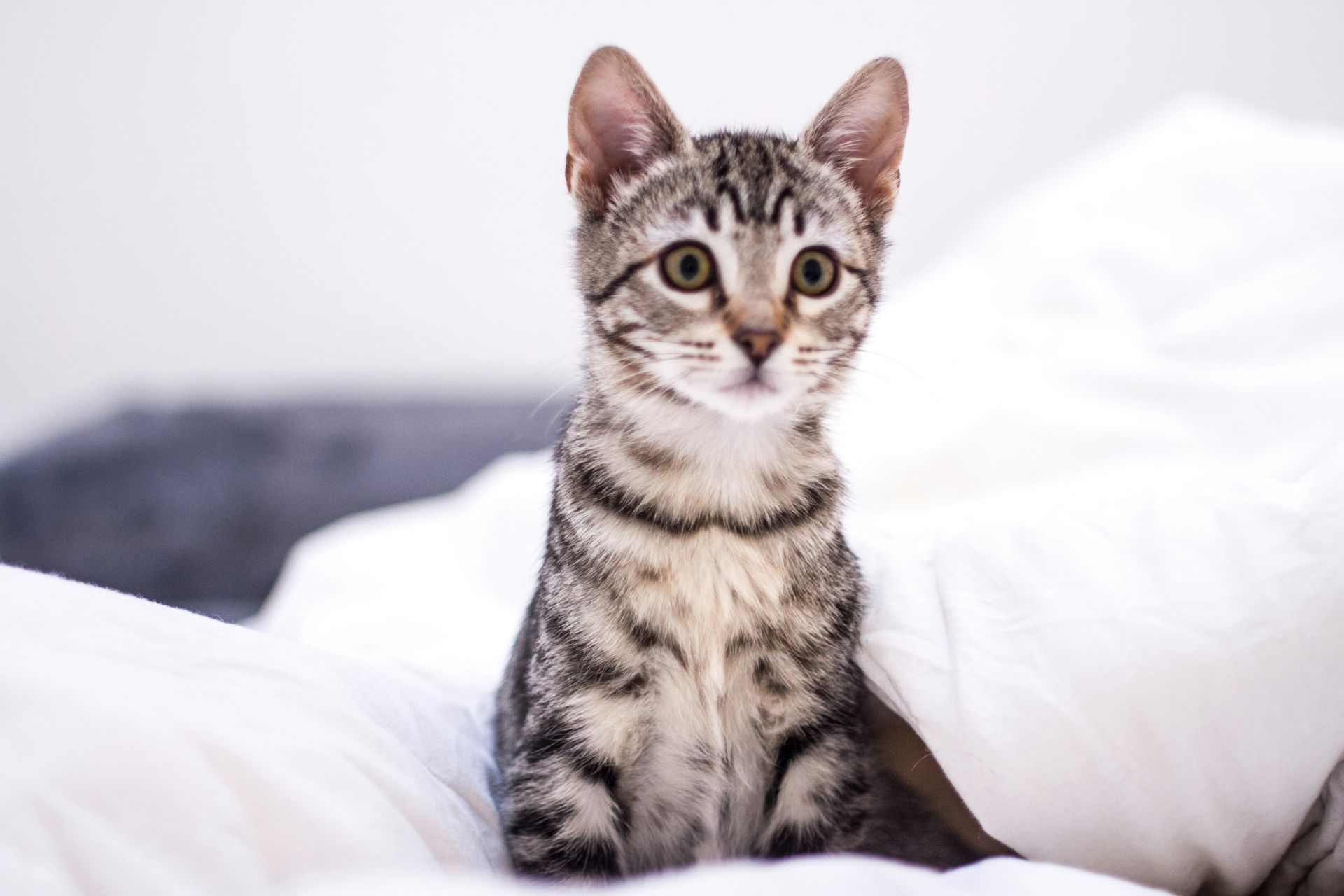
Understanding a cat's first 24 hours in a new home requires knowing exactly why they hide, vocalize, or refuse to eat during the transition
Credit: Andrea Huls Pareja / Unsplash
Understanding a cat first 24 hours in a new home requires setting aside human expectations of immediate affection and viewing the transition through the lens of feline survival instincts. When a domestic cat is uprooted from a familiar environment and placed into a strange territory, their brain treats the sudden change as a critical threat. The sensory input of a novel location — unfamiliar smells, different acoustic properties, and unknown visual layouts — triggers a highly ingrained evolutionary response. To a feline, an unexplored space is not a welcoming sanctuary but a potential landscape of hidden predators and resource scarcity. Their initial behaviors often look like fear, aloofness, or even aggression, but they are entirely natural mechanisms designed to keep the animal safe while they process complex environmental data.
Many human caregivers misinterpret these early actions. The desire to comfort a newly adopted pet often leads to forcing interactions, which only escalates the animal's stress. Recognizing what specific actions mean allows caregivers to provide the exact type of support the feline needs, which is usually space, silence, and environmental predictability. During this acute transition phase, the animal's nervous system is operating on high alert, driven by elevated levels of adrenaline and cortisol. Every shadow, footstep, and closing door is evaluated for danger. The choices they make — where to sit, when to move, and whether to vocalize — are calculated decisions based on assessing the structural safety of the room.
By observing these initial behaviors without interfering, a caregiver can gauge the animal's stress levels and adjust the environment accordingly. The foundation of a strong bond between a human and a feline is built on trust, and trust is established by respecting the animal's boundaries during their most vulnerable hours. A successful introduction to a new territory relies on patience and a clear understanding of feline ethology. The first day sets the tone for the coming weeks, making it essential to read their signals correctly rather than imposing human emotional needs onto their survival strategies.
Hiding under furniture or in dark enclosures
Credit: Aleksandr Nadyojin / Pexels
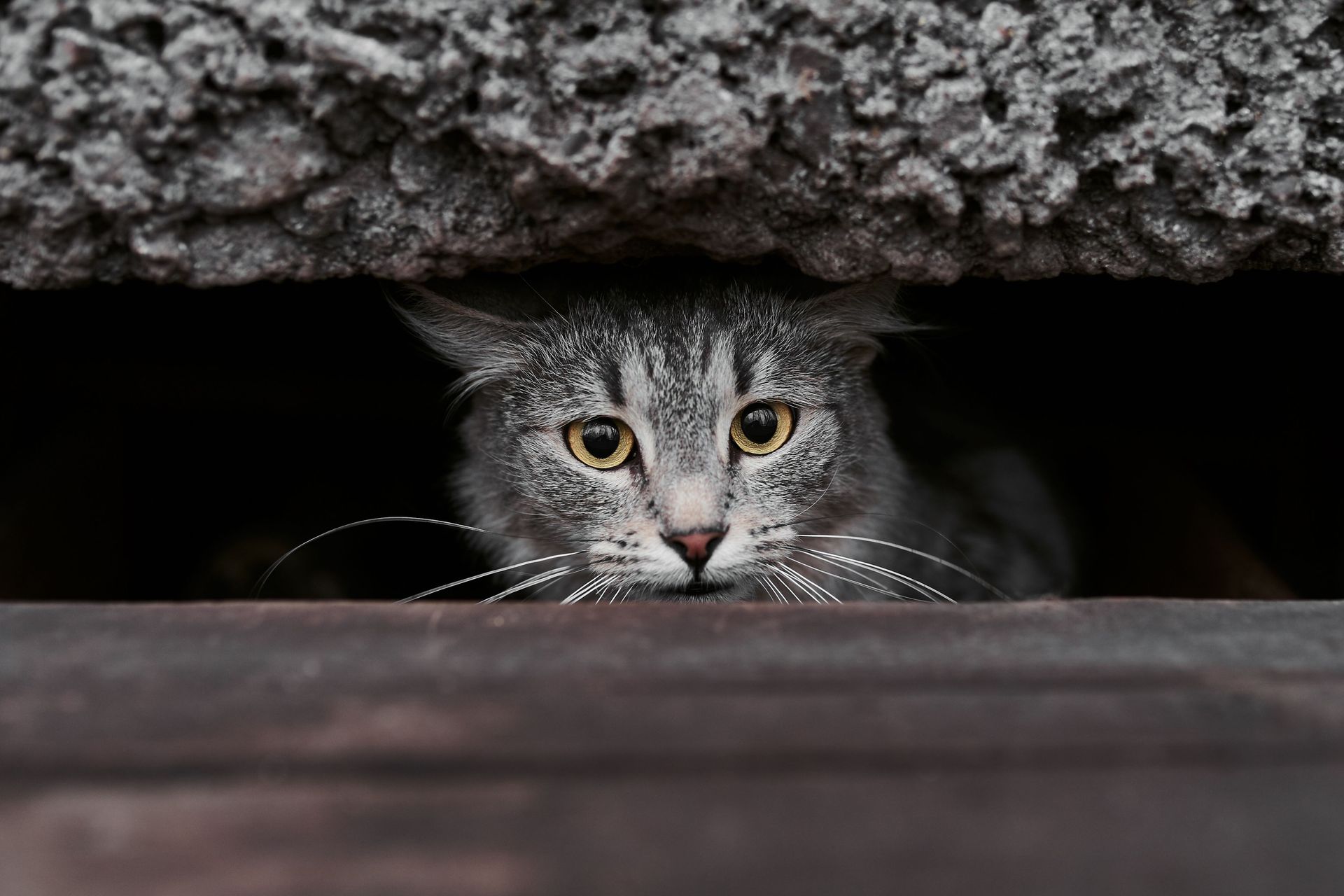
Cats seek out dark, enclosed spaces immediately upon arrival to establish a secure perimeter where they cannot be ambushed. This survival instinct reduces sensory overload and provides a safe vantage point to observe their new territory without being seen.
When a feline enters an unfamiliar environment, their brain processes the space as a potential threat zone filled with unknown predators and unfamiliar scents. The instinct to hide is an evolutionary adaptation hardwired into domestic cats, inherited from their wild ancestors who were both predators and prey. By wedging themselves under a sofa, behind a washing machine, or deep inside a closet, the cat minimizes the number of angles from which they can be approached. A solid barrier on three sides means they only have to monitor one direction for danger.
This behavior significantly lowers their cortisol levels, which spike during the transition from a familiar location to a new one. The darkness of these spaces also provides comfort, as felines have highly sensitive vision tailored for low-light conditions. Brightly lit, wide-open rooms force them to process too much visual information at once, leading to overstimulation.
While concealed in these tight spaces, cats rely heavily on their acute hearing and sense of smell to map the surrounding area. They listen to the rhythm of human footsteps, the hum of appliances, and the distant sounds of traffic. Every auditory cue is analyzed to build a mental map of the household's daily routines. Olfactory information is gathered similarly, as the cat analyzes the air currents for scents of other animals.
Pet owners often feel compelled to pull the animal out of hiding to offer comfort, but this action violates the cat's need for control and can severely damage the trust-building process. Forcing an animal into the open removes their coping mechanism and extends the acclimation period. Providing dedicated hiding spots in quiet corners gives them the agency to process the sights and sounds of the house at their own pace.
Refusing to eat meals or drink water
Credit: Eduardo López / Pexels
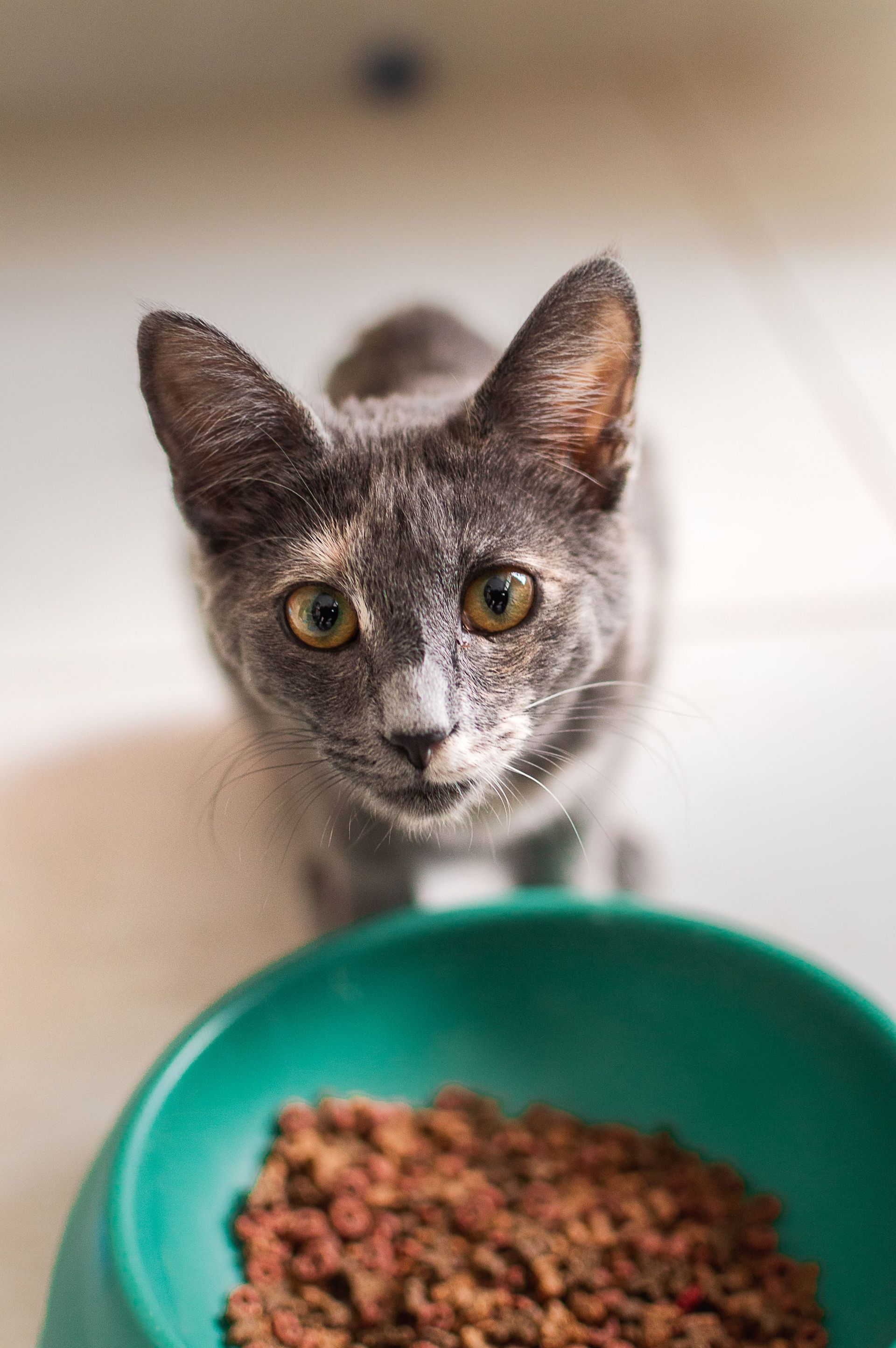
Cats frequently suppress their appetite and avoid drinking during the initial transition period because eating requires them to lower their guard. The physical act of consuming food makes a feline vulnerable to ambush, prompting them to prioritize vigilance over nutrition.
When a feline is thrust into an unfamiliar territory, their sympathetic nervous system shifts into a fight-or-flight state. This physiological response diverts energy away from the digestive tract and focuses it entirely on sensory acuity and muscular readiness. The resulting spike in stress hormones effectively shuts down the hunger drive. To a cat, pausing to chew kibble or lap water from a bowl requires looking down and masking the ambient sounds of the room with the noise of their own consumption. In the wild, doing so in an unmapped area could be fatal.
Fasting is a tactical choice rather than a sign of illness during the first day. This behavior can cause significant anxiety for human caregivers, who often try to tempt the animal with high-value treats or by moving the food bowl closer to the cat's hiding spot. Hovering over the animal while they are offered food adds social pressure, compounding the existing stress. Felines prefer to dine in locations they have already deemed secure, typically far away from the heavy foot traffic of humans.
Placing food and water dishes in a quiet, low-visibility corner of their safe room allows them to approach the resources when they feel the coast is clear. It is entirely normal for a cat to wait until the dead of night, when the house is silent and the humans are asleep, to approach the feeding station. The lack of water intake is equally tied to this survival mechanism, as drinking requires a similar lapse in environmental monitoring. Caregivers should monitor the food levels carefully the following morning, as nocturnal consumption is the standard resolution.
Ignoring the litter box entirely

Credit: Neakasa / Unsplash
A newly relocated cat may hold their bladder and bowels for hours to avoid leaving a scent trail that could alert potential predators to their presence. Eliminating waste is a vulnerable process that felines delay until they have secured a safe location.
The process of using a litter box involves multiple stages of vulnerability, from the act of digging and positioning to the physical elimination and subsequent burying of the waste. During this sequence, a cat is entirely distracted and physically compromised. In an unmapped environment, instinct dictates that leaving physical waste behind broadcasts their exact location and physical status to any unseen threats in the vicinity. By holding their waste, the cat remains virtually undetectable.
The stress of relocation also has a direct impact on their gastrointestinal motility, often slowing down the digestive process and reducing the immediate physical urge to eliminate. Human caregivers frequently misinterpret this absence of litter box activity as a behavioral problem or a failure of house training. The instinct to intervene often leads owners to repeatedly pick the cat up and place them inside the box, a maneuver that only adds confusion and stress.
The focus should instead be on ensuring the box is situated in an optimal location. Felines require an elimination area that offers a clear line of sight to any entrances, allowing them to monitor for approaching threats while they are vulnerable. The box should be placed away from noisy appliances, heavy foot traffic, and their food and water stations. If the box is enclosed, the cat may feel trapped and refuse to enter it entirely during the initial stress phase. Open-top boxes are generally preferred during the transition because they provide multiple escape routes. Once the house settles into complete silence, the animal will carefully navigate to the box to relieve themselves.
Excessive vocalization and nighttime yowling
Credit: Natalia Sevruk / Pexels
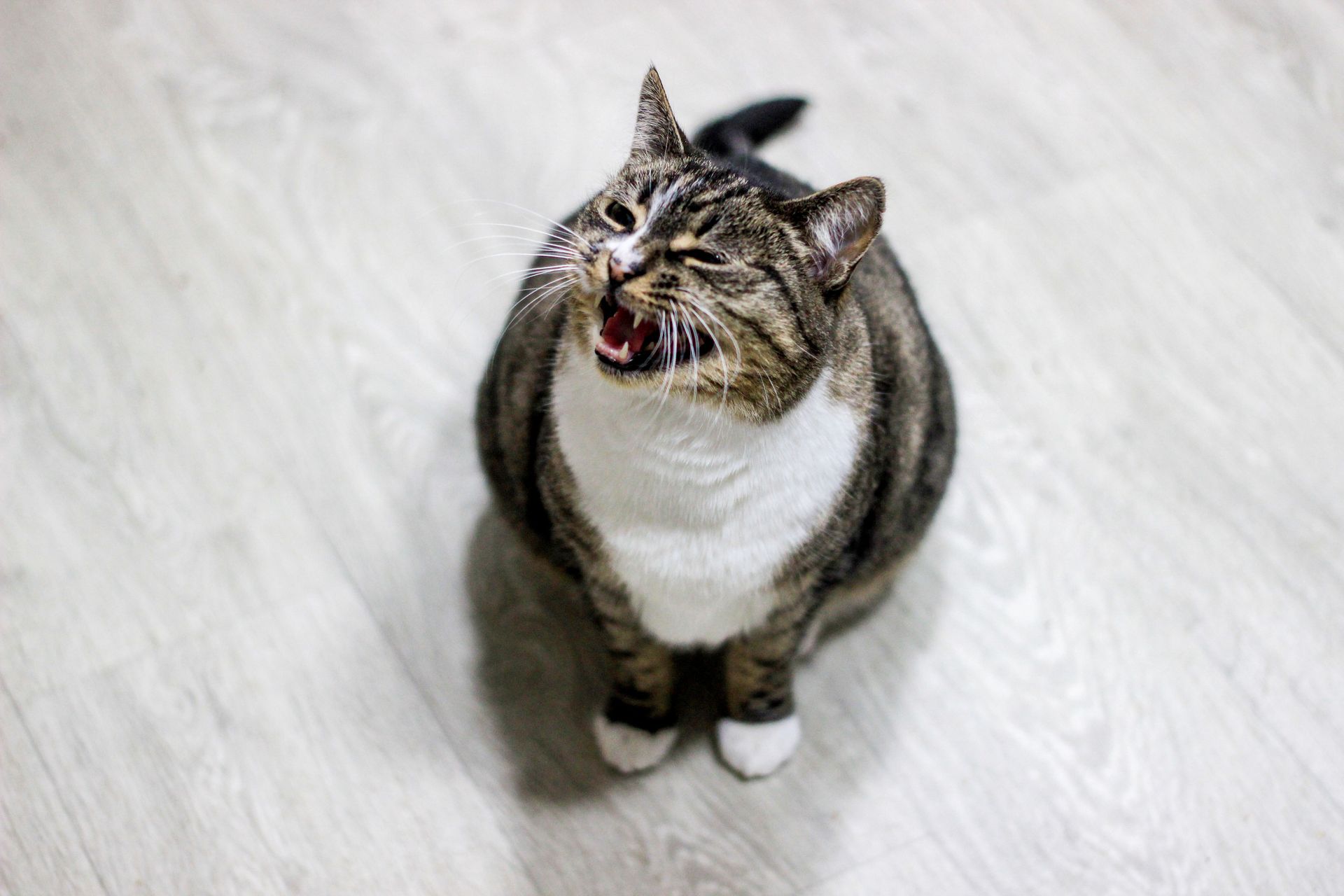
Vocalizing in a new environment is a disorientation response, often used by cats to call out for familiar social connections or to express immediate distress. This loud yowling frequently peaks at night when the silence amplifies their sense of isolation.
Unlike dogs, adult domestic felines rarely use vocalization to communicate with one another, reserving meows and yowls primarily for interacting with humans or expressing acute emotional states. When displaced from their established territory, a cat loses all familiar spatial and olfactory reference points. The resulting vocalization is essentially a distress beacon. They are broadcasting their location in the hope of receiving a recognizable response, whether from a previous feline companion or a familiar human caregiver.
The volume and frequency of these cries can be jarring, often taking the form of deep, prolonged yowls that resonate through empty hallways. This behavior is most prominent during the nocturnal hours. When the household goes to sleep and the ambient daytime noises fade away, the cat is left in a silent, dark environment that starkly highlights their isolation. The stillness of the house creates an acoustic vacuum where the animal feels entirely alone, prompting them to vocalize in an attempt to establish some form of social contact or to self-soothe through the sound of their own voice.
Reacting to this nighttime noise by scolding the cat or immediately rushing to comfort them can establish unintended reinforcement loops. If the cat learns that yowling reliably summons a human, the behavior may persist well beyond the initial acclimation period. The most effective approach is to ensure all the animal's fundamental needs are met before bedtime and to provide a comforting environment, such as leaving a small radio playing softly to break the oppressive silence. Soft noises simulate a populated environment and reduce the stark contrast of the nighttime quiet.
Pacing around the perimeter of a room
Credit: Marin Tulard / Pexels
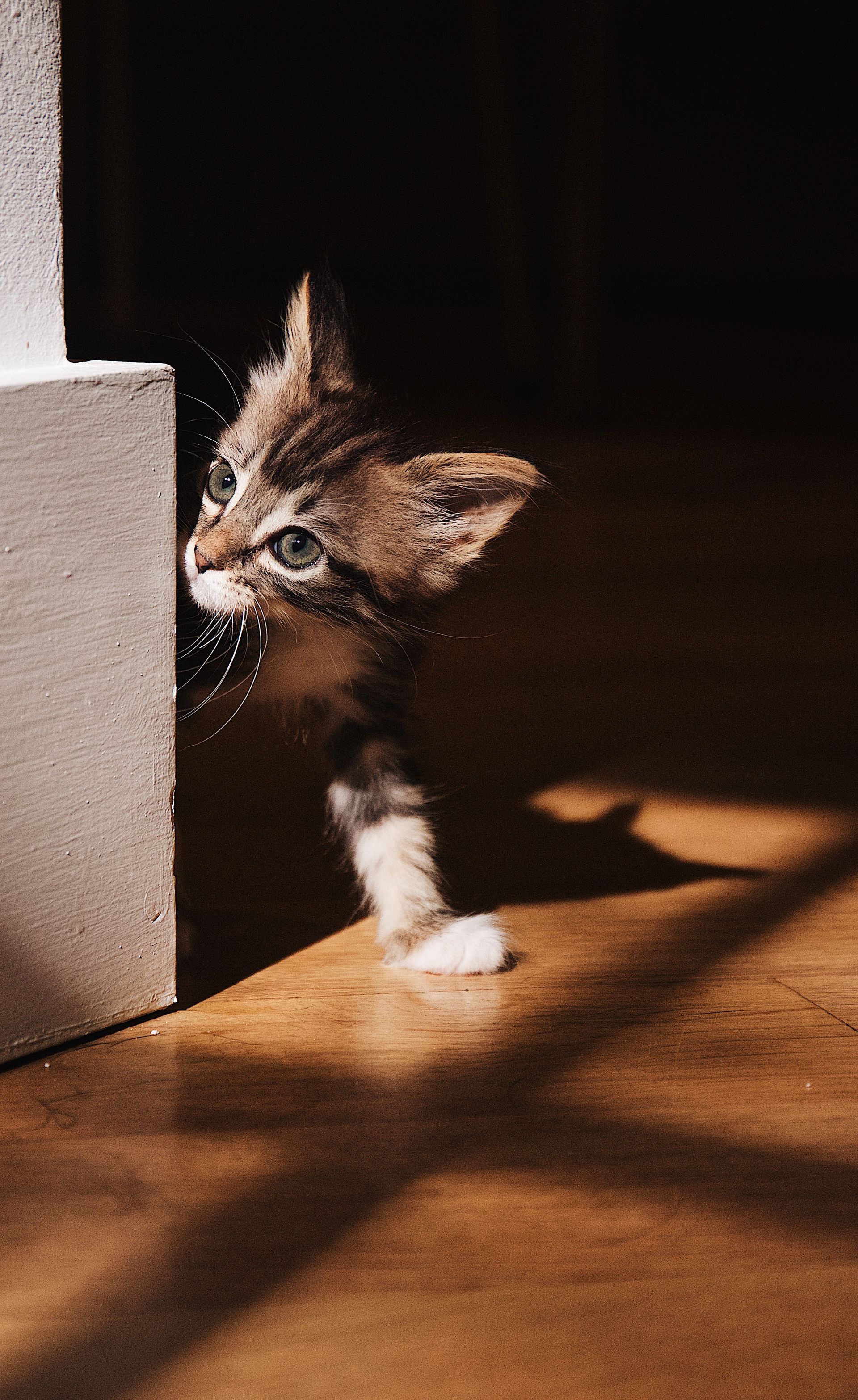
Felines map new territories by walking along the absolute edges of a room, keeping one side of their body pressed against a solid wall. This perimeter pacing allows them to measure the dimensions of the space while maintaining physical protection.
When a cat is finally bold enough to leave their initial hiding spot, their first exploratory movements are highly structured and cautious. They rarely walk directly across the center of a room. Instead, they utilize a technique known as perimeter mapping, hugging the baseboards and keeping their flanks close to vertical surfaces. This strategy minimizes their exposure to open space, where they would be vulnerable to an attack from multiple angles. By maintaining contact with a wall, the feline eliminates one entire vector of potential danger and ensures they cannot be flanked.
This behavior is a direct manifestation of their dual nature as both predator and prey. The pacing serves a dual purpose: it provides a tactical advantage and allows the cat to physically measure the boundaries of their new domain. As they walk, their whiskers brush against the walls and furniture, gathering tactile information about the textures and spatial constraints of the environment. They are actively searching for structural anomalies, potential escape routes, and secondary hiding spaces.
The repetitive nature of the pacing is a systematic data-gathering process. They will often trace the same perimeter multiple times, sniffing the corners heavily and assessing any drafts or air currents coming from under doors or windows. Owners observing this behavior should avoid intercepting the cat or standing in their path. Blocking the perimeter disrupts the mapping process and forces the animal to retreat to their primary hiding location. Remaining seated and still while the cat conducts this environmental audit allows the animal to complete their geographical survey naturally.
Dilated pupils and flattened ears
Credit: Yudi Ding / Pexels
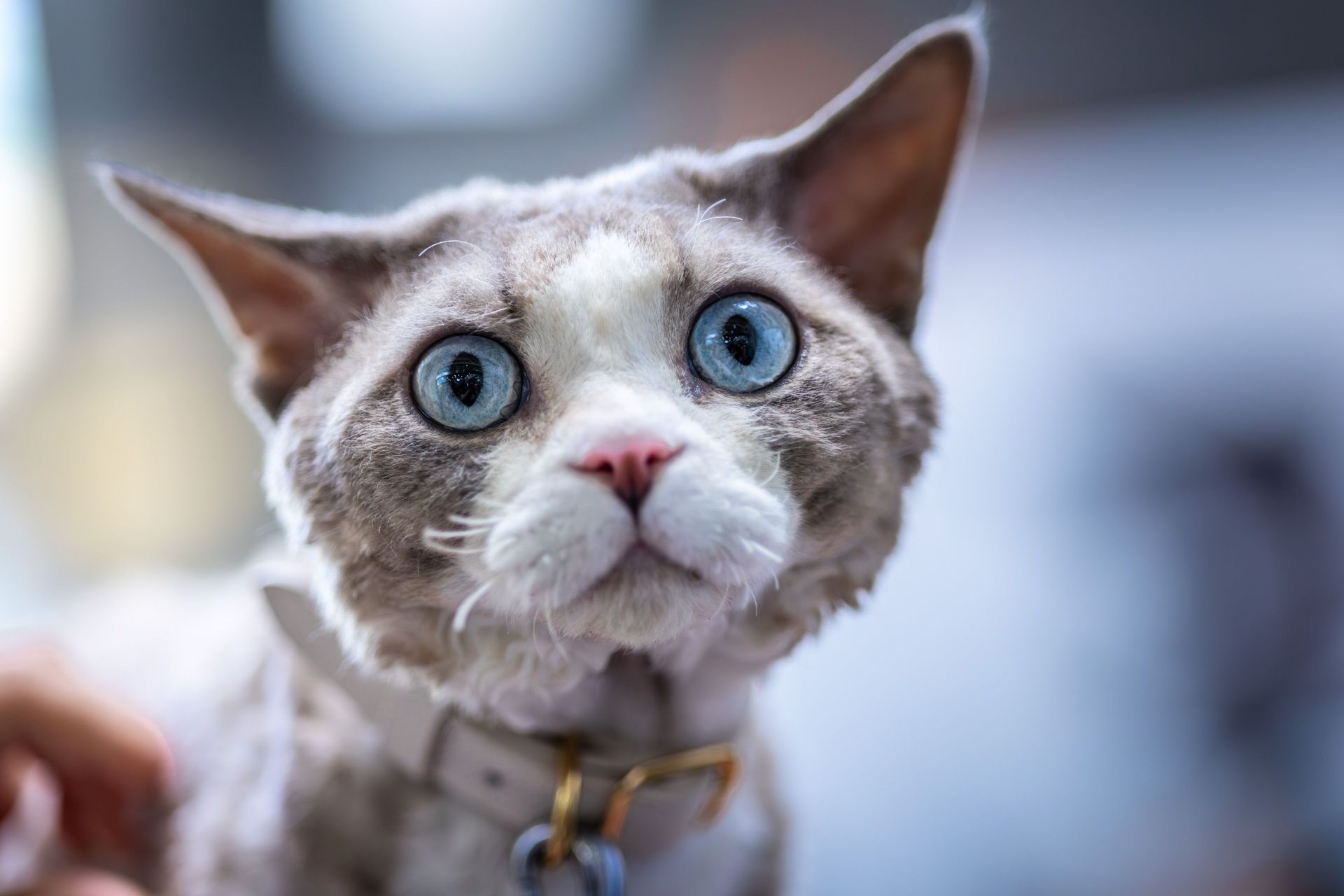
A cat entering a strange space will exhibit maximum pupil dilation and pin their ears backward to gather the highest amount of sensory data possible. These physical adjustments are immediate physiological responses to a highly stimulating and potentially threatening environment.
The feline body physically alters its sensory gathering mechanisms when subjected to the stress of a new territory. The most visible changes occur in the face, specifically the eyes and the ears. Upon release from a carrier into an unfamiliar room, a cat's pupils will often dilate until the eyes appear almost entirely black. This extreme mydriasis is triggered by a sudden surge of adrenaline. By opening the pupil to its maximum capacity, the eye allows the greatest possible volume of ambient light to strike the retina. This maximizes visual acuity, enabling the animal to spot microscopic movements or hidden dangers in the shadows.
Simultaneously, the muscles controlling the ears will pull the pinnae backward and flatten them against the skull. This rotation serves two critical functions. First, it protects the delicate inner structures of the ear from potential physical damage during a sudden conflict. Second, it shifts the auditory focus to sounds originating from behind or above, areas the cat cannot actively monitor with their forward-facing vision.
The flattened ear posture also acts as a visual signal of extreme defense, broadcasting a clear message that the animal is highly stressed and prepared to react to any sudden approach. Caregivers must read these physical cues accurately. Approaching a feline displaying dilated pupils and flattened ears is a miscalculation that often results in defensive aggression, such as swatting or biting. The animal is completely saturated with sensory input and cannot process social gestures or affectionate physical contact. Averting direct eye contact and slowly backing away gives the animal the physical space they require to decompress.
Excessive grooming or sudden scratching

Credit: Yasin Onuş / Pexels
Displacement behaviors like sudden, intense grooming sessions or frantic scratching at the floor are coping mechanisms used to diffuse nervous energy. When a cat feels conflicted or overwhelmed by their new surroundings, they redirect their anxiety into familiar, repetitive physical actions.
In the study of animal behavior, a displacement activity occurs when an animal is caught between two conflicting instincts, such as the desire to explore a new area and the urge to flee from it. In felines, this psychological gridlock often manifests as an abrupt and seemingly out-of-context grooming session. A cat may be creeping cautiously across a new living room, become startled by a minor noise, and immediately sit down to frantically lick their shoulder or flank. This grooming is not driven by hygiene; it is a self-soothing technique. The repetitive motion of the tongue and the physical sensation of cleaning release endorphins, helping to calm the nervous system and lower an elevated heart rate.
Similarly, a cat might begin scratching aggressively at a carpet or a doorframe. While scratching is a natural marking behavior, when deployed immediately upon arriving in a new home, it often serves as a physical outlet for pent-up adrenaline. The act of dragging their claws through a resistant material requires physical exertion that helps dissipate the chemical stress load in their bloodstream.
Human observers frequently misinterpret these actions. A sudden grooming session might look like the cat is relaxing and making themselves at home, when in reality, the animal is attempting to manage an overwhelming surge of anxiety. Interrupting a displacement behavior can strip the feline of their chosen coping mechanism, forcing the stress to manifest in less desirable ways, such as vocalization or aggression. Caregivers should allow the animal to groom or scratch without interference, provided the scratching is directed at safe, appropriate surfaces like corrugated cardboard.
Avoiding eye contact with human family members
Credit: Adrian Frentescu / Pexels
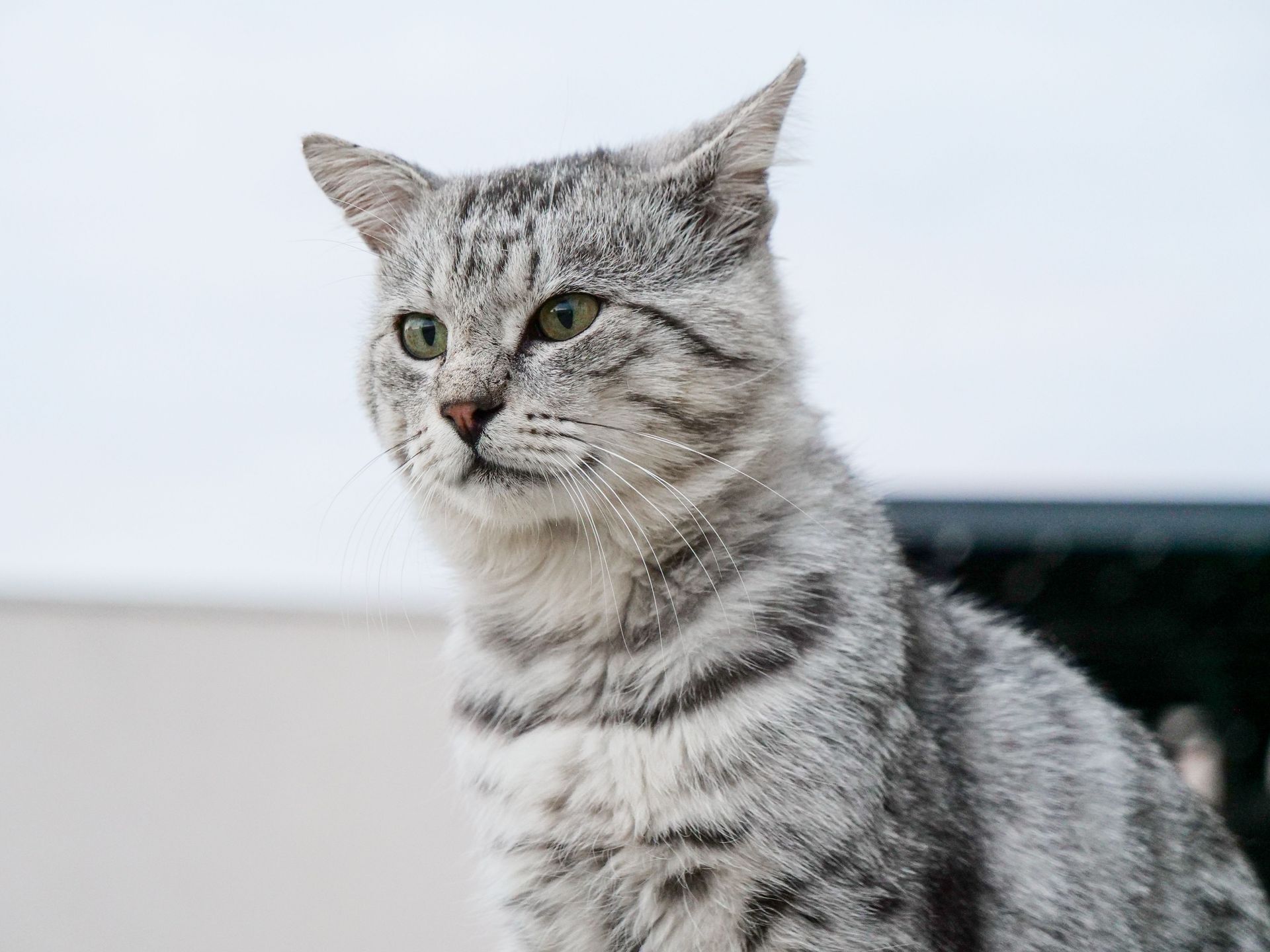
A newly relocated cat will deliberately avert their gaze from humans in the room to signal that they are not seeking confrontation. In feline communication, prolonged direct eye contact is an aggressive challenge that a stressed cat desperately wants to avoid.
The rules of visual engagement in the feline world are vastly different from human social norms. While humans use direct eye contact to convey attention, empathy, and trustworthiness, felines perceive an unbroken stare as a deeply hostile act. It is the visual equivalent of a physical threat, often preceding an attack or a territorial dispute. When placed in a new home, a cat is operating from a position of severe disadvantage. They do not know the layout, they do not own the territory, and they are acutely aware of their vulnerability.
Consequently, they will employ extreme appeasement behaviors to ensure they do not provoke the resident humans or any other unseen animals. Deliberately avoiding eye contact is a primary de-escalation tactic. The cat may turn their head to the side, look at the baseboards, or stare intently at an empty corner of the room while a human is speaking to them. This active avoidance is the feline way of waving a white flag, clearly stating their desire for peace and their refusal to engage in conflict.
Well-meaning owners often attempt to force a connection by getting down on the floor, putting their face near the cat, and staring directly into their eyes. This human gesture of affection translates into feline language as an intimidating act of dominance. It forces the cat to either submit entirely by retreating further into hiding or react defensively to protect themselves from the perceived threat. Sitting quietly in the room and looking away, or offering a slow, deliberate blink before turning the head aside, communicates safety effectively in their language.
Scent marking through facial rubbing
Credit: Özge Taşkıran / Pexels
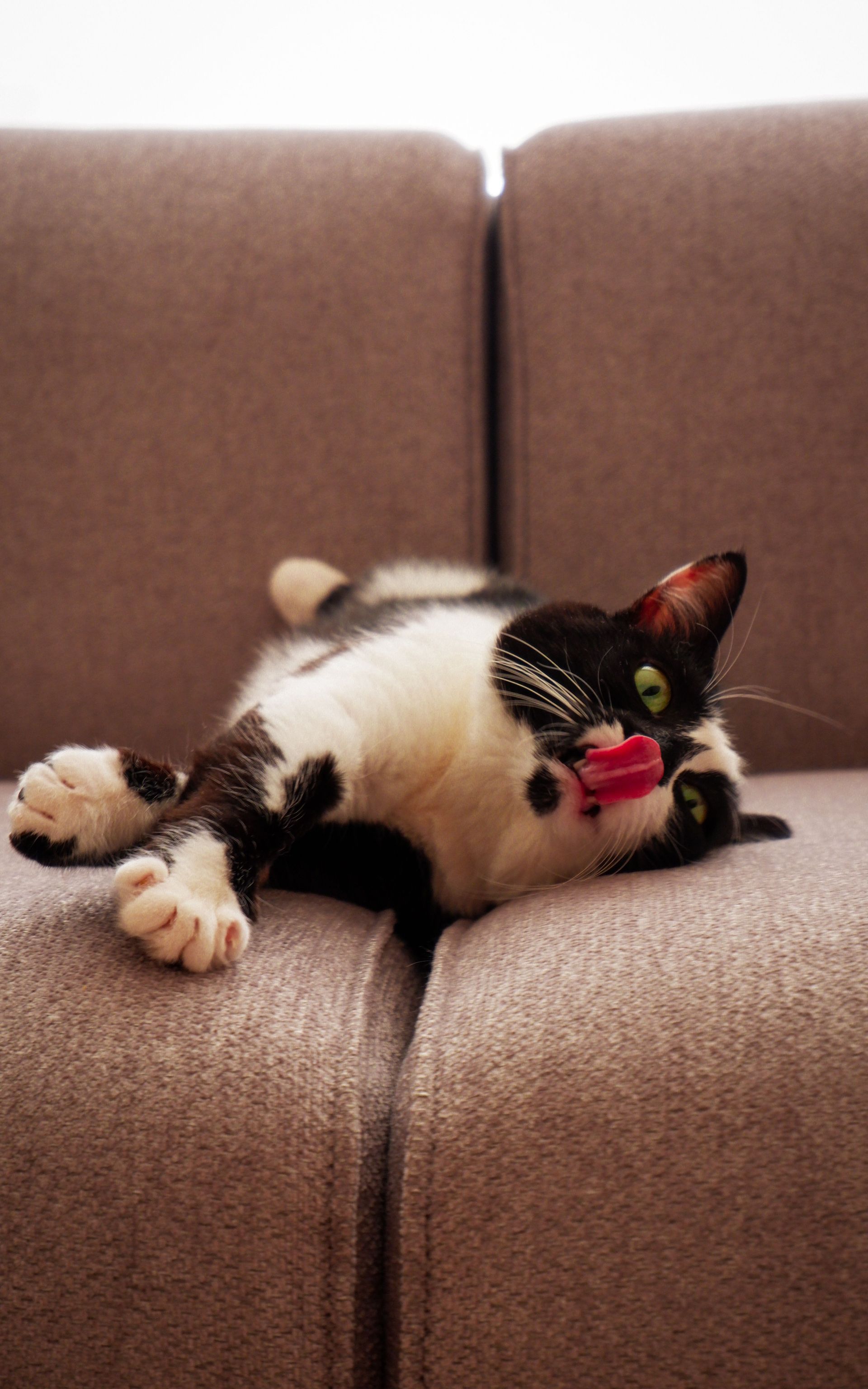
Once a cat begins to feel marginally secure, they will rub their cheeks and chin against furniture corners and doorframes to deposit pheromones. This scent marking process overwrites the unfamiliar smells of the house with their own unique chemical signature.
Felines experience the world primarily through their olfactory system. While their vision and hearing are exceptional, scent is the foundation of their spatial reality and emotional security. A new home is entirely devoid of the cat's personal scent profile, rendering the environment alien and hostile. To combat this, felines utilize specialized scent glands located on their cheeks, chin, forehead, and the base of their tail. These glands produce facial pheromones that carry messages of comfort, familiarity, and territorial ownership.
When a cat finally begins to explore the open floor plan, they will selectively target prominent architectural features, such as the sharp corners of walls, the edges of coffee tables, and the frames of doorways. By rubbing their face vigorously against these surfaces, they are physically painting the environment with their biological signature. This behavior, known as bunting, is a critical milestone in the transition process. It signifies a shift from pure survival mode to the early stages of territorial colonization.
Every time the cat completes a circuit of the room and smells their own pheromones on a chair leg, their stress levels decrease marginally. The environment is slowly becoming theirs. Caregivers must recognize the importance of this invisible mapping process. Cleaning the area with harsh chemical detergents during the first few days actively destroys this pheromone network, essentially resetting the cat's progress and forcing them to start the marking process entirely from scratch. Leaving these areas unwashed allows the feline to build an artificial sense of familiarity, effectively convincing their olfactory receptors that the territory has already been deemed safe.
Seeking out high vertical spaces
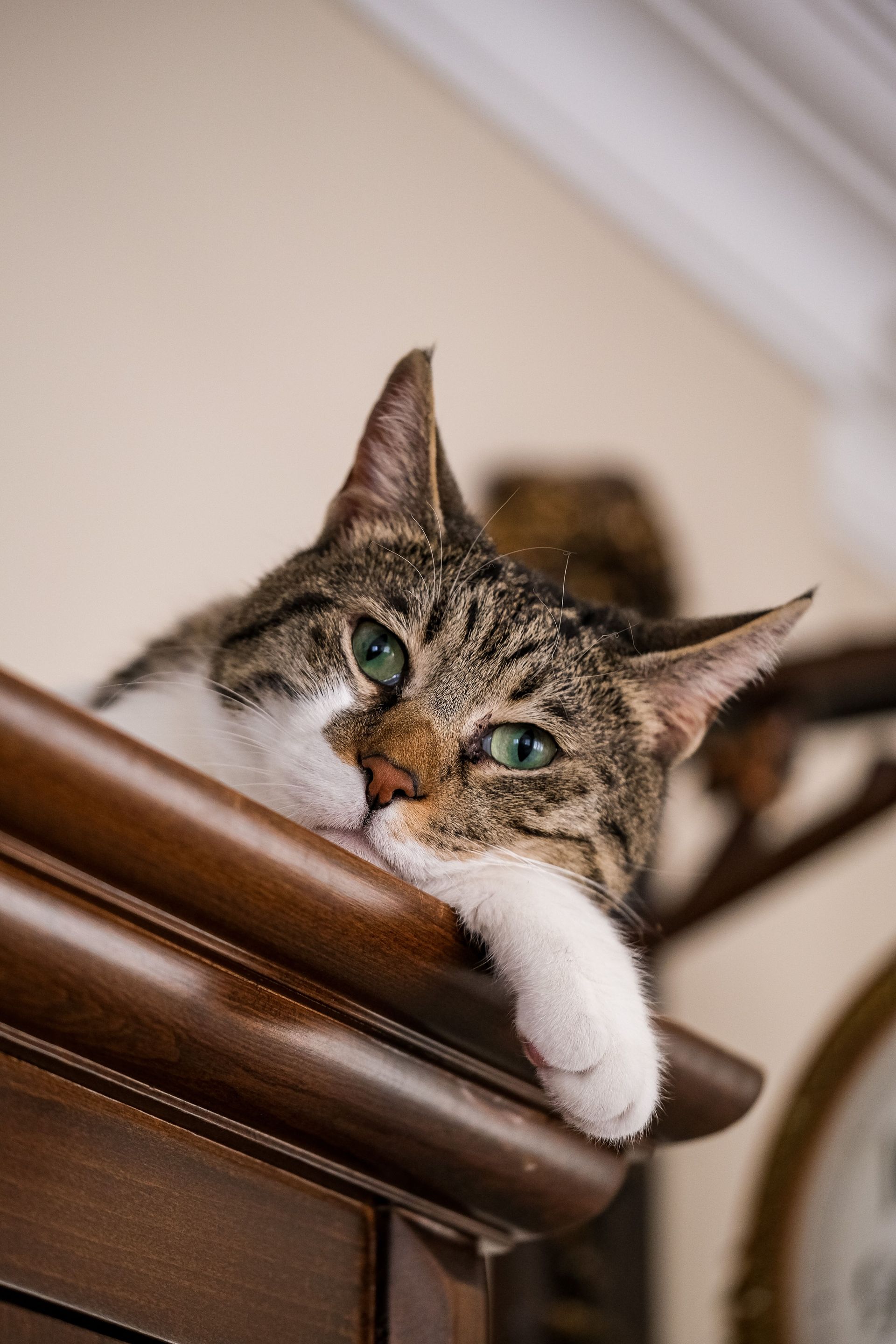
Credit: Kübra Doğu / Pexels
Cats instinctively climb to the highest accessible points in a new room, such as bookshelves or the tops of cabinets, to establish a secure observation deck. Elevation provides a tactical advantage, allowing them to monitor the entire territory without being easily ambushed.
In the hierarchy of feline environmental needs, vertical space is just as crucial as floor space. The domestic cat's wild progenitors relied heavily on trees and high rock formations to escape larger predators and to survey the landscape for potential prey. This instinct remains deeply embedded in modern house cats. During their first day in a strange environment, the floor is perceived as a high-risk zone filled with unpredictable variables, heavy human footsteps, and potential ground-level threats.
To mitigate this risk, felines will actively seek out the highest accessible vantage point. They will scale cat trees, navigate across floating shelves, or leap onto the tops of kitchen cabinets and refrigerators. Once elevated, the cat's physical safety is greatly enhanced. They only need to defend a single path of approach rather than monitoring a full radius on the floor. This structural superiority allows their nervous system to step down from a state of total alarm.
From a high shelf, they can safely watch the traffic patterns of the household, observe the daily routines of the human occupants, and map the layout of the furniture without the immediate fear of being cornered. Depriving a new cat of vertical options forces them to remain on the defensive at ground level, which significantly prolongs the fear and hiding stages of acclimation. Caregivers should proactively create safe, accessible vertical pathways in the designated safe room before the cat arrives. Ensuring that tall bookshelves are stable and providing clear stepping stones gives the animal an immediate structural coping mechanism for their anxiety.
Sleeping heavily after initial exploration
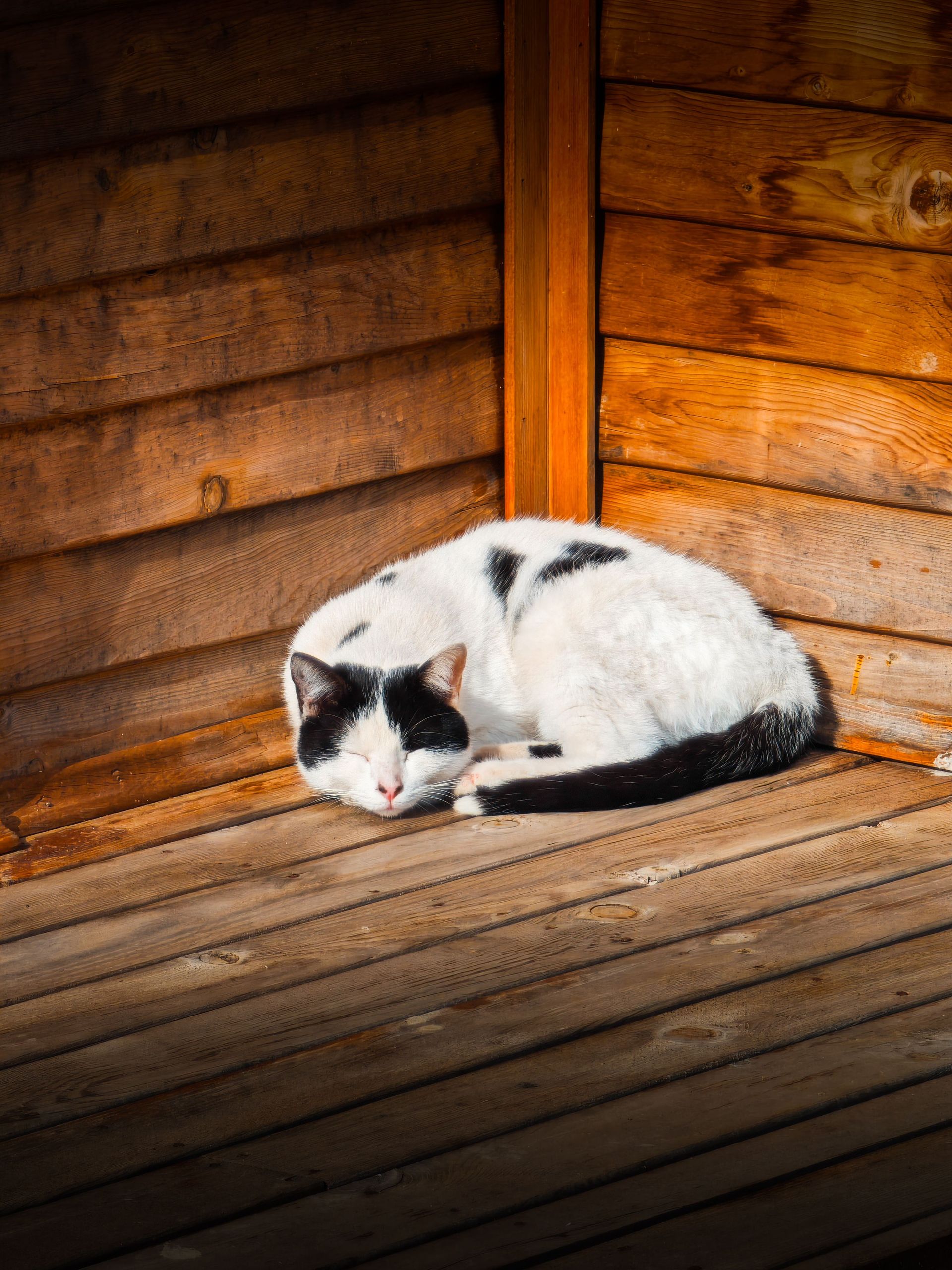
Credit: Ilya B / Pexels
After a brief period of intense, hyper-vigilant exploration, a newly relocated cat will often crash into a deep, prolonged state of sleep. This exhaustion is the physiological result of processing massive amounts of sensory data while saturated in stress hormones.
The energy required to process a completely novel environment is immense. During the first few hours in a new territory, a cat's brain is working at maximum capacity. They are cataloging every sound, analyzing every microscopic scent particle, and calculating the exact dimensions and escape routes of the room. This mental processing is fueled by a massive release of adrenaline and cortisol, which keeps the animal highly alert and physically primed for sudden movement.
This physiological state is unsustainable over long periods. Once the cat has completed their preliminary perimeter checks and established a primary hiding spot, the adrenaline spike inevitably crashes. The sudden drop in stress hormones triggers a wave of profound physical and mental exhaustion. It is highly common for felines to retreat into their chosen sanctuary and fall into a heavy sleep that can last for several hours, sometimes sleeping through normal feeding times. This is not a sign of lethargy or illness, but a necessary biological reset.
The brain requires downtime to consolidate the immense amount of spatial and sensory information gathered during the exploration phase. Human caregivers often worry when their new pet disappears and sleeps for the remainder of the afternoon, sometimes fearing the animal has become depressed. Waking the cat to check on them or to offer food disrupts this critical recovery cycle and forces the nervous system back into an artificial state of alarm. The most supportive action an owner can take is to maintain a quiet environment and allow the animal to rest entirely uninterrupted.
Retreating from sudden noises or movements
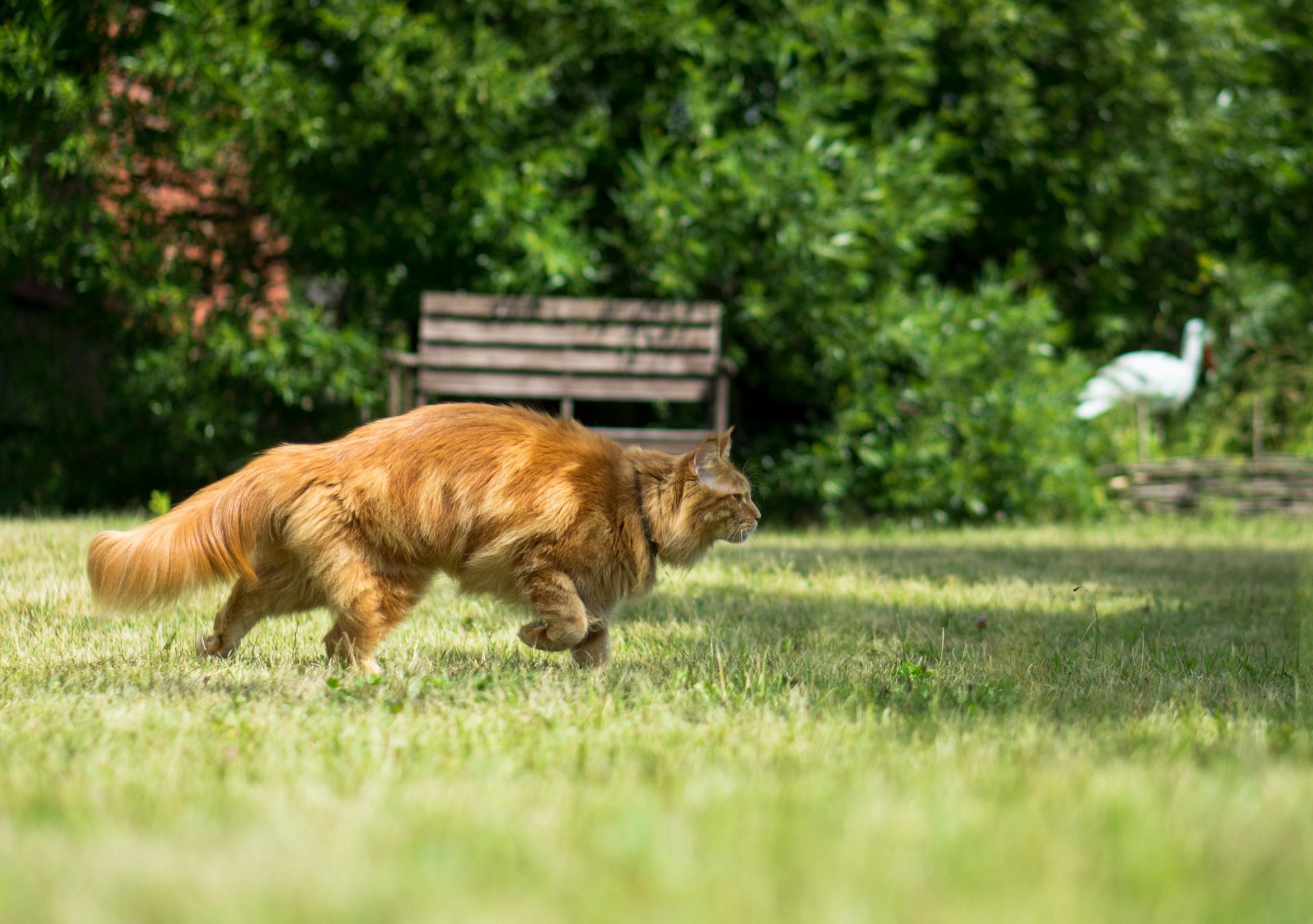
Credit: Aleksei Zaitcev / Unsplash
A newly introduced cat operates on a hair-trigger startle response, immediately bolting back to their hiding spot at the sound of a closing door or a sudden human gesture. This hyper-reactivity is a defense mechanism designed to prioritize immediate flight over investigation.
In an established territory, a cat understands the normal acoustic landscape. They know the distinct sound of the refrigerator cycling on, the rumble of the garage door, and the specific cadence of their owner's footsteps. In a completely new environment, every single auditory cue is an unknown variable that must be treated as a potential threat until proven otherwise. This lack of contextual data results in a heightened startle reflex. The acoustic properties of the new home are unfamiliar; floors may creak differently, and the ambient noise from the street creates a chaotic soundscape.
When a caregiver stands up quickly from a chair, drops a book, or opens a cabinet door, the sudden acoustic spike shatters the fragile sense of security the feline has managed to build. The instinctual response is not to pause and evaluate the source of the noise, but to immediately flee to the most secure location available. Hesitating to analyze a loud noise in an unmapped territory is a lethal mistake in the wild. Consequently, the cat will scramble back under the sofa or deep into a closet, often resetting their acclimation progress entirely.
Managing the acoustic environment is one of the most critical responsibilities of a caregiver during the first day. Humans should consciously modulate their movements, walking softly, closing doors gently, and keeping television volumes low. Sudden, sweeping gestures with the arms should be avoided when in the cat's line of sight. Keeping the environmental stimuli predictable allows the feline to slowly process ambient sounds without constantly triggering their flight response.
Showing sudden bursts of frantic energy
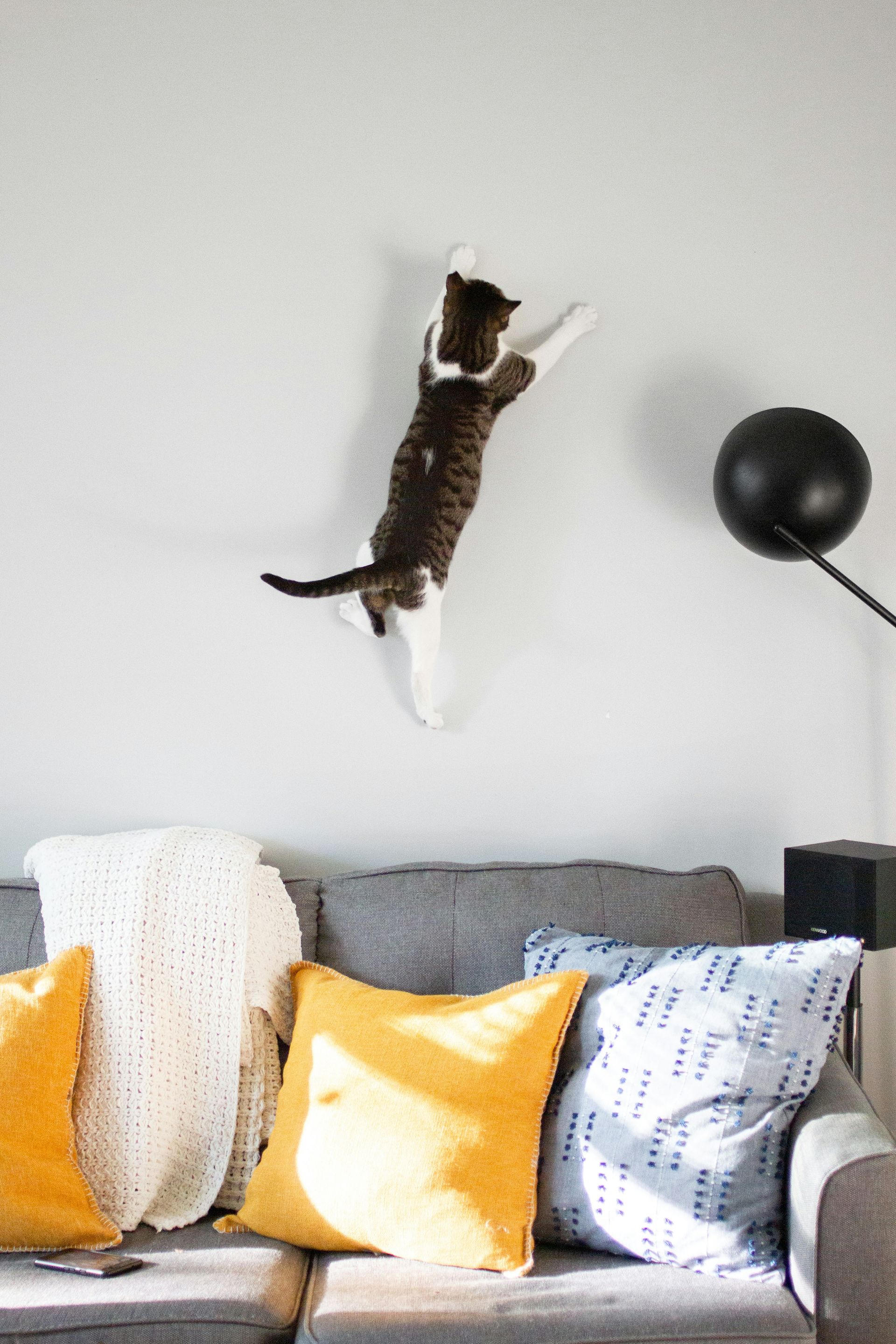
Credit: Sarah Shull / Unsplash
The intense pressure of adapting to a new environment sometimes manifests as a sudden, frantic burst of running or erratic movement. This explosive release of kinetic energy serves to discharge accumulated stress when displacement behaviors are insufficient to calm the nervous system.
While hiding, pacing, and sleeping are the most common early responses to relocation, some felines process the overwhelming stress of a new environment through sudden kinetic outbursts. These explosions of energy can seem entirely out of character for an animal that has spent the previous ten hours cowering under a bed. Without warning, the cat may sprint across the room, ricochet off a piece of furniture, and dash back into hiding.
This behavior is driven by a massive accumulation of unspent adrenaline. When a cat remains immobile in a state of high vigilance, their body is constantly preparing for a flight scenario that never actually materializes. The physical tension reaches a critical threshold where grooming or scratching simply cannot vent the chemical load fast enough. The physical sprint forces the cardiovascular system to work intensely, burning through the excess stress hormones and physically exhausting the muscles. It is a biological pressure valve releasing the acute anxiety of the transition.
These bursts are typically short-lived, lasting only a few minutes, and almost always culminate in a rapid retreat back to a secure location. Caregivers observing this frantic running must resist the urge to participate or interpret it as an invitation to play. Attempting to chase the cat or intercept their path will escalate the situation from a solitary stress-relief exercise into a genuine panic response. The safest approach is to remain perfectly still and allow the animal an unobstructed runway to burn off the chemical tension naturally.
Exploring strictly during nighttime hours
Credit: Nguyen Ngoc Tien / Pexels
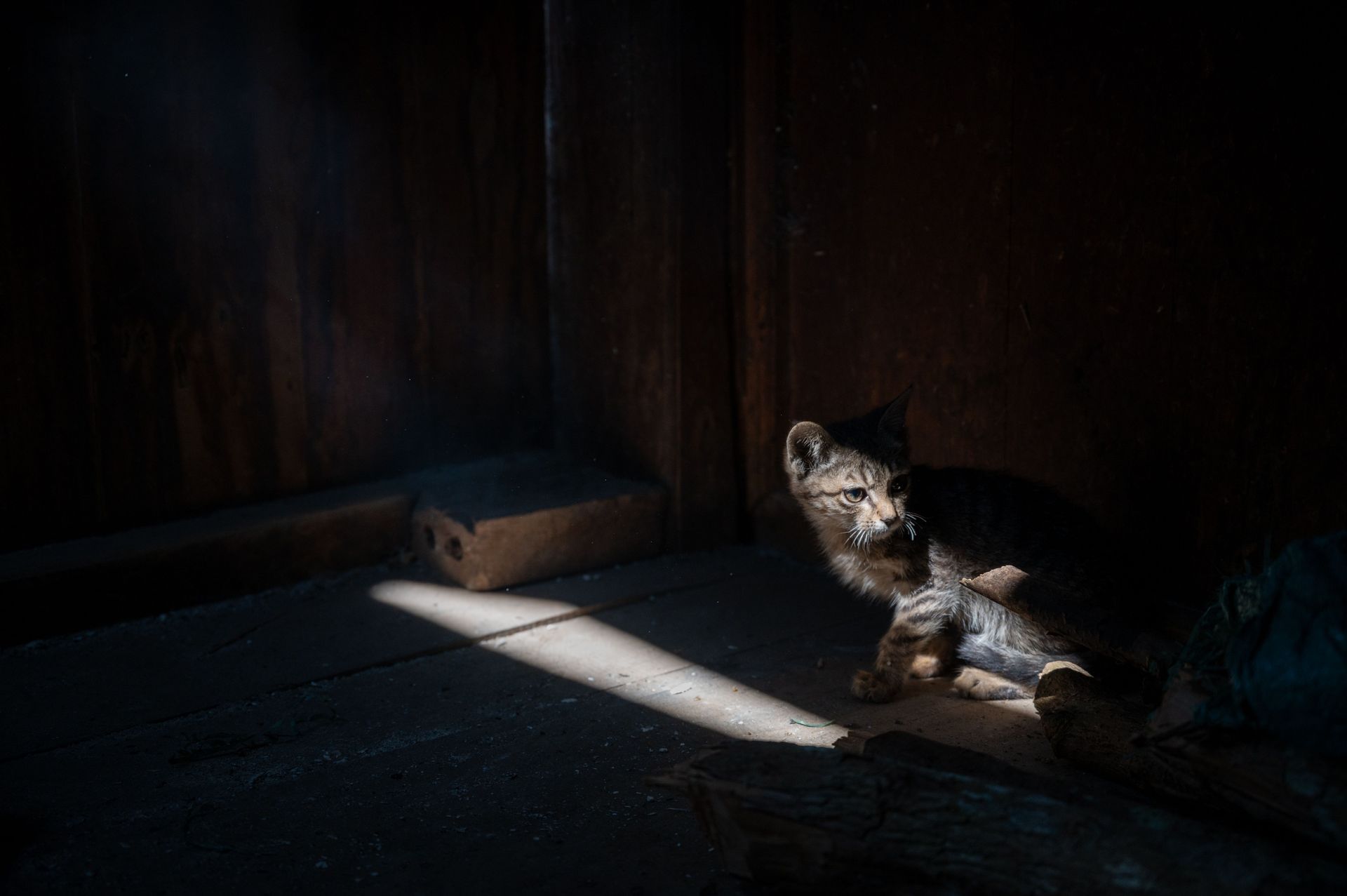
Cats often refuse to leave their sanctuaries during daylight, choosing instead to conduct their initial territorial investigations under the cover of darkness. The nighttime environment offers sensory relief, eliminating chaotic visual stimuli and the unpredictable movements of human occupants.
The modern domestic cat retains the crepuscular and nocturnal tendencies of its ancestors, making them naturally more active during the twilight and evening hours. During the first day in a new home, this biological rhythm is utilized as a strategic survival tool. Daylight in an unfamiliar house represents maximum exposure. The bright illumination reveals their movements to any potential observers, and the daytime hours are typically filled with human activity, appliance noises, and shifting light patterns.
To a highly stressed feline, the daytime is simply too chaotic and dangerous for exploration. They impose a strict lockdown on their own movements until the sun goes down. When the household eventually retires for the night and turns off the lights, the environmental dynamics shift entirely in the cat's favor. The silence removes the acoustic clutter, allowing them to track any potential threats with pinpoint accuracy. The darkness cloaks their movements, satisfying their predatory instinct to remain unseen.
Equipped with a highly specialized reflective layer behind their retina, felines navigate exceptionally well in low-light conditions, giving them a distinct advantage in the dark. It is during these quiet nocturnal hours that the most critical mapping and resource location occurs. The cat will finally venture out to find the litter box, locate the food and water stations, and begin depositing facial pheromones on the furniture. Caregivers should anticipate this nocturnal shift and ensure the environment is prepared, leaving doors slightly ajar to grant access to essential resources while maintaining a hands-off approach.
Approaching with a low, crouched posture
Credit: Karim Tab / Pexels
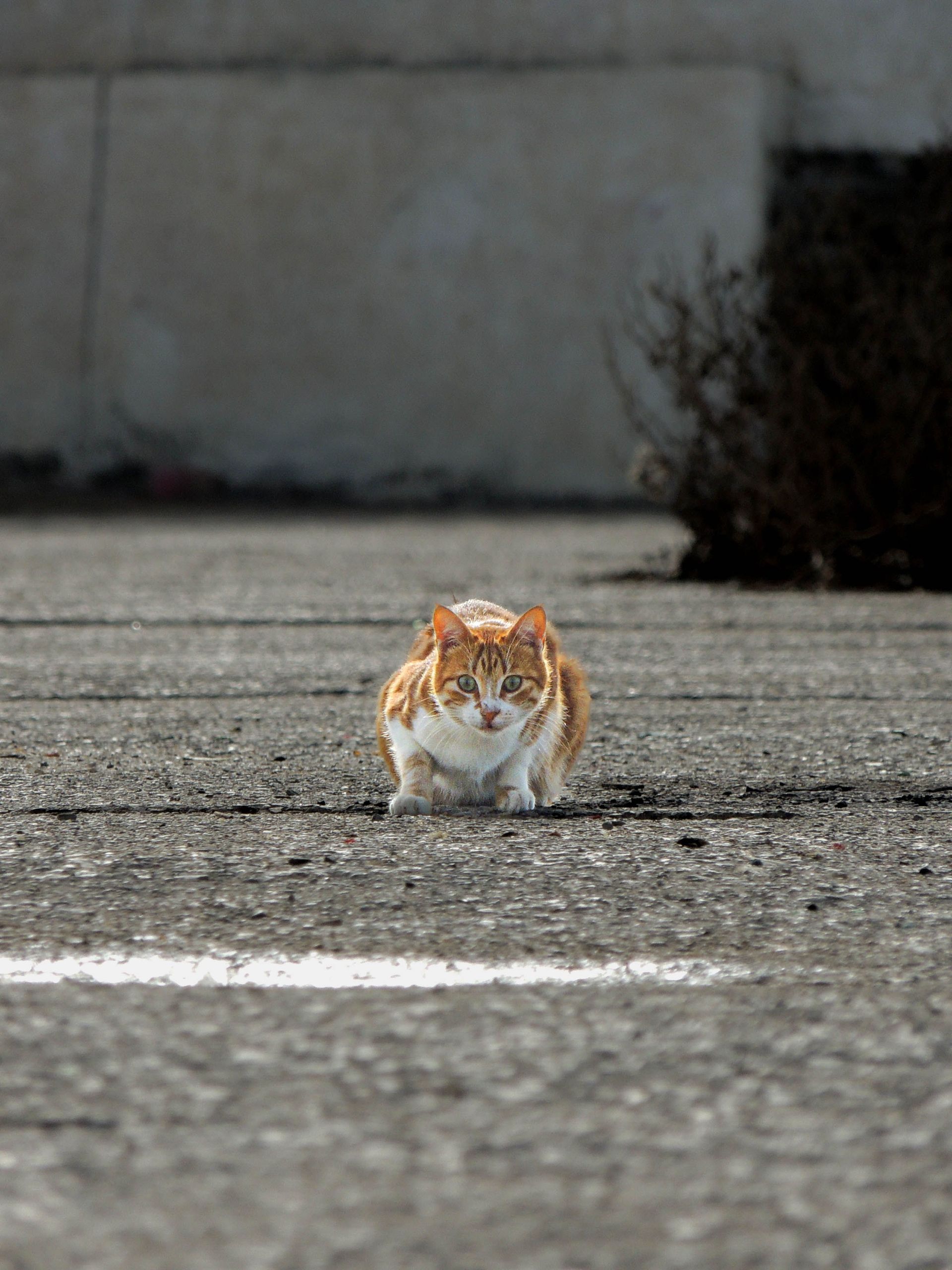
When a cat finally decides to approach a human or cross an open space, they will do so with their stomach pressed close to the floor. This crouched, slinking posture minimizes their physical profile and prepares their muscles for an instantaneous retreat.
The final hurdle of the initial twenty-four hours often involves the cat making a conscious decision to break cover and navigate across an exposed area. This movement is never casual. The feline will adopt a highly distinct physical posture, dropping their center of gravity until their belly is almost touching the floorboards. Their shoulders are hunched, their head is held low, and their tail is tucked closely against their hindquarters.
This slinking movement is a calculated tactical maneuver. By reducing their physical silhouette, the cat becomes less visible to potential predators scanning the horizon. More importantly, this compressed posture acts like a coiled spring. By keeping their legs bent and their muscles tense, the animal is mechanically primed to execute a sudden, explosive leap in any direction should a threat materialize. They are moving forward, but their body is physically biased toward an immediate retreat.
This low crawl is often accompanied by frequent pauses, during which the cat will freeze entirely to assess the acoustic and visual feedback of the room before taking another step. When a human caregiver observes this approach, their reaction dictates the success of the interaction. Any sudden movement, loud vocalization of praise, or reaching out a hand to pet the animal will instantly trigger the coiled spring, sending the cat sprinting back to safety. The human must remain entirely inert, avoiding eye contact, and allowing the feline to control the pace and proximity of the approach to build genuine confidence.