Quartz
Subscribe
Quartz
Subscribe
Edition
Business News
A.I.
Technology
Money & Markets
Leadership
Lifestyle
Latest

Get Quartz in your inbox

Free daily briefing on global business news.

Business News
AirlinesAutomobilesFoodPharmaceuticalsPolitics & GovernmentRetail & EcommerceSpace & AerospaceEarnings
Technology
A.I.ComputingConsumer TechSpace & AerospaceEarnings
Money & Markets
Economic IndicatorsMarketsPersonal FinanceEarnings
Lifestyle
Cars & BikesCollectingEntertainmentFood & Fine DiningHealth and FitnessReal EstateTravel
Quartz

Global business news for a smarter world

Topics

  • Business News
  • Money & Markets
  • Tech & Innovation
  • Generation A.I.
  • Lifestyle
  • Leadership

Products

  • Daily Brief
  • Weekly Digest
  • Member Benefits
  • Quartz Pro

Legal

  • Sitemap
  • About
  • Accessibility
  • Privacy
  • Terms of Service
  • Advertising

© 2026 Quartz Media, Inc. All rights reserved.

Money & Markets

The CFTC is proposing its first formal rules for prediction markets

The agency's framework would allow most sports-related contracts to continue while barring bets on player injuries, officiating, and pre-collegiate events

By Colleen Cabili·3 min read·Updated July 3, 2026
Add QZ to Google
The CFTC is proposing its first formal rules for prediction markets

Bloomberg / Getty Images

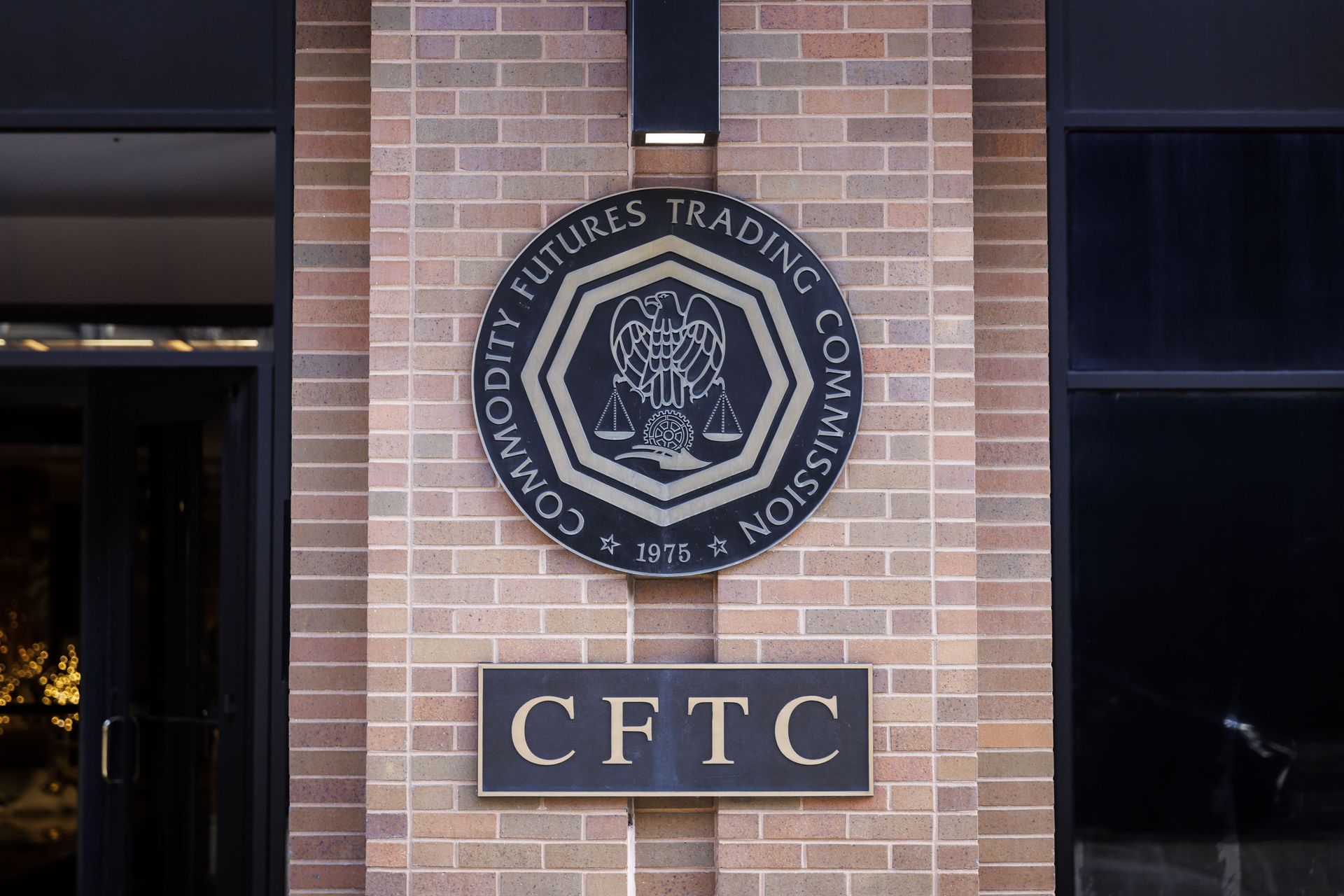
The Commodity Futures Trading Commission proposed its first formal rules for prediction markets on Wednesday, establishing a framework to evaluate which event contracts cross into territory Congress deemed off-limits while allowing most sports-related trading to continue.

The proposal would amend CFTC Regulation 40.11, establishing a structured review process to evaluate whether contracts fall under categories the Commodity Exchange Act flags for heightened scrutiny — among them terrorism, assassination, war, gaming, and conduct that violates federal or state law — and whether listing such contracts would run contrary to the public interest, the agency said. The CFTC stopped short of an outright ban on any category of event contract, opting instead for case-by-case review.

"The CFTC will protect the integrity of our regulated markets without standing in the way of responsible innovation," CFTC Chairman Michael Selig said in a statement. "This proposal gives the Commission a durable, transparent framework to identify the contracts Congress directed us to scrutinize while letting legitimate markets move forward."

On the question of sports, the proposal drew a narrow set of prohibited contract types. Among the contract types the agency indicated would likely fail a public interest review: those tied to player injuries, officiating outcomes, pre-collegiate athletic events, player ejections, and so-called discrete-action markets — for example, wagering on what kind of pitch opens a major league baseball game, according to CNBC. Markets built around broad sporting outcomes, backed by objective data and mechanisms to protect against manipulation, would generally clear the public interest bar, the agency said.

To clear up confusion, the CFTC offered a formal definition of "gaming" based on three points: it must have a recreational or entertainment purpose, follow a set of rules, and depend on measurable skill. Using this definition, the agency decided that contracts related to elections are not considered gaming, since elections do not serve a recreational or entertainment purpose.

Once published, the proposal opens a 45-day window for public comment; staff must then work through the submissions before a final version of the rules can be certified, according to Barron's.

Wednesday's release was candid about the proposal's limited reach, with the agency signaling that additional prediction market rulemaking is likely down the road. In March, the commission had published an Advanced Notice of Proposed Rulemaking on prediction markets; Wednesday's notice addresses only one aspect of that earlier document.

The proposal comes as the CFTC has pursued legal action against at least seven states — including Rhode Island, Minnesota, New York, and Arizona — that have attempted to apply state gambling laws to federally registered prediction market platforms. The agency has argued that the Commodity Exchange Act grants it sole regulatory authority over designated contract markets, preempting state-level enforcement. A Minnesota law signed this year would have made operating a prediction market a criminal felony; the CFTC filed suit to block that measure before its August effective date.

The proposal is silent on safeguards for retail participants, though people familiar with the matter told The Wall Street Journal that the agency is considering separate rulemaking to address that gap.

Daily Brief

The essential business news, delivered fresh every morning.

Join 500,000+ readers who start their day with Quartz.

By subscribing, you agree to our Terms of Service and Privacy Policy.

Related

PharmaBristol Myers Squibb is deploying NVIDIA's most powerful AI computing system to speed drug discovery
Money & MarketsOil spikes as Trump says Iran will pay "many times over" for killing three US soldiers
RetailE.U. hits AliExpress with a record €550 million fine for allowing illegal product sales
MarketsJersey Mike's is kicking off its IPO roadshow, targeting up to $1.09 billion
A.I.Head of U.S. federal AI testing institute resigned after just three months