
The 10 best islands in the world to visit on a budget
Explore affordable island destinations worldwide that offer beautiful beaches and rich regional cultures without requiring a luxury travel budget
Credit: Canva Images
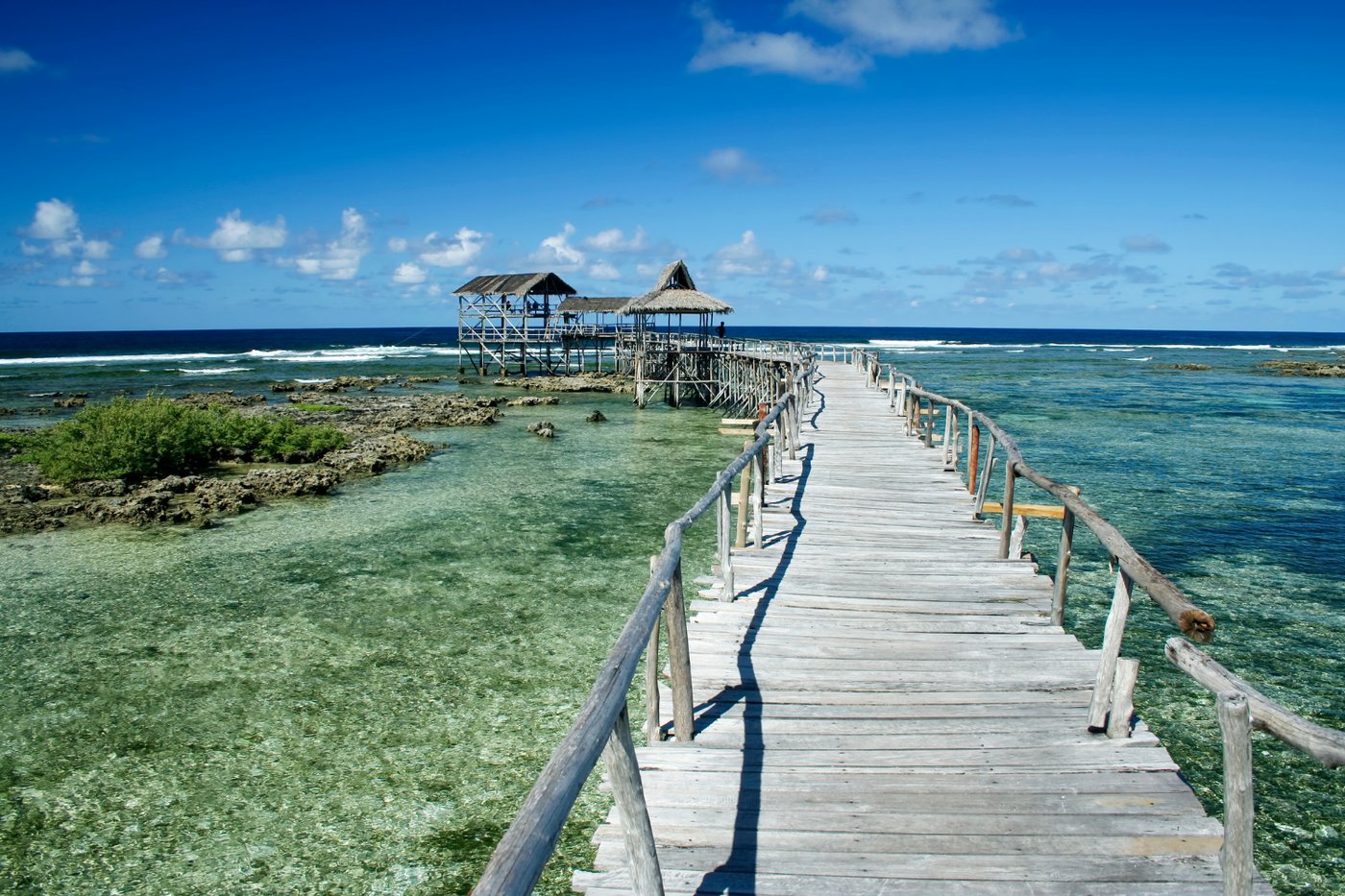
Traveling to an island often carries an association of high costs, luxury resorts, and expensive flights. However, finding cheap island vacations requires only a shift in geography and travel timing rather than a sacrifice in quality. The global tourism market includes numerous island destinations where local economies rely on accessible travel, keeping the cost of lodging, food, and transportation well below the prices found in famous luxury hot spots. Choosing the right destination allows travelers to experience pristine coastlines, dense tropical forests, and distinct regional cultures without overspending.
Budget travel in these regions typically means opting for locally owned guesthouses over international hotel chains and eating at regional markets instead of tourist-focused restaurants. In Southeast Asia, established backpacking routes have created infrastructure that supports low daily budgets, with affordable ferry networks connecting diverse archipelagos. In the Caribbean and Central America, islands located just outside the primary cruise ship corridors offer lower prices while providing the same climate and marine environments. Southern Europe also features coastal islands where domestic tourism drives the local economy, keeping seasonal prices reasonable.
Planning an affordable trip to these locations involves targeting shoulder seasons — the months just before or after peak tourist times — when weather remains favorable but accommodation rates drop significantly. Islands with a strong domestic population tend to have better public transportation and local dining scenes, allowing visitors to avoid the premium prices attached to isolated resort areas. The destinations highlighted here represent distinct regions of the world, from the Mediterranean Sea to the Gulf of Thailand. Each offers a clear path to keeping daily expenses low, whether through favorable exchange rates, robust public infrastructure, or a high concentration of budget accommodations.
Koh Lanta offers a quiet Thai island experience with low daily costs
Credit: Humphrey Muleba / Pexels
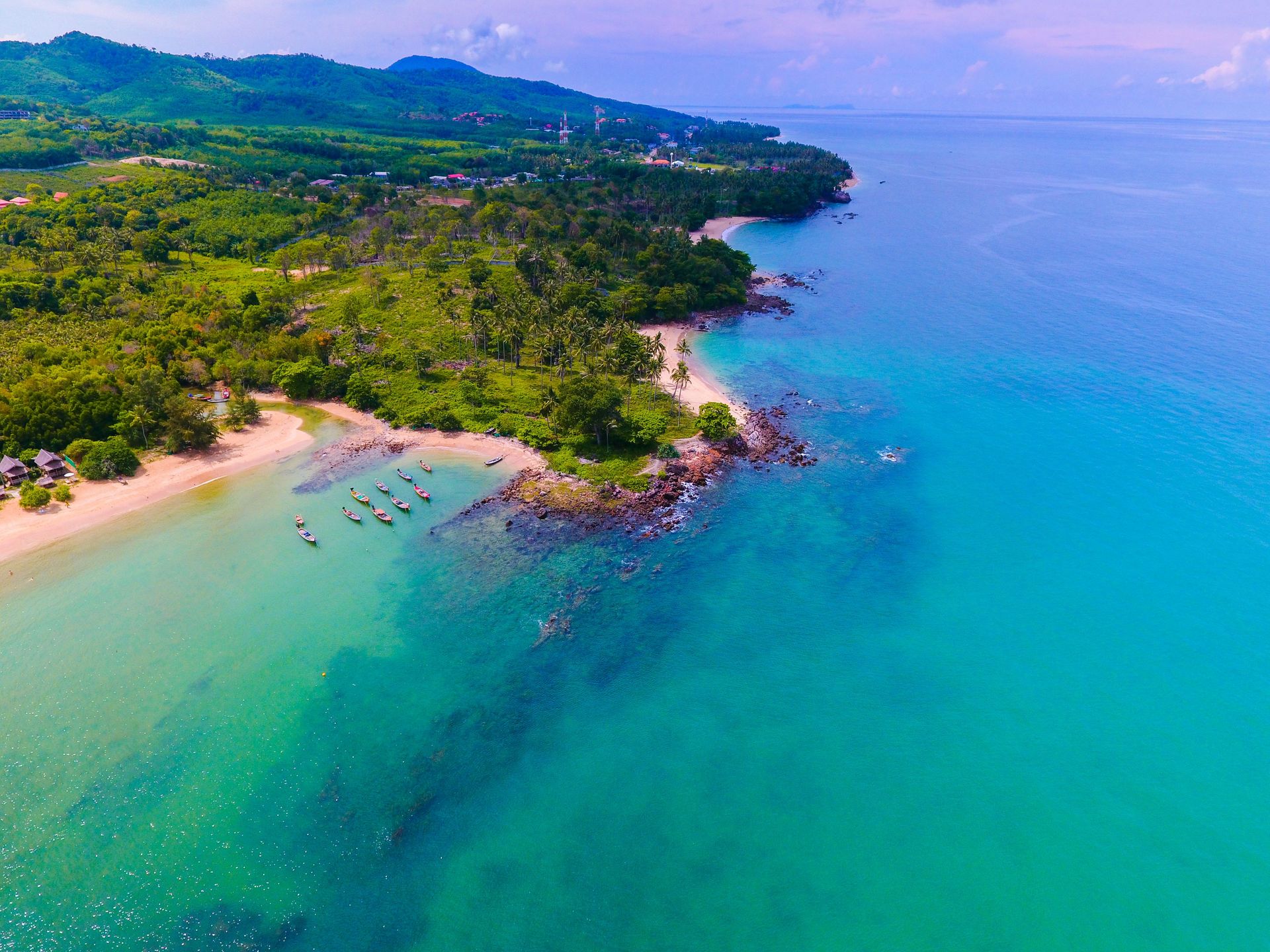
Koh Lanta provides travelers with wide beaches and a relaxed atmosphere at a fraction of the cost found in neighboring Phuket or Koh Phi Phi. This island in the Andaman Sea maintains low prices for lodging and food, making it an anchor destination for budget travelers in Southeast Asia. Accommodations range from simple beachside bungalows to family-run guesthouses, with many options priced under thirty dollars per night. The island's geography spreads visitors out along the western coast, preventing the dense tourist crowding that typically drives up prices in other Thai resort areas.
Eating locally on Koh Lanta keeps daily expenses minimal. Night markets and small roadside restaurants serve traditional Thai dishes like pad thai, massaman curry, and fresh seafood for just a few dollars per meal. Visitors can easily find affordable fresh fruit and snacks at local stalls rather than relying on expensive hotel dining. Transportation is equally cost-effective. Renting a motor scooter allows visitors to explore the island independently, reaching secluded beaches in the south or the historic Lanta Old Town on the eastern shore without paying for expensive private taxis.
The island also offers budget-friendly activities centered around its natural environment. The Mu Ko Lanta National Park at the southern tip requires only a small entry fee and provides access to hiking trails and a lighthouse with sweeping ocean views. Snorkeling trips to nearby islands like Koh Rok are available through shared boat tours, which cost significantly less than private charters. Even during the peak dry season from November to April, Koh Lanta remains more affordable than Thailand's heavily marketed luxury destinations. The shoulder season months of May and October offer even deeper discounts on accommodation while still providing plenty of clear days for swimming and exploring.
Phu Quoc provides affordable access to Vietnam's southern coastline
Credit: Humphrey Muleba / Pexels
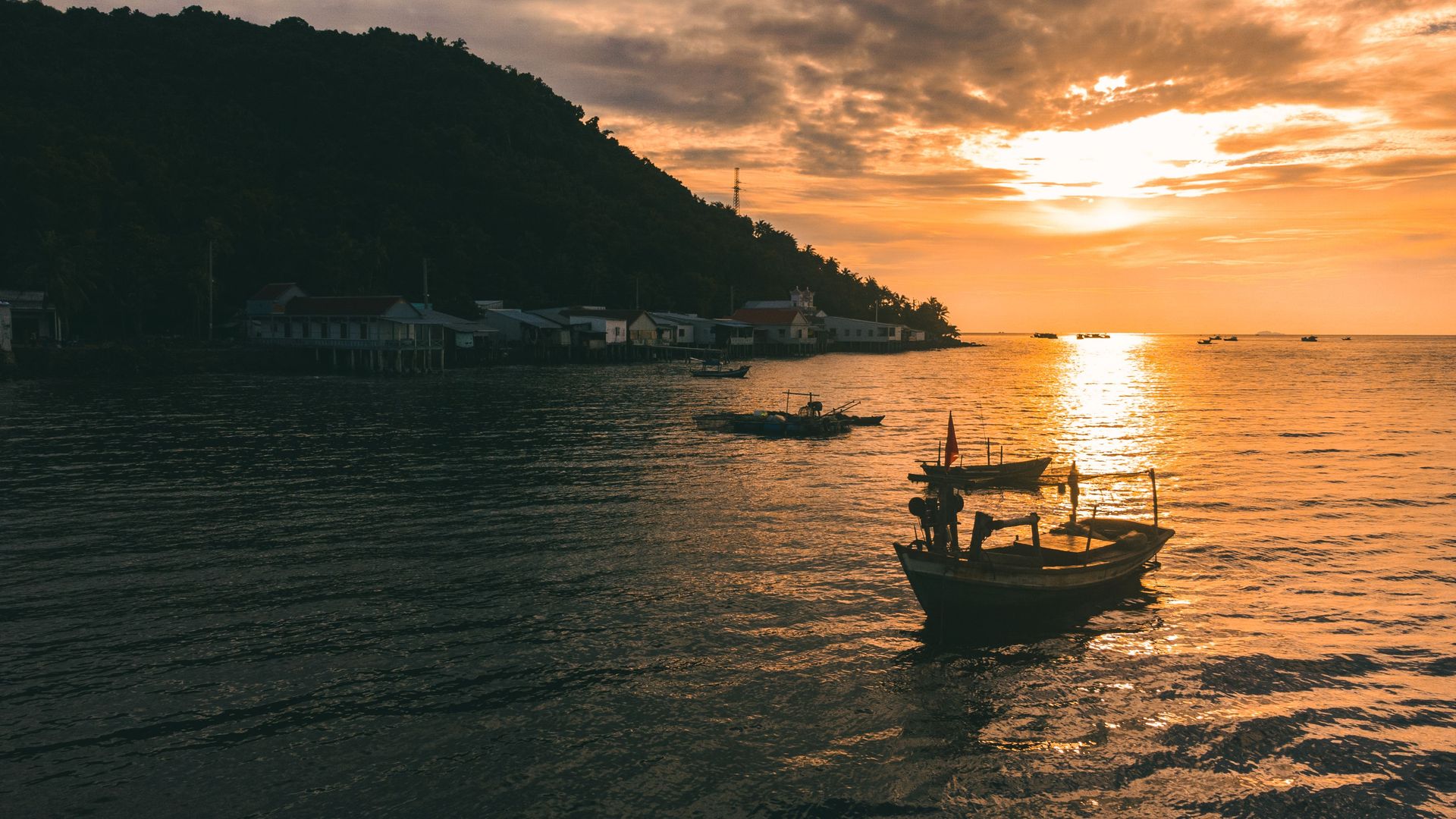
Phu Quoc sits in the Gulf of Thailand and features white sand beaches, dense jungle interiors, and a rapidly developing tourism infrastructure that caters heavily to budget-conscious travelers. The island serves as Vietnam's premier beach destination, yet it maintains daily costs far below those of similar coastal areas in neighboring countries. Visitors can secure private rooms in locally operated homestays or budget hotels for twenty to forty dollars a night, especially in the areas surrounding Duong Dong, the island's main town.
Food represents one of the most significant areas for savings on Phu Quoc. The island is famous for its fish sauce and black pepper, which feature prominently in the local cuisine. The Dinh Cau Night Market operates every evening in Duong Dong, offering an array of fresh seafood, grilled meats, and traditional Vietnamese street food at very low prices. Dining at these markets or small local restaurants costs a fraction of what visitors pay at the island's newer international resorts.
Getting around the island is inexpensive and straightforward. Taxis are relatively cheap for short distances, but renting a motorbike provides the most economical way to reach remote areas like Sao Beach on the southeastern coast or the national park in the north. The island's natural attractions require little to no money to enjoy. Visitors can hike through the Phu Quoc National Park, which covers more than half the island, or swim at various public beaches without paying entrance fees. Historical sites like the Coconut Tree Prison offer sobering insights into the region's past for a minimal admission cost. Traveling during the shoulder season months of April or November helps visitors avoid both the heaviest rains and the peak winter tourist crowds, securing the best rates on flights from mainland cities like Ho Chi Minh City or Hanoi.
Utila remains a major hub for cheap Caribbean diving and snorkeling
Credit: Canva Images
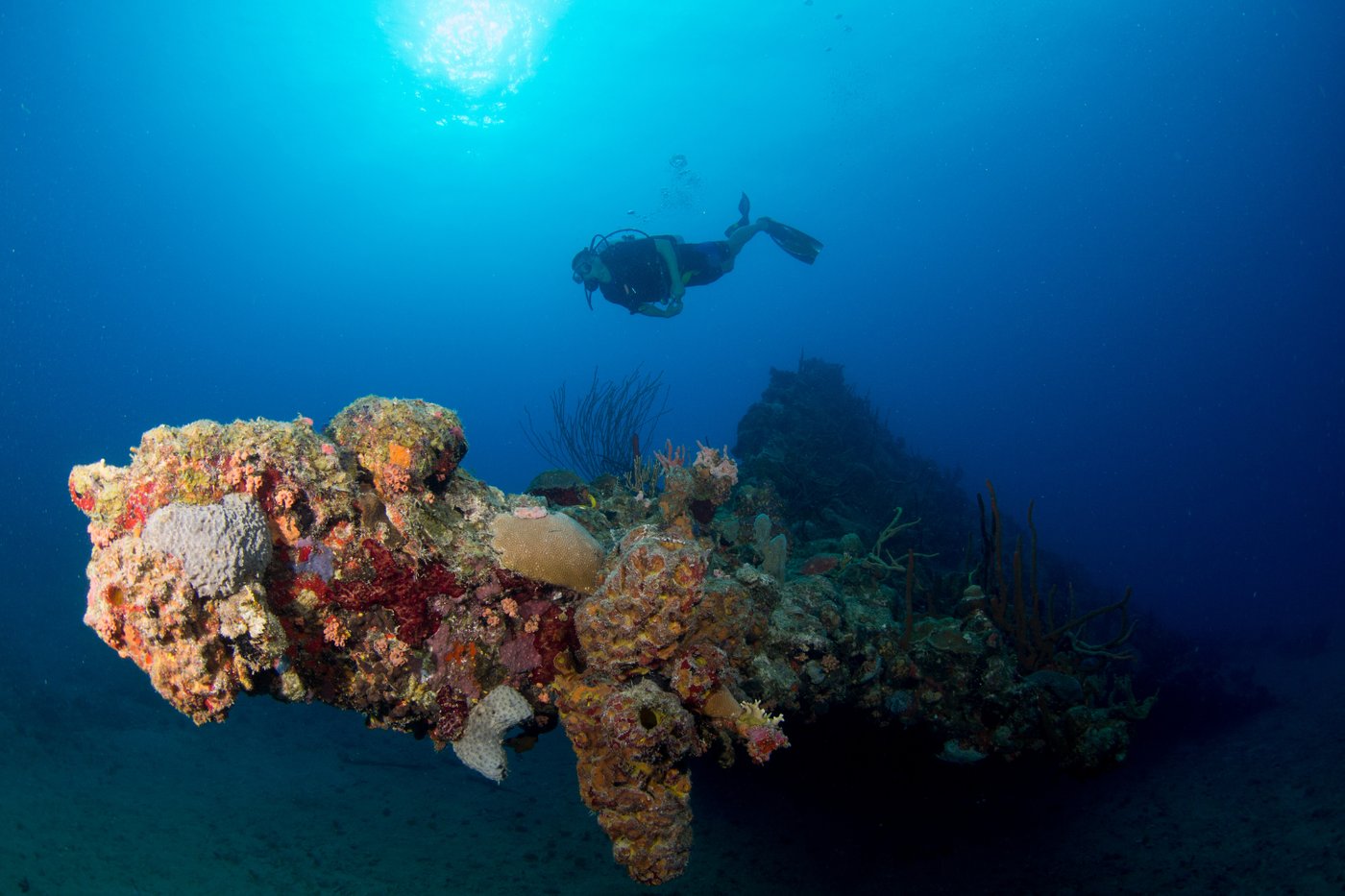
Utila is the smallest of the major Bay Islands in Honduras and has built a global reputation as one of the most affordable places in the world to earn scuba diving certifications. The island sits near the southern end of the Mesoamerican Barrier Reef, providing marine environments at prices significantly lower than those found in the Bahamas or the Cayman Islands. Travelers $TRV visiting Utila can secure cheap hostel beds or private rooms in modest guesthouses, with the local economy geared heavily toward the international backpacking community.
The primary draw of Utila is the low cost of accessing the reef. Dive shops line the main street, offering highly competitive rates for open water certification courses, which often include heavily discounted or free basic accommodation during the course. For those who do not scuba dive, snorkeling gear can be rented for a few dollars a day, allowing visitors to explore the shallow coral gardens right off the island's beaches. Whale shark sightings are common year-round, and joining a shared boat tour to look for them costs much less here than in other famous diving destinations.
Daily living expenses on Utila cater strictly to a budget mindset. Traditional Honduran food like baleadas — thick flour tortillas filled with refried beans, cheese, and sometimes eggs or meat — cost very little and provide filling meals. Small bakeries and street vendors offer cheap snacks, while local bars sell inexpensive domestic beer. The island has very few cars, meaning visitors walk, bike, or take cheap local tuk-tuks to navigate the main town. The lack of large-scale resort development keeps the overall cost of living down and preserves a laid-back, community-focused atmosphere. Ferries from the mainland city of La Ceiba provide a reliable and affordable transit route to the island, avoiding the need for expensive regional flights.
Caye Caulker offers a laid-back alternative to expensive Belizean resorts
Credit: Michiel Ton / Pexels
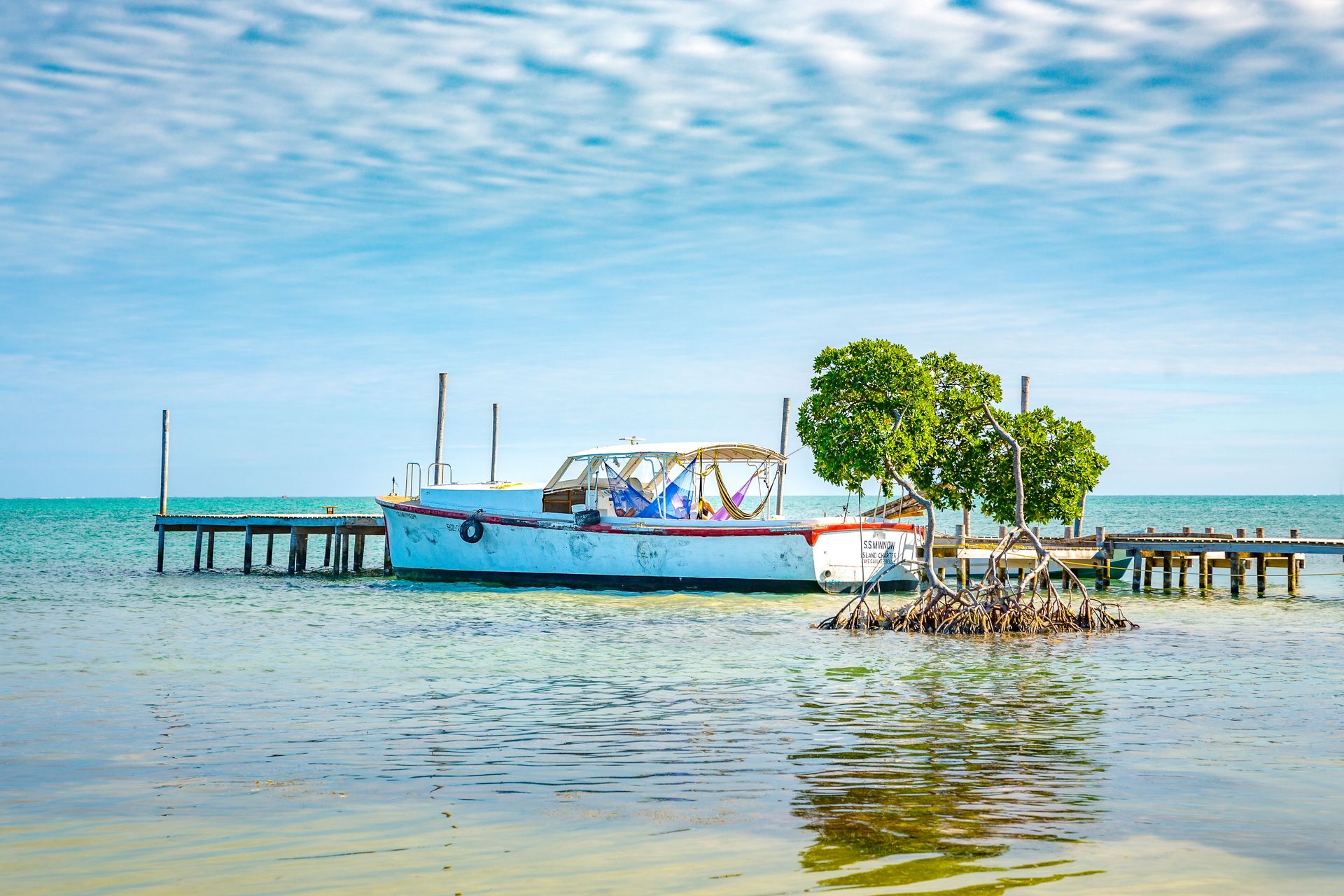
Caye Caulker operates on a motto of going slow, providing an affordable Caribbean island experience that emphasizes relaxation over luxury amenities. This small limestone coral island off the coast of Belize features unpaved sandy streets, no cars, and a distinct lack of large-scale hotel chains. Visitors can find budget-friendly cabanas, small guesthouses, and hostels that cost a fraction of the price charged on the neighboring, more developed island of Ambergris Caye.
The island serves as a practical base for exploring the Belize Barrier Reef without paying premium resort prices. Snorkeling tours to the Hol Chan Marine Reserve and Shark Ray Alley are the main activities, and local operators compete for business, keeping prices reasonable. These half-day or full-day boat trips allow visitors to swim alongside nurse sharks, stingrays, and sea turtles. On the island itself, hanging out at the Split — a narrow waterway that divides the island in two — provides a free, communal area for swimming and socializing.
Food on Caye Caulker blends Caribbean and Central American influences, with affordable options readily available. Street food stands and small local grills serve fresh lobster during the legal harvesting season at prices far below what one would pay in North America. Fry jacks, a traditional Belizean fried dough served with beans, eggs, or cheese, provide a cheap and substantial breakfast. The island's size means visitors walk or rent bicycles to get around, eliminating transportation costs entirely during the stay. Getting to the island is also economical, as regular water taxis operate multiple times a day from Belize City, offering a scenic and inexpensive transfer compared to the short local flights. Traveling between May and October can yield even lower accommodation rates, though this period coincides with the regional rainy season.
Naxos delivers traditional Greek island culture at moderate prices
Credit: Efrem Efre / Pexels
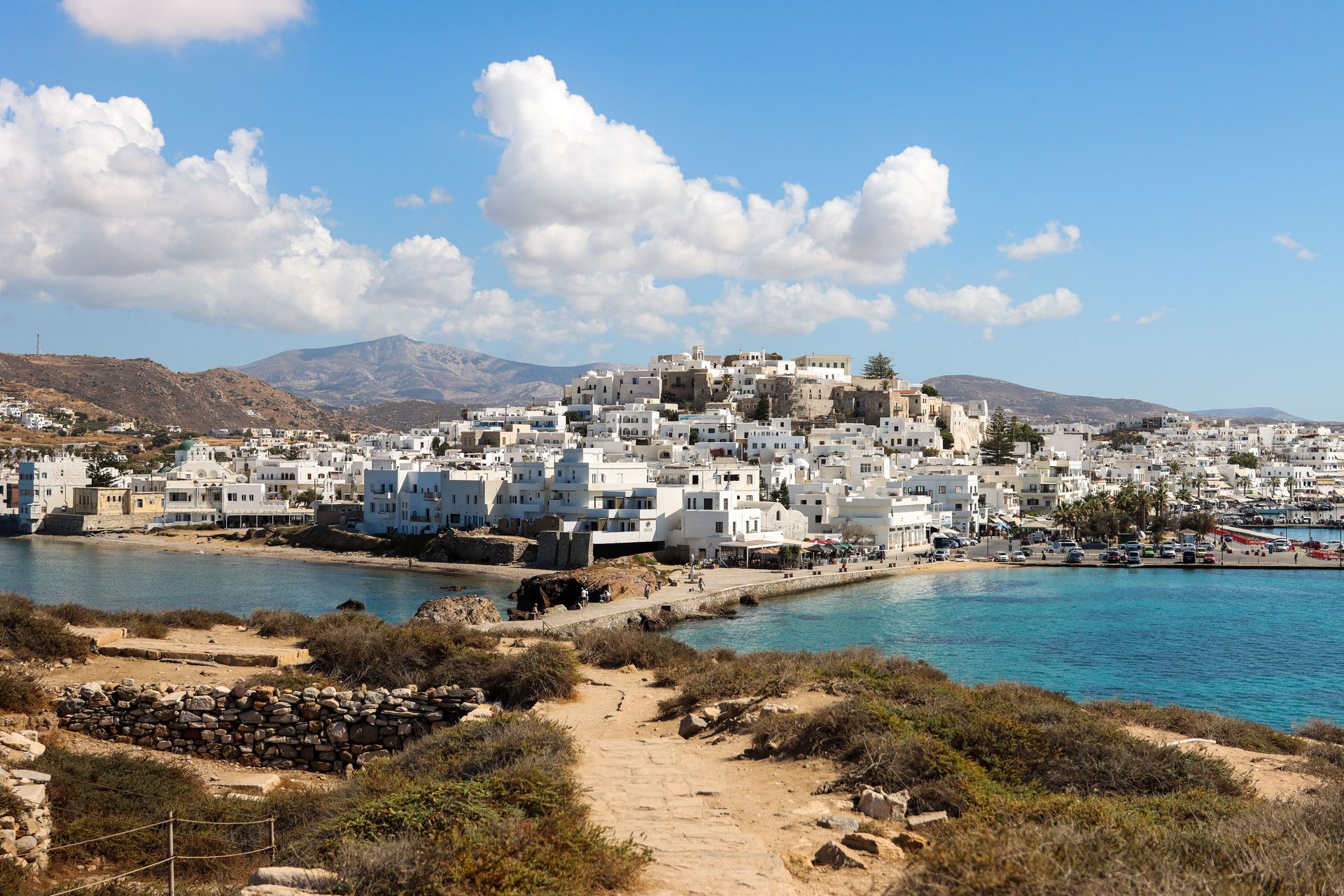
Naxos is the largest of the Cyclades island group in the Aegean Sea, offering travelers a vast landscape of beaches, ancient ruins, and mountain villages without the high price tags of Santorini or Mykonos. The island supports a strong agricultural economy, meaning it does not rely entirely on tourism to survive. This economic diversity keeps prices for food and accommodation stable and affordable, particularly in the towns and villages set back from the primary port.
Visitors can secure reasonably priced rooms in small pensions or family-owned studios, known locally as domatia. These accommodations often include small kitchenettes, allowing travelers to reduce food costs by preparing simple meals. Dining out on Naxos is notably affordable compared to its famous neighbors. Because the island produces its own potatoes, cheeses, and meats, local tavernas serve generous portions of high-quality, traditional Greek food at lower prices than one would find on islands that must import their ingredients.
Public transportation on Naxos is reliable and inexpensive. A network of local buses connects the main port town of Chora with popular western beaches like Agios Prokopios and Plaka, as well as interior mountain villages like Halki and Apiranthos. Renting a car for a day or two is also a cost-effective way for a small group to split expenses while exploring remote areas like the Temple of Demeter or the northern coastal coves. Naxos features many free historical sites, including the Portara — a massive marble doorway from an unfinished ancient temple that stands near the harbor. Visitors walking through the narrow alleys of the Venetian castle in Chora experience centuries of history without paying any admission fees. Ferries from Athens and other islands make Naxos easily accessible for travelers managing a strict Mediterranean travel budget.
Siargao balances world-class surf breaks with low local living costs
Credit: Canva Images
Siargao has grown in popularity as the surfing capital of the Philippines, yet it retains a rustic charm and a highly affordable cost of living for international visitors. Located in the province of Surigao del Norte, the island features dense coconut palm forests, mangrove reserves, and dramatic coastal reefs. Budget accommodations are concentrated around the municipality of General Luna, where travelers can find inexpensive hostel beds, traditional nipa huts, and modest guesthouses designed for long-term backpackers and surfers.
The island's primary attraction is Cloud 9, a famous surf break that draws visitors from around the world. While surfing is a major focus, board rentals and lessons from local instructors cost significantly less than similar services in Hawaii, Australia, or Bali. For non-surfers, the island offers cheap boat tours, commonly known as island-hopping trips, which take visitors to nearby islets like Naked Island, Daku Island, and Guyam Island. These full-day excursions often include a freshly prepared seafood lunch and are easily organized through local guesthouses or operators in town for a modest fee.
Dining on Siargao caters heavily to the budget-conscious crowd. Local eateries, known as carinderias, serve traditional Filipino dishes cafeteria-style for just a few dollars. Fresh fish, adobo, and rice are daily staples. While there are newer, trendy cafes targeting foreign tourists, avoiding these in favor of local spots keeps daily food expenses exceptionally low. Transportation relies heavily on rented motorbikes, which provide the freedom to explore the northern beaches of Alegria or the Magpupungko rock pools at minimal cost. Alternatively, local tricycle taxis offer cheap short-distance rides around General Luna. Domestic flights connect Siargao directly to Manila and Cebu, and booking these routes during promotional periods ensures the entire trip remains within a tight travel budget.
Isla Holbox provides a relaxed Caribbean atmosphere north of the Riviera Maya
Credit: Gary Godfrey / Pexels
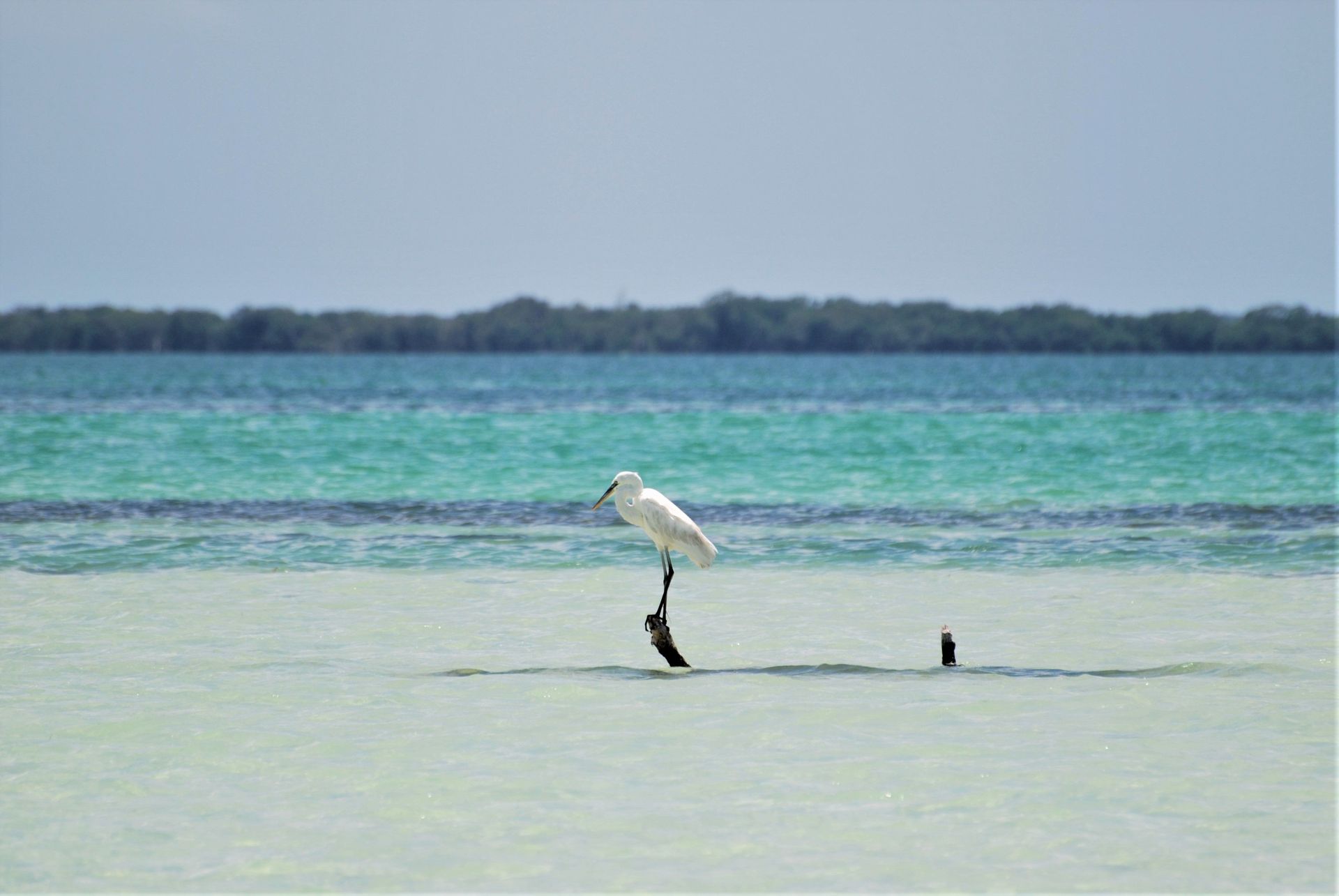
Isla Holbox sits off the northern coast of the Yucatan Peninsula, separated from the Mexican mainland by a shallow lagoon that functions as a nature reserve. The island offers an affordable alternative to the heavily developed and expensive resort towns of Cancun and Tulum to the south. Holbox is characterized by its sandy, unpaved streets and a strict ban on standard cars, creating a quiet environment where visitors get around by walking, riding bicycles, or taking golf cart taxis.
Accommodation on the island covers a wide spectrum, but budget travelers can easily find affordable hostels and small, locally run cabanas a few blocks back from the beachfront. Staying slightly inland dramatically reduces room rates while keeping the ocean within a short walk. The island's beaches feature calm, shallow waters ideal for swimming and stand-up paddleboarding, which costs very little to rent. During the summer months, visitors can join tours to swim with whale sharks in the deeper waters offshore, a unique wildlife experience that, while requiring a tour fee, is highly regulated and competitively priced among local operators.
Food costs on Isla Holbox remain reasonable if visitors seek out local spots rather than eating at the beachfront boutique hotels. The island is famous for its lobster pizza, and while that specific dish can be pricey, local taquerias and small vendors near the central square serve cheap, authentic Mexican street food like cochinita pibil tacos, empanadas, and fresh tamales. The lack of massive nightclubs and luxury shopping centers naturally limits opportunities to overspend. Reaching the island requires a bus ride from Cancun or Merida to the small port town of Chiquila, followed by a cheap public ferry, making the transit process both straightforward and economical for those avoiding private transfers.
Zanzibar offers cheap coastal escapes on the eastern edge of Africa
Credit: Keegan Checks / Pexels
Zanzibar is a semi-autonomous archipelago off the coast of Tanzania that blends expansive Indian Ocean beaches with centuries of Swahili, Arab, and Indian history. While the island features numerous high-end resorts, independent travelers can explore Zanzibar on a strict budget by targeting specific villages and utilizing local infrastructure. Villages like Paje and Jambiani on the southeast coast cater heavily to backpackers and kite surfers, offering cheap beachfront hostels, modest guesthouses, and simple bungalows right on the sand.
One of the most cost-effective ways to experience Zanzibar is by exploring Stone Town, the historic center of the capital. Walking through the maze of narrow alleys, admiring the carved wooden doors, and visiting the old fort requires no money. In the evenings, the Forodhani Gardens along the waterfront transform into a massive night market. Here, visitors can eat cheaply by sampling local street food, including Zanzibar pizzas, grilled seafood skewers, and fresh sugarcane juice, for a fraction of the cost of a formal restaurant meal.
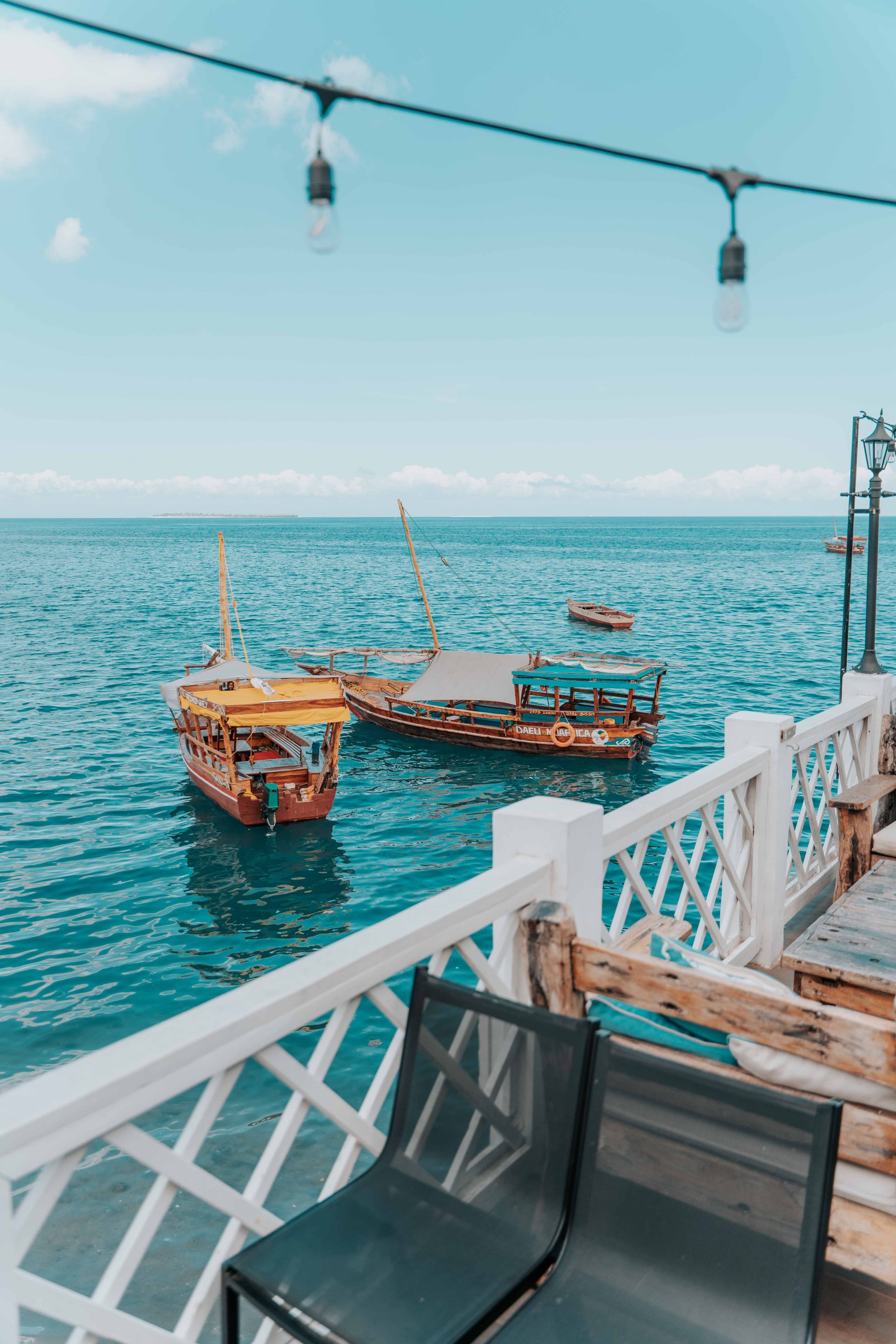
Getting around the island is famously cheap due to the local dala-dala system. These converted flatbed trucks and minibuses serve as the primary public transportation network, connecting Stone Town to all the major coastal villages for roughly one dollar per ride. While slow and often crowded, they eliminate the need for expensive private tourist taxis. The beaches themselves provide free entertainment, marked by massive tidal shifts that allow visitors to walk out over the sandflats for miles at low tide to observe marine life in shallow pools. Snorkeling trips in traditional wooden dhows to areas like the Mnemba Atoll are highly affordable when negotiated directly with local boat captains on the beach rather than booked through a hotel concierge.
Tenerife features low European costs alongside varied volcanic landscapes
Credit: Atlantic Ambience / Pexels
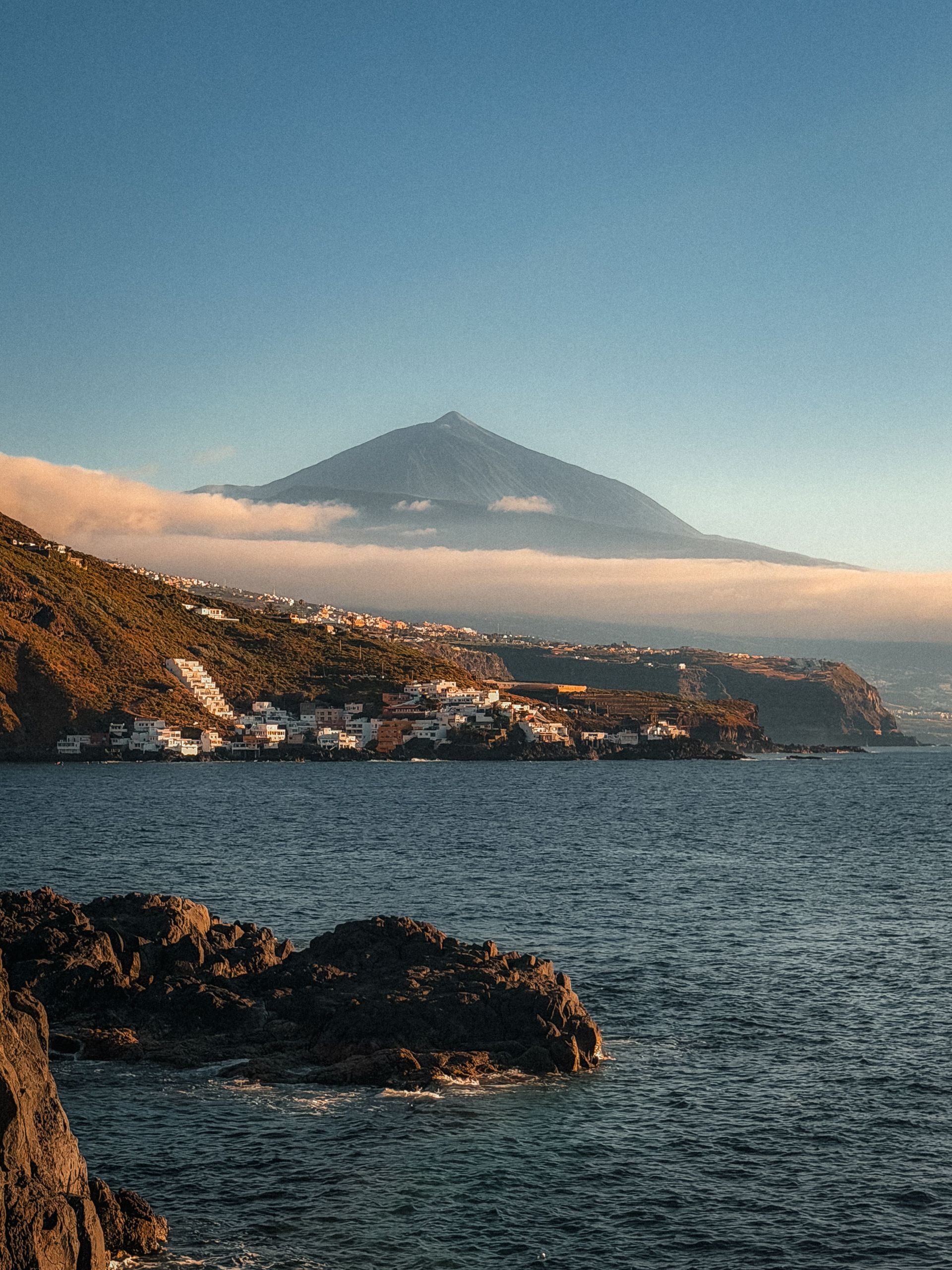
Tenerife is the largest of Spain's Canary Islands, situated off the coast of West Africa, and has long been a staple destination for budget-minded European holidaymakers. The island's massive tourism infrastructure means there is a surplus of accommodation, driving down prices for apartments, small hotels, and guesthouses. Visitors can easily find affordable lodging by avoiding the massive luxury resorts in the south, such as Costa Adeje, and looking toward northern towns like Puerto de la Cruz or smaller coastal villages where local life dominates.
The island offers an extensive amount of free and low-cost outdoor activities due to its dramatic volcanic geography. Teide National Park dominates the center of Tenerife, featuring Mount Teide, Spain's highest peak. Visitors can drive or take a cheap public bus through the park to hike the extensive network of trails through rocky landscapes without paying any park entrance fees. The coastal areas feature numerous natural rock pools formed by ancient lava flows, providing unique and free places to swim safely away from ocean currents.
Food and drink on Tenerife remain highly affordable due to the island's special tax status within the European Union, which keeps the cost of goods lower than on the Spanish mainland. Visitors can eat cheaply at guachinches — traditional, rustic establishments in the north of the island that serve local wine and a limited menu of homemade Canarian dishes like papas arrugadas with mojo sauce. Public transportation is highly efficient, with a comprehensive network of green public buses that travel to nearly every corner of the island at low rates. Using a rechargeable travel card reduces bus fares even further, making it easy to explore historic towns like La Laguna or the dramatic cliffs of Los Gigantes on a tight budget.
Roatan provides accessible Caribbean reef diving away from the main cruise ports
Credit: John Cahil Rom / Pexels
Roatan is the largest of the Bay Islands in Honduras and offers a distinct budget travel experience for those willing to step slightly away from its busy cruise ship terminals. The island is fringed by the Mesoamerican Barrier Reef, making it a premier destination for underwater activities. While the western edge of the island features expensive resorts built for cruise passengers, the area known as West End provides a dense concentration of budget accommodations, including small dive lodges, guesthouses, and independent hotels that cater to travelers monitoring their daily expenses.
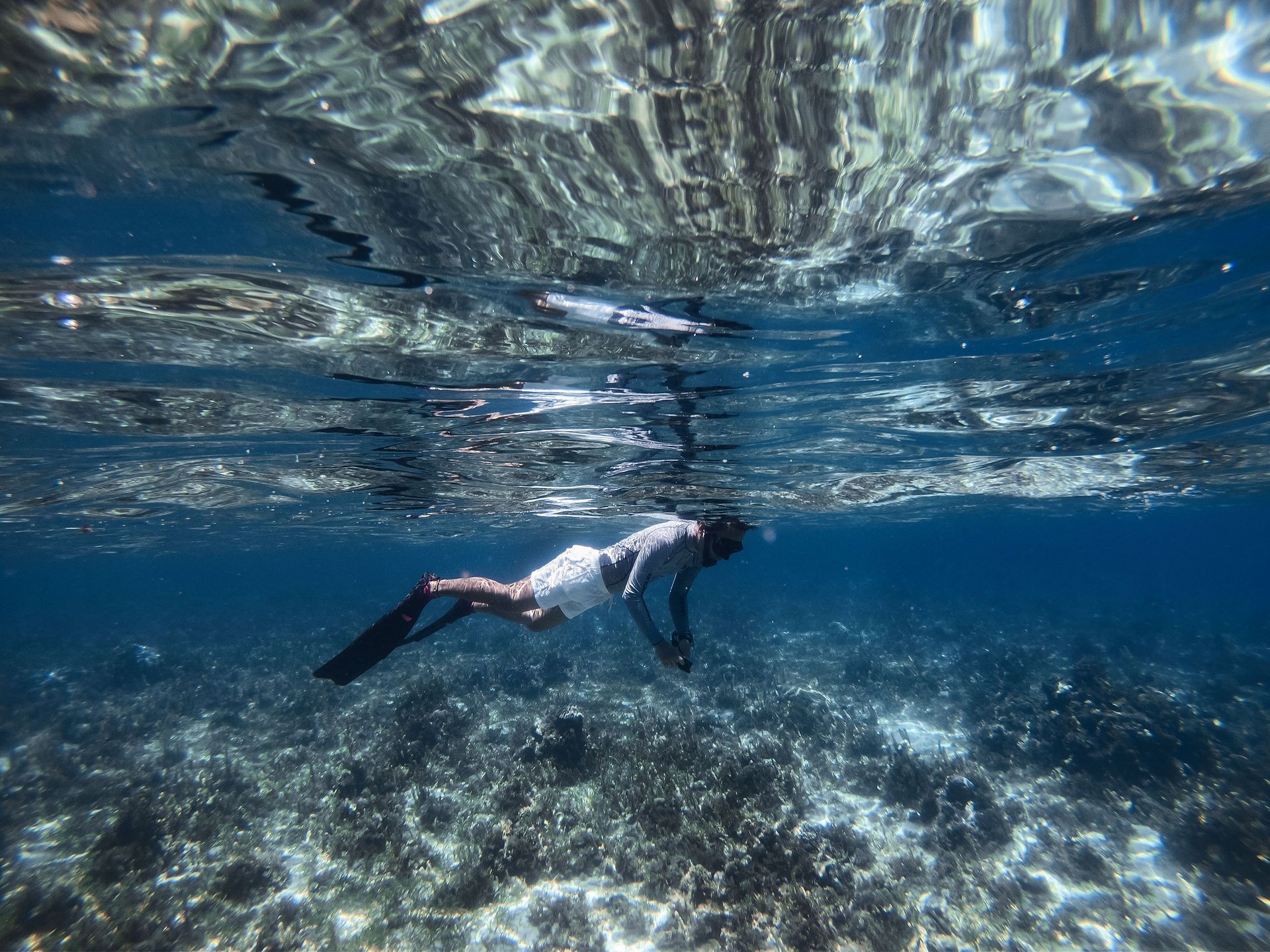
The proximity of the coral reef to the shore is the island's greatest asset for budget travelers. In many spots along the coast, visitors can swim out directly from the beach to snorkel in marine environments, eliminating the need to pay for boat tours entirely. For those looking to scuba dive, the dive shops in West End offer highly competitive pricing on single tank dives and certification courses, maintaining rates that are far lower than those found in most other Caribbean nations.
Dining and daily life in the West End remain affordable. The main dirt road is lined with small grills, local bakeries, and informal restaurants serving cheap Honduran staples alongside fresh seafood. Eating baleadas or locally caught snapper at these smaller venues keeps food costs manageable. Getting around the island is also inexpensive when utilizing the collective minivans that run along the main highway, connecting local towns for a minor fare. Visitors can easily travel to less developed areas like Sandy Bay or the eastern end of the island to explore quiet beaches and mangrove forests. Traveling to Roatan during the late summer or early fall allows visitors to secure the lowest rates on rooms, though it requires flexibility regarding occasional tropical rain showers.