
From a Hyundai Venue with a perfect value score to a Honda Civic with the highest rating on the list
Credit: Hyundai
The floor of the new car market has risen. No new vehicle sold in the U.S. in 2026 has a starting price below $20,000, meaning buyers on limited budgets face a market that has shifted against them in nominal terms since the pre-pandemic years, when sub-$20,000 vehicles were common across several segments. The practical question is no longer whether a budget new car costs under a given threshold — none do — but which vehicles deliver the most value, technology, and safety equipment per dollar at the lowest available price points.
The vehicles on this list span sedan, hatchback, and SUV body styles, all start below the class averages for their segments, and all include modern driver-assistance systems alongside at least 30 mpg combined fuel economy. Several include features that were optional or unavailable on any vehicle at this price five years ago: wireless smartphone connectivity, standard forward and reverse automatic emergency braking, standard adaptive cruise control, and active noise cancellation in one case. The value delivered per dollar at this end of the market is, in some respects, better than it has ever been.
These 10 models come from U.S. News and World Report’s list of the cheapest new cars in 2026, covering the vehicles with the lowest starting prices currently available from U.S. new car dealers across sedan, hatchback, and subcompact SUV categories, each with a maximum starting price significantly below the new car market average of over $48,000 in recent years, a gap that widens with each model year cycle and shows no structural sign of reversing given current manufacturing and material cost trends in the automotive industry across all vehicle segments, making significant price drops at the entry level of the new car market unlikely in the near term.
Credit: Hyundai
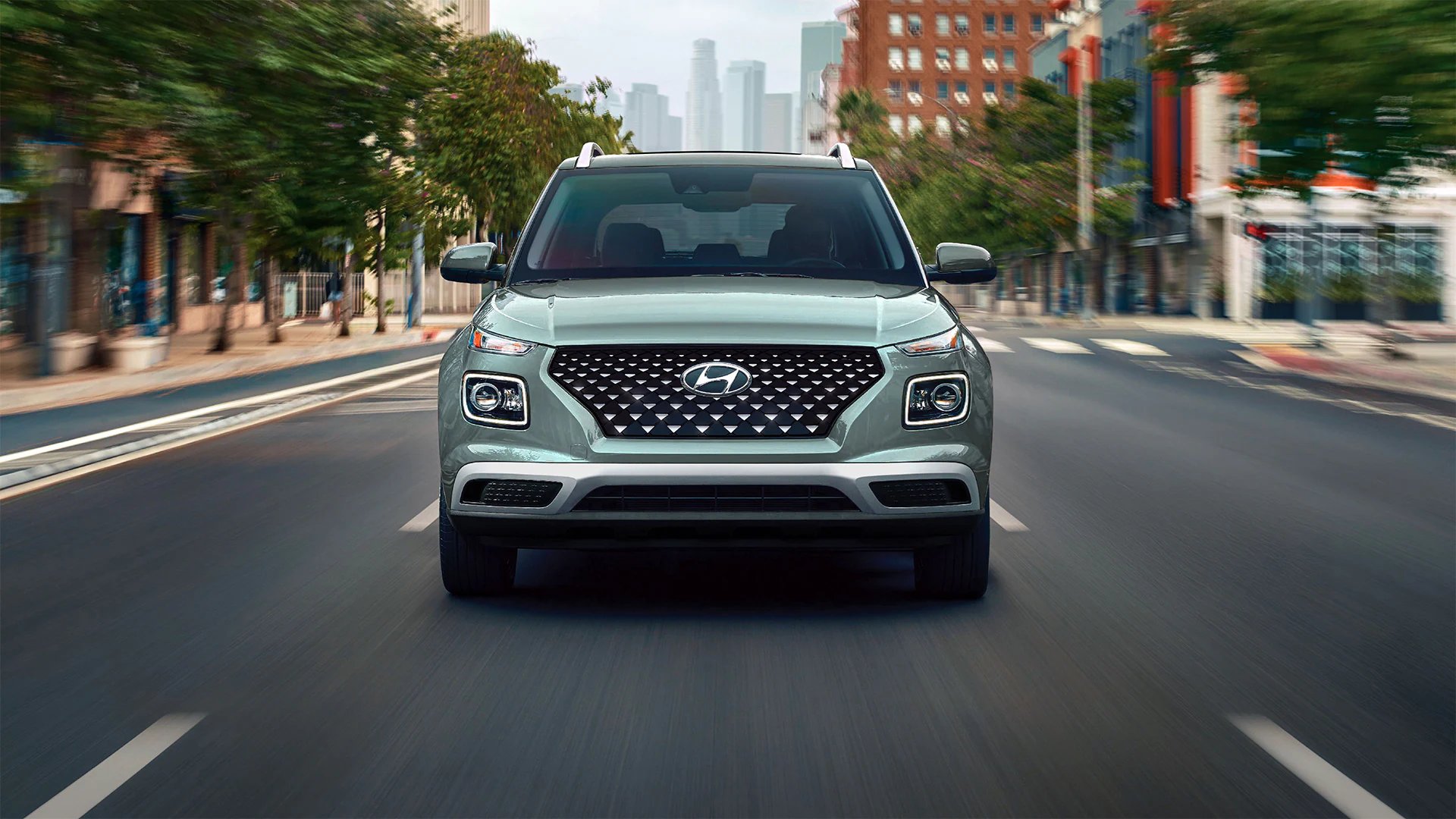
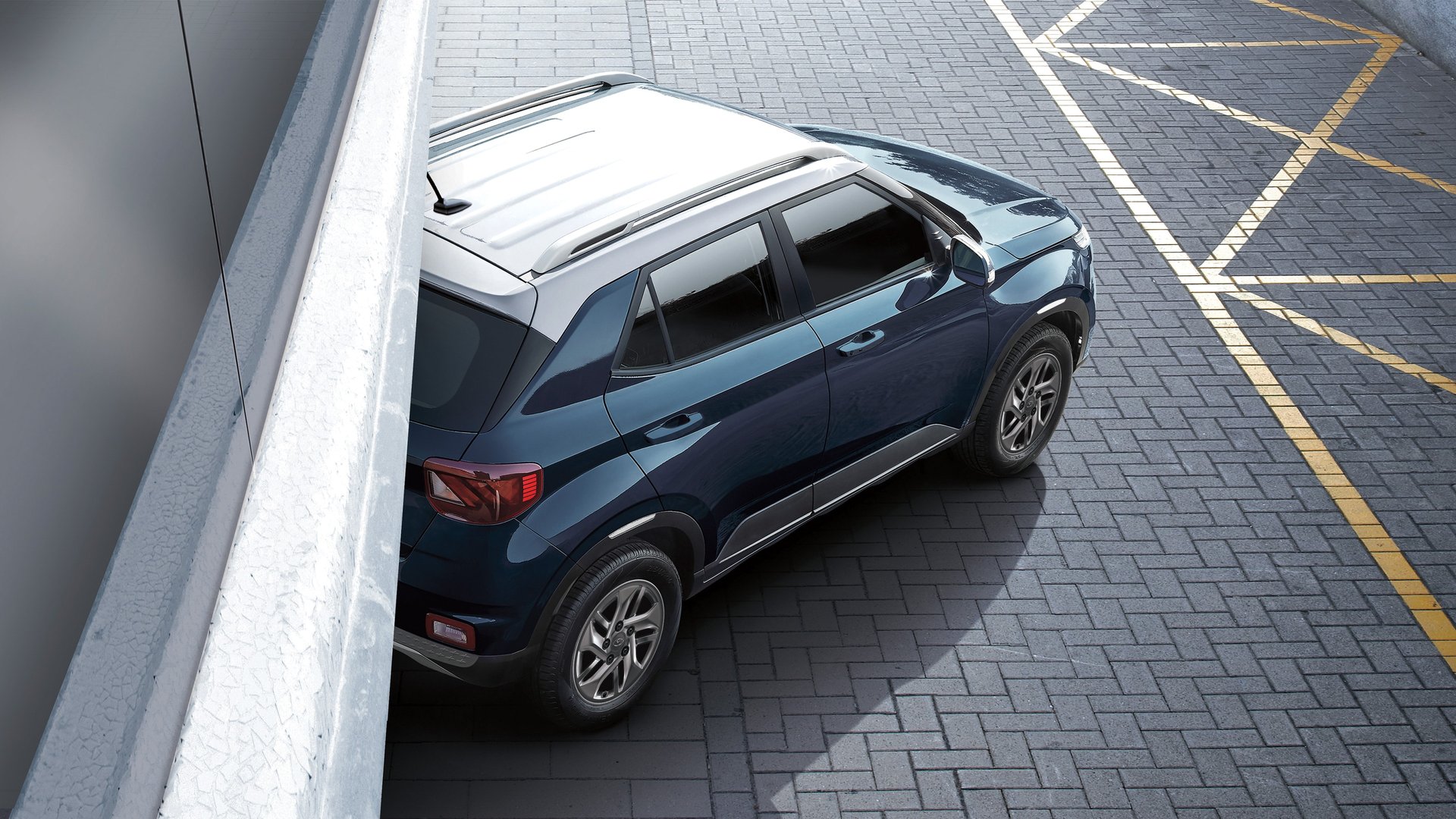
The Hyundai Venue is the least expensive new vehicle on sale in the U.S. market in 2026, earning U.S. News ratings of 8.4 out of 10 for overall performance and 10 out of 10 for value. The powertrain is a 1.6-liter four-cylinder engine mated to a continuously variable automatic transmission with front-wheel drive, a setup that works well around town but feels underpowered on the highway. The suspension tuning prioritizes city use, and the Venue’s short overall length makes tight U-turns and parallel parking easier than any larger subcompact SUV on this list.
Front seats accommodate taller drivers comfortably, while the rear seat runs cramped, and cargo space sits toward the lower end of the subcompact SUV class. Hyundai keeps the feature set straightforward: Apple $AAPL CarPlay and Android Auto are standard, as are forward collision warning, lane-keep assist, and automatic high-beam headlights. The ten out of ten value rating reflects the capability the Venue delivers at the bottom of the new-car market.
The Venue’s position at the low end of the price range requires honest acknowledgment of its limitations. The highway performance and rear passenger experience are real compromises that buyers with primarily urban driving patterns and shorter rear-seat passengers will care less about than those who regularly drive long distances or carry adults in back. For urban commuters who need a new car with modern safety features and want to spend as little as possible, the Venue addresses that need directly and without pretense. The ten-out-of-ten value rating also confirms that U.S. News considers the Venue one of the strongest value propositions available at any price in the new-car market. Buyers who approach the Venue with realistic expectations for its size and highway performance will find it delivers fully on everything it promises and avoids the disappointment of vehicles that oversell their capabilities at the price.
Credit: Chevrolet
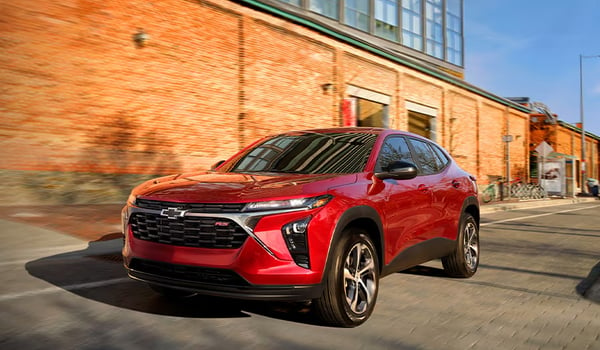
The Chevrolet Trax earns a U.S. News rating of 8.6 out of 10 and a value rating of 8.8 out of 10 and achieves 30 mpg combined. The Trax leads the subcompact SUV class in cargo space at 25.6 cubic feet, and both front and rear legroom are generous for the segment. The powertrain produces 137 horsepower from a turbocharged three-cylinder engine and does not offer all-wheel drive. Competitors achieve slightly better fuel economy, and the Trax is not quick in absolute terms, but the handling and braking inspire confidence on both city streets and highways.
The standard feature set is generous even at the base LS trim level: forward automatic emergency braking, automatic high-beam headlights, and wireless Apple $AAPL CarPlay and Android Auto are all standard, paired with an 8-inch touchscreen. Optional features include larger wheels, heated front seats, a heated steering wheel, and a larger infotainment screen, all of which add to the cost without requiring a move to a significantly higher trim.
The Trax’s standout claim is the cargo space figure. At 25.6 cubic feet, the Trax delivers more room behind its rear seat than most subcompact SUVs, including more expensive competitors, which makes it an unusually practical choice at its price point. For buyers who prioritize hauling capacity and everyday utility over outright driving performance, the Trax meets that preference with a class-leading figure that most subcompact SUVs, at any price, do not match. The generous front and rear legroom also gives the Trax a passenger comfort advantage that is unusual at the bottom of the new car market, where interior space is typically the first casualty of cost reduction. The 8.6 out of 10 overall rating also confirms that the Trax delivers competent performance across a broader set of criteria beyond cargo volume, including fuel economy, interior quality, breadth of safety equipment, and driving dynamics that matter to everyday buyers.
Credit: Toyota
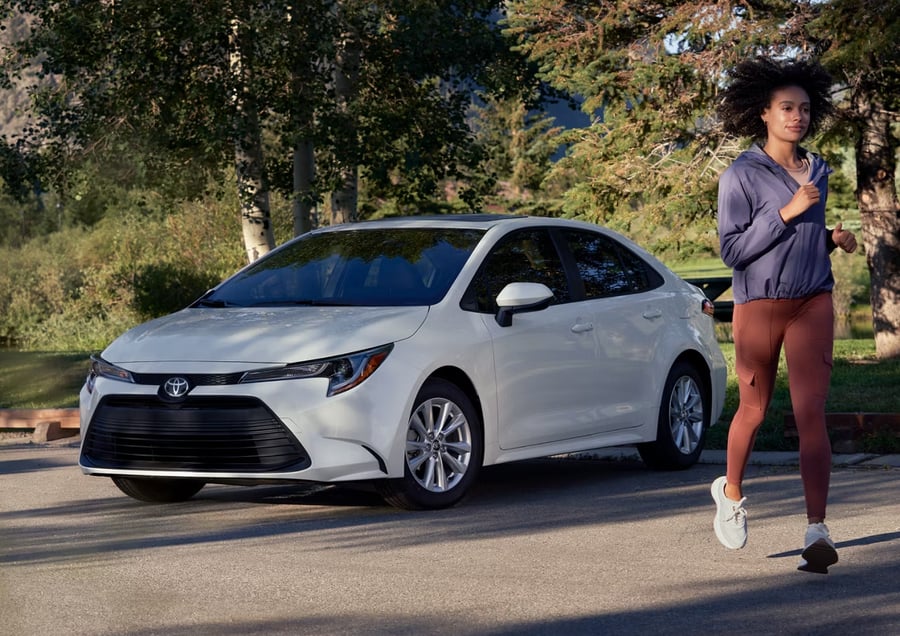
The Toyota $TM Corolla Hybrid earns a U.S. News rating of 8.4 out of 10 and a value rating of 9.4 out of 10. Its 50 mpg combined fuel economy rating is the highest on this list by a substantial margin. The hybrid system follows the Prius model: a four-cylinder engine paired with an electric motor and an eCVT housed under a conventional sedan body. All-wheel drive is optional on some trims. The Corolla Hybrid is not sporty, but it offers a smooth ride and pleasant steering, making it a relaxed and competent highway companion.
The interior seats five with good headroom in both rows, though rear legroom runs tight compared to competitors at this price. Wireless Apple $AAPL CarPlay and Android Auto are standard, as are blind-spot monitoring and rear cross-traffic alert. The overall features-to-price ratio is generous relative to other compact cars.
The 50 mpg figure has concrete financial implications that compound over the years of ownership. At typical driving distances, the Corolla Hybrid’s fuel savings over a conventional compact car in the same price range add up to a meaningful amount annually, and the gap widens as fuel prices increase. For buyers who prioritize fuel costs above most other considerations and who drive primarily on highways where the hybrid system delivers its best efficiency, the Corolla Hybrid makes the strongest economic case of any vehicle on this list. The 9.4 out of 10 value rating also confirms that U.S. News considers the Corolla Hybrid’s overall package strong across the full range of evaluation criteria, not just fuel economy. AWD availability on some trims also gives the Corolla Hybrid a traction option that few hybrid sedans in this price range can match without moving to a significantly more expensive segment or adding high-cost option packages that other compact hybrid competitors require to unlock comparable range or AWD access.
Credit: Chevrolet
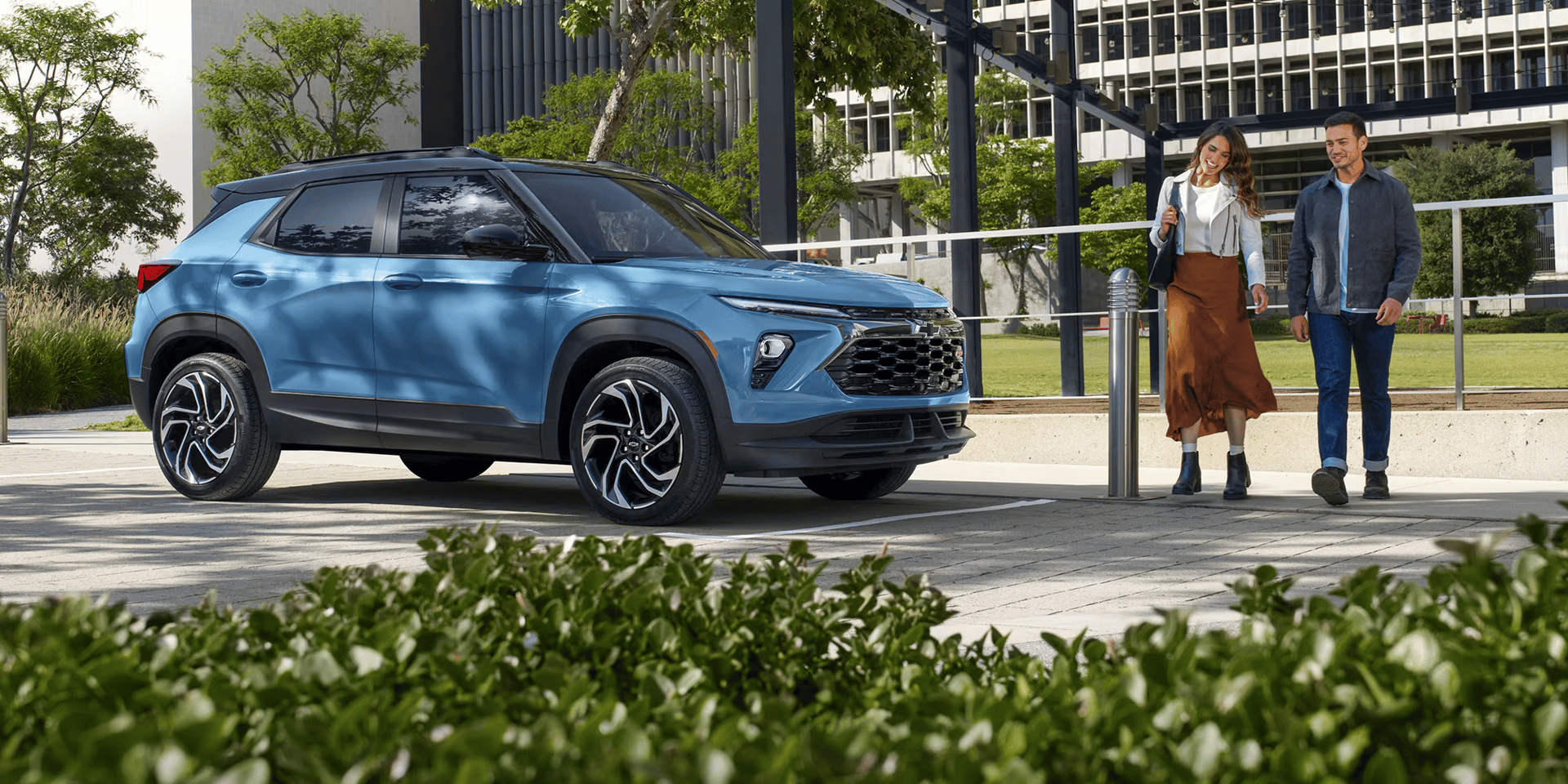
The Chevrolet Trailblazer earns a U.S. News rating of 8.4 out of 10, a J.D. Power predicted reliability score of 88 out of 100 — the highest on this entire list — and achieves 31 mpg combined. The Trailblazer is slightly larger than its Trax sibling and offers all-wheel drive, unlike the Trax. Two turbocharged three-cylinder engines cover the powertrain range depending on trim, paired to either a CVT on front-wheel-drive models or a nine-speed automatic on all-wheel-drive configurations. Both setups handle city driving well but feel slow on the interstate, where the lack of highway power is more noticeable.
The Trailblazer is spacious for taller occupants in both rows, with seating that is firm but genuinely comfortable on longer trips. Cargo capacity is better than average for the subcompact SUV class. The standard infotainment system pairs with an 11-inch touchscreen with Apple $AAPL CarPlay, Android Auto, and a seven-speaker Bose sound system, a premium audio inclusion that most vehicles at this price do not offer. The safety package covers forward collision warning with automatic emergency braking, pedestrian detection, lane-keep assist, and automatic high-beam headlights.
The 88 out of 100 reliability score separates the Trailblazer from its competition, specifically when considering the total cost of ownership. High predicted reliability reduces the expected repair frequency over the vehicle’s life, which means the total cost of owning a Trailblazer over five or ten years is likely lower than the sticker price gap between the Trailblazer and more expensive competitors suggests. The seven-speaker Bose sound system is also a premium inclusion that no other vehicle on this list offers at any trim level, giving the Trailblazer a distinct cabin experience advantage for buyers who prioritize audio quality. The pedestrian detection feature is also worth noting as a standard safety feature, as most competitors at this price level offer it only on higher trim levels.
Credit: Mazda
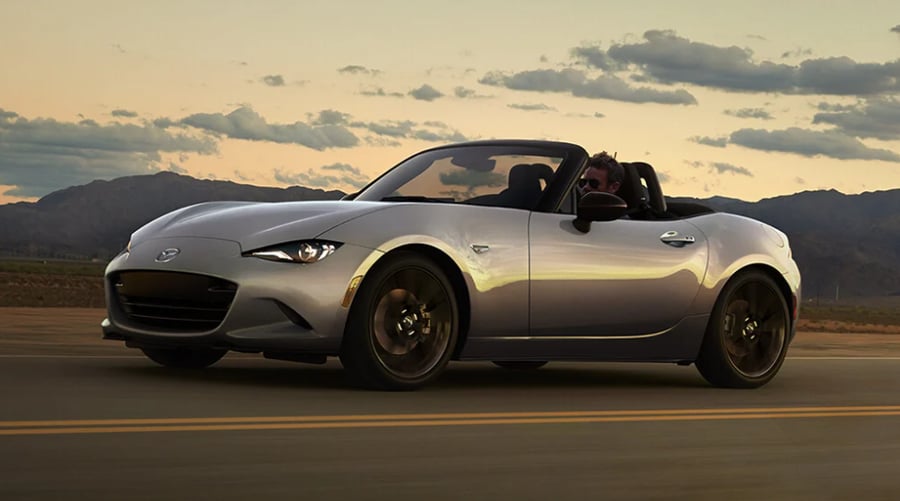
The Mazda3 earns the highest U.S. News overall rating on this list at 9.3 out of 10, alongside a value rating of 7.5 out of 10, and achieves 30 mpg combined. The Mazda3 is available as both a sedan and a hatchback and stands out from every other vehicle on this list for interior refinement: the materials quality and overall cabin execution are noticeably above what the price suggests. Mazda offers two four-cylinder engines: a naturally aspirated version and a more powerful turbocharged variant, both with front-wheel drive standard and all-wheel drive available. Handling is sharp, and ride quality is excellent, which places the Mazda3 among the best-driving vehicles on this list.
The safety package is comprehensive: standard forward collision warning with automatic emergency braking, adaptive cruise control, lane-keep assist, and driver-attention monitoring. The Mazda3 also receives top ratings from the National Highway Traffic Safety Administration for frontal, side, and rollover crash scenarios, covering all three categories the NHTSA tests.
For taller drivers, the front seats provide good comfort, though rear legroom runs short for the segment. The interior quality the Mazda3 delivers at this price is the most significant distinguishing factor: other vehicles on this list are practical and capable, but none approaches the Mazda3’s cabin refinement. For buyers who spend significant time in their vehicles and for whom interior quality matters as much as fuel economy or cargo space, the Mazda3 makes a compelling case, even at the top of this list's price range. The sharp handling and excellent ride quality also mean the Mazda3 delivers a driving experience that few vehicles in this price category can match. The driver-attention monitoring system is also a specific safety feature rarely found at this price: it detects signs of driver inattention and prompts a rest break before fatigue causes a lapse in control on a long commute or road trip beyond typical highway attention spans.
Credit: Kia
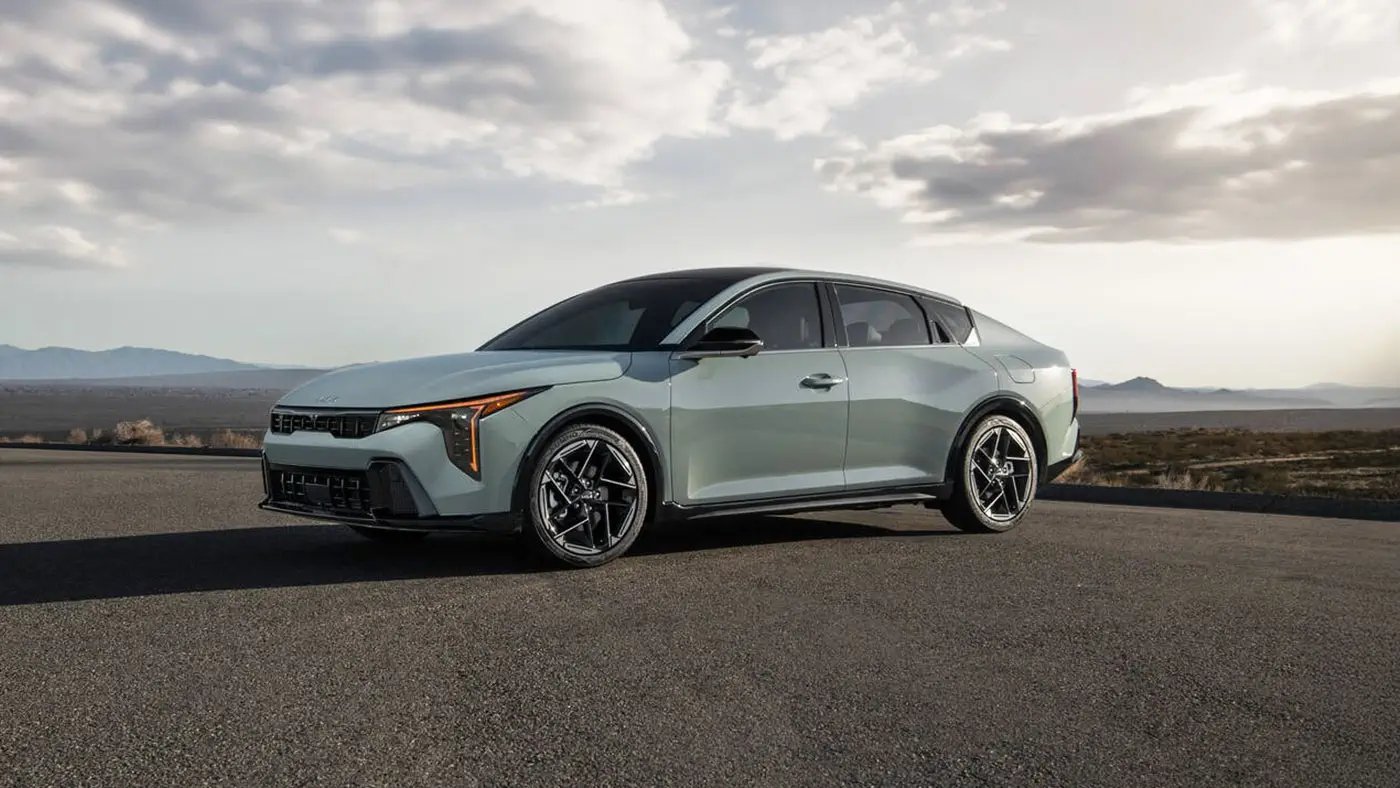
The Kia K4 earns a U.S. News rating of 9.1 out of 10 and the highest value rating on this list at 9.8 out of 10, achieving 33 mpg combined. Available as both a sedan and a hatchback, the K4 pairs distinctive styling with a wide cabin that provides generous interior space in both configurations. The base model uses a naturally aspirated four-cylinder and CVT that handles everyday errands adequately but lacks highway authority. The GT-Line Turbo variant offers a turbocharged engine and an eight-speed automatic transmission that are far more engaging. Every K4 uses front-wheel drive.
The sedan trunk is class-leading, and the hatchback cargo area is also generous. The hatchback configuration also suits taller rear-seat passengers better than the sedan. Standard across the entire K4 lineup is a 12.3-inch infotainment display with wireless Android Auto and Apple $AAPL CarPlay, a feature most vehicles at this price offer only on higher trims or not at all.
The 9.8 out of 10 value rating reflects how much the K4 delivers per dollar across space, technology, and feature content. The sedan trunk advantage is concrete: class-leading cargo volume in that configuration means the K4 handles more of the practical hauling tasks that compact sedan buyers regularly face. For buyers choosing between the standard base configuration and the more expensive GT-Line Turbo, the performance gap is genuine enough to warrant serious consideration. The 9.8 out of 10 value rating is the highest on the list and reflects how well the K4 delivers across space, style, technology, and feature content relative to its price. The 12.3-inch standard infotainment display alone represents a technology inclusion typically reserved for vehicles at a higher price tier, and its standard presence across all K4 trims gives every buyer access to the same technology regardless of which trim level best fits the buyer’s budget constraints or feature priorities within the K4 lineup.
Credit: Nissan
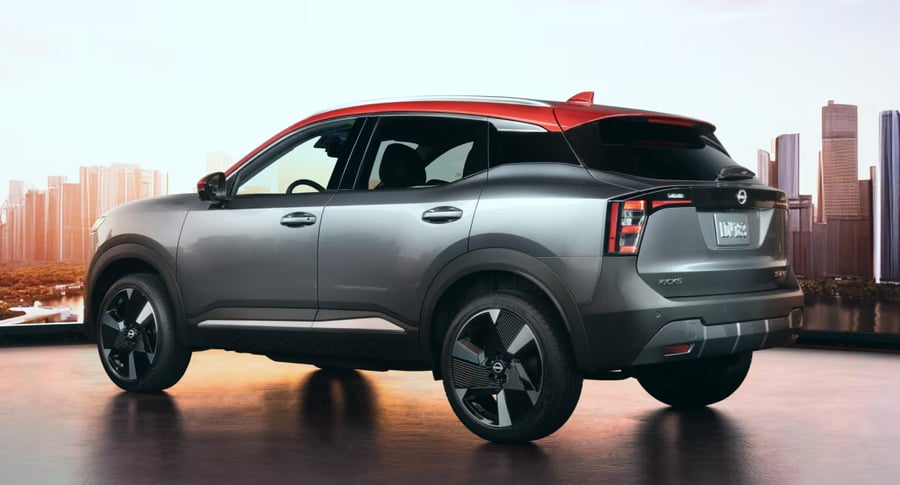
The Nissan Kicks earns a U.S. News rating of 8.5 out of 10 and a value rating of 8.8 out of 10, achieving 31 mpg combined. The Kicks uses a naturally aspirated four-cylinder paired with a CVT, with front-wheel drive standard and all-wheel drive available, making it one of the few vehicles on this list to offer AWD at a budget price point. The powertrain is not a hybrid but delivers adequate power for city and suburban driving. Larger wheel packages transmit more road imperfections into the cabin, which is a trade-off worth considering when specifying the vehicle.
Even the base Kicks S includes a large touchscreen, wireless Apple $AAPL CarPlay and Android Auto, adaptive cruise control, and both forward and reverse automatic emergency braking. The inclusion of reverse automatic emergency braking on the base trim is worth noting specifically: most vehicles at this price offer the forward version as standard and charge for the reverse variant. Both rows of seats feature comfortable padding and generous legroom for taller occupants, though rear headroom can run tight depending on the occupant’s height. Cargo space is competitive for the subcompact SUV class.
The Kicks’ standard safety package is notably comprehensive for the segment and price tier. Adaptive cruise control at the base trim level means the vehicle adjusts its speed to maintain a following distance without requiring driver intervention, a feature that significantly reduces fatigue on highway commutes and road trips. For buyers who spend a meaningful portion of their driving time on the highway, the standard adaptive cruise and reverse AEB represent a safety feature level typically associated with more expensive vehicles. Standard reverse AEB, standard adaptive cruise, and optional AWD together make the Kicks’ base trim more comprehensively equipped than most subcompact SUVs at a significantly higher price point than competing subcompact SUVs in the same general price range and segment.
Credit: Toyota
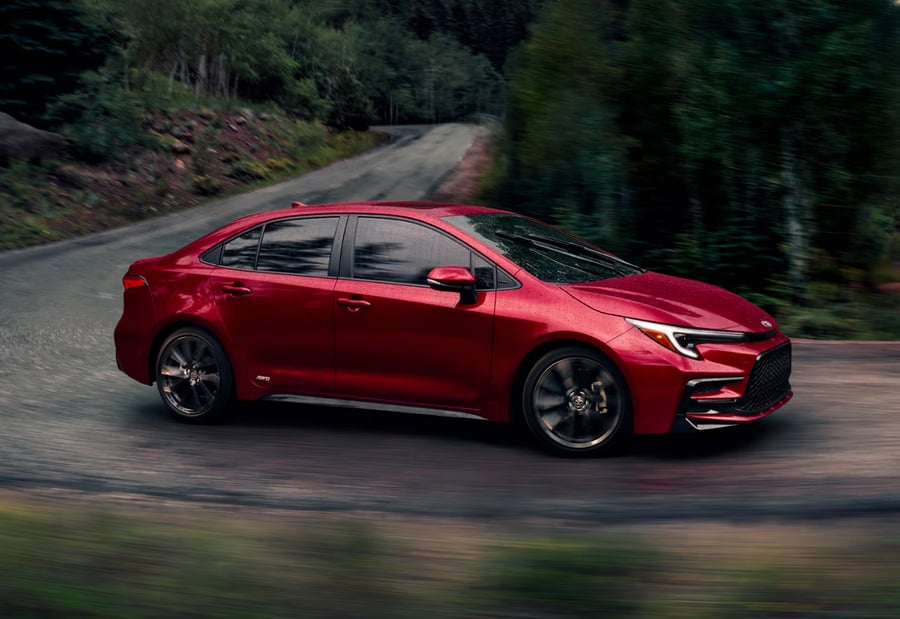
The 2026 Toyota $TM Corolla earns a U.S. News rating of 8.6 out of 10 and a value rating of 9.2 out of 10, achieving 35 mpg combined. Available in both sedan and hatchback forms, the Corolla uses a non-turbocharged four-cylinder paired to a CVT with a rear-first gear, a specific engineering detail that produces quicker initial acceleration than a standard CVT by allowing conventional gear engagement at launch. Every Corolla uses front-wheel drive, though the hybrid and GR Corolla variants offer all-wheel drive at higher price points. Light steering and a well-tuned ride give the Corolla a pleasant everyday character.
The interior is starting to show its age in design terms, but compensates with simplicity and clarity that many newer, more complex interiors lack. The front seats are supportive, and both rows of the sedan offer ample legroom. The hatchback’s rear seat is considerably more cramped. The base LE trim restricts buyers to the sedan, but wireless Apple $AAPL CarPlay and Android Auto, automatic climate control, automatic high-beam headlights, and a full driver-assistance suite are all standard.
The Corolla’s 35 mpg combined puts it well above most non-hybrid compact cars on this list and narrows the gap considerably with the hybrid Corolla, which achieves 50 mpg. For buyers who do not need the full 50 mpg fuel economy of the hybrid but want better fuel efficiency than a standard compact car, the conventional Corolla fills that space at a lower price than the hybrid variant, with a powertrain that is fully conventional in its operation and service requirements. The CVT’s rear-first gear innovation also represents a genuine engineering improvement that addresses the one meaningful driving criticism traditional CVTs attract: the rubbery, disconnected sensation of acceleration from a standing start that direct-drive transmissions do not produce in typical daily use with repeated stop-and-go cycles from traffic lights or parking.
Credit: Buick
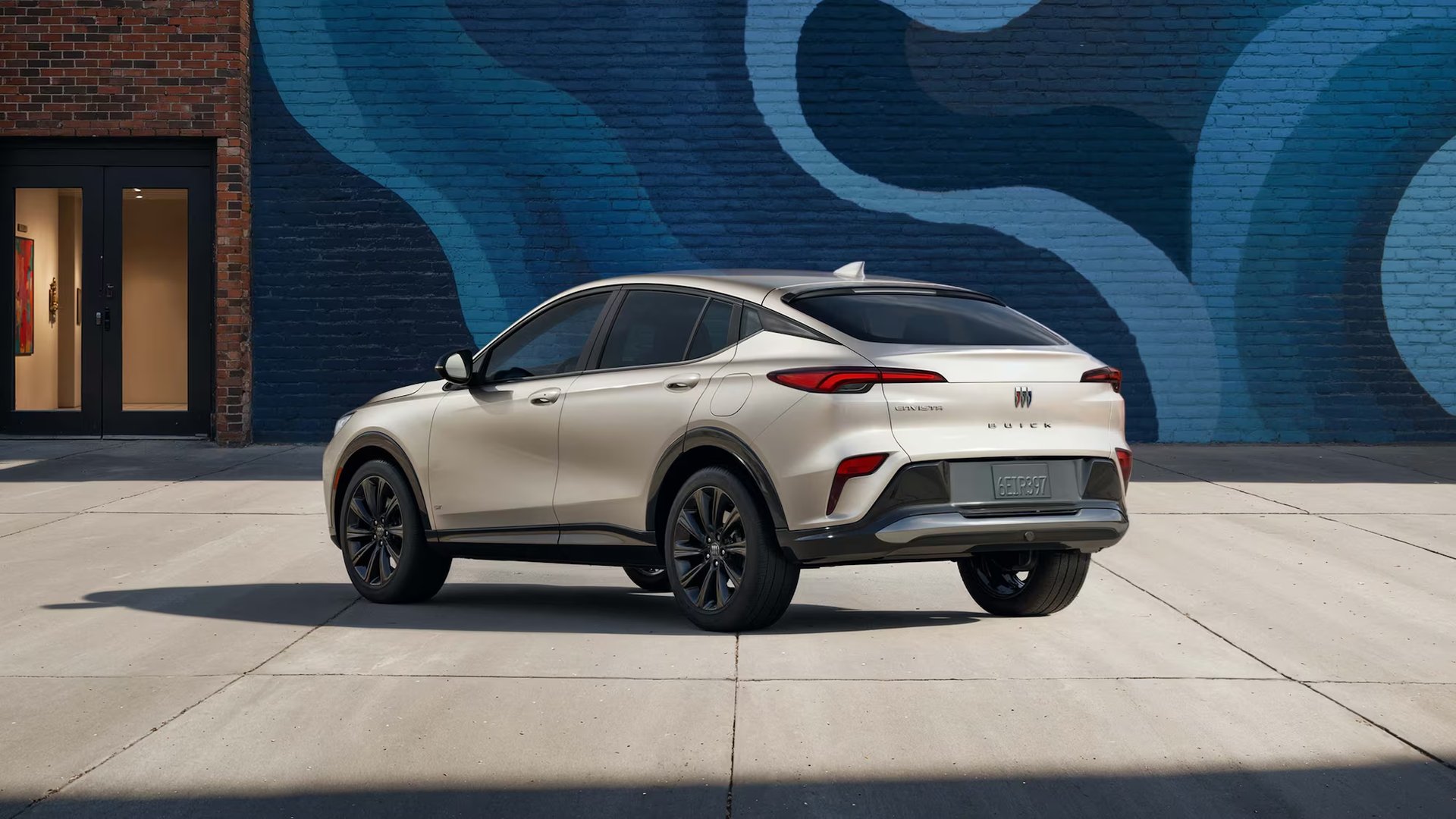
The 2025 Buick Envista earns a U.S. News rating of 8.7 out of 10 and a value rating of 8.2 out of 10, achieving 30 mpg combined. The powertrain is a 136-horsepower turbocharged three-cylinder mated to a six-speed automatic with front-wheel drive. The setup handles city and suburban driving adequately but lacks pace at highway speeds, a common characteristic of the turbocharged three-cylinder engines used by several vehicles on this list. Handling and steering are better than the Envista’s budget positioning might suggest, and the active noise cancellation system is standard across the lineup.
Inside, the Envista uses genuinely upscale materials and an elegant design that aligns with Buick’s premium positioning even at the lowest price in its lineup. The 8-inch driver information display and 11-inch infotainment screen cluster are a single large unit and are easy to use, with wireless Apple $AAPL CarPlay and Android Auto standard alongside a mix of physical and touch-based controls. Cargo space is competitive for the class, though some rivals offer larger dimensions. Driver-assistance technology covers the expected suite.
Active noise cancellation at the standard equipment level is the Envista’s most distinctive feature relative to competitors at this price. Most subcompact SUVs do not include noise cancellation at any trim level, and its presence in the Envista’s base specification gives the cabin a quieter highway experience than the vehicle’s price or engine configuration would otherwise suggest. For buyers who spend significant time on the highway and for whom cabin noise is a meaningful comfort variable, the Envista’s standard noise cancellation addresses that preference at a price point where it is essentially unique. The Envista’s Buick badge also brings a service and warranty network associated with a premium brand, not a budget label, which adds intangible ownership reassurance that a generic budget nameplate does not provide to the same degree over a typical multi-year ownership and service period for a new car.
Credit: Honda
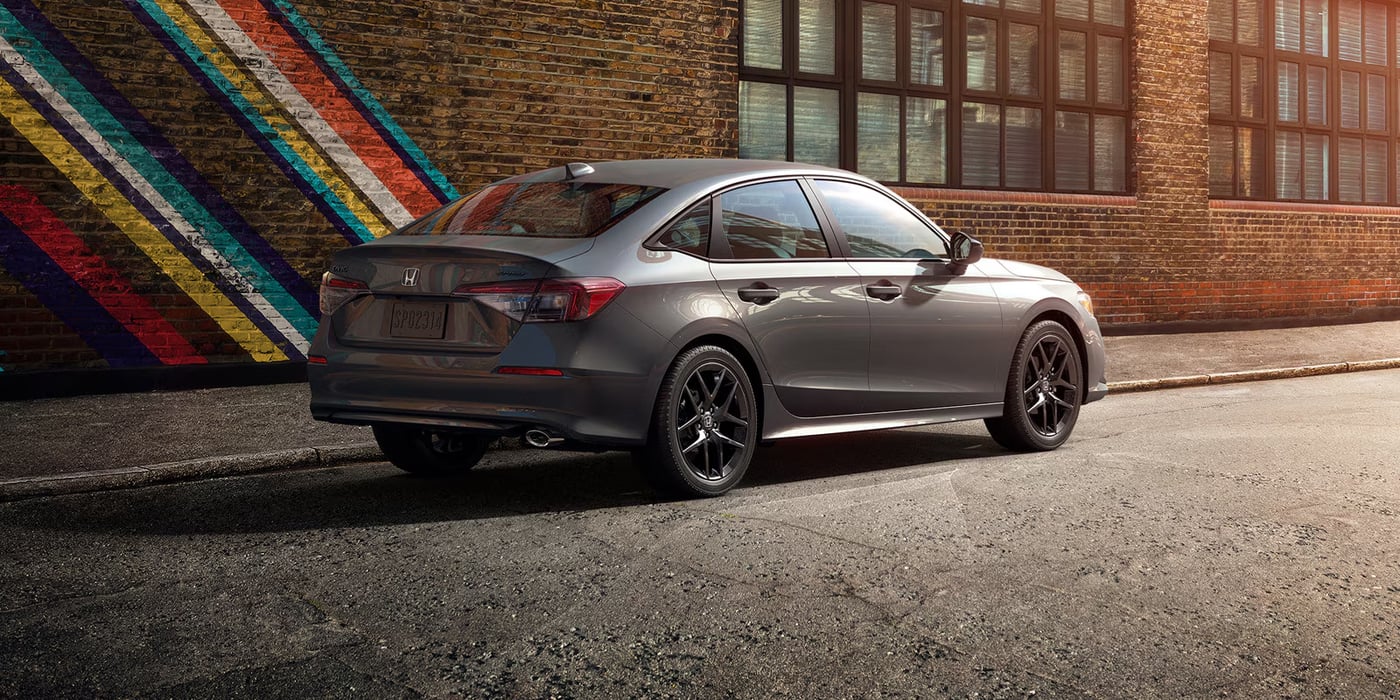
The Honda $HMC Civic earns a U.S. News rating of 9.4 out of 10 — the highest on this list — alongside a value rating of 8.1 out of 10 and a 36 mpg combined fuel economy rating. Available as both a sedan and hatchback, the Civic uses a naturally aspirated four-cylinder and CVT with front-wheel drive across most configurations. Hybrid, Si, and Type R variants are available at higher prices. Power delivery is more than adequate for the class, handling is genuinely good, and the steering weight and feel stand out positively in the compact car segment.
Headroom and legroom are good in both rows, even for taller passengers, and the hatchback does not impose a headroom penalty compared to the sedan. The interior is basic in design but thoughtfully organized, with physical controls and knobs positioned below the touchscreen infotainment system. The screen is small but connects to Apple $AAPL CarPlay and Android Auto. Honda includes an extensive list of standard driver-assistance features across all trim levels.
The 9.4 out of 10 U.S. News overall rating is the distinguishing figure: it represents the broadest positive assessment of any vehicle on this list across the full range of evaluation criteria, including ride quality, interior design, feature content, fuel economy, reliability, and safety. Buyers who want the highest-rated overall vehicle at the low end of the new car market and who can accept a more basic interior aesthetic will find the Civic makes the strongest comprehensive argument of any vehicle on this list. The hatchback form’s lack of a headroom penalty is also a practical benefit, allowing buyers to choose the body style they prefer without sacrificing passenger comfort. The Civic’s broad appeal across buyer types also means its resale value tends to hold up well compared to lower-volume competitors at this price point.