Expensive cities keep pushing residents out. Redfin measured net migration for 100 U.S. metros in Q4 2025 to find the top gainers and losers

Debora Vandor / Getty Images
The price gap between expensive cities and affordable ones now runs wide enough to change where people choose to live. Buyers who cannot afford the markets they grew up in — or the ones where they built careers — are increasingly treating the question of where to live as a financial decision first and everything else second. The calculation is not complicated. Cheaper home prices mean smaller down payments, reduced monthly obligations, and in some cases the difference between owning something and renting forever. That arithmetic is redrawing the U.S. migration map one searcher at a time.
Nearly one in five house hunters — 18.8% — looked to move to a different part of the country in the fourth quarter of 2025, up from 17.9% a year prior and up from 15.9% a half-decade earlier. The steady rise carries a counterintuitive detail. The pandemic era, when remote work was at its peak and rates were hovering near 3%, generated a lower share of would-be relocators than the market saw in late 2025. Mortgage rates eased somewhat over the course of 2025, and inventory grew enough to give buyers options they had been waiting on. Many of those buyers used the opening to act on plans they had been deferring. Acting meant moving.
Redfin, the real estate brokerage, tracked search behavior across the 100 largest U.S. metro areas in the fourth quarter of 2025. The company measured the net inflow and net outflow of home searchers in each market — the difference between how many people were flowing into a metro from elsewhere and how many were looking out — to rank which cities are gaining the most interest from outside buyers and which are losing residents to somewhere else. The results show a consistent pattern at both ends of the list.
The Good Brigade / Getty Images
Los Angeles posted a net outflow of 25,908 Redfin home searchers in the fourth quarter of 2025, the largest departure figure of any metro in the country. The gap between Los Angeles and second-place New York was nearly 3,000 searchers, making Los Angeles the clear leader in outbound migration by a significant margin.
The primary driver is cost. The typical home in Los Angeles sells for roughly twice the price of its Las Vegas equivalent — the top out-of-state destination for people leaving Los Angeles — where the median sits at $435,000. Buyers who stay within California most often redirect their searches to San Diego. Those willing to cross state lines overwhelmingly choose Las Vegas, where the same housing budget stretches considerably further and the tax environment differs from California's.
Los Angeles has long topped outflow lists, but the scale of its departure numbers reflects conditions that have compounded over years. Home prices in the metro remain among the highest in the country. Elevated purchase prices, persistent insurance costs tied to wildfire risk, and a high state tax burden give buyers strong financial reasons to consider alternatives. Many who can work remotely have already made the move, and those still in the market continue to act on the same set of pressures.
The pattern among those leaving is consistent: buyers are not searching for comparable cities. They are searching for places where the same income supports a materially better housing outcome. For a buyer priced out of a starter home in Los Angeles, the prospect of a larger house in a lower-cost market represents not just a real estate decision but a recalibration of what ownership can look like.
Los Angeles's outflow is also the primary engine behind the strong inbound numbers in both Las Vegas and Sacramento. Both cities appear in the top five destinations nationally, and both list Los Angeles as either their top overall origin or the leading out-of-state source. The migration corridor between greater Los Angeles and its most affordable neighbors has become one of the most traveled in the country.

Connect Images / Getty Images
New York recorded a net outflow of 23,080 home searchers in the fourth quarter of 2025, the second-largest departure total in the country. The top destination for those leaving is Philadelphia, which is also the leading out-of-state choice, meaning the movement out of New York is primarily a short-range, mid-Atlantic phenomenon.
The cost explanation is direct. A home in Philadelphia sells for less than half the price of a comparable property in New York. For buyers who have spent years in one of the country's most expensive rental and purchase markets, Philadelphia offers proximity — it is about 90 minutes by train — alongside a dramatically lower price floor. A buyer who cannot cover a one-bedroom apartment in Brooklyn can purchase a row house in South Philadelphia with money left over.
New York's outflow differs from Los Angeles's in one notable way: it is more geographically concentrated. Los Angeles buyers scatter across multiple states and Sun Belt metros. New York searchers cluster around Philadelphia and a handful of Northeast alternatives. That concentration reflects the specific calculus of East Coast buyers, many of whom remain tethered to jobs or family networks within a commutable or drivable radius of the metro.
The scale of New York's outbound migration — more than 23,000 net searchers in a single quarter — illustrates how persistently the city's cost structure pushes buyers toward the exits. New York has topped or come close to topping this list in prior periods, and the fourth quarter of 2025 shows no sign of a reversal. Housing costs in the metro remain high, and the gap between New York prices and those of nearby alternatives has not closed enough to slow the departure.
What the data also shows is that people leaving are not disappearing from the housing market. They are redirecting. Philadelphia's appearance as both the top overall and top out-of-state destination makes clear that New York's loss is directly feeding demand in a neighboring metro that has its own affordability pressures but remains far cheaper by comparison.
Nicholas Klein / Getty Images
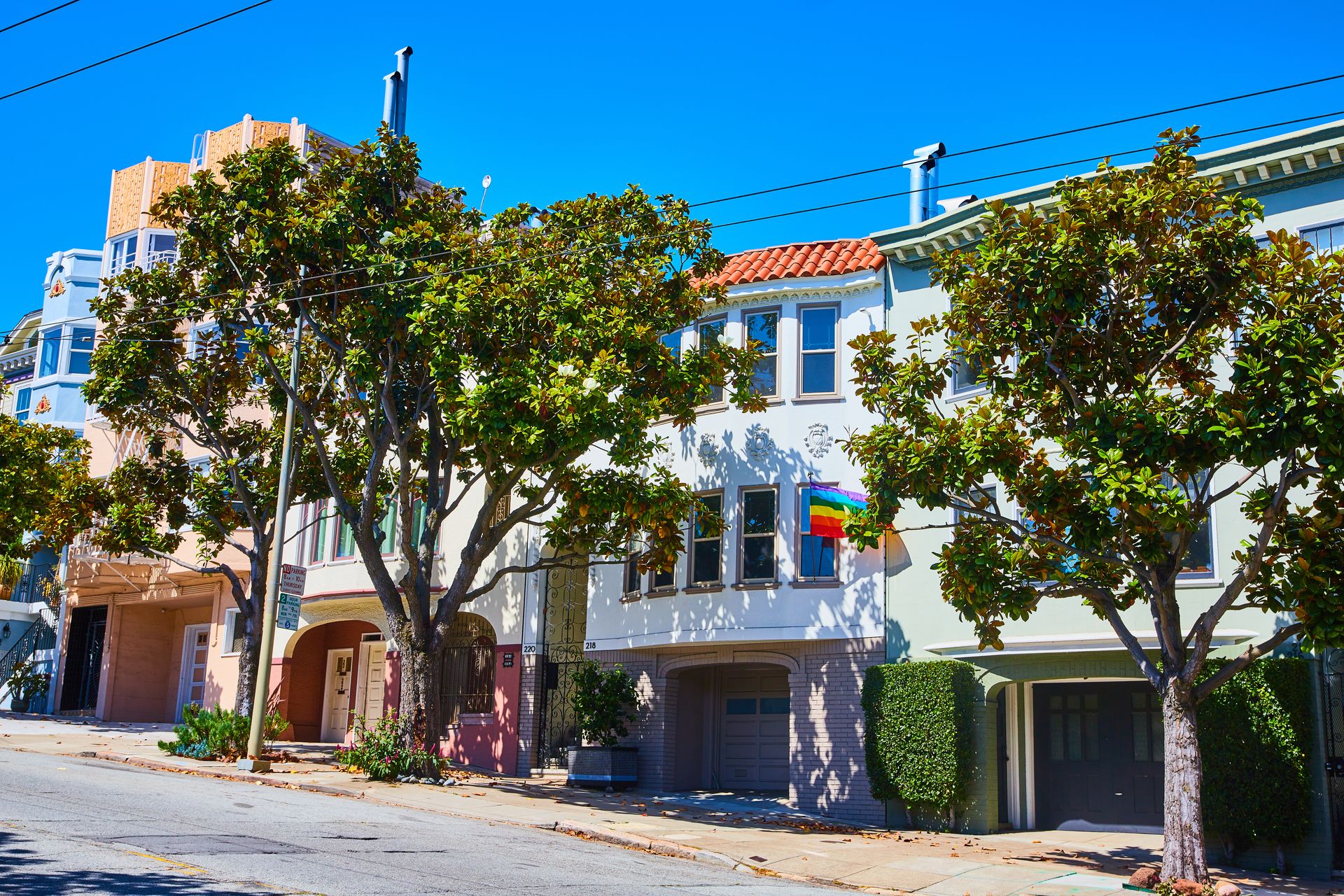
The San Jose–San Francisco metro logged a net outflow of 21,230 home searchers in the fourth quarter of 2025, the third-largest departure figure in the country. Sacramento, Calif., is the top destination for Bay Area leavers, and Seattle is the top out-of-state alternative.
Bay Area outbound migration peaked in 2021 and 2022, when pandemic-era remote work gave tech workers the freedom to leave without sacrificing their salaries. At that peak, the Bay Area ranked near the top of outflow lists with even larger departure figures than it posts today. The current number — 21,230 — is still substantial, but the trajectory has changed. Return-to-office requirements at major tech employers have tethered some workers to the region. A rebounding job market in artificial intelligence has added new demand for in-person presence at Bay Area companies, giving those professionals both a reason to stay and, in some cases, a salary increase that makes staying financially viable.
Slowing home-price growth in the Bay Area has also reduced one of the psychological pressures that pushed buyers out during the pandemic period. When Bay Area prices climbed fastest, many homeowners felt urgency to cash out near the peak and redeploy equity into a more affordable market. That urgency has eased as price growth has moderated, making the calculus of staying versus leaving less stark than it was.
Sacramento remains the most direct beneficiary of Bay Area departures. The two markets are about 90 miles apart, and Sacramento offers meaningfully lower home prices while keeping buyers within California's job networks and time zone. For buyers who want to leave the Bay Area without leaving the state, Sacramento is the default alternative.
The continued presence of the Bay Area in the top three outflow metros — even as its departure numbers moderate — reflects how durable the affordability gap between the region and its neighbors remains. Bay Area home prices are still among the highest in the country, and the fundamental economics of the market have not shifted enough to reverse the outbound trend.

irina88w / Getty Images
Seattle saw a net outflow of 19,154 home searchers in the fourth quarter of 2025, placing it fourth among the metros shedding residents fastest. The top destination for Seattle leavers is Portland, Ore., which is also the preferred out-of-state choice. The movement out of Seattle is largely contained within the Pacific Northwest.
Seattle's outflow profile is distinct from the other major job-hub cities at the top of this list. Los Angeles, New York, and the Bay Area each post outflows above 21,000. Seattle's figure of 19,154 puts it in a different tier. The gap between Seattle and Chicago, the next metro on the list, is also notable. Seattle's outflow is nearly 6,000 searchers larger than Chicago's, placing it firmly between the three coastal giants above it and the cities well below.
Portland's dominance as the preferred destination reflects the geographic logic of Pacific Northwest migration. Buyers leaving Seattle in search of lower housing costs find Portland within driving distance and within a familiar cultural and climatic context. Portland home prices are lower than Seattle's, and the city has long served as a secondary option for buyers who want to stay in the region.
Seattle's outflow also reflects the tension between its job market and its housing costs. The city remains a major tech hub, and large technology employers maintain significant workforces there. That payroll base creates demand that keeps home values elevated, which in turn pushes buyers who cannot meet those costs toward alternatives. The people most likely to leave are those without employer ties to the city. Remote workers, retirees, and residents whose jobs could be done from Portland or elsewhere in the Northwest face the least friction in relocating.
The fourth-quarter figure of 19,154 places Seattle in consistent company with the other high-cost coastal cities, confirming that the city's outflow is not an anomaly but a feature of a housing market that prices out a significant share of its own prospective buyers.
stevegeer / Getty Images
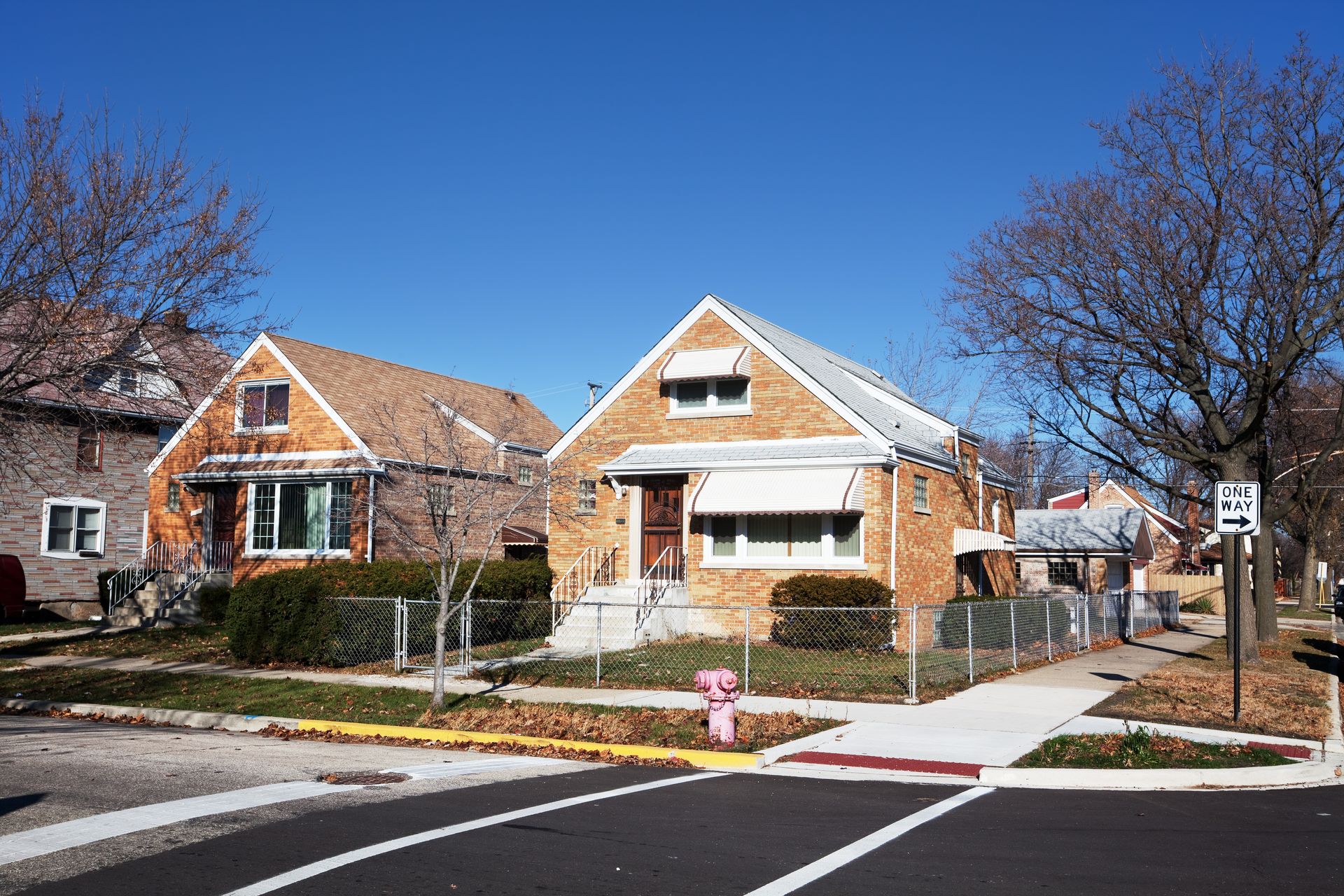
Chicago reported a net outflow of 13,218 home searchers in the fourth quarter of 2025, the fifth-largest departure total in the country. The top destination for Chicago leavers is Milwaukee, which is also the leading out-of-state choice. Chicago is the primary out-of-state origin for both Cape Coral–Fort Myers and North Port–Sarasota, two Florida metros that rank among the top five destinations nationally.
Chicago's position on this list differs from the four metros above it in an important way. Los Angeles, New York, the Bay Area, and Seattle are all high-cost coastal markets where elevated home prices are the obvious pressure. Chicago is a Midwest city with a more moderate price level, yet it still posts a net outflow large enough to rank fifth nationally. Illinois's state and local tax rates, a cold climate, and population loss that has reduced the city's economic gravitational pull over time all factor into the departure numbers.
Milwaukee's appearance as Chicago's top destination captures the short-range dynamic of Chicago outmigration. Buyers looking to lower their cost of living without leaving the Midwest find Milwaukee within easy reach. The distance between the two cities is less than 90 miles, and Milwaukee's home prices are lower than Chicago's, making it an accessible option for buyers seeking relief over a full relocation.
The Florida connection reveals an extended-distance movement running alongside the Milwaukee corridor. Chicago buyers who want warm weather and lower taxes are choosing Cape Coral–Fort Myers and North Port–Sarasota at high enough rates to make Chicago the leading out-of-state origin for both metros. This dual pattern — one close, one far — makes Chicago's outflow more varied than the other cities on this list, where buyers tend to converge on a single dominant destination.
Chicago's net outflow of 13,218 is also notably smaller than Seattle's 19,154, confirming that Chicago's departure pace, while significant, is materially lower than the high-cost coastal hubs above it.

Debora Vandor / Getty Images
Sacramento, Calif., received a net inflow of 4,268 home searchers in the fourth quarter of 2025, the largest figure among all metros gaining residents. The primary origin for those arriving is San Francisco, Calif. The top out-of-state origin is Seattle, Wash., indicating that Sacramento draws from multiple high-cost Pacific markets, not only the Bay Area.
Sacramento's appeal is straightforward: it sits close to one of the most expensive housing markets in the country and costs dramatically less to buy into. For a Bay Area buyer who needs to stay within California's job networks — or who simply prefers not to leave the state — Sacramento is the most accessible off-ramp from those elevated prices. The drive between San Francisco and Sacramento runs about 90 minutes under normal conditions, and several major employers have maintained hybrid arrangements that make the commute manageable on a reduced schedule.
The Seattle connection adds a dimension the Bay Area alone cannot explain. Out-of-state buyers from Seattle arrive in Sacramento in enough volume to rank it as the top non-California origin. For Seattle buyers, Sacramento offers warm weather, reduced prices, and a California lifestyle at a lower entry cost than the Bay Area markets they may have considered.
Sacramento's climate is a secondary factor the source identifies across many of the top destination metros. Warm, sunny weather is a shared characteristic of most cities receiving the largest net inflows. Sacramento fits that profile. Summer temperatures there are considerably higher than San Francisco's, and the dry climate appeals to buyers from the perpetually overcast Pacific Northwest.
The broader context is that Sacramento has appeared on inflow lists consistently for several years, reflecting a structural feature of California's housing geography: the Bay Area generates departures, and Sacramento is the closest place for those movers to go. With a net inflow of 4,268, Sacramento is not just a convenient alternative. It is the country's most sought-after relocation destination in the fourth quarter of 2025.
LPETTET / Getty Images
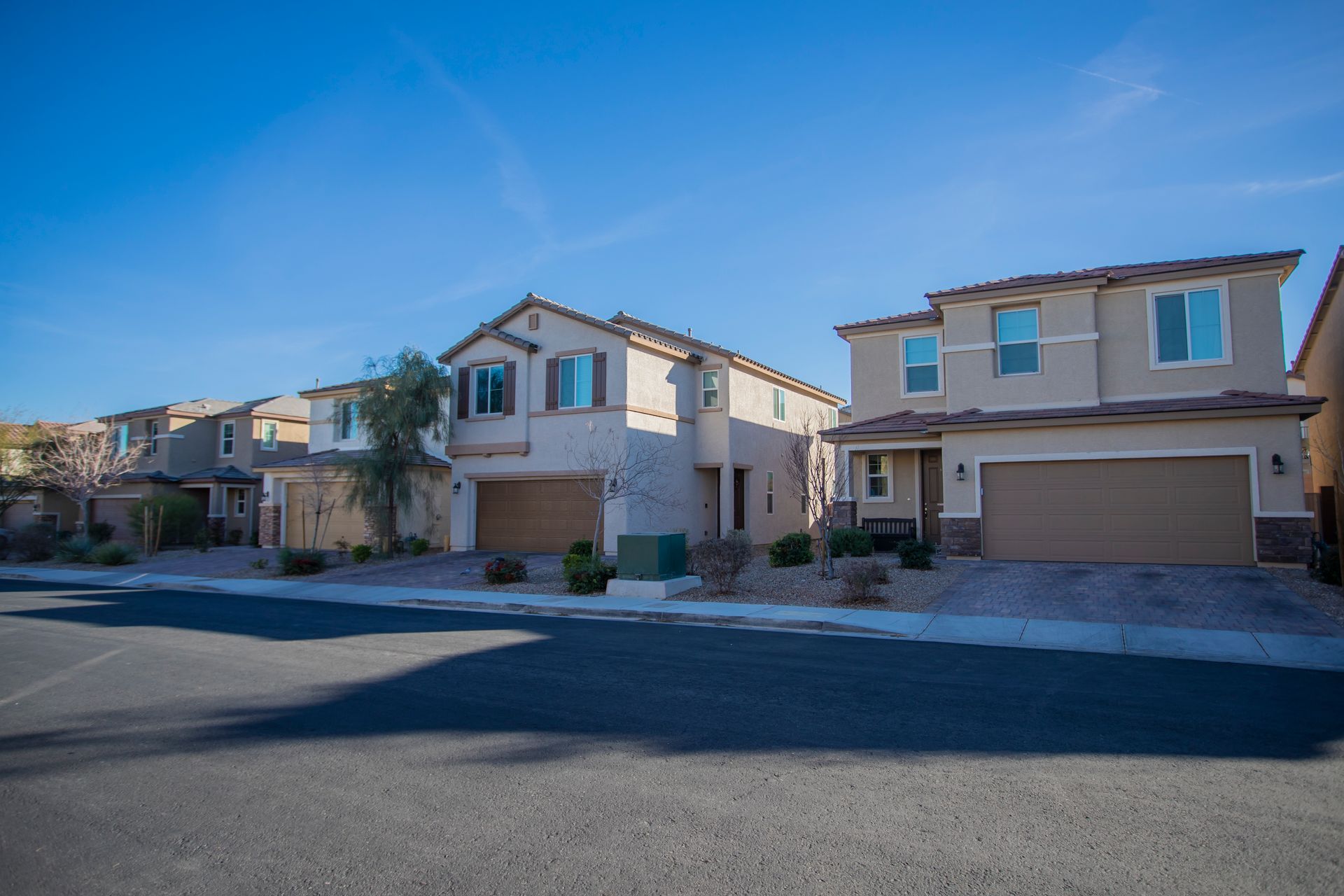
Las Vegas drew a net inflow of 4,160 home searchers in the fourth quarter of 2025, the second-highest figure among all destination metros. Los Angeles is both the top overall origin and the leading out-of-state source for Las Vegas, making the migration corridor between greater Los Angeles and Las Vegas one of the most direct and heavily trafficked in the country.
The price gap between the two markets anchors the movement. The typical home in Las Vegas sells for $435,000. The typical home in Los Angeles costs twice that. For a buyer priced out of even the most modest ownership options in Los Angeles, Las Vegas offers entry-level homeownership at a cost that requires a significantly lower down payment and a considerably smaller monthly obligation.
Las Vegas also offers Nevada's tax environment, which includes no state income tax. That is a material difference for buyers relocating from California, where the state income tax rate is among the highest in the country. For buyers who work remotely, the savings alone can amount to tens of thousands of dollars annually, effectively subsidizing the cost of the move.
The metro's infrastructure for in-migration is well established. Las Vegas has received significant numbers of California transplants for more than a decade, and the services, neighborhoods, and community networks that support new arrivals are mature. Buyers moving from Los Angeles find a city that has absorbed large numbers of people from their same origin, reducing some of the friction of relocation.
Las Vegas's net inflow of 4,160 puts it within 108 searchers of Sacramento, the top-ranked destination. The two cities have competed for this position in prior quarters. Both draw primarily from the same high-cost Pacific markets, and both offer an identical fundamental value proposition: more housing for less money in a warm, accessible location.
JillianCain / Getty Images
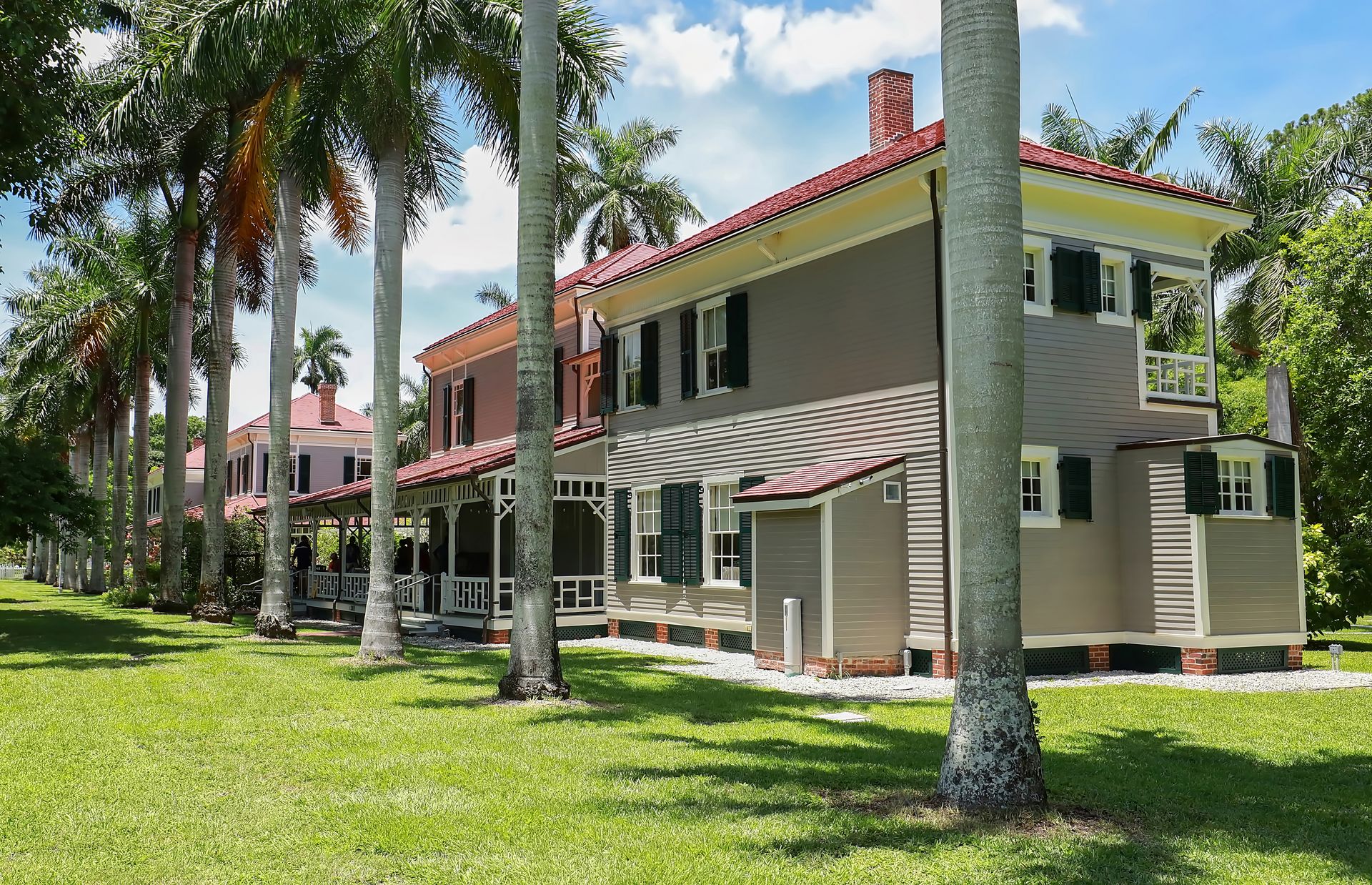
Cape Coral–Fort Myers attracted a net inflow of 4,098 home searchers in the fourth quarter of 2025, the third-largest figure among all destination metros. Chicago is both the top overall origin and the leading out-of-state source for the metro, distinguishing Cape Coral–Fort Myers from most of the other top destinations, which draw primarily from West Coast or Northeast markets.
The Midwest connection gives Cape Coral–Fort Myers a distinct buyer profile. While Sacramento and Las Vegas compete for California transplants and Miami receives New York arrivals, Cape Coral–Fort Myers absorbs buyers from Chicago and, by extension, the broader Midwest corridor that feeds into Chicago. For a buyer tired of cold winters and looking for a warm climate, Florida's Gulf Coast offers a direct geographic alternative.
Cape Coral–Fort Myers sits on Florida's Southwest Gulf Coast, known for its water access, fishing, and outdoor lifestyle. The area's relative affordability within Florida — home values here are lower than in Miami — makes it viable for buyers from Midwest markets where housing costs are moderate and purchasing power is somewhat limited compared to coastal California or New York.
The fourth-quarter timing of this data matters. Q4 runs from October through December, a period when Midwest and Northern buyers are most acutely aware of winter conditions. Searches from Chicago for properties in Cape Coral–Fort Myers during the fall and early winter reflect buyers motivated by climate as well as cost.
Florida's Gulf Coast has experienced rapid growth over the past several years, and the Cape Coral–Fort Myers metro is one of the areas that has absorbed the most new residents. With a net inflow of 4,098, it ranks third nationally and demonstrates that Florida's draw extends well beyond the high-profile markets of Miami or the theme-park corridors of Orlando. The Midwest buyers arriving in the largest numbers are choosing this stretch of the Gulf Coast over every other Florida market.
felixmizioznikov / Getty Images
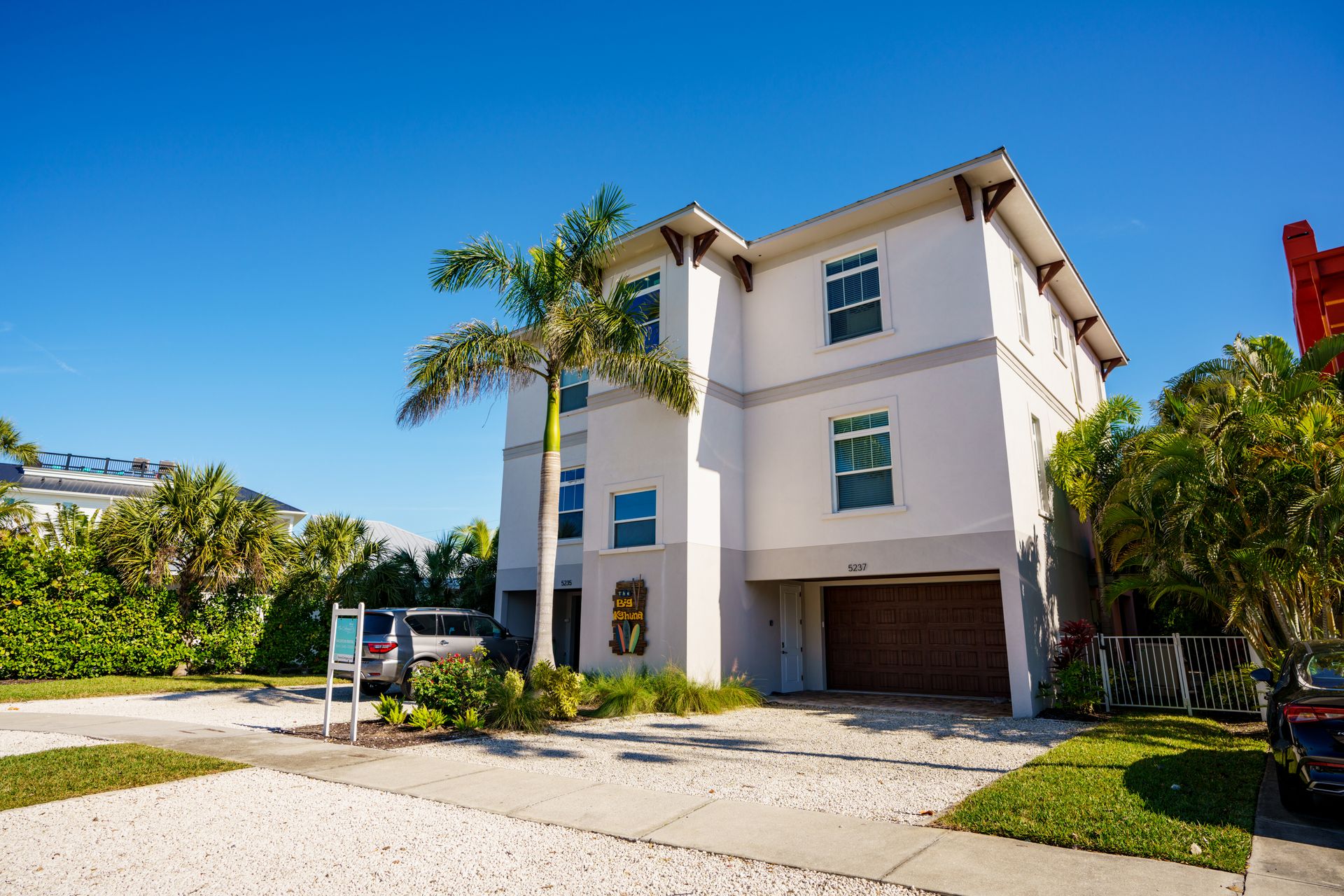
North Port–Sarasota tallied a net inflow of 4,008 home searchers in the fourth quarter of 2025, ranking it fourth among all destination metros. Chicago is both the top overall origin and the leading out-of-state source. The pattern is identical to that of neighboring Cape Coral–Fort Myers to the south.
The two adjacent Florida Gulf Coast metros — Cape Coral–Fort Myers at third and North Port–Sarasota at fourth — draw from the same primary source and share a broadly similar appeal. Both offer warm weather, Gulf Coast access, and home prices lower than Florida's most prominent markets. The 90-searcher gap between them (4,098 versus 4,008) indicates that Chicago buyers are nearly equally likely to target either metro, with a slight preference for Cape Coral–Fort Myers.
North Port–Sarasota encompasses the Sarasota area, which has a different character from the Cape Coral end of the Gulf Coast. Sarasota has cultural institutions, a downtown, and a longer-established arts and dining scene that appeals to a different slice of the buyer population. Buyers seeking a slower beach-community pace tend toward Cape Coral. Those wanting more urban amenities alongside the Gulf Coast climate often target Sarasota. Both end up in the same quarter's top five.
The fact that two separate Florida Gulf Coast metros occupy the third and fourth positions on the national inbound list reflects how much demand Florida continues to generate. Even as migration into several Florida markets has slowed since the pandemic peak, the state's net inflow was 34,381 in the fourth quarter of 2025. That figure is roughly twice the inflow of South Carolina, the second-most popular state. The strength in those Gulf Coast markets is a significant part of what keeps Florida's aggregate figure that high.
North Port–Sarasota's net inflow of 4,008 places it within a narrow range of the three metros above it, confirming that competition for top-destination status is tight at the upper end of the list.
felixmizioznikov / Getty Images
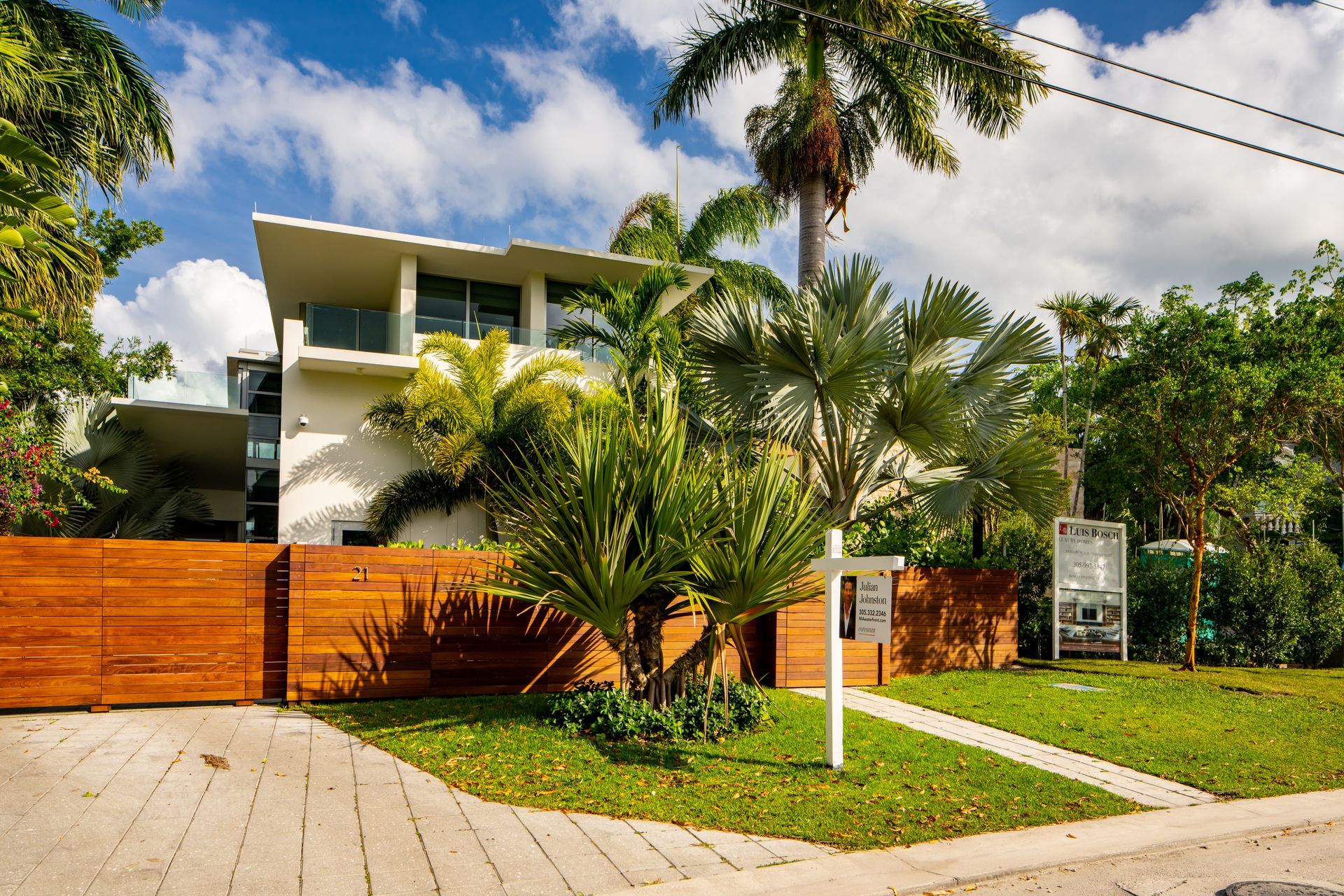
Miami generated a net inflow of 3,878 home searchers in the fourth quarter of 2025, the fifth-largest among destination metros. New York is both the top overall origin and the leading out-of-state source, giving Miami a buyer profile unlike every other city in the top five. Miami's primary origin is the East Coast, not the Midwest or the West.
The New York–Miami corridor reflects conditions that have made it one of the most prominent migration routes in the country over the past several years. New York buyers seeking warm weather, a different tax structure, and relief from the costs of one of the world's most expensive housing markets have increasingly targeted Miami. The city's waterfront lifestyle, international culture, and Florida's no-state-income-tax environment make it one of the most appealing alternatives for high-earning New Yorkers who can choose where they live.
Miami's presence in the top five destinations is notable given its own elevated price level. Miami is not cheap. It is one of the more expensive cities in Florida. Its inclusion in a list otherwise dominated by affordable markets illustrates that buyers are making comparative judgments, not absolute ones. For a buyer spending $2 million or more on a Manhattan apartment, Miami represents a value proposition even if it is expensive by national standards.
The net inflow of 3,878 makes Miami the smallest figure among the top five destinations, with North Port–Sarasota posting 4,008 and Sacramento leading at 4,268. The gap is narrow, and Miami's consistent appearance near the top of inbound lists reflects durable demand from the Northeast.
New York's role as the top origin also connects this entry directly to the outflow data. New York's net outflow of 23,080 is the second-largest in the country, and some of those departing buyers are landing in Miami. The two cities sit at opposite ends of one of the country's most active migration corridors.
