Night markets, after-dark food scenes, neighborhoods that don't open until midnight — these are the cities whose best experiences are invisible to the 9-to-5 traveler
Saksham Vikram / Pexels
Travel has a daytime bias. The museums open at nine, the tours leave at ten, the guidebook itineraries assume a morning start and an early dinner. This framework captures a real and significant version of most cities — but it systematically misses another version, one that is in many cases richer, stranger, and more specifically itself than anything available between sunrise and sunset.
The cities that transform most dramatically after dark do so for different reasons. Some are built around food cultures whose finest expression requires the cool of evening — the Taiwanese night market, the Marrakech Djemaa el-Fna, the Singapore hawker center after eight. Some reveal an architectural identity after dark that daylight conceals or diminishes — Hong Kong's harbor, Prague's bridges, the illuminated domes of Istanbul — because their designers understood that stone and water and light at night are different materials from stone and water and light during the day. Some come alive socially in ways that are entirely unavailable to the daytime visitor — the Beirut neighborhood that begins its real evening at midnight, the Buenos Aires milonga that doesn't fill until one in the morning, the Tokyo izakaya culture that takes six hours of slow eating and drinking to fully understand.
What these cities share is the specific quality that distinguishes a night worth staying up for from a night worth going to bed early to avoid: the sense that the city has relaxed into itself, that the performance of the day — the official version, the version for tourists and institutions and commerce — has concluded, and that what remains is more honest, more local, and more worth experiencing than what came before.
This list covers 20 cities whose nighttime experiences are not merely pleasant extensions of the day but genuinely distinct versions of the city. Each slide covers what specifically changes after dark, what to seek out, and what the night reveals about the place that the day conceals.
Nu Wachara / Pexels
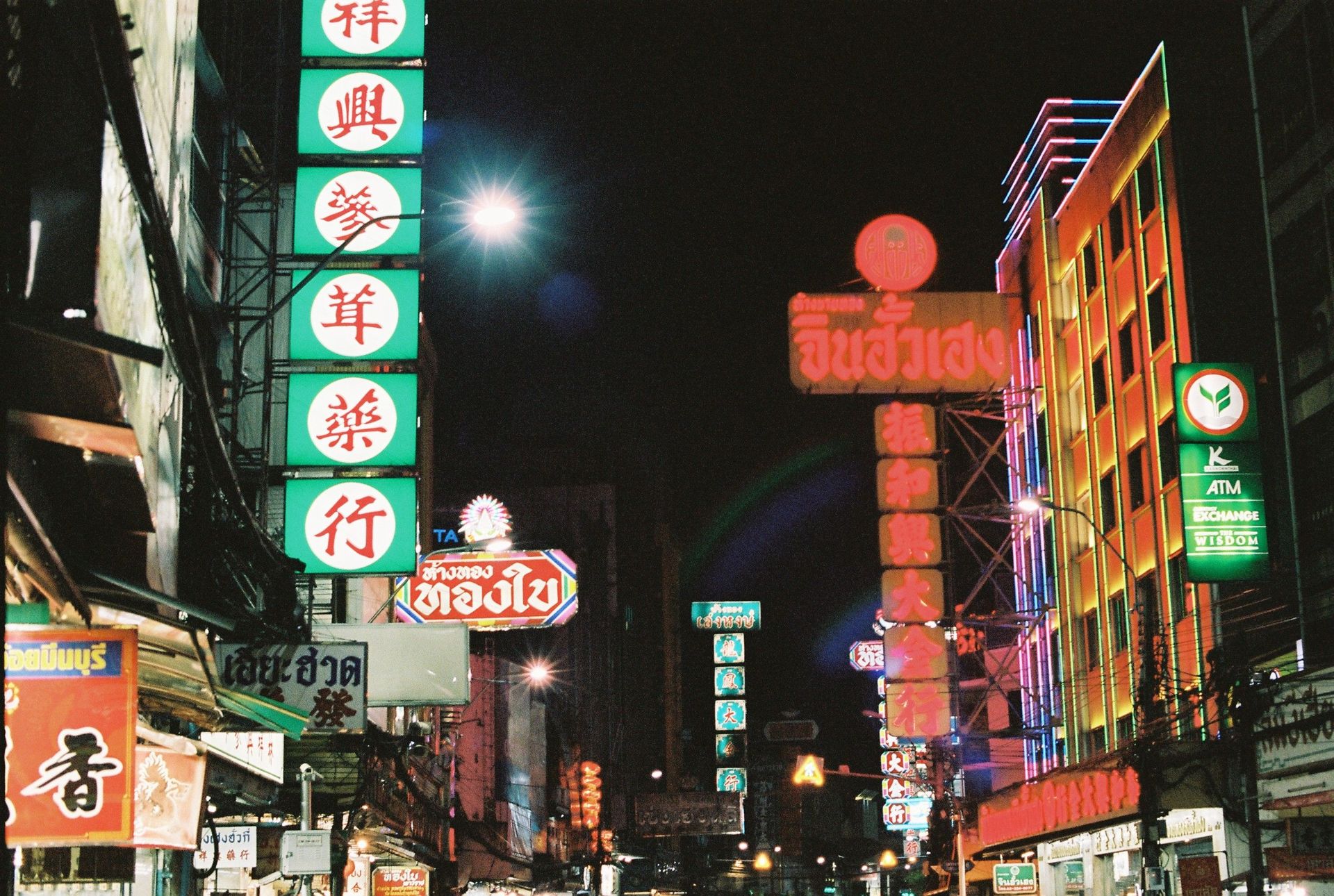
Bangkok is one of the world's great night cities — and the specific reason is not the nightclubs or the tourist strip of Khao San Road but the food, which moves outdoors after dark and becomes the city's primary social event. The street food culture of Bangkok operates on a different scale and at a different quality level at night than during the day: the serious vendors set up after sunset, the night markets in Chinatown (Yaowarat Road), Chatuchak, and the riverside districts cook food that is simultaneously some of the most technically sophisticated and most affordable in the world, and the specific pleasure of eating a perfect bowl of boat noodles or a plate of pad see ew at a plastic table on a Bangkok street at 10pm is one of the most memorable food experiences available anywhere.
The city also changes physically after dark. The Chao Phraya River, which during the day is a working waterway of cargo boats and ferry traffic, becomes after sunset a sequence of illuminated temples and palaces reflected in dark water — Wat Arun's central prang lit from below, the Grand Palace complex glowing across the river, the clusters of longboats moving between them. The river taxi to Asiatique, the riverside night market built on former docks, is among the more beautiful short journeys in the city.
What to seek after dark: Yaowarat Road in Chinatown from 9pm onward; the Chao Phraya at night by long-tail boat; the rooftop bars of Silom and Sathorn for the city's skyline; the late-night pad kra pao joints in residential neighborhoods that the hotel concierge will not mention.
Francisco Cornellana / Pexels
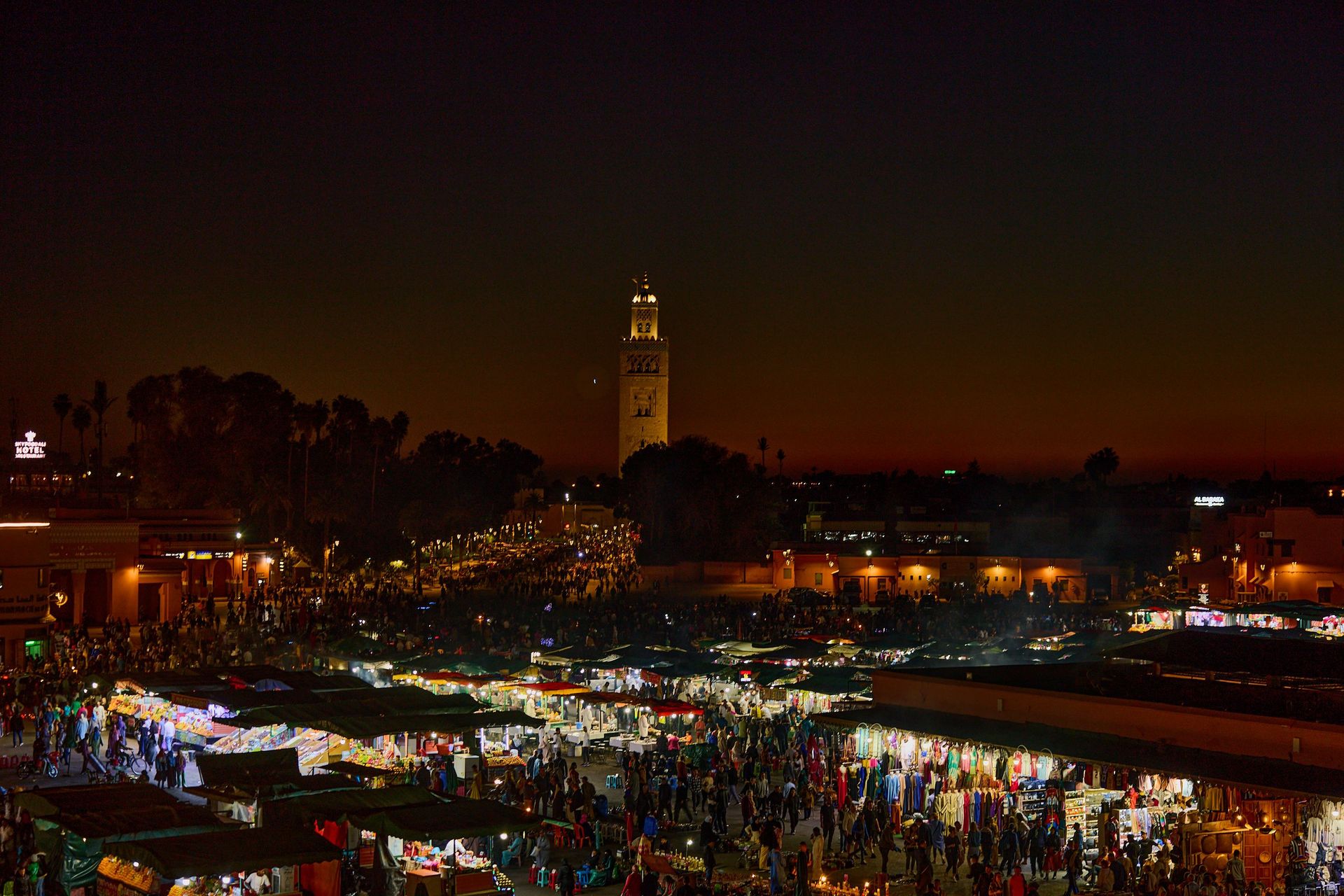
Marrakech undergoes one of the most dramatic urban transformations in the world as day becomes evening. The Djemaa el-Fna — the central square of the old medina, a UNESCO-designated Intangible Cultural Heritage — is during the day a dusty space of snake charmers, henna artists, and orange juice sellers. After sunset it becomes something genuinely extraordinary: hundreds of food stalls set up and begin cooking simultaneously, their smoke rising into the floodlit air, their vendors calling out in a dozen languages, their grills laden with merguez and kefta and lamb chops while storytellers perform in circles and musicians play gnawa rhythms from different corners of the square simultaneously.
The medina itself — the labyrinthine old city — is navigated differently at night. The souks that during the day are relentlessly commercial become quieter as the sellers pack away; the streets that seemed purely commercial reveal residential lives behind the closed doors. The riad guesthouses, built around interior courtyards lit by lanterns and candles, come into their full expression after dinner — the architecture was designed for this light, and the cool of the evening after the heat of the day is part of what the city was built to provide.
What to seek after dark: the Djemaa el-Fna from 7pm, ideally from the rooftop cafes surrounding the square before descending into it; the food stalls of the square (stall 14 is among the most consistently recommended for seafood); the lantern-lit lanes of the northern medina around the Ben Youssef Madrasa.
Frank Barning / Pexels
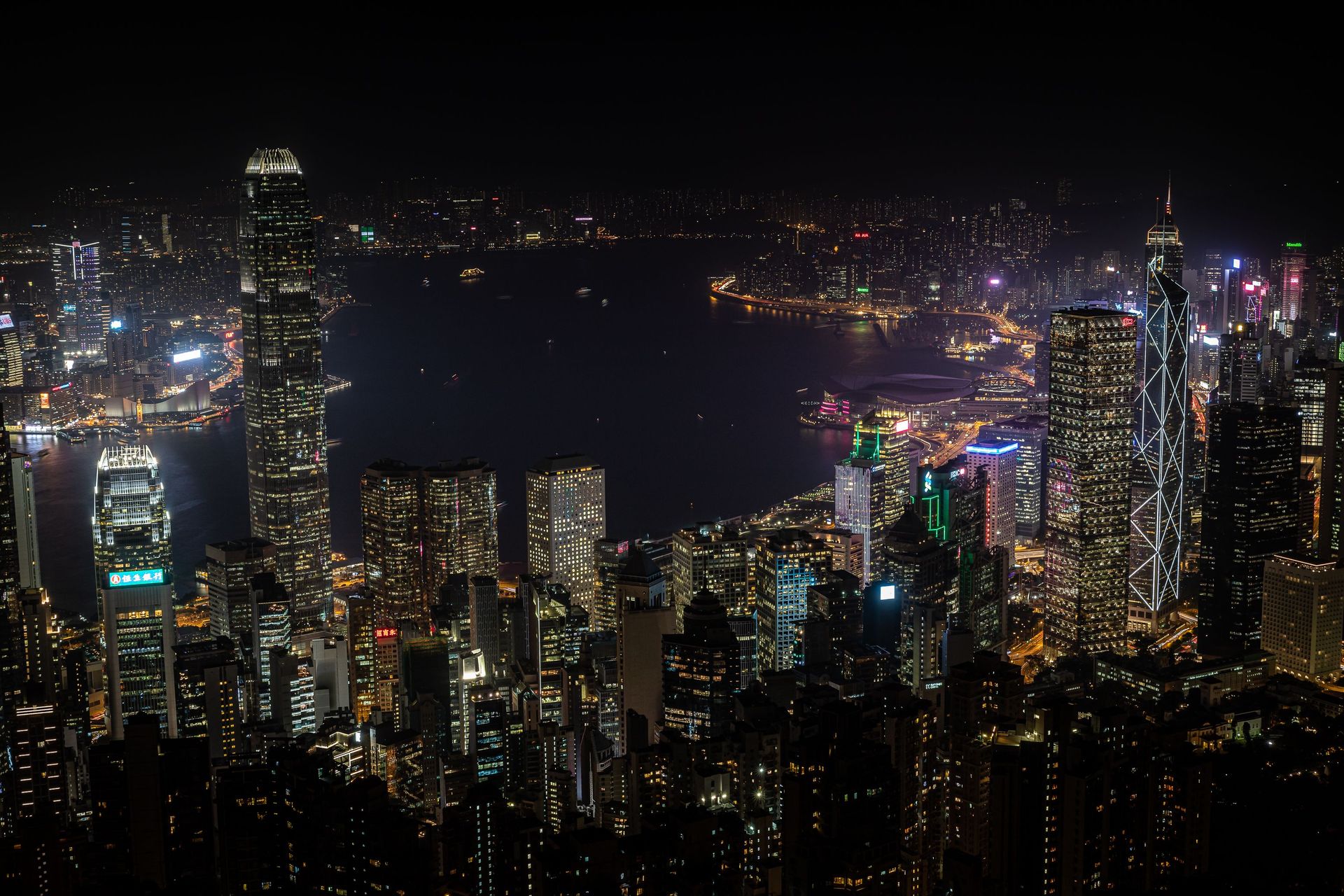
Hong Kong at night is among the most visually spectacular urban experiences in the world, and the specific reason is the density and verticality of the built environment combined with the harbor that separates Hong Kong Island from Kowloon — creating a panorama of illuminated towers reflected in dark water that has no equivalent in any other city. The Symphony of Lights show (nightly at 8pm) is the tourist version of this experience; the actual experience of standing on the Tsim Sha Tsui waterfront at 10pm watching the towers pulse with light and the Star Ferries cross the black harbor is something entirely different.
Hong Kong's food and social culture is specifically nocturnal. The city eats late — the best dim sum is at lunch, but dinner is the serious meal, and serious dinner begins at eight and extends to midnight. The dai pai dong (open-air food stalls licensed by the government, now rare and protected) in the Western District cook wok-fried seafood and noodles over jet-powered burners from early evening. The cha chaan tengs (Hong Kong-style diners, a specific hybrid of Cantonese and British colonial food culture) are at their most atmospheric at midnight when the rest of the city's restaurants have closed.
What to seek after dark: the Tsim Sha Tsui waterfront from 9pm; the Mid-Levels Escalator (the world's longest covered outdoor escalator) at night for the residential neighborhood experience; the Temple Street Night Market in Kowloon for street food and antiques; the dai pai dong of the Western District for late-night wok cooking.
Jimmy Liao / Pexels
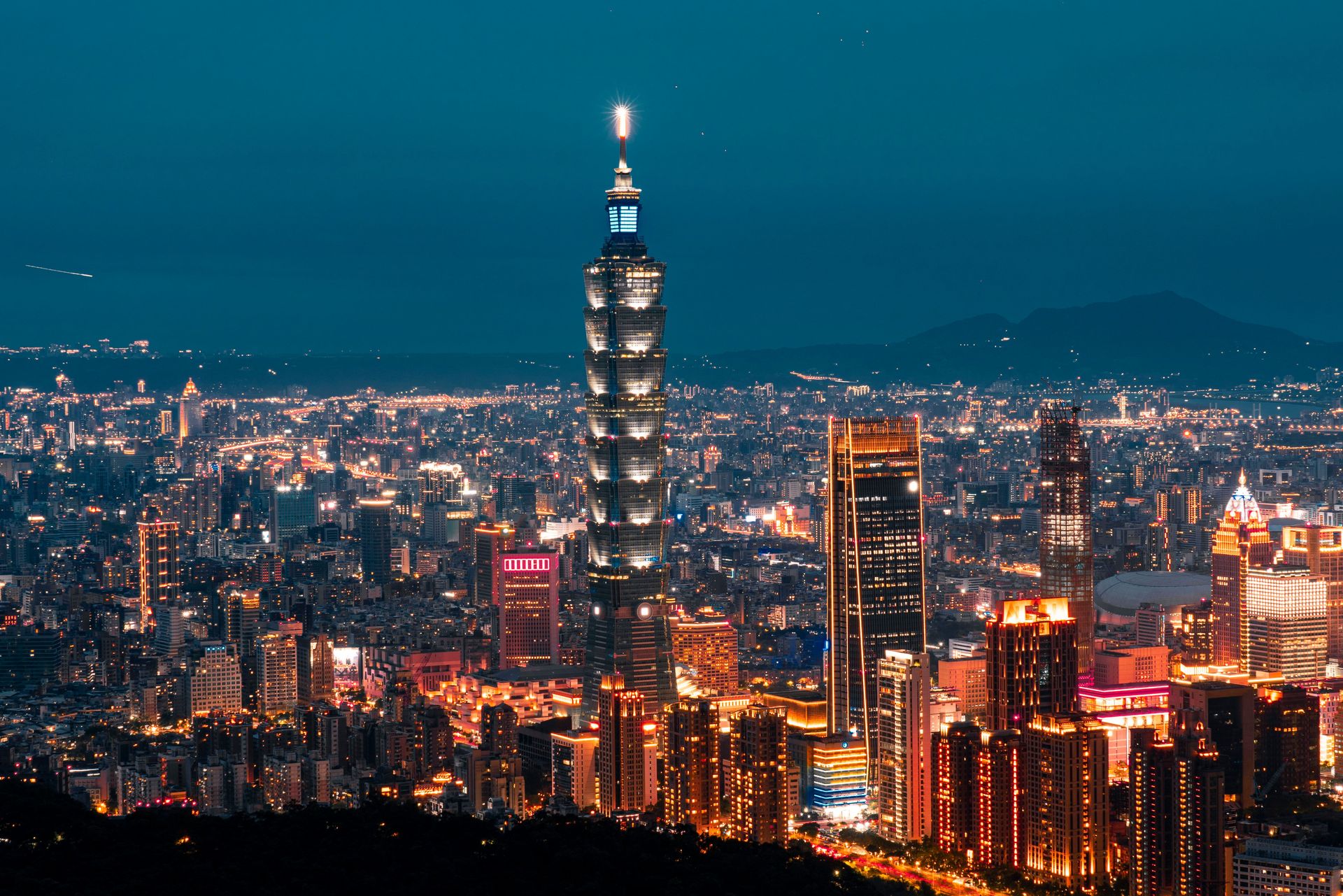
Taipei's night market culture is the defining feature of the city's social life — the specific institution through which Taiwanese food culture is most fully expressed and through which Taiwanese social life is organized in the evenings. The major night markets (Shilin, Raohe, Ningxia, Tonghua) are not tourist attractions with local character but genuinely local institutions that happen to attract tourists, and the food served in them — scallion pancakes, oyster vermicelli, stinky tofu, pineapple cakes, bubble tea in its original form — represents one of the world's great street food traditions.
Shilin Night Market, the largest and most famous, opens at approximately 4pm and peaks between 8 and 11pm, when the density of eating and shopping produces an atmosphere that is simultaneously chaotic and entirely navigable once its logic becomes apparent. The underground food hall beneath the market square is the serious food section; the streets around it are for shopping, games, and the specific pleasure of eating while walking.
The city also has a distinct after-midnight character in its residential neighborhoods — the convenience stores (7-Eleven and FamilyMart, which in Taiwan are genuine food institutions rather than mere convenience stops) are social gathering points at all hours, and the temples that are closed during the day are illuminated at night and often genuinely busy with worshippers.
What to seek after dark: Raohe Night Market (smaller and less touristy than Shilin) from 6pm; the scallion pancake stalls of Ningxia; any 7-Eleven at midnight for the specific Taiwanese convenience store experience; Elephant Mountain after 8pm for the city skyline.
Talha Güney / Pexels
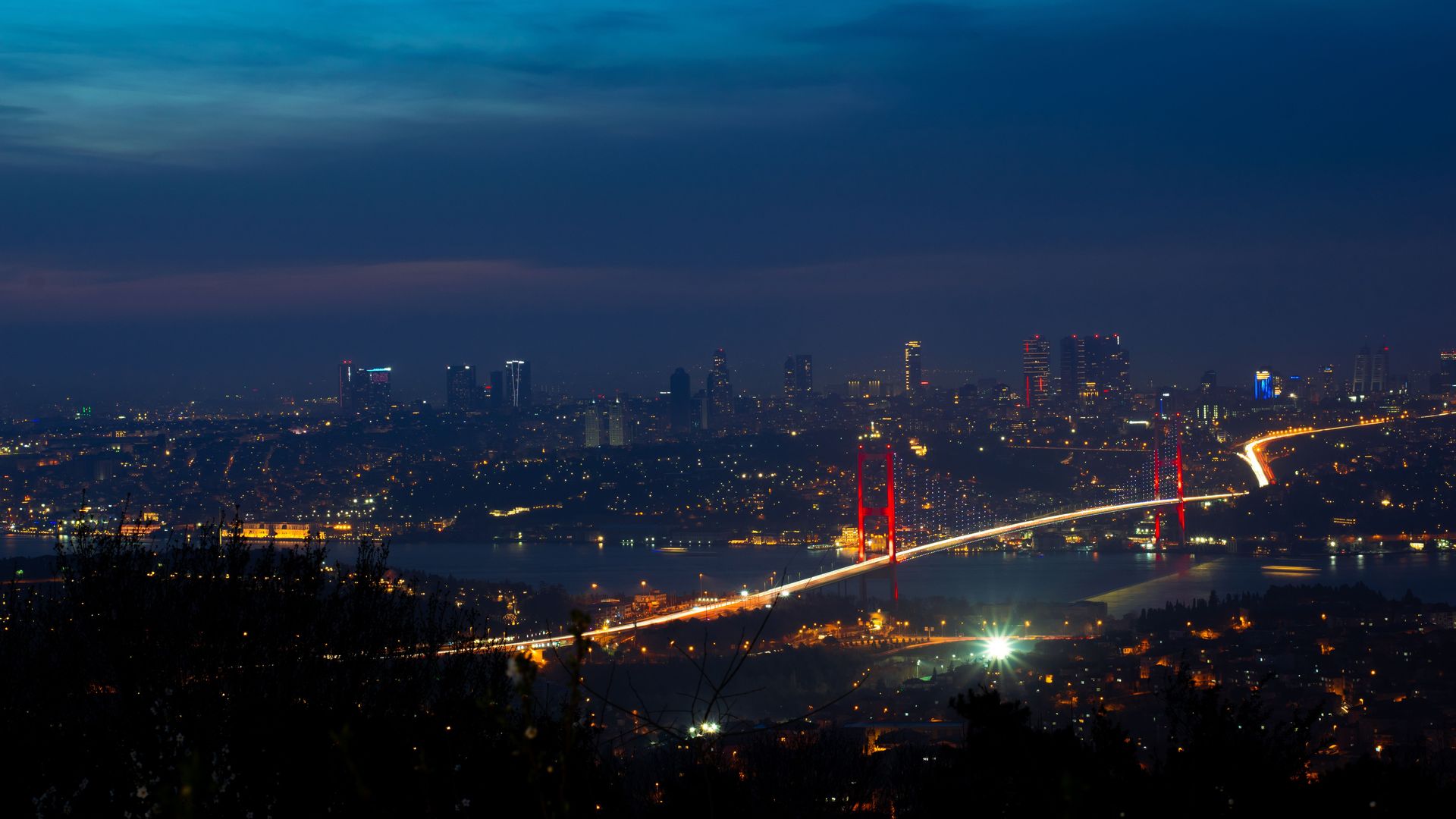
Istanbul at night reveals a quality of its architecture that daylight diminishes: the great domed mosques and minarets of the historic peninsula, the wooden Ottoman houses of the Bosphorus shore villages, and the illuminated bridges connecting European and Asian halves of the city are experienced differently after dark — not merely lit but transformed, the stone taking on a warmth and weight in artificial light that it does not have in sun.
The city's social life is also specifically nocturnal. The meyhane culture — the Turkish tavern tradition of long evenings over raki, meze, and grilled fish — is the social institution through which Istanbul most fully expresses its character as a city that takes pleasure seriously. A proper meyhane evening begins around 8pm, peaks at midnight, and rarely concludes before 2am; it involves the specific Anatolian mezze tradition (cold vegetable dishes, stuffed grape leaves, white cheese, fried liver), the progressive arrival of hot dishes, and the slow, convivial drinking of raki that turns milky white when water is added.
The neighborhoods of Beyoğlu (Pera) and Karaköy on the European side, and Kadıköy on the Asian side, each have distinct night characters: Beyoğlu for the bars and live music of the side streets off İstiklal Avenue; Karaköy for the newer restaurant scene; Kadıköy for the more local, less tourist-facing food and music scene.
What to seek after dark: the Galata Bridge at night for the illuminated minarets over the Golden Horn; the Boğaziçi (Bosphorus) by ferry for the Asian and European shores at night; the meyhane streets of Beyoğlu; the fish restaurants of Kumkapı.
Andres Idda Bianchi / Pexels
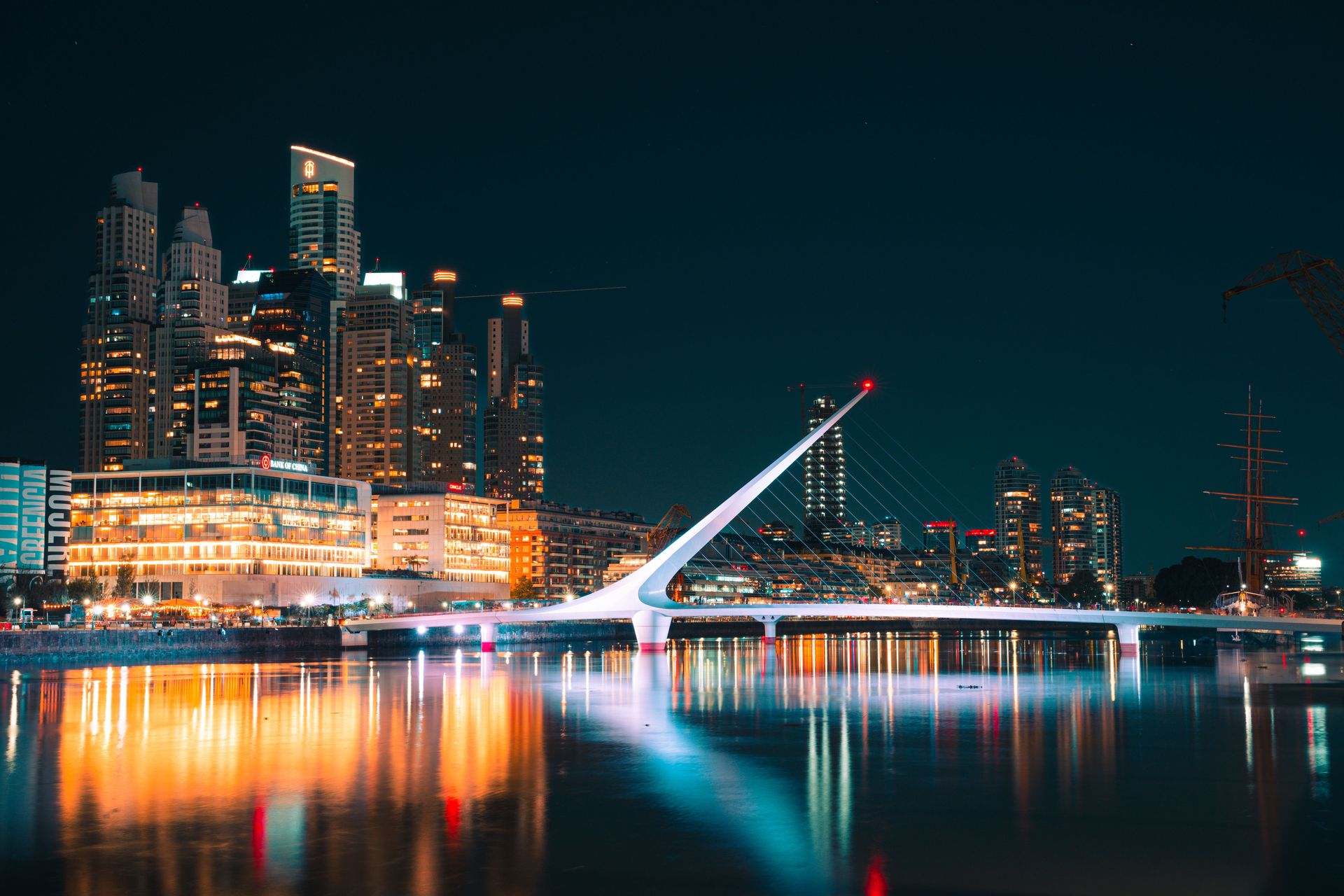
Buenos Aires operates on a time zone of its own social invention: dinner begins at 10pm, which is when restaurants are beginning to fill; midnight is the beginning of the evening's social activity; the milongas (tango dance halls) don't reach their proper atmosphere until 1am; and the best parrillas (grilled meat restaurants) maintain their full character until 3 in the morning. The city is genuinely nocturnal in a way that is not affectation but reflects a cultural relationship with time that is deeply embedded in Buenos Aires social life.
The tango, specifically, is a night experience. The milongas of Buenos Aires — the actual dance halls where porteños (Buenos Aires residents) dance — are not tourist tango shows but social events with their own protocols, their own codes of invitation (the cabeceo — a nod of the head that invites a dance across the floor), and their own specific atmosphere that requires darkness, slow movement, and the long evening to develop. The tourist tango dinner shows are accurate in their steps but false in their context; the real experience requires staying up.
The city also changes visually at night. The wide boulevards of Recoleta and Palermo, the ornate European-style architecture illuminated against the warm Southern Hemisphere sky, the outdoor cafes of San Telmo full of people at midnight — these are not a nighttime version of the daytime city but genuinely their fullest expression.
What to seek after dark: Parrilla dinner from 10pm; the milonga at Club Gricel or Salón Canning from 1am; the outdoor cafes of Plaza Dorrego in San Telmo; La Boca at night only in groups or with a guide.
Wencheng Jiang / Pexels
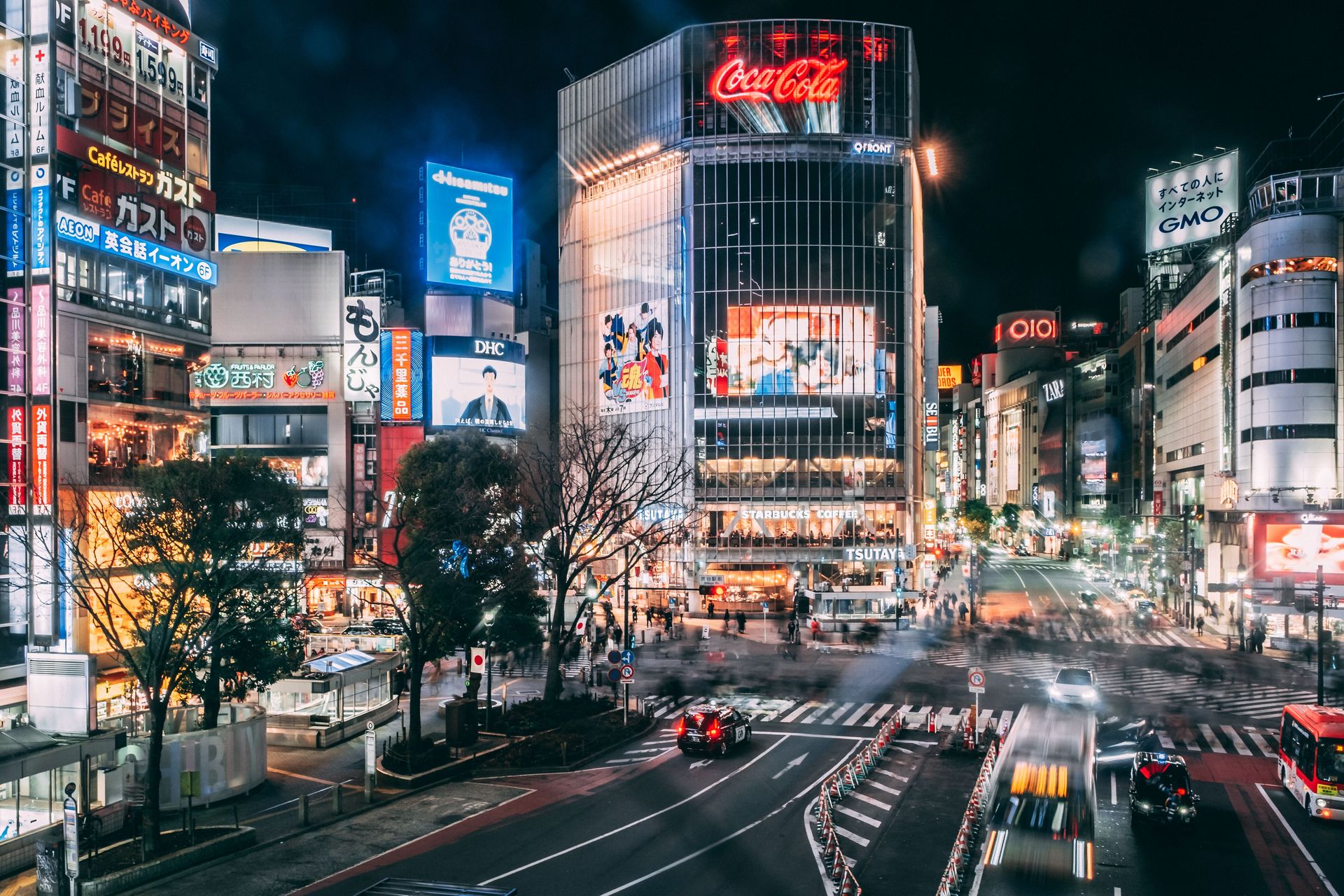
Tokyo at night is a different city from Tokyo during the day, not because it becomes more active but because it reveals layers of activity that the daytime crowds and commercial energy obscure. The specific night Tokyo worth seeking is not Shinjuku's entertainment district (which is genuinely extraordinary but familiar) but the residential neighborhood izakaya culture — the small, intimate Japanese pub-restaurants that serve sake, shochu, and a progression of small dishes over several hours to groups of regulars who are conducting the serious social business of the day.
The izakaya evening in Tokyo begins around 7pm and proceeds through multiple phases: the quick after-work beer (the nomikai), the slower second venue, and often a third, smaller, more intimate final stop. Each venue has its own character, its own specialty dishes, its own relationship between the food and the drinking. The kaiseki-influenced izakaya of Shibuya is not the same establishment as the yakitori charcoal grill of Yurakucho, under the railway tracks, where the trains pass overhead every few minutes and the smoke from the grill fills the low-ceilinged space.
The visual Tokyo at night is also distinctive: the neon of Shinjuku seen from the Park Hyatt's observation bar at 40 floors; the temple lanterns of Senso-ji in Asakusa after the tourist crowds have gone; the quiet residential streets of Yanaka at 11pm, where the cats outnumber the pedestrians.
What to seek after dark: the yakitori stalls under the Yurakucho railway tracks from 8pm; Omoide Yokocho (Memory Lane) in Shinjuku; Senso-ji after 9pm; any local izakaya in Shimokitazawa or Nakameguro chosen by walking until one looks right.
Rashid Khreiss / Unsplash
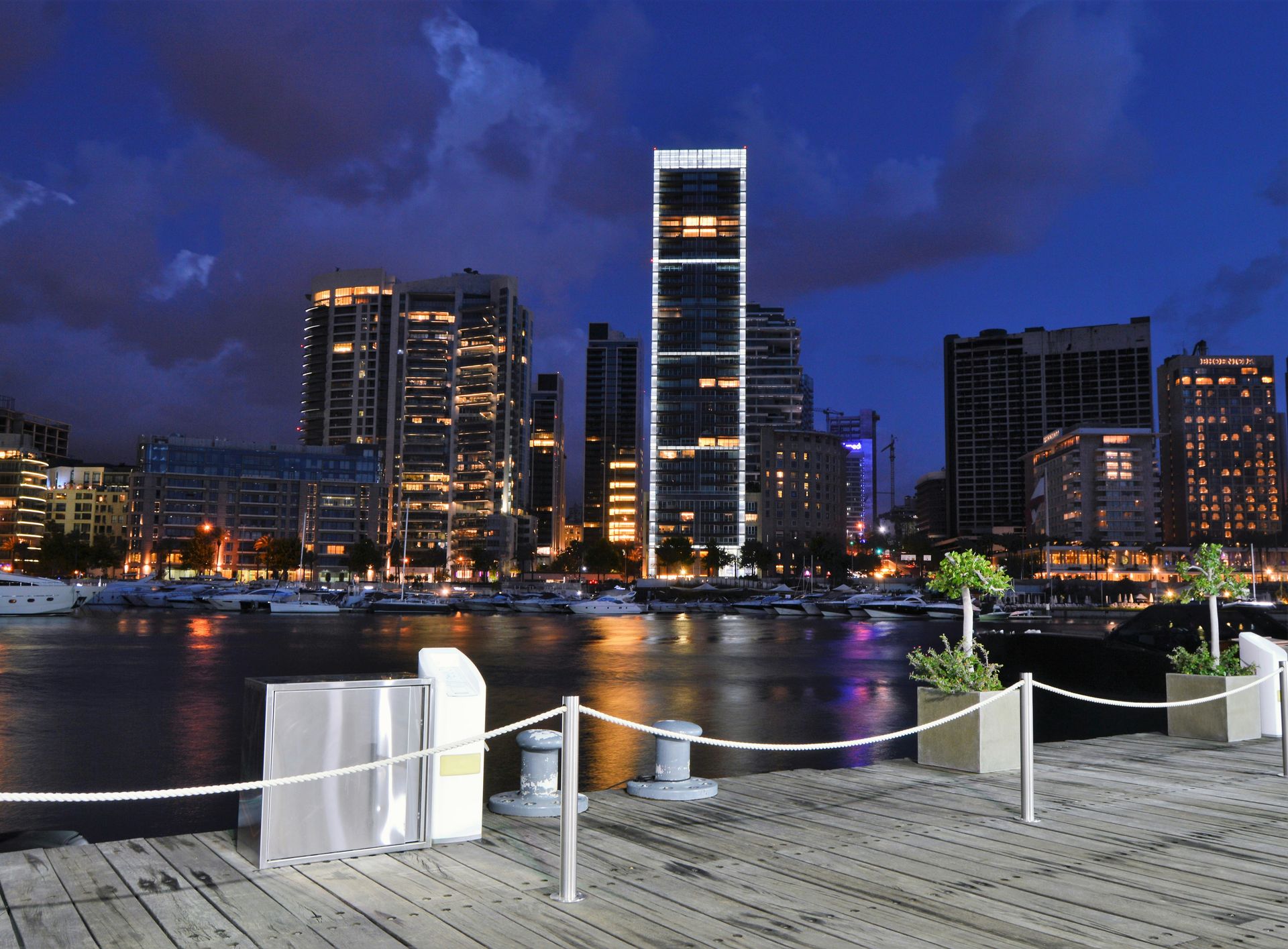
Beirut's nightlife is one of the most improbable and most specifically Lebanese things about the city — a nightlife culture that has survived wars, invasions, economic collapse, and a catastrophic port explosion to remain, in the neighborhoods that have been able to function, one of the most vital in the world. The specific character of Beirut after dark is the combination of extraordinary food, extraordinary social energy, and the specific Lebanese approach to pleasure that treats hospitality as a serious art form.
The neighborhood of Mar Mikhael — built on the former industrial district near the port — was the center of Beirut's pre-explosion nightlife culture and has been partially rebuilt and reactivated since 2020. The bars and restaurants of Gemmayze, Armenia Street, and the surviving parts of Mar Mikhael open late, fill later, and conduct their best evenings in the small hours. The mezze culture of Lebanese dining — the long table of small dishes (hummus, tabbouleh, kibbeh, fattoush, grilled halloumi, raw liver) that precedes the main event and often becomes the entire meal — is the specific social institution through which the Lebanese evening is organized.
What to seek after dark: the restaurants of Gemmayze from 9pm; the rooftop bars of Hamra for the city view; the after-midnight energy of Mar Mikhael on weekends; the early morning manoushe (flatbread) bakeries that open at 4am for the end-of-night crowd.
Viktor Mogilat / Pexels
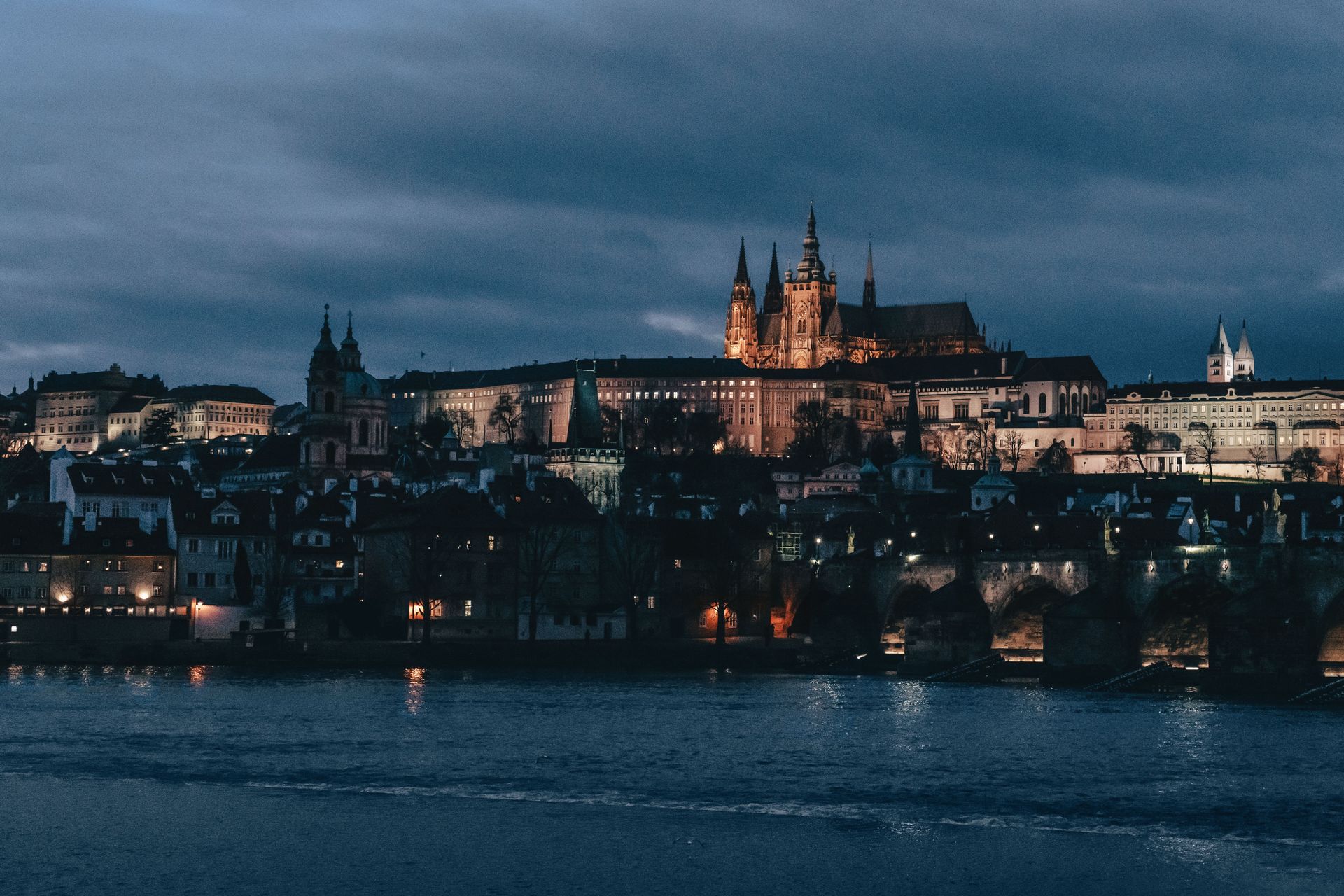
Prague at night is the city that most dramatically exceeds what its daytime reputation promises. The Charles Bridge, which during the day is so crowded with tourists and vendors that its extraordinary Gothic statuary is barely perceivable, empties almost completely after midnight — and the experience of crossing it at 1am, with the illuminated castle on the hill above and the black river below and the stone saints in their niches lit from below, is one of the great architectural experiences in Europe.
The city's beer culture — the Czech tradition of the pivnice (pub) and the specific Czech relationship with Pilsner Urquell and Budvar — is an evening institution of genuine depth. The old-city pivnice of Malá Strana and Vinohrady, where a half-liter of properly poured Czech beer costs less than a coffee in any Western European capital, are the social institutions through which the city's residential neighborhoods function, and they have a comfort and authenticity that the tourist-facing bars of the Old Town do not.
What to seek after dark: the Charles Bridge after midnight; the Letná Park beer garden for the city view at dusk; the pivnice of Vinohrady for unreconstructed Czech beer culture; the illuminated Old Town Square $SQ from 11pm when the tour groups have gone.
Utpal Sarkar / Pexels
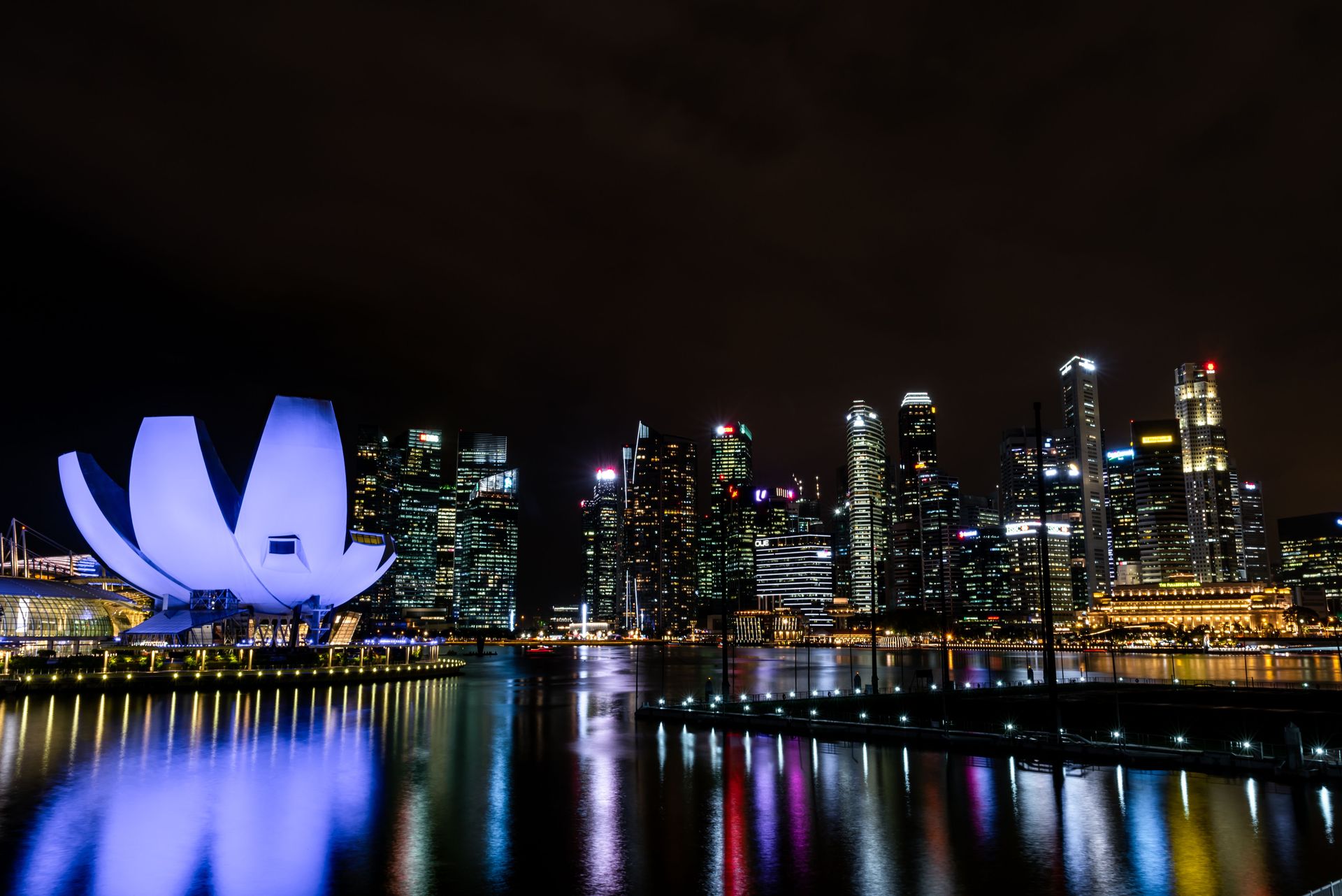
Singapore's reputation as a tightly regulated, efficiently organized city-state tends to obscure the genuine pleasure of being in it at night — specifically the pleasure of the hawker center culture, which reaches its fullest expression after 8pm when the heat of the day has retreated and the outdoor cooking stalls are at their busiest. The hawker centers of Singapore — Maxwell Road, Lau Pa Sat, Old Airport Road, Newton Circus — are the social institutions through which the city's extraordinary multicultural food culture is most accessibly experienced, and the experience of sitting outdoors in the warm evening air eating Hainanese chicken rice, char kway teow, and laksa at prices that make equivalent restaurant meals feel unreasonable is one of the most specifically Singaporean pleasures available.
The city also illuminates well: the Marina Bay Sands skyline, the Gardens by the Bay Supertrees (with their nightly light-and-music show), and the colonial-era buildings of the Civic District take on a different quality at night. The night safari at the Singapore Zoo — specifically designed for nocturnal animal observation — is one of the more genuinely distinctive night experiences available in any city.
What to seek after dark: Maxwell Road Hawker Centre from 7pm for Hainanese chicken rice; the Gardens by the Bay Supertree Grove light show (9.45pm and 10.45pm); the Singapore River walk from Clarke Quay to Boat Quay; the Night Safari for something genuinely unlike any other city experience.
AXP Photography / Pexels
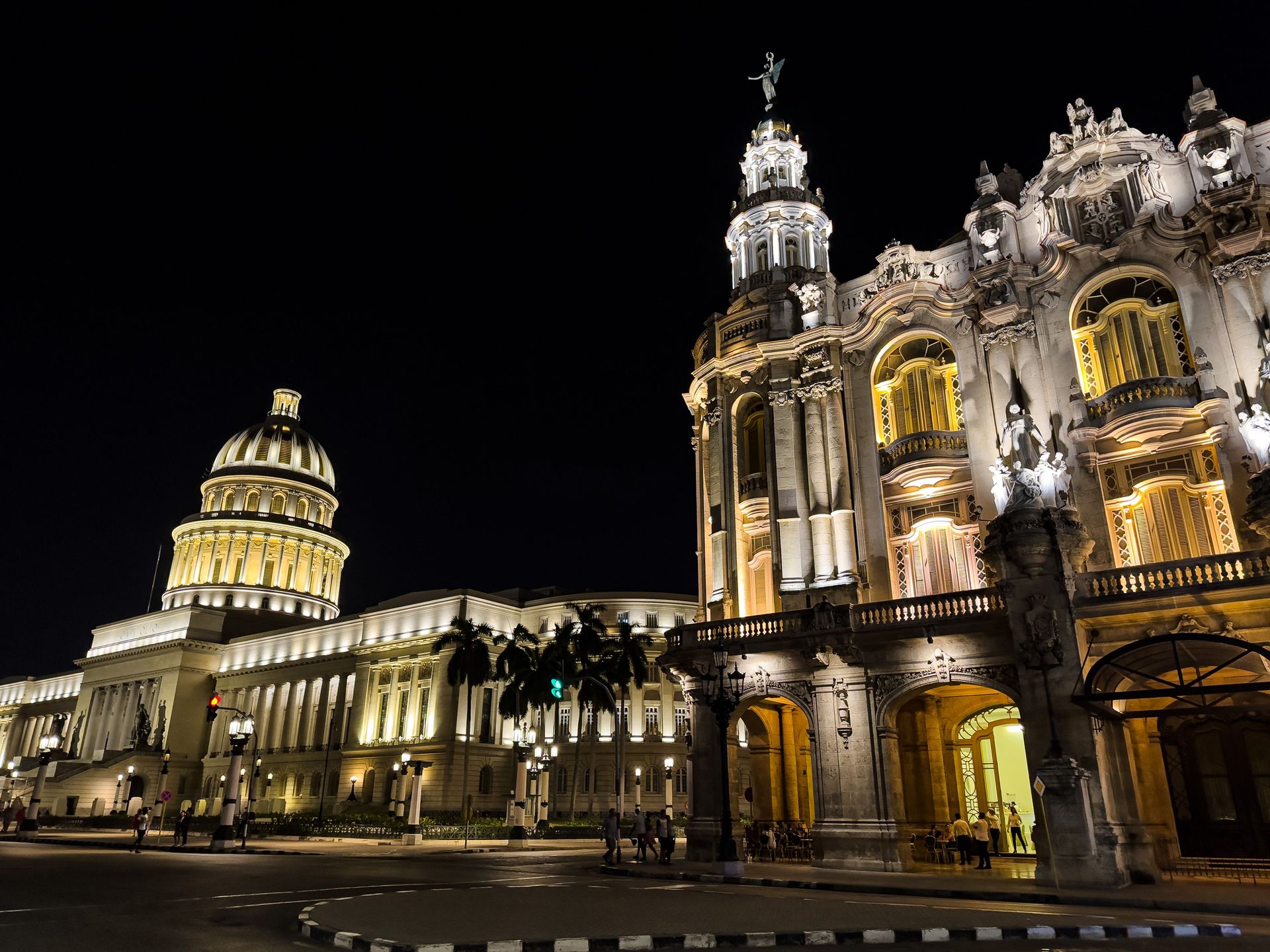
Havana at night recovers something it has partially lost during the day — its music, which is the most fundamental thing about the city and the most directly available after dark. The son cubano, the bolero, the mambo, the salsa — the musical traditions of Cuba flow out of every open door in the old city after dark, from the bars of the Malecón to the paladares (private restaurants) of Vedado to the Casa de la Música venues that operate with genuine local engagement rather than purely tourist performance.
The Malecón — the broad seawall boulevard that runs along Havana's northern coast — is the city's living room at night. When the evening heat comes off the Straits of Florida, residents gather on the wall to talk, drink rum from bottles, play music, and conduct the social life of a city that has historically had limited space for private gatherings. The Malecón at night, particularly in the Vedado section away from the tourist center, is one of the most genuinely beautiful urban experiences in the Caribbean — the dark ocean on one side, the illuminated and crumbling neoclassical buildings on the other, and the specific warmth and ease of Cuban social life filling the space between.
What to seek after dark: the Malecón from sunset through midnight; the jazz clubs of Centro Habana (La Zorra y el Cuervo on Calle 23 is the most established); the paladares of Vedado for better food than the tourist restaurants of the old city; the Friday evening rumba in the Callejón de Hamel.
O-seop Sim / Pexels
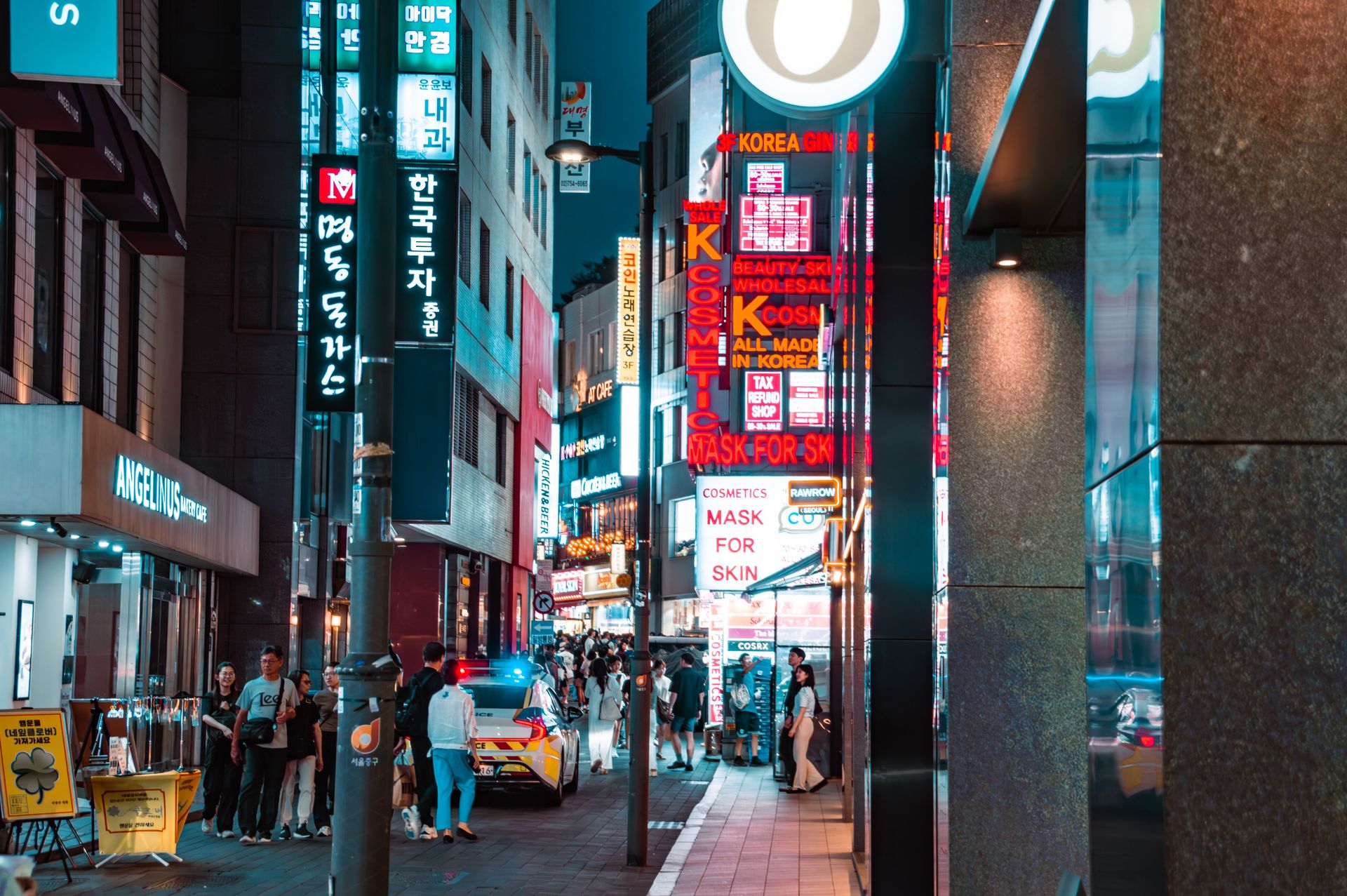
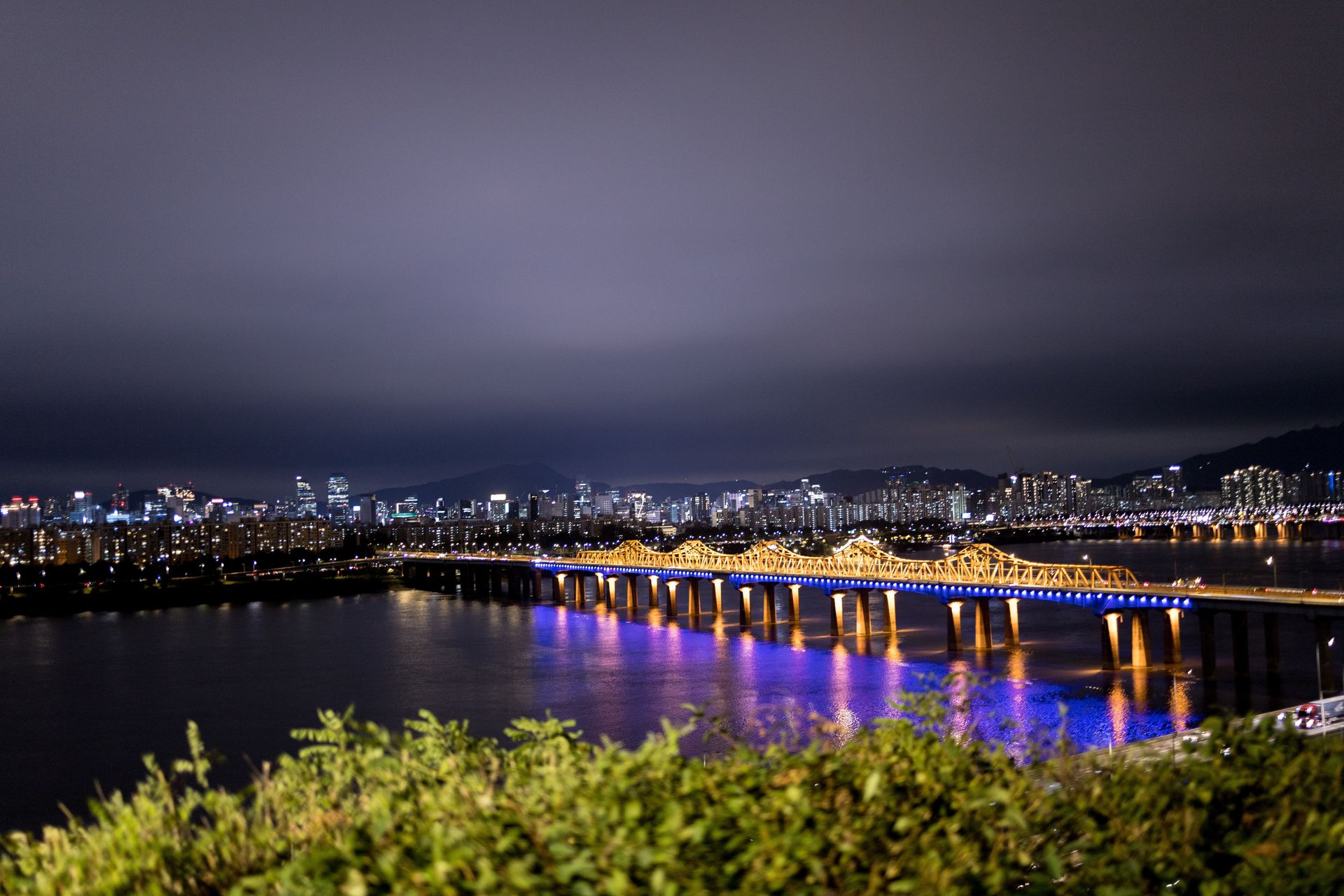
Seoul after dark reveals the city's extraordinary diversity of neighborhood character — the fact that what Seoul is depends entirely on which neighborhood you are in, and the neighborhoods that are most distinctly themselves are so most distinctly at night. Hongdae is the university area whose live music venues and street performance culture operate on student hours (starting at 10pm, peaking at midnight). Itaewon — the historically international neighborhood near the US military base — is the city's most cosmopolitan after-dark area. Insadong retains traditional Korean crafts and teahouses that glow warmly against the night. And the Han River parks, where Seoulites bring portable gas grills and cook samgyeopsal (grilled pork belly) outdoors at 11pm, are the most specifically Korean after-dark experience available.
The Korean fried chicken and beer (chimaek) culture is a specific nighttime institution — the combination of deeply flavored, double-fried chicken and draft beer, ordered for delivery or eaten in dedicated chimaek restaurants, is an evening ritual that begins around 9pm and operates as the social glue of friend groups across the city. The specific pleasure of eating chimaek on a Han River bench at midnight is understood by every Seoul resident as one of the city's best experiences and encountered by relatively few international visitors.
What to seek after dark: the Han River parks (Yeouido or Banpo) for the outdoor grilling culture; Hongdae for live music from 10pm; the Gwangjang Market for bindaetteok (mung bean pancakes) and makgeolli (rice wine) from 8pm; the Dongdaemun Design Plaza area for the illuminated architecture.
Credit: Blondie in Morocco
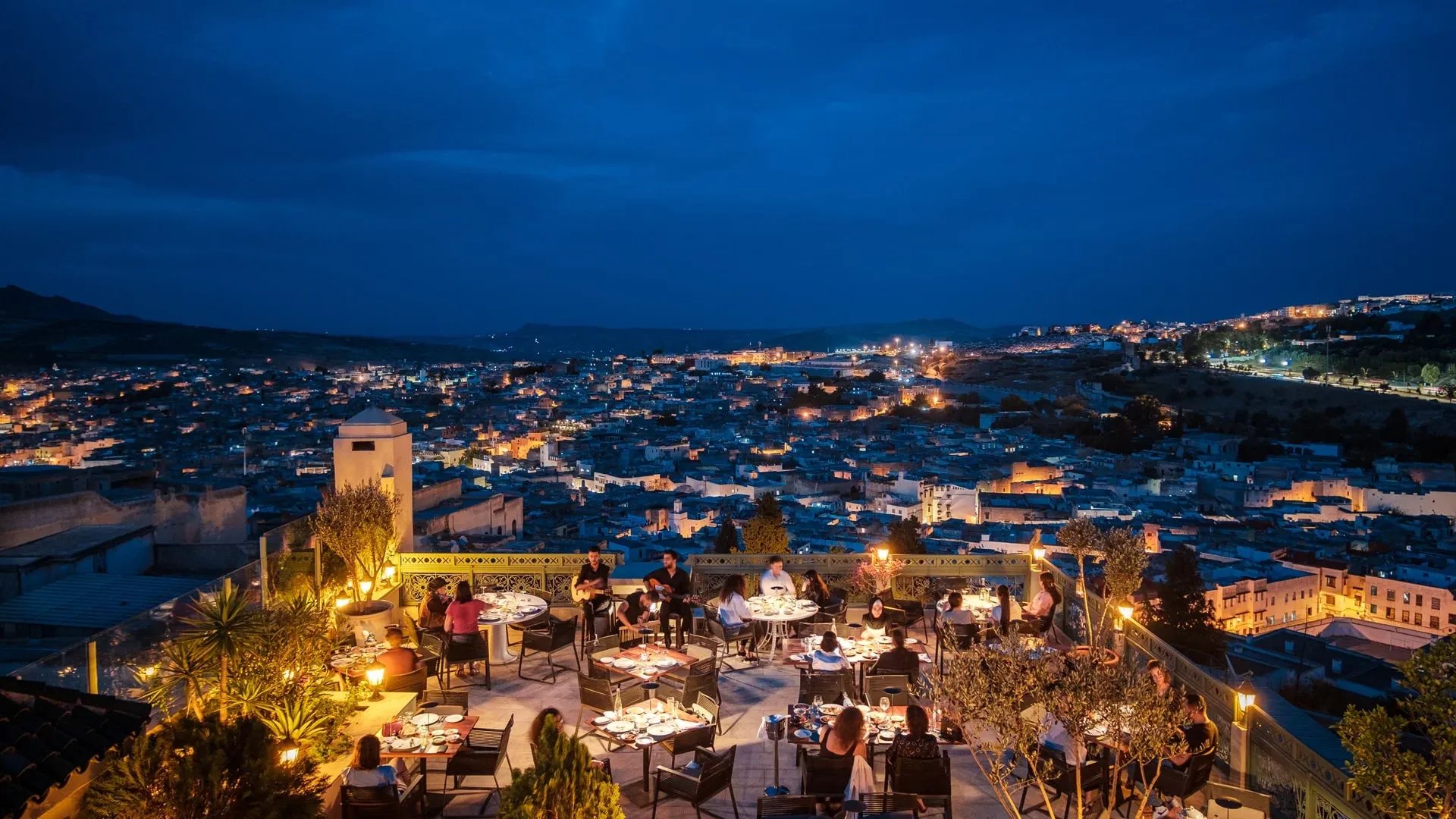
Fez el-Bali — the medieval medina of Fez, Morocco, whose 9,400 streets and alleyways constitute the world's largest living medieval city and a UNESCO World Heritage Site — undergoes a transformation at night that is more profound than almost any other urban environment. During the day, the medina is loud, crowded, and commercially intense — the leather tanneries, the spice souks, the textile shops, the bread ovens are all operating at full volume. After evening prayer, the commercial activity subsides, the streets empty of most vendors, and the medina reveals its essential character: a medieval Islamic city whose architecture was designed for the sound of fountains, the call to prayer from dozens of minarets, and the movement of people through spaces intended for contemplation rather than commerce.
The illuminated minarets of the Kairaouine Mosque — the oldest continuously operating university in the world — are visible from the rooftop terrace restaurants that ring the medina, and the view of the medina at night from the Merenid Tombs above the northern gate is one of the most extraordinary urban panoramas in Africa. The specific combination of the muezzin's call, the smell of woodsmoke from the hammams, and the sight of the medina's rooftops extending across the valley in the evening light is an experience that has no equivalent.
What to seek after dark: the rooftop restaurants overlooking the Kairaouine Mosque for dinner with the medina spread below; the Merenid Tombs viewpoint from 6pm for the sunset and early evening light; the illuminated Bou Inania Madrasa; walking the main artery of the medina (Talaa Kebira) from 8pm when the commercial intensity has reduced.
Dominik Gryzbon / Pexels
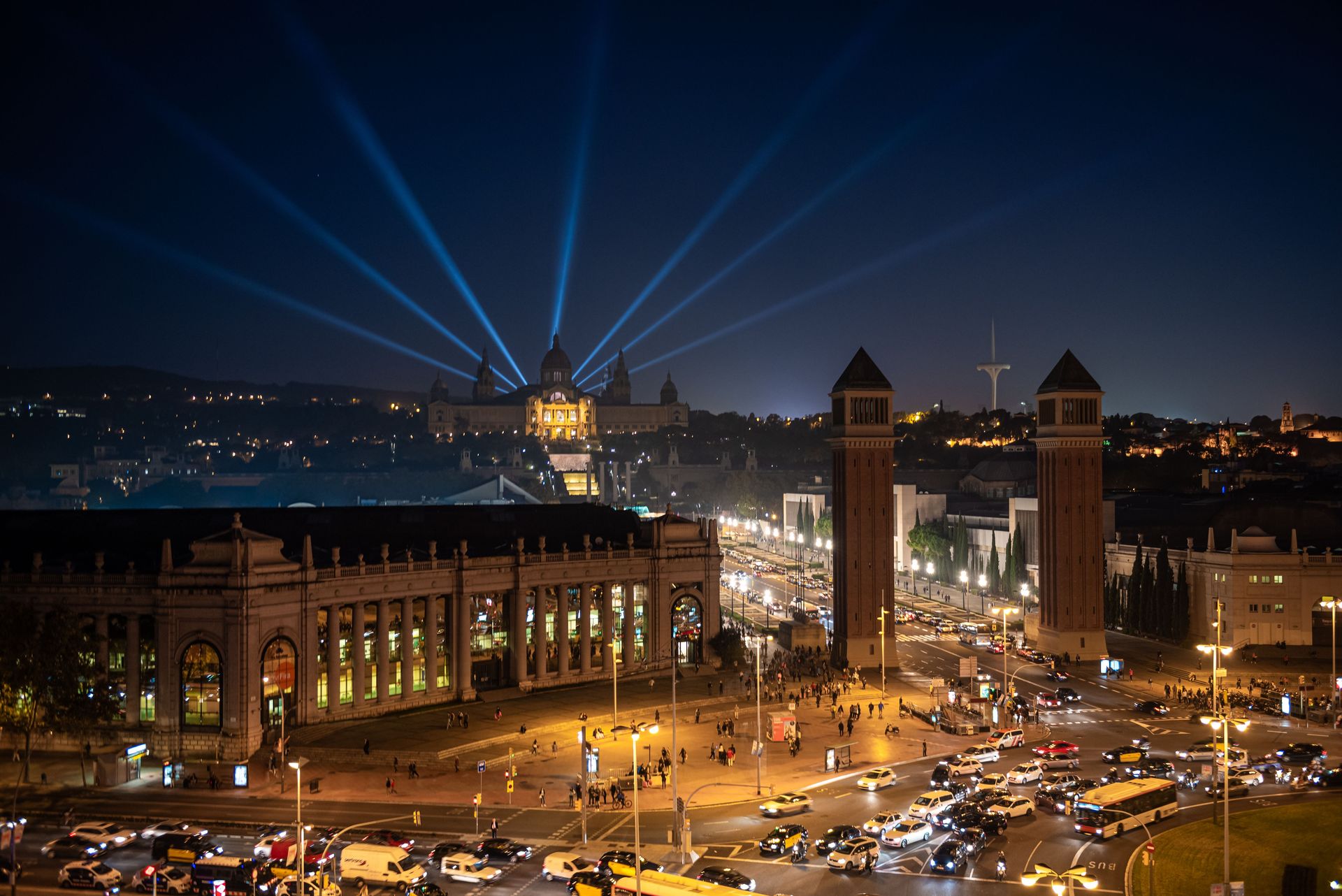
Barcelona's night begins late and ends later, and the specific version of the city available between midnight and 4am is one that most visitors never access because the rhythm of a normal travel day ends before it begins. The city's dinner culture (restaurants not filling until 10pm, second seatings at midnight not unusual), its cocktail bar culture (the bar scene of El Born and Gràcia warming up around midnight), and its beach culture (the Barceloneta beach at 2am in summer, still populated with locals) collectively constitute a version of Barcelona that is genuinely different from the daytime city.
The Barri Gòtic (Gothic Quarter) and El Born neighborhood reveal their medieval street architecture differently at night — the narrow lanes between stone buildings, lit by individual windows and occasional street lights rather than the diffuse daylight that flattens their texture during the day, acquire a depth and atmosphere that the tourist crowds of noon entirely prevent. The Mercat de Santa Caterina, the tiled market designed by Enric Miralles, and the Palau de la Música Catalana are both more accessible and more beautiful in the evening.
What to seek after dark: dinner in El Born or Gràcia from 9.30pm; the Barceloneta beach walk at midnight in summer; the cocktail bars of Carrer del Parlament in Sant Antoni from 11pm; the illuminated Sagrada Família exterior after dark (exterior illumination begins at sunset).
Eslam Momtaz / Pexels
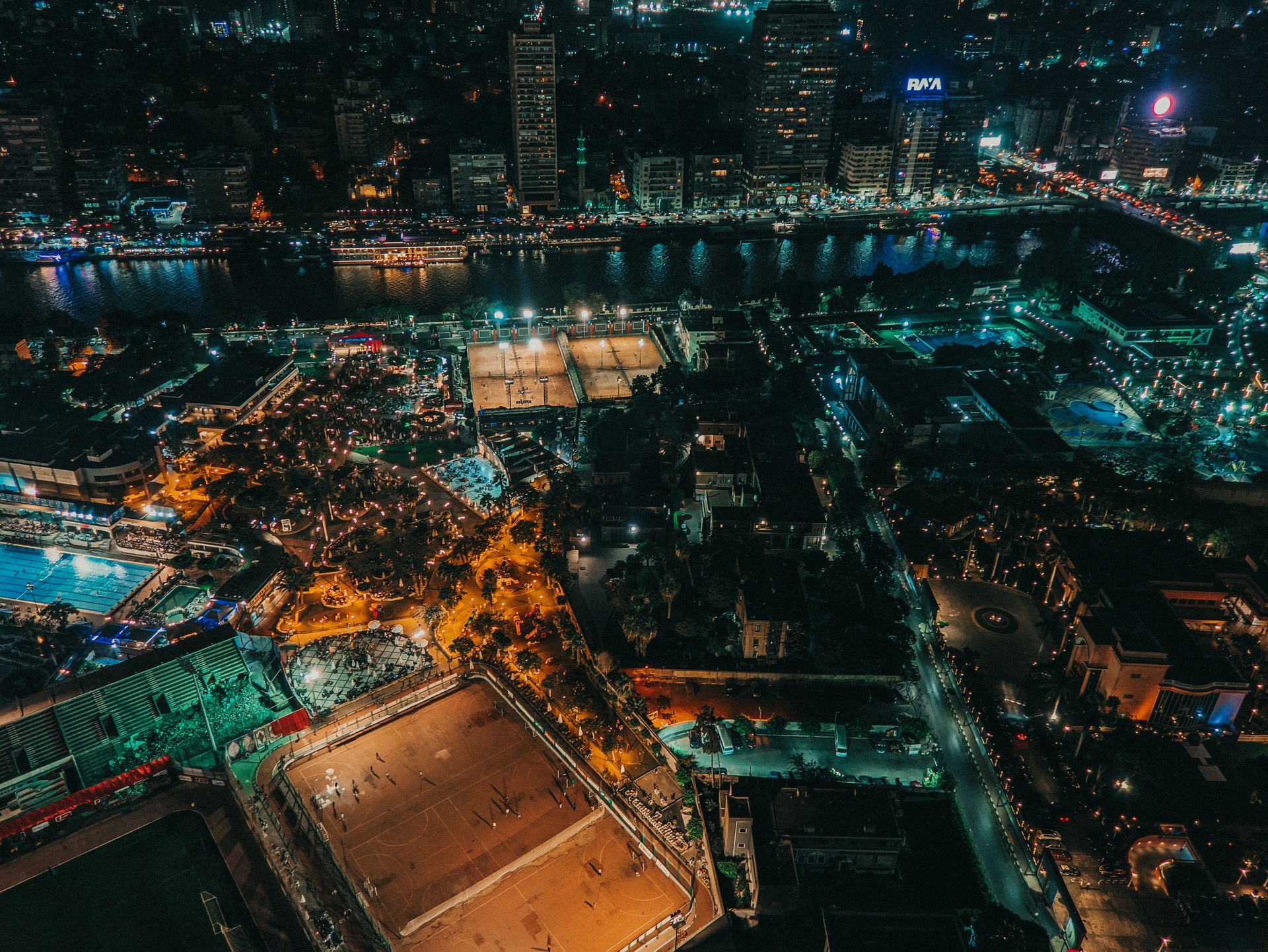
Cairo at night is the most densely populated version of itself — a city of 20 million that seems to add several million people after sunset, as residents emerge from apartments to conduct the social life of what is, in summer, simply too hot to live outdoors during the day. The street culture of Cairo's central neighborhoods — the crowds of Al-Hussein and Khan el-Khalili, the tea drinkers at the ahwas (traditional coffeehouses), the vendors of koshary and ful medames working until 3am — represents an urban social density that has few equivalents anywhere in the world.
The Nile at night, lit from the floating restaurants and casino boats that line the Corniche, and the illuminated bridges connecting Cairo's various islands (Zamalek on Gezira Island is the most pleasant night neighborhood), provide a version of the city very different from its day character. The medieval Islamic Cairo of the Fatimid city — the minarets and mashrabiya windows of Al-Muizz Street, normally competing with traffic and vendors during the day — becomes a genuinely contemplative urban experience during Ramadan evenings, when the street is closed to traffic and lit with traditional lanterns (fanous).
What to seek after dark: Al-Muizz Street in Islamic Cairo during Ramadan evenings; the Nile Corniche at night by walking or by taxi to the better elevated restaurants; the ahwas of Al-Hussein for shisha and tea; the Khan el-Khalili souk from 8pm.
Valterci Santos / Pexels
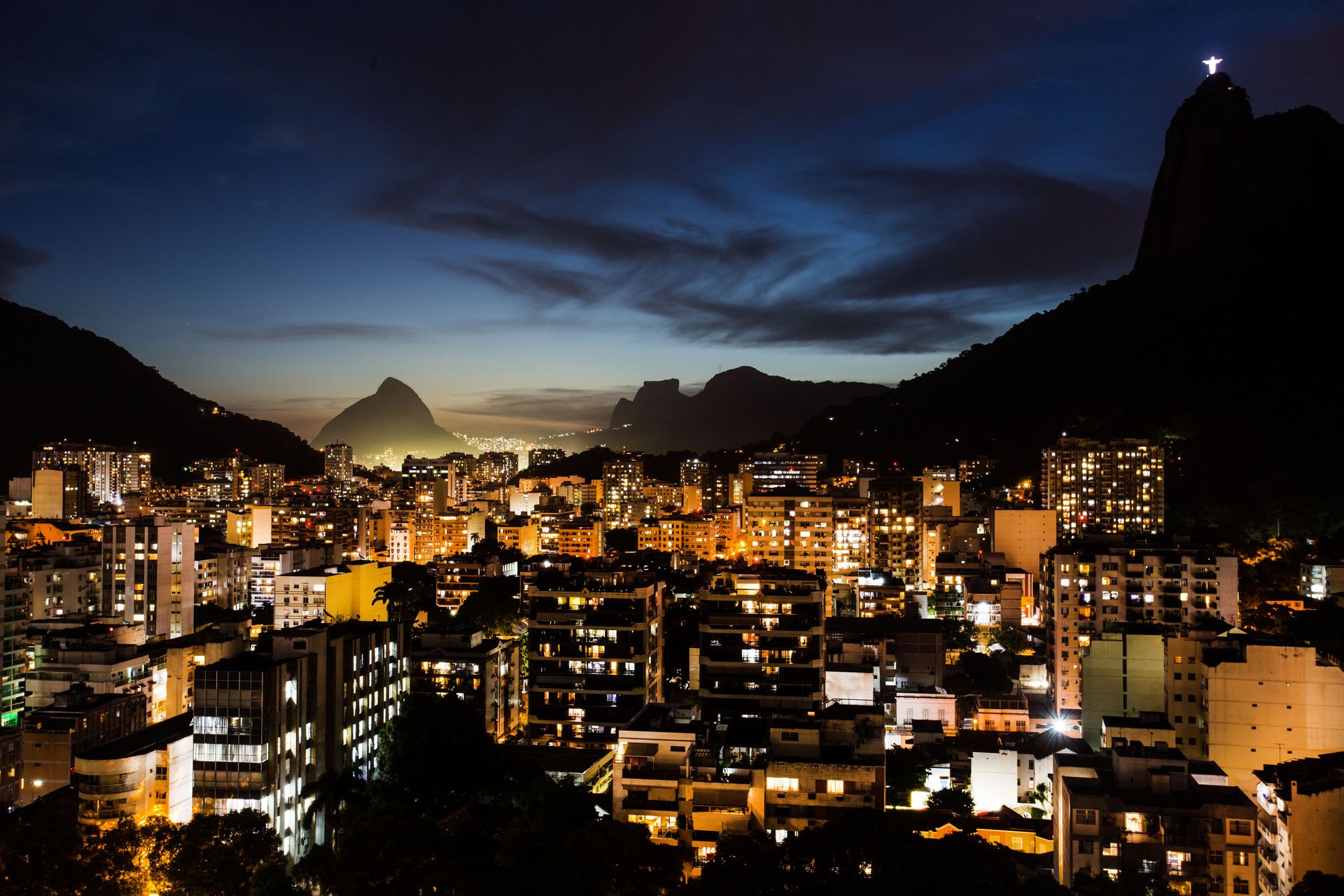
Rio de Janeiro at night distributes itself across neighborhoods so different in character that the city after dark is best understood as multiple cities operating simultaneously. The Lapa neighborhood — whose turn-of-the-century aqueduct (the Arcos da Lapa) becomes the backdrop for open-air forró and samba dancing in the street on weekend nights — is the most specific and most genuinely local night experience in the city, a neighborhood whose crumbling grandeur and musical energy is immediately distinguishable from the tourist-facing Copacabana and Ipanema beach scene.
The beach culture of Ipanema and Copacabana extends well into the evening — the beach bars (barracas) and kiosks along the Copacabana boardwalk are busy until midnight, and the specific pleasure of watching the illuminated sweep of Copacabana Bay from the far end of the beach at 10pm, with the Sugarloaf lit against the dark sky, is one of the great urban views in South America.
What to seek after dark: the Lapa Arcos forró and pagode on Friday and Saturday nights from 9pm; the Copacabana boardwalk kiosks for evening beer and petiscos; the Santa Teresa neighborhood (the bohemian hillside district) for bar-hopping from 8pm; the illuminated view from the Cristo Redentor statue approach road, which operates until 10pm.
Alberto Cruz / Pexels
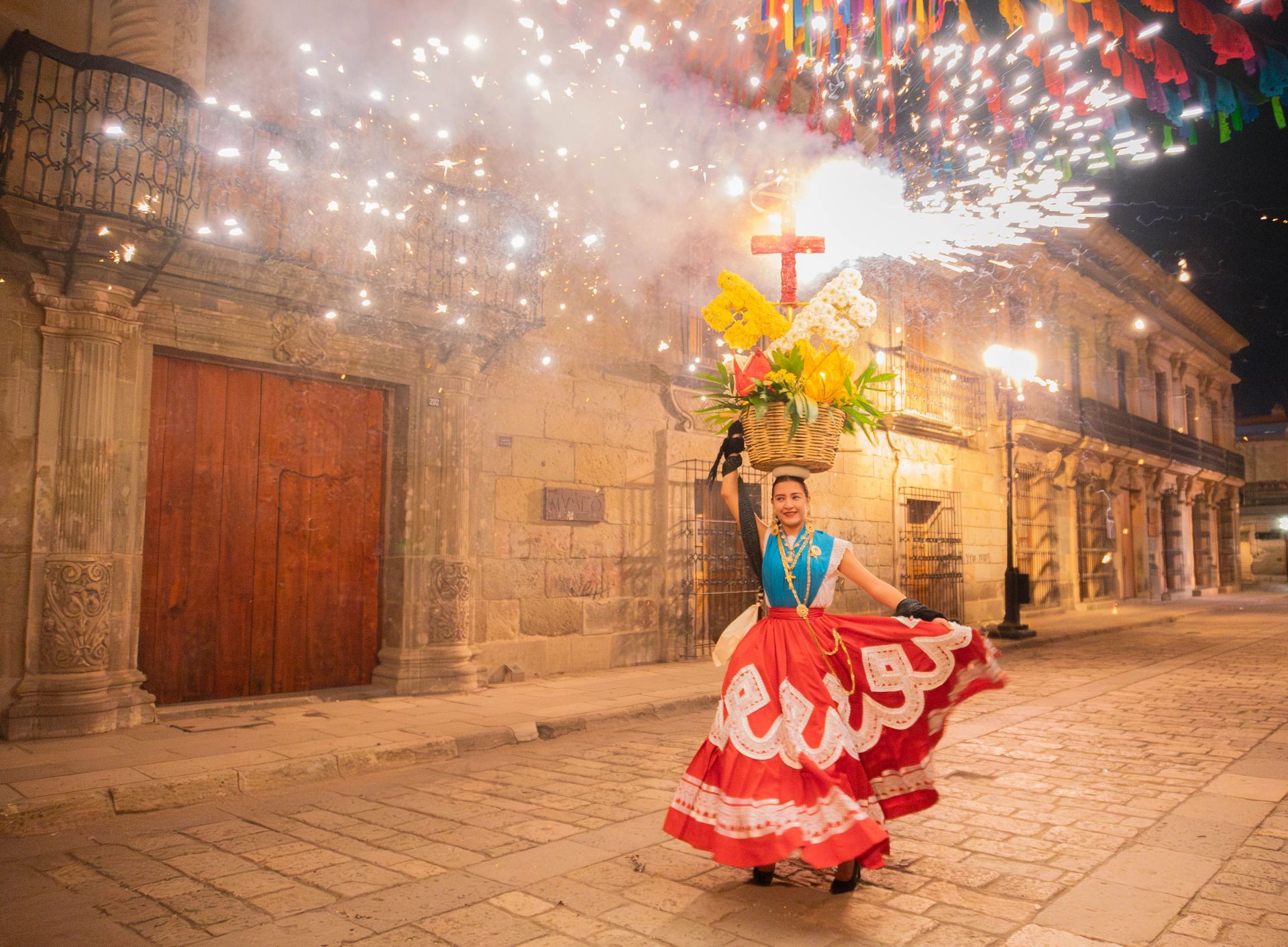
Oaxaca at night is the distilled version of the city's specific qualities — the food, the mezcal culture, the indigenous craft traditions, and the specific character of a Mexican city that takes its cultural identity extremely seriously and expresses it most fully in the evening, when the Zócalo (main square) fills with families and vendors and musicians and the restaurants of the surrounding streets fill with people conducting dinner as a three-hour social institution.
The mezcal culture of Oaxaca — the state that produces the majority of the world's mezcal, made from dozens of agave varieties by small-scale distillers (palenqueros) in the surrounding valleys — is most fully accessible in the mezcalerías of the city center, where flights of mezcal organized by agave variety and production method allow the extraordinary diversity of the spirit to be understood. This is not the same experience as ordering a mezcal margarita in a cocktail bar; it is the experience of a regional tradition whose depth requires the unhurried evening hours to properly explore.
What to seek after dark: the Zócalo from 7pm for the specific Mexican plaza culture; the tlayuda restaurants of the market area for the Oaxacan specialty (large corn tortilla with black beans, Oaxacan cheese, and grilled meat or vegetables); the mezcalerías of Calle Macedonio Alcalá for guided mezcal exploration; the Saturday evening Guelaguetza cultural performances when they occur.
Hung Nguyen / Pexels
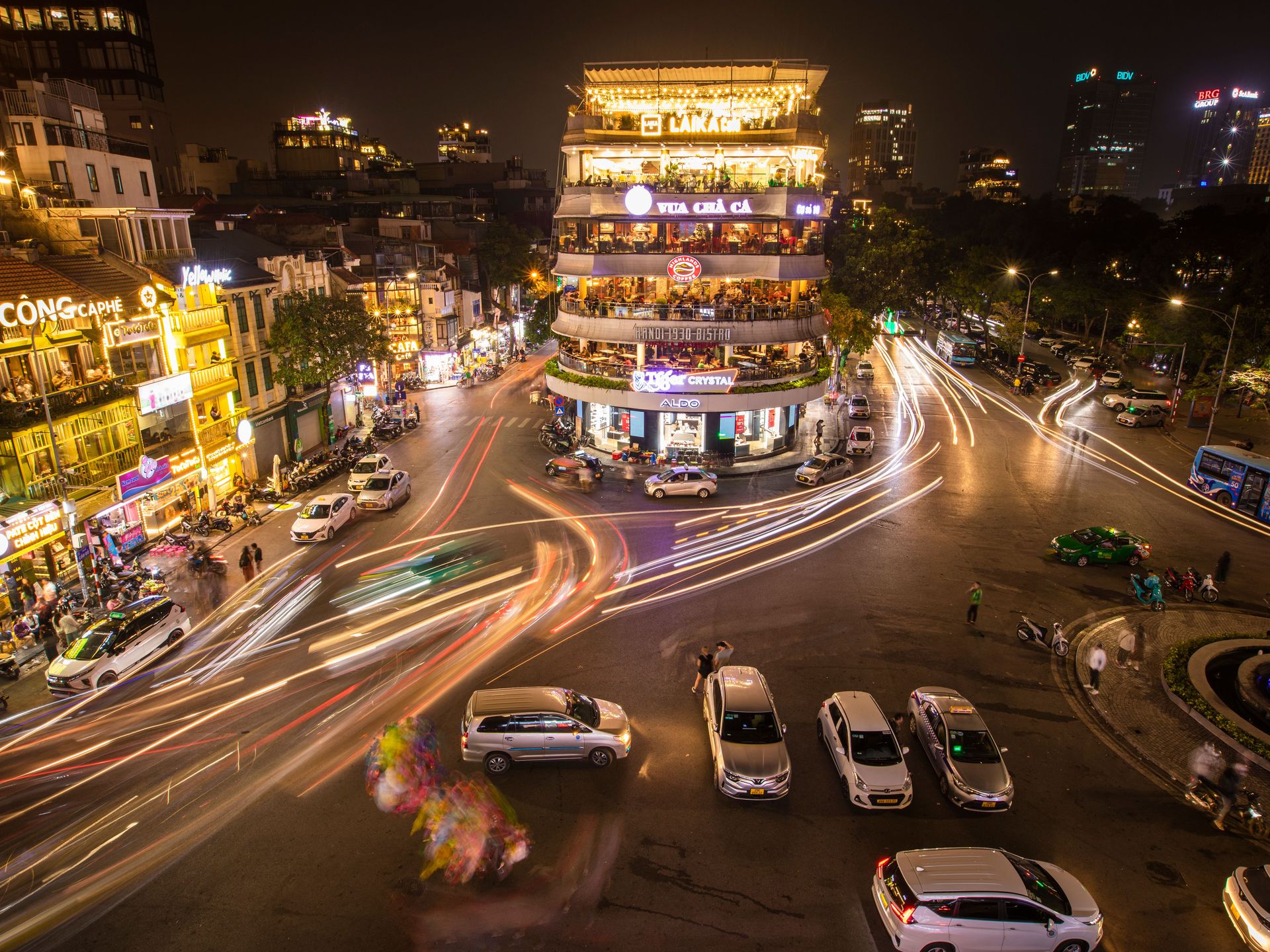
Hanoi's Old Quarter at night is among the most atmospheric urban environments in Southeast Asia — the 36 streets of the old trading city, each historically dedicated to a specific craft or trade, compress into a few square kilometers of narrow lanes whose French colonial shophouses and traditional tube houses are animated at night by street food vendors, beer corners (bia hoi — the Vietnamese draught beer that costs approximately 50 cents a glass and is served at plastic tables in the street), and the specific dense social energy of a Vietnamese city in the evening.
The bia hoi corner at the intersection of Ta Hien and Luong Ngoc Quyen — known to travelers as Bia Hoi Junction — is the most famous expression of Vietnamese street drinking culture and the one most accessible to visitors: a corner where multiple vendors set up plastic chairs at plastic tables and serve the cheapest draught beer in Asia in an atmosphere of Vietnamese, backpacker, and local business crowd overlap that is genuinely democratic.
The food available in the Old Quarter at night — bun cha (grilled pork and noodles), pho, banh mi, egg coffee at Cafe Giang — is the best introduction to Vietnamese food culture available without leaving the neighborhood, and the specific pleasure of eating it outdoors on a warm Hanoi night, under the lanterns of the street food vendors, is something the restaurant version of the same dishes cannot replicate.
What to seek after dark: Bia Hoi Junction from 7pm; the Dong Xuan night market at weekends from 6pm; the Hoan Kiem Lake walk at night (illuminated pagoda, families exercising, food vendors); Cafe Giang for egg coffee at any hour.
Clive Kim / Pexels
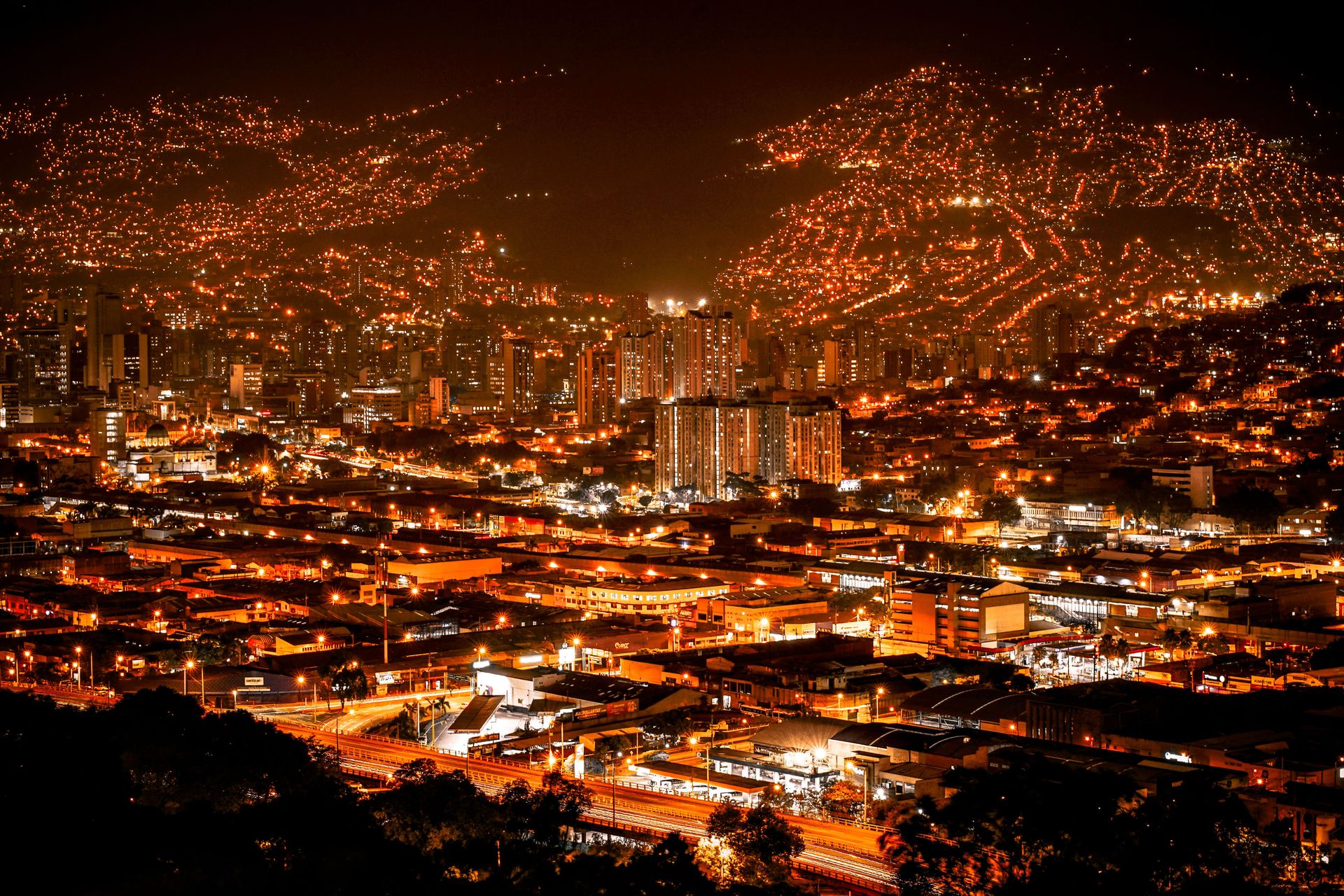
Medellín's transformation from the world's most violent city in the early 1990s to a celebrated model of urban regeneration is nowhere more visible than in its nighttime culture — in the specifically communal, specifically jubilant social life of a city that treats its own survival as something worth celebrating. The nightlife of Medellín, concentrated in the Parque Lleras area of El Poblado and the increasingly vibrant Laureles and Envigado neighborhoods, has a warmth and energy that reflects this quality: Colombians are generically hospitable, and Paisas (the regional identity of Antioquia, of which Medellín is the capital) are hospitable with a specific exuberance.
The Metrocable system — the gondola lift system that connects the hillside comunas to the Metro network, built as part of the city's social urbanism strategy — operates until late evening and provides one of the most dramatic urban viewpoints available anywhere: the city's lights spread across the Aburrá Valley floor, rising up the steep hillsides in a pattern of informal settlements whose density, seen from the air, is extraordinary. The gondola from Arví station extends the experience into the mountains above the city.
What to seek after dark: the Metrocable from San Javier station at dusk for the best light; the Parque Lleras bars from 9pm for the social energy; the salsa clubs of Barrio Colombia for local dancing rather than tourist salsa; the Mercado del Río food hall for Colombian regional cuisine from 7pm.
AXP Photography / Pexels
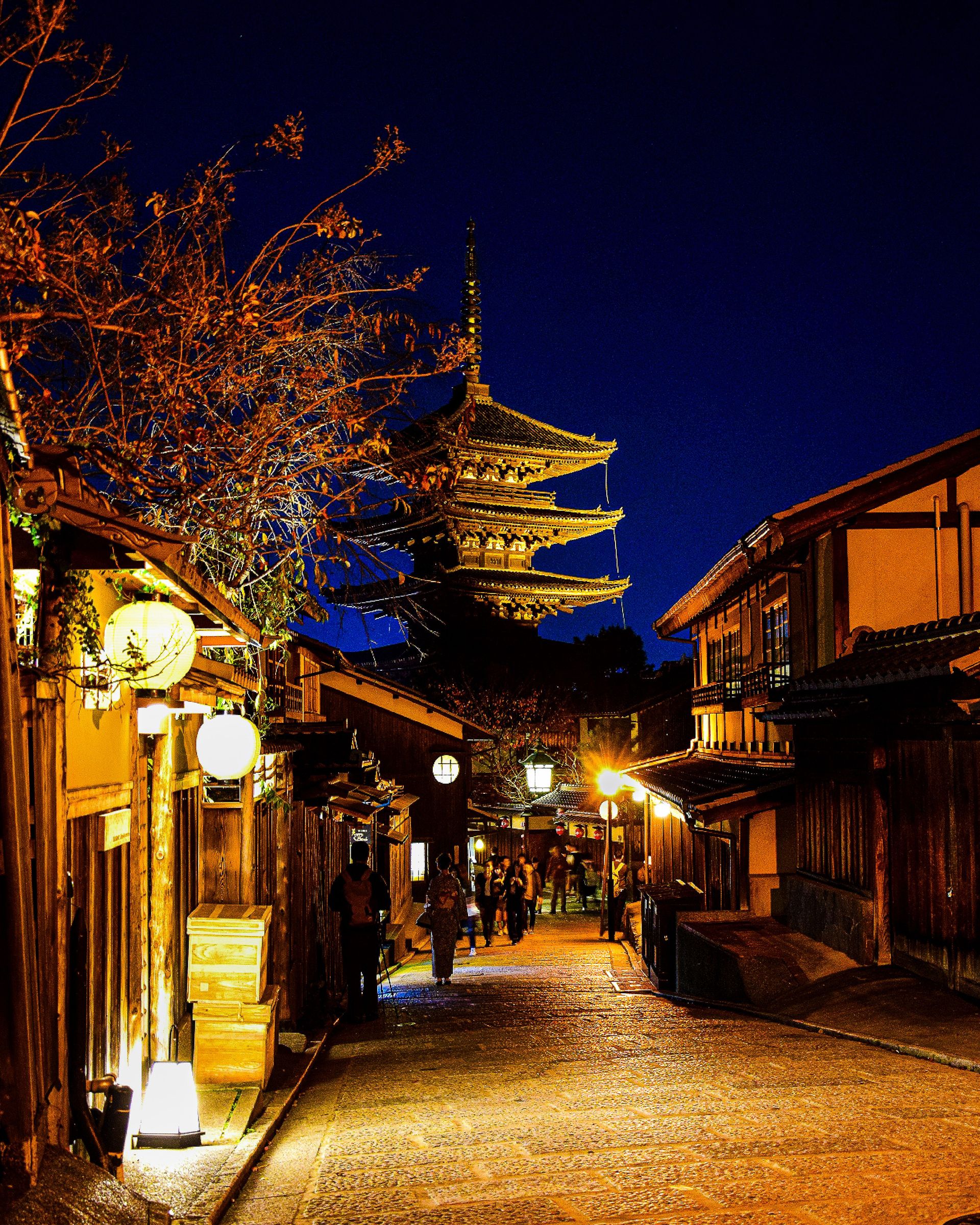
Kyoto at night is the version of Japan's ancient capital that most closely resembles the city it was for most of its history: quieter, more contemplative, and more specifically itself than the daytime crowd-and-temple experience that most visitors arrive for. The specific night Kyoto worth seeking is the Gion district after 9pm — the stone-flagged lanes of Hanamikoji and Shimbashi, where the wooden machiya townhouses and ochaya (teahouses) are lit from within, and where the occasional sight of a maiko (apprentice geisha) moving between engagements in full dress and full composure is one of the most visually arresting things available in any city.
The illuminated temple and shrine gardens of Kyoto — Kinkaku-ji (the Golden Pavilion), Fushimi Inari's torii gate path, the Arashiyama bamboo grove — are most frequently visited during the day but undergo seasonal illumination events in autumn and spring (the Higashiyama Hanatouro and Arashiyama Hanatouro festivals) that transform them into something entirely different: the reflection of the Gold Pavilion in still water at night, the vermillion torii gates of Fushimi Inari lit against darkness, the bamboo grove illuminated from below in pale green. These events are specifically designed for the Japanese night aesthetic that has no equivalent in Western garden design.
The Pontocho alley — a narrow lane between the Kamo River and the Kiyamachi entertainment district, lined with restaurants that extend wooden terraces (kawayuka) over the river in summer — is the most convivial night-eating experience in Kyoto, where the combination of the river, the willows, the lanterns, and the kaiseki-influenced izakaya menus produces a specific pleasure available only in this city.
What to seek after dark: the Gion district (Hanamikoji Street specifically) after 9pm; Pontocho alley for dinner from 7pm; Fushimi Inari Shrine at night (it is open 24 hours and almost empty after 9pm); the Kamo River banks in summer for the outdoor dining terraces.
