The tourist version of a city and the local version are usually very different places. These 20 cities make the gap unusually easy to close
Bruno Cortés FP / Pexels
The tourist experience of a city is a specific, managed thing: the landmarks, the popular restaurants, the neighborhoods that have optimized for visitors at the cost of the texture that makes a city itself. It is not without value — the landmarks are landmarks for a reason, and the popular restaurants are often popular because they are genuinely good — but it is a partial experience, the curated surface of a place rather than the place itself. The local experience is different: the unremarkable café that has been serving the same neighborhood for 30 years, the market that does not appear in guidebooks, the evening rhythm of a street that comes alive only after the tour groups have returned to their hotels.
Most cities require significant time to close the gap between these two experiences. You need to stay long enough to exhaust the obvious and discover what lies beneath it, to develop the routine that makes a foreign place feel familiar, to make the kind of social contact that reveals how the city actually works rather than how it presents itself to visitors. This often takes months.
Some cities are different. They are structured, socially, geographically, or culturally, in ways that make the gap between tourist and local unusually accessible to someone who is paying attention and willing to leave the established circuit. The neighborhoods are walkable enough that an afternoon of wandering reaches the places where residents actually live. The food culture is conducted in public, on streets and in markets, where participation requires only showing up rather than knowing the right people. The social culture is open enough that conversations with strangers are natural rather than exceptional. The city's real life is conducted close enough to its surface that a curious week-long visitor can encounter it genuinely.
This list covers 20 such cities, selected for the specific quality of accessibility — not cheapness, not safety, not touristic polish, but the specific characteristic that their local life is findable with moderate effort and a willingness to spend a week on foot rather than on a tour bus. Each slide covers what makes the city accessible to the short-term local experience, which neighborhood to base yourself in, and what specifically to do to stop being a tourist.
Junior Diniz / Pexels
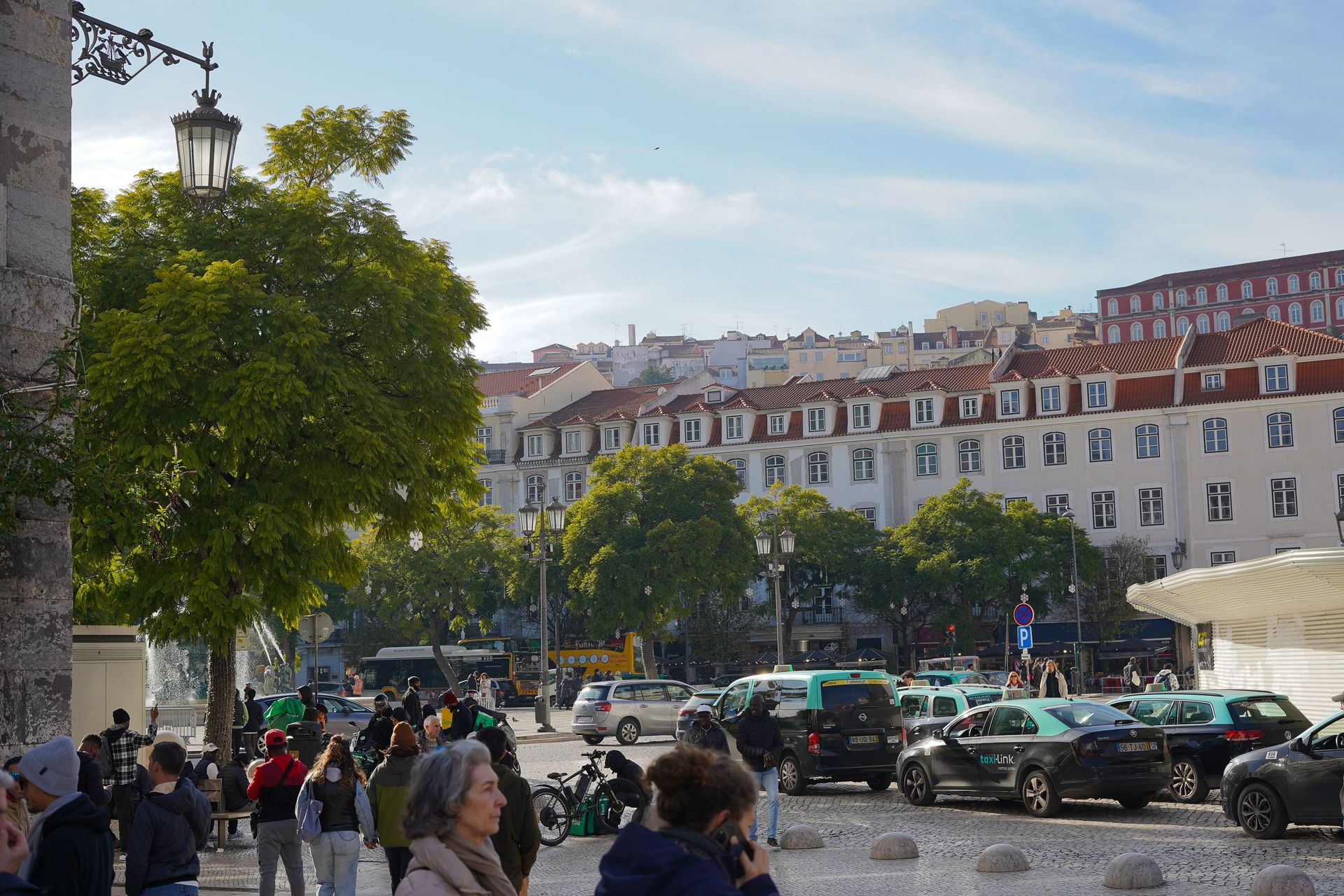
Lisbon is the European city that most consistently delivers the experience of living like a local to visitors who stay for a week, because its genuine residential neighborhoods are adjacent to its tourist areas rather than separated from them, and because the city's social life — the pastelarias (pastry shops) open from 7am, the tascas (small traditional restaurants) serving lunch to office workers, the evening culture of sitting outside with wine — is conducted in public and is participable by anyone who shows up at the right hour.
The specific geography that makes this possible: the historic neighborhoods of Alfama, Mouraria, and Intendente are genuinely mixed communities where tourists and residents share the same streets without one overwhelming the other. Principe Real — the neighborhood of independent bookshops, weekend food markets, and wine bars open late — functions as the city's genuine cultural hub rather than a tourist district. The Mercado de Campo de Ourique, a covered food market that operates as a working neighborhood market rather than a tourist attraction, is where local families shop on Saturday mornings.
What to do in week one to stop being a tourist: base yourself in Mouraria or Intendente rather than Baixa; eat lunch at a tasca (lunch is the main meal, served from noon to 3pm, often two courses with wine for under €12); take the 28 tram only at 7am or after 9pm when it is not full of tourists; walk to Miradouro da Graça rather than Miradouro de Santa Catarina for the view without the crowd; shop at the Feira da Ladra flea market on Tuesday and Saturday mornings.
Mateo Arbelaez / Pexels
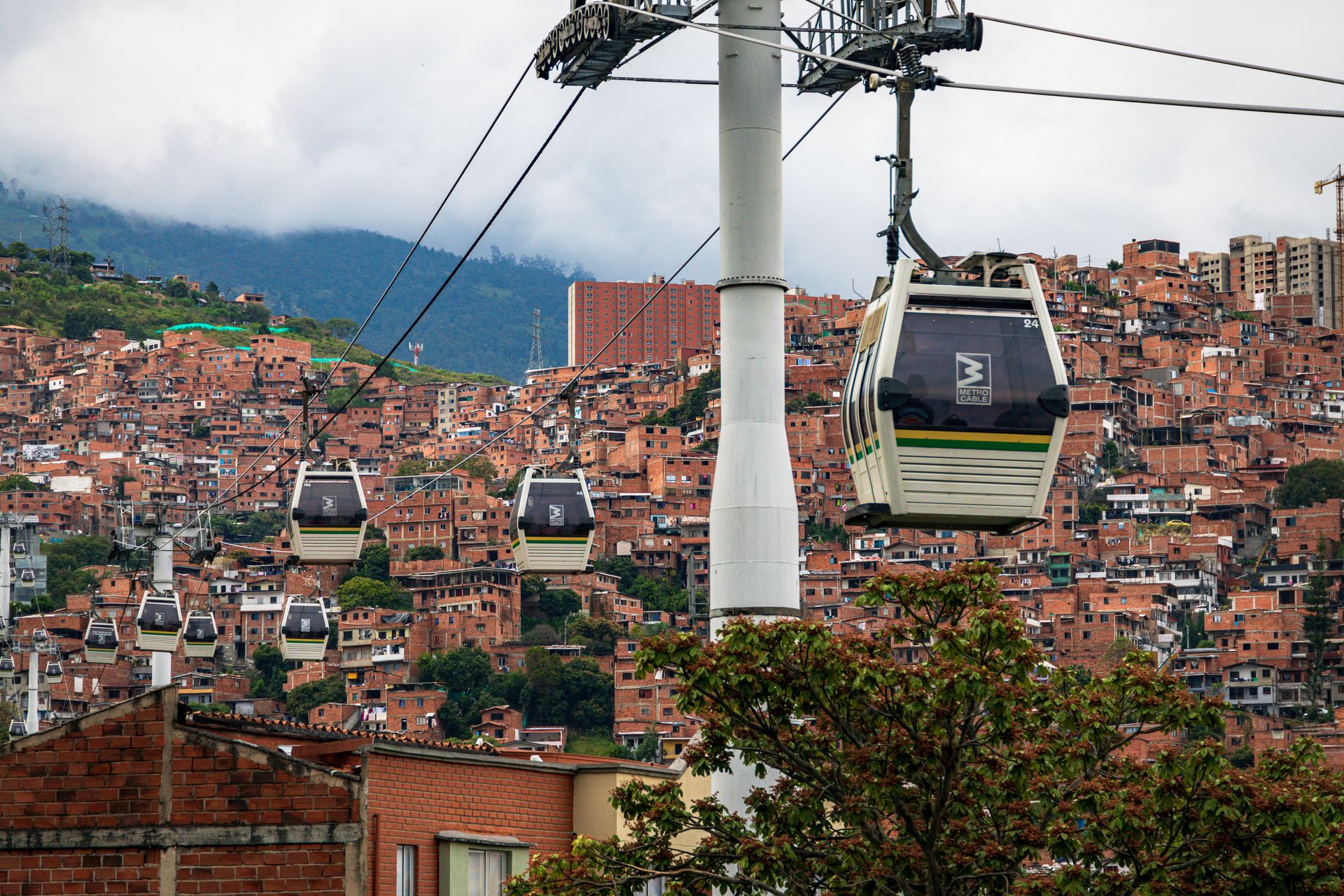
Medellín's transformation from the world's most violent city to a model of urban regeneration has produced a genuinely livable, genuinely warm city with a social culture — the specific Paisa hospitality that characterizes the Antioquia region — that makes contact with local life unusually accessible for visitors. The city's investment in public infrastructure (the Metrocable gondola system, the library parks in the hillside comunas, the Ciclovia Sunday street closures for cyclists and pedestrians) has created public spaces where local life happens and where a visitor with a bicycle pass and a Sunday morning can encounter Medellín as residents experience it.
The neighborhood of Laureles — west of the Poblado tourist area, across the river — is where working Medellín lives and eats: the restaurants, bakeries, and juice bars of Laureles and Envigado serve the city's own population at prices and in an atmosphere entirely different from the tourist-facing Parque Lleras area. The Paloquemao flower market, open at 5am, and the Mercado del Río food hall, which serves Colombian regional food to a local lunch crowd, are both accessible on foot from the city center.
What to do in week one to stop being a tourist: take the Metrocable to the comunas on a weekday morning; rent a bicycle for the Sunday Ciclovia; eat at Laureles rather than Poblado; visit the Jardín Botánico (free on weekends, genuinely used by local families); attend a Liga Aguila football match at the Estadio Atanasio Girardot.
Frank Wesneck / Pexels
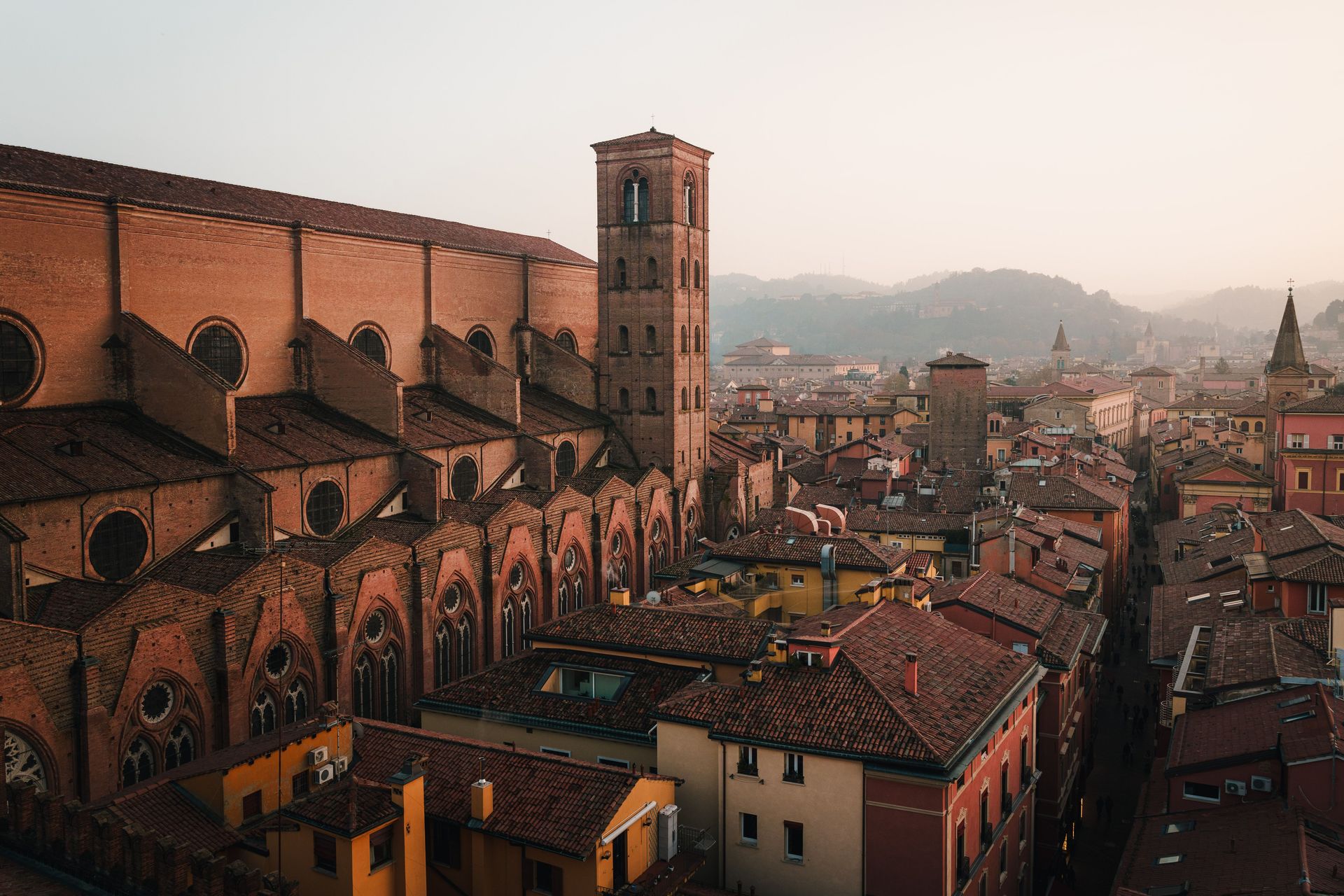
Bologna is the Italian city that most rewards the short-term resident, partly because it has historically been undervisited relative to Florence, Venice, and Rome (and has therefore not restructured its center around tourists), and partly because its food culture — Bologna is considered the gastronomic capital of Italy by Italians themselves, a credible claim — is conducted through institutions (the markets, the osterie, the mercato di mezzo) that function as genuine social infrastructure rather than tourist attractions.
The Quadrilatero — the market neighborhood in the historic center — is where Bolognesi shop for food: the porticoed streets running east of Piazza Maggiore contain some of the oldest continuously operating food shops in Italy, selling mortadella, Parmigiano-Reggiano, fresh pasta, and cured meats to a mix of residents and knowing visitors. The Mercato delle Erbe on Via Ugo Bassi is the city's working food market, open for business from 7am. The osterie of the university quarter around Via Zamboni serve the city's large student population at prices that make a meal with wine a genuinely everyday pleasure.
What to do in week one to stop being a tourist: buy breakfast at a bar in the Quadrilatero rather than at the hotel; eat lunch at a standing osteria between 12:30 and 2pm; join the evening aperitivo (a glass of Pignoletto or Sangiovese served with substantial free food at most bars from 6pm to 9pm); walk under the porticoes at 8am when the city belongs to its residents; take the train to Modena for a day and come back by evening.
Genadi Yakovlev / Pexels
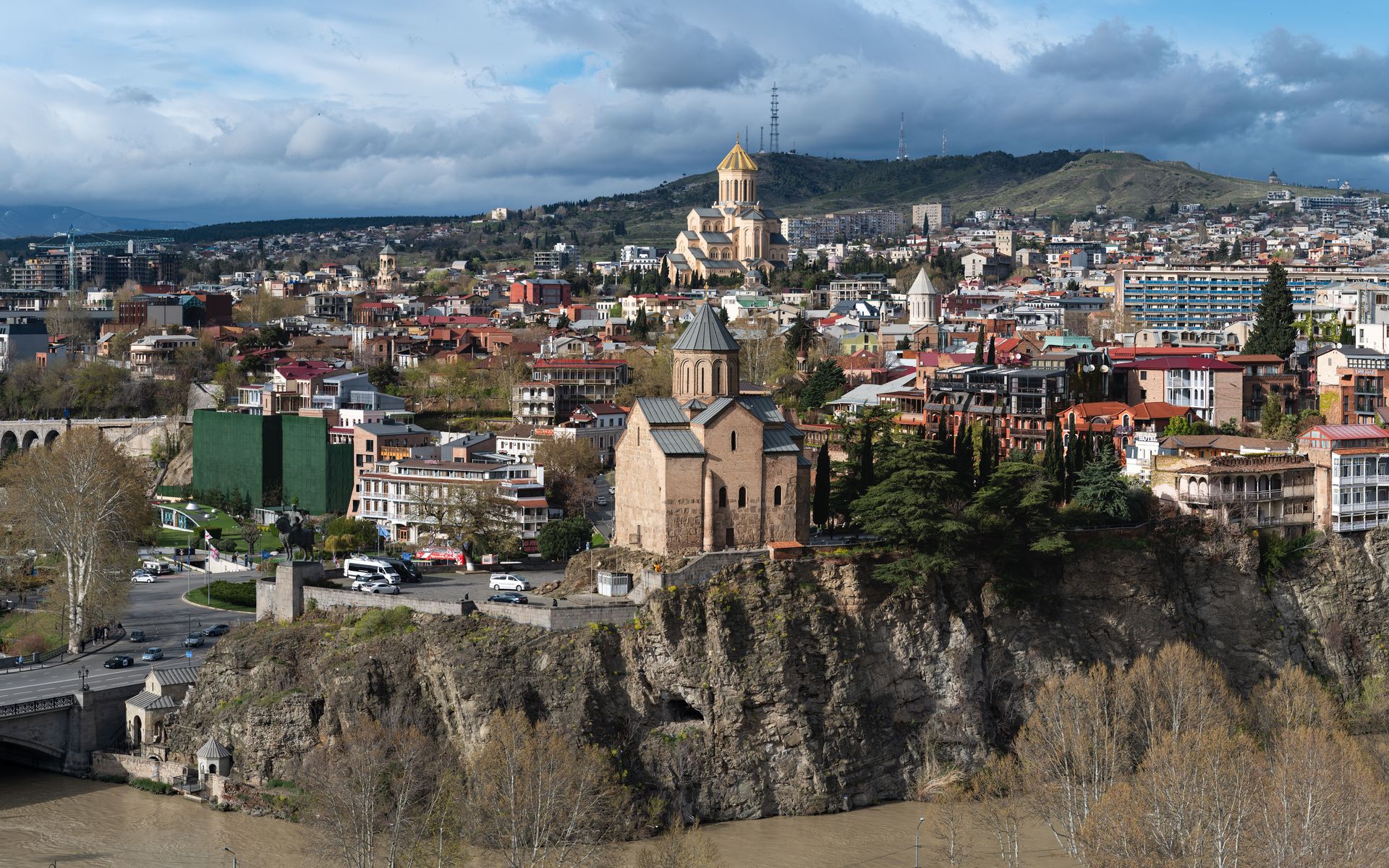
Tbilisi is one of the most genuinely accessible cities in the world for the short-term visitor who wants to encounter local life rather than tourist infrastructure, because its extraordinary hospitality culture — Georgia has a tradition of receiving guests with a generosity that operates as a point of national and personal pride — means that contact with local life comes to the visitor rather than requiring the visitor to seek it out. Conversations begin at the wine bar, at the sulphur bath, at the bread baker's window; invitations to dinner in Georgian homes are not uncommon for visitors who stay for a week and engage with basic social reciprocity.
The Old Town of Tbilisi — the Abanotubani (sulphur bath district), the Narikala fortress quarter, and the Fabrika creative hub in what was a Soviet sewing factory — functions as a genuine mixed neighborhood rather than a tourist ghetto. The Dezerter Bazaar, the city's main wholesale and retail food market, serves the city's working population with a directness and a sensory intensity that rewards early morning visits. The natural wine bars of Elia Street and Vera district are where Tbilisi's own creative and professional class spends its evenings.
What to do in week one to stop being a tourist: take a sulphur bath in Abanotubani (the private bath rooms are affordable and genuinely local); visit the Dezerter Bazaar at 7am; drink Georgian natural wine in a basement wine bar in Vera; take a marshrutka (minibus) rather than a taxi; visit a Georgian Orthodox church during an evening service.
by Natallia / Pexels
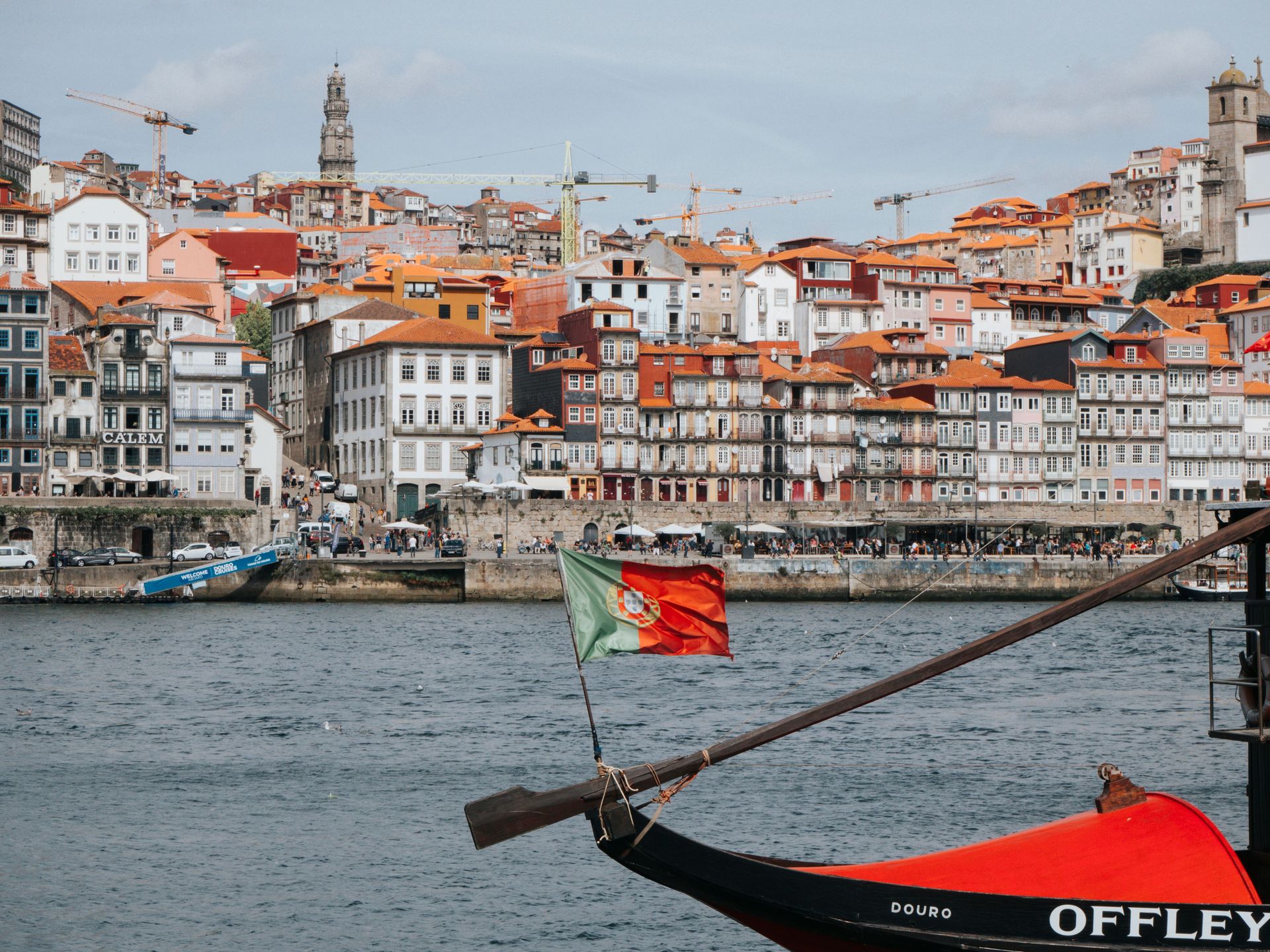
Porto is smaller than Lisbon, easier to navigate on foot, and has a neighborhood structure — the working-class Bonfim, the immigrant community of Antas, the student district around Rua de Miguel Bombarda — that sits adjacent to the tourist areas but is entirely distinct from them. The city's daily rhythm, organized around morning markets, long lunches, and late evening wine, is a participable culture that a visitor with a week and functional walking shoes can access.
The Mercado do Bolhão — the historic market reopened after renovation — is where the city's cooks shop in the morning. The Bairro de Bonfim, a 20-minute walk east of the historic center, is the neighborhood that younger Porto residents have moved to as the historic center has gentrified: its cafés, natural wine bars, and small restaurants serve a local clientele at prices calibrated to local incomes rather than tourist budgets. The quayside of the Vila Nova de Gaia side of the Douro — facing the Ribeira across the river — has a slower, less tourist-oriented quality that makes it a better base for a week than the historic center itself.
What to do in week one to stop being a tourist: base yourself in Bonfim or Cedofeita rather than the Ribeira; buy bread, olives, and cheese at Bolhão for apartment breakfasts; eat lunch at a tascas in Bonfim; walk across the Luís I bridge and eat at the Cais de Gaia rather than the Ribeira side; take the train to Amarante for a day trip.
Miguel González / Pexels
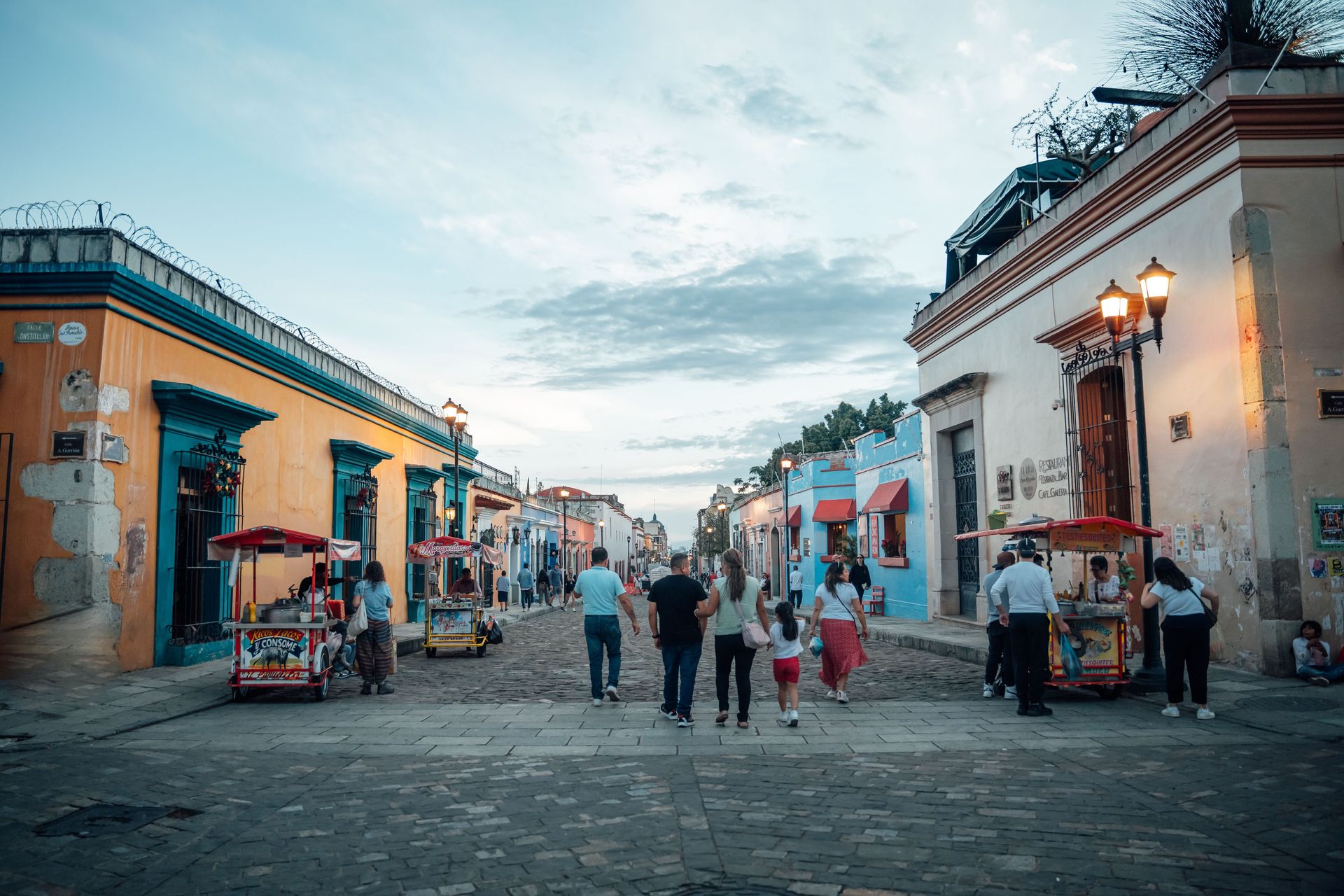
Oaxaca's specific quality as an accessible local-life city is its size — it is a small city, navigable on foot in its entirety, with a social life conducted largely in public spaces (the Zócalo, the markets, the mezcal bars of the Jalatlaco neighborhood) that are available to anyone who shows up and stays. The city's extraordinary food culture — the mole negro, the tlayudas, the chocolate, the chapulines (grasshoppers) — is conducted through markets and street stalls and family-run restaurants that serve the local population and happen also to serve visitors who find them.
The Mercado Benito Juárez and the Mercado 20 de Noviembre are working food markets serving the city's population, not tourist markets: the comedores in the food section of Mercado 20 de Noviembre, where women grill meat over charcoal smoke in a dimly lit hall, are among the most immersive food experiences in Mexico. The Jalatlaco neighborhood — a few blocks east of the Zócalo, quieter and more residential than the tourist center — is where local creative professionals live and where the mezcalerías serve the city's own mezcal culture rather than a tourist version of it.
What to do in week one to stop being a tourist: eat at a comedor in Mercado 20 de Noviembre; visit the Tlacolula market on Sundays (a 40-minute bus ride, the largest traditional market in the state of Oaxaca); drink mezcal at a mezcalería in Jalatlaco; attend the evening Guelaguetza cultural performances when available; take a cooking class with a local family rather than at a tourist-oriented school.
Vishal Chokkala / Pexels
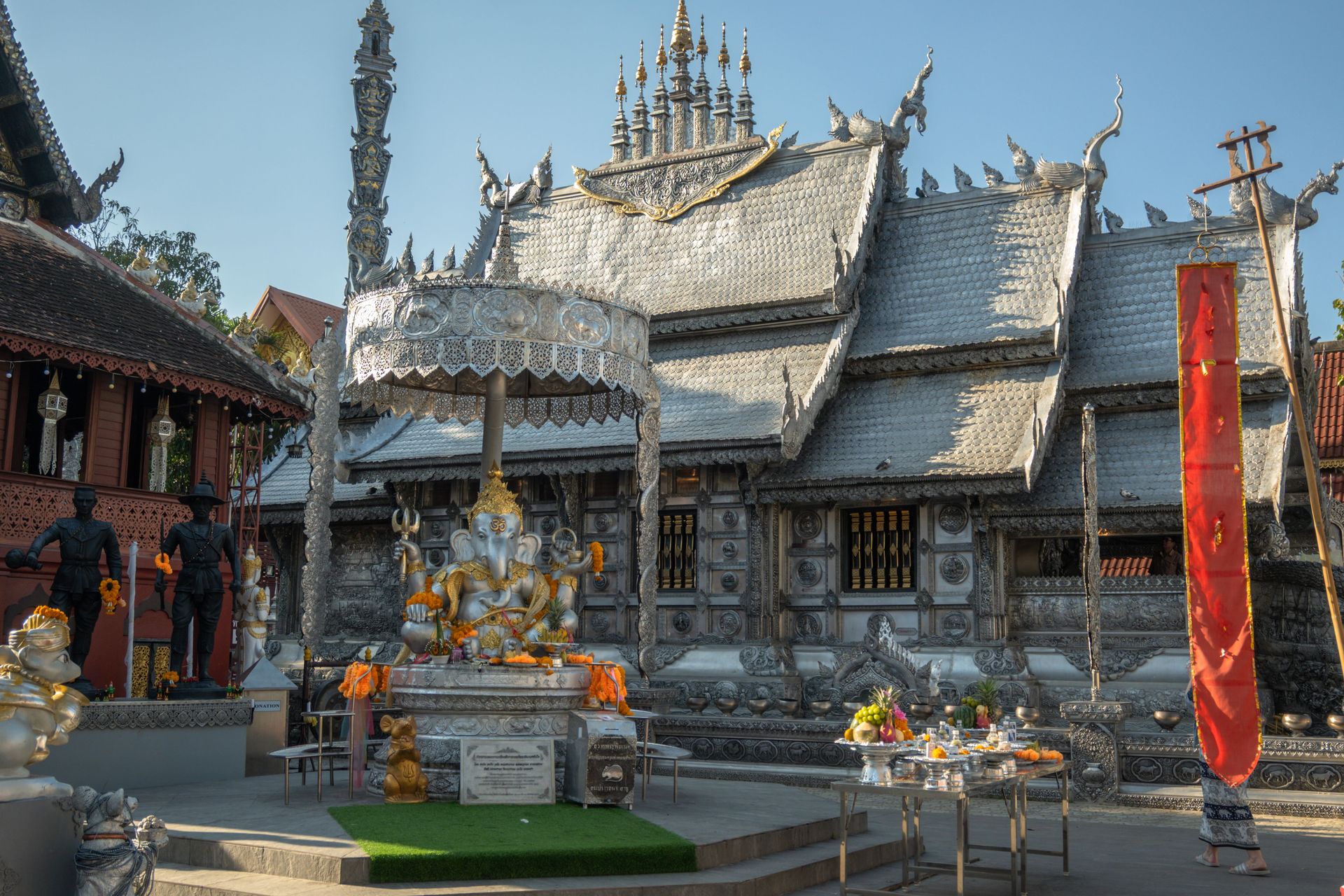
Chiang Mai's quality as an accessible local-life city comes from a combination of factors: its relatively small size (walkable and cyclable in ways that Bangkok is not), its specific status as a university city with a large educated local professional and creative class whose social life is conducted in the night markets, temples, and coffee shops of the old city, and its position as the capital of Northern Thai cooking — a cuisine distinct from the Central Thai food most internationally familiar, and accessible through markets and restaurants serving the local population.
The Nimman area — Nimmanhaemin Road and the surrounding streets — is where Chiang Mai's own young professional and creative population lives: its coffee shops, galleries, small restaurants, and weekend market serve a local clientele that welcomes visitors without orienting around them. The Saturday Walking Street on Wualai Road and the Sunday Walking Street on Tha Phae Road are tourist events but are also genuine local social occasions where the city's own residents shop for food and crafts. The early morning market at Ton Payom, open from 5am, serves the city's working population before the tourist day begins.
What to do in week one to stop being a tourist: rent a bicycle for daily transport; eat at Ton Payom market at 6am; explore the Nimman area on foot; visit Wat Suan Dok at the Tuesday evening monk chat; take a day trip to Doi Inthanon National Park on public transport rather than a tour; attend a muay thai training session at a local gym.
Alexander Nadrilyanski /Pexels
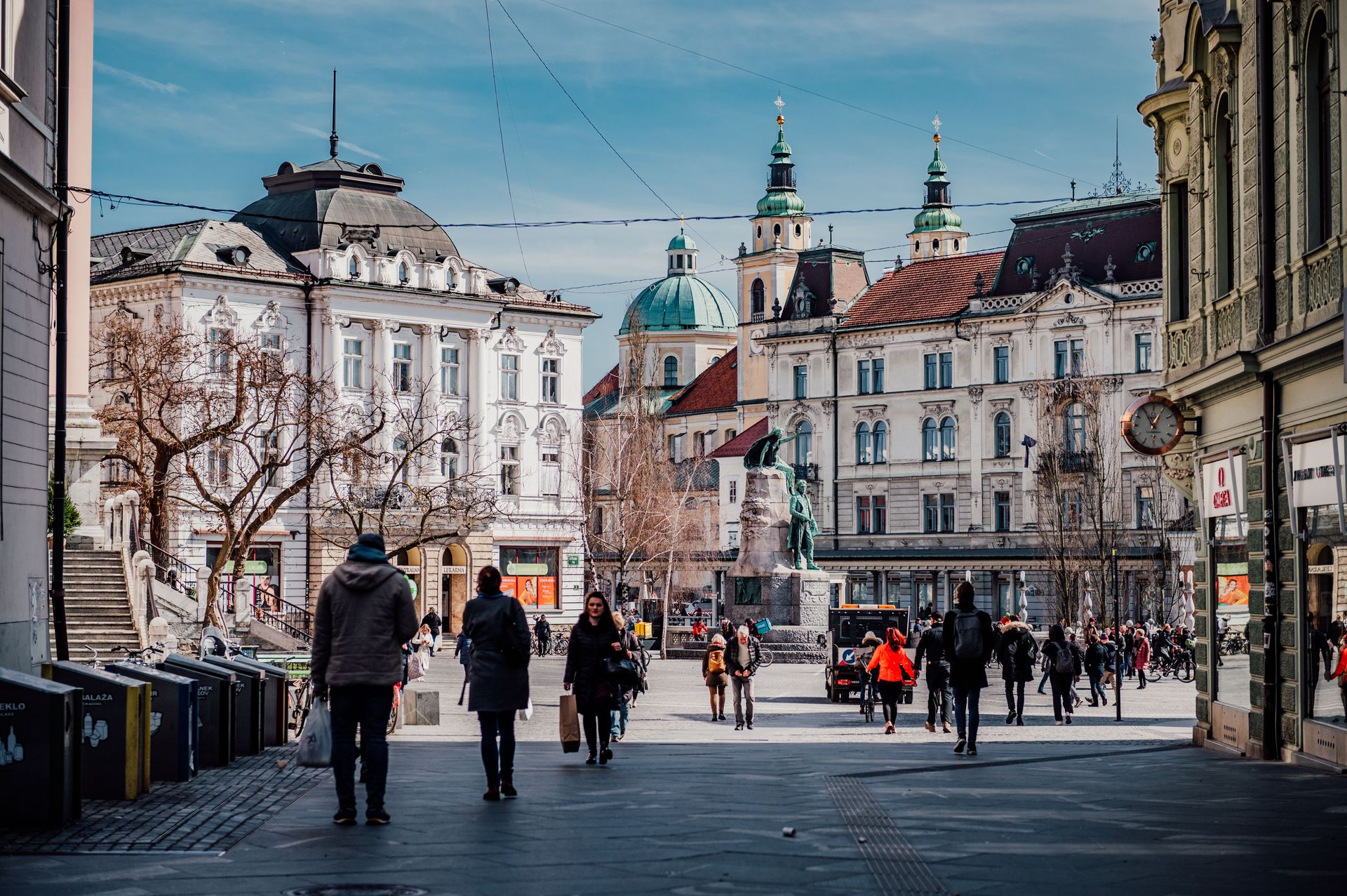
Ljubljana's specific quality is its compactness: the entire city center is walkable in a way that almost no other European capital is, the river promenade and Old Town are genuine public spaces used by the city's own population rather than tourist zones, and the city's small size means that a week of walking produces a familiarity — the same faces at the same cafés, the same market stalls at the same hours — that larger cities take months to develop.
The Central Market, designed by Jože Plečnik (who also designed much of the city center's public infrastructure in the interwar period), is a working food market open six days a week where Ljubljana's residents buy produce, meat, and dairy. The Metelkova neighborhood — a former military barracks converted into an autonomous cultural zone in the 1990s — is where the city's counterculture, LGBTQ+ community, and arts scene operates, a few blocks from the tourist center but entirely outside the tourist experience. The cycle paths along the Sava and Ljubljanica rivers reach into the residential neighborhoods where the city's own life is lived.
What to do in week one to stop being a tourist: shop at the Central Market on Saturday morning; cycle along the Ljubljanica river past the tourist center into the residential neighborhoods; visit Metelkova on a weekend evening; eat at a gostiša (traditional Slovenian restaurant) rather than a tourist-facing restaurant; take the train to Lake Bled for a day but return by evening.
YL Lew / Pexels
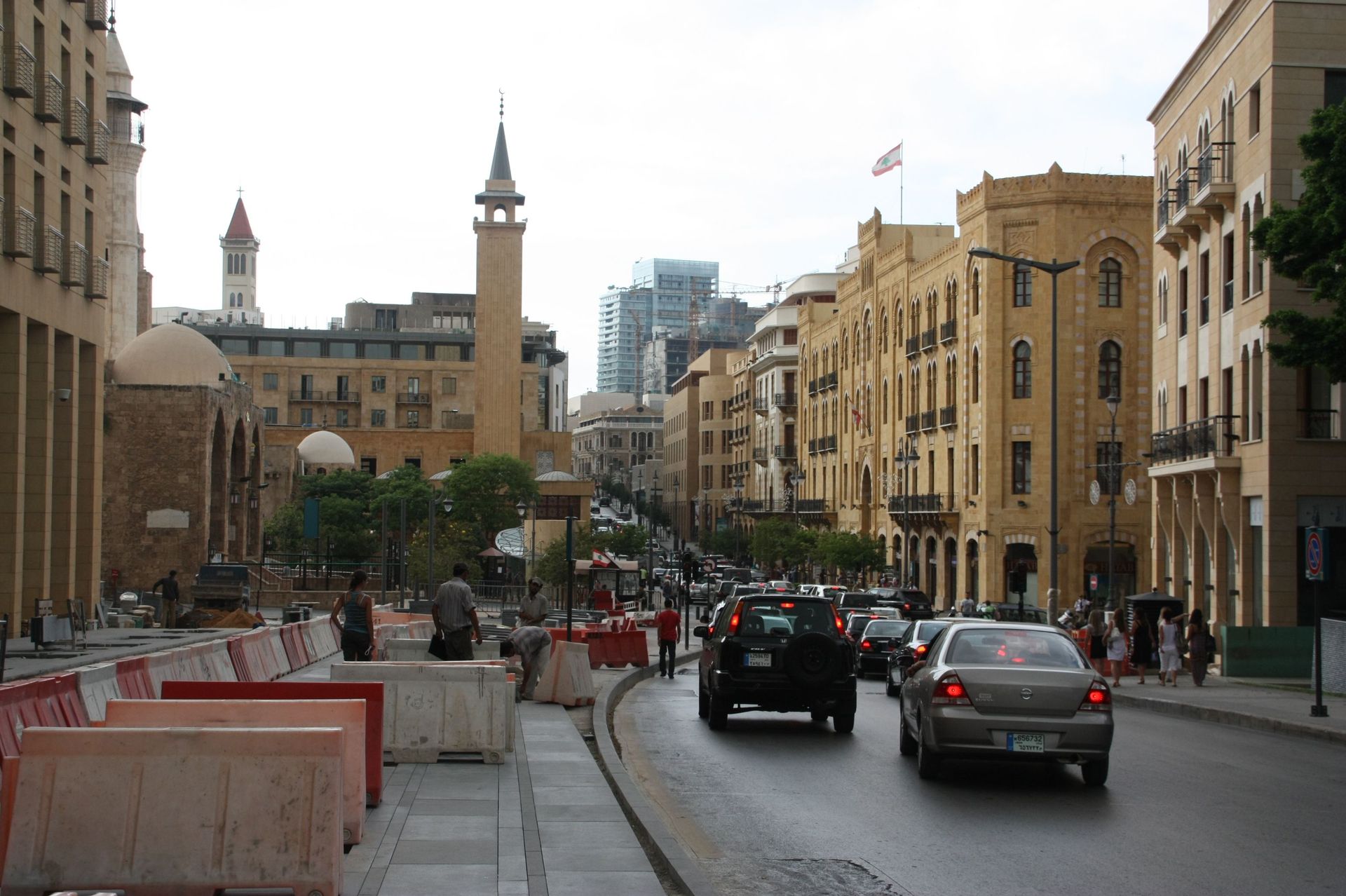
Beirut's quality as an accessible local-life city — despite and in some ways because of its difficulties — is its specific combination of cosmopolitan openness and neighborhood density. The city's educated, multilingual, internationally oriented population conducts its social life in cafés, restaurants, and bars that are simultaneously genuinely local and easily accessible to visitors who engage with the city on its own terms. The specific post-revolution, post-explosion Beirut of the early 2020s is a city whose residents have developed an extraordinary collective resilience and an almost defiant social culture that rewards engagement with unusual generosity.
The neighborhoods of Hamra, Mar Mikhael, and Gemmayze each have distinct characters: Hamra is the intellectual, bookshop, and café neighborhood; Gemmayze is the nightlife and restaurant neighborhood rebuilt from the explosion damage; Mar Mikhael is the street art and independent bar neighborhood. The Souk el Tayeb organic farmers' market, open on Saturday mornings at Martyr's Square $SQ, brings producers from across Lebanon to the city center and functions as a genuine gathering point for the city's food culture.
What to do in week one to stop being a tourist: eat manoushe (Lebanese flatbread) from a bakery at 8am; visit Souk el Tayeb on Saturday morning; walk through all three of Hamra, Gemmayze, and Mar Mikhael on successive evenings; visit the National Museum on a weekday afternoon when it is empty; eat mezze at a restaurant in the residential Achrafieh neighborhood rather than in the tourist-facing areas.
Mert Kaşıkçı / Pexels
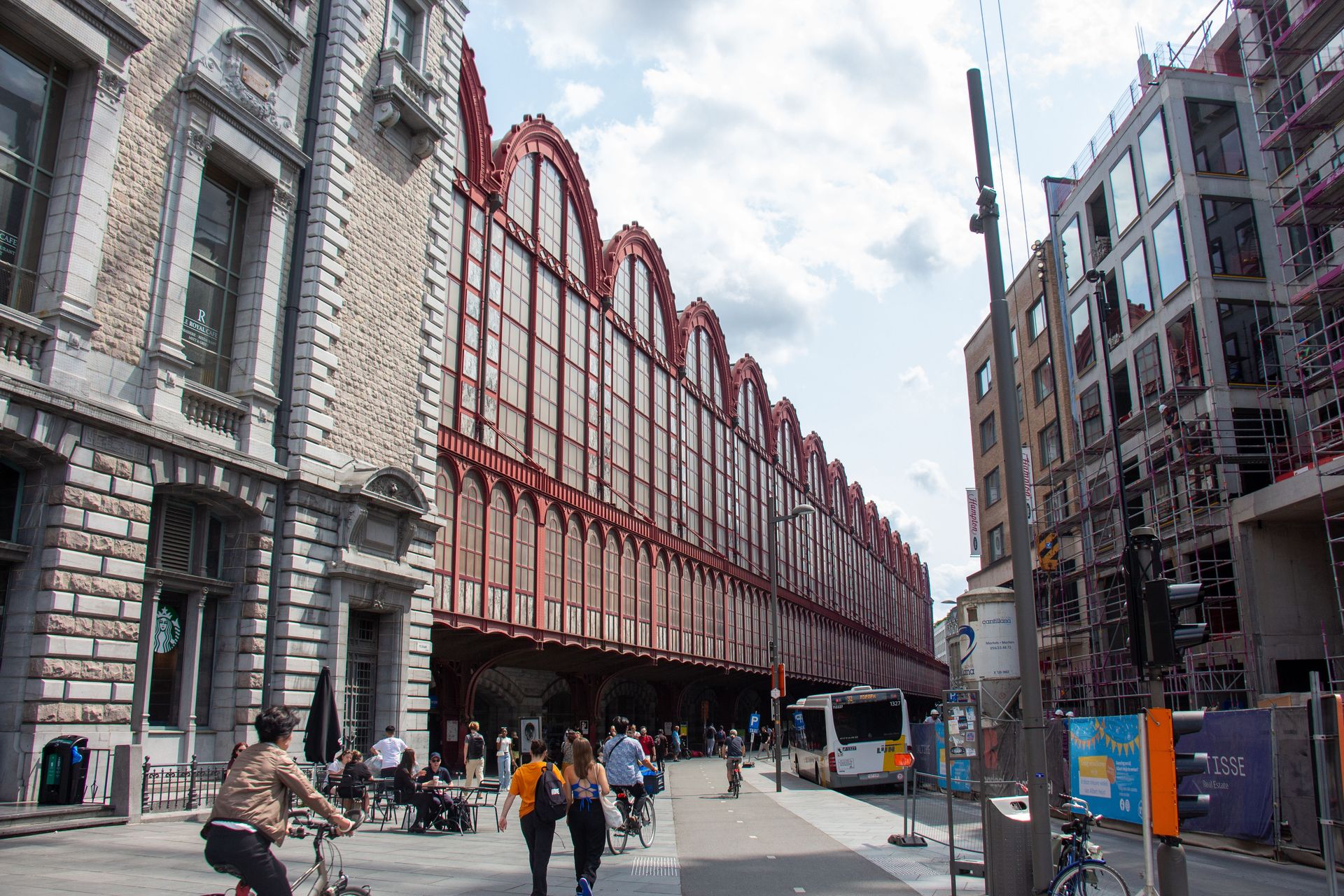
Antwerp is the Belgian city that most rewards a week of genuine engagement — and the one most consistently undervisited in favor of Bruges and Ghent, which are smaller and more immediately beautiful but less genuinely livable. Antwerp has a specific quality of confident cultural sophistication — it is one of the world's fashion capitals (the Antwerp Six and their successors have shaped global fashion since the 1980s), a major diamond trading center, and a city whose bar and restaurant culture reflects genuine prosperity and genuine taste rather than tourist-adjusted quality.
The 't Zuid neighborhood — south of the historic center, built on the former dock area — is where the city's fashion designers, architects, and creative professionals live: its galleries, design shops, and wine bars are calibrated to local taste rather than tourist traffic. The Marktkramerstraat and Vlaeykensgang — hidden courtyards in the historic center accessible through unmarked passages — reveal a medieval Antwerp invisible from the main streets. The Saturday market at the Vrijdagmarkt and the Sunday antique market at the Lijnwaadmarkt serve the city's own population.
What to do in week one to stop being a tourist: walk 't Zuid on a Saturday morning; visit the MAS museum rooftop at sunset (free, extraordinary view); eat at a frituur (Belgian chip shop) rather than a tourist restaurant; explore the fashion district around Kammenstraat; take the ferry across the Scheldt to the left bank for the view of the city from the water.
BAB2056 / Pexels
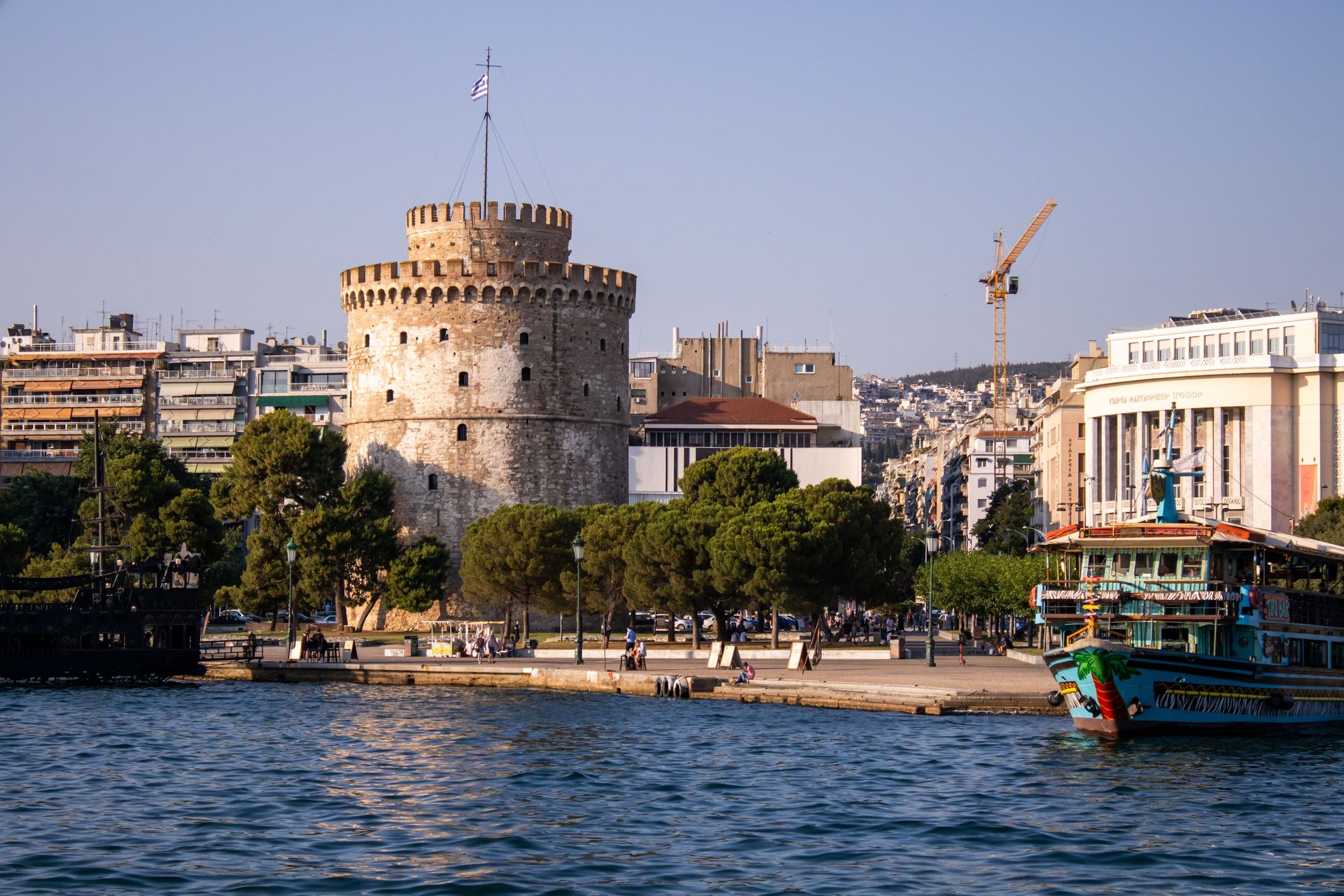
Thessaloniki — Greece's second city, a university town of 800,000 on the northern coast of the Aegean — is the Greek city most consistently cited by other Greeks as the best place to eat in the country, and its food culture, social culture, and urban character all have a quality of genuine, unperformed local life that Athens in its tourist-saturated state cannot easily replicate. The city's large student population and its long history as a multiethnic trading city (Byzantine, Ottoman, Jewish, and Greek layers coexist in its architecture and its cuisine) give it a cosmopolitan character that is not oriented toward international tourists.
The Modiano and Kapani covered markets are working food markets serving the city's population with fresh fish, meats, spices, and produce at prices unrelated to tourism. The Ladadika neighborhood — the former oil merchants' district, now bars and restaurants set in neoclassical buildings — serves the city's own young professional population in the evenings. The eastern seafront promenade from the White Tower to the Thessaloniki Concert Hall is where the city's residents walk, cycle, and gather in the late afternoon and evening.
What to do in week one to stop being a tourist: eat a bougatsa (cream-filled pastry) at Bantis or Floca at 8am; visit the Modiano market on a weekday morning; eat meze at a ouzeri in Ladadika on a Tuesday (when it is not full of weekend visitors); walk the seafront from the White Tower east toward the concert hall; take the bus to the Axios Delta nature reserve.
David Vives / Pexels
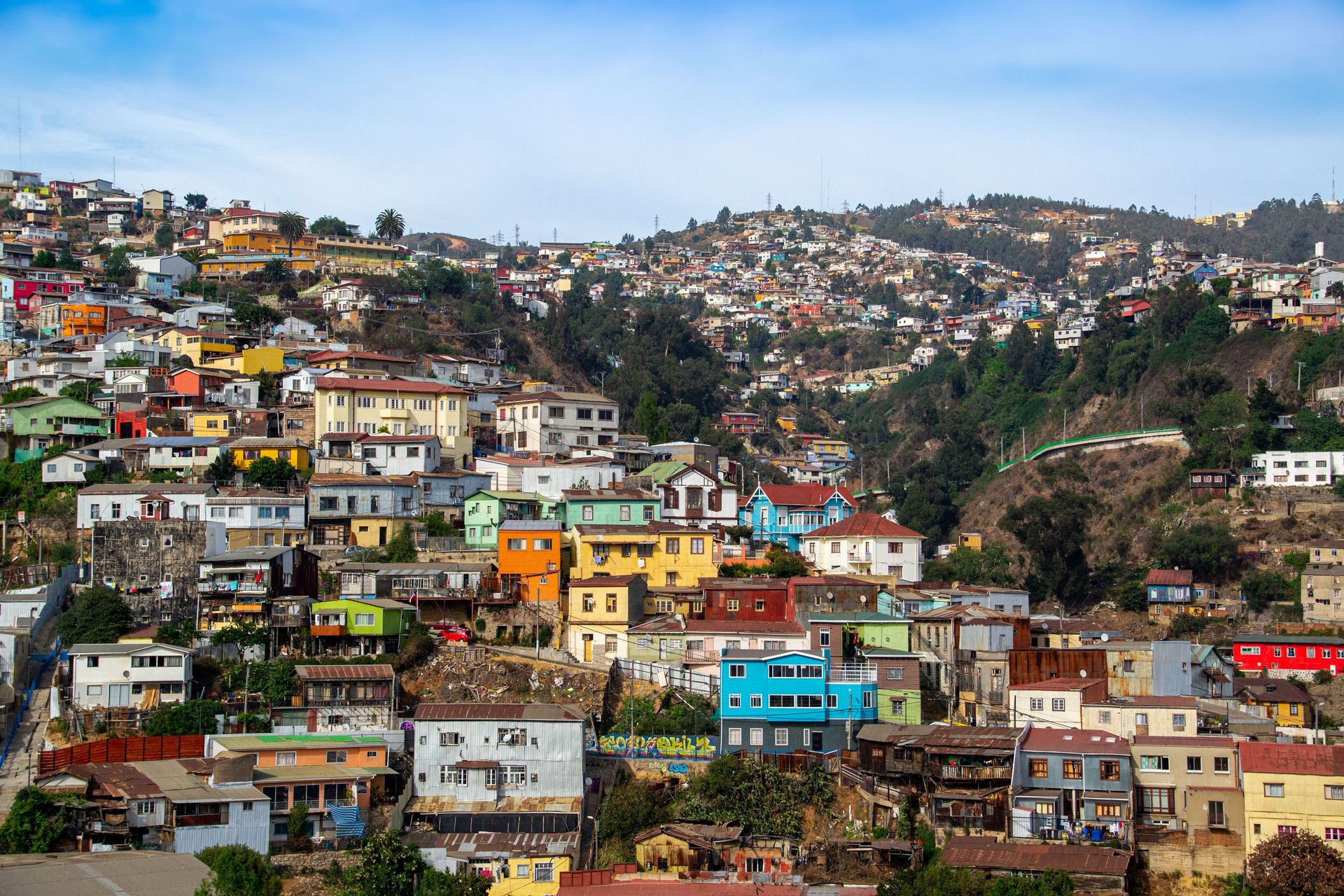
Valparaíso — the port city two hours west of Santiago, built on 42 hills above a working harbor — is the Chilean city whose combination of compressed urban geography, genuine bohemian culture, and working-class neighborhood life makes the tourist-to-local transition unusually fast. The city's physical structure (the hills, connected to the port plain by old funicular elevators called ascensores) creates a neighborhood density in which each cerro (hill) is a small community with its own character, its own corner store, and its own evening social life conducted on staircases and in tiny bars.
Cerro Alegre and Cerro Concepción are the tourist hills — beautifully painted, full of cafés and hostels. Cerro Bellavista is where local artists and students live, a 10-minute walk away and a different atmosphere entirely. The port fish market at Caleta El Membrillo, open from 6am, serves the city's fishermen and cooks at prices that have nothing to do with the tourist economy. The plan (the port-level commercial district) is unglamorous working city, which is exactly why it is worth spending a morning there.
What to do in week one to stop being a tourist: base yourself on Cerro Bellavista rather than Cerro Alegre; eat lunch at a marisquería (seafood restaurant) in the plan; take the working ascensores rather than walking the stairs; visit the fish market at 7am; take the micro (city bus) rather than a taxi between neighborhoods.
Muhammed Fatih Beki / Pexels
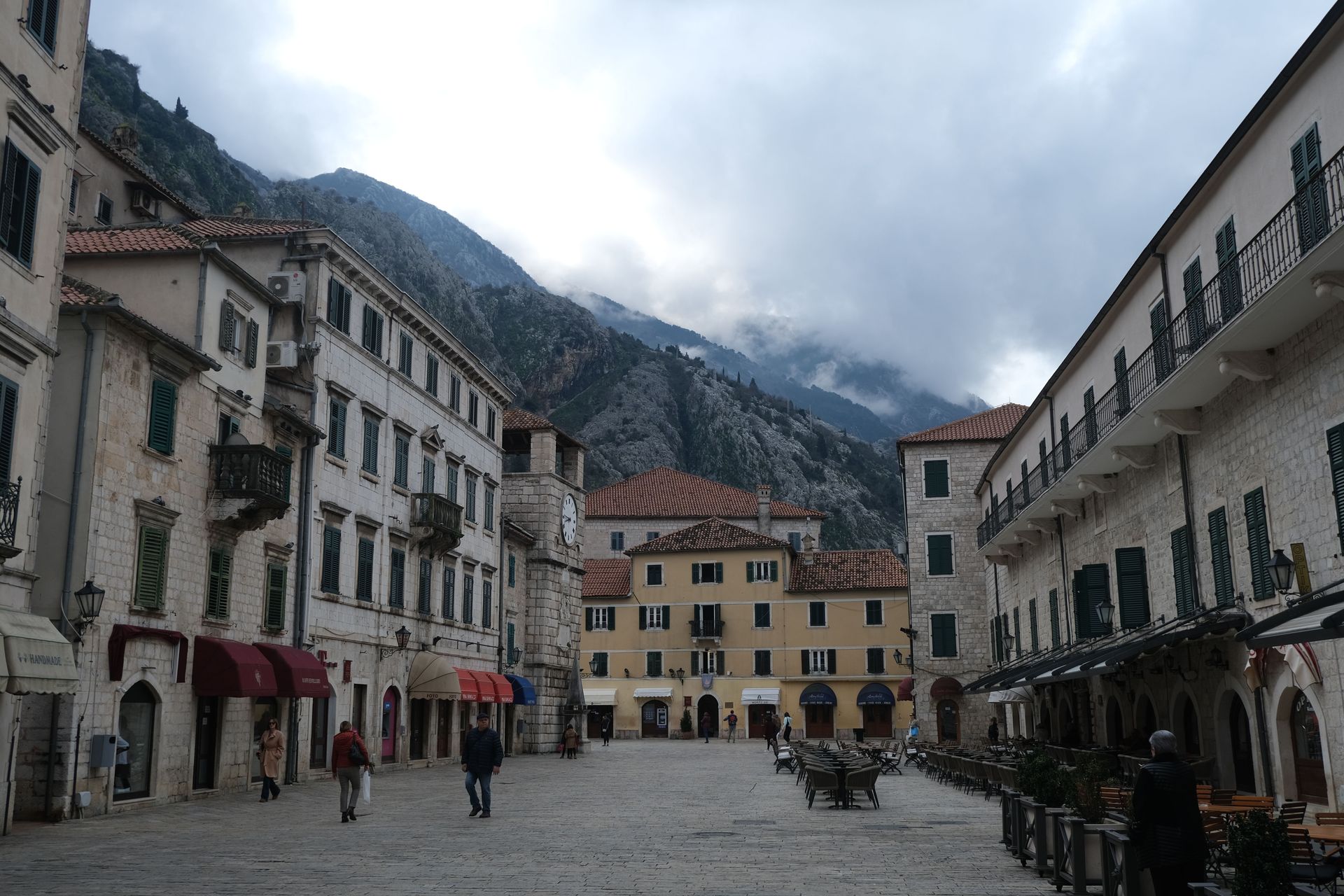
Kotor — a medieval walled city on the Bay of Kotor in Montenegro, one of the best-preserved Venetian fortified towns in the Adriatic — is small enough (approximately 13,000 residents in the municipality) that a week of walking its streets produces genuine familiarity with the city's own daily life, despite the significant summer tourist pressure that the walled old town attracts. The key is choosing the right season (shoulder season — April to May or September to October) and the right base (the old town itself, rather than the resort hotels outside it).
The old town's butcher, the bakery that opens at 6am, the fisherman's market at the city gate that operates on weekday mornings, and the residential neighborhood of Dobrota (a 15-minute walk along the bay) are all available to anyone who stays for a week and moves at a pace that allows them. The fortress hike (an hour straight up the mountain above the town, past the Church of Our Lady of Health) is done by locals for exercise at dawn and by tourists during the day — the experience is entirely different depending on which group you join.
What to do in week one to stop being a tourist: stay inside the old town walls rather than at a bay resort; be at the morning market at 7am; hike the fortress at sunrise; walk to Dobrota in the evening for dinner at a local konoba; take the boat across the bay to Perast and back rather than a guided tour.
Мik / Pexels
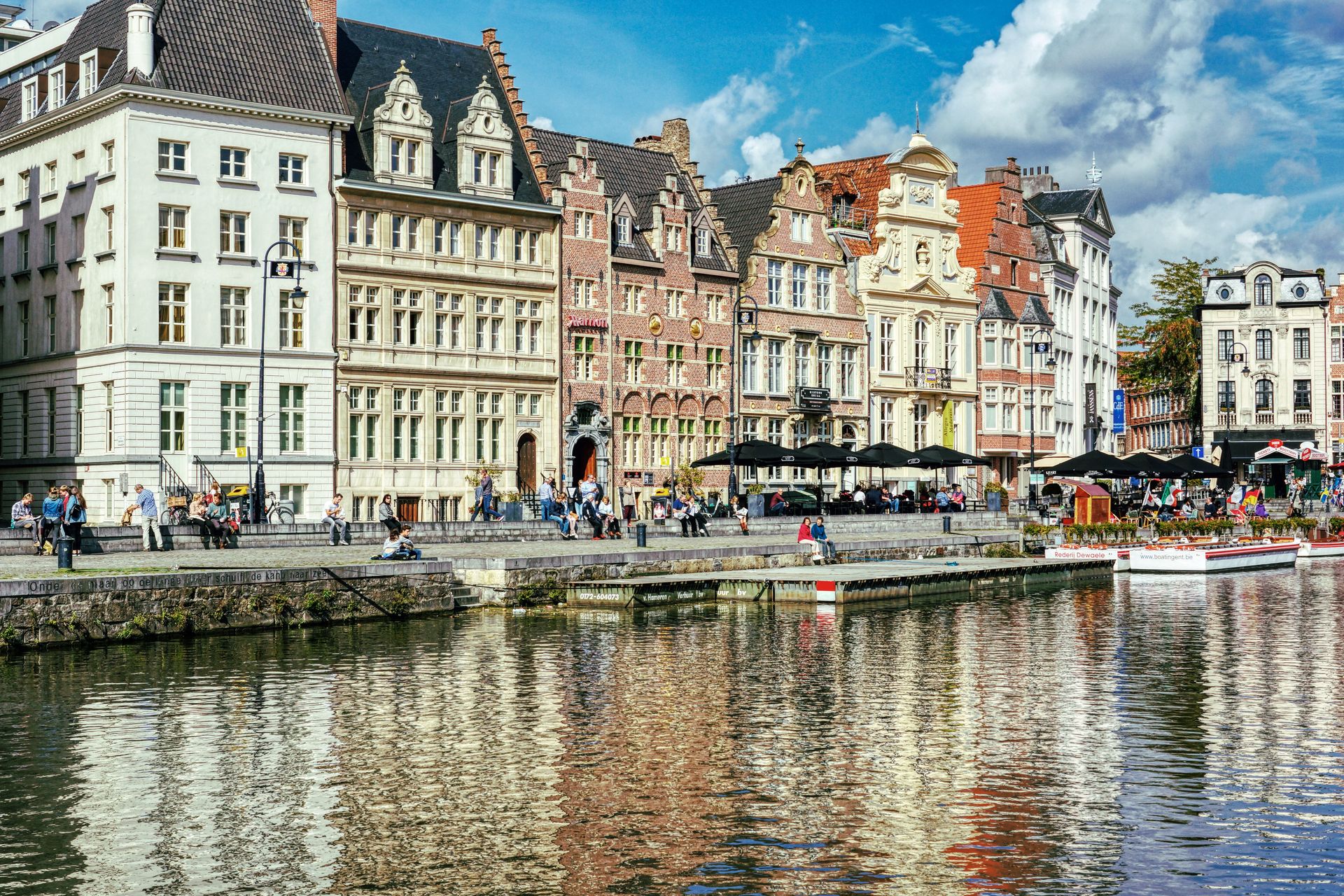
Ghent — Belgium's university city, midway between Bruges and Brussels — is the city that Belgian travelers themselves most consistently choose for a short break, which is one of the most reliable signals of genuine livability. It has the medieval architecture of Bruges without Bruges' near-total tourist saturation, the cultural sophistication of Brussels without Brussels' governmental formality, and a specific student city energy — the Gentse Feesten festival, the independent bookshops, the concert venues — that gives it a social life oriented toward local pleasure rather than visitor experience.
The Patershol neighborhood — a quiet residential district of cobbled lanes between the Graslei and the Rabot — is where Ghent's chefs and food professionals live and eat. The Groot Vleeshuis (Great Butchers' Hall), converted into a showcase for East Flemish food products, is genuinely used by local cooks. The Sunday Organic Market at Sint-Jacobskerk brings the city's food culture to the surface in a format that serves residents rather than tourists.
What to do in week one to stop being a tourist: eat at a small restaurant in Patershol on a weekday evening; visit the Sunday market at Sint-Jacobskerk; cycle along the Leie river into the residential neighborhoods east of the center; visit the SMAK contemporary art museum on a weekday; take the train to Bruges for a day from Ghent Sint-Pieters and return the same evening.
Anton Atanasov / Pexels
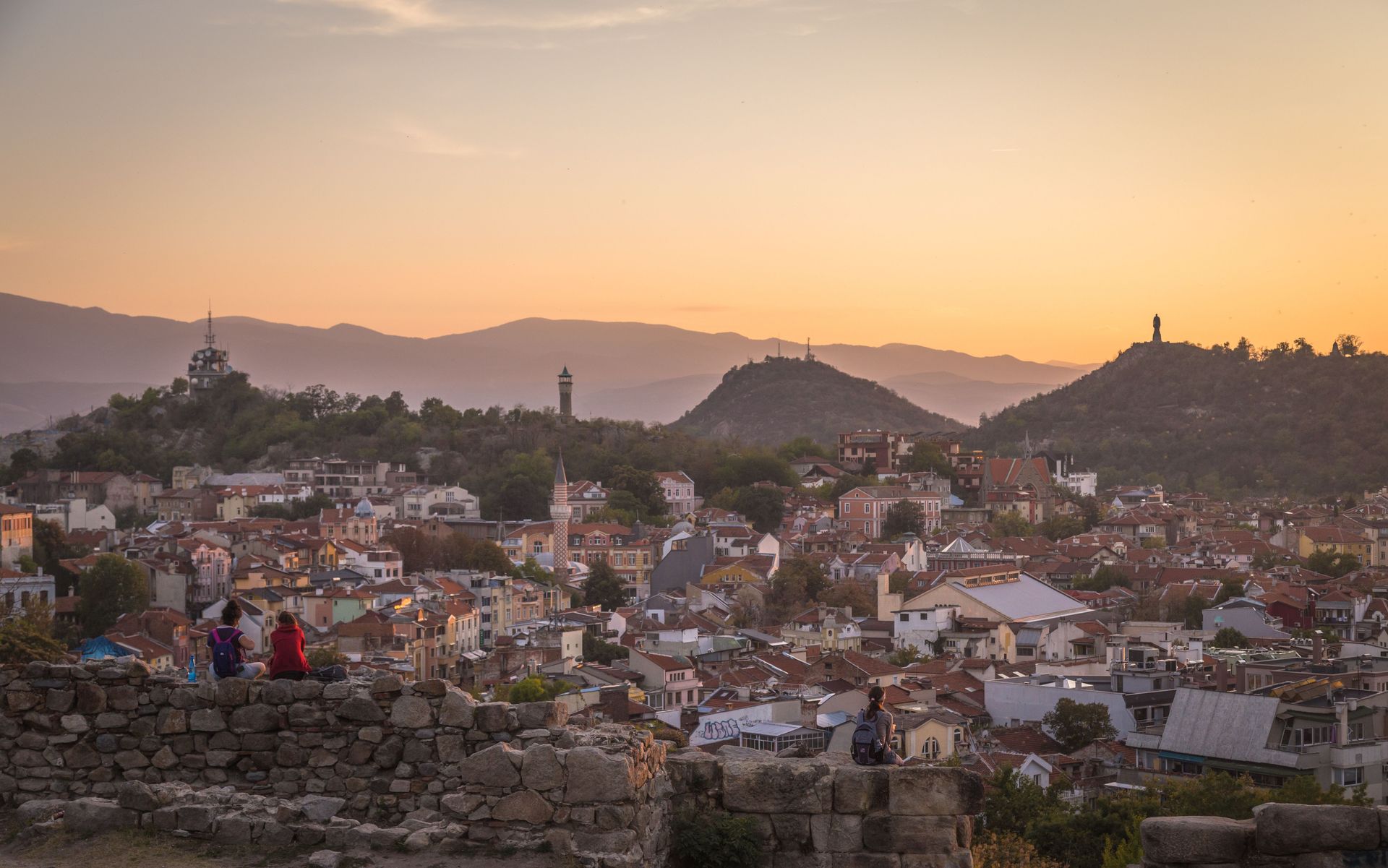
Plovdiv — Bulgaria's second city, a university town of 300,000 with a UNESCO-designated old town and one of the oldest continuously inhabited cities in Europe — is the city in the Balkans that most rewards a week of actual living rather than landmark-visiting. Its designation as a European Capital of Culture in 2019 brought investment in public spaces and cultural institutions that improved the city's infrastructure without transforming it into a tourist-facing operation. The old town's historic houses and cobbled streets coexist with a working Bulgarian city below, and the transition between them is navigable on foot in minutes.
The Kapana (the Trap) — a neighborhood of narrow streets adjacent to the old town, redeveloped as a creative quarter — is where Plovdiv's young professionals eat, drink, and socialize. The Central Market Hall serves the city's population with fresh produce and prepared foods at prices that reflect Bulgarian purchasing power rather than international tourism. The Rowing Canal district and the hills (the six syenite hills that give the city much of its drama) are where residents exercise, walk dogs, and spend weekend mornings.
What to do in week one to stop being a tourist: base yourself near the Kapana rather than in the old town itself; eat at a mehana (traditional Bulgarian restaurant) rather than a tourist-facing restaurant; visit the Roman Stadium ruins during the quiet morning hours; walk all six hills; take the train to Bachkovo Monastery for a day.
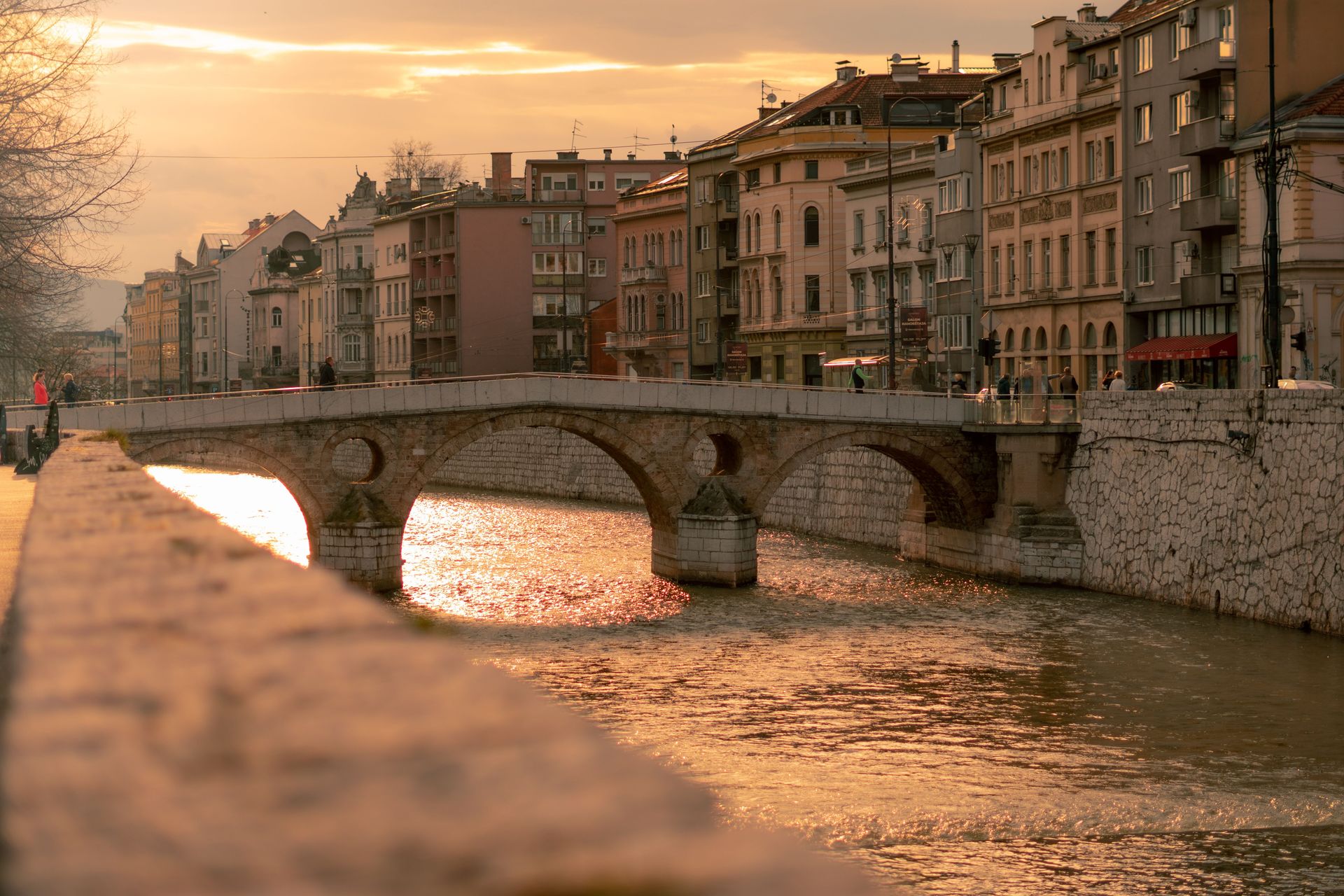
Drago Rapovac / Pexels
Sarajevo is the city that most rewards the visitor who arrives knowing something about its history and who is willing to let the city's own engagement with that history — the specific combination of Ottoman legacy, Austro-Hungarian architecture, socialist modernism, and the visible wounds of the 1992–1995 siege — constitute the experience rather than seeking to abstract past it. The city is compact, walkable, extraordinarily hospitable (Bosnian coffee culture involves a specific ritual of welcome that makes every café visit a social encounter), and has the quality of a city that is still becoming rather than one that has settled into a fixed tourist self-presentation.
The Baščaršija — the Ottoman bazaar quarter — is the tourist center and also a genuinely working commercial district where coppersmiths, jewelers, and carpet sellers serve both tourists and Sarajevans. The Grbavica and Hrasno neighborhoods — the residential districts across the river from the center — are where the city's working families live in socialist-era apartments whose neighborhoods have all the social infrastructure (bakeries, kafanas, sports clubs) of working urban Bosnia. The Markale market, rebuilt after the 1994 massacre, is a working market open every morning.
What to do in week one to stop being a tourist: drink Bosnian coffee at a kafana in Baščaršija following the proper ritual (wait, don't rush); visit the Tunnel of Hope museum on a weekday; walk across the Latin Bridge and spend an hour at the National Museum; eat ćevapi at Asdž rather than at the tourist-facing spots; take the tram through the entire city from end to end.
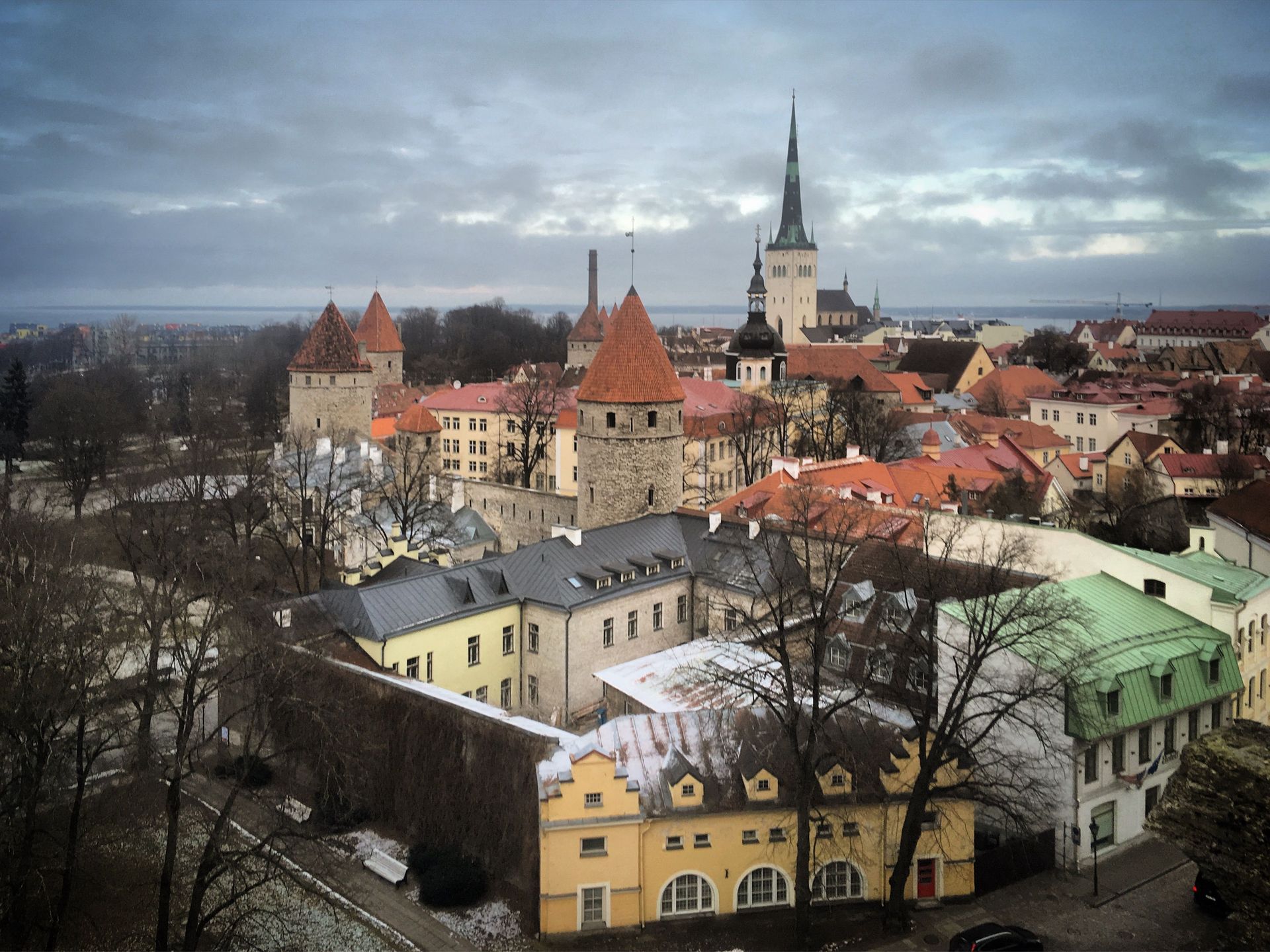
Sergei Gussev / Pexels
Tallinn — the Estonian capital, one of the best-preserved medieval old towns in Northern Europe — has a specific quality that distinguishes it from comparably beautiful historic cities: its old town is small enough that a visitor can quickly become familiar with all of it, and the local Tallinn that Estonians actually inhabit is immediately accessible in the adjacent neighborhoods of Telliskivi (a converted factory district with a weekly market, independent restaurants, and creative industry) and Kalamaja (a wooden house neighborhood of independent cafés and young families).
The Telliskivi Creative City — a former industrial complex adjacent to the Baltic train station — hosts a Saturday market, a weekend flea market, and the street food market Balti jaam turg that serves the city's own population rather than its tourists. The Kalamaja neighborhood, a 20-minute walk from the old town, is where Tallinn's young professional class lives: its coffee shops, natural wine bars, and small restaurants serve a local clientele whose preferences differ significantly from the old town's tourist-facing establishments.
What to do in week one to stop being a tourist: base yourself in Kalamaja rather than the old town; visit the Telliskivi market on Saturday morning; eat at Balti jaam turg for lunch; walk to the Patarei sea fortress and prison museum; cycle along the coast to Pirita; visit the Kumu art museum on a weekday when it is quiet.
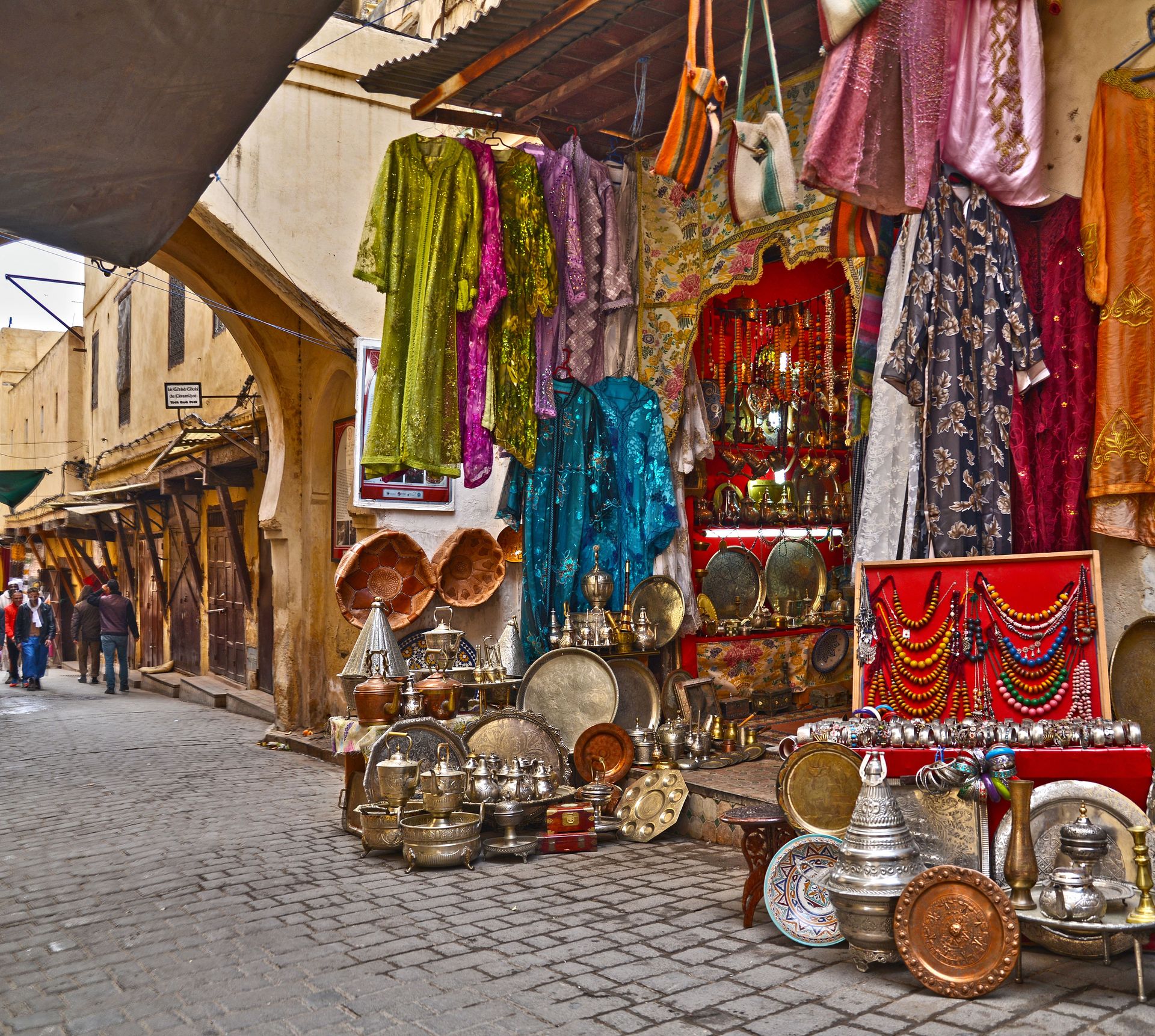
Moussa Idrissi / Pexels
Fez's old medina — Fez el-Bali, the largest living medieval city in the world — is a place where a week of serious walking, following the same routes at different hours and in different conditions, produces a familiarity that accelerates the tourist-to-resident transition faster than any other city in this list, because the medina's 9,400 streets and their specific rhythms (the bakeries at 6am, the souks at 9am, the afternoon quiet after lunch prayer, the evening after Maghrib) create a temporal structure that a week of attention reveals.
The key is accommodation: staying in a riad inside the medina rather than a hotel outside it places the visitor inside the daily life of a residential neighborhood, where the morning sounds of the city beginning — the call to prayer, the donkeys, the bread ovens — are not tourist theater but the actual city. The Rcif quarter, the Andalusian quarter across the river, and the area around the Kairaouine mosque are residential neighborhoods where the medina's 150,000 residents live, shop, and pray rather than tourist zones.
What to do in week one to stop being a tourist: stay in a medina riad rather than a new city hotel; walk the medina at 6am before the shops open; follow the same route twice at different times of day and notice what changes; eat lunch at a medina restaurant serving workers rather than tourists; visit the tanneries from a rooftop terrace but also visit the leather shops at street level to understand the whole supply chain.
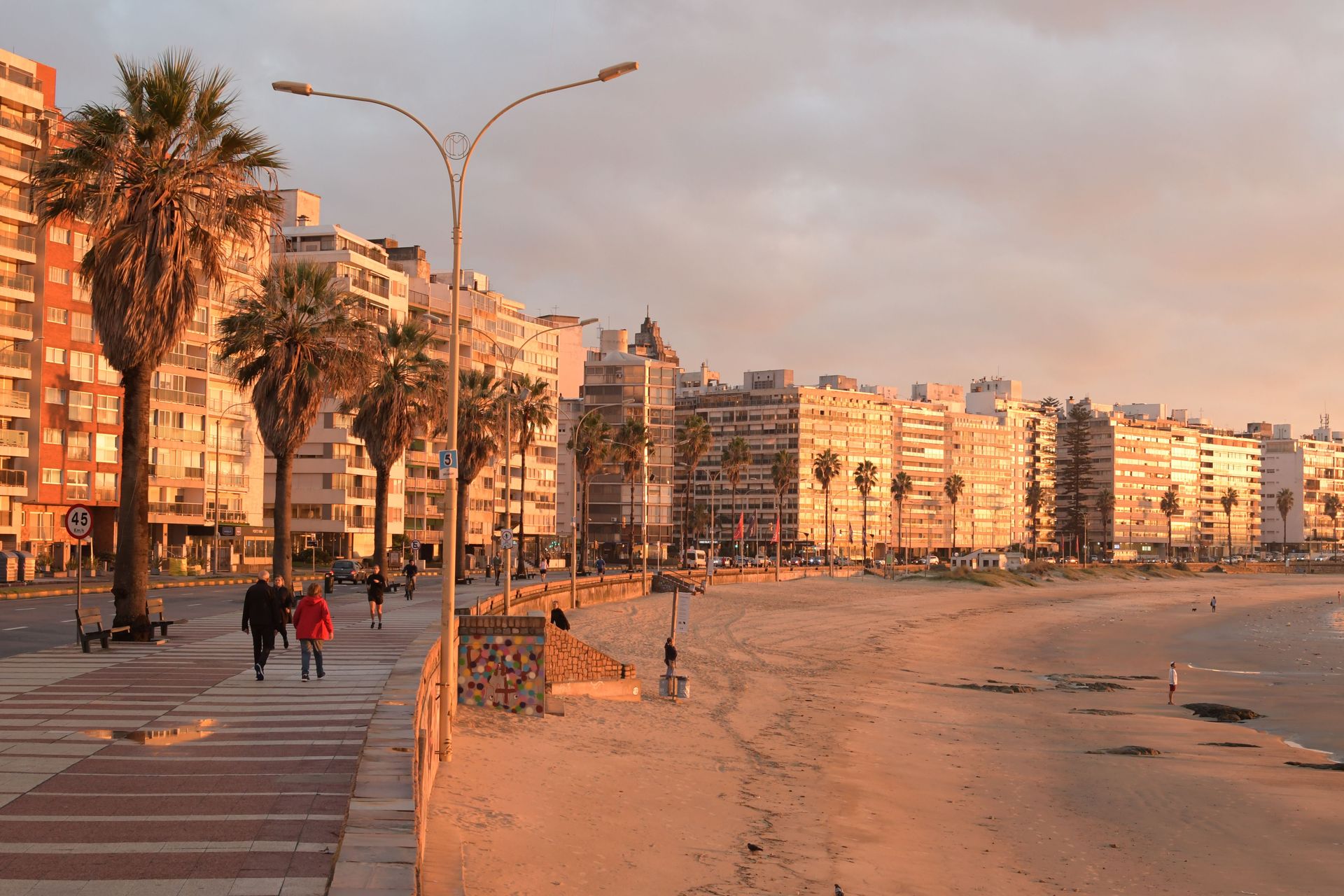
Javier Rodríguez Weber / Pexels
Montevideo — the Uruguayan capital, a city of 1.3 million on the Río de la Plata — is the South American city that most consistently rewards the visitor who wants to live in it briefly rather than tour through it, because its specific social institutions (the feria, the asado, the milonga, the mate) are all participable cultures that require only willingness to engage rather than special access. The city's European architectural character (Italian, Spanish, and Basque immigration waves left a built environment that is immediately legible to a European or North American visitor) combined with its specifically Rioplatense social culture creates an accessible combination.
The Feria Tristán Narvaja — the Sunday market stretching for 20 blocks through the Cordón neighborhood — is the city's largest and most local market, combining fresh produce, antiques, second-hand books, and food in a format that the city's residents use for their Sunday morning ritual. The parrillas (grill restaurants) of the Pocitos and Punta Carretas neighborhoods serve the city's own population rather than tourists; the wine bars of the Ciudad Vieja are more genuinely mixed. The Rambla — the 22-kilometer coastal promenade — is where Montevideo exercises, walks dogs, and socializes in the late afternoon.
What to do in week one to stop being a tourist: visit the Feria Tristán Narvaja on Sunday morning with a thermos of mate; eat at a parrilla in Pocitos rather than the tourist-facing Ciudad Vieja restaurants; walk the Rambla from Pocitos to Carrasco in either direction; visit the Mercado del Puerto for lunch on a weekday rather than a weekend; take the ferry to Colonia del Sacramento for a day trip.
FranDany / Pexels
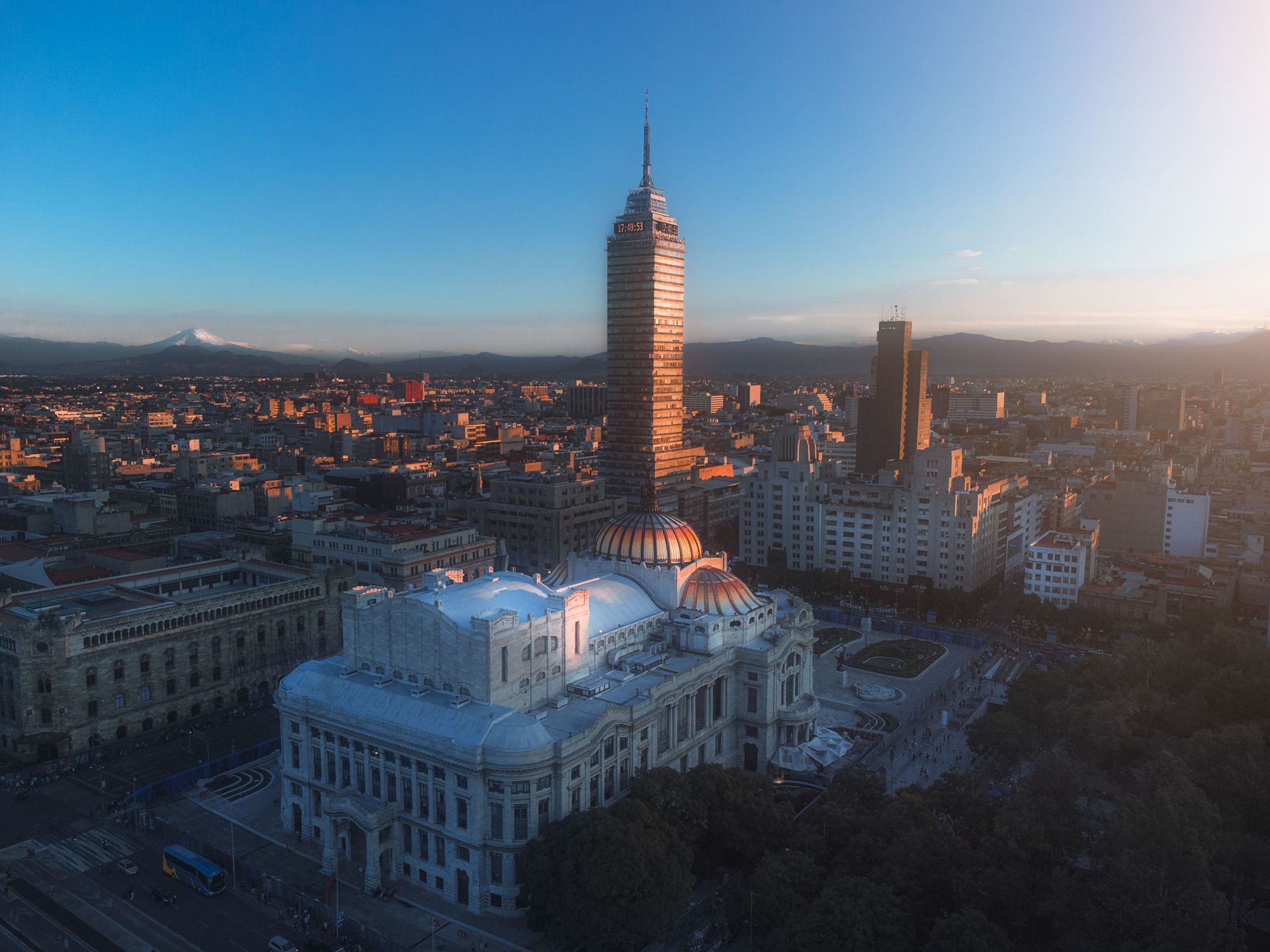
Mexico City — a megacity of 22 million people, one of the largest urban areas in the world — seems an unlikely candidate for a city where a week is enough to stop feeling like a tourist. But its specific neighborhood structure makes it the most layered and most rewarding short-term local experience in Latin America, because each of its colonias (neighborhoods) is a small city in itself, with its own markets, its own social institutions, its own food culture, and its own daily rhythm that is entirely accessible to a visitor who stays in the neighborhood rather than commuting to it from a hotel in the Zona Rosa.
The colonias of Condesa and Roma — adjacent, walkable, full of art deco apartment buildings, independent cafés, and restaurants serving genuinely good food at genuinely mixed price points — are where Mexico City's creative and professional class lives and socializes. The Saturday Mercado del Mediodia in Roma, the Sunday market at Parque Lincoln in Polanco, and the daily Mercado de Medellín (a working neighborhood market serving Roma's residents) are all within walking distance. The Colonia Doctores and La Merced (the largest traditional market in the city) are 20 minutes away by metro and a different city entirely.
What to do in week one to stop being a tourist: base yourself in Condesa or Roma and walk rather than taking Ubers; eat breakfast at a local café rather than the hotel; buy fruit and tacos from street stalls rather than restaurants; take the metro at 7pm during rush hour for the full urban experience; visit La Merced market on a weekday morning; go to a lucha libre match at Arena México on any Friday or Sunday evening.
