Cities that spent decades being dismissed, avoided, or simply ignored, and then became some of the most talked-about destinations on Earth

Kun Fotografi / Pexels
Every city on this list spent significant time on the wrong side of the travel conversation — either actively avoided because of safety or neglect, or simply invisible in a world where Paris, Rome, and Barcelona consumed all available attention. The path from dismissed to unmissable is different for each one. Some transformed through deliberate urban reinvestment. Some were discovered by artists and creatives who moved in when rents were low and left behind a cultural infrastructure that drew everyone else. Some were simply misread by a travel industry that confused poverty with danger, or industrial decline with the absence of interest. Several are still in the process of transforming, which is precisely what makes them worth visiting now.
What the cities in this list share is a specific quality of earned discovery — the feeling that you are visiting somewhere that the travel industry has not yet fully packaged, where the experience is still somewhat raw and the city's actual character is more accessible than it will be when the branded boutique hotels and the Instagram-optimized cafés have fully arrived. This quality is, by definition, temporary. The cities that are most undiscovered now will be fully discovered within a decade, and the cities that were undiscovered a decade ago are now discussed endlessly in travel publications. The moment of transition — when a city is genuinely interesting but not yet overrun — is the best time to visit, and several of these cities are in that moment right now.
Each entry covers what made the city easy to dismiss, what changed, what specifically makes it worth visiting, and the honest assessment of where it is in its transformation — because a city that has been fully discovered and is now being overrun is a different recommendation than one that is just beginning to receive the attention it deserves. Several of these cities are in the latter category, and this piece is as much a prompt to go now as a retrospective on the reversal that has already occurred.
César Gaviria / Pexels
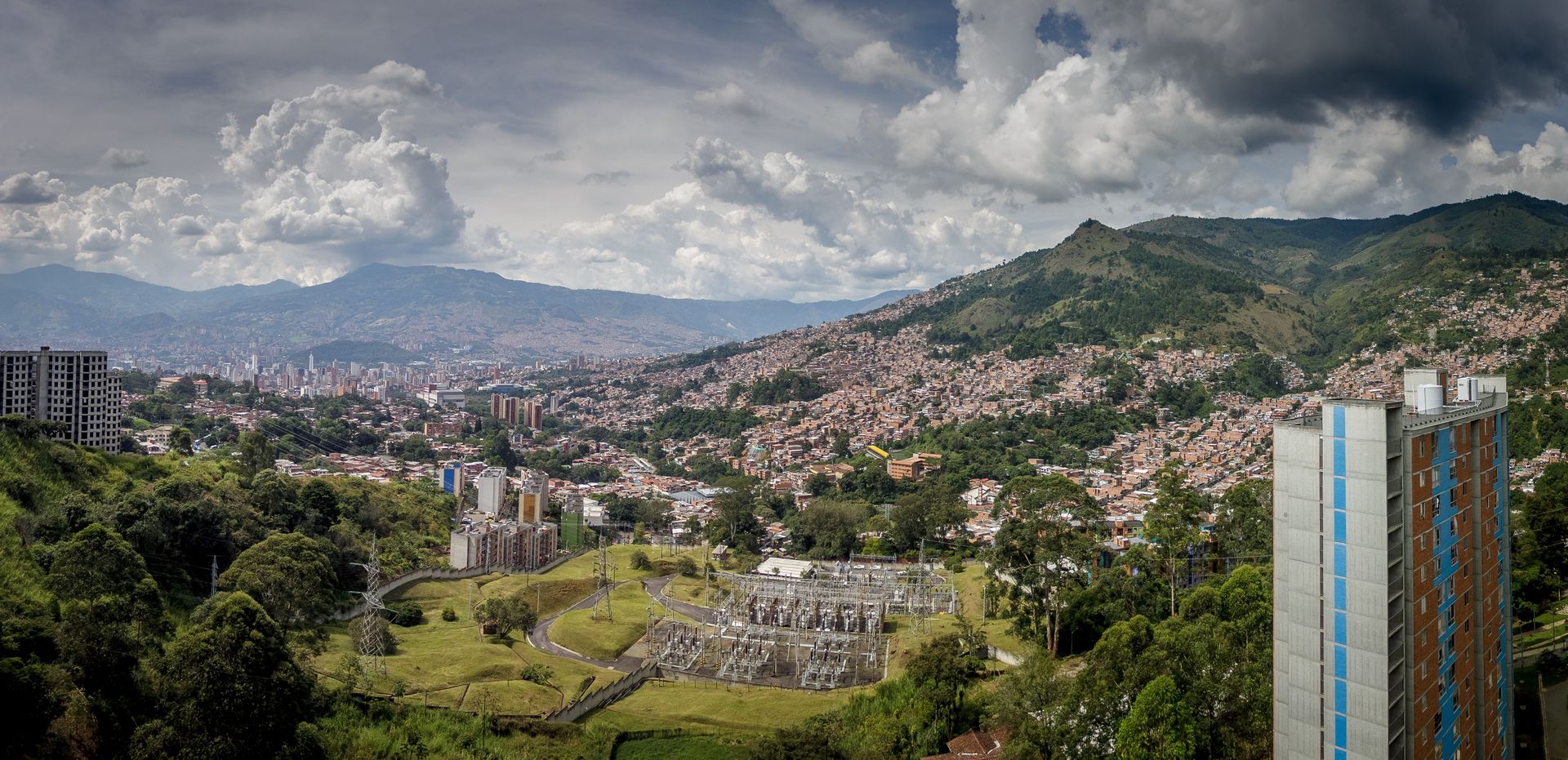
Medellín was, for most of the 1980s and 1990s, the most dangerous city in the world. Pablo Escobar's Medellín Cartel controlled the city's economy and its politics, and the murder rate reached 381 per 100,000 people in 1991 — approximately 100 times the rate of a typical Western city today. No travel publication listed it. No airline promoted it. The city's name was synonymous globally with narco-violence.
The transformation that followed is one of the most studied urban turnarounds in contemporary city planning. After Escobar's death in 1993 and the cartel's collapse, the city government invested specifically in the neighborhoods that had been most neglected: the hillside comunas where the city's poorest residents lived in near-total isolation from the city's formal economy. The Metrocable system, opened in 2004, connected the hillside neighborhoods to the metro for the first time. The España Library and the park around it, opened in 2007, brought cultural infrastructure to Comunas that had previously had none. The outdoor escalators of Comuna 13 connected a 400-meter vertical climb to a walkable neighborhood visit.
The result is a city that is architecturally fascinating (the contrast between the hillside informal settlements and the sleek contemporary public architecture is itself a story), gastronomically serious (the Laureles and El Poblado neighborhoods have produced a restaurant culture that is among the most interesting in Latin America), and historically significant in a way that makes the transformation itself part of the visit. The murder rate in 2023 was approximately 16 per 100,000 — still above the rates of Western cities but a reduction of approximately 96% from the 1991 peak.
levan simonshvili / Pexels
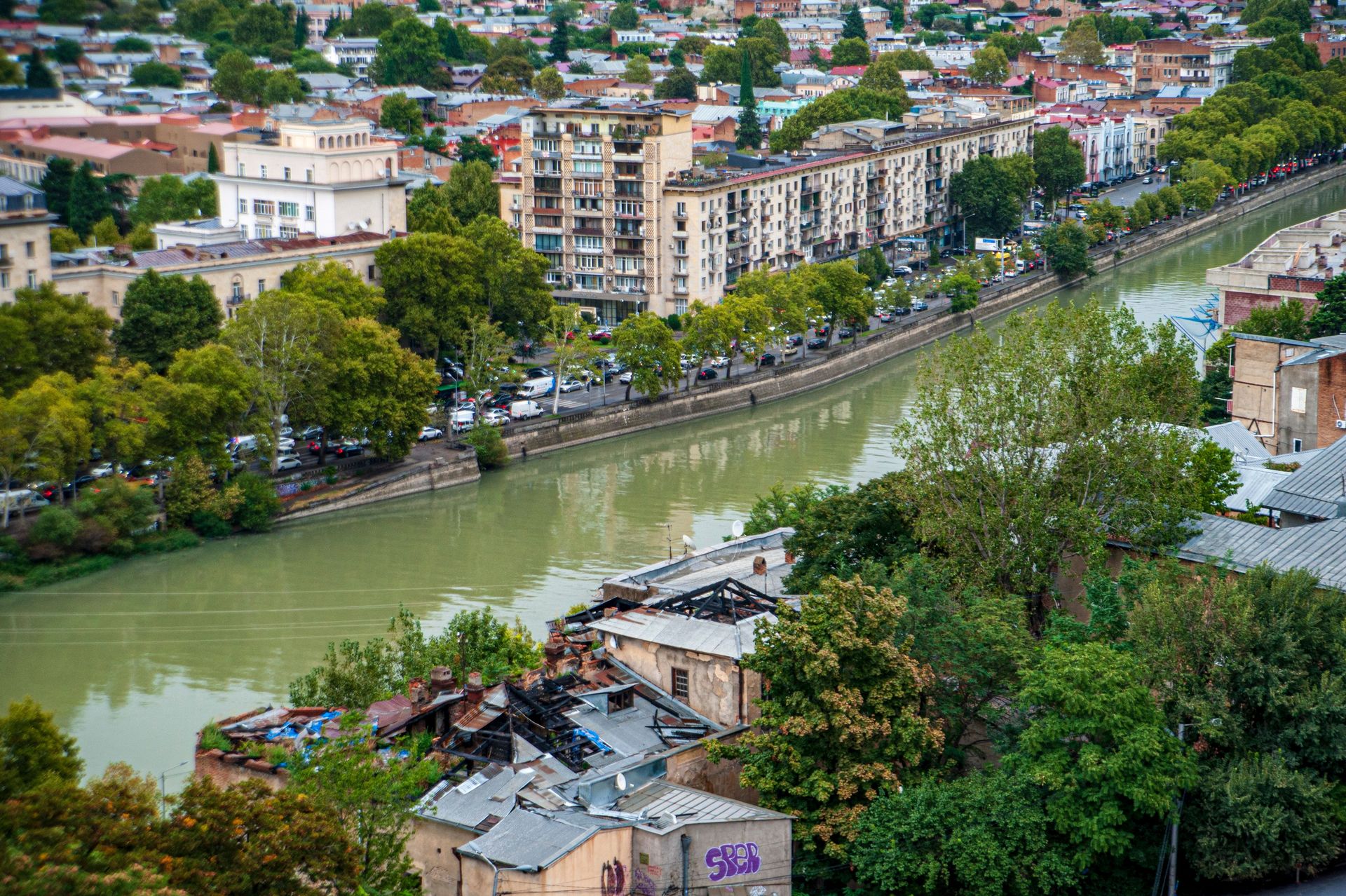
Tbilisi spent most of the post-Soviet period invisible to Western travelers: a former Soviet capital in the South Caucasus, associated in most Western minds either with political instability (the Rose Revolution, the 2008 war with Russia) or with the vague category of "former Soviet republics" that travel writing had not yet differentiated. The city's extraordinary Old Town — a dense collection of carved wooden balconies, crumbling 19th-century townhouses, and Orthodox churches that look like nowhere else in the world — was essentially unknown outside a small community of adventurous travelers.
The discovery of Tbilisi by European creative and hospitality professionals in the early 2010s was driven partly by wine: Georgia's ancient winemaking tradition (the oldest in the world, using clay amphorae called qvevri rather than wooden barrels) had become a phenomenon among natural wine enthusiasts, and the specific quality of Georgian wine culture — abundant, ancient, utterly unlike anything in France or Italy — made Tbilisi a destination for people who took wine seriously. The food followed: Georgian cuisine (the khachapuri, the khinkali, the extraordinary meze culture of the supru feast) is one of the most genuinely original food cultures in Europe.
The city is still affordable, still architecturally unreconstructed enough to feel genuinely lived-in rather than preserved, and still early enough in its discovery that the tourist infrastructure has not overwhelmed the culture that attracted tourists in the first place. It is also, at current prices, one of the best-value city breaks in Europe.
Provisionshots LLC / Pexels
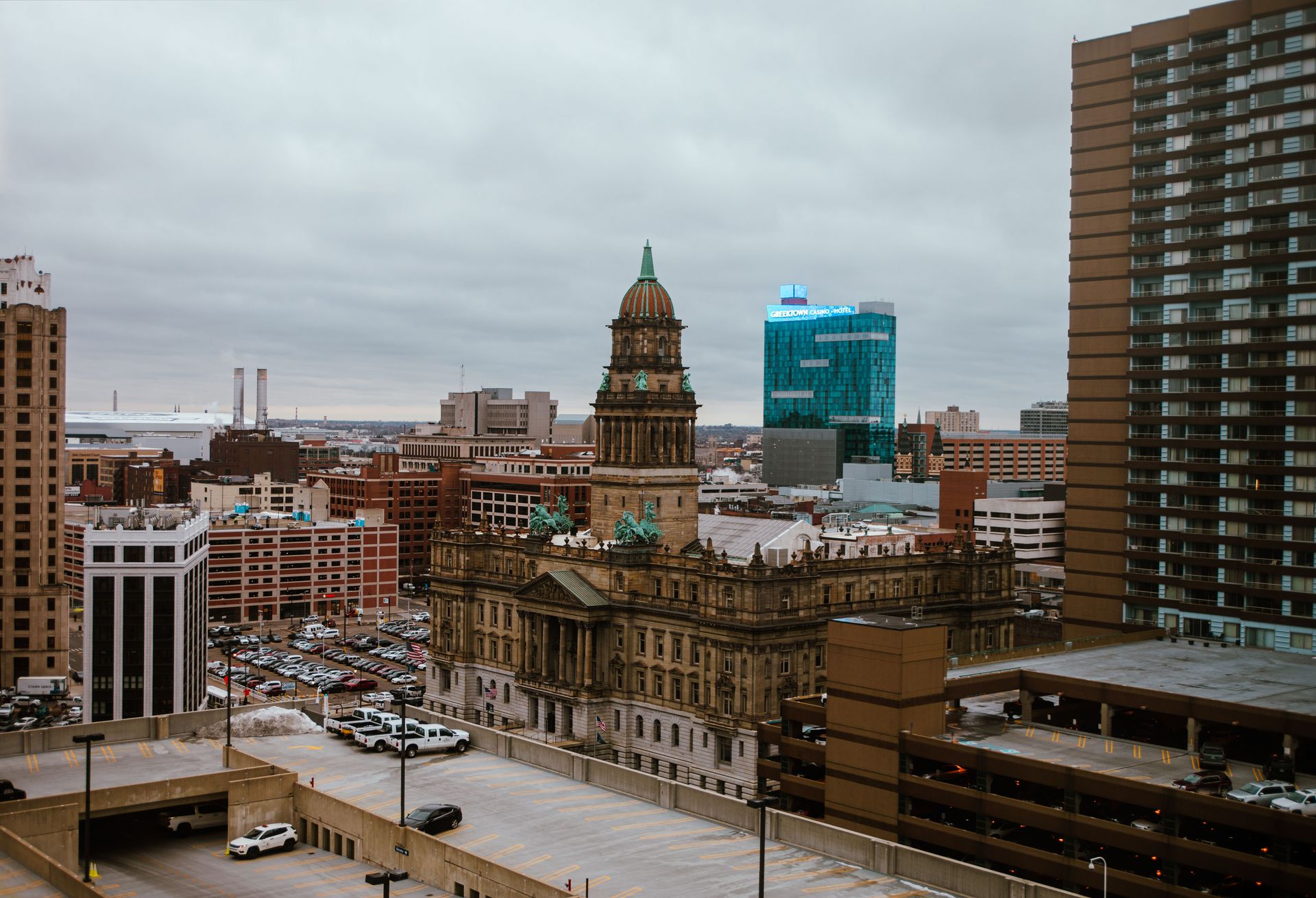
Detroit's reputation among non-Detroiters in the 2000s was defined almost entirely by decline: the images of abandoned factories, the "ruin porn" photography of the Packard plant and the Michigan Central Station, the bankruptcy filing in 2013 that was the largest municipal bankruptcy in US history. For most of the country, Detroit was a cautionary tale, not a destination.
What the cautionary tale narrative missed was that the same abandonment and affordability that produced Detroit's decline also produced a specific creative opportunity: artists, musicians, entrepreneurs, and chefs who could not afford studio space, commercial real estate, or restaurant premises in other major cities moved to Detroit, where they could. The electronic music tradition that Detroit's techno scene had maintained since the 1980s attracted a specific international music audience. The Eastern Market neighborhood became a national model for urban food systems. The Detroit Institute of Arts — which the bankruptcy threatened with asset sales and defended with a remarkable national fundraising campaign — turned out to house one of the finest art collections in the United States, essentially unknown to most Americans.
The Michigan Central Station, which reopened after a Ford $F-funded renovation in 2024, became a symbol of the city's recovery as visible as its abandonment had been. Detroit is still not an easy or comfortable visit in the way that Chicago or New York is, but it is a genuinely interesting one — a city working through a transformation in real time, with the specific energy that civic reinvention produces.
Nadine Ginzel / Pexels
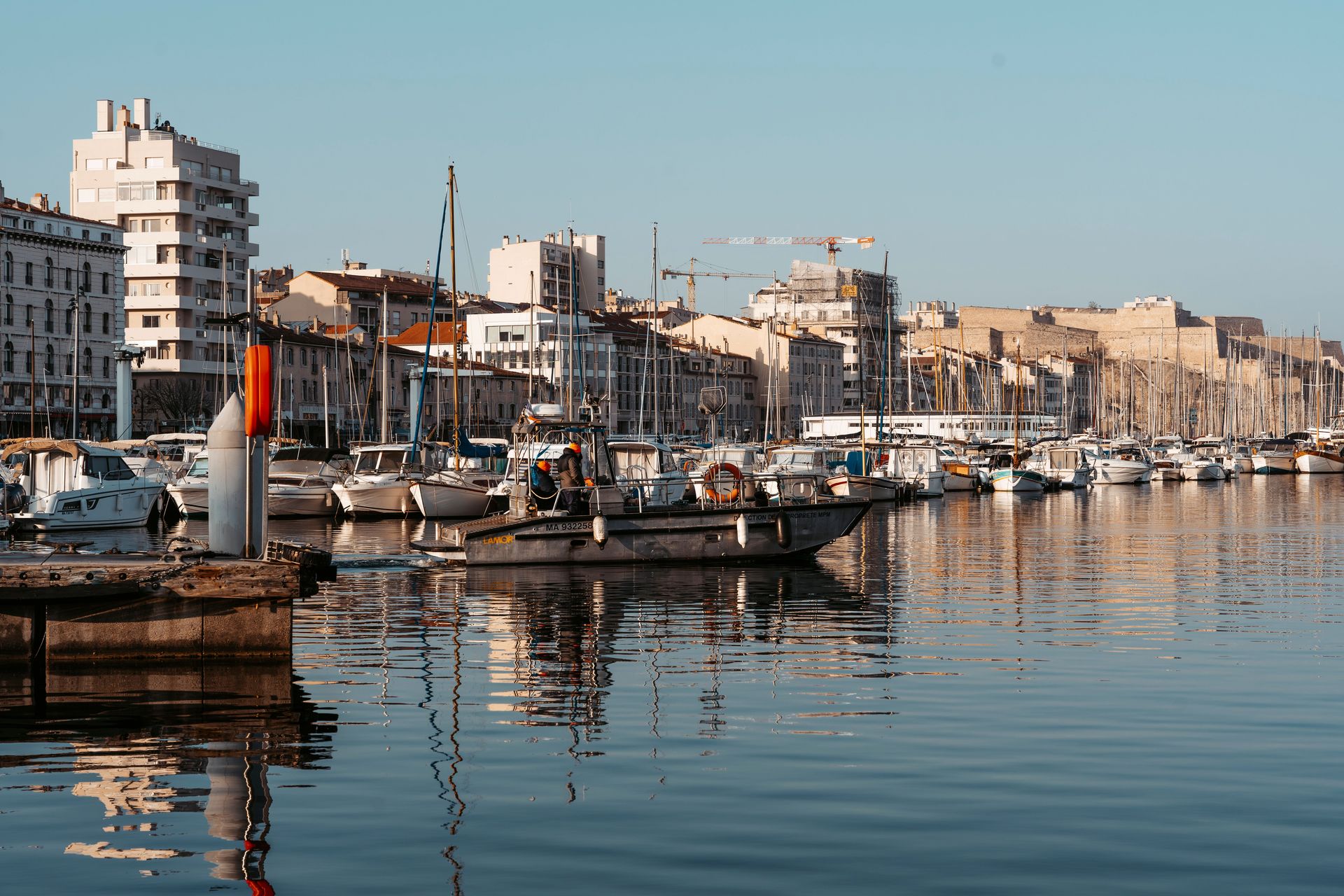
Marseille has been the embarrassing second city of France for so long — the chaotic, crime-associated, immigrant-heavy port city that Parisians dismiss and foreign tourists skip on their way to the Côte d'Azur — that its actual qualities have been largely invisible to the international travel market. It is the oldest city in France, founded by Greek colonists in 600 BCE. It has the most interesting food culture in the country after Paris (the bouillabaisse, the pastis culture, the North African influences of its large Maghrebi population). Its waterfront, its calanques (the limestone coastal coves south of the city), and its working port have a physical drama that the manicured Riviera resorts cannot match.
The European Capital of Culture designation in 2013 accelerated a transformation that had been building since the early 2000s: the Vieux-Port was redesigned by architect Norman Foster, the MuCEM (Museum of European and Mediterranean Civilisations) opened with an extraordinary piece of architecture on the waterfront, and the city's reputation for authentic grit became an asset rather than a liability as travelers became increasingly bored with polished tourist infrastructure.
Marseille is still rough in ways that some travelers find uncomfortable and others find refreshing. It is still not Paris. That is precisely the recommendation.
YL Lew / Pexels
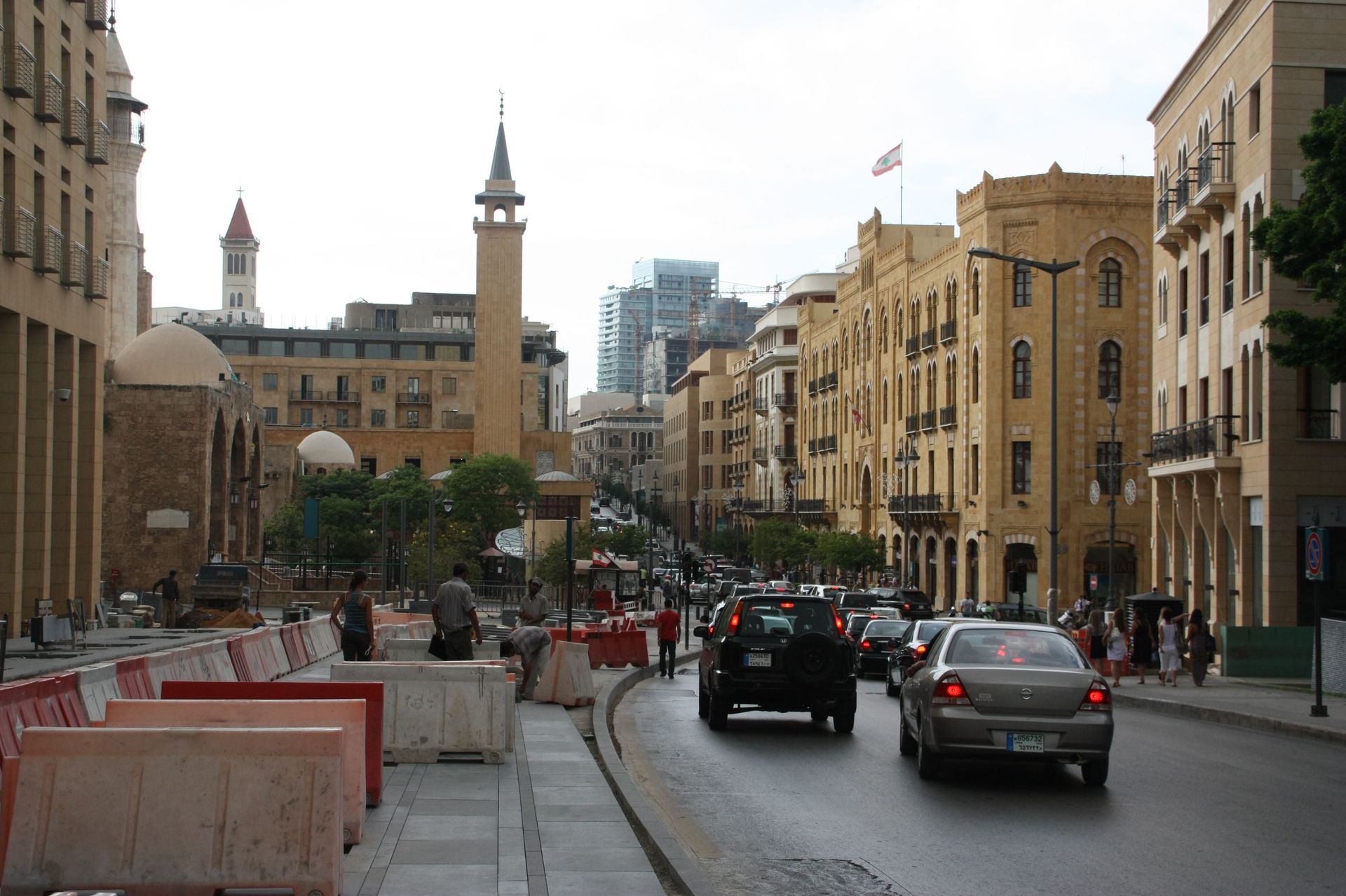
Beirut's history with travelers is a story of interrupted promise: a city that was called the Paris of the Middle East in the 1960s, devastated by the civil war of 1975 to 1990, rebuilt in the 1990s and 2000s into a genuinely extraordinary destination, then struck by the 2006 Lebanon War, then by the 2019 financial collapse, then by the catastrophic port explosion of August 2020. Every time the city began to rebuild its international reputation, something else happened.
The Beirut of the years between the civil war's end and the current crisis — roughly 2000 to 2019 — was one of the most fascinating cities in the world: a place where Ottoman architecture, French Mandate-era streetscapes, 1970s brutalist hotels, and contemporary architecture coexisted in a density of historical layers that no other Middle Eastern city matched; where the food culture was extraordinary; where the nightlife was among the most intense in the region; and where the specific Lebanese combination of resilience and hedonism produced a social atmosphere unlike anywhere else.
The current situation is genuinely difficult — the economic crisis has been severe, political uncertainty is real, and travel advisories require current research before any visit. But the city's physical and cultural infrastructure survives, and for travelers willing to engage with a city that is not conventionally comfortable, Beirut remains one of the most rewarding destinations in the region. The entry is included here not as a standard recommendation but as a recognition that the city's extraordinary character has not been extinguished by its repeated crises.
Rafael Rodrigues / Pexels
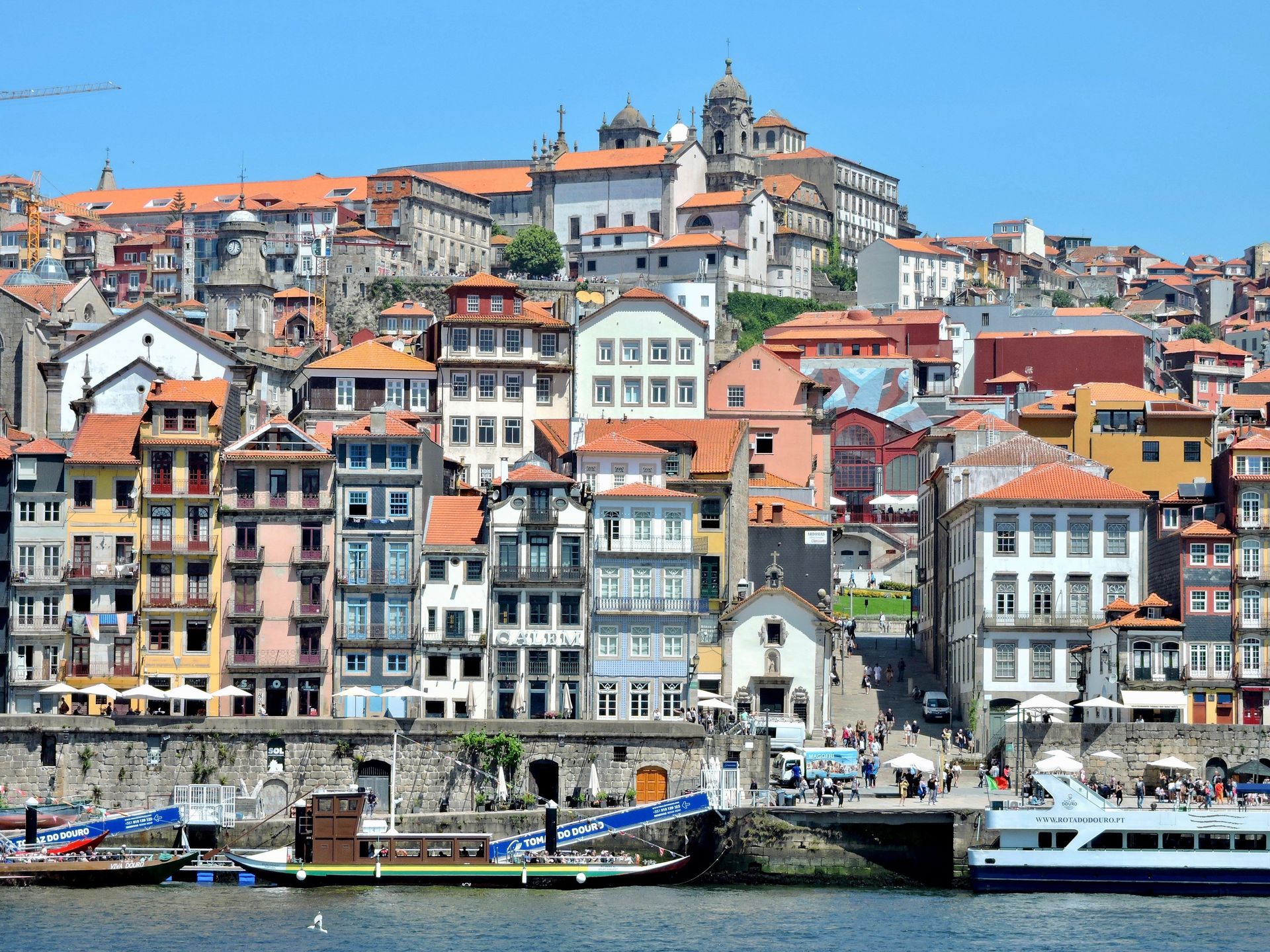
Porto spent most of the late 20th century in Lisbon's shadow: Portugal's second city, industrial, rainy, working-class, with a reputation among international travelers as the place you flew through to get somewhere else. The British port wine trade had maintained a specific English-speaking community in Vila Nova de Gaia across the river, but the city itself was not on any travel itinerary that was not specifically about port wine.
The transformation that made Porto one of the most visited cities in Europe by the late 2010s was driven partly by budget airlines (Ryanair routes from the UK and Northern Europe made Porto financially accessible to travelers who might previously have gone directly to Lisbon or the Algarve), partly by the specific quality of the city's existing urban fabric (the azulejo tile facades, the ribeira waterfront, the bookshop Livraria Lello that became a global social media destination through its Harry Potter connection), and partly by a restaurant and hotel scene that developed rapidly once the visitor numbers justified the investment.
Porto is now extremely popular — in the summer months, the Ribeira and the Bolhão market area are heavily touristed — but it is large enough and complex enough that the tourist infrastructure has not consumed the city's character. The Bonfim and Cedofeita neighborhoods, the food market at Mercado do Bolhão, and the port lodges of Vila Nova de Gaia are each as good as the travel writing promises.
Denitsa Kireva / Pexels
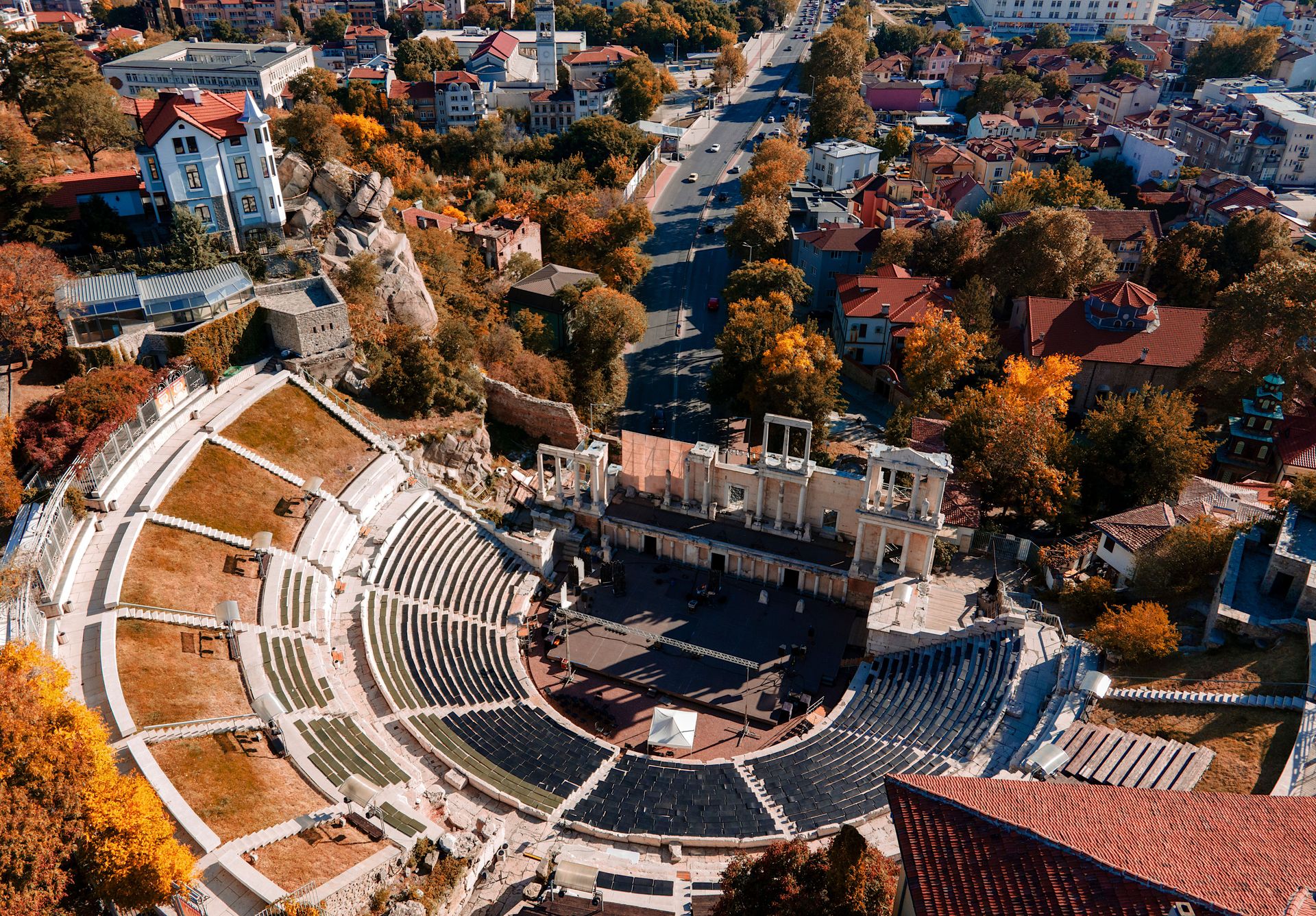
Plovdiv — Bulgaria's second city, 150 kilometers southeast of Sofia — was essentially unknown to international travelers until its selection as one of two European Capitals of Culture in 2019 (the other was Matera in Italy). The designation produced a level of international attention that the city had never previously received, and the travelers who came discovered a city whose old town (Staria Grad) contains one of the best-preserved collections of Bulgarian National Revival architecture in the country, whose Roman amphitheater is in active use for concerts and performances, and whose contemporary arts scene had developed quietly for years without international recognition.
The specific quality of Plovdiv that makes it worth the detour from Sofia is the cohabitation of historical layers: Thracian, Greek, Roman, Byzantine, Ottoman, and Bulgarian National Revival structures exist within walking distance of each other in the old town, without the sanitization and museumification that the most heavily visited European historical districts have undergone. The restaurants and bars of Kapana (the creative district in the former craftsmen's quarter) are genuinely lively and genuinely affordable.
Bulgaria is, for the Western European traveler, one of the best-value destinations in Europe, and Plovdiv is the most architecturally interesting destination within Bulgaria — a combination that makes it worth knowing about before the European cultural capital momentum fully normalizes it into the standard Eastern European city break circuit.
Nicolas DeSarno / Pexels
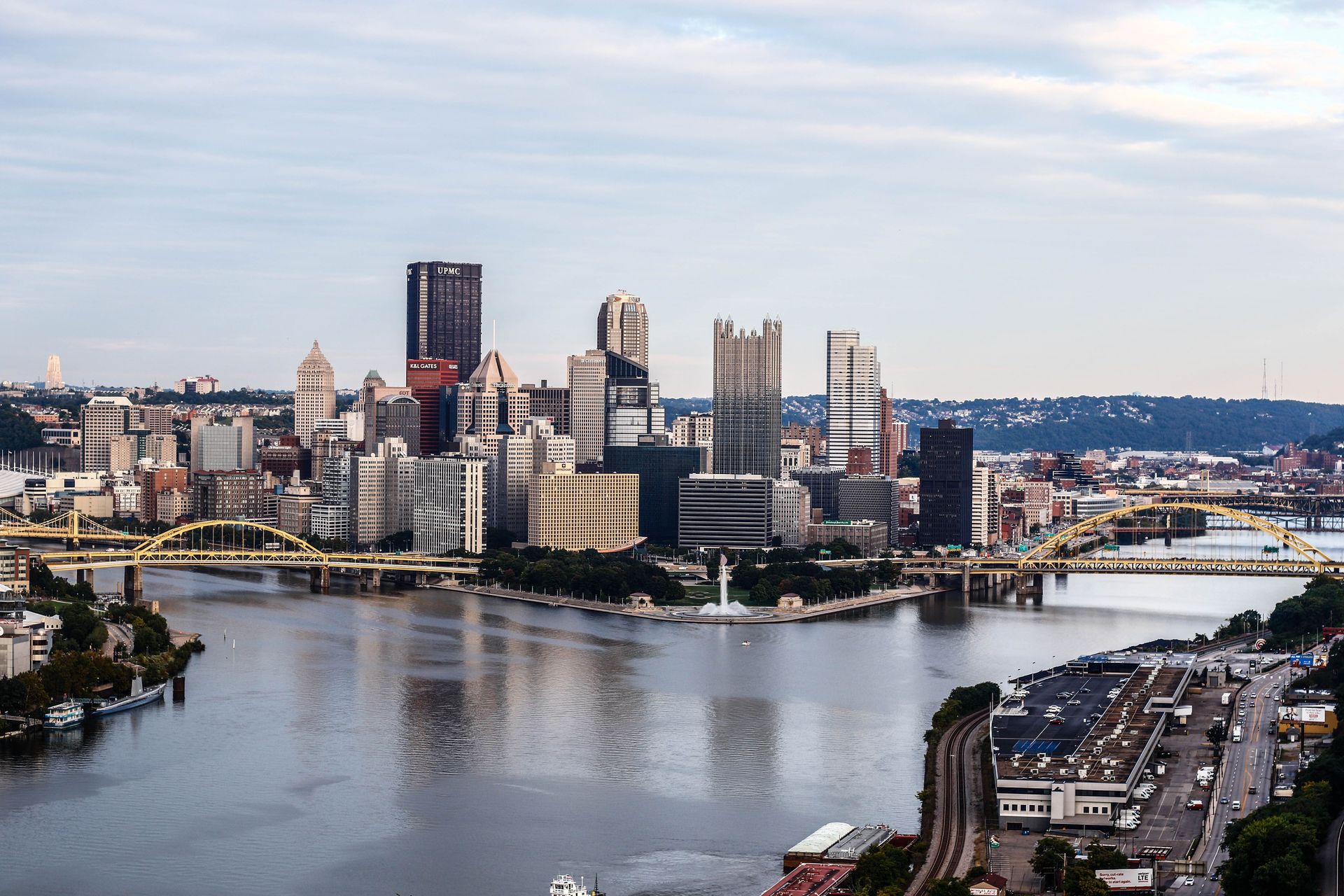
Pittsburgh's transformation from Steel City rust belt emblem to one of the most livable and most interesting mid-sized American cities is one of the most complete urban reinventions in recent American history. The steel industry's collapse in the 1980s left the city with vacant industrial land, depopulated neighborhoods, and a national reputation for post-industrial decline. By the 2010s, it had the lowest cost of living of any major American city, a research university and medical sector (Carnegie Mellon, the University of Pittsburgh, UPMC) that had filled the economic gap left by steel, and a neighborhood-by-neighborhood revival driven by exactly the combination of affordability and authentic urban fabric that drives creative community formation.
The specific travel case for Pittsburgh is the concentration of exceptional institutions in a compact, walkable geography: the Carnegie Museums (Natural History and Art) are among the finest in the country; the Andy Warhol Museum is the largest single-artist museum in the world and is genuinely extraordinary; the Mattress Factory is one of the most interesting contemporary art institutions in the US; and the Phipps Conservatory and Botanical Gardens is an experience that no other American city can match at comparable scale.
The food culture — the pierogies, the fish sandwiches, the specific working-class cuisine described in the regional dishes piece — and the neighborhood character of Lawrenceville, Shadyside, and the South Side complete a city that rewards a long weekend in a way that most similarly-sized American cities do not.
Joerg Hartmann / Pexels
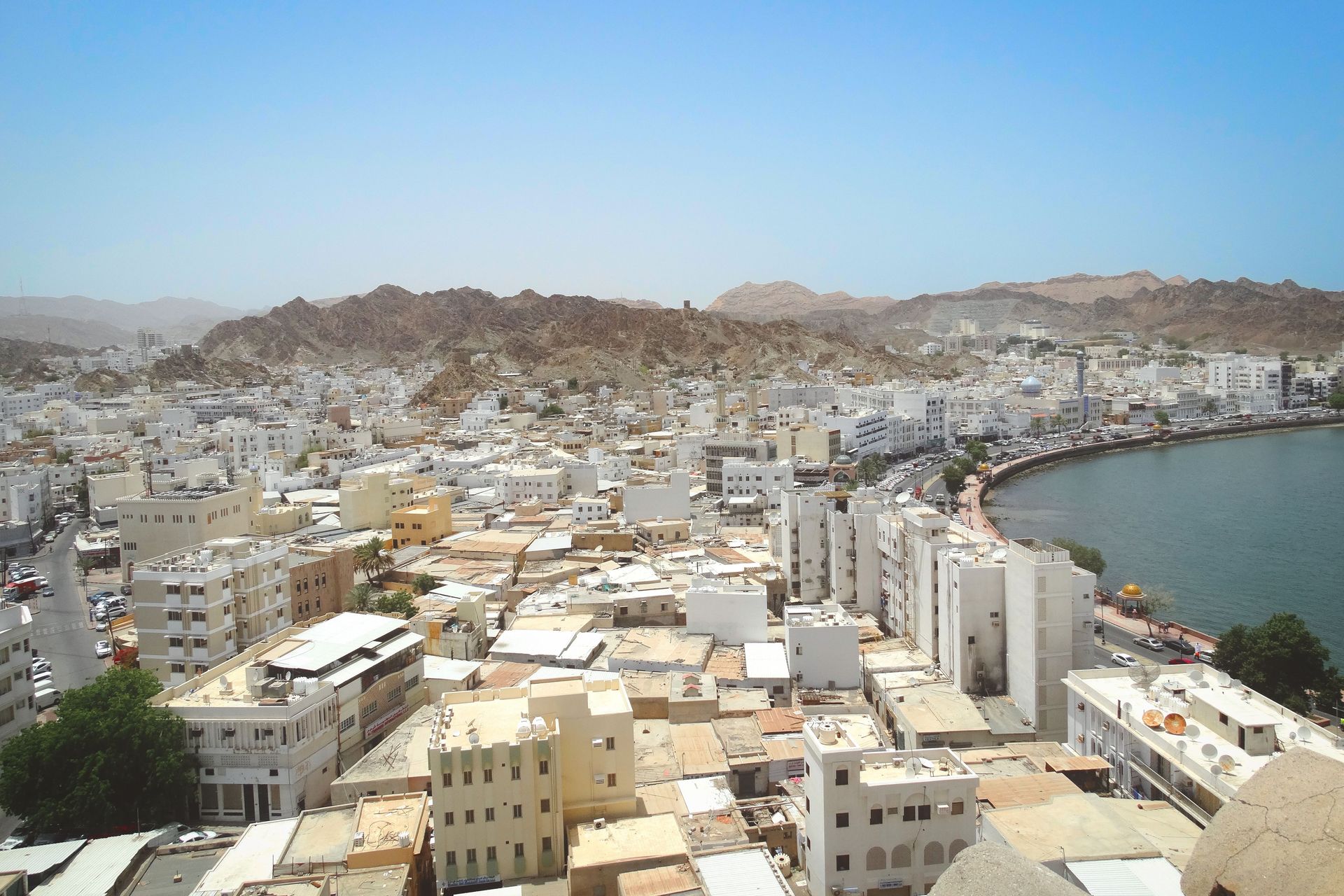
Muscat — the capital of Oman — has been one of the most consistently overlooked destinations in the Middle East despite being, by most measures, one of the most accessible and most rewarding: safer than almost any city in the region, architecturally distinctive (Omani architecture developed independently from Gulf Arab modernism and has a specific quality of whitewashed walls, wooden mashrabiyya screens, and mountain backdrop that is unlike Dubai or Abu Dhabi), and with a food culture, a souk culture, and a landscape immediately outside the city that are all genuinely extraordinary.
The overlooking of Muscat has been partly a function of geography (it does not sit on the main Gulf business travel route that brings large numbers of visitors to Dubai), partly a function of Oman's deliberate low-key international profile (the country has maintained a policy of quiet diplomacy and restrained tourism development), and partly a function of the tendency of Middle East travel writing to focus on the spectacle of Dubai and Abu Dhabi rather than the subtler pleasures of Muscat and the Omani interior.
The specific Omani combination of physical beauty (the Hajar Mountains behind Muscat, the Wahiba Sands desert two hours away, the fjord-like Musandam peninsula in the north), cultural accessibility (English is widely spoken, the country is socially relaxed by regional standards), and genuine hospitality produces a destination that travelers who have been consistently rate as one of the best they have visited — and that most travelers still have not considered.
Sonny Vermeer / Pexels
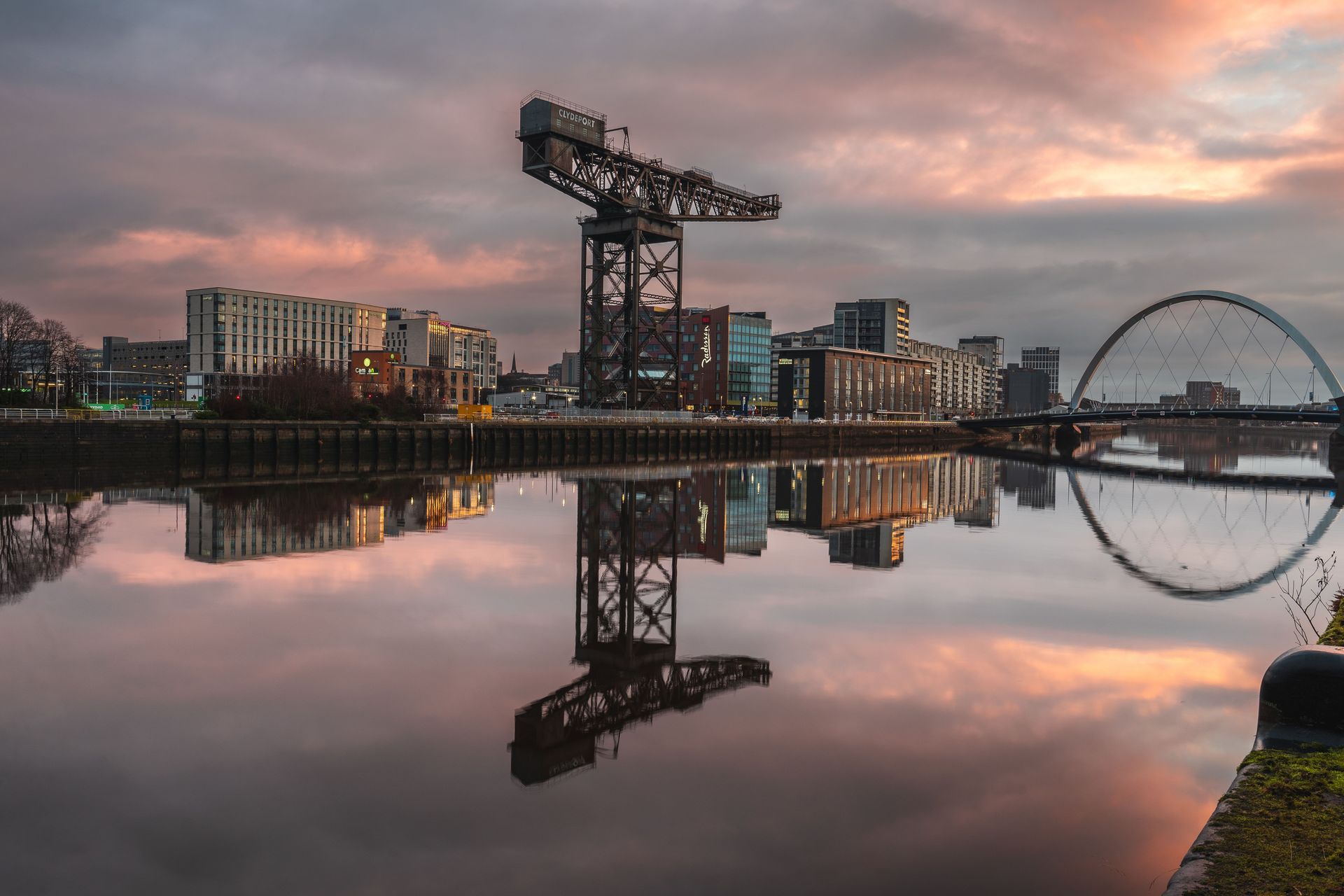
Glasgow has spent most of its post-industrial existence in Edinburgh's shadow — and the shadow is genuinely large, because Edinburgh is one of the most beautiful and most visited cities in Europe. The comparison is unfair to Glasgow, which is a different city with different virtues: bigger, less polished, architecturally extraordinary in a Victorian industrial way rather than an 18th-century Georgian way, and with a cultural life — music, visual art, food — that is often more interesting than Edinburgh's precisely because it developed without the tourist industry that has shaped Edinburgh's cultural economy.
The Kelvingrove Art Gallery and Museum is one of the finest civic museums in the UK and is free. The Burrell Collection, recently reopened after a major renovation, houses one of the most extraordinary private art collections ever assembled and is presented in one of the finest museum buildings in Scotland. The Glasgow School of Art (Mackintosh) is an architectural pilgrimage for anyone interested in design. And the restaurant scene of the West End and the Merchant City has developed into something that competes credibly with Edinburgh without Edinburgh's prices.
Glasgow rewards the traveler who approaches it on its own terms rather than as a consolation prize for not going to Edinburgh. It is a city that is proud of being rough around the edges in ways that Edinburgh is not, and the specific warmth of Glasgow's social culture — the friendliness of the city's people is one of the most consistently noted qualities of first-time visitors — is not a cliché but an accurate observation.
Vish Pix / Pexels
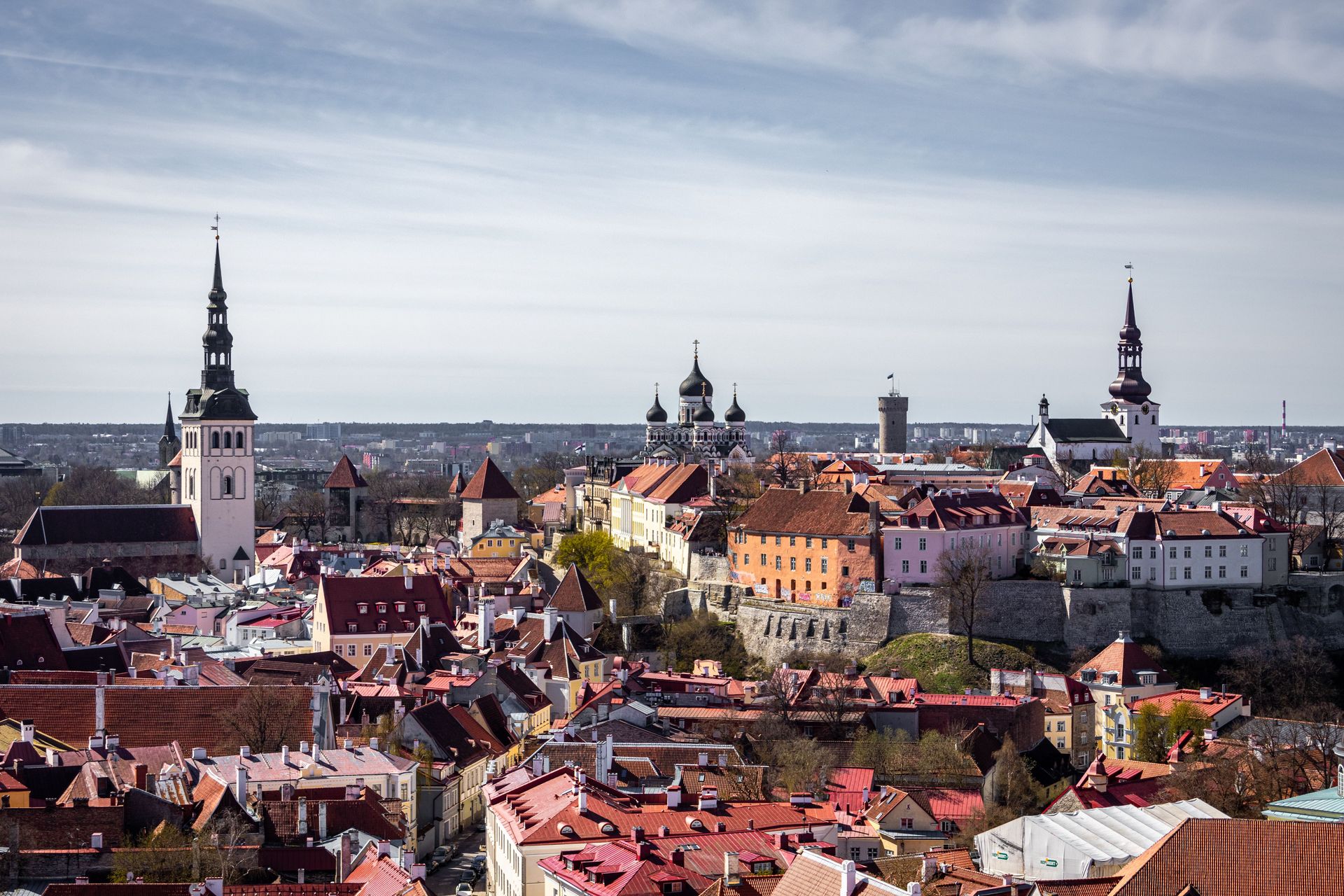
Tallinn's medieval Old Town — one of the best-preserved medieval cities in Northern Europe, a UNESCO World Heritage Site, with a town hall square, city wall, and lower town that are visually extraordinary — was relatively unknown to international travelers until Estonia joined the European Union in 2004 and budget airline routes made it accessible from the UK and Western Europe. The subsequent decade of rapid tourist growth has made the Old Town one of the more heavily visited in the region in summer, but the city beyond the Old Town walls is still largely undiscovered.
The Kalamaja and Telliskivi neighborhoods — former industrial areas repurposed by Tallinn's creative community — offer a version of the city that the Old Town does not: local rather than tourist-facing, with the specific energy of a city that is young, educated, and digitally sophisticated (Estonia's investment in digital government and its startup culture, which produced Skype and TransferWise, have produced a tech-forward urban culture that is visible in the city's coffee shops and coworking spaces).
Tallinn is also unusually compact: the Old Town, the Kalamaja district, and the main commercial center are all walkable from each other, making it possible to experience the full range of the city in two to three days without the logistical overhead that larger cities require. It is one of the few European cities that genuinely rewards a long weekend even for travelers who have seen a great deal of Europe.
Carlos Escobar / Pexels
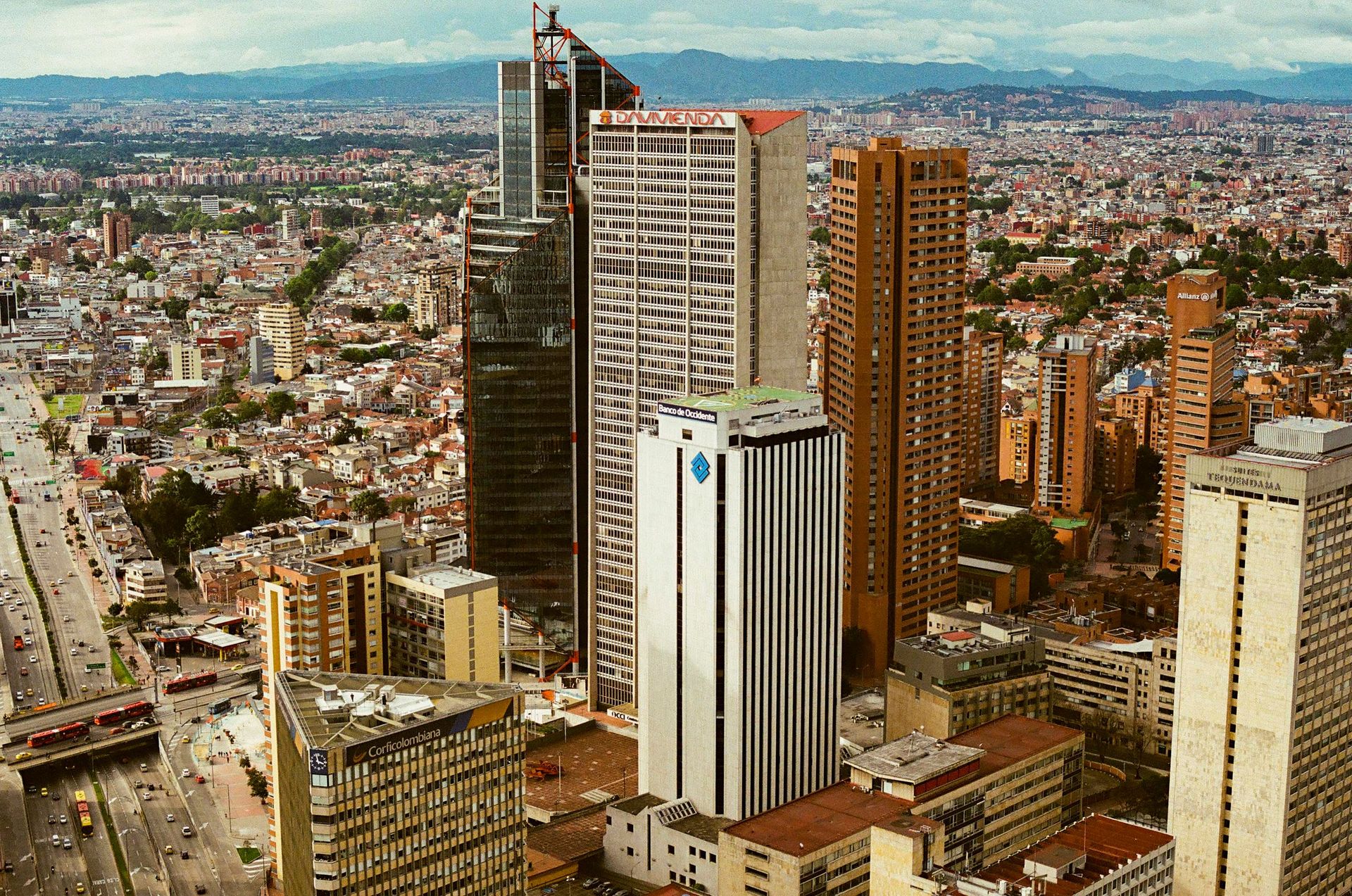
Bogotá has been in Medellín's narrative shadow for a decade — the previous murder capital that transformed, the cable cars, the urban design interventions — when in fact Bogotá is a larger, more complex, and in many ways more interesting city whose transformation has been equally remarkable and less discussed. The capital of Colombia, at 2,600 meters altitude on the eastern Andes, has a specific physical character (the clouds that often sit on the mountains, the cool temperature that is unusual for a city at this latitude, the grid of the historic La Candelaria district) that is unlike any other Latin American capital.
The Botero Museum, which houses the Colombian painter and sculptor Fernando Botero's permanent donation to the city, is free and contains one of the most important collections of Latin American art in the world. The Gold Museum (Museo del Oro) houses the most extraordinary pre-Columbian gold collection in existence. The food scene — particularly in the Chapinero and Zona Rosa neighborhoods — is serious and affordable. And the ciclovía, the weekly Sunday closure of 120 kilometers of Bogotá's streets to cars, is the largest urban cycling event in the world and one of the most joyful civic experiences available in any city.
The city's safety reputation has improved significantly in the 2010s — it is not crime-free, and the standard urban safety practices apply, but it is no longer the city that its reputation in the 1990s described.
Tahir Xəlfəquliyev / Pexels
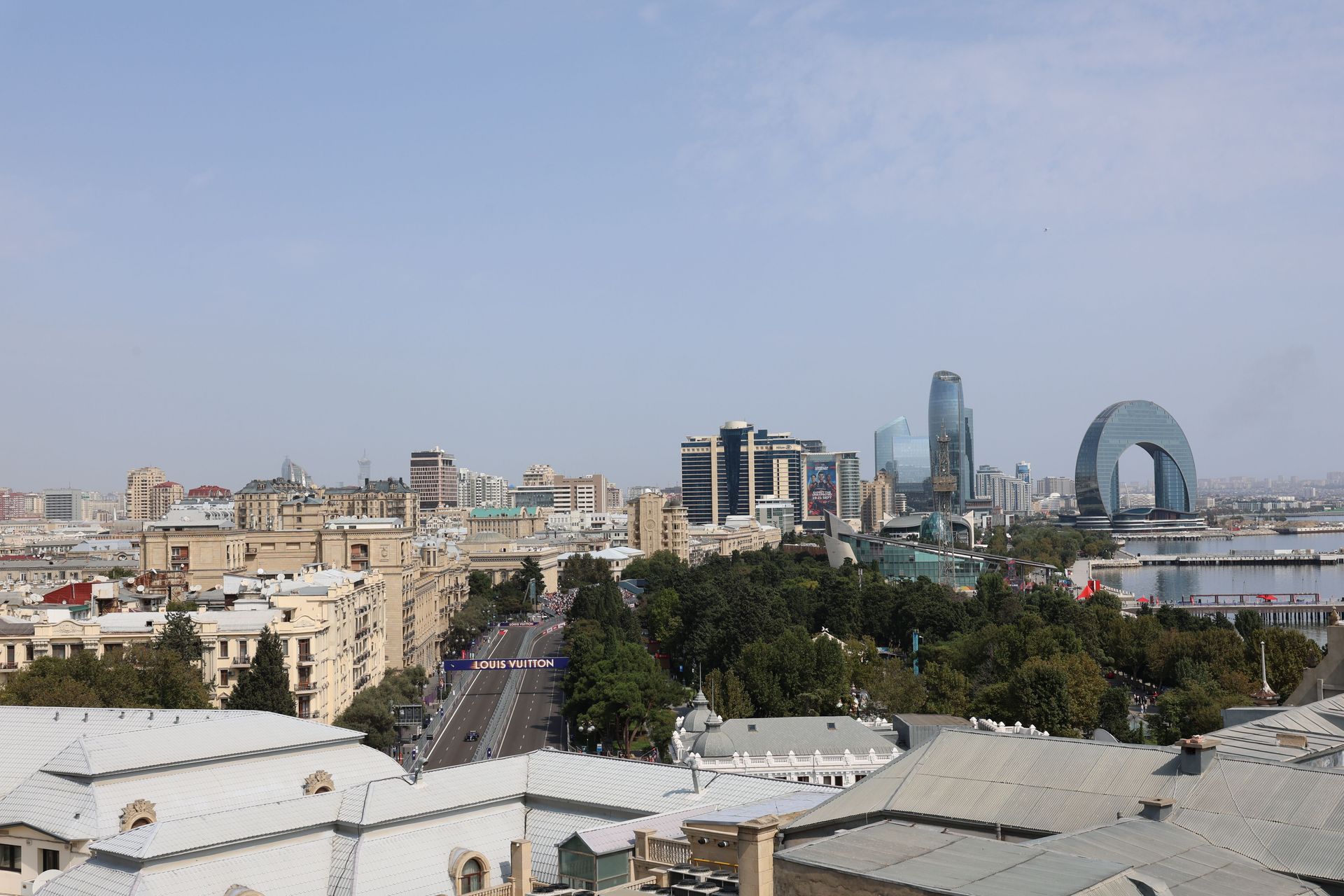
Baku — the capital of Azerbaijan on the Caspian Sea — contains one of the most extraordinary architectural contrasts in any city in the world: a UNESCO-listed medieval walled city (the Icherisheher, or Old City) whose narrow lanes and caravanserais date to the 11th century, surrounded by Belle Époque mansions built by oil barons in the early 20th century, surrounded by the spectacular contemporary architecture of the Flame Towers and the Heydar Aliyev Center (designed by Zaha Hadid) that the oil wealth of the post-Soviet period financed.
The coexistence of these three periods in a relatively compact city center produces a visual experience that is genuinely unlike anything in Europe or the Middle East and that most travelers have never seen because Baku does not appear on standard travel itineraries. The food culture — a specific Azerbaijani cuisine that blends Persian, Turkish, and Russian influences in ways that produce dishes unavailable anywhere else — and the specific warmth of Azerbaijani hospitality make the visit more rewarding than the architecture alone would suggest.
The honest qualification: Azerbaijan is not a liberal democracy, and travelers who are sensitive to the ethical dimensions of tourism in authoritarian states should research the country's political context before visiting. The city's extraordinary character exists alongside a political environment that is worth understanding.
K / Pexels
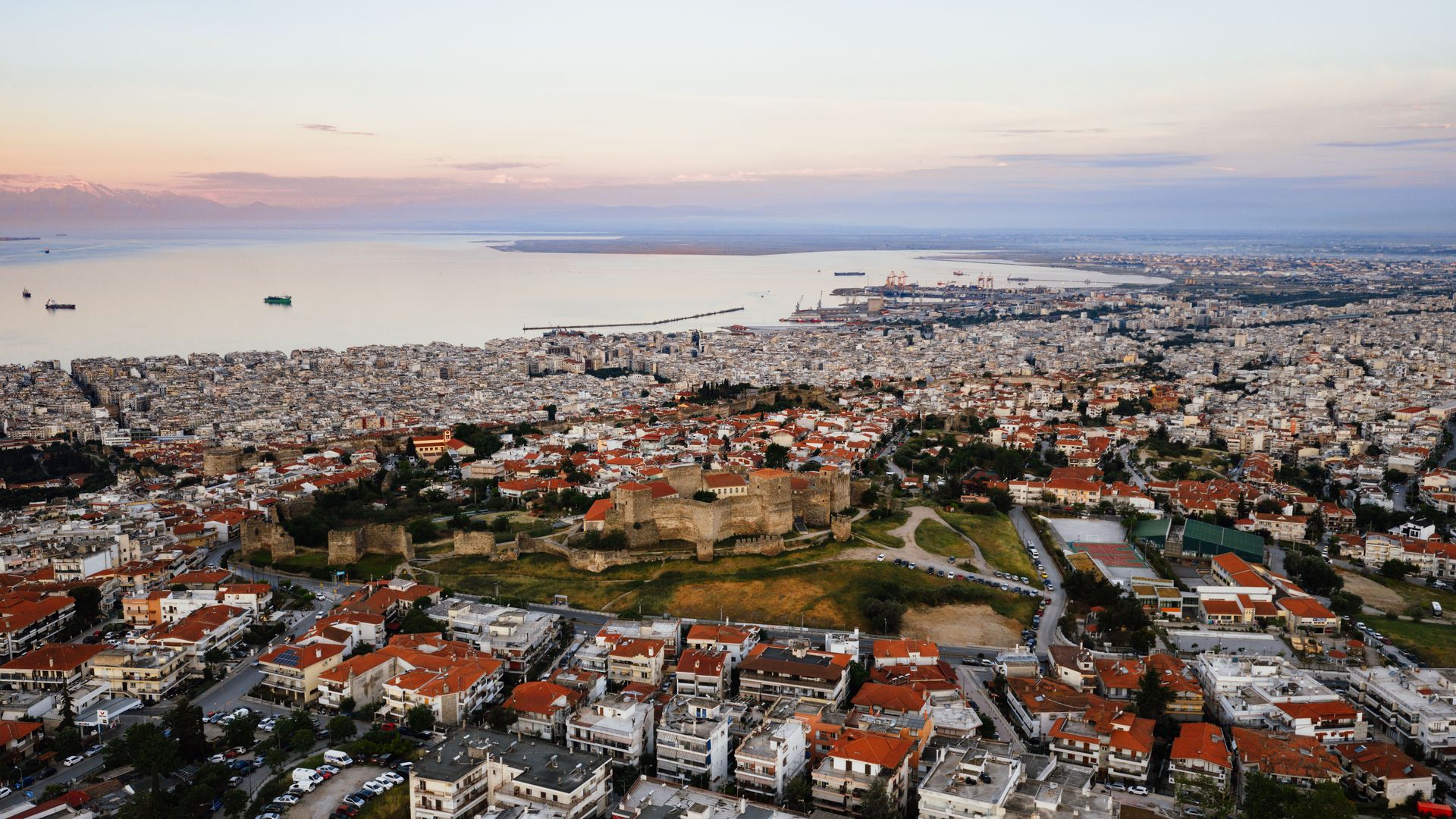
Thessaloniki — Greece's second city, in the north of the country on the Thermaic Gulf — receives a fraction of the international attention of Athens and almost no attention relative to the Greek islands, despite being, by several measures, the most interesting food city in Greece, one of the best-preserved Byzantine cities in the world (its collection of Byzantine churches is a UNESCO World Heritage Site), and a city with a specifically layered history — Greek, Roman, Byzantine, Ottoman, Jewish, and modern Greek — that Athens itself does not have in the same way.
The food case is the most immediate: Thessaloniki's food culture — the bougatsa bakeries open before dawn, the specific character of its taverna food, the seafood of the waterfront, the market culture of the Modiano and Kapani covered markets — is considered by food professionals to be the most serious in Greece, ahead of Athens in the specific quality of its everyday food. The city has a large student population (Aristotle University of Thessaloniki is the largest university in Greece) that keeps the food and nightlife culture lively and affordable.
It is a city that rewards the traveler who has been to Athens and wants to understand a different Greece — less theatrical in its ruins, more lived-in, and genuinely less interested in being a destination than it deserves to be.
Jakub Zerdzicki / Pexels
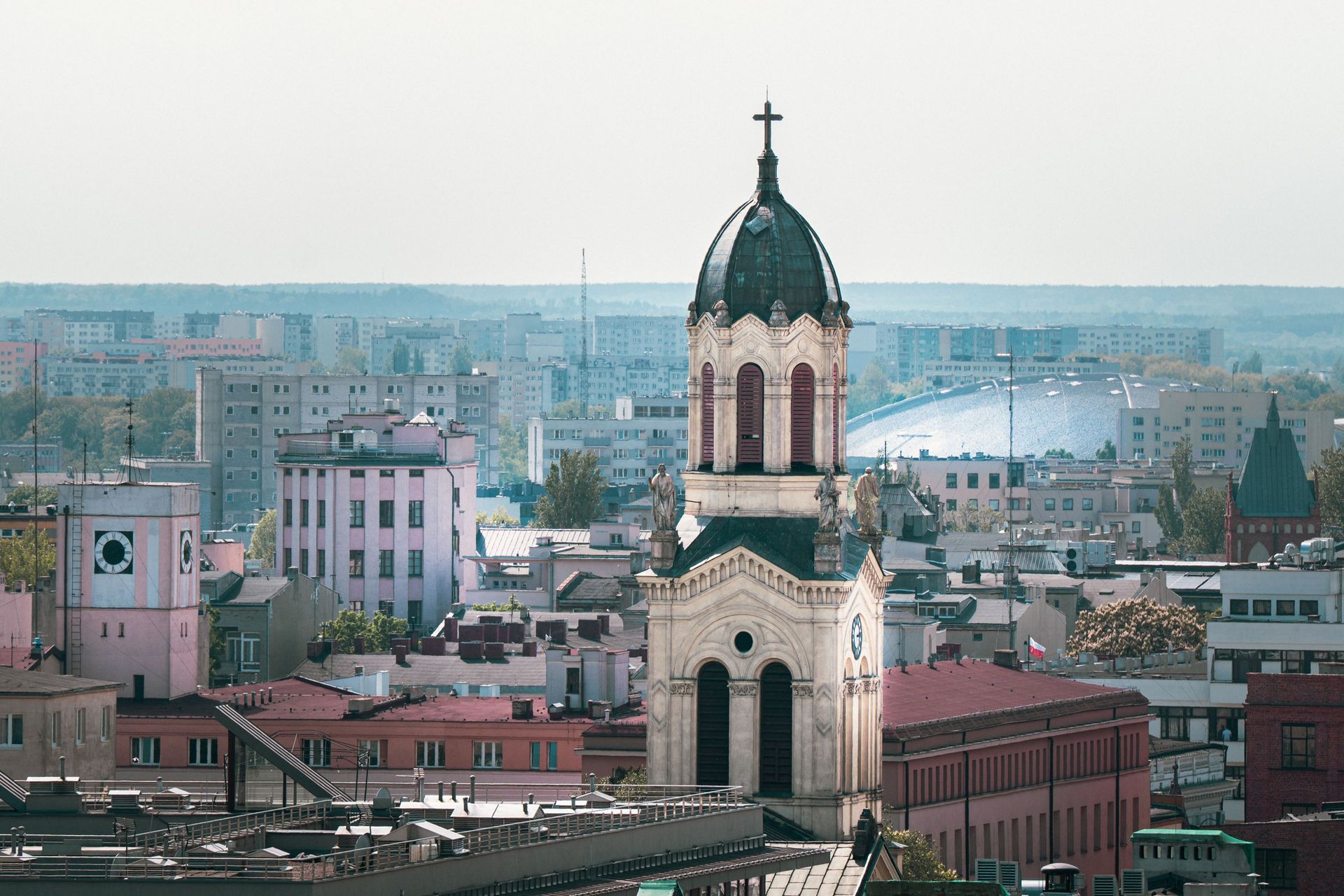
Łódź — pronounced approximately "Woodge" — was, for most of the 20th century, the city that even Poles acknowledged was difficult to love: a flat, grey, former textile manufacturing center in central Poland that had been devastated by its role as a wartime Jewish ghetto, further damaged by communist-era industrial development, and left after 1989 with a post-industrial landscape that had none of the architectural grandeur of Kraków or the rebuilt historical drama of Warsaw.
The transformation of Łódź in the 2010s was driven by a specific asset that the city had in abundance: its 19th-century textile factory buildings — brick industrial architecture of the kind that Manchester, Detroit, and the Ruhr had mostly demolished or converted to anonymous offices — were repurposed into one of the most extraordinary examples of creative industrial regeneration in Europe. Manufaktura, the former Poznański factory complex covering 27 hectares, became a cultural and commercial center that is the model for industrial regeneration across Eastern Europe. The EC1 power station became a science and culture center. The former factory district of Scheiblerowska became a film school complex.
The street art in Łódź — centered on Piotrkowska Street, the main promenade, and the surrounding streets — is among the most impressive in Europe, the result of a deliberate urban art program that has attracted internationally significant mural artists for over a decade. For a traveler doing the standard Poland circuit (Warsaw, Kraków, Wrocław), Łódź represents the detour that most rewards the time invested in going somewhere that the travel industry has not yet finished discovering.
