The definitive guide to 15 classic cocktails, for people who are tired of bad ones
The Negroni, the Old Fashioned, the Daiquiri — these drinks have been around for decades and are still made badly more often than not. Here is how to get them right
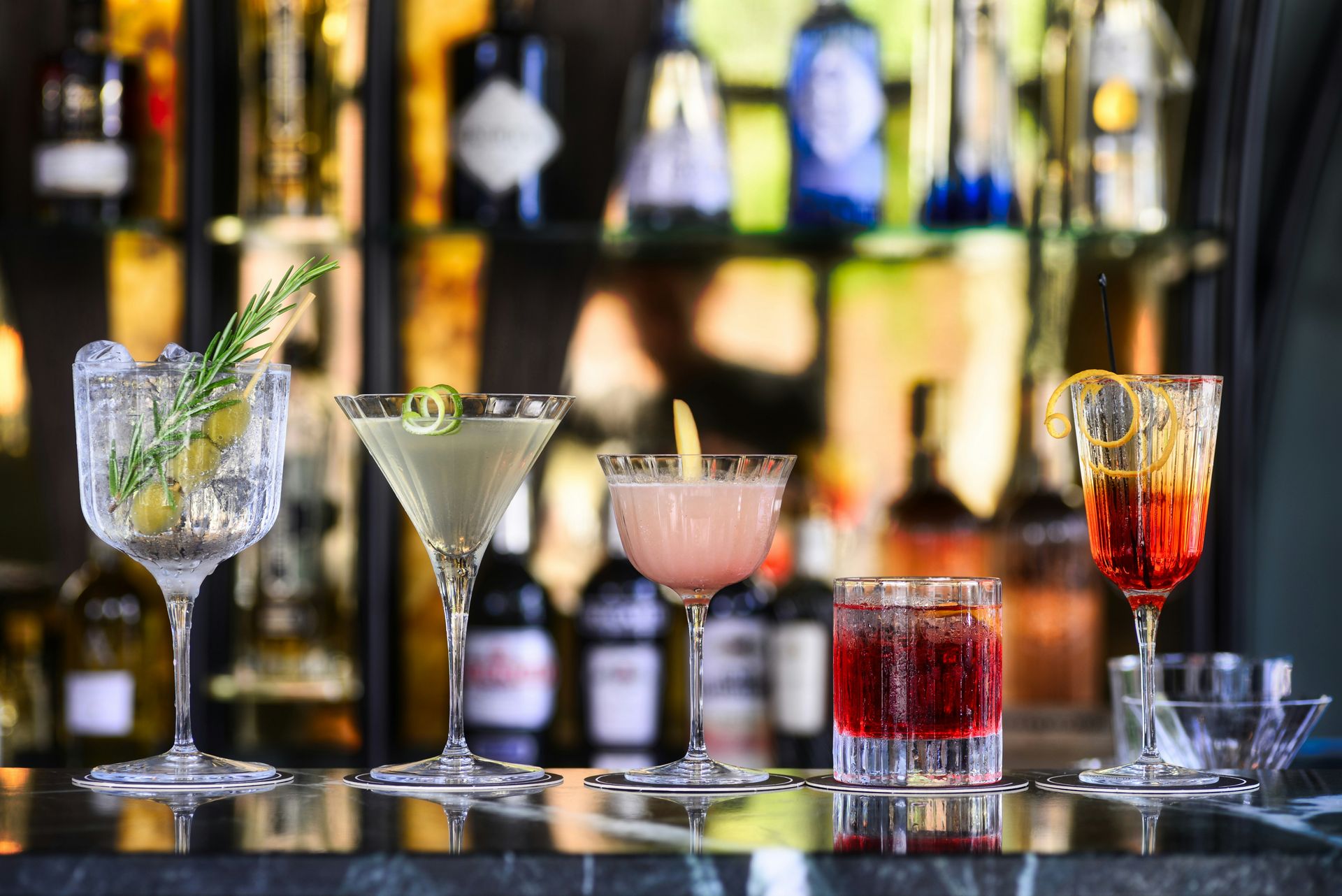
M.S. Meeuwesen / Unsplash
A bad cocktail is one of the more avoidable disappointments in domestic life. Unlike a bad soufflé or a failed loaf of bread, a bad cocktail usually fails not because the technique is difficult but because someone made a decision — too much mixer, the wrong ice, cheap spirits, bottled juice instead of fresh — that was easy to avoid and hard to correct once made. The classic cocktails have survived for decades because the balance of their ingredients is genuinely good. What kills most versions of them is not the recipe but the execution.
This list covers 15 cocktails that have been made and remade, argued over, simplified, complicated, and eventually stabilized into forms that work. They are classic in the specific sense that their recipes are largely settled — there is broad agreement among serious bartenders about what a Negroni is, what a Daiquiri requires, and what separates a good Old Fashioned from a bad one — while still admitting enough personal variation to make the process of making them interesting rather than purely mechanical.
Each slide covers the drink's history and character, the recipe, and the specific errors that most people make. The errors are as important as the recipe, because understanding why a cocktail fails is the fastest way to understand why the correct version works. A Margarita made with bottled lime juice is not simply a worse Margarita — it is a different drink, and knowing why it is different teaches you something about the role of fresh acid in a sour cocktail that transfers to every other drink in that category.
A few principles apply across the list. Ice matters more than most home bartenders acknowledge — dilution is a fundamental part of cocktail construction, and the right amount of dilution at the right temperature is what a proper shake or stir achieves. Fresh citrus juice is not optional in drinks that call for it: the difference between fresh and bottled is the difference between a drink that works and one that does not. Measurement matters — the balance of a well-constructed cocktail is precise enough that an extra half-ounce of anything changes the drink. And the quality of the spirits, while not requiring the most expensive option, requires something good enough that you would drink it on its own.
These are not difficult drinks. They require attention, the right ingredients, and enough respect for the recipe to follow it before departing from it.
1 / 15
Negroni
Marcelo Verfe / Pexels
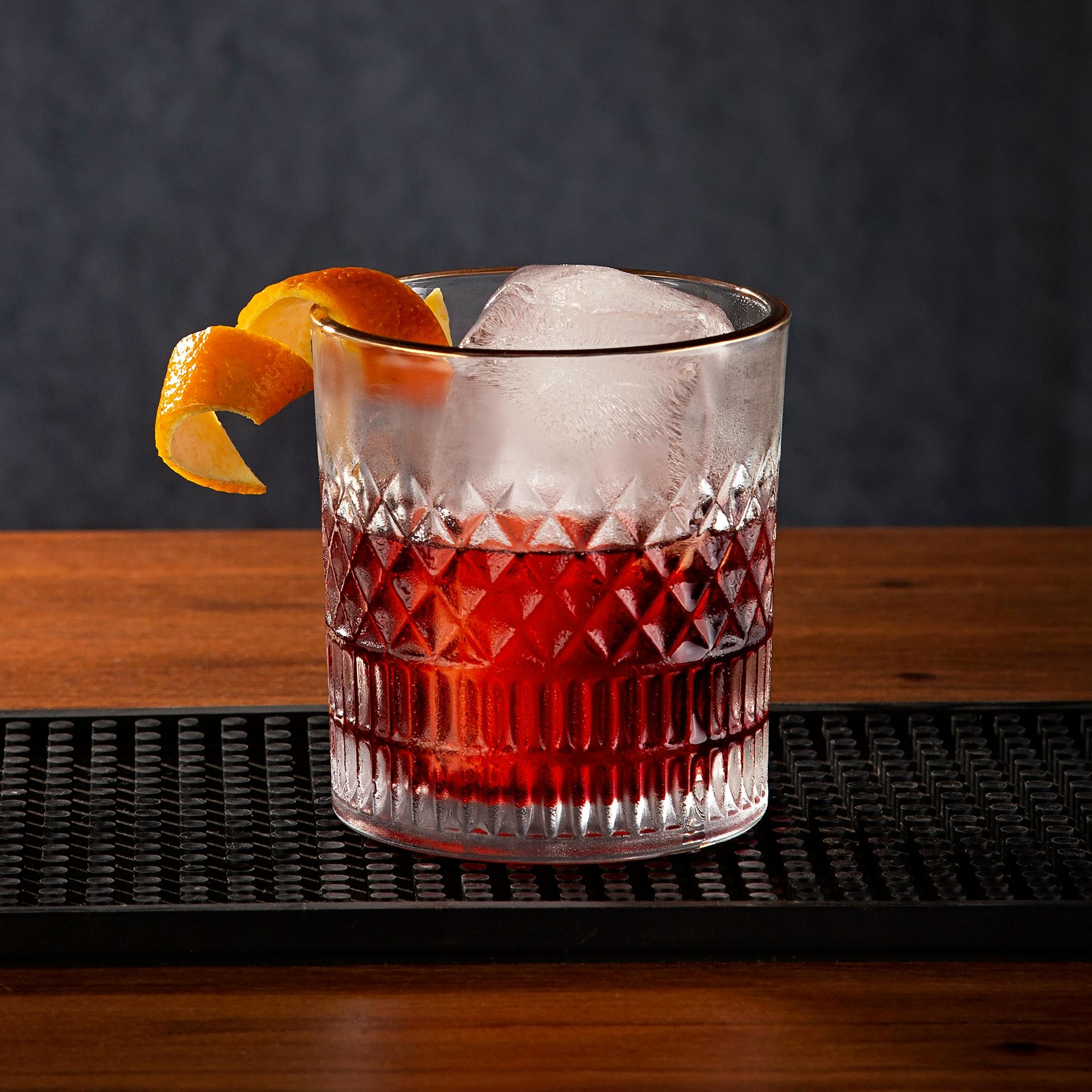
The Negroni is the most forgiving classic cocktail and one of the most instructive. Its three components — gin, sweet vermouth, and Campari — are combined in equal parts, making it one of the only major cocktails with a recipe simple enough to memorize permanently after the first attempt. It is stirred, not shaken. It is served over a large ice cube in a rocks glass or straight up in a coupe. It is garnished with an orange peel. Almost everything about it is fixed, and the variations that improve it are few.
The drink was reportedly created at Caffè Casoni in Florence in 1919 when Count Camillo Negroni asked bartender Fosco Scarselli to strengthen his Americano — the Campari, sweet vermouth, and soda water drink he habitually ordered — by replacing the soda with gin. Whether this story is entirely accurate is disputed by cocktail historians, but it is accurate enough in spirit: the Negroni is structurally an Americano with gin in place of soda, and the replacement is an improvement so dramatic that the original has been overshadowed entirely.
The recipe is 30ml gin, 30ml sweet vermouth, 30ml Campari. Stir over ice for approximately 30 seconds — long enough to chill and dilute the drink to the correct point, which is approximately 25% dilution. Strain into a rocks glass over a large ice cube, or into a chilled coupe if serving straight up. Express an orange peel over the surface — hold the peel skin-side down over the glass and squeeze, bending it, so the oils spray across the surface of the drink — and either drop it in or perch it on the rim.
The errors: using cheap sweet vermouth. Vermouth is a wine-based product that oxidizes after opening and should be stored in the refrigerator and used within four to six weeks. Old vermouth makes a bad Negroni. Using a poor-quality gin — one with an aggressive juniper profile that fights the Campari rather than supporting it — is the second most common error. A London Dry gin with balanced botanicals works best. Shaking instead of stirring produces an inferior drink: the dilution and temperature are wrong and the texture is incorrect.
2 / 15
Old Fashioned
LAVA / Pexels
The Old Fashioned is arguably the oldest recognizable cocktail in the American canon — a drink whose name refers literally to the old-fashioned method of making a cocktail, before mixers and elaborate additions complicated the form. It is whiskey — bourbon or rye — sugar, bitters, and water, combined and served over ice with a citrus twist. In its correct form it is not sweet, not complex, not elaborate. It is a slightly sweetened, slightly bitter, precisely diluted glass of whiskey, and its excellence depends entirely on the quality of the whiskey at its center.
The original recipe predates the name. Cocktails in the early 19th century were understood to be spirits sweetened with sugar and seasoned with bitters — the combination that defines a cocktail as distinct from a simple glass of spirits or a punch. By the 1880s, when newer, more elaborate mixed drinks had proliferated, some drinkers began asking for their cocktails made "the old-fashioned way," and the drink acquired its name from the request.
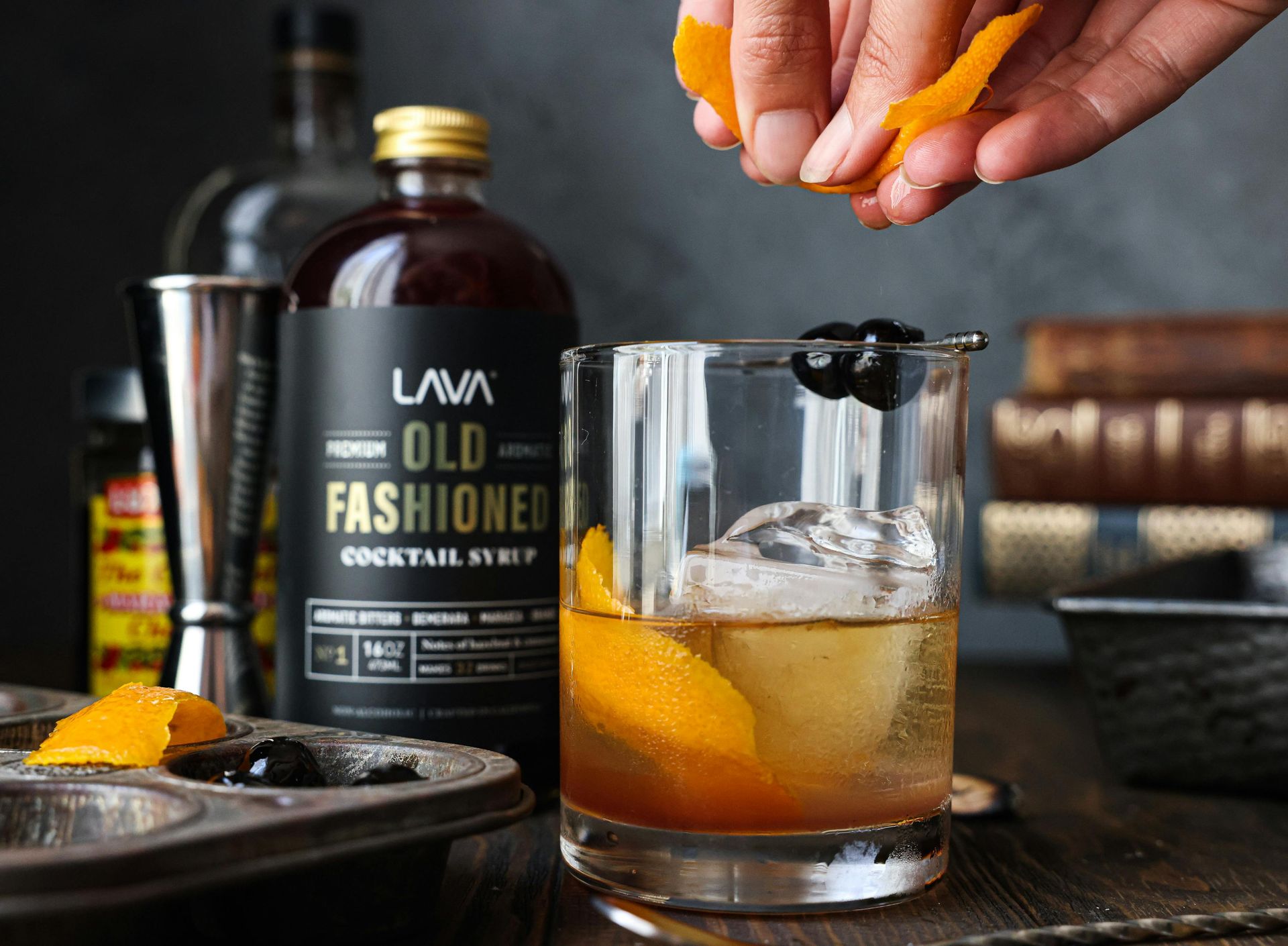
The recipe: place one sugar cube — or half a teaspoon of fine sugar — in the bottom of a rocks glass. Add two or three dashes of Angostura bitters and a small splash of water. Muddle the sugar and bitters into a paste. Add 60ml of bourbon or rye. Add one large ice cube. Stir briefly to combine. Express a wide strip of orange peel over the surface and either drop it in the glass or use it as a garnish.
The errors are numerous and the Old Fashioned is one of the most frequently debased classic cocktails as a result. The most common is the addition of muddled fruit — maraschino cherries and orange slices muddled into the glass, a mid-20th century American bar practice that produces a sweet, fruity drink that is not an Old Fashioned. Another is using excessive simple syrup, which obscures the whiskey. A third is using flavored bitters in quantities that overwhelm the base spirit. The Old Fashioned should taste primarily of whiskey, minimally sweetened, minimally bitter. If anything other than the whiskey is the dominant flavor, it has been made incorrectly.
3 / 15
Daiquiri
Heidi Walley / Unsplash
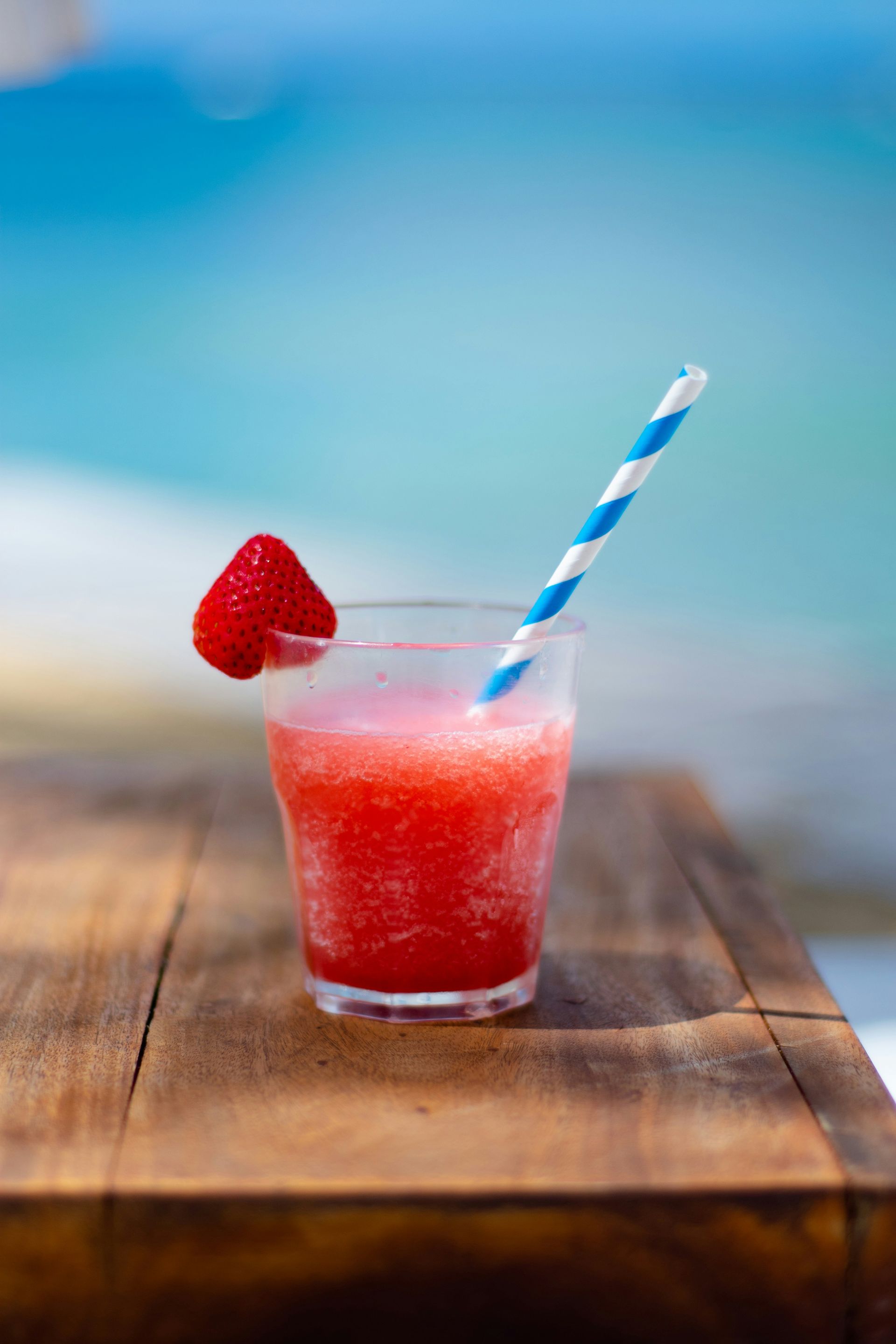
The Daiquiri is the cocktail most frequently ordered badly and least often ordered correctly, because the word "Daiquiri" has been so thoroughly associated with frozen, fruit-flavored blended drinks — the strawberry daiquiri, the mango daiquiri — that the original drink is almost invisible behind them. The original Daiquiri is a sour — rum, fresh lime juice, and sugar syrup, shaken and served straight up — and it is one of the cleanest, most precisely balanced drinks in the canon.
The drink takes its name from the town of Daiquirí near Santiago de Cuba, where it was reportedly created by American mining engineer Jennings Cox around 1900. Constrained versions of the story have Cox serving the drink to guests after running out of gin, substituting the rum that was locally available. Ernest Hemingway encountered the drink at El Floridita bar in Havana in the 1920s and made it famous, though his preferred version — the Papa Doble, with double the rum and no sugar, supplemented with maraschino liqueur and grapefruit juice — was considerably more unusual than the standard recipe.
The recipe: 60ml white rum, 22ml fresh lime juice, 15ml simple syrup (equal parts sugar and water, by weight). Combine in a shaker with ice. Shake vigorously for 12 to 15 seconds. Double-strain — through both the shaker strainer and a fine mesh strainer — into a chilled coupe. No garnish is necessary, though a lime wheel is appropriate.
The errors: using bottled lime juice, which is the most consequential error in any sour cocktail. The difference between fresh and bottled lime is the difference between a drink that is bright and balanced and one that is dull and chemical. Not chilling the glass is a common second error — a room-temperature coupe warms the drink in seconds. Getting the sugar ratio wrong — too much produces a sweet drink, too little produces a harsh one — is the most common balance error.
4 / 15
Martini
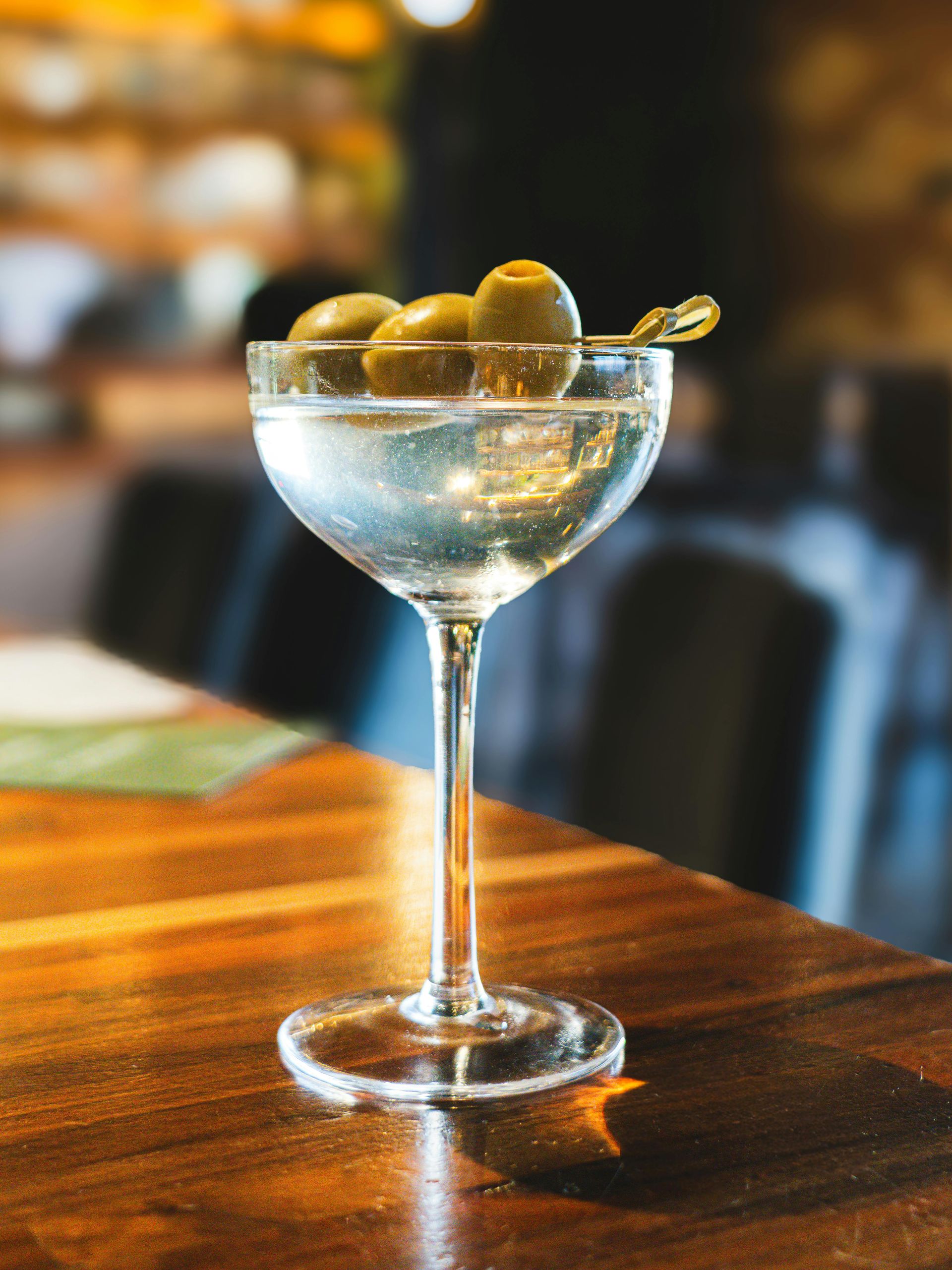
Eddie O. / Pexels
The Martini is the cocktail around which more opinion, mythology, and snobbery have accumulated than any other, and the argument about what a Martini is has been conducted with such ferocity for so long that a definitive statement about it is probably not possible. What follows is an honest assessment rather than a definitive one.
The Martini descended from the Martinez, a 19th-century drink of gin or Old Tom gin, sweet vermouth, maraschino liqueur, and bitters. As the recipe evolved toward the end of the 19th century, the vermouth ratio was reduced, the sweet vermouth was replaced by dry vermouth, and the bitters and maraschino were dropped, producing the gin-and-dry-vermouth combination that most people recognize. The vodka Martini — popularized partly by the James Bond films, which specified vodka shaken rather than stirred — is a separate drink that borrows only the glass and the name.
The recipe for a classic Gin Martini: 60ml London Dry gin, 15ml dry vermouth. Stir over ice for 30 seconds. Strain into a chilled Martini glass. Garnish with either a lemon twist — expressing the oil over the surface — or two cocktail olives on a pick. The lemon version is called a Martini. The olive version is sometimes called a Dirty Martini when olive brine is added, but a standard olive garnish requires no brine.
The ratio of gin to vermouth is the central variable and the source of most of the argument. The trend through the mid-20th century was toward drier Martinis with less vermouth — Winston Churchill's observation that a perfect Martini involved glancing at a bottle of vermouth across the room is the most famous expression of this tendency — and some mid-century Martinis were essentially chilled gin with a minimal nod to vermouth. The reversal of this trend in recent cocktail culture has moved ratios back toward something more balanced, and most serious bartenders now use more vermouth than was fashionable 50 years ago. A 4:1 ratio is a reasonable starting point; adjust from there.
5 / 15
Margarita
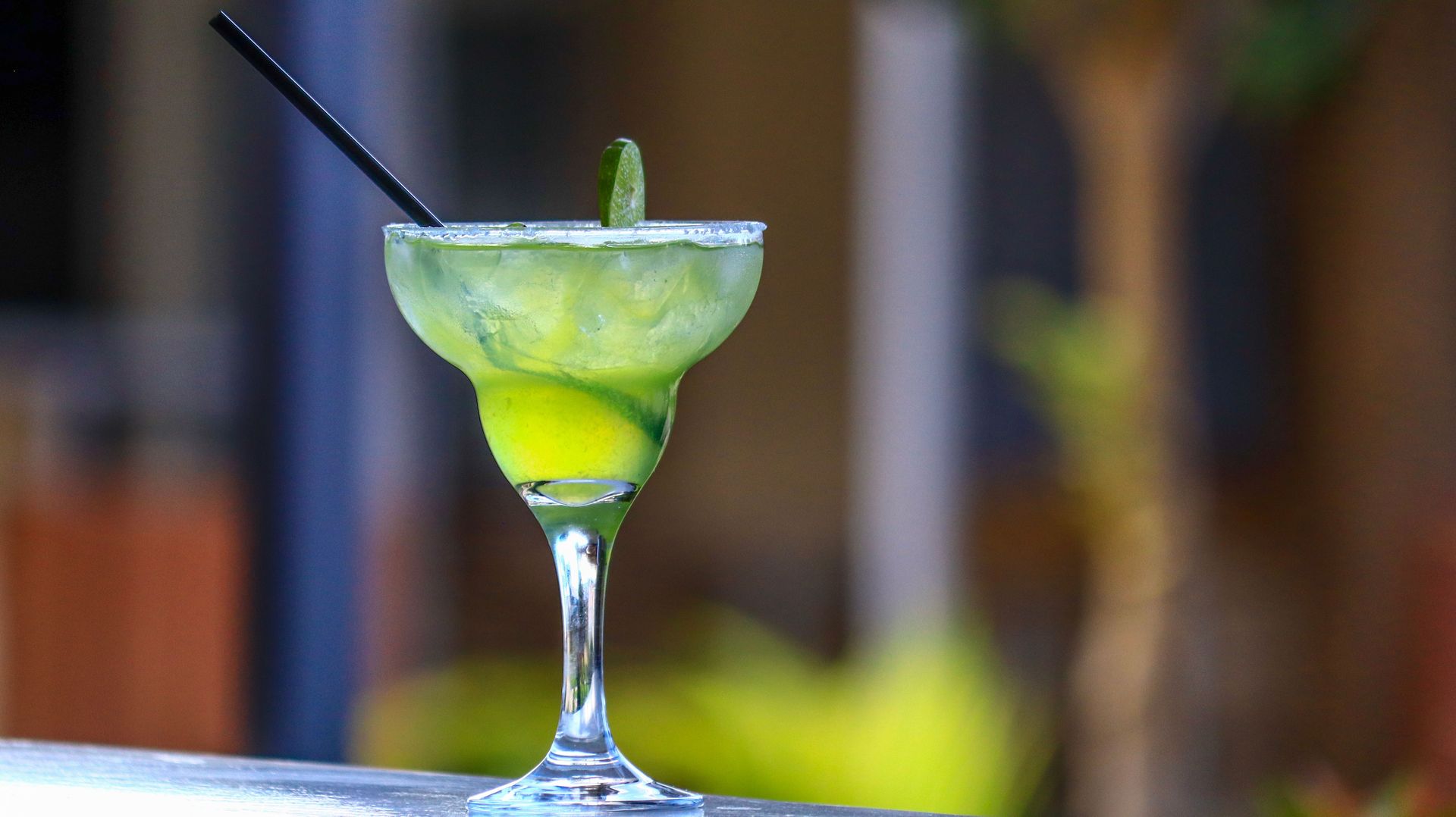
Roy Muriithi / Pexels
The Margarita is one of the most consumed cocktails in the world and one of the most inconsistently made. The correct version — tequila, fresh lime juice, and triple sec or Cointreau — is clean, balanced, and genuinely excellent. The incorrect version, made with sour mix, bottled lime juice, or a poor-quality tequila, is one of the most unpleasant cocktails regularly served to paying customers.
The origin of the Margarita is genuinely contested, with multiple plausible claims from the 1930s through the 1950s and no single account that has achieved historical consensus. What all the credible origin stories share is that the drink was developed in Mexico or on the U.S.-Mexico border, that it was based on the earlier Daisy cocktail (margarita is Spanish for daisy), and that it arrived at its current form — tequila, citrus, orange liqueur — through a process of iteration rather than a single invention.
The recipe: 60ml blanco or reposado tequila, 22ml fresh lime juice, 22ml Cointreau or triple sec. Combine in a shaker with ice. Shake vigorously for 12 seconds. Strain into a rocks glass over ice or into a chilled coupe. Garnish with a lime wheel or a salted rim — salt applied by rubbing a lime wedge around the outside of the rim only, then dipping into coarse salt, so the salt is on the outside of the glass rather than the inside.
The errors: bottled lime juice, which is the same catastrophic error as in the Daiquiri. A poor-quality triple sec — cheap triple sec is cloyingly sweet and damages the balance of the drink; Cointreau is the correct choice. An overly sweet ratio that obscures the tequila is another common failure. The Margarita should taste of tequila and lime, sweetened just enough to balance the acid. If it tastes of orange liqueur, the balance is wrong.
6 / 15
Manhattan
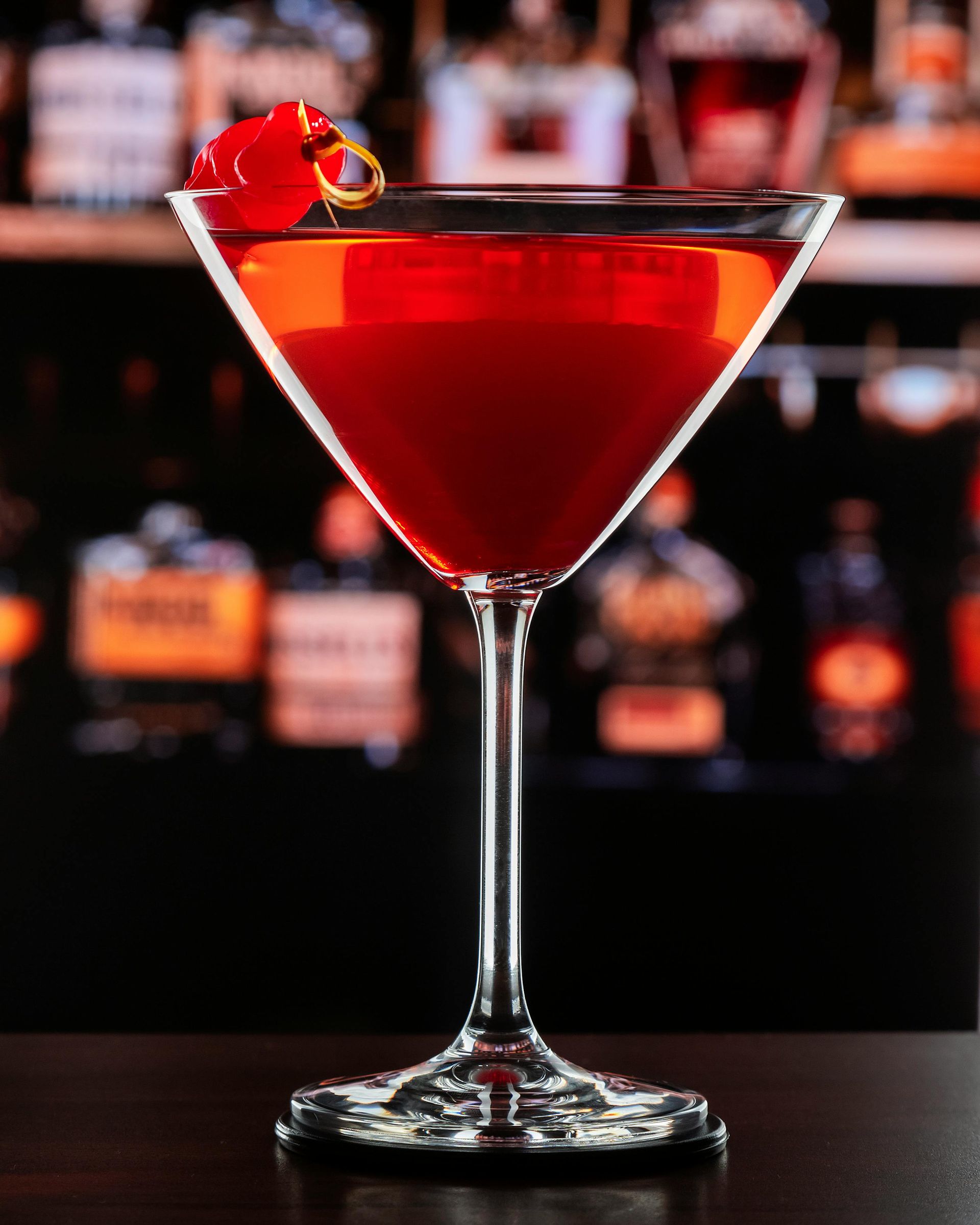
Marcelo Verfe / Pexels
The Manhattan is the most spirit-forward of the classic cocktails and the one that most directly rewards a good base spirit. It is whiskey — rye or bourbon — sweet vermouth, and bitters, stirred and served straight up with a cherry, and its excellence is almost entirely a function of the quality of the whiskey. There is nowhere for a poor spirit to hide in a Manhattan, and no amount of good vermouth will rescue a bad one.
The drink is generally attributed to the Manhattan Club in New York City in the 1870s, though the specific origin story — that it was created for a banquet hosted by Lady Randolph Churchill to celebrate the election of Samuel Tilden as Governor of New York — has been largely debunked, since Lady Churchill was in England at the time. The drink was almost certainly developed at or around the Manhattan Club, and its name reflects the New York origins regardless of the specific occasion.
The recipe: 60ml rye whiskey (preferred) or bourbon, 30ml sweet vermouth, two dashes Angostura bitters. Stir over ice for 30 seconds. Strain into a chilled coupe or Martini glass. Garnish with a Luxardo maraschino cherry — not the fluorescent red cherries in syrup that appear in lesser versions, but the dark, intensely flavored Italian maraschino cherries that are correct for this application.
The vermouth choice matters considerably. As with the Negroni, fresh vermouth stored properly is essential — a Manhattan made with old, oxidized vermouth is a flat, dead drink regardless of the whiskey quality. The bitters ratio is also important: Angostura provides the standard aromatic backbone, but a split of Angostura and orange bitters is a widely accepted and genuinely good variation.
7 / 15
Whiskey Sour
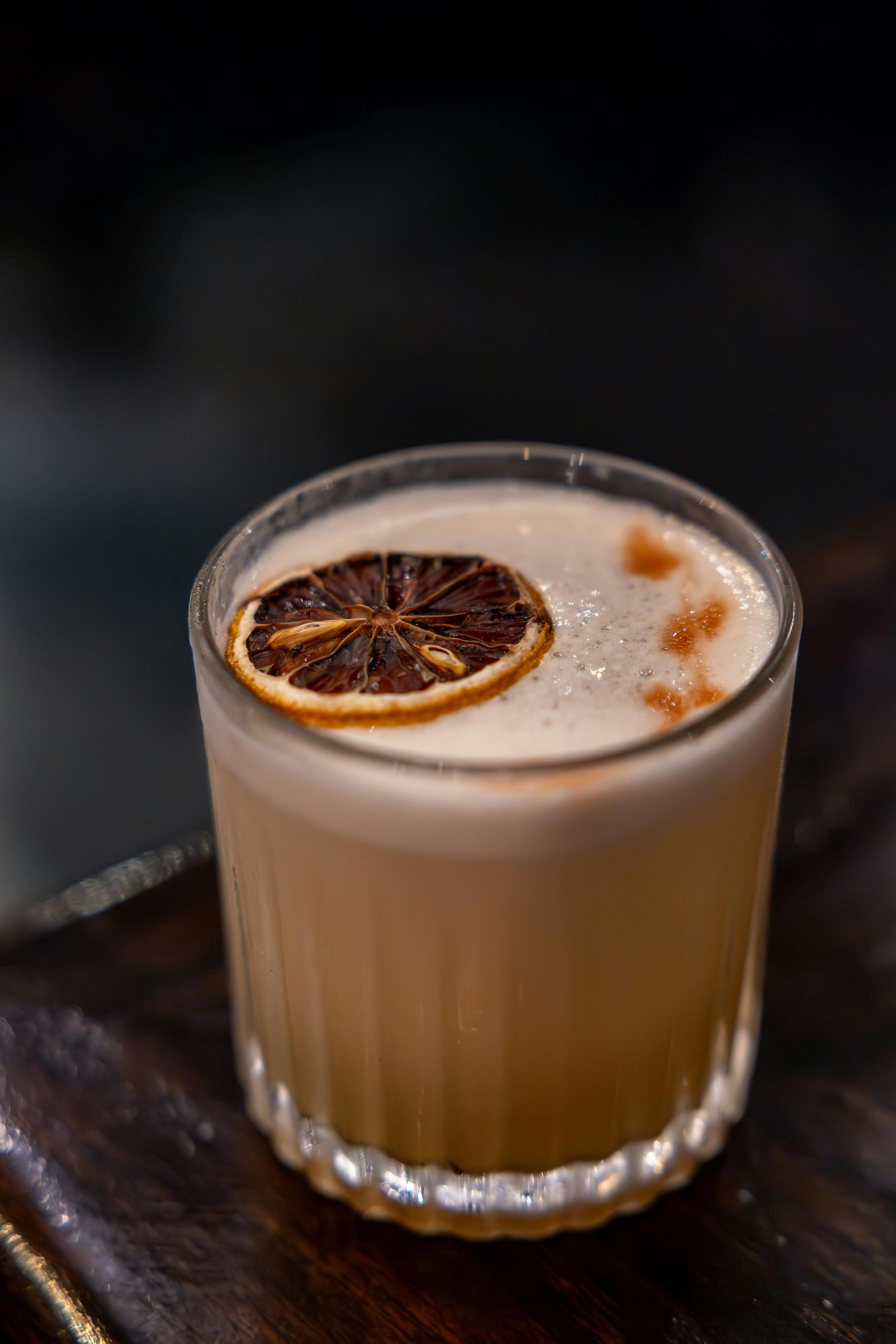
Sergei Starostin / Pexels
The Whiskey Sour is the template for all sour cocktails — the formula of base spirit, fresh citrus, and sweetener that also underlies the Daiquiri, the Margarita, the Pisco Sour, and dozens of other drinks — and making it well requires understanding why each component is present and what it contributes to the whole.
Sour cocktails appeared in American bartending guides as early as Jerry Thomas's 1862 "Bar-Tenders Guide," and the Whiskey Sour is one of the oldest formally documented American cocktails. It is also one that has been progressively simplified and degraded by the introduction of commercial sour mixes, which replace both the fresh lemon juice and the sweetener with a pre-mixed, shelf-stable product that achieves only a faint approximation of the original's balance.
The recipe: 60ml bourbon, 22ml fresh lemon juice, 15ml simple syrup, one egg white (optional but traditional). Combine all ingredients in a shaker without ice and dry-shake vigorously for 15 seconds — this emulsifies the egg white and creates the foam. Add ice and shake again for 12 seconds. Double-strain into a rocks glass over ice or a chilled coupe. Garnish with a few drops of Angostura bitters on the foam — draw a toothpick through the drops to create a decorative pattern if desired.
The egg white is the element most often omitted and most consequential. It adds no flavor but transforms the texture of the drink — producing a silky, substantial mouthfeel and a stable foam on top that carries the bitters garnish. The version without egg white is a good drink. The version with egg white is a noticeably better one, and the difference is worth the additional step. Fresh lemon juice, not bottled, is non-negotiable for the same reasons that fresh lime is non-negotiable in the Daiquiri.
8 / 15
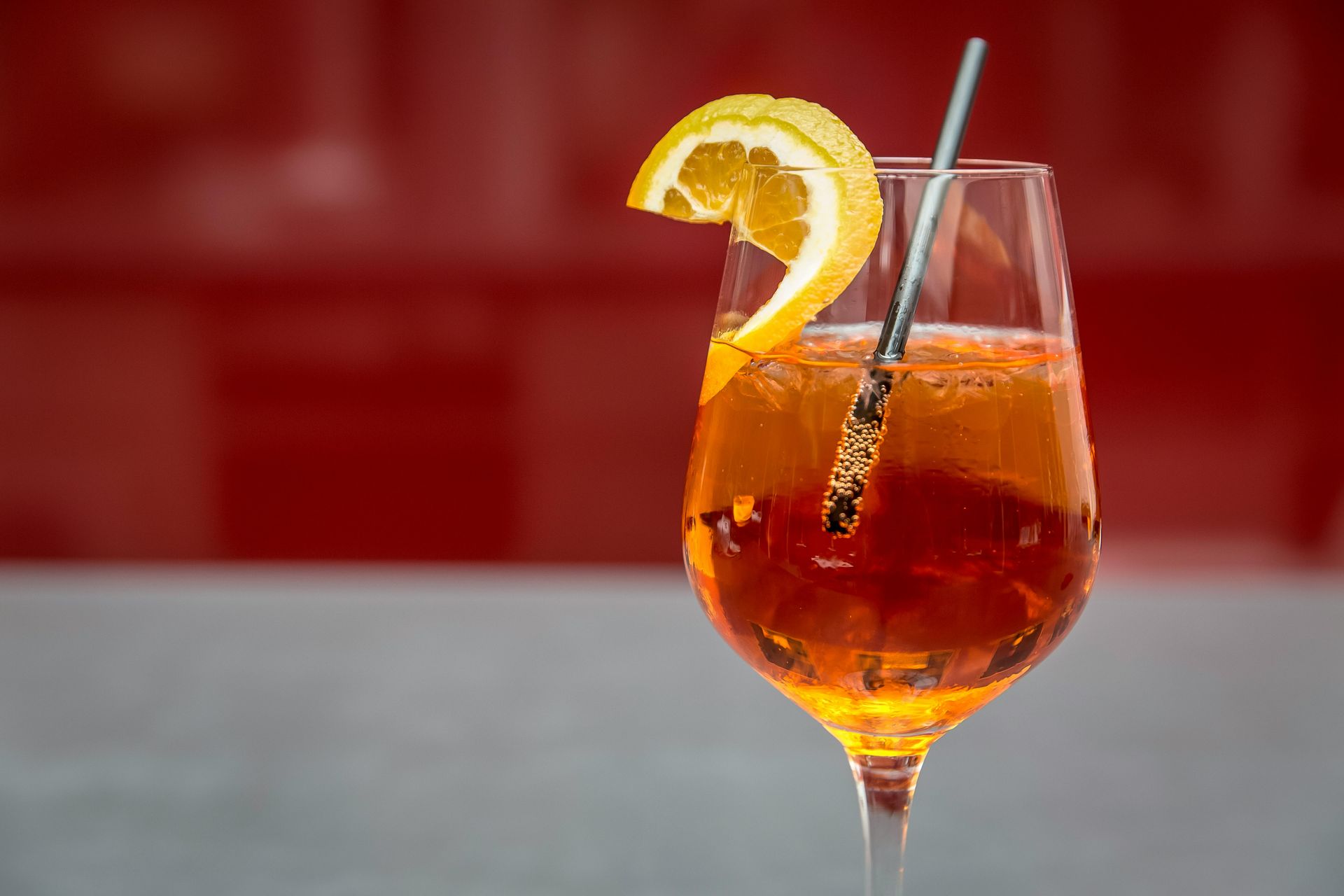
Aperol Spritz
Markus Spiske / Pexels
The Aperol Spritz is the most recent addition to the classic cocktail canon — a drink that went from regional specialty of the Veneto to global phenomenon in roughly a decade, driven by the Campari Group's marketing investment and the drink's specific appeal to the broad audience of people who find traditional cocktails too strong or too complex. Its elevation to "classic" status is recent enough that some cocktail purists resist it, but its worldwide adoption and its consistent presence at any outdoor summer gathering in most developed countries have earned it the status.
The spritz — wine mixed with soda water — is a traditional drink in the Veneto region of northeastern Italy, developed in the 19th century when Austrian soldiers stationed in the region found the local wines too strong and began diluting them with water. Aperol, a lower-alcohol, bitter orange aperitif, was introduced in 1919 by the Barbieri brothers in Padua. The Aperol Spritz in its current three-part recipe — Aperol, Prosecco, soda water — became a regional standard in the Veneto in the mid-20th century and was promoted nationally and then internationally by Campari Group from the mid-2000s onward.
The recipe: three parts Prosecco, two parts Aperol, one part soda water, in that order, poured over ice in a large wine glass. Garnish with a slice of orange. The order of pouring matters for the dilution: adding Prosecco first preserves more carbonation than adding it last.
The errors: using cheap Prosecco, which is immediately apparent in the finished drink. Aperol Spritz is frequently ordered at venues that substitute a lower-quality sparkling wine, and the result is noticeably inferior. Using too much Aperol relative to Prosecco produces a heavy, overly bitter drink — the 3:2:1 ratio is the standard for a reason. Omitting the soda water produces a two-component drink that is both stronger and less refreshing than the correct version.
9 / 15
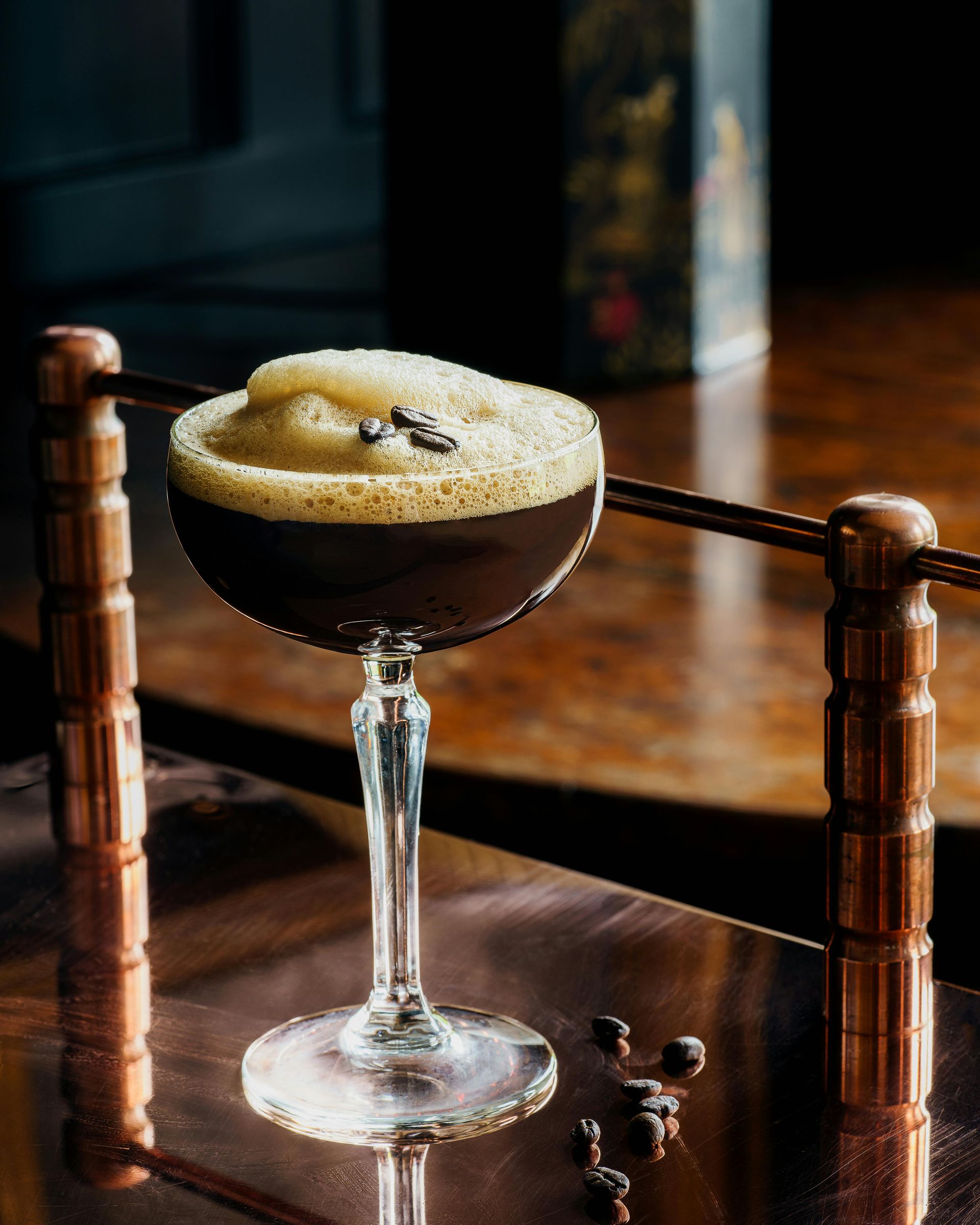
Espresso Martini
Sebastian Coman Photography / Pexels
The Espresso Martini is not a Martini — it contains no gin, no vermouth, and no relationship to the Martini beyond the glass it is served in — but it is a genuinely excellent cocktail and one whose reputation has been damaged by the inferior versions produced wherever the bartender uses instant coffee or pre-made espresso syrup rather than freshly pulled espresso.
The drink was created by Dick Bradsell at the Soho Brasserie in London in 1983 — reportedly at the request of a young model who asked for a drink that would "wake me up and f*** me up," in the most commonly repeated version of the story. Bradsell combined vodka with fresh espresso, coffee liqueur, and sugar syrup in what he initially called the Vodka Espresso. The name shifted to Espresso Martini as the V-shaped glass became associated with the category of drinks colloquially called Martinis in the 1990s, regardless of their actual ingredients.
The recipe: 50ml vodka, 30ml fresh espresso (pulled and cooled slightly), 10ml coffee liqueur (Kahlúa is the standard, though Tia Maria is a reasonable alternative), 5ml simple syrup. Combine all ingredients in a shaker with ice. Shake very vigorously for 15 seconds — the vigorous shake with the hot espresso is what creates the distinctive three-bubble foam on top of the finished drink. Double-strain into a chilled Martini glass. Garnish with three coffee beans.
The fresh espresso is not optional. The difference between a cocktail made with fresh espresso and one made with cold-brew concentrate or instant coffee is the difference between a drink that is alive and one that is flat. If an espresso machine is not available, a Moka pot produces a strong, concentrated coffee that is closer to espresso than any other domestic method.
10 / 15
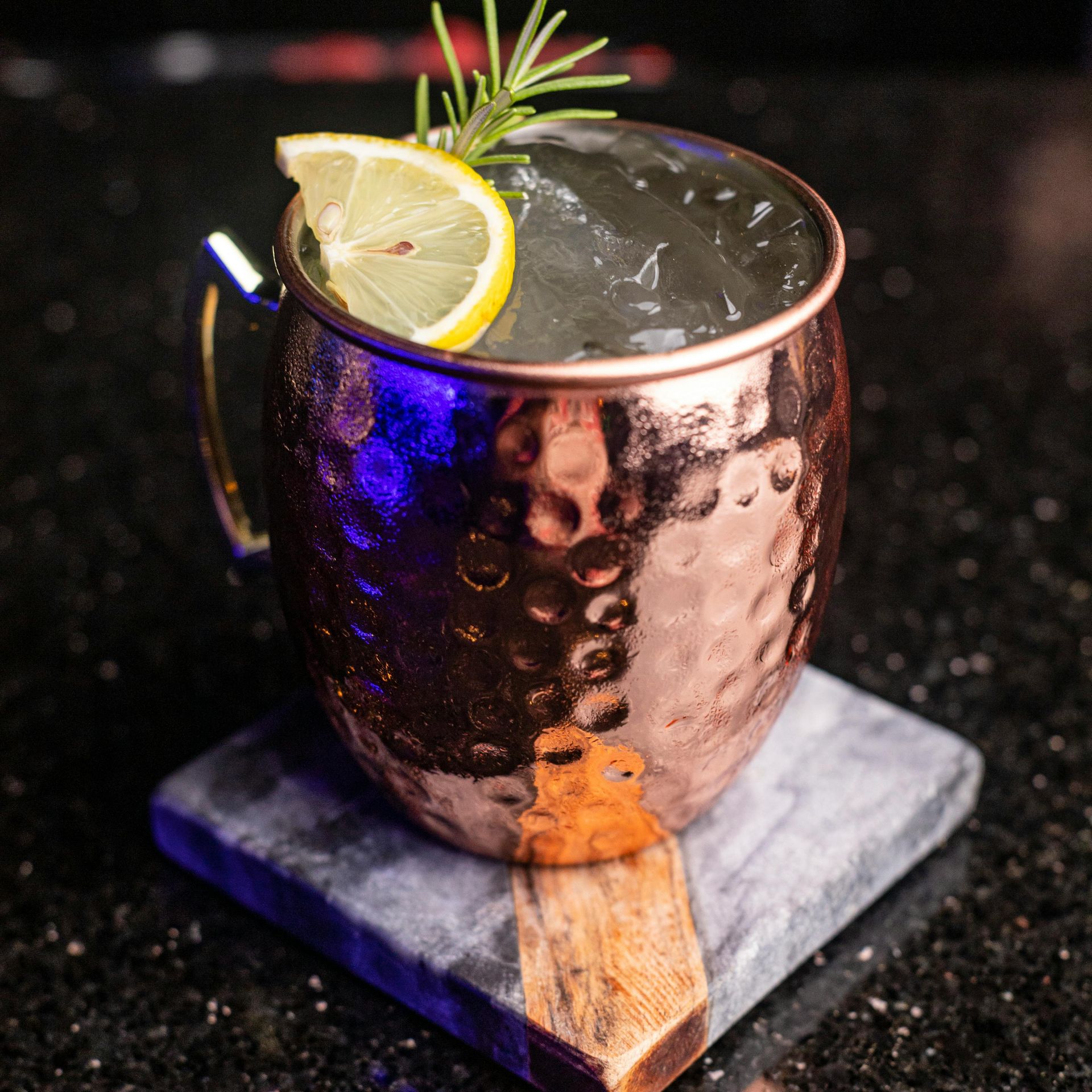
Moscow Mule
Alan Retano / Pexels
The Moscow Mule is one of the few major cocktails whose invention was explicitly a marketing exercise, and the story of its creation illuminates how the modern spirits industry works in ways that transcend the drink itself. In 1941, John Martin of Heublein Foods had recently acquired the U.S. rights to Smirnoff vodka — then barely known in the United States, where whiskey and gin dominated — and was struggling to market a spirit that Americans had little framework for. Jack Morgan, owner of the Cock 'n' Bull bar in Hollywood, had a similar problem with his proprietary ginger beer, which was not selling.
Martin and Morgan combined their problems into a solution: a cocktail of vodka, ginger beer, and lime served in a copper mug, which Martin then promoted by carrying a Polaroid camera to bars and photographing bartenders with two copper mugs — one print for the bartender, one for his own promotional files. The combination of the novelty of vodka, the distinctive vessel, and the aggressive personal marketing created enough momentum that the Moscow Mule became the drink that introduced Americans to vodka.
The recipe: 60ml vodka, 120ml good ginger beer, juice of half a lime. Build in a copper mug filled with ice — add the vodka first, then the lime juice, then the ginger beer. Stir briefly. Garnish with a lime wheel and a sprig of fresh mint.
The copper mug is traditional rather than functional — it has no effect on the flavor, and Moscow Mules served in a regular highball glass taste identical to those served in copper. The ginger beer quality matters considerably: a ginger beer with genuine heat and ginger flavor (Fever-Tree, Bundaberg, or similar) produces a noticeably better drink than a sweet, mild version. The lime juice must be fresh.
11 / 15
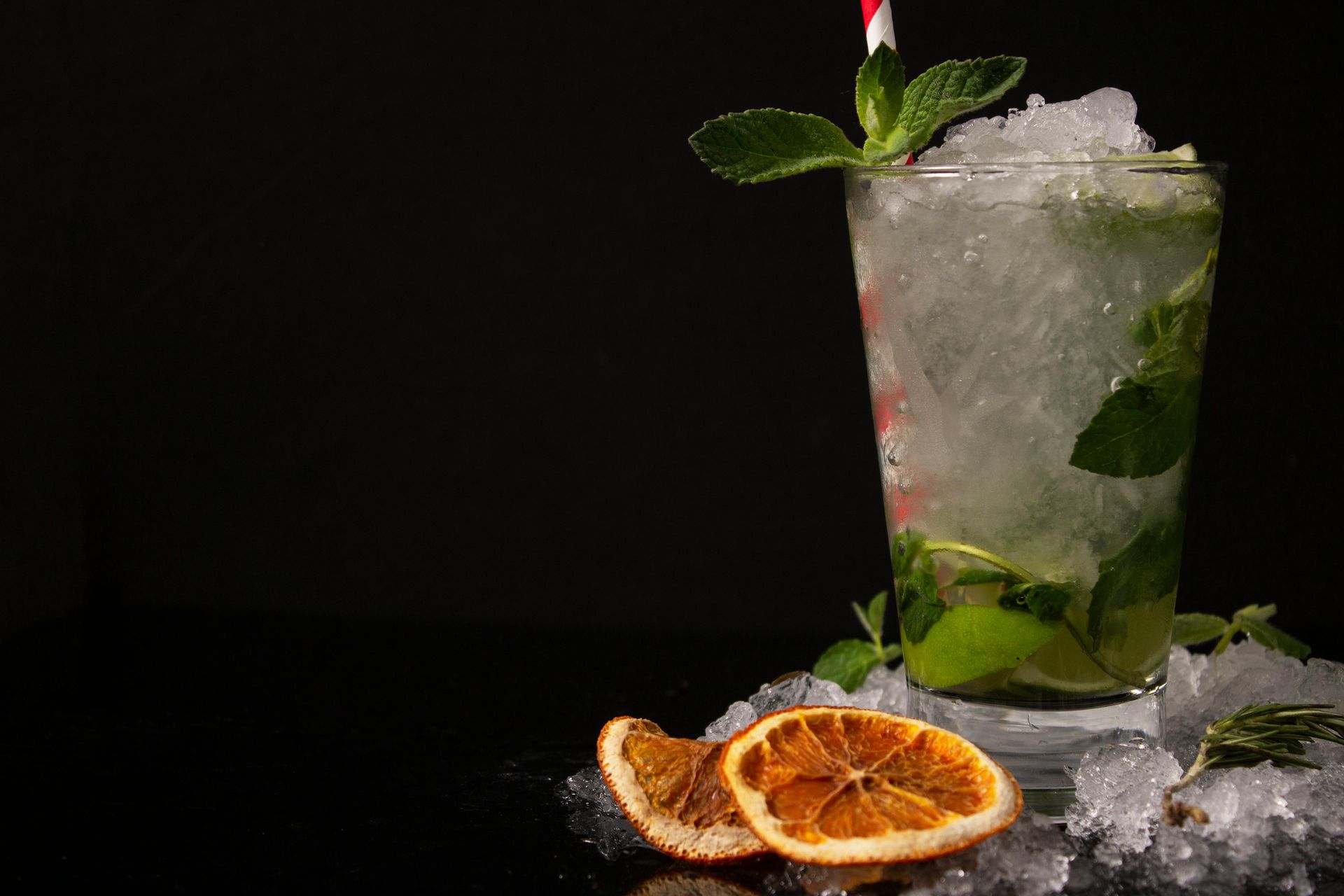
Mojito
Aram Diseño / Pexels
The Mojito is one of the most frequently ordered cocktails globally and one of the most frequently made incorrectly, for reasons that are largely about the mint: specifically, how it is handled before it goes into the glass. The common practice of vigorously muddling mint leaves in the bottom of a glass produces a bitter, tannic drink because crushing the leaves ruptures the cell walls and releases chlorophyll along with the essential oils. Proper Mojito technique involves expressing the mint oils without tearing the leaves.
The Mojito is Cuban in origin, its roots traceable to the 16th-century drink called El Draque — named after Francis Drake, whose fleet visited Cuba in 1586 — which combined aguardiente (a rough sugarcane spirit), lime, sugar, and mint. The modern Mojito, using rum rather than aguardiente and adding soda water, developed in Havana in the early 20th century and became internationally known through Hemingway, who frequented La Bodeguita del Medio in Havana, where the drink is still made and where a handwritten note attributed to him — though its authenticity is disputed — reads: "My mojito in La Bodeguita, My daiquiri in El Floridita."
The recipe: place eight to ten fresh mint leaves in a highball glass. Add 15ml simple syrup and 22ml fresh lime juice. Press the mint gently with a muddler — just enough to bruise it and release the oils, not to shred it. Add 60ml white rum. Fill the glass with crushed ice. Top with soda water — 60 to 90ml. Stir briefly from the bottom. Garnish with a sprig of mint slapped against your palm before inserting — the slap releases the aroma without tearing the leaves.
The crushed ice is important: it chills and dilutes the drink correctly and integrates the mint throughout the glass rather than concentrating it at the bottom.
12 / 15
Tom Collins
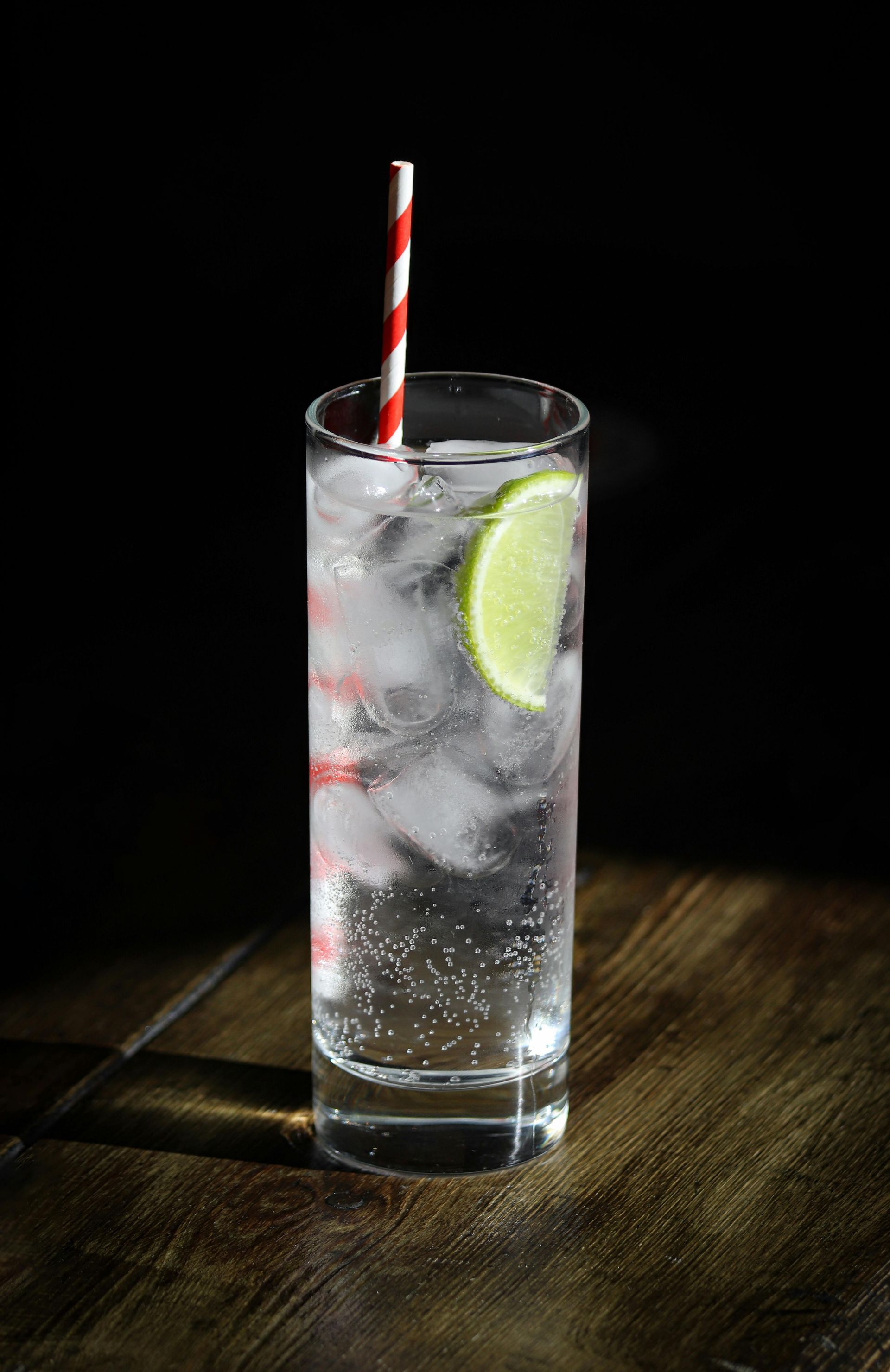
Boys in Bristol Photography / Getty Images
The Tom Collins belongs to the Collins family of drinks — spirit, lemon juice, sugar, and soda water, served long and cold in a tall glass — and it is one of the most refreshing constructions in cocktail history, simple enough that it is easy to make well and easy to make badly, with the difference coming down almost entirely to the quality of the lemon juice and the freshness of the soda water.
The drink takes its name from a hoax that spread through New York in 1874 — the "Tom Collins Hoax," in which people would tell their friends that a man named Tom Collins had been saying terrible things about them at a bar called [some nearby establishment]. The victim would rush to the bar demanding to confront Tom Collins. The bartender, confronted with an agitated customer looking for someone who did not exist, would offer to mix them a drink named for the fictional character. The drink predates the hoax — similar drinks appear in cocktail guides from the 1860s — but the hoax gave it its name.
The recipe: 60ml London Dry gin, 30ml fresh lemon juice, 15ml simple syrup. Combine in a shaker with ice. Shake briefly — five to seven seconds, less than a full shake. Strain into a tall Collins glass over ice. Top with 90ml chilled soda water. Stir once from the bottom. Garnish with a lemon wheel and a cocktail cherry.
The brief shake rather than a full one is deliberate: the Tom Collins is a long drink with soda water, and over-shaking introduces too much dilution before the soda is added. The soda water should be fresh — flat or warm soda ruins a Collins immediately. The lemon juice must be fresh. The drink is best made and consumed quickly, before the carbonation is lost.
13 / 15
Sidecar
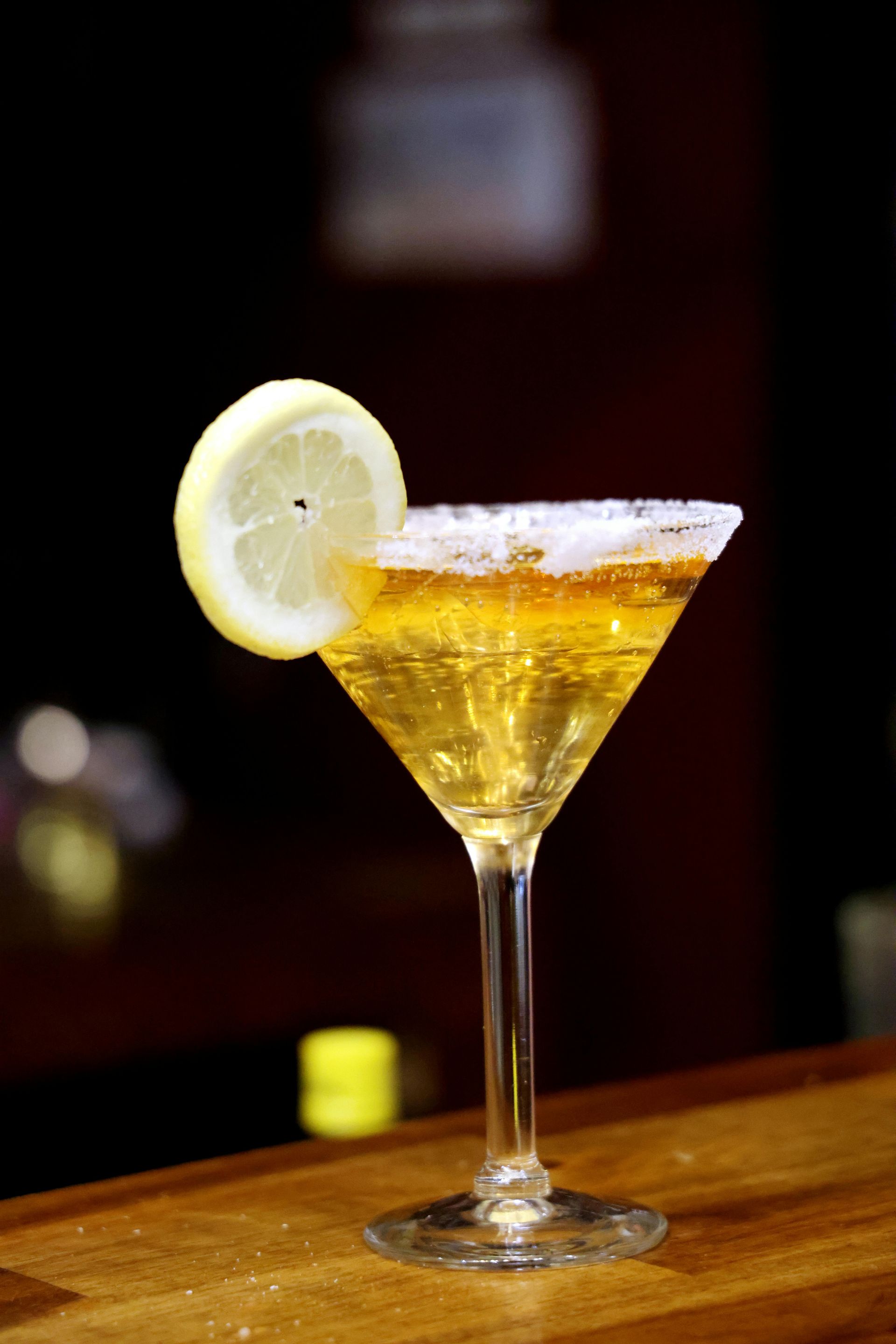
dp singh Bhullar / Pexels
The Sidecar is a prohibition-era cocktail that belongs to the sour family — cognac, Cointreau, and fresh lemon juice — and it is a drink that was widely popular through the mid-20th century, faded during the vodka and rum drinks period of the later decades, and has been substantially rediscovered in the current revival of classic cocktail culture. It is a sophisticated, spirit-forward drink whose excellence depends heavily on the quality of the cognac at its center.
The drink is attributed to two bars simultaneously — Harry's New York Bar in Paris and the Buck's Club in London — both claiming its invention during World War I. The sidecar motorcycle attachment — the vehicle that may have given the drink its name, possibly because a regular patron of one of these establishments habitually arrived in one — provides the most common explanation for the name, though it remains unconfirmed.
The recipe: 45ml cognac, 22ml Cointreau, 22ml fresh lemon juice. Combine in a shaker with ice. Shake vigorously for 12 seconds. Strain into a chilled coupe with a sugar rim — run a lemon wedge around the outside of the rim, then dip into fine sugar. The sugar rim is traditional and balances the drink's tartness.
The cognac quality is the variable that most determines the drink's success. A VS cognac — the youngest and most affordable classification — will produce a serviceable Sidecar. A VSOP or XO produces a noticeably better one. The proportion of cognac to Cointreau to lemon juice is the subject of some variation: the 2:1:1 ratio given above produces a balanced drink, while the "French" school uses equal parts of all three for a tarter result. Start with 2:1:1 and adjust toward equal parts if a more acidic profile is preferred.
14 / 15
Gimlet
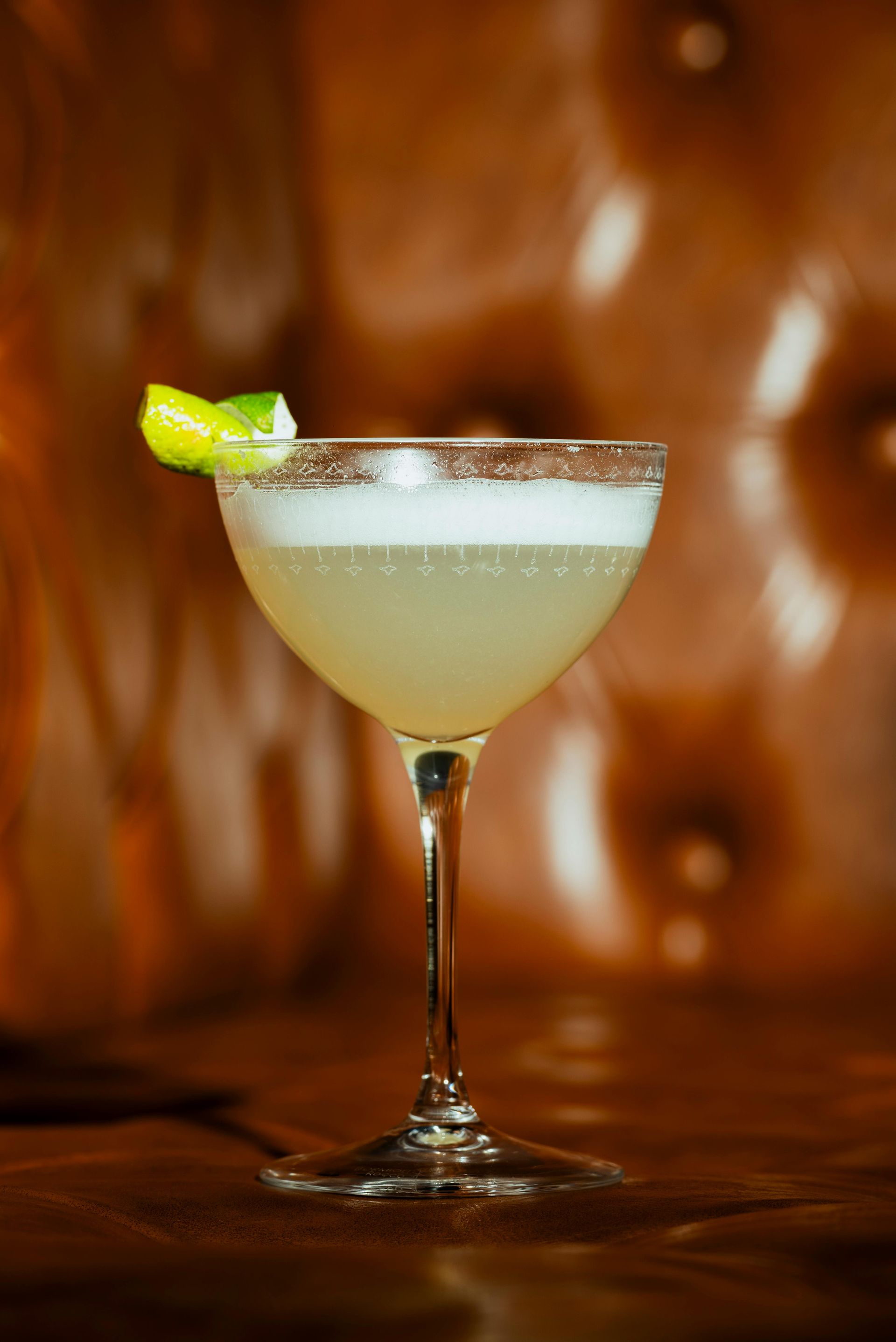
Isabella Mendes / Pexels
The Gimlet has an unusual history: it was invented as a health measure rather than a pleasure one. Rose's Lime Cordial — the preserved, sweetened lime juice that is the traditional Gimlet ingredient — was developed by Lauchlan Rose in 1867 specifically to provide Royal Navy sailors with a source of vitamin C that would not ferment or spoil during long voyages. The vitamin C in the cordial, consumed alongside the daily gin ration, was intended to prevent scurvy. The combination of gin and Rose's Lime Cordial produced, incidentally, a drink of considerable pleasantness, and the Gimlet was formalized as a cocktail — its name reportedly taken from the small tool used to pierce barrels — in the early 20th century.
The Gimlet appears in Raymond Chandler's 1953 novel "The Long Goodbye," where Philip Marlowe's friend Terry Lennox defines the proper Gimlet as "half gin and half Rose's lime juice and nothing else." Chandler's ratio is sweeter and more cordial-forward than most contemporary versions, which use fresh lime juice with a small addition of sugar syrup and reduce the cordial or eliminate it entirely.
The contemporary recipe that produces the best drink: 60ml gin, 20ml fresh lime juice, 15ml simple syrup, 5ml Rose's Lime Cordial (for the characteristic flavor that fresh lime alone does not provide). Combine in a shaker with ice. Shake for 12 seconds. Double-strain into a chilled coupe. Garnish with a thin lime wheel.
The small addition of Rose's Lime Cordial in a predominantly fresh-juice recipe is the technique that best preserves the drink's identity while improving its balance. A Gimlet made exclusively with Rose's is sweet and one-dimensional. A Gimlet made exclusively with fresh lime loses the specific character that makes a Gimlet a Gimlet rather than a gin Daiquiri.
15 / 15
Paloma
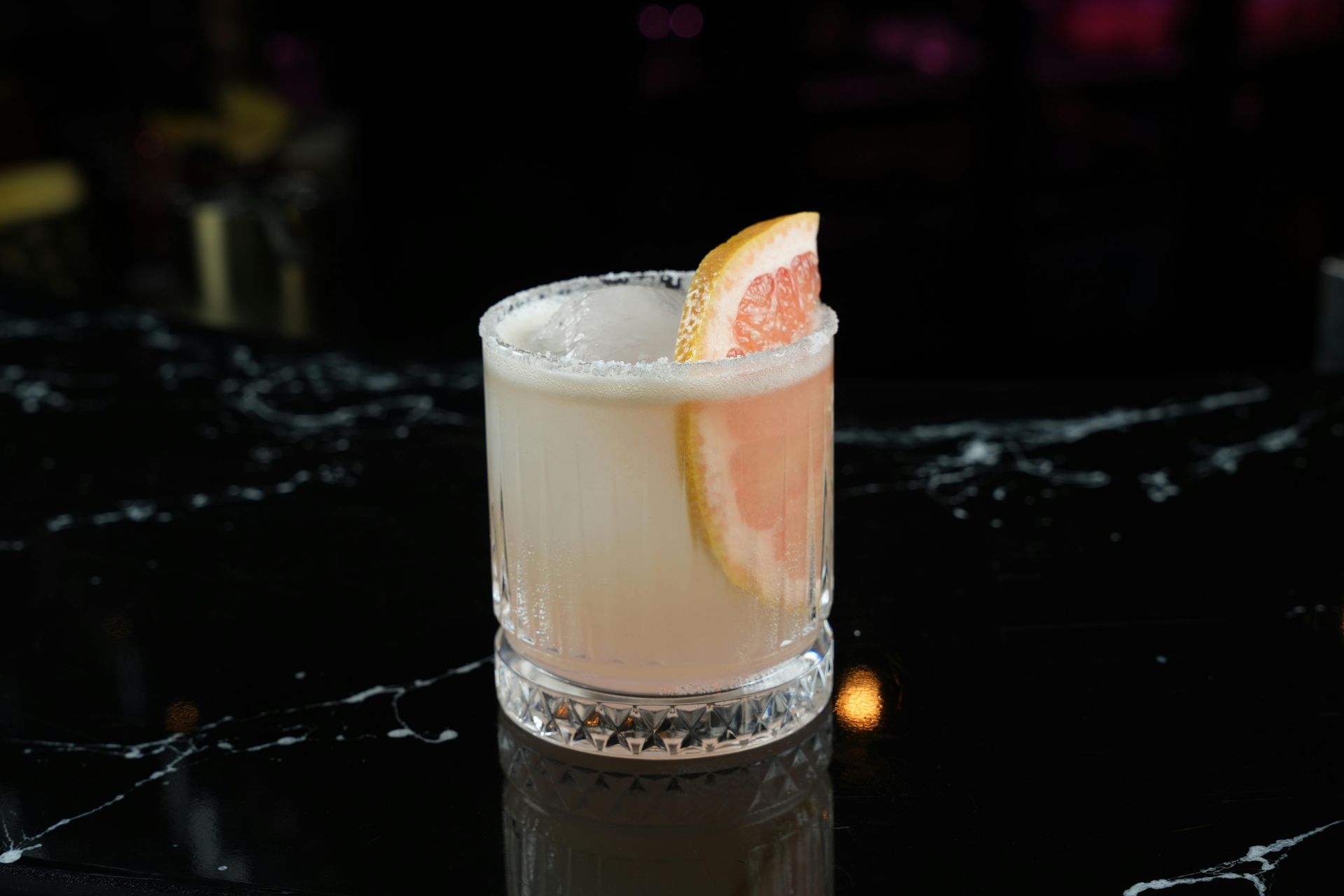
Esmihel Muhammed / Pexels
The Paloma — tequila, grapefruit juice, lime juice, salt, and soda — is more widely consumed in Mexico than the Margarita and considerably less known outside it, which gives it the specific appeal of a classic cocktail that feels like a discovery to most people who encounter it for the first time. It is lighter, more refreshing, and more forgiving than the Margarita, and its grapefruit bitterness provides a counterpoint to the tequila that the Margarita's lime does not.
The drink's origin is attributed — somewhat loosely, without documentary evidence — to Don Javier Delgado Corona, owner of La Capilla bar in the town of Tequila, Jalisco, who is also credited with inventing the Batanga, another tequila and cola drink of the region. The name paloma means dove in Spanish, and the drink's light, refreshing character justifies the soft association.
The traditional Mexican version is made with Squirt grapefruit soda rather than fresh juice — a convenience version that is genuinely good and genuinely Mexican, and which should not be dismissed as an inferior substitute. The fresh juice version, however, has a brightness and complexity that the soda version does not.
The recipe: 60ml blanco tequila, 60ml fresh grapefruit juice, 15ml fresh lime juice, 10ml agave syrup or simple syrup, pinch of salt, soda water to top. Salt the rim of a rocks glass — salt on the outside only, as with the Margarita. Fill with ice. Add the tequila, grapefruit juice, lime juice, syrup, and salt. Stir briefly. Top with 60ml soda water. Garnish with a grapefruit wedge.
The salt in the body of the drink as well as on the rim is traditional and correct — it suppresses bitterness in the grapefruit and enhances the overall flavor in a way that omitting it does not. The agave syrup is preferred over simple syrup because its flavor is more congruent with the tequila base, but the difference is subtle.
