In these 15 countries, what people eat, how they eat it, and who they eat it with says more about the culture than almost anything else
Kampus Production / Pexels
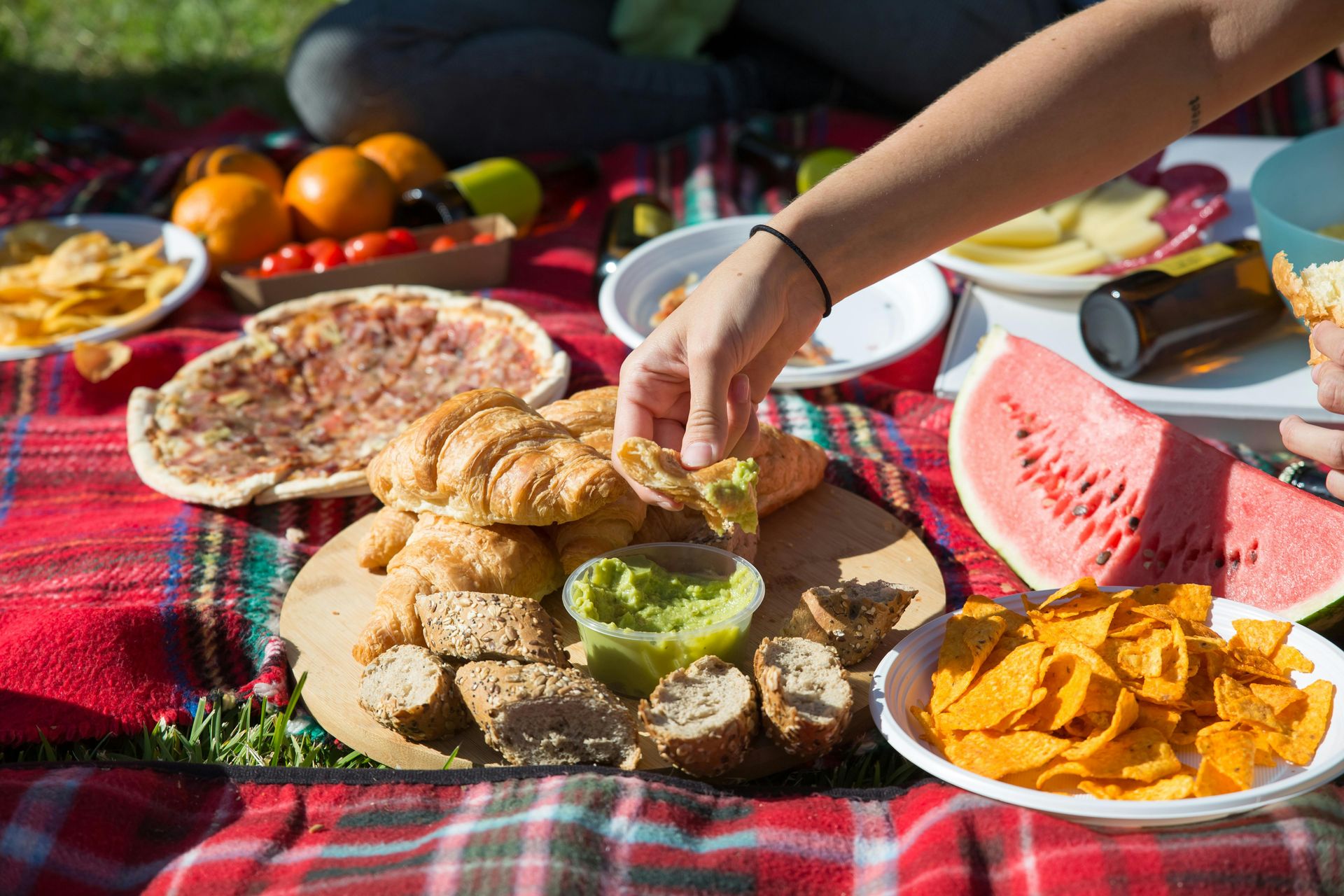
Every country has food, but not all of them has a food culture. The distinction matters. A food culture is what develops when a society organizes itself significantly around the production, preparation, sharing, and meaning of food — when the table is not simply where nutrition happens but where identity, history, hospitality, religion, social hierarchy, and seasonal rhythm are expressed and transmitted across generations. Food cultures produce cuisines of unusual depth, eating rituals of unusual specificity, and a relationship between people and ingredients that visitors find both difficult to understand quickly and difficult to forget once they have experienced it.
The countries on this list were chosen because their food cultures are genuinely fascinating — not merely because their restaurants are good or their ingredients are interesting, though both are often true. They were chosen because the relationship between food and daily life in each of them reveals something specific and important about the culture that no other lens quite captures. The reverence for rice in Japan is not just a dietary preference. It is an expression of aesthetic philosophy, agricultural history, and social values that has shaped Japanese design, language, and ritual for centuries. The street food culture of Mexico City is not just a convenient lunch option. It is a living archaeological site in which Aztec ingredients and Spanish colonial techniques and 20th-century migration patterns are layered into every taco al pastor.
Each slide covers what makes the food culture of each country specifically fascinating — the specific practices, values, rituals, or historical circumstances that give it its character — rather than simply cataloguing the dishes. The dishes are the evidence. The culture is the argument.
Valeria Boltneva / Pexels
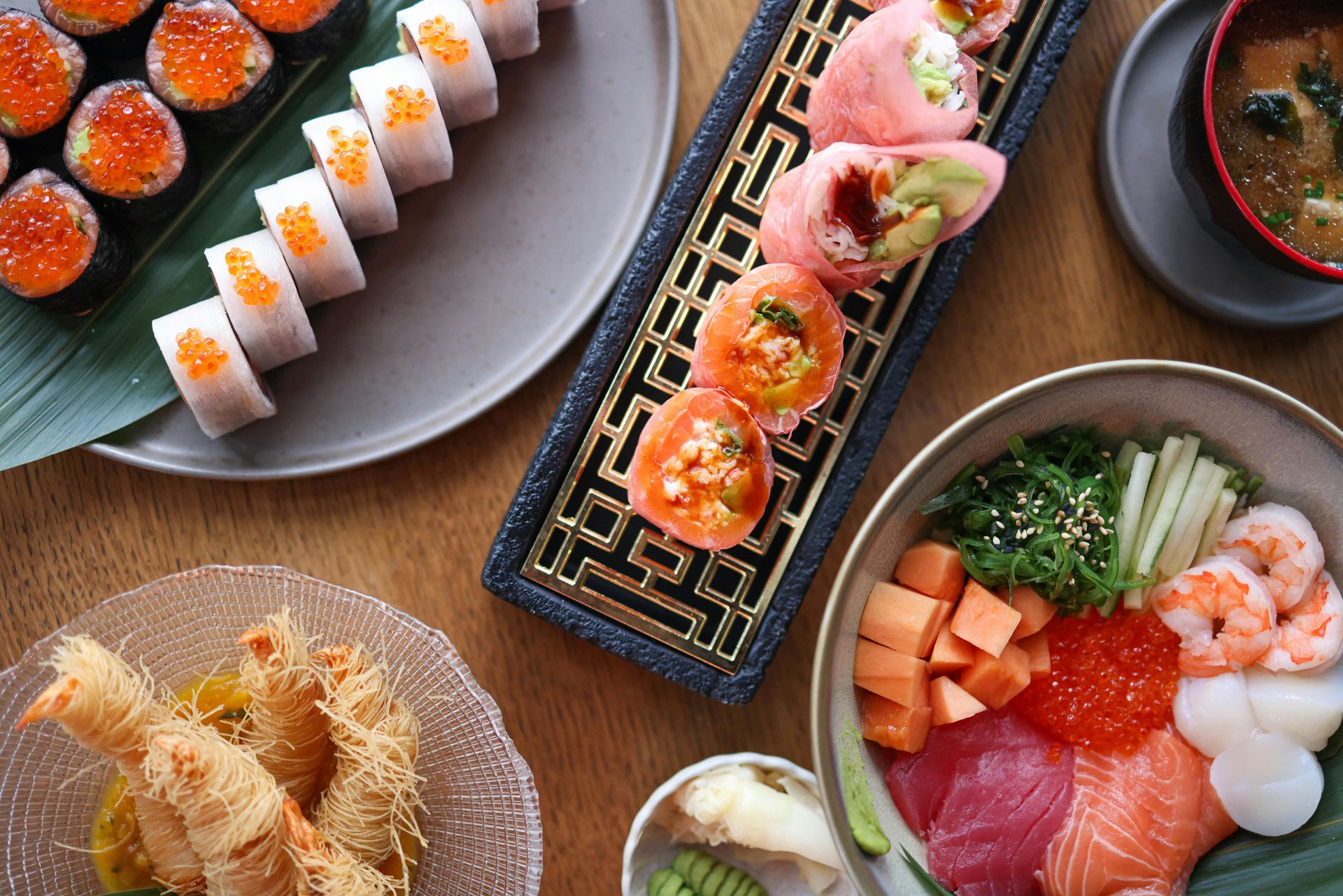
Japanese food culture is organized around a set of aesthetic and philosophical values that have no equivalent in Western culinary traditions and that make the Japanese relationship with food genuinely unlike any other. The concept of shun — the peak season for a given ingredient, the precise moment when a food is at its best — governs what appears on menus, in market stalls, and on domestic tables throughout the year with a specificity that transforms seasonal eating from a vague preference into a precise discipline. The first bamboo shoots of spring, the matsutake mushrooms of October, the new rice of autumn — these are events, not ingredients.
The aesthetic principle of ma — negative space, restraint, the deliberate leaving of room — applies to the Japanese table as directly as it applies to architecture or calligraphy. A traditional Japanese meal presents small quantities of many things, each in its own vessel, each communicating something about the season and the occasion through its specific combination of form and content. The lacquer box, the ceramic dish, the handmade chopstick rest — these are not decoration but communication, expressions of the same aesthetic system that produces the raked gravel garden and the tea ceremony.
The shokunin ethic — the devotion of a lifetime to mastery of a single craft — produces in Japanese food culture a level of technical specialization that has no equivalent elsewhere. A sushi master who has spent ten years learning to prepare rice before touching fish is not a specialist performing a narrow function. He is the expression of a cultural value — that deep, sustained attention to a single thing produces quality that breadth never achieves. The Michelin stars that cluster in Tokyo more densely than in any other city are partly a consequence of this value, institutionalized across generations of individual craftspeople.
Umami — the fifth basic taste, whose existence was identified by Japanese chemist Kikunae Ikeda in 1908 from his study of dashi broth — is the flavor that Japanese cooking has developed most deliberately and most systematically, through the layering of glutamate-rich ingredients: kombu, katsuobushi, miso, soy sauce, fermented foods. The specific depth of flavor that characterizes great Japanese cooking is the product of centuries of attention to a flavor dimension that Western food science did not have language for until the 20th century.
Roman Odintsov / Pexels
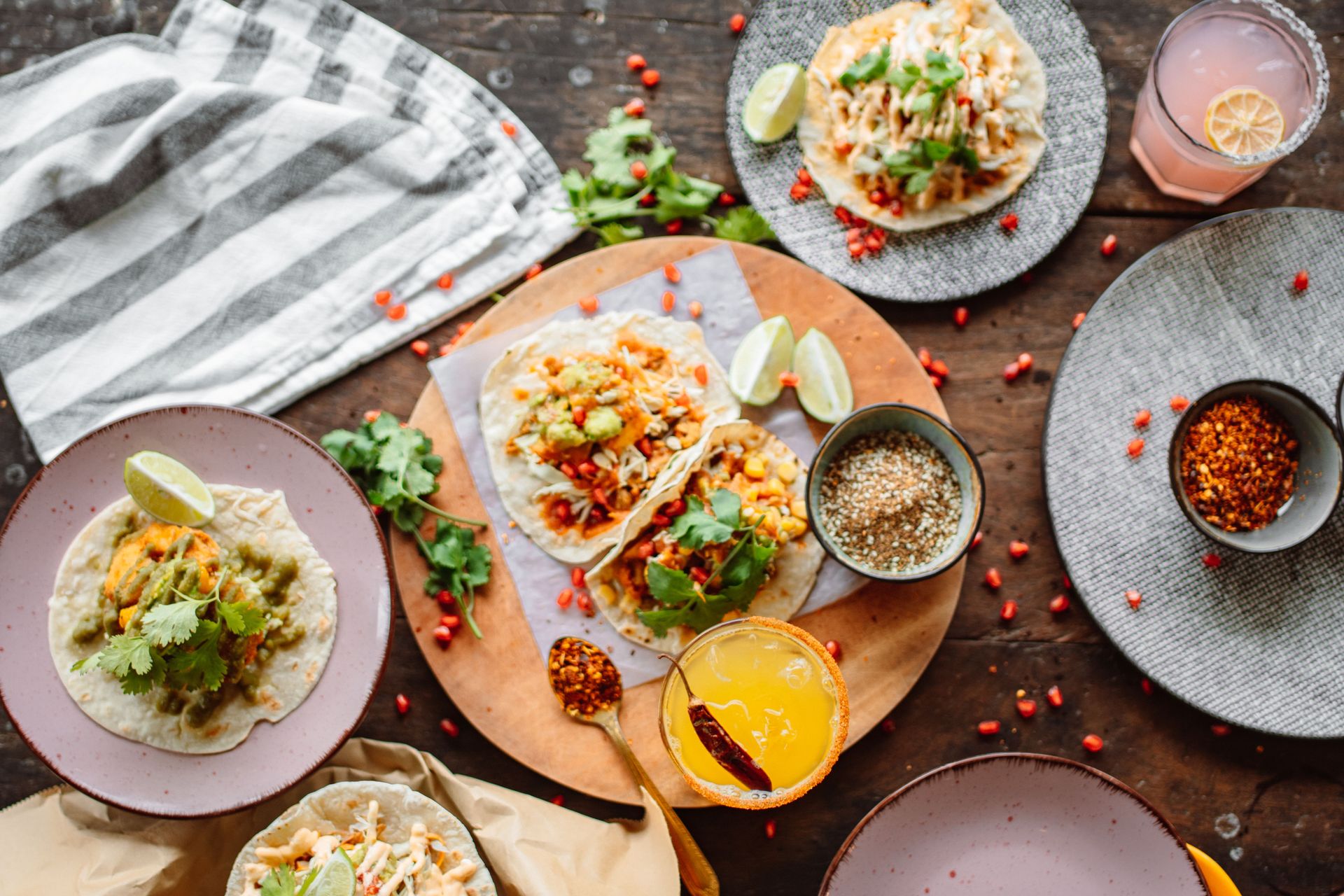
Mexican food culture is one of only two culinary traditions in the world — along with French cuisine — to have received UNESCO Intangible Cultural Heritage status, and the distinction is earned not by the sophistication of its restaurant scene but by the depth of its connection to pre-Columbian indigenous culture, the specificity of its regional variation, and the completeness of its integration into daily social life. Mexican food is not a cuisine you encounter in restaurants. It is a practice you encounter in homes, markets, street stalls, and family kitchens where the knowledge of how to make a mole negro or a proper tortilla has been transmitted from mother to daughter for generations without recipes.
The raw material base of Mexican food — corn, chiles, cacao, tomatoes, squash, beans, avocado — was developed over thousands of years by Mesoamerican civilizations whose agricultural knowledge was among the most sophisticated in the ancient world. Nixtamalization — the process of treating dried corn with an alkaline solution of lime water, which transforms its nutritional profile and produces the masa from which tortillas, tamales, and tostadas are made — was developed by Mesoamerican peoples approximately 3,500 years ago and is still practiced by millions of Mexican home cooks using essentially the same process. The tortilla on a Mexico City street stall is the product of 3,500 years of continuous culinary practice.
The chile is the axis around which Mexican food culture rotates. There are over 60 varieties of chile used in Mexican cooking, each with its own specific flavor profile, heat level, and culinary application. The dried ancho in a mole is a different ingredient from the fresh poblano in a chile relleno, which is different from the chipotle in an adobo, which is different from the guajillo in a birria. The knowledge of which chile to use where, and how to toast and rehydrate it, and how to balance it against the other ingredients, is a specific technical competence that takes years to develop and that outsiders rarely fully acquire.
Jana Ohajdova / Pexels
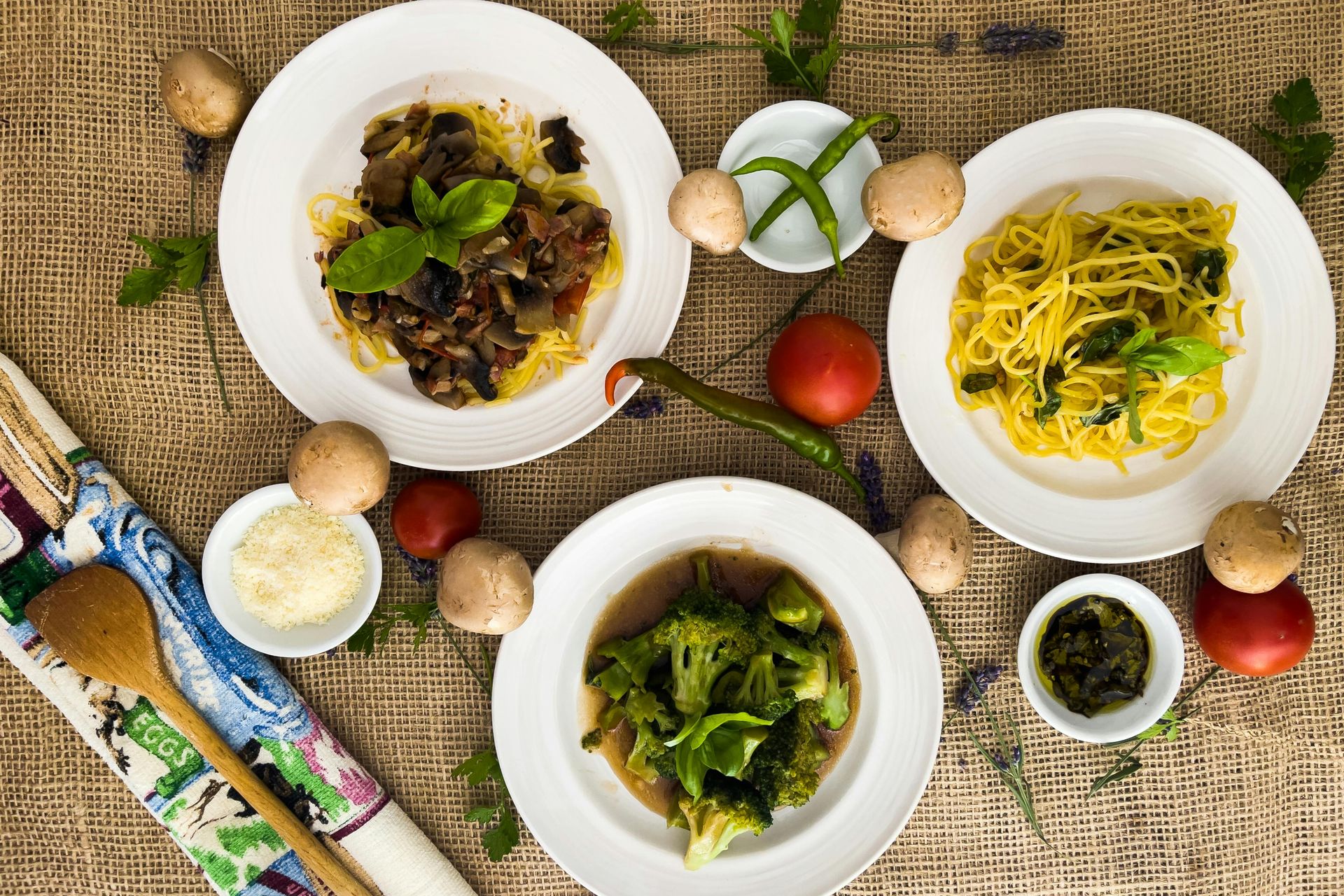
Italian food culture is defined by a paradox that takes time to understand: it is simultaneously one of the most influential culinary traditions in the world — the foundation of European restaurant culture, the source of pasta, pizza, and espresso — and one of the most intensely local, regional, and resistant to the standardization that influence typically produces. The Italian who insists that the only true carbonara contains no cream, that Neapolitan pizza cannot be replicated outside Naples, that the pesto of Genoa is categorically different from anything produced elsewhere is not being parochial. They are defending a specific relationship between food and place that Italian food culture has maintained against enormous commercial pressure for centuries.
The campanilismo of Italian food — the attachment to the food of one's own bell tower, one's own village, one's own region — produces a diversity of regional traditions that makes Italian cuisine less a single entity than a federation of distinct traditions loosely united by pasta, olive oil, and wine. The food of Bologna is as different from the food of Naples as the food of France is from the food of Spain, and the Bolognese view of what constitutes a proper ragù is not a preference but a matter of cultural identity on which negotiation is possible only within very narrow parameters.
The ritual of Italian eating — the aperitivo, the multi-course meal, the sacred institution of Sunday lunch, the espresso taken standing at a bar, the passeggiata that marks the transition between the working day and the evening — is a social architecture that organizes daily life around food and sociality in ways that express specific values about the relationship between pleasure, community, and time. The Italian unwillingness to eat while walking, to drink a cappuccino after ten in the morning, or to serve pasta as a side dish is not snobbery. It is the defense of an eating culture whose coherence depends on rules that have been proven across centuries to produce satisfaction.
Imani Manyara / Unsplash
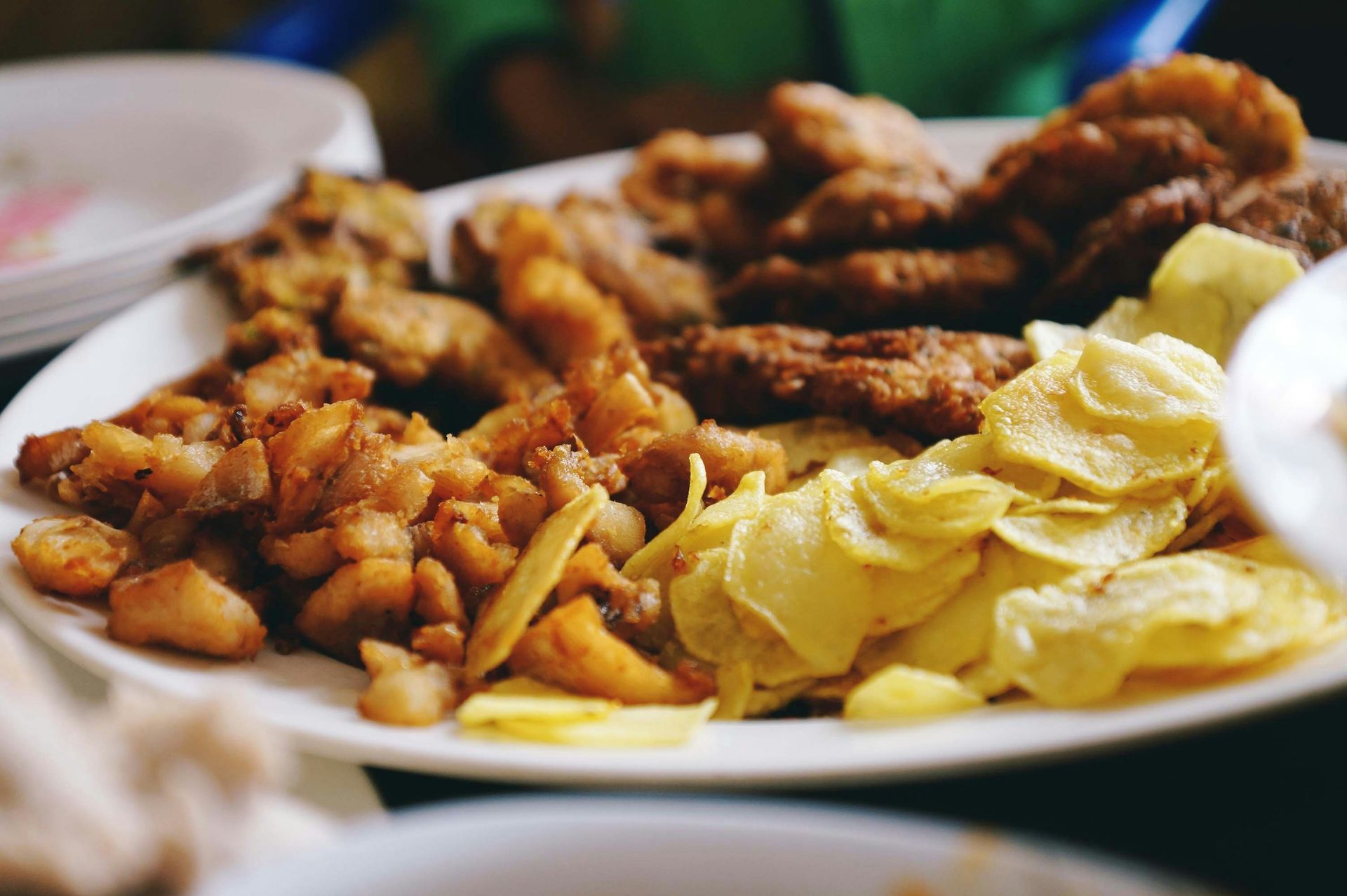
Ethiopian food culture is organized around a principle of communal eating so fundamental that the physical form of the food itself expresses it. Injera — the large, spongy, slightly sour flatbread made from teff flour that serves as both plate and utensil — is laid flat on a communal platter, covered with a selection of wots (stews), vegetables, and salads, and eaten by tearing pieces of the injera and using them to scoop the accompaniments. The meal is designed for sharing — there are no individual plates, no individual portions. Eating alone from a communal injera platter is a social violation.
The cuisine's flavor profile is built around spice blends of remarkable complexity, particularly berbere — a blend of chiles, fenugreek, coriander, black pepper, ginger, and numerous other spices whose precise composition varies by cook, region, and tradition — and mitmita, a hotter, more aromatic blend used as a finishing spice. The fermentation culture of Ethiopian cooking extends beyond the injera itself to include tej, a honey wine of great antiquity, and various fermented dairy products that contribute to the specific sourness that characterizes the cuisine.
The religious dimension of Ethiopian food culture is unusually developed. The Ethiopian Orthodox Christian tradition, observed by a large proportion of the population, mandates fasting — abstention from meat and animal products — on approximately 180 days per year, including every Wednesday and Friday and the extended fasting periods of major religious calendars. This extraordinary degree of dietary restriction has produced a vegetarian and vegan culinary tradition of exceptional richness and variety, organized around lentils, chickpeas, broad beans, and vegetables prepared with the full weight of the Ethiopian spice tradition. The fasting menu — ye-tsom migib — is not a reduced or compromised version of the feast menu. It is a fully developed culinary tradition in its own right.
Nano Erdozain / Pexels
Peruvian food culture is one of the most discussed and most rapidly evolving in the world, driven by a generation of chefs who have engaged systematically with the country's extraordinary biodiversity and its multiple indigenous, Spanish, Chinese, Japanese, and African culinary inheritances to produce a contemporary cuisine of international significance. The elevation of Peruvian restaurants to the top of global ranking lists in the early 21st century was not a sudden emergence but the recognition of a food culture whose foundations are among the oldest and most complex in the Americas.
The Andean agricultural tradition gave the world the potato — over 3,000 varieties of which are cultivated in Peru, a genetic diversity that dwarfs anything available elsewhere — along with quinoa, kiwicha, corn varieties of extraordinary range, and dozens of chile varieties whose flavor complexity rivals those of Mexico. The cultivation of these crops at altitudes from sea level to above 4,000 meters, by communities whose agricultural knowledge was refined over millennia before the Spanish arrived, produced ingredient bases of unusual depth and variety that the Peruvian culinary tradition has drawn on continuously.
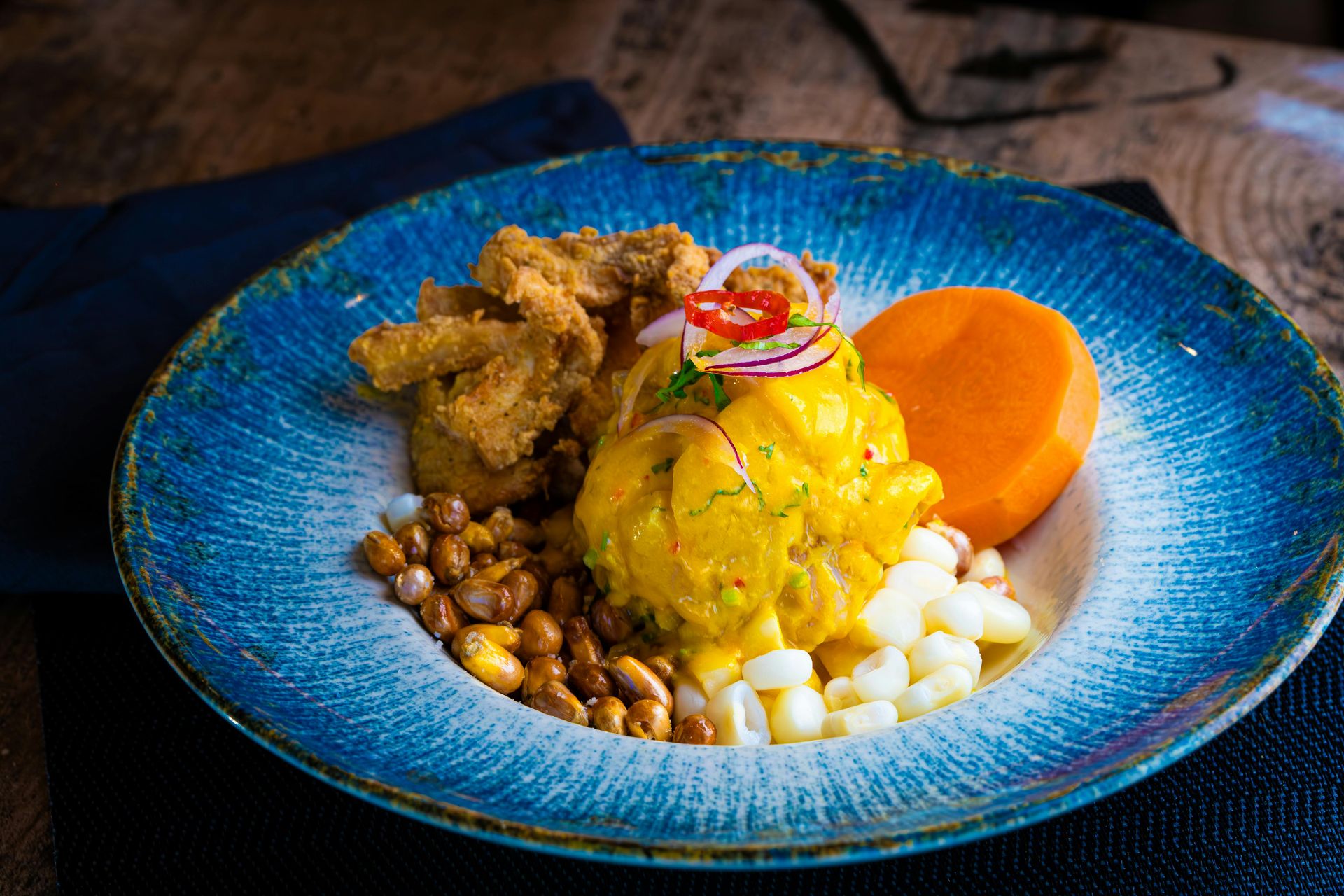
Ceviche — raw fish cured in citrus juice, seasoned with ají amarillo, red onion, and cilantro — is the national dish and the emblem of a coastal culinary tradition that stretches from fishing villages to three-Michelin-star restaurants. The specific use of tiger's milk — the citrusy, spicy curing liquid in which the fish marinates — as a sauce and as a morning pick-up drink demonstrates the depth of engagement with the cuisine's own logic. Nikkei cuisine, the fusion of Japanese and Peruvian ingredients produced by the Japanese immigrant community that arrived in Peru from 1899 onward, is one of the most sophisticated fusion traditions in the world and is now a primary reference point for contemporary fine dining globally.
Галина Ласаева / Pexels
Georgian food culture is among the least internationally known on this list and among the most extraordinary once encountered. It is the product of a small country at the crossroads of Europe and Asia — bordered by Russia, Turkey, Armenia, and Azerbaijan — that has absorbed influences from all directions while maintaining a culinary identity of striking coherence and specificity. The table in Georgian culture is not merely where food is consumed but where the most fundamental expressions of identity, hospitality, and spiritual life take place.
The supra — the Georgian feast — is organized around a toastmaster called the tamada, who directs the progression of toasts through an evening that can last many hours, with each toast addressing a specific subject: God, peace, family, guests, the dead, the living, Georgia itself. The supra is not simply a dinner party. It is a structured ritual whose form has been maintained for centuries and that expresses Georgian values — hospitality, poetry, communal solidarity, the importance of the dead to the living — in a social form that no other tradition quite replicates.
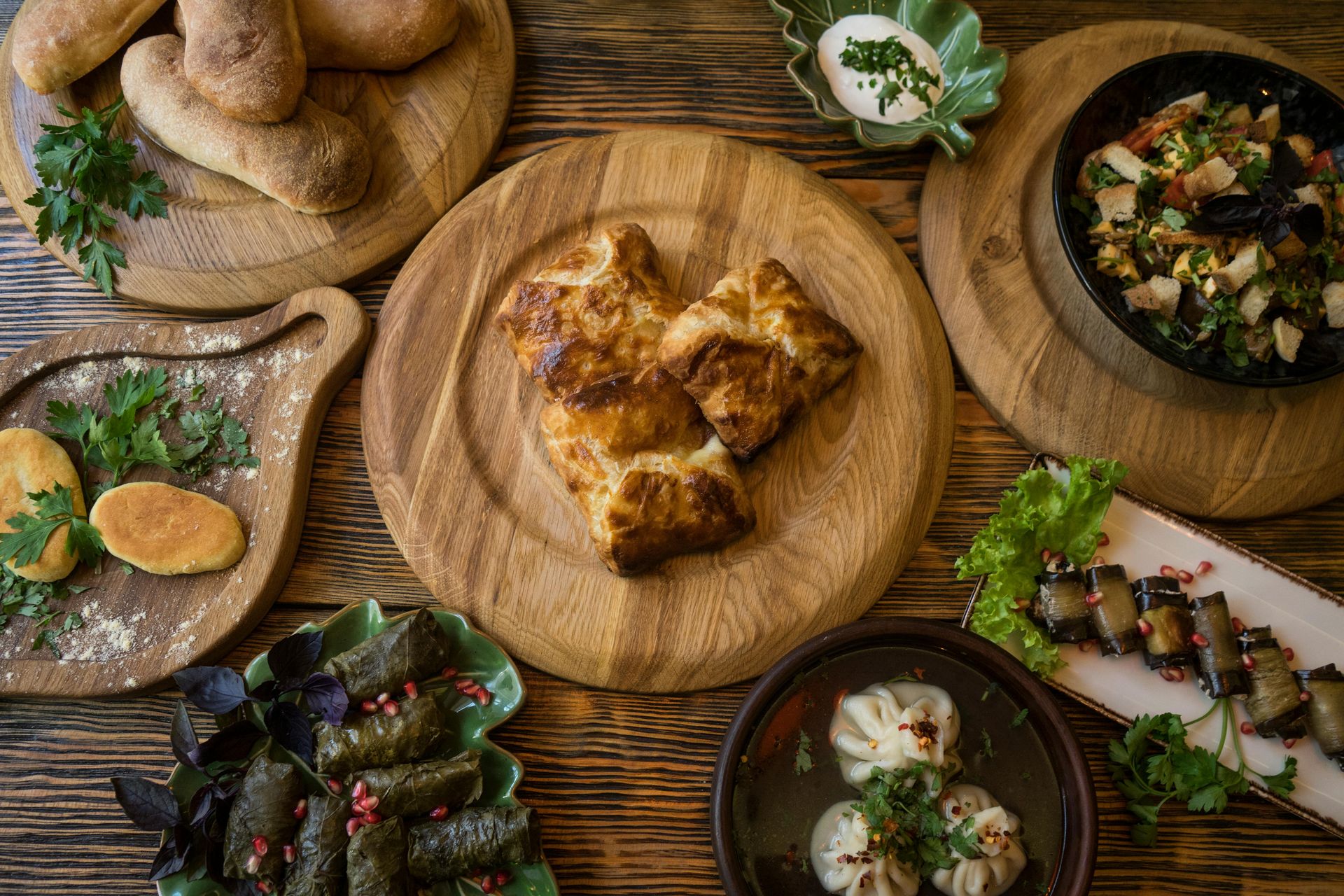
The food itself is organized around walnuts, fresh herbs, and the layering of sour, sweet, and spicy flavors that reflects the cuisine's Silk Road position. Satsivi — chicken or turkey in a walnut sauce spiced with blue fenugreek, cinnamon, and saffron — is the centerpiece of the most important feasts. Khachapuri — bread filled or topped with cheese — exists in regional variations of remarkable diversity. The natural wine tradition of Georgia, which has been producing wine in clay amphorae called qvevri for approximately 8,000 years — making Georgia the oldest wine-producing region in the world — is experiencing a global revival that has brought Georgian wine culture to international attention.
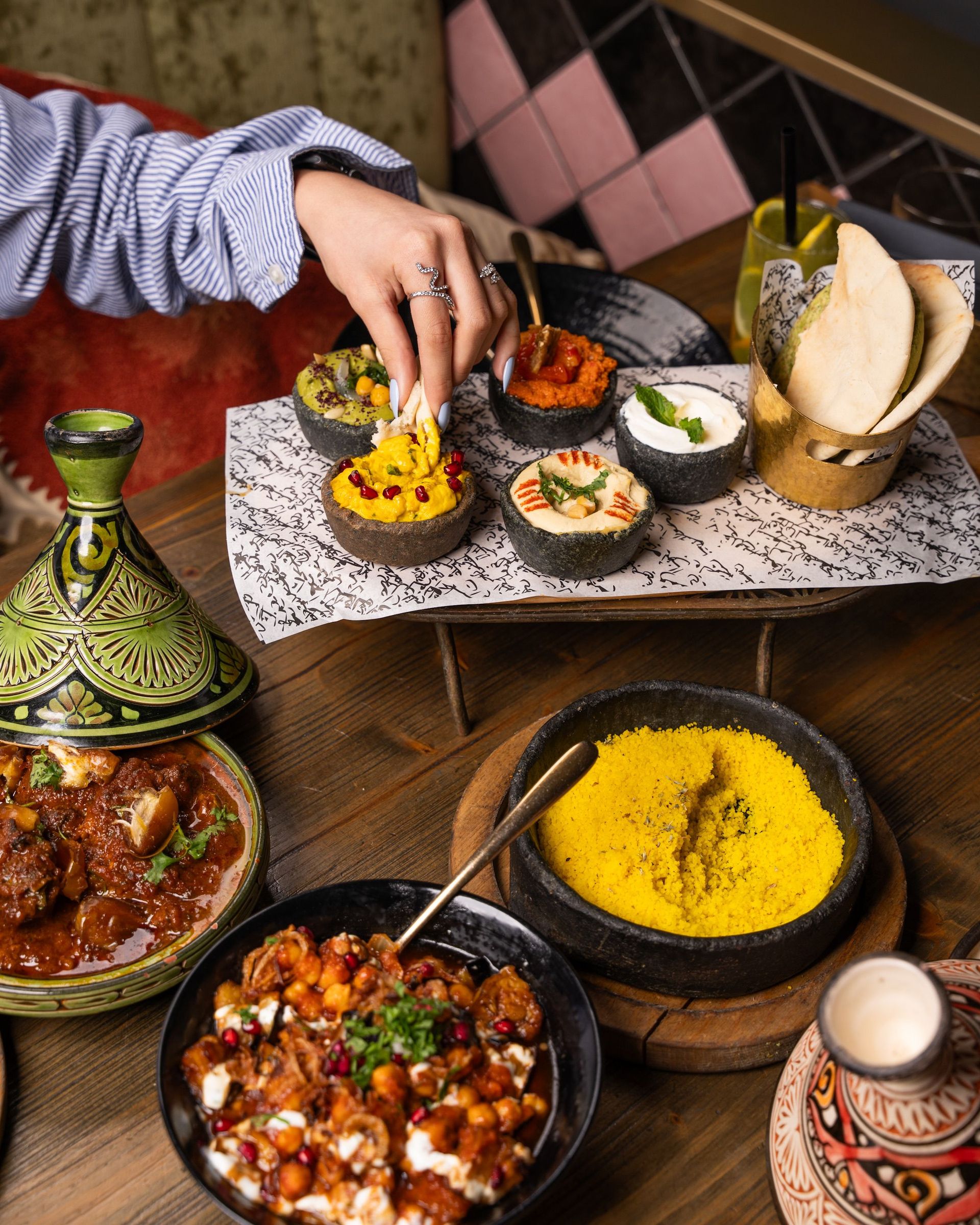
Moroccan food culture is organized around hospitality as its primary value — the preparation and serving of food as an expression of welcome, respect, and social connection — and the practical elaboration of that value has produced a cuisine of extraordinary complexity built from the spice routes that once passed through the country and the Berber, Arab, Moorish, and French influences that have shaped its history. The Moroccan kitchen is one of the great spice kitchens of the world, and the ras el hanout blend — which can contain up to 30 individual spices, its composition specific to each spice merchant and each cook — is the most complex spice blend in regular domestic use anywhere.
The tagine — the slow-cooked stew prepared in the conical earthenware vessel that gives it its name — is the signature preparation, and its logic — the combination of meat or fish with preserved lemons, olives, dried fruits, and spice that produces a sweet-sour-savory depth through long, gentle cooking — demonstrates the cuisine's specific intelligence. The preserved lemon, made by packing lemons in salt for weeks until the rind becomes soft and intensely flavored, is the Moroccan condiment that most consistently surprises visitors who encounter it for the first time and most consistently appears in the cooking they attempt to recreate at home afterward.
The culture of tea — specifically the pouring of mint tea from a height, producing a froth that is both practical and theatrical, served in small glasses that are refilled throughout a social visit — is the ritual that most immediately communicates the Moroccan relationship between food and hospitality. Tea is not offered in Morocco. It is insisted upon. Declining it is a social violation. Accepting it is the beginning of a social connection that the tea is designed to initiate and sustain, and the specific ritual of its preparation and pouring is a performance of care that communicates welcome more directly than any verbal expression.
Chutney Indian / Pexels
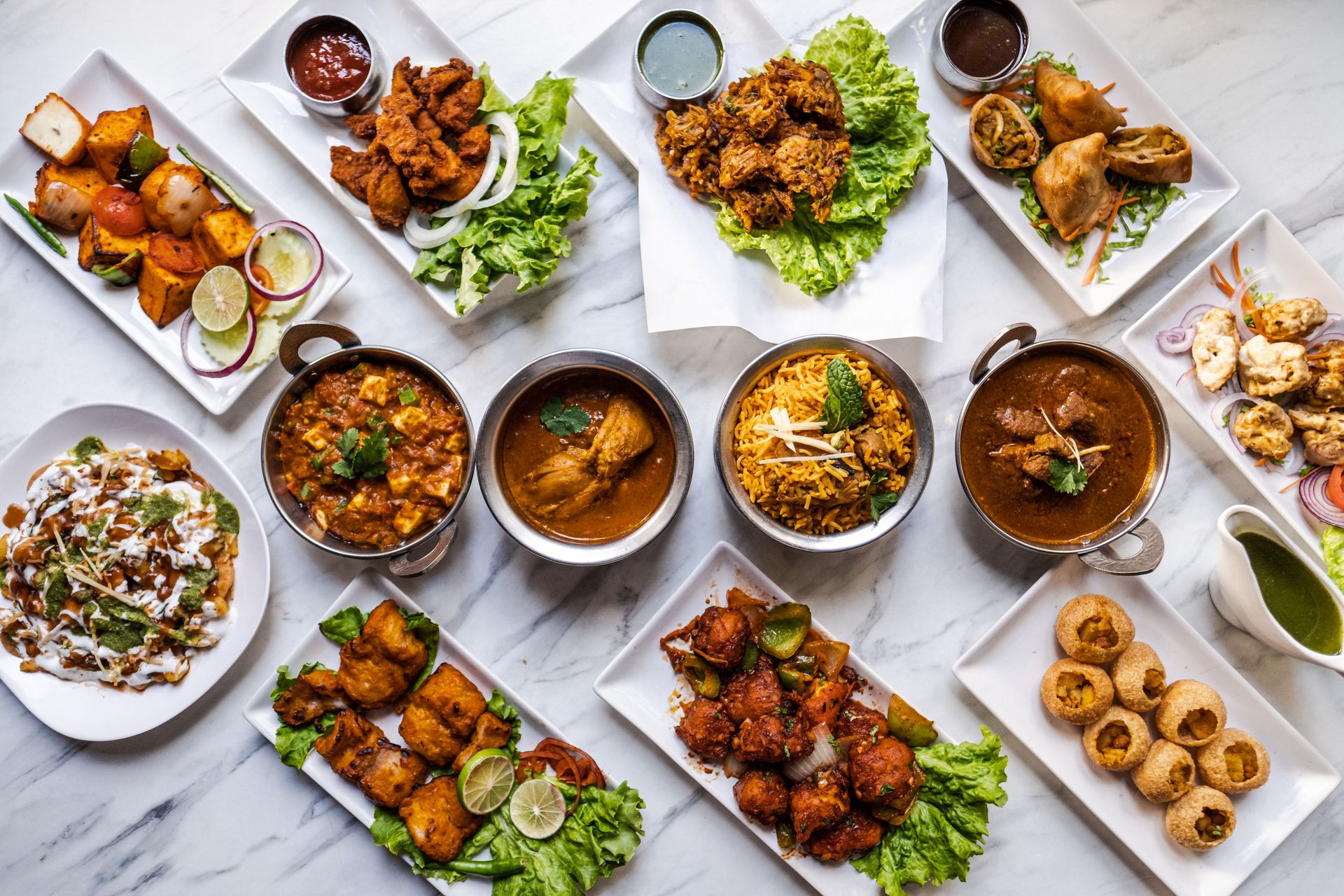
Indian food culture is so vast and so internally diverse that describing it as a single culture risks a distortion comparable to describing European food culture as a single tradition. The food of Tamil Nadu is as different from the food of Kashmir as Italian food is from Norwegian, and both are as different from the food of Bengal or Gujarat or Rajasthan. The diversity is a function of geography — from tropical coast to high-altitude plateau to temperate valley — but also of the extraordinary religious, linguistic, and ethnic diversity of a subcontinent that contains more internal cultural variation than most continental-scale regions.
What makes Indian food culture specifically fascinating is the depth and precision of its relationship between food and the body — the Ayurvedic system of dietary medicine, which classifies foods according to their effects on the three doshas (vata, pitta, kapha), their heating or cooling properties, and their suitability for different constitutions, seasons, and states of health. This system is not merely a historical curiosity. It continues to inform the cooking decisions of millions of Indian households, from the spices used to season a particular dish to the foods avoided during illness to the specific preparations prescribed for new mothers. The Indian kitchen is simultaneously a kitchen and a pharmacy.
The vegetarian tradition in India is the most sophisticated in the world, produced by the combination of Brahminical dietary restrictions, Jain ahimsa (non-violence), Buddhist vegetarianism, and the practical reality of feeding a large population on predominantly plant-based foods in a hot climate with limited refrigeration for most of its history. The result is a tradition in which pulses, vegetables, dairy, and spices are combined with a technical sophistication — the use of tempering, the creation of complex spice pastes, the precise management of fermentation in dosas and idlis and dhokla — that has no equivalent in any Western vegetarian cooking tradition.
Change C.C / Pexels
Chinese food culture is defined by a combination of scale, diversity, and antiquity that gives it a claim to being the most complex culinary tradition on Earth. The country's 34 provincial and regional administrative units each have distinct food traditions — Cantonese, Sichuanese, Shanghainese, Hunanese, Fujian, Xinjiang, and many others — that are as different from each other as French, Spanish, and Italian cooking are from each other, organized around different flavor principles, different primary ingredients, and different cooking techniques that reflect the specific geography and history of each region.
The Sichuanese tradition — built around the mala flavor combination of numbing Sichuan pepper and fiery fresh and dried chilies — is the most internationally known regional tradition in recent years and the most dramatic demonstration of the principle that great Chinese cooking is organized around precise flavor architecture rather than ingredient quality in the Western sense. The mala hotpot, in which diners cook raw ingredients in a communal pot of spiced broth, is a social eating format whose combination of communal preparation, individual dipping sauces, and continuous addition of ingredients over an extended meal produces a dining experience that is simultaneously participatory and highly sophisticated.
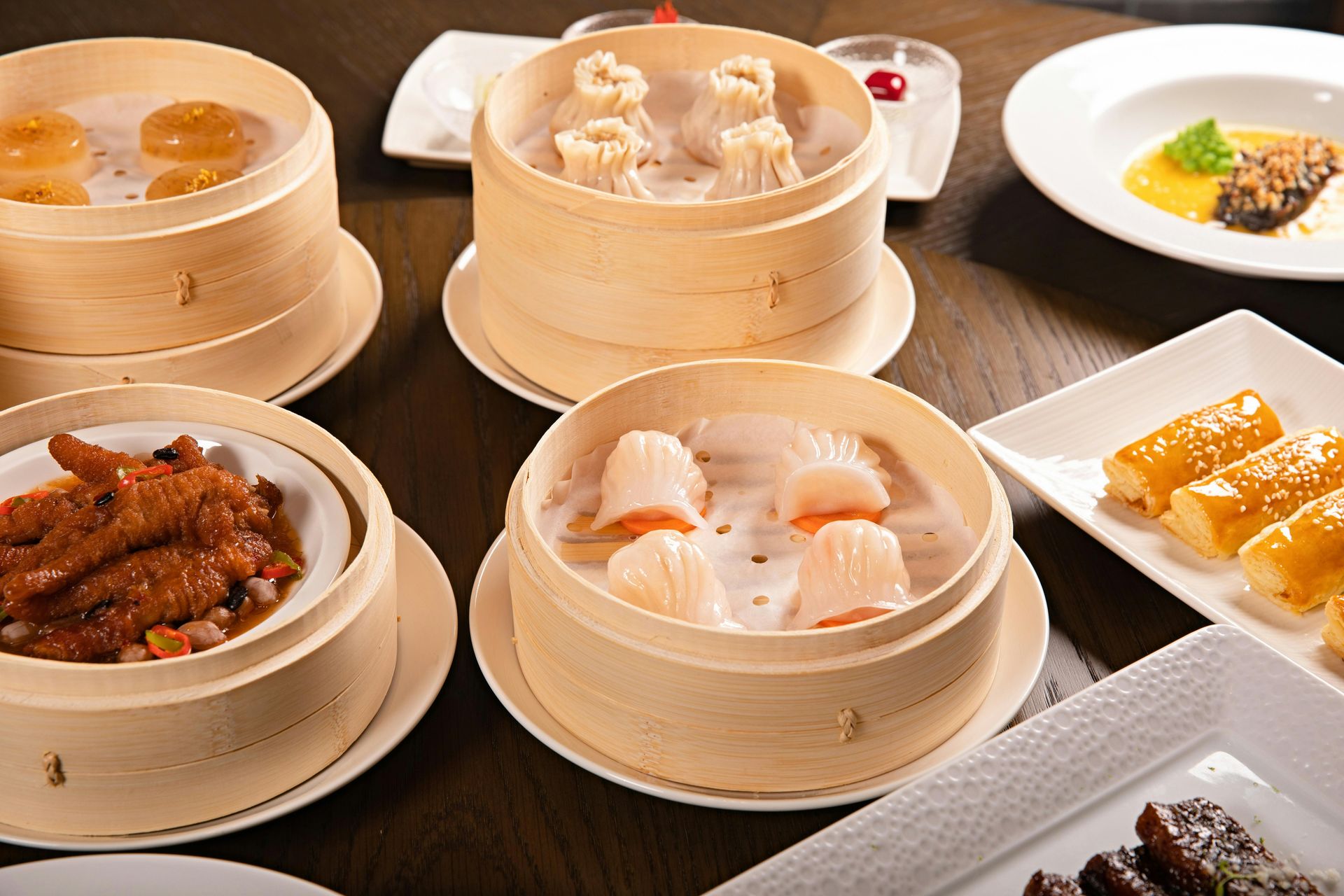
Dim sum — the tradition of Cantonese small plates served with tea during yum cha — is the eating ritual that most fully expresses the Chinese relationship between food and social life. The dim sum meal is a social event conducted in large, loud dining rooms, with bamboo baskets of dumplings and small plates arriving continuously from kitchen carts pushed between tables, eaten at leisure over several hours. The specific etiquette — who pours tea for whom, how the teapot lid is positioned to signal a refill request, the order in which dishes are selected — is a social grammar that communicates respect, relationship, and cultural literacy.
Andreea Olteanu / Pexels
French food culture's claim to world significance rests not primarily on the quality of its ingredients or the sophistication of its technique — both of which are genuine but shared by several other traditions on this list — but on its role in developing the institutional, conceptual, and technical framework within which modern professional cooking globally operates. The brigade system, the codification of mother sauces, the restaurant as a distinct social institution, the concept of the chef as a creative professional with a personal vision — these are French inventions that spread globally through the 20th century and continue to define what fine dining means in most of the world.
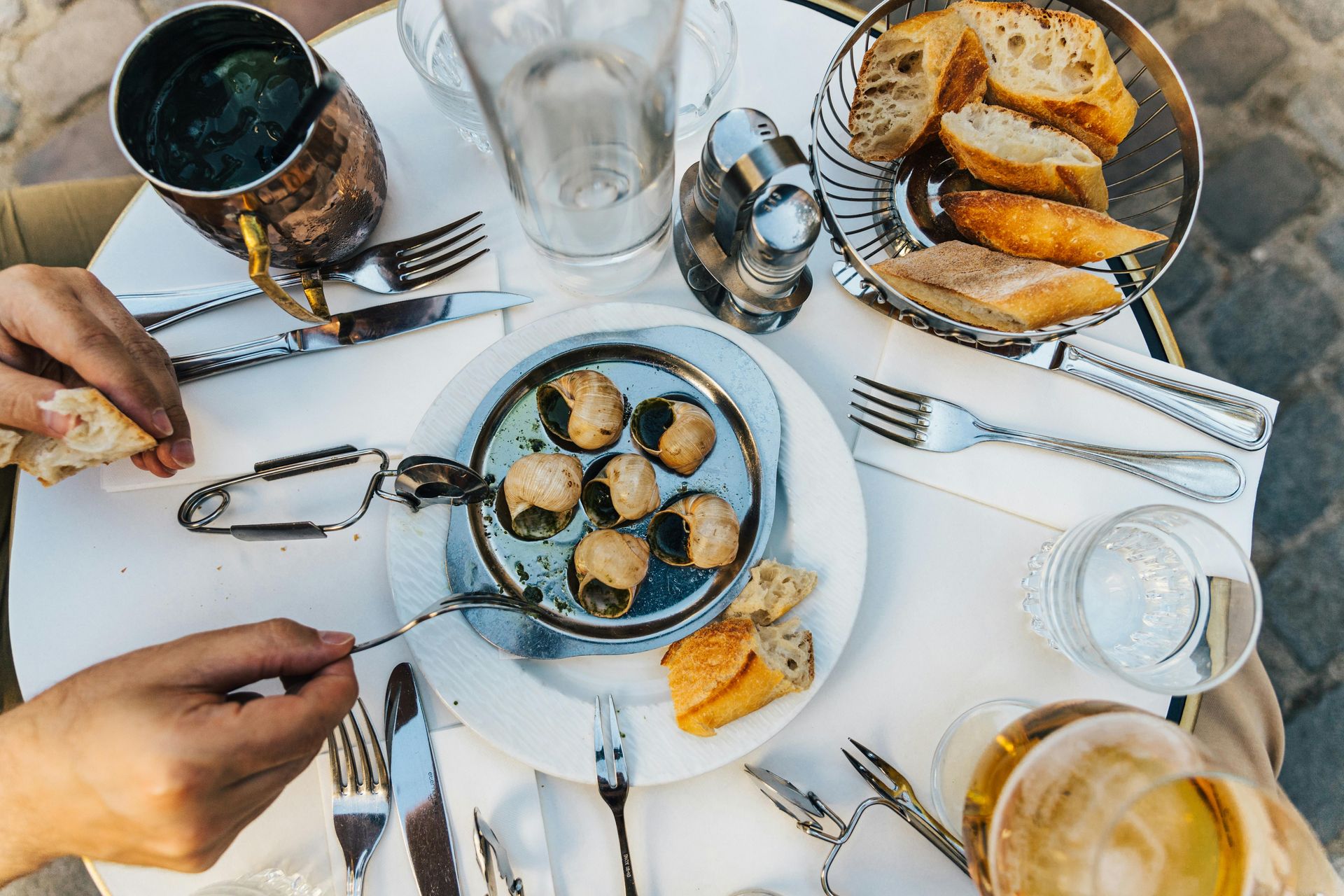
The French relationship with mealtimes is one of the most defended aspects of a food culture that takes the defense of its practices seriously. The two-hour lunch — once universal in France and still more prevalent than in most Western countries — is not a productivity failure but an expression of the value of taking eating seriously: of sitting down, ordering deliberately, eating without distraction, and engaging in the social exchange that a meal over a table enables. The systematic dismantling of the long lunch by the pressures of globalized work culture is experienced in France as a genuine cultural loss rather than an efficiency gain.
The AOC (Appellation d'Origine Contrôlée) system — the legal protection of geographic food designations that ensures that Champagne comes only from Champagne, that Roquefort is made only with milk from a specific breed of sheep grazed in a specific area, that Bresse chickens are raised only in the specific region that gives them their flavor — is the most developed expression in the world of the principle that place produces taste. The system has been adopted internationally as the PDO (Protected Designation of Origin) scheme and has given legal force to the idea that the relationship between food and territory is culturally and economically significant enough to protect.
Erwin Quintana / Pexels
Lebanese food culture occupies a specific and important position in the global food landscape as the most internationally visible expression of the broader Levantine and Eastern Mediterranean culinary tradition, and its diaspora — Lebanese communities spread across Brazil, West Africa, Australia, the United States, and Europe through waves of migration over the past century — has made Lebanese food one of the most widely available and most widely loved cuisines globally, without any significant loss of its essential character.
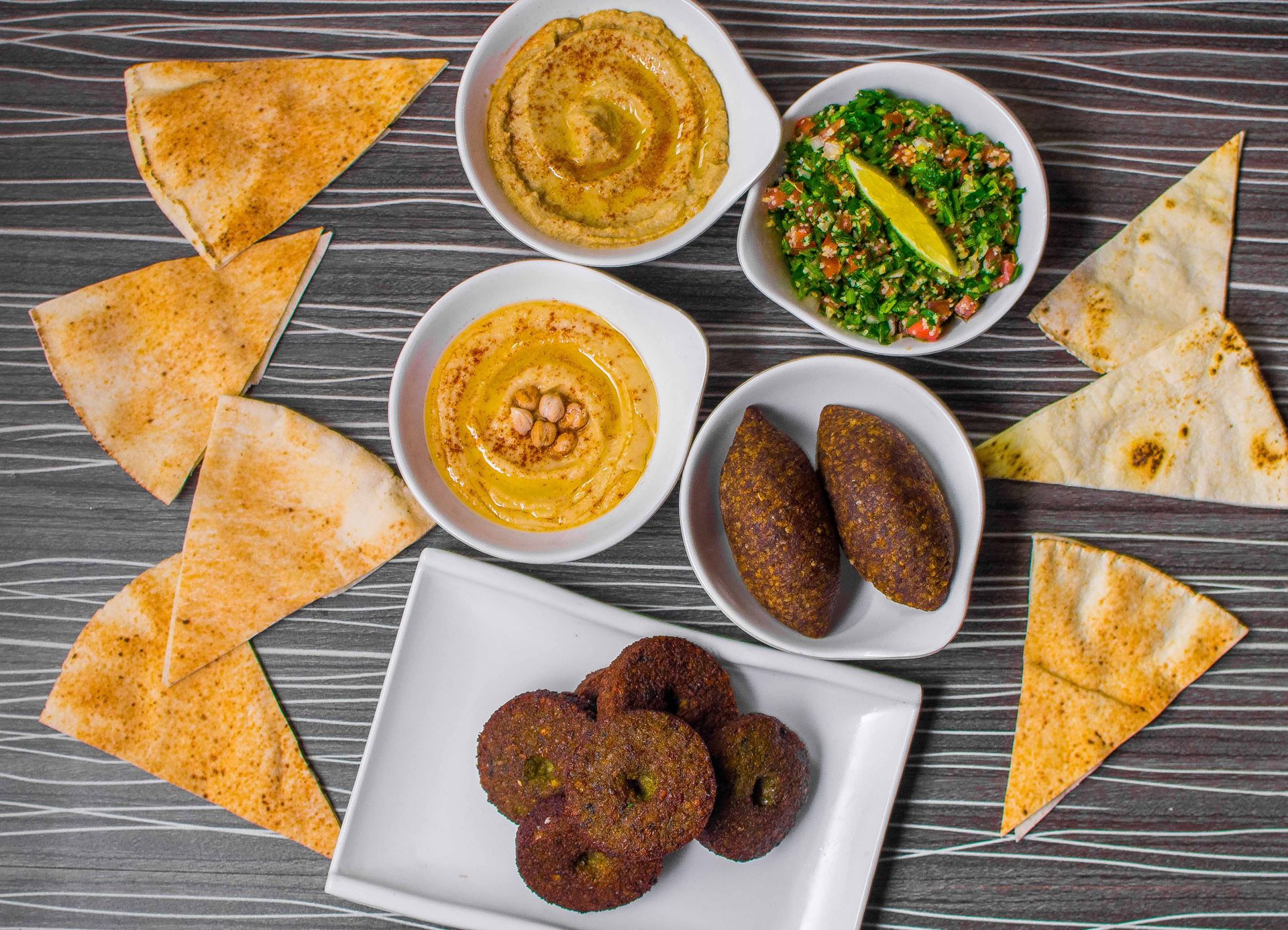
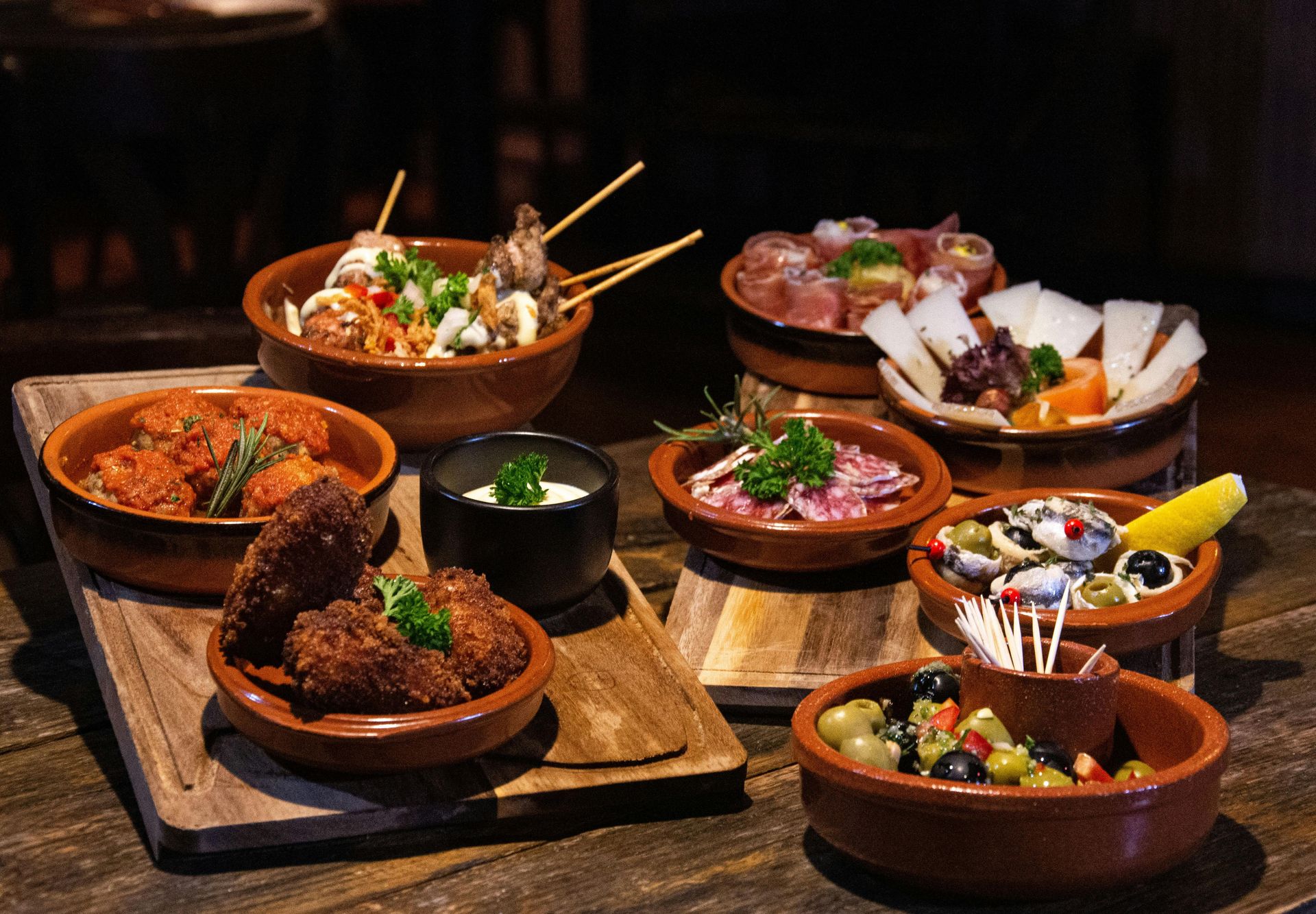
The mezze — the collection of small dishes served at the beginning of a Lebanese meal and often constituting the meal itself — is the culinary form that most fully expresses the Lebanese relationship between food and hospitality. A proper Lebanese mezze can run to 30 or 40 dishes: hummus in its many variations, mutabal, tabbouleh (made with far more parsley and far less bulgur than most international versions), fattoush, kibbeh nayeh, labneh, various pickled vegetables, olives, and fresh bread. The profusion is not excess — it is generosity expressed in the specific language of abundance, and the table covered in small dishes is the physical expression of the Lebanese value of taking care of guests.
The Lebanese obsession with freshness — the insistence on the just-squeezed lemon, the herbs cut minutes before serving, the bread baked that morning — reflects a relationship with ingredient quality that is specific to Mediterranean food cultures where the baseline quality of fresh produce is high and the comparison between fresh and preserved makes the preference for fresh obvious and absolute. The labneh that has drained overnight, the pomegranate molasses reduced from fresh fruit, the olive oil pressed from this year's harvest — these are standards that Lebanese cooking holds itself to as a matter of cultural pride rather than culinary ambition.
Bas Linders / Pexels
Spanish food culture has undergone one of the most dramatic public revaluations of any culinary tradition in the past 30 years, driven by the explosion of Catalan avant-garde cooking in the 1990s and 2000s — led by Ferran Adrià at elBulli and subsequently by a generation of chefs trained in its wake — that established Spain as the most innovative fine dining destination in the world. But the innovation of elBulli and its successors was built on the foundation of a regional food culture of exceptional depth and variety that long predated the fine dining revolution and that is, by any measure, among the richest in Europe.
The Basque food culture is the most studied and most discussed regional tradition within Spain — producing both the haute cuisine of San Sebastián and the pintxos bar culture of the Parte Vieja that represents one of the most sophisticated examples of everyday excellent eating in the world. The pintxos bar — where small, precisely constructed preparations on bread or skewers are displayed on the bar and eaten with txakoli wine standing — is a social format that combines high culinary ambition with complete informality, high quality with complete accessibility, and eating with conversation in a ratio that no other bar culture quite achieves.
The Spanish culture of jamón — the cured legs of pigs raised on specific diets in specific regions, aged for specific periods, carved with specific knives at specific temperatures to produce specific textures and flavors — is the most elaborate celebration of a single ingredient in any food culture. The difference between jamón ibérico de bellota — from black Iberian pigs fattened exclusively on acorns in the dehesa oak forest — and ordinary cured ham is not a matter of degree but of kind, and the Spanish willingness to pay prices for the best jamón that would buy a domestic flight reflects a specific cultural valuation of excellence in traditional cured products that has no equivalent elsewhere.
Augustinus Martinus Noppé / Pexels
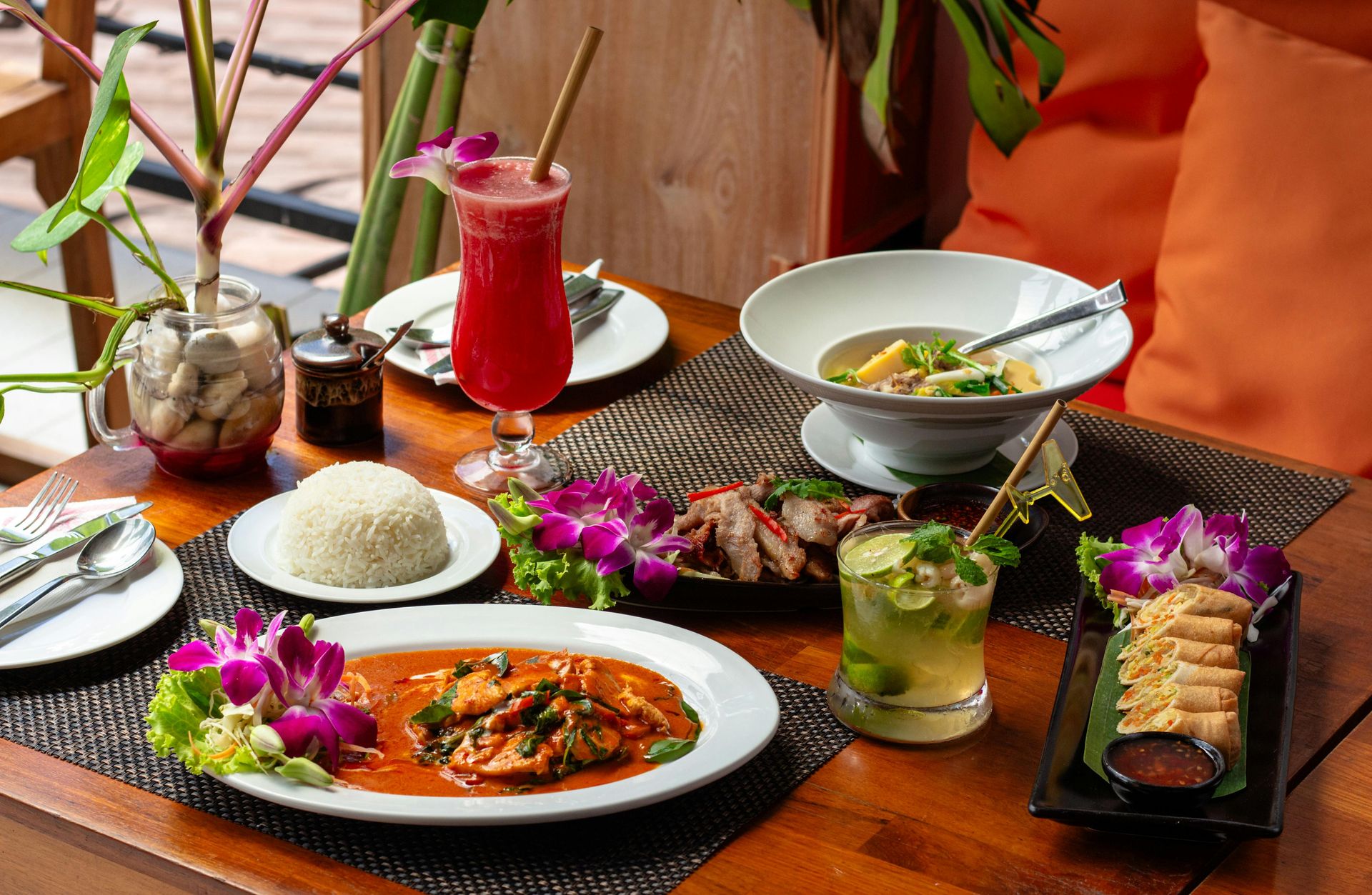
Thai food culture is built around a principle of balance — the simultaneous presence of sweet, sour, salty, bitter, and spicy flavors in proportions that produce a specific quality of completeness — that is the most precisely realized expression of flavor balance in any culinary tradition. The Thai cook who tastes a dish and adjusts — adding fish sauce for salt and depth, lime juice for acid, palm sugar for sweetness, fresh chili for heat — is not making arbitrary adjustments but working toward a precise target that the culture has defined and that experienced Thai eaters can identify with considerable precision.
The street food culture of Bangkok is one of the greatest in the world — not merely in terms of quality and variety, which are extraordinary, but in terms of the social function street food serves. The Thai practice of eating multiple small meals throughout the day, primarily from street vendors and market stalls, rather than organizing eating around formal sit-down meals, produces a relationship with food that is continuous, social, and integrated into the rhythms of daily movement rather than separated from them by the formality of a dining room. The best pad see ew in Bangkok is not in a restaurant. It is from a cart pushed by a woman who has been making that one dish every day for 20 years.
The herb and aromatic culture of Thai cooking — lemongrass, galangal, kaffir lime leaf, fresh turmeric, Thai basil, sawtooth coriander — is the dimension that most consistently surprises first-time visitors to Thailand and most consistently disappoints them when they cook Thai food at home with substitutions. The freshness and variety of the aromatics in authentic Thai cooking produces flavor complexity that dried or substituted versions cannot replicate, and understanding this — that the ingredients are irreplaceable rather than merely preferred — is the beginning of understanding the Thai approach to cooking seriously.
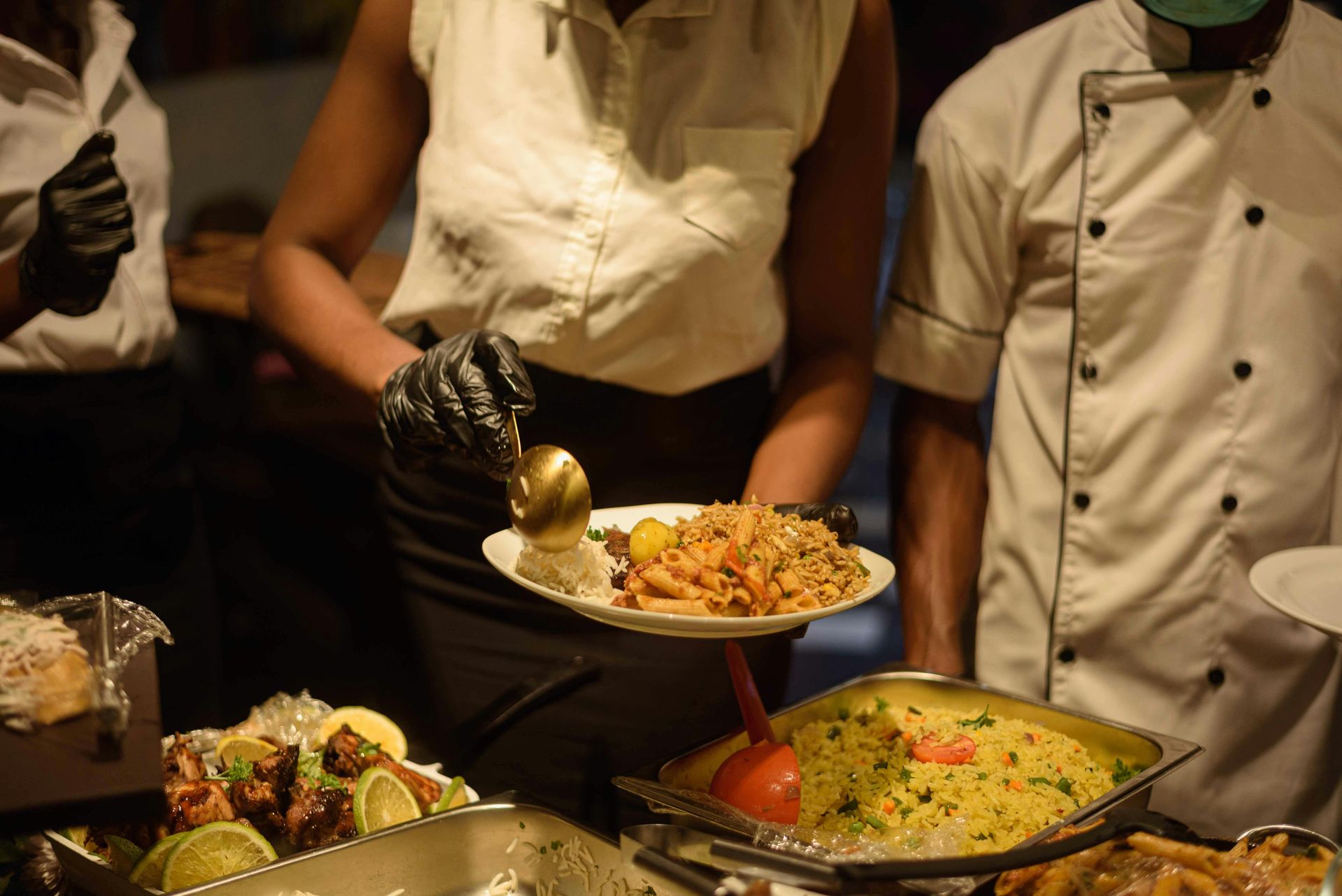
Nigerian food culture is the most underrepresented on the global stage of any food culture of comparable size, complexity, and historical depth, and its absence from most international food conversations says more about the limits of those conversations than about the quality of the cuisine. Nigeria is the most populous country in Africa, with a population of approximately 220 million, and its food culture is as internally varied as its population — the Yoruba food of the southwest, the Igbo food of the southeast, and the Hausa food of the north are distinct traditions with their own ingredient bases, cooking techniques, and ritual significances.
The common thread across Nigerian regional traditions is the depth and complexity of the soup or stew that accompanies the primary starch — whether pounded yam, eba (garri), fufu, amala, or rice. Egusi soup, made from ground melon seeds cooked with leafy vegetables, palm oil, and fermented locust beans (dawadawa), is the most widely consumed soup across ethnic groups and demonstrates the cuisine's specific approach to building flavor through fermented, pungent, and bitter components — particularly the crayfish and dawadawa that provide depth in ways that have no equivalent in European cooking. The fermentation culture — of locust beans, of ogi (fermented corn porridge), of iru — is among the most sophisticated in any food tradition.
The street food culture of Lagos is one of the most vibrant in Africa — suya, the spiced, peanut-coated beef skewer that is the defining street food of Hausa culture and has spread across Nigeria and into the diaspora; akara, deep-fried black-eyed pea fritters; moi moi, steamed bean pudding; boli, roasted plantain served with groundnut paste — and its vitality reflects the relationship between the city's energy and its food, where eating well from street vendors is a democratic pleasure available across income levels and social classes.
Jed ji / Pexels
South Korean food culture is organized around fermentation with an intensity and a sophistication that has no equivalent in any other culinary tradition. The kimchi — fermented vegetables, most commonly napa cabbage, seasoned with gochugaru, garlic, ginger, and fermented seafood — that appears at every Korean meal is not a condiment or a side dish. It is a fundamental component of the cuisine, representing a fermentation tradition that encompasses hundreds of kimchi varieties, regional variations with roots in specific agricultural conditions and climates, and an entire parallel tradition of onggi (earthenware pot) culture developed specifically for fermenting at the right pace and temperature.
The jang tradition — the fermented soybean and chili pastes that form the flavor base of Korean cooking — represents a parallel fermentation system of comparable depth. Doenjang (fermented soybean paste), ganjang (soy sauce), and gochujang (fermented chili paste) are the three pillars of Korean flavor, each produced through multi-year fermentation processes that were historically managed at the household level and that are still made by hand in many Korean families and by specialist producers across the country. The flavor of doenjang, aged in outdoor jars for three or more years, developing complexity through microbial activity across seasons, is as specific and as irreplaceable as the flavor of a well-aged Parmesan or a good Roquefort.
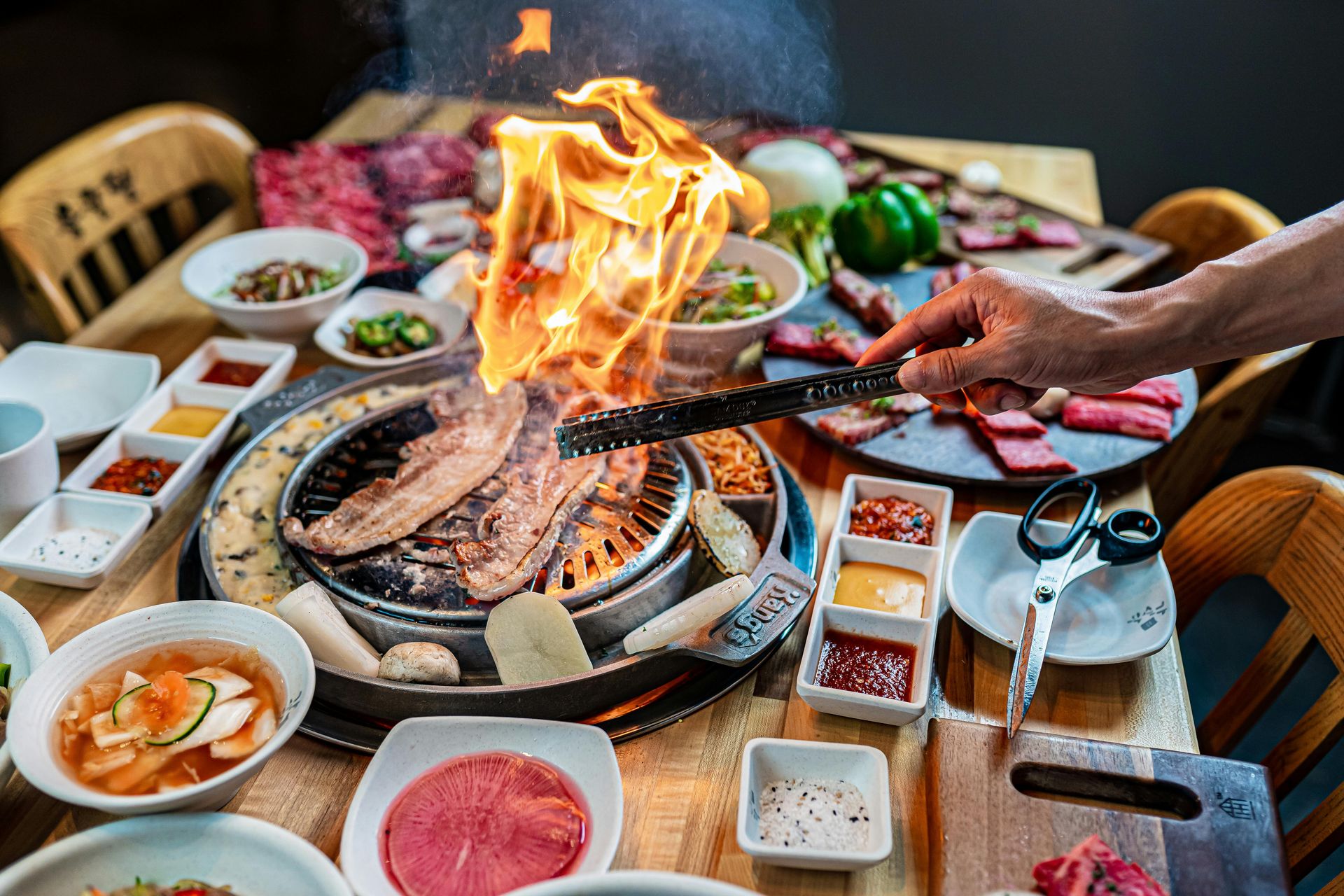
The Korean BBQ — the social eating format in which diners grill meat at a table grill, manage their own cooking, and eat in a continuous cycle of grilling, wrapping in lettuce leaves, and dipping in sauces — is the eating ritual that most immediately communicates the social values of Korean food culture: communal, participatory, active, noisy, and organized around the shared pleasure of cooking and eating together rather than the individual reception of a finished dish. The banchan — the multiple small side dishes that accompany any Korean meal, refreshed as they are depleted — is the expression of the same value: abundance and variety as the physical form that hospitality takes.
