
From Norway's sovereign wealth fund to Singapore's housing system — the economic arrangements that differ from the default and produce results worth understanding

Allan Tee / Pexels
The phrase "the economy" implies a single, settled thing — as if there were one way to organize the relationship between people, labor, capital, property, and the state, and most countries had figured it out. The reality is that the world contains a genuinely diverse set of economic arrangements, each the product of specific historical circumstances, specific political choices, and specific cultural assumptions about what markets should do and what they should not be asked to do.
Some of these arrangements are well known: the Nordic social democratic model has been described so many times that it risks becoming a cliché rather than a specific set of institutional choices with traceable mechanisms and real costs. Others are almost entirely unknown outside the countries that practice them: Switzerland's direct democracy extends to economic policy in ways that no other country replicates; Botswana built an extraordinary development story from diamond revenues that most development economists struggle to explain; Bolivia's constitutional recognition of its indigenous economic concept Buen Vivir represents a formal institutional challenge to the growth-maximization framework that most economists treat as axiomatic.
The countries in this list were selected not for size, wealth, or global influence but for the specific unusualness of their economic arrangements — the degree to which their institutional choices challenge the assumptions most people bring to thinking about how economies are supposed to work. Several are rich; several are poor; several are in the middle. Several have produced outcomes better than their institutional arrangements would predict; several have produced outcomes worse. The point throughout is not to advocate for any particular model but to make visible the range of choices that exist and the specific results those choices have produced.
Each entry covers the specific unusual feature of the country's economic system, the mechanism by which it works, the outcomes it has produced, and the honest assessment of what is not working or what remains contested about the model.

Apti Newim / Pexels
Norway's Government Pension Fund Global — known internationally as the Norwegian sovereign wealth fund — is the world's largest sovereign wealth fund, holding approximately $1.7 trillion in assets as of 2026, equivalent to approximately $300,000 per Norwegian citizen. The fund was established in 1990 to manage the revenues from Norway's North Sea oil production, and its specific design — the money is invested entirely outside Norway, preventing it from overheating the domestic economy; the government may spend only the real return on the fund (the "fiscal rule" of approximately 3%), not the principal — is one of the most disciplined and most successful applications of the "resource curse" prevention framework in any country.
The resource curse is the documented tendency of countries that discover large natural resource deposits to develop slower, not faster, than comparable countries without resource wealth — through currency appreciation that destroys other export sectors, through institutional corruption that resource revenues enable, and through the political economy of resource rents that undermines the governance quality of non-resource institutions. Norway's specific institutional design — separating the resource revenues from the domestic fiscal decision through a ring-fenced fund with strict spending rules — is the mechanism that prevented the resource curse while accumulating the largest per-capita national wealth reserve of any country.
The honest qualification: the fund's size creates its own problems. Norway is now so wealthy that the fiscal rule's 3% annual withdrawal generates government revenues larger than the domestic economy can productively absorb, creating a structural dependency on financial returns from global markets that is itself a new form of vulnerability. The model is also contingent on the specific political culture of a small, high-trust society — its replicability in larger or lower-trust settings is genuinely uncertain.
Wolfgang Weiser / Pexels
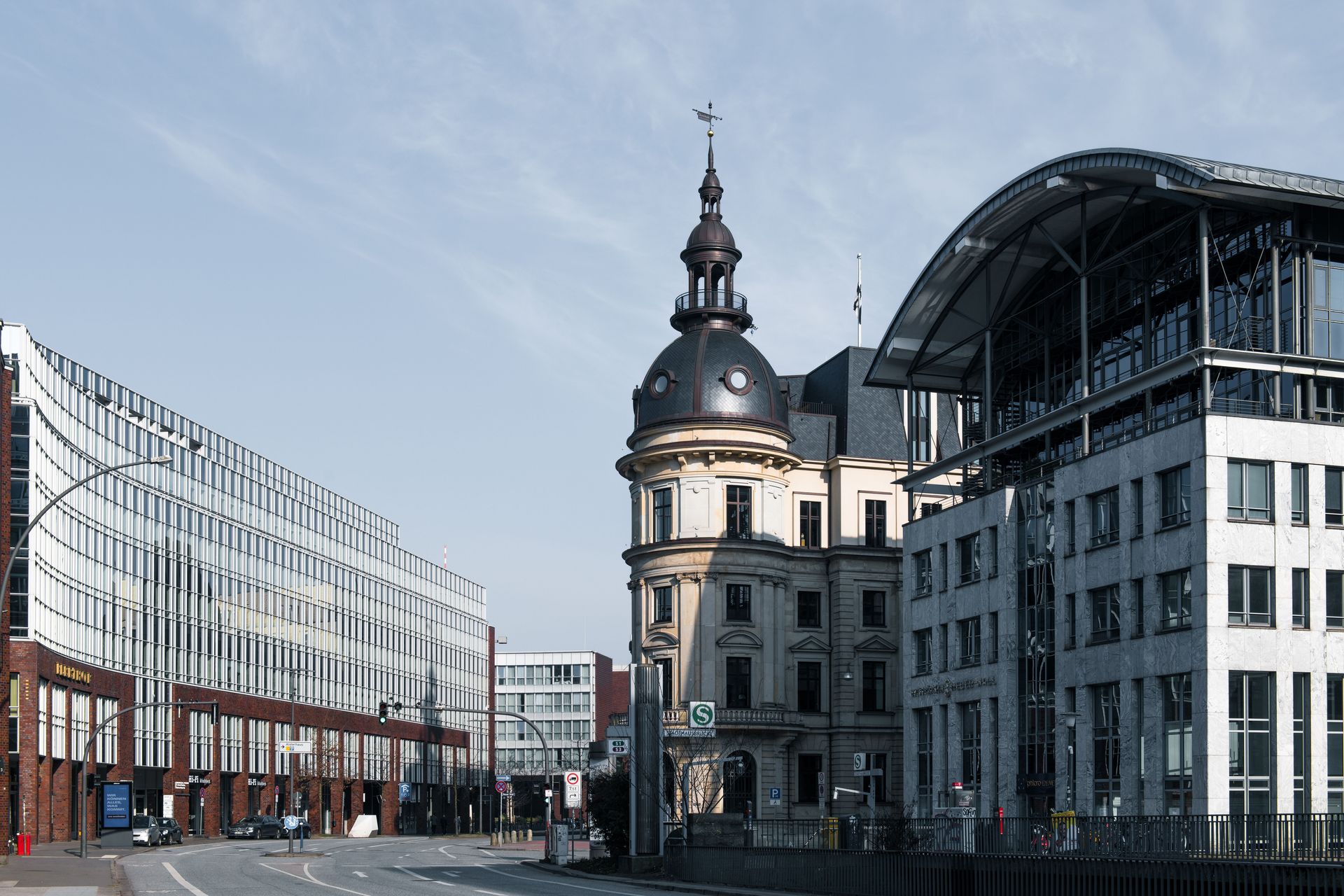
Germany's Mitbestimmung (co-determination) system — the legal requirement that companies with more than 2,000 employees give workers representation on the supervisory board, with workers holding half the seats at the largest companies — is the most thoroughgoing institutional expression of the idea that the people who work for a company should have a formal voice in how it is run, and it has produced measurable differences in how German companies behave compared to equivalent companies in Anglo-American systems.
German companies with worker board representation show lower executive compensation relative to average worker compensation, longer investment horizons, higher rates of vocational training investment, and more stable employment during economic downturns (because workers on boards vote for wage moderation and reduced hours rather than layoffs during recessions). These outcomes are not incidental to the co-determination system — they are its direct institutional products, because workers on boards have different preferences than shareholders-only boards and the institutional structure allows those preferences to influence decisions.
The honest qualification: co-determination is credited with some of Germany's industrial stability and criticized for reducing the speed of restructuring in declining industries. German companies were slower to restructure away from internal combustion vehicles than US competitors, partly because worker board representation in automotive companies created institutional resistance to transitions that threatened jobs. The system produces stability at the cost of some adaptability.

Cyrill / Pexels
Singapore's public housing system — the Housing Development Board (HDB), which houses approximately 80% of the population in government-built and government-subsidized flats that residents purchase rather than rent — is the largest and most successful public housing program in the world by the measure of homeownership rates, and it operates on a principle that inverts the typical logic of public housing: the government builds and subsidizes housing for the large majority of the population, not as welfare for the poor, but as deliberate policy to ensure that most citizens have a stake in the country's economic development through homeownership.
The HDB system is connected to Singapore's Central Provident Fund (CPF), the mandatory savings scheme that requires employers and employees to contribute a combined approximately 37% of wages to individual accounts that can be used for housing, healthcare, and retirement. The CPF-HDB combination produces a specific economic outcome: extremely high savings rates, extremely high homeownership rates, and a population with significant wealth tied to the value of their government-built flat — creating a broad, non-elite middle class with significant asset wealth.
The honest qualification: the HDB system also functions as a mechanism of social engineering — flat allocation policies have historically been used to enforce ethnic integration quotas, and the government's control of housing has given it significant leverage over the population. The economic success of the model is inseparable from the authoritarian features of the political system that maintains it.

Mâide Arslan / Pexels
Switzerland's Direktdemokratie (direct democracy) extends to economic policy in ways that no other wealthy country replicates: Swiss citizens can initiate national referendums on economic legislation, and the combination of federal, cantonal, and municipal governance creates an economic system in which policy competition between cantons produces significant variation in tax rates, public services, and regulatory environments within a small geographic area.
The Swiss franc's status as a global safe-haven currency — maintained through the Swiss National Bank's active management of currency flows — and Switzerland's position as the world's most important wealth management center are both products of the specific institutional features of Swiss governance: the rule of law, the banking secrecy tradition (now significantly reduced by international pressure), and the political stability that direct democracy reinforces by giving citizens the ability to block policies they find threatening.
The cantonal competition for tax revenue — with some cantons maintaining extremely low corporate and personal tax rates to attract wealthy residents and holding companies — has made Switzerland one of the world's most significant tax competition participants. The honest qualification: Switzerland's economic model benefits significantly from its ability to attract foreign capital and wealthy individuals through tax policy that reduces revenue available to the countries from which that capital and those individuals come. The model works for Switzerland partly by externalizing costs to others.

Skylight Views / Pexels
Botswana's economic story is among the most extraordinary in development economics: at independence in 1966, it was one of the poorest countries in the world, with per capita GDP lower than Bangladesh's, no significant infrastructure, and an economy almost entirely dependent on subsistence agriculture. The discovery of diamonds in 1967 — one year after independence — produced the raw material for a transformation that most development economists treat as a nearly unique success story in resource-rich development.
The specific mechanism of Botswana's success was institutional: the government negotiated a 50-50 revenue split with De Beers rather than accepting the less favorable terms that other African resource exporters accepted in the same period; invested diamond revenues in education, infrastructure, and governance institutions rather than distributing them as patronage; maintained macroeconomic stability through a sovereign wealth fund (the Pula Fund, established 1994) that prevented Dutch disease; and preserved the traditional land tenure institutions (the kgotla governance system) that provided social stability during the transition.
The honest qualification: Botswana's success is heavily dependent on diamond revenues that are non-renewable; the country faces a genuine transition challenge as diamond production declines. HIV/AIDS ravaged its population and slowed development significantly in the 1990s and 2000s. And the governance success has been qualified by the concentration of diamond revenue benefits and by land rights issues affecting indigenous San communities.

Pham Ngoc Anh / Pexels
Denmark's flexicurity system — the combination of flexible labor markets (employers can hire and fire relatively easily, with lower employment protection than most European countries), generous unemployment benefits (up to 90% of previous wages for two years), and active labor market policies (mandatory participation in retraining and job-search assistance for the unemployed) — is the most discussed labor market innovation of the past 30 years and the system that most directly challenges the assumed trade-off between flexibility and security.
The system works, in principle, because the three components reinforce each other: employers accept the cost of high taxes to fund generous unemployment benefits because they get the flexibility of easy hiring and firing; workers accept the risk of job loss because they have generous income replacement and genuine retraining opportunities; the government invests heavily in retraining because the alternative — long-term unemployment — is more expensive. The result is an economy that combines high productivity, high wages, low inequality, and labor market dynamism in a combination that no other model has replicated at scale.
The honest qualification: flexicurity is expensive — Denmark spends approximately 2% of GDP on active labor market policies, more than almost any other country. It also depends on a high-trust institutional environment and a relatively small, homogeneous labor market. Attempts to transplant components of flexicurity to other countries (Spain's attempted flexicurity reforms, for example) have generally produced the flexibility component without the security component, achieving the worst of both systems.

Janeth Charris / Pexels
Bolivia's 2009 constitution formalized the concept of Buen Vivir (Vivir Bien in Aymara: Suma Qamaña) — an indigenous Andean concept of collective wellbeing that explicitly rejects the growth-maximization framework of conventional economics in favor of a concept of development as harmony between human communities and the natural world. The constitution also nationalized the hydrocarbon sector, dramatically increased state participation in the economy, and established legal rights for the Pachamama (Mother Earth).
The Evo Morales government's economic policy from 2006 to 2019 combined these ideological commitments with pragmatic resource nationalism: nationalizing gas and oil fields, using the resulting revenues to fund social programs (the Bono Juancito Pinto school attendance subsidy, the Renta Dignidad pension), and producing the largest reduction in poverty in Bolivia's history — poverty declined from approximately 60% to approximately 35% between 2005 and 2019.
The honest qualification: Bolivia's economic success during the commodity boom of the 2000s reflected high commodity prices more than policy innovation, and the government's simultaneous commitment to Buen Vivir and expanded resource extraction created a contradiction — indigenous communities were often displaced by the mining and gas extraction that funded the social programs the government claimed were advancing their wellbeing. The Buen Vivir framework remains institutionally embedded in the constitution but has not fundamentally reorganized the extractive economy.
Tony Wu / Pexels
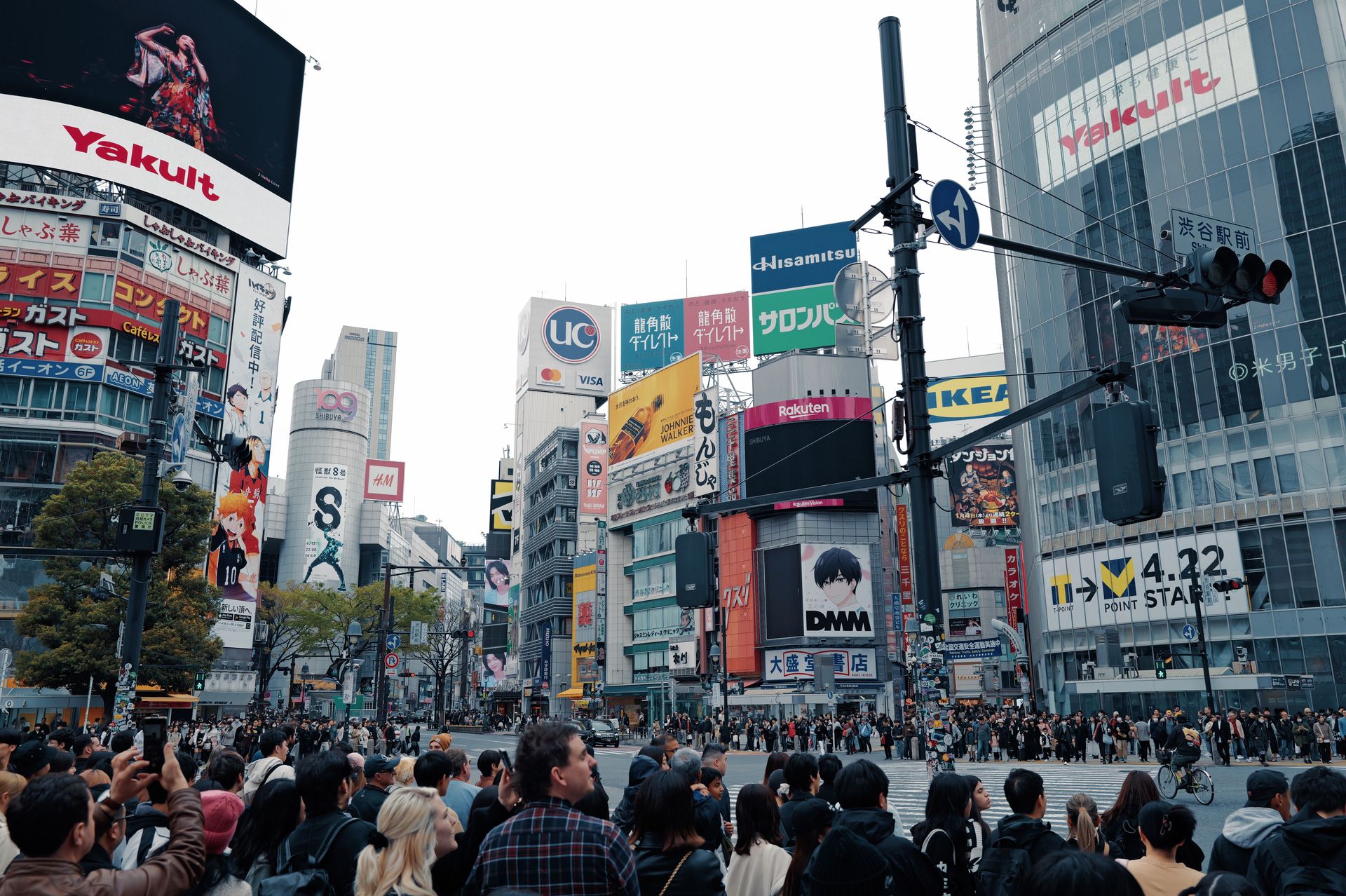
Japan's economic system after 1945 was organized around a set of institutions — the keiretsu (networks of interlocking business relationships and shareholdings), the main bank system (where a single bank holds significant equity in client companies and provides relationship-based rather than market-based financing), lifetime employment for core workers at large companies, and the coordinating role of MITI (the Ministry of International Trade and Industry) in industrial policy — that produced the most rapid sustained economic growth in history between 1955 and 1990, and then one of the most prolonged economic stagnations in history from 1990 to the present.
The specific mechanism of Japan's growth model was the channeling of household savings through the banking system into industrial investment, with MITI providing strategic guidance on which industries to develop, protection from foreign competition during the catch-up phase, and forced exit from declining industries through negotiated restructuring. The result was the development of globally competitive industries (automobiles, electronics, robotics, semiconductors) from a position of technological backwardness in a single generation.
The honest qualification: the same institutional features that produced the growth also produced the stagnation. The main bank system, the keiretsu relationships, and the lifetime employment norm created institutional rigidity that prevented the creative destruction that economically healthy systems require. Zombie companies — firms kept alive by bank loans that would never be repaid — absorbed capital that could have funded more productive investments for three decades. Japan's economic model remains a subject of active debate in development economics.
Margo Evardson / Pexels
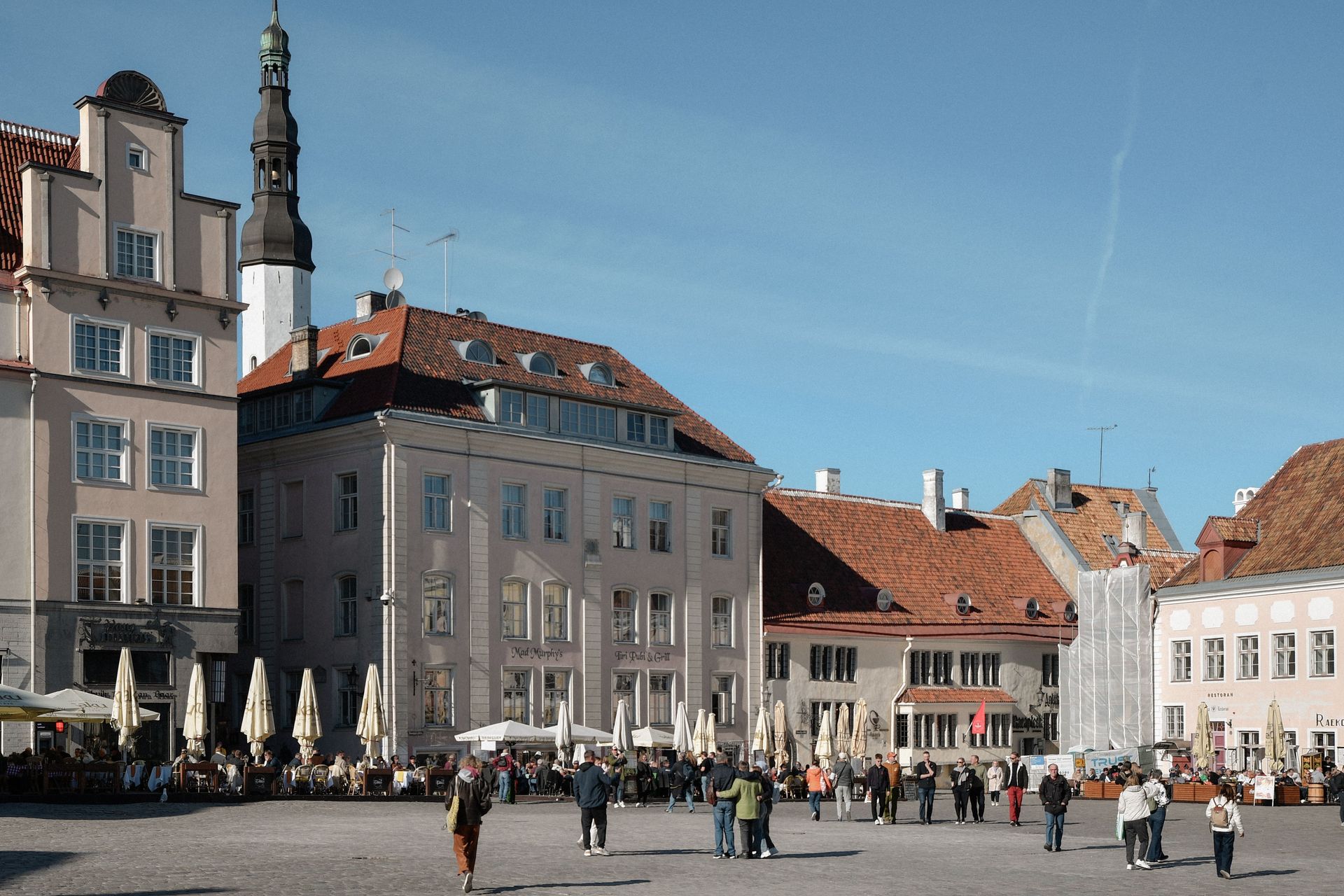
Estonia's post-1991 economic transformation — from Soviet republic to one of the world's most digitally advanced economies in approximately 30 years — is the most successful example of radical economic liberalization in the post-Communist transition and the most advanced deployment of digital government infrastructure in any country.
Estonia introduced a flat income tax in 1994 (one of the first countries to do so), created a fully electronic government system (e-Estonia) that allows citizens to perform virtually every government transaction online, established e-residency (a digital identity that allows non-Estonians to establish EU-based companies and access EU banking infrastructure), and built one of the highest-density startup ecosystems per capita in the world (Skype, TransferWise/Wise, and Pipedrive all originated in Estonia).
The digital government model is the specific feature most studied internationally: the X $TWTR-Road data exchange layer that allows all Estonian government databases to interoperate while maintaining individual privacy, the once-only data principle (citizens provide information to the government once and it never needs to be provided again), and the result — that Estonians file taxes in approximately 3 minutes — represents a governance efficiency frontier that most developed countries have not approached.
The honest qualification: Estonia's flat tax has been associated with increased inequality, and its startup success is in part a function of its small size and EU membership that larger countries cannot replicate. The e-Estonia model is also vulnerable to the specific threat that Estonia takes most seriously: cyberattack by a hostile neighboring state, which Estonia experienced in 2007.
Christian Nzayisenga / Pexels
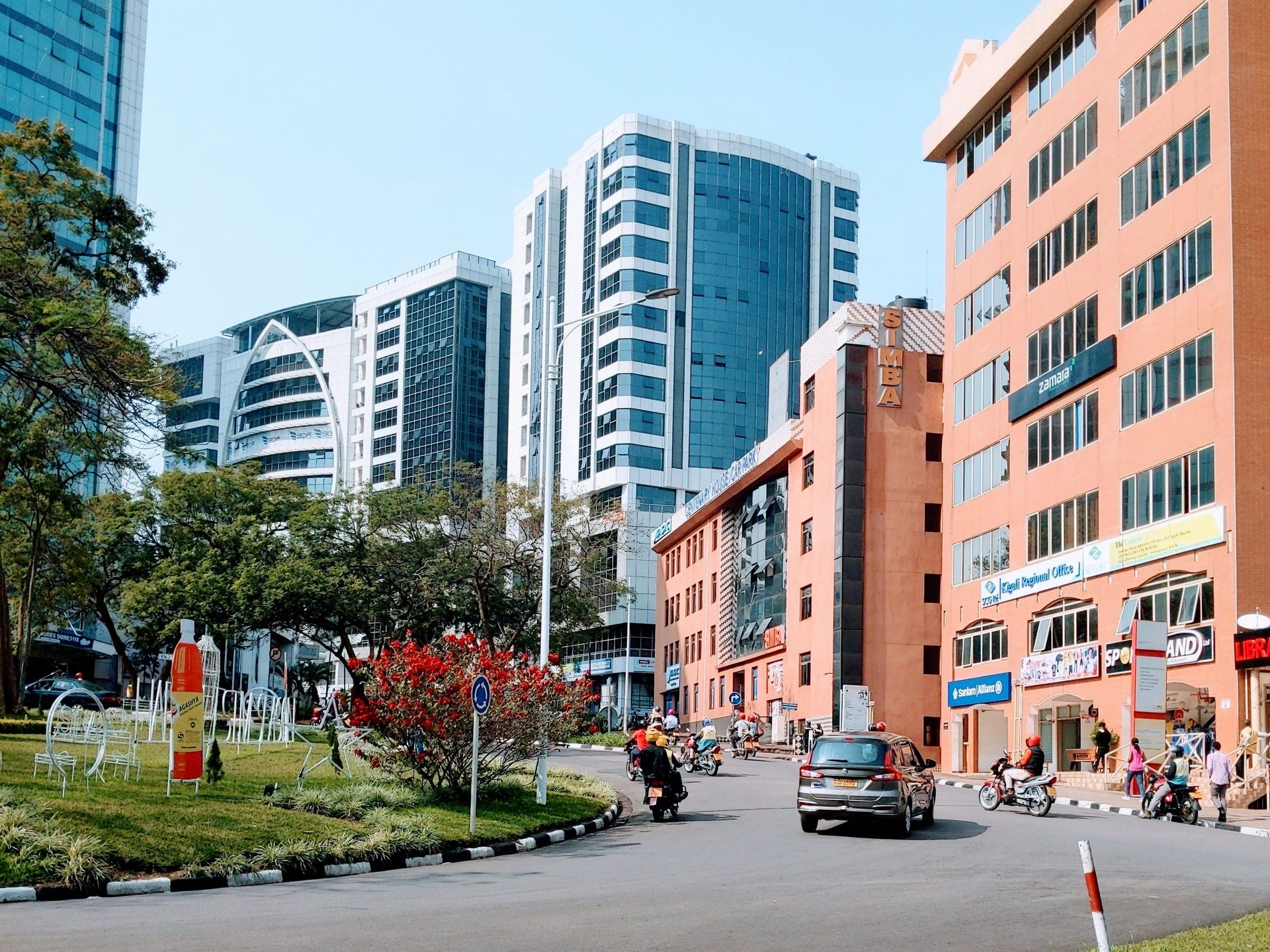
Rwanda's post-genocide economic development — from one of the world's poorest countries in 1994, devastated by a genocide that killed approximately 800,000 people in 100 days, to a middle-income country with consistently high growth rates, dramatically improved governance metrics, and significant progress on health and education outcomes — is one of the most studied and most contested development stories of the past 30 years.
The specific economic model — Vision 2020, updated to Vision 2050 — was a state-directed development strategy modeled loosely on the East Asian developmental state, with the government identifying strategic sectors (tourism, financial services, ICT), investing public resources in infrastructure, and maintaining the governance quality that makes Rwanda consistently rank among the least corrupt governments in sub-Saharan Africa. The Rwandan Development Board and the government's active role in directing economic activity represent a deliberate departure from the laissez-faire recommendations that characterized international development advice in the 1990s.
The honest qualification: Rwanda's economic model is inseparable from its political model, which is an authoritarian system under Paul Kagame that has maintained power partly through the suppression of political opposition. The governance quality that produces the low corruption scores coexists with the suppression of political freedoms that most development economists treat as prerequisites for long-term institutional health. Whether Rwanda's development trajectory can be sustained or democratized is genuinely unresolved.

Yasiel Scull / Pexels
Cuba's economy — a command economy with significant state ownership and central planning, maintained through 60 years of US economic embargo and the collapse of its primary Soviet patron in 1991 — has produced outcomes that are anomalous in both directions relative to what its economic system would predict: a healthcare system and education system that outperform countries of similar income levels by significant margins, and an overall economic performance that has been consistently poor.
The specific unusual features: Cuba's doctor-to-patient ratio is higher than that of most high-income countries; its literacy rate is nearly 100%; and its infant mortality rate is lower than that of the United States. These outcomes are not the products of its economic system per se but of the specific allocation decisions within a command economy — the government decided to prioritize healthcare and education regardless of market signals, and the results in those specific sectors reflect that decision.
The honest qualification: Cuba's overall economic performance has been poor, its citizens have extremely limited economic freedoms, and the emigration of approximately 20% of its population to the United States since 1959 represents a revealed preference of its own citizens against the system. The anomalous healthcare and education outcomes exist alongside pervasive shortages of basic consumer goods, deteriorating infrastructure, and one of the largest GDP-to-living-standard gaps in the hemisphere.
Minsu B / Pexels
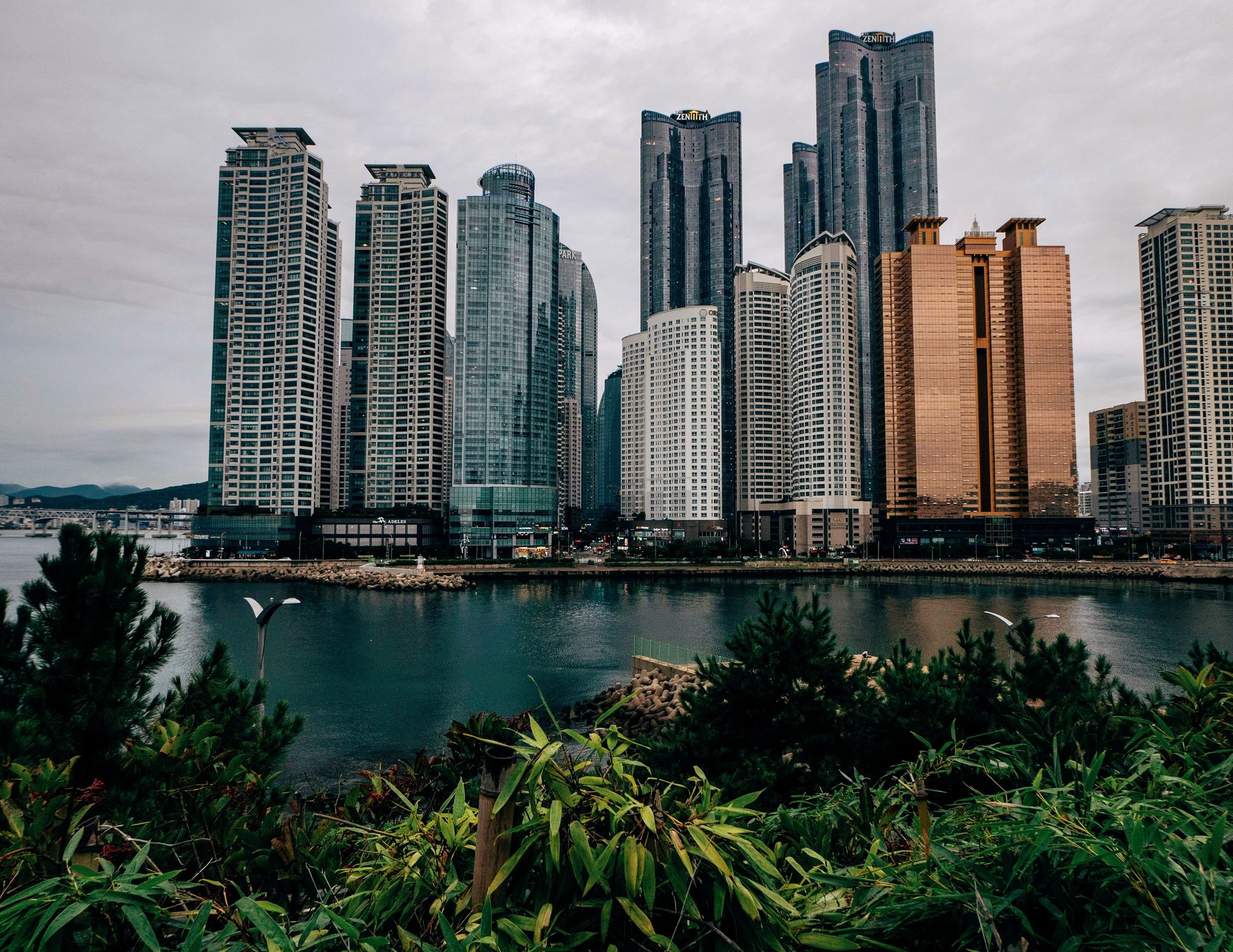
South Korea's developmental state model — in which the government organized credit allocation, protected domestic industries from foreign competition, directed chaebols (family-controlled industrial conglomerates) toward government-designated export industries, and managed the exchange rate to maintain export competitiveness — produced the most rapid transition from extreme poverty to developed economy in the 20th century, transforming a country poorer than Ghana in 1960 into a G20 member with a per capita GDP comparable to Europe by 2000.
The specific mechanism was industrial policy executed through control of the banking system: the government directed credit to the industries it wanted to develop (steel, shipbuilding, semiconductors, automobiles), protected those industries during their development phase, and forced exit from failed bets through negotiated restructuring rather than market-driven bankruptcy. The chaebols — Samsung, Hyundai, LG, SK — were the vehicles through which this industrial policy was implemented, growing from small trading companies to global industrial giants in a single generation.
The honest qualification: the chaebol system produced economic concentration that created its own problems — the Asian financial crisis of 1997 revealed that the close relationship between government, banks, and chaebols had produced vast quantities of non-performing loans and over-leveraged industrial groups. The post-1997 restructuring significantly reduced government direction of the economy but did not eliminate chaebol dominance, and South Korea's high productivity and high inequality coexist in ways that the developmental success story does not adequately explain.
Harsh Suthar / Pexels
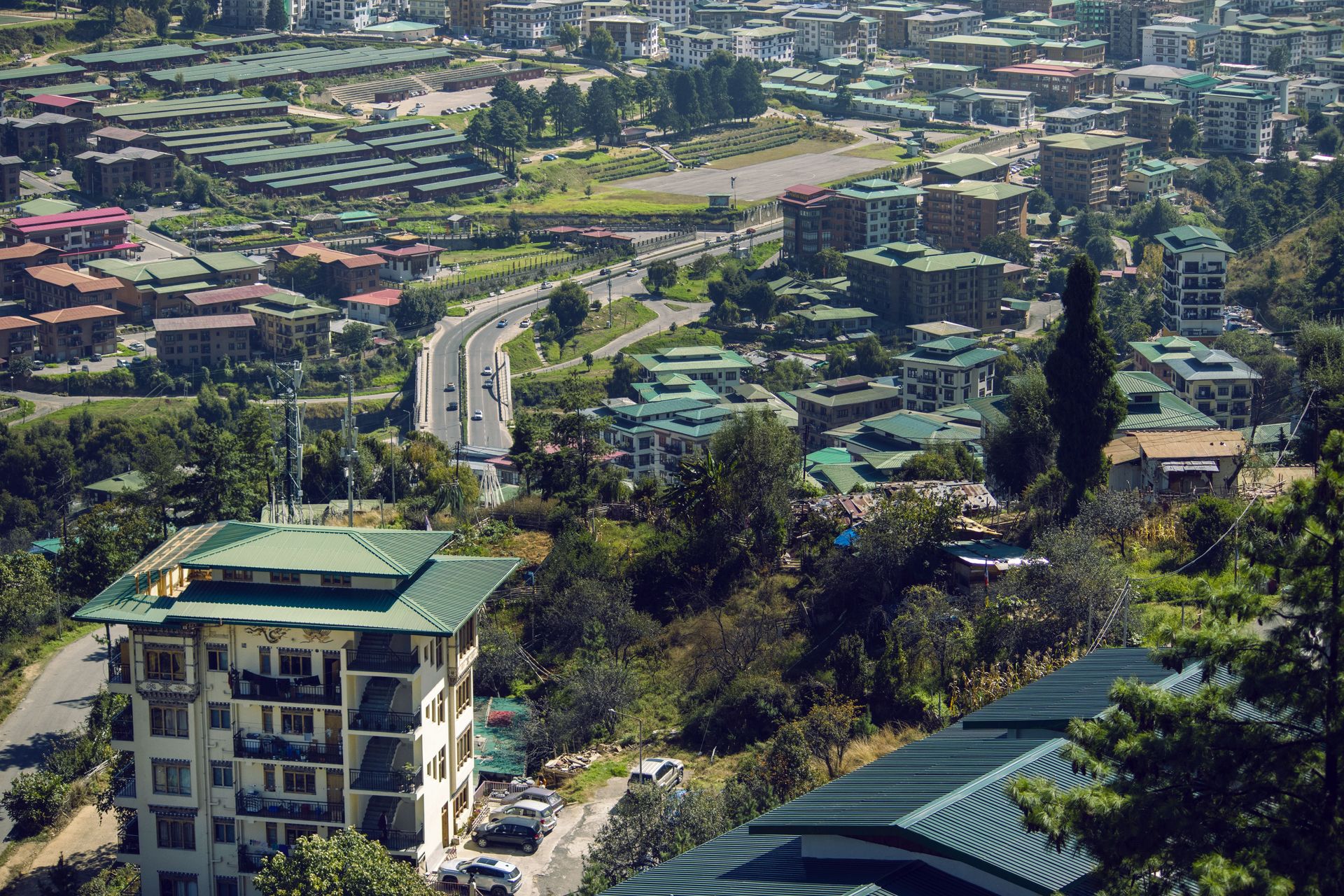
Bhutan's Gross National Happiness (GNH) index — the official framework for measuring national progress, adopted formally in the 2008 constitution, that replaces or supplements GDP with a multi-dimensional assessment of the population's wellbeing across domains including psychological wellbeing, health, education, time use, cultural diversity, good governance, ecological diversity, living standards, and community vitality — represents the most institutionally serious attempt by any country to operationalize an alternative to GDP as the primary measure and goal of economic policy.
The GNH framework is not merely aspirational: Bhutan conducts regular GNH surveys, uses the results to inform policy decisions, and requires all government policies to pass a GNH screening process. The country has maintained significant forest cover (approximately 72% of territory is forested, constitutionally mandated to remain above 60%), has carbon-negative emissions, and charges a daily tourism fee specifically designed to limit tourist numbers to what the natural environment can sustain.
The honest qualification: Bhutan is a small, politically closed monarchy with a population of approximately 780,000 people, and the GNH framework has been criticized for providing philosophical cover for an authoritarian government's suppression of political and ethnic minorities. The Lhotshampa (people of Nepali origin) were expelled from Bhutan in large numbers in the 1990s — approximately 100,000 people — creating a refugee crisis that the happiness framework's architects have struggled to address.
Mukula Igavinchi / Pexels
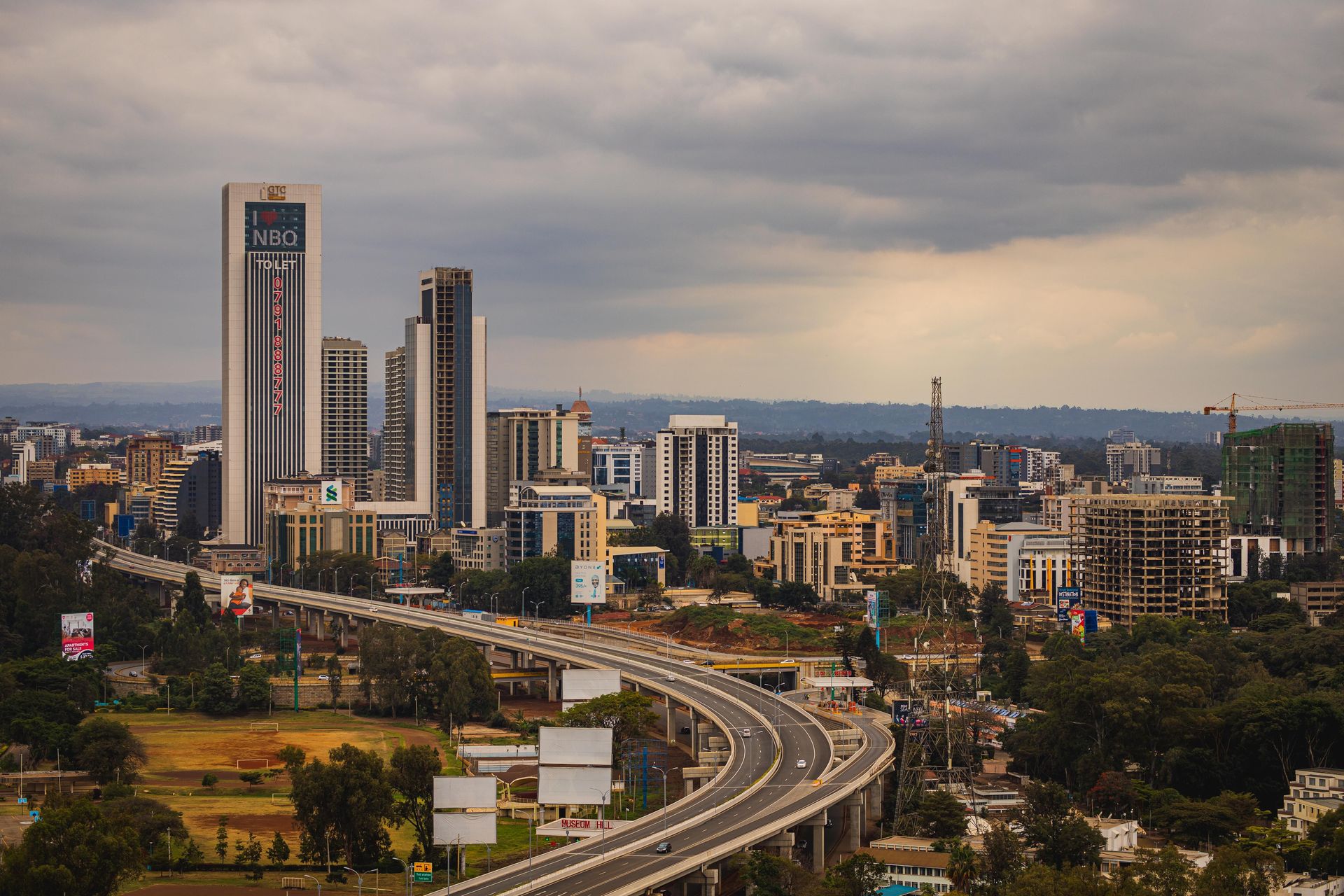
Kenya's mobile money system — M-Pesa, launched by Safaricom in 2007 and now used by approximately 90% of Kenyan adults — is the most successful financial inclusion technology deployment in history and the system that demonstrated that mobile phones could function as banking infrastructure in populations that had been entirely excluded from the formal financial system.
Before M-Pesa, approximately 80% of Kenyans were unbanked — without accounts, credit, or access to formal financial services. M-Pesa allowed mobile phone users to store, transfer, and pay with money without a bank account, using a network of agents (small shops and kiosks) as physical access points. Within five years of launch, M-Pesa was handling more transaction value than the formal banking system. Its expansion to loans (M-Shwari), savings (M-Akiba government bonds purchased via mobile phone), and insurance products has made Kenya one of the world's most financially inclusive economies despite its relatively low per capita income.
The honest qualification: M-Pesa's success depends on Safaricom's near-monopoly in Kenyan mobile telecommunications, creating a single point of failure and significant concentration of financial infrastructure in a private company. The credit products enabled by mobile money have also produced high-interest small-loan debt burdens for vulnerable populations that regulators have struggled to address.

Su Velaides / Pexels
Venezuela's economic collapse — from the wealthiest country in Latin America in the 1970s and 1980s to an economy that contracted by approximately 75% between 2014 and 2021 in the most severe peacetime economic contraction recorded in any country not at war — is as instructive as any economic success story on this list, because the mechanisms of the collapse are specific, documented, and cautionary.
The specific mechanisms: the Hugo Chávez government used oil revenues during the commodity boom of the 2000s to fund social programs (the misiones) that produced genuine improvements in poverty, health, and education outcomes — outcomes comparable to Bolivia's in the same period. Simultaneously, the government dismantled the institutional infrastructure of a market economy: imposing price controls that produced shortages, expropriating private companies without functional replacement, overvaluing the currency in ways that destroyed non-oil export competitiveness, and allowing the state oil company PDVSA to be staffed by political loyalty rather than technical competence.
When oil prices collapsed in 2014, the economy had no non-oil productive capacity to fall back on, the institutions required for economic management had been hollowed out, and the government responded to the fiscal crisis by printing money — producing one of the most severe hyperinflations in history (approximately 1,000,000% in 2018). Venezuela's collapse is a specific case study in how resource revenues, when used to substitute for rather than build institutional capacity, produce catastrophic vulnerability to commodity price volatility.