From Southeast Asia to Eastern Europe, these 25 destinations offer Americans more purchasing power, better exchange rates, and lower prices than most travelers expect

Credit: Alexander Rondón / Pexels
The U.S. dollar has had a turbulent few years. The Dollar Index — which tracks the greenback against a basket of major currencies — hit a four-year low in early 2026 before recovering ground. For American travelers, the net result is still favorable in a wide range of destinations, not because the dollar is at record highs, but because structural factors in many economies have quietly shifted the math in your favor.
That shift has two distinct engines. The first is exchange rate movement. The Japanese yen, for instance, has lost about 34% of its value against the dollar over the past decade. The Turkish lira has depreciated even more sharply. The Egyptian pound was floated in 2024 and is now trading around 50 to the dollar, down roughly 82% from its level a decade ago. When currencies weaken that much, a dollar-denominated budget simply buys more — more hotel nights, more restaurant meals, more transport, more experiences.
The second engine is structural affordability. Plenty of countries on this list were never expensive to begin with. Vietnam, Indonesia, Cambodia, and Bolivia aren't cheap because of currency dynamics alone. They're cheap because rent, labor, and food are priced to match local wages, which are a fraction of what Americans earn. In those economies, even a modest U.S. income converts into something that feels like genuine prosperity.
What this list is not: a guide to budget-travel deprivation. The countries here span the full range from backpacker classics to destinations where you can live in well-appointed hotels, eat at serious restaurants, and hire private guides — all while spending far less than comparable experiences would cost at home or in Western Europe. Some are beloved by digital nomads who have discovered that $2,500 a month buys a lifestyle in Tbilisi or Chiang Mai that $7,000 wouldn't replicate in New York.
The list also isn't ranked by how cheap each country is in absolute terms. A few entries, like Portugal and South Africa, are not budget destinations by any measure — but they offer genuine value relative to what travelers expect them to cost, and relative to comparable experiences in the U.S.
A few practical caveats. Exchange rates move, and the figures here reflect conditions in mid-2026. Always check a live converter before you book. High local inflation, as in Turkey, can erode some of the gains an exchange rate advantage suggests on paper. And a strong dollar doesn't automatically mean a destination is safe or easy to navigate — do your research on current travel advisories, visa requirements, and local conditions before committing to any of these.
With that context in place, here are 25 countries where your dollar currently goes further than most Americans realize.

Credit: jesus esteban / Pexels
Japan spent decades as one of the world's more expensive destinations for American travelers. That has changed. The yen has traded at roughly 155 to 160 per dollar through much of 2025 and into 2026, compared to around 110 per dollar in the years before the pandemic. That shift means a dollar now buys nearly 50% more yen than it did five years ago, turning a country once known for its premium price tag into something much more accessible.
The practical effects show up across every category of spending. A bowl of ramen at a proper ramen shop costs around 900 to 1,200 yen — roughly six to eight dollars. Dinner at a mid-range restaurant with sake will often run under $30 per person. A conveyor-belt sushi lunch costs almost nothing by U.S. standards. Street snacks from convenience stores like 7-Eleven and Lawson — which in Japan sell genuinely good onigiri, sandwiches, and hot foods — are typically under a dollar each.
Hotels have a wider range, but a clean business hotel in central Tokyo or Kyoto can be booked for $80 to $120 per night in many cases, with higher-end properties that would cost $400 or $500 in comparable Western cities running $200 to $250. Even some ryokan, the traditional inn experience that includes dinner and breakfast, can come in under $200 per person when the yen is this weak.
Transportation is a notable bright spot. Local train and subway fares across Japan's famously efficient rail network are extremely low in dollar terms. A single subway trip in Tokyo rarely exceeds the equivalent of $2. A Japan Rail Pass, which covers unlimited travel on the Shinkansen bullet train network, has historically seemed expensive — but when priced in the current exchange rate, it represents strong value for anyone covering significant distance.
Entry to many of Japan's best experiences — temples, shrines, gardens, national parks — costs very little. Entrance to most temple complexes runs 500 to 1,000 yen. The great walking neighborhoods of Kyoto, Kanazawa, Nara, and Nikko are essentially free to explore. Even ticketed museums and art institutions tend to stay well under $15.
There are a few caveats worth knowing. Japan has been introducing dual pricing at some major tourist attractions, with higher rates for non-residents. It has also raised some visa and travel fees in 2026. And cherry blossom season — late March to mid-April in most of Honshu — drives hotel prices significantly higher and should be budgeted differently from a shoulder-season visit. But outside those specific situations, Japan currently offers the most dramatic exchange-rate improvement of any developed-world destination, and travelers who went years ago expecting wallet-emptying prices are likely to be caught off guard — in a welcome way.
Credit: Canva Images
Vietnam's affordability is structural, not cyclical. The country has one of the lowest price level ratios in the region, meaning a dollar buys roughly three times as much here on average as it does in a mid-sized American city. That's not a recent development driven by currency swings — it reflects an economy where wages, rents, and food prices are all anchored to local purchasing power, not international benchmarks.
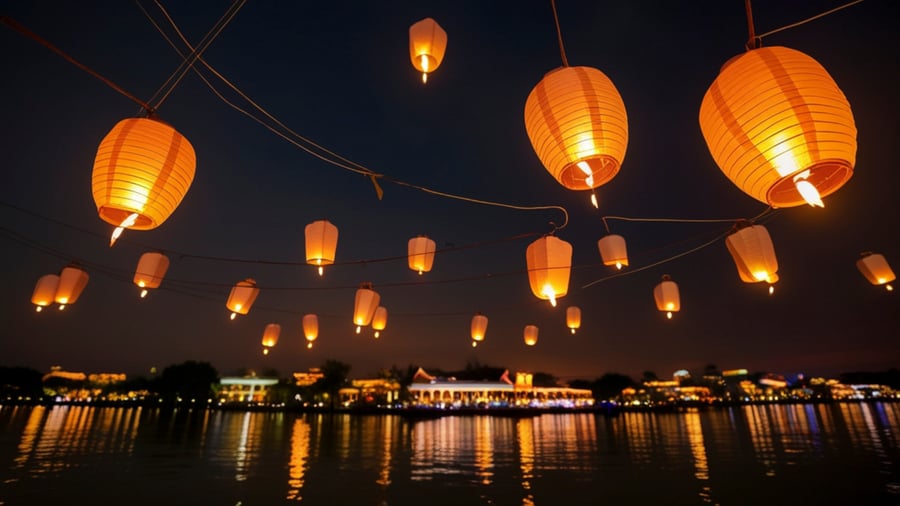
What has changed is that Vietnam is now far easier to access than it once was. Visa $V reforms in recent years extended the visa-on-arrival option for most nationalities and made long-stay e-visas available, which helped transform the country from a backpacker trail into a serious option for extended stays by remote workers and retirees. Cities like Da Nang, which sits between a clean urban center and a long Pacific coastline, and Hoi An, whose ancient lantern-lit trading port is one of Southeast Asia's most atmospheric destinations, now have dense communities of long-term foreign residents.
In practical terms, a daily budget of $25 to $35 covers a guesthouse room, all meals, local transport, and entry to most sights. That's not a bare-bones estimate — Vietnamese street food is widely recognized as some of the best in the world, and spending $4 to $6 on a meal doesn't mean compromising on quality. A bowl of pho from a proper pho shop, a plate of bun cha, a banh mi from a sidewalk stall — these experiences sit at the absolute top of their category while costing almost nothing.
Moving up the scale, mid-range hotels in Hanoi or Ho Chi Minh City run $40 to $80 per night. Some genuinely excellent boutique properties and restored colonial hotels come in under $150 per night. At the luxury end, beachfront resorts in Phu Quoc or along the Nha Trang coast offer five-star amenities at rates well below comparable properties in Thailand or Bali.
Internal travel is cheap. Domestic flights between Hanoi in the north and Ho Chi Minh City in the south — a route that takes nearly two days overland — run $50 to $80, often less with advance booking. Overnight sleeper trains are even cheaper and let travelers cover ground while avoiding a hotel night. The Reunification Express, which runs the length of the country along the coast, is one of Asia's more scenic rail journeys.
The country has seen something of a discovery surge among digital nomads, particularly in Da Nang and Hoi An, and there are signs of gentrification in the neighborhoods where foreign spending concentrates. But unlike some other Southeast Asian destinations that have been hollowed out by overtourism, Vietnam's size and diversity mean that budget travelers can still find plenty of corners where the dollar goes extraordinarily far.
Credit: Ibrahim Uzun / Unsplash
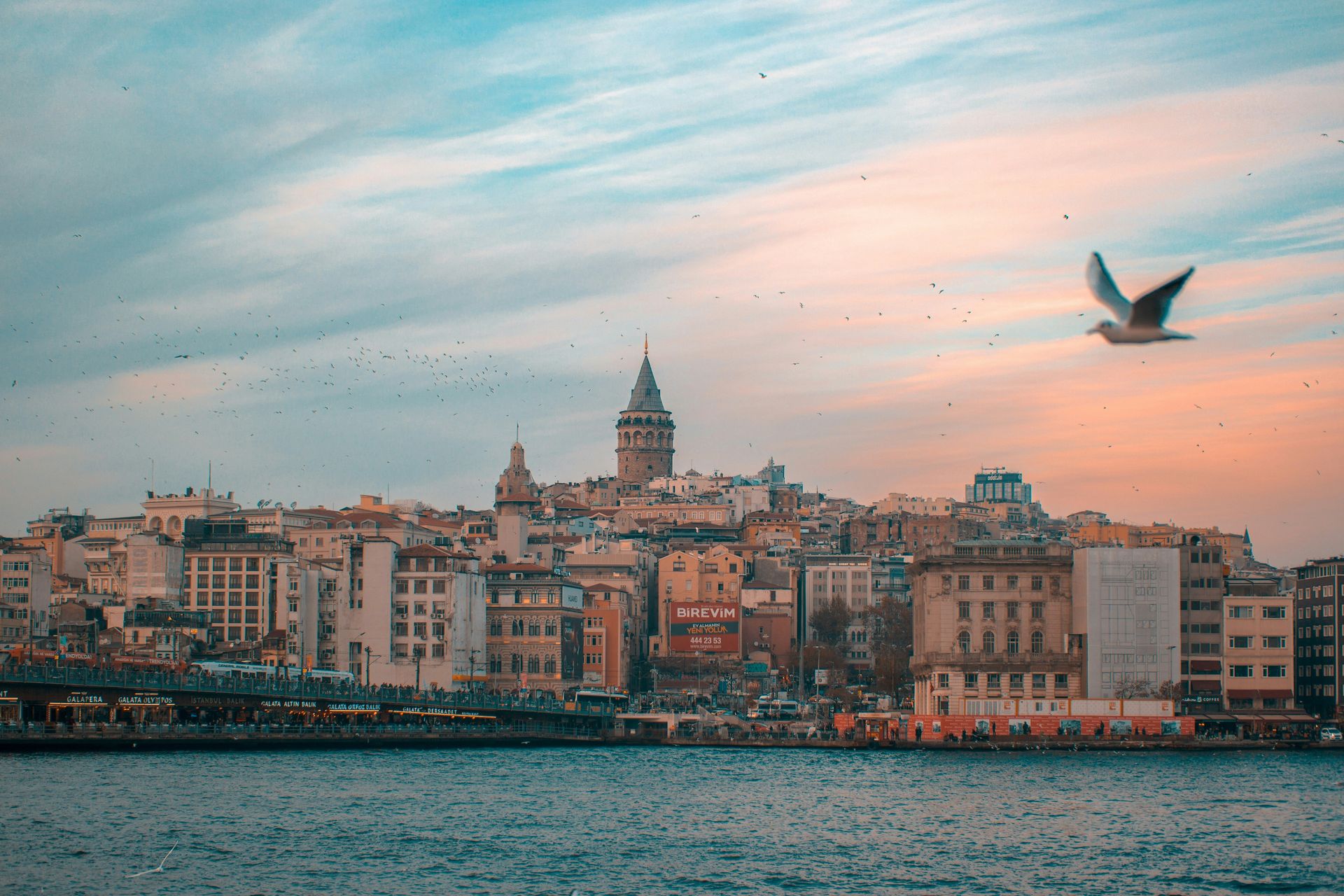
Turkey presents a complicated picture for American travelers, and understanding it properly is worth the effort. The Turkish lira has lost more than 80% of its value against the dollar over the past decade. By mid-2026, the exchange rate sits above 46 lira per dollar. For a traveler arriving with dollars, that represents a massive structural advantage.
The complication is inflation. Turkey has experienced some of the highest sustained inflation among middle-income economies in recent years, running close to 33% annually at certain points. What that means in practice is that local prices keep rising to chase the weak lira, which erodes some — but not all — of the exchange rate advantage. A meal that cost 40 lira two years ago might cost 65 or 70 today, but in dollar terms, that still often works out cheaper than before.
The net effect: Istanbul, Cappadocia, the Aegean coast, and Turkey's Turquoise Coast are all genuinely affordable for American travelers, even accounting for inflation. A streetside kebab or simit breakfast in Istanbul costs just a few dollars. A proper sit-down dinner at a mid-range meyhane — a traditional Turkish tavern — with mezze, a main course, and rakı runs $20 to $30 per person. A budget hotel in the historic Sultanahmet district can be had for under $50 per night; a comfortable boutique hotel with views of the Bosphorus often runs $80 to $120.
The architectural riches are extraordinary. Hagia Sophia, the Blue Mosque, Topkapi Palace, the Grand Bazaar, and the Süleymaniye Mosque are all within walking distance of each other. Cappadocia, with its surreal volcanic landscape of fairy chimneys and cave hotels, is one of the most visually distinctive destinations anywhere in the world. The Aegean and Mediterranean coasts offer a combination of ancient ruins, clear water, and seafood that rivals Greece at a fraction of the price.
Turkey's travel advisories deserve attention. The country sits at a State Department Level 2 — Exercise Increased Caution — for most tourist areas. The southeastern provinces near the Syrian and Iraqi borders are a "Do Not Travel" zone. The cities and regions that most travelers visit — Istanbul, Cappadocia, Izmir, Antalya, Bodrum — are outside those high-risk areas, but checking current advisories before travel is important.
Credit: Christian Israel Palacios Resendiz / Pexels
Mexico deserves a mention that goes beyond its obvious proximity to the U.S. The peso has weakened over the past few years, and while the exchange rate isn't as dramatic as Turkey's or Japan's, the combination of a favorable rate and structurally low costs across most of the country makes Mexico one of the best value propositions for Americans who do their research.
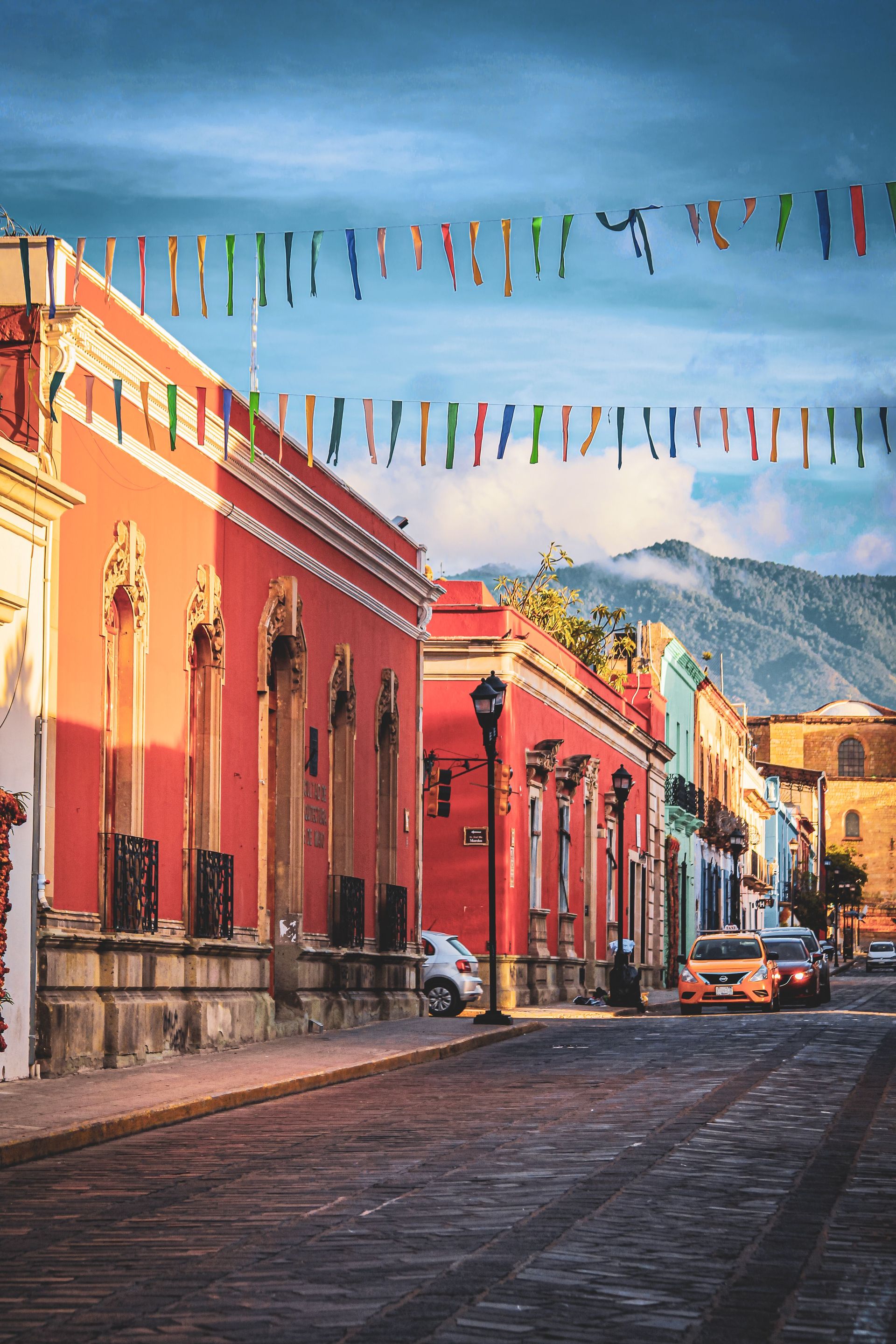
The well-worn advice — skip the big resort strips of Cancún and Los Cabos, where prices have converged with U.S. levels — remains accurate. The deeper value in Mexico lies in the country's interior cities and less commercialized coasts. Oaxaca, with its pre-Hispanic ruins, mezcal culture, and one of the most celebrated food scenes in Latin America, offers excellent restaurants and boutique hotels at prices well below what comparable quality would cost in a U.S. city. San Cristóbal de las Casas in Chiapas, Guadalajara, Guanajuato, and San Miguel de Allende all follow a similar pattern: high cultural density at low prices.
Street food is where the dollar stretches furthest. Tacos al pastor from a roadside taqueria cost 15 to 25 pesos each — around 75 cents to a dollar and a quarter. Markets throughout the country serve full meals of regional dishes — enchiladas, pozole, tlayudas — for 80 to 120 pesos, which is roughly $4 to $6. Mezcal, which in the U.S. commands $40 to $80 per bottle in restaurants, can be poured at the source in Oaxaca for a few dollars a glass.
Mexico's value is further enhanced by cheap, frequent air connections from most major U.S. cities. There's no transatlantic flight cost to account for, and domestic budget carriers like VivaAerobus and Volaris make getting around the country inexpensive once you arrive. Mexico has serious, well-documented safety concerns in certain regions — the State Department advisory varies by state, with some designated as Level 4 Do Not Travel — and travelers should research specific destinations carefully rather than treating Mexico as uniformly safe or uniformly dangerous.
Credit: Maria Paula Medina / Pexels
Colombia's transformation over the past two decades is one of the more dramatic in hemispheric travel. The country that once defined how dangerous a destination could be has become a serious draw for travelers, digital nomads, and long-stay expats, primarily because it combines genuine cultural richness with prices that make most other Latin American destinations look expensive.
The Colombian peso has weakened significantly over the past few years, sitting above 4,000 pesos per dollar in mid-2026. That rate means your dollar buys more than it did during the post-pandemic reopening period and far more than it did a decade ago. An ice-cold beer at a local bar costs about 4,000 pesos — right at one dollar. A full bandeja paisa, Colombia's famous platter of beans, rice, chicharrón, chorizo, and plantain, runs $6 to $8 at a decent restaurant. A taxi ride across central Medellín rarely exceeds $5.
Medellín is the city most commonly cited by long-term visitors for its livability. The climate holds steady around 70°F year-round — the reason locals call it the City of Eternal Spring — and the infrastructure is genuinely good by regional standards. The cable car systems connecting hillside neighborhoods to the metro, the botanical gardens, and the outdoor escalators built to connect disadvantaged comunas to the city center all reflect a decade of serious urban investment.
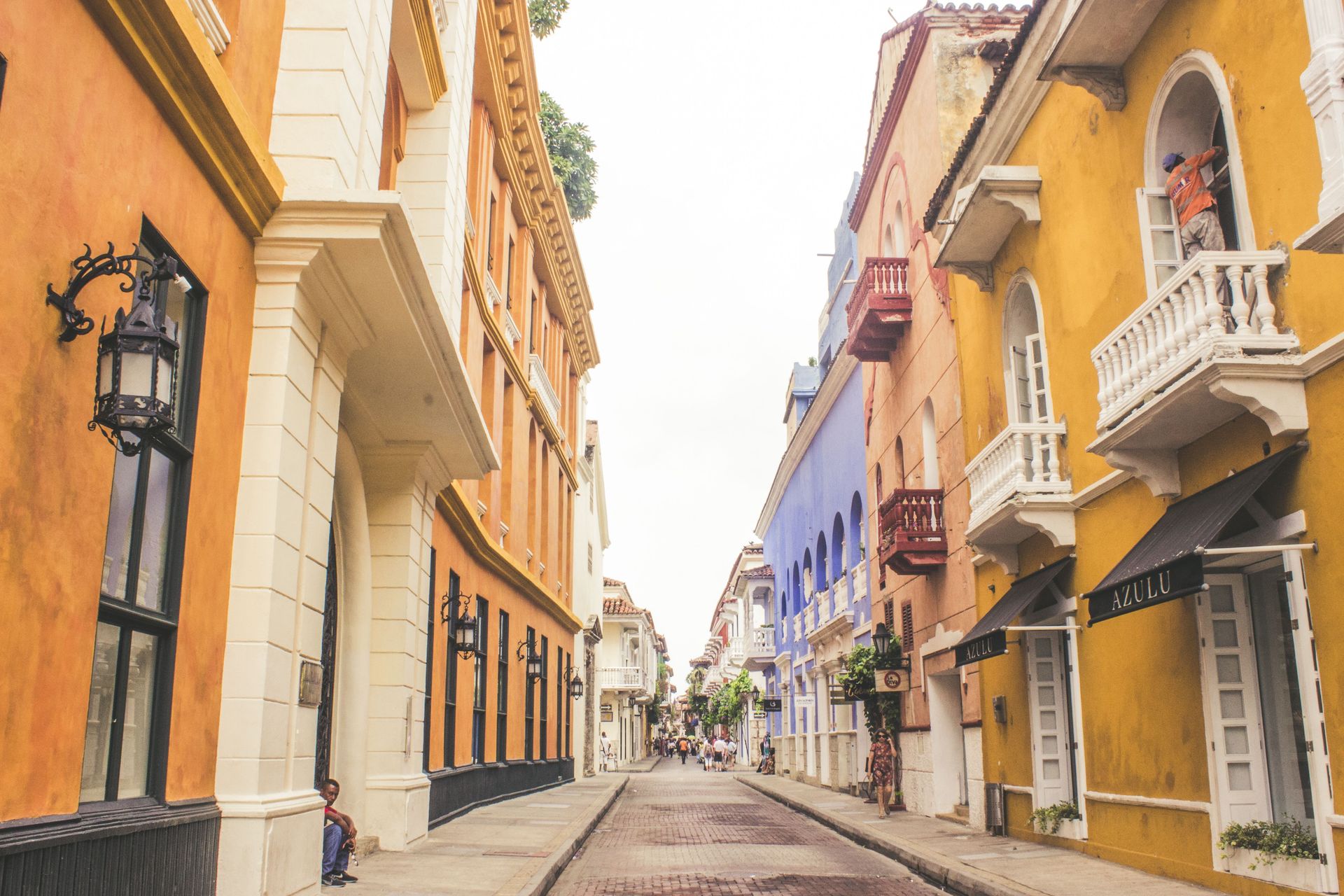
Cartagena offers a different experience: a UNESCO-listed colonial old city on the Caribbean coast with brightly painted buildings, baroque churches, and beaches within a 20-minute cab ride. The walled city is one of the most photogenic urban spaces in the Western Hemisphere. It's also more expensive than the interior cities, but still well below comparable coastal destinations in Europe or the U.S.
The coffee-growing region around Salento and the Valle de Cocora, with its towering wax palms — Colombia's national tree — and working fincas offering tours and tastings, rounds out a country that offers coastline, mountain city, colonial history, and agricultural landscape all within a modest travel budget.
Credit: Gera Cejas / Pexels
Argentina's affordability is more volatile than most destinations on this list, because it's driven not by stable structural conditions but by economic instability that has kept the peso dramatically weak. The country has experienced cycles of currency crisis for years, and the dollar stretches here because Argentine finances have been in persistent difficulty.
For a traveler arriving with dollars, the practical result is that Buenos Aires — one of South America's most sophisticated and culturally rich capitals — offers European-quality experiences at a fraction of European prices. Wide boulevards, world-class steak restaurants, serious wine, tango venues, bookstores, art museums, and an architecture that mixes Spanish colonial with Parisian Haussmann-style facades all come at prices that regularly catch first-time visitors off guard.
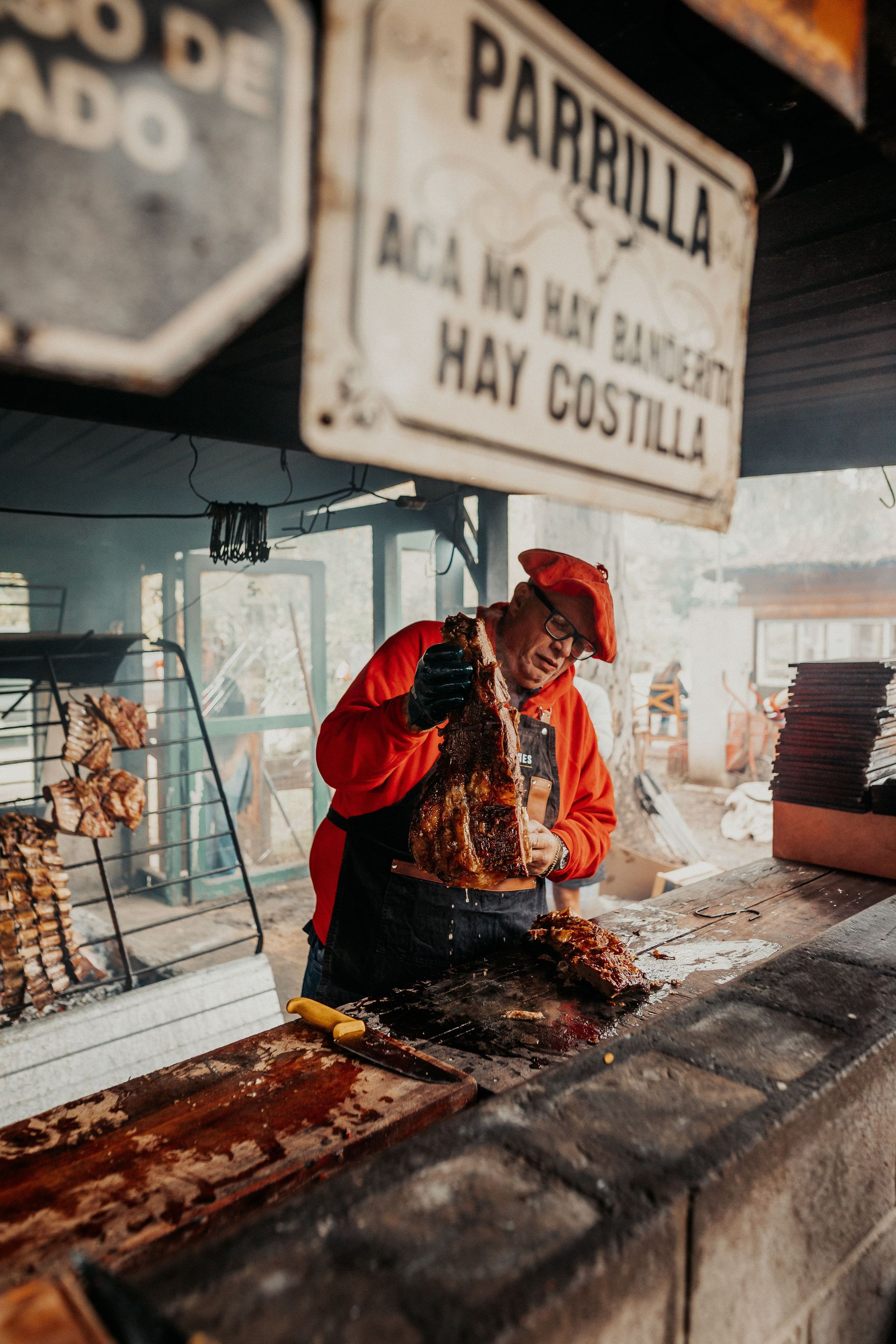
Steak is the most cited example. Argentina is one of the world's great cattle countries, and a dinner at a traditional parrilla featuring a proper bife de chorizo — a thick, bone-in strip steak — with salad, a bottle of Malbec from Mendoza, and dessert can easily come in under $30 per person at a good restaurant. The same meal would cost three times that in a comparable New York steakhouse.
Wine is similarly priced. Argentina's Malbec from Mendoza has a global reputation that would normally translate into premium pricing, but a very good bottle runs $10 to $20 at a restaurant, and retail bottles at a supermarket often cost under $5.
Beyond Buenos Aires, the country's scale offers extraordinary landscape value. Patagonia in the south — the region around El Chaltén, Torres del Paine on the Chilean side, and the Perito Moreno Glacier — is one of the world's premier hiking destinations. Iguazú Falls, on the border with Brazil and Paraguay, is among the most powerful waterfall systems on the planet.
The catch: airfare to Argentina from North America tends to be expensive compared to closer Latin American destinations, which eats into some of the savings. The country's economic instability also means conditions can shift quickly. But for travelers who do make it there, the dollar currently goes very far.
Credit: Natalia Mora / Pexels
Peru offers a combination that's hard to replicate elsewhere: the most iconic archaeological site in South America, extraordinary biodiversity across three distinct ecosystems — coast, Andes, and Amazon $AMZN — and a food culture that has made Lima one of the world's most discussed culinary cities. It does all of this at a price point that American travelers consistently find more accessible than they expected.
The Peruvian sol has weakened somewhat against the dollar over recent years, and structural affordability has long kept everyday costs low. Outside Lima's upscale Miraflores and Barranco neighborhoods, a meal at a neighborhood restaurant costs under $5. A ceviche lunch at a local cevichería in Lima — the dish that defines Peruvian coastal cooking — runs $6 to $12 even in a proper sit-down setting.
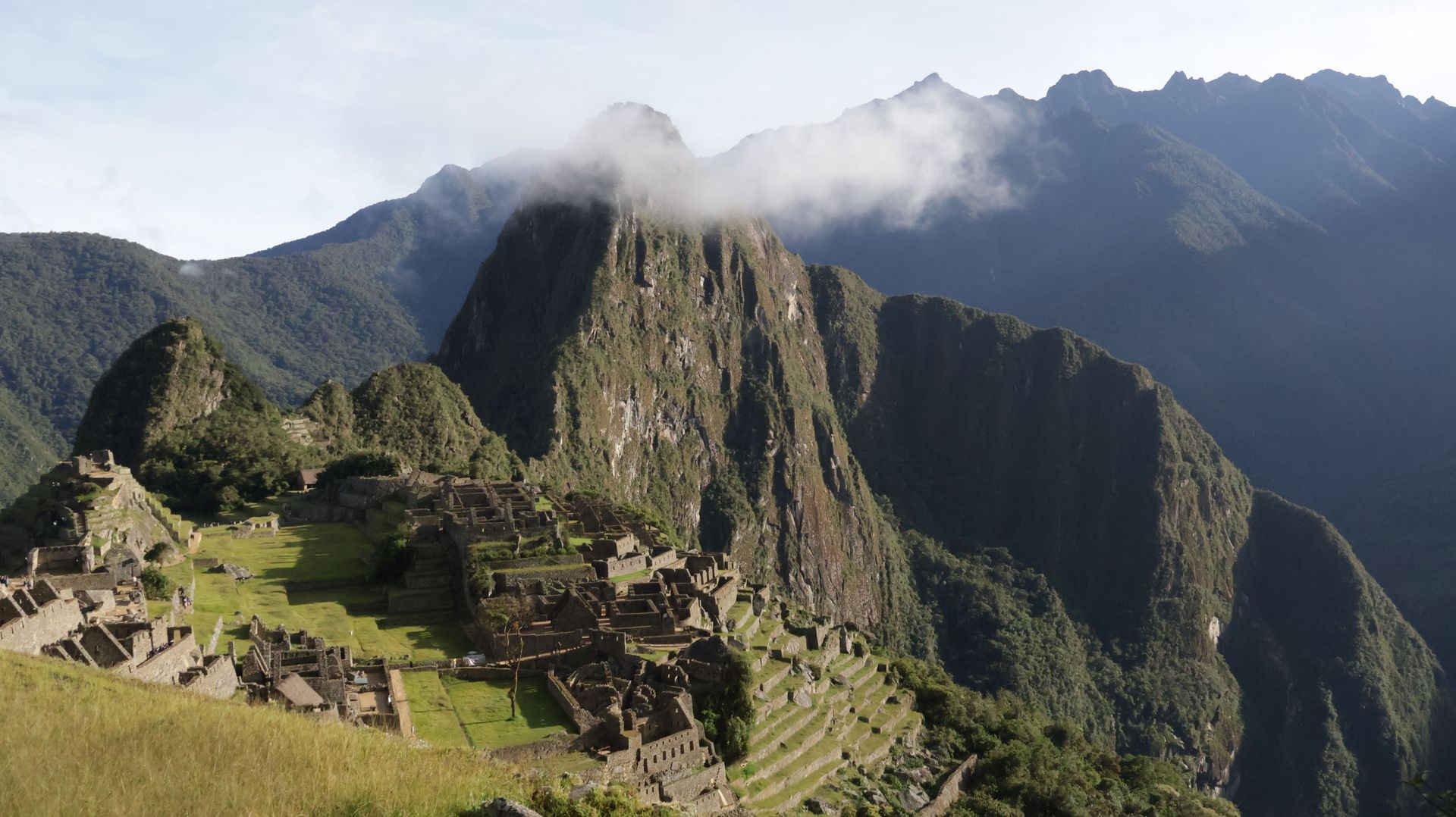
Cusco, the gateway city for Machu Picchu, is more expensive than most Peruvian cities because of its tourism infrastructure, but still far cheaper than comparable gateway cities in Europe or the U.S. A decent hotel in central Cusco runs $40 to $80 per night. The entrance fee to Machu Picchu itself is set in U.S. dollars — currently around $50 to $60 depending on which zone you enter — which is fair for one of the world's most visited archaeological sites and doesn't undermine the destination's overall affordability.
The Amazon basin accessible from Iquitos or Puerto Maldonado offers jungle lodges and guided wildlife tours at prices far below what similar experiences cost in neighboring Ecuador or Brazil. The Colca Canyon, one of the deepest in the world and a reliable spot for condor sightings, can be explored on a shoestring from Arequipa.
Lima's restaurant scene deserves its own mention. The city has produced a generation of chefs — most famously Gastón Acurio — who built an entire culinary movement around Peruvian ingredients and techniques. Restaurants in Lima that hold international recognition charge prices that, by New York or London standards, look extremely reasonable.
Credit: Tom Fisk / Pexels
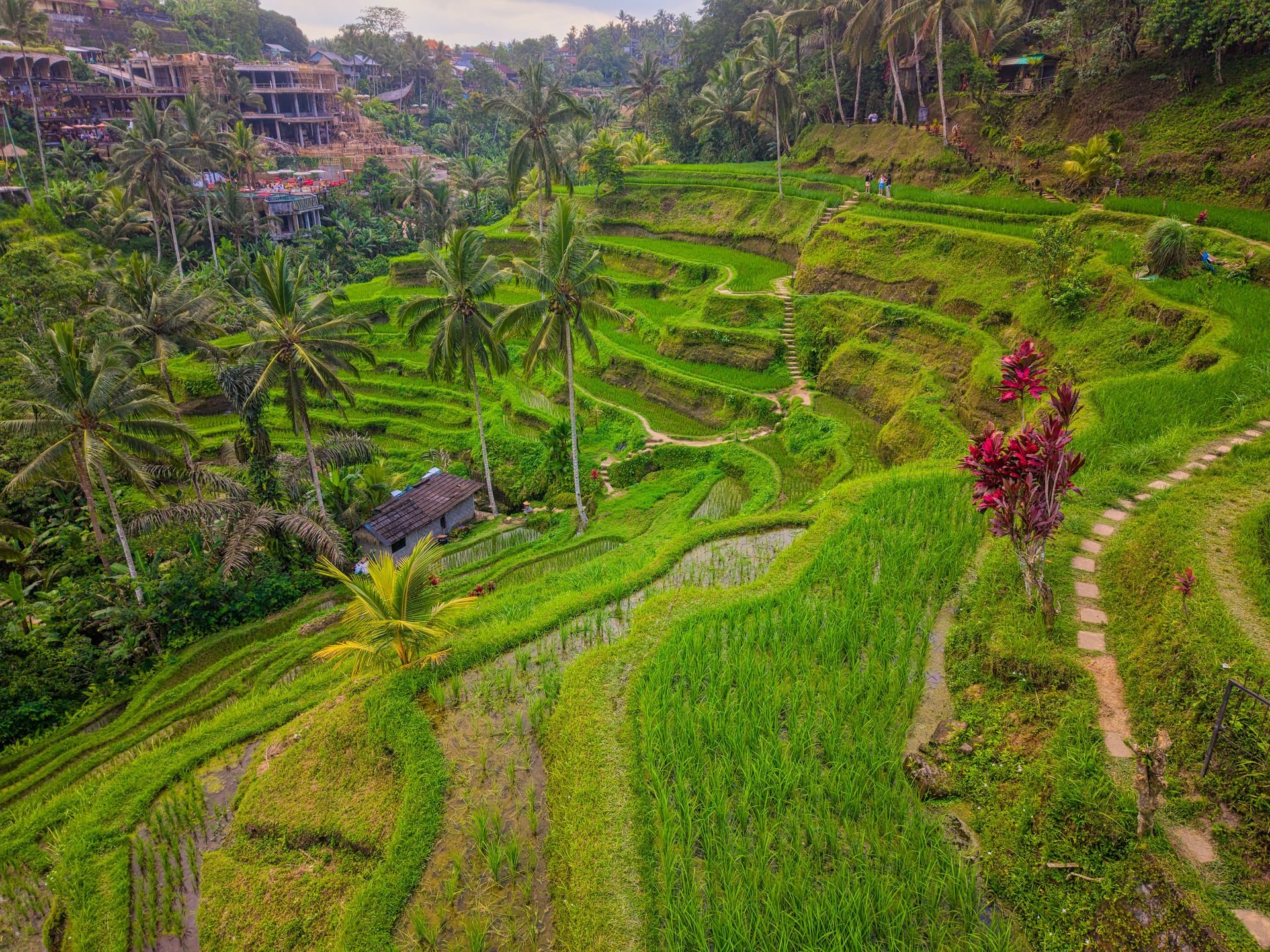
Indonesia's draw is often reduced to Bali, but the country is an archipelago of more than 17,000 islands and several of them offer some of the most affordable travel experiences available anywhere. Even Bali, which has seen significant tourist inflation in certain pockets, remains well below what comparable beach destinations cost in Europe or the Caribbean.
The Indonesian rupiah sits at roughly 16,000 to 16,500 per U.S. dollar, and the country's structural affordability is deep. Outside the tourist bubbles of Seminyak and Canggu in Bali, a full meal at a warung — a traditional family-run eatery — costs 25,000 to 40,000 rupiah, which is $1.50 to $2.50. Nasi goreng, the fried rice dish that appears on nearly every warung menu, is a benchmark for how far the dollar stretches: a good plate rarely exceeds $2.
Hotel pricing in Indonesia varies widely by location. In central Bali, international boutique hotels and villa compounds now charge $100 to $300 per night, reflecting years of upmarket investment. But step away from the concentration of tourist spending and the price drops dramatically. Lombok, Flores, the Gili Islands, and Java's cultural heartland around Yogyakarta all offer excellent guesthouses and small hotels for $20 to $50 per night.
Yogyakarta — known as Jogja — is one of Southeast Asia's most undervisited destinations. The city is the base for Borobudur, a ninth-century Buddhist temple complex that ranks among the most impressive monument sites in Asia, and Prambanan, a Hindu temple complex of similar age and scale. Neither draws the crowds that Angkor Wat sees, and the pricing reflects it: entry fees are affordable, accommodation is cheap, and the surrounding Javanese food culture — gudeg, bakpia, soto ayam — is excellent.
For divers, Indonesia's waters around Raja Ampat in West Papua and the Komodo National Park represent two of the highest-rated dive destinations in the world. Live-aboard dive trips to these areas, while not cheap in absolute terms, remain well below comparable diving experiences in the Maldives or French Polynesia.
Credit: tom analogicus / Pexels
Thailand's affordability is well established, but worth stating clearly for travelers who may have written it off as over-touristed or overpriced. Bangkok, Chiang Mai, and the islands of the south all offer genuine value for American visitors — not just for budget travelers, but for anyone who wants quality experiences without the prices those experiences would command elsewhere.
The Thai baht has traded at roughly 33 to 36 per U.S. dollar in recent years, a rate that hasn't moved dramatically but that, combined with Thailand's structurally low cost of living, produces strong purchasing power for dollar holders. A bowl of khao pad — Thai fried rice — from a street stall costs 40 to 60 baht, or about $1.20 to $1.80. A proper restaurant meal with a protein, rice, and a Thai iced tea rarely runs over $6 to $8. Beer at a local bar costs 60 to 80 baht, under $2.50.
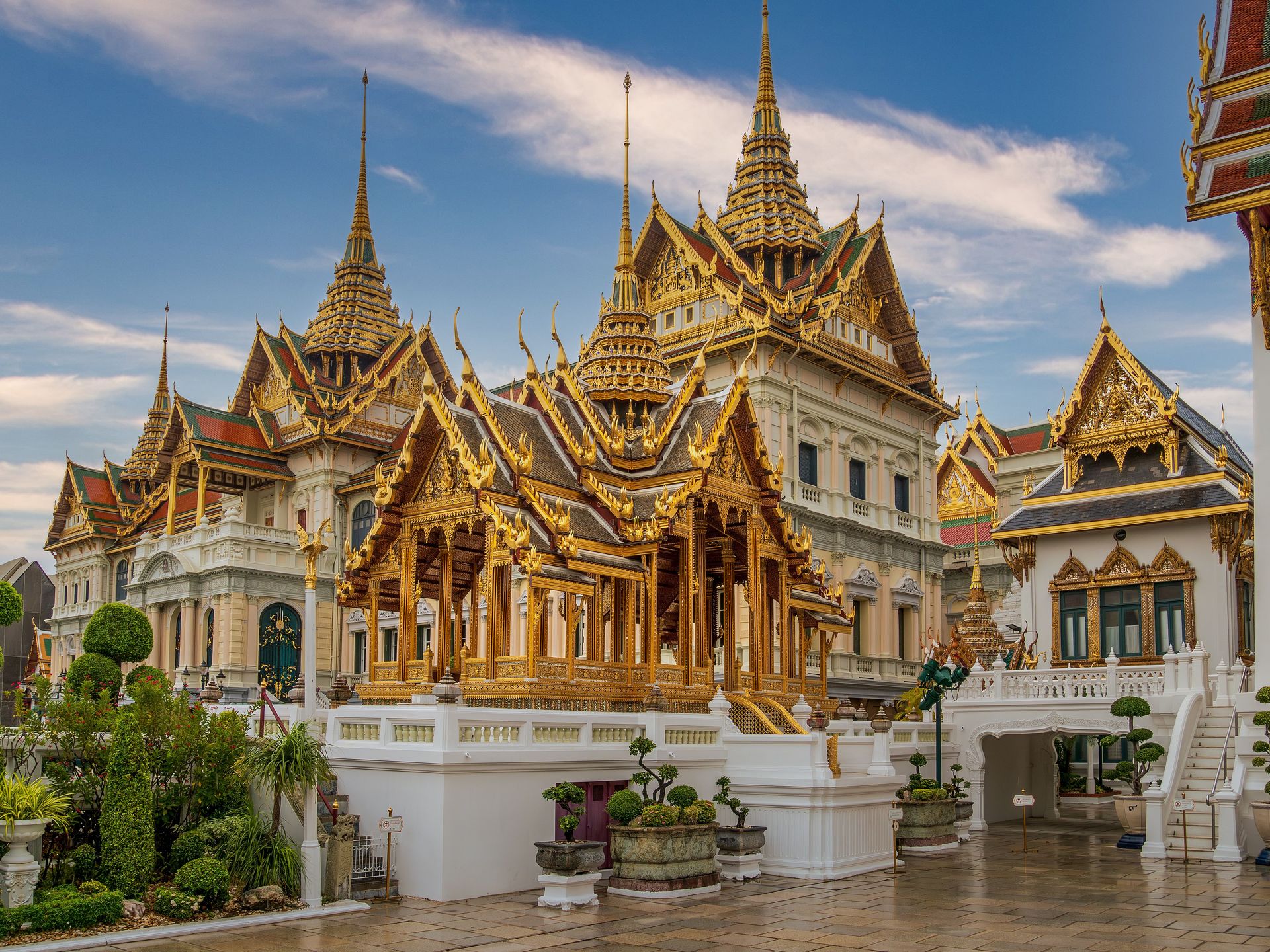
Bangkok offers a level of hotel value that surprises first-time visitors. Mid-range hotels in central neighborhoods like Silom, Sukhumvit, and Ari run $40 to $80 per night. Luxury hotels — full five-star properties with rooftop pools, concierge service, and multiple dining options — can be booked for $100 to $180, prices that major U.S. or European cities couldn't touch for the same quality. The hotel market is highly competitive, which keeps prices honest.
Chiang Mai in the north has a different texture: a smaller, slower city with a medieval moat, hundreds of Buddhist temples, excellent trekking into the surrounding mountains, and a food scene anchored by northern Thai cuisine — khao soi curry noodles, sai oua sausage, and laap — that differs meaningfully from what you'd find in Bangkok. The city has developed a sizable long-stay community of remote workers and retirees, drawn by its low cost of living and pleasant climate in the cooler months between November and February.
Credit: BabijaPhoto JB / Pexels
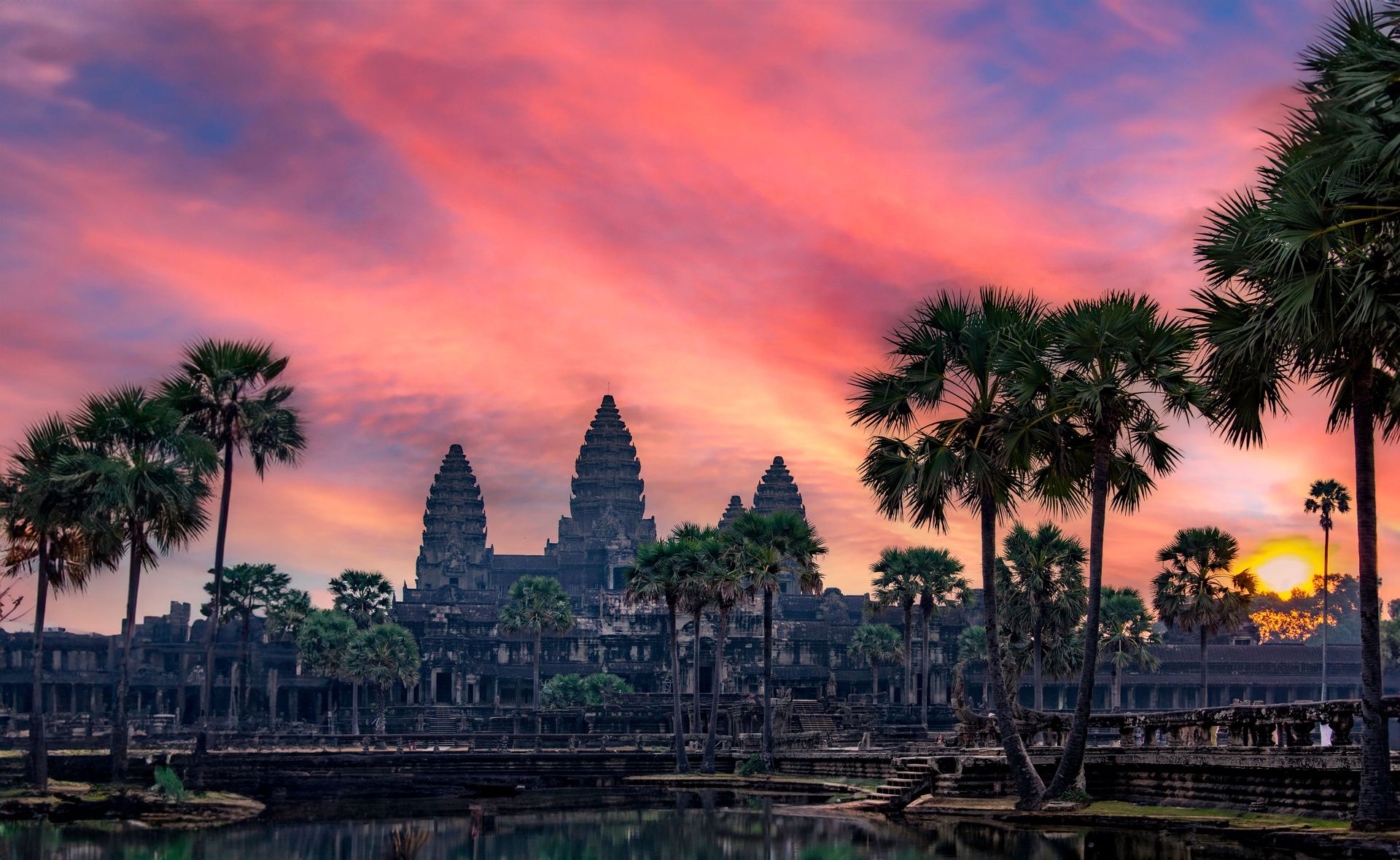
Cambodia is one of the few countries in the region where the U.S. dollar is widely accepted as a de facto second currency, used alongside the Cambodian riel in everyday transactions. That arrangement removes the friction of currency exchange and makes the country's pricing immediately legible to American travelers.
Angkor Wat and the broader Angkor Archaeological Park outside Siem Reap represent the main draw, and for good reason. The temple complex — which encompasses Angkor Wat itself, Angkor Thom, the Bayon, Ta Prohm, and dozens of other structures — is one of the most remarkable concentrations of medieval architecture anywhere in the world. A one-day pass costs $37, a three-day pass $62. For the scale of what you're seeing, those prices look low.
Beyond Angkor, Cambodia's national cuisine — amok fish curry, beef lok lak, num pang sandwiches — is excellent and cheap. Breakfast at a local shop costs $1 to $2. A dinner at a mid-range restaurant in Siem Reap or Phnom Penh runs $6 to $12 per person with a drink. Tuk-tuk rides across cities cost $2 to $5. A guesthouse room with air conditioning in Siem Reap runs $15 to $25 per night; a small boutique hotel costs $40 to $70.
Phnom Penh, the capital, is a more complex city with a difficult history — the Tuol Sleng Genocide Museum and the Killing Fields memorial at Choeung Ek are sober, essential institutions for understanding the Khmer Rouge period — but also a genuinely interesting contemporary city with a growing food and arts scene along the riverfront. A river cruise past the Royal Palace at sunset, a dinner at one of the riverside restaurants, and a night in a well-run colonial-era hotel all come at prices that remain far below what comparable tourism infrastructure costs elsewhere.
Credit: Mayur Sable / Pexels
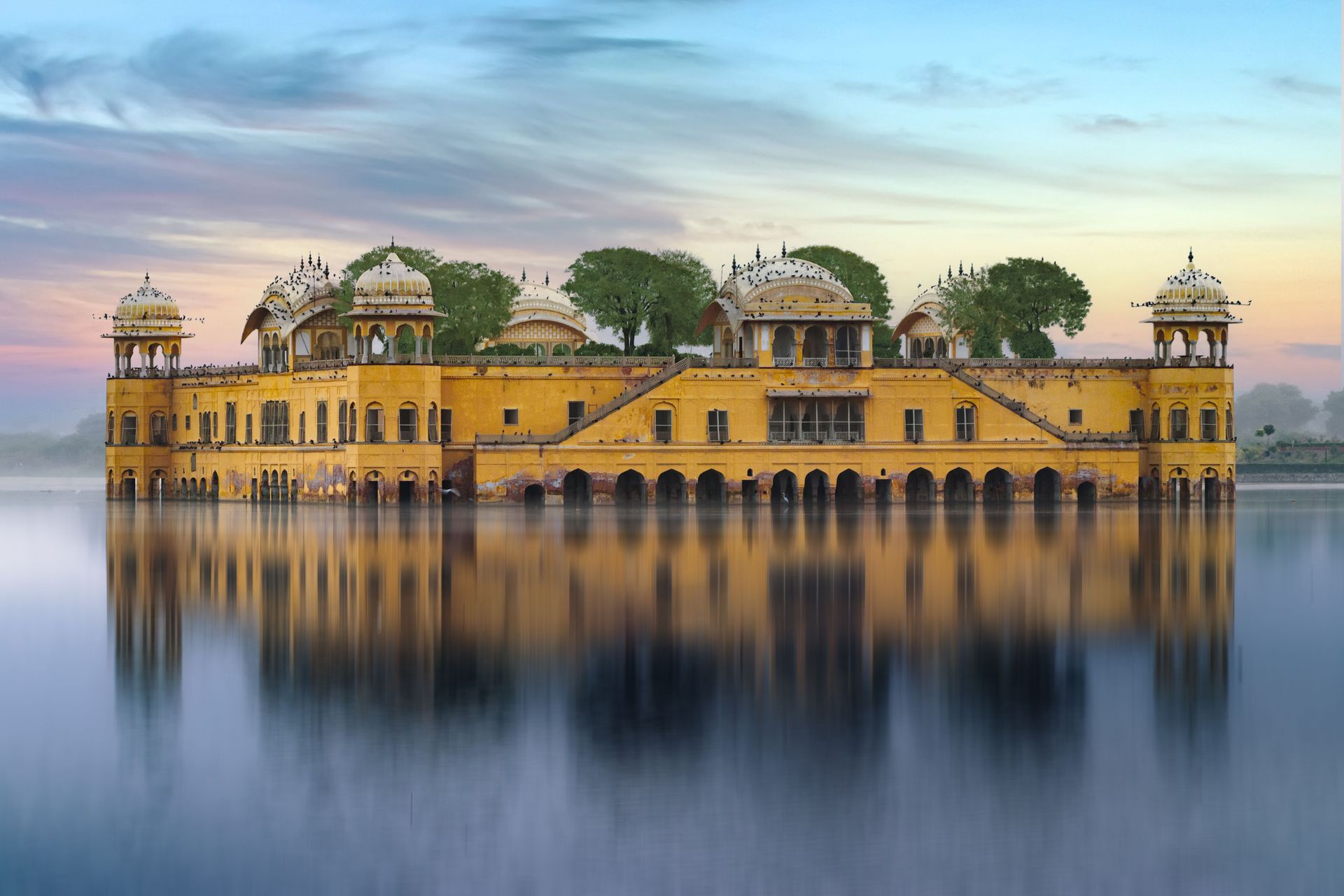
India operates on a scale and at a price point unlike anywhere else. The Indian rupee, trading at roughly 84 to 85 per dollar, and the country's enormous domestic economy — which keeps prices anchored to wages that are a small fraction of U.S. levels — combine to make India one of the deepest-value destinations in the world for travelers who have the patience and adaptability it requires.
The range of what India offers is genuinely hard to compress. The Rajasthani palace hotels of Jaipur, Jodhpur, and Udaipur — royal residences converted into hotels, some with rooms overlooking lakes, others perched on hilltops above blue-painted cities — charge prices that would be considered budget-tier in Europe. A room at a heritage hotel in Udaipur with lake views can be found for $80 to $150 per night. The same view in a comparable setting in Italy or France would cost three to five times more.
Street food is where the dollar becomes essentially infinite. Chai from a chai wallah costs five rupees — a few cents. A full thali at a South Indian vegetarian restaurant — multiple small dishes served on a banana leaf with rice, sambar, rasam, chutneys, and papad, refilled until you stop — runs 80 to 200 rupees, or $1 to $2.50. The tandoor breads, the dals, the biryanis, the coastal curries of Kerala and Goa — all of this is available at prices that make eating three excellent meals per day one of the easiest budget categories to manage.
Rail travel on Indian Railways connects virtually the entire country at prices that seem implausible to Western travelers. A second-class AC sleeper ticket from Delhi to Agra — the route to the Taj Mahal — costs a few dollars. A full overnight train from Mumbai to Goa runs $15 to $30 in a comfortable berth.
India requires more planning and adaptation than many of the other destinations on this list — infrastructure is uneven, distances are vast, and the sensory intensity of major cities can be overwhelming. But the value offered in exchange is extraordinary.
Credit: Amr Saleh / Pexels
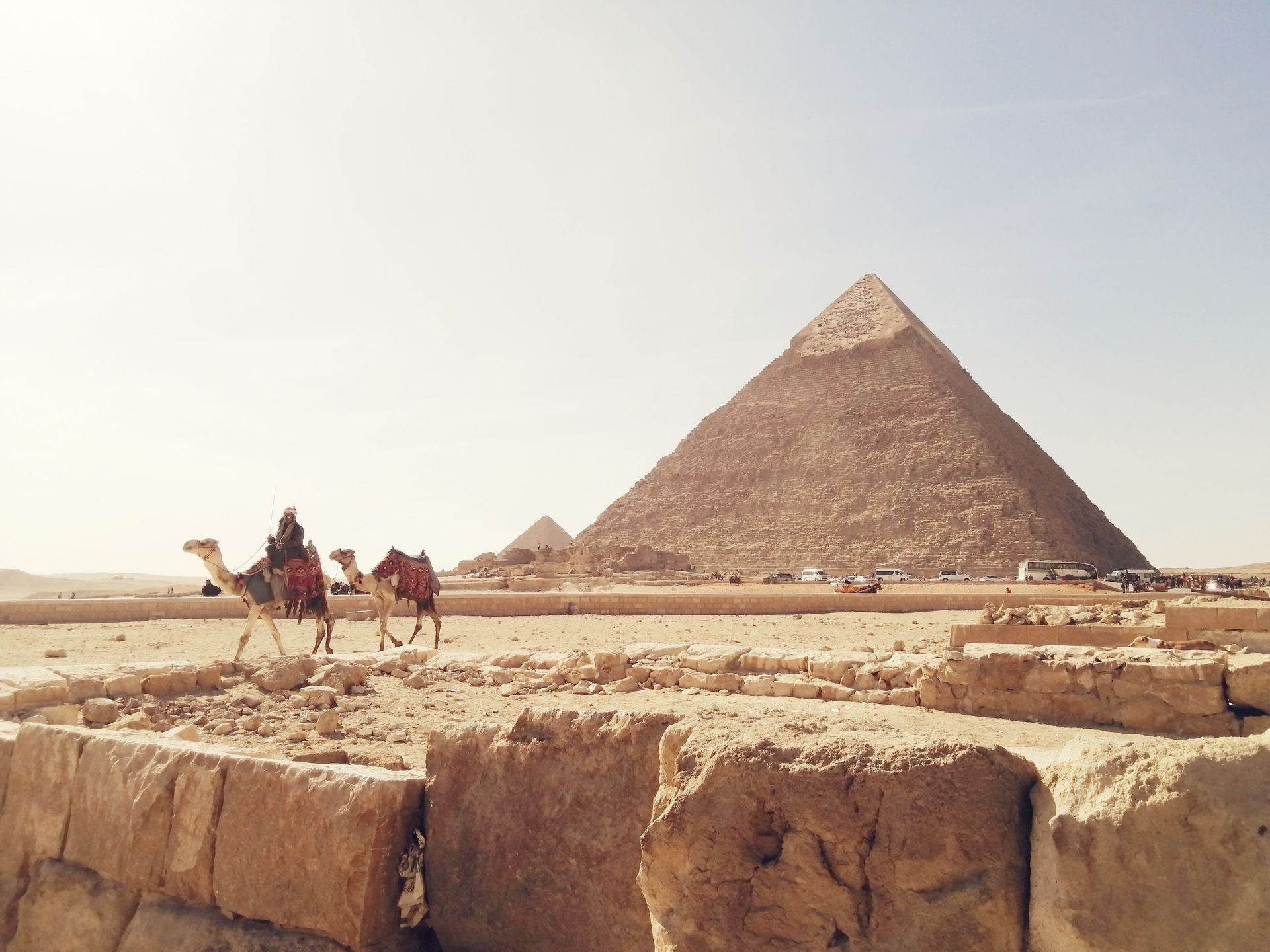
Egypt underwent a significant economic shift in 2024 when the central bank allowed the Egyptian pound to float freely. The currency fell sharply to around 50 pounds per dollar, down from around 30 the year before and from roughly 8 per dollar a decade ago. For travelers arriving with dollars, the effect was immediate: Egypt became dramatically more affordable in dollar terms essentially overnight.
The practical pricing now looks like this: a falafel sandwich at a local shop costs under a dollar. A plate of koshari — the national dish, a mix of rice, lentils, pasta, and tomato sauce — runs roughly the same. A hotel room in Cairo's tourist areas costs $40 to $80 per night for a midrange property; many of the large international hotels on the Nile have dollar pricing that makes them extremely competitive in U.S. dollar terms. A luxury Nile cruise from Luxor to Aswan — one of Egypt's signature experiences — can be arranged for $100 to $200 per day in a well-appointed cabin.
The monuments are priced in dollars, which keeps entry fees from being negligibly cheap, but they remain reasonable for what they represent. The Giza pyramids complex charges around $15 to $20 for entry. The Egyptian Museum in Cairo, home to the Tutankhamun treasures, runs $15. Luxor and Karnak temples are similarly priced.
Inflation has eased from its peak but still runs in the mid-teens, which means prices do creep up in local currency terms. The gains from the exchange rate are real but somewhat smaller than the headline number suggests. Travelers $TRV should also be aware of the current State Department Level 2 advisory — Exercise Increased Caution — and specific Do Not Travel zones in the Northern Sinai and parts of the Western Desert. The Nile corridor from Cairo through Luxor to Aswan, plus the Red Sea coast, is where the vast majority of visitors travel and falls outside those restricted areas.
Credit: Ramon Karolan / Pexels
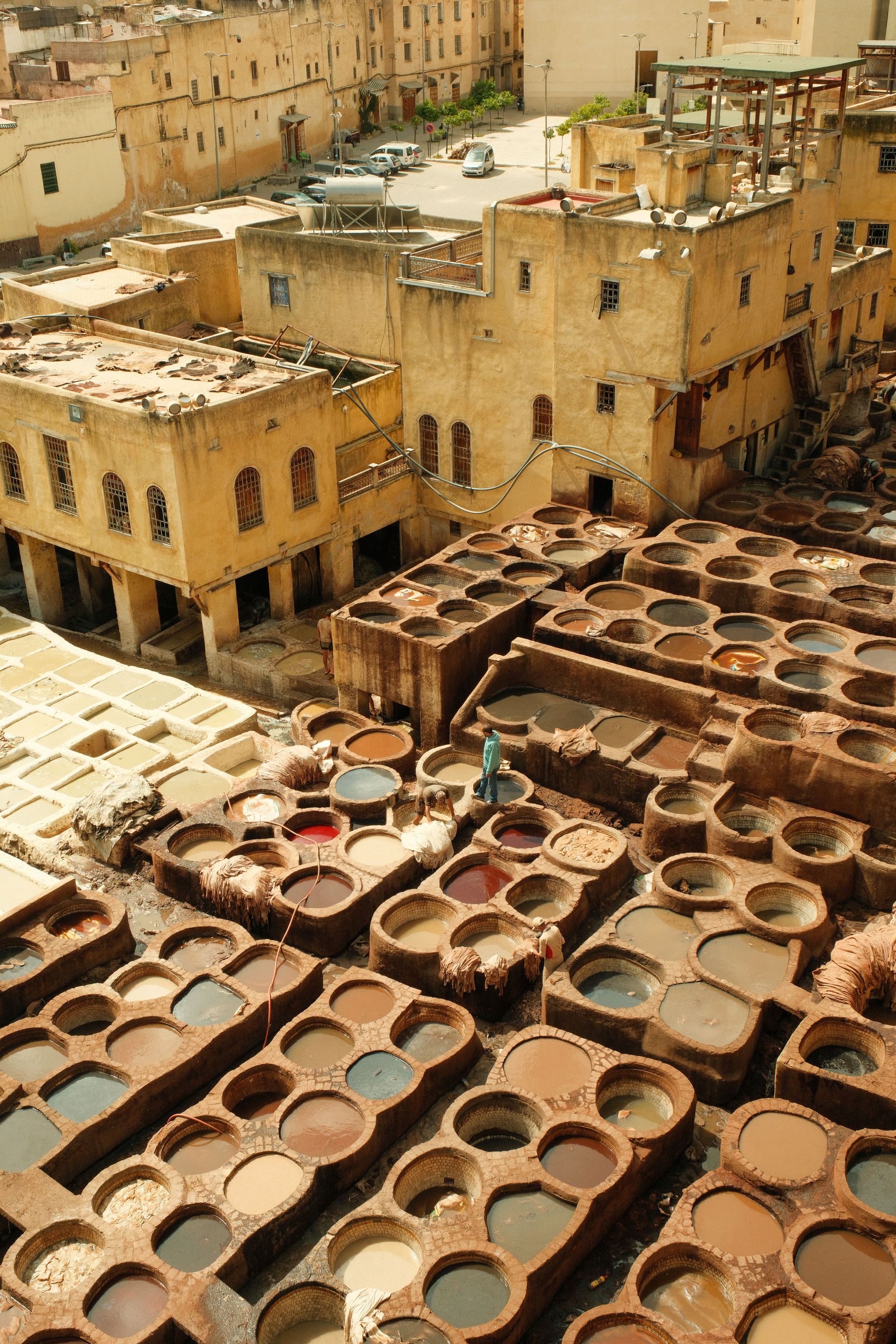
Morocco sits at an intersection of Africa, Europe, and the Arab world, and its cultural complexity is matched by a pricing structure that rewards American travelers who explore beyond the most touristy pockets of Marrakech. The dirham has remained relatively stable against the dollar, and structural affordability keeps most everyday costs well below what comparable travel experiences cost in Southern Europe.
The medinas of Fez and Marrakech are the most visited destinations — labyrinthine medieval cities where donkeys still deliver goods through alleys too narrow for cars, where traditional crafts like leather tanning, copper-working, and weaving continue in workshops that have operated for centuries, and where the call to prayer from minarets marks time five times a day. The medinas can feel overwhelming for first-time visitors, but they're also genuinely unlike anything in the Western world, and the food within them is excellent and cheap.
In Marrakech's Djemaa el-Fna square, the nightly food market — dozens of open-air stalls selling lamb skewers, harira soup, snail stew, freshly squeezed orange juice, and fried fish — is one of the world's great street food experiences. Prices are tourist-adjusted compared to local markets, but still extremely modest by U.S. standards.
The riad hotel format — a traditional courtyard house converted into a small guesthouse or boutique hotel — is Morocco's distinctive accommodation offering. A riad in Fez's medina, with a mosaic-tiled courtyard, a rooftop terrace, and a host who serves mint tea on arrival, runs $50 to $120 per night in most seasons. That price includes an atmosphere that hotel chains can't replicate.
Beyond the cities, the Sahara Desert — accessible from Merzouga in the southeast — offers camel treks and camp nights under some of the clearest skies in the region at prices that remain genuinely affordable. The Atlas Mountains, the blue city of Chefchaouen, and the Atlantic coast around Essaouira all offer further contrasts.
Credit: Marlin Clark / Pexels
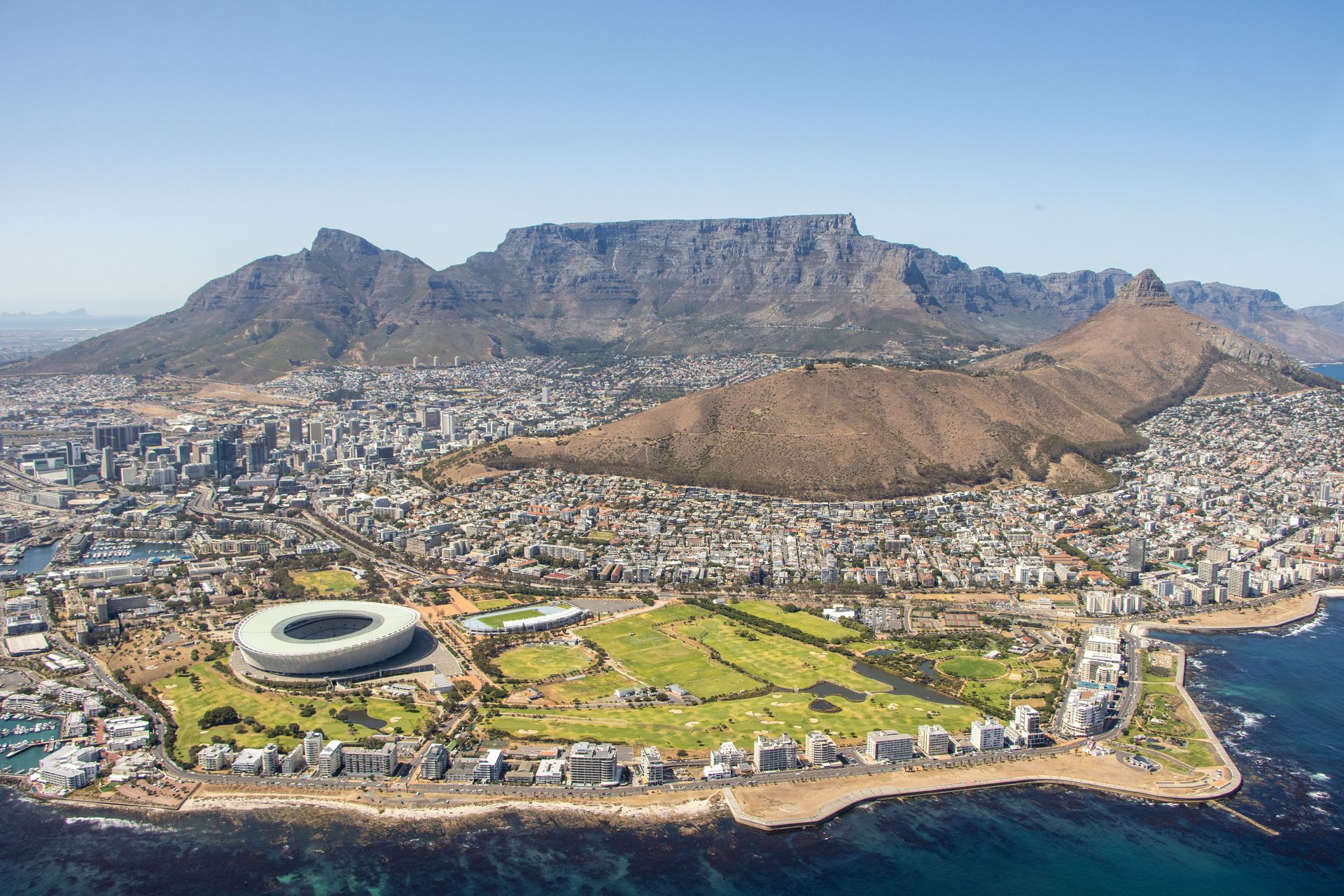
South Africa is a country where the exchange rate has done most of the work. The rand has weakened significantly against the dollar over the past decade, and though airfare from the U.S. is typically expensive — often $1,000 or more for a round trip — the affordability on the ground once you arrive can make the economics work for longer trips.
A midrange hotel room in Cape Town's tourist-friendly areas — the V&A Waterfront, De Waterkant, the City Bowl — runs $70 to $120 per night. In Johannesburg's leafy Rosebank neighborhood, comparable accommodation costs similar. Restaurant meals in Cape Town, which has a sophisticated wine and food scene built around the Cape Winelands just an hour's drive away, run $15 to $30 per person at a proper restaurant.
The safari calculus is particularly favorable. South Africa is one of the most accessible safari destinations in Africa because it has no malaria risk in most private game reserves (the Kruger Park area is an exception), excellent road infrastructure, and a well-developed tourism industry. A three-hour drive from Johannesburg lies Pilanesberg National Park, where visitors can see all of the Big Five. Private game lodges charge $200 to $400 per person per night in many cases — expensive by absolute standards, but well below what comparable fully inclusive safari experiences cost in East Africa.
The Cape Winelands around Stellenbosch, Franschhoek, and Paarl offer a wine tourism experience that has few direct equivalents. World-class Pinotage, Chenin Blanc, and Bordeaux-style blends are poured at cellar prices that would seem absurd to a wine tourist in France or Napa. A tasting at a top estate costs $5 to $15 and typically includes pours of five or six wines.
Credit: Renato Pereira / Pexels
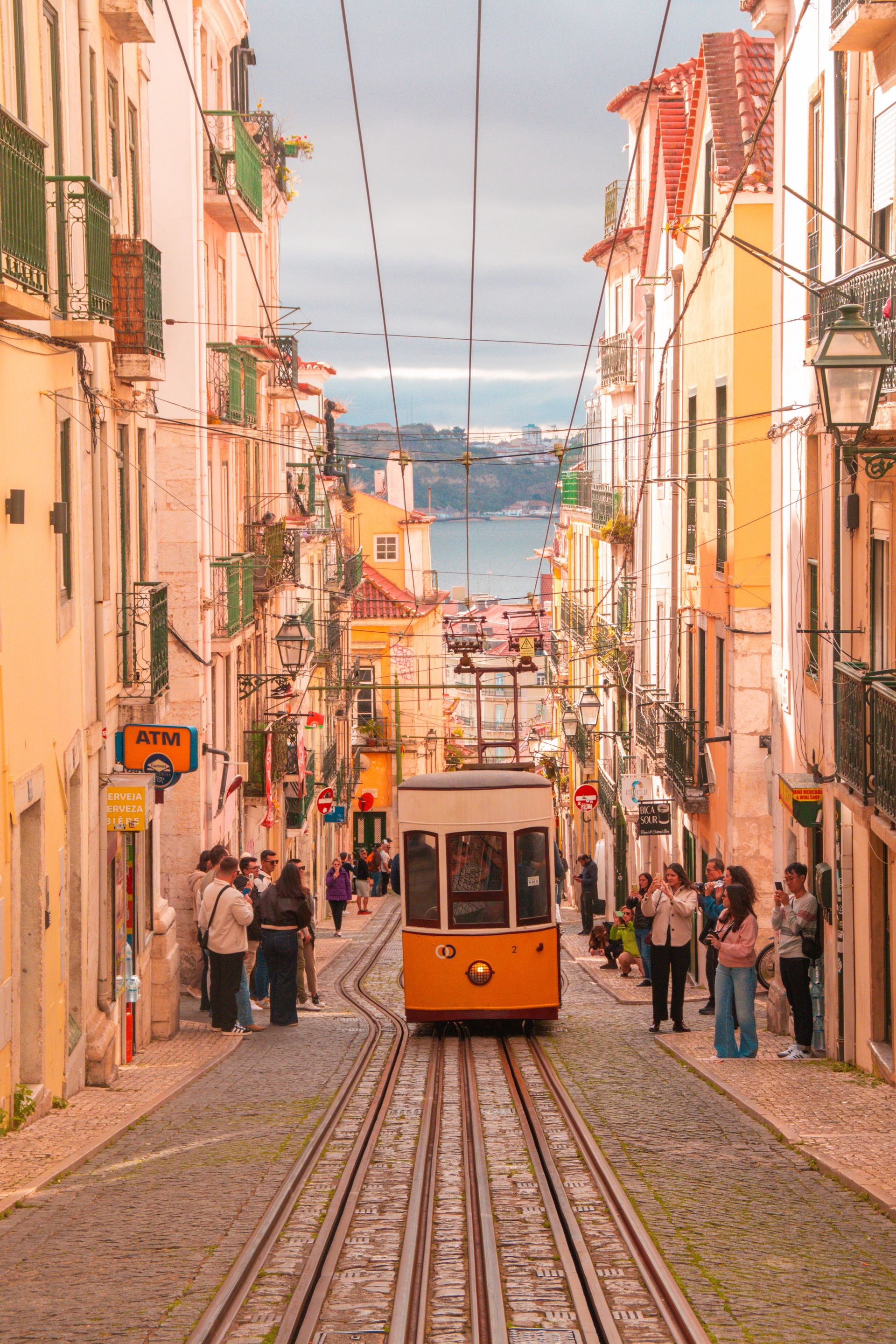
Portugal's positioning on this list requires explanation, because Portugal is no longer the cheapest country in Western Europe. Lisbon and Porto, in particular, have seen significant tourism-driven price increases over the past several years, and both cities now have hotel rates and restaurant prices that would not shock a traveler arriving from a major U.S. city.
What Portugal still offers is value relative to comparable Western European experiences. Eating and drinking well in Lisbon costs roughly 40% to 50% less than doing the same in Paris or Zurich. A three-course meal with wine at a proper tascas — a traditional Portuguese tavern — runs $20 to $35 per person. A pastel de nata, the custard tart that defines Portuguese pastry, costs under a dollar at most bakeries. Wine, particularly from the Douro Valley and the Alentejo, is priced far below its quality level.
The country also offers a depth of experience that its size doesn't suggest. The Alentejo region, Portugal's interior plateau, has whitewashed villages, megalithic standing stones, one of Europe's largest cork oak forests, and a wine and food culture anchored by pork, olive oil, and bread that is essentially undiscovered by mass tourism. Prices there are dramatically lower than in Lisbon or Porto.
The Azores, Portugal's mid-Atlantic island group, deserve specific mention. The archipelago offers volcanic landscapes, whale watching, geothermal hot springs, and hiking through calderas at prices well below what comparable island experiences cost in Hawaii or the Canary Islands. Accommodation on São Miguel, the main island, runs $60 to $120 per night for a good guesthouse.
Credit: Alexandru MnM / Pexels
Romania is the destination on this list most commonly described as a hidden value by travelers who have recently discovered it. An EU member with solid infrastructure, medieval old towns, a Carpathian mountain range, and prices that sit well below the Western European average, Romania offers a genuinely European experience at a cost structure that has more in common with Southeast Asia than with France.
Bucharest, the capital, has been described as the Paris of Eastern Europe — a comparison that is architecturally earned in certain neighborhoods, particularly around the Calea Victoriei boulevard and the old town district of Centrul Vechi, where 19th-century buildings house wine bars, bookshops, and restaurants. A full dinner with wine at a proper Romanian restaurant in central Bucharest runs $15 to $25 per person. A beer at a bar in the old town costs around $2 to $3.
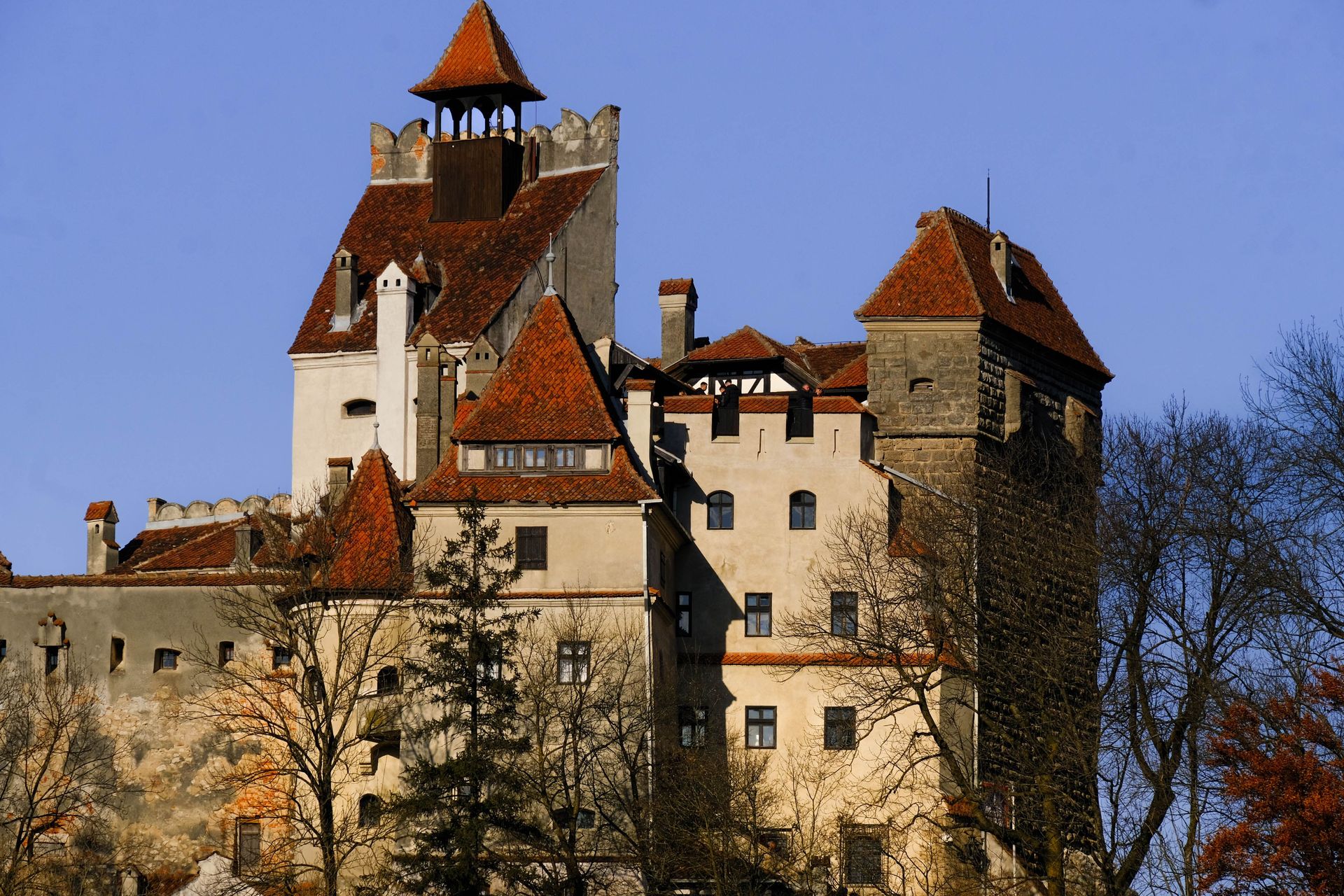
The secondary cities are where Romania's value becomes exceptional. Brașov, in the Transylvanian Alps, is a medieval fortified city with a famous black church, a mountain cable car, and direct access to Bran Castle — the fortress popularly associated with the Dracula legend. Private rooms in central Brașov run $25 to $50 per night. Cluj-Napoca in northwestern Transylvania is a university city with a dense café and restaurant culture at student prices. Sighișoara, birthplace of Vlad the Impaler, is one of the best-preserved medieval citadels in Europe and receives a fraction of the visitors that its Bohemian and Bavarian counterparts attract.
The Carpathian Mountains offer skiing in winter and hiking in summer at resorts and trail networks that cost far less than comparable experiences in Austria or Switzerland. The Danube Delta in the far east, accessible from Tulcea, is one of Europe's largest and most biodiverse wetland systems, home to pelicans, cormorants, and dozens of other species in a landscape that sees very little tourist traffic.
Romania uses the leu, which has remained relatively stable against the euro but is weaker than the dollar, and everyday costs are around 40 to 50% below the EU average by most measures.
Credit: Виктор Соломоник / Pexels
Georgia — the Caucasus country, not the U.S. state — has become one of the most talked-about destinations among the digital nomad and long-stay travel communities for reasons that are primarily economic. A combination of low base prices, a flat-tax policy that attracts remote workers, and easy visa access for Americans (who can stay up to a year without a visa) has made the country genuinely exceptional value.
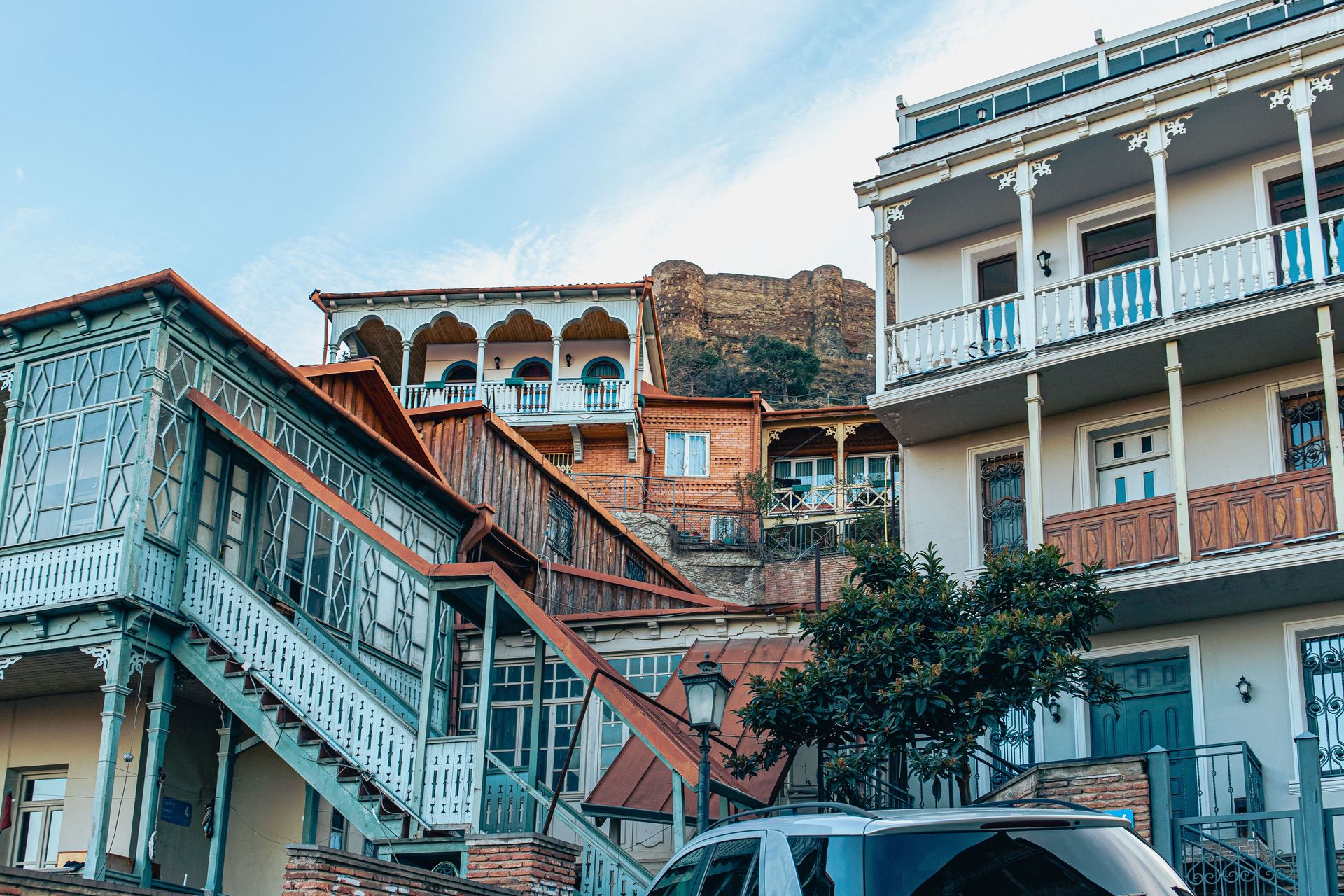
Tbilisi, the capital, is a city of roughly 1.2 million people with a completely distinctive architectural character — elaborate wooden balconies overhang the narrow streets of the old town, sulfuric hot spring bathhouses have operated in the same neighborhood for centuries, and the skyline mixes Soviet-era blocks with medieval churches and a modernist glass pedestrian bridge. A full dinner with wine at a traditional Georgian restaurant — khinkali dumplings, khachapuri cheese bread, walnut-stuffed badrijani eggplant, and a jug of house wine from the Kakheti region — costs $10 to $20 per person. Local wine, for which Georgia claims the world's oldest winemaking tradition going back roughly 8,000 years, is available at restaurants for $3 to $8 per bottle.
Accommodation in Tbilisi runs $30 to $70 per night for a comfortable guesthouse in the old town or the hip Vera neighborhood. Monthly apartment rentals, relevant for longer-stay visitors, run $400 to $800 for a one-bedroom in central areas — figures that have risen with demand from remote workers but remain extremely low by Western standards.
The countryside surrounding Tbilisi adds significant value. The wine region of Kakheti, a two-hour drive east, has ancient monasteries, traditional qvevri wineries where fermentation happens in buried clay vessels, and a pastoral landscape of vineyards and walnut groves. The Kazbegi mountain district to the north, accessible in three hours from the capital, has hiking trails beneath the Caucasus peaks and the iconic Gergeti Trinity Church perched above the town of Kazbegi at over 2,000 meters of elevation.
Credit: Popoy Dev / Pexels
The Philippines sits in a distinctive position among Southeast Asian destinations: it's the only country in the region where English is an official language and is spoken fluently across most of the population, which significantly reduces the practical friction of getting around and communicating. Combined with pricing that ranks among the lowest in the region, this makes the Philippines unusually accessible for first-time visitors to Southeast Asia.
The Philippine peso trades at roughly 56 to 58 per U.S. dollar, and structural costs are low. A full meal at a local turo-turo — a Filipino cafeteria where you point at the dishes you want — costs 80 to 150 pesos, or $1.40 to $2.60. Adobo, sinigang, kare-kare, and lechon — the Philippines' signature roast pig, universally regarded as among the best in Asia — all come at prices anchored to local wages. A domestic beer at a restaurant costs 60 to 80 pesos. A cocktail at a bar in Makati or BGC, Manila's modern business district, runs $3 to $6.
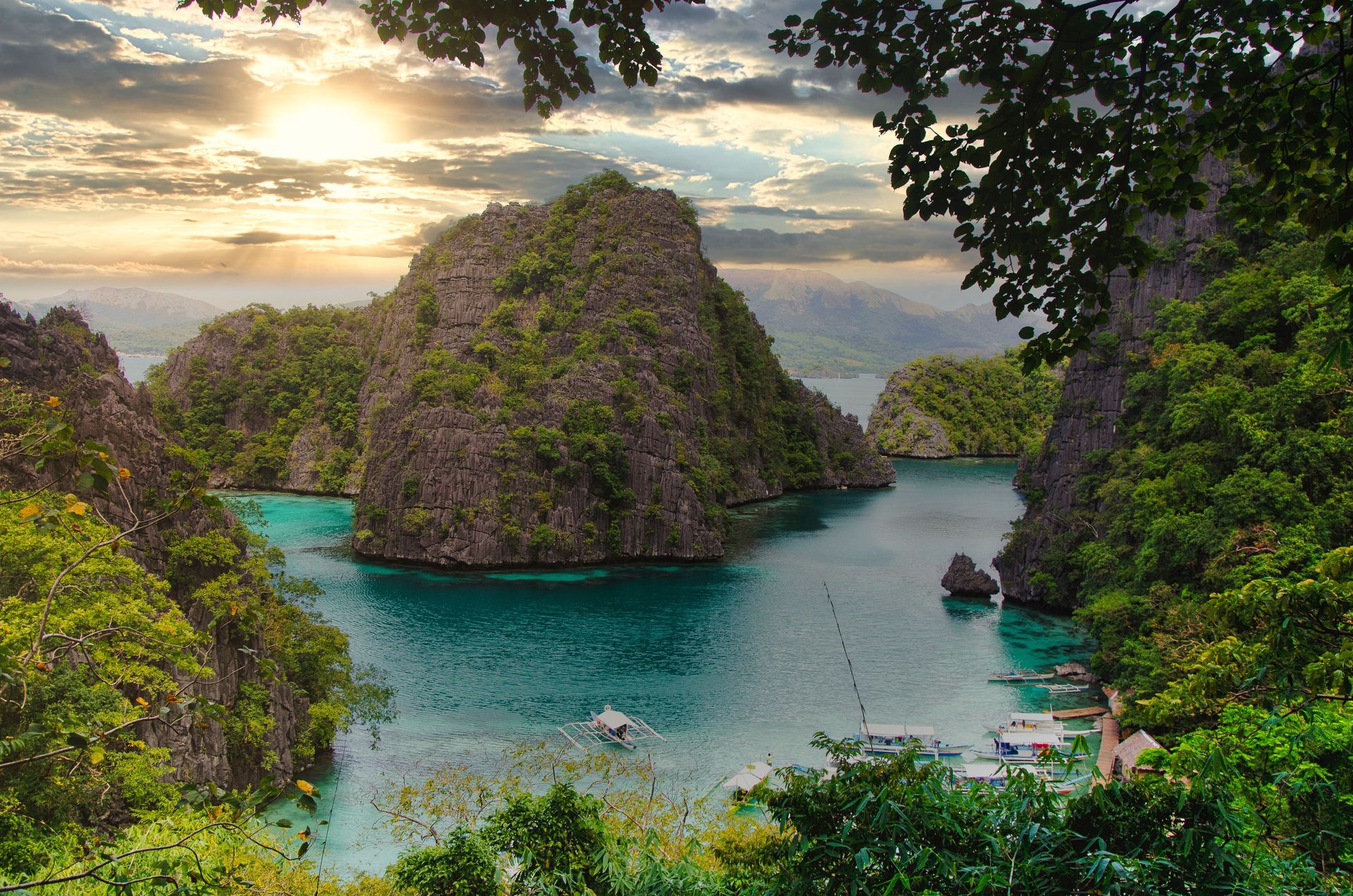
The geography of the Philippines — over 7,600 islands — produces an enormous range of beach and island experiences. Palawan, in the western part of the archipelago, has been consistently ranked among the world's best island destinations for its clear water, limestone karst formations, and island-hopping tours through the Bacuit Archipelago near El Nido. A three-day island-hopping tour covering dozens of coves and beaches runs $50 to $80. Accommodation on Palawan ranges from $20 guesthouses to $150 boutique resorts with overwater bungalows.
Siargao, off northeastern Mindanao, has become the country's premier surfing destination and a growing center of slow-travel expat culture. Bohol has the Chocolate Hills — a geological formation of 1,268 conical hills — and the tarsier sanctuary where you can see the world's smallest primate.
Credit: Alexander Rondón / Pexels
Bolivia is among the most affordable countries in the Western Hemisphere, and it offers experiences that are genuinely not replicable elsewhere. The Salar de Uyuni — the world's largest salt flat, over 10,000 square kilometers of blinding white crystalline surface at an altitude of 3,656 meters — is one of the most otherworldly landscapes on earth. In the wet season, a thin layer of water turns it into a perfect mirror of the sky. Tours to the salar, typically three days crossing the salt and stopping at colored lagoons with wild flamingos, can be arranged for $60 to $100 per person.
La Paz, the administrative capital, sits at roughly 3,600 meters above sea level in a bowl surrounded by the Andes, with the city of El Alto spreading across the plateau above it. The altitude is a genuine consideration for acclimatization, but the setting is dramatic and the city functions as a base for some of South America's best trekking. The Yungas Road — known colloquially as the "Death Road" for its historical accident rate before it was bypassed — is now the world's most popular downhill mountain bike route, running from 4,650 meters at the La Cumbre pass down to the subtropical Yungas valley below 1,200 meters. Day trips cost $25 to $45.
Sucre, the constitutional capital, sits at a more comfortable 2,750 meters and is one of the best-preserved Spanish colonial cities in South America. A UNESCO World Heritage Site, it has whitewashed buildings with terracotta roofs, a pleasant central plaza, and accommodation that runs $15 to $35 per night at a decent guesthouse.
A full meal at a local restaurant in La Paz costs 30 to 50 bolivianos — $4 to $7. A fresh juice from the famous Mercado Lanza vendors runs under a dollar. Bolivia remains one of the few places in the Americas where a traveler on a tight budget can have substantive, high-quality experiences without financial anxiety.
Credit: Riddho Datta / Pexels
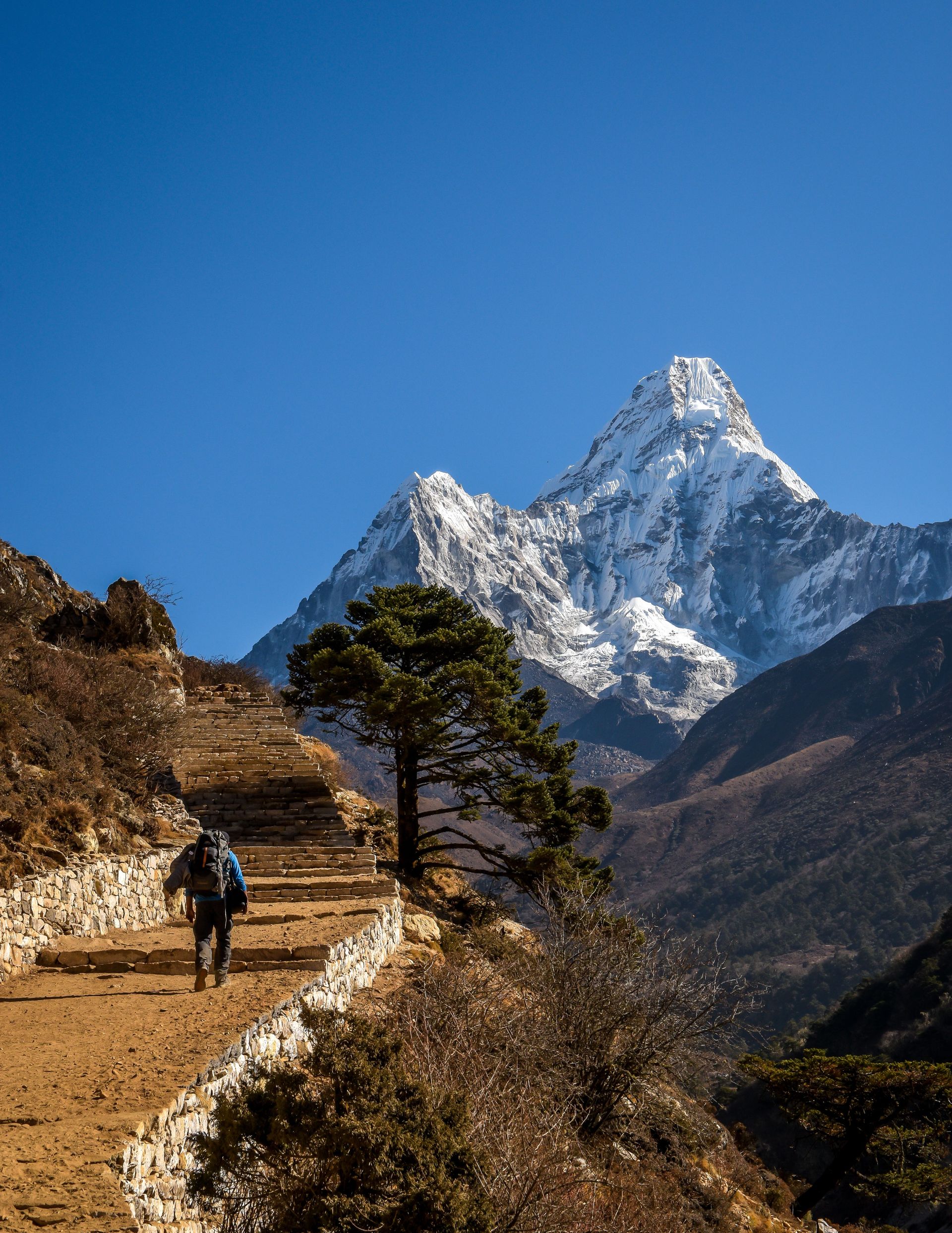
Nepal's appeal is primarily geographical: it contains eight of the world's ten highest mountains, including Everest, and the trekking routes through the Himalayas are among the most famous walking routes in the world. The country offers that access at prices that, outside of permit fees, are extremely low.
The Nepalese rupee trades at roughly 133 to 135 per U.S. dollar, and everyday costs are among the lowest in Asia. Accommodation in Kathmandu's Thamel district — the main backpacker and trekker hub — runs $10 to $30 per night for a clean guesthouse. A dal bhat — the Nepali staple of lentil soup, rice, vegetables, and pickles, typically refilled as many times as you want — costs 250 to 400 rupees, or $1.85 to $3 at a local restaurant. Dal bhat is the standard fuel for trekkers for good reason: it's cheap, filling, and nutritionally complete.
Trekking costs vary by route and style. The Everest Base Camp trek and the Annapurna Circuit are the two classic multi-week routes, and both require permits — the Sagarmatha National Park fee and the Trekking Information Management System fee together run around $50 to $60, depending on season. Accommodation along both routes consists of teahouses — simple guesthouses in villages along the trail — which charge $5 to $15 per room per night and include meals. A full day of trail food and a night's accommodation typically runs $15 to $25.
Kathmandu itself is a city of UNESCO-listed heritage, with seven monument zones — including Pashupatinath, Boudhanath, Swayambhunath, and the medieval durbar squares of Kathmandu, Bhaktapur, and Patan — that can be explored over several days from cheap and comfortable accommodation. The culinary scene has grown considerably in recent years, with good restaurants serving Tibetan, Newari, and Indian food at prices that rarely exceed $10 per person.
Credit: Michael Swigunski / Pexels
Sri Lanka has had a turbulent economic period — a severe foreign currency crisis in 2022 led to acute shortages of fuel, medicine, and basic goods, and destabilized the government. The recovery since then has been gradual, and the Sri Lankan rupee has weakened significantly, trading at roughly 300 to 310 per U.S. dollar compared to around 200 before the crisis.
For travelers, the aftermath has produced a destination where prices are low by regional standards and where a country of genuine cultural richness and natural beauty is accessible at a price point below what it commanded before the economic turmoil. Tourism infrastructure — hotels, transport, guides — remains well-developed despite the country's recent difficulties.
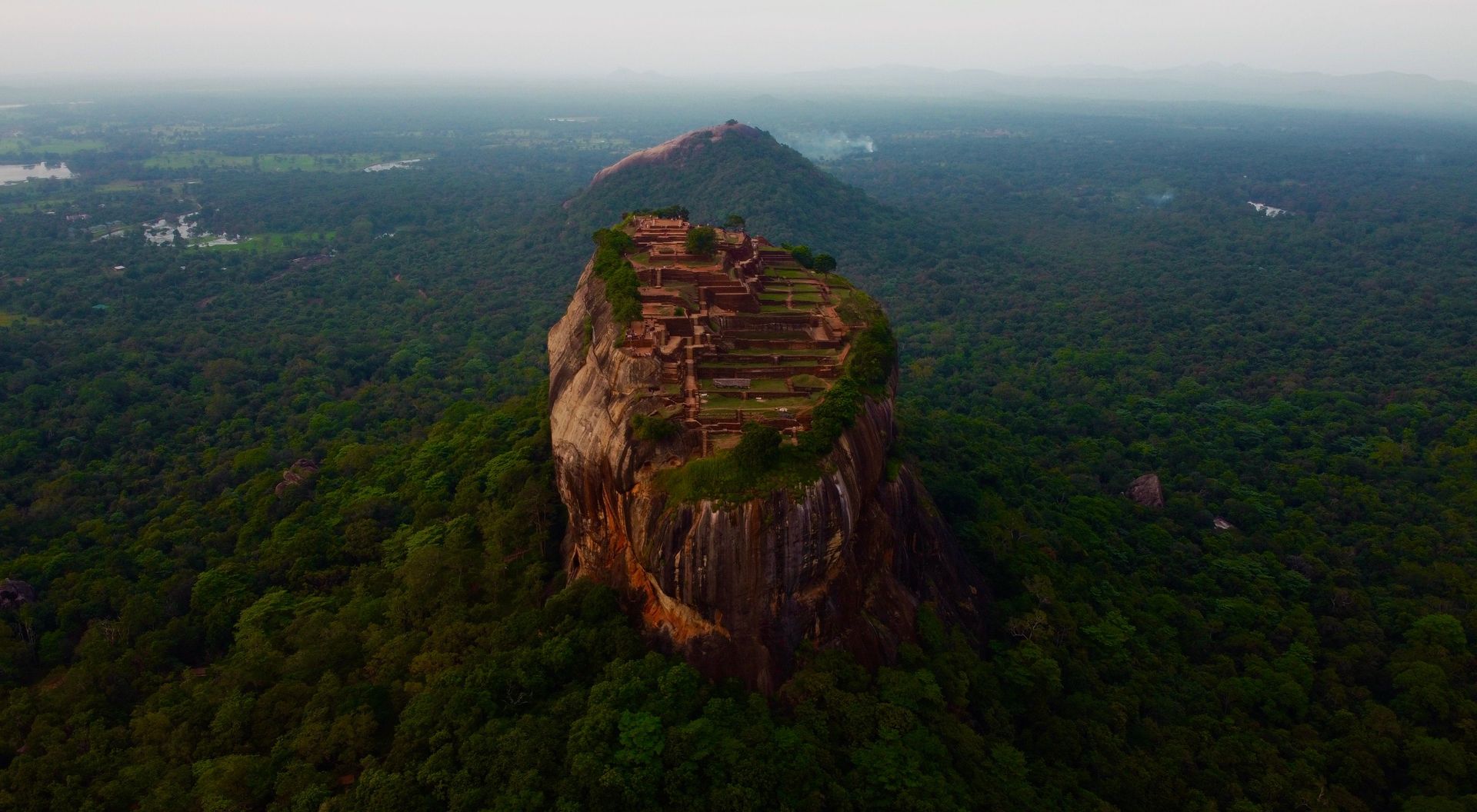
The island contains an extraordinary concentration of UNESCO World Heritage Sites for its size: the ancient cities of Anuradhapura and Polonnaruwa, the cave temple complex of Dambulla, the rock fortress of Sigiriya, and the old city of Galle, a Dutch colonial port surrounded by a rampart wall. All of these are within accessible distance of each other on an island small enough to cross by car in a few hours.
Sri Lankan food — coconut-based curries, hoppers (a fermented rice flour pancake), kottu roti (a stir-fried flatbread dish made audibly by street vendors using metal blades), and string hoppers — is excellent and extremely cheap at local restaurants. A full rice and curry lunch at a small local place runs 400 to 700 rupees, or $1.30 to $2.25.
Tea country around Nuwara Eliya, in the central highlands, offers a completely different landscape from the coastal beach culture — rolling green hills of tea bushes, cool temperatures, and colonial-era bungalows converted into guesthouses. The wildlife in Yala National Park, in the southeast, gives Sri Lanka one of the highest densities of leopards of any protected area in the world.
Credit: Konpasu.de Blog / Pexels
Albania has emerged as one of the most talked-about value destinations in Europe over the past few years, largely by word of mouth among travelers who discovered that a country with a dramatic Adriatic coastline, Ottoman old towns, and a functioning capital city costs a fraction of what neighboring Greece or Montenegro charges.
The Albanian lek trades at roughly 92 to 95 per U.S. dollar, and the country has one of the lowest costs of living in Europe by most measures. A coffee at a café in Tirana costs 60 to 100 lek — about 65 cents to a dollar. A full byrek — flaky pastry filled with cheese, spinach, or meat — from a bakery costs under $1. A dinner at a proper Albanian restaurant with fresh-grilled fish, village salad, and raki costs $12 to $20 per person.
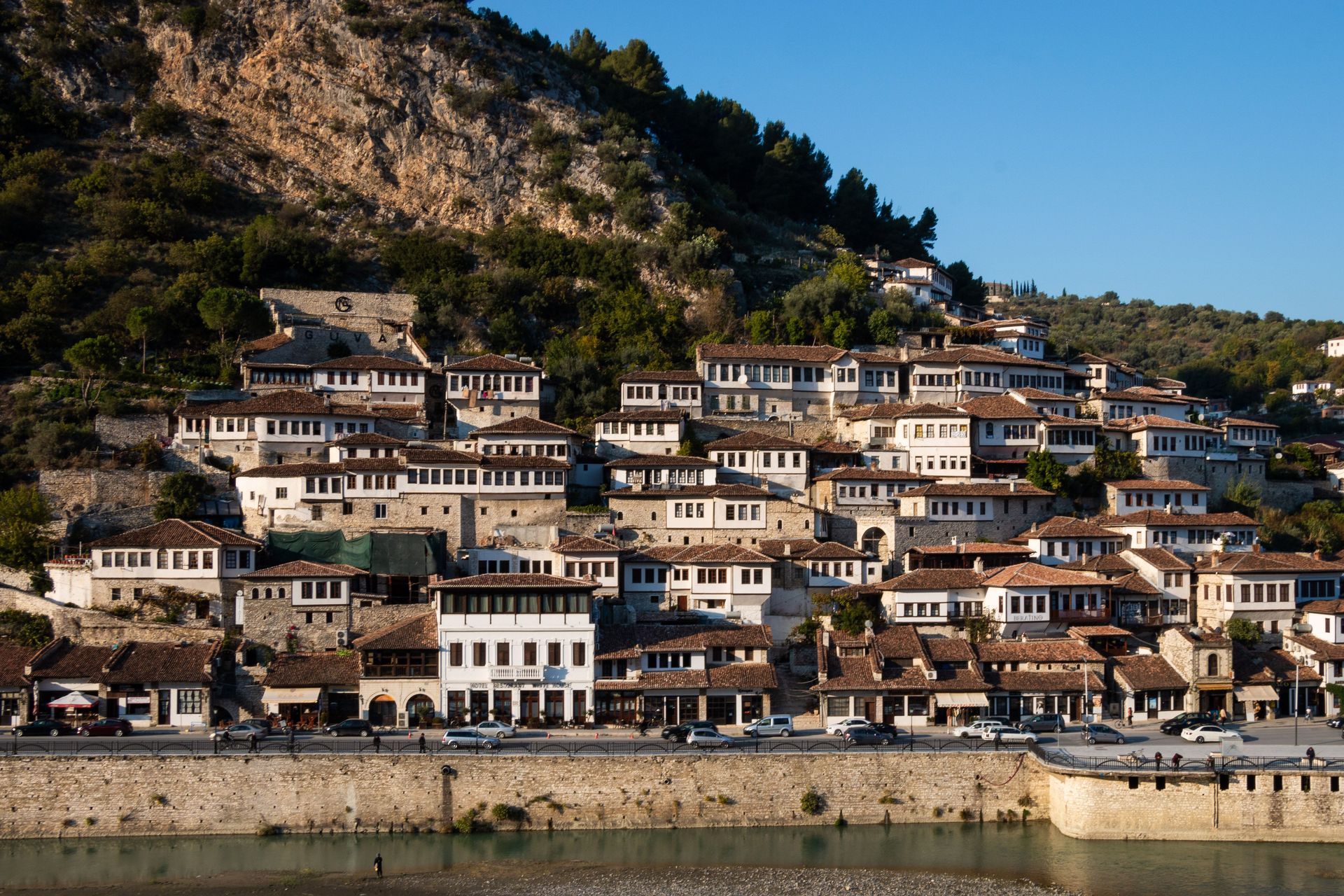
Tirana itself is a more interesting capital than its reputation suggests. The communist-era buildings have been partly redone in vivid colors, and the city has a café and bar scene clustered around Skanderbeg Square $SQ that reflects a young, urbanizing population. But the real draws are outside the capital. The Riviera between Sarandë and Vlorë offers clear Adriatic water, empty beaches (by European standards), and fishing villages that haven't been comprehensively developed. Gjirokastër, a UNESCO-listed Ottoman fortress city in the south, is one of the most atmospheric hill towns in the Balkans. Berat, another UNESCO city, is known for its distinctive Ottoman architecture of white-plastered houses stacked up a hillside, each with large windows that earned it the nickname "city of a thousand windows."
Albania requires no visa for U.S. citizens and is a Level 1 destination on the State Department advisory scale, meaning normal precautions apply. It is among the safest, cheapest, and most accessible European destinations currently receiving less attention than it deserves.
Credit: Ben Cheung / Pexels
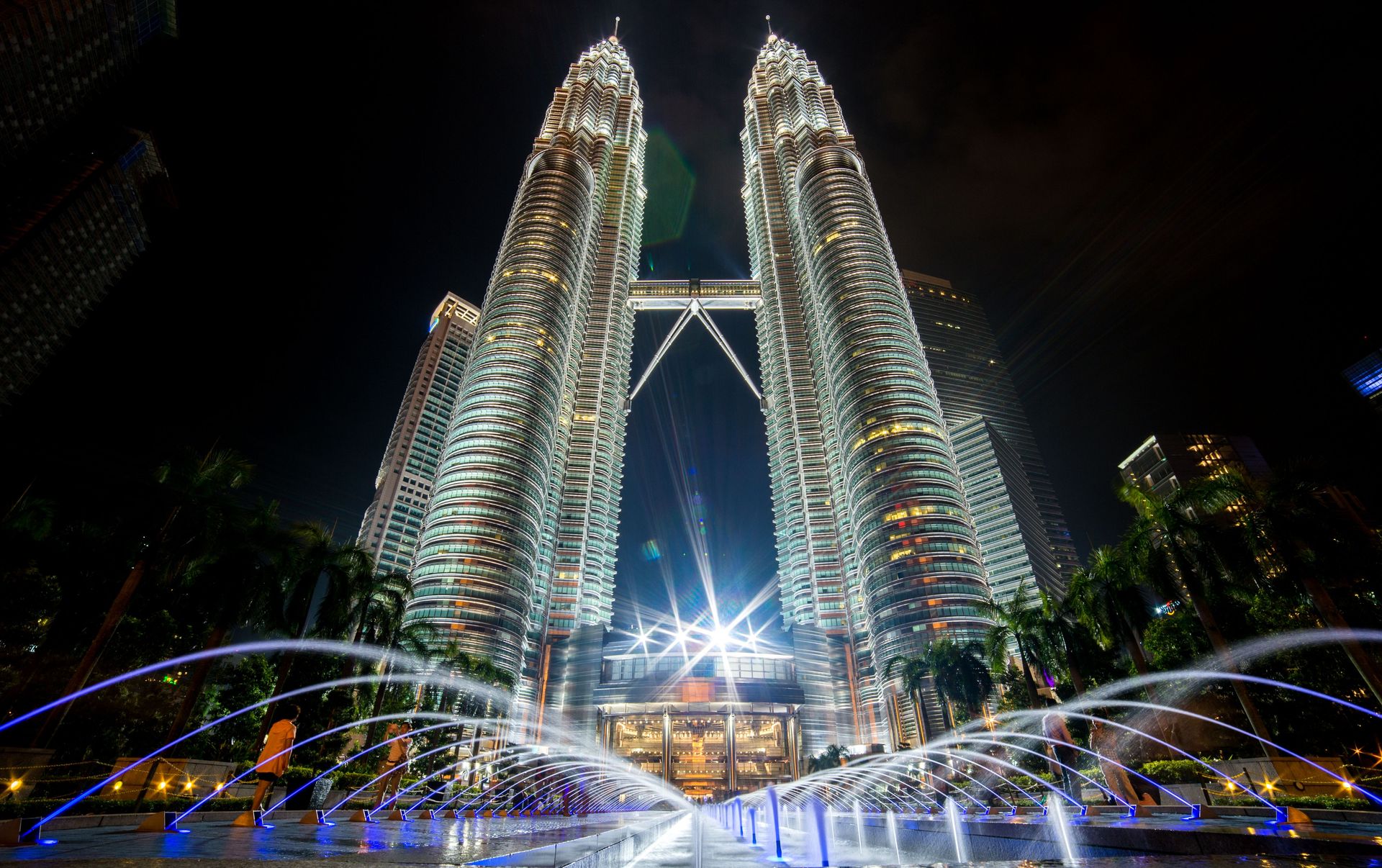
Malaysia sits at an interesting intersection of Southeast Asian affordability and genuine metropolitan sophistication. Kuala Lumpur is a well-developed capital city with a reliable metro system, excellent medical facilities, English widely spoken across the professional class, and a food culture that is consistently rated among Asia's best. It does all of this at prices that remain a fraction of what comparable urban living costs in Singapore, Hong Kong, or Tokyo.
The Malaysian ringgit trades at roughly 4.40 to 4.50 per U.S. dollar, and the country's hawker food culture — one of the cornerstones of Malaysian life — keeps everyday eating extremely cheap. A plate of char kway teow — flat noodles stir-fried with cockles, egg, and chilli — at a hawker center costs 7 to 10 ringgit, about $1.55 to $2.20. Nasi lemak, the national breakfast dish of coconut-steamed rice served with sambal, peanuts, anchovies, and a hard-boiled egg, costs a similar amount. Hawker centers — open-air collections of individual food stalls, each specializing in one or two dishes — function as the primary dining option for most Malaysians, and the quality is very high.
The country's geography adds to the value proposition. Penang, an island state off the northwest coast, contains one of the best-preserved colonial cities in Southeast Asia — George Town, a UNESCO site — alongside what many food writers describe as the finest hawker food in the world. Penang laksa, cendol, and rojak are dishes that have serious regional reputations. Borneo, the vast island shared between Malaysia, Brunei, and Indonesia, offers rainforest trekking, orangutan sanctuaries in Sepilok, and river cruises to see proboscis monkeys in Kinabatangan — all at prices far below comparable wildlife tourism in Africa.
Malaysia also offers one of the more accessible long-stay visa options in the region through its Malaysia My Second Home program, which has attracted a substantial community of retirees and long-stay expatriates.
Credit: Ryutaro Tsukata / Pexels
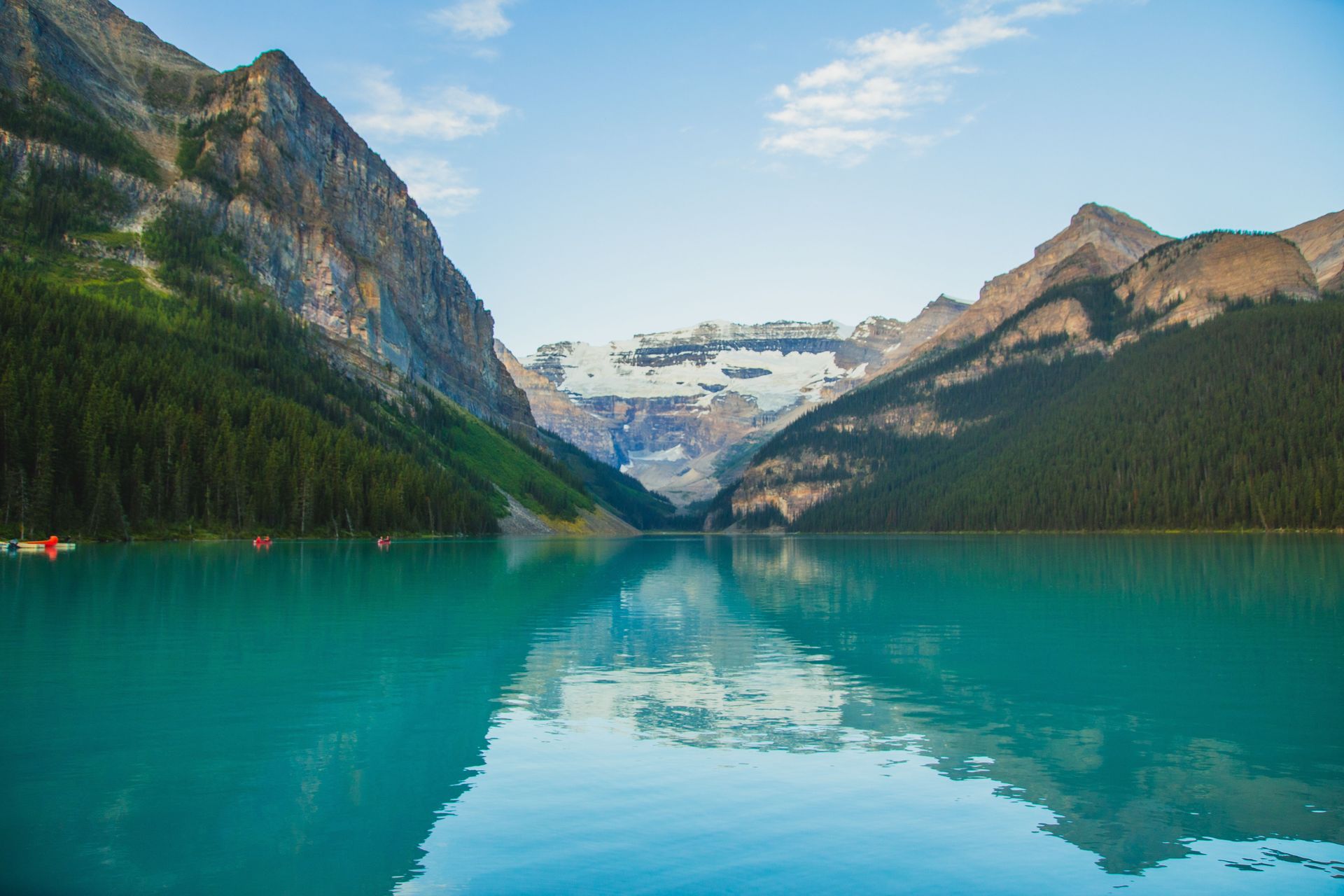
Canada appears on this list as the only entry that requires no international flight for most Americans, which changes the calculus considerably. The Canadian dollar has been trading at roughly $1.38 to $1.42 U.S. dollars per Canadian dollar through much of 2025 and into 2026 — meaning an American traveler gets $1.38 to $1.42 in Canadian purchasing power for every U.S. dollar spent. That's significantly above the historical norm and above what the exchange rate was in the years just before the pandemic.
What that rate buys, practically speaking, is this: a hotel room in Montreal, Vancouver, or Toronto that costs CA$180 per night costs roughly $125 to $130 in actual U.S. dollars. A restaurant meal that runs CA$25 per person costs $17 to $18 U.S. Domestic flights, which in Canada can be expensive in absolute terms, come out cheaper in USD than the Canadian sticker price suggests.
The result is that destinations Americans might have considered slightly out of reach become straightforwardly affordable. Banff National Park in the Canadian Rockies — one of the most visually dramatic parks in North America — along with Jasper and Yoho, offers a mountain landscape comparable to the Swiss Alps at a price structure that, in U.S. dollar terms, is very reasonable. A lodge near Lake Louise that costs CA$250 per night translates to under $180 U.S.
Montreal is the standout urban destination in this context. The city has a food culture — French-influenced but with its own Québécois identity, built around smoked meat sandwiches, poutine, bagels, and bistros serving duck confit and steak frites — that gives it a distinctly European flavor at prices well below Paris. The city's arts and music scene, its summer festivals (including Jazz Fest and Just for Laughs), and its distinct bilingual character give it a richness that many American travelers don't expect from Canada's second-largest city.
Credit: Joao Ricardo Januzzi / Pexels
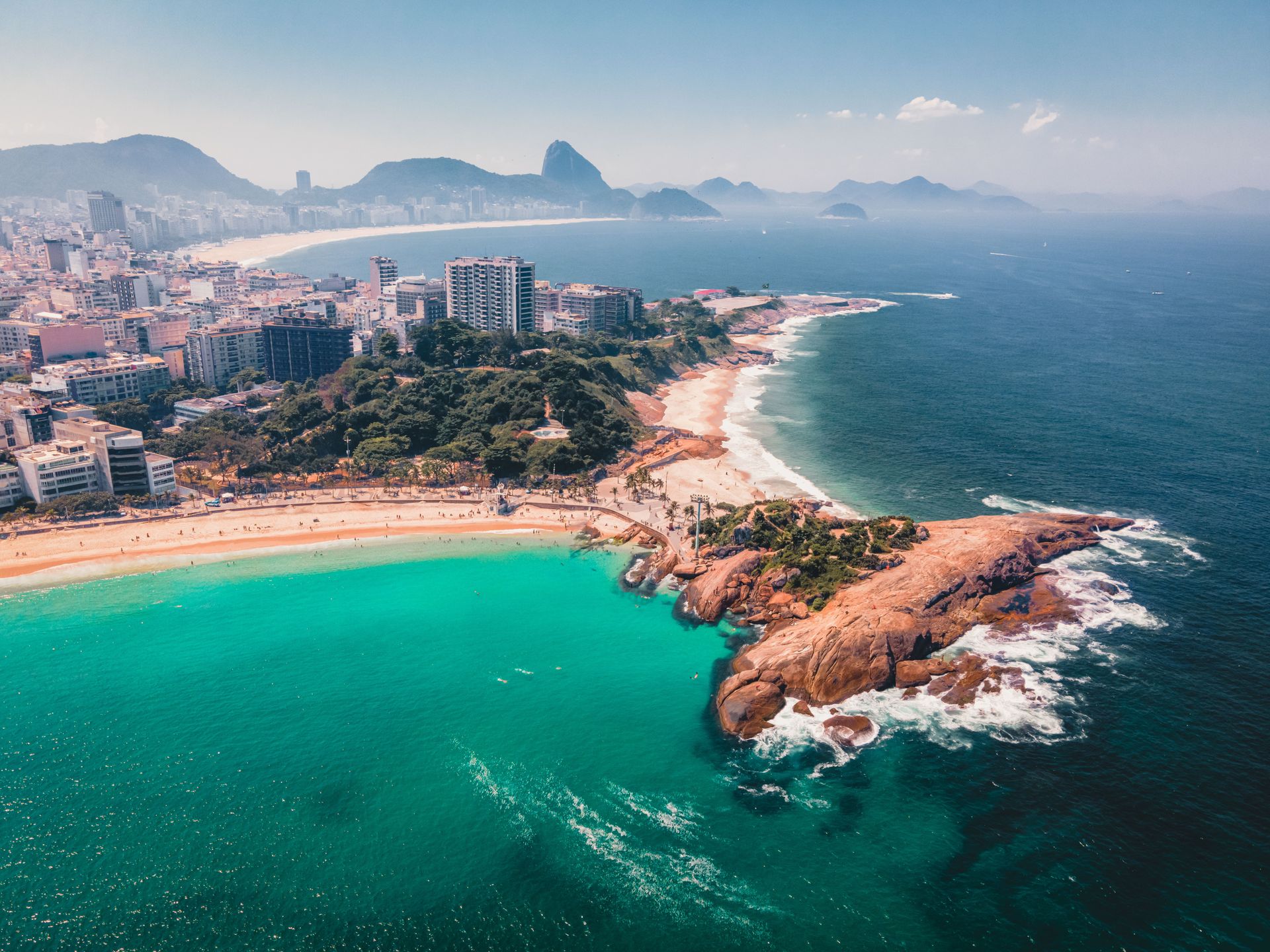
Brazil's real has experienced a long-term weakening trend against the dollar, losing roughly 33% of its value over the past decade. The currency rebounded somewhat from a sharp dip in late 2024 but remains considerably weaker than its historical average. For American travelers, this means a major South American destination — one with some of the most iconic landscapes, beaches, and cities in the hemisphere — costs meaningfully less than it once did.
Rio de Janeiro is the most famous point of entry and the one that most benefits from dollar strength. The city's combination of Sugarloaf Mountain, Copacabana and Ipanema beaches, the Tijuca Forest (one of the largest urban forests in the world), and the Cristo Redentor statue draws millions of visitors annually. A caipirinha — Brazil's national cocktail of cachaça, lime, and sugar — at a beach kiosk on Ipanema costs $3 to $5. A prato feito — a full plate meal with rice, beans, a protein, and salad — at a local restaurant runs $5 to $8.
São Paulo offers something different: South America's most complex and cosmopolitan city, with a dining scene that rivals Buenos Aires for sophistication and a cultural output in music, art, and fashion that sets trends across the continent. The Pinacoteca, the MASP art museum suspended over Avenida Paulista, and the Villa-Lobos Park all represent excellent free or low-cost cultural programming.
The Amazon $AMZN basin, accessible from Manaus, offers river cruises, jungle lodges, and wildlife encounters that represent one of the world's great ecological experiences. Costs are moderate — not as cheap as comparable experiences in the cheaper parts of the world, but far below what the same ecological intensity costs elsewhere. The Pantanal wetlands in Mato Grosso do Sul, often called the world's best place to see jaguars in the wild, are less visited and increasingly recognized as an essential wildlife destination.
Brazil has serious safety challenges in certain urban areas and regions, and the State Department advisory is Level 2 — Exercise Increased Caution — with Level 4 zones in specific parts of some cities. Checking current conditions for specific destinations is important.
