
20 countries where food is the point of the trip — not an afterthought
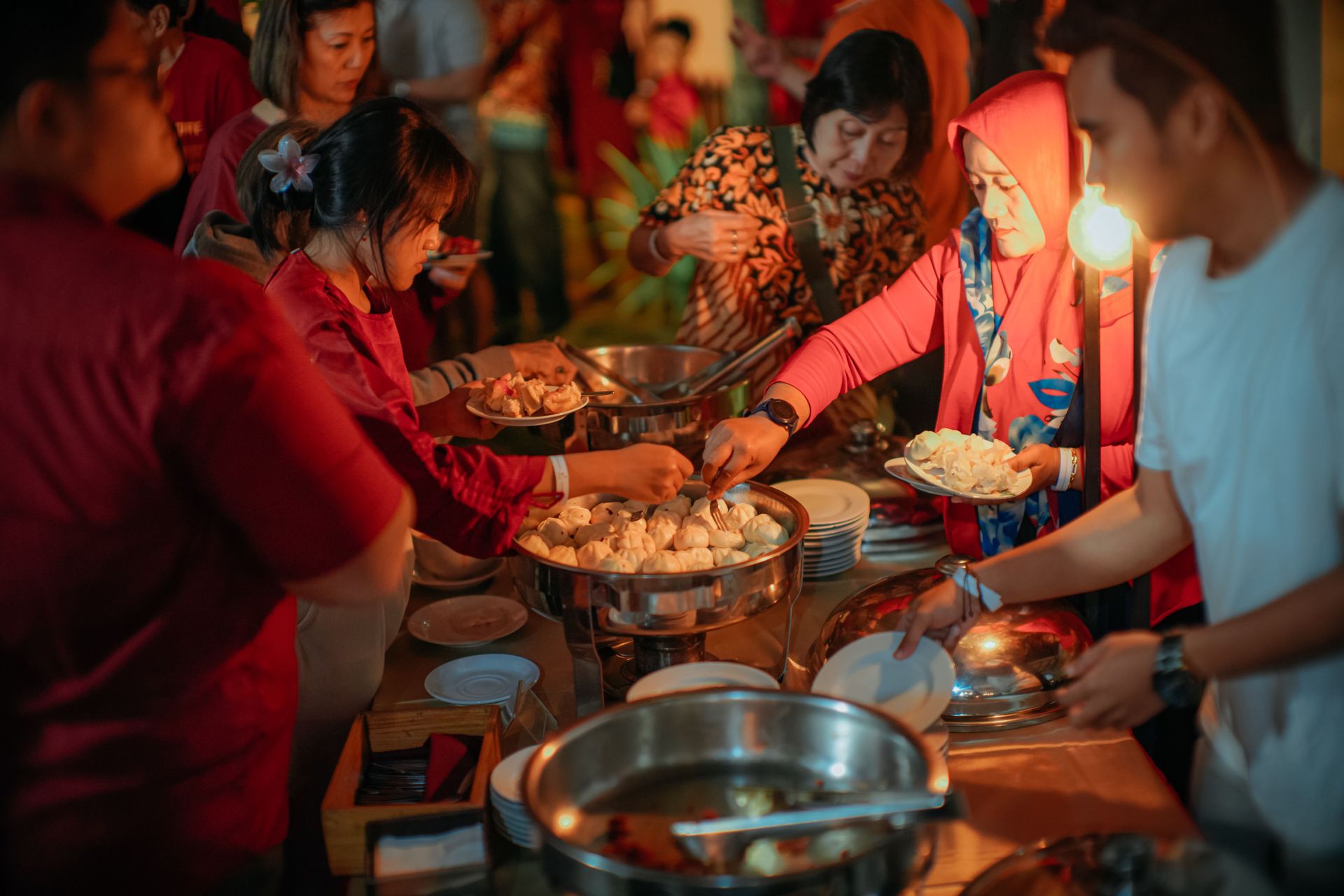
These are countries where the food itself is the sight — where the market, the street stall, and the family table are the itinerary
Kal 347 / Pexels
Most travel involves food as a supporting element: you eat well, you have a few memorable meals, you bring back a spice or a bottle of something. Then there are countries where food is the reason — where the culinary tradition is so specific, so developed, and so embedded in the daily life of the place that visiting without eating seriously is roughly equivalent to visiting Florence without looking at art. The food is not decorative; it is primary. It is what the culture has poured its creativity and its identity into for generations, and the market, the street stall, the family table, and the neighborhood restaurant are the places where that culture is most directly accessible.
The countries in this list were not selected because they have famous restaurants or because they appear on the World's 50 Best list, though many do. They were selected for the totality of the food experience — the quality and specificity of the everyday food available to anyone who shows up, the depth of the culinary tradition that makes the food coherent and not merely diverse, and the specific gap between the international reputation of the cuisine and the reality of what eating in that country is actually like. Several of these countries are well-known as food destinations; several are not, and the gap between their culinary reality and their culinary reputation is the most compelling argument for visiting.
Each slide covers the country, the specific character of its food culture, what to eat and where to eat it, and the one thing about the food culture that surprises most first-time visitors. The emphasis throughout is on what a week of serious eating in this country actually looks and tastes like, rather than on the single famous dish or the single famous restaurant that most food-destination content defaults to.
1 / 20
Japan
WenBin Teow / Pexels
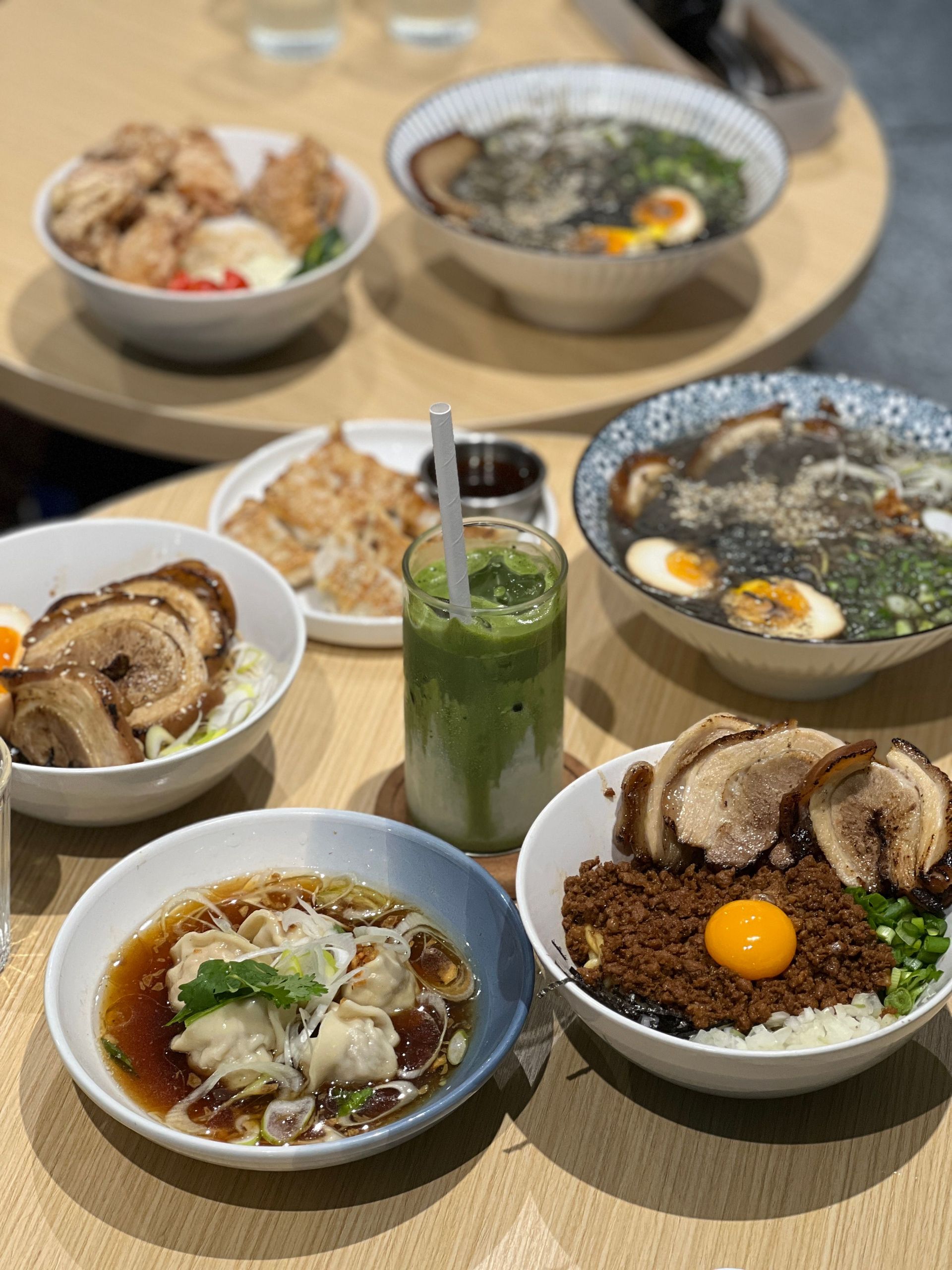
Japanese food culture is the most technically rigorous and the most philosophically coherent food culture in the world — a claim that is not hyperbole but a description of a specific cultural condition in which the preparation and presentation of food has been elevated to an art form with its own aesthetics, its own ethics, and its own centuries-long tradition of refinement. The ramen shop owner who has spent 40 years perfecting a single broth is not unusual in Japan; that commitment to craft is the baseline.
The specific character of Japanese food culture that surprises most Western visitors is the quality of the everyday food. The convenience store onigiri, the airport soba, the standing sushi bar, the department store basement food hall — the floor beneath which food quality falls in Japan is significantly higher than in most other countries, because the cultural expectation of quality is so embedded that providing bad food in a food context is a kind of social failure. A Japanese convenience store sells food that a French bistro would be proud to serve.
What to eat: ramen (visit the region whose style you've eaten the most to understand the original); kaiseki (the formal multi-course meal that is the highest expression of Japanese culinary philosophy); yakitori (skewered grilled chicken, eaten at a counter with beer and sake); the department store basement (depachika) of any major city, where the density of excellent food per square meter exceeds any food market in the world. What surprises first-timers: that the cheap food is as revelatory as the expensive food — that a $6 bowl of ramen at a standing counter can be among the best things eaten on the trip.
2 / 20
Mexico
Davis Arenas / Pexels
Mexican food was inscribed on UNESCO's Intangible Cultural Heritage list in 2010 — the first cuisine to receive this designation — and the inscription was recognition of something that food professionals had understood for decades: that Mexican cuisine is not a single culinary tradition but a collection of deeply regional, highly specific, and extraordinarily complex food cultures that share ingredients and techniques while producing results as different as the regions that produced them. Oaxacan mole negro and Yucatecan cochinita pibil and Veracruz seafood and Mexico City street tacos are not variations on a theme; they are different cuisines that happen to be served in the same country.
The specific character of Mexican food culture that surprises most American visitors — for whom "Mexican food" often means a specific Tex-Mex register — is the sophistication of the ingredient traditions. Real Mexican cooking uses more than 200 varieties of chilli, dozens of native herbs unavailable elsewhere, heirloom corn varieties whose flavor profiles are specific to their region of origin, and techniques (the molcajete, the comal, the clay pot) that have been in continuous use for thousands of years.
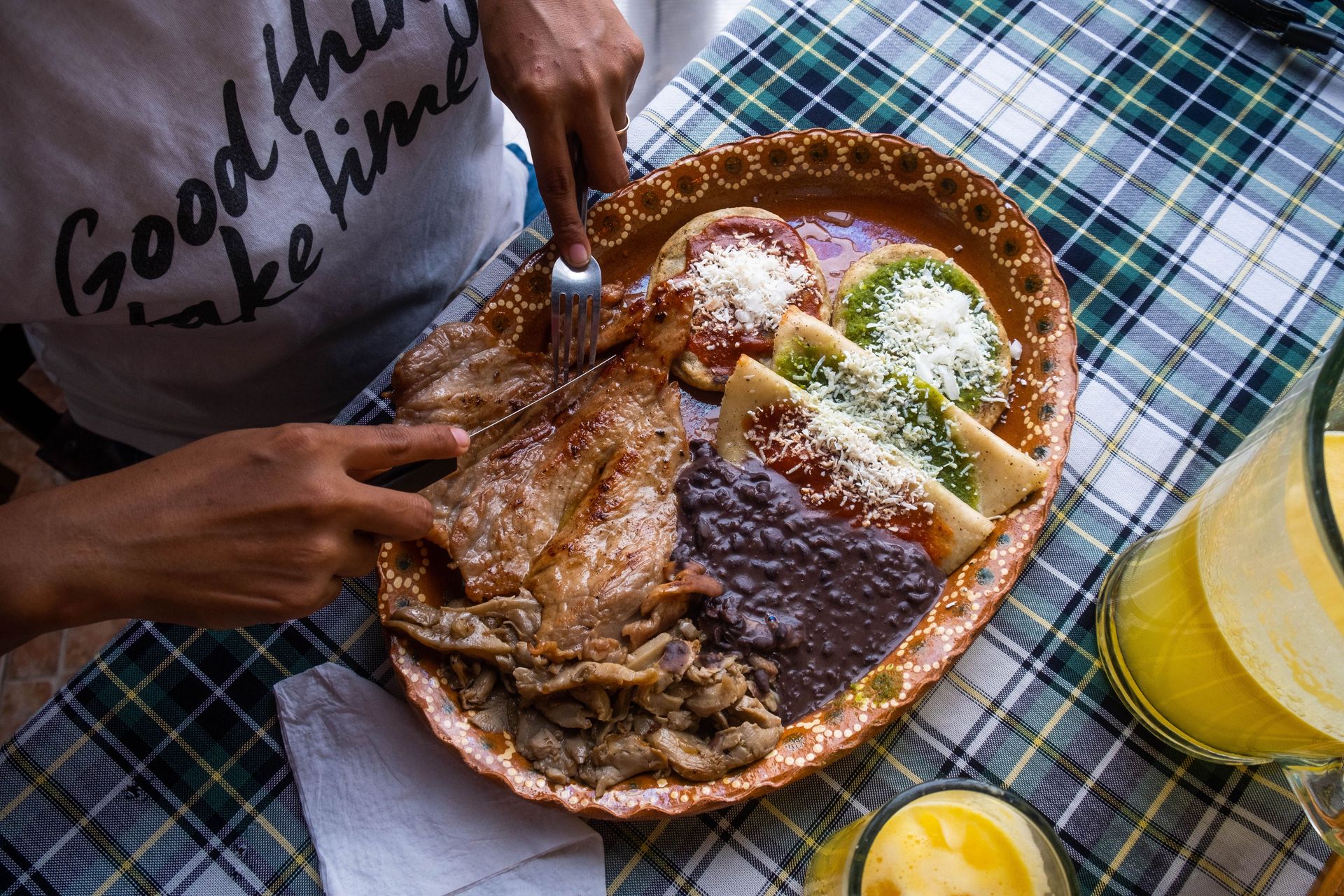
What to eat: the market breakfast anywhere in Oaxaca or the Yucatán; tacos al pastor from a street stand in Mexico City (the rotating spit, the pineapple, the freshly doubled corn tortilla); the mole negro at any traditional restaurant in Oaxaca; fresh seafood in Veracruz. What surprises first-timers: that Mexico City is a genuine world-class food city with restaurants across every price point and cuisine type — not a food culture serving only traditional Mexican food but a metropolis with as much culinary ambition as any city in Europe.
3 / 20
Lebanon
Alejandro Aznar / Pexels
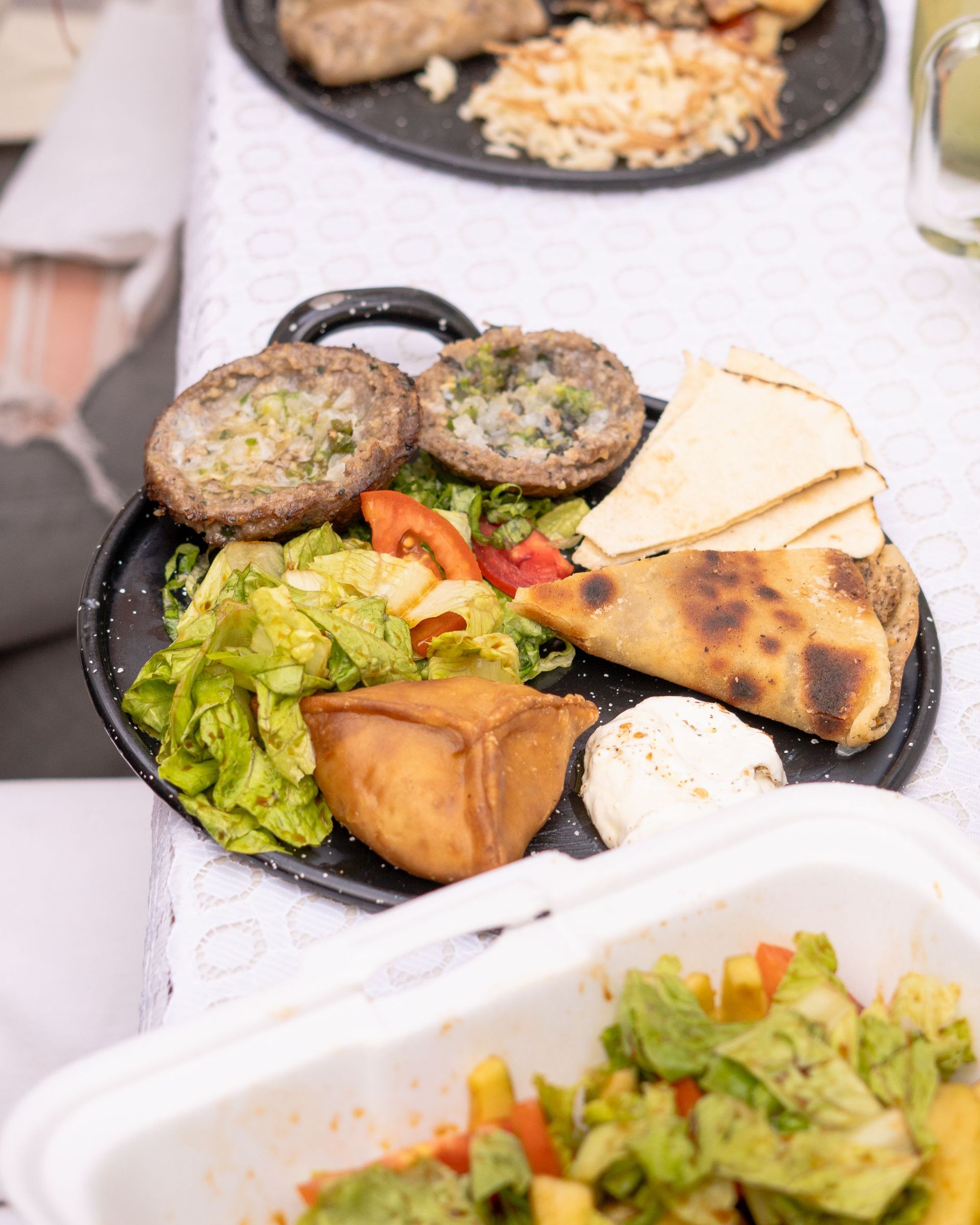
Lebanese food culture occupies a specific and irreplaceable position in the global culinary landscape: it is the food culture that the rest of the Middle East and the Arab diaspora measures itself against, the cuisine that food professionals cite when they want to describe what Arab cooking at its best can be. The meze tradition alone — the spread of small dishes that constitutes a Lebanese meal — is one of the most comprehensive and most elegant expressions of the principle that a table of many small things is better than one large thing, and that the sharing of food is the point of eating.
The specific character of Lebanese food that distinguishes it from the Lebanese restaurant food available internationally is freshness and proportion. A Lebanese breakfast table in Beirut or a village in the Bekaa Valley — the flatbread, the labne, the fresh herbs, the olive oil, the tomatoes, the olives — is so directly produced from its immediate ingredients that the concept of recipe almost doesn't apply. The cooking is assembly of extraordinarily good raw materials rather than transformation of ordinary ones.
What to eat: a full mezze spread at a traditional restaurant, ordered slowly over several hours with arak; the street food of Beirut — manoushe from a bakery at 8am, falafel from one of the few remaining traditional falafel shops, kaak from a street vendor; kibbeh nayyeh (raw lamb minced with bulgur and spices) in the mountains; the mezze of the Bekaa Valley, where the produce is grown. What surprises first-timers: the scale of a proper Lebanese mezze — that what appears to be a full meal when the first dishes arrive is merely the beginning, and that the table will keep filling for another hour.
4 / 20
Italy
Jonas F / Pexels
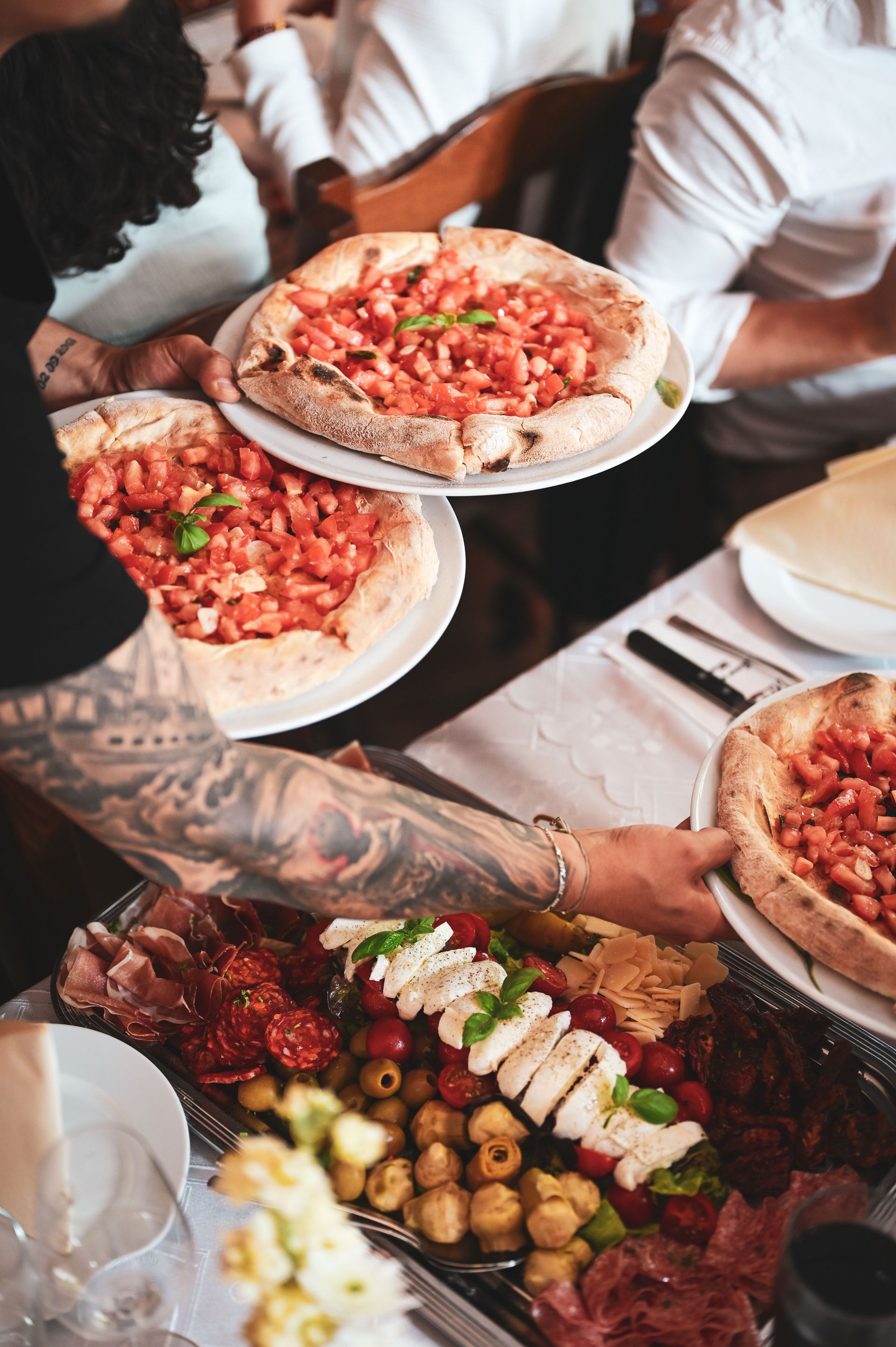
Italy has more regional food diversity within a single country than most continents — a statement that sounds like exaggeration until you eat carbonara in Rome and cacio e pepe in Rome on the same day and then fly to Bologna for tagliatelle al ragù and realize that all three are pasta dishes that share almost nothing except the category. The Italian food culture's specific genius is the combination of extreme localism (the insistence that the right pasta for this sauce is this specific pasta, made this specific way, in this specific region) with the clarity and confidence that makes every dish feel inevitable rather than arbitrary.
The specific character of Italian food culture that surprises most tourists is that the tourist restaurant food — the restaurant near the Colosseum or the Duomo that catches foot traffic — is a fraction of the quality of the food available one street further away, at lunch, to the people who live there. The trattoria that opens for lunch, serves four dishes, uses no menu, and closes when the food runs out is the restaurant that matters in Italy. It is also the restaurant that is hardest to find and the most worth finding.
What to eat: a market lunch in any Italian city (the covered market, the produce stalls, the prepared food section, eating standing up); pizza in Naples (not as a pizza type but as a cultural experience — the specific softness and char of a Neapolitan pizza made in a wood oven at 485°C has no equal); the food of Emilia-Romagna (Parma ham, Parmigiano-Reggiano, handmade tagliatelle, mortadella — the richest food culture in Italy in the richest food region in Europe). What surprises first-timers: that lunch is the serious meal in Italy and that the quality of a two-course lunch with wine for €12 to €15 in a working-class trattoria exceeds the quality of most expensive restaurant meals available in their home country.
5 / 20
Georgia
Uğurcan Özmen / Pexels
Georgian food culture is the most surprising entry on this list for most Western visitors, primarily because it is almost entirely unknown outside its immediate region — the South Caucasus — and within that near-total obscurity contains one of the most original, most developed, and most distinctive food traditions in the world. Georgian cuisine shares almost nothing with the Mediterranean food that most Western visitors use as their reference point: its flavor profiles are built on walnut paste, pomegranate, marigold petals, blue fenugreek, and tarragon in combinations that are specific to Georgia and nowhere else.
The specific character of Georgian food culture that most directly justifies the trip is the table culture. The Georgian supra — the feast — is one of the most generous and most ceremonial food traditions in the world, presided over by a tamada (toastmaster) who directs the toasts that punctuate a meal that may last four to six hours, with dishes appearing continuously and the table never allowed to empty. To be invited to a Georgian home for a meal is to experience a hospitality culture that is organized around feeding guests as an expression of love and respect.
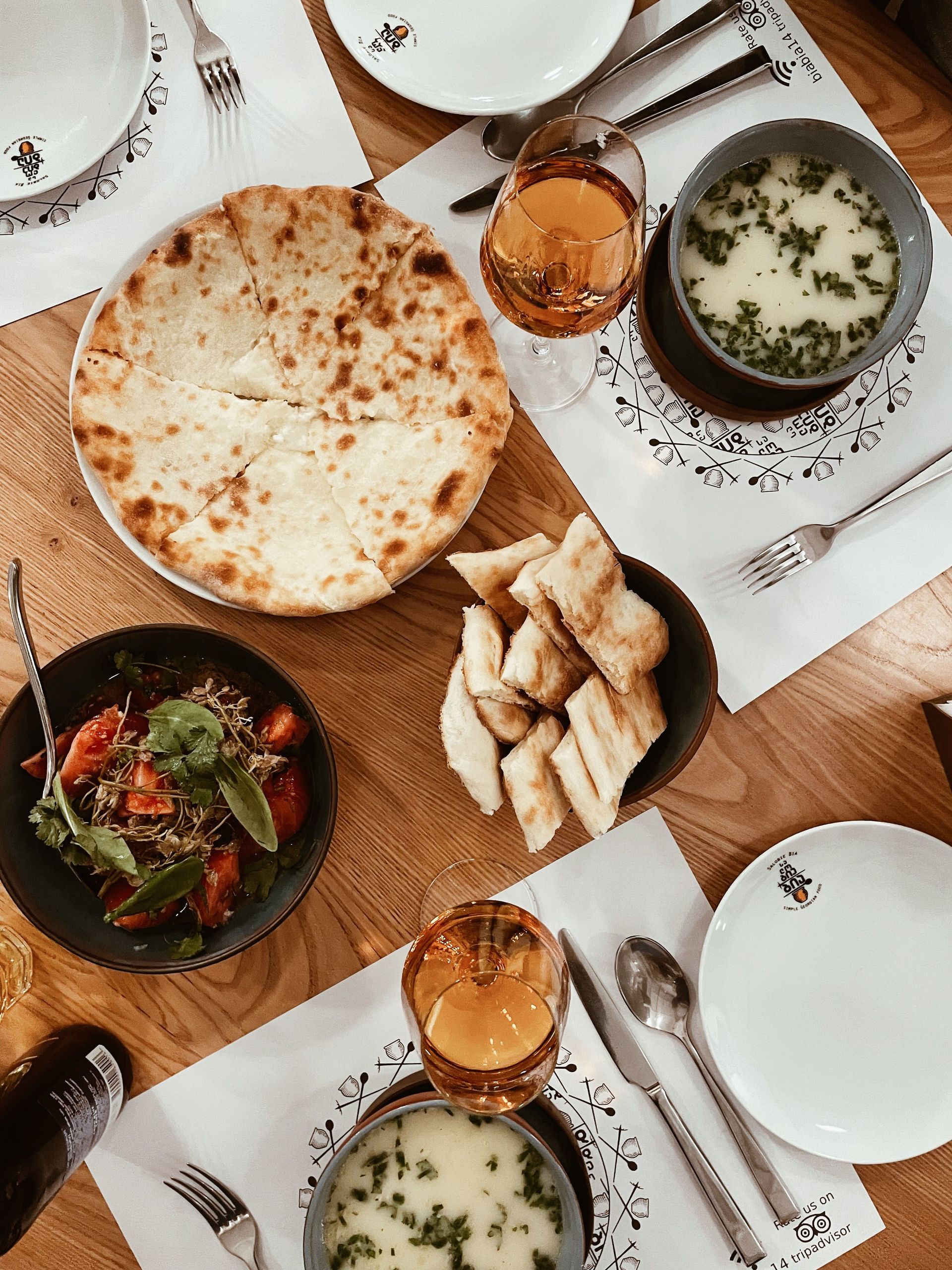
What to eat: khinkali (the large meat and herb dumplings eaten by hand, the broth inside drunk before the filling is bitten into); khachapuri in any of its regional forms (the cheese-filled bread, ranging from the flat Imeretian version to the boat-shaped Adjarian version filled with egg and butter); the churchkhela (candied walnut and grape paste sweets) from any market; the natural wine of the Kakheti region, fermented in clay amphorae (qvevri) in a tradition 8,000 years old. What surprises first-timers: that Georgian wine is among the world's most interesting and least known, and that the country that may have invented winemaking is also the country that produces the most distinctive wines available for under $10.
6 / 20
Thailand
Mineia Martins / Pexels
Thai food culture is one of the most globally successful exports in culinary history — Thai restaurants exist in virtually every major city in the world — and also one of the most poorly represented by its exports. The pad thai served at a Thai restaurant in London or New York is a recognizable approximation of a dish that, eaten at a street stall in Bangkok at 7am, is something else entirely: the fermented fish sauce, the dried shrimp, the specific wok heat, the freshness of the bean sprouts and lime, the difference between a cook who has made this dish 40,000 times and one who learned it last year.
The specific character of Thai food culture that distinguishes it from its international representation is its regionalism. Northern Thai food (the cuisine of Chiang Mai and the highlands) is as different from central Thai food (Bangkok's cuisine) as Italian food is from French — different spice profiles, different curry bases, different proteins, different techniques. The Southern Thai food of the peninsula shares more with Malaysian and Indonesian food than with central Thai. The diversity is enormous and almost entirely invisible in the international Thai restaurant.
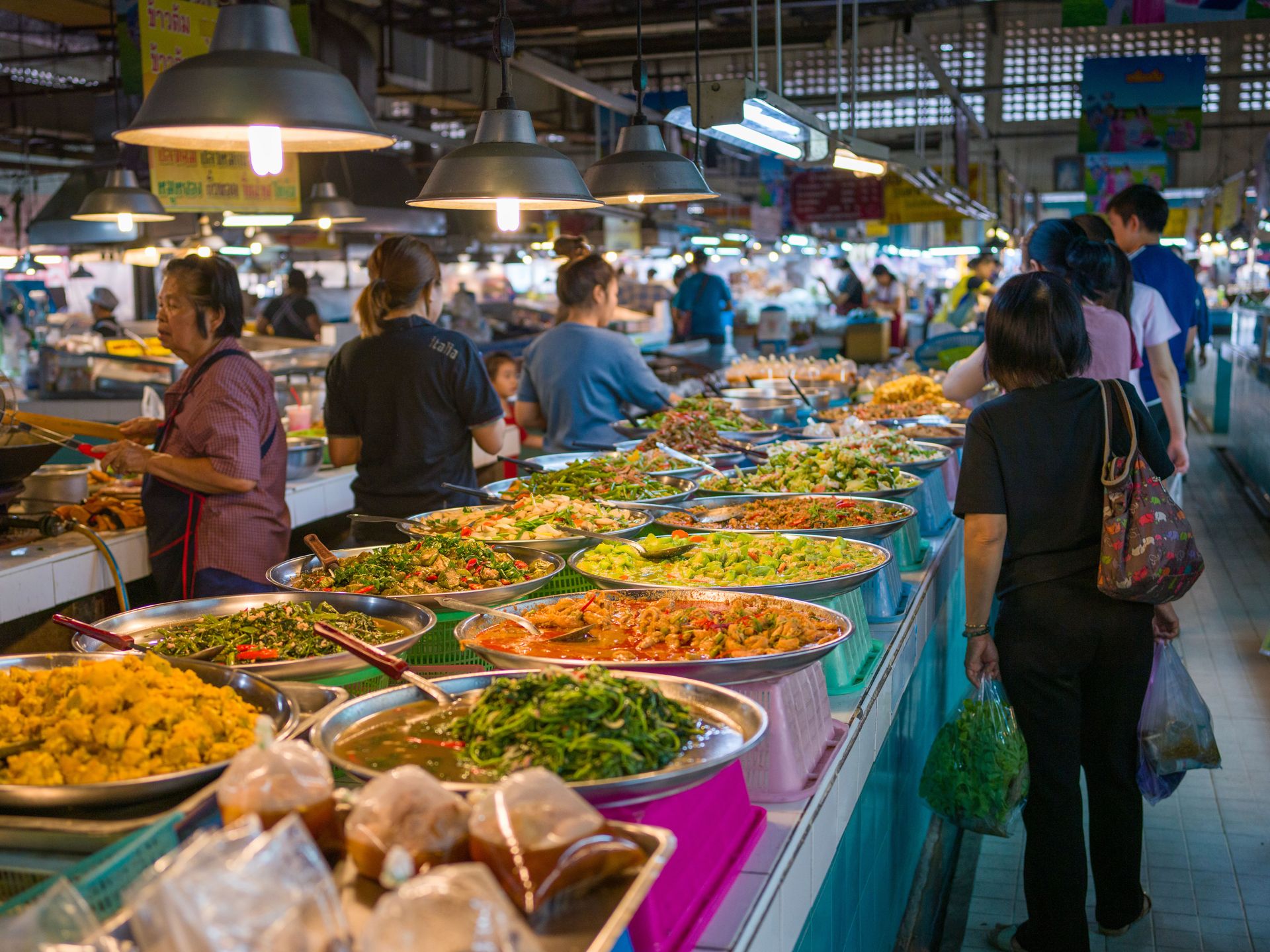
What to eat: the Bangkok street food breakfast — the rice porridge with pork, the fried egg on rice, the boat noodles in a canal-side restaurant; the night market of any Thai city, where the full diversity of the regional cuisine is presented in a single location; the northern Thai khao soi (the coconut curry noodle soup that is the Chiang Mai signature dish) at a traditional restaurant rather than a tourist-facing one. What surprises first-timers: the heat level of authentic Thai food relative to the international Thai restaurant approximation, and the complexity of flavors that heat is balanced against.
7 / 20
Peru
Jaime Joel Vargas Huacre / Pexels
Peruvian food culture underwent a transformation in the first two decades of the 21st century that was without precedent in modern culinary history: starting from a regional cuisine known primarily to South American food professionals, it became the subject of a nationally organized culinary movement (led by chefs including Gastón Acurio) that placed Lima among the world's great food cities and created a global awareness of Peruvian food that barely existed in 2000. The transformation was not fabricated — the ingredients, the techniques, and the culinary traditions were always there — but their organization into a coherent national cuisine with global ambition was a specific cultural project that succeeded.
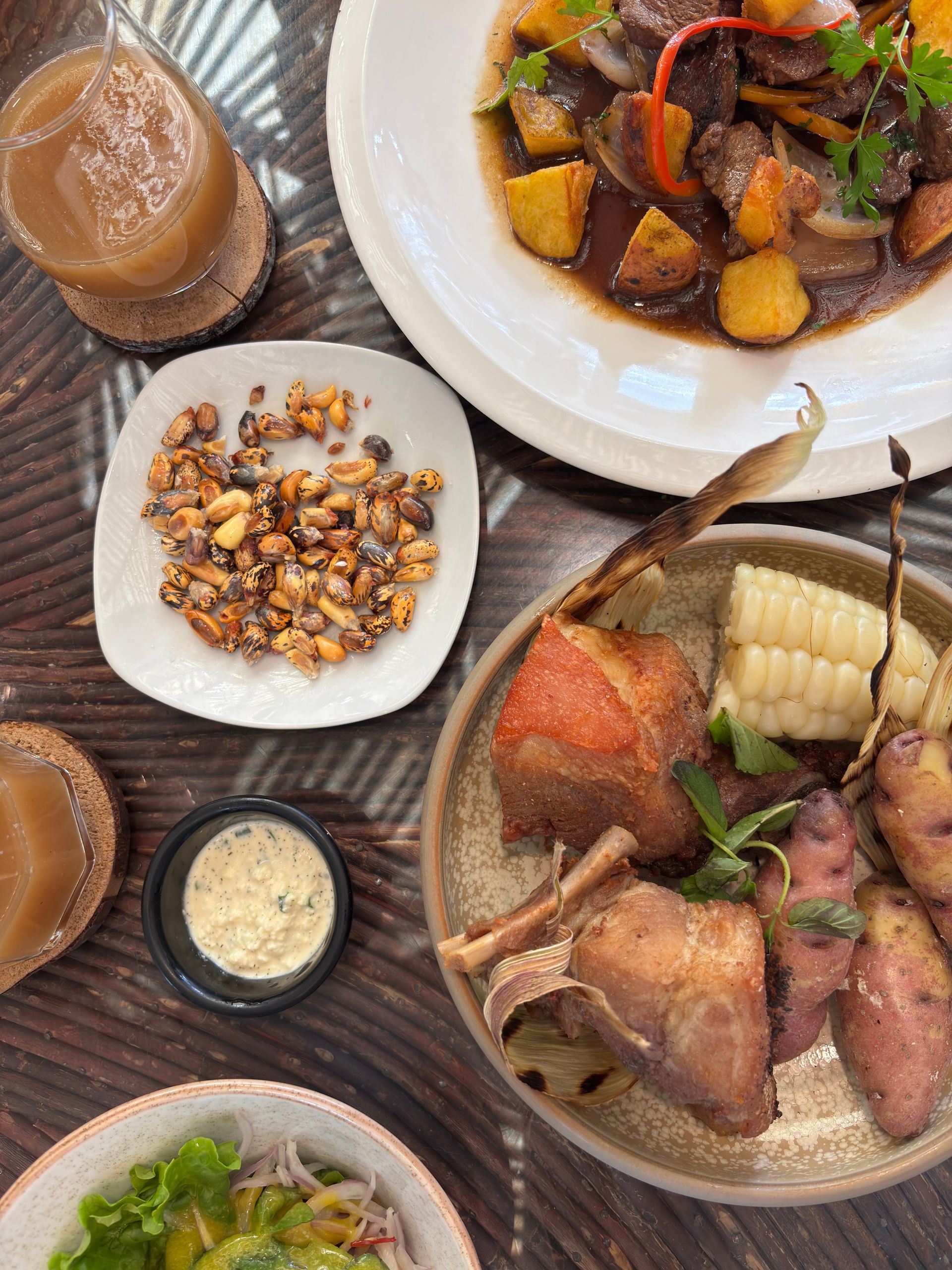
The foundation of Peruvian food is biodiversity: Peru contains three dramatically different ecosystems (the coast, the Andes highlands, and the Amazon $AMZN basin) whose specific ingredients — the 3,000 varieties of potato, the dozens of corn varieties, the Amazon fish species, the Pacific seafood, the highland herbs and tubers — give Peruvian cooks a palette of ingredients available to no other culinary tradition.
What to eat: ceviche in Lima — the fresh acid-cooked seafood with leche de tigre (the citrus-cured liquid that remains), eaten for lunch at a cevicheria; the anticuchos (beef heart skewers, grilled over charcoal) from a street cart; the rotisserie chicken (pollo a la brasa) that is Peru's true national dish — eaten everywhere by everyone at all hours; the Amazonian food of Iquitos, which uses river fish and jungle ingredients that exist nowhere else. What surprises first-timers: the quality and ambition of Lima's restaurant scene, which contains some of the most sophisticated cooking available anywhere in the world at prices dramatically below equivalent restaurants in Europe or North America.
8 / 20
India
Yan Krukau / Pexels
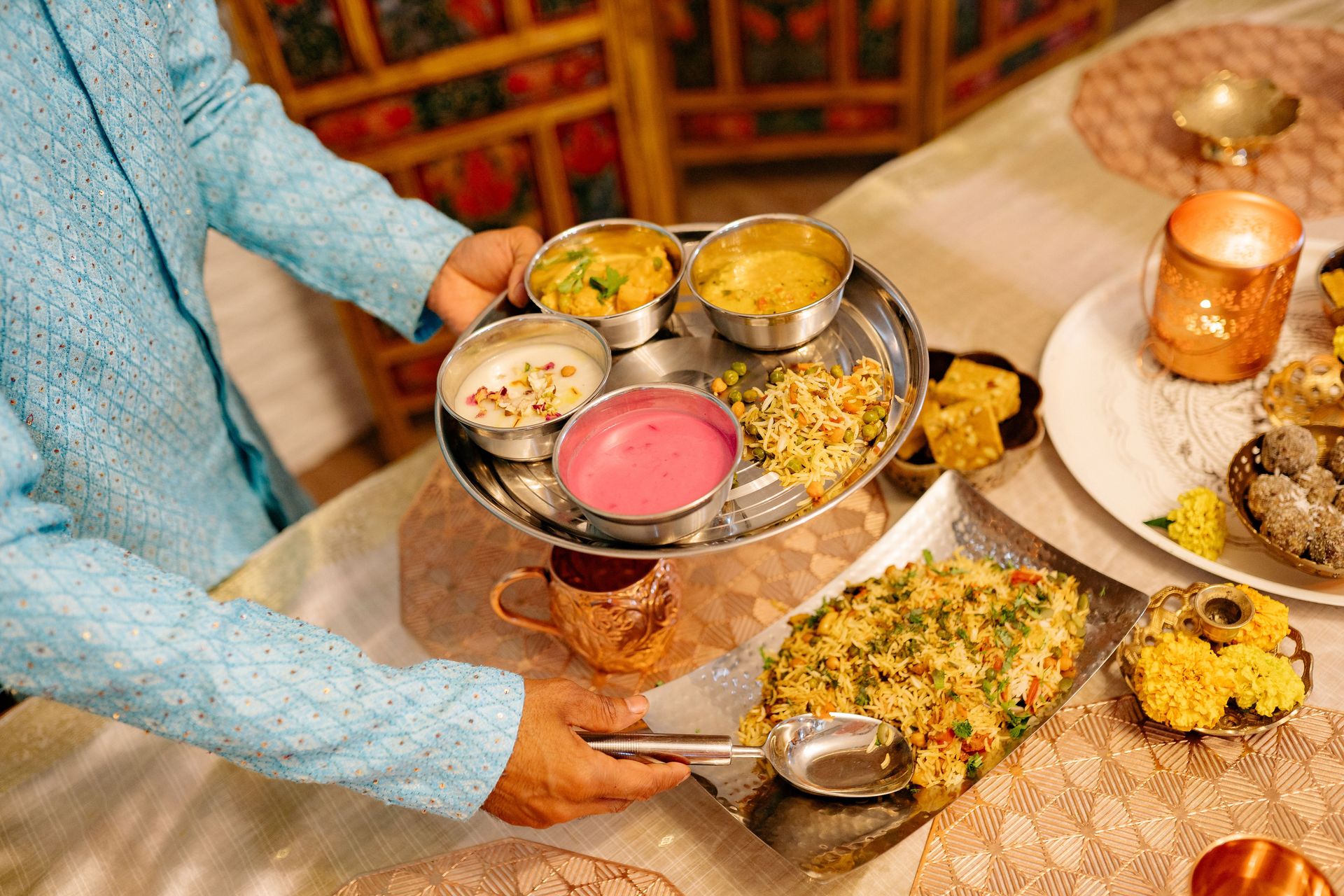
Indian food culture is the most diverse culinary tradition in the world by any reasonable measure — a country of 1.4 billion people speaking hundreds of languages, organized around dozens of religious food traditions (vegetarian Jain cooking, Muslim halal traditions, Hindu vegetarian traditions, the meat-eating cultures of the northeast), and containing regional cuisines as different from each other as the cultures that produced them. North Indian Mughal cooking and South Indian temple cooking and Bengali fish curry and Goan Portuguese-influenced seafood and Rajasthani desert cooking and Kashmiri wazwan feast food are not variations on a single theme; they are different food cultures that happen to exist within the same country's borders.
The specific character of Indian food culture that distinguishes the experience of eating in India from eating at Indian restaurants abroad is the spice freshness. Indian cooking relies on spices that begin losing their volatile aromatic compounds as soon as they are ground, and the characteristic intensity of Indian food as cooked in India reflects spices that are fresh, ground or roasted to order, and combined in proportions that a restaurant operating at international scale and working with month-old pre-ground spice blends cannot replicate.
What to eat: the South Indian breakfast (idli with sambar and chutneys, dosas filled with spiced potato, filter coffee) in any city in Tamil Nadu or Kerala; street food in Mumbai (the vada pav, the pav bhaji, the bhel puri); the wazwan feast of Kashmir, a multi-course lamb-centered meal served on large shared platters; the thali of any region, which presents the full range of a regional food culture in a single meal. What surprises first-timers: the vegetarian food — that India's vegetarian cooking tradition is not a reduced or compromised version of meat cooking but a fully developed culinary tradition of extraordinary complexity and range.
9 / 20
Vietnam
Nam Nguyen / Pexels
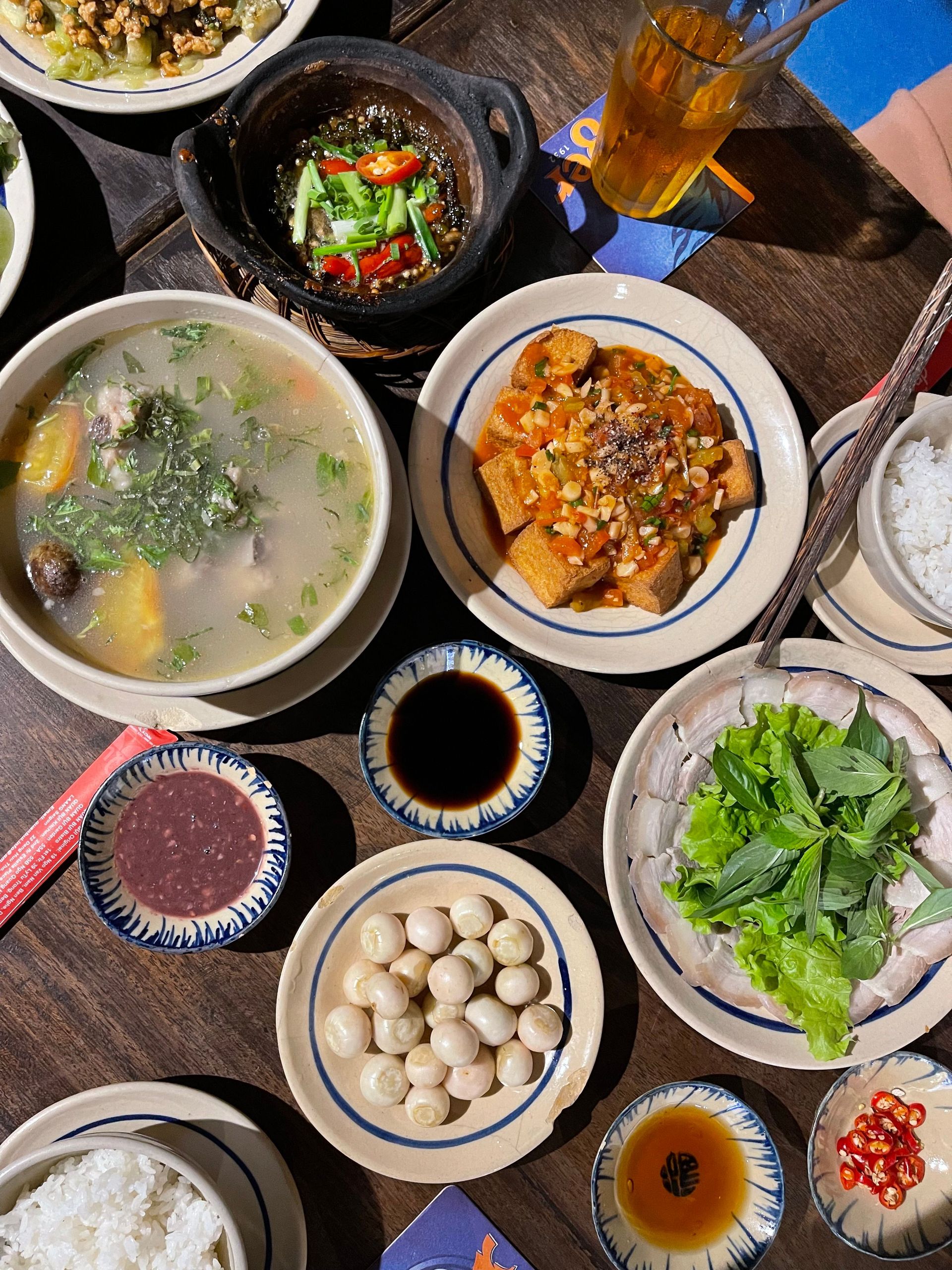
Vietnamese food culture is organized around a principle that most Western food cultures abandon: the freshness of the raw herb. A bowl of pho is not a bowl of noodles and broth; it is a bowl of noodles and broth served alongside a plate of fresh herbs — basil, mint, cilantro, bean sprouts, chilli, lime — that the diner adds in the combination and proportion that they prefer. The dish is completed at the table, not in the kitchen, and the quality of the herbs determines the quality of the experience as much as the quality of the broth.
This fresh herb architecture runs through almost all Vietnamese food — the banh mi, the fresh spring rolls, the bun cha, the com tam — and it produces food that is simultaneously light, intensely aromatic, and deeply satisfying. It is also a food culture that is dramatically regional: the food of Hanoi, Hoi An, and Ho Chi Minh City are three different cuisines shaped by three different histories, three different climates, and three different relationships with the Chinese, French, and American influences that passed through each city.
What to eat: pho in Hanoi at a dedicated pho restaurant at 7am (order extra tendon); banh mi from any street vendor, for the best example of French colonial influence transforming into something entirely Vietnamese; cao lau in Hoi An (the noodle dish that uses water from a specific well and is available authentically only in Hoi An); the street food of Ho Chi Minh City's District 4 in the late evening, which contains the most concentrated density of good cheap food in any city in Southeast Asia. What surprises first-timers: how different northern and southern Vietnamese food are — that the food of Hanoi and Ho Chi Minh City share very little beyond the category of Vietnamese food.
10 / 20
Morocco
Ali Dashti / Pexels
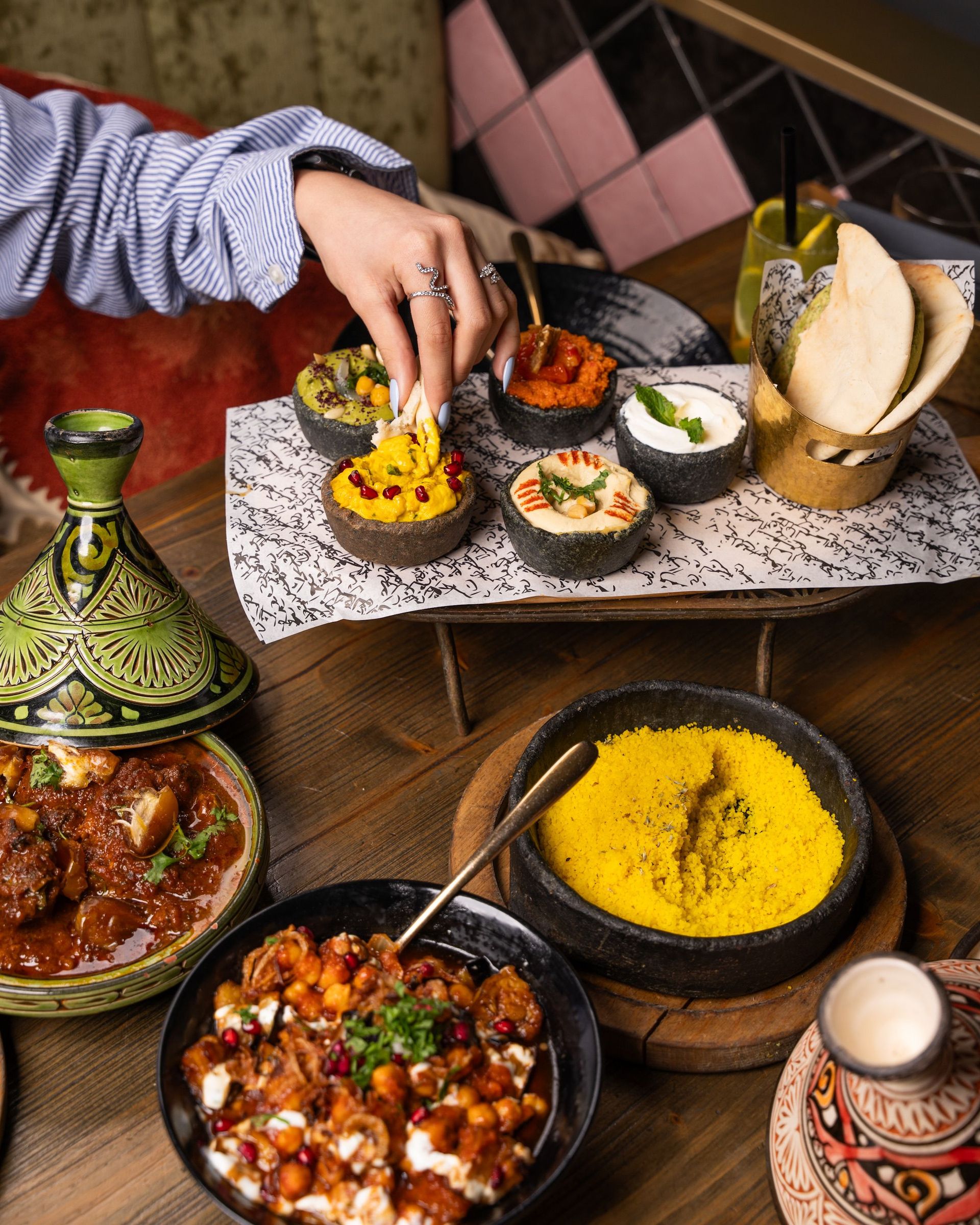
Moroccan food culture is the most architecturally complex food culture in the Arab world and one of the most layered in the world generally — the product of Berber, Arab, Andalusian, Sephardic Jewish, and sub-Saharan African culinary influences accumulated over a thousand years of trade, conquest, and cultural exchange. The specific character of Moroccan cooking — the combination of warm spices (cumin, coriander, ginger, cinnamon) with dried fruits and preserved citrus in savory dishes; the layering of sweet, sour, salty, and aromatic notes in a single preparation — is genuinely unlike any other food culture.
The specific Moroccan food experience that most justifies the trip is not the restaurant food of Marrakech's medina (which is largely tourist-facing and only partly representative) but the home cooking and the small local restaurants that serve the same food — the bastilla (the pigeon or chicken pie with almond and cinnamon), the slow-cooked tagines, the harira soup, the couscous on Fridays, the b'ssara bean soup with olive oil and cumin for breakfast.
What to eat: a traditional Moroccan breakfast — the msemen (flaky flatbread), the argan oil with amlou (almond paste), the fresh-squeezed orange juice, the mint tea; the tanjia of Marrakech (slow-cooked meat in a clay vessel sealed with paper and cooked for hours in the coals of a hammam furnace — a dish specific to Marrakech that is worth traveling for specifically); the food markets of Fez's medina, where the scale and variety of produce, spice, and prepared food is unlike any market in the Mediterranean. What surprises first-timers: the sweetness in savory dishes — that Moroccan cooking routinely combines meat with honey, prunes, and apricots in ways that produce a complexity unavailable from either element alone.
11 / 20
Spain
Bas Linders / Pexels
Spanish food culture is the food culture that produces the most extreme emotional reactions in professional cooks — a country that simultaneously contains the most technically innovative restaurant cooking in the world (the molecular gastronomy tradition of Ferran Adrià's elBulli produced more influence on global restaurant cooking than any single restaurant in history) and some of the most stubbornly traditional and rigorously local everyday food anywhere in Europe. The pintxos bar of San Sebastián and the Castilian asador roasting a whole suckling pig and the Valencia paella cooked over orange wood fire are all authentically Spanish and share almost nothing.
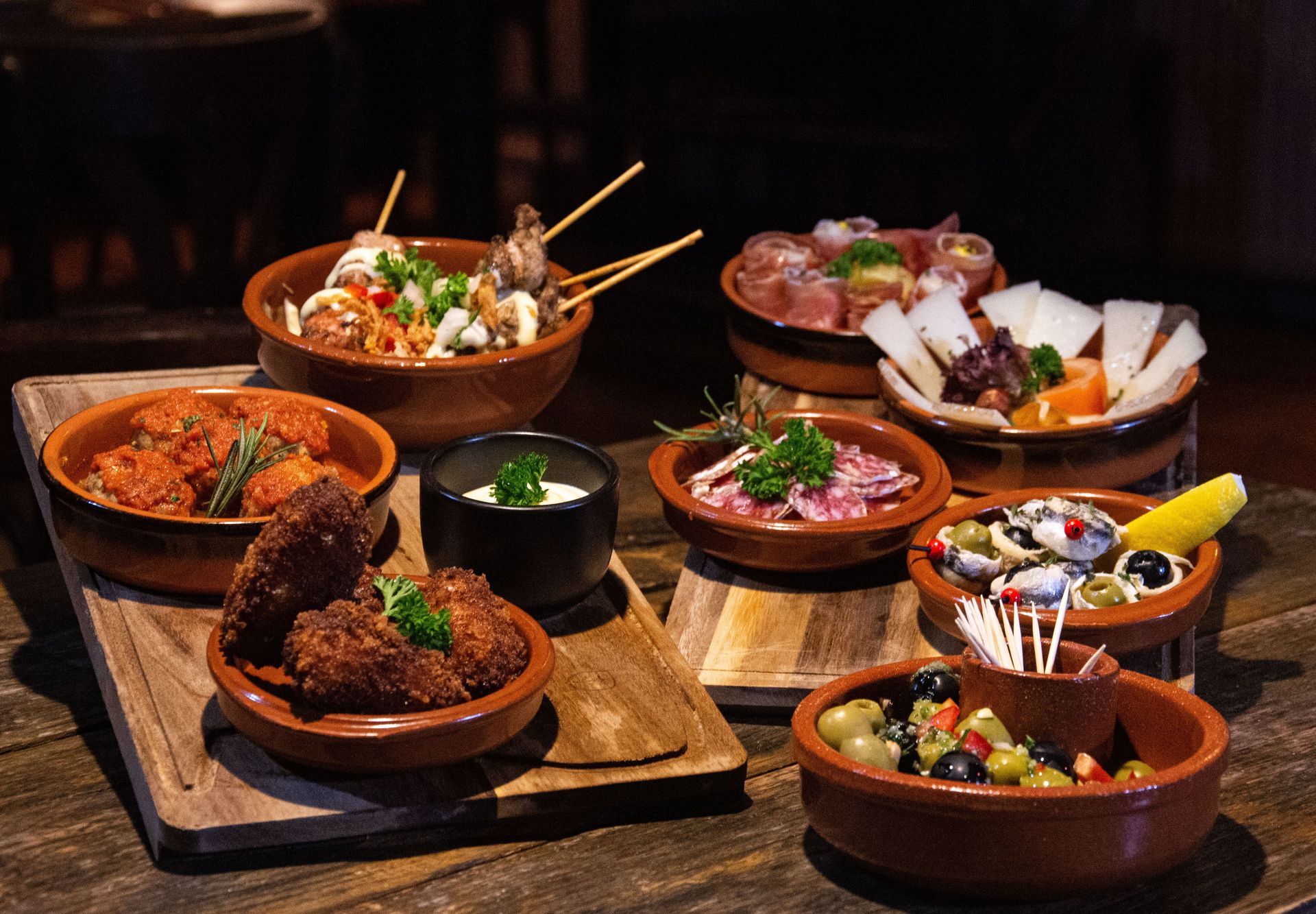
The specific character of Spanish food culture that most directly justifies the trip is the social infrastructure of eating. Spain's bar culture — the tapas, the pintxos, the afternoon vermouth stop, the late dinner — is a food culture organized around eating small, eating often, eating standing up with strangers, and eating as a continuous social activity rather than a discrete meal event. To eat in Spain at the pace of the Spanish is to be fed well and cheaply for most of the day.
What to eat: the pintxos bars of San Sebastián (the Basque Country's old town at lunchtime contains the highest density of excellent food in the smallest geographic area in Europe); jamón ibérico de bellota, eaten at a counter with pa amb tomàquet (bread rubbed with tomato and olive oil); the suckling pig (cochinillo) of Segovia, roasted in a wood-fired oven until the skin shatters like glass; the seafood of Galicia, boiled and dressed simply with olive oil and paprika. What surprises first-timers: how late dinner is (10pm is early in most of Spain) and how the social calendar of the day is organized entirely around food — that the pintxos crawl, the lunch, the merienda, and the dinner are not interruptions to the day but the structure of it.
12 / 20
Turkey
ENESFİLM / Pexels
Turkish food culture occupies the geographical and historical center of three of the world's great culinary traditions — the Ottoman palace cooking that synthesized Persian, Arab, and Mediterranean influences; the Anatolian peasant cooking that is as old as settled agriculture and as direct; and the specific regional cuisines of a country that spans the Black Sea coast, the Aegean, the Mediterranean, and the southeast border with Syria and Iraq — and its specific genius is the synthesis of these traditions into a food culture that is simultaneously sophisticated and accessible, ancient and alive.
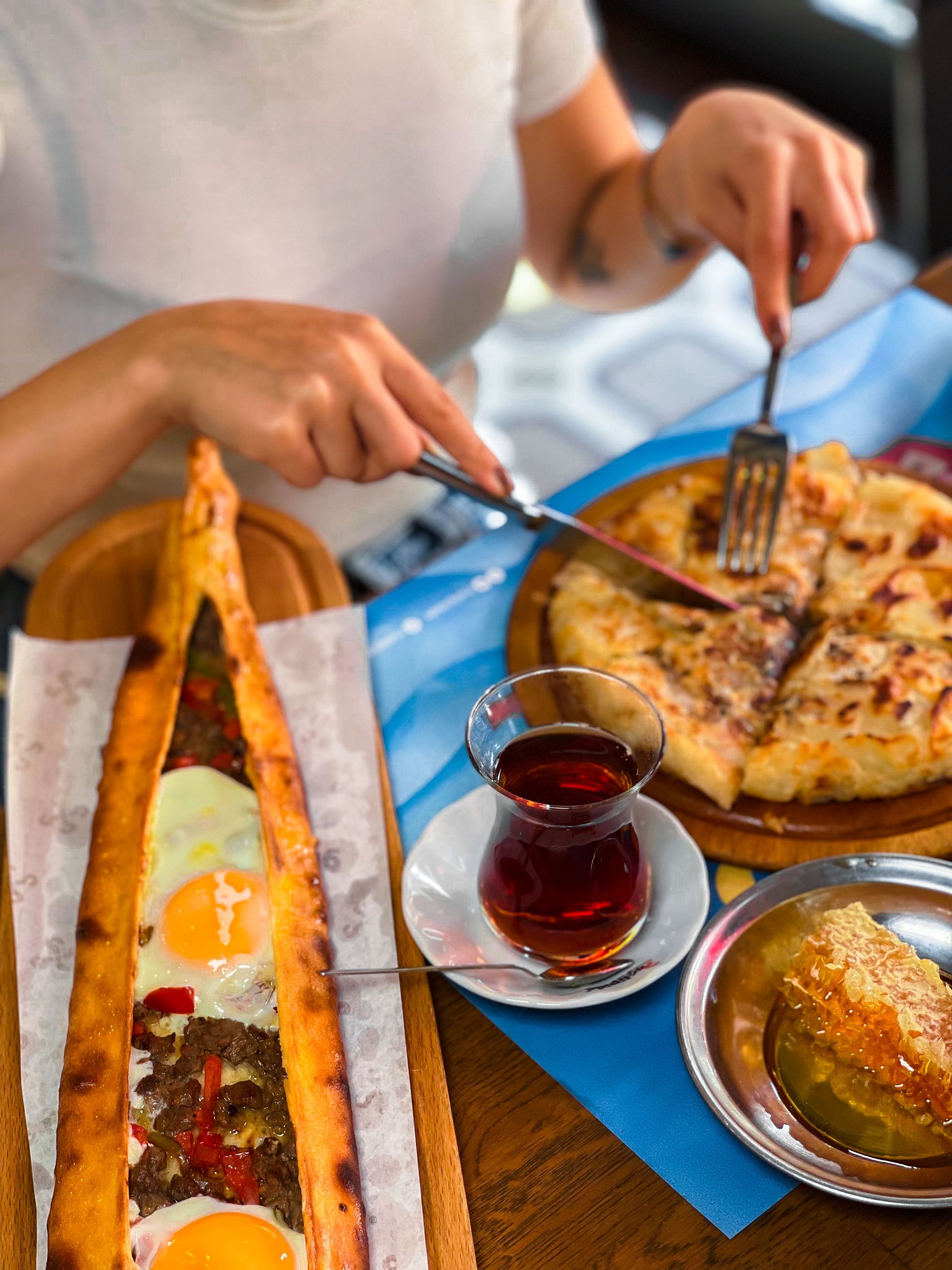
The specific character of Turkish food that distinguishes it from its international representation — the doner kebab, the baklava — is the vegetable cooking. Turkish meze, the shared appetizer culture that precedes most formal Turkish meals, is dominated by vegetable dishes of extraordinary variety and refinement: the stuffed and roasted peppers, the yogurt-dressed cold dishes, the legume salads, the herb-packed pastries. The meat-centeredness of Turkish food as represented internationally misses the vegetable tradition entirely.
What to eat: a full Turkish breakfast (the spread of olives, cheeses, honey, eggs, vegetables, bread, and tea that is the most impressive daily breakfast culture in the world); the lahmacun (the thin, crispy minced lamb flatbread) from a street oven; the meze spread at a meyhane (Turkish tavern) in Istanbul with rakı; the food of the southeast — the Gaziantep pistachio baklava, the kebabs of Urfa, the içli köfte of Antakya — which represents the Arabic-influenced cooking of Turkey's border region. What surprises first-timers: that Istanbul's food culture is as diverse and as serious as any major world city, and that the range from street food to fine dining covers more ground more cheaply than any equivalent city in Western Europe.
13 / 20
Greece
Meltem B. / Pexels
Greek food culture has been simultaneously underestimated by the global food community (Greek restaurants internationally are largely taverna-standard rather than representing the full range of Greek regional cooking) and overrepresented by a single season and a single geography (the Aegean island salad in summer). The reality of Greek food is regional in a way that the international perception misses entirely: the food of Thessaloniki is not the food of Athens, which is not the food of Crete, which is not the food of the Peloponnese, and each regional tradition has specific dishes, specific ingredients, and specific cooking philosophies that a single trip to a single island will not reveal.
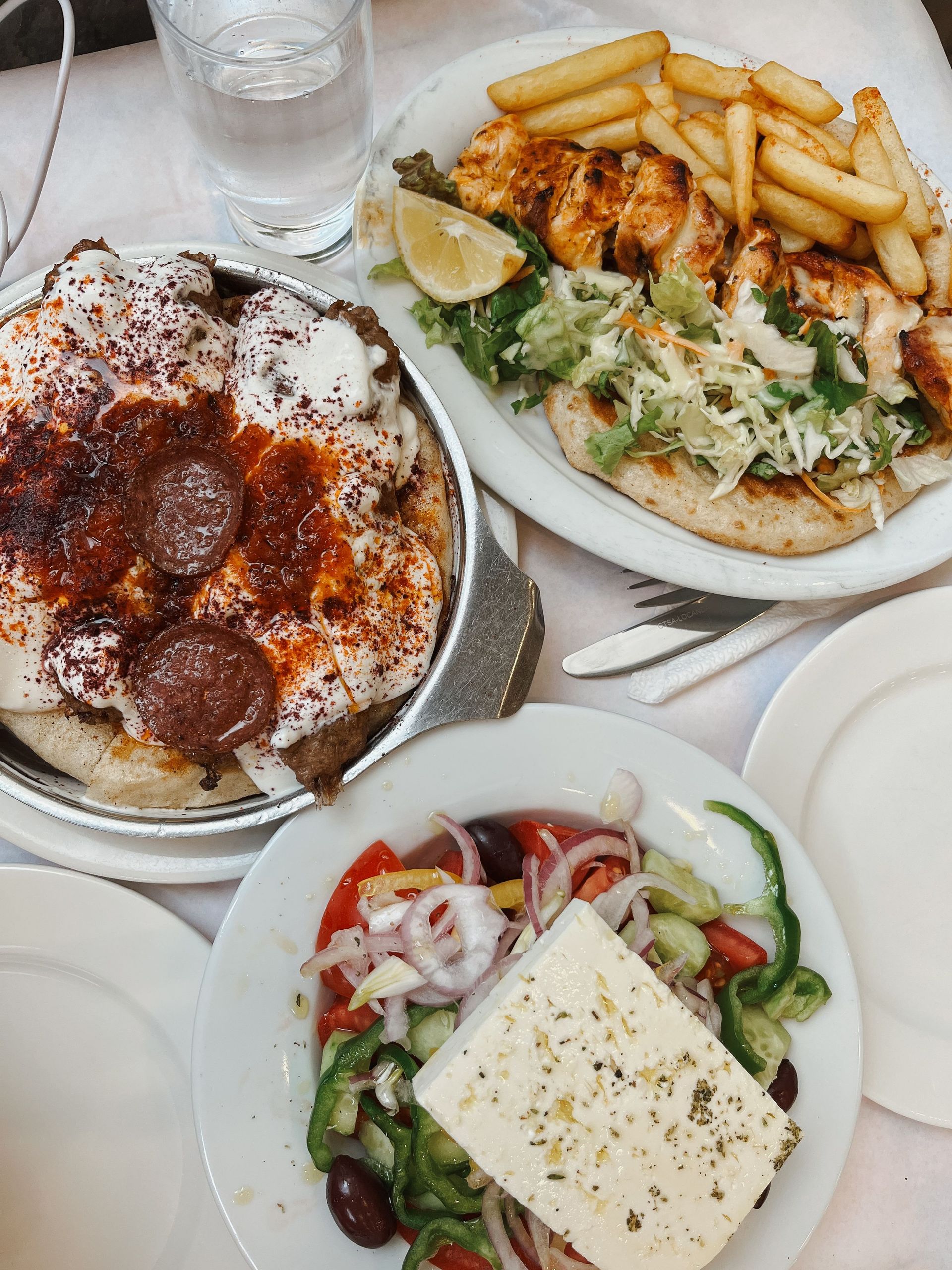
The specific character of Greek food culture that justifies the trip is the quality of the primary ingredients. Greek olive oil, Greek tomatoes, Greek seafood, Greek dairy (specifically the fresh cheeses — the fresh mizithra, the aged graviera of Crete, the smoked metsovone) are produced with a quality and specificity that derives from the combination of specific varieties, specific climates, and specific production traditions that have not been industrialized to the same degree as equivalent products elsewhere in Europe.
What to eat: the meze of Thessaloniki (Greece's second city has a more serious and more varied food culture than Athens and is almost entirely overlooked by food travelers); fresh grilled octopus at a taverna on any island or peninsula; the spanakopita and tyropita from a bakery, eaten warm at 9am; the meze of any ouzeri in Athens' Monastiraki neighborhood, with ouzo and tsipouro. What surprises first-timers: that Greek food at its best bears almost no relationship to the international Greek restaurant — that the ingredients, the preparation, and the freshness produce a food experience that is genuinely distinctive and not approximated elsewhere.
14 / 20
South Korea
Markus Winkler / Pexels
South Korean food culture is the most systematically fermented food culture in the world — a country where the refrigerator was preceded by a specific ceramic fermentation vessel (the onggi jar) in every household, where the fermentation calendar determined the rhythm of the year, and where the diversity of fermented foods (kimchi in approximately 200 varieties, doenjang, ganjang, gochujang, makgeolli, sikhye) represents a depth of fermentation knowledge that is unmatched anywhere.
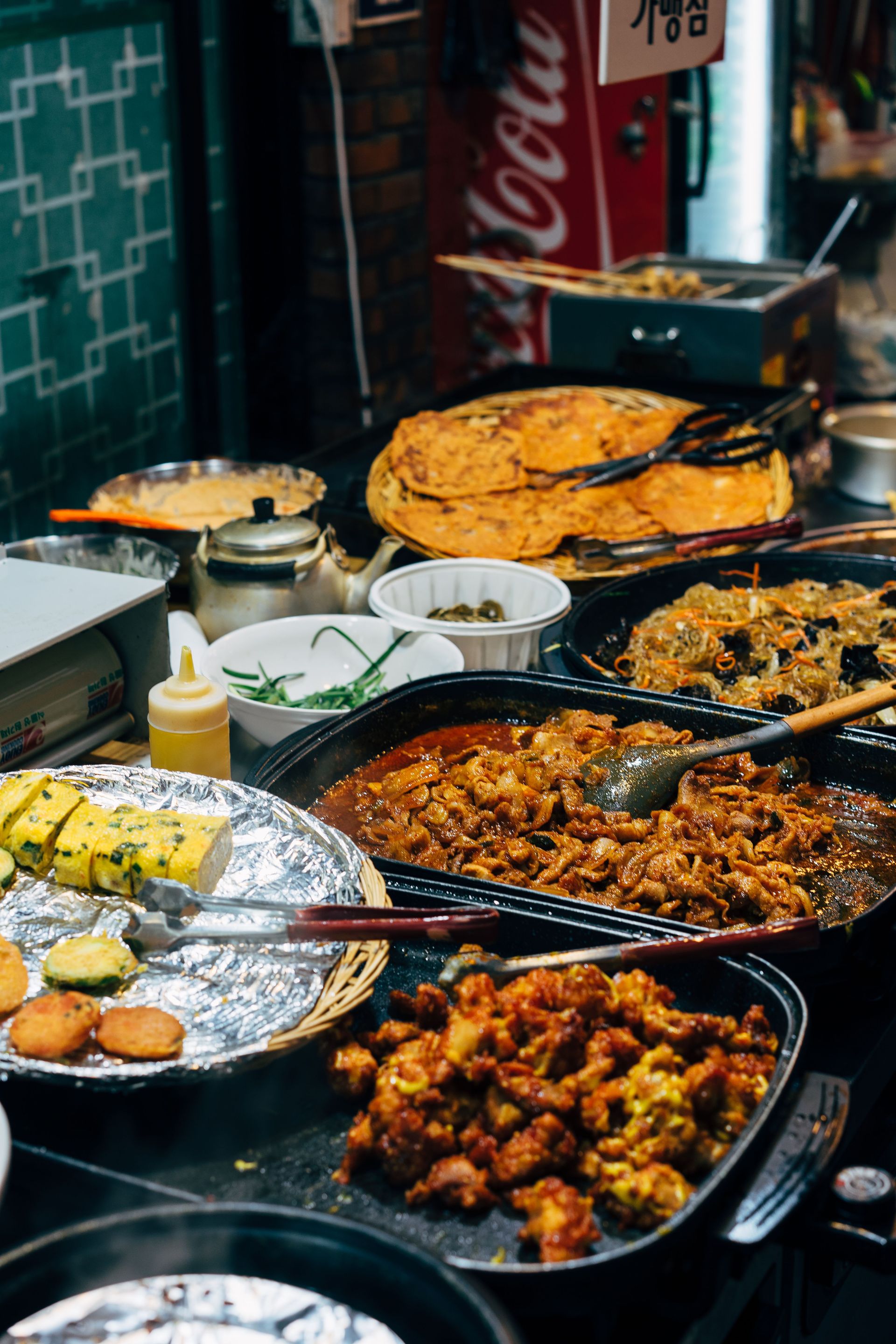
The specific character of Korean food culture that distinguishes it from its international representation — mostly Korean barbecue — is the banchan system: the collection of small side dishes that accompany every Korean meal, provided automatically and refilled automatically by the restaurant. A Korean meal is not a main course with sides; it is a table of many things, with the banchan expressing the season, the region, and the cook's judgment as fully as the main dish. The banchan are often the most interesting part of the meal.
What to eat: a full Korean barbecue experience (samgyeopsal, the thick-cut pork belly grilled at the table, wrapped in perilla leaves with garlic, chilli paste, and fermented vegetables); the haemul pajeon (seafood scallion pancake) at a traditional restaurant on a rainy day; kimchi jjigae with well-fermented kimchi at a pojangmacha (street tent restaurant); the bingsu (shaved ice dessert) of any Korean city in summer — a dessert tradition as serious as any in Asia. What surprises first-timers: the automatic provision of banchan — that a Korean meal begins with a table already full of food before anything has been ordered, and that the banchan refilling is considered the minimum hospitality a restaurant provides.
15 / 20
Ethiopia
Artem.G / Wikipedia (CC BY-SA 4.0)
Ethiopian food culture is the most communal eating culture in the world — a food tradition built entirely around shared eating from a common plate, with no individual servings, no individual utensils, and the specific intimacy of feeding each other (gursha — placing food in another person's mouth with your fingers — as an expression of respect and affection) built into the structure of the meal itself. To eat Ethiopian food in Ethiopia is to eat in a way that is fundamentally different from any Western eating experience.
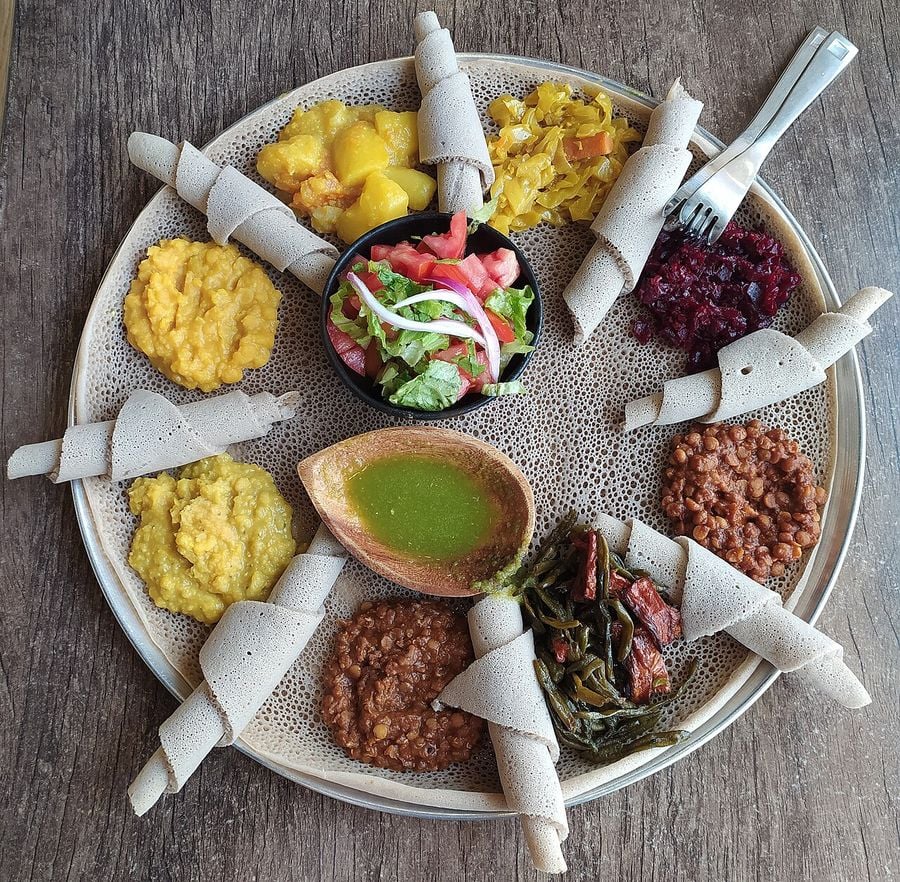
The specific character of Ethiopian food that justifies the trip is injera — the spongy, tangy sourdough flatbread made from teff flour that functions simultaneously as plate, utensil, and accompaniment. Injera is one of the most demanding staple breads in the world to make well (the fermentation can take three days, the cooking technique requires specific skill), and the injera available in Ethiopia — made fresh that morning from the specific teff variety grown in each region — is categorically different from the injera available internationally, which is made from different teff varieties or teff-wheat blends and has a different fermentation character.
What to eat: a full tibs spread on injera at a traditional habesha restaurant in Addis Ababa — the combination of spiced lamb or beef with the berbere and mitmita spiced butter sauces and the fresh injera; the fasting food (the plant-based dishes served on fasting days in the Ethiopian Orthodox calendar, which constitute some of the most interesting vegan cooking in the world); the tej (Ethiopian honey wine) at a tej bet (honey wine house). What surprises first-timers: the spice heat, which is genuine and significant — Ethiopian food is among the spiciest food cultures in the world, and the adjustment period is real.
16 / 20
Portugal
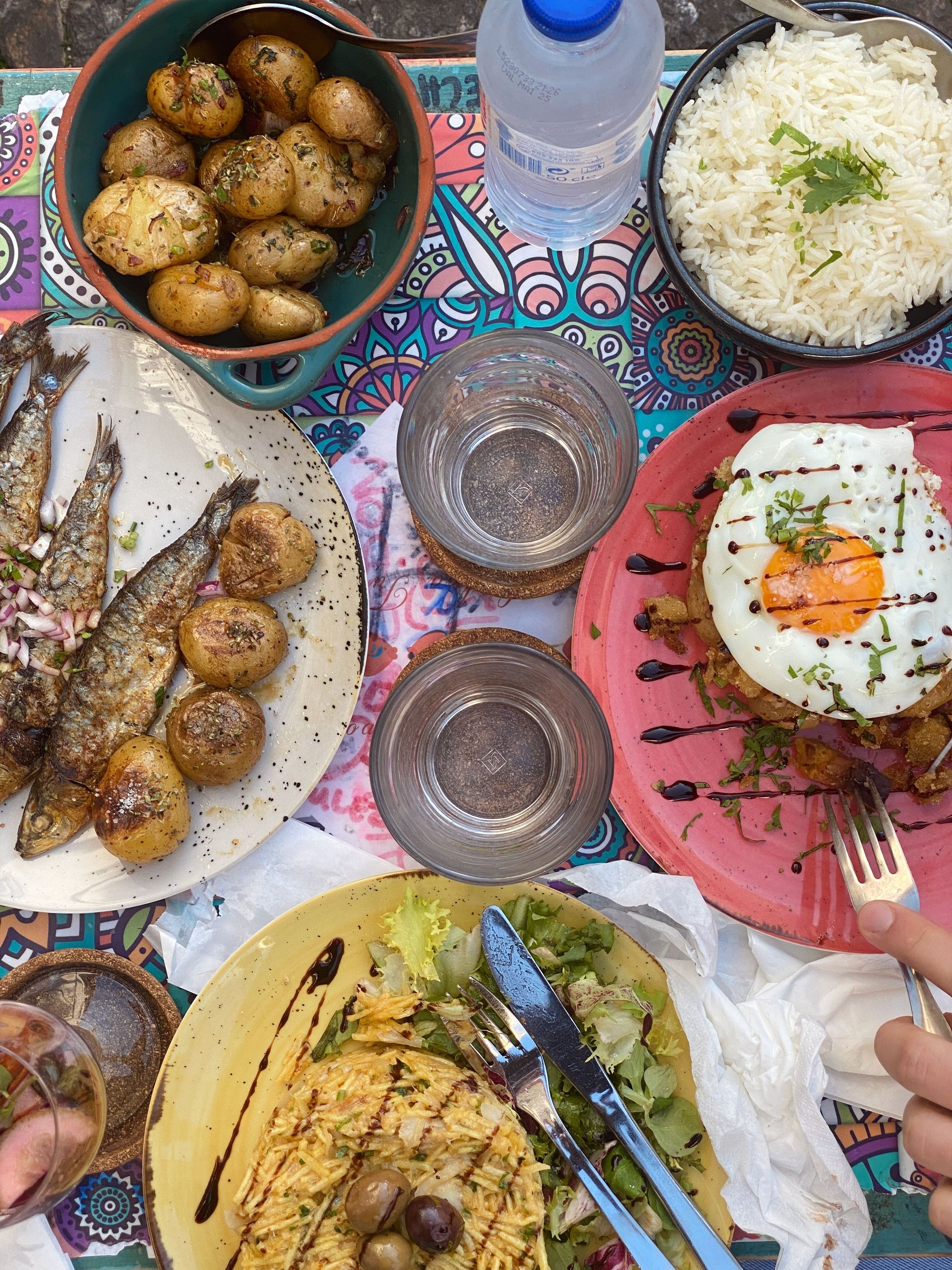
Filippo Bergamaschi / Pexels
Portuguese food culture is the most underrated food culture in Western Europe — a country that dominated global trade for two centuries, importing spices, techniques, and ingredients from every continent it touched, and that produced a food culture that is simultaneously deeply ancient (bread, salt cod, olive oil, wine as the foundational elements) and globally influenced (the tempura that Japan calls Japanese, the vindaloo that India calls Indian, the custard tart that Macau calls Macanese all have Portuguese origins). The influence of Portuguese cooking on global food history is disproportionate to the attention Portuguese food itself receives internationally.
The specific character of Portuguese food that justifies the trip is the salt cod (bacalhau) tradition. Portugal has approximately 365 ways of cooking salt cod — one for every day of the year, as the tradition claims, though the actual number is disputed and is in any case very large. The salt cod tradition is a window into a food culture that developed solutions to the specific problem of feeding a maritime, traveling, Catholic-fasting population using a storable, protein-dense fish caught in the North Atlantic, and the results are as varied as the regional cultures that developed them.
What to eat: pastéis de nata (custard tarts) from the Pastéis de Belém bakery in Lisbon, whose original recipe has been made continuously since 1837; bacalhau à brás (salt cod scrambled with eggs and potato crisps) at a traditional tasca; petiscos (Portuguese tapas) at a neighborhood wine bar in Lisbon's Mouraria or Intendente neighborhood; the grilled fish of the Algarve (the sardinhas assadas of the summer festival season, eaten outdoors with sea salt and olive oil). What surprises first-timers: the quality of the wine relative to the price — that Portuguese wine is among the best value in Europe, and that varieties like Vinho Verde, Bairrada, and Alentejo whites are extraordinary wines available for €8 to €15 in any restaurant.
17 / 20
China
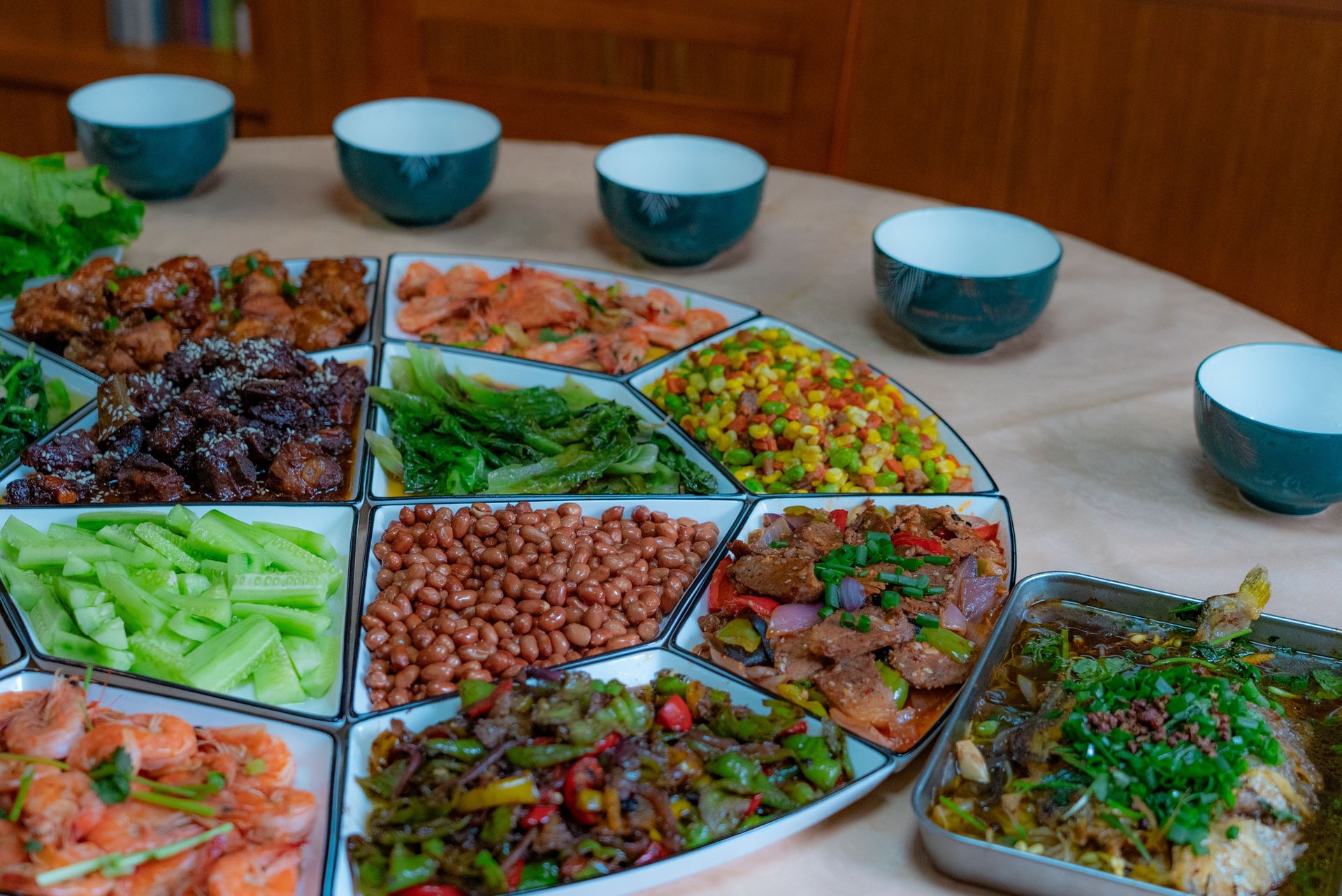
Jason Hu / Pexels
Chinese food culture is the most diverse single national food culture in the world — a country whose regional cuisines (Cantonese, Sichuan, Shanghainese, Hunanese, Hokkien, Xinjiang, Yunnan, and many others) are as different from each other as French and Swedish cooking, and whose total culinary tradition spans more ingredients, more techniques, and more cooking philosophies than any other. The phrase "Chinese food" is as meaningful as "European food" — a geographic container for culinary diversity so vast that it resists summary.
The specific character of Chinese food culture that distinguishes eating in China from eating at Chinese restaurants internationally is the regional specificity. The Cantonese dim sum tradition — the delicate steamed dumplings, the rice noodle rolls, the turnip cake, eaten in a large noisy room from trolleys pushed by aunties — is an entirely different eating experience from the Sichuan hot pot (the bubbling malatang broth, the raw ingredients dipped and cooked at the table, the numbing heat of the Sichuan peppercorn). Both are Chinese food. Neither approximates the other, and neither is available in the form described in most international Chinese restaurants.
What to eat: dim sum on a Sunday morning in any Cantonese city (Hong Kong, Guangzhou, or any city in Guangdong province) — the specific pleasure of this meal is inseparable from the setting, the noise, and the shared table; the Sichuan hot pot in Chengdu, where the broth is made from thirty or more ingredients and the table-sharing culture is as important as the food; the Yunnan food of Kunming — a cuisine that blends Han Chinese, Dai, and Tibetan influences and is almost entirely unknown internationally; street breakfast in any Chinese city — the you tiao (fried dough sticks) with soy milk, the jianbing (the egg-and-scallion crepe), the baozi. What surprises first-timers: the scale of Chinese regional culinary diversity — that a month of eating across different provinces produces food experiences with almost nothing in common except their Chinese origin.
18 / 20
Taiwan
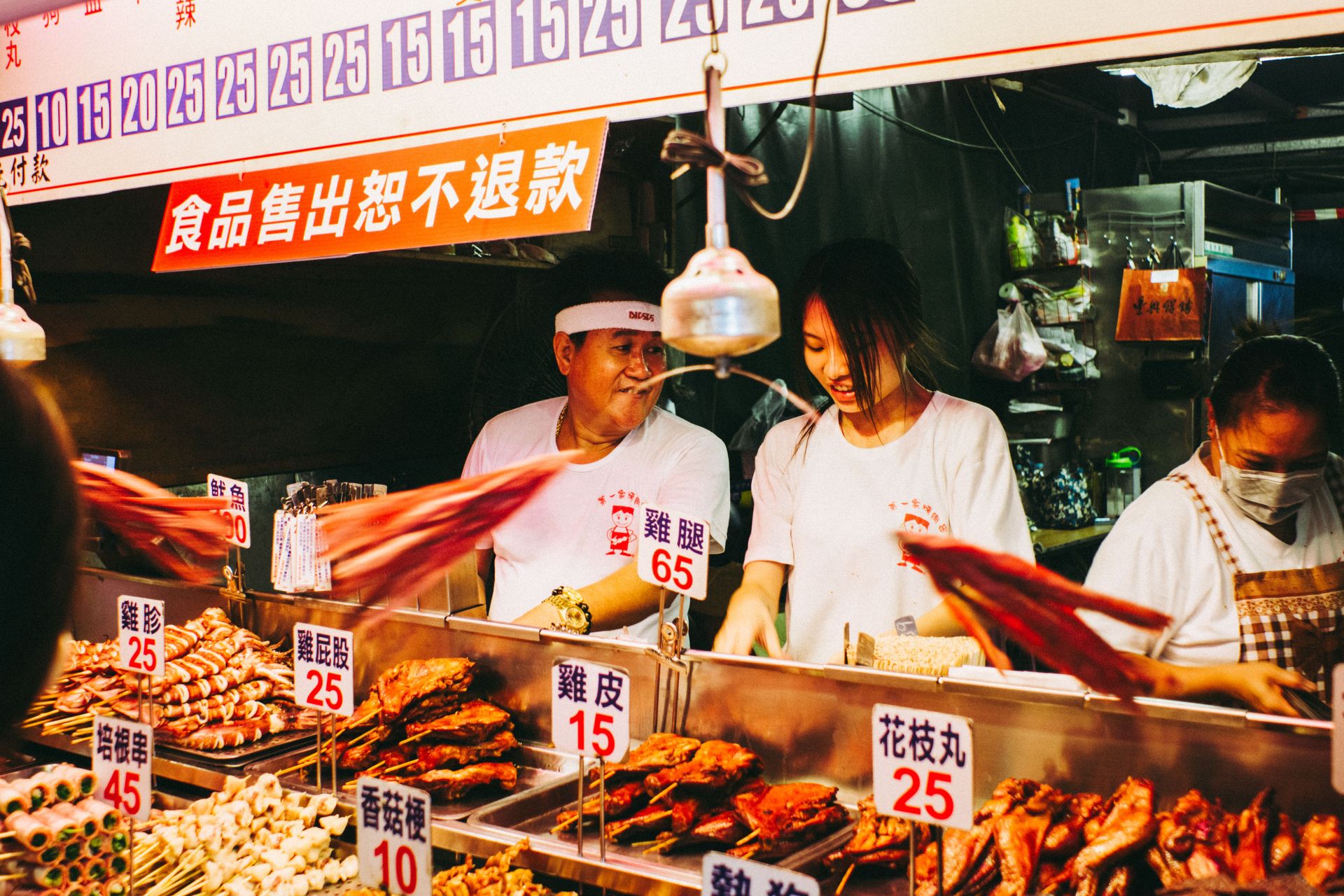
宇峰 吳 / Pexels
Taiwan's food culture is one of the most underappreciated in Asia — a culinary tradition that synthesized Fujianese and Cantonese Chinese cooking with Japanese colonial influence, indigenous Taiwanese ingredients, and post-1949 mainland Chinese refugee food cultures to produce a cuisine that is simultaneously Chinese and entirely its own. The night market is Taiwan's primary food institution and arguably the finest expression of the night market format anywhere in Asia: better organized, more diverse, and higher quality than equivalent markets in Thailand or Malaysia.
The specific character of Taiwanese food that most justifies the trip is the snack culture. Taiwanese street food is built around a specific category of snack — the lu wei (braised foods in spiced master stock), the oyster vermicelli noodle soup, the scallion pancake, the bubble tea, the pork chop rice — that has been refined over decades of intense competition in a small geography where every vendor knows that a customer who walks twenty meters can find three alternatives.
What to eat: the Shilin Night Market in Taipei (the largest and best-known, whose specific stall-by-stall quality rewards a slow circuit rather than a single visit); beef noodle soup (niú ròu miàn) at any dedicated beef noodle restaurant — Taiwan's national dish argument; the breakfast shop (zǎocān diàn) that opens at 6am for the egg and cheese in a scallion pancake; the xiao long bao (soup dumplings) of Din Tai Fung, where the quality is consistent and the technique is demonstrably exceptional. What surprises first-timers: the Japanese influence — that Taiwanese food reflects 50 years of Japanese colonial rule in ways that make it feel distinct from mainland Chinese food, and that this influence is everywhere from the bento culture to the izakaya bar scene.
19 / 20
Singapore
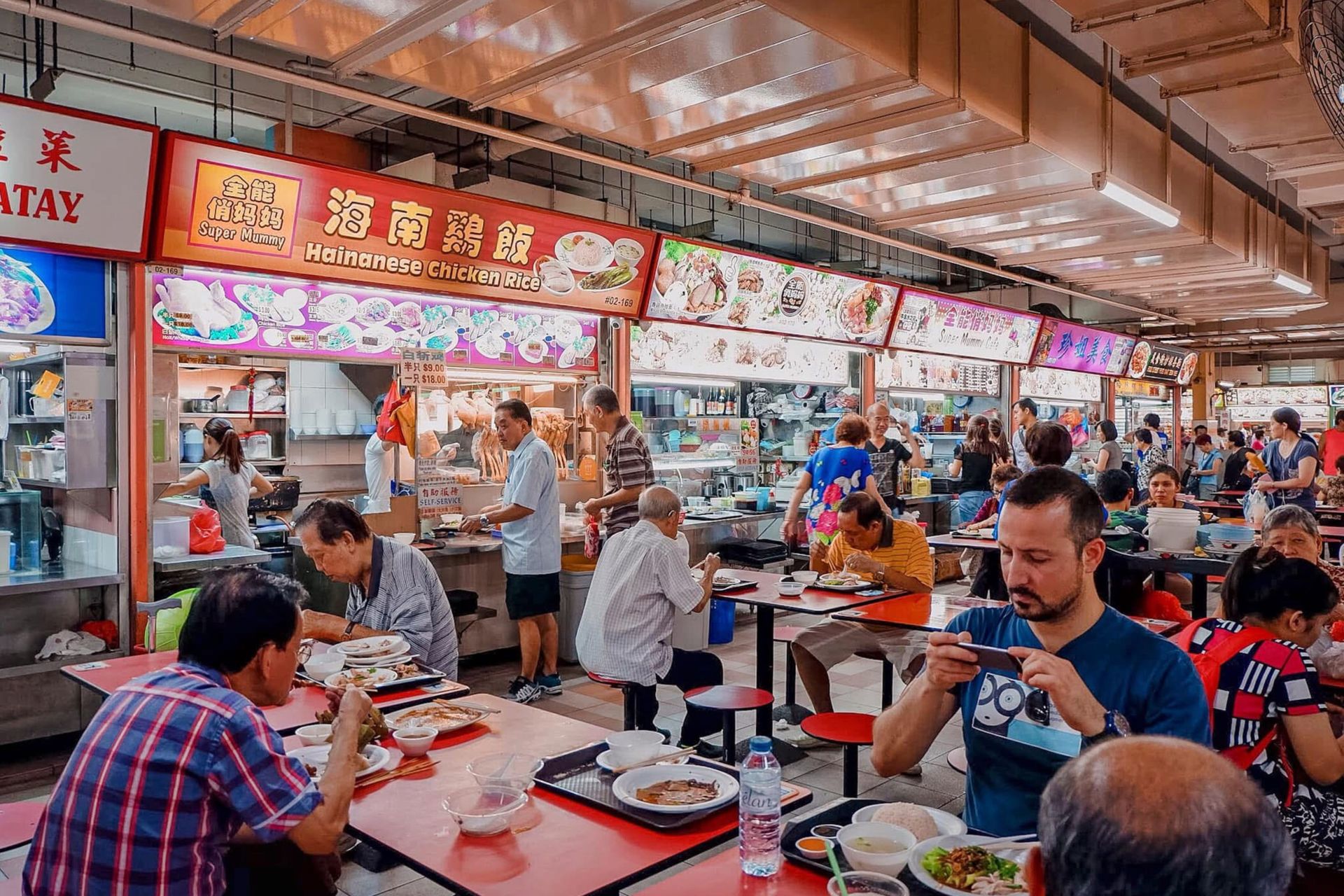
Dennise Anorico / Pexels
Singapore's food culture is the product of a specific historical accident: a small city-state at the crossroads of Chinese, Malay, Indian, and European culinary traditions, with a government that recognized early that food was a national identity asset and invested accordingly in the hawker center infrastructure that is Singapore's most democratic and most significant food institution. The hawker center — the open-air food court where individual stalls specialize in single dishes, often the life's work of a single cook — is the format through which Singapore has maintained the quality and diversity of its street food tradition as the country became wealthy enough that street food could have been replaced by formal restaurants.
The specific character of Singaporean food that justifies the trip is the Chinese-Malay synthesis that produced dishes available nowhere else: Hainanese chicken rice (the steamed or poached chicken with rice cooked in chicken stock and served with chilli sauce and ginger paste), char kway teow (wok-fried flat noodles with cockles, egg, and bean sprouts in a dark soy and lard sauce), laksa (the coconut curry noodle soup that varies by neighborhood of origin), and the Peranakan (Straits Chinese) cooking that blends Chinese technique with Malay spices in dishes like ayam buah keluak (chicken stewed with Indonesian black nuts) that exist only in this specific cultural intersection.
What to eat: Hainanese chicken rice at Tian Tian (Maxwell Food Centre) or any traditional hawker stall — the dish that Singapore is most right to be proud of; the hawker centers of the old neighborhoods (Chinatown Complex Food Centre, Old Airport Road Food Centre) rather than the tourist-facing hawker street; the chilli crab at a traditional seafood restaurant — messy, spicy, eaten with fried mantou buns to soak up the sauce. What surprises first-timers: the quality of hawker center food relative to price — that some of the best meals in Singapore cost $3 to $6 and are served on plastic trays at shared tables.
20 / 20
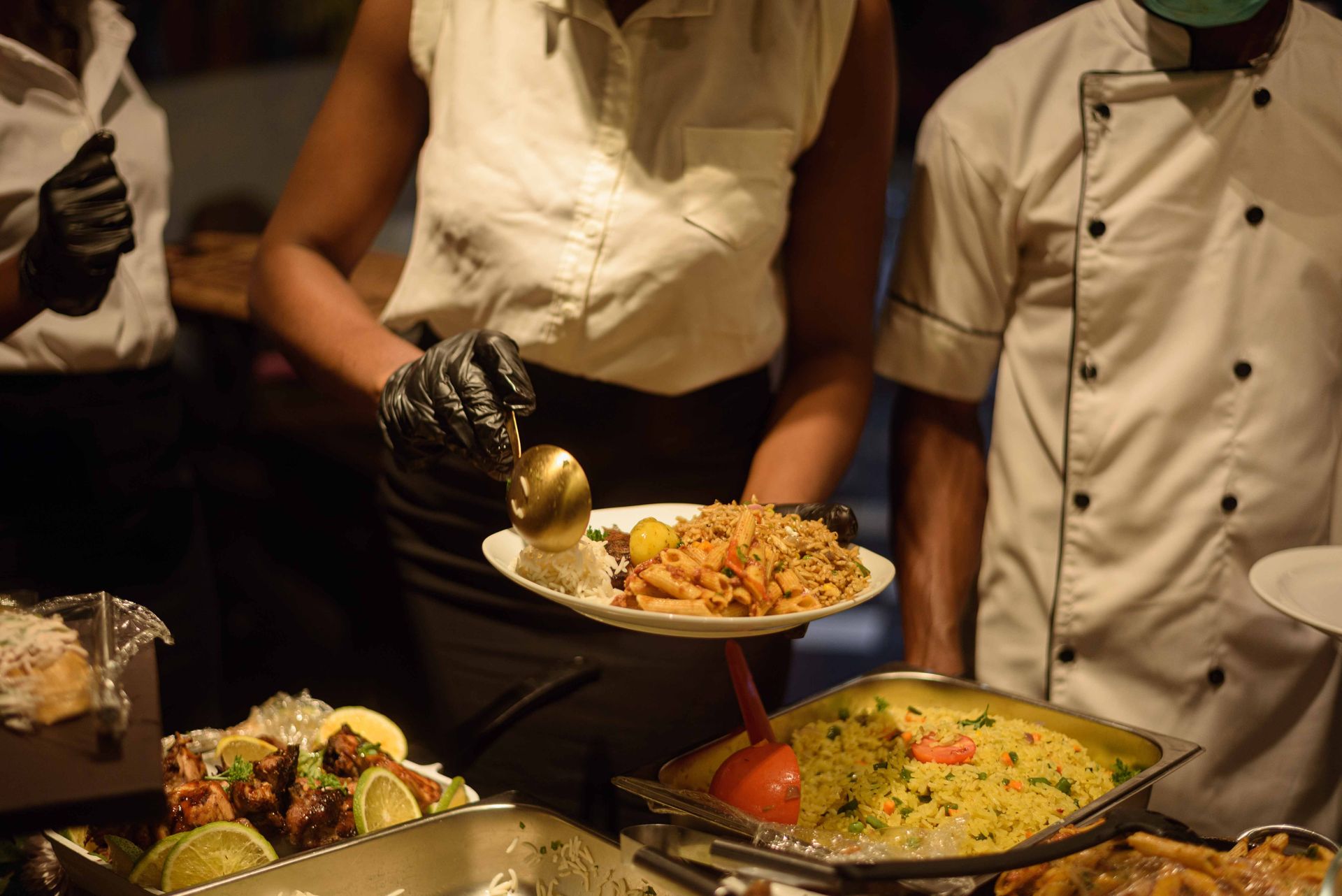
Nigeria
Prosper Buka / Pexels
Nigerian food culture is the most dynamic and most underrepresented food culture in Africa internationally — a country of more than 200 million people with approximately 250 ethnic groups each maintaining distinct food traditions, and a national food culture whose depth and diversity most people outside West Africa have never encountered. The Yoruba, Igbo, and Hausa food traditions alone represent three fully developed culinary systems with different staple starch bases, different protein preparation methods, and different spice and fermentation traditions.
The specific character of Nigerian food that justifies the trip is the fermentation and flavor complexity built around locust beans (dawadawa or iru), the fermented, intensely savory seeds that function in Nigerian cooking the way fish sauce functions in Southeast Asian cooking: as the deep umami foundation that makes the dish. The egusi stew (melon seed and leafy vegetable stew cooked with palm oil, crayfish, and iru), the jollof rice controversy that occupies Nigerian-Ghanaian food diplomacy, the peppersoup that starts every serious Nigerian meal — these are dishes with a flavor complexity that the international food community is only beginning to recognize.
What to eat: suya (the spiced beef skewers grilled over charcoal at night markets across northern Nigeria) at a proper suya spot after 9pm — the cultural experience of standing at an outdoor grill is inseparable from the food; jollof rice at a traditional restaurant, not at a wedding (wedding jollof is the benchmark, cooked in enormous pots over firewood, smoky and deeply flavored); the buka (traditional food restaurant) for a full Nigerian plate — the stew, the rice or tuber, the protein, the fried plantain that is the non-negotiable accompaniment. What surprises first-timers: the heat and the fermentation depth — that Nigerian food operates at flavor intensities (chilli heat, fermented locust bean savory depth, concentrated palm oil richness) that have no equivalent in most other food cultures, and that the adjustment is worth making.