
Felipe De França Lira / Pexels
The relationship between a country and its cultural exports is rarely planned. The United States did not decide that Hollywood would become the primary vehicle for projecting American values and aspirations globally; Hollywood became that vehicle through the combination of commercial scale, technological advantage, and the specific historical accident of World War II destroying the film industries of every other major producing country while leaving the American one intact. Japan did not decide that anime and manga would shape how the world understood Japanese aesthetics and storytelling; it became Japan's most significant cultural export through the specific commercial logic of the 1980s and 1990s, when the global demand for animated content outpaced the supply of domestically produced animation in other countries.
The cultural exports that end up defining a country internationally tend to share a specific quality: they are not ambassadorial. They do not set out to represent the country or to manage its image. They set out to be commercially successful, aesthetically interesting, or emotionally true — and they end up defining the country precisely because they were not trying to, because the authenticity or the specificity of the culture they came from was perceptible to audiences who had no other window into that culture.
This list covers 20 cultural exports — film industries, music genres, television formats, literary traditions, food cultures, sporting cultures — that did the work of defining their country's international image not through diplomatic effort but through genuine cultural reach. Each entry covers what the export was, how it achieved its reach, what it communicated about its country of origin, and the specific mechanism by which a cultural product became a national identity marker.
1 / 20
Daniel Semenov / Pexels
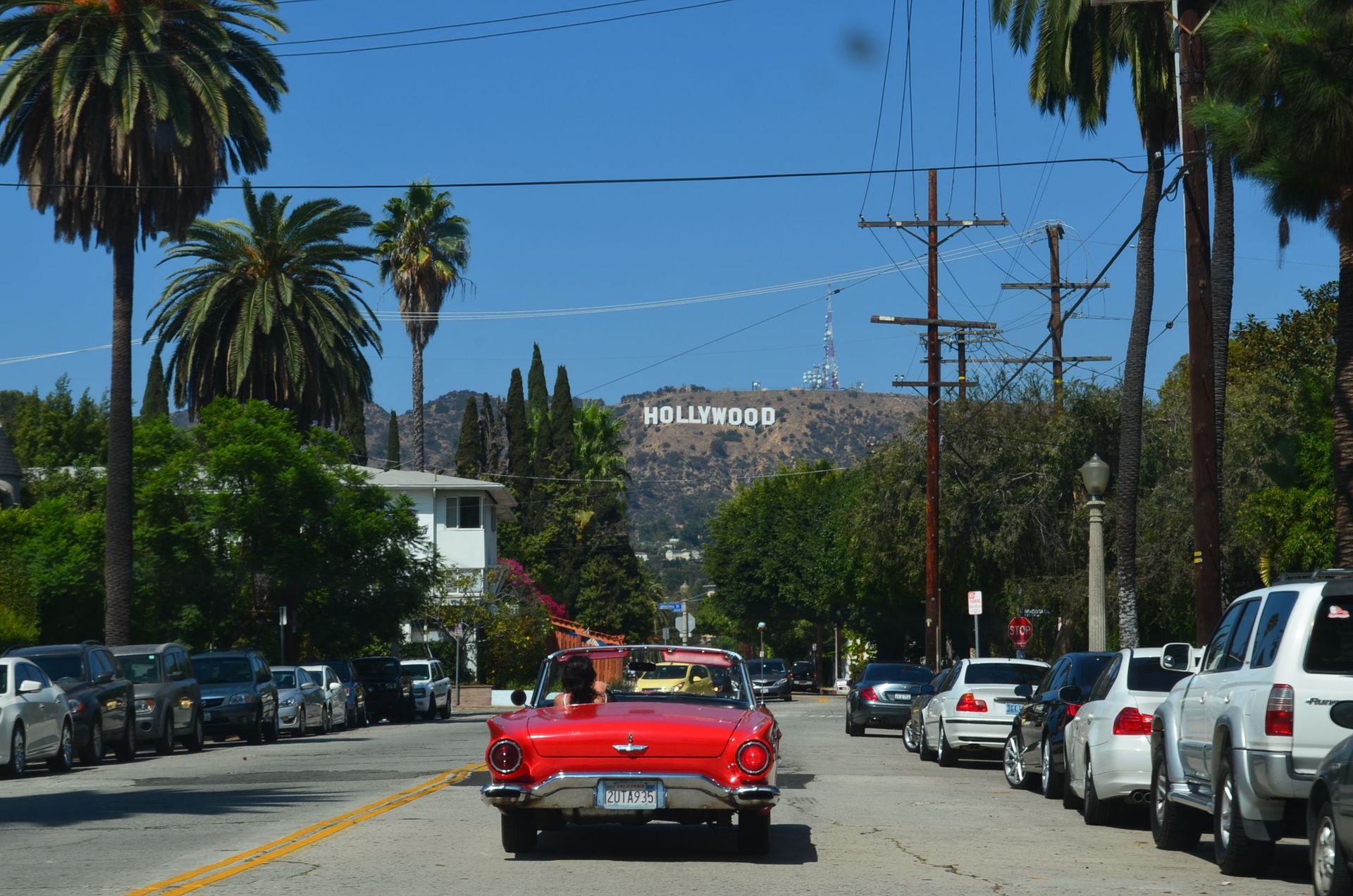
Hollywood — the American film industry and its output, from the silent era through the streaming age — is the most consequential single cultural export in history by the measure of global reach, and the primary vehicle through which American values, aesthetics, lifestyles, and aspirations have been communicated to the rest of the world for approximately a century.
The specific mechanism of Hollywood's global dominance is not purely commercial, though scale matters: American films achieved global reach partly because the US domestic market was large enough to recoup production costs before export, allowing American studios to undercut competitors on international markets by selling at marginal cost rather than cost-plus. The destruction of European film industries by World War II, combined with US government pressure to open post-war European markets to American films, produced a structural advantage that has persisted.
What Hollywood communicated internationally was the specific quality of American aspiration: the idea that individual effort produces upward mobility, that romance is available to everyone, that technology is benevolent, that conflict has resolution, and that the American landscape — the road, the frontier, the city skyline — is the natural backdrop for the universal human story. These themes are not objectively true, but they were commercially compelling, and their global repetition created an image of America more durable than any diplomatic messaging.
The complicated version: Hollywood's export of American culture also exported American racial hierarchies, gender norms, and consumer values — products of the specific society that made the films — to cultures that experienced them as universal truth rather than particular perspective.
2 / 20

İrem Çilingir / Pexels
K-pop — the South Korean pop music industry whose specific combination of synchronized choreography, visually engineered aesthetics, parasocial fan engagement structures, and relentless production quality emerged in the 1990s and reached global dominance in the 2010s — is the most striking example of a deliberate government-supported cultural export strategy producing genuinely organic global cultural influence.
The Korean government's investment in the cultural industries following the 1997 Asian financial crisis — which produced the Korean Wave (Hallyu) policy framework — was explicitly intended to develop cultural exports as an economic and diplomatic asset. The investment created infrastructure (entertainment companies, talent training systems, distribution platforms) that then produced BTS, BLACKPINK, and the ecosystem of K-pop acts whose combined global audience by the mid-2010s exceeded the population of Korea by orders of magnitude.
What K-pop communicated internationally about South Korea was a specific version of modernity: disciplined, aesthetically sophisticated, emotionally expressive within tightly choreographed structures, and visually extraordinary. The international image of South Korea shifted measurably following BTS's global success — Korean food, Korean beauty products, the Korean language, and Korean tourism all benefited from the association with K-pop's global appeal.
The specific K-pop innovation that produced its cultural reach was the parasocial fan engagement model: the systematic cultivation of the feeling of personal relationship between fan and artist through social media access, fandom organization, and the specific emotional architecture of K-pop's marketing. This model has been adopted by music industries globally.
3 / 20

Amol Nakve / Pexels
Bollywood — the Hindi-language film industry centered in Mumbai, which produces more films annually than Hollywood and has been the primary entertainment medium for more people simultaneously than any other film industry in history — is the cultural export that made India legible to its own diaspora globally and shaped the international perception of Indian culture among audiences from the Middle East to sub-Saharan Africa who had no other window into the subcontinent.
The specific geographic reach of Bollywood is not Western: its primary international audiences are in the Gulf states (where the South Asian migrant worker population is enormous), in East Africa, in Southeast Asia, and in the Indian diaspora globally. This reach is culturally significant because Bollywood's audiences are not the audiences that most global cultural power analyses focus on — Bollywood is not a tool of Indian soft power toward the United States or Europe but toward the Global South.
What Bollywood communicates internationally about India is contested. Its critics argue that it projects a specific North Indian, Hindi-speaking, Hindu-inflected view of India that is not representative of the country's diversity. Its advocates argue that its emotional directness — the songs, the dances, the melodramatic narrative arcs — is a genuine expression of a specific popular aesthetic that is authentically Indian rather than an export product designed for foreign consumption.
4 / 20

Franco Monsalvo / Pexels
Brazilian football — specifically the style of play (jogo bonito, the beautiful game) associated with Brazilian footballers from Pelé through Ronaldo through Ronaldinho — is the cultural export that made Brazil globally recognizable and created an international image of the country rooted in physical grace, improvisational creativity, and the specific energy of a culture that produces extraordinary athletic beauty from extremely poor conditions.
The Brazilian football tradition emerged from the specific social conditions of Brazilian football development — the favelas, the beach, the waste-ground pickup game — in ways that produced a playing style physically different from European football and more individually creative, more rhythmically complex, and more aesthetically pleasing to watch than the more defensive, organized European variants. The samba influence on movement, the specific Brazilian relationship to improvisation and collective expression, are not metaphors but documented components of how Brazilian coaches and players have described their own tradition.
The specific mechanism by which football became Brazil's defining international image is FIFA World Cup dominance: Brazil has won the tournament five times, more than any other country, and the 1970 team is widely considered the most beautiful team ever assembled. Each World Cup broadcast reached global audiences for whom Brazil might otherwise have been known only for the Amazon $AMZN or the favelas — and what those audiences saw was a playing style that communicated something specific about joy, freedom, and physical intelligence that no other sport in any other country has produced at the same scale.
5 / 20

Vinny Anugrah / Pexels
Anime and manga — Japan's animated and comic art traditions, which developed distinctive visual vocabularies (the large expressive eyes, the specific conventions of action, emotion, and perspective) and narrative genres (mecha, shōnen, shōjo, isekai) that are now globally recognized aesthetic categories — became Japan's most significant cultural export almost accidentally, through the combination of the 1980s global demand for children's animation and the specific efficiency of Japanese animation production.
The international reach of anime began with children's television (Astro Boy, Speed Racer, Robotech) that audiences in the 1960s through 1980s did not necessarily know was Japanese, and deepened with the adult-oriented and thematically complex anime of the 1980s and 1990s (Akira, Ghost in the Shell $SHEL, Evangelion) that identified Japanese animation as a serious artistic medium rather than a children's product.
What anime and manga communicated internationally about Japan was a specific cultural texture: the aesthetic of kawaii (cute), the specific relationship to technology and nature, the particular emotional register of Japanese storytelling — the acceptance of ambiguity, the willingness to let narratives be unresolved, the specific treatment of grief and sacrifice — that international audiences encountered through anime before they encountered it in any other Japanese cultural form.
6 / 20

Fakhrul Hassan / Pexels
The telenovela — the Mexican soap opera format with a defined beginning, middle, and end (unlike the potentially endless Anglo-American soap opera), characterized by heightened emotional expression, class conflict narratives, and romantic entanglement — became the primary cultural export of Mexican television to the rest of Latin America, sub-Saharan Africa, Eastern Europe, and the Middle East, creating a shared popular culture across very different societies.
The specific mechanism of telenovela global reach was Televisa's investment in high-quality production and then selling its output at prices that smaller television markets could afford but that the domestic production costs of those markets could not match. Telenovela exports reached over 100 countries by the 1990s, and the format was adopted and adapted by television industries in Russia, Turkey, India, and across Africa.
What telenovelas communicated internationally about Mexico was a specific popular emotional register — passionate, colorful, socially complex, centered on women's experiences — that was simultaneously culturally specific and emotionally accessible across cultures with very different social arrangements. The melodramatic arc, the social mobility narrative, and the specific visual texture of Mexican production design created an internationally legible aesthetic that has proved extraordinarily durable across four decades of global export.
7 / 20

Can Falabella / Pexels
British rock and pop — from the Beatles through the Rolling Stones through punk through Britpop through grime — is the cultural export that gave Britain an international cultural identity independent of its imperial legacy and the specific mechanism through which British youth culture became a significant global soft power asset throughout the second half of the 20th century.
The Beatles' specific achievement in this context was not merely commercial: their global success in the mid-1960s produced the specific quality of cultural influence in which the culture of origin (British, specifically Liverpudlian, working-class) became aspirational to audiences in the United States — reversing the direction of cultural flow that had previously run almost entirely from America to Britain. The British Invasion established British popular music as a creative category that American audiences would seek out rather than dismiss.
The mechanism of British pop's continued influence is the specific institutional infrastructure of British music: the BBC, the independent label culture, the specific social conditions (the working-class art school tradition) that consistently produced creative originality, and the fact that British English is the second language of global pop music in a way that no other non-American English dialect has achieved.
8 / 20

Bert Christiaens / Pexels
French haute cuisine — the cooking tradition codified by Escoffier, transmitted through the brigade system, and certified through the Michelin star rating system — is the cultural export that made France the global reference point for culinary seriousness and that structured the international prestige hierarchy of restaurants for approximately a century.
The specific mechanism was institutional: Escoffier's systematization of French cooking techniques produced a teachable, transferable curriculum that spread through professional kitchens globally as French-trained chefs became the standard of professional culinary competence. The Michelin Guide's global expansion carried French quality standards with it. The French language became the default professional vocabulary of high-end cooking regardless of cuisine type.
What French cuisine communicated internationally about France was the specific cultural value of craft, precision, and the serious treatment of pleasure — a set of values that supported a broader French cultural export strategy (the Alliance Française, the Académie française's defense of the French language, French film subsidies) aimed at maintaining French cultural influence in a world where American popular culture dominated.
9 / 20
Huy Phan / Pexels
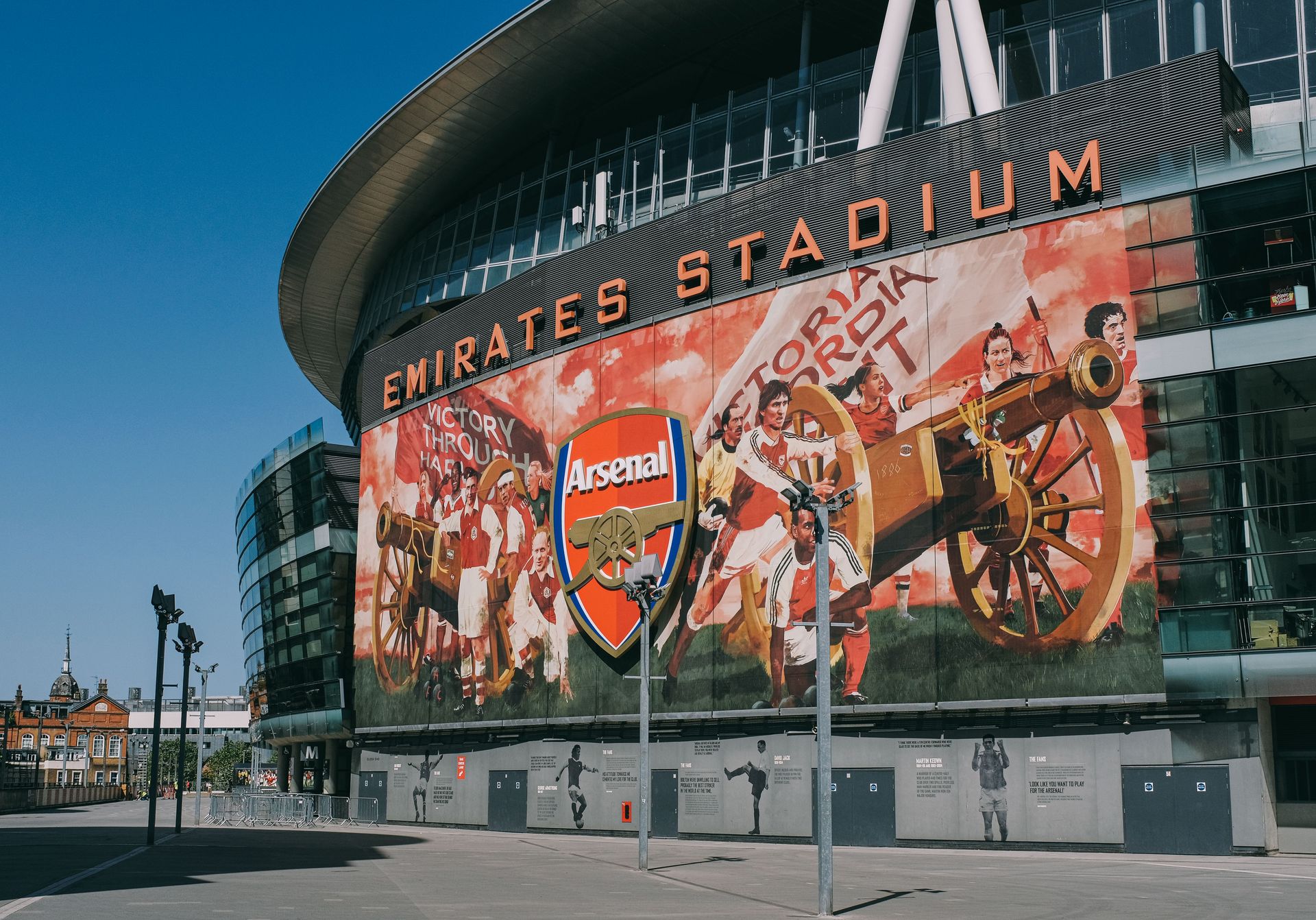
England's specific contribution to the global culture of football is not the playing style but the institutional infrastructure: the Premier League, founded in 1992, which became the most watched sporting league in the world and the vehicle through which English football culture — the specific atmosphere of the stadium, the supporter culture, the geographic and social embeddedness of clubs — became a globally recognized cultural form.
The Premier League's international broadcast deals, combined with the globalization of player rosters that brought players from every region of the world to English clubs, produced a league that was culturally English in its setting and atmosphere but globally representative in its personnel. The result was a product that was simultaneously locally rooted and globally accessible — the combination that produces the most durable cultural exports.
What English football culture communicated internationally about England was a specific class and geography: the northern working-class industrial city as the natural home of football culture, the specific sound of a northern crowd, the specific relationship between a club and its city that has no equivalent in American sports.
10 / 20

Connor Scott McManus / Pexels
Reggae — the musical genre developed in Jamaica in the late 1960s from the synthesis of American R&B, mento, and ska, and whose greatest international representative was Bob Marley — became the primary vehicle through which Jamaica became internationally recognizable and through which Rastafari philosophy, Jamaican Creole, and the specific political consciousness of the post-colonial Caribbean reached global audiences.
Bob Marley's specific achievement was making reggae universally accessible without removing its political and spiritual specificity: his music communicated explicit Rastafari theology and explicit resistance to colonial power structures while reaching audiences who had no prior knowledge of either. The result was a cultural export that communicated something genuinely true about its country of origin to an audience that was not looking for political education.
The mechanism of reggae's global reach was not institutional (there was no Jamaican government cultural export strategy) but was driven by the specific commercial infrastructure of Island Records, the label founded by Chris Blackwell, and by the specific historical moment of the 1970s when reggae's message of resistance resonated with post-colonial independence movements globally.
11 / 20

Saya Omar / Pexels
Italian food — pasta, pizza, espresso, gelato, the specific Mediterranean diet aesthetic — is the cultural export that made Italy the most aspirationally appealing food culture in the world and that produced a global market for Italian culinary products, Italian culinary tourism, and the Italian restaurant as a global default for casual dining that no other national cuisine has achieved at the same scale.
The specific mechanism of Italian cuisine's global reach was the Italian emigration of the late 19th and early 20th centuries: the approximately 13 million Italians who emigrated to the Americas and Australia between 1880 and 1930 brought their food culture with them, and the Italian restaurant that developed in immigrant communities became the vehicle through which Italian food was introduced to non-Italian populations. The pasta that American families ate in the 20th century was not the pasta of Italian haute cuisine but the pasta of Neapolitan and Sicilian immigrant cooking — regionalized, simplified, and adapted to local ingredients.
What Italian cuisine communicated internationally about Italy was the specific combination of simplicity and quality — the argument that a small number of excellent ingredients, properly treated, produces food of extraordinary pleasure — that the Italian aesthetic applies to design, fashion, and architecture as well as food. The pasta dish with three ingredients, made correctly, is not a simple meal; it is the expression of a specific cultural value that Italy has communicated more effectively than any other country through the medium of what people eat for dinner.
12 / 20

Eliza Ari / Pexels
Russian literature — Tolstoy, Dostoevsky, Chekhov, Pushkin, Turgenev, Bulgakov — is the cultural export that established Russia's international intellectual identity and that has maintained a specific image of Russian culture as morally serious, psychologically profound, and spiritually ambitious in the consciousness of educated international audiences even through periods of profound political hostility toward the Russian state.
The specific quality that Russian literature communicated internationally about Russia was the combination of vast geographic scale and extreme psychological intimacy — the sense of characters existing in an enormous, cold, indifferent landscape while experiencing emotional and moral crises of total intensity. This specific combination is recognizably Russian in a way that is difficult to attribute to any specific cultural or geographic cause but is immediately identifiable to readers across cultures.
Russian literature's cultural export function was not a state project — the tsarist government was often hostile to its greatest writers — but it became a de facto diplomatic asset in the 20th century, and the Soviet government's complex relationship with its literary heritage (suppressing some writers, celebrating others) reflects the recognition that literature was doing important work in international perception.
13 / 20

Cristian Camilo Estrada / Pexels
New Zealand's All Blacks — the national rugby union team whose record win rate is the highest of any national team in any major sport in history, and whose pre-match haka (the Māori ceremonial challenge performed before every test match) is the most recognized ritual in world sport — have done more to define New Zealand's international identity than any other cultural product, communicating a specific set of values (physical intensity, cultural pride, the integration of indigenous and settler culture) that New Zealand's diplomatic efforts have consistently struggled to articulate.
The haka's specific cultural export function is extraordinary: it transformed a Māori ceremonial practice into a globally recognized symbol of New Zealand, exposed hundreds of millions of rugby viewers to Māori language and cultural expression in a context that communicated power and pride rather than marginalization, and made indigenous cultural practice central to New Zealand's national identity in a way that no other settler-colonial nation has achieved through its premier sporting team.
The All Blacks' specific sporting dominance — a win rate above 75% across more than a century of international competition — has given the haka and everything associated with New Zealand rugby a prestige platform that a smaller or less successful team could not provide. The cultural export works because the sporting performance is real: the All Blacks earn the right to represent New Zealand internationally by being, consistently, the best rugby team in the world.
14 / 20

Alex Dos Santos / Pexels
Magical realism — the literary mode in which magical elements are presented as matter-of-fact components of an otherwise realistic narrative, most fully realized in Gabriel García Márquez's One Hundred Years of Solitude (1967) — became the literary form most internationally associated with Latin American culture and the lens through which Latin American literature reached global audiences in the second half of the 20th century.
García Márquez's Nobel Prize in 1982 gave magical realism official cultural legitimacy, but the genre's international reach preceded the prize: One Hundred Years of Solitude had been translated into 47 languages before the Nobel. The novel's achievement was the creation of a form that could hold Latin American historical experience — the violence, the absurdity, the political chaos, the specific quality of post-colonial time — in a structure that was aesthetically distinctive rather than merely politically explicit.
What magical realism communicated internationally about Colombia and Latin America was the specific texture of a culture that processes historical trauma through myth rather than through realism — a cultural relationship to the past that is different from the European historical novel's relationship and that international readers found both exotic and emotionally true.
15 / 20

JC Terry / Pexels
Hong Kong kung fu cinema — from Bruce Lee through Jackie Chan through John Woo through Wong Kar-wai — is the cultural export that made Hong Kong's specific cultural identity (Chinese in heritage, British in administrative structure, American in commercial aspiration) globally legible and that created the genre of action cinema that has influenced Hollywood blockbuster production more than any other non-American source.
Bruce Lee's specific cultural significance was not merely commercial: he was the first Asian star of Hollywood action cinema, and his success challenged the racial hierarchy of American film in ways that had direct consequences for representation, for the international image of Asian masculinity, and for the credibility of Chinese martial arts traditions in the eyes of global audiences.
John Woo's specific contribution — the balletic violence, the male friendship melodrama, the specific choreography of the action sequence — was adopted wholesale by Hollywood in the 1990s and shaped the visual language of action cinema for a decade. The influence was acknowledged: The Matrix's fight sequences, Kill Bill's Hong Kong homages, and dozens of action films directly cited Hong Kong cinema as their primary influence.
16 / 20

Caner Koluman / Pexels
Turkish television — specifically the dizi (drama series) format that emerged in the 2000s, producing long-form dramas of 90 to 120 minutes per episode that were exported to over 150 countries — became the vehicle through which Turkey achieved the largest television export industry outside of the United States and the primary mechanism of Turkish soft power in the Arab world, the Balkans, Latin America, and South Asia.
The dizi format's specific commercial achievement was reaching audiences in the Arab world who had no prior cultural window into Turkey: the combination of Islamic cultural values, Ottoman historical narrative, and contemporary Istanbul's cosmopolitan lifestyle produced dramas that were accessible to conservative Muslim audiences while depicting a Turkish modernity that was aspirationally attractive. The most successful Turkish dizi reached combined audiences of over 150 million viewers.
The cultural consequence: Turkish language learning increased dramatically in the Arab world following dizi popularity; Turkish tourism from Arab countries increased significantly; and Turkey's international image shifted from the purely strategic (NATO member, EU candidate) to the culturally resonant in a way that diplomatic outreach could not have achieved.
17 / 20

Kenneth Surillo / Pexels
The Filipino diaspora — approximately 10 million Overseas Filipino Workers (OFWs) spread across over 100 countries, representing roughly 10% of the Philippine population — is the cultural export that made the Philippines globally present in a way no film industry, music genre, or sporting tradition could replicate: by distributing Filipinos themselves, their labor, their values, and their specific cultural identity into hospitals, merchant vessels, households, and construction sites on every continent.
The specific Filipino combination of adaptability, warmth, English fluency, and professional competence — produced by an American colonial education system, a Catholic religious culture, and an economic context that made overseas work a family strategy rather than an individual decision — created a diaspora with a recognizable cultural profile in every country it reached. Filipino nurses in the UK and US, Filipino seafarers on vessels flying every flag, Filipino domestic workers in Hong Kong and Saudi Arabia: the OFW is both an economic actor and a cultural ambassador operating without a portfolio.
The karaoke machine — invented in Japan but made globally ubiquitous in part through the Filipino diaspora's specific relationship with communal singing as social practice — is the most tangible cultural artifact the Filipino diaspora spread internationally. Filipino-run karaoke bars exist in Dubai, Riyadh, Hong Kong, Singapore, Rome, and Los Angeles; the specific Filipino appropriation of karaoke as community-bonding rather than performance is a cultural export hidden inside the machine.
18 / 20

Franco Monsalvo / Pexels
Muay thai — the Thai martial art that uses fists, elbows, knees, and shins as striking weapons, making it one of the most complete stand-up striking systems in the world — is the cultural export that made Thailand internationally recognizable beyond its tourism image and that became the foundational striking discipline of mixed martial arts (MMA), embedding Thai fighting culture into the global combat sports ecosystem in a way that has outlasted any individual Thai champion.
The specific mechanism of Muay thai's global reach was the sport's adoption by MMA as its primary striking base: when the UFC and Pride Fighting Championships established MMA as a mainstream sport in the 1990s and 2000s, Muay thai's effectiveness as a complete striking system made it the default striking training for serious fighters globally. Gyms teaching Muay thai opened in Brazil, the United States, Japan, the Netherlands, and Australia — not as Thai cultural centers but as technical training environments — and the Thai vocabulary (wai kru, the pre-fight ritual; teep, the push kick) entered the global combat sports lexicon.
Thailand's response to the international demand for Muay thai training has been the fight camp economy: Tiger Muay Thai in Phuket, Fairtex and Sityodtong near Bangkok, and dozens of other training camps now host thousands of foreign fighters and enthusiasts annually who travel to Thailand specifically for authentic Muay thai training — creating a cultural tourism industry organized around martial practice rather than beaches or temples.
19 / 20
Hai Nguyen / Pexels
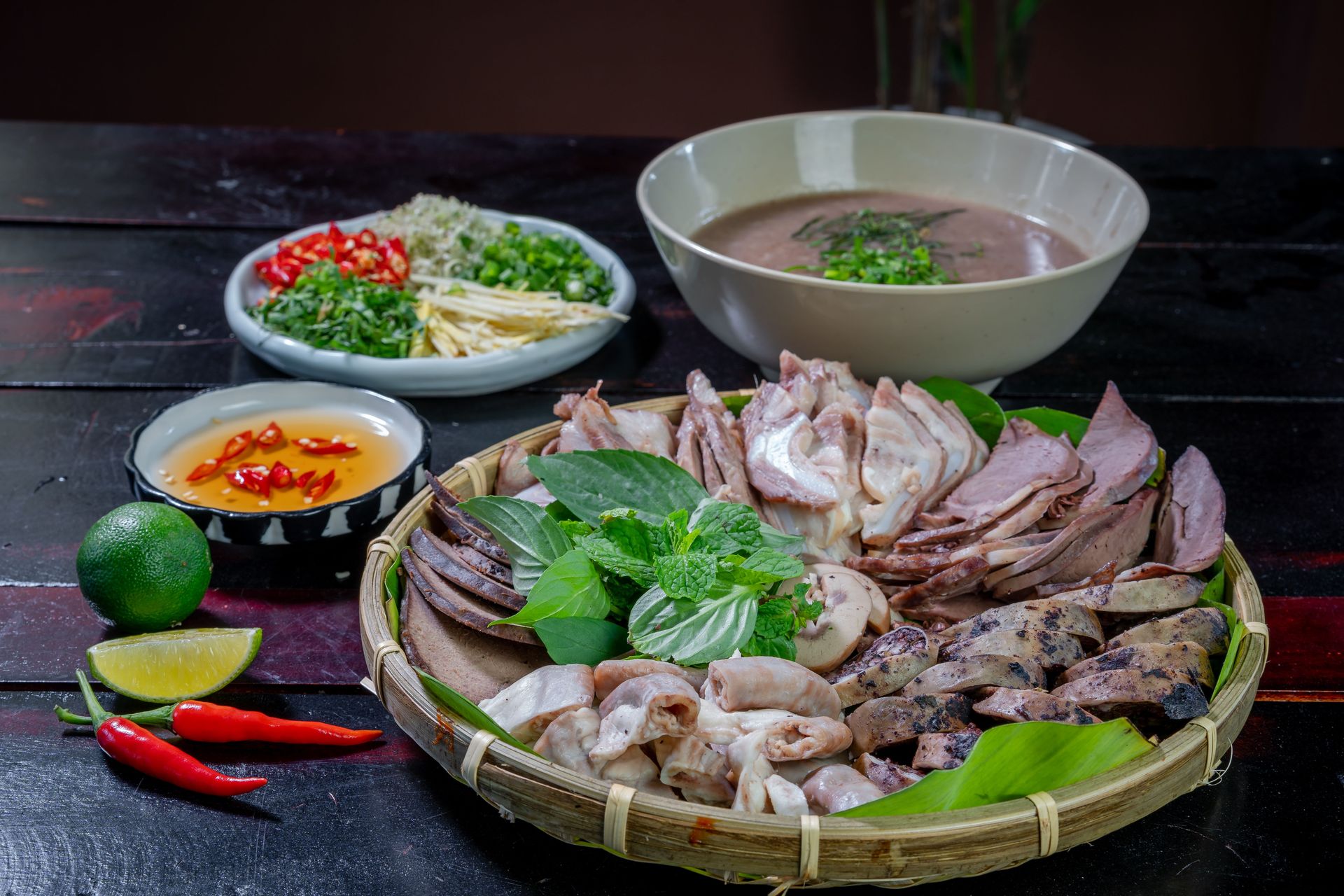
Vietnamese food — phở, bánh mì, and the fresh herb-forward cooking style of Vietnamese cuisine — has followed the Vietnamese diaspora globally to become one of the most internationally recognized Asian food cultures, communicating a specific set of values about Vietnam that the country's complex recent history had complicated: freshness, lightness, the skill of assembly, the balance of contrasting flavors and textures.
Phở's specific trajectory is a case study in how diaspora food becomes cultural export: Vietnamese refugees who arrived in the United States, France, Australia, and Canada after 1975 opened restaurants serving the foods they had carried with them, and the quality and accessibility of those restaurants created the first sustained international encounter with Vietnamese cuisine for millions of non-Vietnamese diners. By the 2000s, phở had achieved the status of a globally recognized dish category — in the same tier as ramen, sushi, and tacos — whose country of origin was immediately legible.
The bánh mì — the Vietnamese sandwich that combines a French colonial baguette with Vietnamese fillings — communicates something specific about Vietnam's history that no diplomatic statement could: the specific cultural creativity of a country that absorbed a colonial food form and transformed it into something distinctly its own, lighter, more herb-forward, more complex than its colonial source.
20 / 20

Athena Sandrini / Pexels
IKEA — the Swedish furniture and home goods company founded by Ingvar Kamprad in 1943 and now operating in more than 60 countries — is the single cultural export that has most directly shaped the physical interiors of middle-class homes globally, and the specific cultural values it communicates — democratic access to design, functional simplicity, the specific Scandinavian belief that everyday objects deserve serious attention — have made the IKEA aesthetic an internationally recognizable cultural form.
The IKEA flat-pack model was not initially intended as a cultural export but as a logistics solution: flat-pack furniture reduced shipping costs and allowed IKEA to reach price points unavailable to assembled furniture. The product names (Swedish words that non-Swedish customers found exotic and culturally distinctive), the stores (a specific retail experience designed around the concept of a journey), and the IKEA catalog (distributed in more copies annually than the Bible through the 1990s and 2000s) together created a cultural product as much as a retail one.
What IKEA communicated internationally about Sweden was the specific version of Scandinavian values — egalitarianism, functionality, environmental consciousness, the seriousness of the everyday — that the Swedish government could not communicate diplomatically but that an affordable furniture company communicated directly into the homes of hundreds of millions of people.
