Every global cultural revolution has a specific, local origin story — and knowing it changes how you understand the movement
Flickr Creative Commons / Wikimedia Commons (CC BY-SA 2.0)
Every global cultural movement was, at its beginning, local. The Harlem Renaissance was, before it was a Renaissance, a specific concentration of Black artists, writers, and intellectuals in a specific neighborhood in upper Manhattan in the 1920s — people who could walk to each other's apartments, who published in the same small journals, who argued at the same parties and were reviewed in the same newspapers. Punk was, before it was a global aesthetic and a decades-long influence on fashion, music, and politics, a group of dissatisfied young people in a London shop on the King's Road and a few venues in downtown Manhattan. Hip-hop was a specific kind of party held in a specific park in a specific borough of New York City.
The process by which a local cultural practice becomes a global movement is not simply the story of good ideas spreading. It is the story of specific conditions — social, economic, technological, political — that make certain communities generative and certain moments receptive. The Harlem Renaissance was possible because the Great Migration had produced a concentration of Black Americans in northern cities with the economic independence, institutional infrastructure, and social density to support a cultural explosion. Punk was possible because a specific economic depression in 1970s Britain had produced a generation of young people with nothing to lose and a specific contempt for the cultural establishment that the previous generation had built. Hip-hop was possible because the economic abandonment of the South Bronx had created the conditions in which young people who had been written off by the mainstream created something extraordinary from almost nothing.
This list covers 20 cultural movements — spanning music, art, literature, fashion, politics, and digital culture — and traces each one to its specific local beginning. The emphasis is on the origin rather than the global spread, because the origin is where the specific conditions that produced the movement are most visible, and understanding those conditions is more interesting and more instructive than the familiar story of global success.
Several of the origins here will be well-known. Several will be more specific than the common account. A few will be genuinely surprising. In every case, the movement looks different when you can picture the specific room, the specific city block, the specific economic and social conditions in which it began.
Jeremy Angerson / Pexels
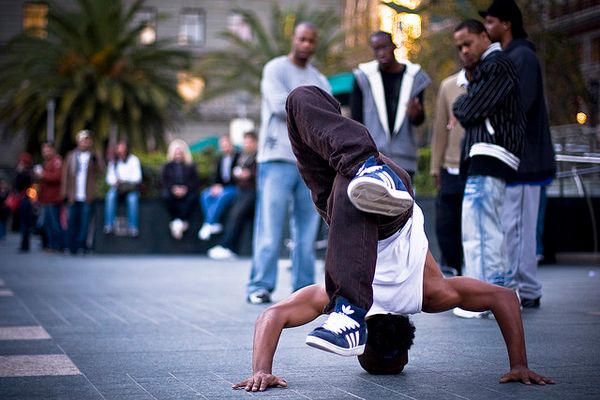
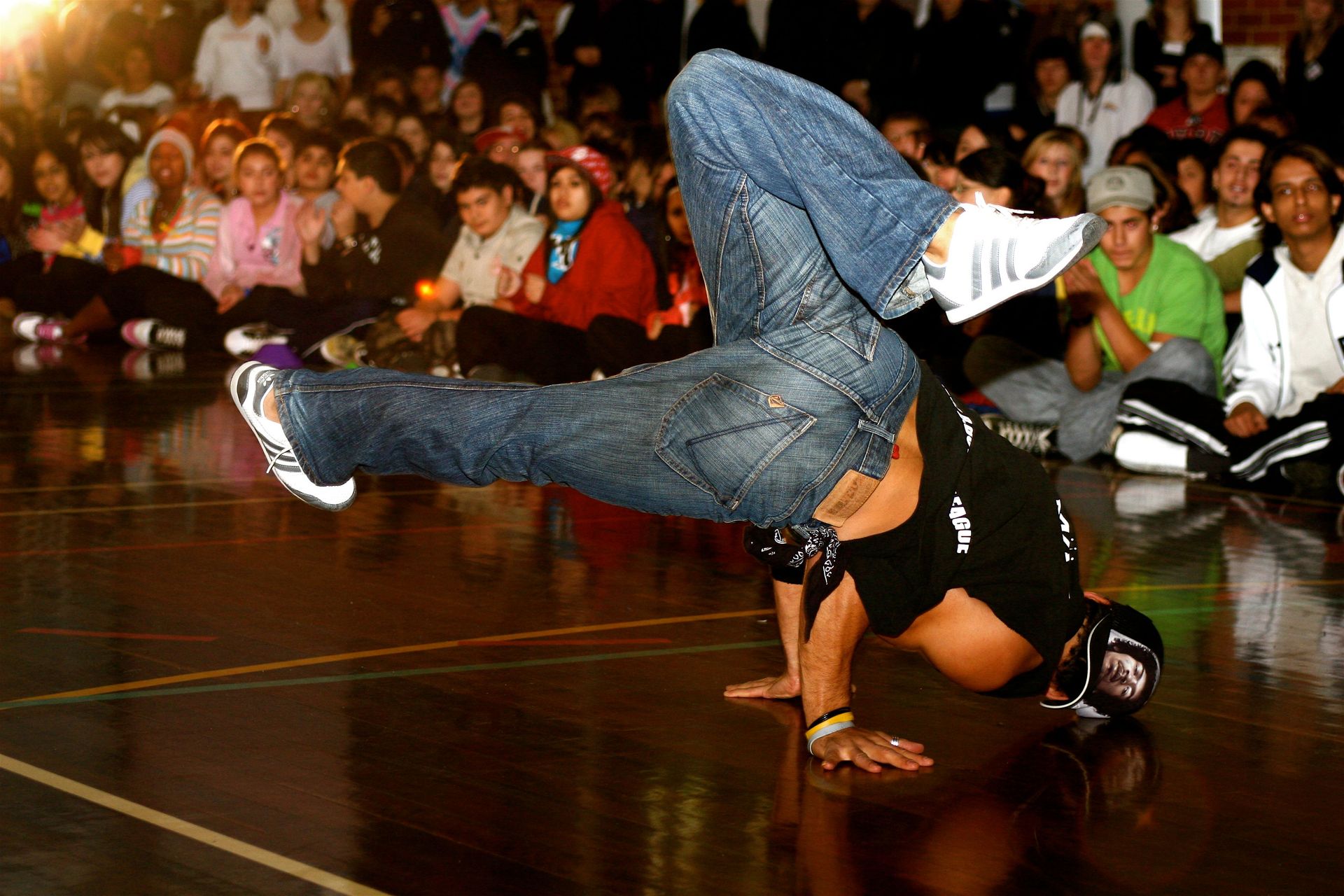
On August 11, 1973, DJ Kool Herc — Clive Campbell, a Jamaican-born teenager who had moved to the South Bronx with his family — hosted a back-to-school party in the recreation room of 1520 Sedgwick Avenue, a residential building in the South Bronx. Herc had developed a technique called the Merry-Go-Round, in which he isolated and extended the percussive break section of a soul or funk record by using two copies of the same record on two turntables, switching between them to keep the break going continuously. The partygoers danced to the extended breaks. Their specific dancing became breakdancing. Herc's technique became the foundation of hip-hop production.
The South Bronx of 1973 is crucial context. The borough had been devastated by a combination of Robert Moses's Cross Bronx Expressway (which had cut through the community a decade earlier, displacing tens of thousands of residents), systematic arson by landlords seeking insurance payouts, city disinvestment, and the crack and heroin epidemics that were consuming inner-city communities across America. Youth unemployment was approximately 60%. In this context of near-total institutional abandonment, the park jams organized by Herc, Grandmaster Flash, and Afrika Bambaataa in the mid-1970s were not just entertainment. They were community infrastructure — events that gave young people in the South Bronx a culture, an identity, and an alternative to gang warfare.
Within ten years, hip-hop had four recognized elements: DJing, MCing (rapping), breakdancing, and graffiti writing. By the 1990s, it was the best-selling music genre in the United States. By the 2020s, it was the most consumed music genre globally and had influenced fashion, visual art, film, television, language, and politics across every continent.
Rainer Theuer / Wikimedia Commons
Punk's origins in New York and London are so entangled that assigning it to either city alone misrepresents the history, but the specific conditions that produced each scene are distinct enough to treat separately. The New York origin — the Ramones, Television, and Patti Smith playing CBGB on the Bowery in Lower Manhattan from 1974 — was an art scene response to what its participants perceived as the excess and self-indulgence of 1970s rock. The music was fast, stripped back, and deliberately amateurish in a milieu where technical virtuosity had become a marker of artistic seriousness.
The London origin, which arrived two to three years later but produced the cultural explosion that gave punk its global profile, was organized through Malcolm McLaren's shop SEX on the King's Road — a boutique selling confrontational fashion that McLaren and Vivienne Westwood had developed as an aesthetic provocation. McLaren managed the Sex Pistols, whose 1977 single "God Save the Queen" reached number one in the UK during the Silver Jubilee — or would have, had the BBC not banned it. The specific political context of Thatcher-era Britain, combined with a youth unemployment rate and a generational contempt for the established order that the previous generation's rock aristocracy represented, gave British punk its specific charge.
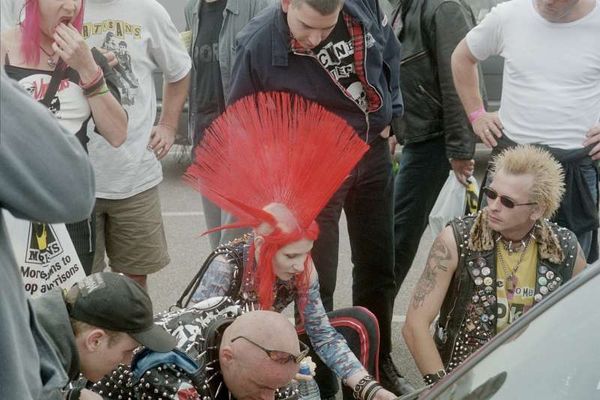
Punk's global spread was rapid and its mutations were numerous: hardcore in the United States, post-punk across Europe, New Wave in the mainstream, and a persistent DIY ethic that influenced every subsequent counterculture. The specific aesthetic — mohawks, safety pins, torn clothing, provocative graphics — was adopted globally by people who had no connection to either the Bowery or the King's Road and who were using the style to express their own local versions of confrontation with authority.
Credit: Wikimedia Commons (CC BY-SA 4.0)
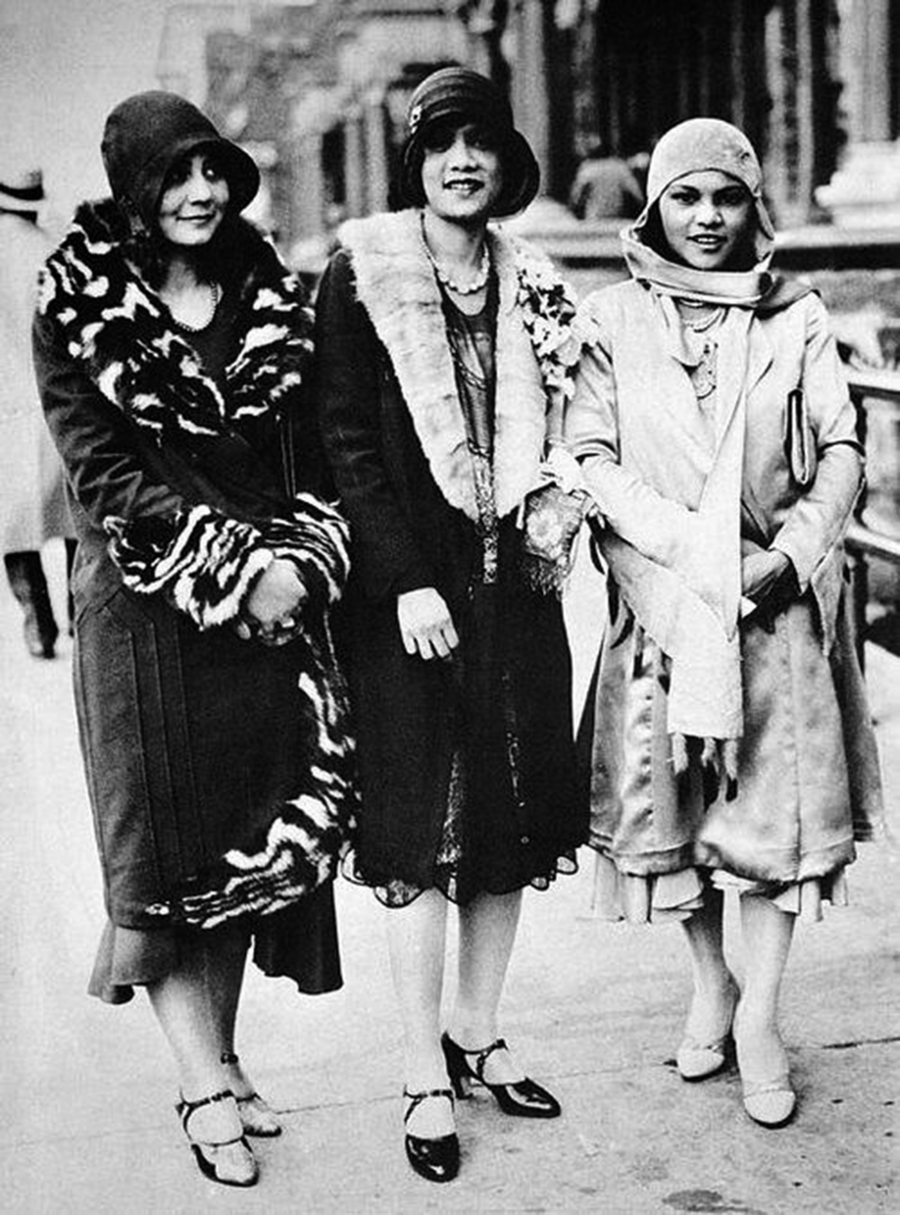
Between approximately 1920 and 1940, the neighborhood of Harlem in upper Manhattan became the cultural capital of Black America — the center of a literary, artistic, and intellectual movement that produced Langston Hughes, Zora Neale Hurston, Claude McKay, Jacob Lawrence, Duke $DUK Ellington, and dozens of other figures whose work redefined the possibilities of Black American cultural life and challenged the racial assumptions of American society.
The conditions that made it possible were specific. The Great Migration — the movement of approximately six million Black Americans from the rural South to northern cities between 1910 and 1970 — had produced in Harlem a concentration of Black residents with the economic independence, the proximity to cultural institutions, and the social density that a cultural movement requires. Black newspapers, most importantly the Chicago Defender and the New York Amsterdam News, provided publishing infrastructure. The NAACP and the Urban League provided intellectual infrastructure. Salon culture — regular gatherings at the apartments of Alain Locke, Carl Van Vechten, and A'Lelia Walker — provided the social infrastructure of community and debate.
The Renaissance was also a specific response to a specific set of questions: what did it mean to be Black in America after slavery, after the failures of Reconstruction, after the brutality of Jim Crow? The literature and art that the Harlem Renaissance produced were not simply aesthetic achievements — they were arguments, made in the form of poems and paintings and novels, about the humanity, complexity, and dignity of Black people in a society that denied all three. The movement's influence on the civil rights movement that followed it, on the Black Arts Movement of the 1960s, and on contemporary Black cultural expression is pervasive and direct.

Jean Cocteau - Modigliani Institut Archives Légales, Paris / Wikimedia Commons
Modernism — the broad artistic and literary revolution of the early 20th century whose specific achievements include Picasso's cubism, Joyce's stream of consciousness, Eliot's "The Waste Land," Le Corbusier's architectural functionalism, and Schoenberg's atonal music — had multiple centers of activity, but its specific beginning can be placed in the Paris of the 1900s and 1910s, where a specific concentration of artists, writers, and intellectuals from across Europe and America had gathered in the cheap studios of Montmartre and the cafés of Montparnasse.
The Bateau-Lavoir — a ramshackle studio building on the Montmartre hill where Picasso painted "Les Demoiselles d'Avignon" in 1907 — was one nexus. Gertrude Stein's apartment at 27 rue de Fleurus, where her Saturday evening salons brought together Picasso, Matisse, Hemingway, F. Scott Fitzgerald, and dozens of others, was another. The conditions that made Paris generative were specific: cheap rents for artists in the pre-World War I years, proximity between artists working in different media, the cosmopolitan mix of nationalities that the city attracted, and the specific intellectual climate of post-Impressionism that made formal experimentation both available and necessary.
What the Modernists shared was a conviction that the forms inherited from the 19th century — narrative linearity, tonal harmony, representational painting, classical architecture — were inadequate for representing the experience of modernity: the industrial city, the psychological interior, the violence of the First World War. The formal innovations they developed in response — fragmentation, stream of consciousness, abstraction, atonality — were not stylistic preferences but responses to a specific historical situation.
Philip H. Bailey / Wikimedia Commons (CC BY-SA 2.5)
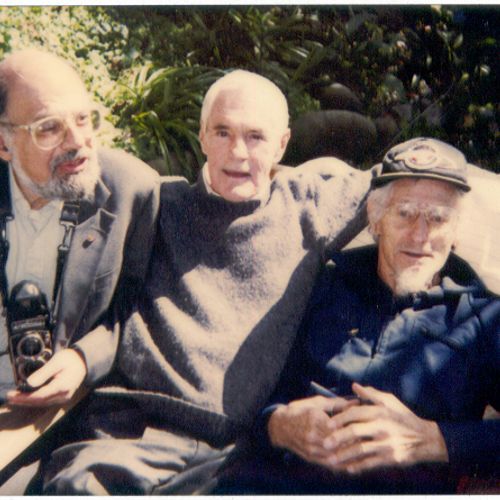
The Beat Generation — Jack Kerouac, Allen Ginsberg, William S. Burroughs, Neal Cassady, and their circle — coalesced in New York City in the mid-1940s around Columbia University and the apartments of the Upper West Side, before spreading to San Francisco in the mid-1950s and producing the cultural moment that most people associate with the movement.
The specific beginning was the friendship between Kerouac and Ginsberg at Columbia in 1944, their subsequent meeting with Burroughs, and the specific social world they inhabited — Times Square $SQ hustlers, jazz musicians, bohemian academics — that gave their writing its material and its sensibility. The formative texts — Ginsberg's "Howl," first performed at the Six Gallery in San Francisco in 1955, and Kerouac's "On the Road," published in 1957 — emerged from a decade of collaboration, correspondence, and shared experience across the continent.
The Beat movement's influence extended far beyond literature: it prefigured the counterculture of the 1960s, influenced the British Invasion bands (Dylan cites Ginsberg and Kerouac directly), and established a template for generational rebellion against conformity and materialism that has recurred in various forms in every subsequent decade. Its specific origin — the dissatisfied intellectual children of the postwar American establishment, finding their way to the margins of respectable society — is the specific social position from which many subsequent cultural movements have launched.
Warren K. Leffler / Wikimedia Commons
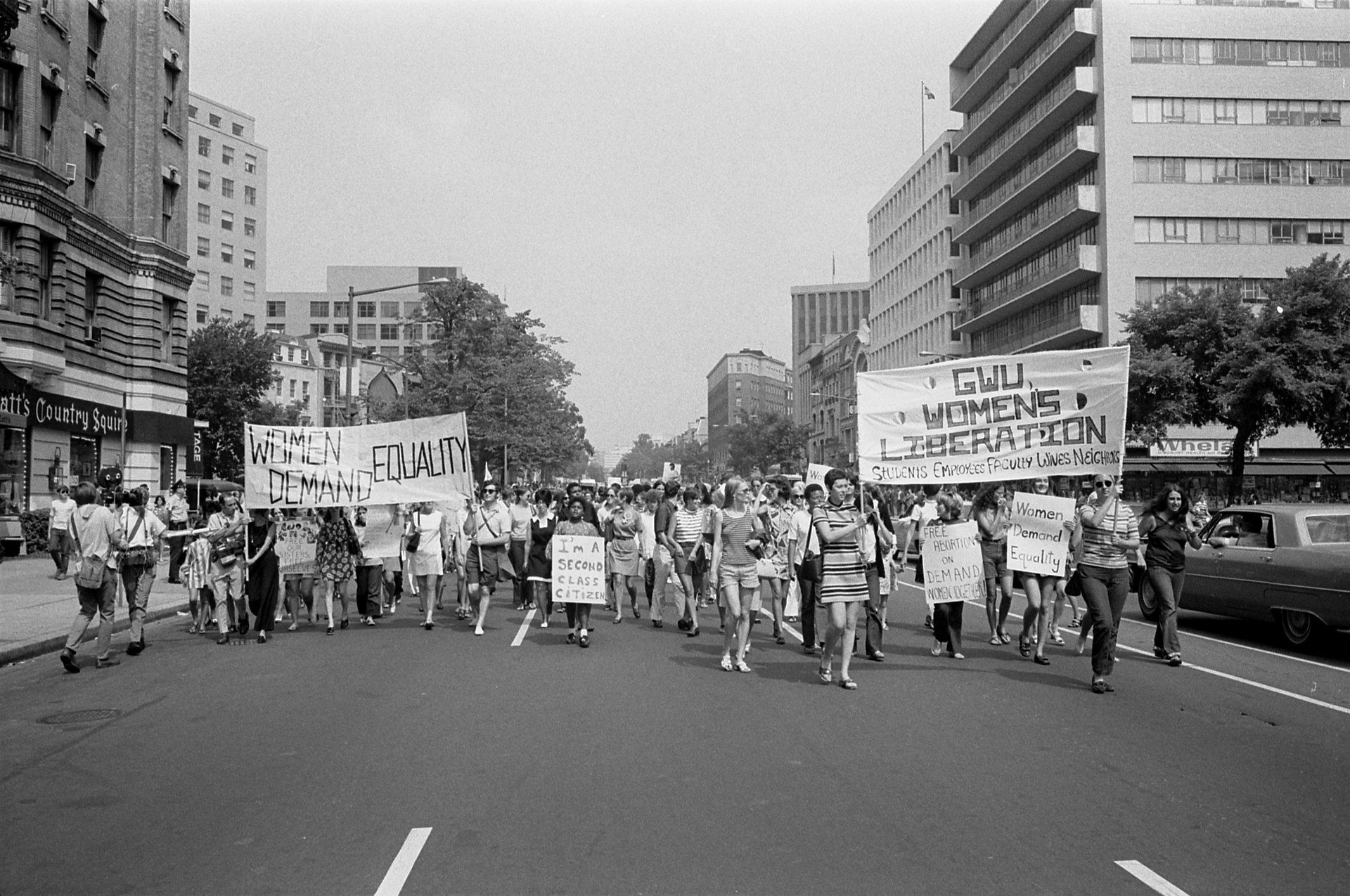
The second wave of feminism — the organized feminist political and cultural movement that transformed Western societies between approximately 1963 and 1985 — began in multiple locations simultaneously but can be traced to two specific documents that gave the inchoate dissatisfaction of millions of women articulate political form: Betty Friedan's "The Feminine Mystique," published in 1963, and the subsequent founding of the National Organization for Women in 1966.
Friedan's book identified "the problem that has no name" — the specific unhappiness of educated, middle-class American women who had been told that marriage, motherhood, and domestic life were the complete expression of female fulfillment and who had discovered, from inside that life, that they were not. The book sold three million copies in three years and generated a correspondence from women across America who recognized their own experience in Friedan's account.
The movement that followed — consciousness-raising groups, the women's liberation organizations, the campaigns for abortion rights and equal pay and Title IX — took the specific analysis of "The Feminine Mystique" and developed it into a political program that changed law, transformed workplaces, restructured education, and altered the cultural assumptions about gender that had organized American society since the 19th century. The global spread of second-wave feminism — to Europe, to Latin America, to Asia — produced national movements that adapted the American template to their own specific political and cultural contexts.
TSolange / Wikimedia Commons (CC BY-SA 4.0)
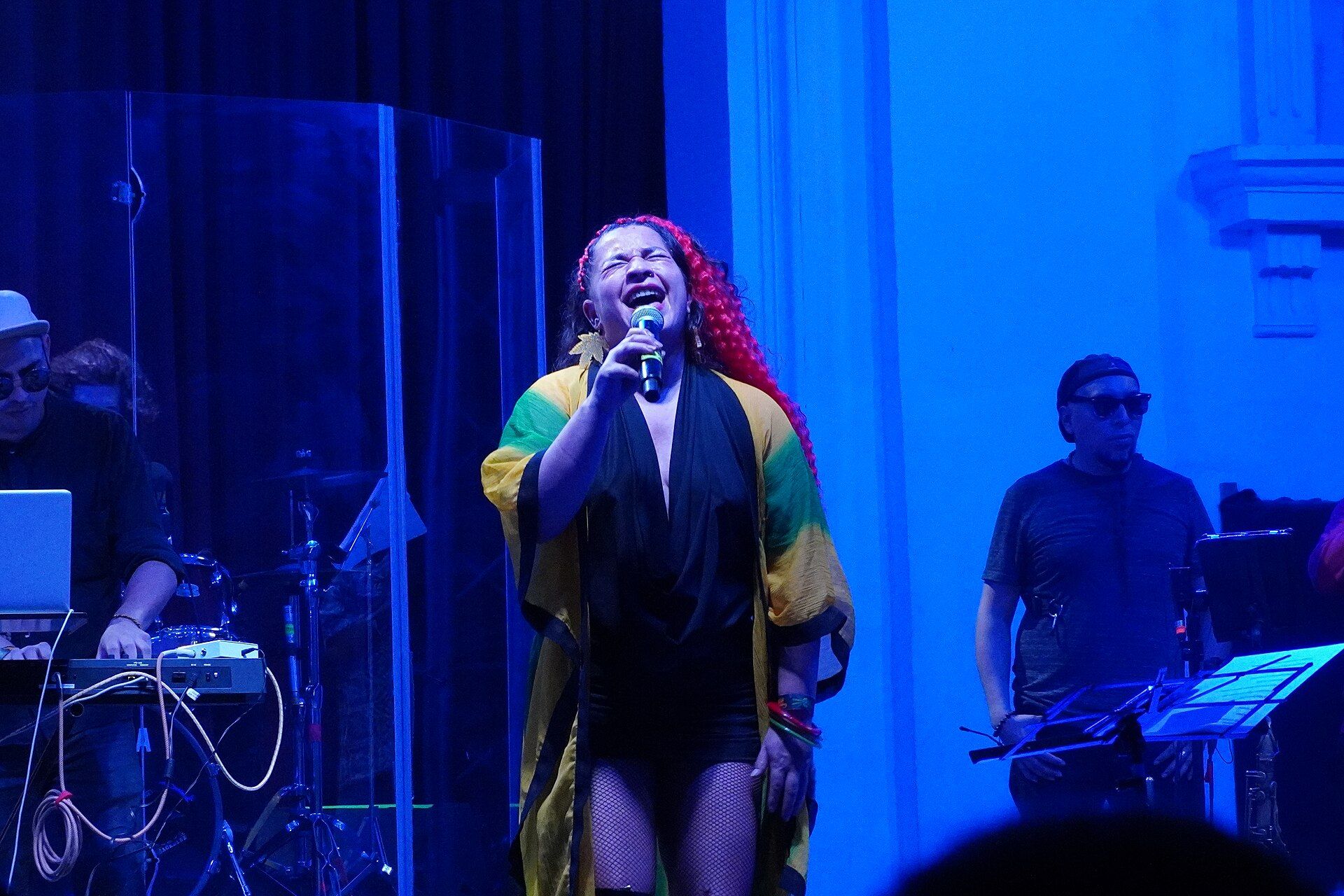
Reggae emerged in Jamaica in the late 1960s as a specific musical development from ska and rocksteady — a slower, more rhythmically complex style whose characteristic off-beat guitar and bass patterns emerged from the studios of Kingston, Jamaica, and whose lyrical content drew heavily on Rastafari, the religious and political movement that identified Haile Selassie of Ethiopia as the Messiah and preached the spiritual repatriation of the African diaspora.
The Kingston recording industry of the late 1960s — small, competitive, driven by sound systems that played at community dances — was the specific environment in which reggae developed. Producers including Lee "Scratch" Perry, Coxsone Dodd, and Duke $DUK Reid ran studios and labels that were simultaneously competitive and mutually influential, and the musical innovation of the late 1960s and early 1970s reflected the density and speed of the Kingston creative environment.
Bob Marley is the figure through whom reggae and Rastafari became global. His emergence onto the international touring circuit in the mid-1970s — facilitated by Island Records founder Chris Blackwell, who understood that Marley's music could cross the cultural boundary between the Caribbean and the mainstream — brought reggae to audiences who had no connection to Kingston's sound system culture and who received it as simultaneously a musical pleasure and a political message about resistance, spirituality, and Black liberation. The global spread of reggae subsequently produced indigenous reggae traditions in Japan, in West Africa, in Brazil, and across the Caribbean and Latin America.
Steve A Johnson / Pexels
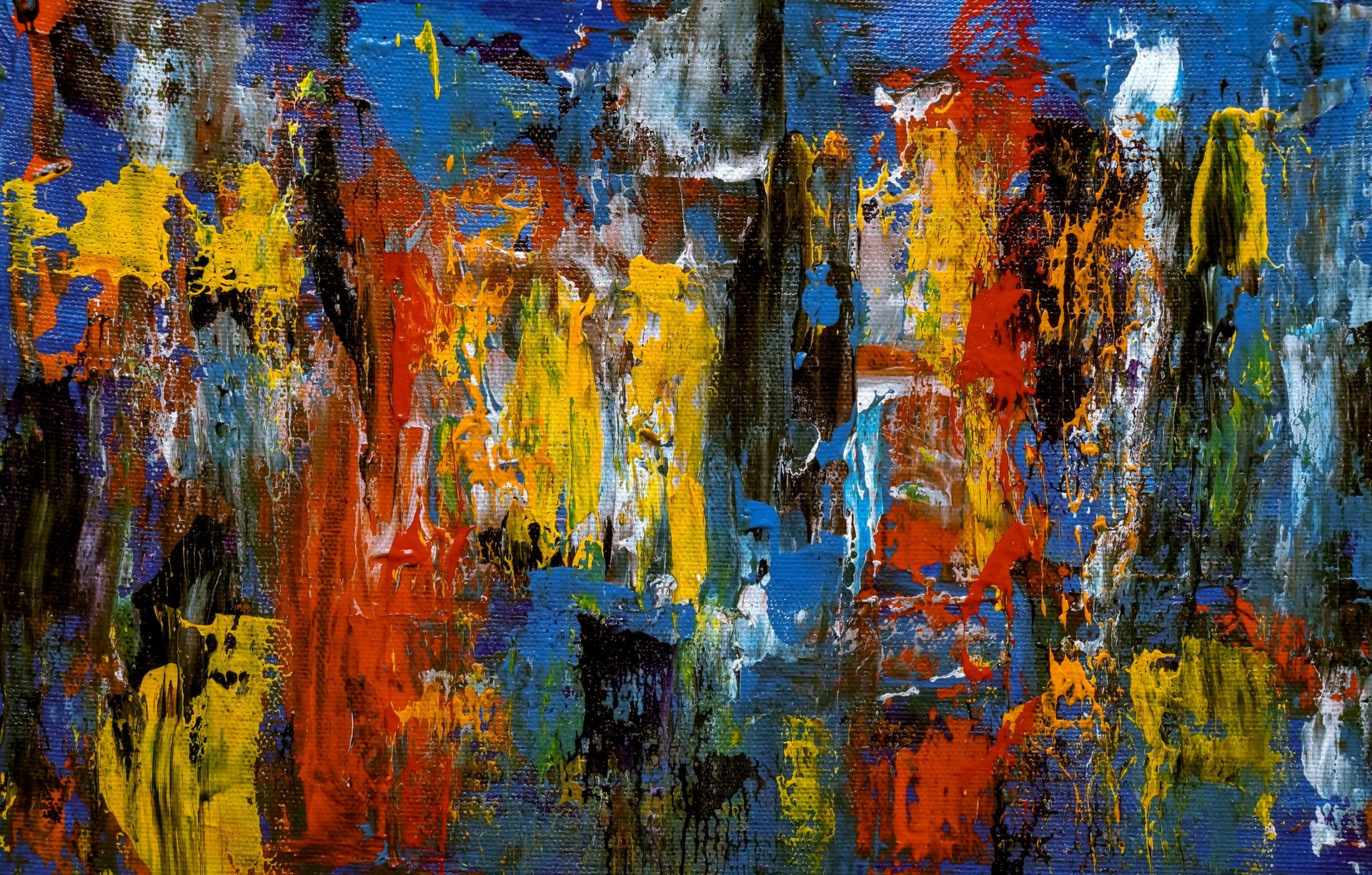
Abstract expressionism — the first American art movement to achieve international influence, centered in New York in the 1940s and 1950s — is the clearest example in art history of a specific place producing a transformative concentration of talent: the Cedar Tavern on University Place in Greenwich Village, where Jackson Pollock, Mark Rothko, Franz Kline, Willem de Kooning, and their contemporaries argued, competed, and pushed each other toward the radical formal experiments that defined the movement.
The movement was made possible by the specific historical circumstances of 1940s New York: the arrival of European modernists fleeing the Second World War (including Mondrian, Léger, and André Breton), the presence of Hans Hofmann's influential teaching studio, and the Depression-era Federal Art Project that had employed many of the Abstract Expressionists and given them time to develop their work. New York had become, by the early 1940s, what Paris had been before the war — the city with the critical mass of artists, critics, galleries, and collectors required to support a major movement.
What made Abstract Expressionism a genuinely American movement — rather than an extension of European modernism — was its specific formal radicalism: Pollock's drip paintings, which removed the figure entirely from the canvas and made the physical act of painting the subject; Rothko's color fields, which used the direct emotional impact of color as a form of communication; and de Kooning's gestural figuration, which retained the human body as a subject while subjecting it to violent formal distortion. These were responses to American conditions — the scale and energy of New York, the specific trauma of World War II, the Cold War anxiety — that produced a distinctly American aesthetic.
John Vance / Wikimedia Commons (CC BY-SA 2.0)
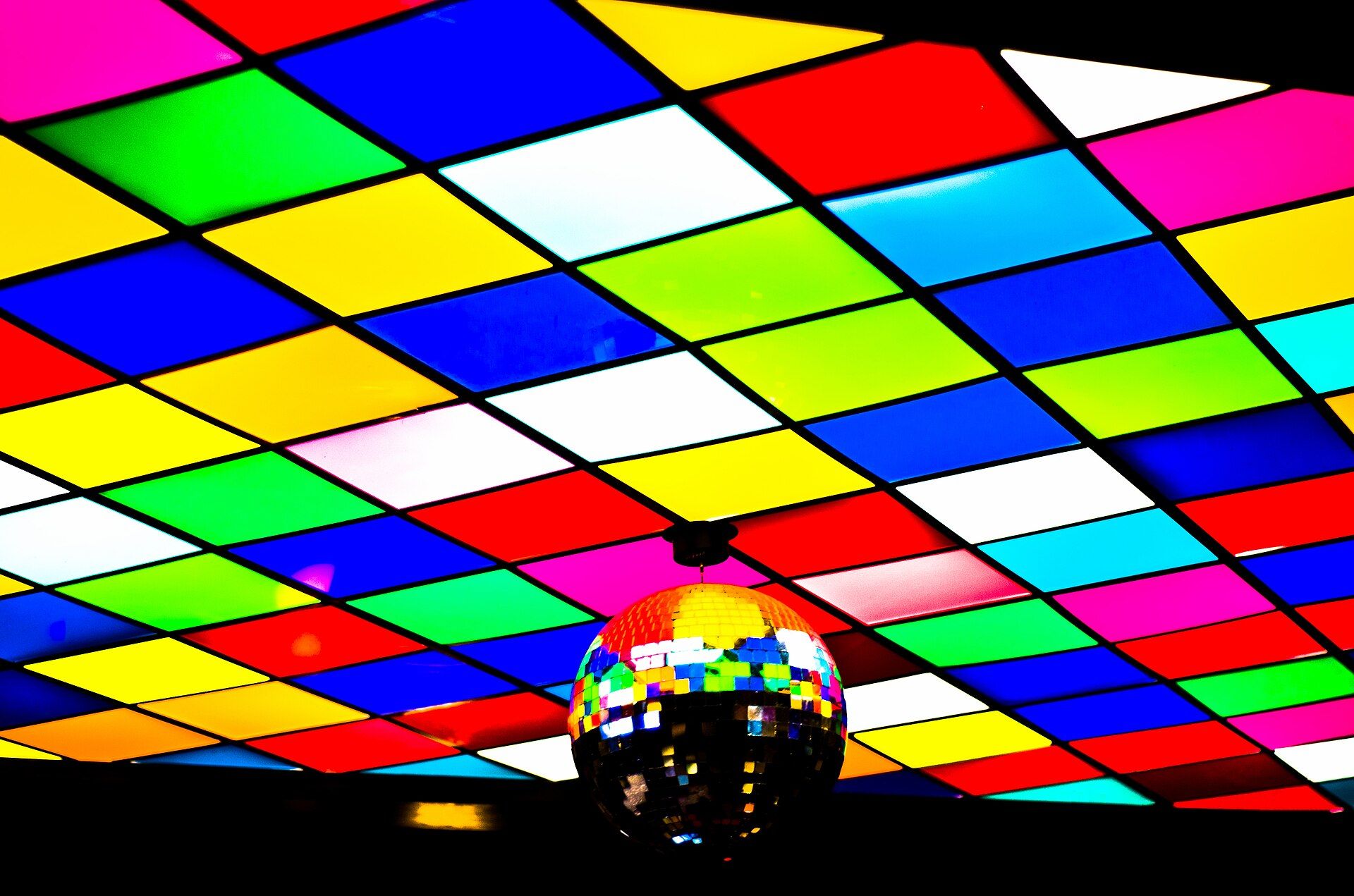
Disco — the dance music genre that dominated popular culture between approximately 1973 and 1980 — began in the underground Black and gay clubs of New York City, most specifically in the after-hours parties of the early 1970s where DJs like Francis Grasso, Nicky Siano, and Larry Levan played extended sets of soul, funk, and Philadelphia International records to audiences who were, by the standards of mainstream American society, invisible: Black, Latino, and gay people who found in the disco club a social space that the mainstream denied them.
The Loft — an illegal private party space operated by David Mancuso in his SoHo apartment from 1970 — is the specific origin of disco culture. Mancuso's parties were invitation-only, racially integrated, and organized around the idea of music as a communal spiritual experience. The quality of his sound system was a statement of values: the music deserved to be heard properly, and the people hearing it deserved the best possible experience. From the Loft's influence, a network of clubs developed — the Gallery, Paradise Garage, Studio 54 — each with a specific character and a specific relationship to the music.
Disco's commercialization in the mid-to-late 1970s — the Bee Gees, the Saturday Night Fever soundtrack, the mainstream pop production that stripped the genre of its Black and queer origins — produced the backlash of Disco Demolition Night in 1979, when a stadium full of rock fans in Chicago destroyed disco records. The backlash was as much about race and sexuality as it was about musical taste. The underground dance music tradition that disco began — house music in Chicago, techno in Detroit, garage in New York — continued in the clubs where it had started, invisible to the mainstream until it was commercialized again.
P.B. Rage / Wikimedia Commons (CC BY-SA 2.0)
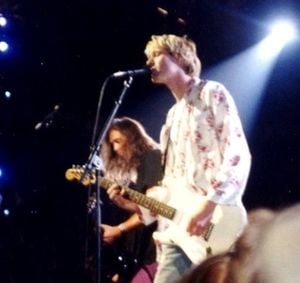
Grunge began in Seattle in the mid-1980s in a specific scene of bands, venues, and a small independent record label — Sub Pop Records, founded by Bruce Pavitt and Jonathan Poneman in 1988 — that documented and promoted the Pacific Northwest scene before any of its bands had national profiles. Mudhoney, Soundgarden, Alice in Chains, Nirvana, and Pearl Jam all emerged from this scene within a few years of each other, each developing a variation on the heavy, distorted, emotionally direct sound that would be labeled grunge when Nirvana's "Nevermind" made it a global phenomenon in 1991.
The specific conditions of Seattle in the mid-1980s that produced the grunge scene are worth noting: a city that was simultaneously economically depressed (Boeing $BA had been through major layoffs) and geographically isolated from the mainstream music industry, which was centered in Los Angeles and New York. The isolation was generative — Seattle bands were not competing with or imitating the mainstream because the mainstream was not paying attention, and the result was a scene that developed according to its own internal logic rather than in response to commercial pressures.
Nirvana's "Nevermind" did not merely make grunge commercially successful — it restructured the entire popular music industry's relationship with independent and alternative music. The album's success demonstrated that music made outside the major label system, in a regional scene, by people who explicitly rejected mainstream values, could outsell the mainstream products that had been optimized for commercial success. The specific cultural shift this produced — the mainstreaming of alternative, the incorporation of indie aesthetics into commercial music — defined popular music through the 1990s.
Smithsonian Institution / Wikimedia Commons
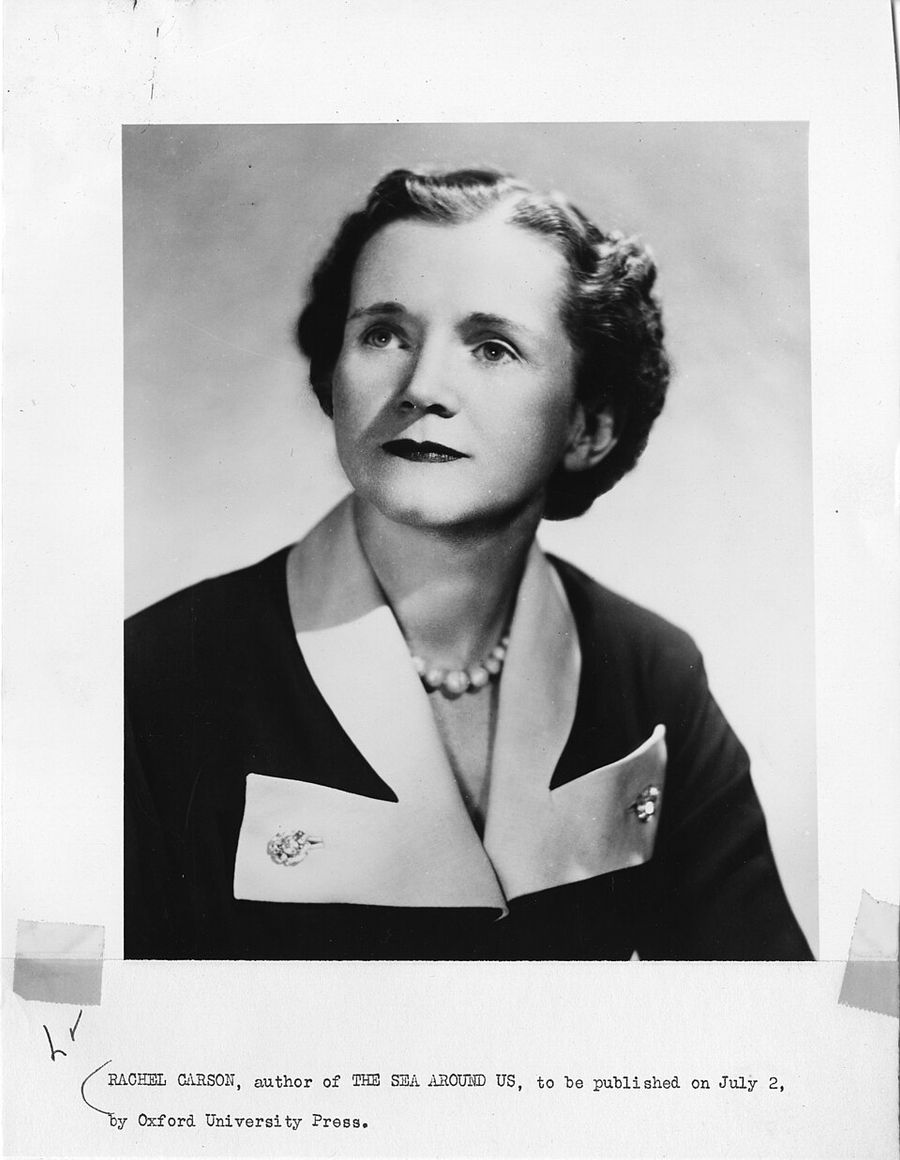
The modern environmental movement — the organized political and cultural movement that produced environmental law, conservation policy, and a fundamental shift in how Western societies relate to the natural world — began with a specific book: Rachel Carson's "Silent Spring," published in 1962. Carson was a marine biologist who spent four years documenting the effects of pesticides — particularly DDT — on bird populations, ecosystems, and human health. The book's title referred to a spring without birdsong, and its argument — that the chemical industry was poisoning the natural world with the complicity of government regulators — was furiously opposed by the chemical industry and profoundly influential on the public.
"Silent Spring" did not start the environmental movement from nothing — there were conservation movements, wilderness preservation campaigns, and anti-pollution activism before 1962. What it did was provide the intellectual framework that connected the disparate concerns of those earlier movements into a coherent argument: that human beings were part of an interconnected ecological system, that actions in one part of the system had consequences throughout it, and that the industrial economy's relationship with the natural world was producing consequences that threatened the system itself.
The movement that followed — the first Earth Day in 1970 (attended by approximately 20 million Americans), the Clean Air Act, the Clean Water Act, the formation of the Environmental Protection Agency, the publication of "The Limits to Growth" — was the direct consequence of Carson's argument reaching a mass audience. The specific mechanism of cultural change — a single book, by a single scientist, shifting the public's understanding of a systemic problem — is rare and instructive.
Matheus Andrade / Pexels
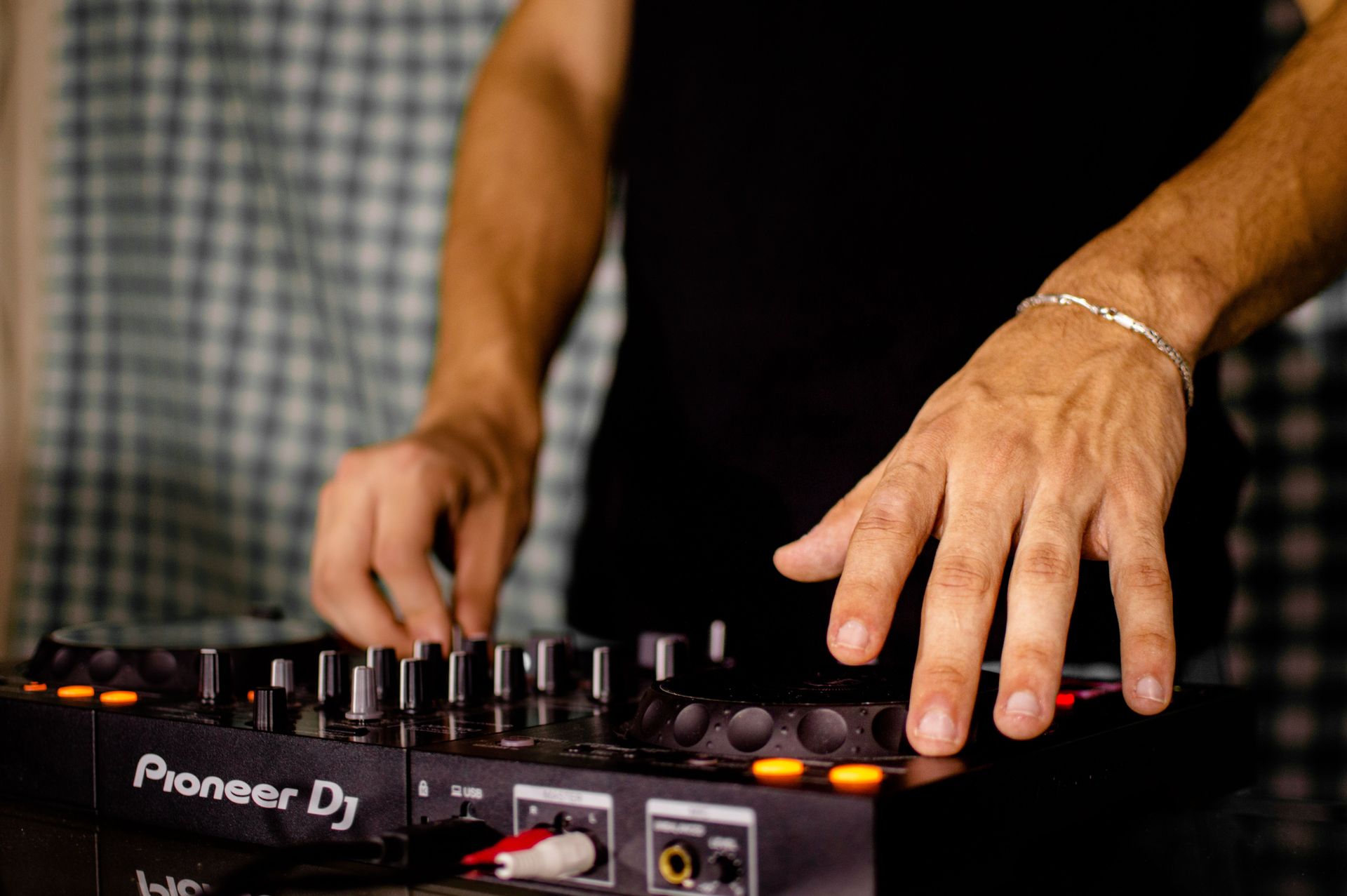
House music began in Chicago in the early 1980s at the Warehouse, a nightclub where DJ Frankie Knuckles played extended sets of disco, electronic music, and remixed tracks to a predominantly Black and gay audience. The name "house" derives from the club: music that sounded like what was played at the Warehouse was "warehouse music" and eventually simply "house." From the Warehouse, the sound spread to other Chicago clubs — the Music Box, where Ron Hardy played a more aggressive variant — and from those clubs to a global electronic dance music culture that encompasses techno, trance, drum and bass, and their descendants.
Knuckles's specific innovation was the combination of classic disco records with early drum machines — the Roland TR-808 and TR-909 — and synthesizer-produced basslines that gave the music an electronic foundation that live percussion could not. The repetitive, hypnotic quality of house music — the four-on-the-floor kick drum pattern that drives it — was designed for the specific experience of dancing in a club for an extended period, and the length of the typical house track (eight to twelve minutes) reflected the DJ's understanding of how bodies moved through a night of dancing.
The global spread of house music from Chicago to New York, to London, to Ibiza, and eventually to every continent is the story of a specific cultural technology — the DJ set, the synthesized beat, the all-night dance floor — meeting a specific cultural need: the creation of a social space organized around music, community, and the dissolution of the ordinary social categories of race, class, and sexuality that the club temporarily suspended.
-900x721.jpg)
Credit: Wikimedia Commons
Dada — the anti-art movement that emerged in Zurich in 1916 and subsequently spread to Berlin, Paris, New York, and Cologne — began at the Cabaret Voltaire, a nightclub opened by Hugo Ball and Emmy Hennings on the Spiegelgasse in Zurich on February 5, 1916. The Cabaret was a specific response to a specific situation: Zurich in 1916 was a city full of artists, intellectuals, and political revolutionaries who had fled the First World War, which was consuming European civilization on the Western and Eastern Fronts a few hundred kilometers away.
The Dada artists — Ball, Hennings, Tristan Tzara, Jean Arp, Richard Huelsenbeck, Marcel Janco — responded to the war's horror by declaring a systematic war on the rational, bourgeois culture that they believed had produced it. Their specific methods — nonsense poetry, chance-composition music, provocative performances, anti-aesthetic art objects — were designed to be as contemptuous as possible of the cultural values that the art establishment represented. The name "Dada," chosen by stabbing a dictionary at random with a knife, was itself a statement: meaninglessness as a response to a world that had destroyed the meaning of civilization.
Dada's influence on subsequent art — on Surrealism, on Fluxus, on Conceptual art, on performance art, on the culture of deliberate provocation that runs through avant-garde practice to the present — is direct and acknowledged. The specific mechanism of its influence was the discovery that the most radical artistic statement was not a new formal style but a refusal of the category of art entirely — and that this refusal, consistently and cleverly maintained, was itself a powerful artistic act.
Iban Lopez Luna / Pexels
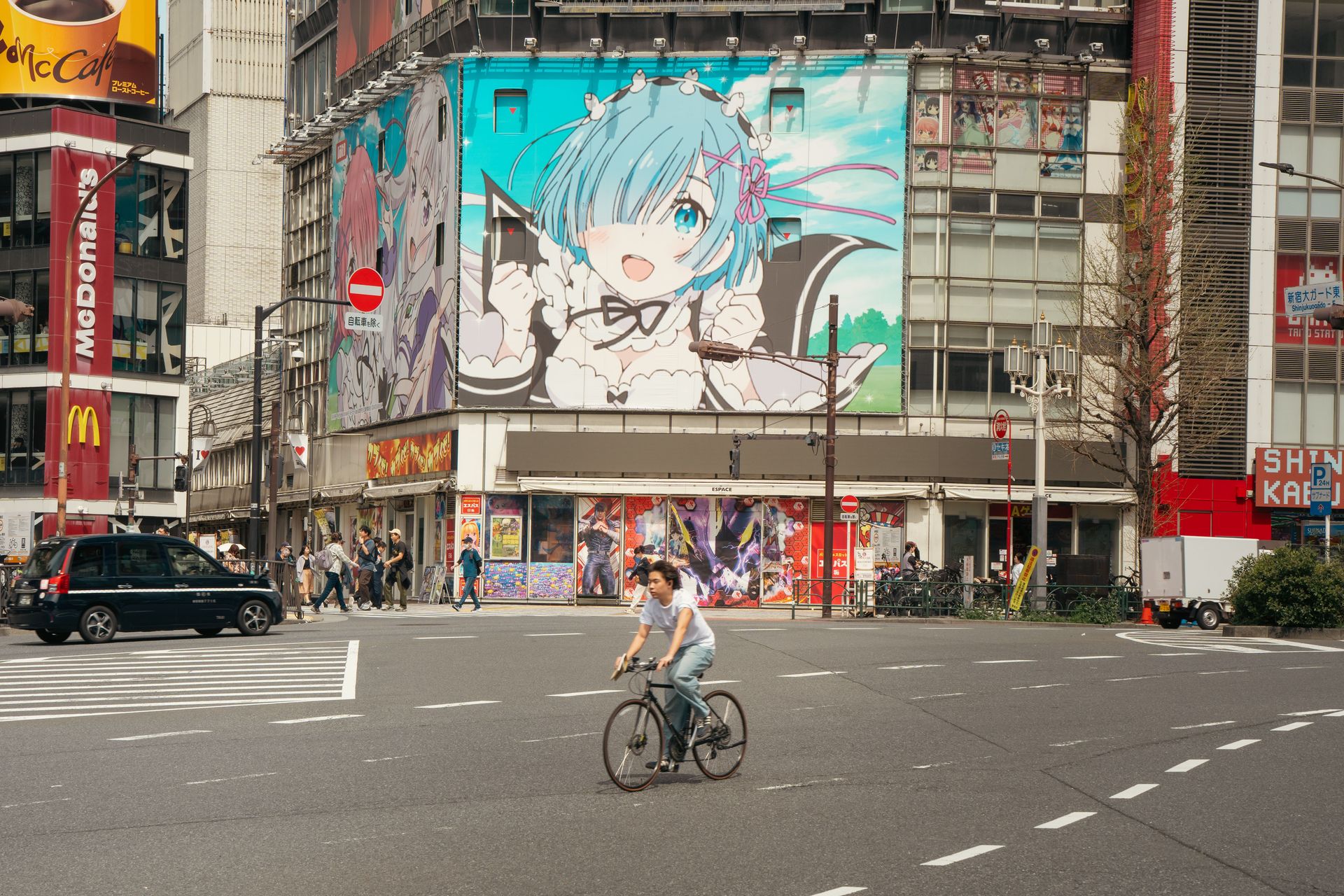
The global manga and anime culture that defines a significant portion of contemporary entertainment — from the cultural dominance of Studio Ghibli films to the international popularity of Dragon Ball, Naruto, and One Piece to the anime aesthetic that has permeated fashion, gaming, and digital culture — began in postwar Japan in the specific work of Osamu Tezuka, a cartoonist who had been trained as a physician and who developed a visual storytelling language for manga (comics) that drew on cinematic technique to produce a form of narrative art distinct from Western comics traditions.
Tezuka's "Astro Boy" (1952) and "Kimba the White Lion" (1950) established the formal conventions — large expressive eyes, cinematic panel composition, serialized storytelling across multiple volumes — that became the foundation of the manga visual language. His influence on the generation of artists who followed him was pervasive: almost every major manga artist of the subsequent decades either studied directly with him or worked in explicit dialogue with his methods.
The animation industry that developed from manga in the 1960s — initially for television, where "Astro Boy" became the first animated Japanese television series in 1963 — produced the global anime phenomenon through a specific combination of technological, economic, and cultural factors: the willingness of Japanese studios to develop complex, long-form narratives in animation, the cultural support for a medium that in the West was primarily associated with children's entertainment, and the specific emotional register — the willingness to engage with grief, loss, moral ambiguity, and violence — that distinguished Japanese animation from its American equivalent.
_-_NARA_-_542068.tif-1920x1522.jpg)
Rowland Scherman - U.S. National Archives and Records Administration / Wikimedia Commons
The American civil rights movement — the organized campaign to end racial segregation and discrimination against Black Americans, whose achievements include the Civil Rights Act of 1964 and the Voting Rights Act of 1965 — had multiple origins and multiple organizations, but the specific event that is most commonly identified as its beginning is the Montgomery Bus Boycott of 1955 to 1956, initiated when Rosa Parks, a seamstress and NAACP activist, refused to give up her seat on a Montgomery, Alabama, bus on December 1, 1955.
The Montgomery boycott was not a spontaneous act. Rosa Parks was a trained activist who had attended the Highlander Folk School, a training center for civil rights and labor organizers, earlier in 1955. The Montgomery Improvement Association that organized the boycott was staffed by experienced organizers. The decision to use Parks's arrest as the catalyst for a boycott — rather than the arrests of other Black women who had refused to give up their seats on Montgomery buses in the months preceding Parks's arrest — was a strategic decision based on Parks's unimpeachable reputation and her suitability as a plaintiff.
This background does not diminish the movement's moral achievement — it illuminates it. The civil rights movement was not an eruption of spontaneous resistance but the result of decades of organizing, training, legal strategy, and coalition-building by people who understood that social change required not just moral rightness but political organization. The specific movement that began in Montgomery produced a model of nonviolent direct action that was subsequently applied in India's independence movement, in South Africa's anti-apartheid struggle, and in pro-democracy movements across Asia and Latin America.
Markus Spiske / Pexels
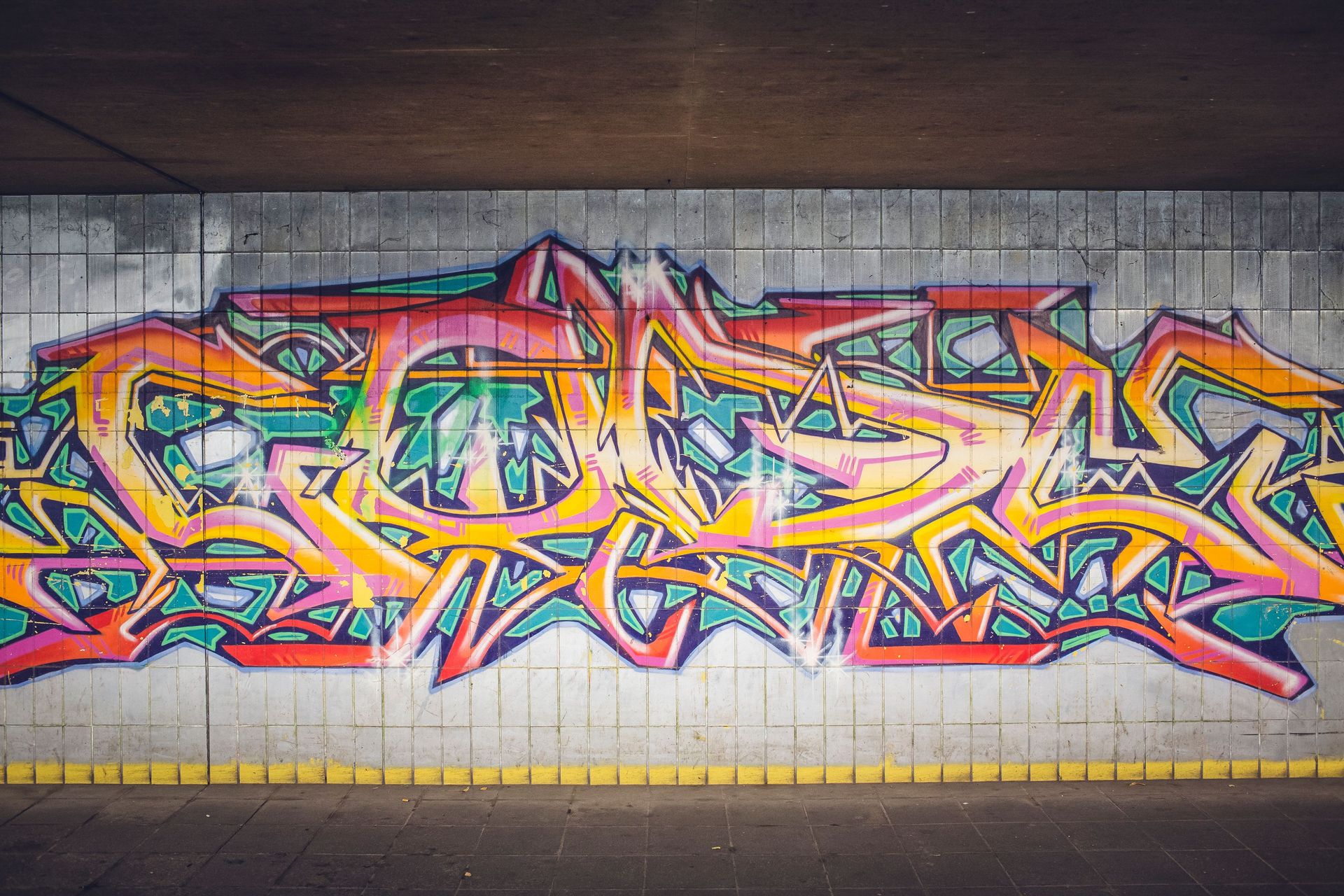
Street art and graffiti as a global cultural phenomenon began in New York City in the late 1960s, when young writers — initially TAKI 183, a teenager from Washington Heights who tagged his name and street number on walls and subway cars across Manhattan — began leaving their marks across the city as a form of territorial presence and creative assertion. By the early 1970s, the subway system had become the primary canvas: the desire to have a tag visible on a car that traveled the length of Manhattan drove a rapid escalation in the ambition, scale, and technical sophistication of the work.
The specific social conditions that produced subway graffiti are continuous with those that produced hip-hop: the economic abandonment of New York's inner-city communities in the late 1960s and 1970s, the institutional failure that produced schools without resources and streets without safety, and the creative energy of young people who had been told by the city that they did not matter and who replied by covering its infrastructure with their names.
The transition from tags to full-color murals — "wildstyle" lettering that required significant technical skill, characters, and eventually the photorealistic and abstract paintings that defined gallery-quality street art — was the artistic development of a community working out what it was capable of. Jean-Michel Basquiat, who began as a graffiti writer under the tag SAMO© before becoming one of the most celebrated painters of the 1980s, is the most famous individual whose trajectory tracks the movement's expansion from the street to the gallery.
The global street art culture that followed — Banksy in Bristol, Invader in Paris, Os Gemeos in São Paulo — adapted the New York tradition to local conditions and local concerns while maintaining the core principle: that public space is a legitimate site for artistic expression regardless of permission.

Ten Asia / Wikimedia Commons (CC BY 3.0)
K-pop — Korean popular music, characterized by its highly produced sound, choreography-centric performance style, fan engagement culture, and systematic artist development by management agencies — began in the early 1990s as South Korea's entertainment industry developed a deliberate strategy of adapting Western pop, R&B, and hip-hop to Korean cultural contexts and repackaging it for Asian and eventually global audiences.
The specific origin is typically dated to the debut of Seo Taiji and Boys in 1992, whose performance of a hip-hop influenced song on a television talent show introduced a hybrid Korean-American pop aesthetic that was decisively unlike anything Korean popular music had produced before. The group's success catalyzed the development of the idol system — the practice of training young performers for years in singing, dancing, and performance before their official debut — that defines K-pop's production model.
The global expansion of K-pop was made possible by the convergence of multiple factors: the systematic development of fan engagement practices that created intensely loyal fan communities willing to campaign for their artists on streaming platforms and social media; the visual quality of K-pop's music videos, which were produced at a budget level that allowed them to compete globally; and the specific affordances of YouTube and social media that allowed Korean acts to build international audiences without Western major label support.
BTS's Grammy nominations, BlackPink's record-breaking streaming numbers, and the global spread of Korean cultural products more broadly — Korean food, Korean skincare, Korean cinema following "Parasite's" Best Picture Academy Award — represent the maturation of a deliberate South Korean cultural export strategy that began with the specific decision to develop a competitive popular music industry in the early 1990s.
Thierry Ehrmann / Wikimedia Commons (CC BY 2.0)
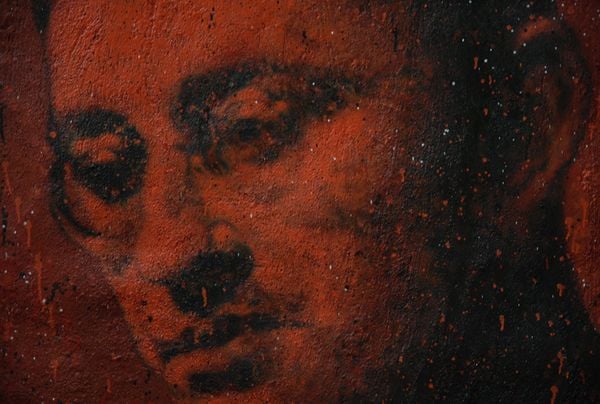
The Situationist International — a small group of radical artists and political theorists founded in the Italian town of Cosio d'Arroscia in 1957 and dissolved in 1972 — produced ideas that had a direct influence on the May 1968 student uprisings in Paris, on the development of punk's political aesthetic, on contemporary culture jamming and ad-busting, and on the critical theory of late capitalism that runs from Guy Debord's "The Society of the Spectacle" through Jean Baudrillard's simulation theory to contemporary media criticism.
The Situationists were a group of approximately 70 members at their peak, organized across a few European cities, producing a relatively small body of written work and films. Their central argument — that advanced capitalism had replaced authentic lived experience with a "spectacle," a vast accumulation of representations that substituted the appearance of life for life itself — was at once a media theory, a political analysis, and a cultural diagnosis that anticipated by decades the debates about social media, authenticity, and the attention economy.
Their specific cultural interventions — the détournement (subversive reuse of cultural material), the dérive (unplanned drifting through urban space as a form of critical engagement), and the construction of "situations" (moments of direct, unmediated experience) — were applied most dramatically in the May 1968 uprisings, whose slogans ("Be realistic, demand the impossible," "Beneath the paving stones, the beach") reflected Situationist thinking. Their influence on punk's graphic aesthetic — through Jamie Reid's collaged ransom-note lettering for the Sex Pistols — and on subsequent culture jamming is direct and acknowledged.
Charly De Blas / Pexels
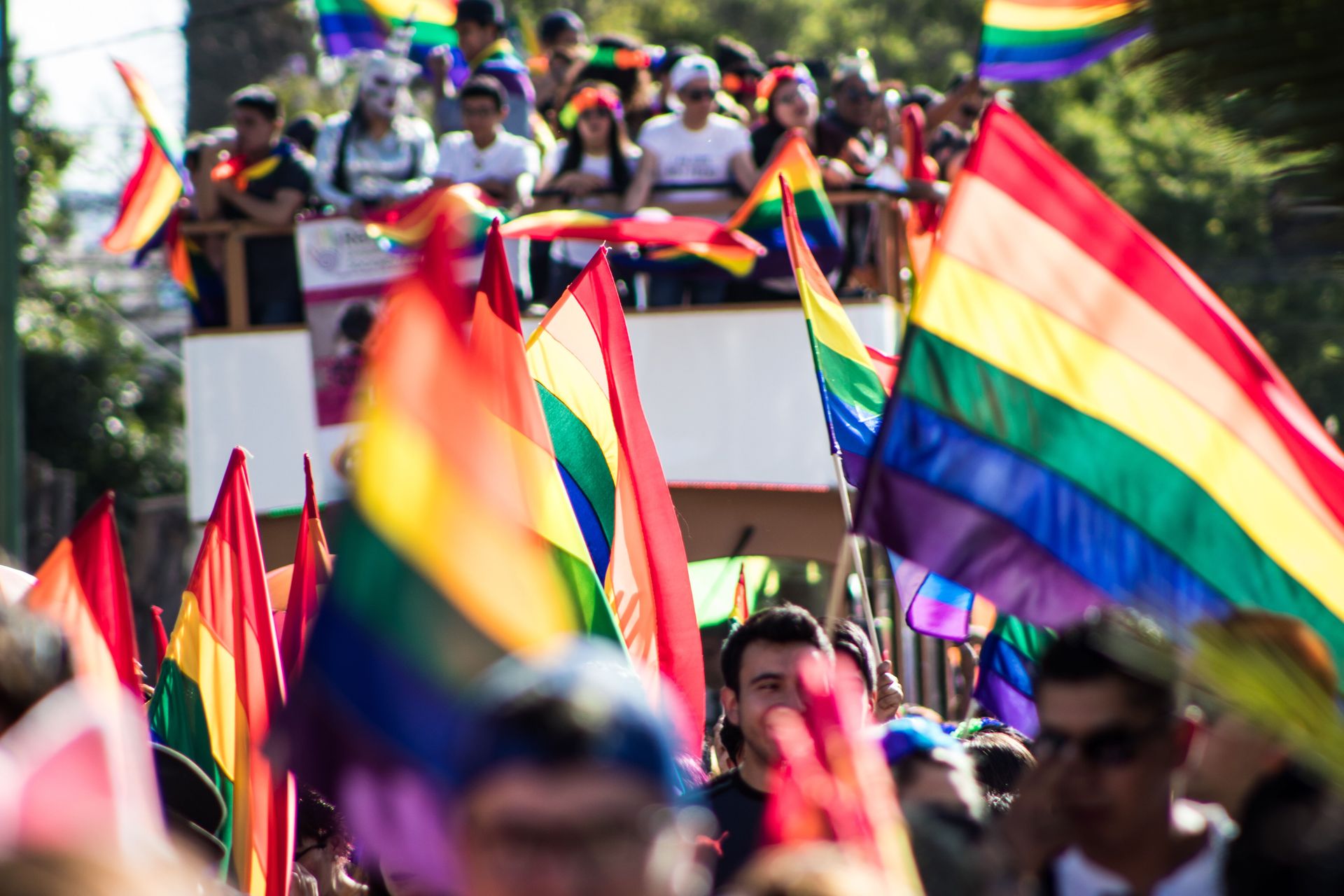
The modern LGBTQ rights movement began, in most accounts, in the early morning of June 28, 1969, when the patrons of the Stonewall Inn — a Mafia-owned bar on Christopher Street in Greenwich Village that served a predominantly gay and transgender clientele — resisted a routine police raid in ways that escalated into three nights of street protests. The Stonewall uprising was not the first act of resistance by LGBTQ people against police harassment, but it was the first to produce an organized, lasting political movement.
The specific conditions at Stonewall on that night were the product of decades of accumulated harassment. New York police routinely raided gay bars, arresting patrons under statutes that criminalized same-sex conduct and cross-dressing. The Mafia ran Stonewall and most gay bars in New York because no legitimate business would operate them. The patrons — many of them young, homeless, of color, transgender — had the least to lose from fighting back, and on June 28, 1969, they did.
The Gay Liberation Front formed within weeks of the uprising. The first Gay Pride marches were held on June 28, 1970, the one-year anniversary. The movement that developed from Stonewall — through the AIDS crisis, through the marriage equality campaigns, through the ongoing struggles for transgender rights — has transformed the legal, social, and cultural landscape for LGBTQ people in most of the developed world and catalyzed movements in countries where those rights are still contested.
The Stonewall origin is significant not because riots are the typical origin of social movements but because the specific people who fought back — the drag queens, the street kids, the most marginalized members of an already marginalized community — were the least likely candidates for political history-making, which is precisely why their act had the moral force it did.

Richard Stallman / Wikimedia Commons (CC BY-SA 3.0)
The open source software movement — the principle that software's source code should be freely available for anyone to inspect, modify, and distribute — began in a specific act of principled defiance in 1983, when Richard Stallman, a programmer at MIT's Artificial Intelligence Laboratory, announced the GNU Project: a effort to create a free operating system as a response to the increasing commercialization and proprietarization of software that had, in his view, destroyed the collaborative programming culture he had thrived in.
Stallman's founding document — "The GNU Manifesto," published in 1985 — articulated an argument that was simultaneously technical, ethical, and political: that software should be free in the sense of freedom (free to use, study, modify, and share), not necessarily free of cost, and that the restriction of software through copyright and proprietary licenses was a harm to users and to the broader culture of collaborative knowledge-building. The General Public License (GPL) that he developed was a specific legal mechanism designed to ensure that open source software remained open — any derivative work must also be open source, in a "copyleft" arrangement that used copyright law against itself.
Linux — the open source kernel created by Linus Torvalds in 1991, combined with the GNU tools Stallman had developed, to produce the Linux operating system — is the most consequential product of the open source movement. It runs on the majority of the world's servers, on Android phones, on the systems that power the internet. The open source development model — thousands of contributors worldwide, coordinating through shared code repositories, producing software that no single company owns — is the development model for most of the internet's foundational infrastructure.
The broader influence of the open source principle — that freely shared, collaboratively developed resources can produce results that proprietary, closed development cannot — has extended to Wikipedia, to open access academic publishing, to open data initiatives, and to the general culture of internet-era knowledge sharing that treats the free movement of information as a value in itself.
