These six expert-backed strategies may help lower summer energy and water costs with simple household adjustments, according to Reader's Digest
Alexey Demidov / Unsplash
Summer promises ease. Utility bills tend to disagree.
Warmer months will often shift how households consume energy. Air conditioners run longer. Water use rises. Lights stay on later as routines stretch with the longer evenings. None of these changes feel dramatic in by themselves. Together, however, they can nudge utility costs upward with surprising consistency.
The good news is that cutting summer expenses rarely requires dramatic sacrifice. According to Reader’s Digest, modest behavioral tweaks—rather than sweeping lifestyle overhauls—can meaningfully reduce seasonal costs. People will often stick with cost-cutting habits when they feel manageable rather than punitive.
None of these tricks will magically shrink your bill overnight. Energy costs depend on where you live, how your home is built, and how aggressively summer decides to show up. What experts tend to agree on is simpler: small improvements add up. The savings rarely announce themselves immediately. They usually appear weeks later, quietly proving that consistency works.
Here are six ways to help keep your seasonal spending from overheating.
Zac Gudakov / Unsplash
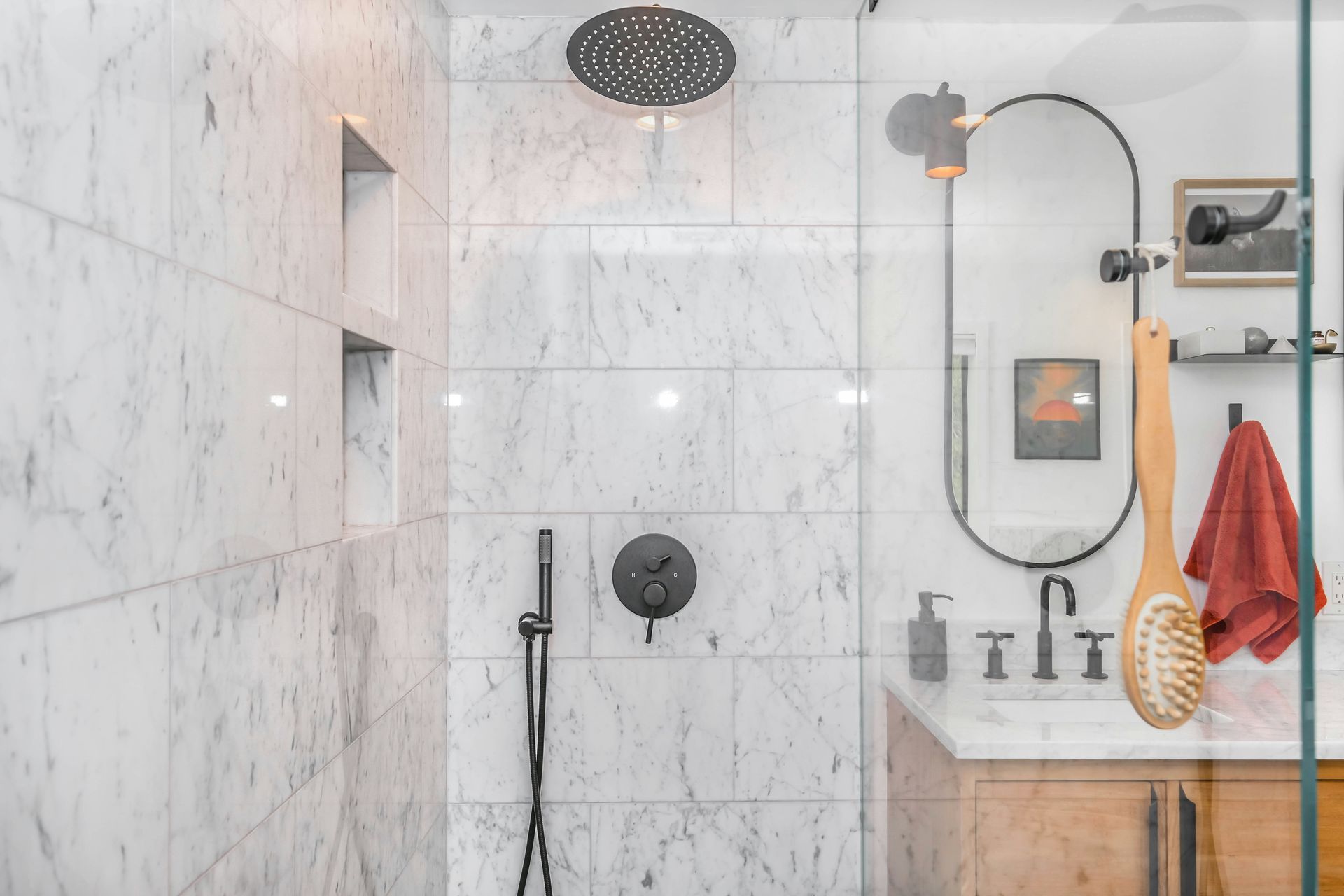
Showers rarely feel expensive in the moment. Over time, they often are. According to the report, the average American shower lasts about eight minutes and uses roughly 20 gallons of water. Reader’s Digest experts recommend aiming closer to five minutes. The math works in two directions: less water flows, and less energy heats that water. Both expenses appear on utility bills.
The appeal is obvious: it’s easy. No new gadgets. No home projects. Aliche recommends using a timer because most people have no idea how long they actually spend in the shower. Simply paying attention can change the habit. A slightly shorter rinse keeps the comfort while trimming daily water use.
Additionally, this small adjustment may also encourage broader attention to water use, from dishwashing habits to laundry cycles.
Everett Pachmann / Unsplash
Air conditioners tend to receive attention only when they fail. Energy bills notice long before that happens.
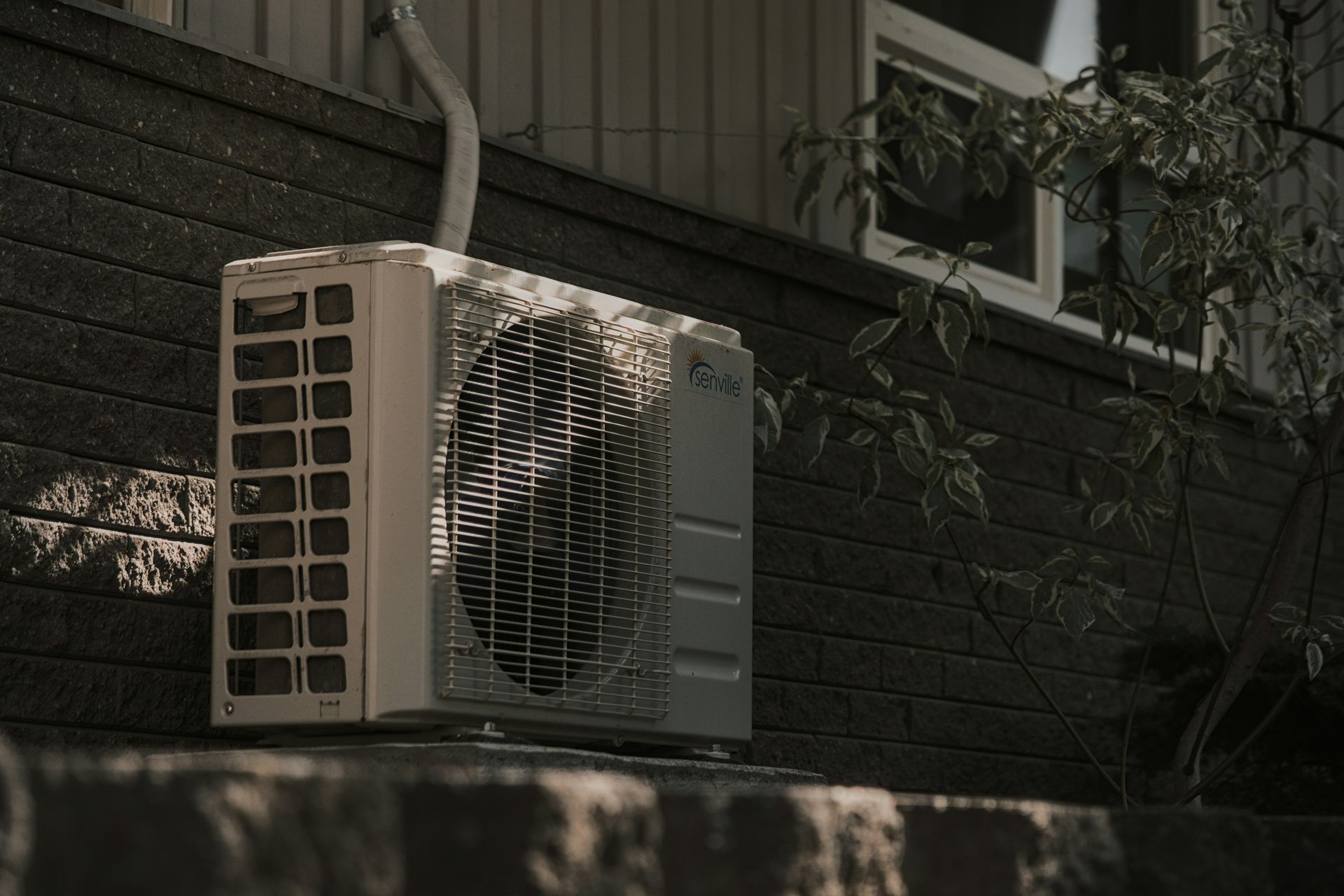
According to the report, replacing AC filters roughly every 90 days during warmer months and scheduling routine seasonal checkups is beneficial. Dirty filters restrict airflow, forcing cooling systems to run longer to reach the same temperature. The result may be higher electricity use without improved comfort.
Regular inspections may also identify mechanical issues early. Minor problems can increase energy consumption well before noticeable breakdowns occur. Preventive care therefore functions as both a cost-control strategy and a longevity investment.
Not every household will see dramatic savings immediately. Older systems, regional climates, and usage patterns all influence outcomes. Still, experts consistently frame maintenance as one of the more reliable ways to limit unnecessary energy use.
User Pascal / Unsplash
Energy waste often happens when nobody is home.
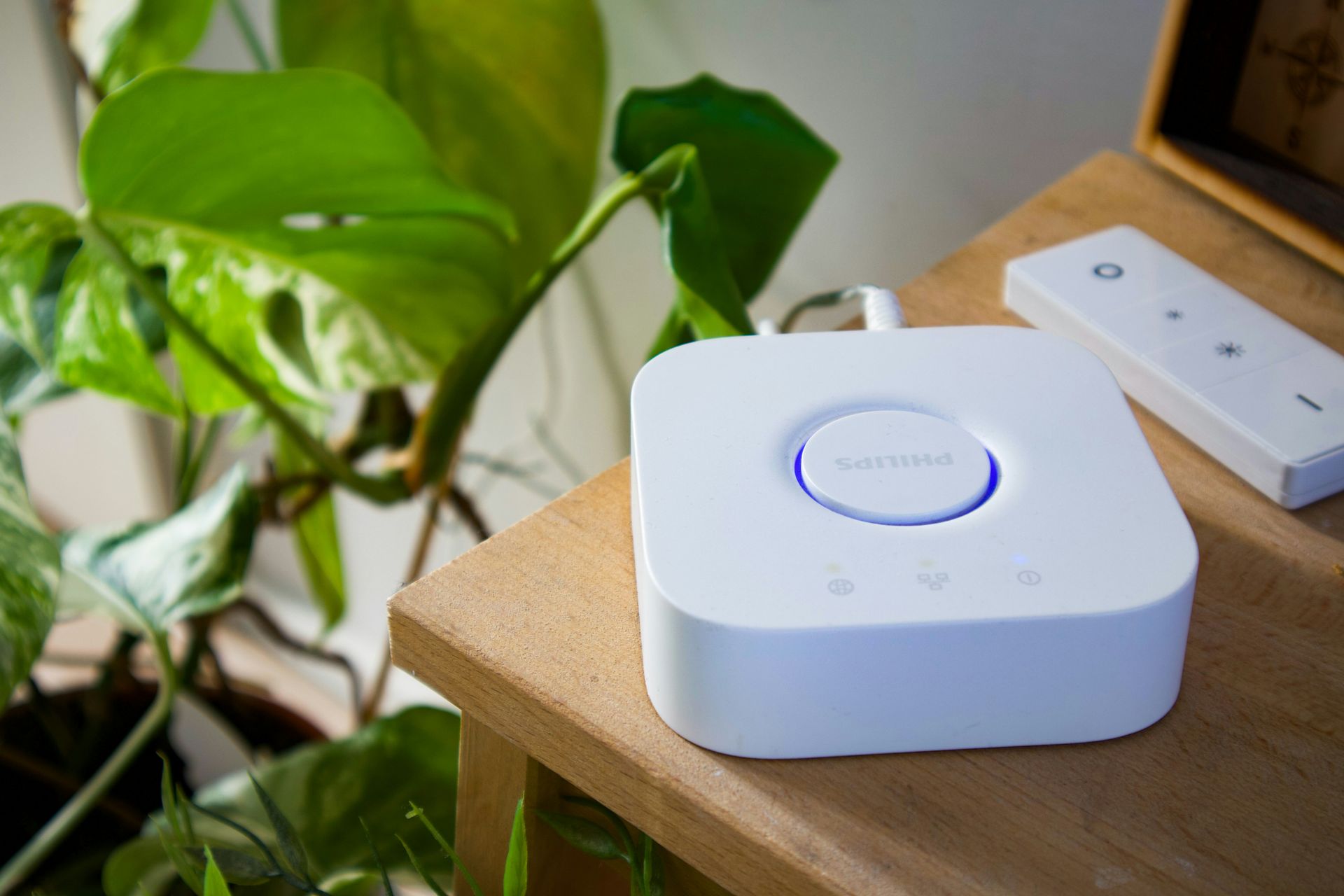
The report suggests using programmable thermostats, timers, and smart-home tools to manage utilities remotely. Digital controls allow households to raise temperatures overnight or adjust cooling schedules automatically during work hours. Small temperature changes may go unnoticed during sleep yet still reduce energy demand.
Smart lighting and remote controls extend the same principle to electricity use throughout the home. Timers ensure devices operate only when needed. Apps provide real-time oversight without requiring constant attention.
Smart tech can help, but only if it’s actually used. Savings come from sensible settings and a bit of consistency. Turn the temperature too high and the house feels miserable; forget to use the features and the gadgets just sit there looking impressive. The real win, notes Reader’s Digest, is letting automation handle decisions you’d otherwise forget to make.
Olga / Unsplash
Some of the most effective cooling strategies look almost too simple to matter.
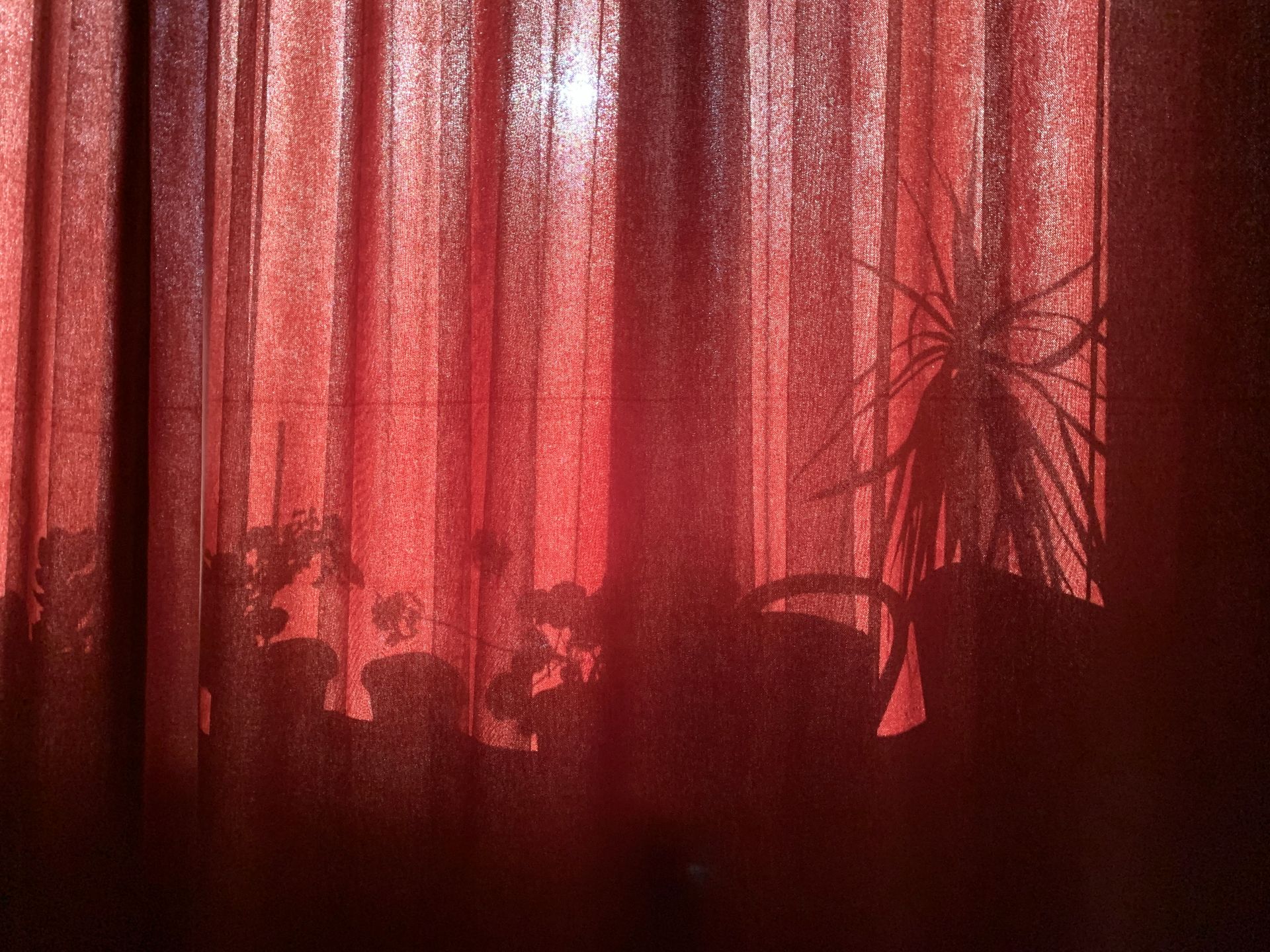
According to the report, closing drapes and blinds during the day to limit indoor heat gain can make a noticeable difference, both in temperature and in savings.
Sunlight entering through windows can raise indoor temperatures quickly. Blocking that heat reduces how hard air conditioners must work later. The action takes seconds yet may influence cooling demand for hours.
This approach works best when it becomes routine, especially during the hottest afternoon hours. It’s easy to forget in the morning rush, which often leaves homes soaking up heat long before the air conditioner has a chance to compensate. Fans, insulation, and newer cooling technologies all help, but simply managing sunlight remains one of the cheapest ways to keep indoor temperatures down. Blocking heat before it enters usually takes less energy than cooling a space after it warms up.
Clint Patterson / Unsplash
Some appliances consume electricity even when switched off.
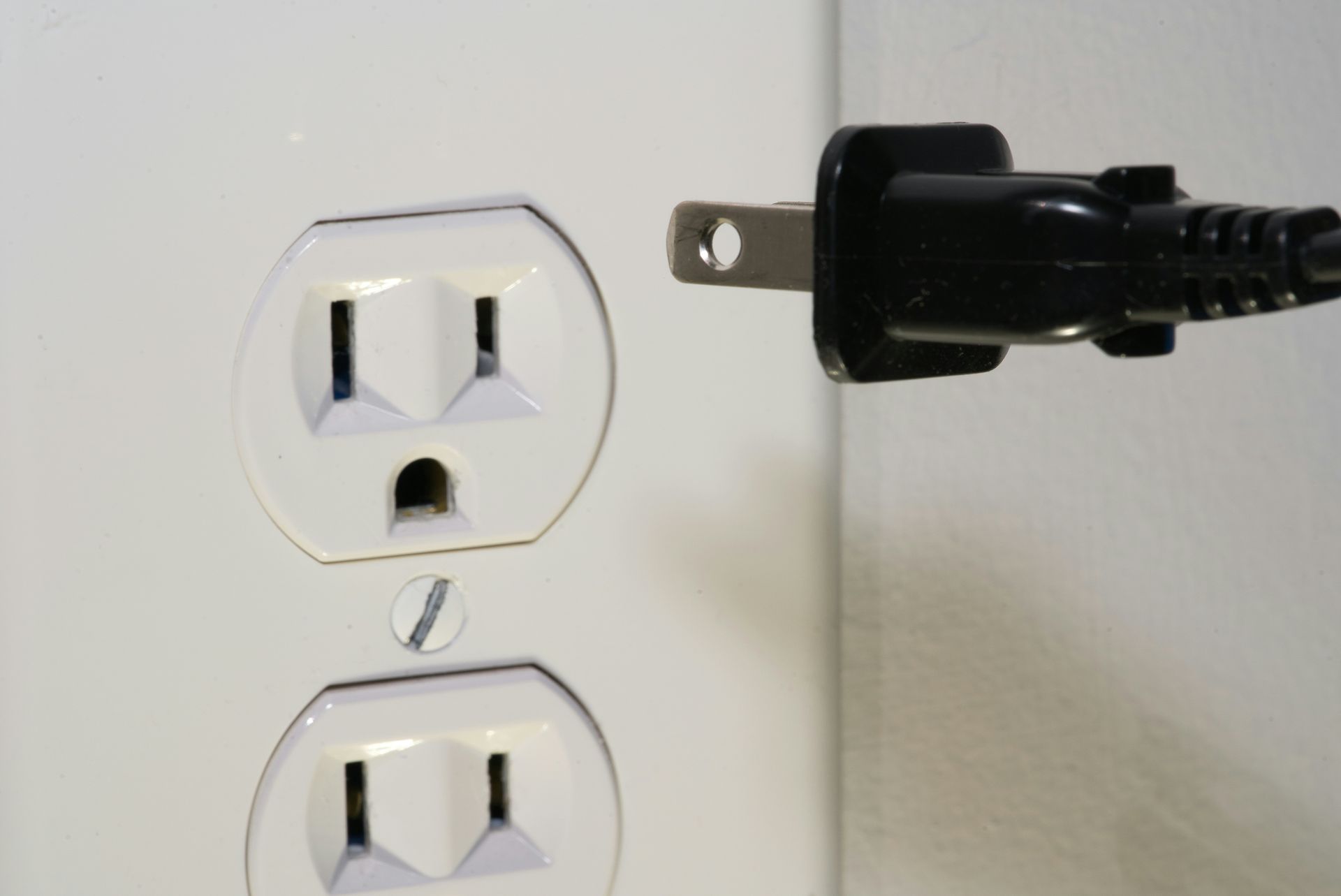
According to the report, “vampire energy,” or standby power used by plugged-in electronics, such as televisions, chargers, and small devices, may continue drawing electricity simply by remaining connected to outlets. The consumption is subtle but continuous.
The recommended solution: plug electronics into power strips and unplug the strip at night. Turning devices off may not eliminate standby usage, but disconnecting them does.
One client reportedly saved about $30 per month after adopting this practice, illustrating how small sources of energy loss can accumulate. The strategy works particularly well in entertainment areas or home offices where multiple devices remain connected.
Standby energy hides in plain sight, quietly drawing power while everything appears off. Addressing those invisible habits can lead to surprisingly visible savings. Results vary depending on how many gadgets fill your outlets, yet unplugging unused devices remains one of the easiest ways to trim electricity use without feeling any difference day to day.
Hamedtaha / Unsplash
Summer lawns and gardens often receive water at the least efficient moment: midday heat.
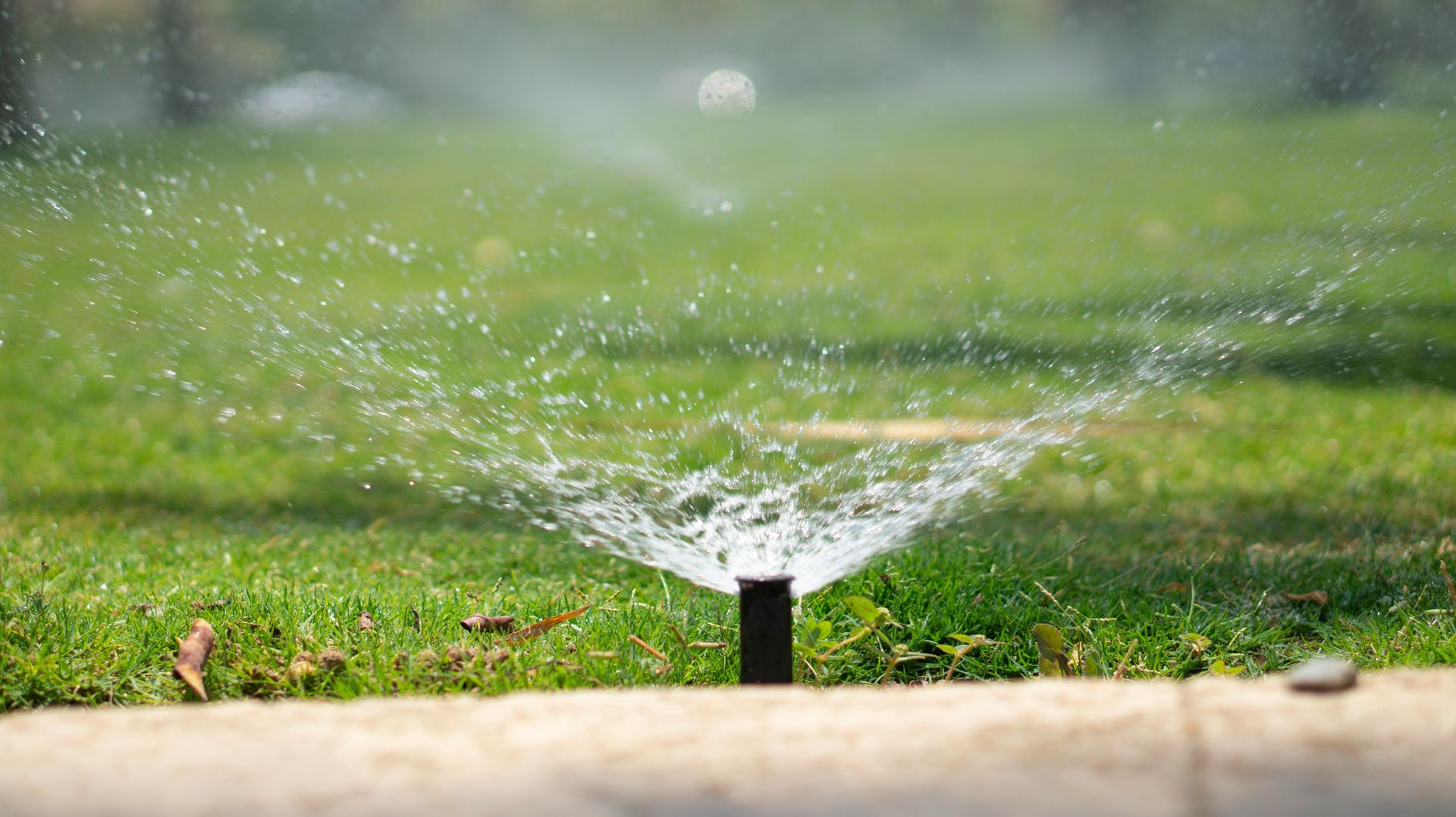
According to the report, watering grass and plants during early morning or evening hours may be the best timing. Water applied during cooler periods tends to soak into soil rather than evaporating into warm air. The same amount of water therefore accomplishes more.
Timing, it turns out, can be just as important as volume. Watering during cooler hours gives plants a better chance to actually benefit from it rather than watching moisture disappear into the afternoon heat. Midday watering feels efficient but often creates extra work later. Adjusting the schedule helps maintain the yard without overusing water. Sprinkler timers take the guesswork out of the process, and once automation steps in, good habits tend to stick.
Climate, soil type, and local restrictions influence outcomes. Still, aligning water use with cooler hours is a low-effort adjustment that can improve efficiency throughout the summer season.
