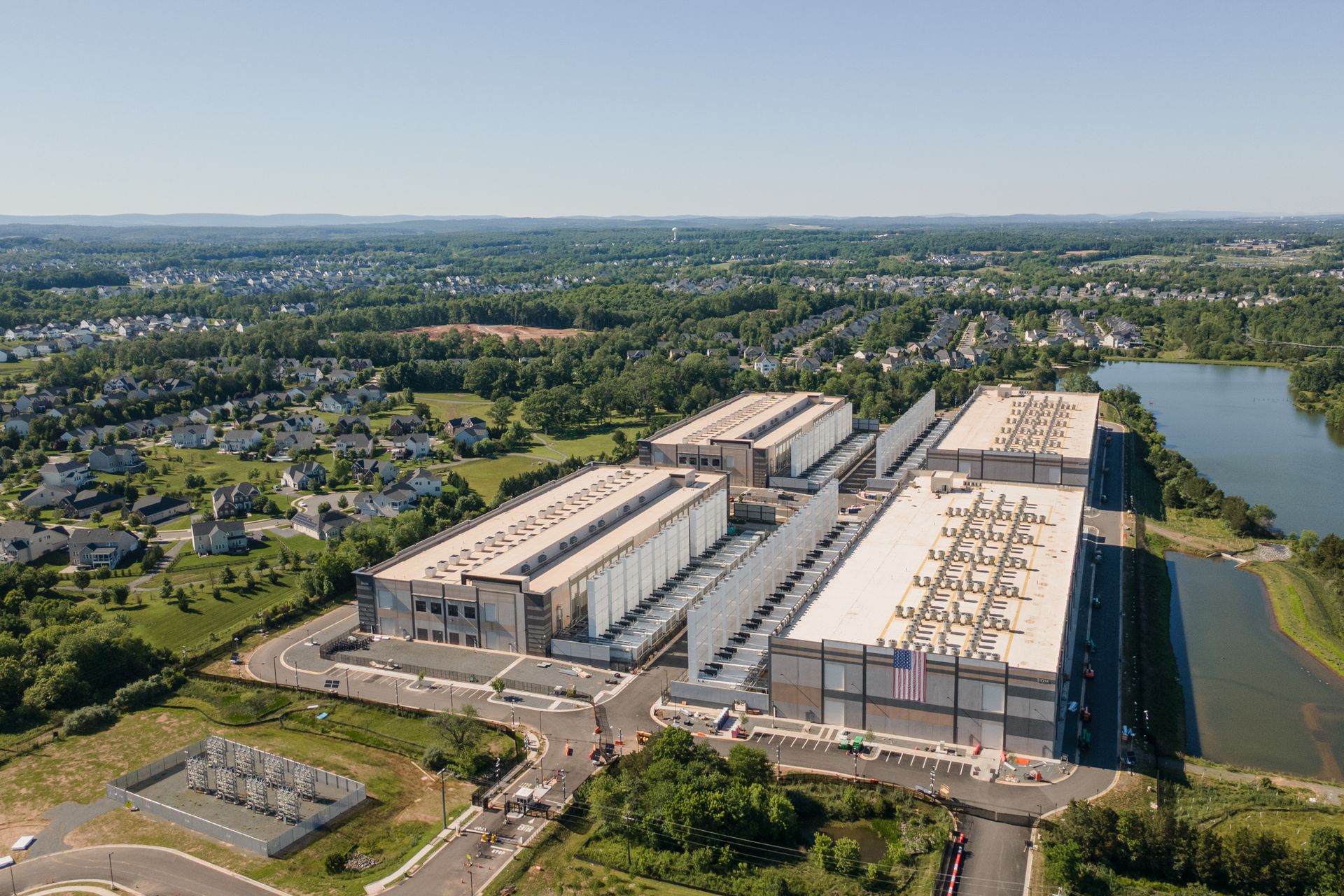
Flooding, extreme winds, wildfires, and other hazards threaten 79% of global data center capacity, exposing operators to service disruptions, higher downtime, and elevated insurance and repair expenses, according to a new report by First Street, a climate risk analytics firm.

The study, reported by CNBC, examined 97 global data center markets. Chronic climate pressures — including extreme heat and drought — affect more than half of data center markets globally, undermining energy efficiency and pushing up operating costs. Reporting from E&E News pegged that share at 54%, and the First Street report drew a pointed conclusion: "scale is being built where operating conditions are hardest, not where they're easiest."
Geographically, Asia-Pacific bears the heaviest burden, with acute risk touching 89% of its data center capacity — well above the 50% figure for the Americas and 46% for Europe, the Middle East, and Africa. The study identified Northern Virginia, Johor in Malaysia, and Marseille, France as standout examples of high-exposure markets, while Nordic countries ranked at the opposite end of the risk spectrum.
First Street CEO Matthew Eby argued that conventional risk assessment tools have not kept pace with a changing climate. "Most underwriting for real assets still uses historical data, but the climate is no longer behaving the way the historical record would predict," he said in a statement. "As heat, drought, and water stress increase, outdated models simply don't offer a complete view of risk anymore."
Jeremy Porter, First Street's chief economist, singled out government flood modeling as a particular vulnerability, arguing those tools are anchored to past precipitation data that ignores how a warmer atmosphere retains more moisture and generates more intense rainfall events. Porter cautioned that hardening a structure against extreme weather addresses only part of the problem; the grid connections, access roads, and surrounding community infrastructure feeding into a facility can become failure points that render even a well-fortified data center inoperable.
The findings arrive as data centers are drawing growing scrutiny from state legislators over their electricity and water consumption. XDI, a separate climate risk research firm, reviewed plans for around 2,600 data centers under development globally and determined that over 150 are slated for high-risk sites — with North America accounting for more than 70 of them, Bloomberg reported. Because a data center's operational lifespan commonly stretches two to three decades, the locations chosen today will shape financial exposure well into mid-century.
