Learn how to cut down on clutter before you move into a new home — including some pro tips like the four-box method
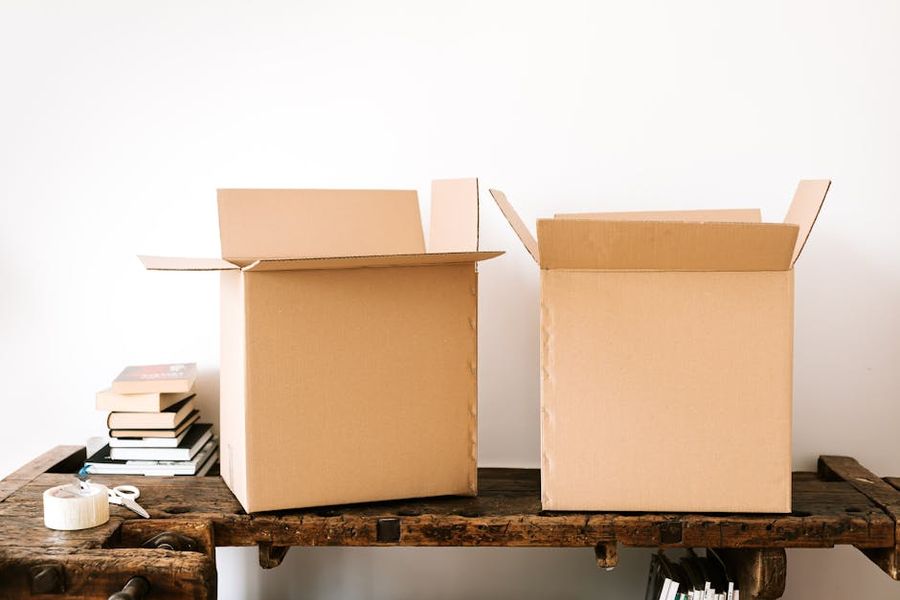
Photo By: Kaboompics.com via Pexels
Moving is a big life change. Buying a new home or changing landlords, packing all your belongings, renting a truck, or vetting movers — it all adds up to a lot of work and constant decision-making. Decluttering before you move can reduce the work that goes into setting up a new home.
The KonMari Method might have faded from the public eye after its brief moment on social media, but the declutter movement remains strong in America. In 2025, for example, 75% of people surveyed by Talker Research said they prioritized organizing and decluttering their home.
If you anticipate a home move, decluttering can help you save money and time. Less stuff means less packing, fewer boxes and moving supplies, and reduced moving labor requirements. Eschewing old belongings can also increase the emotional benefits of a fresh start in your new home.
Here are the steps you can take to declutter before a move.
RDNE Stock project via Pexels
Start by breaking your home into zones so you're not facing an entire abode full of belongings.
Having a written plan and timeline can make a huge difference when you're tackling a home declutter on top of an imminent move. Instead of waiting until the last minute — such as when you're packing boxes to load onto a moving truck — schedule time ahead of moving day for these tasks.
As with moving and packing checklists, decluttering checklists can help keep your progress visible and satisfying. Whether you use a moving app or a paper planner, seeing what you've already done can provide a helpful sense of momentum. Prioritize the rooms or storage areas that will take the most time and leave easier zones for when you’re short on energy.
Here's a sample 6-week decluttering timeline:
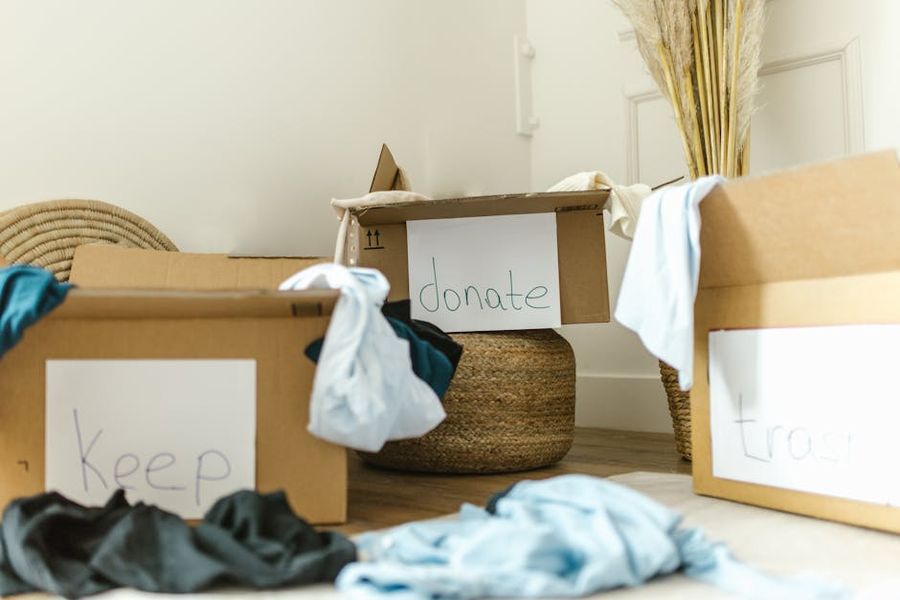
The four-box method is a classic decluttering strategy. Start by labeling four bins or boxes:
You can also add a fifth box to temporarily hold items that you're not sure about.
If you haven't used an item in years, it probably doesn't go in the "keep" box. Consider whether it's worth enough to sell via platforms like Facebook $META Marketplace, OfferUp, or Craigslist. If you have enough items you don't want but someone else might, you could host a garage sale before you move. Selling items can help cover the cost of moving.
Don't want to or don't have the time to sell items that are in good condition? You might donate them to local charities and thrift stores like Goodwill, Habitat for Humanity ReStore, or rescue missions. Some of these locations may even pick up your donations, removing a task from your to-do list.
Bag up smaller trash items and place them in your regular garbage bin for pickup. If you have larger items, check your waste management provider's bulk trash policy to find out when you can leave items at the curb.
Pack only the items you really want to keep when you move. Transferring clutter from one home to another only pushes the declutter job down the line.
Even if you don't have time to do a full declutter before you start packing, keep your donate and trash boxes handy. Give away or toss things you know you won't use instead of putting them in a moving box.
As you pack, label each box clearly with the room name and a few notes about the contents. This makes unpacking easier and requires you to think about how and where you'll use things in your new home. You're more likely to get rid of unnecessary items if you can't envision yourself using them in your new space.
Avoid buying anything non-essential until after you've moved. For essentials, try to use up what you already have. Eat down the pantry and freezer and pass up the bulk toilet paper, no matter how good the deal is.
By not bringing new items into your house, you keep packing more manageable and avoid introducing new clutter. It also limits decision fatigue and reinforces mindful spending habits, helping you save money to fund moving expenses or fun new-home splurges like furniture or curtains.
Avoid letting sentimental items derail your decluttering progress. Try limiting keepsakes to a single small box or storage bin. Take photos of objects with emotional value instead of holding onto everything.
As Marie Kondo says, only keep what truly "sparks joy." Consider gifting other meaningful items to loved ones. Remember that memories live inside your own heart and mind, not the things you own.
