From reaction time to mood to muscle strength, dehydration affects far more than most people realize — and it starts well before you feel thirsty
Maurício Mascaro / Pexels
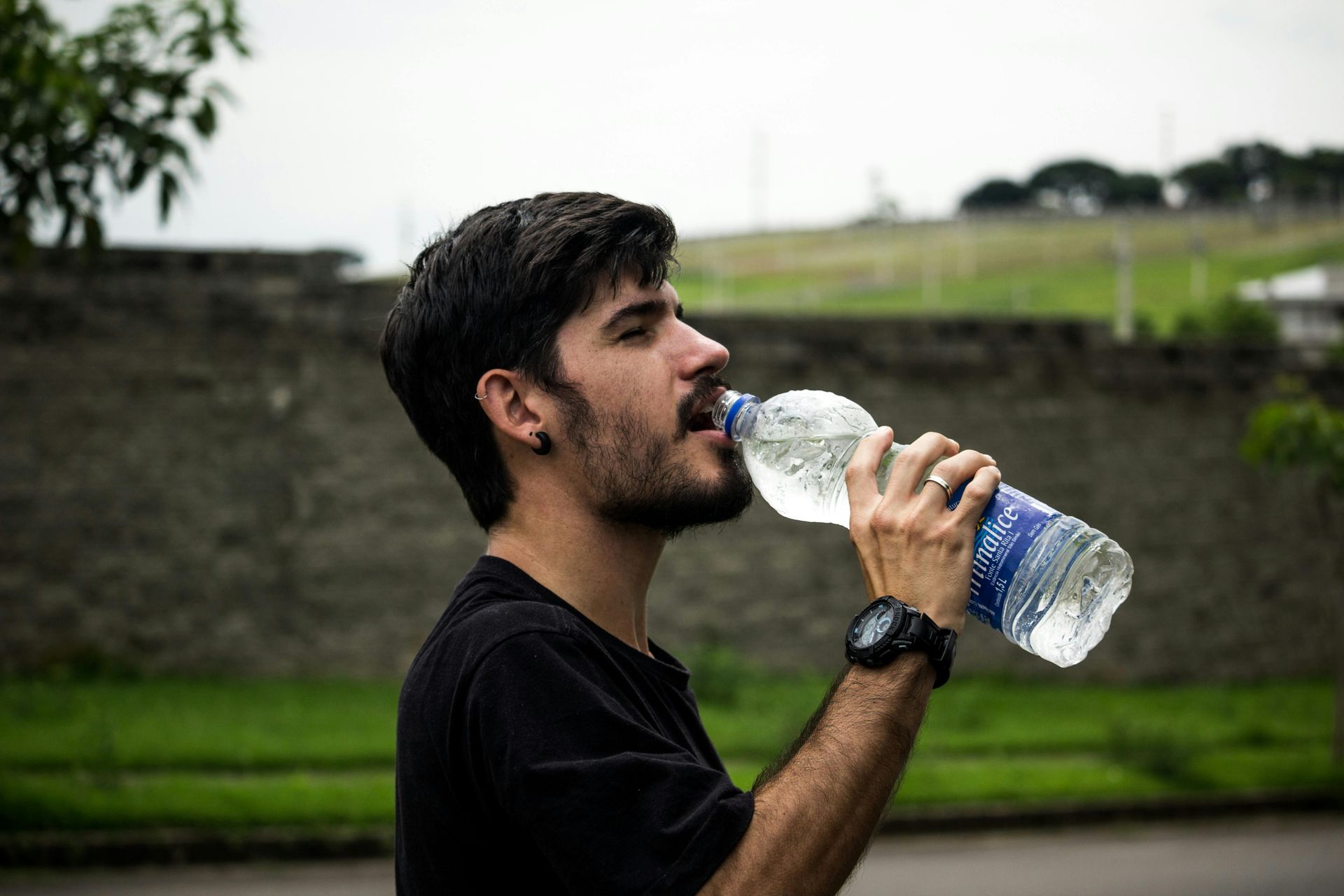
Thirst is a bad early warning system. By the time the sensation of thirst is noticeable, the body is already in a state of mild dehydration — a fluid deficit of approximately 1 to 2% of body weight — and the cognitive and physical effects of that deficit have already begun. The subjective experience of thirst lags behind the physiological reality by enough that relying on it as the primary signal to drink is a poor strategy for anyone who wants to maintain consistent performance, energy, or mental clarity.
The relationship between hydration and physical performance has been studied extensively in exercise physiology, and the findings are consistent: fluid deficits of even 2% of body weight — achievable through an hour of moderate exercise without fluid replacement, or simply through a warm day with insufficient drinking — measurably impair endurance, strength, reaction time, and the ability to sustain effort. The relationship between hydration and cognitive performance is less extensively studied but increasingly well-documented, with research showing that the same mild dehydration that impairs physical performance also impairs attention, working memory, and mood in ways that most people attribute to other causes.
The difficulty is that mild dehydration is largely invisible from the inside. The person who is 1.5% dehydrated does not feel dramatically worse than the person who is fully hydrated — they feel slightly tired, slightly less sharp, slightly more irritable, in ways that are easy to explain away as poor sleep, stress, or the ordinary fatigue of a busy day. The connection between those states and fluid intake is rarely made, which is why the research on hydration is more consequential in practice than its apparent simplicity suggests.
This list covers 15 specific effects of dehydration on performance, energy, and wellbeing — effects that are documented in peer-reviewed research, explained by known physiological mechanisms, and significant enough to be relevant to anyone interested in functioning at their best. Each slide explains what happens, why it happens physiologically, and — where the research supports it — what level of dehydration produces the effect. The goal is not to generate anxiety about water intake but to make the connection between hydration and daily function specific enough to be practically useful.

SHVETS production / Pexels
Cognitive performance is among the most sensitive indicators of hydration status, and concentration — the ability to sustain directed attention on a task over time — is the dimension most consistently affected by mild dehydration in the research literature. Studies using standardized cognitive test batteries have found that fluid deficits of 1 to 2% of body weight produce measurable declines in sustained attention, vigilance, and the ability to maintain focus on demanding tasks, with effects emerging before any subjective sense of significant thirst.
The mechanism operates primarily through reduced cerebral blood flow and altered neurotransmitter function. The brain is approximately 73% water, and even small reductions in its water content affect the efficiency of neural signaling. A 2011 study by Harris Lieberman and colleagues at the U.S. Army Research Institute found that young men with a fluid deficit of approximately 1.59% showed significantly impaired vigilance and increased tension, anxiety, and fatigue, independent of caffeine or other dietary variables.
The practical implication is that the concentration difficulties many people experience in the mid-afternoon — the post-lunch dip in alertness and attention that is commonly attributed to circadian rhythms or the heaviness of lunch — may be partly explained by the cumulative mild dehydration that develops over a morning of inadequate fluid intake. The circadian component is real, but its effects interact with hydration status in ways that make the two difficult to disentangle without controlled conditions.
Morning hydration is particularly relevant here. After six to eight hours of sleep with no fluid intake, the body wakes in a mild fluid deficit that affects cognitive readiness before the day's activities have added their own dehydrating effects. Drinking 400 to 500ml of water on waking — before coffee, before food — addresses the overnight deficit and supports the cognitive function needed for the demanding early portions of the day.

Gustavo Fring / Pexels
Working memory — the cognitive system that holds and manipulates information in the short term, used in tasks from mental arithmetic to following multi-step instructions to holding the thread of a conversation — is specifically vulnerable to dehydration in ways that are distinct from its effects on sustained attention. The two capacities are related but separable, and the evidence that dehydration impairs working memory independently of its effects on general alertness has implications for any cognitively demanding work.
A 2012 study published in the British Journal of Nutrition by Natalie Muñoz and colleagues found that mild dehydration of approximately 1.36% — produced by mild exercise without fluid replacement — impaired working memory performance in young women, measured by the number of errors on a standardized working memory task. The effect was present even when participants rated their subjective hydration as only mildly reduced, confirming that the impairment precedes any strong subjective awareness of thirst.
Working memory capacity is a core determinant of performance on any task that requires holding multiple pieces of information in mind simultaneously — reading comprehension, problem-solving, planning, language production. The impairment produced by mild dehydration is not catastrophic in any single instance but accumulates across a day of sustained cognitive work in ways that may explain the progressive deterioration of performance quality over the course of a long day that workers and students commonly experience.
The research on working memory and dehydration is one of the strongest arguments for consistent fluid intake throughout the day rather than reactive drinking in response to thirst. Waiting until thirst develops means working memory has already been operating at reduced capacity for some period, and the restoration of full cognitive function after rehydration takes time — the deficit is not immediately reversed by drinking.
Matheus Ferrero / Pexels
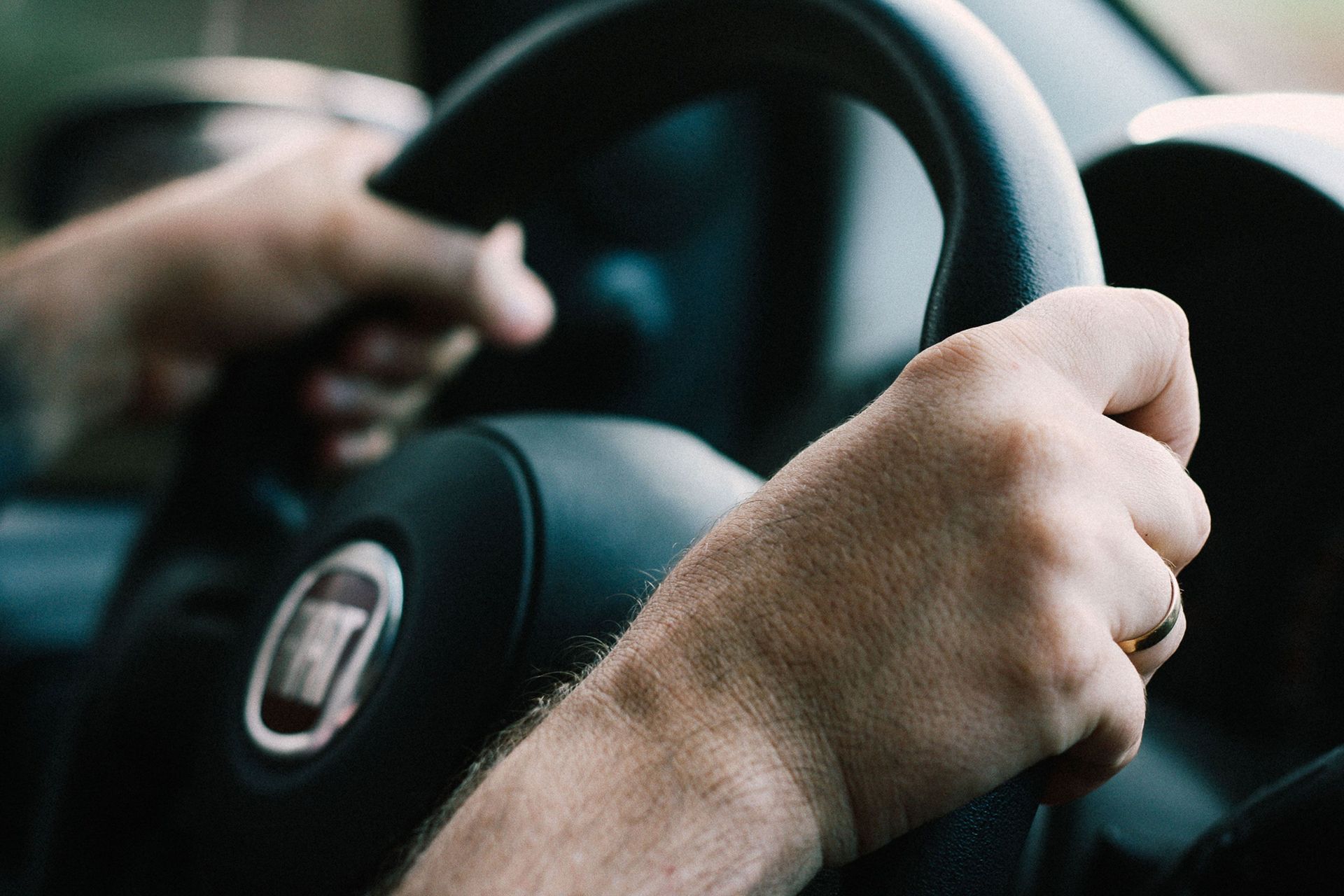
Reaction time — the speed at which the nervous system detects a stimulus and produces a motor response — is a performance variable with direct relevance to driving, sports, and any task requiring rapid response to changing conditions. It is also a variable that dehydration degrades reliably, with consequences that extend well beyond athletic performance.
A 2015 study published in Physiology and Behavior, examining the driving performance of individuals in a state of mild dehydration comparable to that produced by a typical morning of inadequate fluid intake, found that dehydrated drivers made significantly more errors — lane drifting, late braking, touching rumble strips — than the same drivers when hydrated. The error rate was comparable to that produced by a blood alcohol concentration of 0.08%, the legal driving limit in most jurisdictions. The researchers described the finding as a serious road safety concern, given that morning commuters are regularly in a mildly dehydrated state.
The neurophysiological mechanism involves the slowing of neural conduction velocity in dehydrated tissue — nerve impulses travel slightly slower in conditions of reduced cellular hydration — combined with the attentional impairments that affect the processing of incoming stimuli before the motor response is initiated. Both components contribute to the total reaction time elongation.
For athletes, the implications are specific: sports requiring fast reactions — racket sports, team sports with rapid changes in play, combat sports — are more sensitive to hydration status than sports where the performance limiting factor is aerobic endurance. A tennis player or a rugby player whose reaction time is degraded by mild dehydration is at a measurable competitive disadvantage that technique and fitness cannot compensate for.

Ketut Subiyanto / Pexels
The effect of dehydration on endurance performance is one of the most extensively studied relationships in exercise physiology, with a consistent finding: fluid deficits of 2% or more of body weight produce significant, measurable, and in some cases large reductions in the ability to sustain aerobic effort. The mechanism is well-understood, involves multiple physiological systems, and explains why endurance athletes pay such careful attention to hydration strategy.
During sustained aerobic exercise, the body produces heat as a byproduct of metabolic work. That heat is dissipated primarily through sweating — the evaporation of sweat from the skin surface removes heat from the body. As sweating continues, blood volume decreases, which has two consequences: cardiovascular strain increases as the heart works harder to maintain cardiac output with less blood volume, and the skin receives less blood flow for cooling, reducing the efficiency of heat dissipation. Both effects accelerate as the fluid deficit grows.
The Aerobics and Fitness Association of America and equivalent bodies recommend pre-hydration before endurance events, fluid intake during sustained exercise at rates calibrated to sweat rate, and post-exercise rehydration to replace losses. The specific volumes depend on exercise intensity, ambient temperature, and individual sweat rates, which vary considerably between individuals. A useful benchmark from sports physiology research: losing 2% of body weight through sweat — approximately 1.4 liters for a 70kg person — produces endurance performance decrements of 10 to 20% in most individuals.
The endurance impairment from dehydration is not limited to competitive athletes. Recreational exercisers who exercise in warm conditions without adequate fluid replacement experience the same physiological cascade at a pace proportional to their intensity and the ambient temperature.

Ketut Subiyanto / Pexels
While endurance is the performance variable most discussed in relation to hydration, muscular strength and power output — the capacity for high-intensity, short-duration effort — are also negatively affected by dehydration, though the effect sizes are smaller and more variable across the research literature than those for endurance.
A 2007 meta-analysis by Jose Judelson and colleagues at California State University, examining 33 studies on the effects of dehydration on muscular performance, found that dehydration of 3 to 4% of body weight reduced isometric strength by approximately 2%, isotonic strength by approximately 3%, and muscular power output by approximately 3%. These are modest effects, but they are consistent across the studies reviewed and relevant at the competitive margins of strength-based sports.
The mechanism is primarily cellular: muscle cells require adequate hydration to generate force efficiently, and dehydrated muscle cells have reduced capacity for the ionic movements that underlie contraction. Creatine phosphate resynthesis — the process that replenishes the immediate energy currency of muscle contraction — is also slower in dehydrated tissue.
The practical relevance extends beyond sport. Physical tasks that require strength — lifting, carrying, manual work — are more fatiguing and less efficiently executed in a state of mild to moderate dehydration. The accumulation of physical fatigue over a working day in a dehydrated individual is greater than in a hydrated one performing the same tasks, producing a compounding deficit of physical capacity that may be experienced as general exhaustion by the end of the day without the cause being identified.

Anna Tarazevich / Pexels
The relationship between hydration and mood is one of the more surprising findings in hydration research and one of the most practically relevant. Multiple studies have found that mild dehydration — well within the range of ordinary daily variation in fluid intake — produces measurable increases in tension, anxiety, fatigue, and negative mood, and decreases in positive affect, calmness, and vigor, in the absence of any other stressor.
A series of studies by Lawrence Armstrong and colleagues at the University of Connecticut specifically examined mood effects of mild dehydration in both men and women during mild exercise and sedentary conditions. The consistent finding was that women were more sensitive to hydration-related mood changes than men, with fluid deficits of 1.36% in women producing significant increases in fatigue, tension, and anxiety and decreased ratings of task difficulty and concentration. Men showed similar but slightly smaller effects at comparable deficits.
The mechanism proposed involves the stress hormone cortisol. Mild dehydration activates the hypothalamic-pituitary-adrenal axis — the hormonal stress response — producing elevated cortisol that contributes to the subjective experience of tension and anxiety. The cortisol elevation is small but consistent and provides a physiological link between the fluid deficit and the mood state that goes beyond subjective awareness of thirst.
The practical implication is significant: mood states that are attributed to stress, interpersonal friction, or the general difficulty of the day may have a partial hydration explanation. Identifying and addressing mild dehydration before interpreting a mood state as evidence of a broader problem is a low-cost first step — drinking 400ml of water and reassessing after 20 minutes is a reasonable protocol.

Liliana Drew / Pexels
The body's ability to regulate its core temperature — maintaining it within the narrow range compatible with normal cellular function, approximately 36.5 to 37.5 degrees Celsius at rest — depends on sweating as its primary heat dissipation mechanism, and sweating depends on adequate fluid availability. Dehydration compromises temperature regulation in ways that range from mildly uncomfortable to, at extremes, medically dangerous.
As the fluid deficit develops during exercise or heat exposure, the blood volume decreases and the body's ability to deliver blood to the skin for cooling diminishes. Core temperature rises more steeply in dehydrated individuals performing the same exercise as hydrated ones, and the thermal discomfort and physiological strain of a given exercise intensity increases. The rate of perceived exertion — how hard an effort feels — increases as core temperature rises, reducing the willingness to sustain the effort even when the muscular capacity to do so has not been fully exhausted.
In hot environments, the interaction between dehydration and heat stress produces risks that extend beyond performance. Heat exhaustion — characterized by heavy sweating, weakness, dizziness, nausea, and headache — and heat stroke — a medical emergency involving core temperatures above 40 degrees Celsius with neurological impairment — are both significantly more likely in dehydrated individuals than in adequately hydrated ones performing the same activities in the same conditions.
The practical guidance from exercise physiology is to pre-hydrate before exercise in hot conditions, to drink during sustained exercise at rates that approximate sweat losses, and to cool the environment or reduce exercise intensity if fluid availability is limited. Workers in hot occupational environments — construction, agriculture, kitchen work — are at particular risk of progressive dehydration over a working shift, and scheduled fluid breaks are more effective than relying on thirst-driven drinking.

Andrea Piacquadio / Pexels
Headache is one of the most commonly reported symptoms of dehydration and one of the most commonly treated symptoms that responds to rehydration rather than pain medication. The connection between dehydration and headache is well-established clinically and has a proposed neurological mechanism that explains both the symptom and its reliable resolution with fluid intake.
When the body is dehydrated, the brain — which is enclosed in the rigid skull — can temporarily reduce slightly in volume. This contraction is thought to pull on the meninges, the membranes covering the brain that are pain-sensitive, producing the characteristic dull, diffuse headache associated with dehydration. The headache typically resolves within 30 to 60 minutes of adequate rehydration as the brain volume is restored.
A 2015 study published in the European Journal of Nutrition found that migraine sufferers who increased their daily water intake by 1.5 liters per day experienced significantly fewer migraine hours per day and fewer headaches of moderate to severe intensity than those who maintained normal intake. The finding is consistent with a dehydration contribution to migraine triggering, though dehydration is one of multiple migraine triggers and its role varies between individuals.
The clinical relevance is that the reflexive response to a headache — reaching for a pain reliever — may be less appropriate as a first response than drinking 400 to 500ml of water and waiting 30 minutes. If the headache resolves with rehydration, its cause has been identified and addressed without medication. If it does not resolve, other explanations should be considered.

Jan van der Wolf / Pexels
Adequate hydration is a fundamental requirement for normal kidney function, and the consequences of chronic mild dehydration for kidney health over time are more significant than most people are aware. The kidneys filter approximately 200 liters of blood per day, removing waste products and regulating fluid, electrolyte, and acid-base balance. Their ability to perform this function efficiently depends on adequate blood volume and flow, both of which are reduced in dehydration.
In the short term, dehydration produces darker, more concentrated urine — a reliable visual indicator of hydration status that is more accurate than thirst. Urine color ranging from pale straw to medium yellow indicates adequate hydration. Dark yellow to amber indicates mild to moderate dehydration. Concentrated urine is more irritating to the bladder lining and increases the risk of urinary tract infection by reducing the flushing effect that regular urination provides.
Kidney stones — crystalline mineral deposits that form in the kidney and can cause severe pain as they pass through the urinary tract — are significantly more likely in chronically dehydrated individuals. The crystals that form stones — calcium oxalate, uric acid, and others — are held in solution by adequate fluid volume. When urine is consistently concentrated, the saturation of these compounds exceeds their solubility and crystals form. The single most effective preventive measure for kidney stones in people with a history of them, according to urological guidelines, is increasing fluid intake to produce a minimum of 2.5 liters of urine per day.
Chronic kidney disease, while having multiple causes, is associated with chronically low fluid intake in some populations, and adequate hydration is a standard component of kidney disease prevention guidance from nephrology organizations globally.

Katrin Bolovtsova / Pexels
Skin is the body's largest organ and one whose appearance and function are affected by hydration status in ways that are both biologically significant and immediately visible. The connection between water intake and skin health is frequently overstated in beauty and wellness contexts — claims that drinking more water produces dramatic improvements in skin clarity or anti-aging effects are not well-supported by evidence — but the genuine effects of dehydration on skin are real and specific.
Dehydrated skin loses elasticity — a property measurable by a simple test in which a fold of skin on the back of the hand is pinched and released, with the speed of return to flat indicating skin turgor. Well-hydrated skin returns quickly; dehydrated skin returns slowly or incompletely. Reduced skin elasticity is associated with the appearance of fine lines and a dull, less plump texture that most people associate with aging but that partly reflects hydration status.
The skin barrier function — its ability to prevent water loss to the environment and to exclude pathogens and irritants — is impaired in dehydrated skin. Transepidermal water loss increases when skin is dehydrated, creating a cycle in which dehydration causes further dehydration through increased skin water loss. Skin conditions including eczema and psoriasis are worsened by dehydration, and the skin's capacity for wound healing and immune response is reduced.
A 2015 study in Clinical, Cosmetic and Investigational Dermatology found that individuals who increased their daily water intake from below to above 2 liters per day over four weeks showed measurable improvements in skin density and thickness as measured by ultrasound. The effects were more pronounced in individuals whose normal intake had been lower. The evidence supports adequate hydration as a baseline skin health requirement, though it does not support the overclaiming of dramatic cosmetic effects.

Jep Gambardella / Pexels
Adequate water intake is a fundamental requirement for normal digestive function, and the consequences of dehydration on gut motility, bowel transit time, and the risk of constipation are among the most direct and most consistently observed effects of inadequate fluid intake. The connection is mechanistic and immediate: water is a physical component of the digestive process, not merely a supporting factor.
In the large intestine, the colon absorbs water from digestive contents as they move toward excretion. The consistency of stool — and therefore the ease of defecation — is directly determined by how much water the colon extracts. In well-hydrated individuals, the colon absorbs an appropriate amount of water and produces stool of normal consistency. In dehydrated individuals, the colon extracts more water from the digestive contents to compensate for the systemic fluid deficit, producing harder, drier stool that is more difficult to pass and that moves more slowly through the bowel.
Constipation — defined as fewer than three bowel movements per week, or difficulty and straining during defecation — is significantly associated with inadequate fluid intake in epidemiological studies, though the relationship is not simple: fiber intake, physical activity, and other factors also contribute. The most effective dietary interventions for constipation combine increased fiber and increased fluid intake, because fiber absorbs water and adds bulk to stool, but requires adequate fluid to do so without worsening constipation.
Acid reflux and heartburn symptoms are worsened by dehydration in some individuals. Adequate hydration supports the mucous lining of the esophagus and stomach that protects against acid damage, and insufficient fluid intake reduces this protective layer. The evidence for this specific mechanism is less robust than for constipation, but the clinical observation is consistent.
Tima Miroshnichenko / Pexels
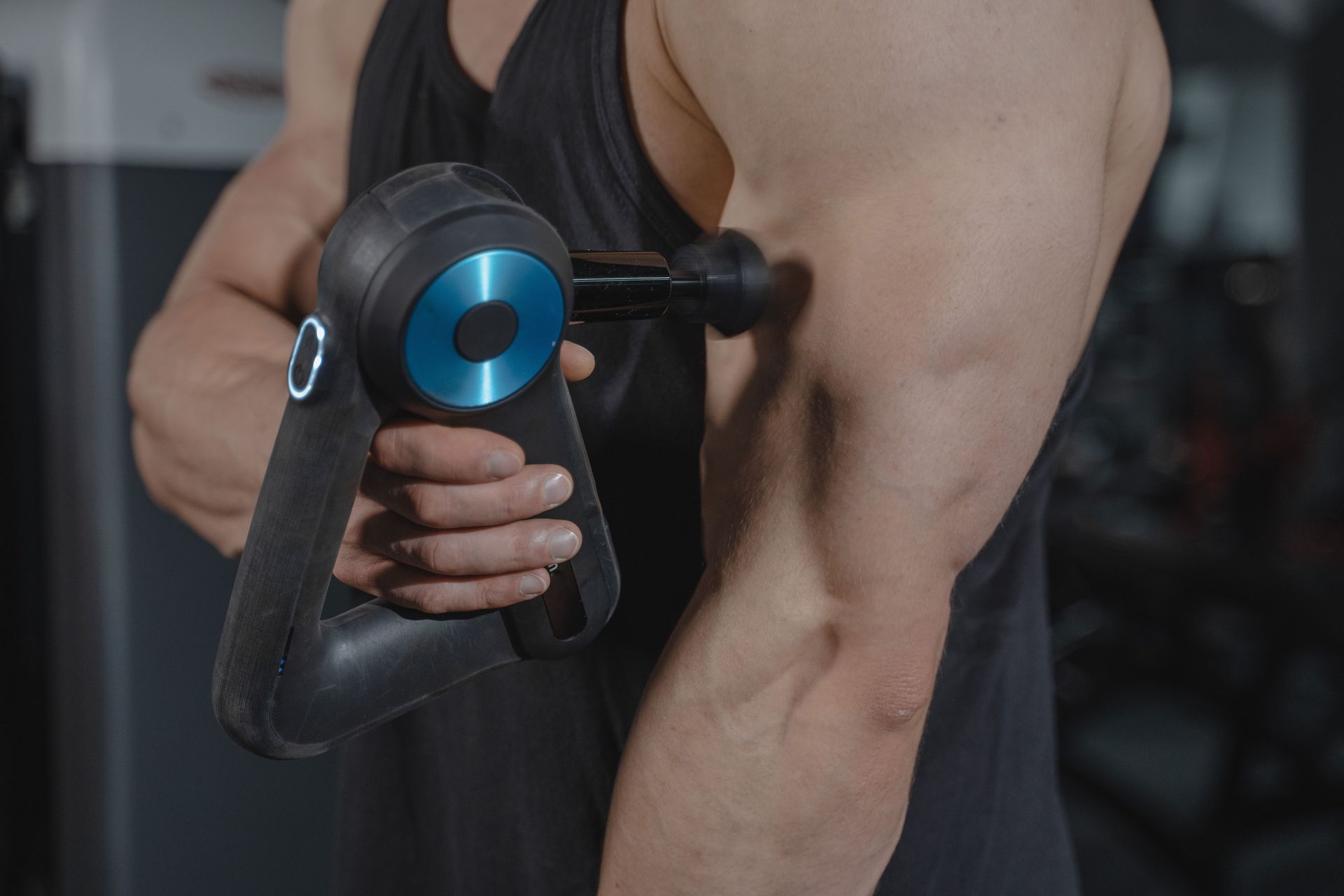
Post-exercise recovery — the process by which muscle tissue repairs micro-damage from exercise, replenishes glycogen stores, and restores electrolyte balance — is faster and more complete in well-hydrated individuals than in dehydrated ones, and the delayed onset muscle soreness (DOMS) that follows unaccustomed exercise is more severe and more prolonged in a state of inadequate hydration.
Synovial fluid — the viscous fluid that lubricates joint surfaces and nourishes joint cartilage — requires adequate hydration to maintain its lubricating properties. Dehydration reduces synovial fluid volume and viscosity, increasing the friction experienced by joint surfaces during movement. The joint stiffness that some individuals experience in the morning — and that is often attributed entirely to inactivity — may be partly explained by the overnight dehydration that accumulates during sleep.
Muscle cramps — involuntary, painful muscle contractions — are associated with dehydration and electrolyte imbalance, particularly deficiencies in sodium, potassium, and magnesium that accompany fluid losses through sweating. The relationship between dehydration and cramping is not straightforward — some research suggests that cramping is primarily a neuromuscular fatigue phenomenon rather than purely a hydration issue — but the clinical observation that cramps are more common in dehydrated athletes and respond to rehydration and electrolyte replacement is consistent.
Lactic acid clearance from muscle tissue after high-intensity exercise depends on blood flow to the muscles, which is reduced in dehydration. The metabolic waste products that accumulate during intense exercise are cleared more slowly in dehydrated tissue, contributing to the prolonged muscle soreness and fatigue that follow intense exercise without adequate recovery hydration.
Thirdman / Pexels
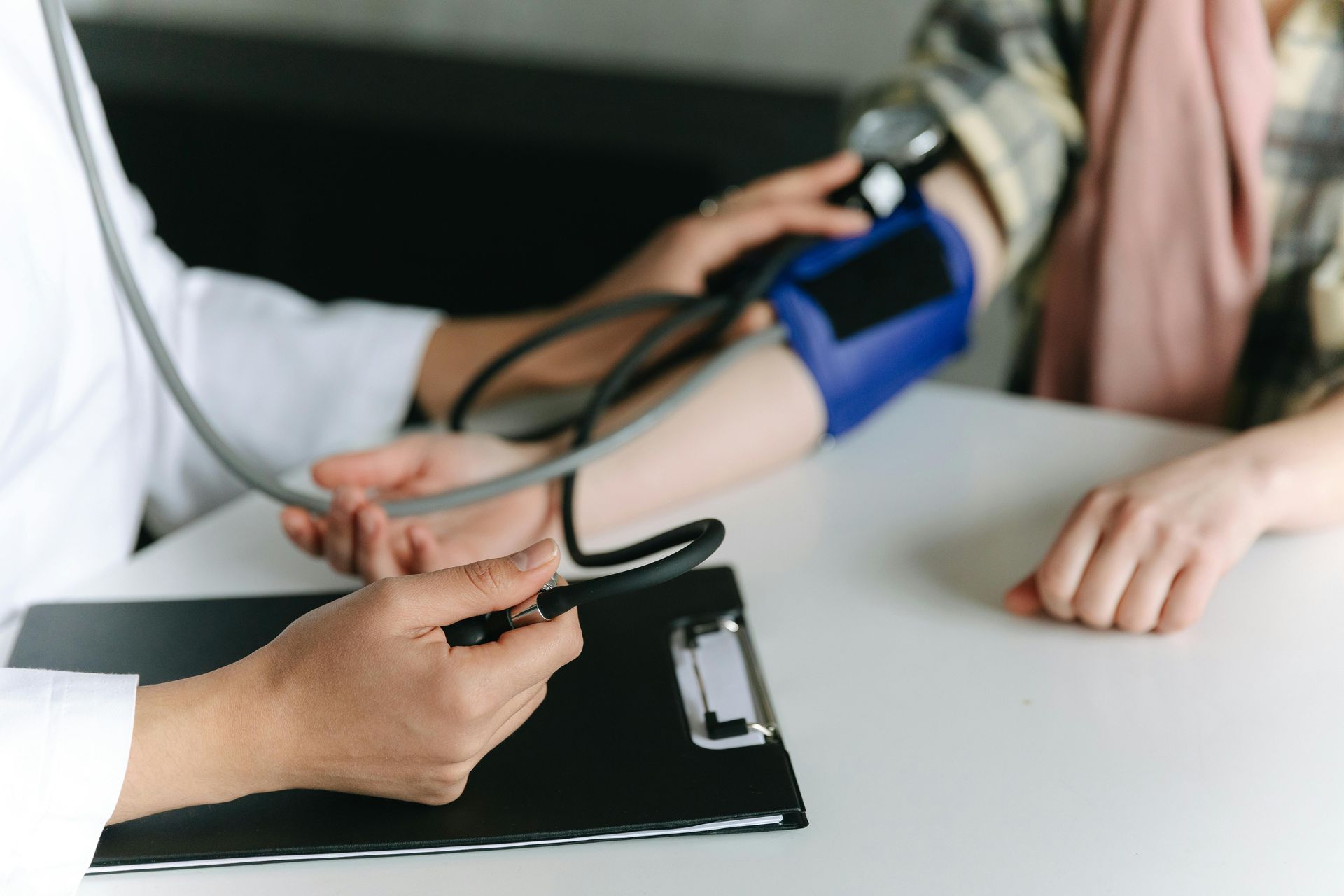
The cardiovascular system is acutely sensitive to hydration status because blood volume — and therefore the pressure with which blood is delivered to tissues — is directly proportional to total body water. Dehydration reduces blood volume, which triggers compensatory responses that maintain blood pressure in the short term but increase cardiovascular strain over time.
As blood volume falls with dehydration, the heart must beat faster to maintain cardiac output — the volume of blood pumped per minute — at the level required to deliver oxygen and nutrients to working tissues. Heart rate elevation in response to dehydration is measurable at fluid deficits of 1 to 2% of body weight and increases progressively with greater deficits. The same absolute workload — a given pace on a treadmill, a given rate of physical work — requires a higher heart rate in a dehydrated individual than in a hydrated one, a phenomenon exercise physiologists call cardiovascular drift.
In individuals with existing cardiovascular conditions, the cardiovascular strain produced by dehydration is clinically significant. Blood that is more concentrated — which accompanies dehydration — is more viscous and requires more work from the heart to circulate. The risk of blood clot formation increases with blood viscosity, which is one mechanism by which dehydration increases the risk of deep vein thrombosis in sedentary conditions such as long-haul air travel.
Orthostatic hypotension — the drop in blood pressure that occurs when moving from sitting or lying to standing, which can cause dizziness and fainting — is more pronounced in dehydrated individuals because the compensatory mechanisms that maintain blood pressure during postural changes are working from a smaller blood volume baseline. The morning dizziness that some people experience on standing from bed may be partly attributable to overnight dehydration.

Katrin Bolovtsova / Pexels
The relationship between hydration and sleep is bidirectional: poor sleep increases dehydration through the hormonal dysregulation of fluid balance, and dehydration impairs sleep quality through several mechanisms that disrupt both sleep onset and sleep maintenance. The connection is less commonly discussed than the other effects on this list but is well-supported by the available evidence.
During sleep, the pituitary gland produces vasopressin — the antidiuretic hormone — which signals the kidneys to conserve water and produce less urine. In adequately hydrated individuals, vasopressin levels rise during the night to prevent dehydration from disrupting sleep with urges to urinate. When baseline hydration is inadequate, this system is under greater demand, and the electrolyte imbalances that accompany dehydration can disrupt the vasopressin response in ways that affect both sleep depth and duration.
Dehydration is associated with nocturnal leg cramps — the painful involuntary contractions of calf muscles that wake sleepers — through the electrolyte imbalance and reduced muscle blood flow mechanisms discussed in the joint and muscle recovery slide. Sleep fragmentation from cramps is a recognized contributor to next-day fatigue and mood impairment, creating a cycle in which dehydration disrupts sleep and the sleep disruption impairs the recovery of hydration that adequate sleep and vasopressin function support.
Alcohol-related morning tiredness is partly a dehydration effect: alcohol suppresses vasopressin, increasing urine output and producing dehydration that contributes to the headache, fatigue, and cognitive impairment of a hangover. The rehydration component of hangover recovery — the advice to drink water alongside or after alcohol — reflects an understanding of this mechanism, though the other components of hangover involve additional pathways beyond simple dehydration.

Mikhail Nilov / Pexels
The long-term effects of chronic mild dehydration on brain structure and function represent an emerging area of research that extends the acute cognitive effects discussed in the earlier slides to questions about brain aging, cognitive reserve, and dementia risk. While the acute effects of dehydration on cognition are well-established, the evidence for long-term structural consequences is more recent and still developing.
A 2023 study published in eBioMedicine, analyzing data from the Atherosclerosis Risk in Communities study involving over 11,000 adults followed for 25 years, found that adults who maintained higher serum sodium levels — a marker of habitual lower fluid intake — had significantly higher rates of accelerated biological aging, indicated by markers including elevated blood pressure, elevated cholesterol, and higher HbA1c. They also had significantly higher rates of chronic disease development, including heart failure, atrial fibrillation, chronic lung disease, diabetes, and dementia.
The mechanism proposed involves the cellular stress response to chronic low-level dehydration. Cells under chronic osmotic stress — the condition produced by chronically concentrated bodily fluids — activate stress-related signaling pathways that accelerate the cellular aging processes associated with chronic disease. The finding suggests that the cumulative effect of years of mild dehydration may contribute to biological aging at a rate that goes beyond the acute cognitive effects that most hydration research has focused on.
Cerebral atrophy — the gradual reduction in brain volume that accompanies aging and is accelerated in conditions like dementia — has been associated with hydration status in imaging studies. Older adults who maintain higher fluid intake show less age-related brain volume reduction in some studies. The evidence is observational and the causal direction is not definitively established, but the biological plausibility of a hydration-brain aging relationship is supported by the cellular mechanisms through which osmotic stress accelerates cellular senescence.
