From Paris in winter to the Maldives in monsoon season, these destinations deliver the same sights at far lower prices when travelers shift their timing by a single season
Credit: David Henry / Pexels
Travel pricing runs on the calendar more than on quality. The room, the beach and the museum do not change between peak season and the months on either side of it, but the prices do — sometimes by enough to turn a splurge trip into a reasonable one. Peak seasons form around school holidays, weather reputations and a handful of marquee events, and those reputations are often blunter than the reality on the ground. A destination gets labeled by its best-known window, demand piles into those weeks, and airlines, hotels and tour operators price accordingly. The rest of the year, the same businesses cut rates to fill rooms and seats.
The useful insight is that travelers rarely need to go all the way to the dead low season to capture the savings. Moving one season off peak — fall instead of summer in the Mediterranean, the green season instead of the dry season in Central America, June instead of January in the southern Caribbean — often captures most of the discount while giving up far less than the price gap implies. In some places the trade-off is real weather risk, and this list says so plainly. In others, such as Aruba, the weather barely changes at all, and the discount exists only because northern travelers stop booking once their own winter ends.
What follows are 20 destinations where the seasonal price swing is wide and the trade-offs are knowable in advance. Each entry explains when the peak falls, when the cheaper window opens, why the gap exists and what actually changes on the ground — closures, rain patterns, daylight, sea conditions — so the decision is informed rather than hopeful. Two practical notes apply throughout. Storm-season bargains in hurricane and monsoon regions call for refundable bookings and travel insurance, because the discount prices in genuine risk. And exact fares shift by year, route and booking window, so this list describes durable seasonal patterns rather than quoting prices that would be stale within a month. The pattern itself is stable: demand is seasonal, supply is not, and the traveler who moves against the calendar keeps the difference.
Credit: David Henry / Pexels
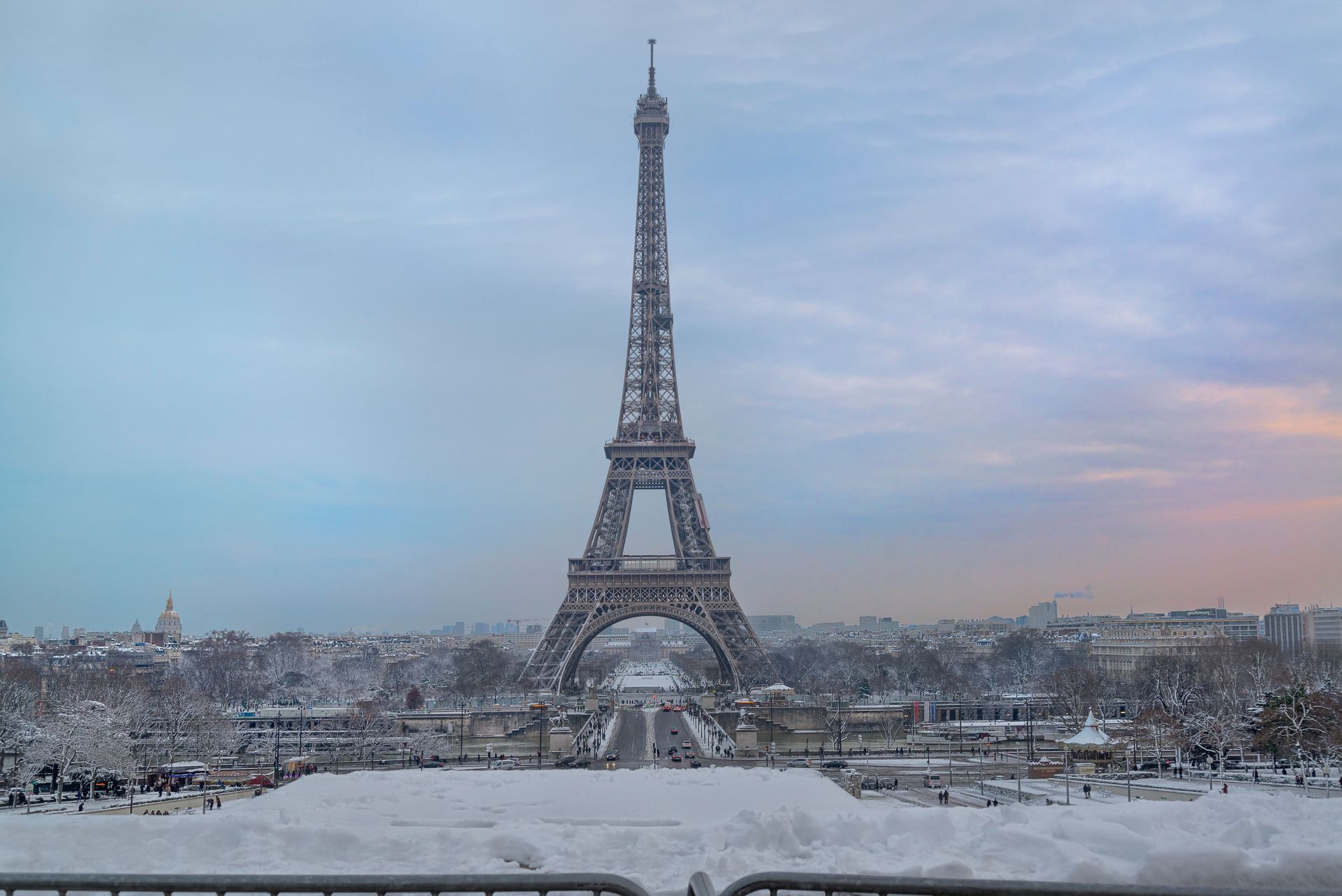
Paris peaks from late spring through early fall, with June through August bringing the year's highest airfares, the fullest hotels and the longest museum lines. The cheaper window opens in November and runs through March, with two exceptions: the week between Christmas and New Year's Day, and the days around the late-winter fashion shows, when hotels near the venues fill and rates briefly climb.
The city does not scale back for the cold months. The Louvre, the Musée d'Orsay, the Musée de l'Orangerie and dozens of smaller museums run full schedules, and the line for the Eiffel Tower in January bears little resemblance to the one in July. Café terraces run heat lamps through winter, and the things Paris does best — long lunches, bistro cooking, patisserie — are indoor pursuits by nature.
Winter also brings the soldes, France's regulated winter sales, which begin in early January and run for several weeks. Because French law restricts deep discounting to fixed periods each year, the January sales are when department stores such as Galeries Lafayette and Le Bon Marché mark down in earnest, which turns the cheapest travel window into the cheapest shopping window as well.
The trade-offs are daylight and weather. Daytime temperatures typically sit in the single digits Celsius, rain is frequent and the sun sets before 5 p.m. in December. Travelers $TRV who build days around museum mornings and long dinners give up little. Travelers who came for picnics along the Seine will feel the difference.
Flights from North America tend to reach their annual lows between January and March outside the holidays, and hotel rates follow the same curve. For a city whose principal attractions sit indoors, the winter discount asks less of visitors than it does almost anywhere else in Europe, which is why deep winter remains the most reliable time to see Paris without paying summer prices.
Credit: jimmy teoh / Pexels
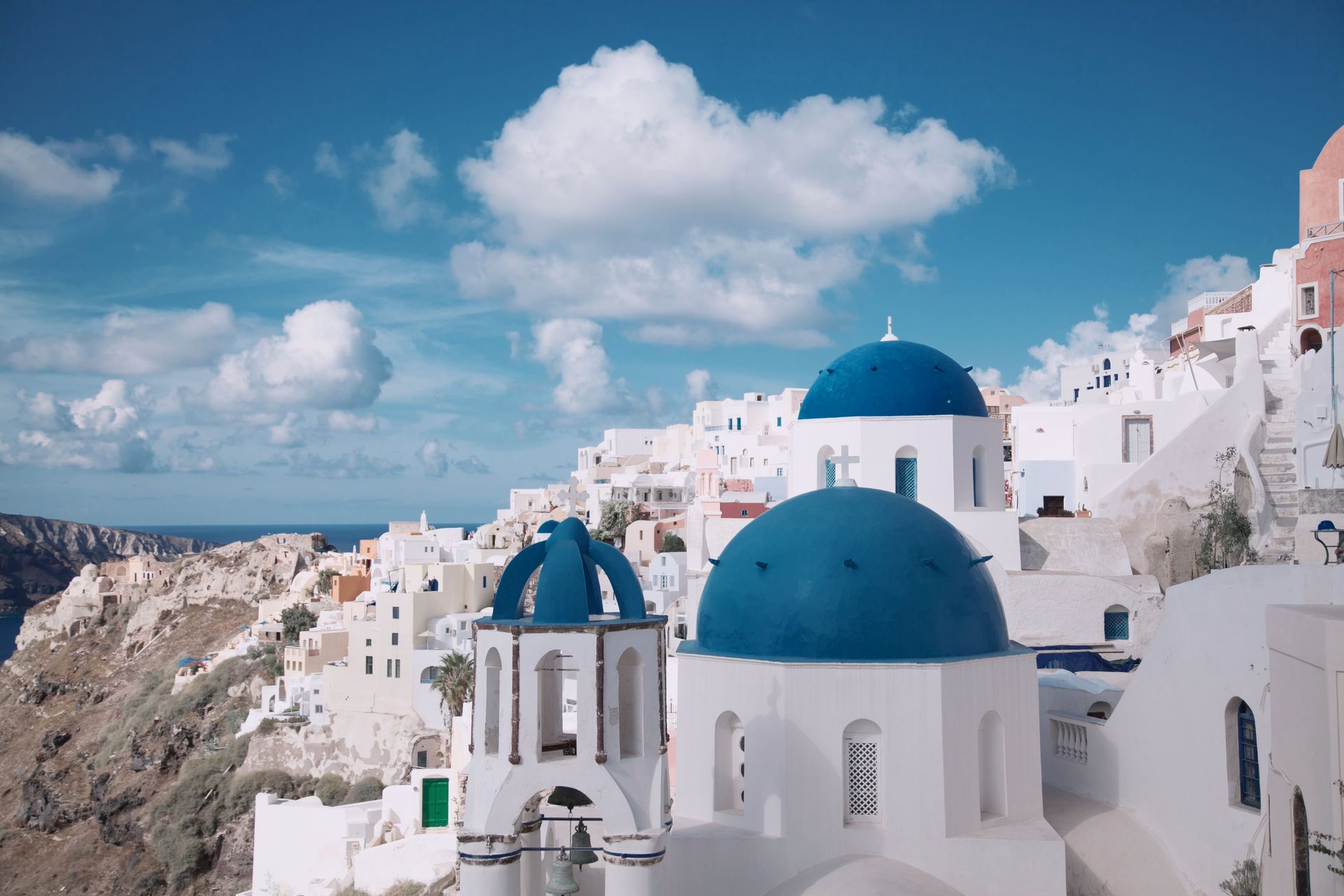
Santorini compresses a year of business into roughly six months. The peak runs June through September, when caldera-rim hotels charge some of the highest rates in Greece and cruise passengers fill the lanes of Fira and Oia by late morning. In October the same island costs far less, and the reasons have little to do with the experience on the ground.
The Aegean holds its summer heat well into fall, so the sea in early October is about as warm as it is in June. Daytime air temperatures ease into the low 20s Celsius, which turns the cliff-top walk from Fira to Oia — a punishing slog in August — into a comfortable half-day hike. Cruise calls thin as the month goes on, and the sunset crowd in Oia shrinks from a crush to a gathering.
Hotels discount in October because the season is ending, not because the island has less to offer. Many caldera properties close entirely from November through March, along with a large share of restaurants and tour operators, so October is the last month when Santorini runs at full service and the first when it stops charging full price. Wineries stay open for tastings of Assyrtiko, the island's volcanic-soil white, and catamaran trips around the caldera still sail in decent weather.
The compromises arrive late in the month. Some businesses begin shutting in the final week of October, ferry schedules thin toward winter and the odds of rain and wind rise. Travelers $TRV who book the first half of the month take on very little risk for a large discount.
The price gap exists because demand for Santorini tracks the northern European summer holiday calendar rather than the island's own climate. October falls on the wrong side of that calendar while remaining on the right side of the weather, and the difference shows up directly on the bill.
Credit: Diego F. Parra / Pexels
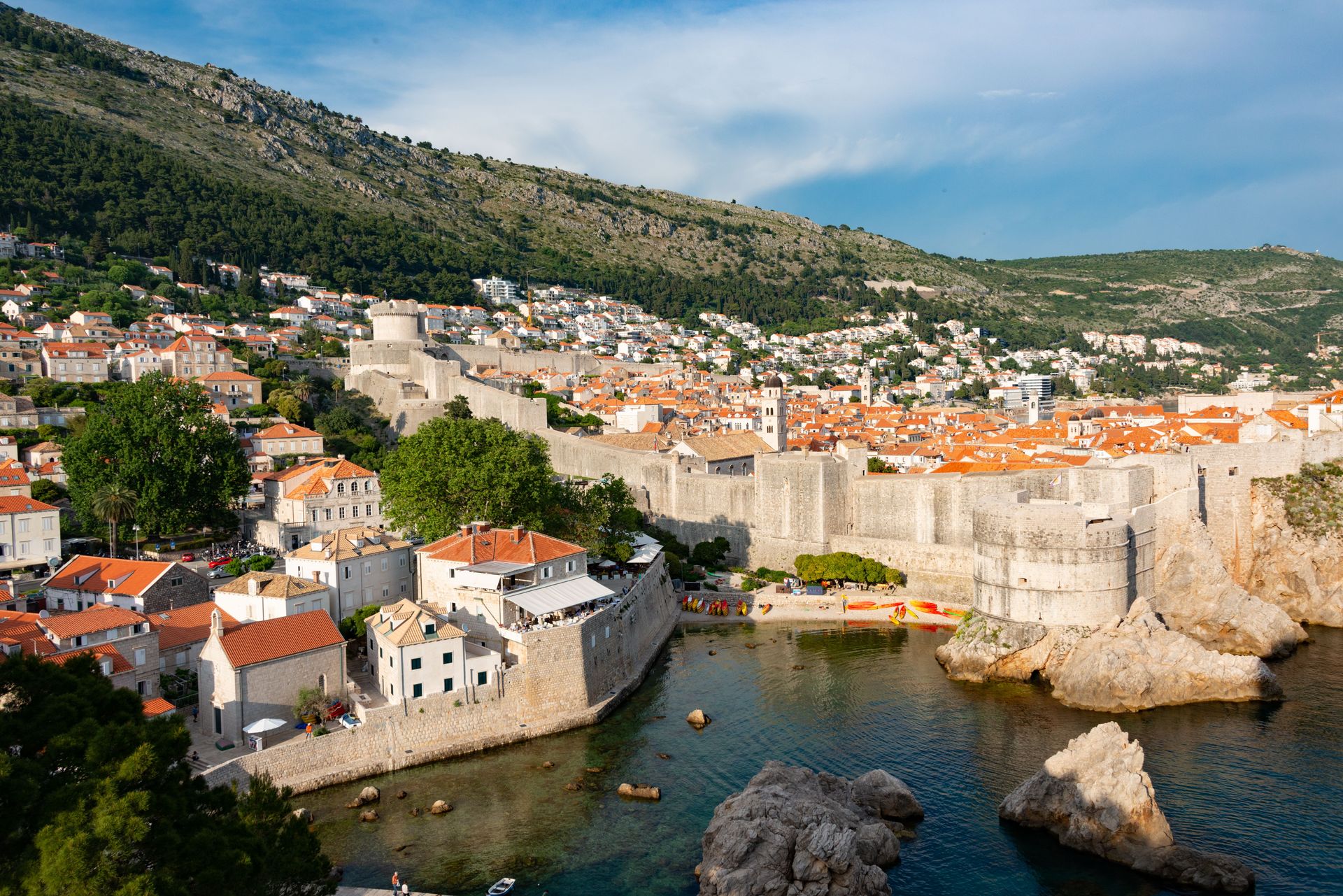
Dubrovnik's peak is compressed and intense. July and August bring the highest rates of the year, cruise arrivals that the city now works to stagger, and a walk along the Old Town walls that unfolds in full sun among slow-moving crowds. The fix is a single season in either direction: May on the front end, October on the back.
October has the stronger case for swimmers. The Adriatic holds enough summer warmth for comfortable swimming well into the month, so Banje beach and the rocky coves below the walls stay usable while the umbrellas thin out. The wall circuit, the cable car up Mount Srd and the ferry to the island of Lokrum all operate on mild days rather than punishing ones. Hotel rates sit well below their August levels, and restaurants that were fully booked in summer take walk-ins.
May offers long days, open businesses and a city that has not yet filled. The sea is brisk rather than warm, but day trips run at full schedule — boats to the Elaphiti islands, drives through the Konavle valley wine country south of the city and cross-border excursions toward Kotor or Mostar all move faster without midsummer traffic.
The reason shoulder season is the play, rather than deep winter, is that Dubrovnik partially closes from November through March. Many hotels, tour operators and island ferries pause, which strips the destination down even as prices bottom out. May and October keep nearly the full menu at a steep discount.
The remaining caveats are modest. Cruise ships still call in the shoulder months, though fewer of them, so mornings in the Old Town can briefly swell before emptying by afternoon. Late October brings a rising chance of rain. Travelers $TRV who plan wall walks for early morning or late afternoon — good advice in any month — will find the city functioning as it does in summer, minus the congestion and the summer bill.
Credit: Sergei Gussev / Pexels
Portugal's summer peak stretches from June through September, when Lisbon fills and the Algarve's beach towns operate at capacity. Winter, from November through March, is when the country becomes one of Europe's better values, largely because its winters are among the mildest on the continent.
Lisbon's daytime temperatures in January typically hover around 15 degrees Celsius, and clear days are common between spells of Atlantic rain. The city's core pleasures do not depend on the season: the custard tarts at Belém come out of the oven year-round, tram 28 rattles through Alfama on the same route and fado houses fill in the evening regardless of the weather outside. The palaces of Sintra, which generate hours-long waits in August, can be walked through with little queuing in January.
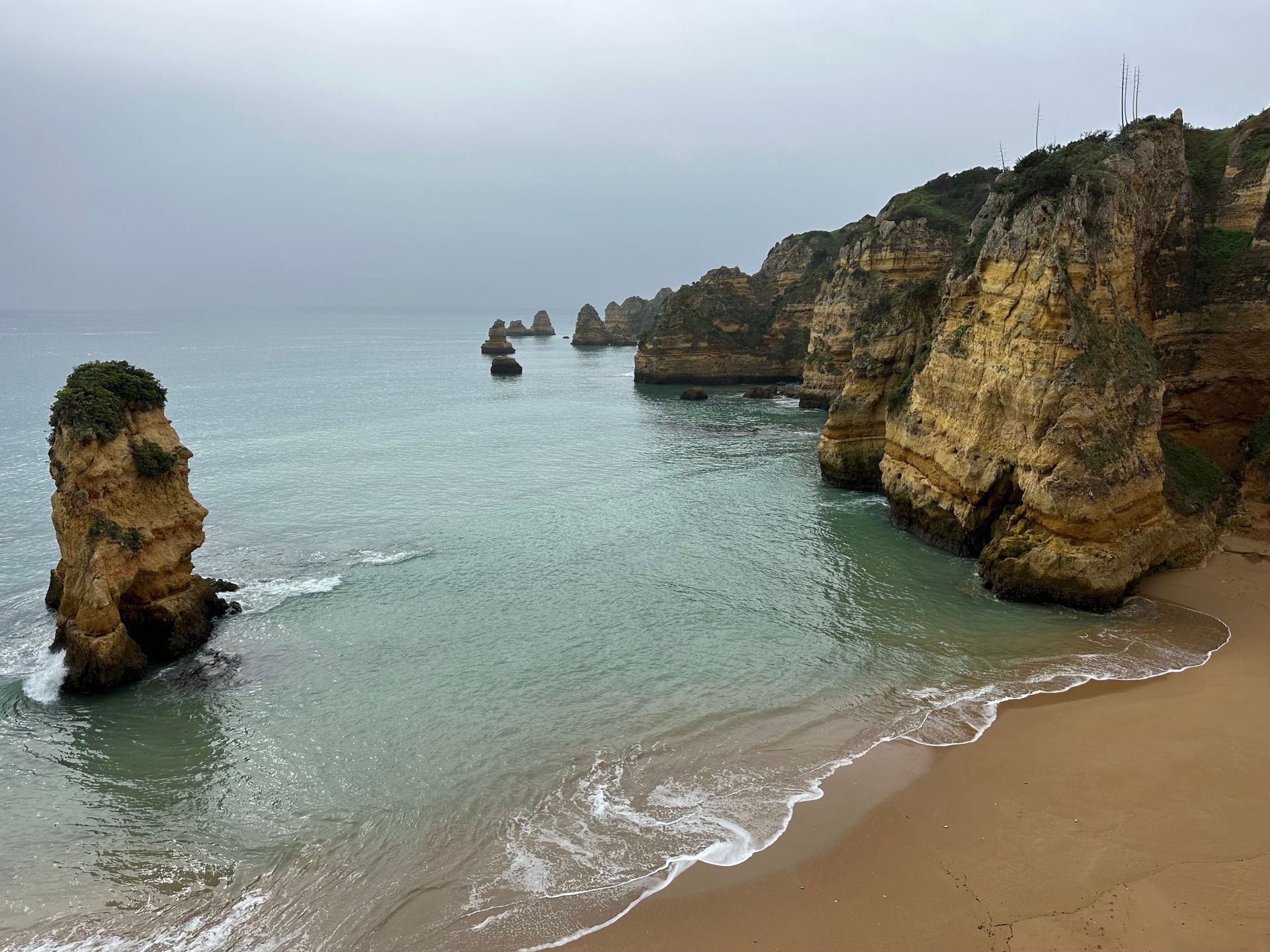
The Algarve's discount is steeper because its summer premium is larger. Resort towns such as Lagos, Albufeira and Tavira cut rates sharply once the beach season ends, and the coast remains walkable through winter — the sandstone cliffs, the boardwalks and boat trips to the Benagil sea cave all continue on calm days. Golfers treat winter as the Algarve's playing season, which keeps courses open and towns from shutting down entirely.
The trade-offs are specific. The Atlantic is cold for swimming in every season and colder still in winter, so this is a coastline for walking rather than bathing between November and March. Some beach bars and seasonal restaurants close, and rain arrives in multi-day spells rather than brief showers.
The price gap exists because northern Europeans book Portugal as a summer beach destination, and demand collapses when the swimming stops. What remains — the food, the light, the towns, the cliffs — functions through winter at a fraction of the summer cost, which makes Portugal one of the few European beach destinations where the off-season product holds up almost intact.
Credit: Simon Migaj / Pexels
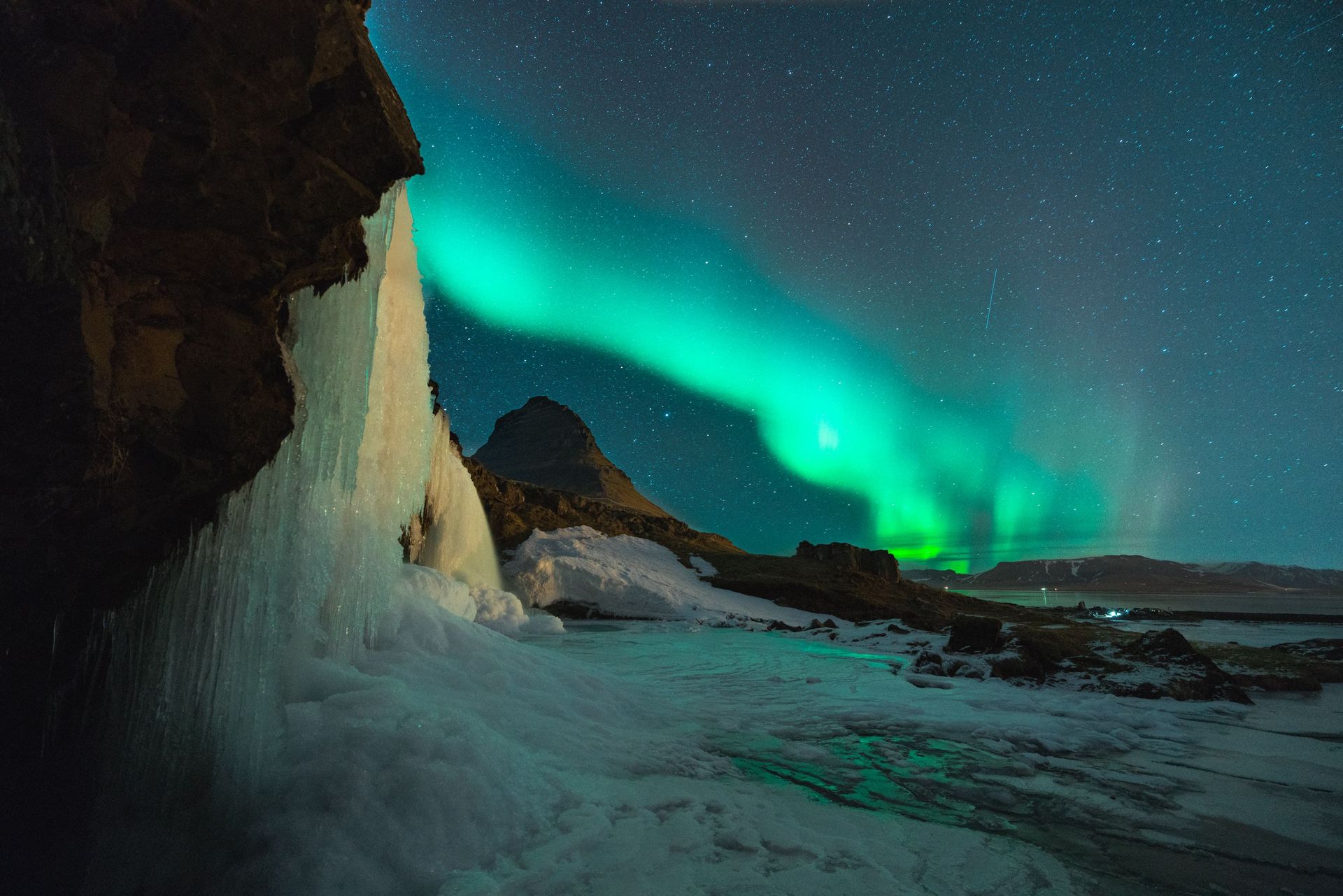
Iceland's peak is the midnight-sun summer, June through August, when the highland roads open, the full ring-road circuit is practical and prices reach their annual highs. One season off sits November through March, excluding the Christmas and New Year weeks, when airfares and hotel rates drop across the country.
Winter is not a lesser version of the Icelandic summer so much as a different product. The northern lights season runs from roughly September to mid-April, and the darkest months offer the longest viewing windows. Ice caves beneath the Vatnajökull glacier open to guided visits only in the cold months, typically November through March, because meltwater makes them unstable in summer. The Blue Lagoon, the Golden Circle route, the south-coast waterfalls and the black-sand beach at Reynisfjara all operate year-round, often with far fewer people in frame. Snorkeling the Silfra fissure, in the spring-fed water between the tectonic plates, runs in drysuits in every month, since the source keeps the water near a constant temperature.
Daylight is the defining constraint. Reykjavík gets about four hours of it at the winter solstice, which forces tight itineraries in December, though the window widens quickly — by late February the days are long enough for full excursions, and aurora conditions remain strong. Many travelers treat February and March as the compromise months: winter prices, winter sky, workable daylight.
Weather is the second constraint. Storms can close roads at short notice, highland routes stay shut all winter and self-driving demands daily checks of road and weather alerts. Guided tours absorb that risk for travelers who would rather not manage it themselves.
The discount exists because most visitors want the endless daylight and open interior of summer, and because winter driving intimidates. Travelers $TRV willing to build slack into their plans get the country's most photographed sights at low-season rates, plus two things summer cannot sell at any price: the aurora and the ice caves.
Credit: Chanan Greenblatt / Unsplash
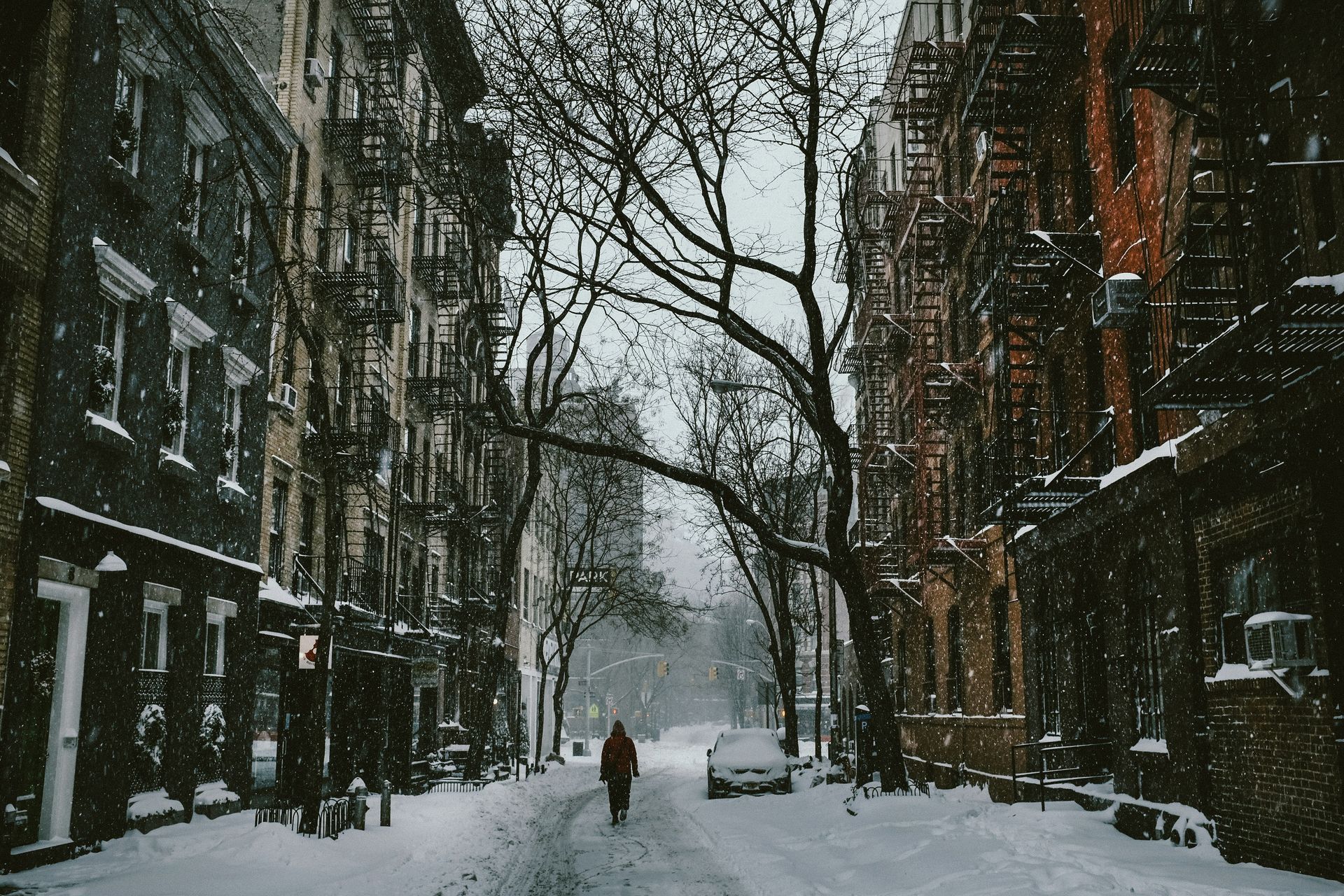
New York's price calendar peaks twice: in the fall conference-and-foliage stretch and again in December, when holiday demand pushes hotel rates to their annual highs. The correction comes immediately afterward. In January and February, leisure demand collapses, and Manhattan hotel rates fall to their lowest levels of the year.
The city responds with organized bargains. NYC Restaurant Week, a tradition dating to 1992, runs a winter edition in which restaurants across the boroughs offer fixed-price menus well below their usual tabs. The city's tourism office promotes two-for-one Broadway ticket deals in the same window, along with similar winter offers for attractions and museums. The programs exist precisely because the rooms and seats would otherwise sit empty.
The experience itself holds up. New York's cultural volume is overwhelmingly indoors — the Metropolitan Museum of Art, the Museum of Modern Art, the Broadway houses, the food halls — and weekday galleries in February are as empty as they ever get. Observation decks that require timed tickets in summer often have same-day availability. Lunar New Year celebrations in Manhattan's Chinatown and in Flushing, Queens, add large public events to the calendar at no cost.
The trade-offs are the obvious ones. Average January highs sit around 40 degrees Fahrenheit, snow is possible and a nor'easter can scramble flights for a day or two. Days are short, and outdoor-centric plans — long park walks, rooftop bars — lose some appeal.
The gap exists because New York's winter demand is business travel, which books midweek and clusters in specific neighborhoods, leaving leisure inventory unsold. Visitors who want the city's museums, stages and restaurants rather than its parks give up little, and the difference between a December room rate and a January one at the same hotel is often the largest single-month price swing in American urban travel.
Credit: Jess Loiterton / Pexels
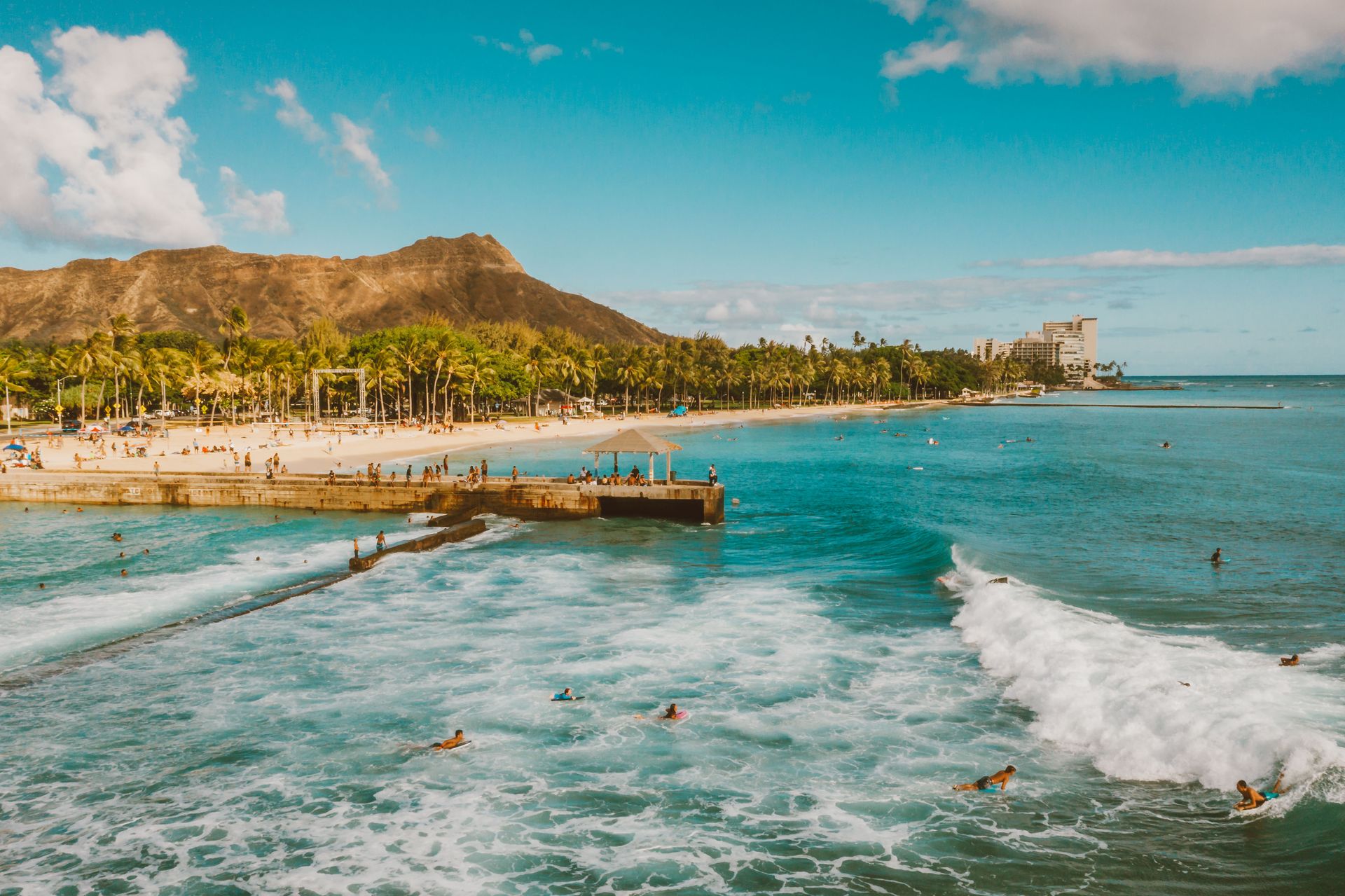
Honolulu carries two peaks: mid-December through March, when travelers flee northern winters and humpback whales fill the channels, and June through August, when school vacations drive family travel. The trough between them — after Labor Day through early December — is when airfares and hotel rates across Oahu ease, and it asks almost nothing of the visitor in return.
Hawaii's climate barely moves through the year. Honolulu's daytime temperatures sit in the high 80s Fahrenheit in early fall and drift toward the low 80s by December, and the ocean stays warm enough for swimming without hesitation. Rain increases modestly toward winter, but showers on Oahu's leeward side, where Waikiki sits, tend to be brief. The mechanics of a Hawaii trip — snorkeling at Hanauma Bay, the hike up Diamond Head, plate lunch and shave ice — are identical in October and February. Only the bill changes.
Fall also carries its own calendar. The Aloha Festivals in September, a statewide celebration of Hawaiian culture dating to 1946, bring parades and public events to Honolulu. Later in the season, the first big winter swells begin arriving on the North Shore, where the surf world gathers each winter, so late-fall visitors can sometimes watch serious waves at Sunset Beach or Pipeline before peak-season pricing returns.
The one caveat is that the central Pacific hurricane season runs June through November. Direct hits on the islands are rare, but the possibility is why fall is priced the way it is, and why flexible bookings make sense.
The discount exists because Hawaii demand follows the mainland's calendar — school schedules and winter escape — rather than Hawaii's own weather, which offers little reason to prefer one season. Fall is the same place at a lower price, which makes it one of the cleanest off-peak trades in American travel.
Credit: Jeff Wiles / Pexels
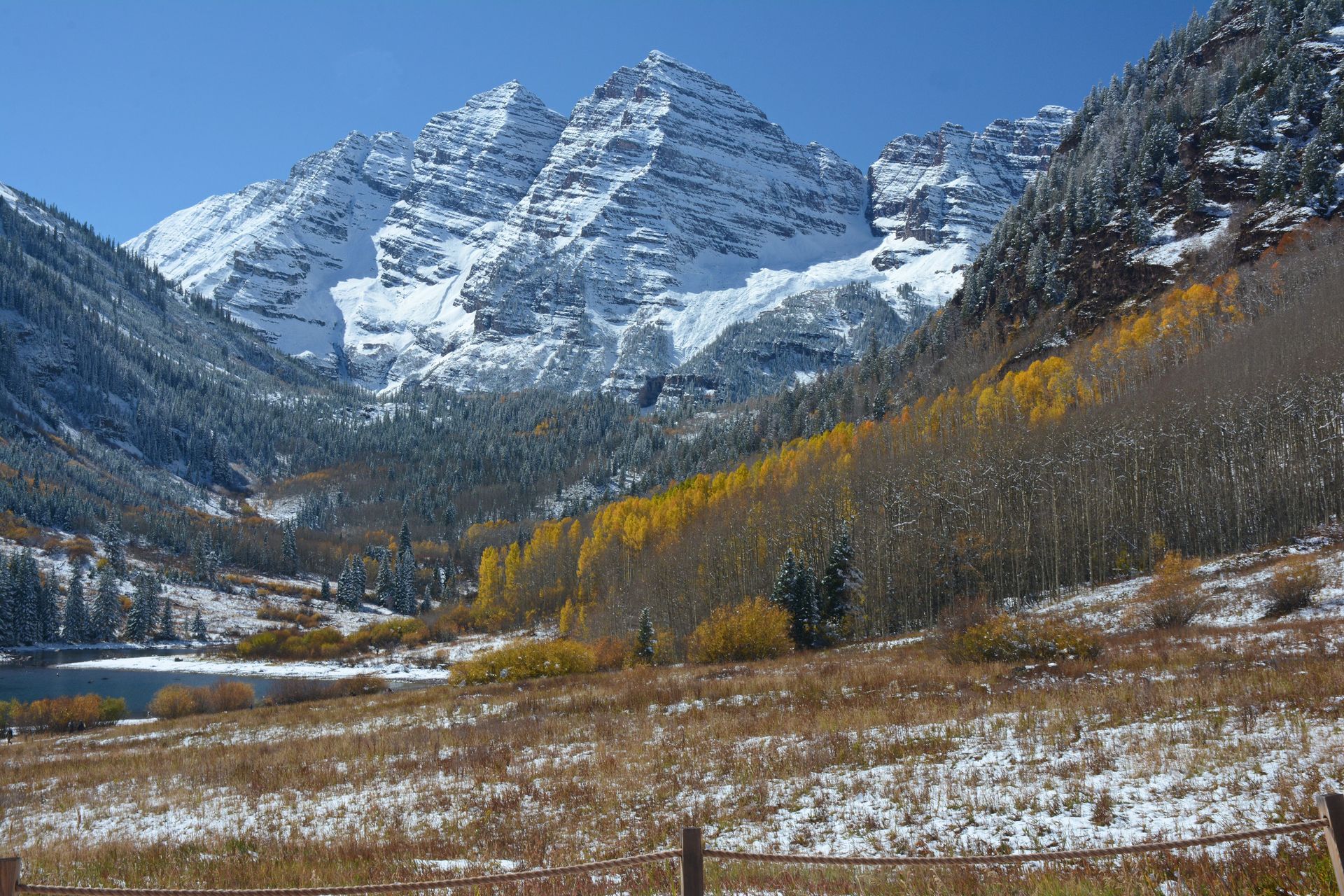
Aspen runs on two peaks: the ski season from December through March, with the Christmas and New Year weeks at the top of the price chart, and a summer of festivals, hiking and high-end tourism. Between them sit two windows locals call the offseason — roughly April through May, and late October through November — when the lifts stop, part of the town exhales and hotel rates drop to a small share of their holiday-week levels.
What remains is the setting and the infrastructure. Spring opens lower-elevation trails as the snow line retreats, and road cycling returns to the valley. Independence Pass, the high road east toward the Continental Divide, typically reopens in late May, which puts one of Colorado's most dramatic drives at the tail end of the cheap window. Fall's offseason begins after the aspen leaves — which draw their own crowds in late September — have dropped, leaving quiet trails, empty galleries and restaurants running locals' specials.
Spas, hotel pools and a core of year-round restaurants stay open, and day trips fill the gaps: the hot springs at Glenwood Springs sit about an hour down the valley, and the ghost town of Ashcroft is a short drive up Castle Creek.
The compromises are real. Some restaurants and shops close for weeks, several hotels use the lull for renovations and mountain weather in April or November can deliver anything from sun to snow within a day. There is no skiing and no festival calendar; this is a trip for scenery, quiet and spa time rather than events.
The discount exists because Aspen's economy is built to sell two specific products — snow and summer — and the town's fixed costs do not pause when those products do. For travelers indifferent to lift tickets, the offseason delivers one of America's most expensive resort towns at its only approachable price.
Credit: Raymond / Pexels
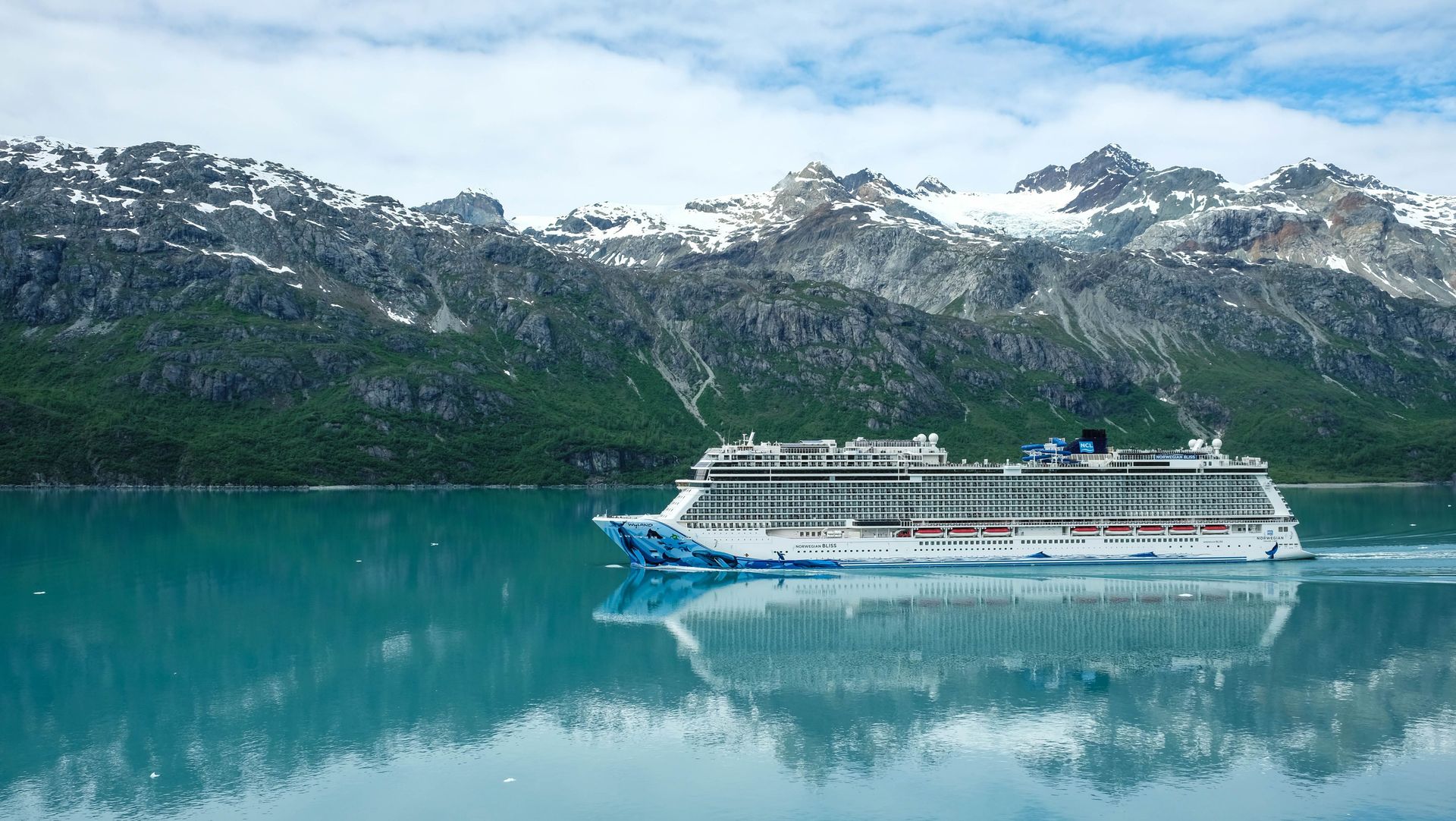
Alaska's visitor season runs May through September, and the middle of it — June through August — is when cruise fares, lodge rates and tour prices peak. The shoulder months on either end sell the same landscape at noticeably lower prices, with trade-offs that differ by direction.
May is the drier bet in the southeast panhandle, where Juneau, Ketchikan and the Inside Passage cruise ports sit; spring there tends to be less wet than late summer, which improves the odds on glacier flightseeing and open-deck scenery days. Snow still caps the peaks down to low elevations, daylight stretches long and the mosquitoes that define midsummer in the Interior have not yet emerged in force. The early-season caveats: some small-town businesses are still opening for the year, and migratory wildlife, including many humpback whales, is still arriving through the month.
September runs the film in reverse. The tundra around Denali turns red and gold in late August and early September, the salmon runs draw bears to the rivers as they feed before winter and the return of dark nights makes the northern lights visible again from Fairbanks and other northern latitudes — something no June visitor can see under the midnight sun. The caveats flip too: rain becomes more likely, seas can run rougher and seasonal operations begin closing by the middle of the month.
Cruise lines price these edges plainly, with early-May and late-September sailings routinely listed well below identical July itineraries, and land tours follow the same curve.
The gap exists because Alaska's demand concentrates around school vacations and the warmest weeks, while the state's scale — the fjords, the ice fields, the wildlife — does not narrow with the calendar. Travelers $TRV who aim for mid-May or the first half of September keep most of the season's function and shed most of its price.
Credit: Martha Gonzalez / Pexels
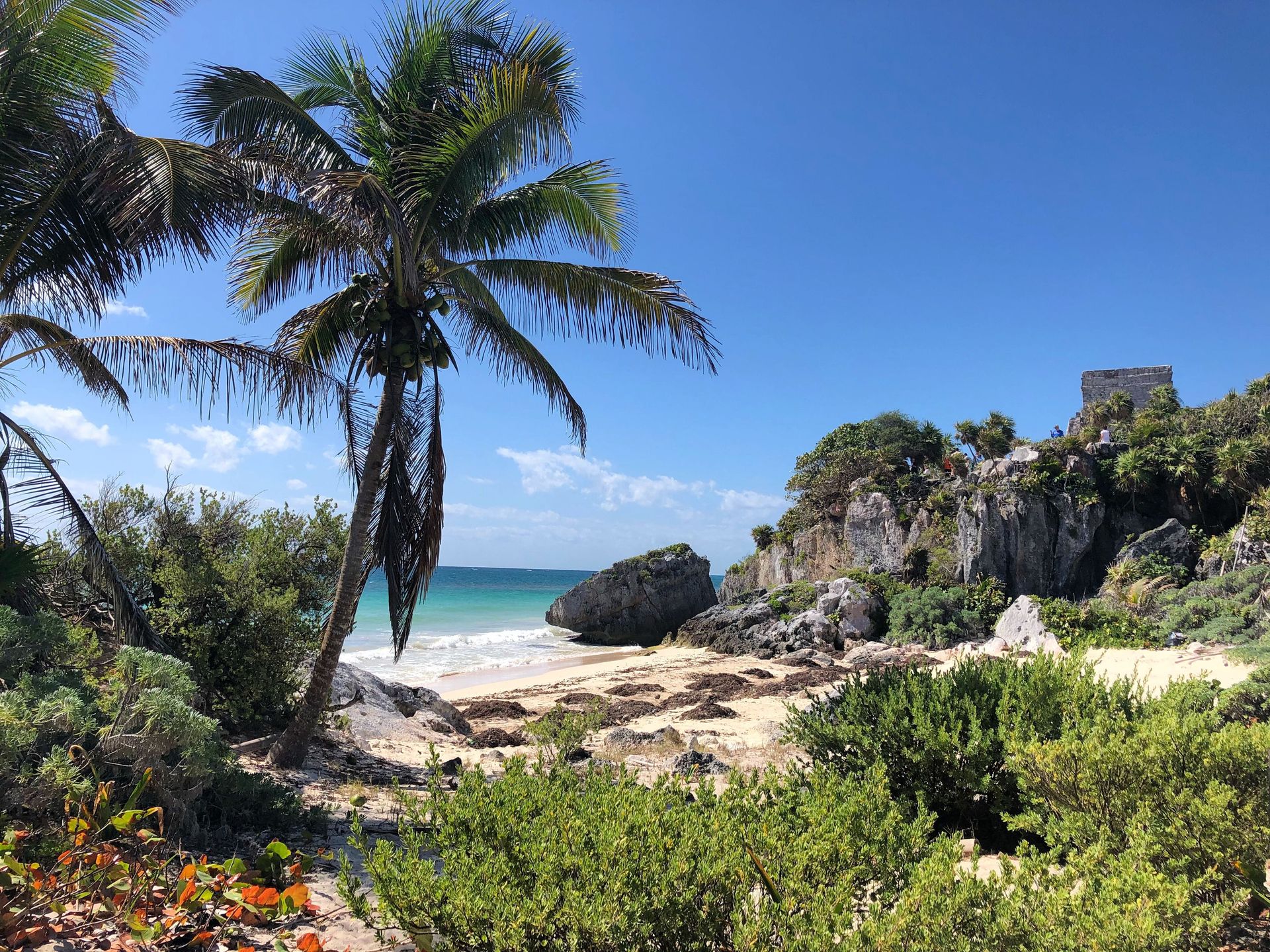
The Mexican Caribbean peaks from mid-December through April, with holiday weeks and the March spring-break surge at the top of the price range. The deep discount window runs from September through early November, and it is cheap for an honest reason: it sits in the heart of the Atlantic hurricane season, which runs June 1 through November 30 and statistically peaks around Sept. 10.
Resorts respond with their steepest rates of the year, and all-inclusives layer on extras — resort credits, free nights, room upgrades — to fill buildings that would otherwise run empty. Many days in this window are hot, humid and sunny; the risk is concentrated and probabilistic rather than constant, which is why refundable bookings and travel insurance are the standard play rather than an optional one.
Beyond price, the season has advantages on land. Chichén Itzá and Tulum, which absorb heavy crowds in winter, can be walked in relative quiet, and the region's cenotes — the freshwater sinkholes that riddle the Yucatán — are a built-in answer to the heat. The whale shark season off Isla Mujeres winds down in early September, giving the first weeks of the window a marquee wildlife draw. At the other end, the Yucatán's Day of the Dead tradition, Hanal Pixán, fills late October and early November with altars, food and public celebrations, a cultural anchor that falls entirely inside the cheap season.
Two coastal caveats apply. Storm risk is the obvious one. The other is sargassum, the seaweed that can accumulate on beaches in the warmer months; its volume varies by year and by stretch of coast, so beachfront conditions are worth checking close to travel dates.
The discount is compensation for uncertainty. Travelers $TRV who buy flexibility along with the trip take on a manageable gamble in exchange for winter's product at a fraction of winter's price.
Credit: Howard Herdi / Pexels
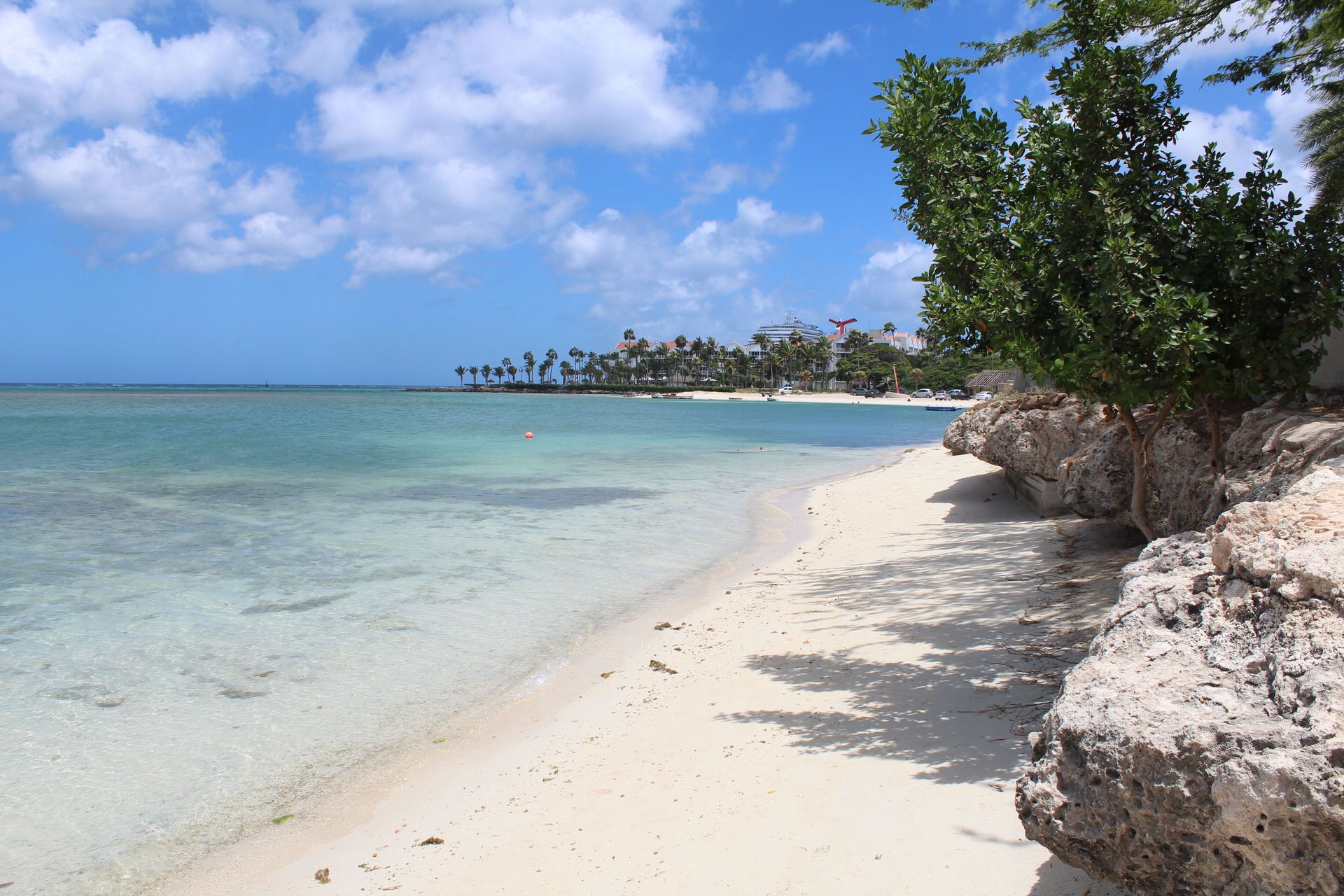
Aruba is the rare destination where the off-season discount comes with almost no catch. The island sits in the far southern Caribbean, outside the main hurricane belt, and storms that form in the basin typically track well to its north. It is also one of the region's driest islands — cactus and divi-divi trees, not rainforest — with steady trade winds and daytime temperatures around 30 degrees Celsius in every month of the year.
The high season, mid-December through mid-April, therefore has nothing to do with Aruba's own weather. It tracks the northern winter: travelers book the island when home is cold and stop when it warms. From mid-April through mid-December, hotel rates on Palm Beach and Eagle Beach drop substantially, airfare eases and the resorts run the same pools, the same beach service and the same restaurants for a thinner crowd.
What changes on the island is minor. The modest rain Aruba does receive falls mostly in brief showers between October and January, humidity edges up late in the year and September can feel warmer because the trade winds slacken slightly. None of it alters the basic proposition of the place: reliable sun, calm water on the leeward beaches and enough wind on the other coast to sustain a windsurfing and kitesurfing scene at Fisherman's Huts.
Off-season visitors get the same excursions as winter ones — snorkeling the wrecks, driving the rugged Arikok National Park interior, the natural pool on the windward coast — without competing for spots. The island runs about 20 miles end to end, so nothing sits far from anywhere, and the off-season removes the one friction — waiting — that the peak weeks add.
The discount exists purely because demand follows the customer's calendar rather than the destination's conditions. For travelers deciding where a Caribbean dollar stretches furthest in the low season without buying weather risk, Aruba is the standard answer, and the reasoning is arithmetic rather than taste.
Credit: Alberth Osorio / Pexels
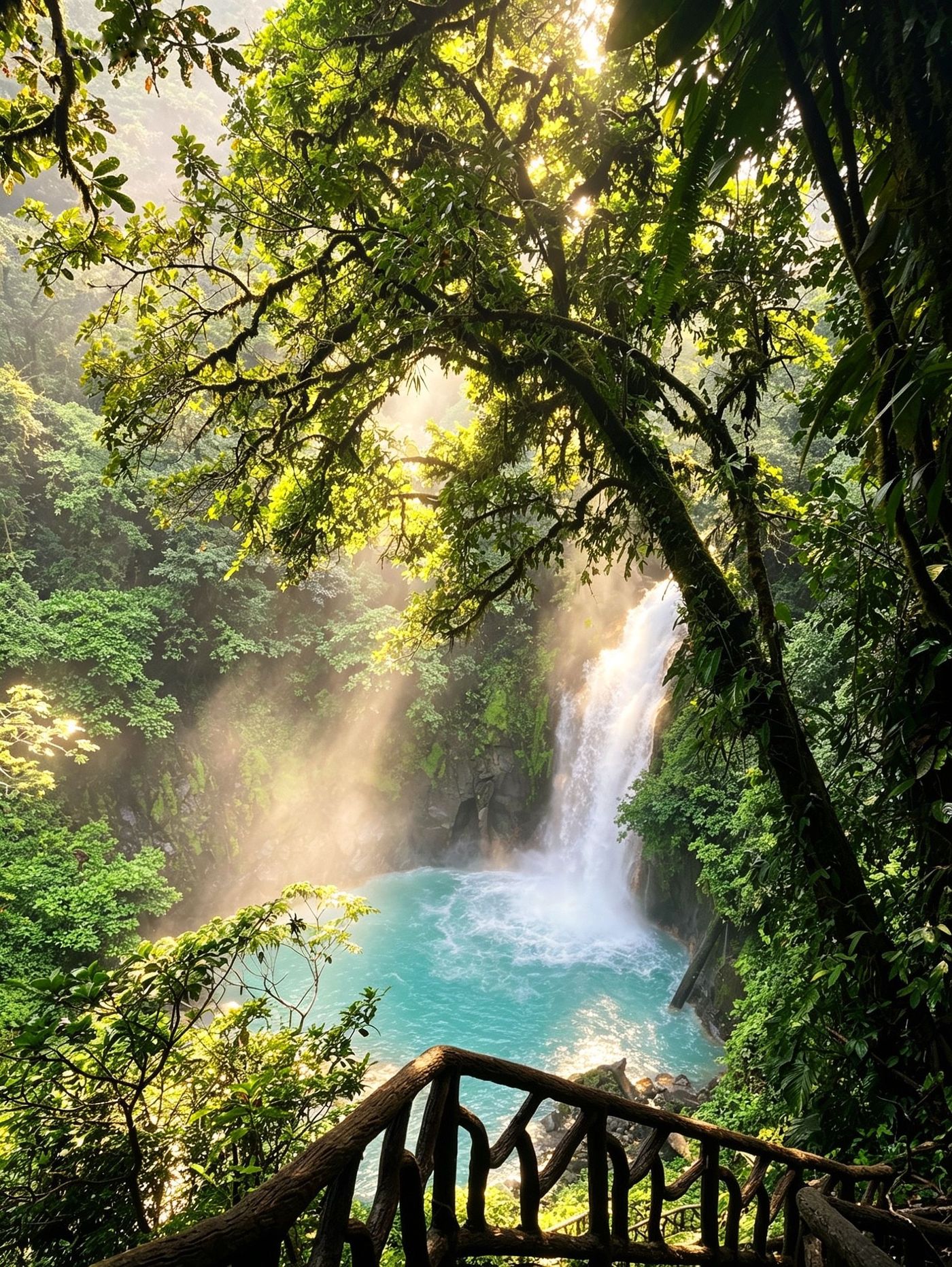
Costa Rica's peak is the dry season, mid-December through April, when the Pacific side sees week after week of sun and prices reach their annual highs. The industry's own name for the other half of the year — the green season, May through November — signals both the trade and the trade-off: rain returns, the landscape turns lush and rates for lodges, tours and rental cars fall well below their winter levels.
The rain follows a workable pattern for most of that window. On the Pacific side and in the central highlands, mornings tend to run clear, with showers building in the afternoon, so guides schedule zip lines, volcano hikes and wildlife walks early and leave the downpours for hammock hours. Waterfalls run at full volume, the cloud forest at Monteverde earns its name and the crowds at Manuel Antonio and around Arenal thin out.
The country's geography adds a wrinkle worth planning around. The Caribbean coast runs on a different weather clock, and September and October — the wettest stretch on the Pacific — are often its clearest months, which makes Puerto Viejo and the Tortuguero canals a smart pivot late in the green season. Tortuguero's green sea turtles nest in peak numbers from July through October, putting one of the country's signature wildlife events entirely inside the discount window.
The compromises concentrate at the season's end. September and October on the Pacific can bring sustained rain rather than afternoon bursts, rural gravel roads deteriorate and a handful of remote lodges close briefly, most often in October.
The gap exists because most visitors buy Costa Rica as a sunshine product, while much of what they travel for — rainforest, rivers, wildlife — is at its fullest when watered. Travelers $TRV who front-load mornings and stay flexible get the greener version of the country at the lower price.
Credit: Vika Glitter / Pexels
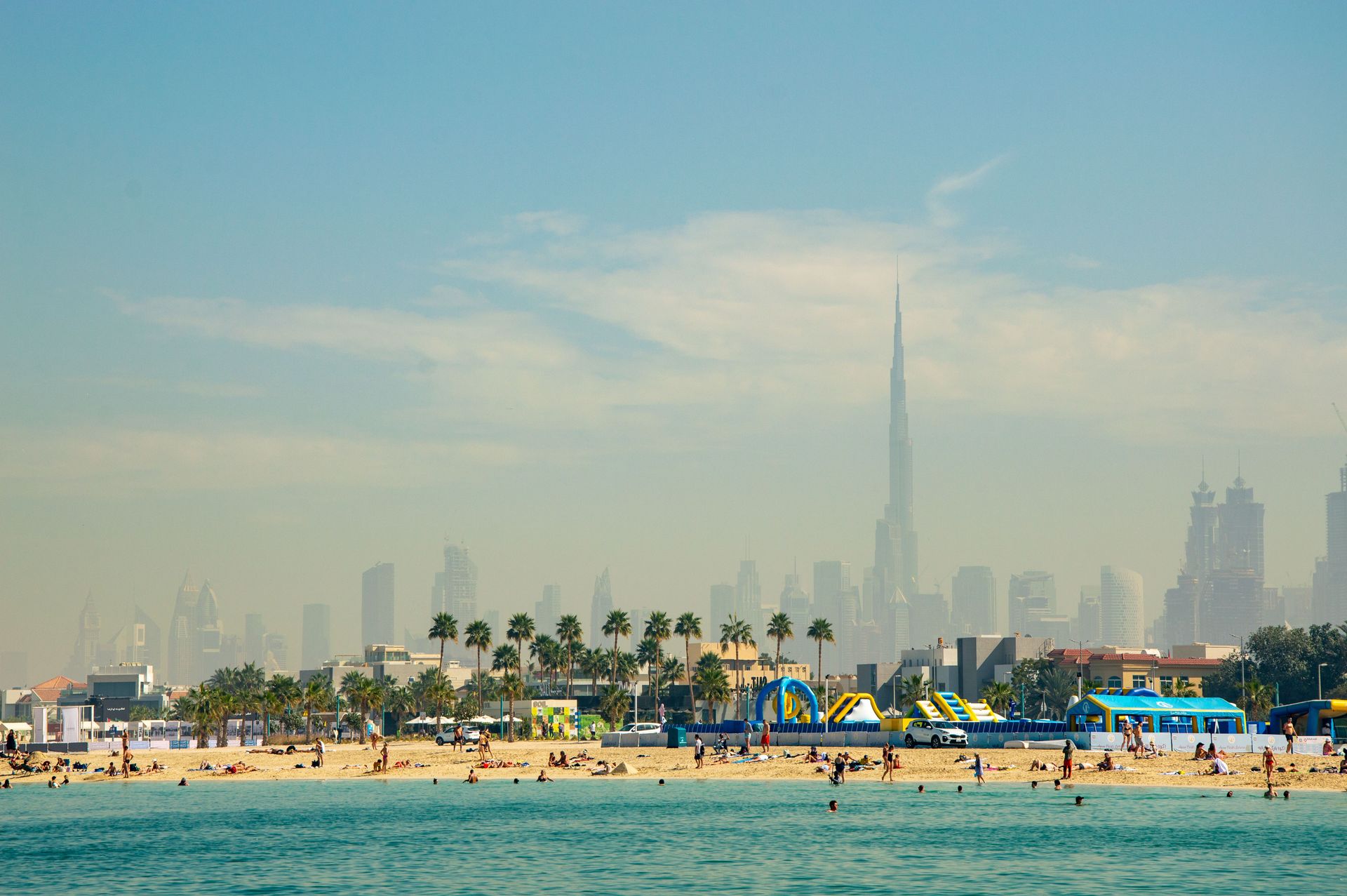
Dubai's peak runs November through March, when daytime temperatures sit in the pleasant 20s Celsius and the city's beaches, terraces and desert camps operate at full tilt. Summer, June through September, is the inverse: daytime highs regularly push past 40 degrees Celsius with heavy humidity, outdoor life contracts to early morning and late evening and hotel rates — including at the beach resorts along the Palm Jumeirah — fall to their annual lows.
The emirate does not treat summer as a dead season so much as a discounted, air-conditioned one. Dubai Summer Surprises, a citywide sales and events festival running each year since 1998, packs the low-demand months with retail promotions, and hotels compete on packages rather than sitting empty. The city's architecture cooperates: the malls are effectively climate-controlled districts, with the Dubai Mall's aquarium, an indoor ski slope at the Mall of the Emirates and enough dining to fill an itinerary without stepping outside at noon. The Museum of the Future, the Burj Khalifa observation decks and the older quarter's museums around Al Fahidi are all indoor propositions. Evenings open up as the heat breaks, when the Dubai Fountain's shows on the lake outside the Burj Khalifa run into the night.
Outdoor plans shift to the edges of the day. Desert excursions run at dawn or after dark, beach time moves to early morning and hotel pools carry the afternoons. Some open-air attractions pause entirely for the season — the Global Village fairground, for instance, operates only in the cooler months.
The honest constraint is that midday outdoors is simply off the table, and travelers who came for beach days will spend them in shorter, hotter doses.
The discount exists because Dubai's core product for visitors is winter warmth, and summer overshoots it. For travelers who want the city's interiors — the shopping, the restaurants, the spectacle — the season delivers five-star inventory at its only accessible pricing.
Credit: Zakaria HANIF / Pexels
Marrakech peaks in spring and fall, when daytime temperatures suit long walks through the medina and day trips into the mountains. July and August are the discount window, and the reason is unambiguous: daytime highs frequently climb past 38 degrees Celsius, and the city empties of the tour groups that fill it in April and October.
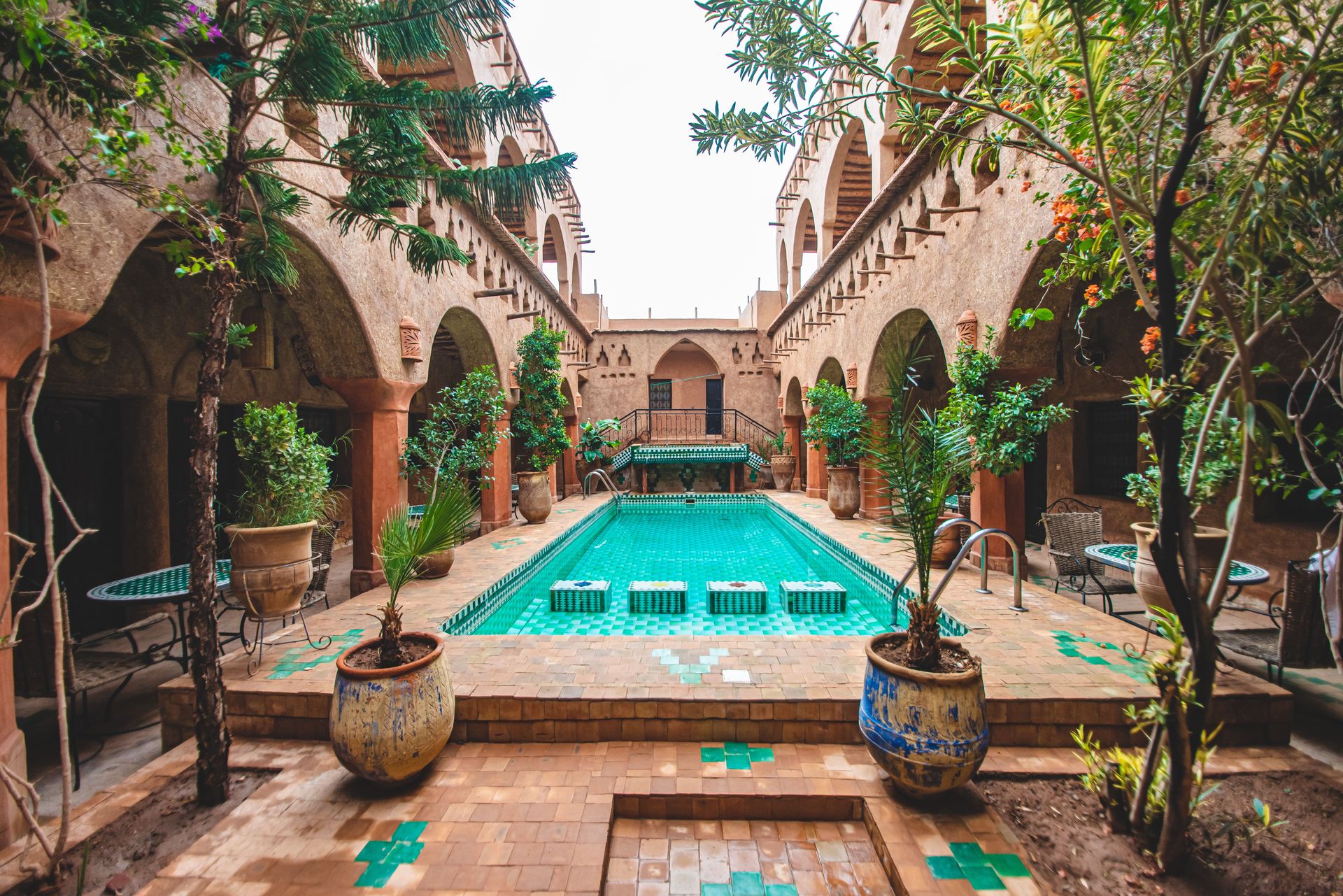
Riads — the courtyard guesthouses that make up much of the city's lodging — cut rates sharply in summer, and the courtyard architecture itself is the season's best amenity: thick walls, shaded patios and plunge pools built for exactly this weather. The city's daily rhythm shifts rather than stops. The souks are liveliest in the morning and again after sunset, Jemaa el-Fnaa square fills at night with food stalls and performers once the heat breaks and rooftop dinners run warm and late.
Day trips supply the relief valve. The High Atlas foothills — the Ourika Valley and the trailhead villages around Imlil — sit noticeably cooler than the city at elevation, and Essaouira, the fortified port on the Atlantic coast, stays breezy and mild through summer thanks to the steady wind that has made it a windsurfing hub. Both are standard day-trip distance from Marrakech.
The compromise is the heat itself, and it is not a minor one. Midday sightseeing in July is unwise; the workable pattern is early mornings out, afternoons at the pool or in a hammam and evenings in the squares. Travelers $TRV who cannot rearrange their day around temperature should pick a different season and pay for it.
The gap exists because Marrakech's demand is built on comfortable walking weather, and summer removes it for six hours a day while leaving the other 18 intact. Visitors willing to live on the local summer schedule get the city's atmosphere, and its lodging, at a steep markdown.
Credit: Matthias Mullie / Unsplash
Cape Town's peak is the southern summer, December through February, when local holidays and international visitors converge and rates on accommodation climb accordingly. Winter, May through August, is the city's discount season, and it is less bleak than the word suggests.
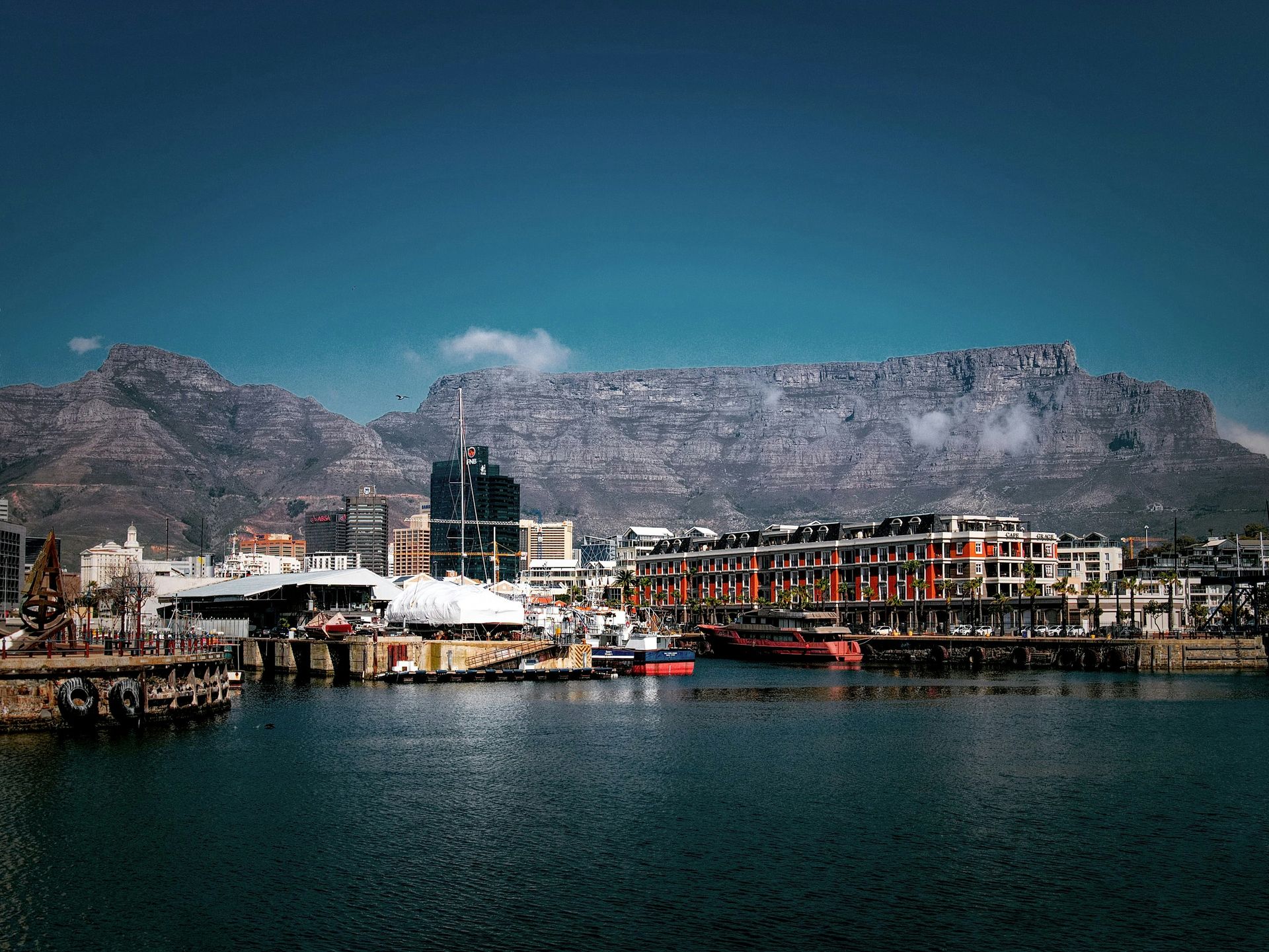
The Cape has a winter-rainfall climate, which means the rain arrives in passing Atlantic fronts with runs of clear, crisp days between them. Daytime temperatures often reach around 17 degrees Celsius, and the notorious summer southeaster wind — the gale locals call the Cape Doctor — is largely a warm-season phenomenon, so calm winter days can be better for Table Mountain's cableway and hiking routes than blustery January ones. Hotels drop rates, and many of the city's restaurants run winter set menus, a local tradition that turns the low season into the value season for a food city.
Winter also opens the coast's headline wildlife event. Southern right whales begin arriving from about June to calve in the sheltered bays east of the city, and Hermanus, about two hours away, offers some of the world's most reliable shore-based whale watching, building through the winter months. Closer in, the winelands around Stellenbosch and Franschhoek run quiet tasting rooms and fireside cellar lunches through the season. Robben Island ferries and the Table Mountain cableway operate through winter on weather-dependent schedules, with far shorter queues than the January norm.
The compromises: rain can wash out a day or two in any given week, the seas run rough, beach weather is essentially absent and daylight is shorter. Safari-focused travelers should note the inverse logic upcountry, where the dry southern winter is actually prime game-viewing season — a pairing that works in winter's favor.
The gap exists because Cape Town sells summer — beaches, long evenings, festival season — and winter demand falls away with it. What remains is the mountain, the food, the wine and the whales, at the year's lowest prices.
Credit: Shai Pal / Unsplash
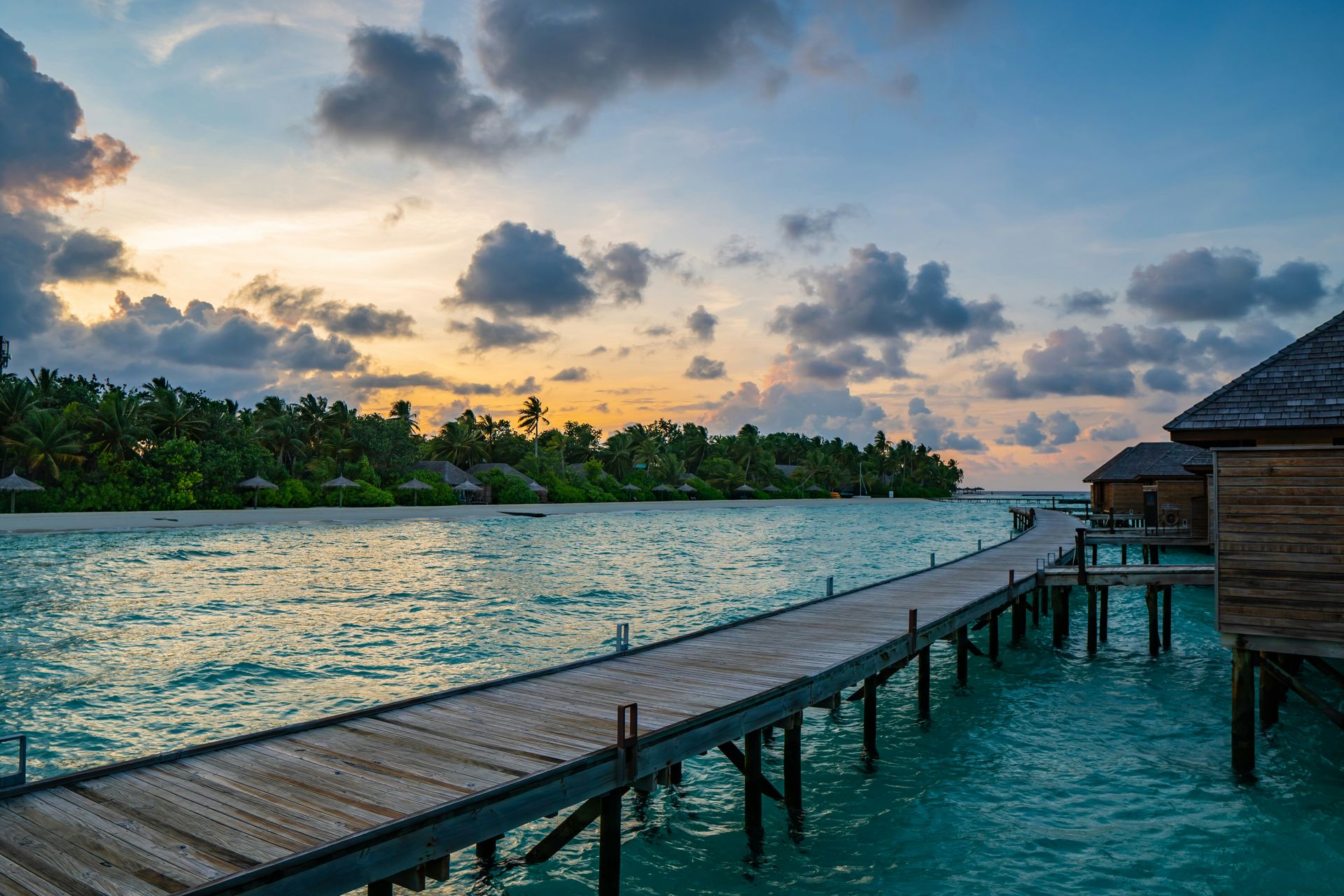
The Maldives peaks from December through April, the dry northeast-monsoon season, with the Christmas and New Year weeks producing some of the highest room rates in world travel. The other half of the year — May through October, under the southwest monsoon — is when the same resorts discount steeply enough to move the country from aspirational to bookable for a much larger set of travelers.
The weather math is probabilistic rather than binary. Wet-season days bring more cloud, wind and passing showers, but air and water temperatures hold near 28 to 30 degrees Celsius year-round, and storms tend to pass rather than settle. A week in June can deliver mostly sunshine or mostly squalls, which is precisely the uncertainty the discount is paying for. Overwater villas that command peak-season premiums are the category where the markdown is most visible, and many resorts add credits, free transfers or meal-plan upgrades on top.
The monsoon also brings the country's best action in the water. The surf season runs through these months, with southern swells peaking midyear at the breaks near Malé and in the southern atolls. Plankton-rich monsoon currents draw manta rays and whale sharks, and the famous aggregation at Hanifaru Bay in Baa Atoll — where mantas gather to feed in large numbers — runs roughly June through November.
The compromises: seaplane transfers fly through weather rather than around the calendar, so a stormy arrival day can be bumpy; underwater visibility can dip when seas churn; and a short trip carries more weather risk than a long one, since bad days cannot be waited out.
The gap exists because the Maldives sells guaranteed postcard weather, and the monsoon withdraws the guarantee without withdrawing the place. Travelers $TRV who accept variance get the same lagoons at a price the peak season never offers.
Credit: ClickerHappy / Pexels
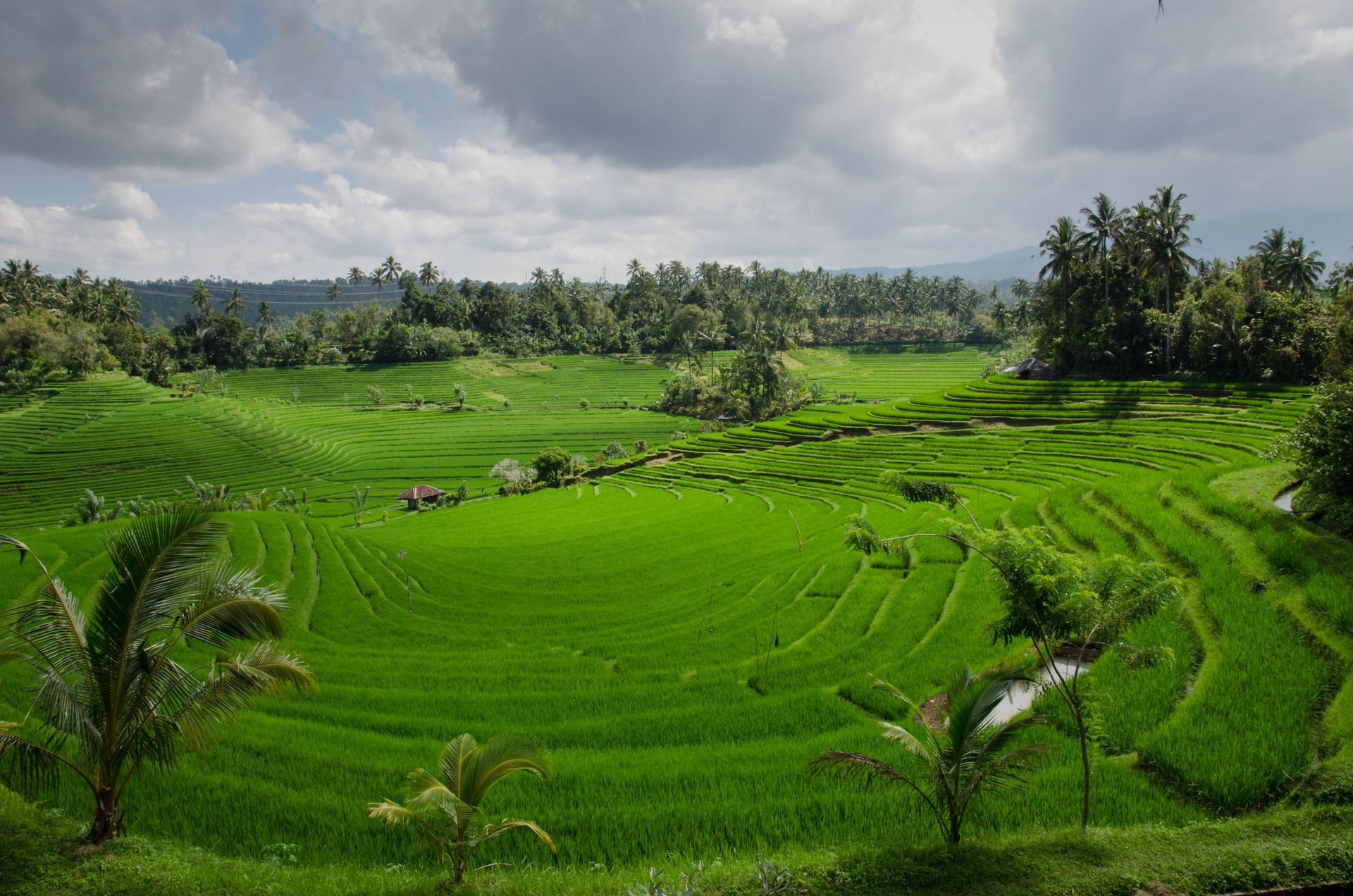
Bali's dry season runs April through October, and its price peaks stack up in July and August and again over the Christmas and New Year holidays, when Australian school breaks and international demand converge. The discount window is the rainy season, November through March — excluding those year-end holiday weeks, when the island fills regardless of weather — with January and February typically producing the year's lowest rates on villas, hotels and flights.
Wet-season rain on Bali tends to arrive in heavy bursts, often in the afternoon, rather than as day-long grayness, and mornings frequently run clear. The island arguably looks its best in these months: the rice terraces at Tegallalang and Jatiluwih are at their greenest, the waterfalls around Munduk run full and Ubud's jungle valleys sit under real mist rather than dry-season haze. Spa, yoga and cooking-class itineraries lose nothing to the season, and private-villa pricing in January bears little resemblance to August's. Traffic on the island's narrow roads thins with the visitor count, shortening the crawl between Canggu, Seminyak and Ubud. Ceremonial life follows the Balinese calendar rather than the tourist one, and the wet months are planting season in the paddies, when farmers work the terraces that visitors photograph.
Surfers already know the seasonal switch: the wet months turn the wind offshore on the east coast, moving the action to breaks such as Keramas, while the famous west-coast waves wait for the dry season.
The honest costs: humidity is high, mosquitoes are busier, seas can run rough for boat trips and west-facing beaches can collect ocean debris after storms. One calendar note matters more than weather — Nyepi, the Balinese day of silence in March, shuts the entire island for 24 hours, airport included, and its date shifts each year.
The gap exists because Bali's demand tracks dry-season certainty and foreign school calendars. Travelers $TRV who trade guaranteed sun for probable sun get the island at its greenest and its cheapest in the same booking.
-1920x1280.jpg)
Credit: Ruby Ruby / Pexels
Phuket's high season runs November through April, when the northeast monsoon keeps the Andaman coast dry and hotel rates climb toward their holiday-week peaks. The green season, May through October under the southwest monsoon, is the discount half of the year, and the markdown across the island's resorts is among the steepest in Southeast Asia.
Green-season weather is intermittent rather than constant. Storms tend to arrive in short, heavy bursts with sunny stretches between, and multi-day washouts are the exception outside the wettest weeks of September and October. The island's non-beach inventory carries the season: the Sino-Portuguese shophouses and food streets of Old Phuket Town, the Big Buddha viewpoint, cooking schools, spas priced for the low season and boat trips to Phang Nga Bay that run whenever the weather allows. The bay's limestone karsts sit in relatively sheltered water east of the island, which keeps sea-cave kayaking trips running on days when the west coast is rough.
Two seasonal specifics are worth planning around. The Similan Islands, the marine national park that anchors the region's diving, closes to visitors each year from roughly mid-May to mid-October, so divers set on that trip should aim for the season's edges. In the other direction, the Phuket Vegetarian Festival — an intense nine-day Taoist observance held in the ninth lunar month, usually late September or October — lands inside the cheap window and gives the low season one of the island's most distinctive events.
The serious caveat is the sea itself. The monsoon brings rip currents and rough surf to the west-coast beaches, red flags fly often and drownings occur in this season; swimming warnings deserve literal compliance.
The gap exists because Phuket is sold as a beach certainty, and the monsoon converts certainty into odds. Travelers $TRV who treat the beach as a bonus rather than the point get the island's food, culture and resort hardware at a fraction of the winter price.
Credit: Andrey Grushnikov / Pexels
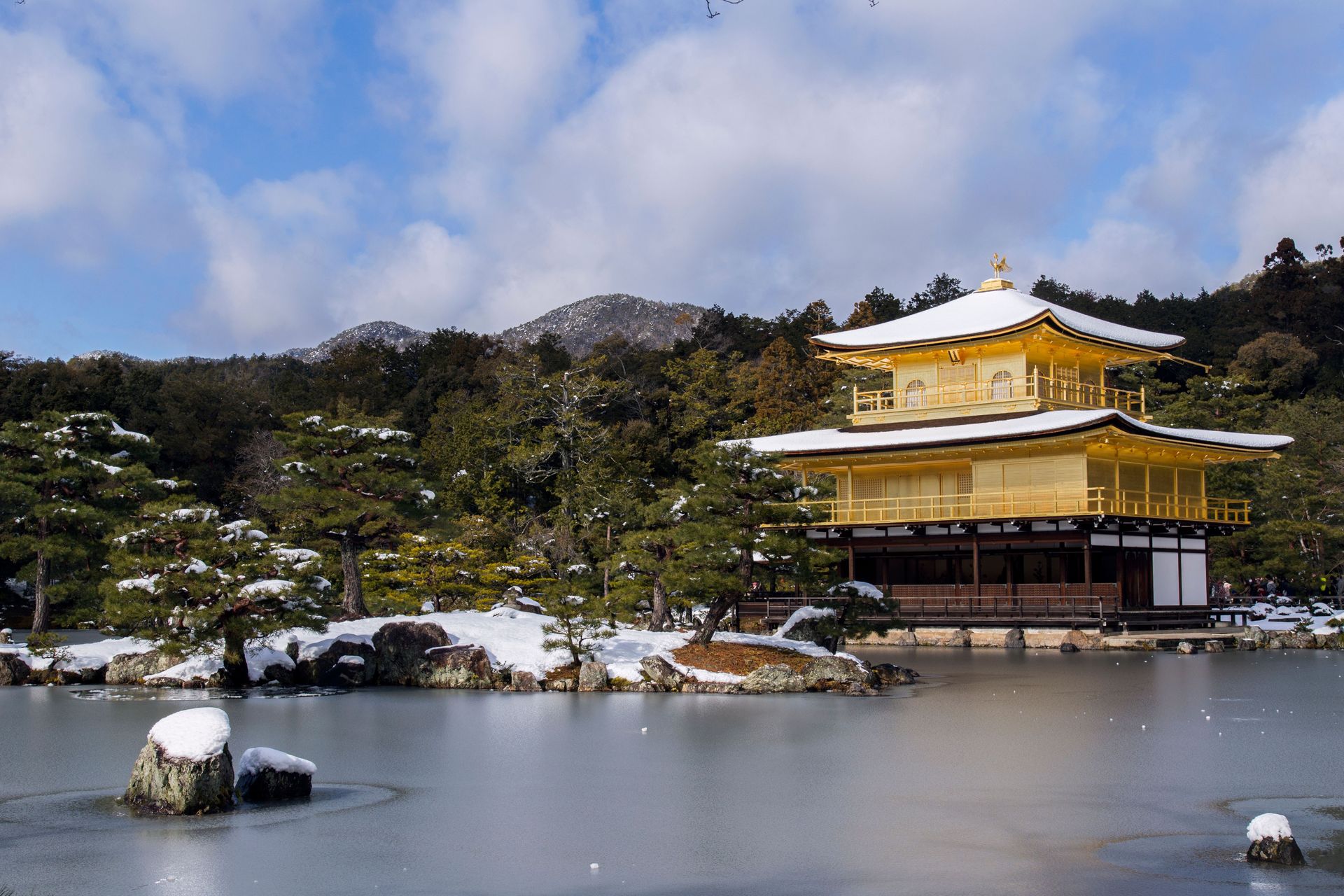
Japan's travel calendar peaks hard and specifically: cherry blossom season from late March into early April, the Golden Week holidays that follow, the November foliage rush and the New Year period. The trough sits in deep winter, from mid-January through February, when airfares and city hotel rates in Tokyo and Kyoto typically hit their annual lows outside those spikes.
The cities do not hibernate. Winter air over the Kanto plain is the year's clearest, which makes these months the best odds a Tokyo visitor gets for a clean view of Mount Fuji from the city's observation decks or the Hakone area. The January grand sumo tournament fills Tokyo's Ryogoku Kokugikan for two weeks in mid-January, one of three Tokyo tournaments each year and the easiest to pair with cheap travel. Illumination displays run through the winter in both cities, and Kyoto's temples under occasional snow — Kinkaku-ji most famously — draw photographers precisely because the sight is rare.
Winter is also a food season. Nabe hot pots, oden simmering at convenience-store counters and the winter crab hauled from the Sea of Japan side of the country all peak in these months, and an onsen soak is at its logical best in cold air. Plum blossoms open in late February, a quieter preview of the sakura crowds to come. Winter also enables a classic side trip — the snow monkeys soaking in the hot springs at Jigokudani, reached via Nagano on the bullet train.
The compromises are mild by the standards of this list: cold, dry air, short days and reduced schedules at some rural and mountain attractions. One pricing note — hotel rates can firm briefly around Lunar New Year, when regional travel to Japan rises.
The gap exists because Japan's demand chases a handful of famous weeks, leaving the weeks between them underpriced. Deep winter is the widest of those gaps, and the cities function fully inside it.
Credit: Photoholgic / Unsplash
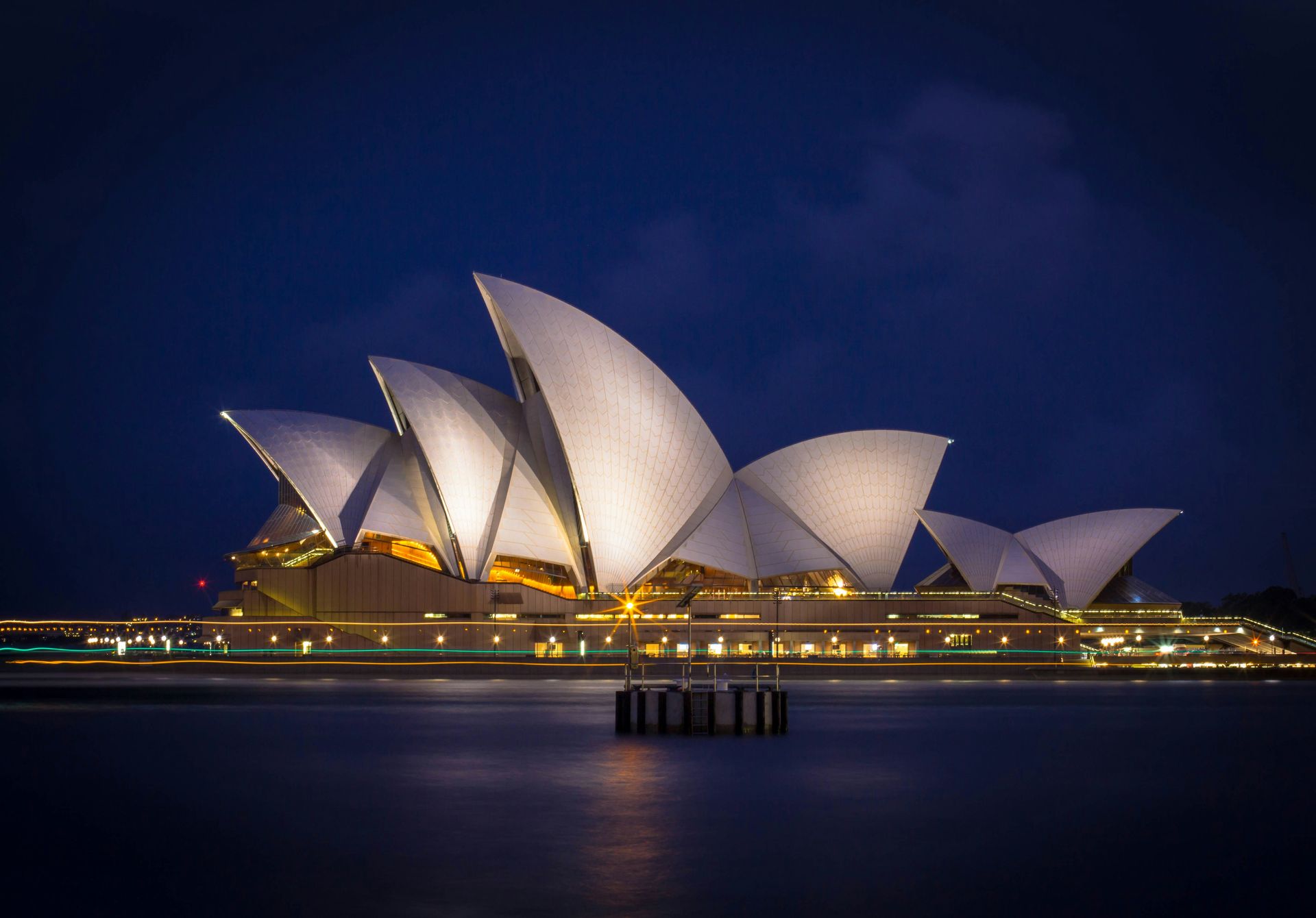
Sydney's peak is the southern summer, December through February, anchored by the holiday season and the New Year's Eve fireworks over the harbor, when hotel rates and inbound airfares reach their annual highs. Winter — June through August — is the discount season, and by the standards of most travelers it barely qualifies as winter at all: daytime temperatures often sit around 17 degrees Celsius under frequent clear skies.
The season has its own calendar. Humpback whales migrate north along the coast from about May, visible from harbor and coastal headlands and from whale-watching boats, with the southbound return running into spring. Vivid Sydney, the light-and-ideas festival held each year since 2009, fills several weeks from late May into June — worth seeing, but also the one stretch of winter when hotel rates firm up, so bargain hunters book around it rather than through it. In the Blue Mountains, a short train ride west, towns lean into the cold with a Christmas-in-July season of fireside menus, and light snow occasionally dusts the upper villages.
The city's outdoor staples mostly survive the season. The Bondi-to-Coogee coastal walk is arguably better in crisp air than in summer heat, the ocean pools stay open for determined swimmers and the Opera House, museums and food neighborhoods are indifferent to the calendar. Menus shift with the season as well: winter is Australian truffle season, and city restaurants source from growing regions such as Orange, a few hours inland.
The compromises: the water is too cold for most swimmers, days are shorter and the July school-holiday fortnight lifts domestic demand for a couple of weeks mid-season.
The gap exists because Sydney is sold to the world as a summer harbor city, and demand from the northern hemisphere falls away in its winter. Travelers $TRV who do not need beach weather get the harbor, the whales and the food scene at the year's lowest prices.
