From the Pyramids of Giza to Cappadocia's fairy chimneys seen from a hot air balloon at sunrise, the world's greatest bucket list destinations
Dion Tavenier / Unsplash
The travel bucket list is a particular kind of document: part aspiration, part commitment, part acknowledgment that the world contains more worth seeing than any single life can reasonably accommodate. The destinations that belong on such a list share a specific quality — they offer an experience unavailable anywhere else, the kind of encounter with history, wildlife, landscape, or human culture that changes how the traveler understands the world they live in. A visit to the Pyramids of Giza is not merely a sightseeing exercise; it is a direct confrontation with the scale of what human civilization has accomplished and how long ago it began. A safari in East Africa is not merely a wildlife viewing trip; it is a reorientation of the traveler’s relationship to the natural world. The Antarctic crossing is not merely a cruise to a cold place; it is a passage to the most remote inhabited environment on earth.
What makes a destination bucket list-worthy rather than simply appealing varies by traveler. For some, it is the bragging rights of having checked off every continent. For others, it is the presence of a specific attraction — the Taj Mahal, the Northern Lights, the moai of Easter Island — that no photograph fully prepares the visitor for in person. For others, still, it is the quality of the experience itself: the trekking, the immersion in a radically different culture, the silence of a landscape so large and empty that it resets something in the traveler’s sense of scale.
The 10 destinations below appear in Travel + Leisure, drawn from a global list covering seven continents. Each offers something specific that no other destination provides in the same way, and each rewards the planning investment required for a once-in-a-lifetime trip.
-1920x1280.jpg)
Tom Podmore / Unsplash
Italy presents the bucket-list traveler with an embarrassment of riches: every city in the country has claims to the once-in-a-lifetime experience category that most countries cannot make for their capital alone. Rome offers travelers the Colosseum, the Vatican Museums, and the Sistine Chapel, alongside a street-level ancient city whose layers of history are visible in the archaeological fragments embedded in medieval walls, Renaissance facades, and baroque piazzas. The experience of walking through Rome is of walking through two thousand years of the Western world’s cultural history, compressed into a navigable form.
Florence holds the Renaissance in concentrated form: the Uffizi Gallery contains more significant paintings per square meter than any comparable institution in the world, and the Duomo’s dome, designed by Brunelleschi in the fifteenth century without the structural engineering tools that modern architects take for granted, is still the largest masonry dome ever built. Tuscany’s rolling hills between Florence and Siena, with their cypress-lined alleys and hilltop towns, provide a landscape that has influenced Western painting, architecture, and cuisine for six centuries.
The Amalfi Coast to the south and Sicily further beyond give Italy’s natural environment and Mediterranean culture a dimension that the northern cities’ art and history do not supply. The coast’s vertical landscape of fishing villages built into cliff faces above turquoise water, accessible by ferry between harbor towns, gives Italy a coastal experience that neither the Riviera nor the Adriatic can replicate. The itinerary structure the source recommends, moving north from Rome through Tuscany to Florence before turning south or continuing to Venice, gives the trip geographic coherence that allows Italy’s diverse experiences to unfold sequentially. The country rewards multiple visits in ways that few destinations do: each city is dense enough that a week in any single one leaves the visitor with a list of things to return for, which gives Italy a relationship with its visitors that genuinely bucket list-worthy destinations tend to produce — the wish to go back before the first trip has ended.
Meg von Haartman / Unsplash
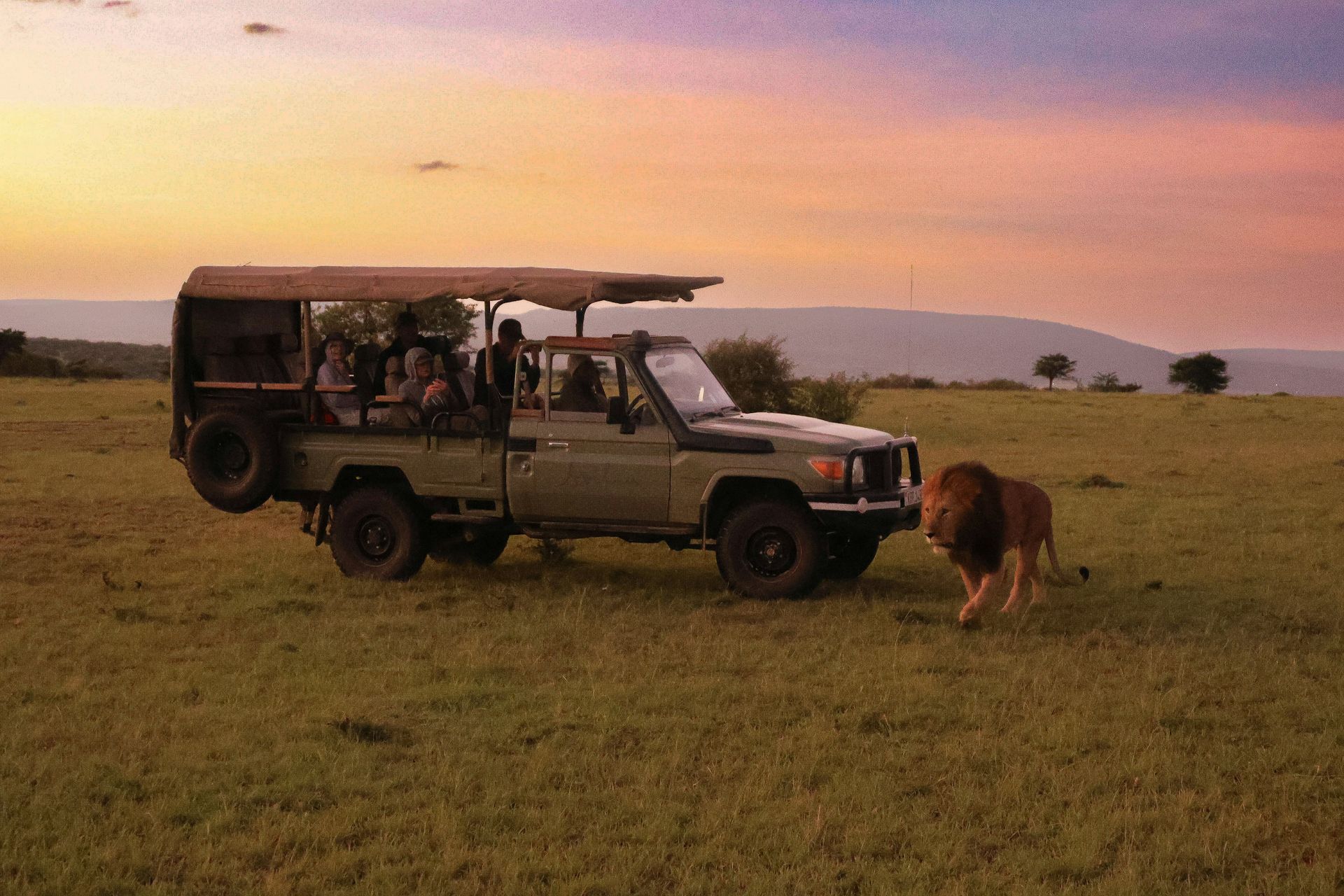
Seeing lions, elephants, leopards, rhinos, and buffalo in the wild rather than in a zoo or in a photograph is an experience that no amount of nature documentary preparation can fully anticipate. The scale of the animals at close range, the behavioral context that the wild provides rather than the enclosure, and the awareness that the sighting is happening in a landscape managed by ecological process rather than human design give the African safari an emotional register that travelers consistently describe as irreversible: after seeing a pride of lions on a kill or a breeding herd of elephants moving through the bush, the world feels qualitatively different from the one they inhabited before.
Kenya, Tanzania, Botswana, South Africa, and Uganda are among the most visited safari destinations, and each offers a distinct safari experience. The Maasai Mara and Serengeti offer access to the Great Migration, the annual movement of over a million wildebeest across the Serengeti ecosystem, one of the most spectacular wildlife events on earth. Botswana’s Okavango Delta gives mokoro canoe safaris through papyrus channels in a water-based wildlife environment available nowhere else in Africa. South Africa’s private game reserves give travelers Big Five viewing alongside some of the continent’s finest lodge infrastructure.
The choice of lodge or camp within a destination determines the quality of the safari experience more than any other variable: properties on private concessions, far from public park entry points and accessible to fewer vehicles, give guests the intimate, uncrowded game viewing that the famous parks provide only outside peak season or in their most remote sections. Booking through a specialist operator who knows the specific concessions and seasonal patterns gives the safari its best chance of delivering the life-changing encounter that the category promises. The African safari is one of the few travel experiences that participants consistently describe as having changed their perspective on the natural world permanently — not simply as a memory of something beautiful seen, but as a reorientation in the traveler’s sense of what the planet contains and what it means to share it with other species whose wildness has not yet been entirely managed away.
-1920x1272.jpg)
Eddie Kiszka / Unsplash
Machu Picchu occupies a physical position that the Incas chose with a precision that 600 years of subsequent architecture has not improved upon: a mountain ridge above the Urubamba River valley, surrounded by cloud forest and peaks, at an altitude that keeps the site wreathed in mist during the morning hours before the sun burns it off. The citadel ruins, including the Temple of the Sun, the Intihuatana ritual stone, and the agricultural terraces that cascade down the mountain below the urban core, give the site a scale and completeness that photographs suggest but that the physical experience of moving through the ruins at altitude fully delivers. The surrounding Andes give the setting a grandeur that the ruins alone, however extraordinary, could not provide without the mountain context.
The journey to Machu Picchu is itself part of what makes the destination bucket list-worthy for many travelers. The Inca Trail, the four-day trek through cloud forest and high Andean passes that arrives at the Sun Gate above Machu Picchu at dawn, offers an approach whose physical effort and landscape immersion make the arrival at the ruins a genuine culmination rather than simply a bus ride to a famous viewpoint. The train journey from Cusco to Aguas Calientes, the town below the ruins, offers travelers who cannot or prefer not to trek a scenic route through the Sacred Valley, earning the destination its arrival quality through landscape rather than physical exertion.
The town of Cusco itself, a UNESCO World Heritage Site whose colonial Spanish architecture is built on Incan stone foundations, gives visitors a few days of cultural and historical context before the ruins, which deepens what the ruins mean when encountered. The combination of Cusco’s living history and Machu Picchu’s archaeological splendor gives the Peru itinerary a completeness that treating Machu Picchu as a standalone destination visit cannot achieve. Cusco itself, set in an Andean valley at 3,400 meters above sea level, gives travelers the altitude acclimatization time that ascending directly to Machu Picchu requires anyway, and the city’s own colonial architecture, mercado culture, and the remains of the Incan city beneath the Spanish foundations give the acclimatization days a historical and cultural program that prevents them from feeling like waiting time.
Spencer Davis / Unsplash
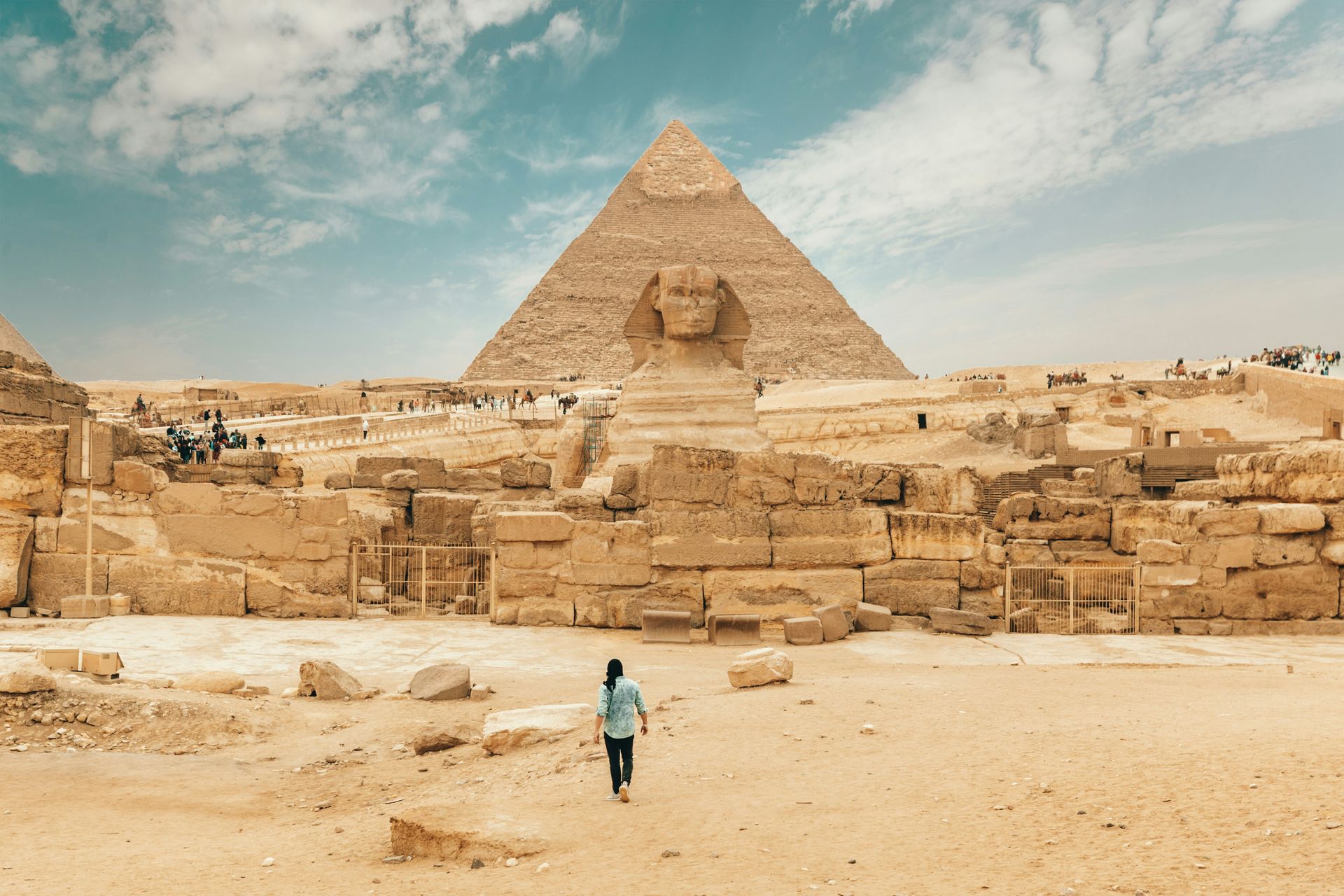
Egypt’s ancient sites represent the most concentrated surviving evidence of one of history’s most extraordinary civilizations, accessible at a scale and in a landscape — the desert, the Nile, the impossible blue sky — that amplifies rather than merely contextualizes the monuments. The Pyramids of Giza are among the handful of things in the world that are genuinely more impressive in person than in any photographic representation: the mass of the Great Pyramid, the precision of the stone courses visible at close range, and the simple fact that this structure was built approximately 4,500 years ago with no power tools overwhelm the intellect in ways that historical knowledge alone cannot produce.
The Nile cruise between Luxor and Aswan gives Egypt a travel format specific to its geography: moving by boat through the desert landscape between temples and monuments that the ancient Egyptians built along the river’s banks gives the historical experience a sequential coherence that independent travel between the same sites by road does not produce in the same way. The Valley of the Kings near Luxor, where the tombs of Tutankhamun, Ramesses II, and dozens of other pharaohs were cut into the limestone cliffs, offers the underground burial culture of ancient Egypt in a way no museum display of Egyptian artifacts, however excellent, prepares the visitor for.
The Abu Simbel temples, carved into a sandstone cliff face in southern Egypt by Ramesses II in the thirteenth century BCE and relocated in the 1960s to save them from the waters rising behind the Aswan High Dam, give the Egypt itinerary a southernmost destination whose scale — four seated figures of Ramesses guard the entrance at a height that makes human visitors feel correctly small — makes the journey worthwhile independent of the Giza and Luxor sites. Egypt’s ancient sites collectively represent one of the world’s most compelling arguments for the bucket list principle: these things exist, they are finite, and seeing them in person is categorically different from knowing about them.
Yu Kato / Unsplash
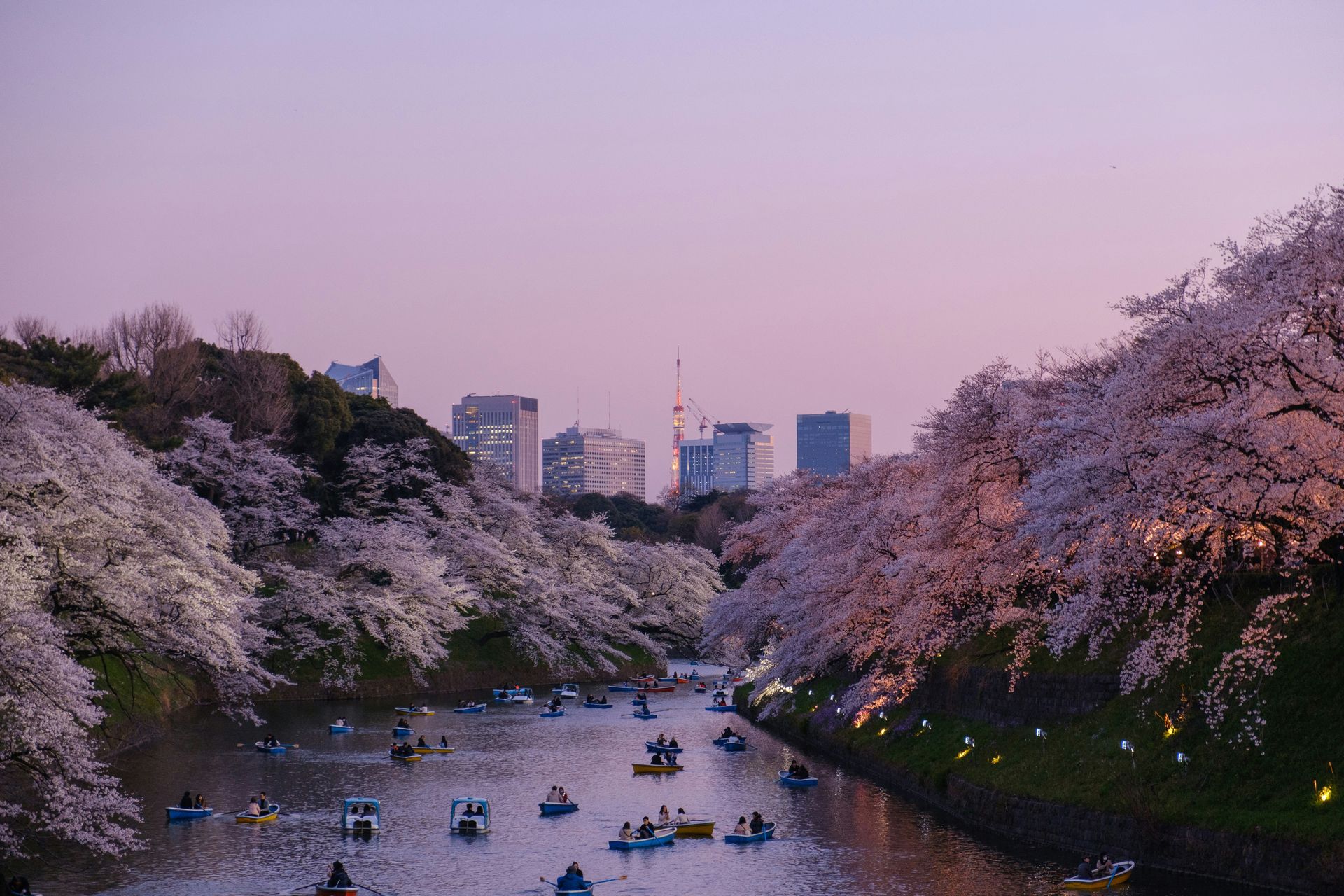
Tokyo combines cultural registers that most cities do not simultaneously sustain at world-class level: ancient Buddhist temples and Shinto shrines whose grounds provide quiet contemplation within a city of 14 million people, a food culture that produces more Michelin-starred restaurants than any other city on earth, shopping districts whose specificity ranges from electronics to vintage clothing to professional-grade kitchen equipment, and theme parks whose entertainment ambition and operational perfection give them a category-defining quality that their international equivalents approach but do not match. The city’s scale makes it navigable by subway rather than overwhelming — Tokyo’s transit system is the most efficient in the world — and the neighborhood-by-neighborhood distinctiveness of places like Shibuya, Shinjuku, Asakusa, Harajuku, and Yanaka gives each day a fresh character.
The older cultural layer of Tokyo is accessible in the temples and shrines that survive within the urban fabric: Senso-ji in Asakusa, the Meiji Shrine in Harajuku, and the Yanaka cemetery neighborhood give the city a contemplative dimension that the commercial energy of its shopping and entertainment districts does not exhaust. The contrast between these quiet spaces and the visual intensity of Shinjuku’s neon at night or Akihabara’s electronics density gives Tokyo a range of experiences within a single city that most countries cannot provide across their entire territory.
The food dimension alone justifies the long-haul flight for travelers whose primary motivation is eating: Tokyo’s ramen, sushi, tempura, yakitori, and izakaya culture each represent a culinary tradition developed to a level of refinement unavailable outside Japan, and the city’s concentration of practitioners at every price point from standing ramen bars to formal omakase sushi counters gives the dedicated food traveler a program that could consume a month without repetition. Tokyo is the rare destination where the more specific the traveler’s interests, the more completely the city rewards them — whether those interests are food, architecture, fashion, gaming, animation, traditional craft, or contemporary art, Tokyo has developed each of these fields to a depth that no other city on earth matches across all of them simultaneously.
Vincent Guth / Unsplash
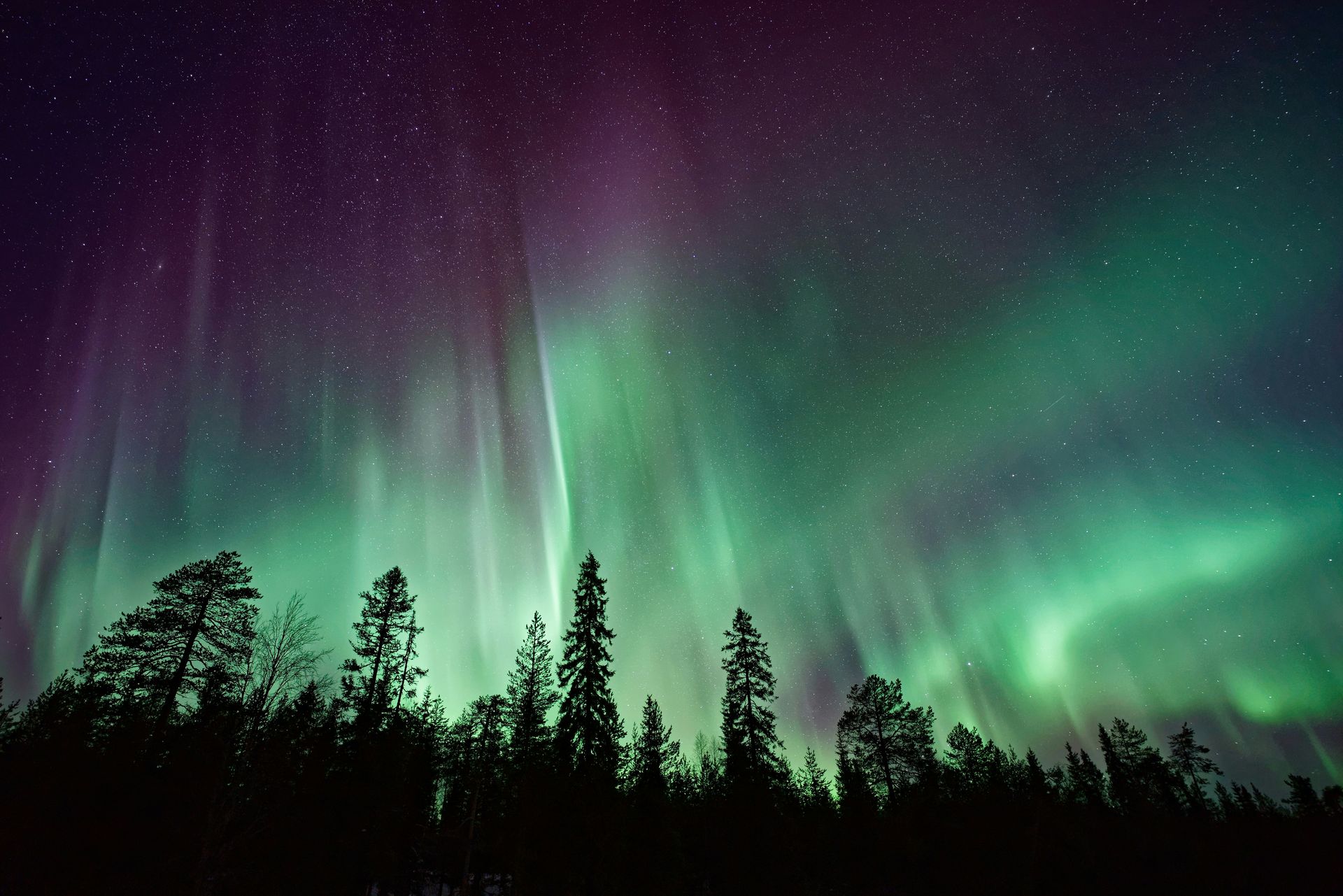
The aurora borealis, the charged particle interaction with the Earth’s upper atmosphere that produces the Northern Lights, is one of those natural phenomena that photographs have circulated so widely that the actual experience of watching it in person still surprises travelers who thought they knew what to expect. The lights move, which no still photograph conveys: they ripple and surge across the sky in curtains of green, pink, and violet that can occupy the entire visible horizon or appear as subtle shimmer near the magnetic pole, and the unpredictability of each night’s display gives the pursuit an element of suspense that spectacular natural events fixed in time and place do not provide. A clear night with strong solar activity produces a display that travelers consistently describe as one of the defining experiences of their lives.
Iceland, Norway, Finland, and Canada’s Yukon Territory offer the most developed tourism infrastructure for Northern Lights viewing, with dedicated tour operators, wilderness lodges in dark-sky areas away from urban light pollution, and specialist photographers who can teach guests to capture the display. Iceland’s combination of the Northern Lights with its extraordinary geological landscape — geothermal hot springs, black-sand beaches, glacier hikes, and volcanic terrain — gives the destination a depth of natural experience that makes the aurora a component of a comprehensive Iceland trip rather than the sole justification for the visit. Norway’s fjord landscape provides a geographic backdrop for Northern Lights viewing specific to the region.
The viewing season runs from late fall through early spring, when the longer nights and lower solar angle give the aurora maximum visibility. The shoulder months of September and March offer travelers a combination of reasonable hours of darkness and temperatures that the deep winter months in the Arctic make genuinely demanding. Hotels in Norway and Finland with glass-roof rooms or dedicated sky-viewing windows give guests the specific opportunity to watch the lights from bed, which represents perhaps the most comfortable version of the Northern Lights experience available.
Mike Swigunski / Unsplash
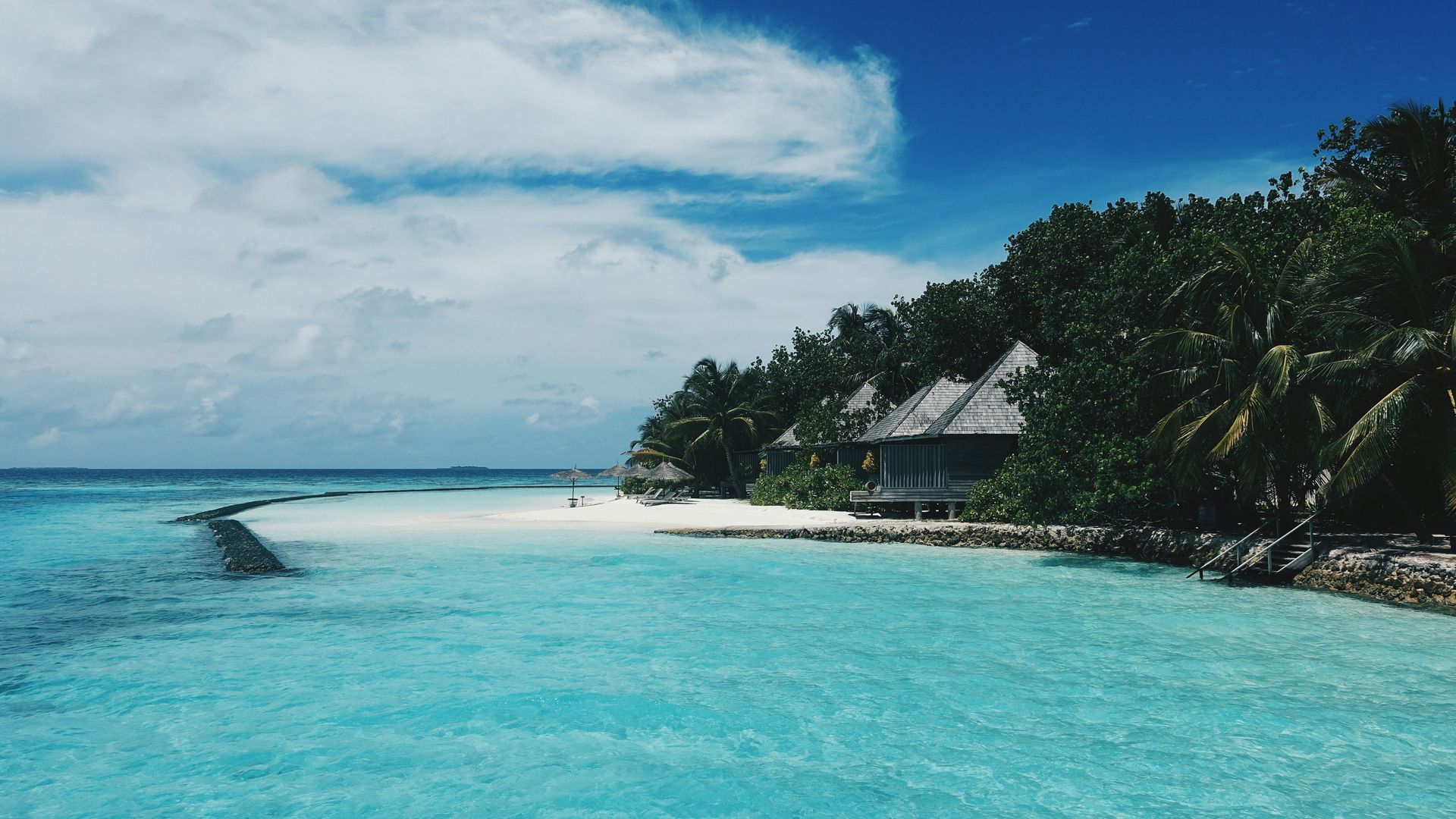
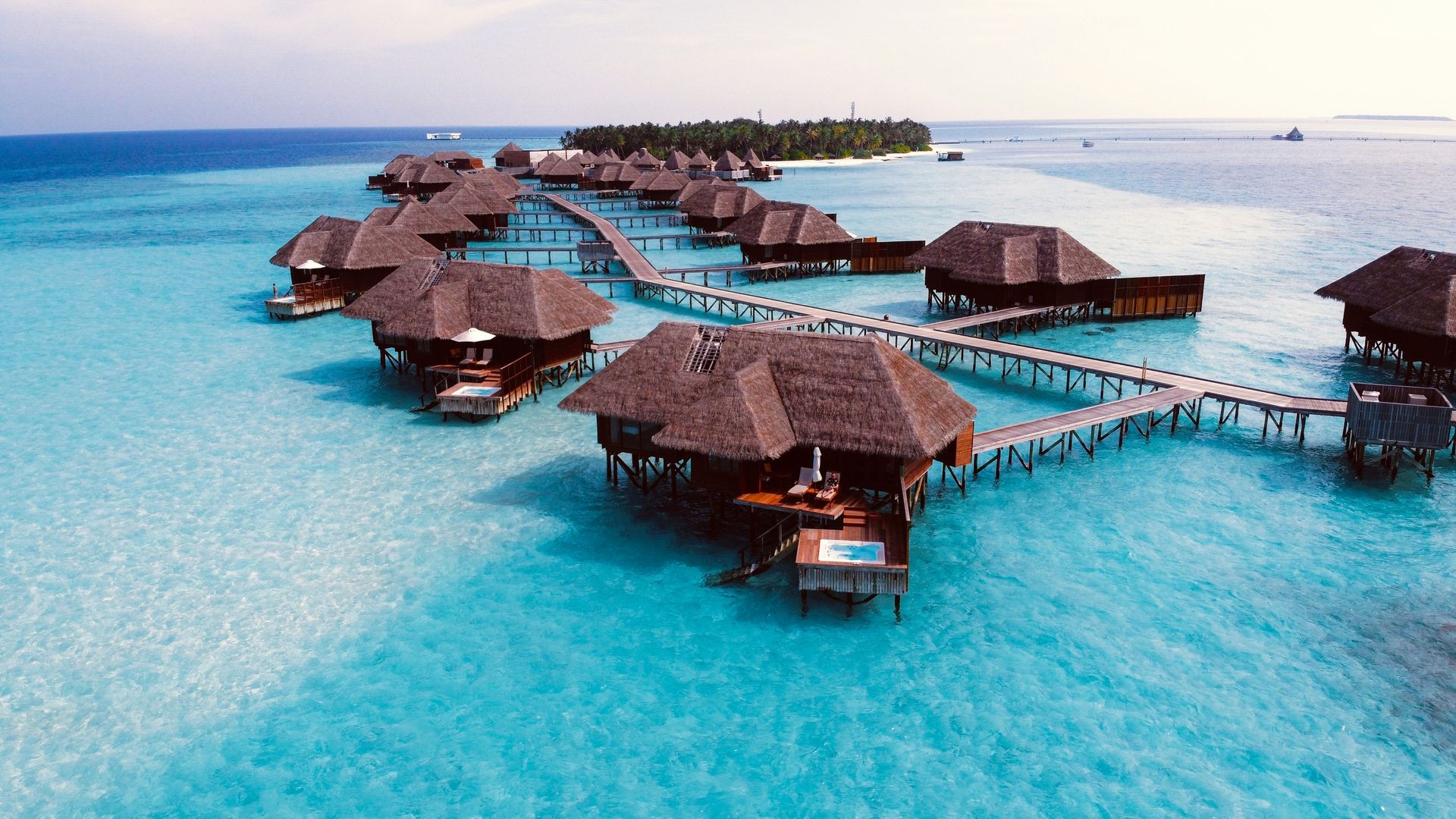
The Maldives, an archipelago of coral atolls in the central Indian Ocean, is a travel destination for a single specific reason: the combination of turquoise water, white sand, and the overwater bungalow accommodation format, which allows guests to sleep above the sea with direct access to the lagoon below their villa. The water clarity of the Maldivian lagoons, produced by the coral atoll geology that filters the surrounding ocean water, gives the snorkeling and diving accessible from the bungalow steps a visibility that reef systems in the Caribbean and Pacific rarely match. The marine biodiversity that the Indian Ocean’s coral systems support — reef sharks, manta rays, sea turtles, whale sharks in season — gives the underwater dimension a wildlife quality that complements the above-water luxury of the resorts.
The resort model of the Maldives, where each property typically occupies its own island, gives the destination a seclusion that other tropical beach locations with comparable water quality cannot achieve: the guests of a Maldivian resort are the only people on the island, which gives the beach and lagoon a privacy that even the most secluded Caribbean resort, accessible by road, cannot genuinely provide. The combination of this seclusion with the overwater bungalow format — waking to the sound of the Indian Ocean directly below the bedroom floor — gives the Maldives a specific accommodation experience that justifies the long-haul flight and the high cost for the travelers who prioritize the beach resort experience above all other travel categories.
The destination is particularly associated with honeymoons and significant anniversaries, reflecting the specific quality of romantic isolation that the island resort format and the Indian Ocean’s visual splendor combine to create. For travelers seeking the definitive luxury tropical beach experience, the Maldives is the most complete answer available. The long-haul flight and the significant accommodation investment that the destination requires are the practical barriers that give the Maldives its bucket list character: it is not the kind of trip that happens on impulse, which means that arriving after deliberate planning gives the experience a quality of intention that makes the stay feel genuinely earned rather than merely scheduled.
Ramzi Belaidi / Unsplash
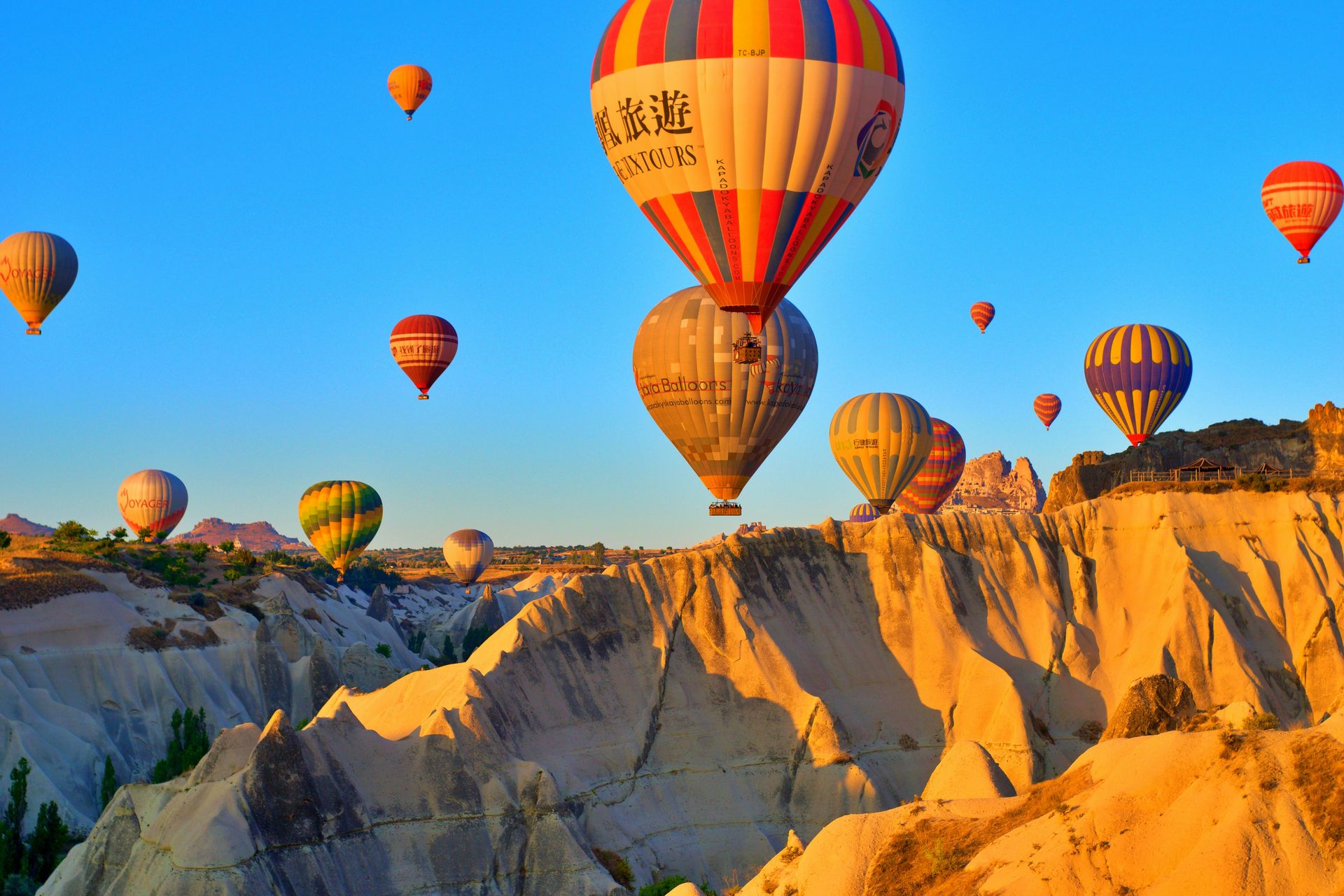
Cappadocia, in the central Anatolian plateau of Turkey, has a geological landscape that is genuinely without equivalent anywhere else on earth: the soft volcanic tuff that covers the region has been eroded by wind and rain into formations called fairy chimneys, pillars, and cones that rise from the valley floors in clusters that look more like the surface of another planet than any terrestrial landscape. Underground cities carved into the tuff by early Christian communities seeking refuge from persecution give the region a human history as distinctive as its physical geography, and the cave hotels developed by the region’s tourism industry within the rock formations offer accommodation specific to this place, available nowhere else.
The hot air balloon flight above Cappadocia at sunrise is the experience that most travelers identify as the reason for the visit, and the view from above in the early morning light — the fairy chimney valleys extending in every direction, the other balloons floating in colored clusters against the dawn sky, the ancient rock formations casting long shadows across the rose and honey-colored landscape below — gives the destination a visual spectacle that aerial photography has made internationally recognizable without diminishing the actual experience of being in it. The spring and fall seasons give the best combination of mild temperatures, clear weather, and the morning calm that balloon flights require.
The broader Cappadocia region, including the Göreme Open Air Museum with its cave churches decorated with Byzantine frescoes, the underground city of Derinkuyu, and the Ihlara Valley’s canyon walks, offers travelers who spend several days in the area a depth of historical and geological engagement that the balloon flight alone cannot exhaust. The cave hotel accommodation, which the region has developed within the tuff formations, offers a physical immersion in the landscape, extending the experience beyond the hours spent in the air into the environment that the geology has produced at a human scale.
Sergi Ferrete / Unsplash
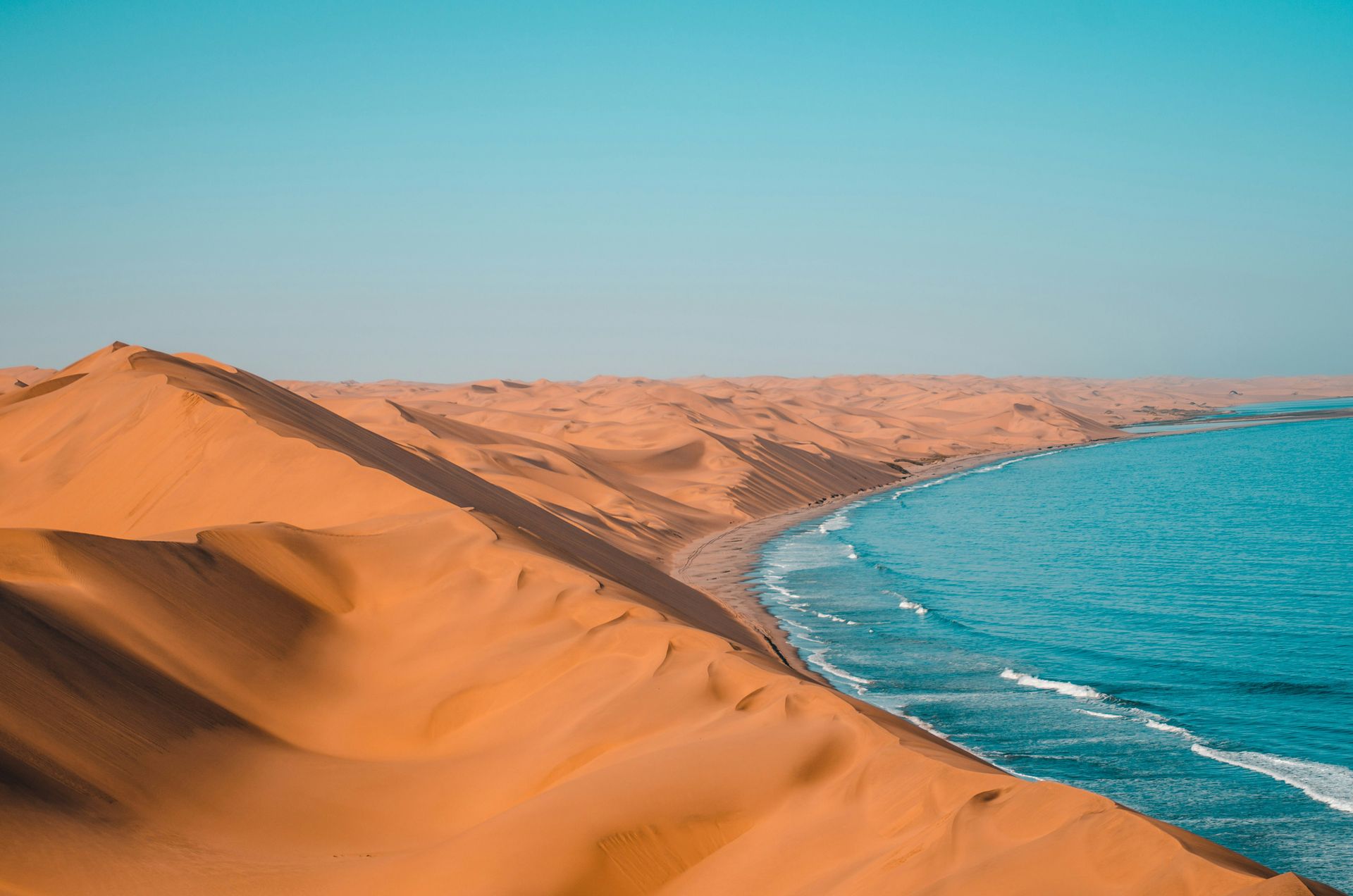
Namibia is one of the world’s most sparsely populated countries and one of its most visually extraordinary: the Namib Desert, estimated at 55 million years old and the oldest desert on earth by geological record, produces a landscape of towering dunes, gravel plains, and ancient mountain ranges that the specific quality of light in southern Africa renders in colors that shift from orange to red to purple across the day. The dunes at Sossusvlei, the red sand formations that reach heights of over 300 meters and whose dead trees in the white clay pans below create one of the world’s most photographed landscapes, give the Namib a visual identity that no other desert in the world replicates.
The Skeleton Coast, where the Namib Desert meets the Atlantic Ocean, gives Namibia a second landscape of equal distinctiveness: the cold Benguela Current that runs up the African coast from Antarctica keeps the coastal water cold, producing dense fog that rolls in from the sea and gives the coastline an atmospheric character that the desert meeting tropical sea does not produce. The wildlife of the Skeleton Coast, including desert-adapted lions, elephants that have evolved to survive without permanent water sources, and the massive Cape fur seal colonies at Cape Cross, gives the destination a wildlife dimension specific to these extreme ecological conditions.
Namibia’s combination of landscape, wildlife, and the experience of genuine emptiness — the country has fewer than three people per square kilometer — gives the destination a travel quality that the more visited safari nations cannot provide: the sense of being in a landscape that human presence has barely modified, where the distance to the nearest settlement can be measured in hours rather than minutes. This quality of emptiness is increasingly rare in global travel, and Namibia’s combination of accessibility — it has good international air connections and a well-developed self-drive tourism infrastructure — with genuine remoteness makes a case that few other destinations in the world can make with equal credibility.
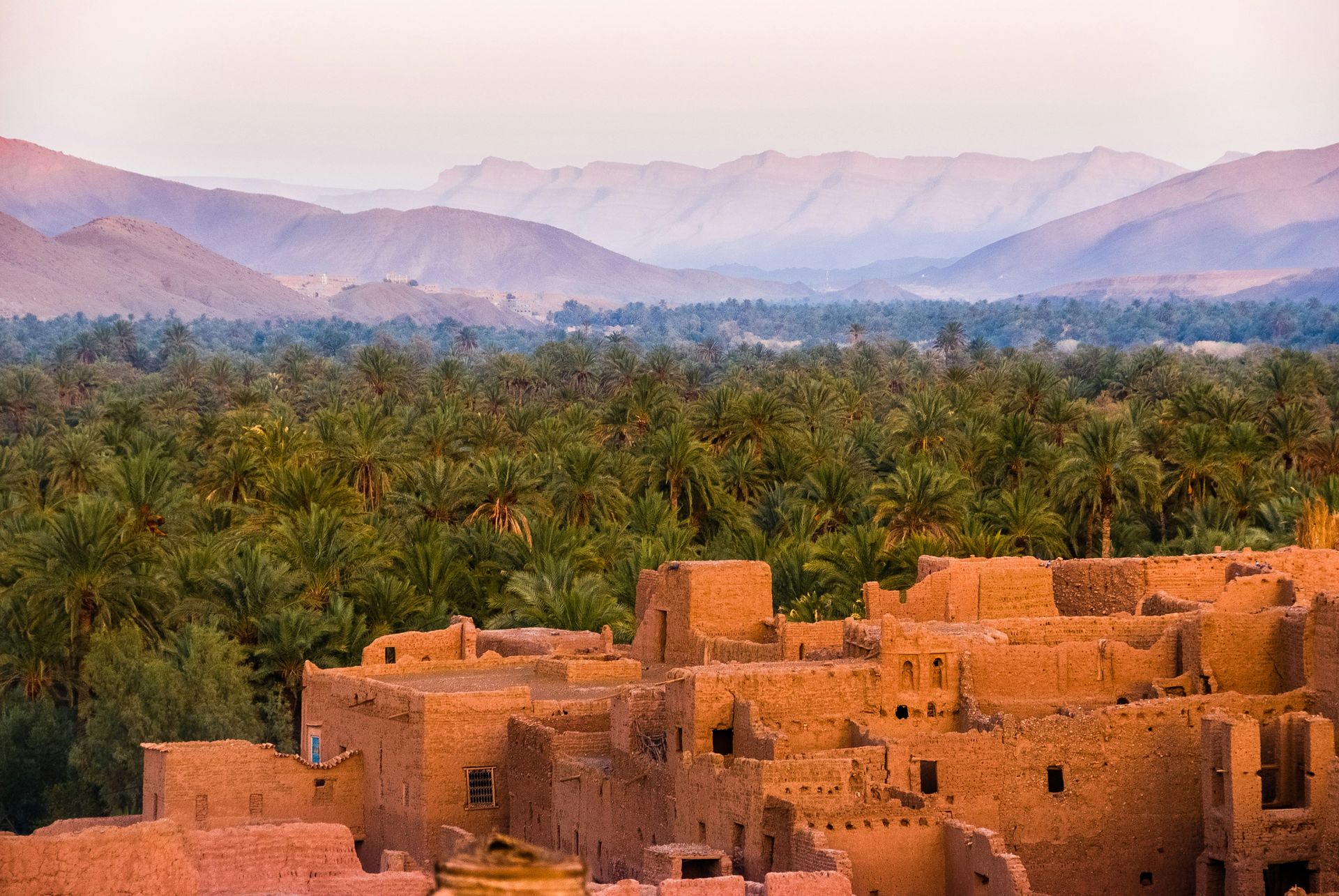
Sergey Pesterev / Unsplash
Morocco’s geographic position at the intersection of Africa, Europe, and the Arab world has produced a culture of extraordinary complexity: the medinas of Marrakesh, Fez, and Essaouira preserve a medieval urban form in which the souks, mosques, riads, and artisan workshops of Islamic North Africa are still in continuous daily use rather than existing as preserved historical curiosities. Walking through the medina of Fez, the largest car-free urban area in the world, is an experience of being inside a city whose essential organization has not changed since the ninth century, where the sounds of copper being hammered, silk being woven, and the call to prayer from dozens of minarets give the visitor a form of urban time travel available nowhere in Europe or North America.
The Sahara Desert, accessible by a long drive or a flight to Ouarzazate and an onward journey through the High Atlas Mountains, gives Morocco a landscape dimension that the medina cities do not prepare visitors for: the ergs of Merzouga, where sand dunes of 150 meters rise from the flat hamada desert floor, give travelers the quintessential Sahara experience of camel treks, overnight camps, and the silence of an environment without mechanical noise or artificial light. The transition from Marrakesh’s sensory overload to the Sahara’s absolute quiet over a few days of driving through the Atlas Mountains gives the Morocco itinerary a range of experiences that few countries can offer in a single trip.
The combination of the imperial cities’ architecture and souks, the Atlas Mountains’ Berber villages, the Atlantic coast towns like Essaouira, and the Sahara’s otherworldly landscape gives Morocco a travel depth that rewards return visits and resists the summarizing impulse that single-destination trips satisfy. Morocco is also one of the few long-haul destinations from North America that is genuinely accessible in terms of flight time and jet lag, which gives travelers who want an intense cultural and landscape experience the option of a destination whose world-altering quality does not require crossing as many time zones as the Asia-Pacific alternatives on a list like this one.
