Discover the hidden surfaces in your home that may be collecting more germs, dust, and grime than expected
Giorgio Trovato / Unsplash
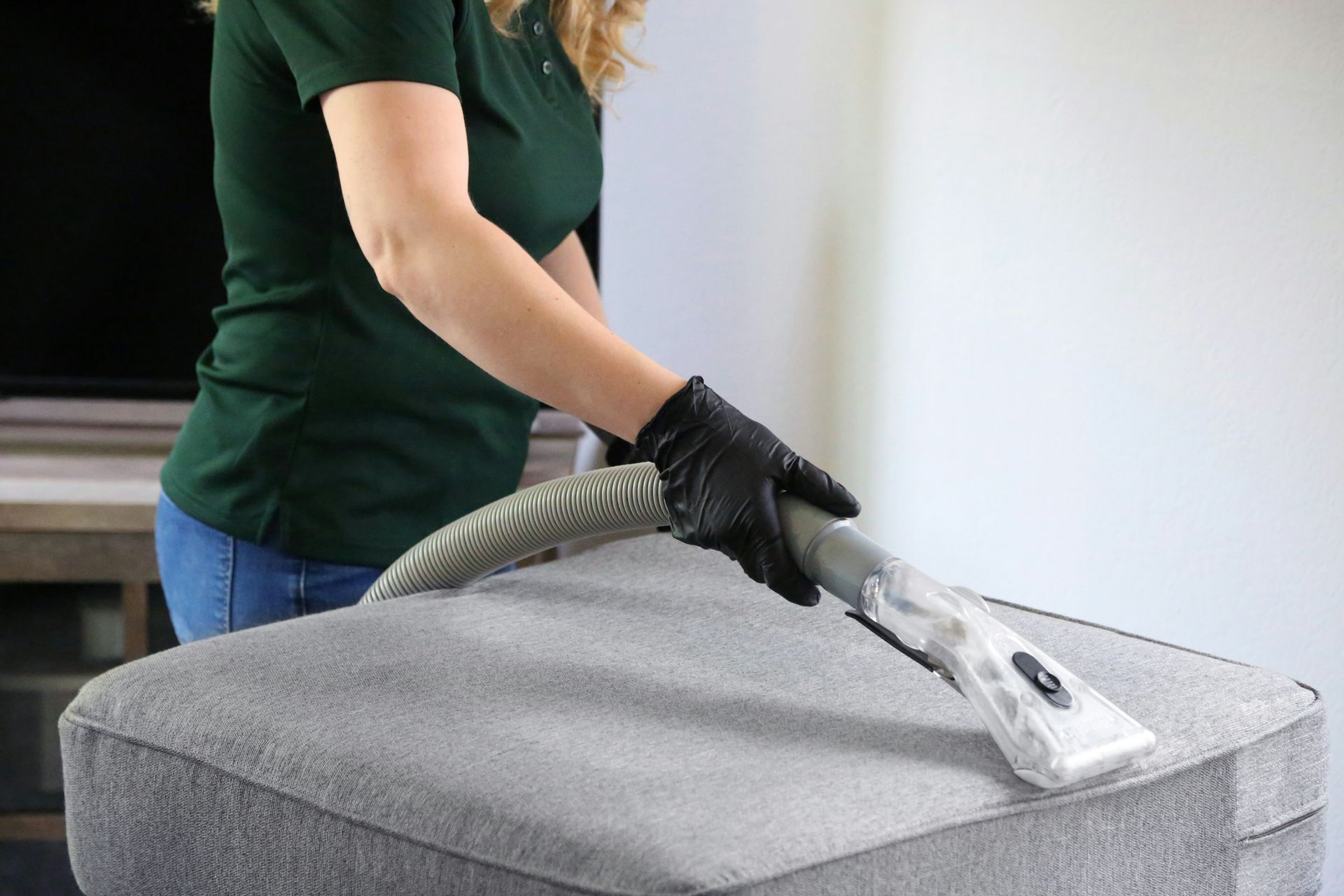
Homes rarely feel dirty because people clean what they can see. Counters get wiped, floors get vacuumed, and laundry cycles run on schedule. The real problem hides elsewhere. Dust settles where attention fades, moisture lingers in places designed to stay wet, and everyday objects quietly collect residue long after they stop looking messy.
Cleaning experts say the dirtiest areas are usually the ones missing from routine checklists. These surfaces sit just outside daily habits. They require bending down, reaching up, unplugging appliances, or taking something apart. Small inconveniences turn into long delays, and buildup happens gradually enough that it goes unnoticed.
A review by Reader’s Digest shows that many high-bacteria surfaces are not obvious trouble spots. Kitchens, bathrooms, and shared electronics accumulate microbes simply through normal use. The problem is not how people clean but what they miss.
The encouraging news is that fixing the problem does not require deep cleaning marathons. Most of these spaces respond well to brief, targeted maintenance using tools already at home. A few extra minutes spent on the right surfaces can change how an entire room feels.
Here are five of those spots and how to clean them.
Henry Kobutra / Unsplash
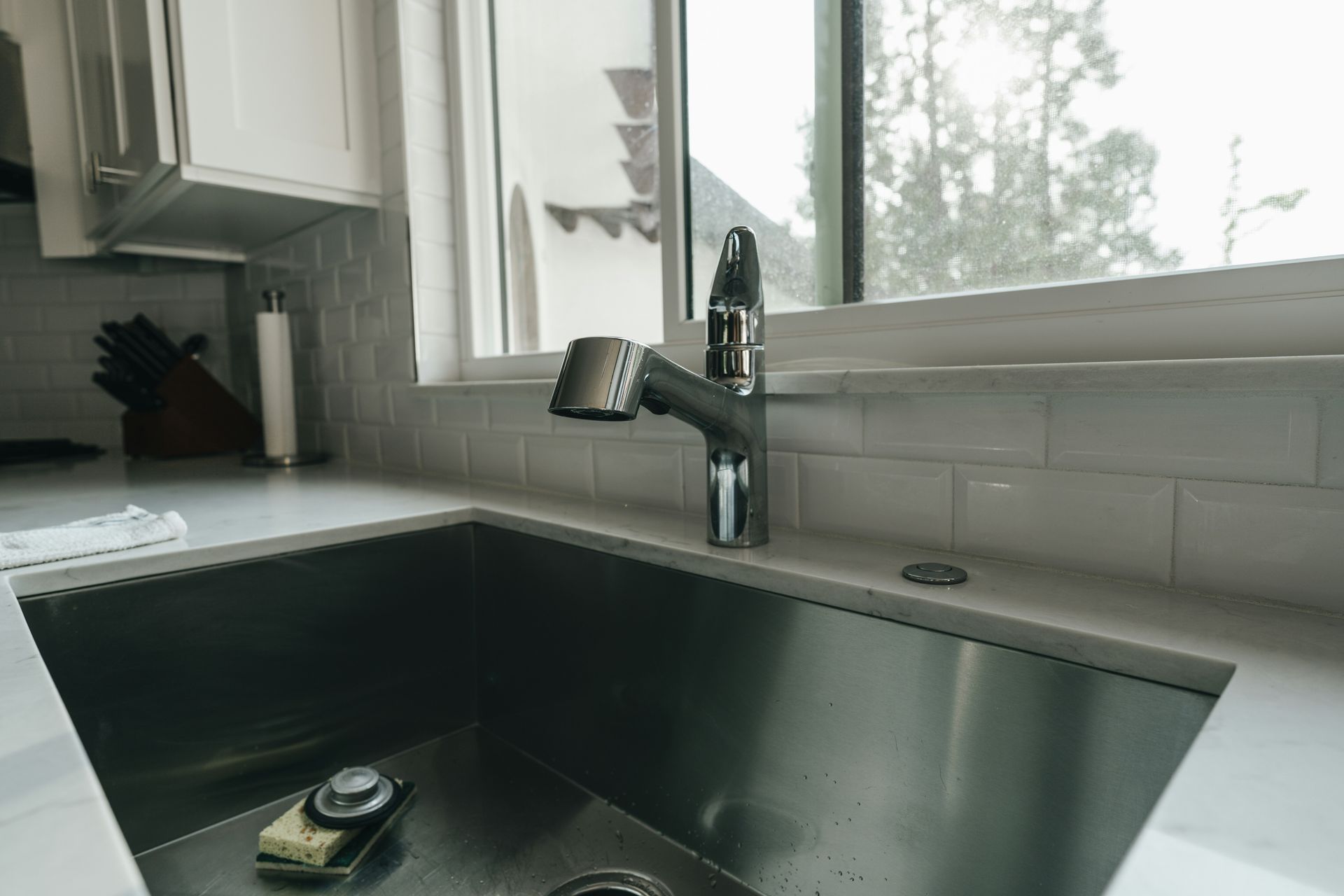
The kitchen sink feels safe because water runs through it constantly, yet research shows it can hold some of the highest concentrations of microorganisms in the home.
Food scraps, raw ingredients, and standing moisture create an ideal environment for bacterial growth. Every rinse of produce or plate contributes microscopic residue that accumulates along the sides, strainers, and drain opening. Over time, biofilm forms even when the sink appears visually clean.
Daily maintenance makes a significant difference. Cleaning professionals recommend washing the entire sink surface with dish detergent and warm water, including the rim and drain components. This step removes food particles before bacteria multiply. Once or twice a week, a disinfecting solution should be used to target microorganisms more effectively. A mild bleach solution, measured carefully and allowed to sit for one minute, gives disinfectants enough contact time to work as intended.
Air drying matters more than people expect. Moisture lingering in the basin encourages microbial growth, so rinsing thoroughly and allowing surfaces to dry naturally helps prevent rapid recontamination.
Planet Care / Unsplash
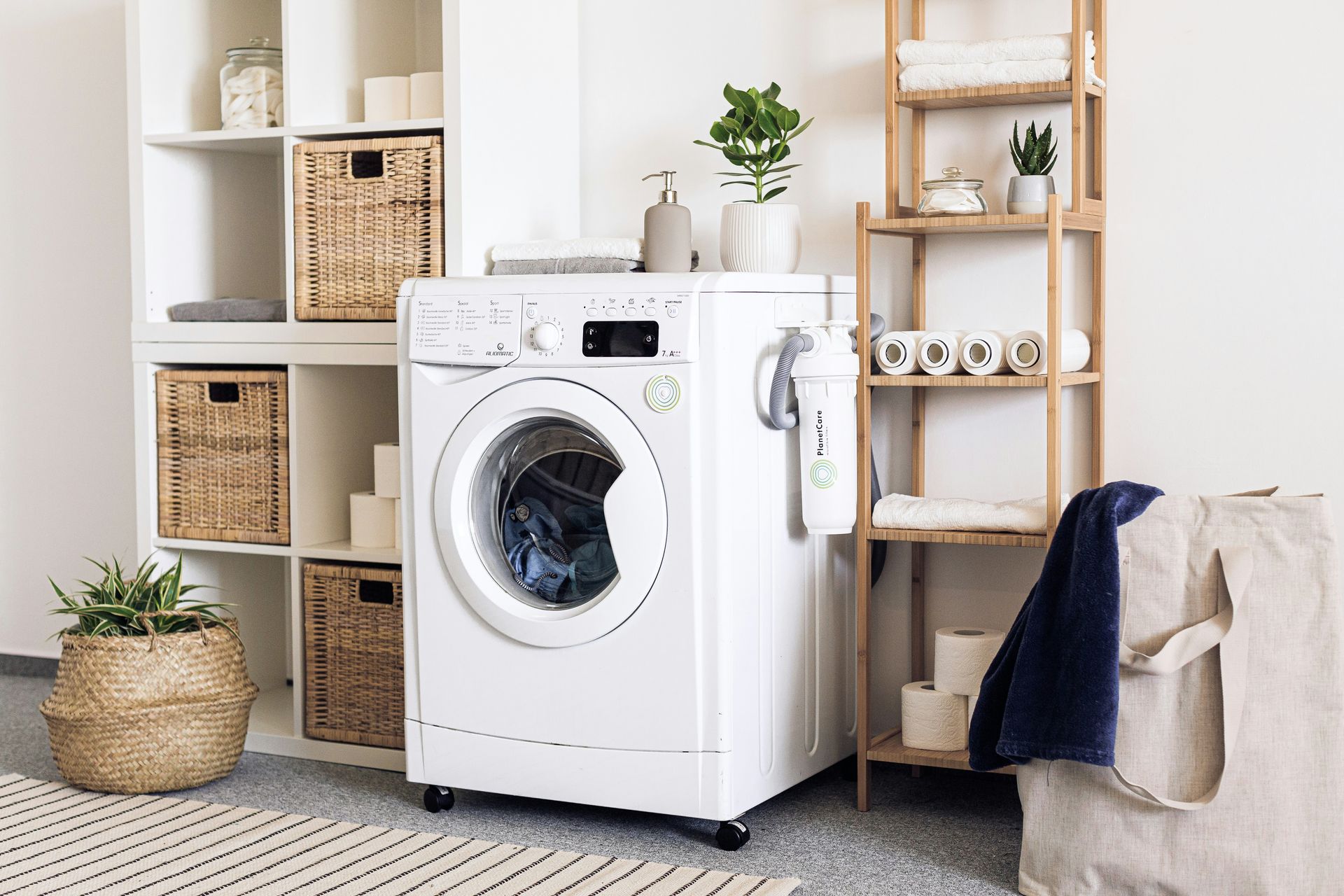
A washing machine performs heroic labor while receiving very little gratitude or maintenance. Residues from detergent, fabric softener, body oils, and trapped moisture accumulate inside the drum over time. According to the report, these residues often cause persistent odors and can transfer smells back onto freshly washed clothing.
The misconception is understandable. Machines designed to clean clothing seem self-cleaning by default. In reality, modern washers operate at lower water levels and temperatures, which allows buildup to linger between cycles.
Experts recommend running a monthly clean-out cycle using bleach or a designated washer-cleaning product. The process begins with an empty machine. Filling the bleach dispenser to the maximum line and selecting a heavy-duty hot-water cycle helps dissolve residue and sanitize internal surfaces. An additional rinse cycle removes lingering cleaning agents.
Front-loading machines require extra attention around the rubber door seal. This flexible gasket traps moisture and detergent residue, creating a hidden zone where mold and odor thrive. Wiping it periodically prevents long-term damage and extends appliance lifespan. Cleaning the detergent dispenser also ensures accurate dosing during future loads.
Maintenance improves both hygiene and performance. A cleaner washer reduces odor transfer, protects mechanical components, and restores that elusive “fresh laundry” smell people assume detergent alone provides.
Mike Cox / Unsplash
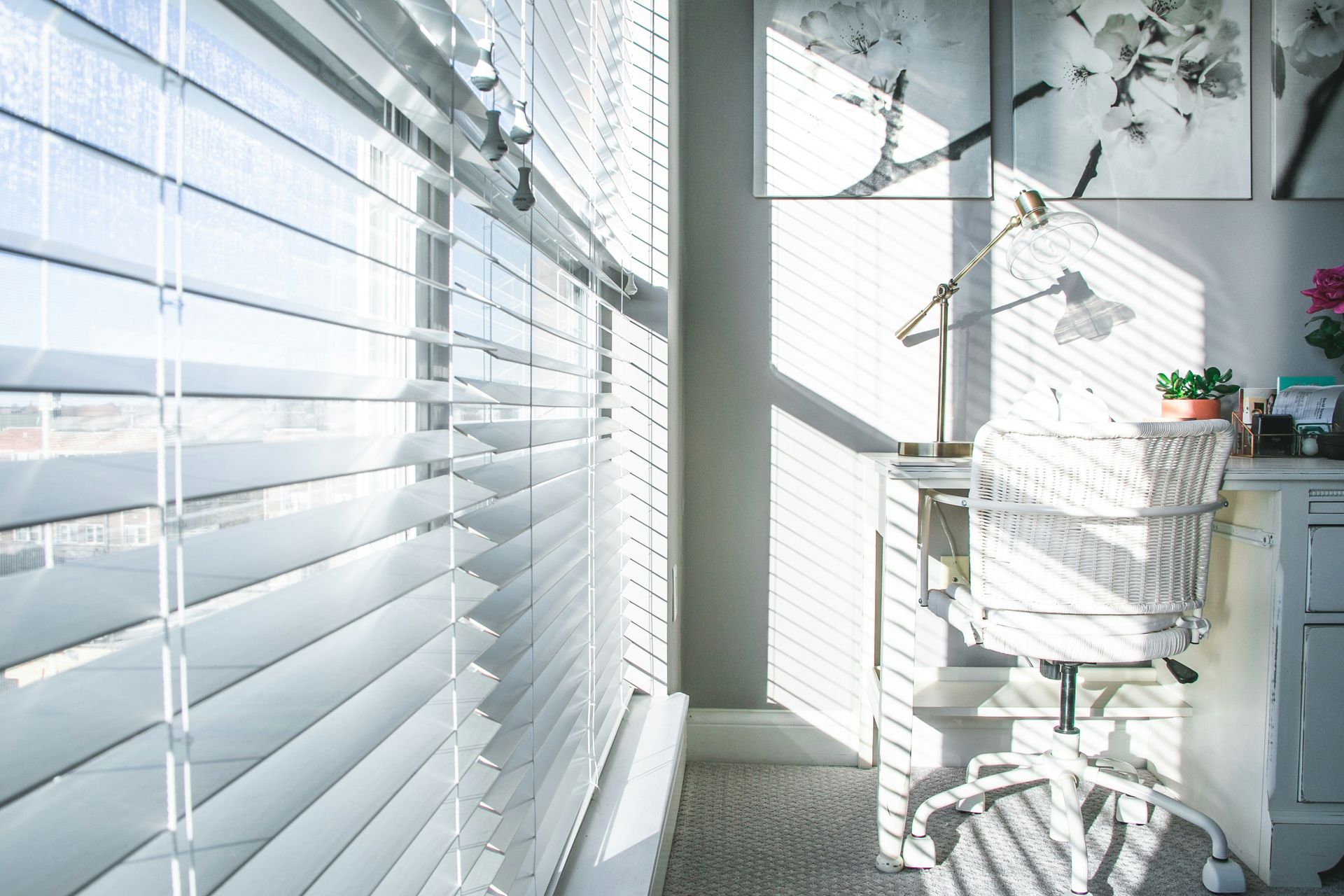
Blinds function as horizontal dust shelves installed intentionally across every window. Their design invites accumulation from indoor airflow, outdoor particles, pet dander, skin cells, and pollen. The report explains that dust contains far more than harmless lint. It includes microscopic debris that contributes to indoor allergens and diminished air quality.
Because blinds hang at eye level, buildup becomes noticeable only when sunlight hits at the right angle. Until then, dust settles quietly on every slat.
Cleaning does not require elaborate tools. A microfiber cloth lightly dampened with water removes debris effectively without leaving residue that requires rinsing. Closing the blinds allows each slat to be wiped efficiently in one direction. Opening them fully exposes the reverse side, which must be cleaned separately since airflow deposits dust differently on each surface.
Rinsing the cloth frequently prevents redistribution of dirt. Many cleaning frustrations come from spreading dust rather than removing it.
Regular cleaning does more than make a space look better. It also helps with the air you breathe. Once dust and particles are cleared out, fewer allergens get pushed around by heating and cooling systems. The room feels fresher, even if nothing obvious has changed.

Mitchell Luo / Unsplash
Baseboards sit at the intersection of dust, foot traffic, and neglect. They exist below normal sightlines, which makes them easy to forget despite collecting debris continuously. Over months, airborne particles settle downward, vacuum exhaust circulates dust along walls, and routine mopping pushes grime directly into these narrow ledges.
Baseboards do not need constant attention. Once or twice a year is usually enough. The real issue is not the effort but the access, since cleaning them means getting down to floor level and working along every edge by hand.
Experts suggest a simple mix of warm water and a diluted multipurpose cleaner, applied with a microfiber cloth or soft brush. Light scrubbing lifts away built-up dirt without damaging paint. Rinsing the cloth often helps avoid dragging grime back across the surface.
The difference is subtle but real. Rooms tend to look brighter once that line where the wall meets the floor is clean again. People often credit lighting or tidiness for the change, when it is really just the removal of dust that had been dulling the edges.
Clay Banks / Unsplash
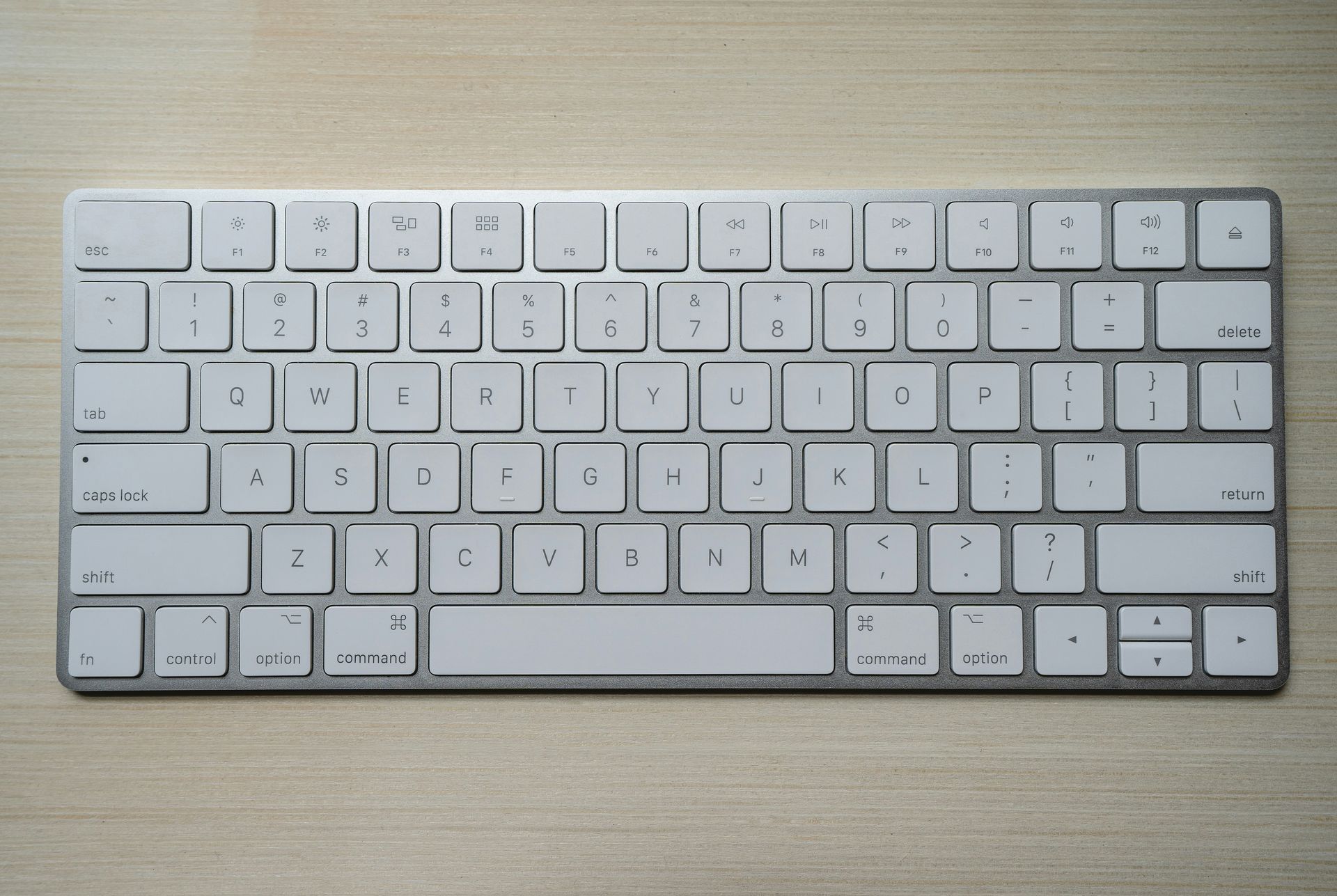
Daily-use electronics quietly collect the traces of everyday life. Research cited in Reader’s Digest notes that keyboards can carry bacterial levels far higher than those found on a typical toilet seat. Constant use means oils, crumbs, moisture, and microbes build up on surfaces that are rarely cleaned.
Remote controls have the same problem. They move from hand to hand, often during meals or when someone is sick, which makes them easy carriers of germs.
Cleaning these items is less about scrubbing hard and more about being careful. Liquids should never be sprayed directly onto electronics. A small brush can remove debris from tight spaces, and a cloth lightly dampened with a mix of rubbing alcohol and water is usually enough to disinfect the surface without damage.
A quick weekly wipe-down is often all it takes to keep things under control. It is especially useful during cold and flu season or in homes where devices are shared often. The goal is not perfection. It is simply reducing how easily germs move from one surface to another.
