


















Quartz
Subscribe
Quartz
Subscribe
Edition
Business News
A.I.
Technology
Money & Markets
Leadership
Lifestyle
Latest

Get Quartz in your inbox

Free daily briefing on global business news.

Business News
AirlinesAutomobilesFoodPharmaceuticalsPolitics & GovernmentRetail & EcommerceSpace & AerospaceEarnings
Technology
A.I.ComputingConsumer TechSpace & AerospaceEarnings
Money & Markets
Economic IndicatorsMarketsPersonal FinanceEarnings
Lifestyle
Cars & BikesCollectingEntertainmentFood & Fine DiningHealth and FitnessReal EstateTravel
Fitness

25 things doctors wish more patients knew

From medication myths to overlooked symptoms, here are the insights physicians most want patients to carry into every appointment

1 / 27
25 things doctors wish more patients knew
ByCris Tolomia
·Updated June 30, 2026
Add QZ to Google

Credit:   Vitaly Gariev / Unsplash

The relationship between doctors and patients has never been easy to navigate. Physicians spend years mastering the science of the human body, only to find that much of their work involves correcting misconceptions patients absorbed from the internet, from well-meaning relatives, or from years of habit. The gap between what medicine knows and what the general public believes is wide — and it has real consequences for health outcomes.

This is not a critique of patients. Medicine is complicated, and the healthcare system is not designed to give people enough time to ask every question they have. The average primary care appointment lasts around 15 to 20 minutes. In that window, a physician has to take a history, examine a patient, review records, adjust medications, order tests, and explain findings — all while the patient tries to remember the questions they forgot to write down. Something almost always gets lost.

What doctors tend to carry with them, after years of practice, is a sense of what patients chronically misunderstand. They see the same patterns: people stopping antibiotics early because they feel better, patients who downplay symptoms out of embarrassment, adults who believe their family history doesn't apply to them, people who skip screenings until something goes wrong. These aren't rare mistakes. They are the baseline.

The 25 items in this list come from the kinds of conversations physicians wish they had more time to have. They cover the mechanics of how medicine works — why symptoms matter, how medications behave, what chronic conditions actually require — and the habits that determine whether treatment succeeds or fails. Some of it will be familiar. Some of it will be new. Most of it is the kind of plain, practical information that tends to get squeezed out of appointments by the press of time.

Reading this won't replace a doctor's care. But it might make the next appointment more productive — and the years between appointments a little safer.

Symptoms that seem minor can be the most important ones to mention

Credit:   cottonbro studio  /  Pexels

Patients often walk into appointments having already made a judgment about which of their symptoms are worth mentioning. The chest pain feels significant, so they bring it up. The fatigue has been going on for years, so it probably isn't a big deal. The headaches come and go. The slight change in bowel habits has been going on for a few months, but it's probably stress.

This triage process is understandable. People don't want to be seen as hypochondriacs. They've often convinced themselves their symptoms have a benign explanation. They're also working within a time-constrained appointment and don't want to take up too much of the physician's schedule. But when patients pre-filter their symptoms, they remove information the physician needs — and sometimes the filtered-out item is the most diagnostically important one.

Gradual changes are particularly easy to dismiss. A person who has slowly gained weight, or whose energy has steadily declined, or whose mood has shifted over two years rarely notices the full magnitude of the change. They adjust. The physician, looking at the picture from outside, can often see what the patient has normalized. This is why honest, complete symptom reporting — including things you think are unrelated to your chief complaint — makes the diagnostic process more accurate.

The "unrelated" symptom is a concept worth interrogating. Patients often decide that a problem in one part of the body has no bearing on what's happening in another. But the body is a connected system. Fatigue can be a sign of anemia, thyroid dysfunction, depression, sleep apnea, or a dozen other conditions. A rash might signal an autoimmune disease that's also affecting the joints you mentioned aching. Hair loss and feeling cold all the time might both point to the same thyroid problem.

Timing matters too. When a symptom started, what makes it better or worse, whether it comes and goes or is constant — this is the kind of detail that helps a physician build a clinical picture. Saying "my knee hurts" is far less useful than saying "my knee hurts mainly when I go down stairs, it started about three months ago after I started a new exercise routine, and it's worse in the morning." The second version gives the physician the material needed to narrow down the diagnosis. The first version leaves them guessing.

Tell your doctor everything, even the things you've already decided aren't important. Let the physician make that call.

Finishing a course of antibiotics matters — even when you feel better

Credit:  Harrison Cohen / Unsplash

One of the most common errors in outpatient medicine is patients stopping their antibiotics partway through a prescribed course because they feel better. From the patient's perspective, the logic seems sound: the infection is gone, the symptoms have resolved, so why continue taking a medication they no longer need? But this reasoning misunderstands how antibiotics work and what "feeling better" actually means during treatment.

When you take an antibiotic, it begins killing the bacteria causing your infection relatively quickly. The bacteria that are most susceptible to the drug die first. Your immune system clears the debris, inflammation decreases, and symptoms improve — often within 24 to 48 hours for many infections. But the bacteria population has not been fully eliminated at that point. The remaining bacteria are, by definition, slightly more resistant to the drug than the ones that died first. If you stop the antibiotic at this moment, you leave a residual population of relatively resistant organisms in place, potentially allowing the infection to rebound — this time with a bacterial population that is harder to kill.

Antibiotic resistance develops through this exact mechanism, scaled across millions of patients worldwide. Partial treatment creates selective pressure that favors resistant strains. When those strains multiply and spread — between people, between communities, between countries — the antibiotics that once worked reliably become less effective. Some infections that were easily treated a generation ago now require last-resort antibiotics or are difficult to treat at all. This is not a theoretical future problem. It is happening now, in hospitals and clinics in every country.

Completing the prescribed course of antibiotics is also about protecting yourself individually. An infection that appears to have resolved can persist at low levels and re-emerge when the antibiotic pressure is removed. Completing the course reduces the likelihood of relapse and the need for a second round of treatment with a stronger drug.

There is one legitimate exception: some antibiotic regimens have been refined over time, and physicians may now prescribe shorter courses for certain infections than they once did — five days for a urinary tract infection rather than 10, for example. These shorter courses are evidence-based and appropriate. The key is that the course length your physician prescribes is the one you should complete. If you have concerns about the duration, ask. Don't just stop when you feel better.

Your family history is not just a form you fill out in the waiting room

Credit:   Cameorn Steele / Unsplash

Many patients treat the family history section of a medical intake form as routine paperwork — something to complete quickly and set aside. But family history is one of the most powerful tools a physician has for assessing a patient's individual risk for a wide range of conditions. A detailed, accurate family history can change screening timelines, prompt earlier testing, and in some cases detect genetic risks before a disease has any chance to develop.

The conditions that matter most are those with a strong hereditary component: cardiovascular disease, diabetes, certain cancers (particularly breast, ovarian, colon, and prostate), autoimmune conditions, and mental health disorders. When a close blood relative — a parent, sibling, or child — develops one of these conditions at a young age, that raises the risk for other family members substantially. A father who had a heart attack at 45 is a very different risk signal than a grandfather who had one at 80.

Many patients know their family history at a surface level but haven't thought carefully about the specifics that matter medically: the age of onset, which side of the family was affected, whether the diagnosis was confirmed, and whether there were multiple affected relatives. These details are not trivial. A single case of breast cancer in an extended family at age 70 is less clinically significant than three cases on the maternal side, two of them under 50. That pattern might prompt genetic counseling or testing for BRCA gene variants.

Part of the problem is that families don't always talk openly about medical history. Older generations in particular tended not to discuss illnesses, and causes of death were sometimes euphemized or left vague. "He had a blood condition" or "she had stomach problems" may or may not correspond to something significant. If there are gaps in your knowledge, it's worth trying to fill them — by talking to older relatives, requesting death certificates, or consulting with family members who might know more.

When you do have information, be specific when you share it with your physician. "Heart disease runs in my family" is less useful than "My father had a heart attack at 52 and my paternal uncle had bypass surgery at 60." The specificity is what allows the physician to calibrate your risk accurately.

Blood pressure can be dangerously high with no symptoms at all

Credit:  SHVETS production  /  Pexels

High blood pressure — hypertension — is often called a silent condition, and that description is accurate in a way that most people do not fully appreciate. There is a widespread assumption that high blood pressure must feel like something: a headache, dizziness, a pounding in the chest. For the vast majority of people with hypertension, none of these things occur. A person can have a blood pressure reading that is severely elevated for years without ever experiencing a symptom directly attributable to it.

This is what makes hypertension so dangerous. In the absence of symptoms, there is no internal alarm. People don't seek care because they don't feel sick. They may go years without a blood pressure check, during which time the elevated pressure is steadily damaging blood vessels, straining the heart, and increasing the risk of heart attack, stroke, kidney disease, and vision loss. When hypertension finally announces itself, it often does so through one of these complications — the stroke, the kidney failure, the cardiac event — rather than through a warning sign that would have allowed intervention.

The treatment for hypertension is effective. Lifestyle changes — reducing sodium intake, increasing physical activity, maintaining a healthy weight, limiting alcohol — can lower blood pressure meaningfully in many people. When they're insufficient, medications work well and are generally tolerated without significant side effects. The challenge is that both the diagnosis and the treatment require someone to engage with a healthcare system, follow through with monitoring, and commit to a long-term management plan — all for a condition that produces no symptoms to remind them of its presence.

Regular blood pressure checks are the only way to know where you stand. Adults should have their blood pressure measured at least every two years if readings are normal, and more frequently if there's a history of elevated readings or significant risk factors. If you don't have a primary care physician or access to regular check-ups, many pharmacies offer free blood pressure screening machines. They're not perfect, but they can identify a reading that warrants further evaluation.

If your physician prescribes antihypertensive medication, continuing it when you feel well is not optional — feeling well is partly the goal of the treatment. Stopping because you feel fine is one of the more common reasons hypertension goes back out of control.

Sleep is not optional — it is when your body repairs itself

Credit:  Nicola Barts  /  Pexels

The medical community has spent the past two decades building an increasingly detailed picture of what sleep deprivation does to the human body and brain — and the picture is consistently sobering. Yet chronic sleep restriction remains normalized in many professional and social cultures, treated as evidence of productivity or dedication rather than as the health risk it actually is.

Adults need between seven and nine hours of sleep per night for most physiological processes to function properly. Below seven hours, measurable changes begin to appear: immune function declines, insulin sensitivity worsens, inflammation markers rise, and the brain's ability to consolidate memories and regulate mood is impaired. These are not subtle or speculative effects. They are well-documented and reproducible in controlled studies.

Sleep is when the brain clears metabolic waste through the glymphatic system, a process that requires the slow, deep sleep stages that come with adequate sleep duration. There is research suggesting a link between chronic sleep deprivation and the accumulation of amyloid plaques associated with Alzheimer's disease, though the full picture of that relationship is still being studied. What is established is that sleep-deprived brains do not function as well in the short term — reaction time, attention, and decision-making all degrade — and that chronic deprivation has systemic health consequences.

The cardiovascular system is particularly sensitive to insufficient sleep. People who consistently sleep fewer than six hours per night have higher rates of hypertension, heart attack, and stroke than those who sleep the recommended amount. The exact mechanisms are multiple: disrupted sleep raises cortisol and other stress hormones, impairs glucose metabolism, and increases inflammatory activity, all of which are hard on the cardiovascular system over time.

Sleep disorders like sleep apnea often go undiagnosed. If you or a partner has noticed loud snoring, gasping during sleep, or if you wake feeling unrefreshed despite spending enough time in bed, these are symptoms worth discussing with a physician. Sleep apnea significantly raises the risk of hypertension, atrial fibrillation, and other serious conditions — and it is treatable.

Prioritizing sleep is not indulgence. It is maintenance.

Many people are on medications they no longer need

Credit:    Jason Gooljar / Unsplash

Polypharmacy — the use of multiple medications simultaneously — is a significant and underappreciated problem in modern medicine. As people age, they tend to accumulate prescriptions: each new condition brings a new medication, and the medications prescribed years ago for conditions that may have resolved or changed often remain on the list. Patients sometimes continue taking drugs their original prescriber retired, moved, or forgot to follow up on.

The consequences are real. More medications mean more interactions, more side effects, and more complexity in understanding what is causing a new symptom. A fall in an older adult might be traced back to a blood pressure medication causing orthostatic hypotension. Cognitive changes might be driven by an anticholinergic drug that was prescribed for a condition that no longer exists. Fatigue might be a side effect of a medication that has not been reassessed in years.

The concept of deprescribing — systematically reviewing a patient's medications and stopping those that are no longer necessary or beneficial — is an important and growing area of geriatric medicine. But it requires a physician who knows the patient's full medication list and has time to review it carefully. Many primary care appointments don't allow for this. Patients can help by being proactive.

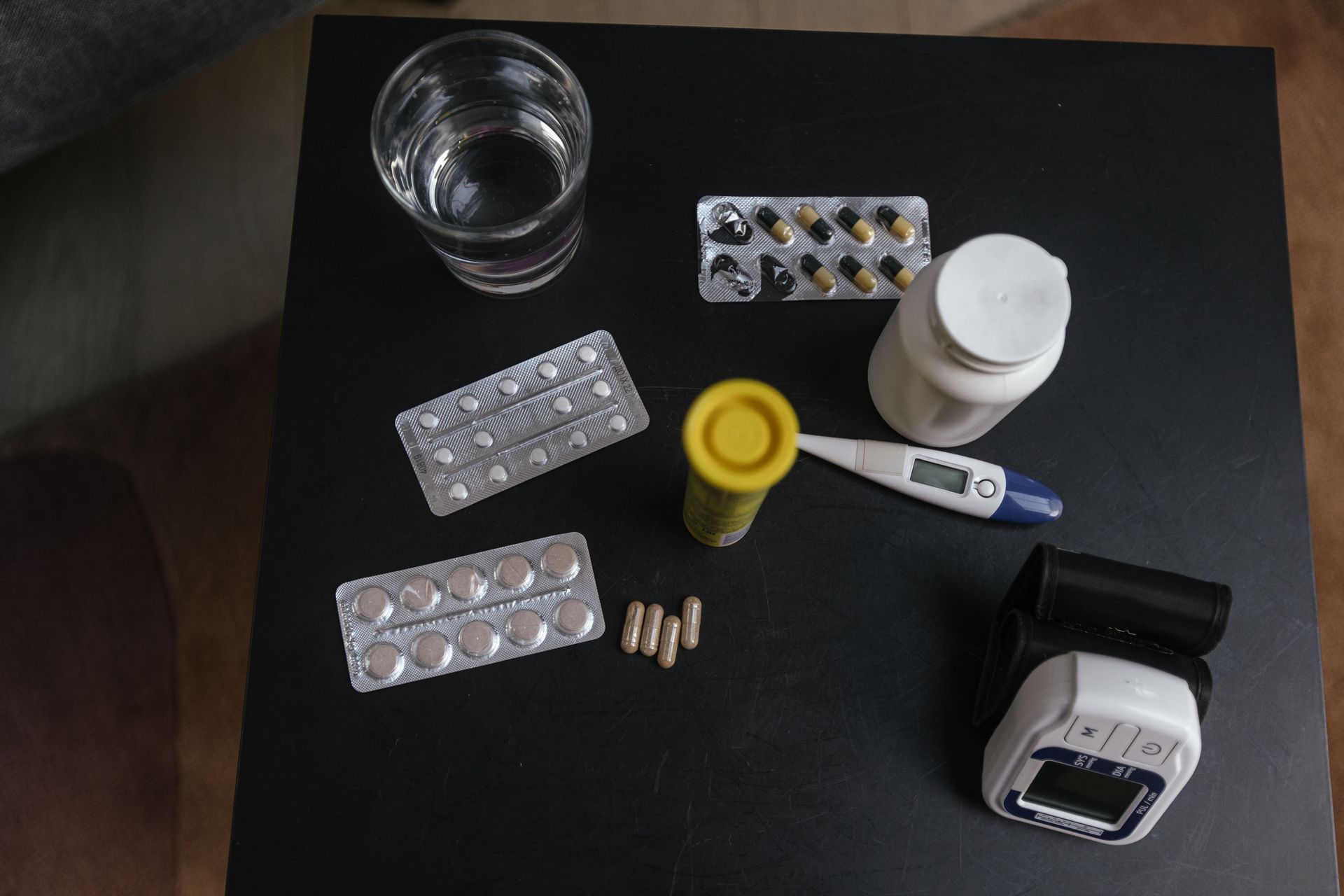
Bring every medication you take to every appointment — prescription drugs, over-the-counter medications, vitamins, supplements, and herbal products. All of them. This matters for two reasons. First, it allows the physician to assess interactions. Second, it gives an accurate picture of what you're actually taking, which sometimes differs from the chart. Ask periodically whether each medication is still necessary, whether the dose is still appropriate, and whether any of them could be simplified or stopped.

Do not stop medications on your own without discussing it with your doctor, even if you suspect they're no longer needed. Some medications require a taper. Others were managing a condition that will return if treatment stops. The goal is a deliberate, supervised review — not a unilateral decision made at home.

Knowing your numbers matters more than you think

Credit:  Tahir Xəlfəquliyev /  Pexels

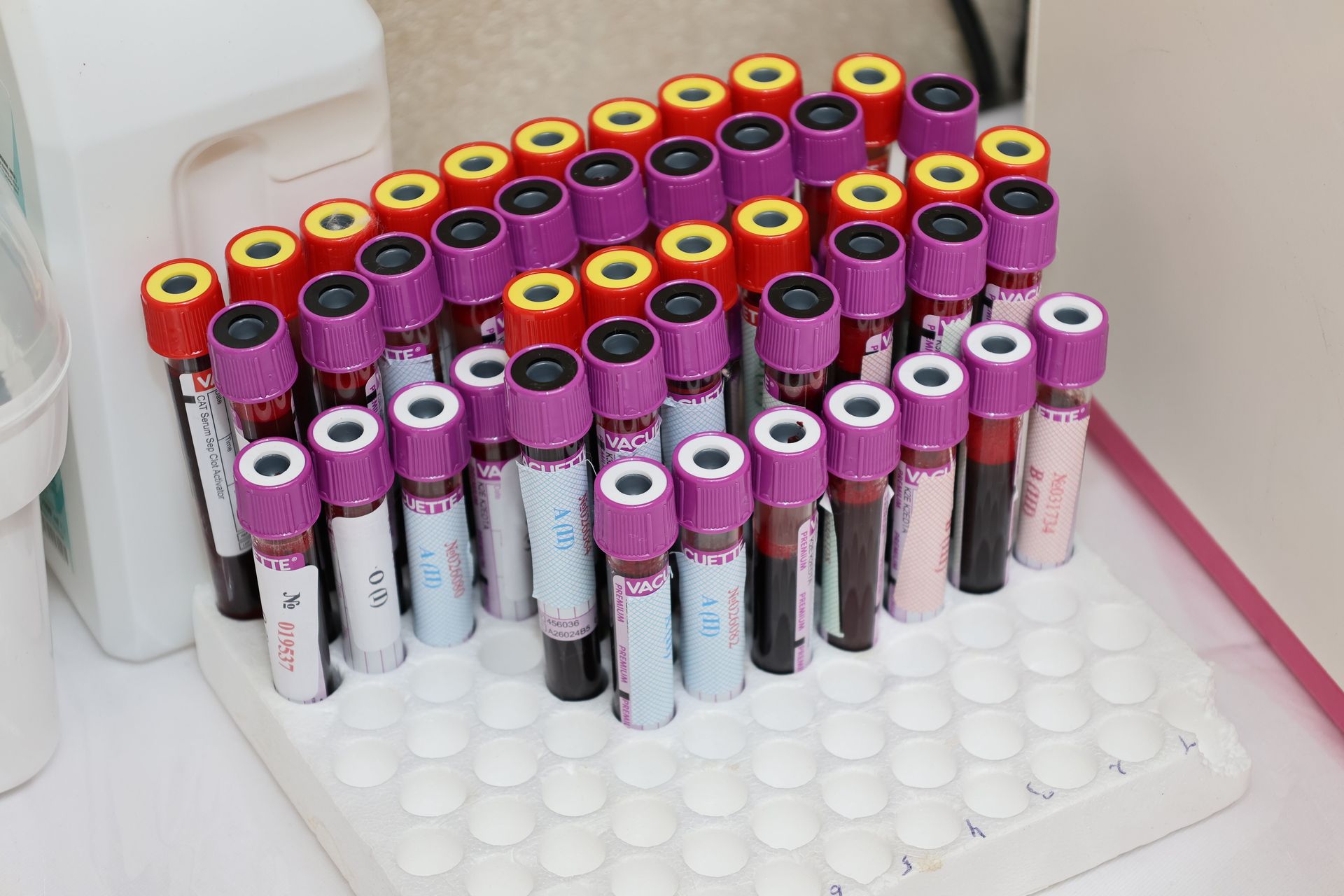
When physicians talk about "your numbers," they're referring to a set of measurable values — blood pressure, blood sugar, cholesterol levels, body weight — that collectively describe metabolic health. These numbers are not abstract statistics. They are direct measures of risk for some of the most common and serious diseases in the world: cardiovascular disease, type 2 diabetes, stroke, and kidney disease.

The problem is that most people don't know their numbers. They may have had bloodwork done at some point, but if the results came back without an urgent call from their doctor's office, they assumed everything was fine and moved on. But "fine" exists on a spectrum, and the difference between a reading that is technically normal and one that is borderline is a gap that can be closed — through diet, exercise, and lifestyle changes — before it becomes a clinical problem.

Cholesterol is a useful example. A total cholesterol reading below 200 mg/dL is considered desirable, but the total number is less useful than the breakdown: LDL (low-density lipoprotein) versus HDL (high-density lipoprotein) cholesterol, and the presence of triglycerides. An LDL of 130 mg/dL means something quite different for a 35-year-old with no other risk factors than it does for a 55-year-old with hypertension, a sedentary lifestyle, and a family history of cardiac disease. Context shapes what a number means.

Blood glucose is another case where trends matter. Fasting blood sugar in the range of 100 to 125 mg/dL indicates prediabetes — a state in which blood sugar is elevated but not yet at diabetic levels. This is a window in which intervention can genuinely change the trajectory. Many people who receive a prediabetes reading don't take it seriously because it's not a formal diabetes diagnosis, and because it produces no symptoms. But the damage from chronically elevated blood sugar begins long before the diagnostic threshold for diabetes is crossed.

Ask your physician what your numbers are and what they mean in the context of your overall health. Keep a record. Compare them over time.

Mental health is medical health — and hiding it delays care

Credit:  Tima Miroshnichenko /  Pexels

One of the most persistent and damaging divisions in medicine is the cultural separation of mental health from physical health. Despite decades of effort to destigmatize mental illness, many patients still feel reluctant to mention symptoms of depression, anxiety, or other mental health conditions to their doctors — particularly in appointments focused on physical symptoms, or in cultural contexts where mental illness carries social shame.

The clinical case for treating mental health as indistinguishable from physical health is not simply philosophical. Depression and anxiety have direct physiological effects. Chronic depression is associated with elevated inflammatory markers, HPA axis dysregulation, and increased risk of cardiovascular disease. Anxiety disorders are linked to higher rates of hypertension. Post-traumatic stress disorder alters cortisol regulation and immune function. The brain is an organ. Its dysfunction has systemic consequences just as liver or kidney dysfunction does.

Patients who hide mental health symptoms from their physicians delay care in ways that compound over time. Someone who has been struggling with depression for two years before mentioning it has had two years of disrupted sleep, reduced physical activity, impaired immune function, and in many cases suboptimal management of other conditions — because depression reduces motivation to monitor blood sugar, take medications consistently, keep appointments, and follow treatment plans.

Primary care physicians can and do treat many mental health conditions directly, often with medications and referrals to therapy. They can also rule out physical causes of psychiatric-seeming symptoms — thyroid dysfunction, vitamin deficiencies, anemia, and other conditions can all produce mood changes, anxiety, and cognitive fog. The differential diagnosis requires the physician to know that mental health symptoms are present.

If you're struggling, say so. Start simply. "I've been feeling down lately" or "I've been having a lot of anxiety" is enough to open the conversation. The physician can take it from there.

Preventive screenings have specific ages and intervals for a reason

Credit:   Towfiqu barbhuiya  /  Pexels

The calendar of preventive health screenings — when to have a colonoscopy, when to start mammograms, when to screen for diabetes, when to get a bone density scan — is not arbitrary. Each recommendation reflects a body of research on when particular diseases are most likely to develop, when early detection most changes outcomes, and when the risks of screening (false positives, unnecessary procedures, radiation exposure) are justified by the likely benefit.

When patients skip screenings or delay them without medical reason, they remove themselves from a system designed to catch disease before it becomes symptomatic. The whole point of screening is to find disease in people who feel fine. By the time most cancers cause symptoms, they are more difficult to treat. Colorectal cancer caught at stage I has a five-year survival rate above 90%. Caught at stage IV, the rate drops dramatically. This is not an argument for fear — it is an argument for taking the calendar seriously.

Some of the most impactful screenings are also among the most skipped. Colonoscopy recommendations for average-risk adults currently begin at age 45 in the U.S. Many people put it off because the preparation is inconvenient, the procedure is uncomfortable, or they simply haven't gotten around to it. But colorectal cancer is the third most commonly diagnosed cancer in the U.S., and it is one of the most preventable through screening, because colonoscopies can identify and remove precancerous polyps before they become malignant.

Screening recommendations evolve as evidence accumulates, and they vary by individual risk. A patient with a first-degree relative who had colorectal cancer before age 60 may need to start screening at 40 rather than 45. A woman with dense breast tissue or a BRCA mutation requires a different mammography schedule than average-risk women. These nuances are why your screening calendar should be a conversation with your physician, not just a Google $GOOGL search.

The most important thing is to actually have that conversation, keep the appointments, and not assume that feeling healthy means all is well.

Alcohol has a much lower safe threshold than most people believe

Credit:   Helena Lopes /  Pexels

Public understanding of alcohol's health effects tends to lag behind the current state of the evidence. For years, moderate alcohol consumption was discussed in terms of potential benefits — particularly for cardiovascular health, based on associations seen in epidemiological data. Those associations have not held up well under more rigorous analysis, and the current medical consensus has shifted substantially.

The World Health Organization's position, updated in 2023, is that no amount of alcohol is safe for health. This is a statement about population-level risk, not a prescription for individual behavior, and it reflects the evidence that alcohol is a Group 1 carcinogen — a substance with sufficient evidence of causing cancer in humans. Alcohol is causally linked to cancers of the mouth, throat, esophagus, liver, colon, rectum, and breast.

Most people are unaware of the cancer connection, partly because it hasn't been communicated as clearly as the cardiovascular risks of smoking. But the evidence is well established. In the case of breast cancer, there is no threshold below which alcohol consumption appears to have no effect on risk — even low-level consumption is associated with a small but real increase. The risk compounds with higher consumption.

The liver damage associated with heavy drinking is well known, but heavy drinking's effects on the cardiovascular system, brain, immune function, and sleep quality are less consistently understood. Alcohol disrupts sleep architecture even when it appears to facilitate falling asleep — it reduces REM sleep and causes more fragmented, less restorative rest. Regular evening drinking undermines sleep quality in ways people often attribute to other causes.

None of this means that a physician will tell a patient to never drink. But understanding that alcohol is not a benign social lubricant with a safe minimum dose — that it carries real and underappreciated health risks — is useful information for making informed personal choices. If you drink, knowing the actual risk profile helps you make that decision with clear eyes.

Obesity is a disease, not a character flaw

Credit:   Annushka Ahuja /  Pexels

Medicine's understanding of obesity has changed substantially over the past 20 years, and the cultural understanding has not kept pace. Obesity is now classified as a chronic disease by major medical organizations, including the American Medical Association, reflecting a scientific consensus that it involves complex interactions between genetics, hormones, metabolism, environment, and behavior. It is not simply a matter of willpower or discipline.

Patients who live with obesity often encounter stigma within the healthcare system itself — assumptions about their habits, dismissive attitudes, and the attribution of unrelated medical complaints to their weight. This stigma is harmful not only because it is cruel but because it discourages patients from seeking care. People who expect to be judged or lectured delay appointments, avoid weighing themselves at check-ins, and disengage from healthcare relationships that could help them.

Physicians who understand obesity as a disease approach it differently. They take a detailed history of weight trajectory, previous attempts at management, medications that may have contributed to weight gain, sleep patterns, hormonal status, and mental health. They recognize that the same caloric deficit produces different outcomes in different people depending on genetic factors, gut microbiome composition, and individual metabolic variability. This is not soft science — it is the actual complexity of human metabolism.

The advent of GLP-1 receptor agonist medications — including semaglutide (sold under brand names including Ozempic and Wegovy) — has opened a new chapter in obesity treatment. These medications work by mimicking a gut hormone that regulates appetite and slows gastric emptying, producing meaningful and sustained weight loss in most people who take them. They are not a cure, but they are the most effective pharmacological treatment for obesity yet developed, and they have also demonstrated significant cardiovascular benefits in clinical trials.

Whatever one's views on medication, the key shift for patients is understanding that weight management is a medical issue that deserves medical attention — and that shame is not a therapeutic tool.

Emergency rooms are not the right place for most health problems

Credit: Pixabay / Pexels

Emergency departments are designed and staffed for emergencies — conditions that are immediately life-threatening or require urgent interventions that cannot wait. Chest pain with shortness of breath, stroke symptoms, severe allergic reactions, traumatic injuries, major burns, and similarly acute events are what emergency departments are built for. When people use emergency rooms for conditions that are not emergencies, it strains capacity, increases wait times, exposes patients to infectious agents, and costs far more than outpatient care.

The pattern of using emergency rooms as a substitute for primary care is common, and it often reflects real structural problems: a lack of access to a primary care physician, an inability to get a timely appointment, no other option for after-hours care, or no health insurance. These are legitimate barriers, and they produce genuine need. But for patients who do have primary care access, the default to the emergency room for non-urgent problems delays their own care while also affecting people who genuinely need emergency services.

Urgent care centers — walk-in clinics that handle non-emergency acute conditions like minor infections, sprains, cuts requiring stitches, rashes, and urinary tract infections — fill the gap between primary care appointments and true emergencies. They are faster, less expensive, and appropriately equipped for the conditions they treat. Many primary care practices also have same-day or next-day sick appointments for established patients.

Knowing which setting is appropriate for which problem requires some basic triage knowledge. If there is any possibility that a condition is life-threatening — suspected heart attack, stroke, anaphylaxis, significant difficulty breathing, severe chest or abdominal pain — an emergency room is the right destination, immediately. For everything else, calling a nurse line, contacting a primary care office, or visiting an urgent care center is usually a better choice than defaulting to the emergency department.

Understanding when to go where is not just a matter of convenience. It is part of using the healthcare system well.

Chronic pain is real and undertreated in many patients

Credit:   Kindel Media /  Pexels

Pain medicine occupies a difficult position in contemporary healthcare. In the wake of the opioid epidemic — which caused widespread addiction, overdose deaths, and pharmaceutical and prescriber accountability — there has been a significant cultural and regulatory pullback from opioid pain management. This has had real consequences for patients who live with legitimate, debilitating chronic pain conditions.

Chronic pain is not the same as acute pain. Acute pain is a signal — the body's alarm system, warning that something is wrong. Chronic pain, defined as pain lasting more than three months, often persists after the original injury or illness has resolved, and involves changes in the nervous system's processing of pain signals. It is a condition in itself, not simply a symptom of something else. Treating it as if it were acute pain is a clinical error.

Patients with chronic pain are sometimes doubted, undertreated, or dismissed — told that their pain is exaggerated, that it is psychological, or that there is nothing to be done. Women and members of racial minority groups are disproportionately likely to have their pain minimized or attributed to anxiety or depression. The research on racial disparities in pain management is well established, particularly for Black patients in the U.S., who receive less pain treatment across a range of conditions even when clinical severity is equivalent.

Effective chronic pain management typically involves a multidisciplinary approach: physical therapy to address musculoskeletal contributors, psychological support to address the mental health burden of living with pain, and in some cases medications — which may include non-opioid options, nerve blocks, or carefully managed opioid therapy where appropriate. No single approach works for all patients.

If you live with chronic pain, you deserve treatment that takes it seriously. If you feel your pain is being dismissed, advocating for a referral to a pain management specialist is reasonable and appropriate. A specialist in this area brings a different toolkit to the problem.

The sun causes more skin cancer than most people act on

Credit:   www.kaboompics.com /  Pexels

Skin cancer is the most commonly diagnosed cancer in the U.S. Each year, more people are diagnosed with it than with all other cancers combined. The primary cause is well established: exposure to ultraviolet radiation, mostly from the sun. Despite this, consistent use of sun protection remains low in the general population.

The most serious form of skin cancer — melanoma — accounts for the majority of skin cancer deaths. Melanoma develops from melanocytes, the pigment-producing cells of the skin, and it can spread to other organs if not caught early. Most melanomas are caused by ultraviolet radiation exposure, and risk increases with cumulative lifetime sun exposure, history of sunburns (particularly blistering burns in childhood and adolescence), tanning bed use, and fair skin.

The more common basal cell and squamous cell carcinomas rarely metastasize and are usually treatable, but they require surgical removal and can cause significant disfigurement if allowed to grow. They develop in areas of chronic sun exposure — the face, ears, neck, scalp, and hands — and often in people who spent years outdoors without consistent protection.

The standard advice — use broad-spectrum SPF 30 or higher sunscreen, reapply every two hours during extended outdoor exposure, wear protective clothing and hats, seek shade during peak UV hours from 10 a.m. to 4 p.m. — is not overcautious. It reflects the actual mechanism of damage. Ultraviolet radiation causes DNA damage in skin cells, and each sunburn increases the cumulative burden of that damage.

Annual skin checks with a dermatologist are recommended for people with risk factors: a personal or family history of skin cancer, a history of tanning bed use, many moles, or fair skin with a history of significant sun exposure. Learning the ABCDEs of melanoma — asymmetry, border irregularity, color variation, diameter over 6mm, and evolution — helps with self-monitoring between appointments.

Type 2 diabetes can often be prevented — and sometimes reversed

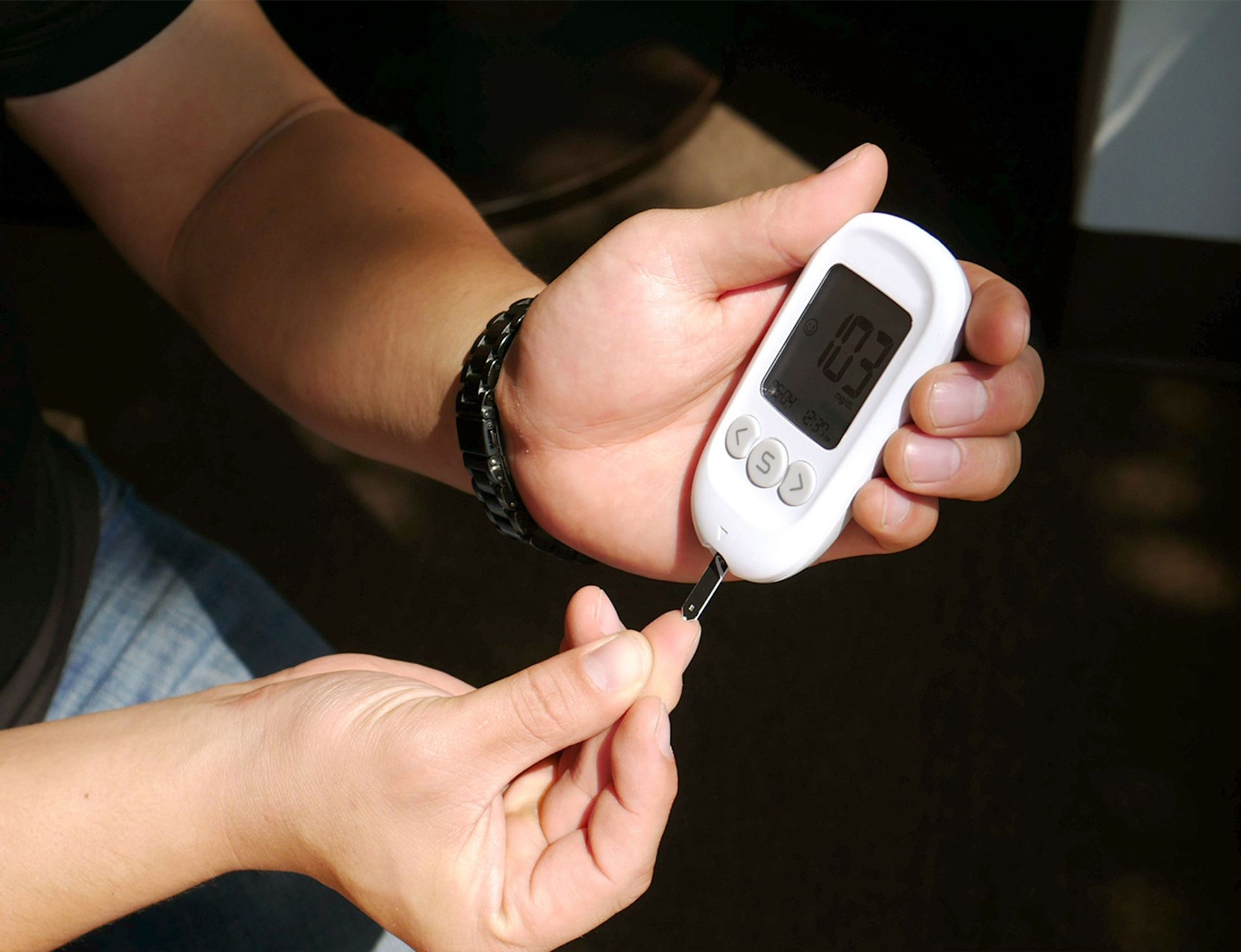
Credit:   i-SENS, USA  /  Pexels

Type 2 diabetes is not inevitable. It is a condition with identifiable risk factors and a relatively well-understood progression from normal blood sugar to prediabetes to full diabetes. At each stage, there is a window for meaningful intervention. Yet millions of people either don't know they are at risk or know but don't act on it.

The core mechanism of type 2 diabetes is insulin resistance: the body's cells become less responsive to insulin, which is the hormone that facilitates glucose uptake from the bloodstream. The pancreas compensates by producing more insulin, but over time it may not be able to keep up, and blood sugar levels rise to diabetic levels. The transition from prediabetes to diabetes usually takes several years — enough time, in many cases, for lifestyle intervention to change the outcome.

The Diabetes Prevention Program, a large U.S. clinical trial, demonstrated that intensive lifestyle intervention — modest weight loss (around 7% of body weight) and 150 minutes per week of moderate physical activity — reduced the risk of progressing from prediabetes to type 2 diabetes by 58% over three years, compared with a control group. This is a large, reproducible effect. The intervention required was not extreme or radical. It was consistent, moderate, and sustainable.

For people already diagnosed with type 2 diabetes, remission — defined as blood sugar returning to normal levels without medication — is possible for some through significant weight loss, typically achieved through caloric restriction, bariatric surgery, or, increasingly, GLP-1 medications. Not everyone achieves remission, and not everyone is a candidate, but the possibility of remission has changed how some physicians approach newly diagnosed patients, particularly those who are willing to make substantial lifestyle changes.

Understanding that type 2 diabetes is not simply a chronic condition to be managed indefinitely — that its trajectory can be altered — is a perspective shift worth having early. The sooner intervention begins, the more options are available.

Vaccines don't just protect you — they protect people who can't protect themselves

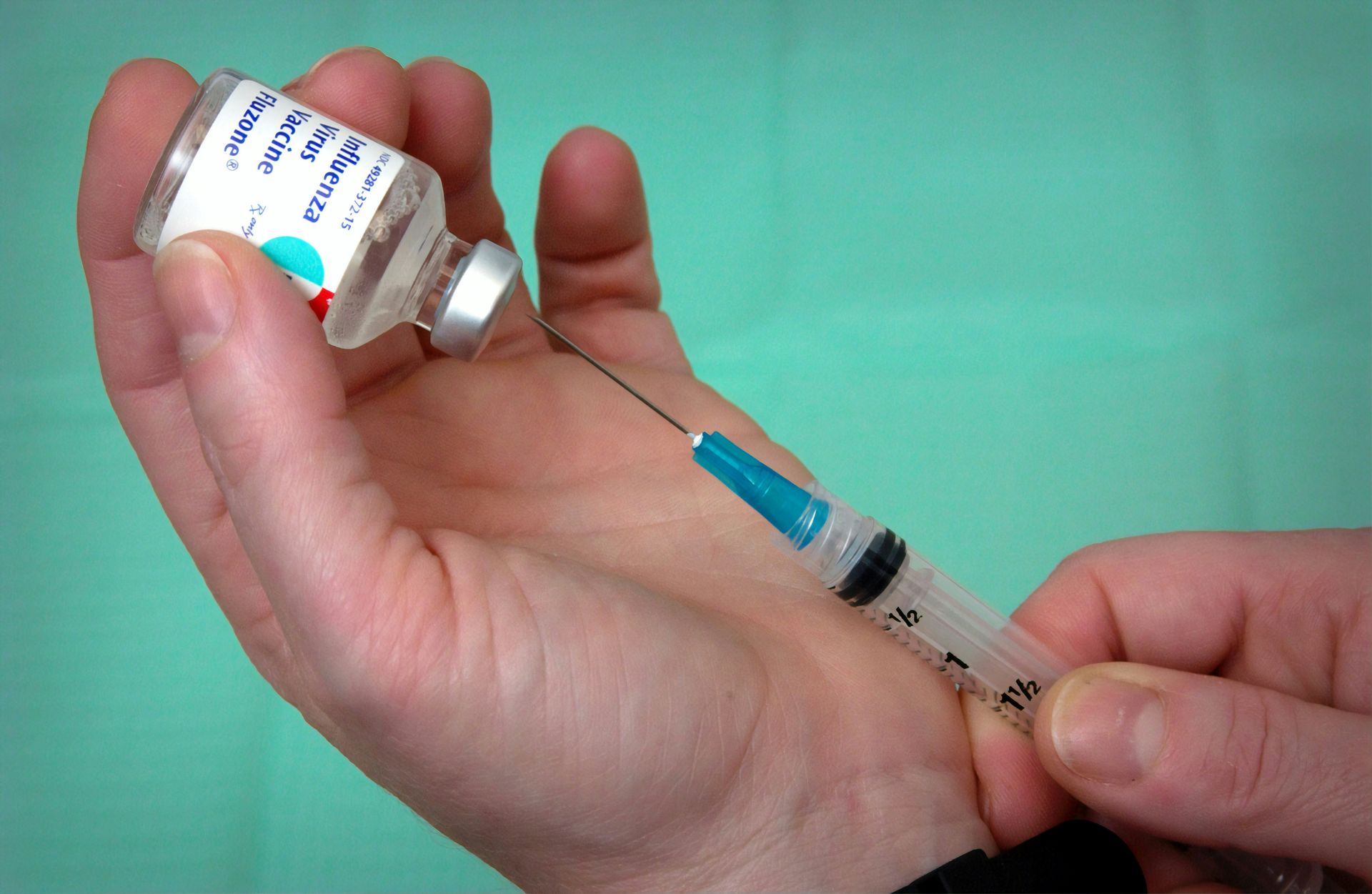
Credit:   CDC / Unsplash

The scientific case for vaccines is not seriously contested among clinicians or public health specialists. Vaccines are among the most effective public health interventions ever developed, responsible for the elimination or dramatic reduction of diseases that once killed or disabled millions of people annually: smallpox (eradicated), polio (eliminated from most of the world), measles, diphtheria, whooping cough, and others.

What is sometimes underappreciated is the principle of community immunity — often called herd immunity — which describes how vaccination protects not just individuals but their communities, including people who are medically unable to be vaccinated. Newborns too young for certain vaccines, people undergoing chemotherapy, organ transplant recipients, and people with specific immune deficiencies cannot receive some vaccines or cannot mount an adequate immune response to them. They depend on the people around them being vaccinated.

When vaccination rates in a community drop below the threshold needed to maintain community immunity — which is around 95% for measles, a highly contagious disease — outbreaks become possible. The 2019 measles outbreaks in the U.S., which were the largest in 27 years at the time, were concentrated in communities with low vaccination rates. The people most harmed in such outbreaks include the most vulnerable, those who had no choice about their own protection.

Adult vaccines matter too. Flu vaccination reduces hospitalization and death in older adults. The shingles vaccine (Shingrix) is highly effective at preventing shingles and its sometimes severe complication, postherpetic neuralgia. The pneumococcal vaccine protects against a common cause of bacterial pneumonia. The COVID-19 vaccines have demonstrated substantial protection against severe illness and death.

Staying current with vaccines is not primarily a political or philosophical statement. It is a straightforward act of preventive medicine, and in the case of highly contagious diseases, one with implications beyond your own health.

Your gut feeling about your health is worth mentioning out loud

Credit:   Sora Shimazaki /  Pexels

Physicians are trained to elicit information through structured history-taking: symptoms, duration, location, severity, aggravating and relieving factors. This process is rigorous and evidence-based. But there is another kind of patient-generated information that often goes unspoken: the patient's sense that something is wrong in a way they can't fully articulate.

Experienced clinicians often describe encountering patients who say something like "I just don't feel right" or "Something feels different to me, even if I can't explain it" — and who turn out to have a real and significant medical problem. The patient's inability to articulate the specific symptom doesn't mean there isn't one. It may mean the symptom is subtle, intermittent, or simply not yet explainable in familiar terms.

Patients, particularly those who have known their own bodies for decades, often notice deviations from their baseline before they can name what is different. The fatigue that is qualitatively different from ordinary tiredness. The way their digestion has shifted subtly. The exercise tolerance that has declined in a way they can feel but not measure. These observations have diagnostic value even when they don't fit cleanly into a symptom category.

The barrier to sharing this kind of information is often embarrassment or a fear of seeming vague or hypochondriacal. Patients worry they'll be dismissed. Sometimes they are. But a physician who asks follow-up questions, who takes the report of a general unease seriously and runs a focused workup, is practicing good medicine. Telling your doctor that you feel like something is off — even without being able to say exactly what — gives them an opportunity to investigate.

For serious or worsening symptoms, this also applies to persistence. If you've sought care for something, been told it's likely benign, and it continues or worsens, go back. A second presentation changes the clinical picture. You are not being a burden. You are providing updated information.

Knowing the difference between urgent and emergent can save your life

Credit:  Antonio Batinić  /  Pexels

Not every serious medical problem requires a nine-one-one call — but some situations require one immediately, and not recognizing them can be fatal. The distinction between conditions that are urgent (serious, needing prompt evaluation) and emergent (immediately life-threatening, needing emergency response) is practically important.

The classic emergent conditions are well known: suspected heart attack (chest pain or pressure, especially with radiation to the arm or jaw, sweating, or shortness of breath), stroke (sudden facial drooping, arm weakness, speech difficulty — captured in the FAST acronym: Face, Arms, Speech, Time), anaphylaxis (severe allergic reaction with throat swelling, difficulty breathing, or cardiovascular collapse), and major trauma.

Less widely understood are the emergent presentations that can look deceptively routine. Aortic dissection — a tear in the wall of the aorta — classically presents with severe, sudden-onset tearing or ripping pain in the chest or back, and is often initially mistaken for a less serious condition. Pulmonary embolism — a blood clot in the lungs — can present with sudden shortness of breath and chest pain, and is life-threatening without rapid treatment. Meningitis can begin with flu-like symptoms before progressing to neck stiffness, severe headache, and a characteristic petechial rash that indicates bacterial disease.

When someone is having a stroke, time is muscle — or more accurately, time is brain. Every minute that passes without treatment in an ischemic stroke represents approximately 1.9 million neurons lost. The clot-dissolving medication tPA is only effective within a specific time window from symptom onset. Calling nine-one-one and saying "I think this is a stroke" activates a stroke protocol that prepares the hospital before the patient arrives.

The practical advice is to err on the side of caution with sudden, severe, or rapidly changing symptoms, particularly in people with known cardiovascular disease, blood clot history, or immune compromise. If something feels catastrophically different — not just bad, but different in kind from anything before — trust that signal.

What you don't tell your doctor can matter as much as what you do

Credit:   Vitaly Gariev / Unsplash

Physicians can only work with the information they have. Patients commonly withhold information from their doctors for reasons that are entirely understandable — embarrassment, fear of judgment, anxiety about what the answer might be, a desire to avoid a difficult conversation, or simply not thinking a particular habit or symptom is relevant. But incomplete information leads to incomplete care.

Smoking and substance use are among the most commonly underreported behaviors. Patients understate how much they smoke, how frequently they drink, and whether they use recreational drugs. These are medically relevant facts. Tobacco use affects surgical risk, medication metabolism, cancer screening decisions, and a range of other clinical considerations. Alcohol interacts with numerous medications. Recreational drugs — cannabis, cocaine, stimulants, opioids — can cause cardiovascular symptoms, interact with prescribed medications, and have direct health consequences that a physician needs to know about to provide appropriate care.

Sexual health history is another area where patients frequently omit information. Whether someone is sexually active, the number of partners, the types of sexual activity, and any history of sexually transmitted infections — all of this is relevant to health decisions, screening intervals, and vaccination (including HPV vaccination, which is now recommended through age 45). Physicians are trained to take this history without judgment. If a physician does respond with judgment, that is the physician's failing, not a reason to remain silent.

Mental health history, past trauma, and financial stress also fall into this category. Whether someone can afford their medication affects whether they'll take it consistently. Whether they have a safe home environment affects whether recommended lifestyle changes are realistic. Whether they have a history of trauma affects how they may respond to certain examinations or procedures.

The exam room is supposed to be a space of candor. The more complete the information, the better the care.

Cholesterol-lowering medications are often more important than diet alone

Credit:    jesse orrico / Unsplash

The relationship between diet and cholesterol is real but often overstated relative to genetics. For many people — perhaps most people with significantly elevated LDL cholesterol — dietary changes alone are insufficient to bring levels into a range that meaningfully reduces cardiovascular risk. This is because approximately 80% of the cholesterol in your blood is produced by your liver, not derived from dietary intake. Genetics strongly influence how much cholesterol the liver produces and how efficiently the body clears it.

Statins — the most widely prescribed class of cholesterol-lowering medications — work by inhibiting an enzyme in the liver's cholesterol synthesis pathway. They are among the most studied drugs in pharmacological history. The evidence for their efficacy in reducing major cardiovascular events — heart attack, stroke, cardiovascular death — in high-risk populations is substantial and consistent across multiple large clinical trials. For people with established cardiovascular disease, the benefit-risk profile of statins is not clinically contested.

Yet patient adherence to statin therapy is poor. Studies consistently find that a significant portion of people prescribed statins stop taking them within a year, often because of concerns about side effects, particularly muscle pain. Statin-associated muscle symptoms are real and occur in a minority of patients. However, the more serious side effect — rhabdomyolysis, or severe muscle breakdown — is rare. Many patients who report muscle pain on one statin find that a different statin at a different dose is tolerated without symptoms.

The decision to take a statin should involve a real conversation between physician and patient about actual risk: not just cholesterol numbers but the full cardiovascular risk picture, including blood pressure, age, sex, diabetes status, and smoking history. Tools like the pooled cohort equations calculate a 10-year cardiovascular event risk that helps contextualize the decision. What doesn't help is refusing medication on principle, or stopping it because of vague worries, without having a concrete plan for reducing risk through other means.

If you've been prescribed a statin and are concerned about side effects, talk to your physician before stopping it.

Taking more medication is not always better

Credit:   Jonathan Borba / Unsplash

More of a good thing is not always more good — and this principle applies clearly to medications. In pharmaceutical terms, it's often stated as "dose makes the poison," but the clinical reality is more nuanced: the right dose for a given patient is the one that achieves the therapeutic goal with acceptable side effects, and exceeding it almost always increases risk without proportionally increasing benefit.

Patients sometimes adjust their own dosing: taking an extra blood pressure pill on a day when they feel stressed, doubling an antibiotic because they want the infection gone faster, taking more than the recommended dose of a pain reliever because the standard dose isn't quite enough. Each of these is a medical error, even if it feels like reasonable self-management.

With blood pressure medications, overshooting the target can cause dangerous hypotension — blood pressure that drops low enough to cause dizziness, fainting, and falls, which in older adults can be catastrophic. With antibiotics, doubling the dose does not double the kill rate; it often simply increases the concentration of the drug in the blood without meaningfully accelerating the course of treatment, while increasing the probability of side effects. With NSAIDs like ibuprofen or naproxen, taking more than the recommended dose significantly increases the risk of gastrointestinal bleeding and kidney damage.

Acetaminophen (Tylenol in the U.S.) deserves particular attention. It is safe at recommended doses but is the leading cause of acute liver failure in the U.S. The danger lies in the gap between the standard dose and the toxic dose, and in the fact that acetaminophen is an active ingredient in many combination cold and flu products. Patients who take a standard acetaminophen tablet and also take a nighttime cold medication with acetaminophen can inadvertently reach or exceed the daily limit without realizing it.

The safe approach is to take medications exactly as prescribed or as directed on the label, to read ingredient lists on combination products, and to contact a physician or pharmacist rather than self-adjusting doses when the standard amount seems insufficient.

Your mental state affects your physical recovery

Credit:  Andrea Piacquadio /  Pexels

The connection between psychological state and physical health outcomes is not a piece of folk wisdom — it is an area of serious scientific inquiry with clinical implications. How a patient feels emotionally, what they believe about their illness, and whether they have adequate social support all influence measurable health outcomes, including recovery from surgery, management of chronic disease, and even immune response to vaccines.

The field of psychoneuroimmunology examines how psychological factors affect the nervous system and immune function. Chronic psychological stress activates the hypothalamic-pituitary-adrenal axis and the sympathetic nervous system, producing sustained elevations in cortisol and inflammatory cytokines. Over time, this chronic activation impairs immune function, disrupts sleep, elevates blood pressure, accelerates atherosclerosis, and increases vulnerability to illness.

Depression is particularly well documented in its effect on physical health outcomes. Patients with depression who also have a major cardiovascular event — a heart attack, bypass surgery — have significantly worse recovery trajectories than non-depressed patients with equivalent cardiac severity. They are less likely to adhere to treatment plans, less likely to attend cardiac rehabilitation, and more likely to have repeat events. Treating the depression is not secondary to treating the heart — it is part of it.

Patient beliefs about illness also shape outcomes. Patients who believe their condition is severe, that it will last a long time, and that treatment is ineffective have systematically worse outcomes than patients with equivalent physical disease who hold more positive beliefs. This is not positive thinking as a cure — it is an observation that expectations and perceptions influence behavior, and behavior influences biology.

Telling your physician about major life stressors, recent losses, or significant relationship difficulties is not venting — it is clinical information. A physician who knows that a patient is going through a divorce, caring for an ill parent, or under severe financial pressure will understand why their blood sugar is poorly controlled or their headaches have worsened. That context produces better care.

Primary care is worth having, even when you feel healthy

Credit:   AI25.Studio Studio  /  Pexels

The value of a primary care physician is easiest to see when something goes wrong. A physician who has known a patient for years has a baseline — a picture of that person's normal — against which new symptoms can be compared. They know the family history, the prior diagnoses, the list of medications, the patient's preferences and anxieties, and the lifestyle factors that shape their health decisions. They know that this patient tends to understate symptoms, or that another patient catastrophizes them. This context is clinically valuable and cannot be replicated in an urgent care visit or emergency room encounter.

In the U.S., access to primary care has been strained by a shortage of primary care physicians relative to population need. Many people, particularly in rural areas or underserved urban communities, struggle to find a primary care provider accepting new patients. This is a systemic problem with no easy individual solution. But for people who do have access, not using it is a missed opportunity.

Preventive care is the core function of primary care. The annual or biennial well-visit is where blood pressure gets checked, cholesterol gets screened, vaccination records get reviewed, cancer screenings get ordered, and chronic diseases get monitored. It is where a physician can notice a change from last year's visit — a few points rise in blood pressure, a slight increase in fasting glucose, a change in weight or appearance — that in isolation would not prompt a call to a doctor but in context might warrant closer attention.

Having an ongoing relationship with a primary care physician also simplifies acute care. When something goes wrong, the physician already knows you. They can triage efficiently, order the right tests, and contextualize what they find against your history. They are also the coordinator of specialist care — the physician who helps you understand what a cardiologist or gastroenterologist recommended and how it fits into your overall plan.

Establishing care before you need it is a sound investment.

Supplements are not regulated the same way as drugs

Credit:   Jonathan Borba /  Pexels


The dietary supplement industry in the U.S. operates under a fundamentally different regulatory framework than the pharmaceutical industry. Under the Dietary Supplement Health and Education Act of 1994, supplements do not require proof of efficacy or safety before they can be sold. The Food and Drug Administration can take action against supplements that are proven to be harmful, but it does not review them before they reach the market. The manufacturer is responsible for ensuring product safety — and for ensuring that the product contains what the label says it does.

This has practical consequences. Studies testing popular supplements — vitamins, minerals, herbal products, protein powders — have repeatedly found discrepancies between what the label claims and what is actually in the product. Some supplements contain less of the active ingredient than advertised. Some contain more. Some contain contaminants, including heavy metals. Some have been found to contain active pharmaceutical ingredients not disclosed on the label, particularly in the weight loss and sexual performance supplement categories.

This does not mean all supplements are ineffective or dangerous. Some have genuine evidence behind them: folic acid during pregnancy to prevent neural tube defects, vitamin D and calcium for bone health in older adults with deficiency, iron for iron-deficiency anemia. These are supplements used in a specific clinical context, often at the direction of a physician, where there is a defined deficiency or risk.

What is less reliable is the use of supplements to treat conditions or optimize health in the absence of a specific deficiency or medical need. High-dose vitamin C does not reliably prevent colds. Melatonin at high doses is probably more than necessary for most sleep applications. Many popular herbal supplements have limited, low-quality, or conflicting evidence for their claimed benefits.

Tell your physician and pharmacist about every supplement you take. Some interact with prescription medications in clinically significant ways. Vitamin K supplements can interfere with warfarin. St. John's Wort significantly affects the metabolism of numerous drugs. These interactions are real and can be dangerous.

What you eat shapes your risk for conditions that won't appear for decades

Credit:   Engin Akyurt /  Pexels

Chronic disease develops slowly. The cardiovascular disease that causes a heart attack at 60 has been building for decades. The type 2 diabetes diagnosed at 55 reflects years of metabolic change. The colon cancer identified at 65 may have begun as small polyps years or decades earlier. Diet influences all of these trajectories — and the most important dietary choices are the ones made consistently, over years, not the ones made around a health scare.

The dietary patterns most consistently associated with reduced chronic disease risk share several features: they are high in vegetables, fruits, legumes, and whole grains; they include moderate amounts of fish and lean protein; they contain relatively little ultra-processed food, red and processed meat, refined carbohydrates, and added sugar. The Mediterranean diet and the DASH (Dietary Approaches to Stop Hypertension) diet are the best-studied examples of these patterns, with substantial evidence linking them to reduced rates of cardiovascular disease, type 2 diabetes, and certain cancers.

Ultra-processed foods — defined not by nutrient content alone but by the degree of industrial processing and the presence of additives not found in home cooking — are an area of growing evidence. Research consistently finds that high intake of ultra-processed foods is associated with adverse health outcomes independent of their macronutrient composition, suggesting that the nature of the processing itself, not just the calories, salt, or sugar content, matters.

Fiber intake in the U.S. is chronically low relative to recommended levels. Dietary fiber — found in whole grains, legumes, fruits, and vegetables — affects gut microbiome composition, cholesterol levels, blood sugar regulation, and colorectal cancer risk. The recommended intake for adults is 25 to 38 grams per day, and most Americans consume roughly half that.

Diet is not destiny — genetics, activity, sleep, and stress all play roles. But it is one of the few chronic disease risk factors that is substantially modifiable through individual choices made each day.

Quartz

Global business news for a smarter world

Topics

  • Business News
  • Money & Markets
  • Tech & Innovation
  • Generation A.I.
  • Lifestyle
  • Leadership

Products

  • Daily Brief
  • Weekly Digest
  • Member Benefits
  • Quartz Pro

Legal

  • Sitemap
  • About
  • Accessibility
  • Privacy
  • Terms of Service
  • Advertising

© 2026 Quartz Media, Inc. All rights reserved.