
Dog breeds for apartment living range from low-energy giants to quiet lapdogs, and this guide breaks down 15 that fit small spaces well
Credit: Carlos O / Pexels
Apartment living rules out large yards, but it doesn't rule out large dogs, and it rules in far more breeds than most renters assume. The instinct is to search only for small dog breeds for apartments, yet size is a weak predictor of how a dog behaves indoors. A greyhound built for competitive racing spends most of an afternoon asleep on a couch. A great dane, tall enough to rest its head on a kitchen counter, often needs less daily exercise than a small terrier bred to dig and chase. What actually determines whether a dog breed for apartment living works out is a combination of energy level, noise tendency, and how the dog responds when left alone in a confined space for stretches of the day.
Building owners and neighbors care about three things above all: barking, destructive habits born from boredom, and whether a dog reacts badly to footsteps in a hallway. Breeds developed for centuries as companions, watchdogs kept quietly indoors, or sighthounds built for short bursts of speed rather than sustained outdoor work tend to handle apartment life better than breeds developed for herding, guarding large properties, or working outdoors all day. Coat length and shedding matter too, since a smaller living space means pet hair and dander accumulate faster, and grooming becomes a bigger factor in day-to-day comfort than it would in a house with a yard and a mudroom.
This list moves through 15 breeds that consistently perform well in small spaces, from toy companions bred for laps and cushions to a sighthound clocked among the fastest dogs alive and a giant breed that spends most of its day lying down. Each entry explains the specific traits, size range, and care needs that make the breed a realistic fit for apartment life, along with tradeoffs, such as grooming demands or health issues tied to a specific body type, that any renter should weigh before bringing one home.
Credit: Ayumi Photo / Pexels
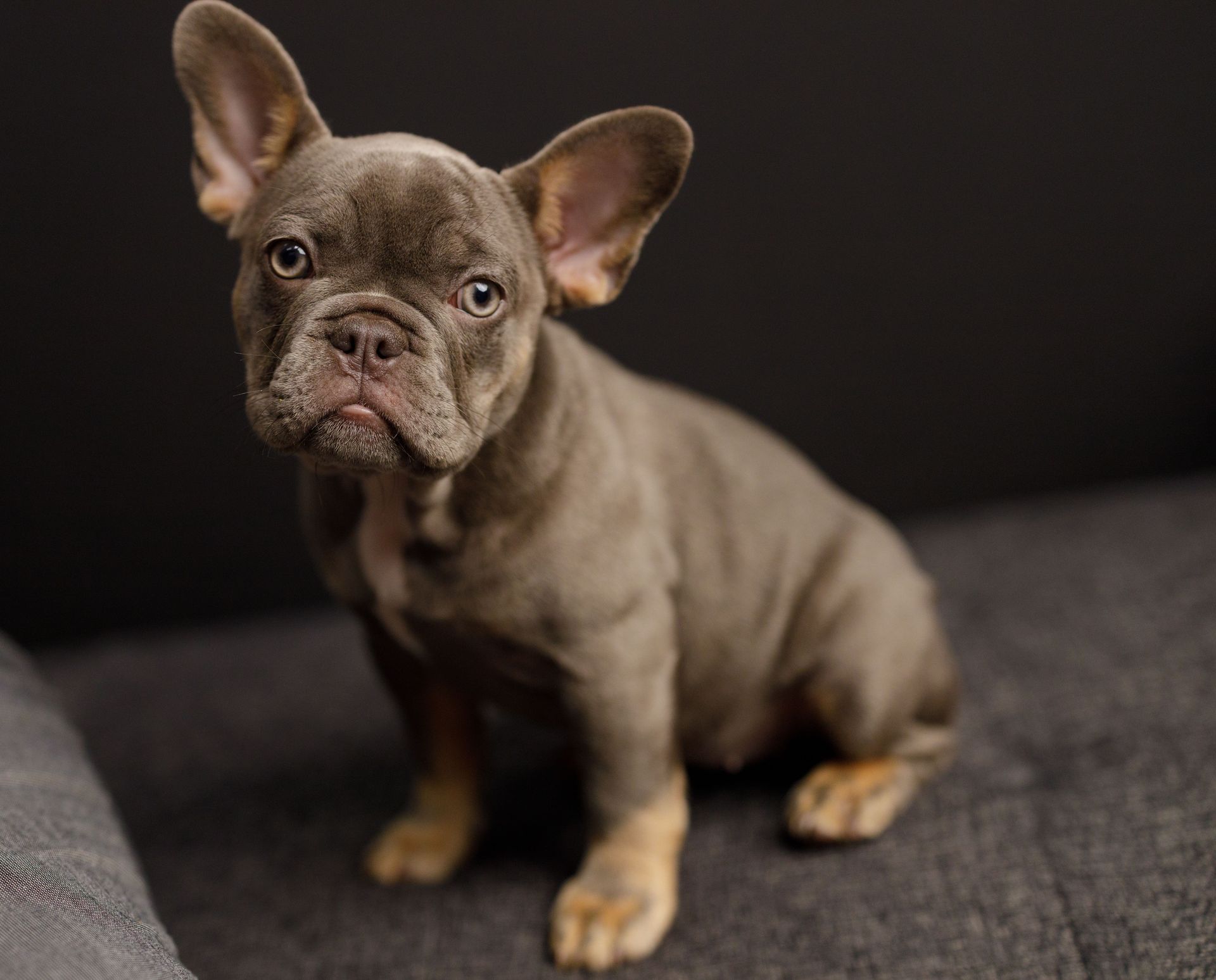
French bulldogs need less daily exercise than almost any other popular breed, which is part of why they have become a common choice for renters in dense cities. An adult French bulldog typically weighs between 16 and 28 pounds and is generally satisfied with two or three short walks a day rather than a long run.
The breed's flat face is the reason for both its appeal and its main drawback. French bulldogs are brachycephalic, meaning their short skulls and narrow airways make it harder for them to cool down through panting. In a small apartment without reliable air conditioning, that can become a real problem during a heat wave, so climate control matters more for this breed than for most others on this list.
Frenchies rarely bark excessively, which keeps them on good terms with neighbors sharing thin walls. They also don't need a yard to burn off energy, since much of their daily activity happens in short bursts of play rather than sustained running. Their compact, muscular build means they don't require the square footage that a larger, more active breed would need to feel settled.
Grooming is minimal thanks to a short, single coat, though the wrinkles around the face need regular wiping to prevent skin irritation and infection. French bulldogs shed a moderate amount year-round rather than in heavy seasonal bursts, which some apartment dwellers find easier to manage with regular vacuuming than the concentrated shedding of a double-coated breed.
Health costs are worth planning for before bringing one home. Brachycephalic airway syndrome, spinal issues linked to their compact body shape, and skin fold infections are common enough that pet insurance or a dedicated savings plan is worth considering. The breed's popularity means veterinary care is widely available, but it is rarely inexpensive.
French bulldogs also do not do well with long stretches of alone time. They bond closely with their household and can develop separation anxiety if left for a full workday without a midday break, dog walker, or day care arrangement, something worth factoring in before choosing the breed for a demanding work schedule.
Credit: Ron Lach / Pexels
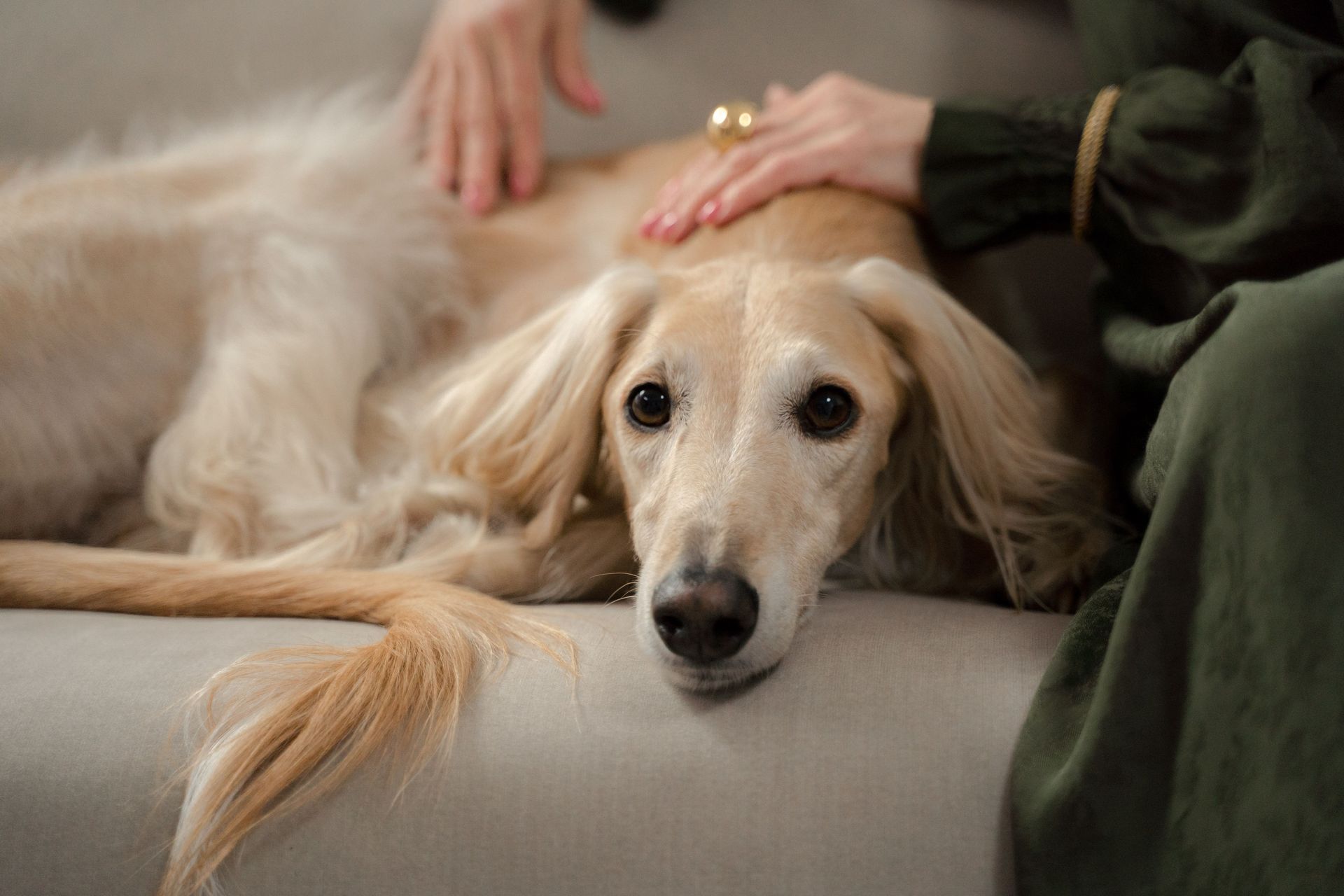
Greyhounds are sprinters, not endurance athletes, and that single fact makes them one of the more counterintuitive picks for apartment living. A greyhound can reach speeds of around 45 miles per hour in short bursts, but outside of that burst, the breed is content to sleep for the better part of the day, often 12 hours or more.
Retired racing greyhounds, widely available through breed-specific rescue organizations, are frequently already accustomed to crate life and calm indoor routines, which makes the transition to an apartment easier than it would be for a breed raised expecting open space. A daily walk or two, plus a short period of off-leash running in a securely fenced area when possible, tends to cover the breed's physical needs.
Their short, single coat means grooming is simple, generally limited to occasional brushing and a wipe-down after walks. Shedding is present but manageable, and greyhounds do not carry the strong dog odor that some short-haired breeds develop between baths.
Thin skin and very low body fat make greyhounds sensitive to cold, so a sweater or coat for winter walks is often necessary rather than optional, especially in climates with real winters. Their large size, often 60 to 70 pounds on a lean frame, means furniture and floor space should be considered, since many greyhounds prefer a soft dog bed or couch over a hard floor and will actively seek one out.
The breed is generally quiet indoors, not prone to nuisance barking, and does well with a predictable routine. Because of their strong prey drive, inherited from their racing and hunting background, greyhounds should be leashed in public spaces without a securely fenced enclosure, and introductions to cats or small pets should be handled carefully and gradually rather than assumed to go smoothly.
Greyhounds bond closely with their households and do best with companionship for large parts of the day, though their low activity needs mean a securely enclosed apartment with brief outdoor breaks suits the breed better than most people expect from a dog built for speed.
Credit: Kyle Mesdag / Unsplash
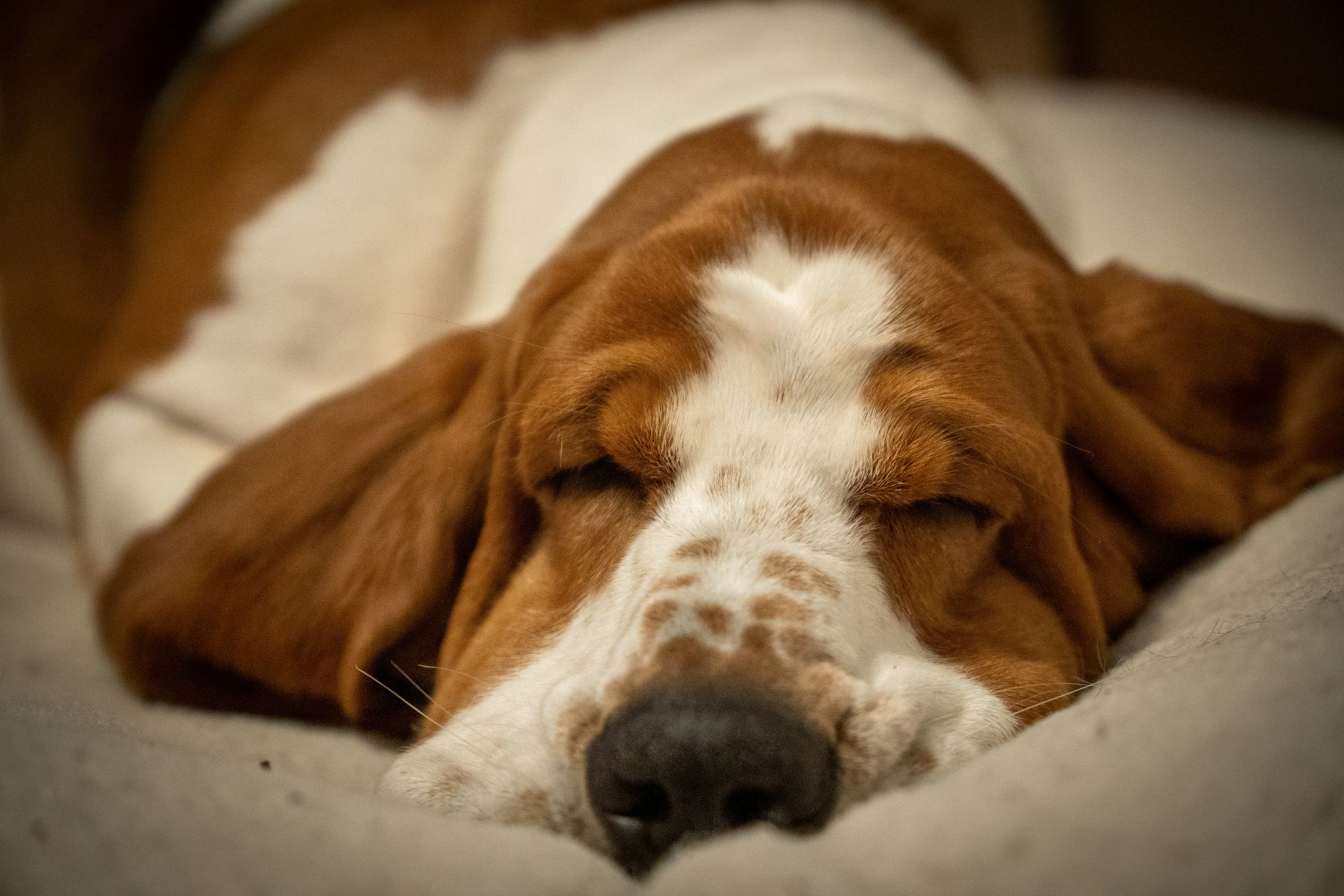
Basset hounds move at their own pace, and that unhurried temperament is a large part of why the breed adapts well to apartment life despite its substantial size. An adult basset hound typically weighs between 40 and 65 pounds, but its short legs and low center of gravity mean it does not require the running room its weight might suggest.
The breed was developed in France to track scent at a walking pace that hunters on foot could follow, which explains both its low top speed and its famously stubborn, nose-driven behavior. A basset hound on a walk will often stop to investigate a scent far longer than a more athletic breed would, and daily walks tend to be about mental engagement more than physical distance.
Vocalization is one tradeoff to plan for. Basset hounds are known for a distinctive bay, a deep, carrying howl used originally to signal hunters from a distance, and the same instinct can surface indoors when the dog is bored, alone, or reacting to sounds outside the apartment. This is worth discussing honestly with any downstairs neighbors before committing to the breed in a shared building.
Their long ears and loose, wrinkled skin require regular cleaning to prevent ear infections and skin irritation, and the breed's short coat sheds consistently throughout the year rather than in isolated seasons. Basset hounds also have a tendency toward weight gain, since their low exercise needs pair poorly with an owner who overfeeds a dog that already asks for food with a highly effective, soulful expression.
Temperamentally, basset hounds are friendly with strangers, patient with children, and generally low on aggression, though their stubborn streak can make obedience training slower than it is with more eager-to-please breeds. Once settled into a routine, a basset hound is one of the more content, low-drama companions on this list for a renter without access to a yard.
Credit: Aleksandra Nowicka / Pexels
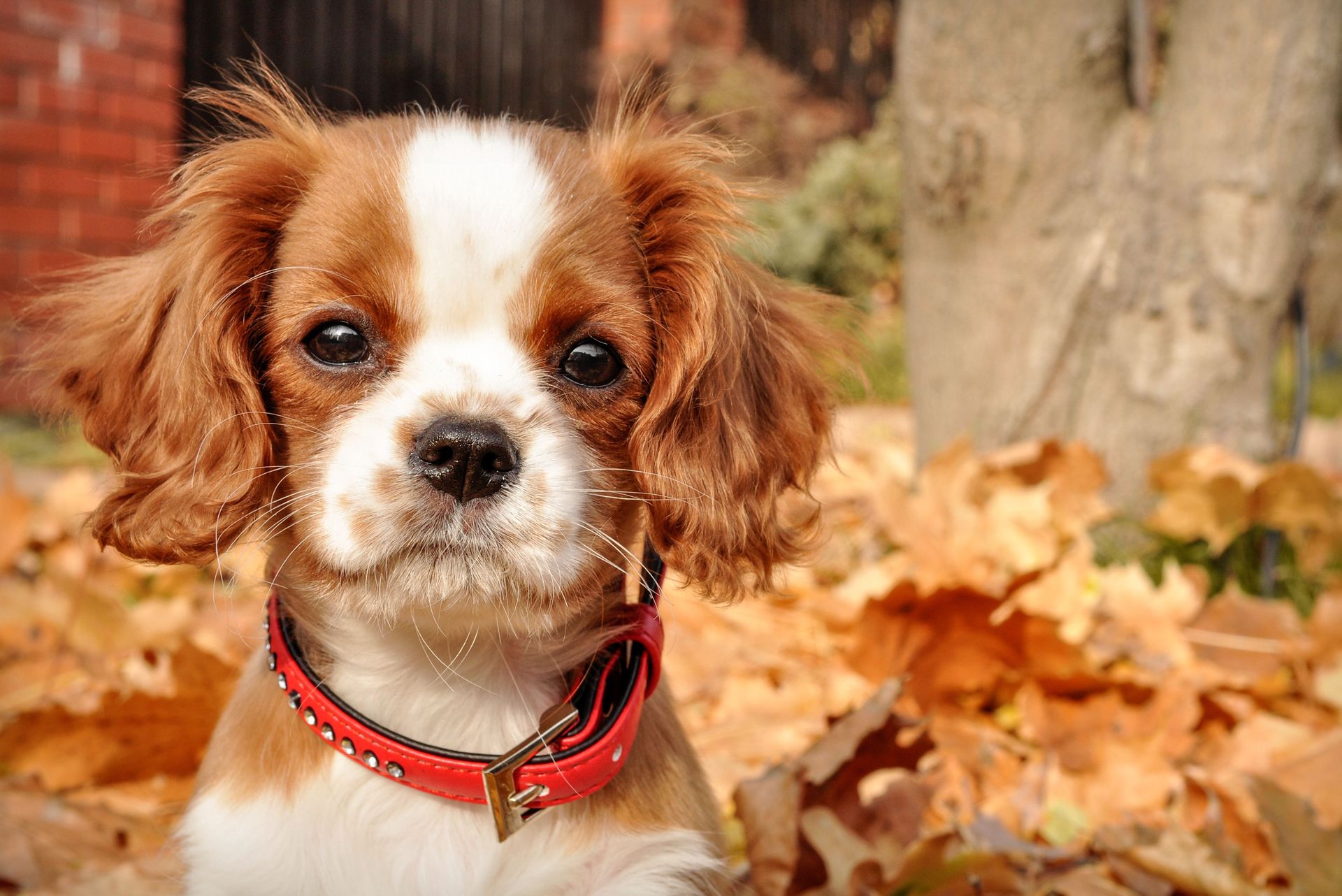
Cavalier King Charles spaniels were bred for centuries to be lap companions for British nobility, and that history shows in how easily the breed adapts to small living spaces today. Adults typically weigh between 13 and 18 pounds, and the breed's primary instinct is to stay close to its owner rather than range widely or patrol territory.
Exercise needs are moderate rather than minimal. A cavalier benefits from one or two walks a day along with some indoor play, but the breed does not require the vigorous daily exertion that working or sporting breeds need to stay balanced. This makes the cavalier a workable choice for renters with a busy schedule, provided the dog isn't left alone for excessively long stretches, since the breed is prone to separation anxiety.
Health is the most important consideration before choosing this breed. Cavaliers have a notably high rate of mitral valve disease, a heart condition affecting a large share of the breed by middle age, and some lines carry a risk of syringomyelia, a neurological condition linked to the shape of the skull. Buying from a breeder who screens for both conditions, or adopting through a breed-specific rescue with health records, matters more with this breed than with most others on this list.
Their silky, medium-length coat needs regular brushing several times a week to prevent matting, particularly around the ears and legs, and periodic professional grooming keeps the coat manageable. Shedding is moderate and fairly constant through the year.
Cavaliers are affectionate with nearly everyone, including strangers and other pets, which makes them a poor choice as a watchdog but an easy fit for a multi-pet household or a building with frequent visitors. They are rarely aggressive and tend to bark only situationally rather than habitually, which keeps them on good terms with shared walls. For a renter who wants a dog that treats the couch as its natural habitat, few breeds fit as naturally as the cavalier.
Credit: SLZ Pexels
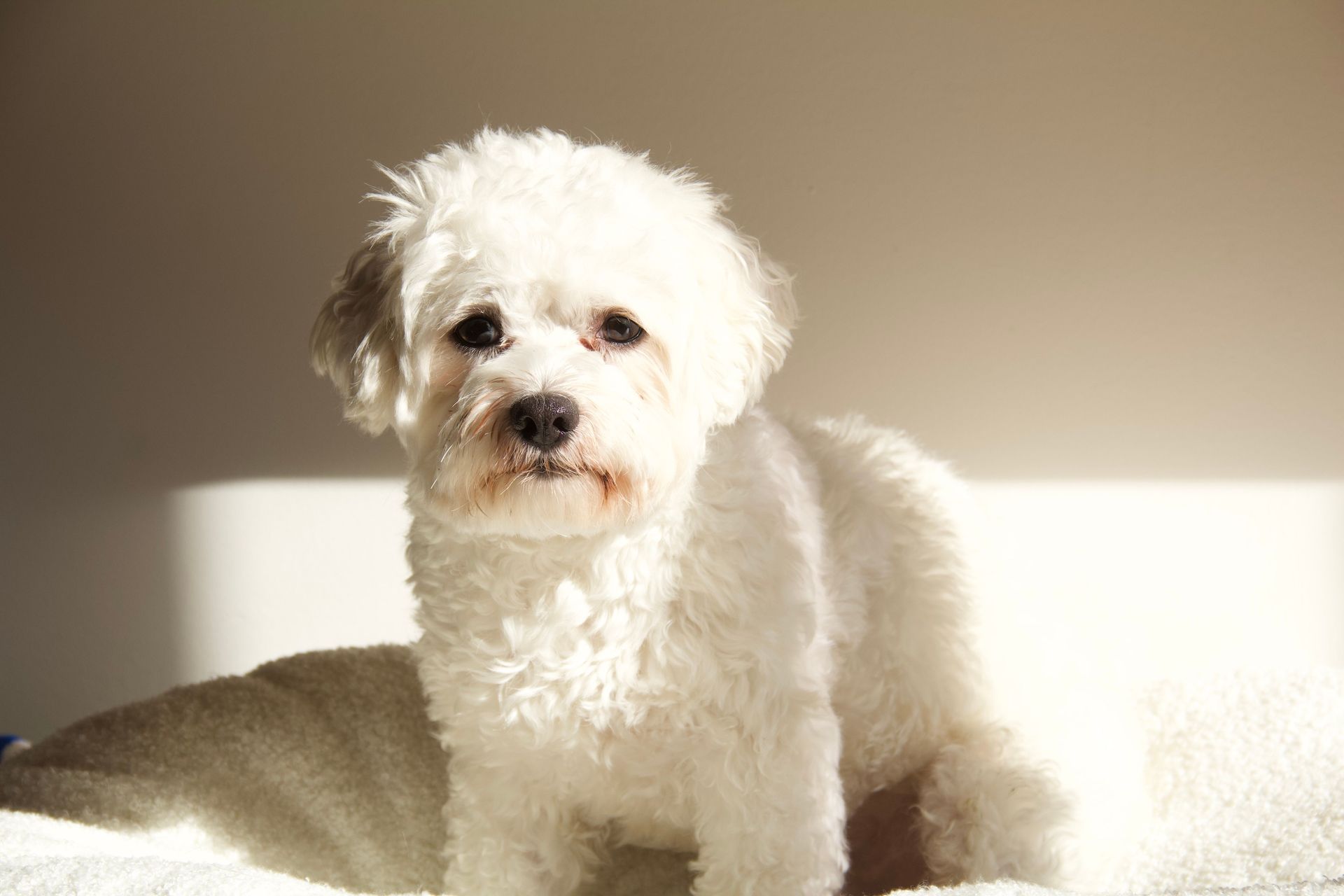
Bichon frises were bred purely as companion dogs, with no working job in their history, which is why the breed asks for so little space to feel fulfilled. Adults usually weigh between 12 and 18 pounds, and their exercise needs are modest: a couple of short walks and some indoor play cover most of what the breed requires physically.
The dense, curly white coat is the breed's most demanding feature. Bichons do not shed heavily thanks to a coat structure similar to a poodle's, which traps loose hair rather than releasing it around the home, but that same coat mats easily without regular brushing, typically several times a week, and professional grooming every four to six weeks to maintain the breed's signature rounded shape. Owners who skip grooming will find the coat becomes matted and uncomfortable for the dog fairly quickly.
Because they shed minimally, bichons are often recommended to people managing mild allergies, though no breed is truly hypoallergenic and individual sensitivity varies. This makes the bichon a common pick for shared buildings where other residents may have allergy concerns of their own.
Temperamentally, the breed is cheerful, playful, and generally easy to socialize with strangers, children, and other pets, though some individuals develop a habit of barking at hallway noises or passersby if the behavior isn't addressed early through consistent training. Bichons are intelligent and respond well to positive reinforcement, which makes house training and basic obedience relatively straightforward compared with more independent breeds.
Separation anxiety is a known tendency in the breed, since bichons were developed to stay close to their people rather than entertain themselves for long stretches. A bichon left alone for a full workday without a break, walk, or day care arrangement may develop stress-related behaviors such as excessive barking or chewing, so the breed suits a household with a flexible schedule better than one with long, unpredictable hours away.
Credit: Sean Brannon / Pexels
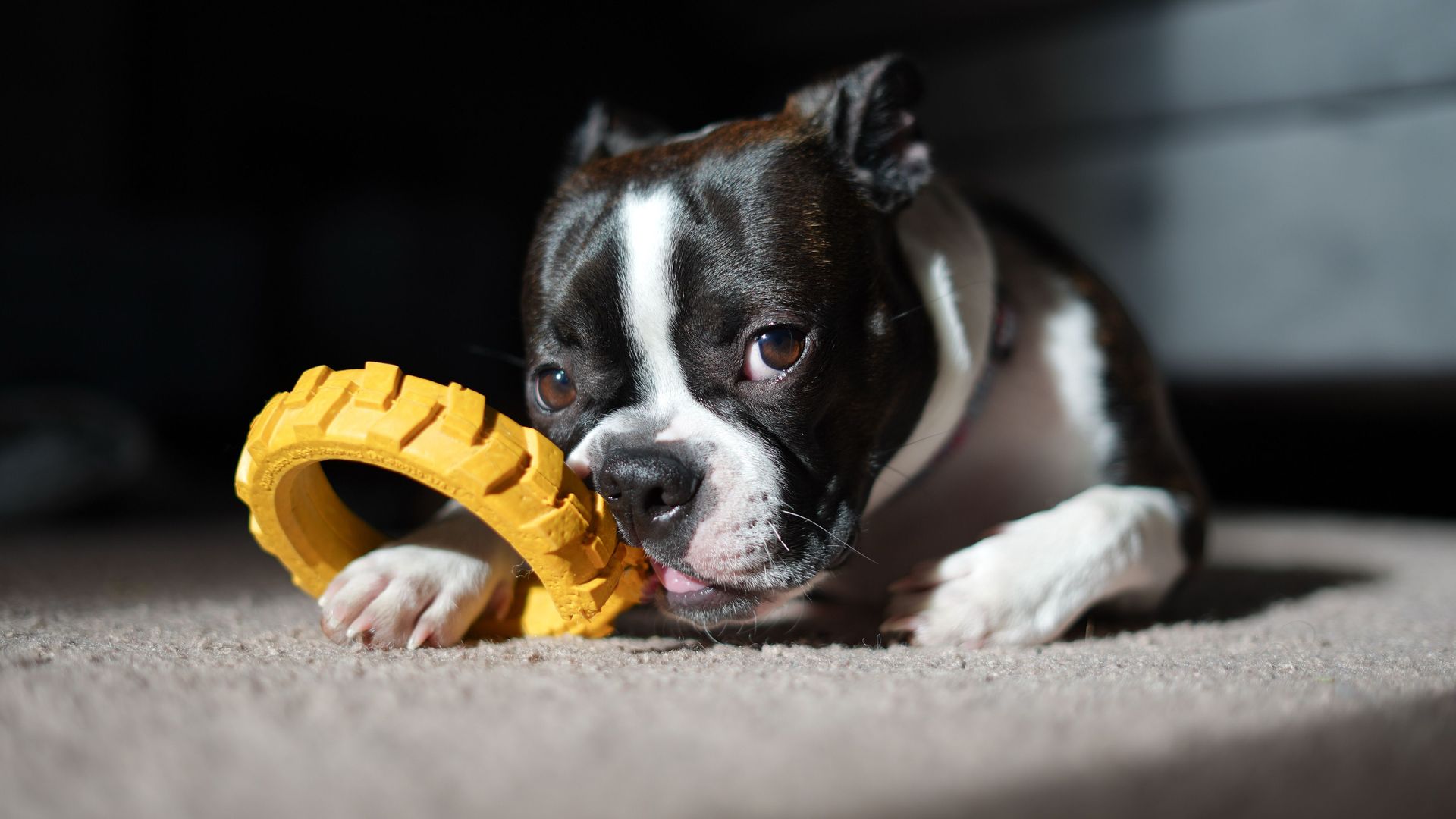
Boston terriers were developed in Massachusetts in the late 19th century and remain one of the few dog breeds that originated in the U.S., bred specifically as a companion rather than for hunting, herding, or guarding. Adults typically weigh between 12 and 25 pounds, and the breed's compact, well-balanced build suits a small home without requiring a yard.
Exercise needs sit in the moderate range: daily walks plus some indoor play are usually enough, and the breed does not demand the extended off-leash running time that many sporting or working breeds need to stay settled. Boston terriers are also relatively quiet compared with many small breeds, tending to bark situationally rather than constantly, which helps in a building with shared walls.
The breed's short, smooth coat requires minimal grooming, generally limited to occasional brushing and a bath every few weeks, and shedding is light. This is one of the lower-maintenance coats on this list, making the Boston terrier a practical option for an owner without much time for daily brushing.
Like other flat-faced breeds, Boston terriers have some brachycephalic anatomy, though typically less pronounced than in French bulldogs or pugs, and the breed can still struggle in extreme heat or after intense exercise. Keeping walks to cooler parts of the day in summer and watching for labored breathing are reasonable precautions.
Known informally as the American gentleman for its tuxedo-like black-and-white coat and even-tempered manner, the Boston terrier is generally friendly with strangers, gentle with children, and adaptable to apartment routines. The breed does form strong attachments to its household and can experience separation anxiety, so a predictable schedule with regular breaks from a crate or apartment tends to produce the best behavioral results. Overall, the combination of small size, low grooming needs, and even temperament makes this a consistently practical choice for renters weighing several small breeds against each other.
Credit: Caio / Pexels
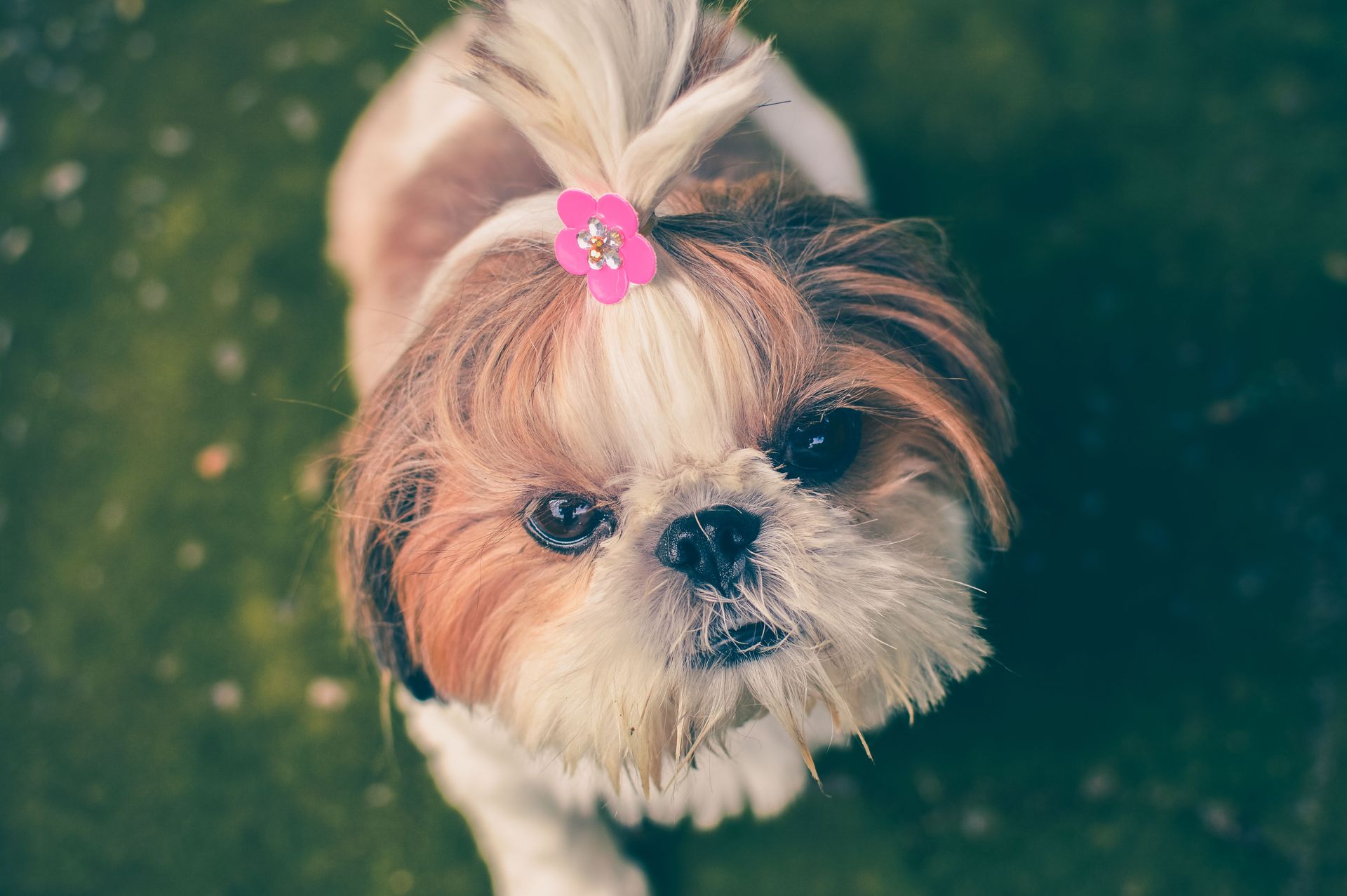
Shih tzus were bred inside the Chinese imperial court specifically as companion dogs, and centuries of that selective breeding produced a small, low-energy animal that is comfortable spending most of its day indoors. Adults typically weigh between nine and 16 pounds, and daily exercise needs are modest, generally met with short walks and some indoor playtime.
The breed's long, flowing double coat is its defining feature and its biggest demand on an owner's time. Left to grow out, the coat requires daily brushing to prevent painful matting, along with regular baths and trims. Many apartment owners opt for a shorter puppy cut maintained through professional grooming every six to eight weeks, which significantly cuts down on daily maintenance while keeping the coat manageable.
Shih tzus have a moderately shortened muzzle, giving them some brachycephalic traits, though generally less severe than breeds like the pug or English bulldog. Even so, the breed can be sensitive to heat and benefits from air conditioning during warmer months rather than relying on panting alone.
Temperamentally, shih tzus are affectionate, generally good with children and other pets, and tend not to bark excessively once settled into a household routine, though individual dogs vary. The breed's small size and low prey drive make it a relatively easy fit for multi-pet apartments, including those with cats.
Eye care deserves specific attention with this breed. Shih tzus have large, prominent eyes that are more prone to irritation, scratches, and tear staining than most breeds, and regular cleaning around the eyes helps prevent infection. Combined with the coat maintenance the breed requires, a shih tzu asks for more grooming time than its small size might suggest, but in exchange it offers a low-energy, adaptable companion built almost entirely for indoor, close-quarters living.
Because the breed was never developed for outdoor work, shih tzus tolerate a small footprint well and do not pace or scratch at doors the way a higher-drive breed might. They also tend to bond evenly with every member of a household rather than fixating on one person, which makes the breed a reasonably good fit for roommates sharing an apartment and its daily routine.
Credit: Rajesh S Balouria / Pexels
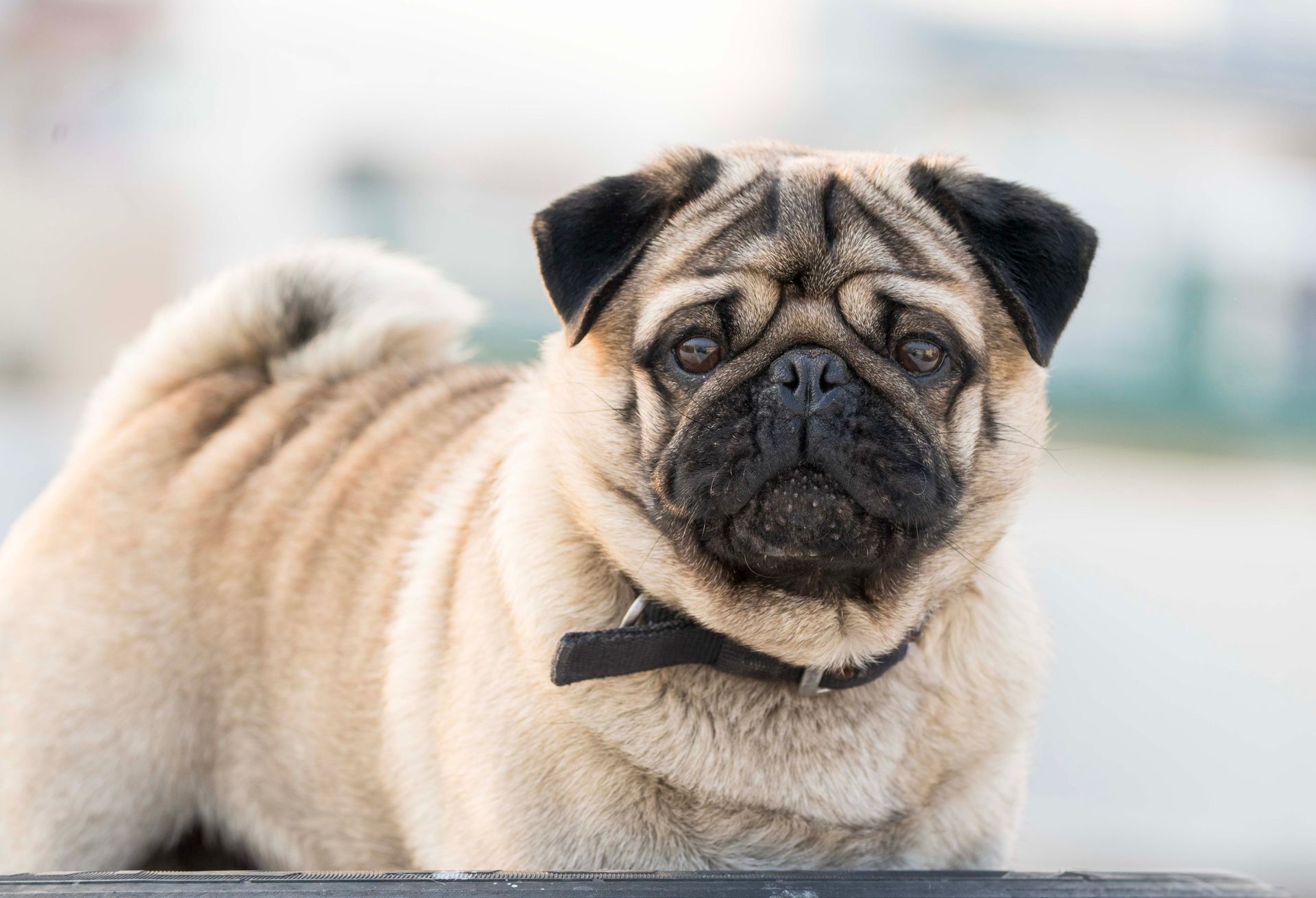
Pugs were bred in China as lapdogs for royalty, and the breed's entire physical structure reflects that companion-only history: a compact body, minimal exercise drive, and a strong preference for staying close to its owner rather than roaming. Adults typically weigh between 14 and 18 pounds, and short walks combined with indoor play are generally sufficient for the breed's physical needs.
Pugs are among the most extreme brachycephalic breeds, meaning their short, flat skulls significantly restrict airflow. This makes heat management a serious, ongoing concern rather than a minor inconvenience. Pugs can overheat quickly, even during a short walk on a warm day, and many owners in hot climates limit outdoor time to early morning or evening and rely on air conditioning during the day. Snoring, snorting, and labored breathing are common even in healthy pugs and are not signs to ignore if they worsen.
The deep wrinkles on a pug's face need to be cleaned regularly, often daily, to prevent bacterial or yeast infections in the folds, a maintenance task that is easy to underestimate before bringing the breed home. The short coat sheds more than its length would suggest, and pugs are known for shedding fairly heavily year-round despite the appearance of a low-maintenance coat.
Temperamentally, pugs are outgoing, rarely aggressive, and generally good with children, strangers, and other pets, which makes them one of the more sociable breeds on this list. They are not prone to excessive barking, a trait that helps in apartment buildings with shared walls.
Because of their strong attachment to their owners, pugs can develop separation anxiety if left alone for long, unbroken stretches. Given the breed's health considerations, a pug is best suited to a renter who can manage a temperature-controlled environment and keep a close eye on breathing, especially during exercise or warm weather.
Credit: Brian Taylor / Unsplash
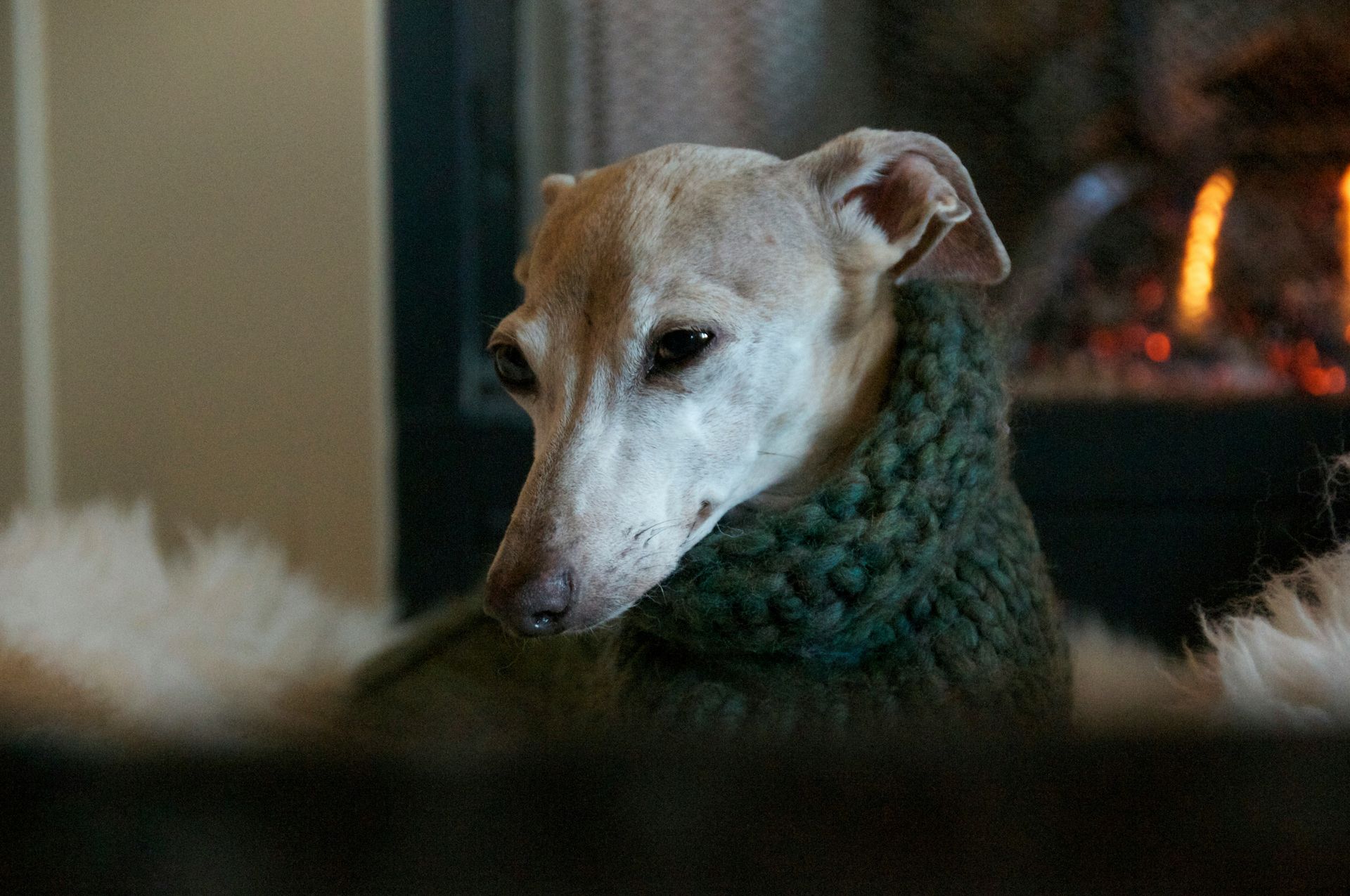
Italian greyhounds are a genuine sighthound scaled down to toy size, typically weighing between seven and 14 pounds, and that combination gives the breed a sprinter's instinct without a sprinter's space requirements. Short bursts of speed around an apartment or hallway, plus a daily walk, are usually enough to satisfy the breed physically.
The breed's short, fine coat sheds minimally and requires little brushing, making it one of the lowest-maintenance coats on this list in terms of grooming time. What the coat lacks in upkeep, it lacks in insulation as well. Italian greyhounds have very little body fat and a thin coat, so they get cold quickly, and a sweater or coat for outdoor walks in anything but warm weather is close to essential rather than optional.
Their slim, delicate build also means the breed is prone to leg fractures, particularly in puppies and young dogs that jump off furniture or take a hard fall. Owners often use ramps or steps for couches and beds and supervise play with larger dogs to avoid injury. This fragility is worth weighing carefully in a household with small children who may not handle the dog gently enough.
Italian greyhounds are alert and will bark to signal something unusual, though they are not typically constant barkers once they understand a routine. They tend to bond intensely with their owners and can be reserved or anxious around strangers if not socialized early and consistently.
The breed's strong prey drive, inherited from its sighthound lineage, means small pets like rabbits or rodents are not a natural match, and off-leash time should be limited to secure, fenced spaces. For a renter who wants a low-shedding, low-space dog and is prepared to manage the breed's sensitivity to cold and its fragile build, the Italian greyhound offers most of the appeal of a full-sized sighthound in a genuinely compact package.
Credit: Carlos O / Pexels
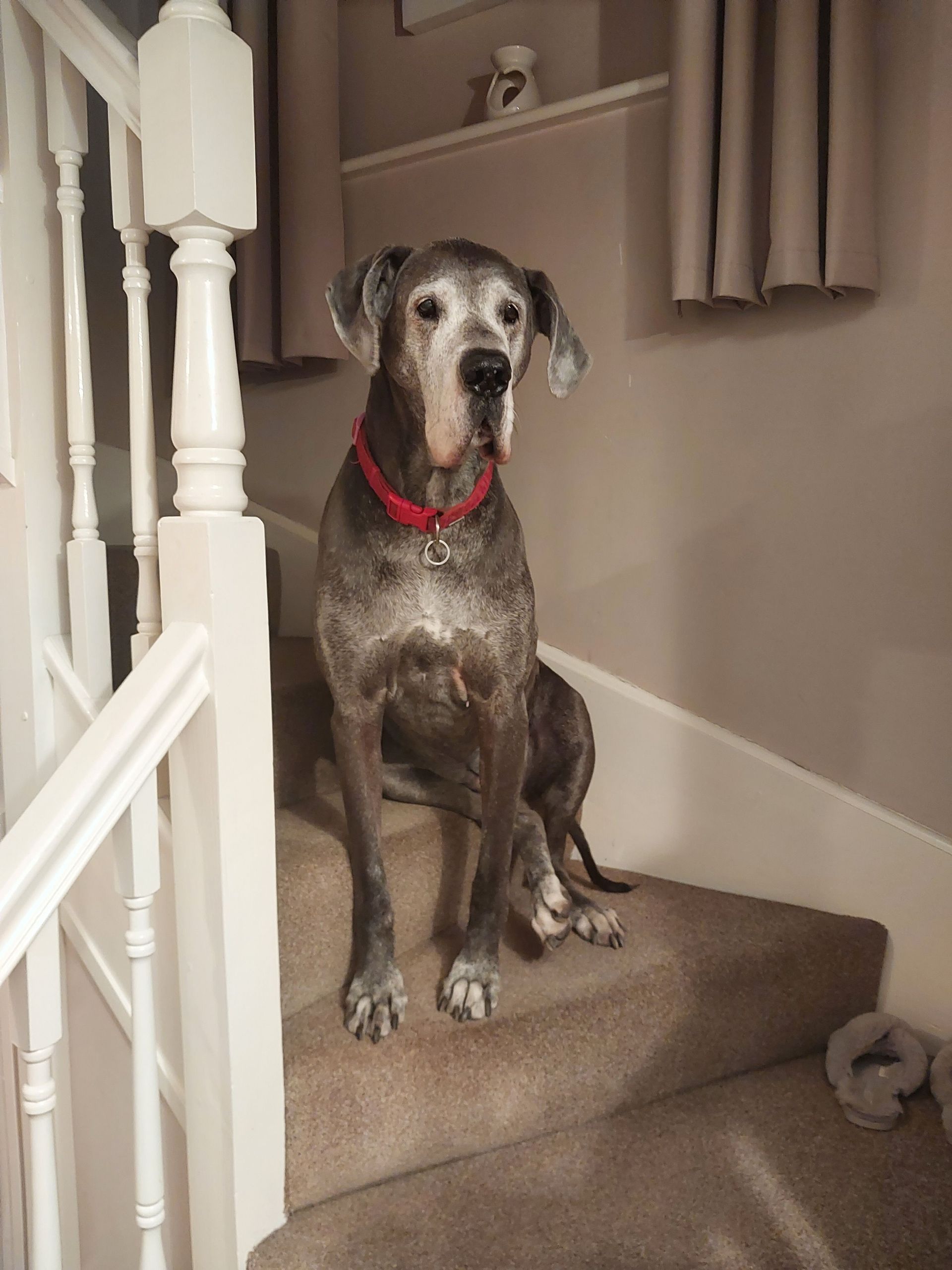
Great danes are proof that apartment suitability has little to do with size. An adult male can weigh well over 150 pounds and stand taller than many coffee tables, yet the breed is known among veterinarians and breeders as a gentle giant that spends much of its day lying down once past the puppy stage.
Daily exercise needs are moderate rather than extreme: a couple of walks and some open space to stretch out are generally enough, since great danes are not a high-endurance working breed. The larger consideration in an apartment is simply the dog's physical footprint. A great dane needs enough floor space to lie down fully extended, and furniture, doorways, and counter height should all be reconsidered once the dog reaches its adult size, since many great danes can reach food or objects on a standard kitchen counter without effort.
The breed's short coat is easy to maintain, requiring only occasional brushing, and shedding is moderate rather than heavy. Drooling is more of a factor, particularly around mealtimes, and some owners keep a towel handy for cleanup.
Temperamentally, great danes are typically calm, affectionate, and good with children and other pets when properly socialized, and the breed is not known for excessive barking. Their imposing size alone often serves as a deterrent, without the dog needing to be aggressive or vocal.
Health is the most significant tradeoff. Great danes have one of the shorter average lifespans among dog breeds, commonly seven to 10 years, and are prone to bloat, a life-threatening stomach condition, as well as joint issues linked to their rapid growth and size. Feeding smaller, more frequent meals and avoiding vigorous exercise right after eating are commonly recommended precautions. For a renter with enough square footage for the dog to stretch out, the great dane's low indoor energy makes it a workable apartment breed despite its size.
Credit: Taru Goyal / Unsplash
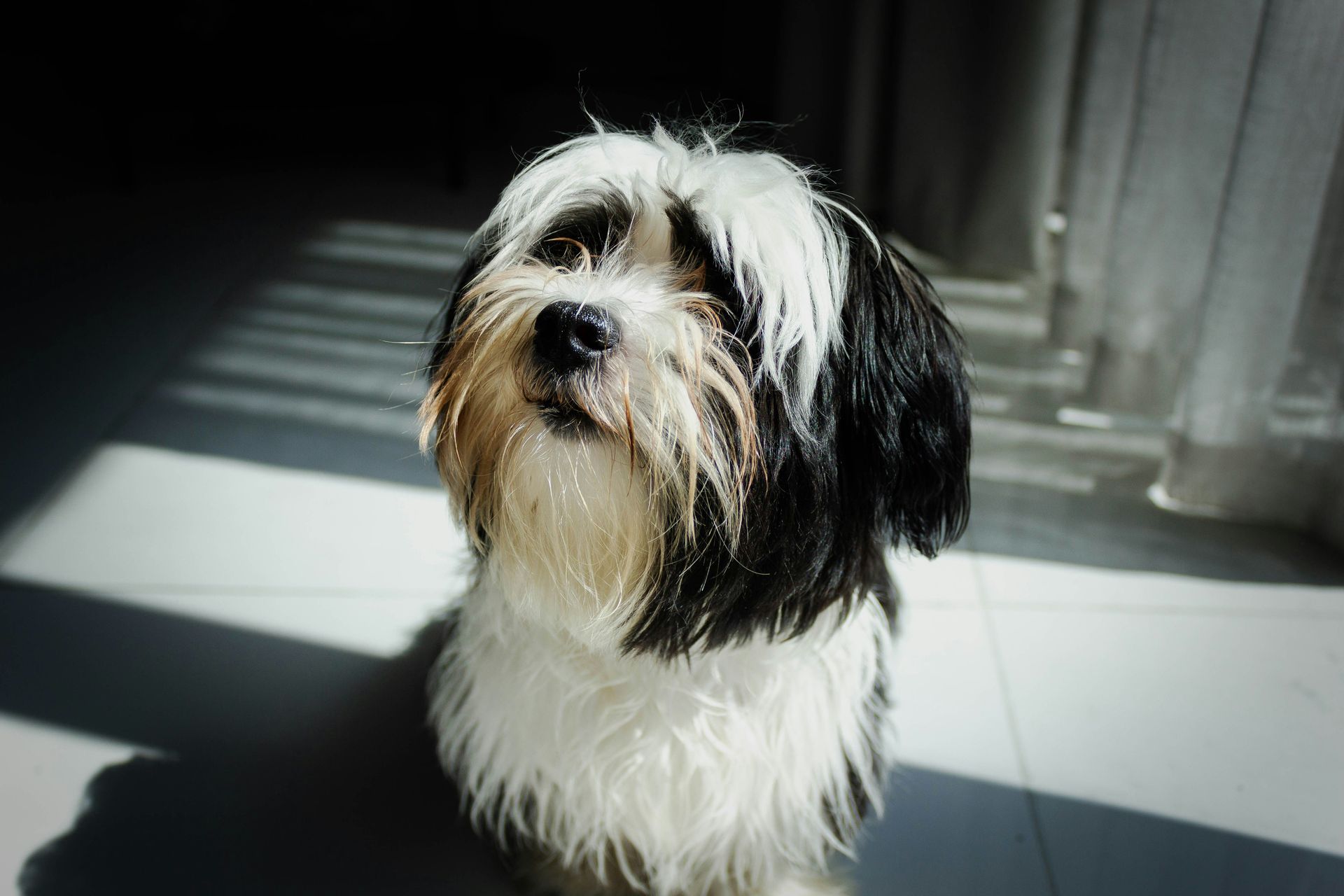
Havanese dogs are Cuba's only native breed, developed as companion dogs for Cuban aristocracy, and the breed's easygoing, adaptable nature carries directly into apartment life today. Adults typically weigh between seven and 13 pounds, and daily exercise needs are light: short walks and indoor play generally cover what the breed requires.
The Havanese coat is long and silky, and while the breed sheds relatively little, the coat requires regular brushing, several times a week at minimum, to prevent matting, particularly in the armpits and behind the ears. Many owners choose a shorter trim to reduce the grooming workload, while others maintain the fuller show coat with more frequent brushing and professional grooming visits.
The breed is notably people-oriented, often following its owner from room to room, a trait sometimes called Velcro-dog behavior. This makes the Havanese an easy companion for someone who works from home or keeps a flexible schedule, but it also means the breed does not do particularly well with long stretches of solitude and can develop separation anxiety if routinely left alone for a full workday.
Havanese dogs are intelligent and trainable, often excelling at trick training and agility despite their small size, which makes them a good match for owners who want to provide mental stimulation within a limited physical space. Puzzle toys and short training sessions can substitute for some of the outdoor exercise a larger breed would need.
Temperamentally, the breed is friendly with strangers, gentle with children, and generally sociable with other dogs, making it a workable choice for multi-pet households. Havanese are not typically prone to excessive barking, though, like many companion breeds, individual dogs can develop the habit if bored or under-stimulated. Overall, the breed's small size, low shedding, and strong desire to be near its owner make it one of the more naturally apartment-suited breeds on this list.
Credit: Creative Workshop / Pexels
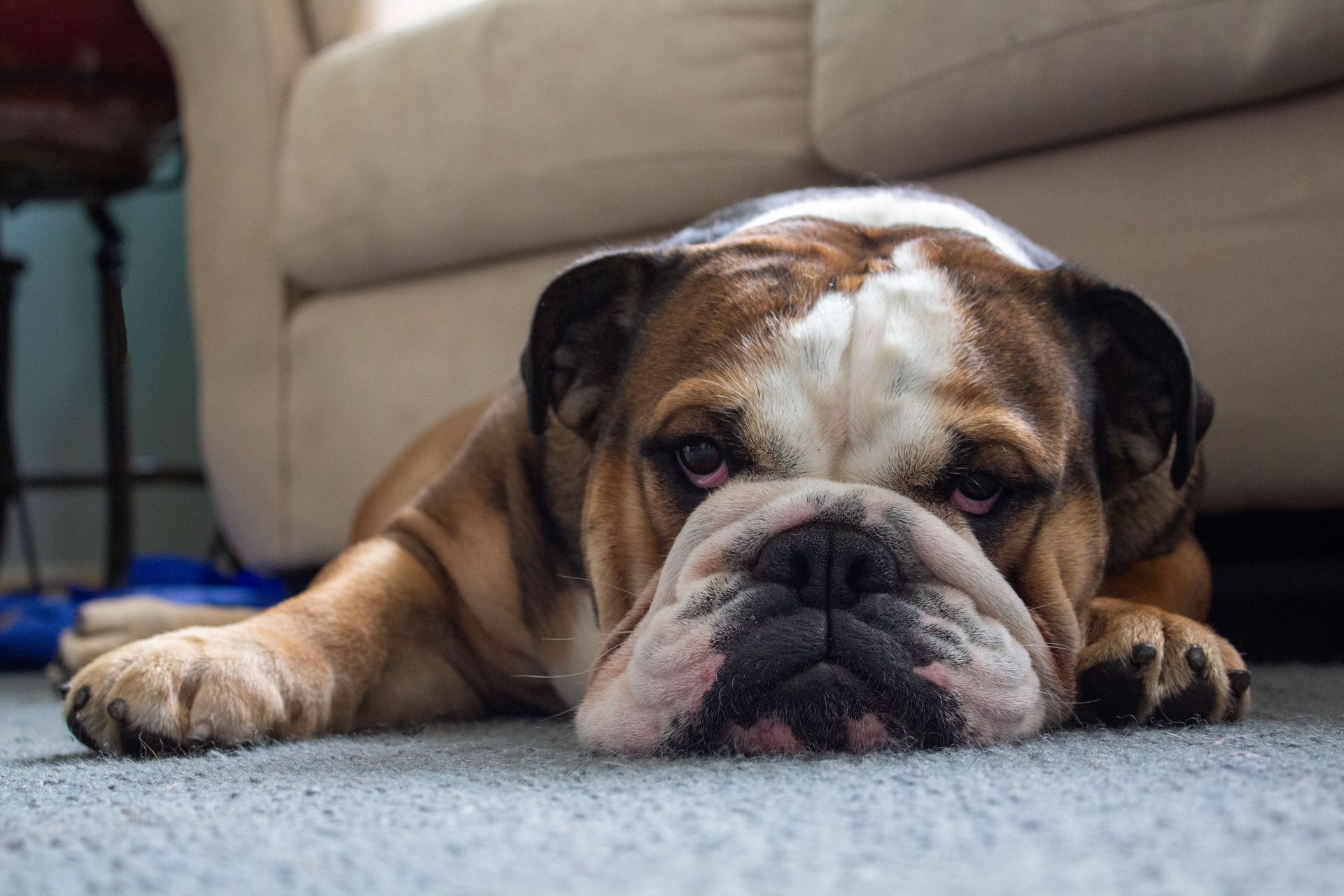
English bulldogs carry one of the most recognizable brachycephalic builds of any breed, and that same flat-faced structure is exactly what limits how much exercise they can safely handle, making them a workable fit for smaller living spaces. Adults typically weigh between 40 and 50 pounds, and short walks, ideally in cool weather, are usually enough to meet the breed's physical needs.
Heat sensitivity is the defining consideration for this breed. English bulldogs struggle to regulate body temperature through panting because of their shortened airway, and heatstroke is a real risk even during moderate exercise on a warm day. Air conditioning is close to essential for this breed in any climate with a real summer, and outdoor time is best scheduled for early morning or evening during warmer months.
The breed's short coat is low-maintenance in terms of brushing, but the deep facial wrinkles and tail pocket, a fold of skin near the tail present in many individuals, need regular cleaning to prevent infection. Skin fold dermatitis is a common issue if this maintenance is skipped.
Temperamentally, English bulldogs are famously laid-back, affectionate, and tolerant, which is part of why the breed remains popular with families and why it doesn't demand much floor space to feel content. They are not typically prone to excessive barking and are generally calm around strangers and other pets.
Health costs are a serious factor to weigh before choosing this breed. English bulldogs commonly need cesarean delivery for whelping due to puppy head size relative to the birth canal, and the breed has elevated rates of hip dysplasia, skin infections, and breathing difficulty compared with breeds outside the brachycephalic category. Veterinary care for the breed tends to run higher than average, and prospective owners should budget for that reality rather than being surprised by it later.
Credit: Ludek Pytloun / Pexels
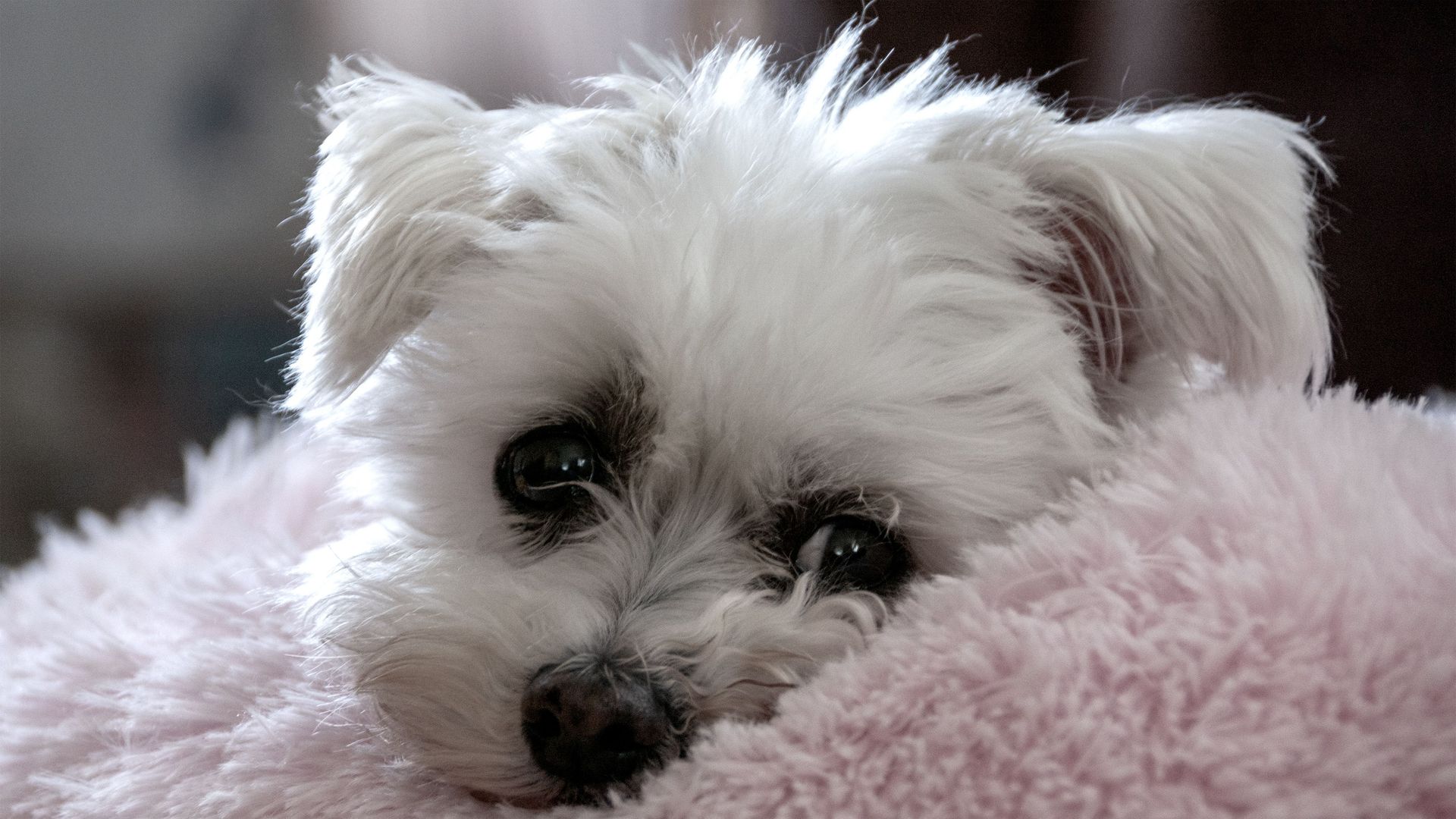
Maltese dogs are among the oldest toy breeds, with a lineage tracing back thousands of years as a companion animal, and that long history as a lapdog is reflected in how little space and exercise the breed genuinely needs. Adults typically weigh between four and seven pounds, making the Maltese one of the smallest and lightest breeds on this list, and short indoor play sessions combined with brief walks are enough to meet its physical needs.
The breed's long, silky white coat is its signature feature, and it requires daily brushing to prevent matting and to maintain the coat's characteristic straight, flowing appearance. Many owners keep the coat trimmed short in a puppy cut for practicality, which reduces daily brushing time considerably while still requiring grooming visits every few weeks. Tear staining around the eyes is common in the breed and needs regular attention to keep the white coat from discoloring.
Maltese dogs shed minimally, which makes the breed a common recommendation for people with mild allergies, though total shedding varies with coat length and individual dog. Their small size also means less pet hair overall compared with a larger breed, even one that sheds at a similar rate proportionally.
Temperamentally, the Maltese is affectionate and devoted to its household, sometimes to the point of being wary of strangers or prone to barking at unfamiliar sounds, a trait worth addressing early through socialization if quiet hallways matter in a shared building. The breed can also be prone to small-dog syndrome, a pattern of demanding or reactive behavior that develops when a small dog is inadvertently allowed to set the household's rules, something consistent training helps prevent regardless of the dog's size.
Because of its tiny frame, the Maltese is also more delicate than it might appear, and rough handling or falls from furniture pose a real injury risk, a consideration worth discussing openly in households with young children.
Credit: Duc Anh Nguyen / Pexels
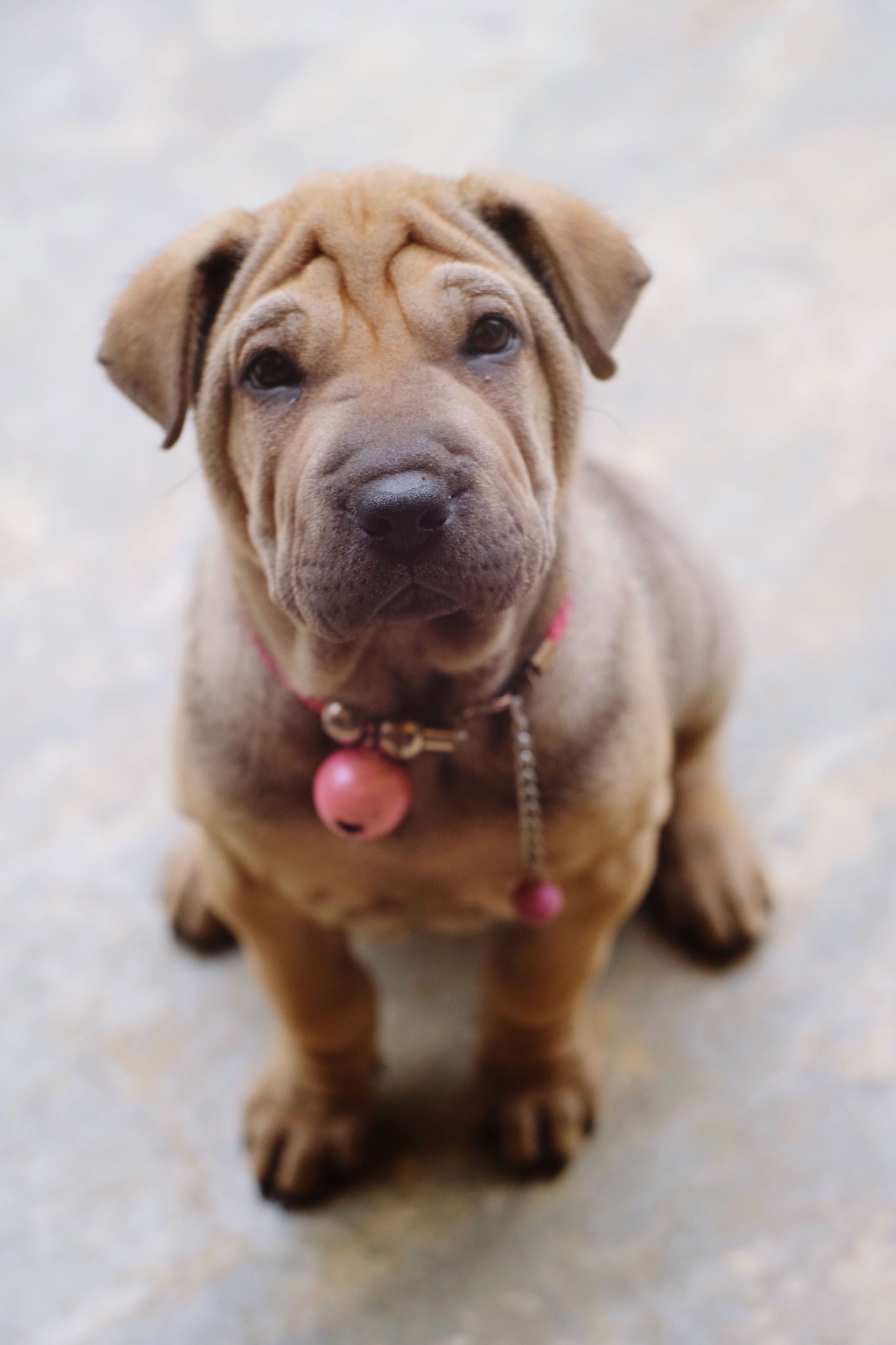
Chinese shar-peis carry one of the most distinctive coats of any breed, a short, bristly texture set into deep wrinkles, developed originally as a working dog in southern China, and today that same low-shedding coat is one of the breed's clearest advantages in a small living space. Adults typically weigh between 45 and 60 pounds, and moderate daily exercise, generally a couple of walks, covers most of what the breed needs physically.
The shar-pei's wrinkles, most pronounced in puppies and softening somewhat with age, require regular cleaning to prevent skin fold infections and irritation, a maintenance task that is more involved than the coat's short length might suggest. The breed is also prone to a genetic condition called shar-pei fever, along with skin and eye issues linked to its distinctive wrinkled structure, so working with a breeder who screens for these conditions matters.
Temperamentally, shar-peis are independent and somewhat reserved with strangers, a trait rooted in the breed's original role guarding property and livestock in China. This makes early socialization important, but it also means the breed is not prone to seeking out attention from every visitor or reacting anxiously to hallway noise, a trait some apartment dwellers find easier to live with than a more attention-seeking breed.
Shar-peis are not heavy barkers by nature, tending toward quiet watchfulness rather than constant vocalization, though they will alert to something they perceive as unusual. The breed is loyal to its household once bonded but can be aloof or standoffish with unfamiliar people, which is worth considering in a building with frequent visitors or shared common areas.
Grooming beyond the wrinkle care is minimal, since the coat sheds lightly and rarely needs more than occasional brushing. For a renter drawn to a breed with a strong, independent personality and low grooming needs beyond skin care, the shar-pei offers a workable, if less overtly affectionate, apartment companion.
Credit:Sudhir Sangwan/ Pexels
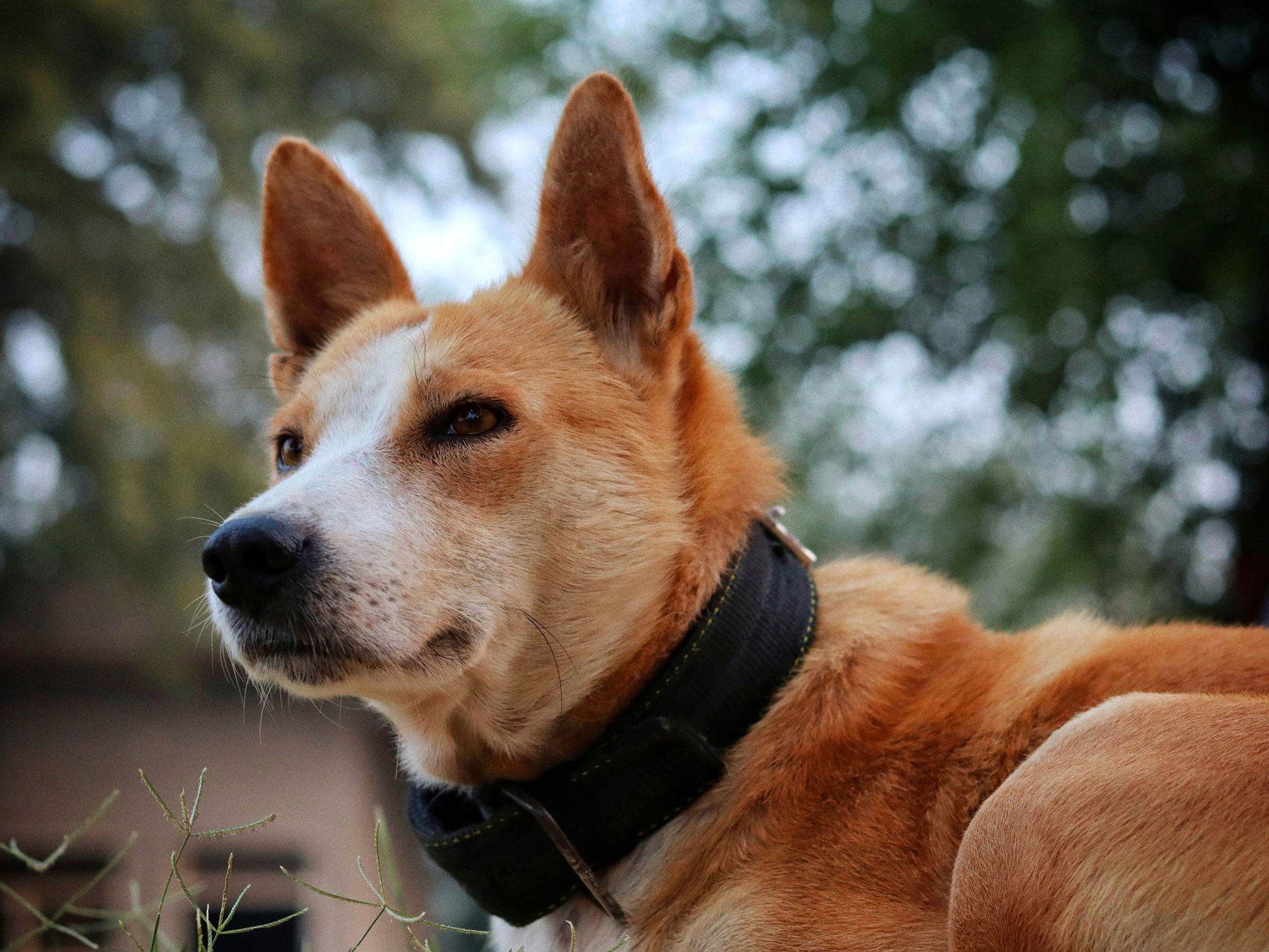
Basenjis are known as the barkless dog, a nickname earned because the breed's unusual larynx shape makes true barking physically difficult, and the trait has made the basenji a longstanding, if unconventional, pick for apartment living. Adults typically weigh between 22 and 24 pounds, and while the breed doesn't bark in the traditional sense, it does produce a distinctive yodel-like sound, along with growls, whines, and other vocalizations, so basenji owners should not expect total silence.
Originating in Central Africa, where the breed was used for hunting in dense terrain, basenjis have a short, fine coat that sheds lightly and requires minimal brushing. The breed is also known for grooming itself in a cat-like manner, licking its coat clean, which further reduces the maintenance an owner needs to provide.
Exercise needs are moderate to high relative to the breed's small size. Basenjis are intelligent, energetic, and prone to boredom-driven destructive behavior, such as chewing or digging, if under-exercised or under-stimulated, so daily walks paired with mental engagement, like puzzle toys or training sessions, matter more for this breed than for several others on this list.
Independence is the defining personality trait. Basenjis were not bred to take direction from humans the way herding or retrieving breeds were, and the result is a dog that can be strong-willed, harder to train, and prone to selective listening, particularly around distractions. First-time dog owners sometimes find the breed more challenging than its small size and quiet reputation would suggest.
Basenjis also have a notably strong prey drive and a talent for climbing and escaping enclosures, so secure windows, doors, and any balcony access need real attention in an apartment setting. Health-wise, the breed carries an elevated risk of Fanconi syndrome, a kidney disorder, and progressive retinal atrophy, both worth discussing with a breeder or reviewing genetic testing history before adoption.