
6 dog breeds that struggle most in extreme heat
These are the dog breeds that struggle most in extreme heat, from flat-faced bulldogs to thick-coated huskies built for cold, not summer
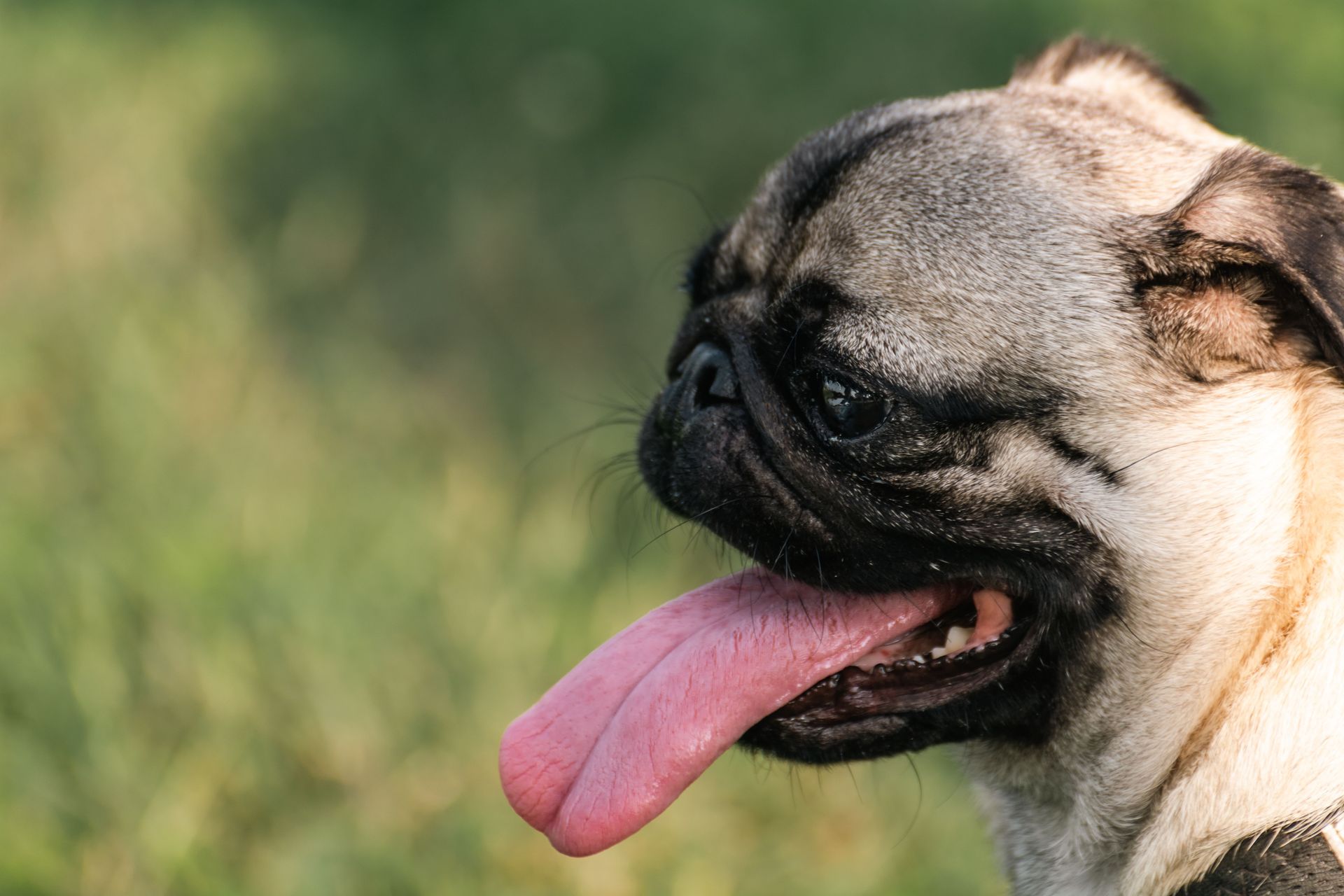
Credit: Davide Negro / Pexels
As global temperatures climb and heat waves last longer each summer, more pet owners are learning that not every dog handles high heat the same way. Some breeds regulate body temperature efficiently even in difficult conditions, while others overheat within minutes of moderate exertion. Understanding which dog breeds struggle most in extreme heat can mean the difference between a safe summer and a trip to the emergency vet.
Two physical traits drive most of the risk. The first is skull shape: brachycephalic breeds, those with short, flat snouts, have compressed airways that make panting, a dog's primary cooling mechanism, far less effective. The second is coat type: dogs bred for cold climates carry dense double coats designed to trap heat, not release it. When either trait combines with high humidity, direct sun, or physical activity, the risk of heatstroke rises sharply, sometimes within 15 to 20 minutes.
Heatstroke in dogs is not rare. Veterinary emergency clinics see spikes in canine heatstroke cases every time a heat wave hits, and certain breeds appear far more often than others. This list draws on established veterinary knowledge about which breeds face the highest documented risk, not on speculation about dogs that merely seem heat sensitive.
The breeds below are not being singled out as poor pets or lesser animals. Many are popular family dogs, and with the right precautions, such as air conditioning, shaded exercise, and shortened walks during peak heat, they can live safely through hot summers. But owners of these breeds, or anyone considering adopting one in a hot climate, need to understand the physiology behind the risk before temperatures spike. What follows is a breakdown of six dog breeds that face the clearest, most documented heat vulnerability, along with the specific reason each one struggles once the mercury rises.
English bulldogs overheat faster than almost any other breed
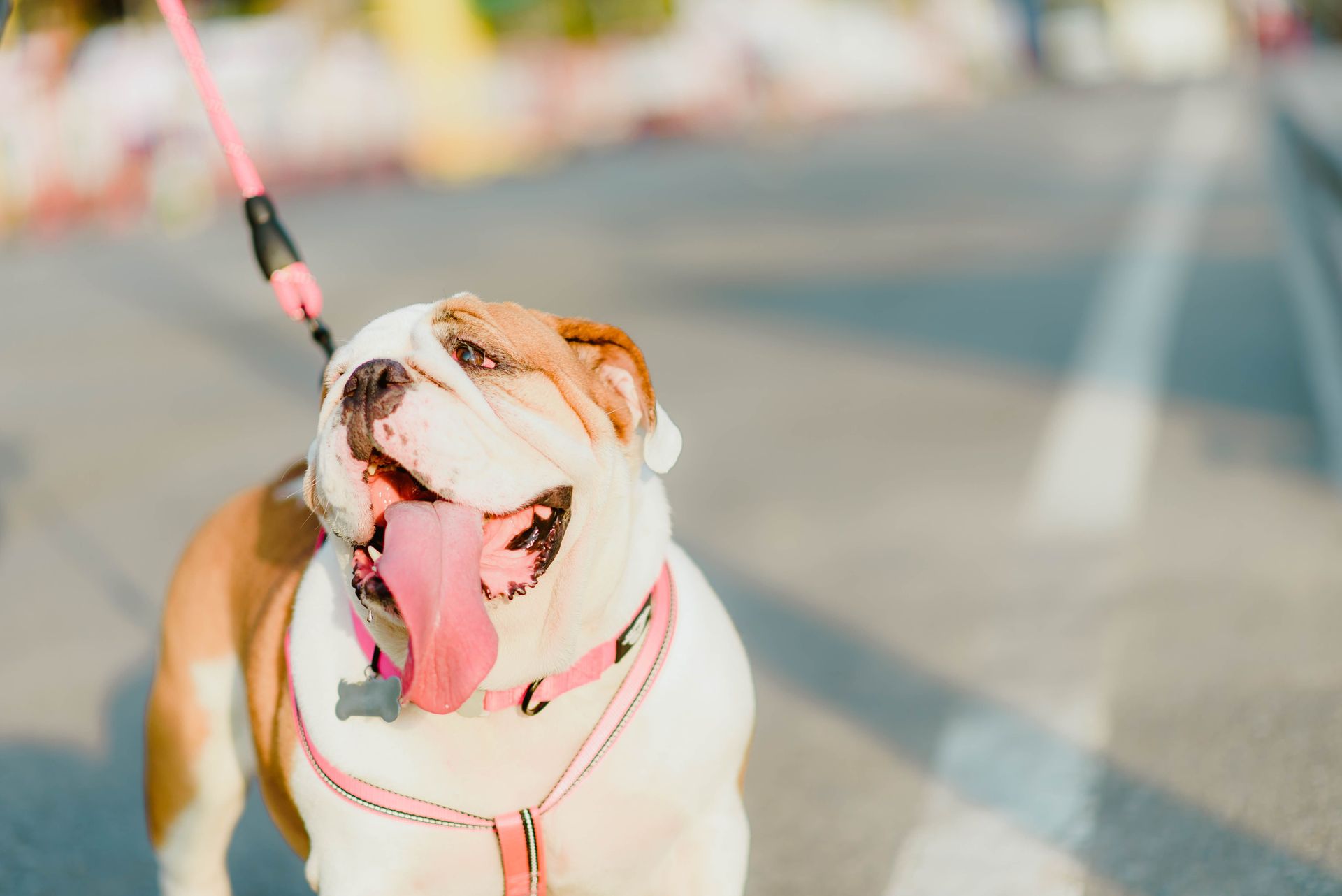
Credit: Raks Loss / Pexels
English bulldogs rank among the dog breeds most prone to heatstroke because their flattened skull restricts normal airflow through the nose and throat. Veterinarians classify bulldogs as brachycephalic, a term for the short, wide head shape that also shows up in pugs and French bulldogs. That shape shortens the nasal passages and often narrows the nostrils, so a bulldog cannot move as much air in and out with each pant as a dog with a longer muzzle can.
Panting is a dog's main cooling system. As air passes over the moist surfaces of the tongue, throat, and airway, it carries heat away through evaporation. When the airway itself is compressed, as it is in most English bulldogs, that evaporative process slows down, and body heat builds up faster than it can be released. Add the breed's heavy, muscular build and low natural stamina, and even a short walk on a warm afternoon can push a bulldog into distress.
Signs of overheating include heavy drooling, bright red or purple gums, wobbling, and collapse, and they can appear within minutes rather than hours. Because English bulldogs often show only mild symptoms before a sudden crash, owners in hot climates need to treat any sign of labored breathing as an emergency rather than something to watch and wait on.
Practical care matters more for this breed than for almost any other. Exercise should happen only in early morning or after sunset, never during peak afternoon heat, and even then in short sessions on grass rather than hot asphalt, which can also burn paw pads. Bulldogs should have constant access to fresh water and a cool, shaded or air-conditioned space, and should never be left in a parked car, even for a few minutes with the windows cracked. Many veterinary clinics see a rise in bulldog heatstroke cases during the first heat wave of the season, often because owners underestimate how quickly the breed's airway limits catch up with it once temperatures climb.
French bulldogs face the same airway risks as bulldogs
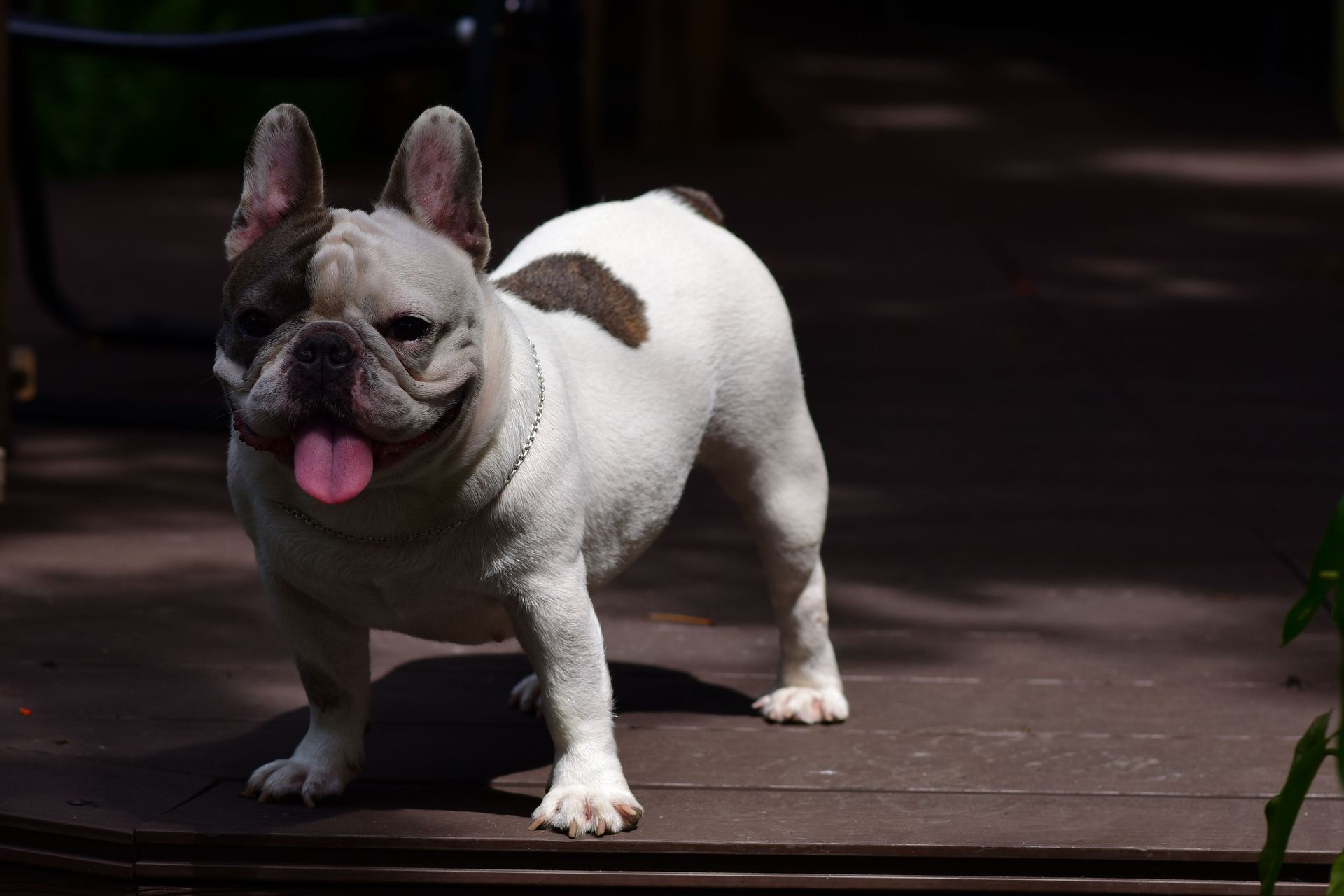
Credit: Sóc Năng Động / Pexels
French bulldogs face nearly the same heat risk as English bulldogs because they share the same brachycephalic skull structure, just in a smaller frame. The breed's flat face and shortened airway make it one of the dog breeds least equipped to cool itself through panting, and its compact body holds heat close to the ground, where temperatures near hot pavement or sand run several degrees higher than the surrounding air.
Many French bulldogs also have narrow nostrils, known as stenotic nares, and an elongated soft palate that partially blocks the airway even at rest. Together these traits are grouped under brachycephalic obstructive airway syndrome, a condition that makes ordinary breathing work harder than it does for other breeds, before heat or exercise are added at all. That baseline strain is why French bulldogs can overheat during activities that would barely raise a Labrador's temperature, such as a brisk walk or a few minutes of play in the yard.
The risk is well documented beyond casual observation. Several major airlines have restricted or banned brachycephalic breeds, including French bulldogs, from traveling in aircraft cargo holds, citing higher rates of breathing distress during transport, conditions that involve heat, stress, and limited airflow. That policy reflects a broader recognition among veterinarians that the breed's airway anatomy leaves little margin for error once temperature or exertion increases.
Owners can manage the risk with consistent precautions. Walks should be brief and scheduled for the coolest parts of the day, and any exercise should stop the moment a French bulldog begins breathing harder than usual or seeking out shade on its own. Cooling mats, air conditioning, and constant water access all help, and car travel should always include climate control, since a parked car can become dangerous within minutes even on a mild day. Because French bulldogs rarely show distress gradually, prevention matters more than reaction for this breed.
Pugs struggle to cool down through panting alone
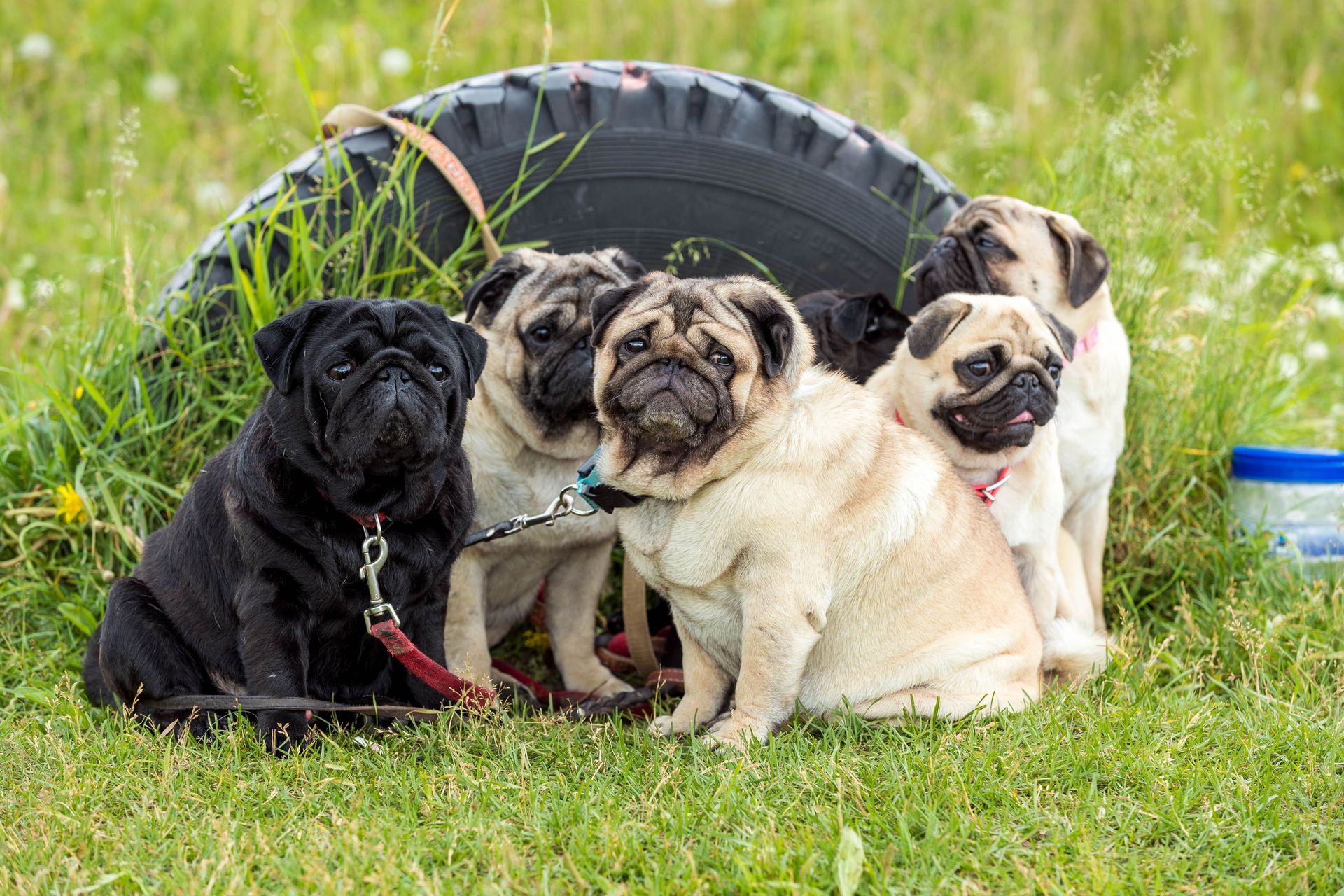
Credit: Sergei Starostin / Pexels
Pugs struggle to cool down through panting because their muzzle is even shorter relative to their skull than a bulldog's, leaving less room for air to move past the nose and throat. This is the most extreme expression of the brachycephalic head shape common among heat-sensitive breeds, and it means pugs often work harder just to breathe normally, long before heat becomes a factor.
The pug's compact airway is compounded by other traits. Many pugs carry extra weight, since the breed is prone to obesity, and added body fat around the neck and chest further restricts airflow while also insulating heat inside the body. Their large, prominent eyes are also more exposed to sun and heat than the eyes of most breeds, raising the risk of irritation during long stretches outdoors.
Because a pug's short nose limits how much air passes over moist tissue during a pant, the breed cannot release internal heat as efficiently as a dog with a longer snout, even at rest. That makes pugs vulnerable in situations many owners would not think twice about, such as a warm car ride, a sunny window seat, or a short game of fetch in the backyard during summer. Veterinarians frequently note that pugs can shift from apparently fine to visibly distressed with little warning, since the breed's flattened face also limits how clearly some of the early warning signs show up.
Keeping a pug safe in hot weather means limiting outdoor time to early morning or evening, providing shade and water at all times, and watching closely for open-mouth breathing that sounds strained rather than steady. Fans and air conditioning help more for pugs than for most breeds, since the dog has fewer internal tools to manage its own temperature. Because obesity worsens every one of these risks, keeping a pug at a healthy weight is one of the most effective ways an owner can reduce its vulnerability to extreme heat.
Siberian huskies carry a coat built for cold, not heat
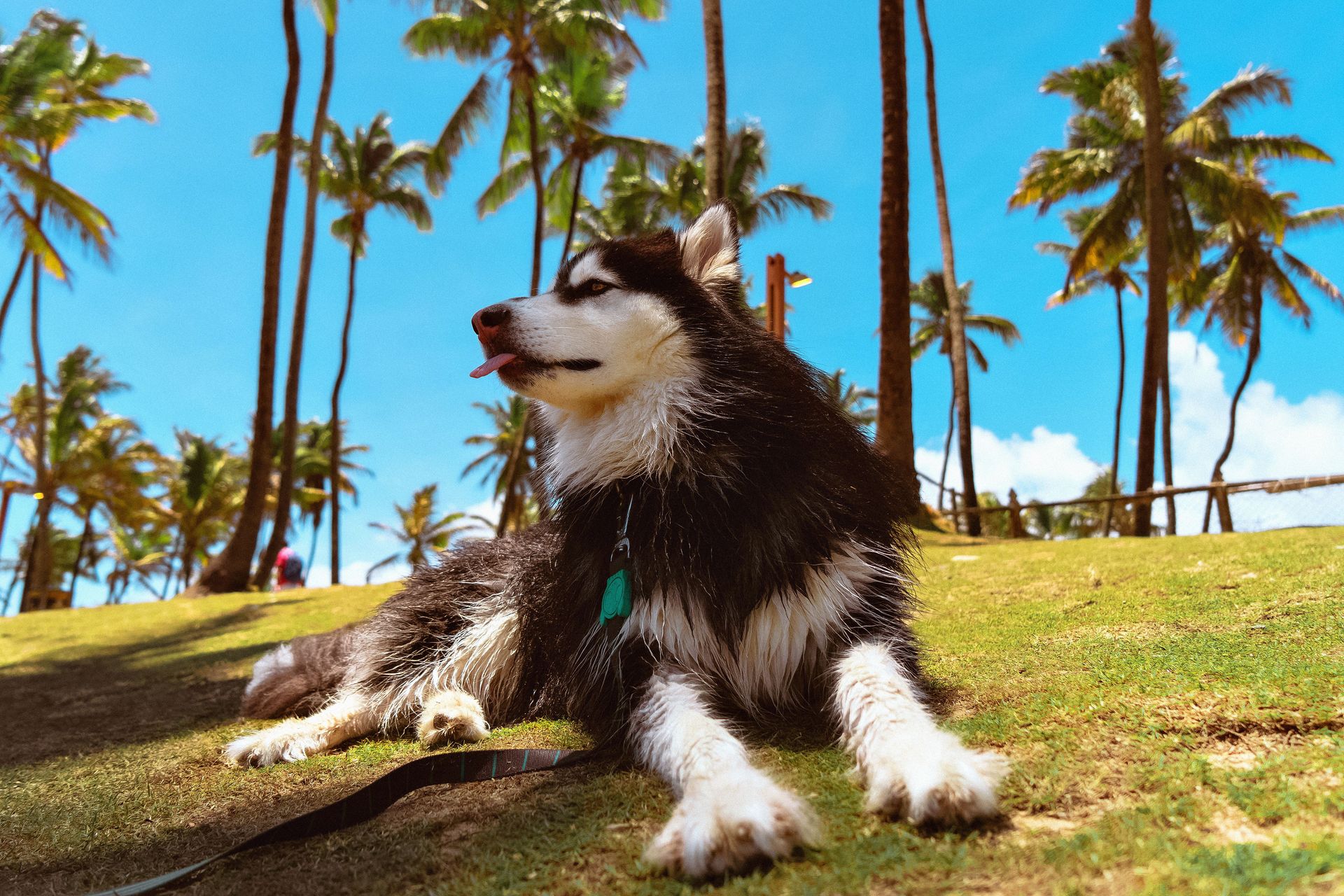
Credit: Lucas Andrade / Pexels
Siberian huskies carry a coat built for the Arctic cold, not for summer heat, and that mismatch is the main reason the breed struggles once temperatures climb. Huskies were developed in northeastern Siberia to pull sleds across frozen terrain, and their double coat, a dense undercoat beneath longer guard hairs, evolved to trap body heat in conditions far below freezing.
That same coat becomes a liability in warm climates. The undercoat holds heat close to the skin, and because huskies are a high-energy breed bred for sustained physical work, they tend to keep moving and exercising even when conditions call for rest, which raises the risk of overheating during exertion rather than while sitting still. Unlike the brachycephalic breeds on this list, huskies generally breathe and pant efficiently, so their heat risk comes almost entirely from coat insulation and activity level rather than airway restriction.
A common mistake among husky owners is shaving the coat in summer, believing it will help the dog stay cool. Veterinarians and groomers generally advise against this, since the coat also reflects sunlight and protects the skin from sunburn, and shaving can damage the coat's structure permanently without meaningfully lowering body temperature. Regular brushing to remove loose undercoat, a process sometimes called blowing coat, does more to help a husky manage heat than clipping the fur short.
Exercise timing matters most for this breed. Huskies should be walked or run in early morning or late evening, and vigorous activity such as running alongside a bike should be avoided entirely once temperatures rise into the 80s Fahrenheit or higher. Owners in hot climates often keep huskies primarily indoors with air conditioning during summer months, reserving outdoor time for the coolest hours of the day, and provide constant access to water and shade for any time spent outside.
Alaskan malamutes overheat under their thick double coat
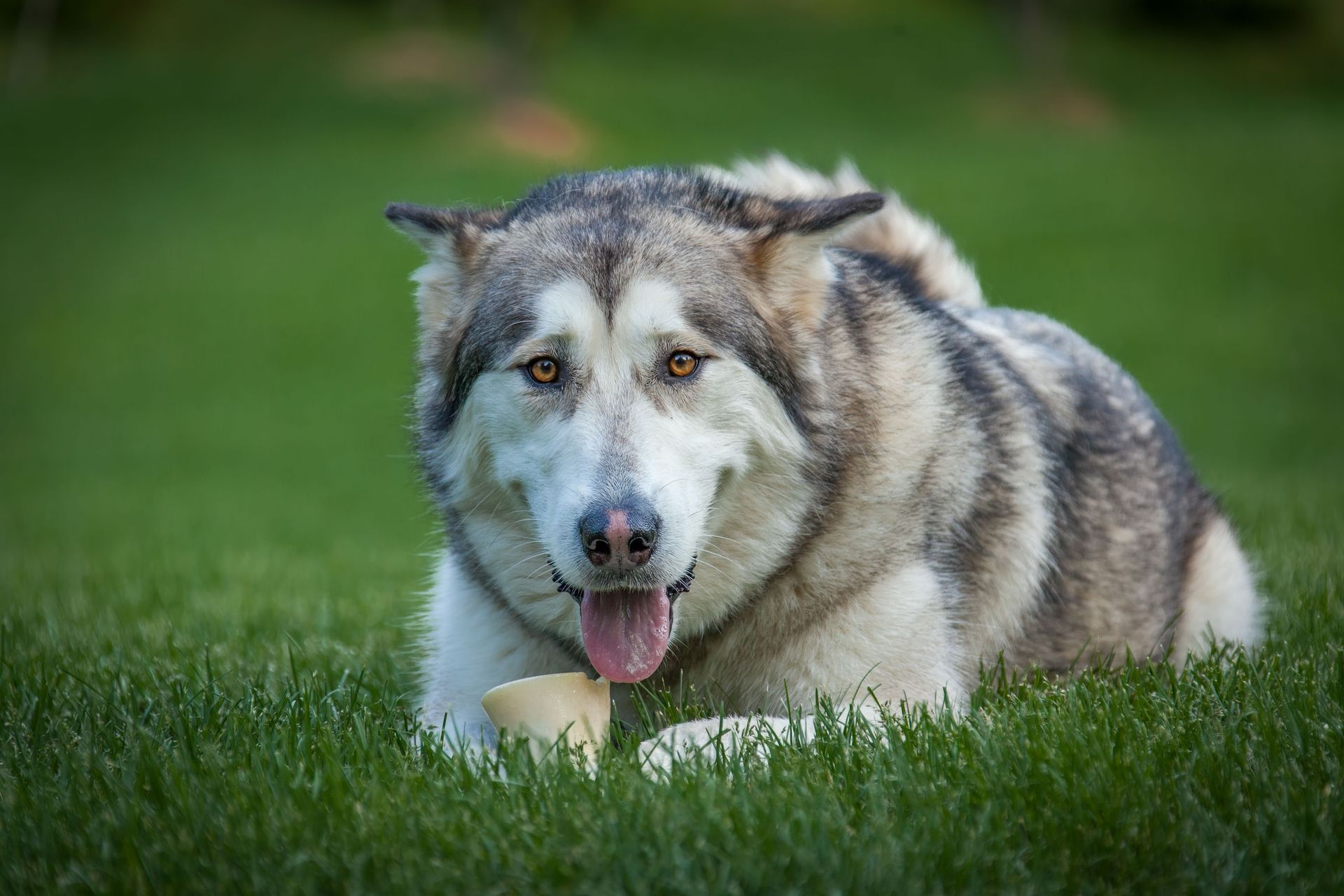
Credit: Mohan Nannapaneni / Pexels
Alaskan malamutes overheat under the same double coat that once let them haul heavy freight across Arctic Alaska, and their larger body size adds to the risk compared with smaller cold-climate breeds. A malamute's coat includes a thick, woolly undercoat and coarser outer guard hairs, a combination designed to hold in warmth during long hours of Arctic work, not to release heat in summer conditions.
Because malamutes are considerably larger and more muscular than huskies, they generate more metabolic heat during activity, and that heat has fewer ways to escape through a coat built for insulation. The breed's traditional role pulling heavy sleds over long distances also gave it high stamina and a strong drive to keep working, which means a malamute may continue exerting itself past the point where it should stop and rest, even as its internal temperature climbs.
Malamutes do not have the airway restrictions seen in brachycephalic breeds, so panting works normally for them, but the density of the coat limits how much of that cooling effect reaches the skin. Owners sometimes assume a summer haircut will solve the problem, but as with huskies, clipping a malamute's coat short removes its natural insulation against sunburn without meaningfully improving heat tolerance, and the coat can grow back unevenly afterward.
The most effective steps for malamute owners are seasonal rather than physical. Vigorous exercise should be reserved for cooler parts of the day, ideally early morning, and long hikes or cart-pulling activities should be avoided during hot months altogether. Regular brushing to remove shed undercoat improves airflow to the skin, and providing shaded, ventilated rest areas indoors or outdoors gives a malamute somewhere to lower its temperature between bursts of activity.
Chow chows trap heat in their dense double coat
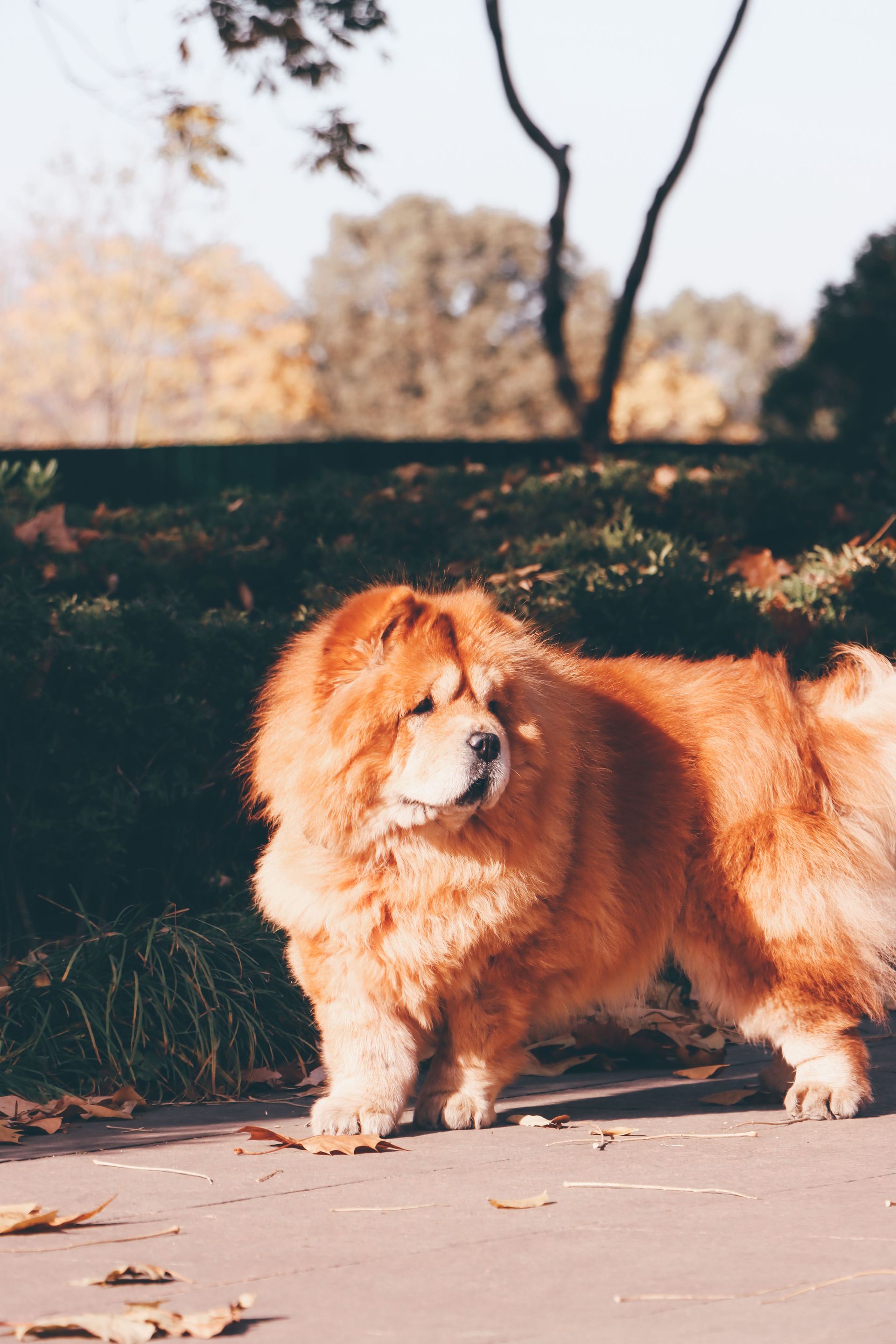
Credit: 余鑫磊 / Pexels
Chow chows trap heat inside one of the densest double coats of any dog breed, a trait that developed in the breed's home region of northern China, where a heavy coat provided protection against cold winters. Unlike huskies and malamutes, chow chows do not shed in the same predictable seasonal pattern, and many carry a thick ruff and undercoat year-round, which leaves less natural relief once summer temperatures rise.
The breed also carries a somewhat shortened muzzle compared with most spitz-type dogs, giving chow chows a slightly more restricted airway than breeds with a longer nose, even though they are not classified as brachycephalic in the same category as bulldogs or pugs. That combination, a heavy coat paired with a moderately compressed airway, makes chow chows less efficient at releasing heat through panting than many other medium-sized breeds, and it is part of why veterinarians list them among the more heat-sensitive breeds overall.
Chow chows also tend to be a lower-energy, more reserved breed by temperament, which can work in their favor since they are less likely to overexert themselves the way a husky or malamute might. Still, their dense coat means they can overheat even during light activity or simply while lying in direct sun, and owners sometimes miss early warning signs because the breed's stoic personality makes distress harder to read than in more expressive dogs.
Regular brushing is the single most useful heat-management tool for chow chow owners, since removing loose undercoat improves airflow to the skin without stripping the protective outer layer. Shade, air conditioning, and constant water access matter as much for this breed as for any on this list, and walks should be kept short and scheduled outside peak afternoon hours. Because chow chows can mask discomfort well, owners in hot climates should watch for excessive panting, lethargy, or reluctance to move as early signals rather than waiting for obvious collapse.