15 languages that are dying — and what will be lost when they go
From Siberian reindeer camps to the Kalahari, these 15 endangered languages carry knowledge, history and ways of seeing the world that no dictionary can fully save
Credit: Maxine Xin / Pexels
Of the roughly 7,000 languages spoken in the world today, UNESCO's Atlas of the World's Languages in Danger has classified more than 2,500 as endangered. Most of them have never dominated a country or filled a bookshelf. They live in fishing villages, mountain valleys, river deltas and city apartments where grandparents speak one language and grandchildren answer in another. When the last fluent speakers die, what vanishes is not just a set of words. It is a system for organizing knowledge — about plants, weather, kinship, navigation and memory — built over centuries and encoded in grammar itself.
The forces driving language death are rarely mysterious. Colonization, forced schooling, migration and economic pressure push families toward dominant languages that promise jobs and safety. A parent who was beaten for speaking their mother tongue at school often decides, rationally, not to pass it on. Within two generations, a language spoken for a thousand years can fall silent.
The 15 languages in this list span six continents and every stage of decline. Some, like Yaghan in Chile, have already lost their last native speaker. Others, like Okinawan in Japan, still have hundreds of thousands of speakers but almost no children learning them — which linguists consider the clearest predictor of extinction. A few, like Manx on the Isle of Man, show that the process can be slowed and even partially reversed when communities decide the language is worth the work.
Each entry explains where the language is spoken, how it reached the edge and what specific knowledge or structure would disappear with it. That last part matters most. A Siberian herding language can compress a reindeer's age, sex and temperament into a single word. A language of the Amur River counts boats differently from fish. These are not curiosities. They are records of how humans have adapted to nearly every environment on the planet, and they exist nowhere else.
1 / 15
Ainu: the isolate of northern Japan
Credit: Maxine Xin / Pexels
Ainu is a language isolate — it has no demonstrated relationship to Japanese or to any other language family. It was once spoken across Hokkaido, southern Sakhalin and the Kuril Islands by the Ainu people, whose culture centered on hunting, fishing and a spiritual relationship with animals, above all the bear.
The decline began in earnest in the Meiji era, after Japan formally annexed Hokkaido in 1869. Assimilation policies pushed Ainu families into Japanese-language schooling, banned customary practices and reclassified Ainu people as "former aborigines." Speaking Ainu became a social liability, and parents stopped transmitting it. Today the number of people who grew up speaking Ainu at home is vanishingly small, and nearly all are elderly. Japan only legally recognized the Ainu as an indigenous people in 2019.
What would be lost is one of the world's great oral literatures. Ainu tradition preserved long epic poems called yukar, chanted narratives in which gods, animals and humans speak in the first person. A bear or an owl narrates its own story, describing the human world from the outside. These epics were memorized and performed for generations, and only a fraction were ever written down — much of that thanks to Chiri Yukie, a young Ainu woman who transcribed yukar in the early 20th century before dying at 19.
The language also encodes a detailed map of the northern Japanese landscape. Thousands of place names across Hokkaido are Ainu in origin, including names describing river conditions, terrain and resources. Lose fluency in Ainu and those names turn from descriptions into arbitrary labels.
Revitalization efforts exist and are growing. Radio courses have taught Ainu for decades, the Upopoy National Ainu Museum opened in 2020, and younger Ainu are learning the language as adults. Whether that produces new fluent households — the real test of survival — remains an open question.
2 / 15
Yaghan: the southernmost language on Earth
Credit: Florian Delée / Unsplash
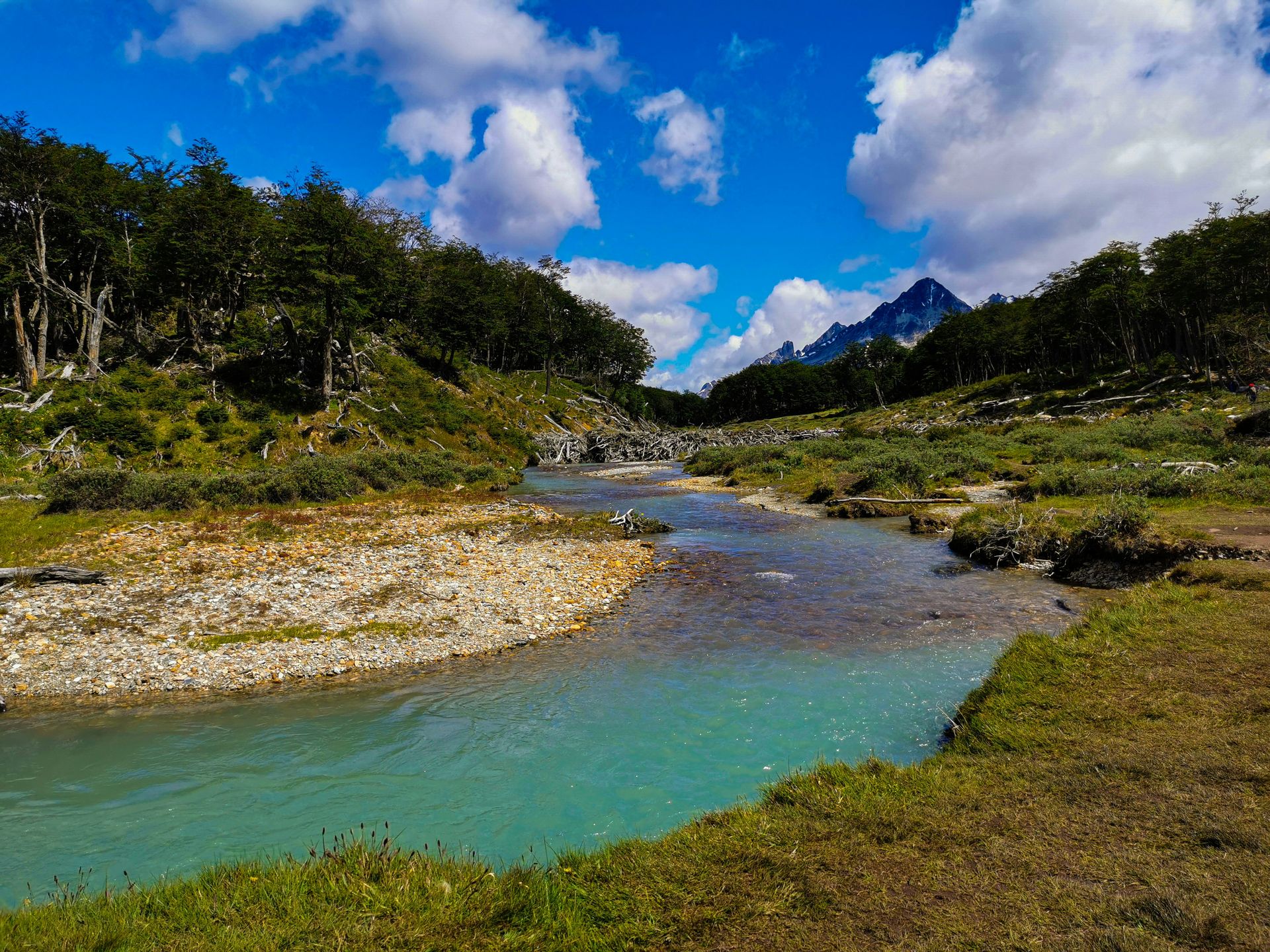
Yaghan, also written Yagán or Yámana, was spoken at the bottom of the inhabited world — the channels and islands of Tierra del Fuego, at the southern tip of South America. Its speakers were canoe nomads who paddled the cold waters between Chile and Argentina, diving for shellfish and keeping fires burning even in their boats. Those fires, seen from passing ships, gave Tierra del Fuego its name: land of fire.
The language's last native speaker, Cristina Calderón, died in February 2022 at the age of 93 in southern Chile. Known in her community as Abuela Cristina, she had spent her final decades working to document the language, recording vocabulary and stories and helping produce teaching materials. With her death, Yaghan joined the list of languages with no one left who learned it in childhood.
Yaghan's vocabulary was enormous for a society with no writing. The 19th-century missionary Thomas Bridges spent decades compiling a Yaghan dictionary that ran to roughly 30,000 entries, documenting fine-grained distinctions for actions, tools and conditions of the sea. The language could express in single verbs what English needs whole phrases to say.
One Yaghan word became famous far beyond linguistics: mamihlapinatapai, often glossed as a look shared by two people, each wishing the other would begin something that both want but neither wants to start. Its precise meaning is debated, but it stands as shorthand for what untranslatable words represent — a culture's decision about which human experiences deserve their own name.
Descendants of the Yaghan community still live near Puerto Williams on Navarino Island, and some are studying the recordings and materials Calderón left behind. The language survives as an archive of recordings, dictionaries and teaching booklets. Whether an archive can become a mother tongue again, without a single living model of natural speech, is one of the hardest questions in language revival.
3 / 15
N|uu: one of the last click languages of the Kalahari
Credit: Lauma Beļska / Pexels
N|uu is a language of the Tuu family, spoken by the ǂKhomani San people of South Africa's southern Kalahari. It is one of the most phonetically complex languages ever documented, with dozens of click consonants — including the rare bilabial click, a sound something like a kiss, which appears in only a handful of languages on Earth.
For much of the 20th century, N|uu was assumed dead. Under apartheid, San people were dispossessed of land, dispersed into farm labor and pressured to speak Afrikaans. Speaking a San language marked a person for discrimination, so many speakers simply hid it. In the 1990s, researchers working with the ǂKhomani community found elderly people who still remembered the language — a discovery that turned N|uu from a closed file into an urgent documentation project.
The best known of those speakers is Katrina Esau, often called Ouma Geelmeid, who was born in the 1930s. She opened a small school at her home in Upington to teach N|uu to local children, working with linguists to develop an orthography and produce the first N|uu reader. South Africa awarded her the Order of the Baobab for her work. She has spent her later years as one of the last fluent speakers of the language, teaching sounds that most South Africans cannot produce.
What disappears with N|uu is a direct line to one of humanity's oldest continuous populations. The San have lived in southern Africa for tens of thousands of years, and the Tuu languages carry vocabulary for tracking animals, reading weather and using desert plants that reflects that depth of experience. The click inventories themselves are of scientific value: they show the outer limits of what human speech can do.
N|uu now has learning materials, recordings, a small cohort of young learners and a writing system. What it barely has, with fluency resting on a few of the oldest members of the community, is time.
4 / 15
Livonian: the Finnic voice of Latvia's coast
Credit: Lauma Beļska / Pexels
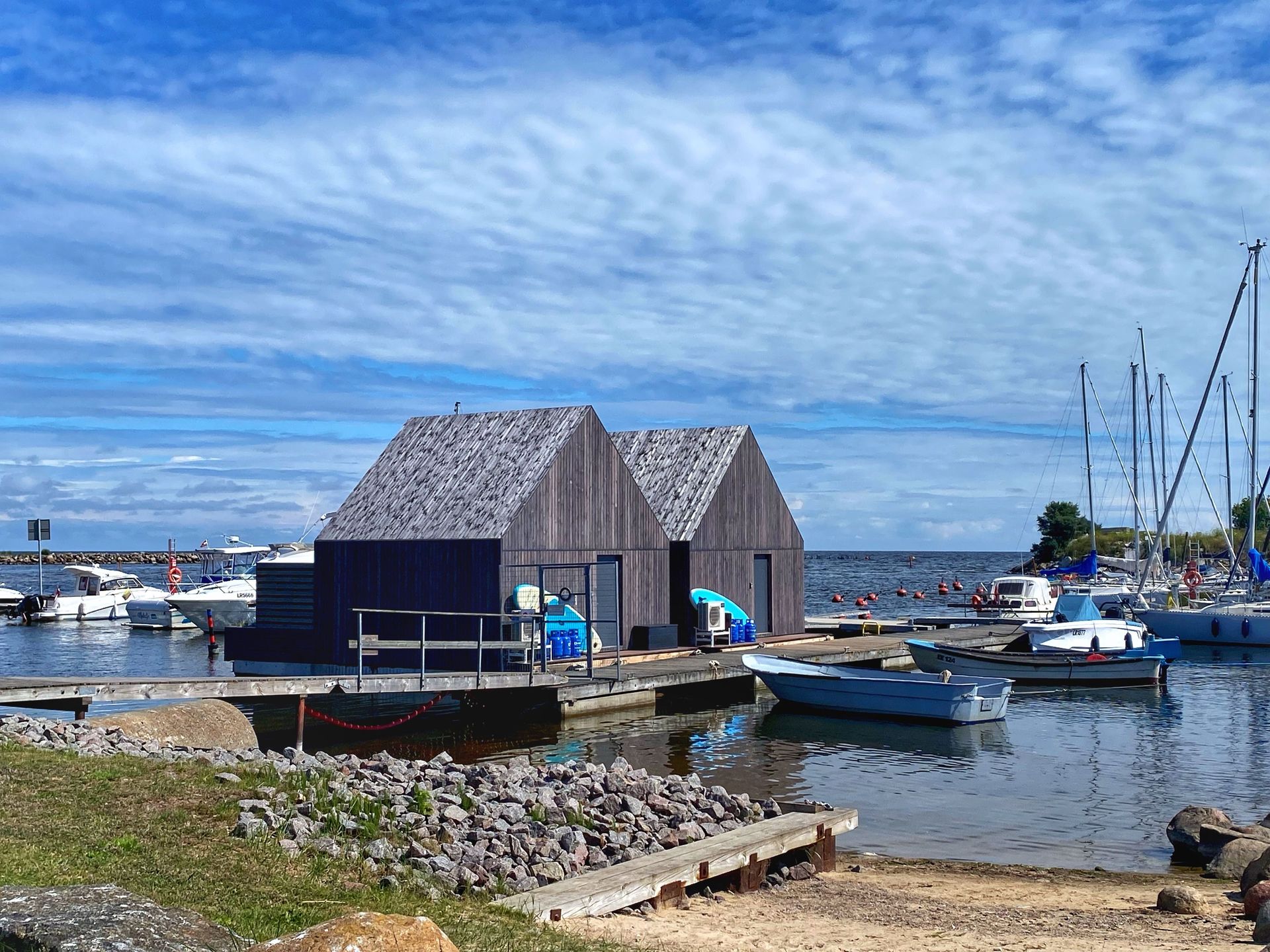
Livonian belongs to the Finnic branch of the Uralic family, making it a relative of Estonian and Finnish rather than of Latvian, the national language of the country where it was spoken. Its heartland was a string of fishing villages along the Courland Peninsula in western Latvia, a stretch of shoreline still known as the Livonian Coast.
The language's last native speaker, Grizelda Kristiņa, died in 2013 in Canada at the age of 103. She had fled Latvia during the Second World War, and her death was reported around the world as the end of Livonian as a cradle language. The community's collapse, though, happened earlier. During the Soviet period, the Livonian Coast fell inside a restricted border zone. Fishing — the economic basis of village life — was curtailed, access was controlled, and families scattered to towns and cities where Latvian and Russian dominated. A community of a few thousand at the start of the 20th century dwindled to a memory.
Livonian did not vanish without a trace, because it left a deep imprint on Latvian itself. Centuries of contact shaped Latvian's fixed first-syllable stress and parts of its vocabulary, so millions of Latvian speakers carry Livonian features in their mouths without knowing it.
The language now lives through deliberate effort. The University of Latvia established a Livonian Institute in 2018 to coordinate research and revitalization. A small number of people have learned Livonian as a second language, some to genuine fluency, and children of Livonian descent attend summer camps where they sing and study in the language. Latvia's constitution and cultural policy recognize the Livonians as an indigenous people.
What is at stake is the last indigenous language of Latvia and a maritime culture's entire lexicon — words for winds, ice conditions, nets and the moods of the Baltic that Latvian never needed to invent.
5 / 15
Manx: the language that came back from the dead

Credit: James Qualtrough 🇮🇲 / Unsplash
Manx is the Goidelic Celtic language of the Isle of Man, a close cousin of Irish and Scottish Gaelic. Its story is usually told as a death and a resurrection, and both halves are instructive.
The death was conventional. English took over commerce, schooling and church life in the 18th and 19th centuries, and Manx parents concluded the old language would hold their children back. A saying from the period captured the mood: the language would never earn a penny. The last generation of native speakers grew old in fishing villages, and researchers raced to record them. Ned Maddrell, a fisherman from Cregneash, became the most recorded of them all. When he died in 1974, Manx lost its final native speaker.
The resurrection came from enthusiasts who refused to treat the recordings as a tombstone. Learners studied the tapes, taught each other, raised children in the language and lobbied the Manx government. In 2001, the island opened Bunscoill Ghaelgagh, a primary school in St John's where children are taught entirely through Manx. Hundreds of people now speak the language, and a small number of children are growing up with it at home — new native speakers of a language that officially had none.
The revival produced one of the more pointed moments in the politics of language death. In 2009, UNESCO's atlas listed Manx as extinct. Schoolchildren from Bunscoill Ghaelgagh wrote to the organization asking, in Manx, what language they were supposed to be writing in. UNESCO revised the classification.
Manx matters to this list because it defines the category's edge. It shows that extinction is not always final — but also how much it costs to reverse. Decades of volunteer labor, government support and a purpose-built school produced a speech community that is still tiny. Prevention remains far cheaper than resurrection.
6 / 15
Great Andamanese: a shrinking family in the Bay of Bengal
Credit: tatonomusic / Unsplash
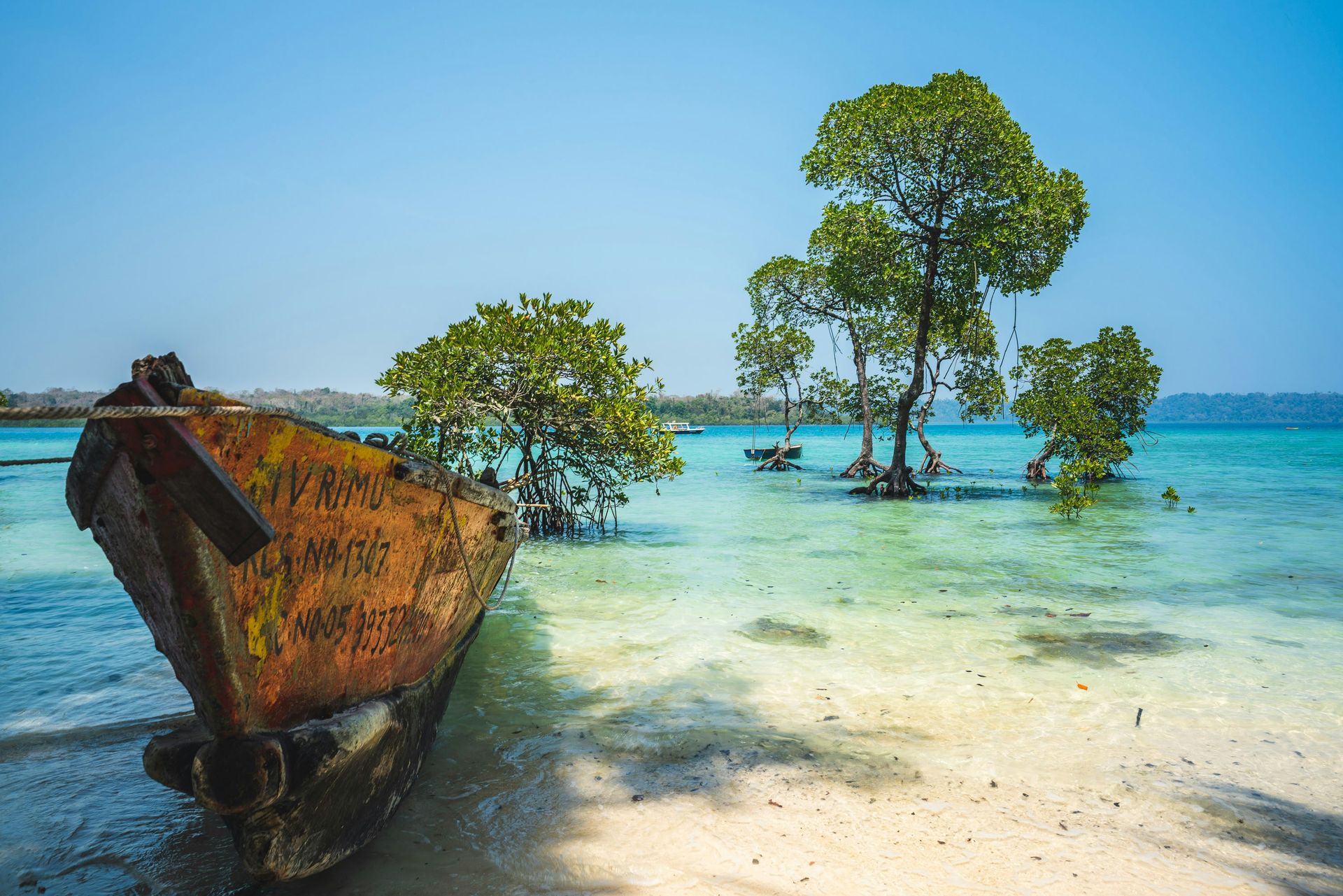
Great Andamanese is not one language but the remnant of a family — a cluster of related tongues once spoken by 10 tribes across the northern Andaman Islands in the Bay of Bengal. British colonization in the 19th century brought disease, dispossession and a penal colony, and the Great Andamanese population collapsed from thousands to a few dozen within decades. The surviving speakers, resettled by the Indian government on tiny Strait Island, merged into a single community, and their languages blended into a mixed variety that only a handful of elderly people still command.
The individual languages within the family have been going out one by one. Boa Sr, who died in 2010 at around 85, was the last person with knowledge of Aka-Bo. She had survived the 2004 Indian Ocean tsunami by climbing a tree, and in her final years she worked with the linguist Anvita Abbi, who recorded her songs and stories. After the death of the last other elders, Boa Sr spent years with no one who could fully understand her.
What makes Great Andamanese scientifically irreplaceable is its grammar. Abbi's research documented a system in which nouns, verbs and adjectives attach prefixes drawn from a classification of the human body — a grammar that organizes the world through body-part categories, with words for objects and actions marked by which zone of the body they relate to. Nothing quite like it has been described elsewhere.
The Andamanese languages also represent extraordinary time depth. The islands' indigenous peoples descend from some of the earliest human migrations out of Africa, and their languages form a lineage with no known relatives on the mainland.
A dictionary and grammar of Great Andamanese now exist because documentation happened just in time. The speech community itself — a few elderly people on one small island — may not outlast the decade.
7 / 15
Tofa: the reindeer herders' vocabulary of Siberia
Credit: Canva Images
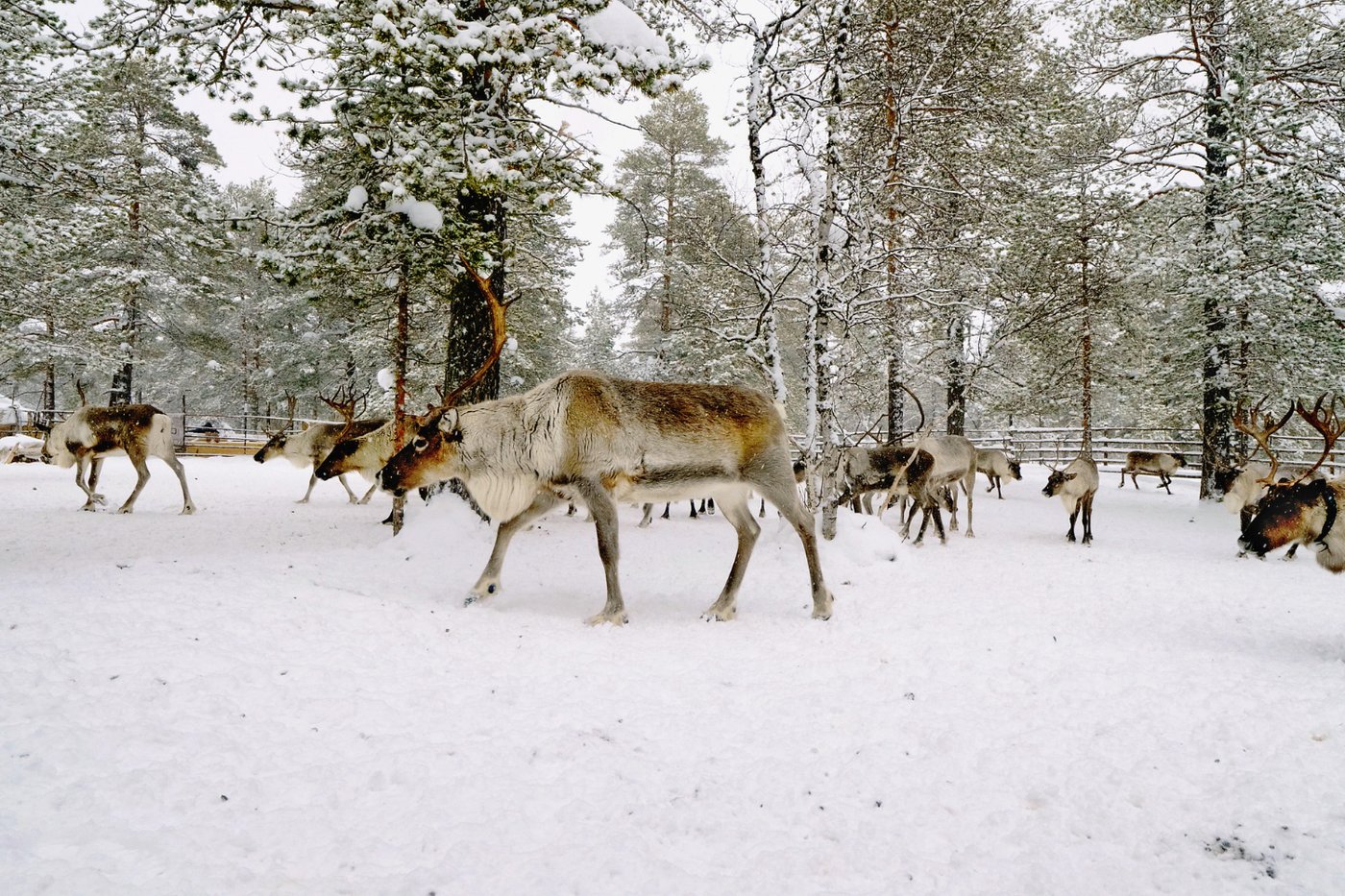
Tofa, also called Tofalar, is a Turkic language spoken in a handful of remote villages in the Eastern Sayan Mountains of southern Siberia, in Russia's Irkutsk region. Its speakers were traditionally reindeer herders and hunters who moved through high taiga forest, and their language is built around that life to a degree that startles outsiders.
Tofa can pack into a single word information that English spreads across a sentence. The linguist K. David Harrison, who documented the language in the field, has described Tofa terms that specify a reindeer's age, sex, fertility and rideability all at once — one word for a five-year-old castrated male reindeer that can be ridden. The vocabulary sorts the animal world by categories that matter to a herder: which animals can carry loads, which can be milked, which are ready for slaughter. The language also carries a detailed lexicon for smell, terrain and snow conditions.
That knowledge system is exactly what is disappearing. During the Soviet era, Tofa children were sent to boarding schools where Russian was the language of instruction and Tofa was discouraged. Collectivization ended the mobile herding economy that gave the vocabulary its purpose. By the time linguists arrived with recorders, the remaining fluent speakers were elderly, numbered in the dozens and shrinking. Younger Tofalars overwhelmingly speak Russian; many understand fragments of Tofa but cannot converse in it.
The case of Tofa illustrates a general principle of language death: vocabulary tied to a way of life dies with the way of life, even before the language itself goes. A teenager in a Tofa village has no daily need to distinguish a rideable reindeer from an unrideable one.
When Tofa goes silent, Russia loses one more of its Siberian languages — and science loses a compressed encyclopedia of how humans lived off reindeer in some of the harshest forest on Earth.
8 / 15
Kusunda: Nepal's language without relatives
Credit: Alix Lee / Pexels
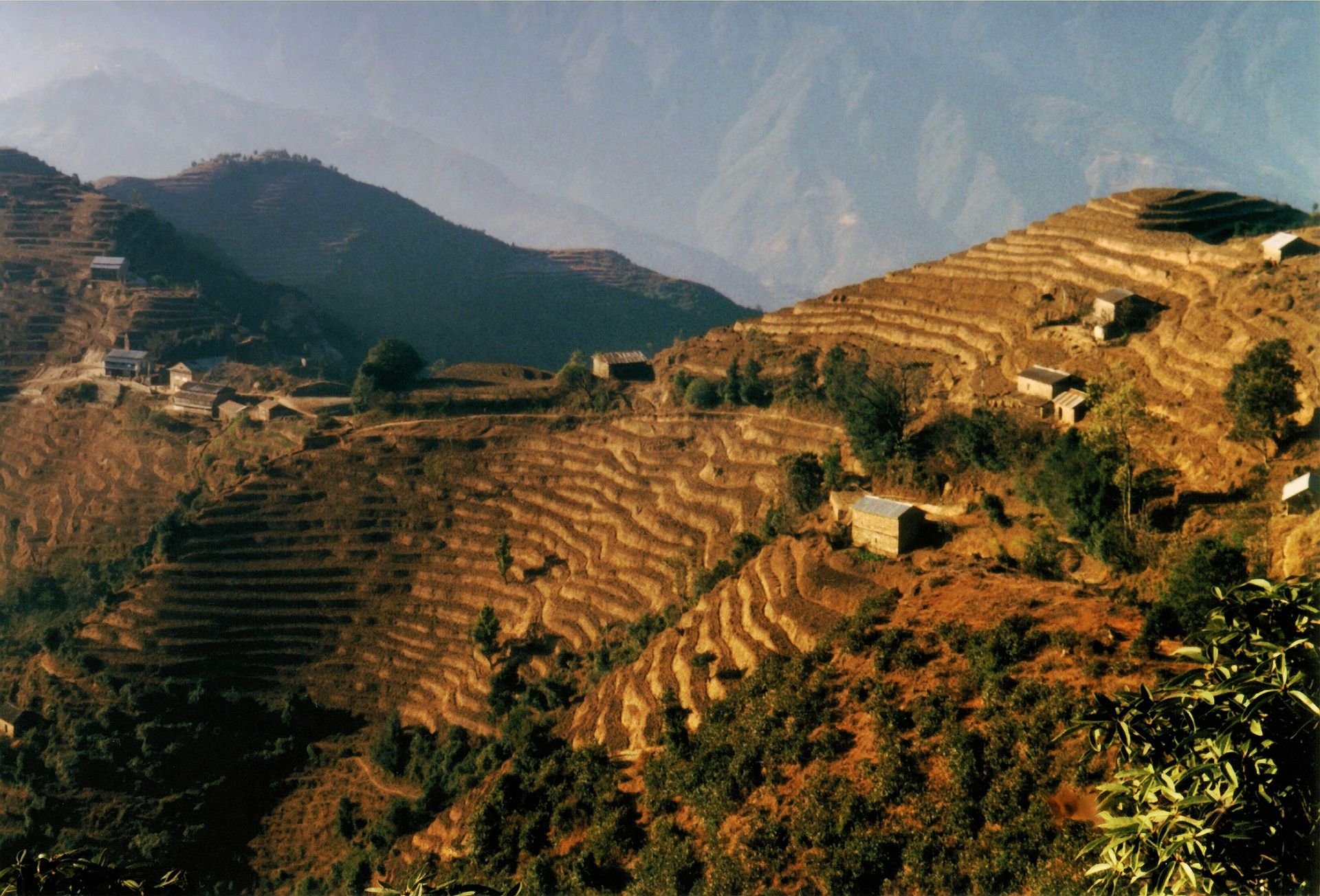
Kusunda is a language isolate spoken in western Nepal — a language with no demonstrated connection to any other, not to Nepali, not to the Tibeto-Burman languages of the Himalayas, not to anything. For linguists, isolates are the rarest of prizes: each one is the sole surviving witness to an otherwise vanished lineage of human speech.
The Kusunda were traditionally semi-nomadic forest foragers who called themselves Ban Rajas, kings of the forest. As Nepal's forests were cleared and settled, the community dispersed, intermarried with neighboring groups and shifted to Nepali. For decades the language was thought to be effectively gone. Then, in the 2000s, researchers located elderly fluent speakers, and documentation began in earnest.
The best known was Gyani Maiya Sen, who worked with Nepali and international linguists to record the language and became its public face. She died in 2020. Her younger sister, Kamala Khatri, remained among the last people able to speak Kusunda fluently, and she has taught classes for Kusunda children and young adults in western Nepal, supported by Nepal's Language Commission. Students who began with nothing now greet each other and hold simple conversations in a language their parents never learned.
Kusunda repays the attention. Its sound system includes uvular consonants rare in the region, and its grammar works differently from that of its neighbors — researchers have noted, among other features, that negation and verb structure follow patterns unlike those of surrounding languages. Every one of those details is a data point about the range of possibilities in human language, and Kusunda is the only place to observe them.
The stakes are simple to state. When a language with relatives dies, its family retains a voice. When an isolate dies, an entire branch of linguistic history closes. Kusunda is one teacher, a few elderly rememberers and a classroom of beginners away from that.
9 / 15
Wukchumni: the language one woman wrote down

Credit: RDNE Stock project / Pexels
Wukchumni is a dialect of the Yokuts language group of central California, traditionally spoken by the Wukchumni people along the Kaweah River in the San Joaquin Valley. Like most California Indian languages, it was devastated by the gold rush, land seizure and the boarding school system, which punished Native children for speaking their languages. California was once one of the most linguistically diverse places on the planet; most of its indigenous languages now have no fluent speakers or only a few.
Wukchumni's recent history is inseparable from one person. Marie Wilcox, born in 1933, grew up hearing the language from her grandmother, then went decades barely using it. In her 60s, she began writing down words on the backs of envelopes. That habit grew into a project that consumed more than 20 years: a full dictionary of Wukchumni, typed slowly by hand, along with recordings of stories and songs. For much of that time she was described as the language's last fluent speaker.
Her work became widely known through Marie's Dictionary, a short 2014 documentary produced as a New York Times Op-Doc, which showed her hunt-and-peck typing and her matter-of-fact assessment of the odds. Wilcox died in 2021, days after suffering a fall, at 87. By then she had done something rare: she had converted her own memory into materials others could learn from.
Her daughter Jennifer Malone and other family members continue teaching Wukchumni through classes and a master-apprentice approach, in which a learner spends immersive one-on-one time with a speaker. A handful of relatives have reached conversational ability.
What Wukchumni shows is how thin the thread can be. An entire language passed through a single household, sustained by envelopes and a keyboard. Many endangered languages will get no Marie Wilcox. The ones that do get, at best, a fighting chance.
11 / 15
Nivkh: the counting system of the Amur
Credit: Canva Images
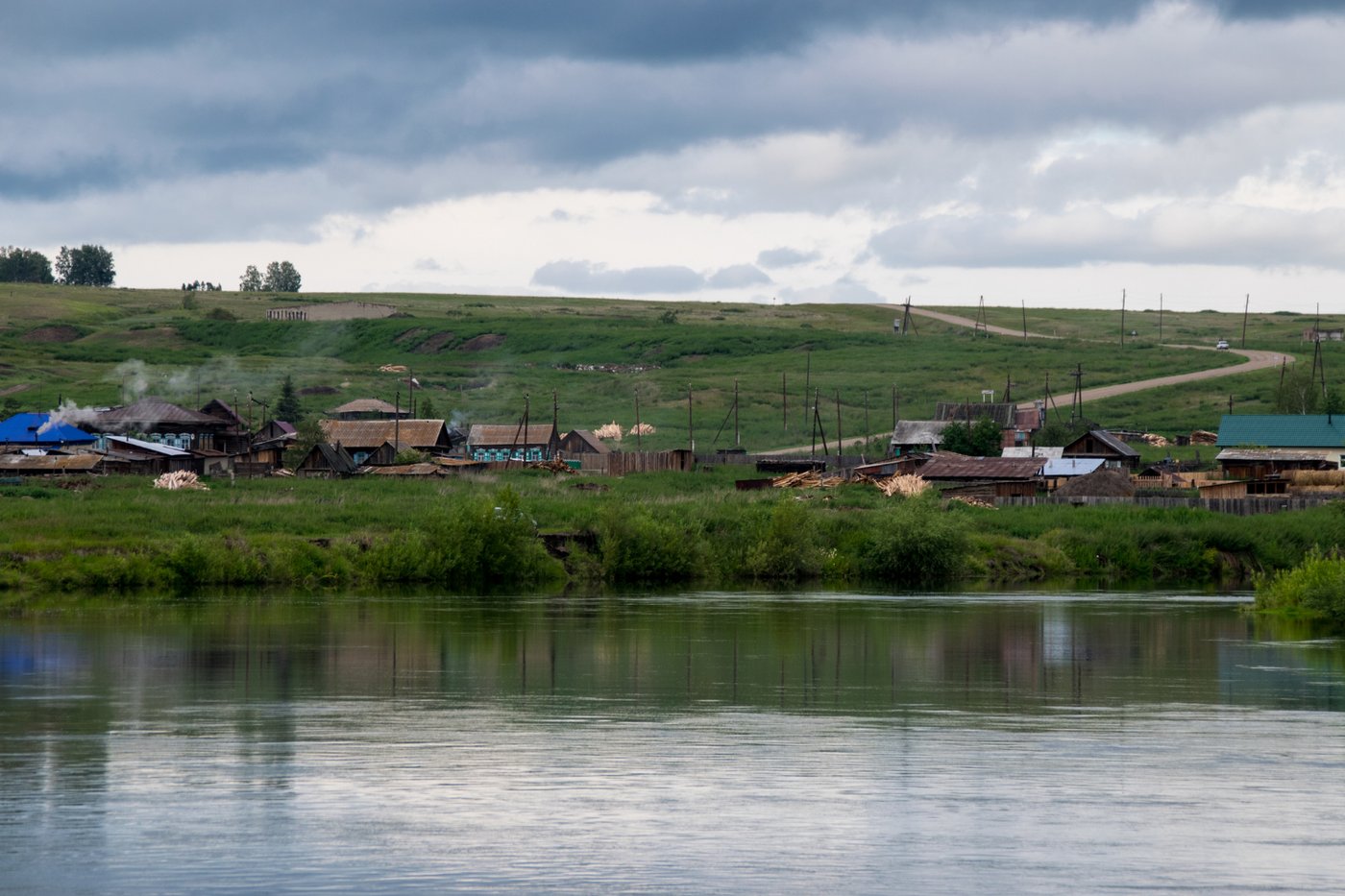
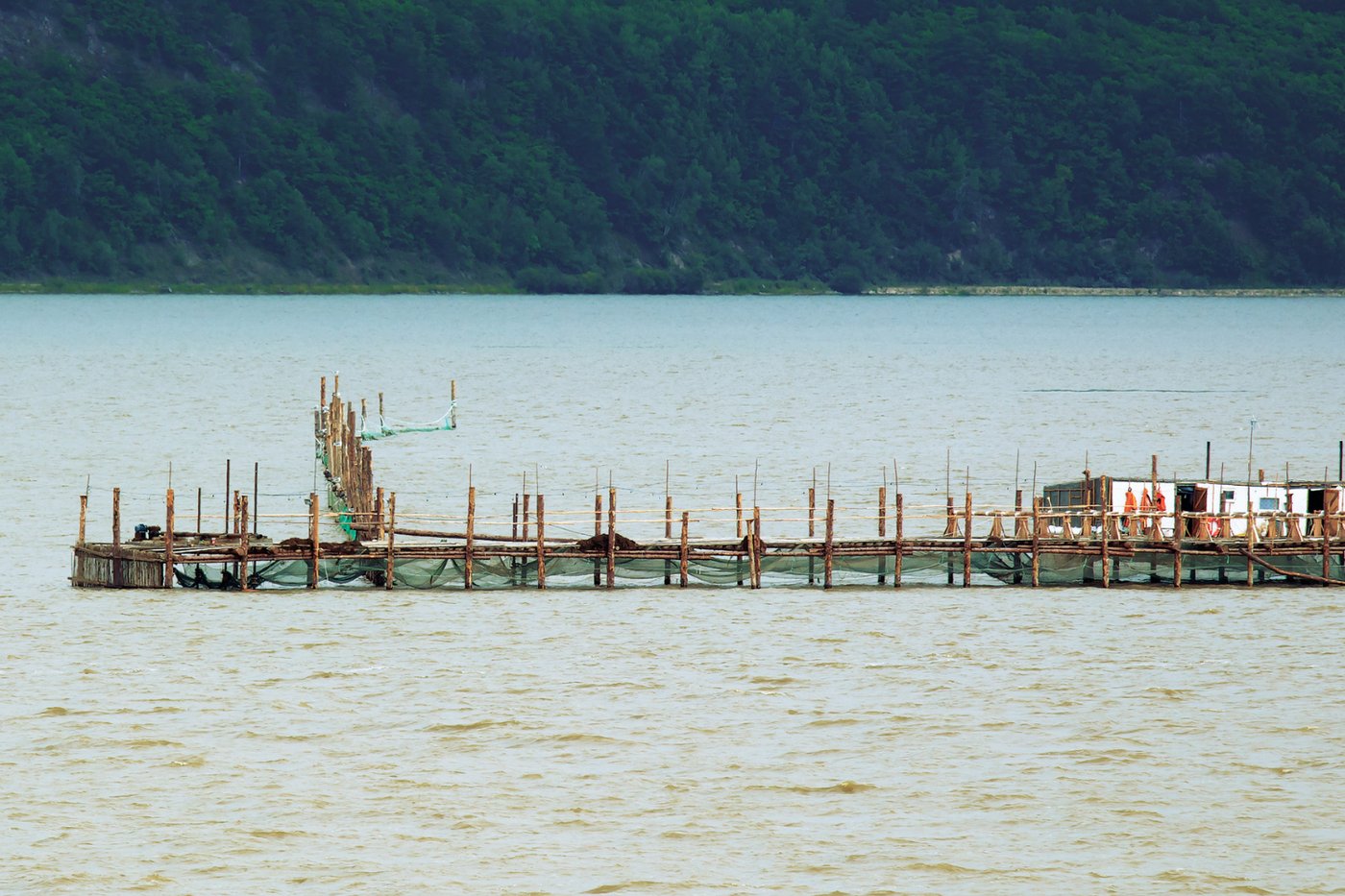
Nivkh is spoken along the lower Amur River and on Sakhalin Island in the Russian Far East. It is usually classified as a language isolate — or as the sole member of a tiny family sometimes called Amuric — with no proven relatives among the languages that surround it. The Nivkh were traditionally salmon fishers and sea-mammal hunters, and dog sledding, fish-skin clothing and seasonal fishing camps defined their material culture.
The language's most cited feature is its numeral system. Nivkh does not count all things with the same numbers. The form of a numeral changes depending on what is being counted, with distinct series for boats, sledges, fish, people, animals, nets and other categories — a system of numeral classifiers that runs to roughly two dozen classes. To count in Nivkh, a speaker must first classify. The system encodes, in grammar, which objects mattered enough in Nivkh life to deserve their own numbers.
Decline followed the standard Soviet pattern with local variations. Nivkh children were sent to Russian-language boarding schools. Small villages were consolidated into larger settlements in the mid-20th century, breaking up the fishing communities where the language lived. Sakhalin's oil and gas development brought an economy that runs entirely in Russian. Today, ethnic Nivkh number a few thousand, but fluent speakers are a small and elderly fraction of that.
Documentation has a long history — Russian and Soviet scholars produced grammars and dictionaries, and work continues today — and there have been school programs and primers in Nivkh. A newspaper, Nivkh Dif, has published in the language. None of this has yet produced new childhood speakers in meaningful numbers.
If Nivkh goes, the loss is double: an isolate lineage with no relatives to carry any echo of it, and a demonstration, unique in its details, of how thoroughly a grammar can be organized around a river economy.
12 / 15
Votic: a handful of speakers near the Baltic
Credit: Иван Кузнецов / Pexels
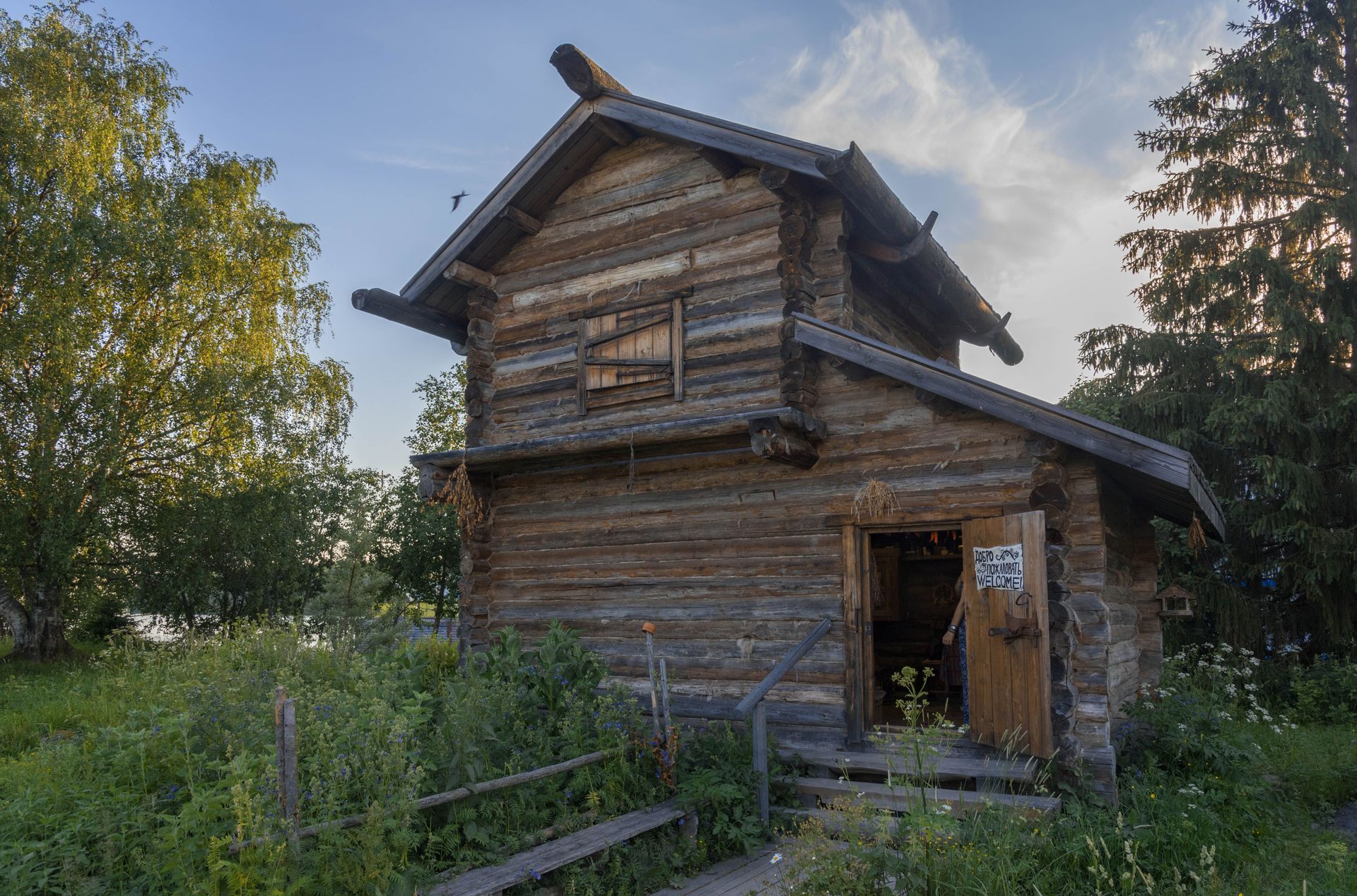
Votic may be the closest thing Europe has to a language at the absolute end of the line. It is a Finnic language, closely related to Estonian, spoken in the historical region of Ingria in northwestern Russia, near the Estonian border. Its remaining speakers — by recent counts, fewer than a dozen elderly people, possibly fewer than five — live mainly in two villages, known in Votic as Jõgõperä and Luuditsa.
The Votes were never numerous in the modern era, but the 20th century was catastrophic for them. The Second World War swept directly through Ingria. Votic villagers were deported to Finland during the war, and many who returned were then exiled to other parts of the Soviet Union, only trickling back years later. Collectivization and the closure of village schools did the rest. Votic was never taught, never printed in any quantity and never granted status. Parents raised children in Russian because everything in their world happened in Russian.
What remains is a language of enormous interest to specialists in the Finnic family. Votic preserves features and vocabulary that illuminate the history of Estonian and Finnish, and its dialects were documented extensively by Estonian and Finnish researchers across the 20th century, so the archive is rich even as the speech community disappears.
The villages have not entirely given up. Luuditsa hosts a small museum of Votic culture, and an annual village festival celebrates Votic identity with songs and food. Language enthusiasts from St. Petersburg have organized classes, and a few learners have acquired some ability in the language. But there is no realistic path back to Votic-speaking households.
Votic makes the endgame concrete. Language death is not an abstraction that happens to a statistic. It is a specific handful of people in two specific villages, and a day on the calendar that has almost arrived.
13 / 15
Elfdalian: Old Norse's last stronghold in Sweden
Credit: Хитрый Хряк / Pexels
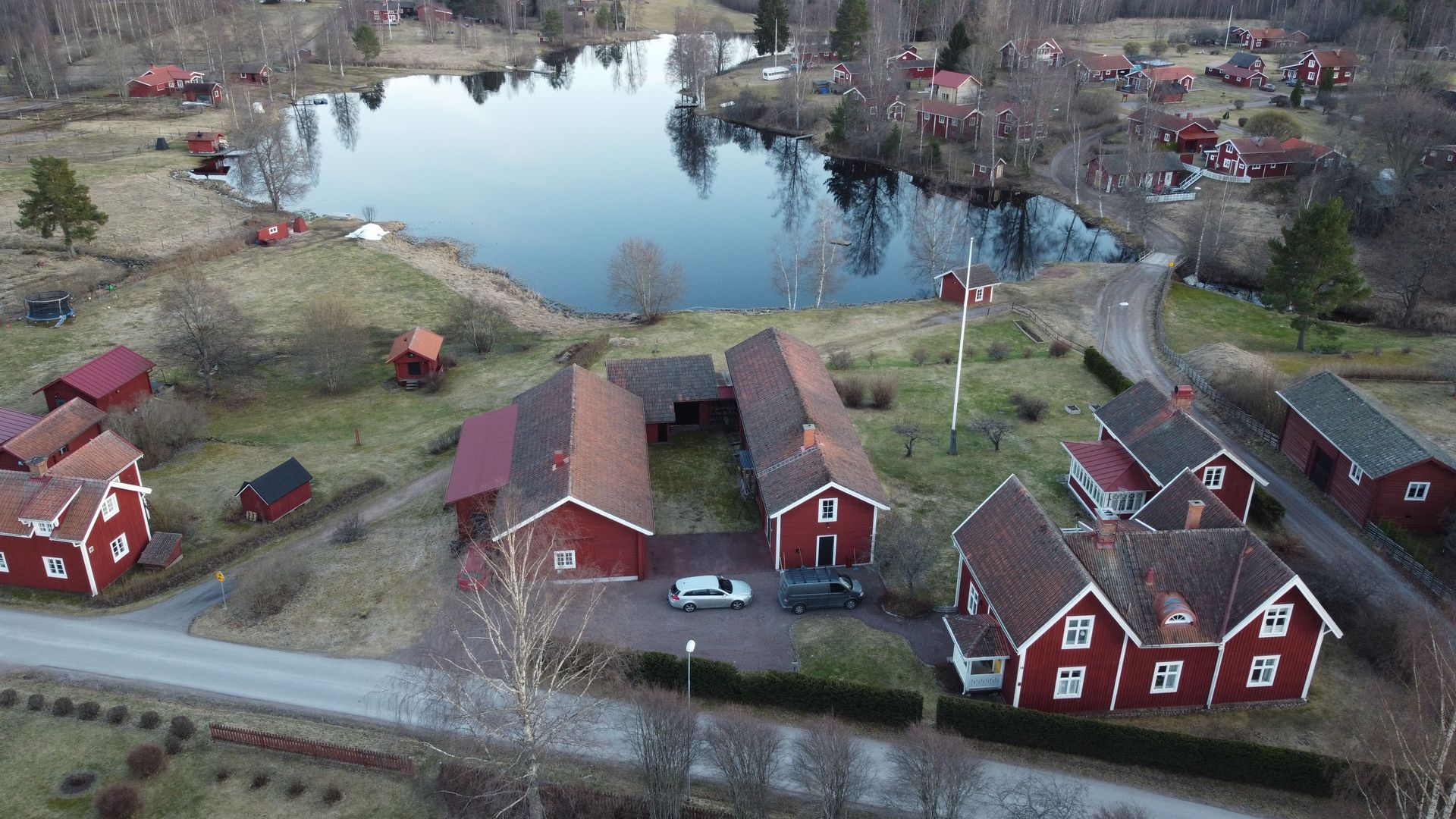
Elfdalian, or Övdalian, is spoken in and around Älvdalen, a forested municipality in the Dalarna region of central Sweden. Sweden officially treats it as a dialect of Swedish. Linguists overwhelmingly disagree: Elfdalian descends from Old Norse along its own path and is not mutually intelligible with Swedish. A Stockholmer dropped into an Elfdalian conversation understands roughly as much as an English speaker listening to Icelandic.
The language preserves features that standard Swedish shed centuries ago. It retains nasal vowels lost elsewhere in North Germanic, keeps a case system with distinct forms for nouns, and holds onto old diphthongs and verb endings. Elfdalian speakers also used runes — a local variant known as Dalecarlian runes — for everyday inscriptions into the early 20th century, making the area the last place in Europe where runic writing survived in ordinary use.
Isolation preserved Elfdalian, and the end of isolation is killing it. Roads, media, schooling and labor mobility tied Älvdalen to the Swedish-speaking economy, and through the 20th century schools actively discouraged children from speaking Elfdalian. Estimates put current speakers at around 2,000 to 3,000, most of them older adults; the number of children speaking it has been small enough to alarm the community into action.
Action has come. The local preservation organization Ulum Dalska — the name means "we shall speak Elfdalian" — has pushed for the language for decades. The municipality has offered stipends to young people who use it, a preschool operating in Elfdalian opened in Älvdalen, and books and teaching materials have been produced. Campaigners have sought official minority-language status from the Swedish state, so far without success; recognition would unlock funding and legal standing.
Elfdalian's loss would close a living window onto Old Norse. Researchers can read old texts forever, but only a spoken language shows how such a system actually runs in real time, in real mouths.
14 / 15
Okinawan: the suppressed languages of the Ryukyus
Credit: Хитрый Хряк / Pexels
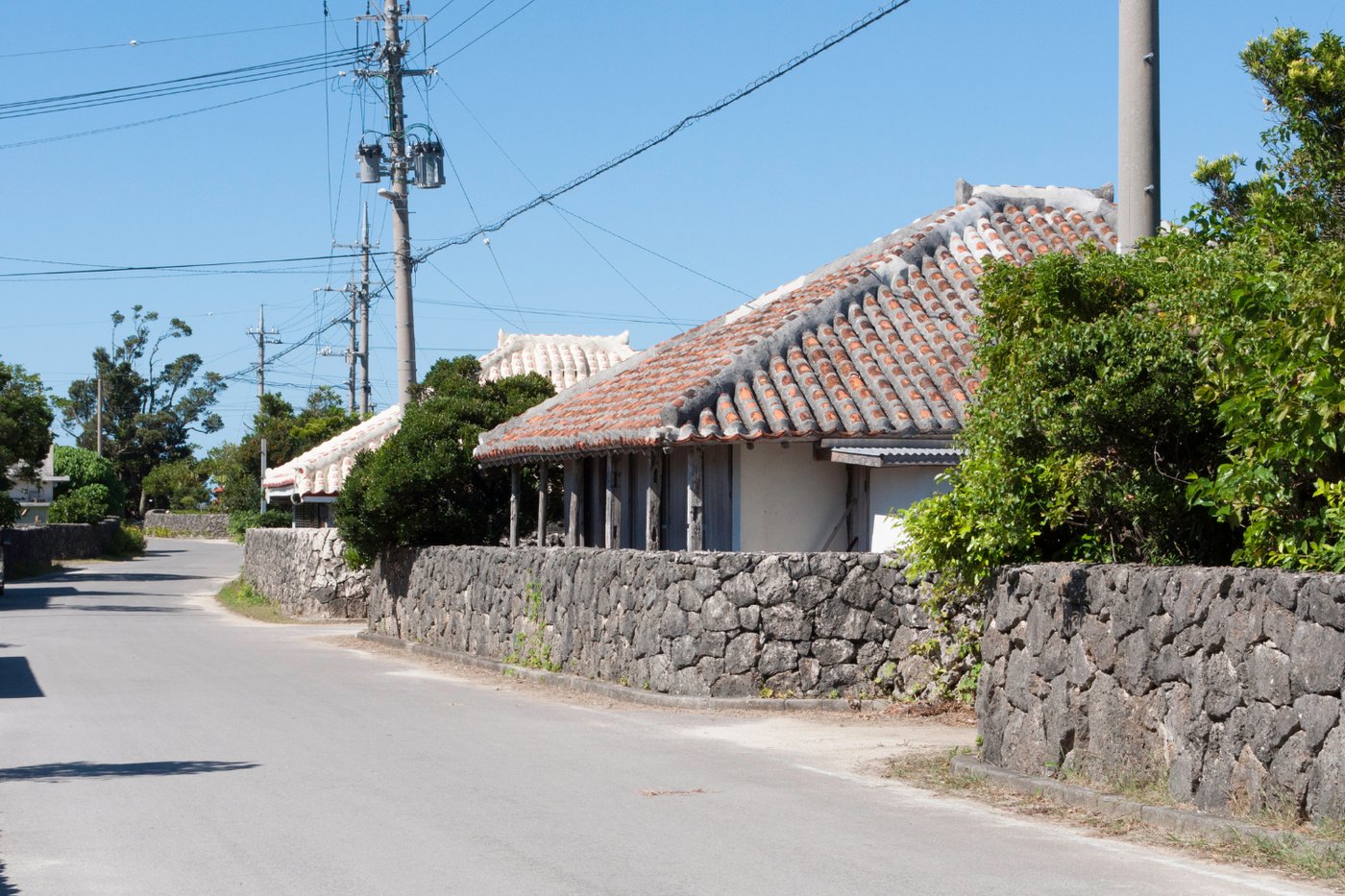
Okinawan is the largest of the Ryukyuan languages, spoken on Okinawa Island in Japan's southern island chain. The Ryukyuan languages are related to Japanese but are not dialects of it — Okinawan and Tokyo Japanese are not mutually intelligible, having diverged many centuries ago. In 2009, UNESCO listed six Ryukyuan languages as endangered, Okinawan among them.
The Ryukyus were an independent kingdom with its own diplomacy, court culture and literary tradition until Japan annexed them in 1879. What followed was one of the most systematic language-suppression campaigns of the modern era. Schools enforced standard Japanese, and for decades Okinawan children caught speaking their own language were made to wear a wooden placard called a hōgen fuda — a dialect tag — hung around the neck until they caught another child speaking it and passed the shame along. The practice persisted well into the 20th century. After the Second World War, in which roughly a quarter of Okinawa's civilian population died in the Battle of Okinawa, and through the American occupation that lasted until 1972, the pressure toward standard Japanese only intensified.
The result is a language with a large but hollowed-out speaker base. Hundreds of thousands of people, mostly over 60, can speak Okinawan. Almost no children are acquiring it at home, and most young Okinawans speak standard Japanese colored by local vocabulary and intonation — a variety sometimes called Uchinaa-Yamatoguchi — rather than the language itself.
What is at stake is a full high culture. Okinawan carries the classical ryūka poetic tradition, the sung repertoire of the sanshin lute, and kumi odori musical theater, which UNESCO has recognized as intangible cultural heritage. Performers increasingly learn their lines phonetically, the way opera singers learn Italian.
A revival movement promotes shimakutuba — island speech — with radio programs, classes and an annual proclamation day supported by the prefectural government. The demographic clock, though, is explicit: fluency is concentrated in one generation.
15 / 15
Yuchi: the children of the sun in Oklahoma
Credit: Canva Images
Yuchi is a language isolate spoken in Oklahoma by the Yuchi people, who call themselves Tsoyaha — children of the sun. The language has no demonstrated relatives, despite more than a century of attempts to link it to the Siouan family and others. The Yuchi originally lived in the southeastern U.S., in parts of present-day Tennessee and Georgia, and were forcibly removed to Indian Territory in the 1830s alongside the Muscogee Creek Nation, with whom they were administratively merged. Removal, the allotment era and federal boarding schools each stripped away part of the environment in which Yuchi was spoken.
The grammar contains a feature linguists cite constantly: Yuchi pronouns distinguish whether the person referred to is Yuchi or non-Yuchi. Talking about a Yuchi man and a non-Yuchi man requires different grammatical forms. Kinship, ceremony and community membership are not just topics the language can discuss; they are wired into its morphology. The language also marks distinctions of position and shape in ways English does not, and its verb system encodes information about the speaker's relationship to what is described.
By the early 2000s, first-language speakers numbered only a handful of elders, all of whom had grown up before the Second World War. The Yuchi Language Project, based in Sapulpa, Oklahoma, responded with immersion rather than classroom vocabulary drills. Young adults spent thousands of hours in master-apprentice pairs with elders, speaking only Yuchi, and the project built a preschool-style immersion environment so that small children could hear the language all day. A new generation of second-language speakers now teaches alongside recordings of the elders, most of whom have since died.
Yuchi's survival now depends on whether those new speakers can make the language a home language again. What hangs on the outcome is the last voice of an entire lineage — and a grammar in which belonging to the community is, literally, part of speech.
