From Portugal's D7 to Thailand's five-year remote work visa, these 15 countries publish clear rules, set attainable income bars and approve applications routinely

Credit: Will Mu / Pexels
Moving abroad has a reputation as something reserved for corporate transferees, graduate students and the very rich. The reputation is out of date. Dozens of countries now publish residence pathways with income thresholds an ordinary professional, freelancer or retiree can meet, checklists that can be completed without a lawyer and renewal rules that lead somewhere permanent.
"Easy" is doing specific work in this list. It does not mean no paperwork — every country here will ask for apostilled documents, background checks and patience. It means the rules are transparent, the financial bar is attainable and approval is the norm for applicants who follow instructions.
Three models dominate. Latin America runs on income: show a pension or reliable earnings above a published floor and residence follows, often with a route to permanent status within two to four years. Continental Europe favors the self-employed: freelance permits in Germany and the Czech Republic, a treaty deal for Americans in the Netherlands, passive-income visas in Portugal and Spain. Asia and the Gulf mostly sell long stays rather than settlement — Thailand's five-year remote work visa and the UAE's virtual work permit let you live somewhere for years without immigrating in the classic sense.
Two warnings apply throughout. First, numbers move. Many thresholds are pegged to local minimum wages or price indexes that reset every January, and consulates sometimes interpret the same rule differently. Treat the figures here — current as of mid-2026 — as orientation, then confirm the exact amount with the relevant consulate or immigration agency before booking anything. Second, residence and taxes travel together. Spend more than 183 days a year in most of these countries and you become a tax resident there, which can be a benefit or a burden depending on where your income comes from.
What follows are 15 countries where the path in is real, documented and heavily used — plus the visa names, income levels and steps that people rely on to make the move.

Credit: Marcelo Verfe / Pexels
Portugal's D7 visa, often called the passive income visa, has one of the lowest financial bars in western Europe. The core requirement is passive income — pensions, rent, dividends, royalties — at or above the Portuguese minimum wage, which is 920 euros a month in 2026. A spouse adds 50% of that amount to the requirement, and each child adds 30%.
The process starts at home. Applicants obtain a Portuguese tax number, called a NIF, open a Portuguese bank account and move roughly a year of living funds into it. They line up housing — a 12-month lease is the standard proof — and file at the Portuguese consulate with criminal record checks and travel insurance. The consulate issues a four-month, two-entry visa; the residence permit itself comes from AIMA, Portugal's immigration agency, after a biometrics appointment in the country.
Remote employees who earn a salary rather than passive income use the D8, the digital nomad visa Portugal launched in October 2022. Its bar is higher: remote earnings of at least four times the minimum wage, which works out to 3,680 euros a month in 2026.
Permits renew in multi-year increments, and five years of legal residence opens the door to permanent status. Portugal's old flat-tax deal for newcomers, the non-habitual resident regime, closed to most new applicants; a narrower successor targets research and innovation roles, so the pure tax play is weaker than it once was.
The trade-off is administrative. AIMA inherited a well-documented backlog of pending cases, and appointment scarcity is the most common complaint among applicants. The visa itself stays popular because the math works: the income floor is low by European standards, healthcare is inexpensive and the residence card allows travel throughout the Schengen area. Lisbon and Porto absorb most newcomers, while the Algarve and the Silver Coast draw retirees who arrive on exactly this visa.
Credit: Elisa Giaccaglia / Pexels
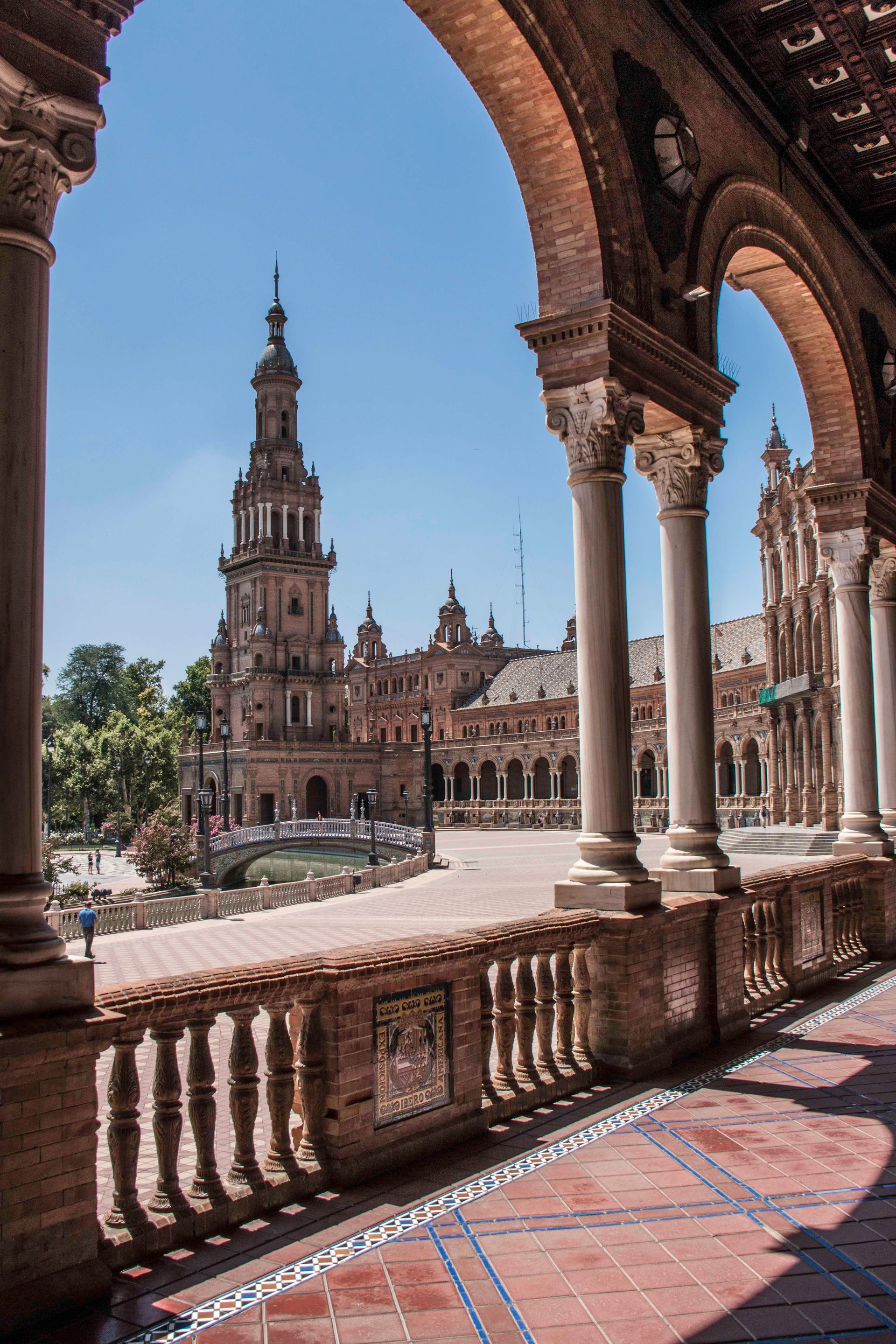
Spain's non-lucrative visa offers a straightforward trade: prove you can support yourself without working and you can live in Spain. The financial floor is set at 400% of IPREM, a national income index that has been frozen at 600 euros a month for several years. For 2026 that means 2,400 euros a month, or 28,800 euros a year, for a single applicant, plus 7,200 euros a year for each dependent.
The catch is in the name. Non-lucrative means no economic activity — not local employment and, in the reading Spanish consulates now apply, not remote work for a foreign employer either. Applicants sign a sworn statement to that effect. The visa suits retirees, people living on savings or investments and anyone taking a genuine break from work.
Applications go through the Spanish consulate covering the applicant's home region, with proof of funds, a clean criminal record, a medical certificate and private Spanish health insurance that has no deductibles or copayments. The first permit lasts one year. Renewals come in two-year blocks and require showing double the annual amount, since each renewal covers two years at once. After five years of residence, permanent status is available.
Remote workers have their own lane. Spain's digital nomad visa, created by the 2023 startup law, requires income of at least twice the national minimum wage — about 34,000 euros a year in 2026 — and allows work for companies outside Spain, with Spanish-source income capped at 20% of the total. Some holders qualify for the Beckham regime, a flat 24% tax rate on Spanish earnings for six years.
One door closed recently: Spain ended its golden visa in April 2025, eliminating residence through real estate purchases. That leaves the non-lucrative and digital nomad routes as the main entry points for people without a job offer or an EU passport.
Credit: Carmen Dominguez / Pexels
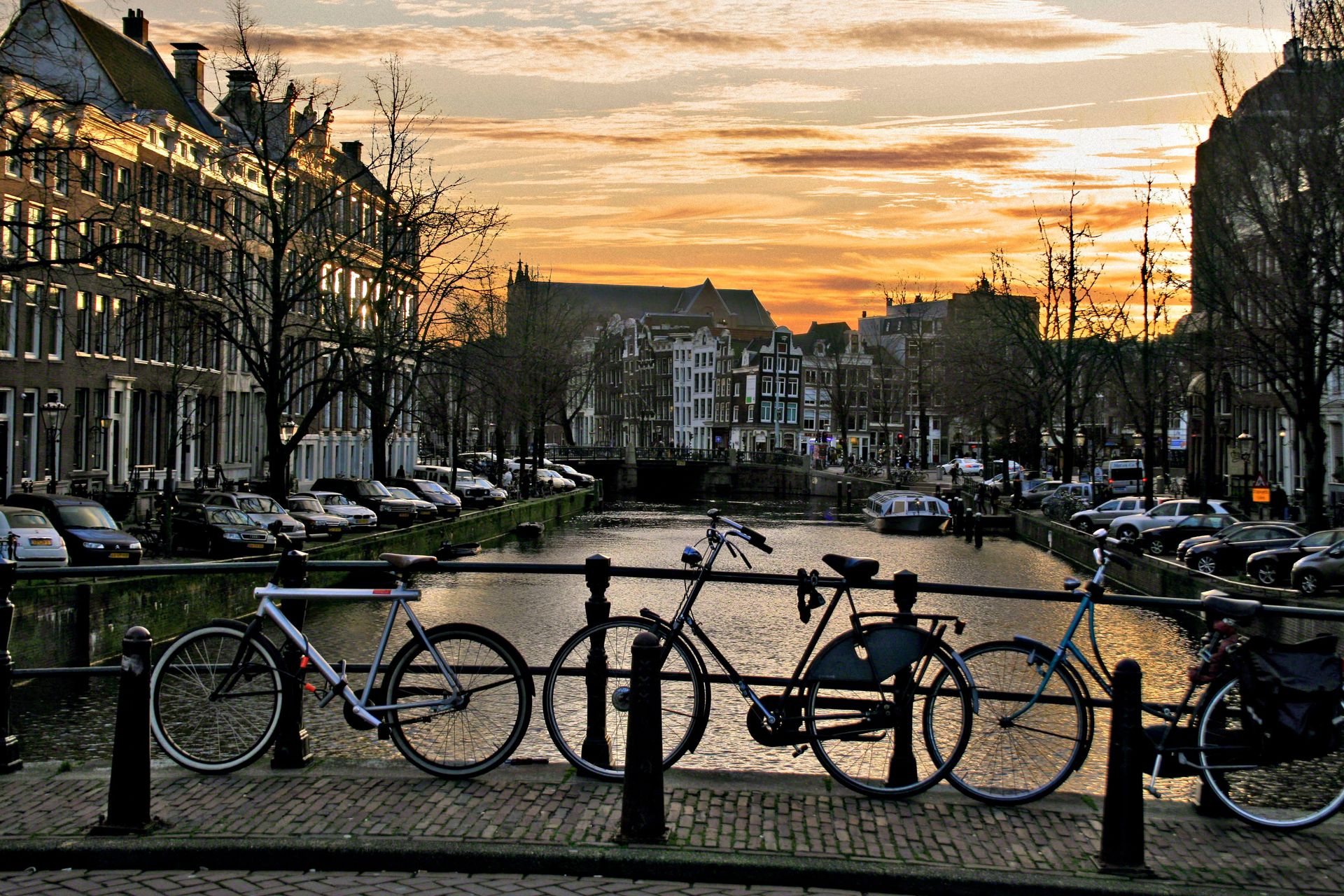
Americans have a route into the Netherlands that most of the world does not: the Dutch American Friendship Treaty, signed in 1956 and known universally as DAFT. It entitles U.S. citizens to a two-year Dutch residence permit for the purpose of running a business, with a capital requirement of just 4,500 euros.
The mechanics are simple by immigration standards. The applicant registers a business with the Dutch chamber of commerce — a sole proprietorship is fine, and freelancing counts — deposits 4,500 euros in a business bank account and files with the Dutch immigration service, the IND. There is no points test, no minimum revenue target and no requirement to hire anyone. Writers, designers, consultants and software developers make up much of the DAFT population.
The 4,500 euros is not a fee. The money has to remain on the business balance sheet, but it can be spent on legitimate business costs such as a laptop or a coworking membership and then replenished. Applicants can enter the Netherlands visa-free and wait for the decision inside the country, registering with their municipality in the meantime.
After the first two years, the permit renews in five-year increments, and a spouse or registered partner receives open work rights — they can take any job in the Dutch labor market. Children can come as dependents. After five years of residence and a civic integration exam, permanent residence becomes available.
Real constraints exist. Dutch health insurance is mandatory and basic premiums have recently run around 150 euros a month, the business must keep books and file Dutch taxes and housing in Amsterdam and Utrecht is scarce and expensive. Even so, DAFT is about as close as U.S. citizens get to a standing invitation from a western European country, and the treaty has now been in force for seven decades.
-1920x2400.jpg)
Credit: Adrian Smarrelli / Pexels
Germany runs two of Europe's most usable entry routes for people without a corporate transfer. The first is the freelance visa, formally a residence permit for self-employment in the liberal professions — writers, designers, engineers, software developers, translators, artists and teachers among them.
The pitch is client interest rather than capital. Applicants show letters of intent from prospective German clients, a portfolio or resume, a financial plan demonstrating they can cover living costs and German health insurance. Citizens of the U.S., U.K., Canada, Australia, New Zealand, Japan, South Korea and Israel can enter Germany without a visa and apply from inside the country at the local foreigners office; everyone else applies at a consulate first. Berlin processes so many of these applications that its version for creatives has its own nickname, the artist visa.
The second route is newer. The Opportunity Card, or Chancenkarte, launched in June 2024, lets people move to Germany for up to a year to look for work with no job offer required. Admission runs on points for qualifications, work experience, language skills and age, on top of a baseline of a recognized degree or two years of vocational training plus basic German or solid English. Card holders can work part time, up to 20 hours a week, while they search, and they need blocked savings of roughly 1,000 euros a month to show they can support themselves.
Both permits convert into something durable. A freelancer who builds a stable client base can keep renewing and later apply for settlement; an Opportunity Card holder who lands a qualifying job switches to a work permit or an EU Blue Card, whose salary thresholds reset each year and run lower for shortage occupations such as nursing and IT.
German bureaucracy earns its reputation — appointments are scarce in big cities and paper still rules — but the requirements are published, stable and applied as written.

Credit: Ira / Pexels
The Czech Republic's long-term business visa, known to nearly every expat in Prague as the zivno, is built around a trade license called the zivnostensky list. Register the license, prove you can support yourself and you have a renewable path to living in one of Europe's most affordable capitals.
The license covers a long menu of activities — teaching English, software development, marketing, graphic design, consulting — and freelancers select the trades that match their work. The visa application, filed at a Czech consulate, adds proof of accommodation in the country, a clean criminal record and a bank balance sufficient to live on, an amount pegged to Czech subsistence figures that has recently worked out to several thousand dollars.
Once approved and registered, freelancers pay monthly contributions into Czech social insurance and health insurance and file an annual tax return. The system is friendlier than it sounds: sole traders can use a flat expense deduction — 60% of revenue for most trade-license activities — which keeps effective tax rates low at typical freelance incomes without receipts or bookkeeping gymnastics.
The initial visa runs up to a year, after which holders switch to a long-term residence permit renewable in two-year blocks. Five years of continuous residence opens permanent residency under EU long-term resident rules, and the residence card allows travel across the Schengen area in the meantime.
Prague's international scene grew up around this visa — English teachers in the 1990s, then developers, designers and marketers — and a local industry of visa consultants exists to shepherd applications through the trade office and the interior ministry for a few hundred dollars. Living costs remain well below western European levels, especially outside the capital, and cities such as Brno have built their own smaller freelance communities on the same legal foundation. The paperwork is real, but it is a known quantity with decades of precedent behind it.
Credit: Павел Хлыстунов / Pexels
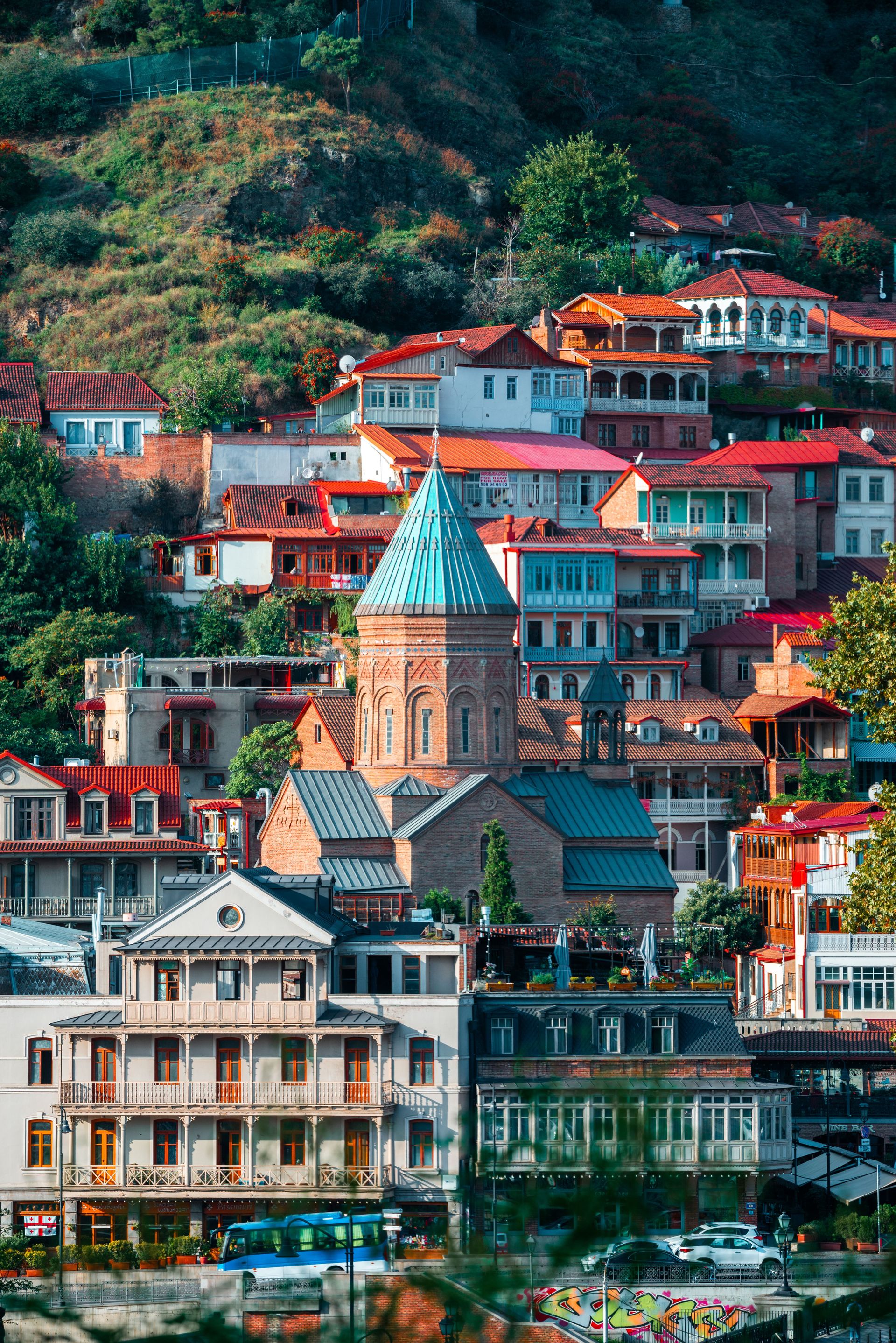
Georgia inverts the usual order of operations: you move first and do paperwork later. Citizens of roughly 95 countries — including the U.S., U.K., EU members, Japan and Australia — can enter without a visa and stay a full 365 days. Working remotely for foreign clients or employers during that stay is legal, which makes Georgia one of the only places where a laptop worker can relocate tomorrow with no application at all.
Leaving and re-entering resets the clock, and plenty of long-term residents run on consecutive visa-free years. Those who want formal status usually get it through work or business. Registering as an individual entrepreneur takes about a day and costs little, and it unlocks the feature Georgia is known for among freelancers: small business status, which taxes gross revenue at 1% up to an annual ceiling of 500,000 lari, roughly $180,000 at recent exchange rates.
Residence permits follow from economic activity. An individual entrepreneur with genuine local income can apply for a work residence permit, and buying real estate worth at least $100,000 supports a property-based permit. Permits start short, typically a year, and extend from there.
Tbilisi and Batumi built sizable international communities on this framework: rent that is cheap by European standards, fast internet, cafes dense with remote workers and a banking system that historically opened accounts for foreigners in an afternoon, though checks have tightened for some nationalities since 2022.
The caveats are real. Georgia sits in a tense neighborhood, its domestic politics have been turbulent in recent years and the 1% regime carries residency and activity rules that deserve professional advice, since not every kind of income qualifies for the rate. As a low-commitment first move abroad, though, nothing else on this list requires less on day one: a plane ticket and a passport from the right country cover the first year entirely.
Credit: Qingju Wen / Pexels
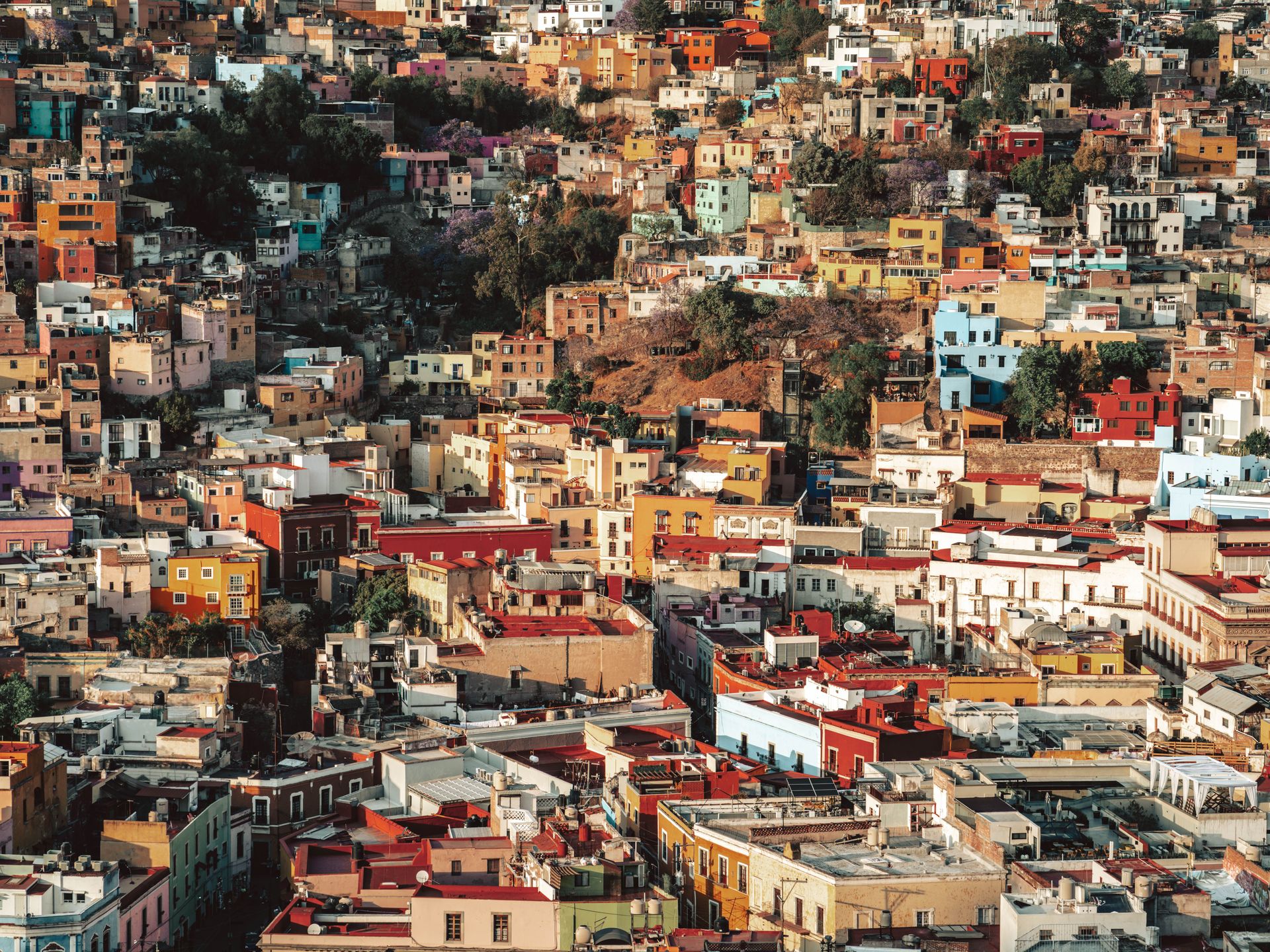
Mexico's temporary resident visa runs on a single question: can you support yourself? Applicants prove economic solvency at a Mexican consulate abroad, either through monthly income over the preceding six months or through savings held over the past 12. Under guidelines issued in July 2025, the math is pegged to Mexico's UMA index rather than its fast-rising minimum wage, which stabilized the thresholds. For 2026, the income route works out to roughly $4,400 a month and the savings route to about $74,000, though consulates convert the figures differently and applicants routinely compare requirements across consulates before booking an appointment.
The interview itself is short and document-driven: stamped bank statements, a passport, photos and a modest fee. Approved applicants receive a visa sticker, enter Mexico within six months and exchange it for a resident card at an immigration office during their first 30 days in the country.
The card starts at one year and renews up to four years in total. At the four-year mark, temporary residents convert to permanent residency without proving solvency again — the financial test happens once, at the start. Direct permanent residency from abroad still exists but narrowed in 2025 to retirees and pensioners, and its bars are far higher, at roughly $7,300 a month in income or about $294,000 in savings. Neither status carries a physical-presence minimum, so the card tolerates a life split between Mexico and home.
Family ties open a parallel door: marriage to a Mexican citizen or a Mexican-born child supports residency from inside the country without consular solvency tests.
The system has grown costlier — government processing fees doubled at the start of 2026 — but not more complicated. Applicants who match their paperwork to their consulate's published numbers are approved routinely, and Mexico's pull remains practical: proximity to the U.S., low living costs outside the most fashionable neighborhoods and established foreign communities from Merida to Puerto Vallarta.
Credit: Koen Swiers / Pexels
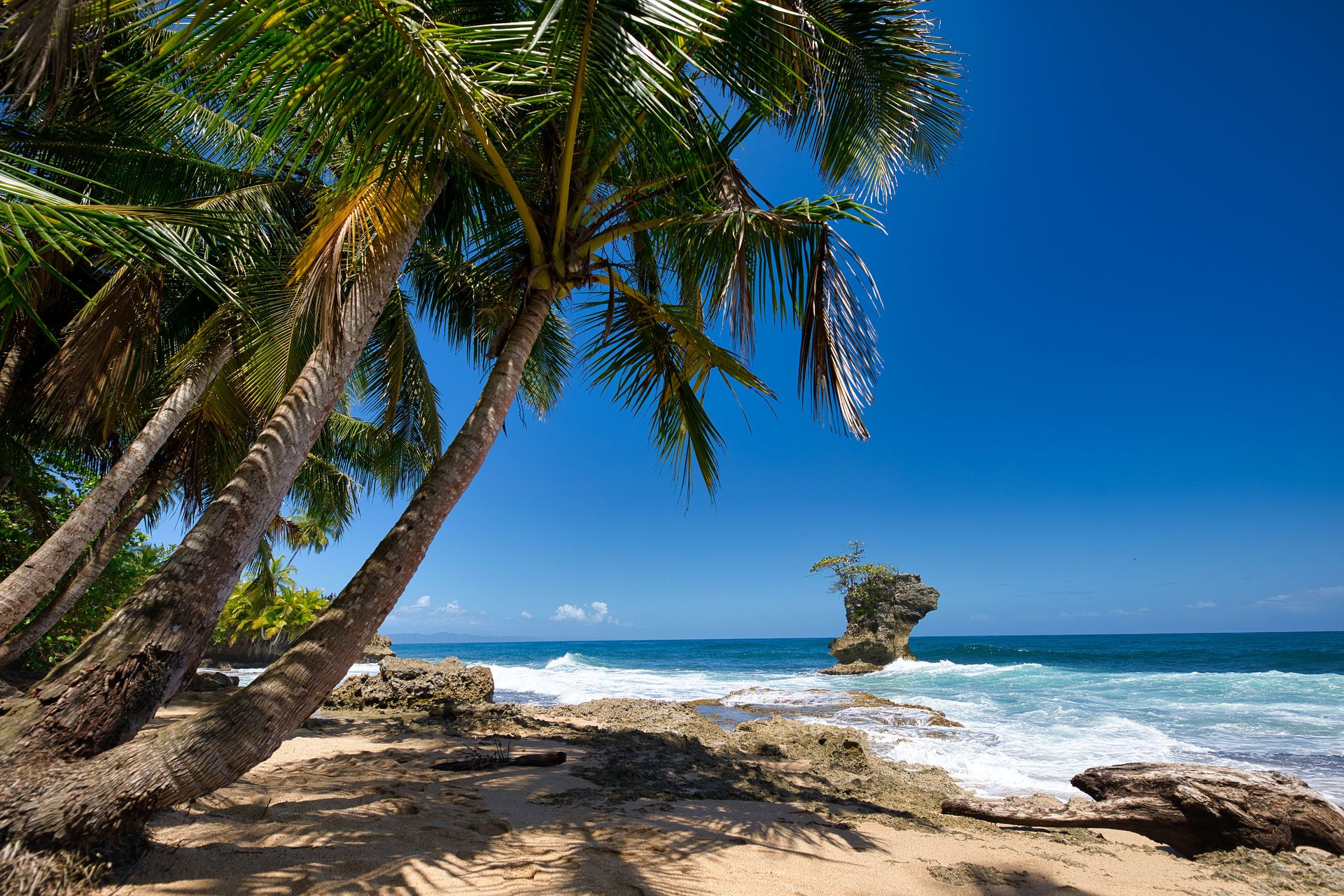
Costa Rica writes its financial requirements directly into law, which makes qualifying unusually predictable. The pensionado category asks for $1,000 a month in lifetime pension income, and U.S. Social Security counts. The rentista category asks for $2,500 a month in non-salary income guaranteed for two years — or the shortcut most applicants use, a $60,000 deposit in a Costa Rican bank. The inversionista category takes a $150,000 investment, commonly in real estate.
All three are temporary residence categories with the same shape: legal residence for the applicant and dependents, no right to work as a local employee, full freedom to own a business or earn income from abroad. After three years, holders can apply for permanent residency, which does allow local employment.
Applications go through the immigration agency, the DGME, with apostilled birth and police certificates. Processing is slow — a year or more is common — but many applicants file from inside Costa Rica and remain in the country while the case is pending. Approved residents must join the Caja, the public health system, with monthly contributions scaled to declared income; the system is a draw in itself, and private care is inexpensive as a supplement.
Remote workers who want a lighter commitment use the digital nomad stay created by a 2021 law: $3,000 a month in income, or $4,000 for a family, buys a year in the country with one renewal and an exemption from local income tax on foreign earnings.
Costa Rica's pitch has been stable for decades — no standing army since 1948, durable democratic institutions, singular biodiversity — and the expat infrastructure matches it: bilingual immigration lawyers, established communities in the Central Valley and on both coasts and direct flights to much of the U.S. Costs have crept up with popularity. The rules have not.
Credit: Osvaldo Madariaga / Pexels
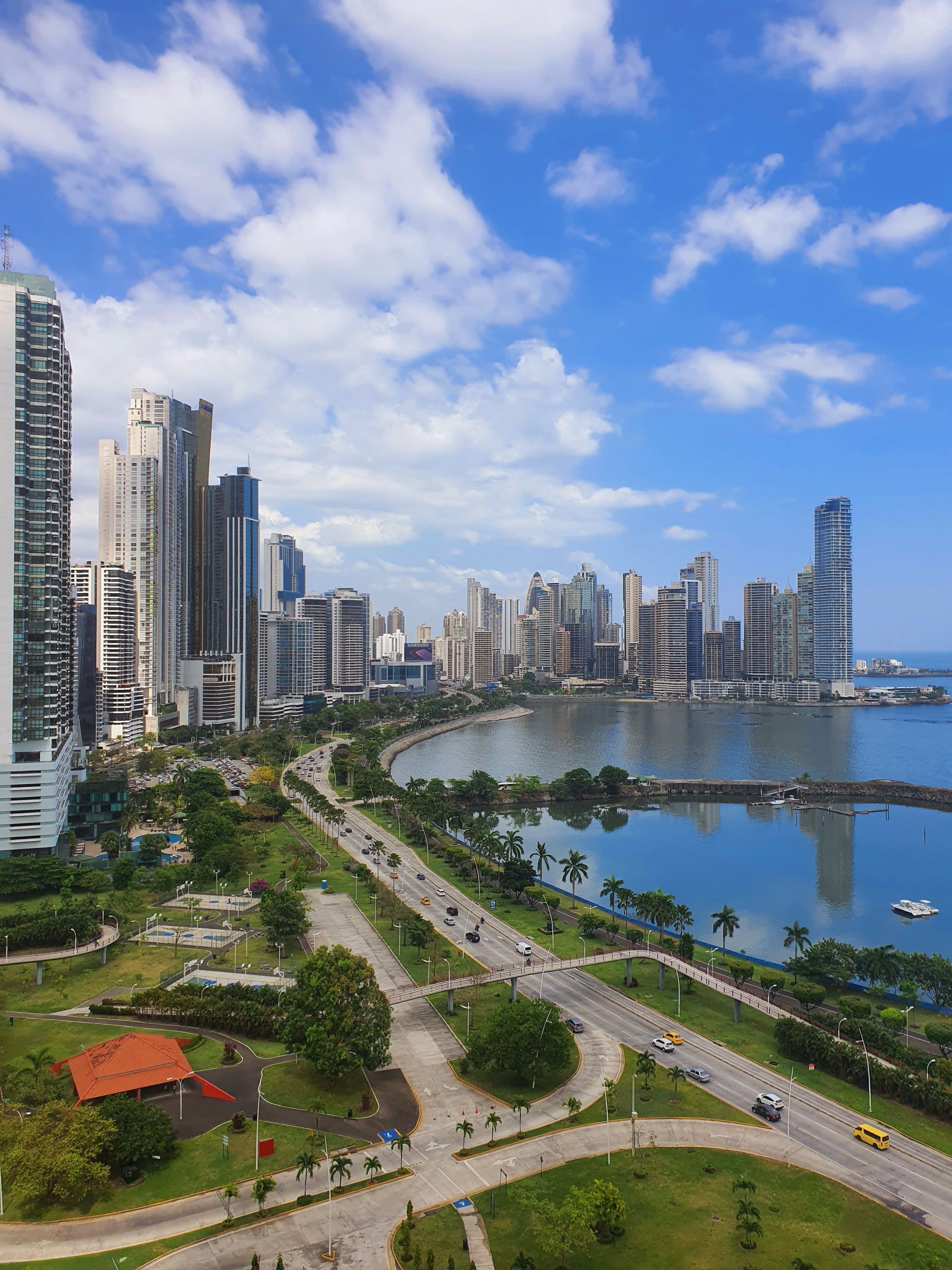
Panama runs two of Latin America's best-known residence programs. The pensionado visa takes a lifetime pension of $1,000 a month from a government or corporate source, with no minimum age, and it comes bundled with a statutory discount program that cuts prices on airfare, medical bills, restaurants, utilities and entertainment for holders. Retirees who own at least $100,000 of Panamanian property can qualify with a smaller pension of $750 a month.
The friendly nations visa covers citizens of around 50 countries Panama deems friendly, a list that includes the U.S., U.K., most of Europe, Japan, South Korea, Australia and much of Latin America. The program was famously loose until 2021; it now requires a concrete tie to Panama — a local employment contract or a $200,000 investment in real estate or a fixed-term bank deposit. Approved applicants receive two years of provisional residence, then apply for permanent status.
Both routes run through licensed Panamanian lawyers, since the law requires legal representation for residency filings. That adds a few thousand dollars in professional fees but also shifts the paperwork burden onto specialists who file these applications constantly.
Panama's structural draws are unusual for the region. The economy runs on the U.S. dollar, so there is no currency risk for anyone paid in dollars. Taxation is territorial, meaning foreign-source income is simply not taxed. Panama City offers big-city infrastructure — a metro system, internationally accredited hospitals, a major airline hub — while the interior highlands around Boquete and both coastlines stay inexpensive. Copa Airlines' hub at Tocumen airport links the capital nonstop to dozens of destinations across the hemisphere.
A pricier fast lane exists for investors who want permanent residency immediately rather than after two years, and the pension threshold itself has held at $1,000 for many years. That stability, plus the discounts, is why Panama appears on nearly every retirement shortlist despite the mandatory lawyer's bill.
Credit: Juan Mosquera / Pexels
Ecuador prices residence off its national wage. Temporary resident visas in the retiree and rentista categories require monthly income of three times the unified basic salary, which is $482 in 2026 — putting the bar at $1,446 a month, among the lowest formal thresholds anywhere. Pension income supports the retiree visa; rental, investment or other reliable non-salary income supports the rentista.
Two other doors are distinctive. The professional visa admits holders of a university degree that Ecuador's higher education authority, Senescyt, recognizes and registers; the applicant validates the apostilled degree, shows basic means of support and receives temporary residency largely on the strength of the credential. An investor visa keys off the same wage index, with a bar of roughly 100 times the basic salary — about $48,000 — placed in Ecuadorian real estate or a fixed-term bank deposit.
Temporary residency runs two years, and holders can apply for permanent residency after 21 months. The absence rules are the fine print worth knowing: temporary residents may spend no more than 90 days a year outside Ecuador, and new permanent residents face their own limits during the first two years. Ecuador wants residents who actually live there.
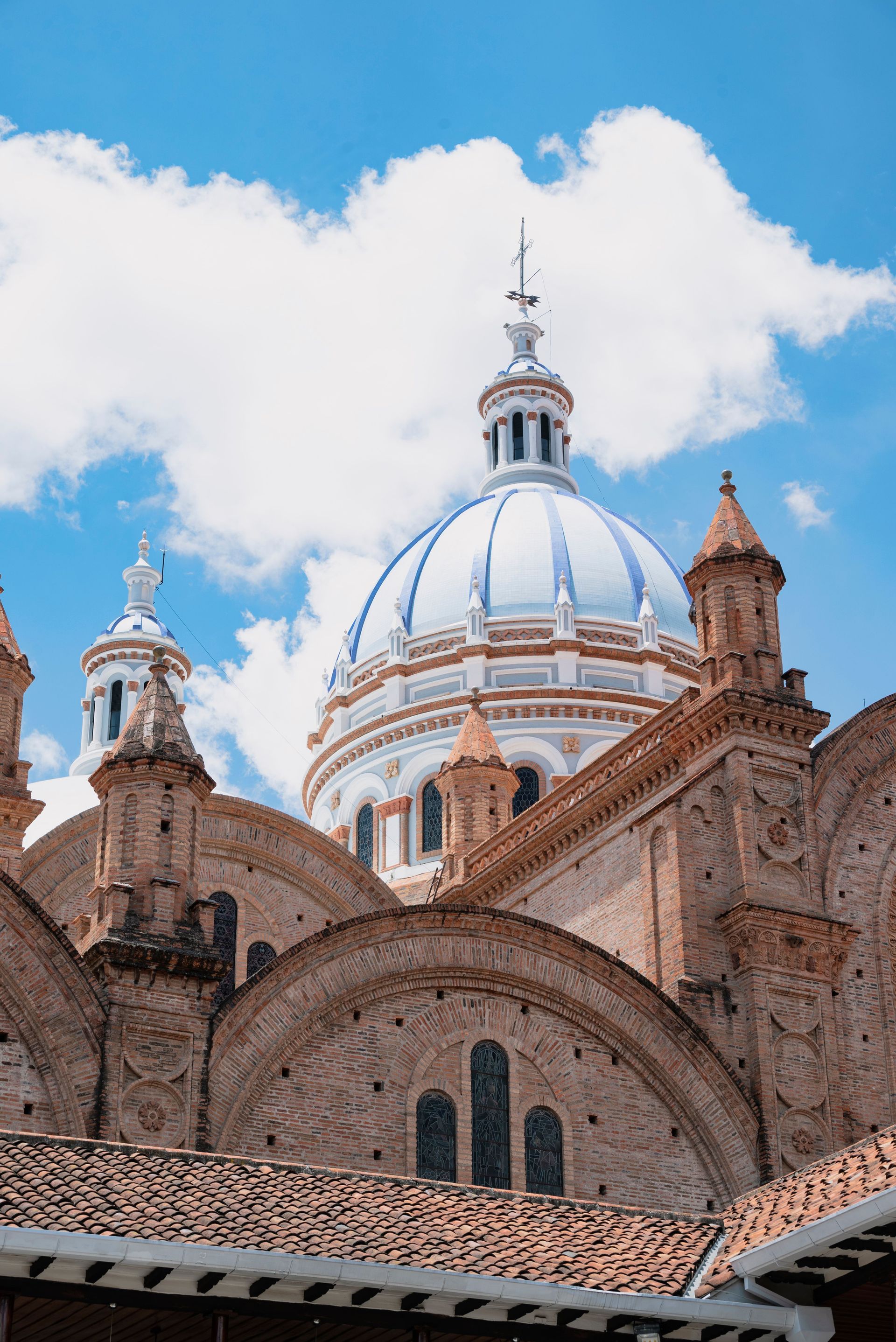
The country uses the U.S. dollar as its currency, which removes exchange-rate drama from budgeting, and living costs rank among the lowest in the hemisphere. Cuenca, a highland city of colonial architecture and mild weather, built one of Latin America's largest North American retiree communities on exactly this arithmetic; Quito and the coastal towns offer the same math at different altitudes.
Health care is a serious part of the pitch, since private insurance and out-of-pocket care cost a fraction of U.S. prices and residents can join the public IESS system. Security has become a genuine consideration in parts of the coast in recent years, and newcomers tend to weigh regions accordingly. The visa rules, meanwhile, have stayed steady and inexpensive to meet.
Credit: Javier Rodríguez Weber / Pexels
Uruguay lets you start the process from inside the country. Foreigners enter as tourists, then file for legal residency in person at the national migration office — no consulate stage, no points system, no investment requirement. While the application processes, which can take a year or more, applicants live in the country legally under residency-in-process status and can work.
The checklist is short: an apostilled birth certificate and police records, proof of income sufficient to live on, a local health card obtained after a basic medical exam and vaccination records. There is no fixed statutory income floor; officials assess whether the money is regular and adequate rather than measuring it against a published number. Citizens of Mercosur countries and their families use an even simpler treaty route.
Approval brings permanent legal residency directly, not a temporary rung, and the path onward is one of the region's most concrete: citizenship eligibility after three years of residence for applicants with a family, five years for those without. Uruguay takes presence seriously — building a demonstrable life in the country matters to the file — but the timeline itself is written into law.
Money gets its own welcome mat. New tax residents choose between an 11-year holiday on foreign financial income, meaning interest and dividends earned abroad, or a permanent flat rate of 7% on that income. Foreign pensions go untaxed.
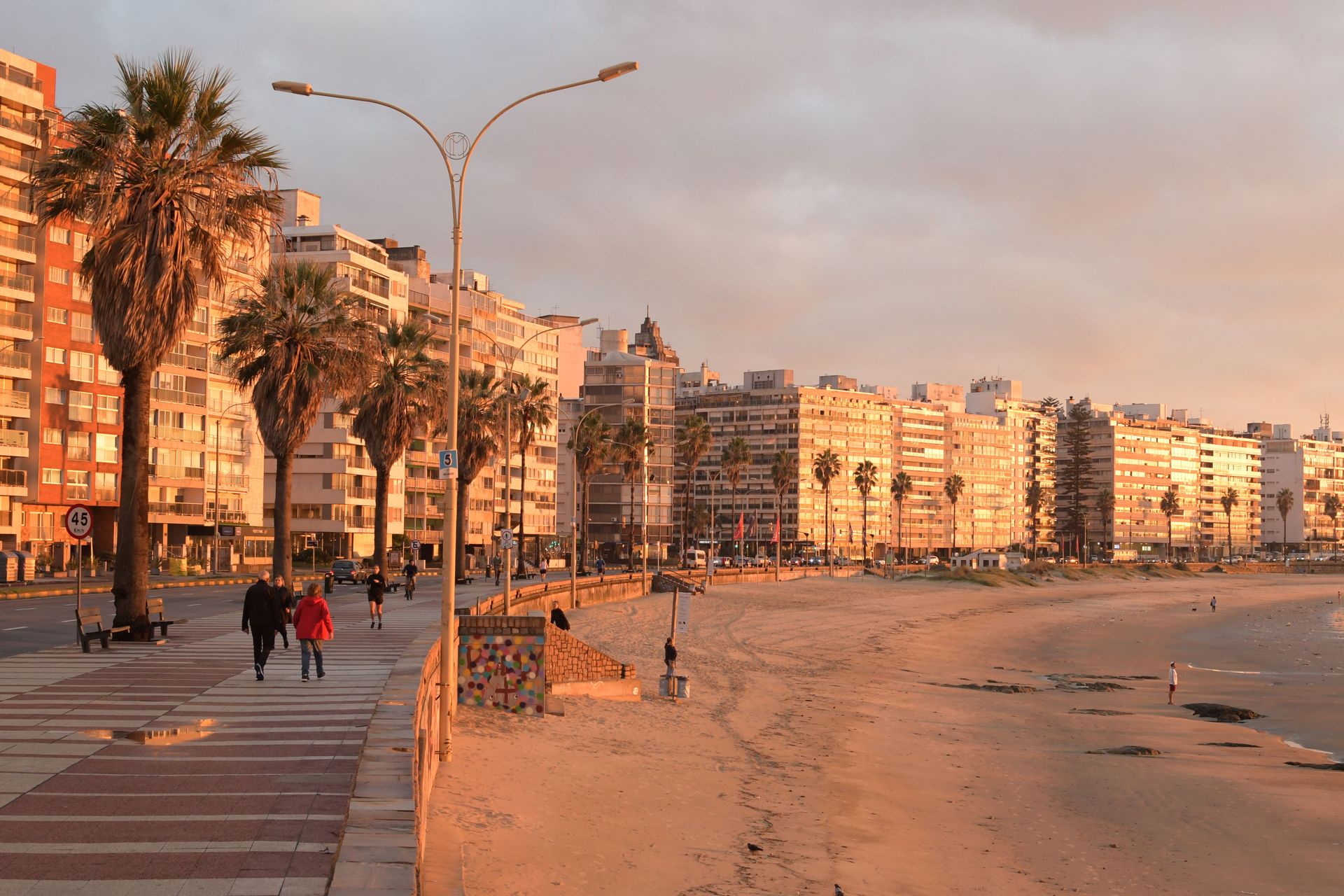
Uruguay's real product is stability: decades of uninterrupted democracy, the region's strongest rule-of-law rankings and a mid-sized, walkable capital in Montevideo. Costs run higher than in most of Latin America, closer to southern Europe, and the winters are damp and gray. People who choose Uruguay tend to be buying predictability, and the immigration system delivers it in the same spirit — slow, procedural and reliable, with a genuine permanent status waiting at the end of an application you can start the week you arrive.
Credit: Kevin Early / Pexels
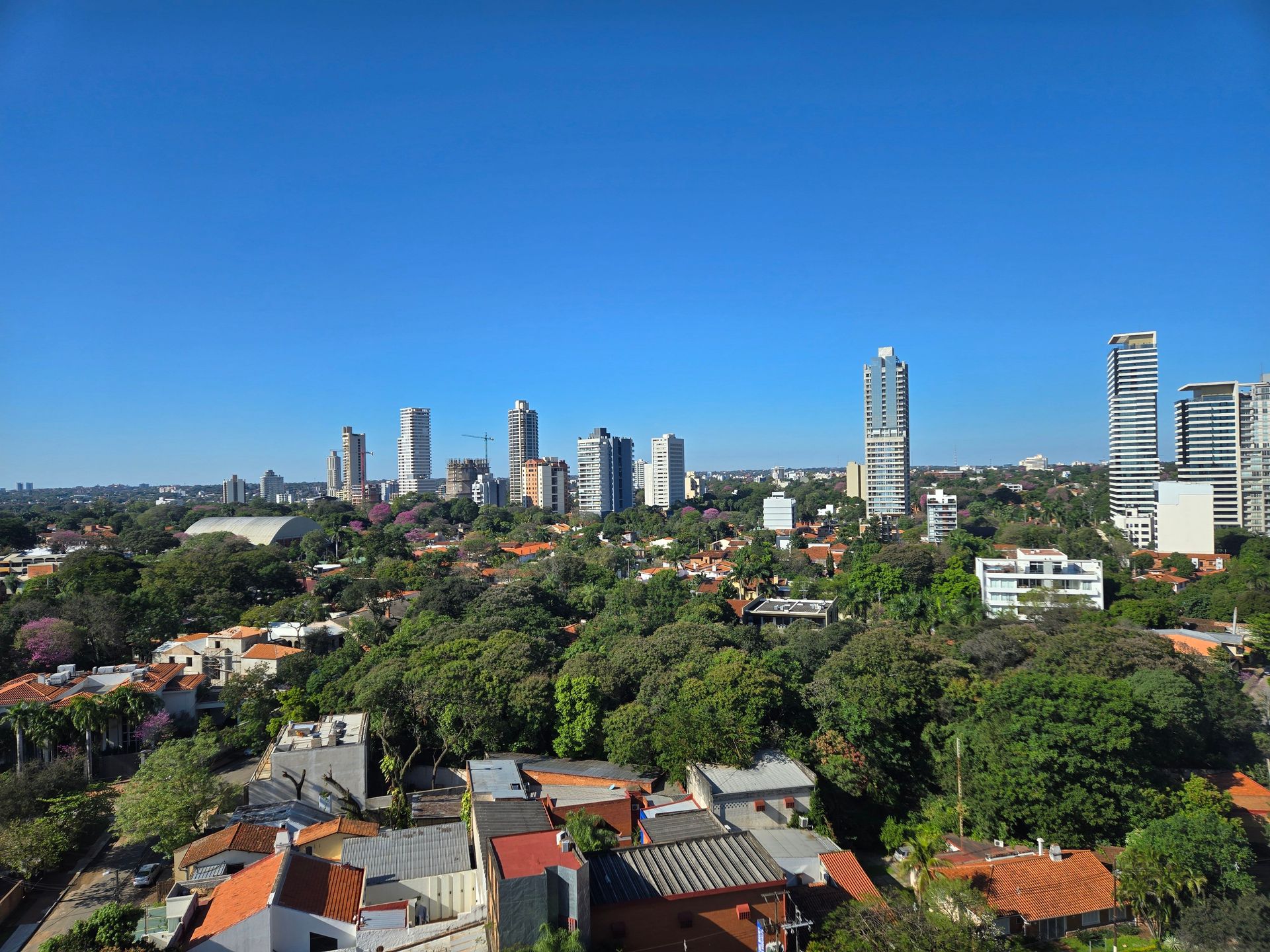
Paraguay built a decades-long reputation as the easiest permanent residency in the Americas, and a 2022 immigration law reorganized rather than ended that status. New arrivals now start with temporary residency, valid for two years, and step up to permanent residency afterward. The old route that granted permanent status immediately against a small bank deposit is gone, replaced by a two-stage sequence with even lighter financial requirements.
The document list stays basic: a valid passport, an apostilled birth certificate, police clearance from home and from Paraguay and evidence of means or economic activity — a profession, a business plan or savings. Government fees run in the hundreds of dollars rather than thousands, and applicants with functional Spanish routinely complete the process without a lawyer, though local fixers handle it inexpensively for those who prefer help.
Investors have a faster lane: qualifying through Paraguay's investment window with a registered business plan can lead directly to permanent residency. Once permanent status lands, residents obtain the national identity card, the cedula, which unlocks banking, phone contracts and daily administrative life.
Taxes explain much of the demand. Paraguay taxes territorially, so income earned outside the country is not taxed at all, and local rates top out at 10%. For remote earners and online business owners, the combination of legal residence and a foreign-source exemption is the draw.
Physical presence expectations are light in practice, but permanent residency is not a trophy to warehouse: prolonged multi-year absences can put status at risk, and naturalization — available on paper after three years — in practice requires genuinely living in the country and demonstrating ties, along with basic Spanish. Asuncion is inexpensive even by South American standards, summers are punishing and the expat scene is small. Paraguay functions less as a lifestyle destination than as an administrative one, and the system is built accordingly.
Credit: Aldo Bordoni / Pexels
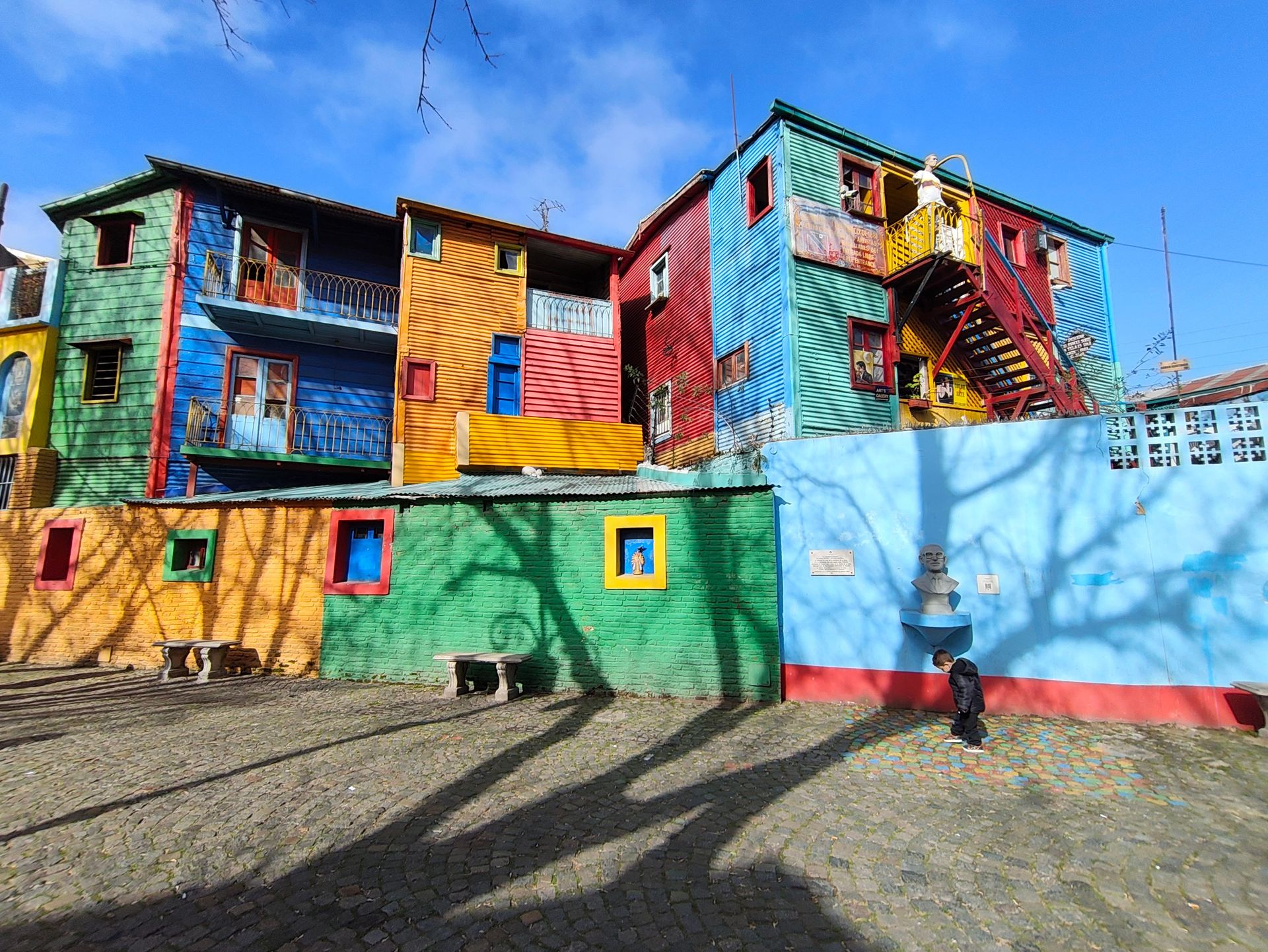
Argentina combines an accessible front door with the shortest citizenship clock of any major country. Residence comes first: the rentista visa admits people with documented passive income pegged to a multiple of Argentina's minimum wage, a bar that currency dynamics have kept modest in dollar terms. A digital nomad visa, launched in 2022, gives remote workers six months, renewable once, on light documentation. Citizens of Mercosur countries qualify for two-year residence on nationality alone.
Then the headline: Argentina's constitution allows foreigners to apply for citizenship after two years of residence in the country. Federal courts handle naturalization, and judges have granted it based on two years of genuine, provable life in Argentina — work, taxes, a fixed address — even, in some rulings, for applicants whose formal immigration paperwork lagged behind their actual presence. Argentina permits dual citizenship, and its passport ranks among Latin America's strongest, with visa-free access to the EU, the U.K. and Japan.
The two years must be real. Judges look for physical presence, local tax registration, a domicile and community ties; a mailbox and occasional visits do not survive scrutiny. Applications also take additional time to process after filing, so the two-year figure starts the clock rather than ending the process.
Daily life is the variable to price in. Inflation ran at triple-digit annual rates into 2024 before decelerating sharply, and the currency controls that once pushed newcomers into parallel exchange markets loosened substantially in 2025. Buenos Aires remains one of the great value propositions for anyone earning in dollars — European-scale architecture, serious food and culture and rents far below comparable capitals.
Bureaucracy at the migration agency is slow and appointment-driven, and every foreign document needs translation by a certified local translator. The prize — a permanent second nationality within roughly three years of landing — is unique on this list.

Credit: Kirandeep Singh Walia / Pexels
Thailand spent years without a clean option for remote workers, then produced one of the world's most generous. The Destination Thailand Visa $V, launched in July 2024, is a five-year, multiple-entry visa allowing stays of 180 days per entry, extendable once per entry at a local immigration office — close to year-round presence for those who want it.
Qualifying is concrete. Applicants show funds of 500,000 baht, roughly $15,000, held in an ordinary bank account for at least three months, plus evidence they fit a category. Remote employees and freelancers submit employment contracts, client invoices or portfolios. A parallel soft power track admits people coming for extended Muay Thai training, Thai cooking courses or medical treatment, with enrollment documents standing in for work papers; Thai language schools were removed from the qualifying list in 2025. Spouses and children under 20 can attach as dependents, the application fee is 10,000 baht and filings go through Thai embassies or the official e-visa portal from outside the country.
What the DTV is not: a residence permit. Time on it builds no seniority toward permanent residency, and holders remain long-stay visitors who file 90-day address reports. Thailand sells the stay, not the settlement.
Older applicants have a separate standing offer. The retirement track, open at 50, requires 800,000 baht in a Thai bank account or monthly income of 65,000 baht, renewed annually. A 10-year long-term resident visa exists for wealthier applicants and highly paid professionals, with income tests starting around $80,000 a year.
Tax deserves attention. Spending 180 days or more in a calendar year makes a person a Thai tax resident, and rules that took effect in 2024 made foreign income taxable when remitted into Thailand, a change that reshaped planning for long stayers. Anyone stacking DTV entries into full years should budget for professional advice alongside the beach rent.
Credit: Will Mu / Pexels
The United Arab Emirates treats immigration as customer acquisition. For remote workers, the virtual work visa — Dubai launched the model in 2020 and a federal version followed — grants a one-year, renewable residence to people employed outside the UAE who show income of $3,500 a month, a work contract and health insurance. Holders receive an Emirates ID and can rent apartments, open bank accounts and sponsor family members.
The classic route is faster still. UAE employers sponsor work visas as routine onboarding, and the sequence — entry permit, medical test, biometrics, ID card — commonly wraps up within weeks of a signed offer. There is no labor-market test and no annual quota lottery; the job itself is the visa.
Self-directed options stack on top. The green visa gives skilled professionals a five-year, self-sponsored residence based on a salary threshold and a bachelor's degree, with a freelancer version tied to a permit and proof of income. The golden visa grants 10 years to investors — property worth 2 million dirhams, about $545,000, is the best-known trigger — and to a widening list of talent categories, from doctors to standout students.
The financial pitch is blunt: there is no personal income tax on salaries. A 9% corporate tax on business profits above a threshold arrived in 2023, and living costs claw back plenty — rent in Dubai and Abu Dhabi, private school fees, summer utility bills. Residence also has to be maintained, since an absence of more than six months can void a standard residence visa.
Nothing here leads to citizenship in any practical sense, and the UAE makes no pretense otherwise. It offers residence as a service, renewed for as long as the underlying job, business or investment stands. For sheer speed from decision to legal working residence, nothing on this list moves faster than an Emirati employer with an offer letter.
