From the Great Depression to the Covid-19 crash, these 15 recessions reveal how fragile economic systems can be — and how differently crises unfold
Credit: Orange County Archives / Wikimedia Commons (CC BY 2.0)
Economic recessions are among the most disruptive forces in modern life. They eliminate jobs, erode savings, topple governments, and reshape the social contract between citizens and the institutions that govern them. Yet despite their frequency — the U.S. alone has experienced more than a dozen official recessions since World War II — many people struggle to explain what actually causes them. The answer is rarely simple.
A recession is technically defined as two consecutive quarters of negative GDP growth, though economists also weigh unemployment rates, industrial output, and consumer spending when making that judgment. By that measure, recessions have arrived with striking regularity throughout the modern era, driven by everything from speculative manias and banking collapses to oil shocks, pandemics, and policy mistakes.
What makes the history of recessions worth studying is not just the economic mechanics but the human behavior underneath them. Nearly every major downturn involves some combination of overconfidence, misaligned incentives, institutional failure, and bad luck. The Great Depression was not caused by a single stock market crash. The 2008 financial crisis was not caused solely by reckless bankers. The causes are layered, and understanding the layers matters — because the next recession, whenever it arrives, will have layers too.
Recessions also expose the limits of conventional wisdom. Economic forecasters, central bankers, and governments have repeatedly failed to anticipate downturns — or have actively contributed to them through their own decisions. The dot-com bust, the Latin American debt crises, and Japan's lost decade all unfolded in ways that defied the prevailing confidence of the moment. That pattern of overconfidence followed by collapse is one of the most reliable features of economic history.
This article examines 15 significant recessions from the past century and a half, drawn from across different countries and economic eras. Each entry focuses on causes — not just symptoms — and tries to trace how the specific dynamics of a given moment combined to produce widespread economic pain. Some of these events reshaped the global economy permanently. Others were shorter but no less instructive. Together, they form a map of the ways complex economic systems can and do fail.
Credit: Canva Images
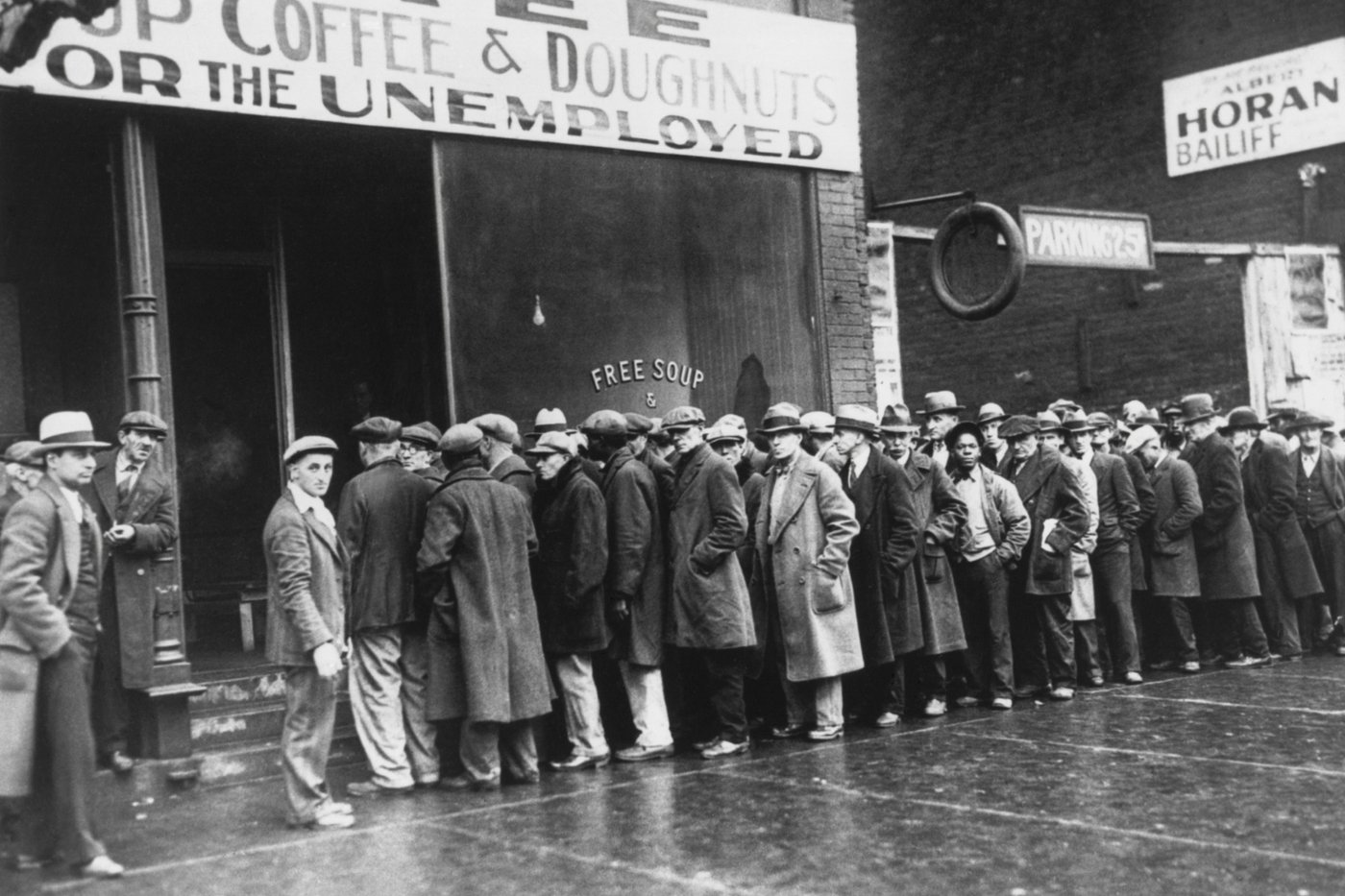
The Great Depression remains the most severe economic contraction in modern history. At its worst, U.S. unemployment reached roughly 25 percent, industrial production collapsed by nearly half, and thousands of banks failed across the country. The effects radiated outward — Europe, Latin America, and parts of Asia experienced devastating contractions of their own, and the political consequences included the rise of fascism in Germany and Italy.
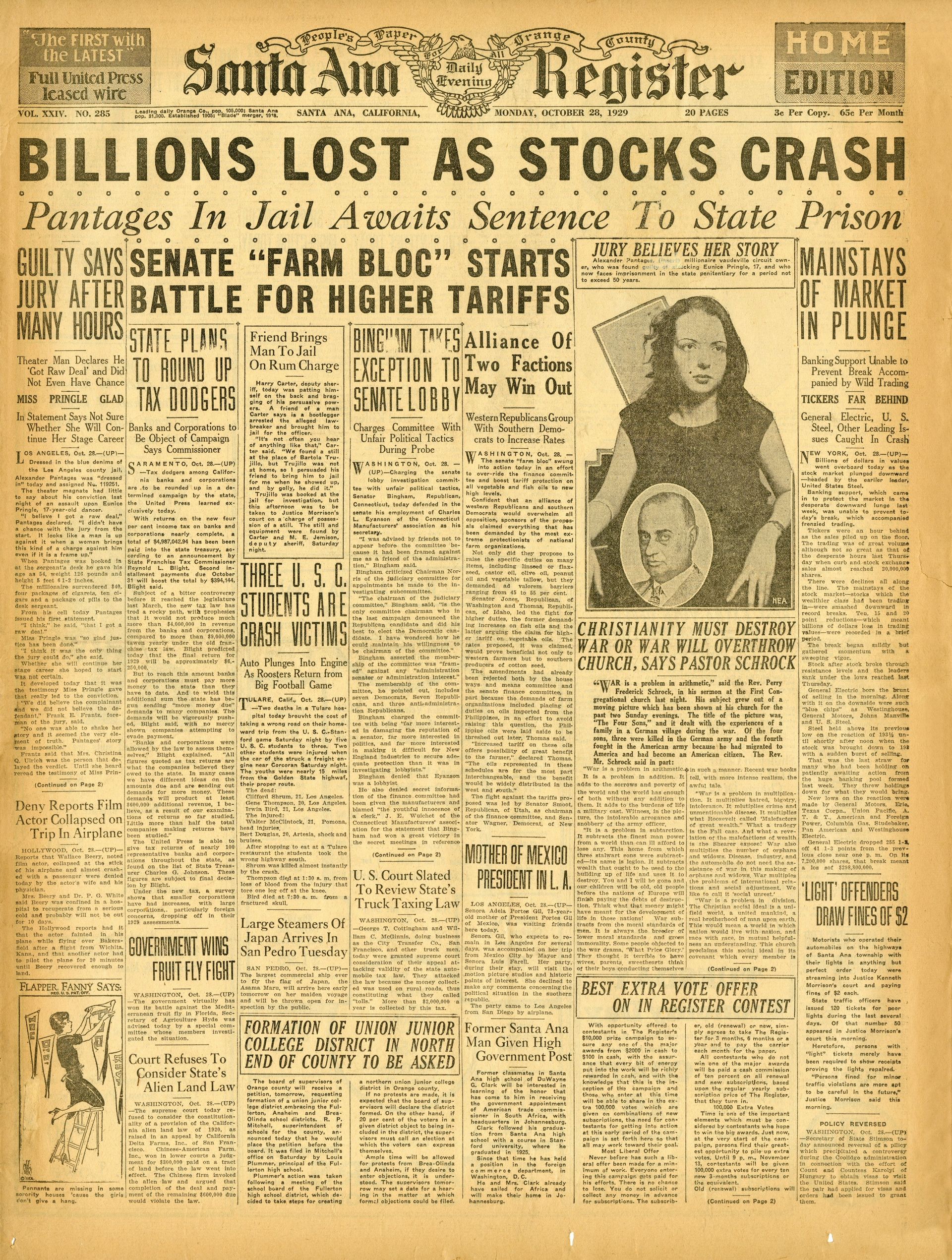
The standard starting point for any account of the Depression is the U.S. stock market crash of October 1929. Over several days, the market lost an enormous fraction of its value, wiping out investors who had borrowed heavily to buy shares during the roaring bull market of the 1920s. But the crash was a trigger, not a root cause. The underlying economy had already begun to soften before October, with falling agricultural prices and weakening consumer demand.
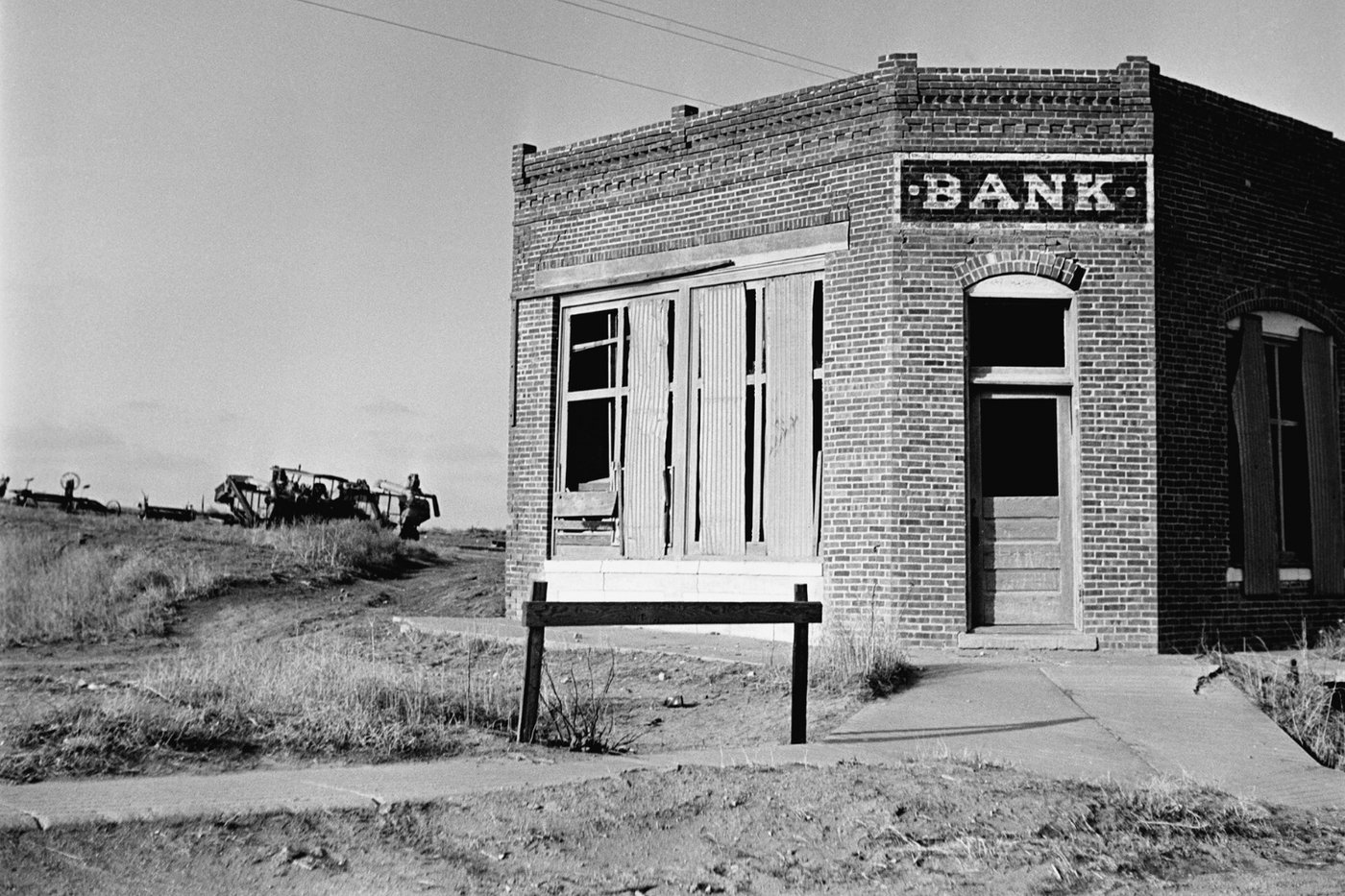
What turned a serious recession into a catastrophe was a cascade of institutional failures. The U.S. banking system was fragile, with thousands of small, poorly regulated banks that had made risky loans. Between 1930 and 1933, roughly 9,000 U.S. banks failed, wiping out the savings of millions of depositors who had no insurance protection. Each bank failure tightened credit further, making it harder for businesses to borrow and for consumers to spend.
The Federal Reserve, established in 1913 partly to prevent exactly this kind of crisis, made the situation significantly worse. Rather than expanding the money supply to support the economy, the Fed allowed the money supply to shrink sharply between 1929 and 1933 — a policy failure documented in detail by economists Milton Friedman and Anna Schwartz in their landmark 1963 study of U.S. monetary history. The contraction in money supply deepened deflation, which made debts harder to service and encouraged consumers and businesses to delay spending in anticipation of even lower prices.
Trade policy compounded the damage. The Smoot-Hawley Tariff Act of 1930 raised import duties on hundreds of goods. Trading partners retaliated with tariffs of their own, and global trade collapsed. Countries that had borrowed heavily from U.S. banks during the 1920s found themselves unable to service those debts, triggering further banking crises in Germany and Austria. The international gold standard, which tied currencies together and prevented governments from independently stimulating their economies, spread the contraction across borders.
The Depression only ended — and even then only partially — through a combination of New Deal government spending under President Franklin Roosevelt and, more decisively, the enormous fiscal stimulus of World War II mobilization. The episode fundamentally changed how governments understood their responsibilities during economic downturns and led directly to the creation of deposit insurance, stricter banking regulation, and the modern framework of macroeconomic policy.
Credit: Canva Images
Within the Great Depression, there was a severe relapse that is sometimes treated as a separate event. After the New Deal programs helped stabilize the U.S. economy between 1933 and 1937 — with GDP recovering substantially and unemployment falling from its peak — a second sharp contraction hit in 1937 and extended into 1938. Industrial production fell by about 30 percent and unemployment shot back up toward 20 percent, erasing years of hard-won progress.
The causes of the 1937 recession are a textbook case of premature fiscal and monetary tightening. By 1936, the Roosevelt administration and the Federal Reserve had grown increasingly concerned about inflation and the growing federal deficit. Both moved to pull back stimulus at roughly the same time — a coordination that proved disastrous.
On the fiscal side, the federal government had financed a significant portion of its New Deal spending by borrowing. Starting in 1937, the administration began reducing that deficit, cutting back on relief programs and reducing government employment. The Social Security Act of 1935 had also begun collecting payroll taxes in 1937, but benefit payments to retirees would not begin until 1940 — meaning the program was withdrawing money from consumers without returning it, acting as an effective brake on spending.
On the monetary side, the Federal Reserve doubled reserve requirements for banks between August 1936 and May 1937 — an attempt to prevent banks from using what the Fed saw as excess reserves to fuel future inflation. The effect was to tighten credit conditions sharply. Banks, uncertain about their reserve positions, pulled back on lending. Businesses that had relied on credit to fund operations and investment found it harder to borrow.
The lesson drawn from 1937 by later economists and policymakers — including those who designed the U.S. response to the 2008 financial crisis — is that withdrawing support from an economy that is recovering but not yet fully recovered can trigger a relapse. The recession of 1937–1938 showed that a return to growth after a severe downturn is not the same as a return to health, and that pulling back support too quickly can undo years of recovery effort.
Credit: Canva Images
The years immediately following World War II posed an unusual economic challenge for the U.S. During the war, the federal government had mobilized the economy on a scale never seen before — directing production, controlling prices, rationing goods, and running deficits to fund military spending. When the war ended in 1945, many economists and policymakers feared that the sudden withdrawal of that stimulus would plunge the country back into depression.
That feared catastrophe did not materialize, largely because returning veterans drove a surge in consumer demand and the GI Bill funded education, housing, and job training for millions. But a more modest recession did arrive in 1948 and ran through 1949. Unemployment rose from around 4 percent to nearly 8 percent, and industrial production declined.
The primary cause was the end of wartime-era fiscal stimulus. Federal spending dropped sharply after 1945 as military procurement wound down. The government had also spent the late 1940s trying to reduce inflation, which had run high during the war years and immediately afterward as price controls were lifted. The Federal Reserve pursued tighter monetary policy, and Congress allowed wartime excess profits taxes to expire while making other tax adjustments that reduced demand.
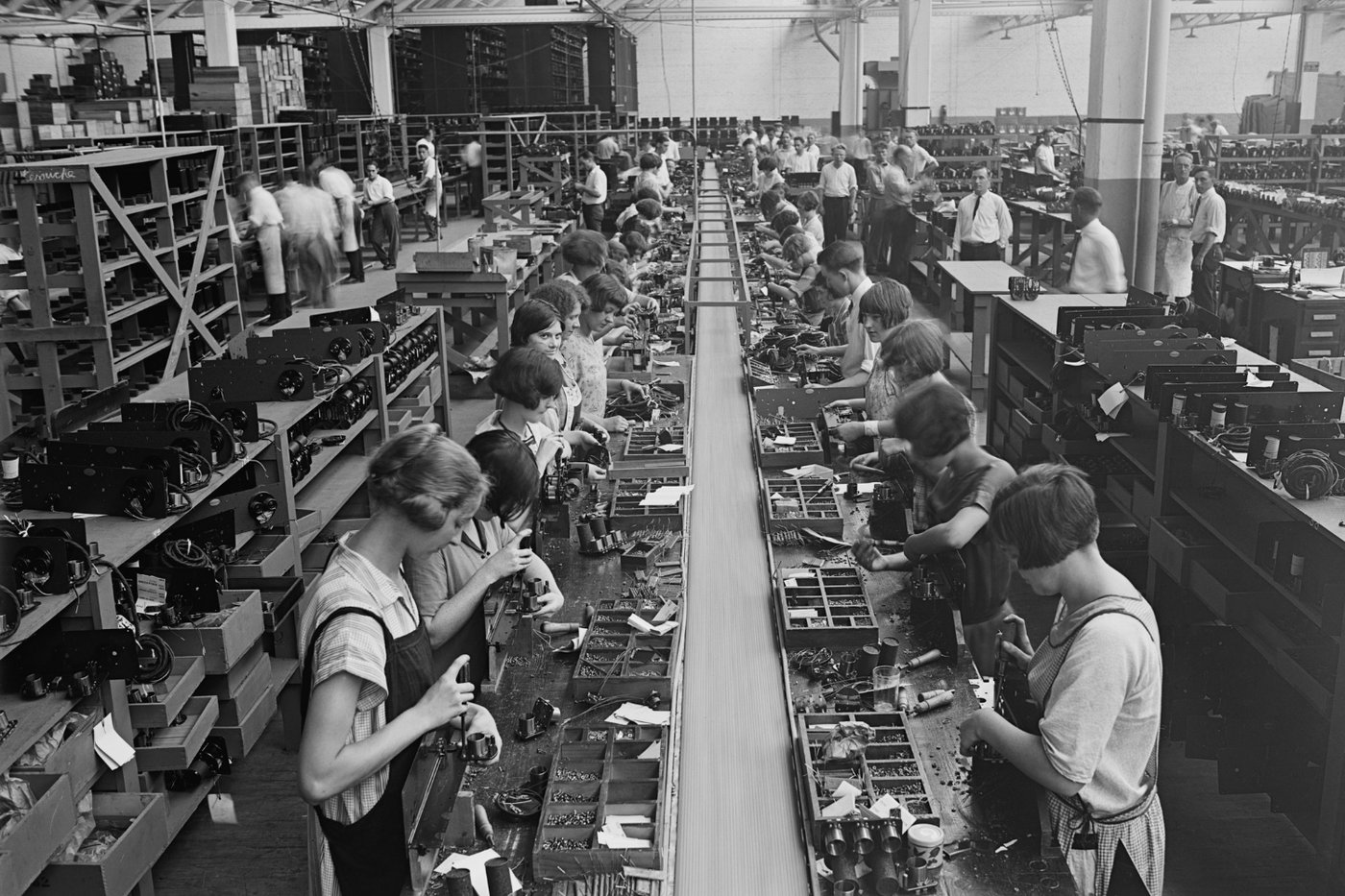
An additional factor was the shift in production. American factories had been optimized for wartime goods — aircraft, tanks, ships, ammunition. Converting that industrial capacity to civilian consumer goods took time and created transitional unemployment in manufacturing regions. Workers who had filled wartime jobs found themselves between industries.
The recession was relatively short by historical standards. The Federal Reserve eased monetary policy in 1949, and a combination of consumer spending on durable goods — cars, appliances, homes — helped the economy recover. The Korean War, which began in 1950, provided another round of government stimulus that accelerated the recovery. The 1948–1949 recession demonstrated that the transition from wartime to peacetime economy carries its own set of demand disruptions, even in conditions that look superficially prosperous.
Credit: Library of Congress / Picryl
The recession that began in 1973 marked the end of the long postwar boom in Western economies and introduced a new and unwelcome concept: stagflation, the simultaneous occurrence of high inflation and high unemployment that conventional economic models said should not coexist.
The trigger was the Arab oil embargo. In October 1973, members of the Organization of Arab Petroleum Exporting Countries announced they would no longer sell oil to nations that had supported Israel in the Yom Kippur War, targeting the U.S., the Netherlands, and others. The price of oil quadrupled within months — from around $3 per barrel to nearly $12. The U.S. and Europe had built their postwar prosperity on cheap oil. Factories, transport, heating, and consumer goods all depended on it. The sudden price spike hit supply chains and consumer purchasing power simultaneously.
But the oil embargo was not the only cause of the 1973–1975 recession. The U.S. economy was already under stress. The Nixon administration had spent the late 1960s and early 1970s running large deficits to fund both the Vietnam War and Great Society social programs — a combination that had generated inflationary pressure. In 1971, Nixon had ended the Bretton Woods system, severing the dollar's link to gold and allowing currencies to float freely. This added further inflationary uncertainty.
The Federal Reserve, under Arthur Burns, was slow to raise interest rates aggressively to fight inflation — partly because of political pressure from the White House and partly because the conventional tools were ill-suited to inflation driven by supply shocks rather than excess demand. The result was inflation that remained elevated even as unemployment rose.
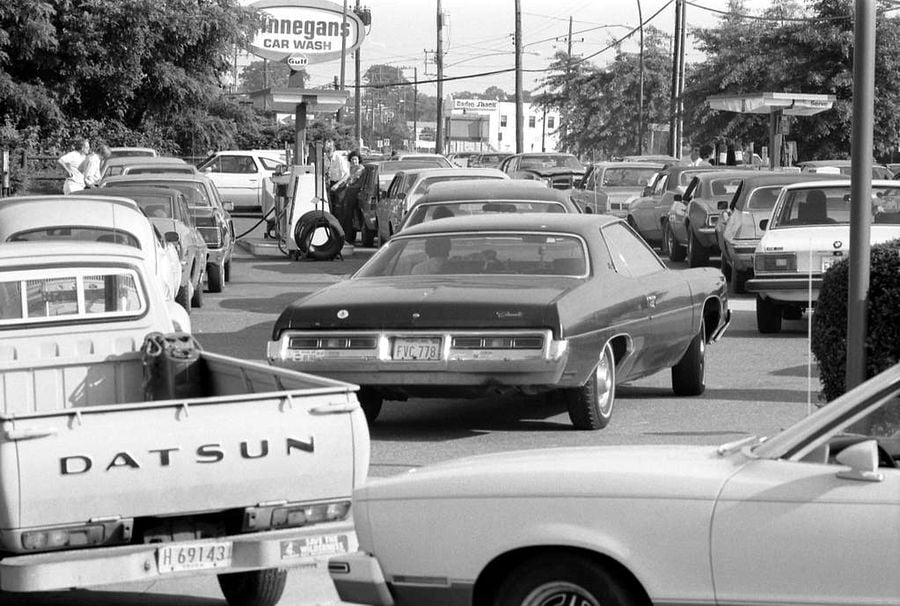
The recession lasted about 16 months in the U.S. and was accompanied by acute shortages, long lines at gas stations, and rationing. The combination of supply-side shocks and loose monetary policy had created an economic environment that policymakers were unprepared for, and the 1973–1975 episode reshaped economic thinking and monetary policy frameworks in ways that still influence central banking today.
Credit: Mohammad Sayyad / Wikimedia Commons / Picryl
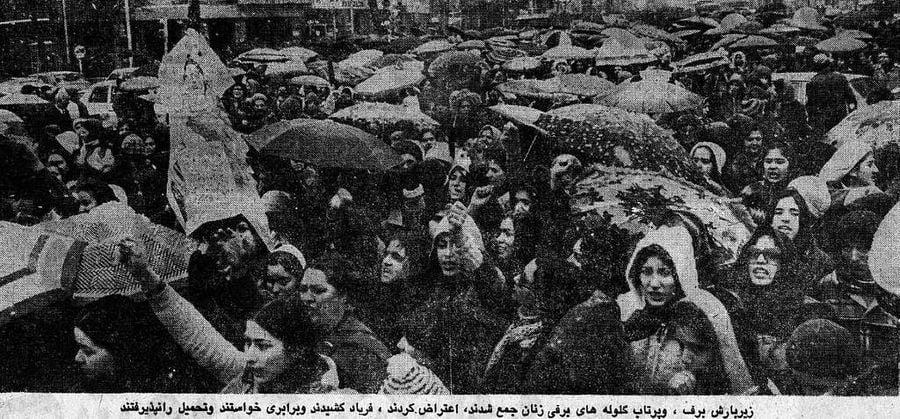
The second major oil shock of the 1970s came not from an embargo but from a revolution. When the Shah of Iran was overthrown in early 1979 and an Islamic Republic established under Ayatollah Khomeini, Iranian oil production collapsed. Iran had been one of the world's largest oil exporters. The disruption removed a significant portion of global oil supply almost overnight, sending prices surging again — this time from around $13 per barrel to more than $34 by 1980.
The timing was terrible. The U.S. economy was already carrying the scars of the 1973–1975 recession and the inflation it had generated. The Federal Reserve under Paul Volcker had begun a campaign of aggressively high interest rates designed to break the inflationary psychology that had taken hold in the U.S. economy over the decade. Volcker's approach — later called the Volcker Shock — deliberately pushed the economy into recession as the price of bringing inflation under control.
The brief but sharp recession of 1980 was the first of two Volcker-era contractions. U.S. unemployment rose, consumer spending fell, and housing markets seized up as mortgage rates reached historic highs. Many Americans were being squeezed from multiple directions: higher energy prices reduced their disposable income, higher interest rates made borrowing expensive, and inflation eroded the purchasing power of wages.
The political consequences were direct and severe. President Jimmy Carter faced a difficult reelection environment defined by the Iran hostage crisis and economic pain. Ronald Reagan won the 1980 presidential election in a landslide, partly on the strength of voter dissatisfaction with economic conditions. The phrase "are you better off than you were four years ago?" — from Reagan's debate with Carter — crystallized the relationship between economic performance and electoral outcomes in American political history.
Credit: Library of Congress / Picryl
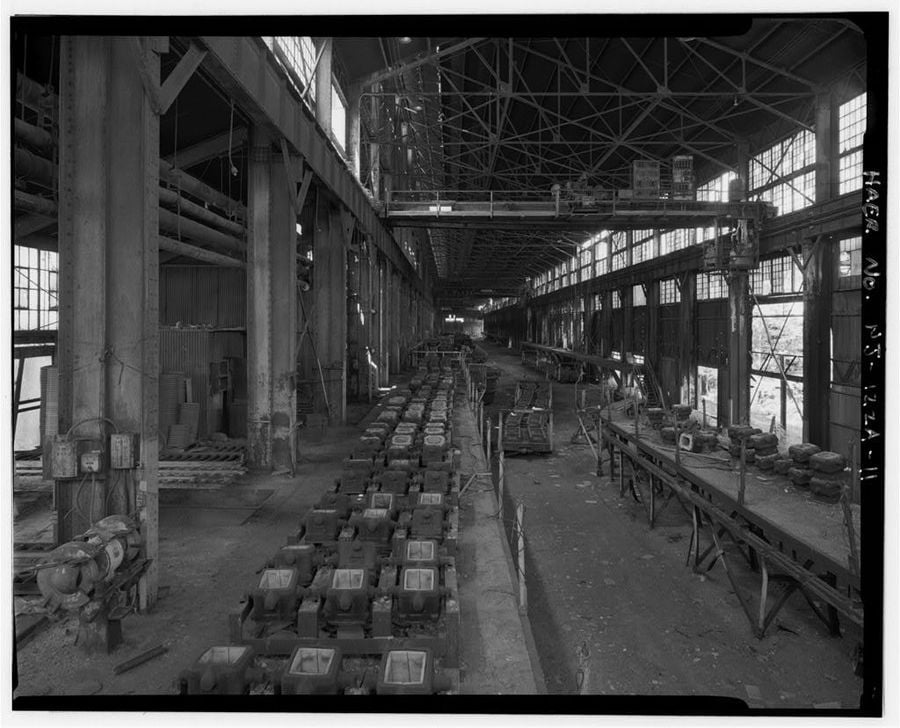
The second Volcker-era contraction, running from July 1981 to November 1982, was the deepest U.S. recession since the Great Depression at the time. Unemployment peaked at nearly 11 percent — the highest rate recorded in the postwar era up to that point. Entire industrial sectors, particularly steel and auto manufacturing in the Midwest, were devastated.
The cause was deliberate. Paul Volcker, as Federal Reserve chairman, had concluded that the only way to bring down the high inflation that had persisted through the late 1970s was to raise interest rates to levels high enough to fundamentally reduce demand throughout the economy. The federal funds rate peaked above 20 percent in 1981 — an extraordinary level by any historical measure. Borrowing became prohibitively expensive for businesses, consumers, and homebuyers.
The logic was sound in the long run: the Volcker interest rate policy did break inflation, which fell from above 10 percent to below four percent by 1983. But the short-term human cost was enormous. Unemployment in manufacturing communities reached levels not seen since the 1930s. Farmers who had borrowed heavily at floating interest rates during the 1970s land boom were wiped out as rates spiked. The savings-and-loan industry began a crisis that would compound through the decade.
The Reagan administration simultaneously pursued large tax cuts and increased defense spending, a combination that widened the federal deficit significantly. The interaction between tight monetary policy and loose fiscal policy produced mixed signals — high interest rates discouraged private investment while government deficits added some demand. The recovery that began in late 1982 was strong, driven partly by the release of pent-up consumer demand and partly by falling interest rates as inflation declined. But the early 1980s recession left permanent marks on industrial communities across the U.S., accelerating the deindustrialization that would reshape American manufacturing for decades.

Credit: Aleksandar Pasaric / Pexels
Japan's economic story from the late 1980s through the 1990s is one of the most instructive boom-bust sequences in modern economic history. The collapse of Japan's asset bubble led to what became known as the Lost Decade — a prolonged period of stagnation, deflation, and institutional paralysis that would influence economic policy discussions around the world for a generation.
The bubble formed during the late 1980s, when Japanese stock prices and real estate values reached levels that had no plausible connection to underlying economic fundamentals. The Nikkei 225 index peaked at nearly 39,000 in December 1989. Tokyo real estate became so expensive that the land value of the Imperial Palace was said to exceed the value of all real estate in California. This was not a marginal overvaluation — it was a spectacular detachment from reality.
Several factors produced the bubble. Japanese monetary policy had been exceptionally loose during the mid-1980s, partly in response to the Plaza Accord of 1985, in which major economies agreed to depreciate the U.S. dollar. The resulting appreciation of the yen threatened Japanese exporters, and the Bank of Japan cut rates aggressively to offset the damage. Cheap money flowed into asset markets. Japanese banks extended loans backed by inflated collateral, and the collateral's rise encouraged further lending in a self-reinforcing cycle.
When the Bank of Japan began raising rates in 1989 and 1990, the bubble deflated rapidly. Asset prices collapsed, leaving banks holding enormous portfolios of bad loans secured by collateral that was now worth far less than the original loan values. Rather than acknowledging losses and restructuring, many Japanese banks kept bad loans on their books — a practice that became known as "zombie lending," propping up insolvent firms and preventing the economy from reallocating resources to more productive uses.
The Japanese government responded with fiscal stimulus — a long series of public works programs — but these were inconsistent, often reversed prematurely, and insufficient to offset the deflationary pressure from the banking sector. Japan entered a prolonged period of near-zero growth and near-zero interest rates that in many ways previewed the challenges the U.S. and Europe would face after 2008.
Credit: Sebastian PH / Pexels
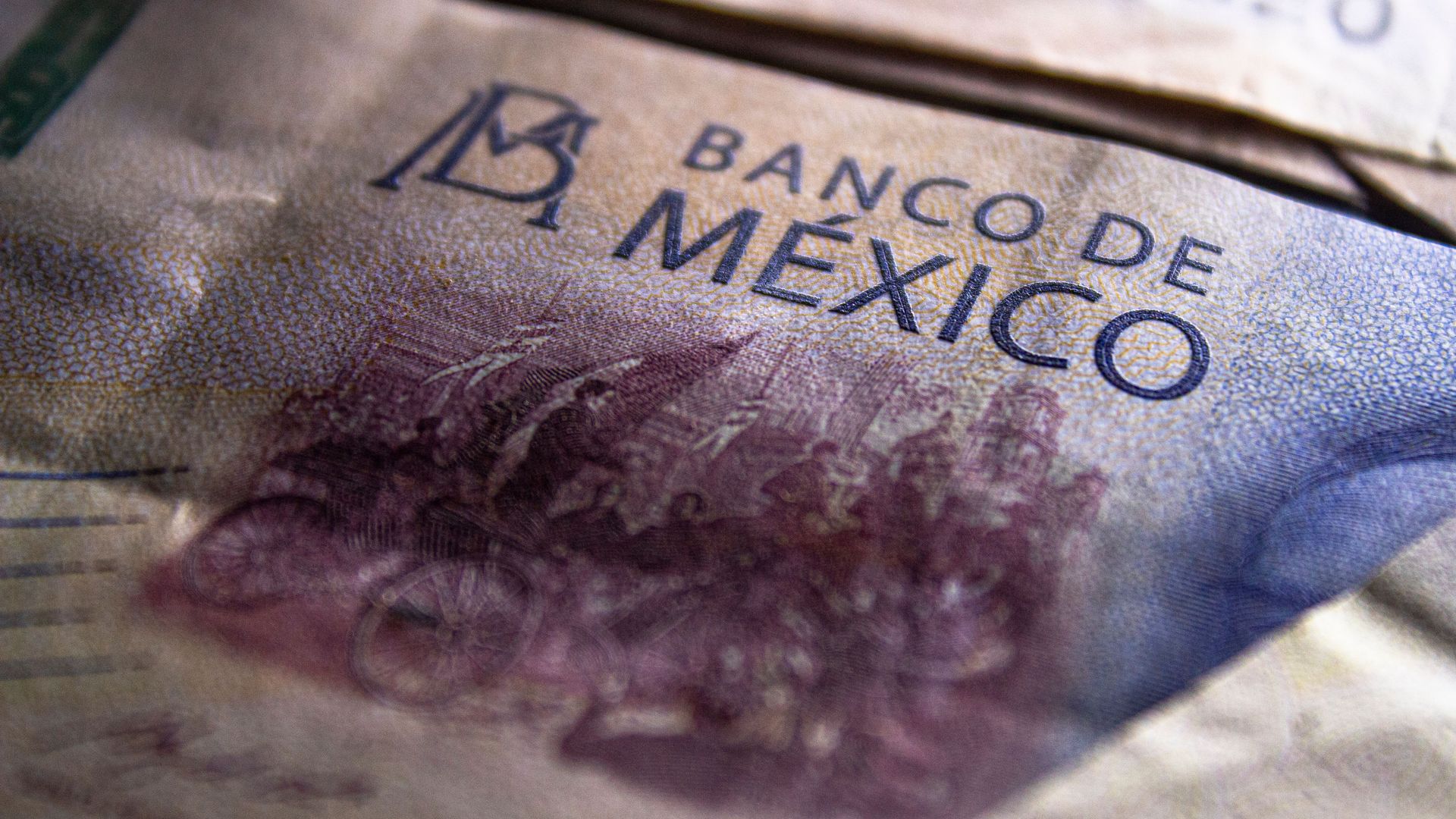
The Mexican peso crisis of 1994–1995 was one of the early examples of what economists would later call a "sudden stop" — a rapid reversal of capital flows that can destabilize emerging market economies with remarkable speed. Mexico had been regarded as a model of economic reform in the early 1990s, implementing trade liberalization through NAFTA, privatizing state enterprises, and attracting substantial foreign investment.
But the stability was more fragile than it appeared. Mexico had pegged the peso to the U.S. dollar, which provided currency predictability and encouraged foreign capital inflows. To finance its current account deficit — Mexico was importing more than it was exporting — the government had been issuing short-term dollar-denominated bonds called tesobonos. These bonds were attractive to foreign investors because they paid in dollars, but they created a dangerous mismatch: Mexico was borrowing in a currency it did not print.
Political shocks in 1994 rattled investor confidence. The Zapatista uprising in Chiapas in January and the assassination of presidential candidate Luis Donaldo Colosio in March signaled instability. Foreign reserves began to drain as investors pulled money out of Mexico. By December 1994, the incoming administration of Ernesto Zedillo decided to devalue the peso — but botched the communication, triggering panic rather than an orderly adjustment. The peso fell sharply, capital fled, and Mexico found itself unable to roll over its dollar-denominated debt.
The U.S. Treasury and the International Monetary Fund organized a bailout totaling around $50 billion — at the time one of the largest international financial rescues ever assembled. The condition was severe austerity: spending cuts and interest rate increases that deepened the recession even as they stabilized the currency. Mexican GDP contracted sharply in 1995, unemployment rose, and the crisis wiped out much of the gains of the preceding reform era. The peso crisis influenced how economists and policymakers thought about capital account liberalization and currency management in developing economies for years afterward.
Credit: Mico Medel / Pexels
The Asian financial crisis that erupted in Thailand in July 1997 and spread across Southeast and East Asia within months was one of the most severe regional economic crises of the 20th century. Countries that had posted some of the world's fastest economic growth rates for a decade — South Korea, Indonesia, Malaysia, Thailand — found themselves facing currency collapses, banking failures, and deep recessions within the space of a few months.
The crisis began in Thailand, where years of rapid economic growth had been partly financed by large flows of foreign capital, much of it short-term. Thai banks had borrowed dollars cheaply and lent baht domestically — a profitable trade as long as the currency remained stable. The Thai baht was pegged to the dollar. As the U.S. dollar strengthened in the mid-1990s, the baht became overvalued relative to trade competitors. Thai exports lost competitiveness, the current account deficit widened, and foreign reserves declined.
When speculative pressure against the baht became unsustainable, Thailand's central bank floated the currency in July 1997 and it immediately fell sharply. The devaluation exposed the scale of unhedged dollar borrowing across the financial sector — loans that were now far larger in baht terms than they had been. Banks and corporations became insolvent almost overnight.
The crisis spread through a combination of genuine economic linkages and investor panic. Indonesia, South Korea, Malaysia, and the Philippines all experienced sharp currency depreciations and economic contractions. Indonesia's rupiah lost around 80 percent of its value at the crisis peak. South Korea narrowly avoided a sovereign default with a large IMF loan. The crisis removed governments in Thailand, Indonesia, and South Korea.
The IMF's response — demanding fiscal tightening and high interest rates as conditions for bailout loans — has remained controversial. Critics, including economist Joseph Stiglitz, argued these conditions worsened the recessions by withdrawing demand at the worst possible moment. The crisis reshuffled thinking about capital account liberalization and the role of international financial institutions in managing crises.
Credit: Valentin Ivantsov / Pexels
Just as the worst of the Asian crisis seemed to be stabilizing, a new shock emerged from Russia. In August 1998, Russia defaulted on its domestic government debt, devalued the ruble, and declared a moratorium on payments to foreign creditors. The Russian financial crisis was not closely linked to the Asian crisis in economic terms, but it demonstrated how quickly investor risk appetite can shift when confidence is fragile.
Russia in the late 1990s was in the midst of a painful and chaotic transition from a centrally planned economy to market capitalism. The collapse of the Soviet Union had left behind an industrial base ill-suited to competitive markets, a state that collected taxes poorly, and a political environment in which connected insiders could acquire state assets at negligible prices. The government consistently ran large fiscal deficits that it financed by issuing short-term ruble-denominated bonds called GKOs, which paid very high interest rates to compensate for the perceived risk.
When oil prices fell sharply in 1997 and 1998 — oil was Russia's primary export revenue — the fiscal position deteriorated further. Foreign investors, already shaken by the Asian crisis, began pulling money out of Russian government bonds. The central bank burned through foreign reserves defending the ruble's exchange rate. The IMF provided emergency loans in July 1998, but they were insufficient to restore confidence.
By August 1998, the government could no longer service its debts. The default and devaluation were sudden and disorderly. The immediate domestic effects were severe: the ruble lost about three-quarters of its value, Russian banks that had borrowed in foreign currency collapsed, and consumer prices surged. The crisis had a significant international spillover through its impact on Long-Term Capital Management, the large U.S. hedge fund that held substantial Russian positions and had to be rescued by a consortium of banks organized by the Federal Reserve.
Credit: Ricardo Berganza / Pexels
The recession that followed the collapse of the dot-com bubble was relatively mild by historical standards, but it ended one of the most spectacular speculative episodes in financial history and had lasting effects on the technology industry.
The late 1990s had seen an extraordinary surge in investment in internet-related businesses. The commercialization of the internet created genuine opportunities, and venture capital and public market investors poured money into companies that often had no revenue, let alone profits. Stock prices for technology and internet companies reached valuations that only made sense if one assumed essentially unlimited future growth. The Nasdaq $NDAQ Composite index rose from around 1,000 in 1996 to a peak of more than 5,000 in March 2000.
The collapse began in earnest in 2000 and was partly triggered by rising interest rates. The Federal Reserve had raised rates several times between 1999 and 2000 to cool an economy it believed was overheating. Higher rates made speculative equity investment less attractive and increased the cost of capital for cash-burning startups. Many internet companies that had relied on continuous rounds of new investment to fund operations found the funding market closing. Without revenue or a path to profitability, hundreds of companies went bankrupt in a matter of months.
The economic recession that officially ran from March to November 2001 was shaped more by the collapse in business investment — particularly in technology and telecommunications — than by the stock market losses themselves. Companies that had massively over-invested in fiber optic cable, server equipment, and enterprise software cut back sharply. The terrorist attacks of September 11, 2001, added further economic uncertainty, particularly for the airline and travel industries, though the recession had begun before the attacks.
The Federal Reserve cut interest rates aggressively after September 11, and the economy recovered relatively quickly in terms of GDP. But the employment recovery was slow — the period was called a "jobless recovery" — and the post-dot-com bust environment of low interest rates would help set conditions for the next crisis.

Credit: Lee Jordan / Flickr / Wikimedia Commons (CC BY-SA 2.0)
The global financial crisis that erupted in 2007 and reached its most acute phase in 2008 was the worst economic catastrophe since the Great Depression. It originated in the U.S. housing market and rapidly became a systemic financial crisis that threatened to collapse the global banking system.
The roots stretched back into the early 2000s. Ultra-low interest rates after the dot-com bust and September 11 encouraged borrowing and risk-taking. U.S. house prices rose steadily and then sharply, and a combination of deregulation, innovation, and misaligned incentives produced an explosion in mortgage lending to borrowers who had limited ability to repay. These mortgages were bundled into complex financial instruments — mortgage-backed securities and collateralized debt obligations — and sold to investors around the world. Credit rating agencies assigned many of these instruments top safety ratings, encouraging pension funds, insurance companies, and banks to buy them in large quantities.
When U.S. house prices began falling in 2006 and 2007, delinquencies on subprime mortgages rose. The value of mortgage-backed securities fell, and investors suddenly discovered that they did not understand what they owned. Liquidity in the financial system began to seize up as banks became unwilling to lend to each other, uncertain about counterparty exposure.
The crisis went global in September 2008 with the bankruptcy of Lehman Brothers, one of the largest U.S. investment banks. Within days, money market funds "broke the buck" — fell below their nominal value — credit markets froze, and central banks around the world began emergency interventions. The U.S. Treasury and Federal Reserve mounted extraordinary rescue operations: the $700 billion Troubled Asset Relief Program, the takeover of mortgage giants Fannie Mae and Freddie Mac, and emergency facilities to stabilize financial markets.
The recession that followed was severe. U.S. unemployment peaked above 10 percent. Housing wealth was wiped out across the country, and the loss of household wealth suppressed consumer spending for years. The crisis led to the most sweeping overhaul of financial regulation since the New Deal, including the Dodd-Frank Act of 2010.
Credit: Ggia / Wikimedia Commons (CC BY-SA 3.0)
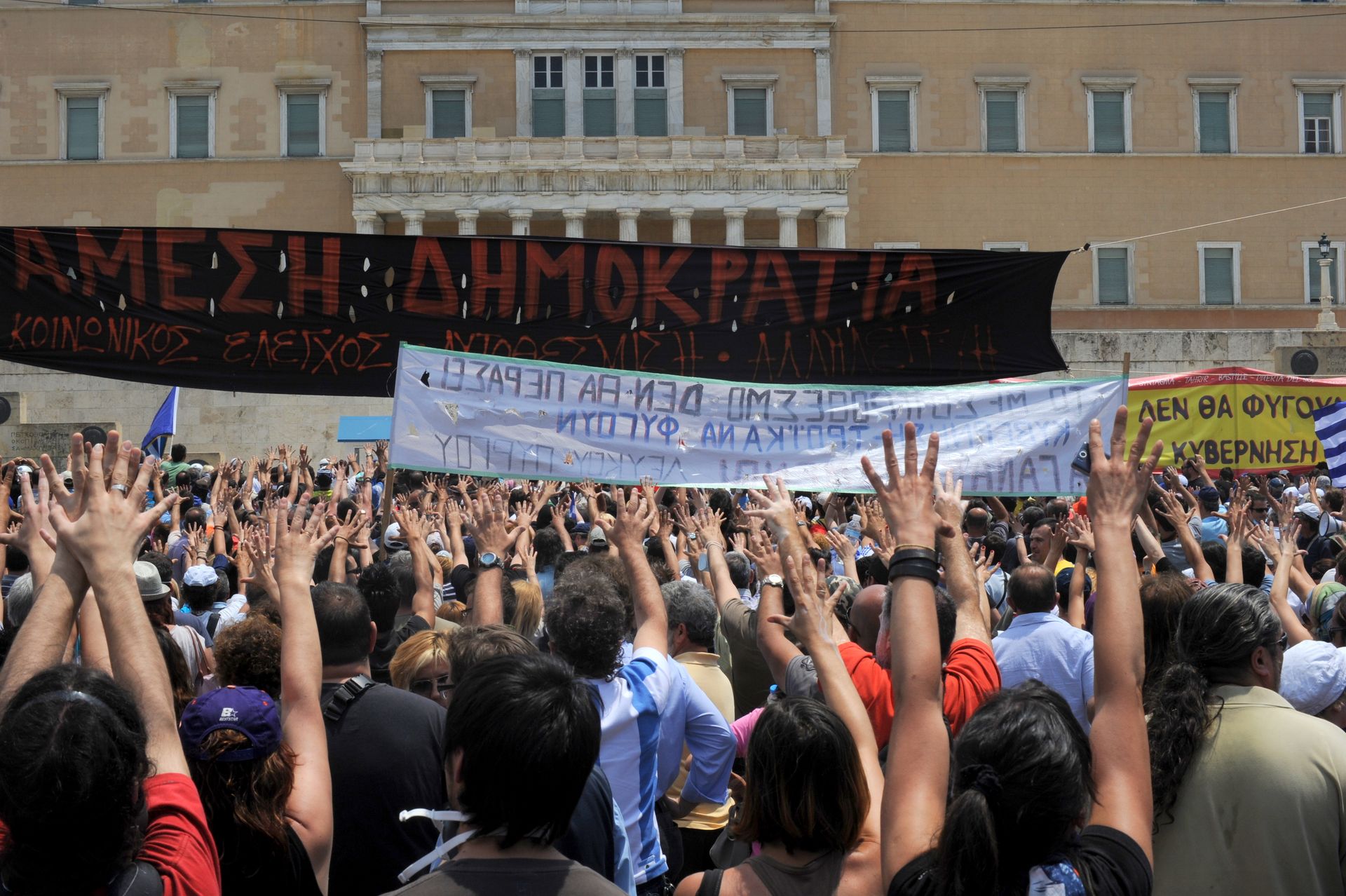
The global financial crisis left European governments with large deficits and debts accumulated through bank bailouts and recession-era spending. In the eurozone, this created a second crisis — a sovereign debt crisis that threatened to break up the single currency and caused prolonged recessions in several member states.
The eurozone's structure created the fundamental problem. Member countries shared a currency and a central bank but had no common fiscal policy and retained separate national debts. When markets began worrying about the sustainability of Greek public finances in 2009 and 2010, borrowing costs for Greece surged. Greece's debt-to-GDP ratio and its deficit were both far above the limits set by eurozone rules. In 2010, Greece required an emergency loan from the European Union and the IMF — the first of several.
But the crisis spread beyond Greece because investors recognized that other eurozone countries had similar vulnerabilities. Ireland, which had guaranteed the debts of its banking system after a real estate bubble collapse, found itself with an enormous public debt burden. Portugal and Spain also faced rising borrowing costs. At the peak of the crisis, Italian and Spanish bond yields rose to levels that raised serious questions about debt sustainability.
The core tension was that eurozone governments could not devalue their currencies or print money to inflate away debts — those options were unavailable when sharing a common currency managed by the European Central Bank. The response from the EU and IMF required severe austerity — spending cuts and tax increases — that deepened recessions in the affected countries. Greece, which underwent multiple rounds of austerity and debt restructuring, saw its GDP fall by about 25 percent over several years and unemployment exceed 25 percent.
The crisis stabilized after European Central Bank president Mario Draghi declared in July 2012 that the ECB would do "whatever it takes" to preserve the euro, and subsequently launched a bond-buying program that reduced sovereign borrowing costs across the eurozone. The episode revealed deep structural tensions in the eurozone architecture and prompted ongoing debates about fiscal union that remained unresolved years later.
Credit: Jan Zakelj / Pexels
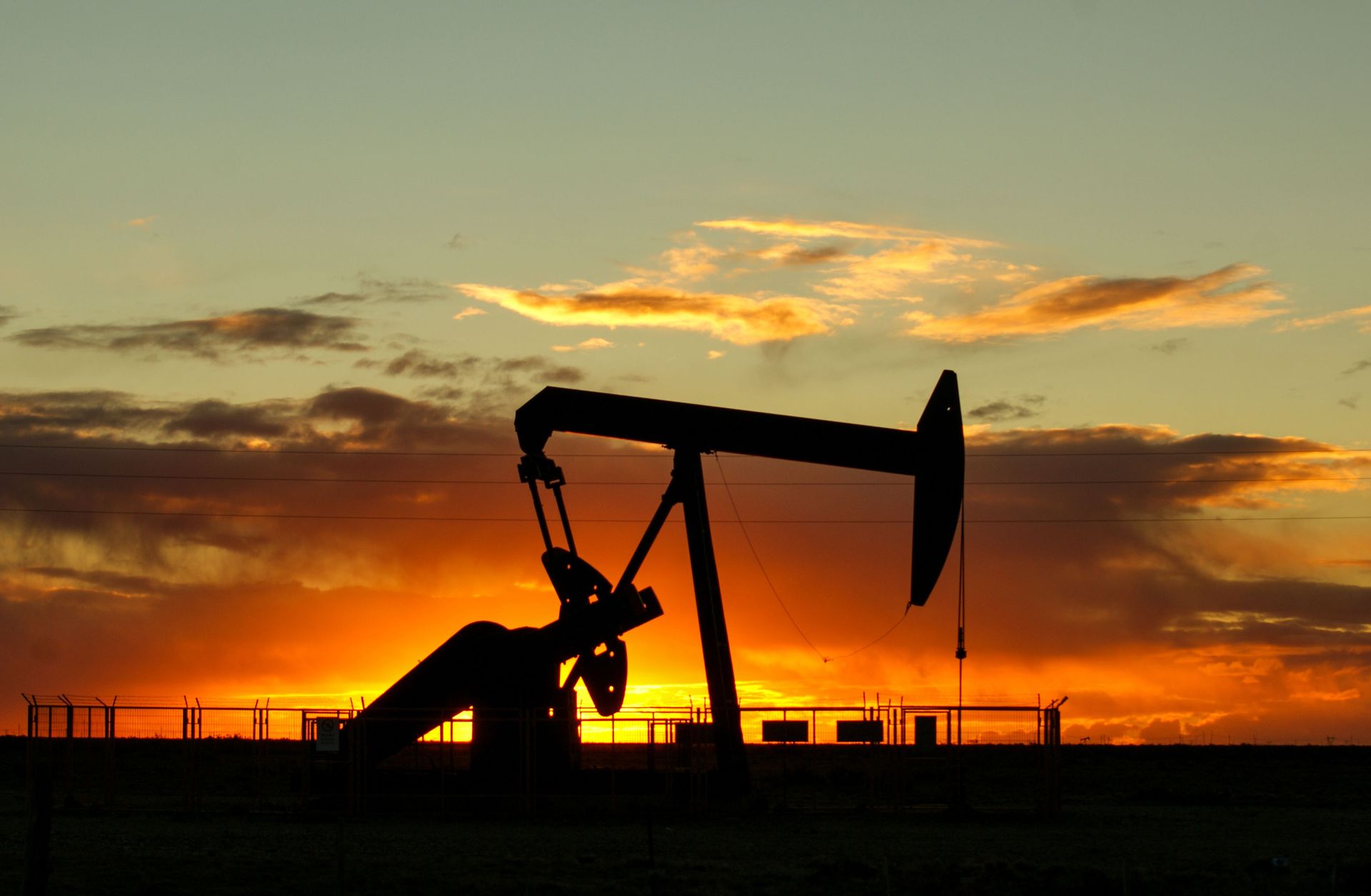
Between 2014 and 2016, a sharp decline in commodity prices — particularly oil, natural gas, metals, and agricultural commodities — triggered recessions in a range of economies heavily dependent on resource exports. The affected countries included Russia, Brazil, Venezuela, Nigeria, and several other commodity exporters in Sub-Saharan Africa and Latin America.
The oil price decline was the most significant driver. From a peak of around $115 per barrel in mid-2014, Brent crude oil fell to below $30 per barrel by early 2016. Several factors drove the collapse. U.S. shale oil production had expanded rapidly through the early 2010s, reversing decades of decline and adding significant new supply to global markets. Saudi Arabia and other OPEC members, facing this supply surge, chose not to cut production as they had in previous downturns — partly to defend market share and partly to make U.S. shale production economically unviable.
Simultaneously, demand growth was slowing, particularly in China. As China's economy transitioned from an investment-heavy growth model toward consumption and services, its demand for steel, copper, coal, and other industrial commodities grew more slowly than expected. This combination of rising supply and softening demand hit commodity markets hard across multiple categories.
Russia entered recession in 2015, hit by both the commodity price collapse and Western sanctions imposed after the annexation of Crimea. Brazil's economy contracted for two consecutive years, driven by falling commodity revenues, a domestic political crisis, and the unwinding of an investment boom. Venezuela, already under fiscal stress from the mismanagement of its oil revenue during the Chávez era, entered a humanitarian crisis as oil revenues collapsed. Nigeria's naira came under severe pressure and the economy contracted.
For commodity-exporting countries, the episode demonstrated the risks of economic structures overly dependent on resource revenues — and the difficulty of building more diversified economies during boom years, when commodity income is plentiful and political pressure to spend it immediately is intense.

Credit: Otto Rascon / Pexels
The recession of 2020 was unlike any other in modern history. It was not caused by a financial crisis, a speculative bubble, a policy error, or an external shock to prices. It was caused by a pathogen — SARS-CoV-2 — that spread globally within months and forced governments around the world to shut down large portions of their economies simultaneously.
The speed of the collapse was without precedent in the postwar era. In the U.S., 22 million jobs were lost in the two months of March and April 2020. GDP fell at an annualized rate of roughly 33 percent in the second quarter of 2020 — the worst single-quarter drop ever recorded. Similar or worse declines occurred across Europe, with the U.K. and Spain particularly hard hit. Global trade fell sharply, airlines stopped flying, hotels emptied, restaurants closed, and entertainment venues shut down.
The recession had two distinct components. The first was the direct demand destruction from shutdowns and behavioral change — people stopped traveling, eating out, going to events, and making large purchases. The second was a supply shock, as factories closed, workers stayed home, and supply chains that depended on just-in-time production from multiple countries fractured. Some sectors, notably technology and e-commerce, boomed. Others, including hospitality, entertainment, and energy, were devastated.
Governments responded with fiscal stimulus on a scale not seen outside wartime. The U.S. passed multiple relief packages totaling several trillion dollars, including direct payments to households, enhanced unemployment benefits, loans to businesses, and support for state and local governments. The Federal Reserve cut interest rates to near zero and purchased assets on a massive scale. Central banks and governments around the world deployed similar measures.
The recovery in GDP was unusually fast — the recession technically lasted only two quarters in the U.S. But the recovery was uneven. Supply chain disruptions persisted into 2021 and 2022. The extraordinary stimulus contributed to an inflation surge that central banks had to address with aggressive rate increases — raising the question of whether fighting one crisis had helped create conditions for the next one.
