
Credit: BabijaPhoto JB / Pexels
The word "empire" conjures permanence — stone aqueducts, centuries of tribute, borders that look inevitable on a map. Rome lasted, in some form, for over a thousand years in the west and nearly fifteen hundred in the east. The Ottoman Empire endured for six centuries. The British Empire, at its territorial peak in 1920, controlled roughly a quarter of the earth's land surface and kept that control for generations. These are the empires that define the popular imagination of what imperial power looks like: slow to build, slower to fall, leaving ruins that tourists photograph for millennia.
But history is full of exceptions — states that seized vast territories with extraordinary speed, held them for decades rather than centuries, and then collapsed with equal or greater velocity. Some fell to military overreach. Some disintegrated the moment a single strong ruler died and left no clear successor. Some were undone by the same logistical genius that had built them: the farther the army traveled, the harder it became to hold what it had won.
What makes these fast-rising, fast-falling empires worth examining is not their failure, exactly. It is what their failures reveal. They expose the gap between conquest and consolidation — the difference between winning territory and actually governing it. They demonstrate how fragile political legitimacy can be when it rests entirely on military dominance rather than economic integration, religious authority, or administrative infrastructure. And they show, repeatedly, that the farther power extends from its center, the more vulnerable it becomes to the very forces — distance, climate, local resistance, rival ambition — that its expansion was supposed to subdue.
The empires on this list all achieved something that most states never come close to. At their peaks, they were the most powerful political entities on earth, or near enough to it. Several of them permanently changed the map of their regions, established trade routes that lasted long after the empire itself vanished, and left cultural and linguistic legacies that persist today. None of that changes how fast they disappeared.
The measure used here is simple: how long did the empire, defined as the period of its greatest territorial extent and political coherence, actually last? Not the civilization, not the dynasty's total rule, but the empire as an expansionist, territorially unified force. By that measure, the 15 entries below compressed what we might expect to take centuries into a few decades — or, in some cases, a single generation.
1 / 15

Credit: Jo Kassis / Pexels
Alexander III of Macedon became king in 336 BCE at the age of 20, following the assassination of his father Philip II. Within 13 years, he had conquered an empire stretching from Greece and Egypt in the west to the borders of modern-day India in the east — a landmass of roughly two million square miles, encompassing the entire Persian Empire, Egypt, Bactria, and parts of the Indian subcontinent. No ruler before him had moved so fast or so far.
The conquests were achieved through a combination of military innovation, personal risk-taking, and psychological intimidation. Alexander fought at the front of his armies, was wounded multiple times, and used speed of movement as a strategic weapon. The Battle of Gaugamela in 331 BCE, where he defeated the Persian king Darius III with an army roughly a third the size of his opponent's, effectively ended Persian resistance and opened the east to Macedonian expansion.
Then, in 323 BCE, Alexander died in Babylon at the age of 32. The cause of death remains debated — typhoid fever, excessive alcohol consumption, and poison have all been proposed. What matters for this story is the aftermath. He left no capable adult heir and no designated successor. His generals, known as the Diadochi, immediately began fighting over the inheritance.
The result was the Wars of the Diadochi, a series of conflicts lasting more than 40 years that broke the empire into competing successor kingdoms: the Ptolemaic Kingdom in Egypt, the Seleucid Empire in Persia and the east, the Kingdom of Macedon under Antigonus and later Antigonid successors, and several smaller polities in between. No single ruler ever again controlled what Alexander had controlled. The unified Macedonian empire, as a coherent political entity, lasted roughly the same number of years as its founder was alive.
What Alexander built was genuinely transformative. The Hellenistic culture that spread across his conquered territories — Greek language, Greek philosophy, Greek art fused with Persian, Egyptian, and Indian influences — shaped the ancient world for centuries. The city of Alexandria in Egypt became one of the great intellectual centers of the ancient world. But the political structure he created did not outlive him by more than a few months before it began to fracture. The empire that had taken 13 years to build took less than a decade to divide beyond repair.
The lesson his successors drew was that conquest and governance are entirely different problems. Alexander was a genius at the first and had not lived long enough to fully address the second.
2 / 15
Credit: Levent Simsek / Pexels
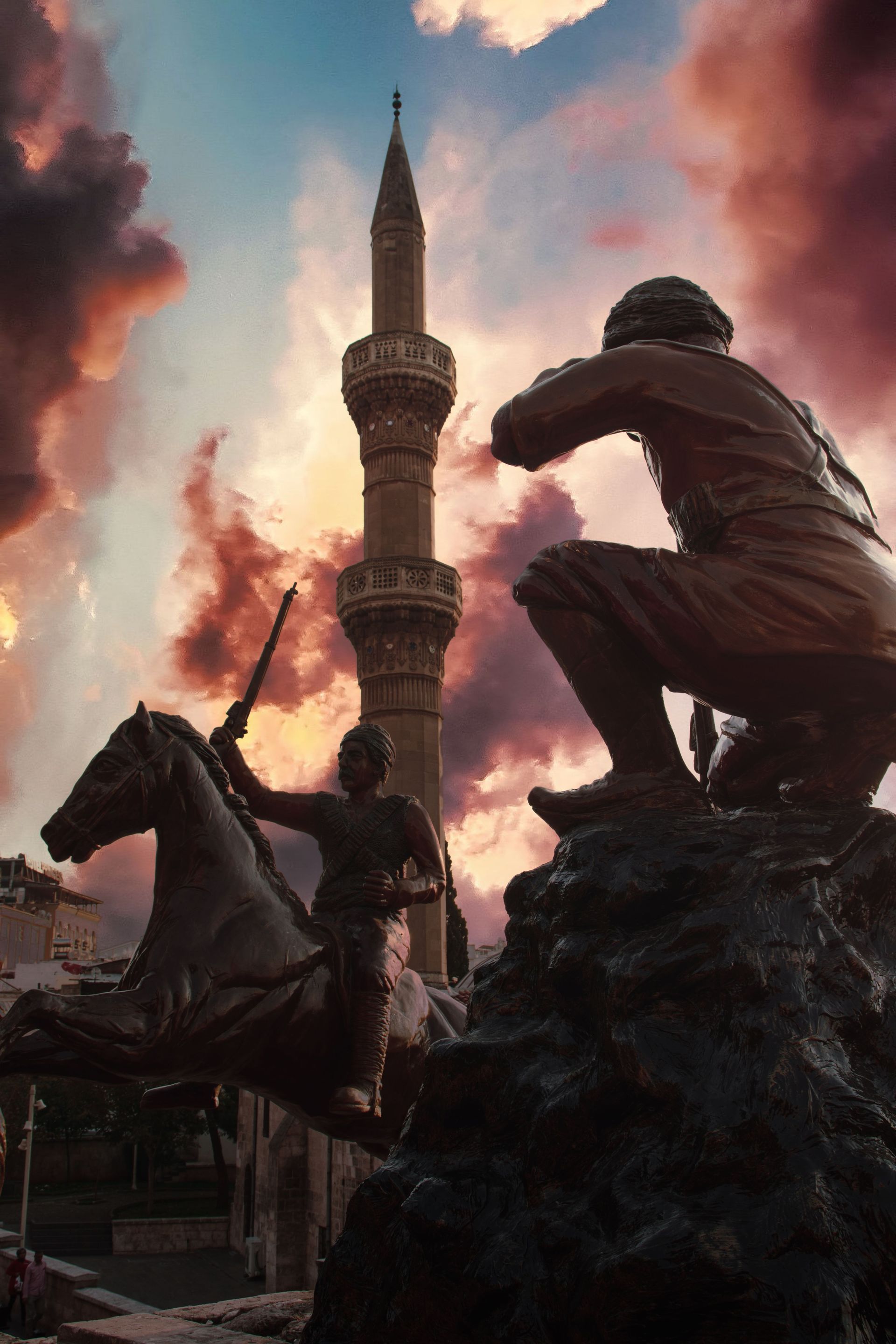
The Hunnic Empire is one of history's more difficult entities to define precisely, partly because the Huns did not leave written records and partly because their political structure was more confederated and personal than the bureaucratic empires of Rome or China. But by the mid-5th century CE, under Attila, they had assembled a dominion that stretched from the steppes of Central Asia to the Rhine River in the west and the Danube in the south — a territory encompassing much of what is now Hungary, Romania, Ukraine, and large parts of Germany and the Balkans.
Attila became co-ruler of the Huns alongside his brother Bleda around 434 CE and sole ruler after Bleda's death — likely by murder — in 445 CE. At the height of his power in the late 440s, he was extracting enormous tribute payments from the Eastern Roman Empire, had raided deep into the Balkans, and was treated by the courts of both halves of Rome as the single most dangerous military force in the known world. His western campaign of 451 CE brought him into Gaul, where he was stopped at the Battle of the Catalaunian Plains — one of the few times his forces failed to win decisively.
The following year he invaded Italy, sacked several cities including Aquileia, and advanced toward Rome before withdrawing, possibly due to disease in his army, supply difficulties, or a combination of both.
Then, in 453 CE, Attila died suddenly on the night of his latest wedding, apparently from a nosebleed or internal hemorrhage. He was somewhere in his 50s. The empire he had held together through personal authority and military intimidation immediately began to collapse. His sons — he had many — fought each other for supremacy. Subject peoples, particularly the Germanic tribes who had been under Hunnic domination, rose in revolt. At the Battle of Nedao in 454 CE, a coalition of subject peoples defeated a Hunnic force led by one of Attila's sons, and the empire effectively disintegrated.
Within a generation of Attila's death, the Hunnic political entity that had terrorized two empires was gone. Its legacy was largely demographic — the pressure it exerted on Germanic tribes accelerated the migrations that contributed to Rome's own collapse — but as an empire, it vanished almost as quickly as it had appeared.
What the Hunnic case demonstrates is how fragile purely personal empires are. There was no Hunnic bureaucracy, no tax-collecting apparatus, no codified law, no religious institution that transferred loyalty from one ruler to the next. What held the confederation together was Attila's personal authority, the fear he inspired, and the plunder and tribute he distributed to his followers. When those stopped, so did the empire. This was a structure optimized for extraction and intimidation, not for governance. It could generate enormous power in a short period and then disappear without leaving lasting political institutions behind.
3 / 15
Credit: shuping zhao / Pexels
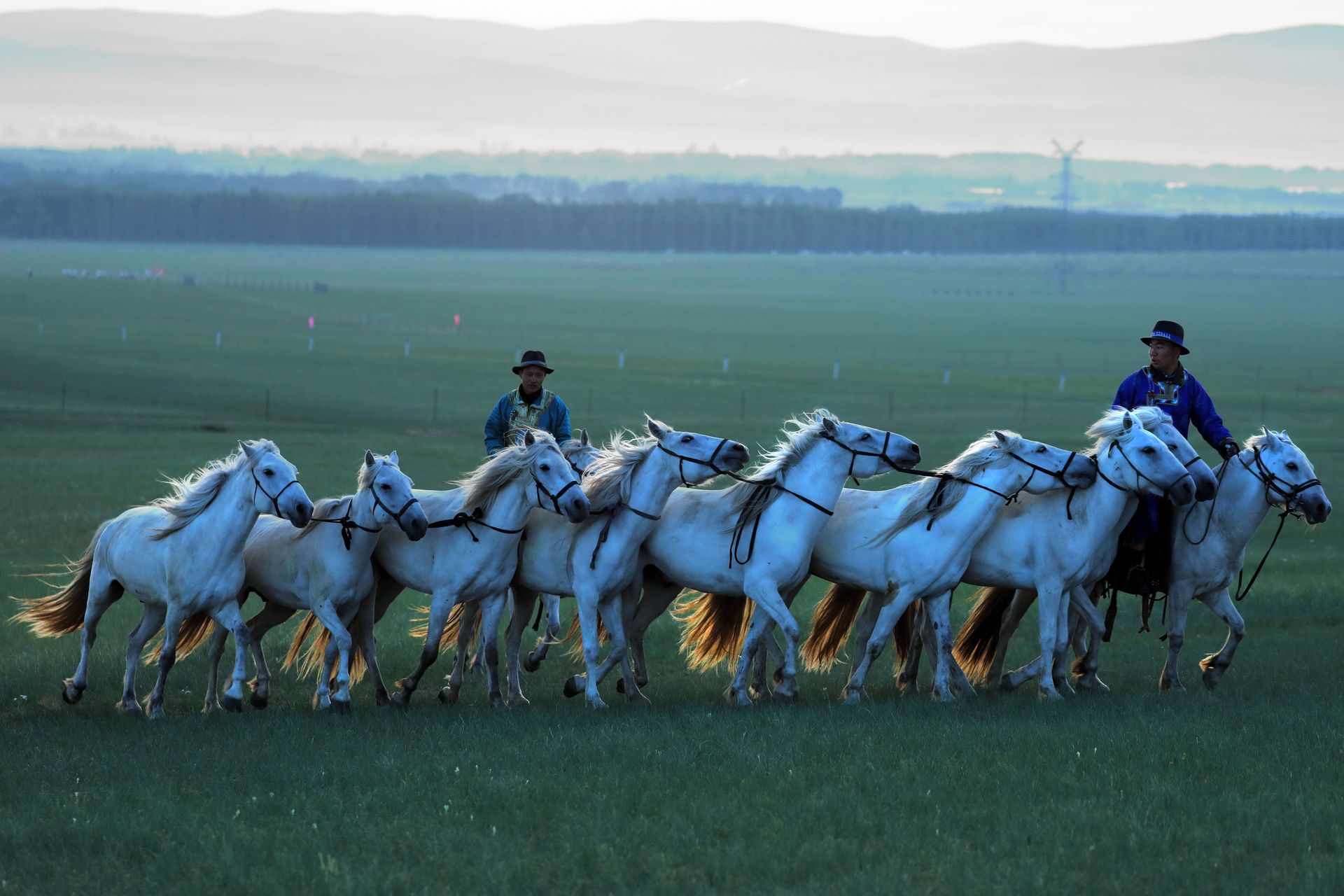
The Mongol Empire at its greatest extent — covering roughly 24 million square kilometers and encompassing parts of China, Central Asia, Persia, Russia, and eastern Europe — is routinely described as the largest contiguous land empire in history. What is less often emphasized is how quickly that empire fragmented after its founding.
Temüjin, who took the title Genghis Khan in 1206 CE after unifying the Mongol tribes, began his conquests at the head of a disciplined, mobile cavalry force that used speed, psychological warfare, and coordinated tactics to defeat sedentary opponents who often outnumbered them. The Mongols systematically devastated cities that resisted and offered relatively generous terms to those that surrendered quickly, creating an incentive structure that accelerated conquest. By the time Genghis Khan died in 1227, his forces controlled a territory from the Pacific coast of China to the Caspian Sea.
His successors continued expanding. His son Ögedei completed the conquest of northern China, pushed into Russia, and sent forces as far west as Poland and Hungary. His grandson Kublai Khan conquered southern China and established the Yuan Dynasty. At its peak in the 1270s and 1280s, the Mongol Empire was genuinely extraordinary in scale.
But the cracks had begun appearing almost immediately. The empire was divided among Genghis Khan's sons at his death into sub-domains called uluses. Rivalry among his descendants produced the Toluid Civil War (1260–1264) and ongoing conflicts between the Yuan Dynasty in China and the Chagatai Khanate in Central Asia, and between the Golden Horde in Russia and the Ilkhanate in Persia. By the 1260s, the unified Mongol Empire was functionally over, replaced by competing successor states that frequently warred with each other.
The empire in its unified, centrally directed form lasted approximately 60 years — from the 1206 kurultai that proclaimed Genghis Khan to the fragmentation of the 1260s. Individual successor states lasted longer, and some Mongol lineages ruled for centuries, but the singular entity that historians call "the Mongol Empire" was a brief thing by any imperial standard.
4 / 15
Credit: Yaşar Başkurt / Pexels
Timur, known in the west as Tamerlane, built one of the largest empires of the 14th and early 15th centuries through a series of campaigns that combined extraordinary military ability with deliberate, theatrical brutality. He used mass killing — towers of skulls were a documented tactic — as a tool of psychological warfare and political signal. Cities that resisted faced massacre; those that submitted faced somewhat lighter treatment.
Between roughly 1370 and his death in 1405, Timur conquered Persia, Iraq, parts of India (his sack of Delhi in 1398 depopulated the city for years), the Caucasus, Anatolia, and Syria. His defeat of the Ottoman Sultan Bayezid I at the Battle of Ankara in 1402 temporarily reversed Ottoman expansion and sent shockwaves through the Islamic world. At his peak, he controlled territory from the eastern Mediterranean to the borders of China.
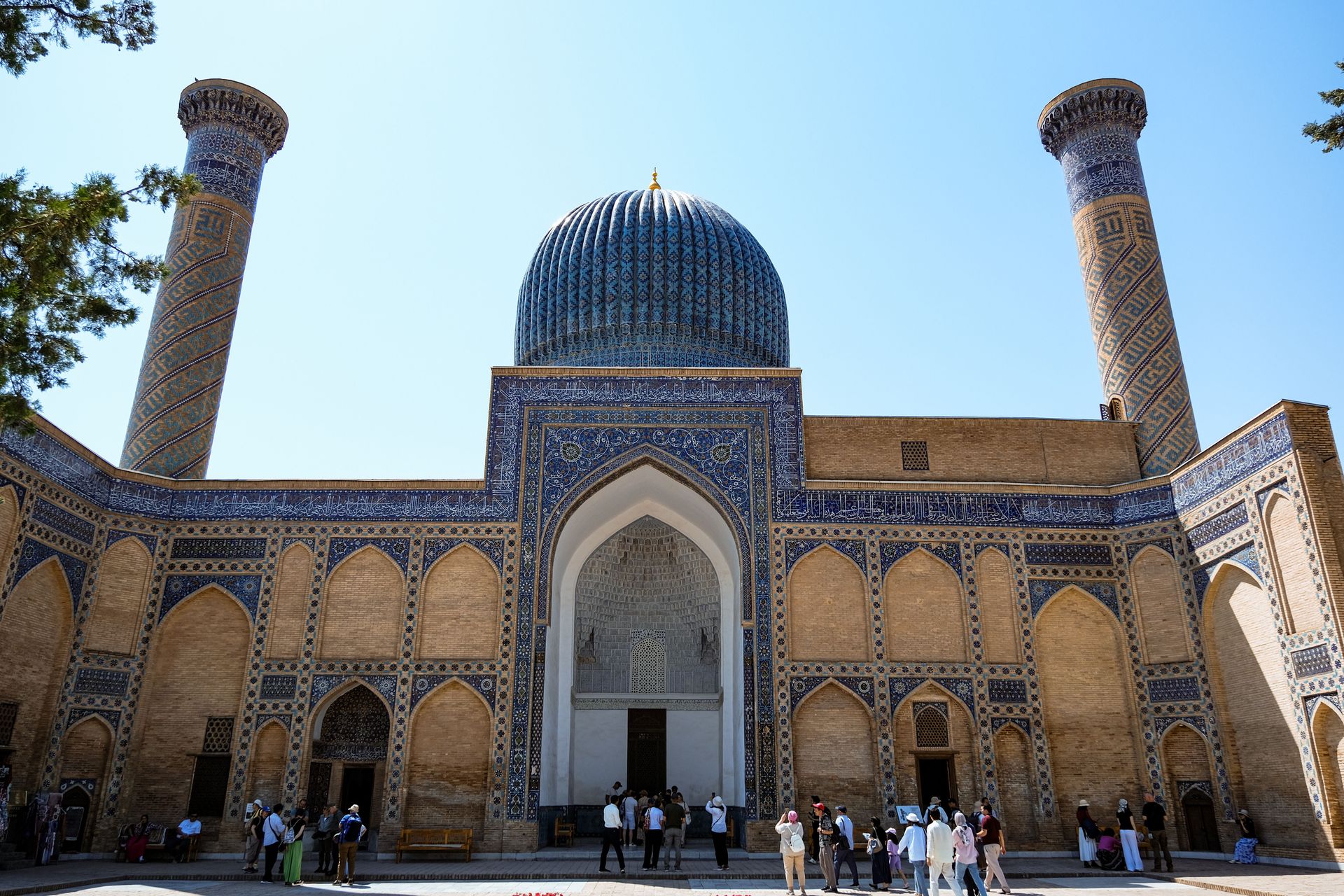
Timur died in 1405 while on campaign toward China, having never been defeated in battle. His empire began fracturing within years. The Timurid successor states that emerged — centered on Samarkand and Herat — were culturally sophisticated and sponsored some of the great art and architecture of the Islamic world, but they controlled only portions of Timur's territory and spent much of their energy fighting each other.
The Safavid Dynasty, which arose in Persia in the early 16th century, absorbed much of the western Timurid territory. The Uzbek Shaybanids took the eastern regions. The last Timurid ruler of significance, Babur, was pushed out of Central Asia entirely and redirected his ambitions southward, eventually founding the Mughal Empire in India in 1526.
Timur's own unified empire lasted 35 years, from his consolidation of power in 1370 to his death. It never had a second reign.
5 / 15

Credit: Vlastimil Starec/ Pexels
Napoleon Bonaparte became First Consul of France in 1799 following the coup of 18 Brumaire and Emperor of the French in 1804. Within a decade, France directly controlled or exercised dominant influence over most of continental Europe — the Low Countries, Spain, Italy, much of Germany through client states, Poland through the Duchy of Warsaw, and portions of the Balkans and Dalmatian coast.
The empire at its peak in 1810–1811 represented a genuine transformation of European political geography. The Holy Roman Empire had been dissolved. Napoleon's brothers and marshals sat on the thrones of Spain, Westphalia, Naples, and Holland. The continental system — Napoleon's attempt to enforce an economic blockade of Britain across Europe — gave his dominion an economic architecture that went beyond military occupation.
Then, between 1812 and 1815, it all collapsed. The Russian campaign of 1812 destroyed the Grande Armée as an effective fighting force. The retreat from Moscow — through a Russian winter that the campaign planners had not adequately accounted for — killed, through combat, cold, starvation, and disease, the majority of the 600,000 soldiers who had crossed into Russia that summer. Napoleon returned to Paris with a fraction of the force he had left with.
The Wars of the Sixth Coalition (1813) and the Seventh Coalition (1815) finished what Russia had started. Napoleon abdicated in April 1814, returned during the Hundred Days in 1815, was defeated at Waterloo in June 1815, and was exiled to Saint Helena, where he died in 1821.
The Napoleonic Empire, from coronation to final abdication, lasted approximately 11 years. The period of maximum expansion lasted fewer than five. No other European power had come so close to continental hegemony and lost it so rapidly.
6 / 15
Credit: Jason Leung / Pexels
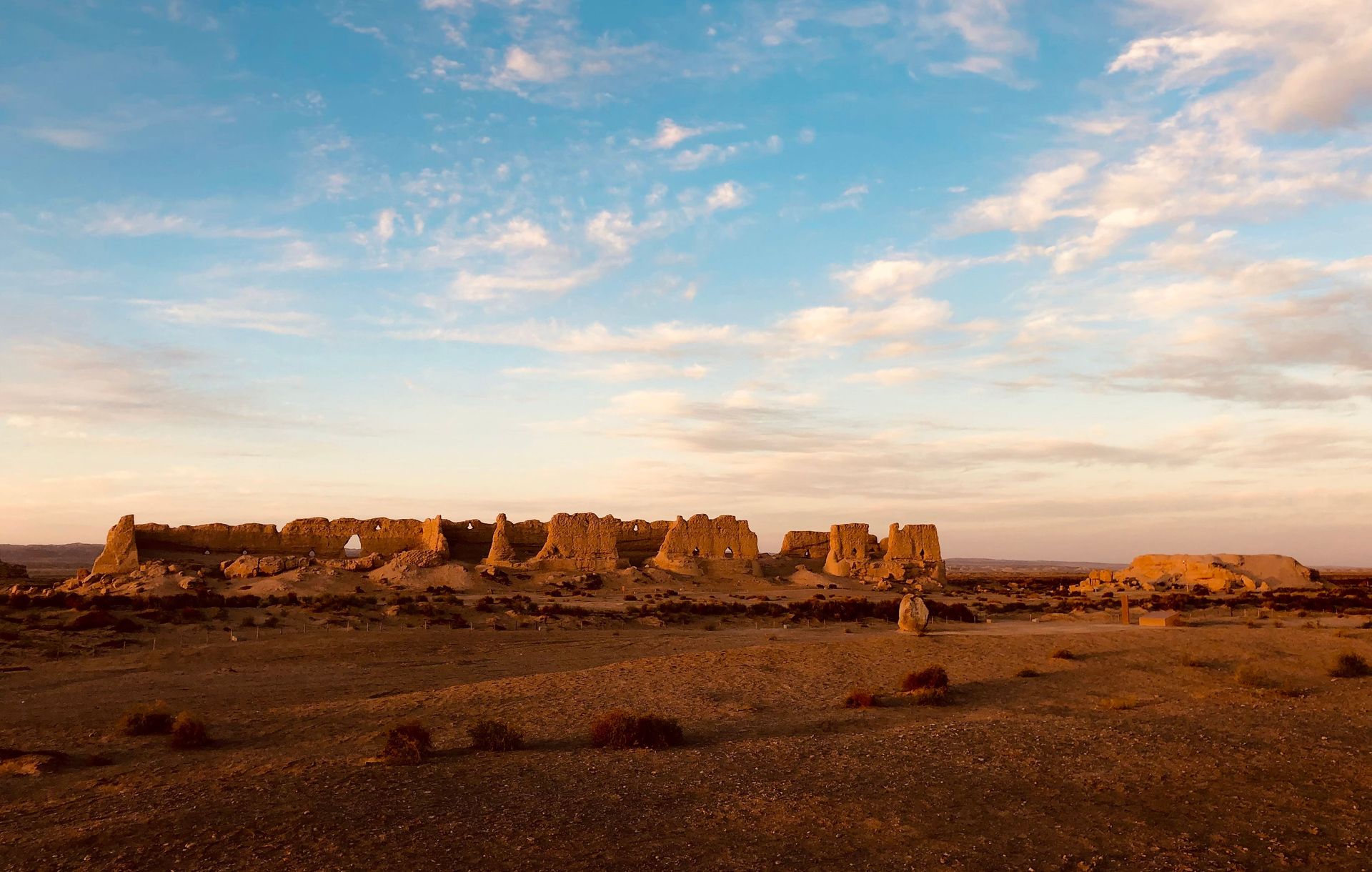
The Qara Khitai — known also as the Western Liao Dynasty — is one of the less familiar entries on this list, but its story is worth examining. After the Jurchen Jin Dynasty destroyed the Liao Dynasty in northern China in the 1120s, a Khitan prince named Yelü Dashi led a remnant force westward across the steppe into Central Asia. Over the next two decades, he established a new empire centered on the Chu Valley in modern Kyrgyzstan, which at its height controlled much of Central Asia, including territory in modern Kazakhstan, Uzbekistan, and parts of Afghanistan.
The Qara Khitai were notably tolerant for their era. They governed a religiously mixed population — Muslims, Buddhists, Nestorian Christians — without imposing a state religion, and they established a functioning administrative system that drew on Chinese bureaucratic traditions. Yelü Dashi himself adopted the title Gur Khan, supreme ruler, and the empire became a significant regional power.
Its undoing came from within. A Naiman prince named Kuchlug, fleeing Mongol expansion, took refuge at the Qara Khitai court around 1208, then gradually undermined the ruling Gur Khan from the inside, eventually seizing power around 1211 by imprisoning the last Gur Khan. Kuchlug's religiously intolerant rule — he persecuted Muslims — created local dissatisfaction that the advancing Mongols under Jebe were able to exploit. By 1218, the Qara Khitai state had been absorbed into the Mongol Empire.
From Yelü Dashi's consolidation of power in the 1130s to its final absorption in 1218, the Qara Khitai lasted roughly 80 to 90 years. But as a coherent, unified power, it barely outlasted its founder's generation.
7 / 15
Credit: Khalil F. / Pexels
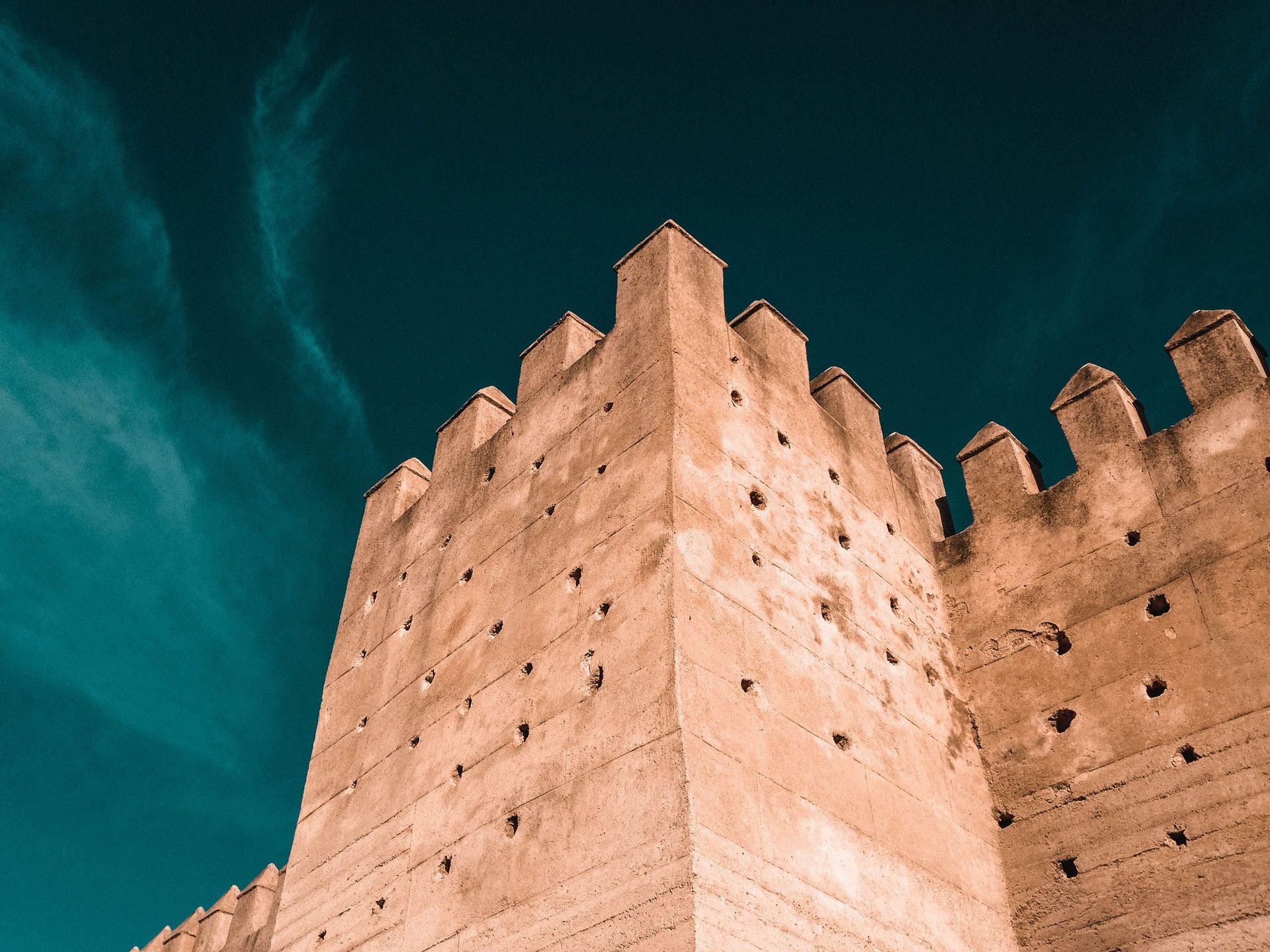
The Almohad Caliphate began as a religious reform movement in the Atlas Mountains of Morocco in the early 12th century. Its founder, Ibn Tumart, was a Berber theologian who had studied in the east and returned to the Maghreb preaching a rigorous monotheism that rejected the anthropomorphic interpretations of God he believed had corrupted contemporary Islam. He gathered followers among the Masmuda Berber tribes and began a military campaign against the ruling Almoravid dynasty.
Ibn Tumart died before completing the conquest, but his successor Abd al-Mumin continued the campaign, capturing Marrakesh in 1147 and ending Almoravid rule. The Almohads then pushed east across North Africa and north across the Strait of Gibraltar into Iberia, where they took control of Muslim Spain. At their peak in the mid-12th century, they controlled an empire stretching from the Atlantic coast of Morocco to Tripolitania in the east, and from the Sahara in the south to the Rio Tagus in the north.
The decline came from multiple directions. In Iberia, the Christian kingdoms of the north pressed southward, and the decisive defeat at the Battle of Las Navas de Tolosa in 1212 broke Almohad military dominance in Spain. In North Africa, a new Berber movement — the Hafsids in Tunisia, the Zayyanids in western Algeria, and eventually the Marinids in Morocco — began peeling away territory. The Almohad caliphs in Marrakesh lost control of their periphery faster than they could respond.
By the mid-13th century, the Almohad Caliphate had effectively fragmented into successor states. The caliphate in name persisted until 1269, when the Marinids captured Marrakesh. But as a unified empire controlling both the Maghreb and Andalusia, it lasted barely a century — roughly 1147 to the mid-1200s.
8 / 15
Credit: BabijaPhoto JB / Pexels
The Khmer Empire, which dominated mainland Southeast Asia from roughly the 9th to the 15th centuries, does not fit neatly into the "fast rise, fast fall" category at first glance — it existed for several hundred years. But within that long history, there is a more compressed story: the period of maximum territorial expansion, political coherence, and hydraulic engineering achievement that produced Angkor Wat and the Bayon temple complex was concentrated in a roughly 150-year window, from the reign of Jayavarman II in the early 9th century through the great building projects of Jayavarman VII in the late 12th and early 13th centuries.
Jayavarman VII, who came to power around 1181 CE after expelling a Cham invasion, was the most expansionist of all Khmer rulers. He pushed the empire's borders to their maximum extent, incorporating much of modern Thailand, Laos, and parts of the Malay Peninsula. He also undertook an extraordinary building campaign — the Bayon temple, Ta Prohm, Preah Khan, and the rebuilding of the capital at Angkor — that still defines how the Khmer civilization is remembered.
After Jayavarman VII's death around 1218 CE, the empire began a slow contraction that eventually became a collapse. The Tai kingdoms — Sukhothai and later Ayutthaya — rose to the northwest and began taking Khmer territory. The hydraulic system that sustained Angkor's large population, based on a complex network of reservoirs and canals, may have been compromised by deforestation and changing rainfall patterns. In 1431, Ayutthayan forces sacked Angkor, and the Khmer capital was relocated south. Angkor was gradually abandoned.
The empire as a coherent, expansionist entity had lasted its most intensive form about 150 years. The speed of its decline, once it began, was faster than its long history suggests.
9 / 15
Credit: Suliman Sallehi / Pexels
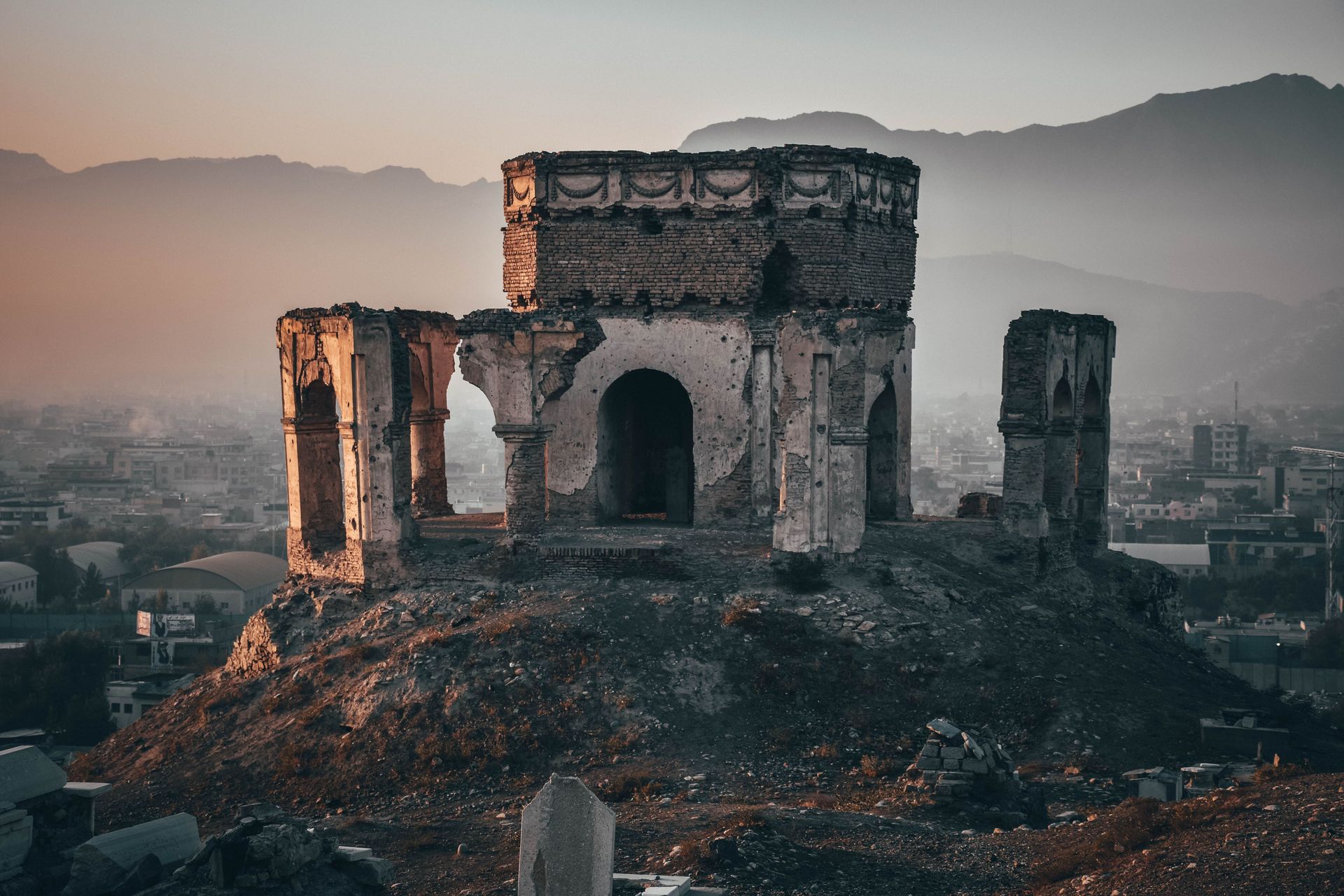
The Ghaznavid Empire, centered on the city of Ghazni in modern Afghanistan, emerged from the disintegration of the Samanid dynasty in the late 10th century. Sebüktigin, a Turkic slave-soldier who had risen to command, established an independent principality in Ghazni around 977 CE. His son Mahmud of Ghazni expanded the empire dramatically, conducting 17 raids into the Indian subcontinent between 1000 and 1027 CE — campaigns that brought enormous plunder back to Ghazni and funded the construction of a brilliant court culture.
Mahmud's capital became a center of Persian-language literature and learning. The poet Ferdowsi was associated with the Ghaznavid court, as was the scholar Al-Biruni, who accompanied one of the India campaigns and wrote an extraordinarily detailed account of Indian society. By the time of Mahmud's death in 1030 CE, the Ghaznavid Empire stretched from eastern Iran through Afghanistan and into the Punjab.
The decline was swift. The Seljuk Turks, who had been migrating into Khorasan, defeated the Ghaznavids decisively at the Battle of Dandanaqan in 1040 CE — just ten years after Mahmud's death. The Ghaznavids lost Khorasan and most of Persia almost immediately. They retreated to their eastern territories — Afghanistan and the Punjab — and maintained a reduced state there for another century and a half, but the empire as a major power lasted barely 60 years from its peak under Mahmud to its truncation after Dandanaqan.
The Ghaznavid story illustrates a recurring pattern: a brilliant, aggressive founding ruler builds more than the administrative and military structure can sustain, and the empire's extent becomes a liability rather than an asset the moment external pressure arrives.
10 / 15
Credit: Sergey Pesterev / Pexels
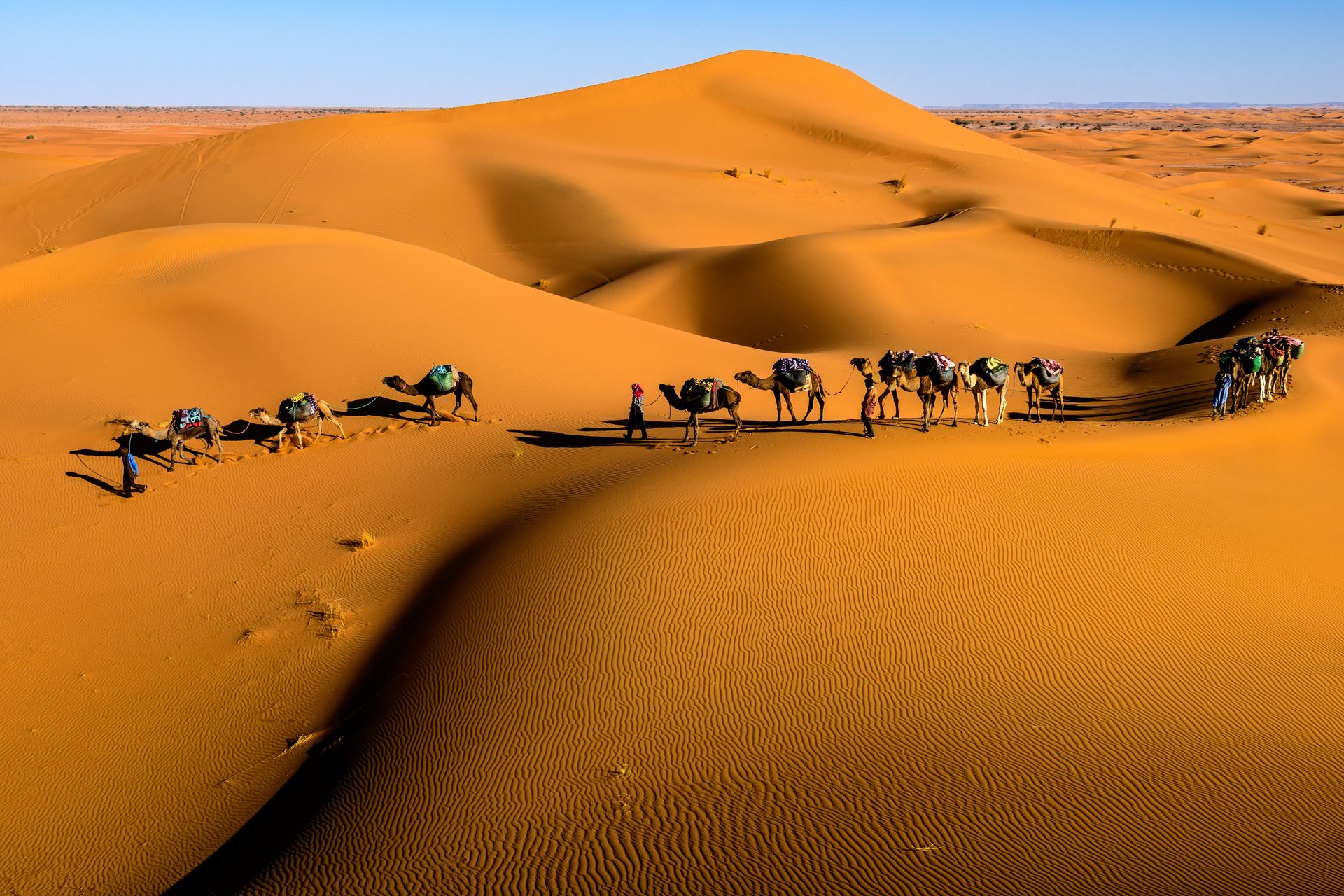
The Mali Empire — which at its height in the early 14th century controlled the western Saharan gold and salt trade routes, and encompassed modern-day Mali, Senegal, Gambia, Guinea-Bissau, Guinea, Ivory Coast, and parts of Mauritania and Niger — is most famous for the reign of Mansa Musa, who ruled from 1312 to 1337. His pilgrimage to Mecca in 1324–1325, accompanied by a retinue estimated at tens of thousands of people and vast quantities of gold, was one of the most consequential single journeys in medieval history — his distribution of gold along the route caused inflation in Egypt and the Middle East that lasted more than a decade.
The Mali Empire had been building for over a century before Mansa Musa. Its founder Sundiata Keita had defeated the Sosso king Sumanguru Kante at the Battle of Kirina around 1235, establishing Mali as the dominant power in the region. Successive rulers extended the empire's reach, controlling the trans-Saharan trade routes that carried gold, salt, kola nuts, and enslaved people across the desert.
But the period of peak coherence and maximum extent was short. After Mansa Musa's death in 1337, succession disputes weakened central authority. The Songhai kingdom, which had been a vassal state, began asserting independence. Tuareg raiders from the north threatened the empire's Saharan trade routes. By the early 15th century, the Mali Empire had lost much of its territory and trade dominance to the rising Songhai Empire.
The empire at its most powerful — able to project authority across a vast territory and control the most lucrative trade routes in sub-Saharan Africa — lasted approximately a century, from Sundiata's victory to the decline following Mansa Musa. The name "Mali" persisted for another century, but the coherent imperial entity had already contracted severely.
11 / 15

Credit: Hamid Mohammad Hossein Zadeh Ha / Pexels
The Safavid Empire is typically dated from 1501, when Shah Ismail I captured Tabriz and declared himself Shah of Iran, and is often said to have lasted until 1736 — giving it more than two centuries of existence. That longer frame is accurate. But within it, the foundational imperial project — the rapid conversion of a religiously diverse Iran to Twelver Shia Islam, the construction of a new state apparatus, and the expansion of territory — was compressed into a single reign of remarkable intensity and followed almost immediately by near-catastrophic collapse.
Ismail I came to power at around 14 years of age, leading a Sufi religious order-turned-military force called the Qizilbash. Within a decade, he had conquered most of Iran and parts of Iraq. His forces believed him to be divinely protected — this messianic belief was a key source of their cohesion and military ferocity. Ismail himself, at least in the early years, appears to have believed it too.
The catastrophe came at the Battle of Chaldiran in 1514, where the Ottoman Sultan Selim I defeated Ismail with devastating effect. The Ottomans deployed gunpowder artillery; the Qizilbash cavalry, fighting on religious conviction that they were invincible, did not. Ismail reportedly never fully recovered psychologically from the defeat. He withdrew from active campaigning and died in 1524.
The state he had built survived him, but the confident, expansionist, messianic empire of Ismail's first decade was essentially a different thing from the more cautious, institutionalized Safavid state that came after Chaldiran. The founding imperial phase — from 1501 to 1514 — lasted 13 years. Everything after that was consolidation and survival rather than the original project.
12 / 15

Credit: Tom D'Arby / Pexels
The Xiongnu Confederation was the dominant power on the Eurasian steppe for roughly two centuries, from the late 3rd century BCE until the 1st century CE. At their peak under the chanyu (supreme ruler) Modu — who seized power in 209 BCE by arranging his father's assassination — the Xiongnu controlled the steppe from Manchuria to the Tarim Basin in the west, and regularly raided Han China to the south.
Modu's empire was the reason the early Han emperors pursued a policy of heqin — "peace marriages," sending Chinese princesses and tribute payments to the Xiongnu court in exchange for a reduction in raids. It was also a significant driver of the early construction and expansion of what would eventually become the Great Wall. The Xiongnu, in other words, shaped Chinese statecraft during one of its most formative periods.
But the Xiongnu political structure was extremely personal — authority flowed from the chanyu's ability to distribute plunder and enforce military hierarchy. When internal succession disputes arose, the empire split. In 54 BCE, the confederation divided into northern and southern branches. The southern Xiongnu eventually submitted to Han suzerainty. The northern Xiongnu were defeated by Han forces and their former steppe subjects in 89 CE in the Battle of Ikh Bayan, after which they either scattered westward — possibly contributing to later nomadic pressures on the Roman Empire — or were absorbed.
The coherent, unified Xiongnu Empire that genuinely threatened Han China as a peer power lasted from Modu's rise in 209 BCE to the split of 54 BCE — roughly 155 years. As an expansionist, centrally directed power, its productive period was even shorter.
13 / 15

Credit: Ahmet Polat / Pexels
A clarification is needed here: the Ottoman Empire itself lasted from roughly 1299 to 1922, making it one of the longest-surviving empires in history and entirely the wrong entry for this list. What belongs here, and deserves its own treatment, is the specific period of Ottoman maximum expansion — the age of Suleiman I, known in the west as "the Magnificent" and in Ottoman sources as "the Lawgiver."
Suleiman came to the throne in 1520 and ruled until his death in 1566 — 46 years of almost uninterrupted military campaigning and administrative reform. In that window, the Ottomans took Belgrade (1521), won the Battle of Mohács (1526) and absorbed most of Hungary, besieged Vienna for the first time (1529), conquered Mesopotamia from the Safavids, extended Ottoman naval dominance across the eastern Mediterranean through the campaigns of Hayreddin Barbarossa, and expanded into North Africa and the Red Sea. The empire's territory grew by millions of square kilometers during his reign.
After 1566, the Ottoman Empire did not immediately collapse — it remained a great power for another three centuries — but it never again expanded as rapidly or as decisively. The era of Suleiman represents a compression of empire-building that was extraordinary even by Ottoman standards. His 46-year reign produced more territorial gain than the preceding two centuries of Ottoman expansion in many directions.
The lesson from Suleiman's era is a different one from the others on this list: maximum imperial ambition concentrated in a single reign, creating a high-water mark that the empire could sustain but never reproduce.
14 / 15
Credit: Vladimir Srajber / Pexels
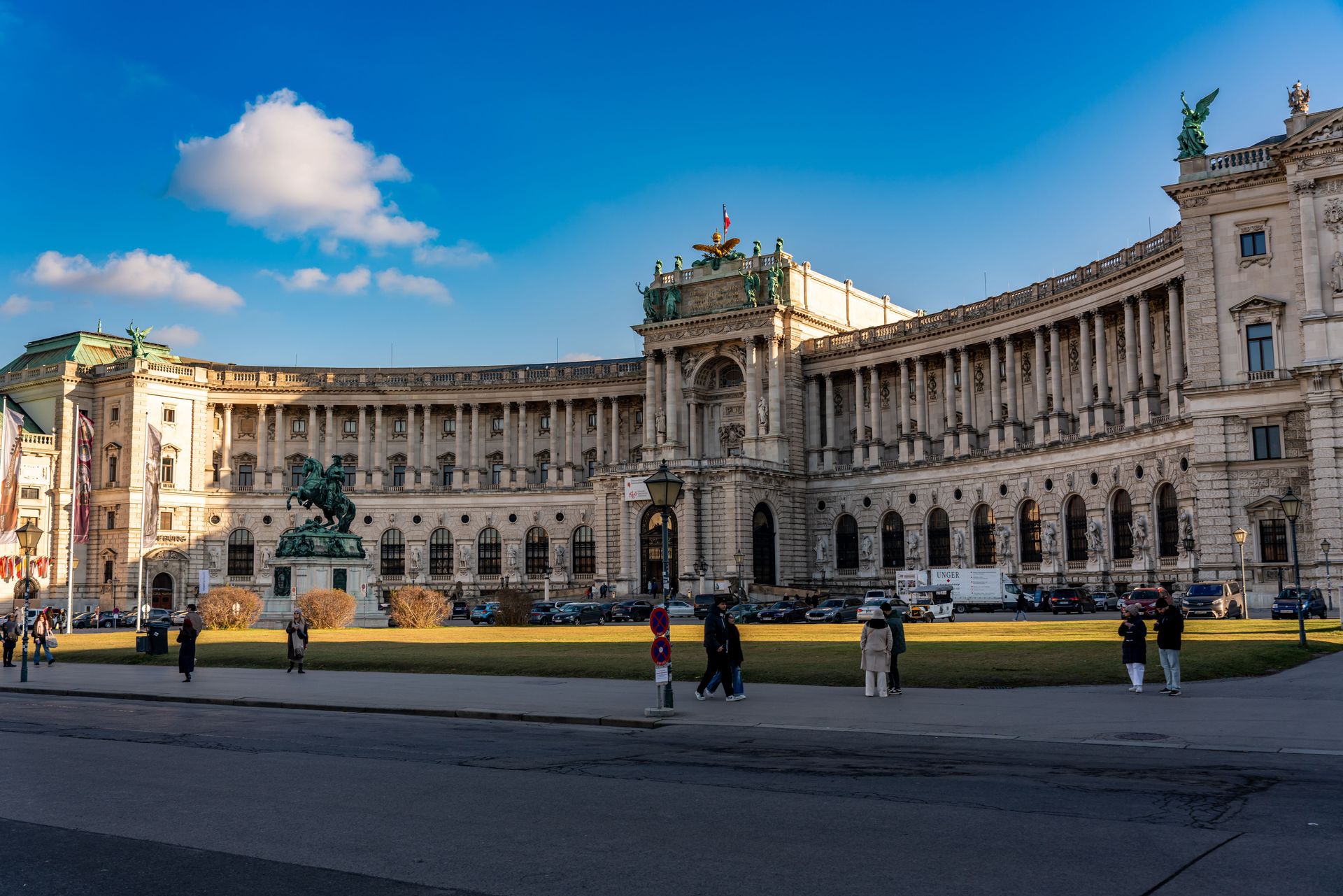
The Austro-Hungarian Empire — formally the Dual Monarchy of Austria-Hungary — is often treated as a long-standing European power, and in its earlier Habsburg form, it was. The house of Habsburg had been a major European dynasty for centuries. But the specific political entity known as Austria-Hungary, created by the Compromise of 1867 (the Ausgleich), was a much younger and shorter-lived construction.
The Ausgleich was a pragmatic response to Habsburg weakness after defeat by Prussia in the Seven Weeks' War of 1866. It restructured the empire as two equal constitutional monarchies — Austria and Hungary — sharing a single monarch (the Habsburg emperor), a common army, and common ministries of foreign affairs and finance, but with otherwise separate governments, parliaments, and administrations. This was an empire built by negotiation rather than conquest, managing nationalism rather than suppressing it.
For roughly 50 years, the arrangement held. Austria-Hungary was a middle-ranking great power, home to 11 recognized nationalities and multiple languages, producing a cultural efflorescence — Vienna's fin-de-siècle intellectual and artistic life is one of the great concentrated bursts of creativity in European history — while simultaneously failing to resolve the structural tensions that made its component parts restless.
The assassination of Archduke Franz Ferdinand in Sarajevo on June 28, 1914, did not cause the empire's collapse by itself. But the war that followed — World War I — destroyed it in four years. By November 1918, Austria-Hungary had signed an armistice, its armies had disintegrated, and the successor states of Austria, Hungary, Czechoslovakia, and the Kingdom of Serbs, Croats and Slovenes had declared independence. The specific political structure created in 1867 had lasted 51 years.
The Dual Monarchy is a useful case study in how an empire built on managed compromise can hold itself together as long as the external pressure stays below a certain threshold — and what happens when it doesn't.
15 / 15

Credit: Gökberk Keskinkılıç / Pexels
The Soviet Union itself — the USSR as a state — lasted from 1922 to 1991, a run of 69 years. But the specifically imperial project that concerns this entry is narrower: the Soviet Union as a hegemonic power controlling Eastern Europe through a combination of military presence, ideological alignment, and political coercion — what historians sometimes call the Soviet outer empire.
That project began in earnest in 1944–1945, as Soviet forces advanced westward and the Yalta Conference formalized the division of Europe into spheres of influence. By 1949, the governments of Poland, Czechoslovakia, Hungary, Romania, Bulgaria, and East Germany were all effectively under Soviet control — politically through communist parties aligned with Moscow, militarily through the Warsaw Pact (formalized in 1955), and economically through COMECON. Yugoslavia and Albania were partial exceptions, having pursued their own paths.
Soviet military interventions to maintain the bloc — Hungary in 1956, Czechoslovakia in 1968 — demonstrated both the system's rigidity and its fragility. The Brezhnev Doctrine, which asserted the Soviet Union's right to intervene in any socialist country where socialism was threatened, was an acknowledgment that the system could not hold together on its own.
Between 1989 and 1991, it collapsed. The revolutions of 1989 swept through Poland, Hungary, East Germany, Bulgaria, Czechoslovakia, and Romania in a matter of months, each country abandoning communist rule in sequence. The Berlin Wall fell in November 1989. The USSR itself dissolved in December 1991.
The Soviet outer empire in Eastern Europe — the coherent bloc of satellite states — lasted from approximately 1947 to 1989: roughly 42 years. An entity that had seemed permanent and self-reinforcing turned out to be entirely dependent on the credibility of Soviet military intervention, and once that credibility was withdrawn under Mikhail Gorbachev, the whole structure came apart within two years.
