
Biodiversity arguments are often made in the language of loss and grief. This one is made in the language of function — what each of these species actually does, and what stops working when it no longer does it
Marri Shyam / Pexels
The argument for saving endangered species is usually made emotionally, and the emotional argument is real: there is something genuinely terrible about the permanent disappearance of a form of life that took millions of years to evolve. But the emotional argument has a weakness. It asks people to care about loss for its own sake, and people who are not already inclined to care about that kind of loss are not moved by it. The ecological argument is different, and in many ways harder to dismiss: it asks people to care about function. What does this species actually do? What processes does it participate in? What would stop working, or work differently, or work worse, if it were gone?
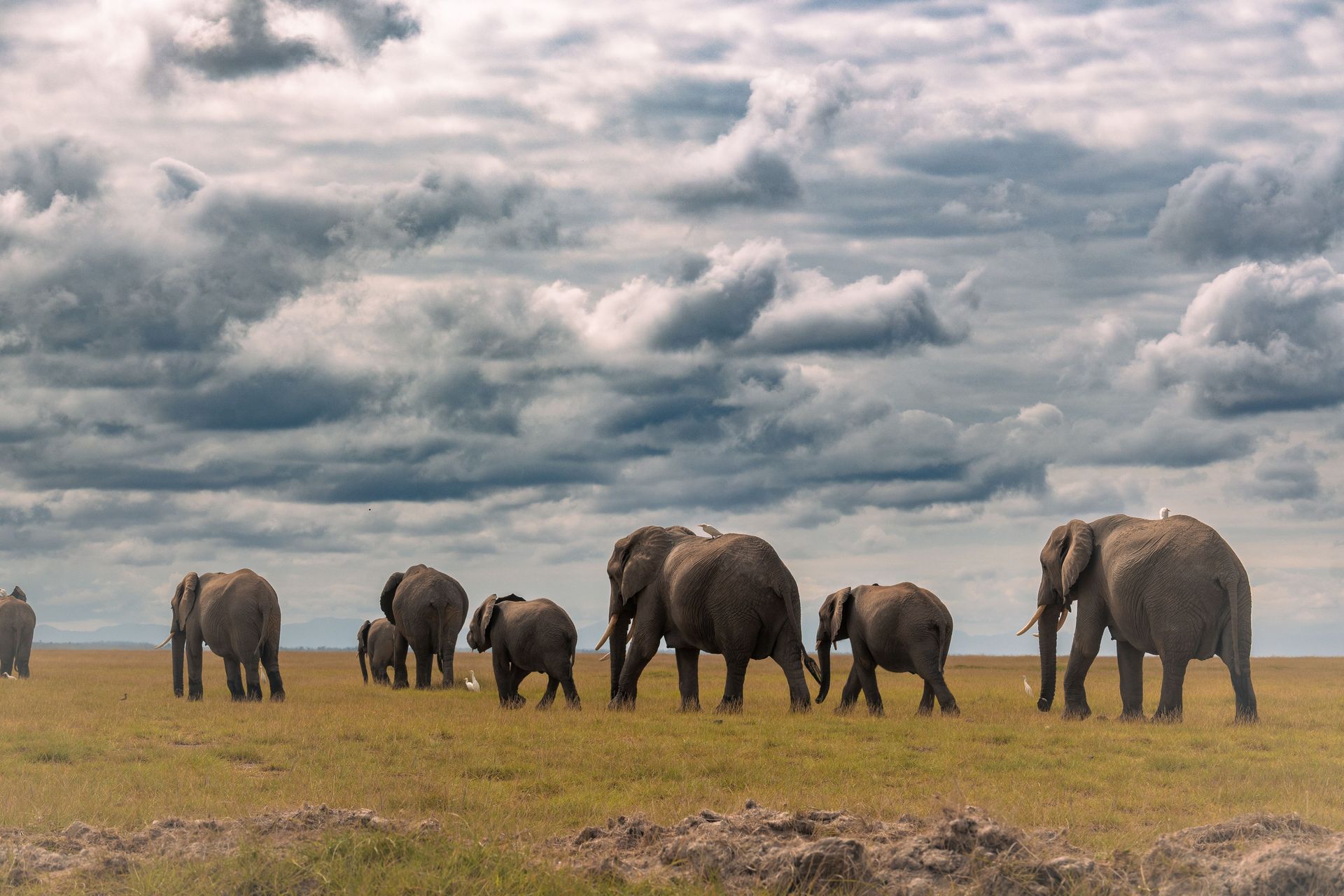
The answer, for the species in this list, is specific and consequential. The African elephant is not merely a large, impressive animal whose disappearance would represent an aesthetic impoverishment of the savanna. It is the primary mechanism by which African forests are prevented from closing over grasslands, by which water sources are created in dry seasons, and by which seed dispersal happens for dozens of tree species whose seeds are too large for smaller animals to move. Remove the elephant from the ecosystem and the ecosystem changes in ways that cascade through hundreds of species and millions of acres.
The ecological roles that endangered species perform are not interchangeable. The specific seed dispersal that a fruit bat performs for a specific tree in a specific forest is not performed by any other animal in that forest — the relationship is co-evolved over millions of years, and the tree's seed dispersal strategy, the timing of its fruit production, and the geography of its forest distribution are all calibrated to the bat. Lose the bat and the tree does not simply find another disperser; its reproduction is impaired, its range contracts, and the forest changes composition over decades.
This list covers 15 endangered species whose ecological function is documented, significant, and specific — the kinds of roles that ecosystem models can measure the consequences of losing. Each entry covers what the species does, why it cannot easily be replaced, and what the documented or predicted consequences of its loss would be. The argument is not that these species deserve to survive because they are beautiful or because their loss would be sad. It is that they are working, and that what they are doing matters.
Gamroth Joerg / Pexels
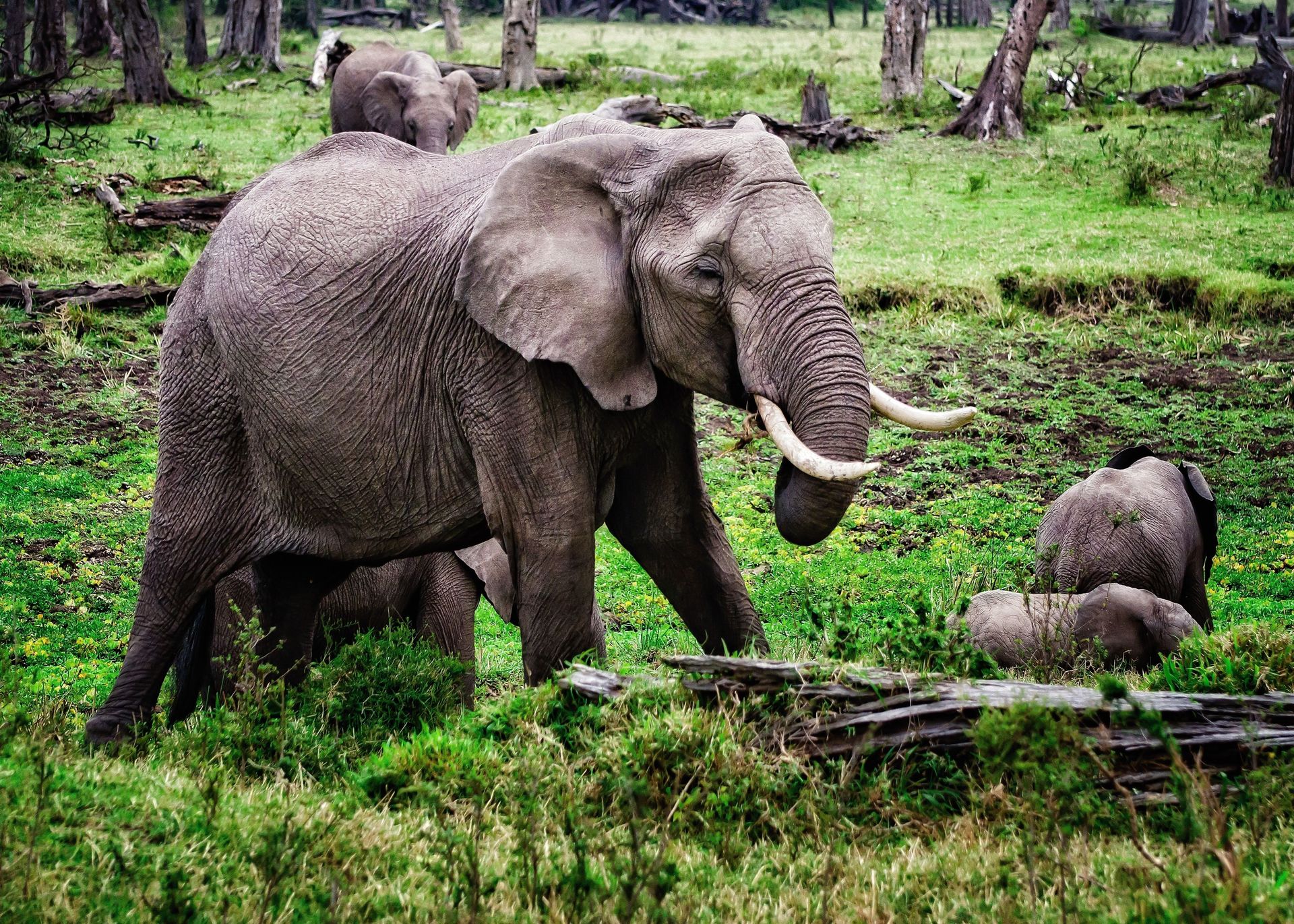
The African forest elephant — smaller than its savanna cousin, now listed as Critically Endangered following poaching pressure that reduced its population by more than 86% over three decades — is the primary engineer of Central African forest structure. It creates forest clearings (bais) by breaking trees and trampling vegetation, which become mineral-rich open areas that support hundreds of other species. It disperses the seeds of more than 96 tree species whose seeds are too large for any other forest animal to carry, including several commercially and ecologically critical timber species.
The forest elephant's seed dispersal role is irreplaceable in a specific and documented sense: a 2019 study published in Nature Geoscience found that the loss of forest elephants from Central African forests would reduce the carbon storage capacity of those forests by approximately 7%, because the trees whose seeds elephants disperse are disproportionately dense-wooded, high-carbon trees. The large seeds produce large trees; the elephants move the large seeds; no other animal in the forest can substitute for this function.
The carbon consequence is quantifiable: the researchers estimated that losing forest elephants would reduce the carbon storage of Central African forests by the equivalent of approximately 3 billion tonnes of CO₂ — approximately the annual carbon emission of the United States. The forest elephant is not merely ecologically important; it is a carbon sequestration infrastructure asset whose loss would have measurable climate consequences.
Population estimate: approximately 100,000 to 150,000. Primary threat: ivory poaching. IUCN status: Critically Endangered.
Jolo Diaz / Pexels
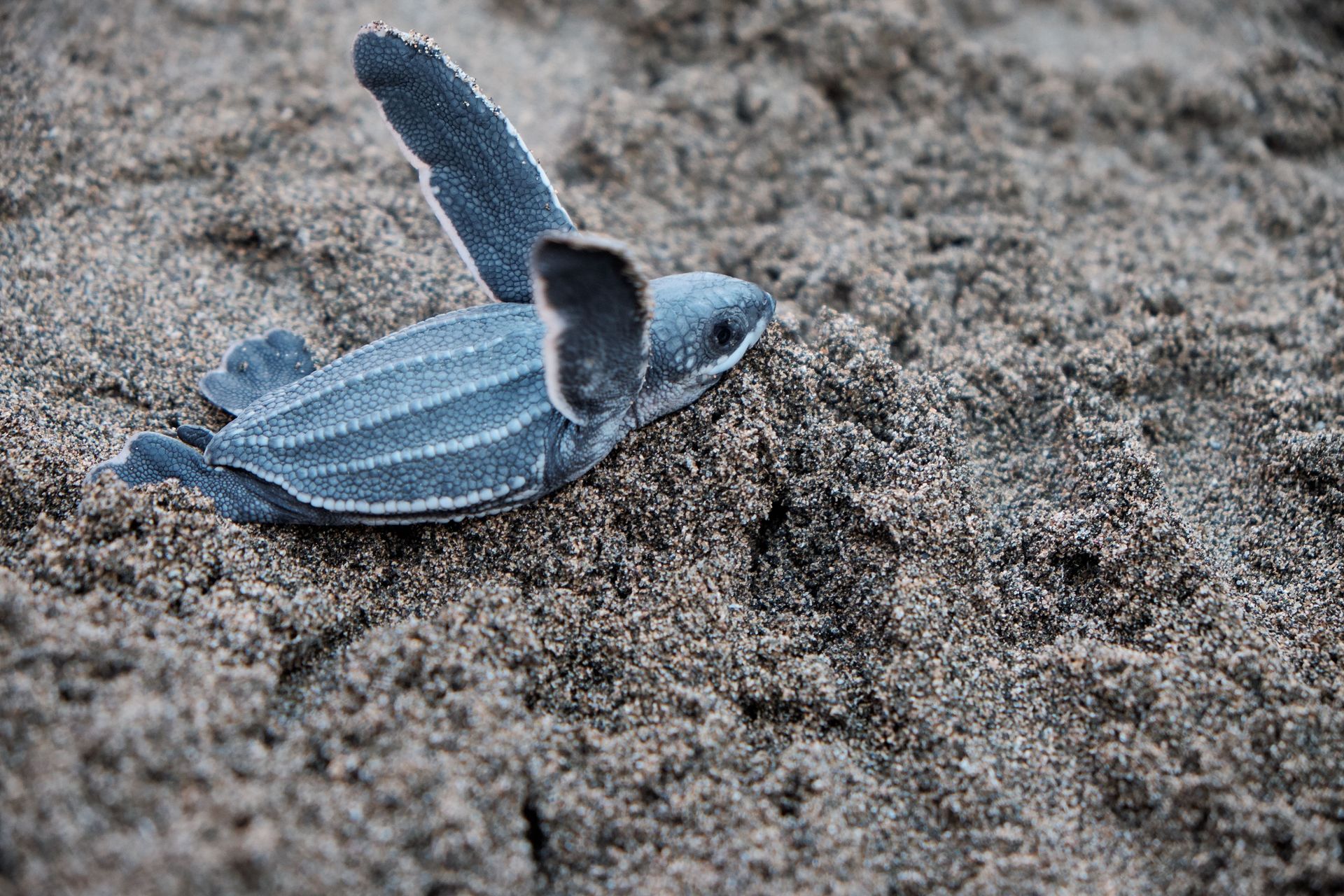
The leatherback sea turtle — the world's largest turtle, capable of reaching 2 meters in length and 900 kilograms — is the primary predator of jellyfish in open ocean ecosystems, and its ecological function is the regulation of jellyfish populations that, without predation, would bloom to levels that collapse fisheries and alter ocean food web structure.
Jellyfish populations in the world's oceans have been increasing significantly — driven by warming ocean temperatures, overfishing of competitor species, and coastal eutrophication — and the loss of leatherback predation would remove the primary biological control on this increase. A single leatherback eats approximately 73% of its body weight in jellyfish daily during feeding periods, and a population of leatherbacks concentrating on seasonal jellyfish blooms represents a predation pressure on jellyfish that no other marine predator provides at the same scale.
The secondary consequence of unchecked jellyfish proliferation is fishery collapse: jellyfish compete directly with fish larvae for zooplankton prey, and large jellyfish blooms reduce fish recruitment rates in ways that have been documented in the Sea of Japan, the Black Sea, and the Bering Sea. The leatherback is a keystone predator in an oceanic food web sense — its loss would change the balance of ocean ecosystems in ways that affect fisheries valued at billions of dollars annually.
Population estimate: fewer than 35,000 nesting females globally. Primary threats: bycatch, egg collection, beach development. IUCN status: Vulnerable globally, Critically Endangered in several regional populations.
Charles Miller / Pexels
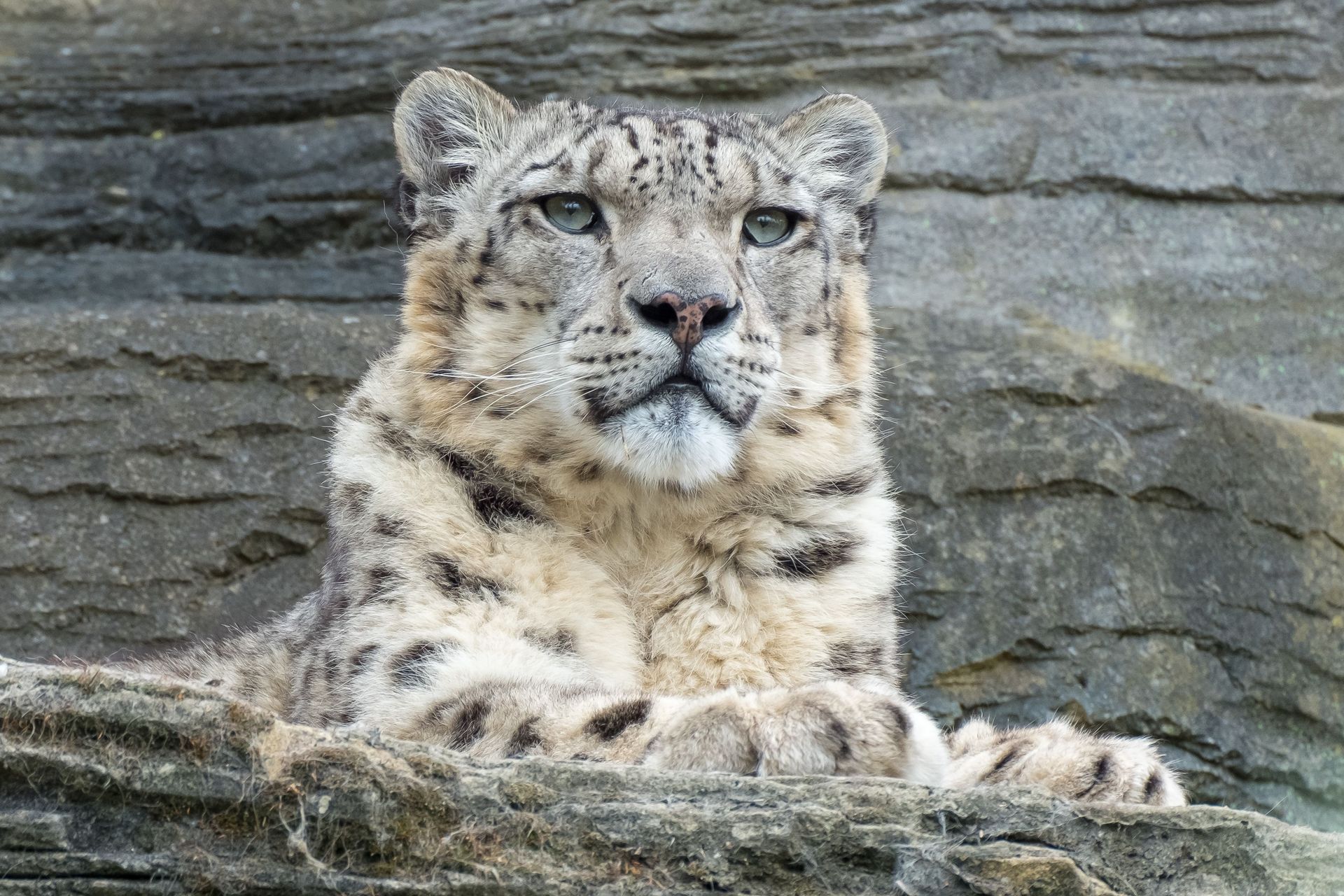
The snow leopard — the apex predator of the high-altitude ecosystems of Central Asia's mountain ranges, from the Himalayas to the Altai — regulates the populations of its primary prey, particularly wild ungulates including blue sheep (bharal), Himalayan tahr, and ibex, in ways that cascade through the alpine plant communities that those prey species graze.
The trophic cascade effect of snow leopard predation is the mechanism through which the species engineers its ecosystem. Where snow leopards are present, prey species move more frequently and avoid grazing any single area to exhaustion — a behavioral modification that reduces the overgrazing pressure on alpine meadows and maintains the plant diversity that hundreds of other species, including pollinators, small mammals, and birds, depend on. Where snow leopards are absent, prey species graze stationary patches to depletion, reducing plant diversity, accelerating soil erosion on steep slopes, and triggering downstream sediment loading in rivers.
The Himalayan rivers — the Indus, the Ganges, the Brahmaputra, the Mekong, the Yangtze — originate in the high-altitude watersheds where snow leopards live. The soil stabilization provided by the plant communities that snow leopard predation pressure maintains is, literally, the watershed integrity of rivers that provide freshwater to approximately 2 billion people.
Population estimate: 4,000 to 6,500. Primary threats: habitat loss, retaliatory killing by herders, prey depletion. IUCN status: Vulnerable.
Linnaea Mallette / Pexels
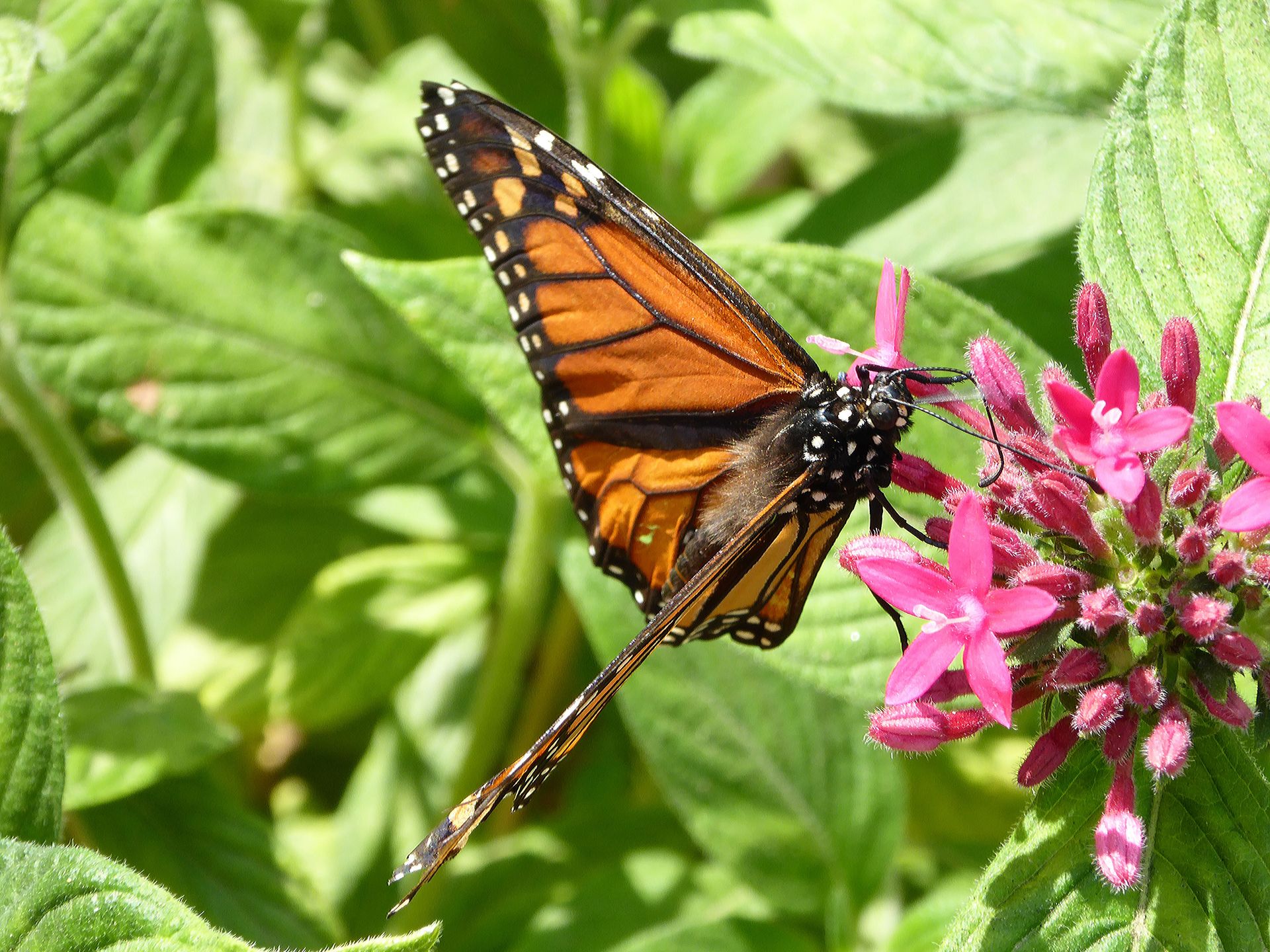
The monarch butterfly — whose population has declined by approximately 80 to 99% over the past four decades depending on the measurement method — is the primary long-distance pollinator of a significant swath of North American flowering plants and the most visible indicator of the broader collapse of migratory insect populations that underlies widespread pollination failure across the continent.
The monarch's specific ecological function is dual: as a pollinator (they are generalist pollinators of dozens of wildflower species along their migration route) and as a prey base (monarch caterpillars and adults are a food source for birds, spiders, and insects throughout their range). But the monarch's most significant ecological role may be as an indicator species: their population tracks the health of the milkweed-wildflower corridor from Mexico to Canada more reliably than any other measure, and their decline signals the degradation of that entire habitat corridor.
The agricultural consequence: the milkweed plants on which monarchs depend exclusively for larval food were eliminated from approximately 850 million acres of Midwest agricultural land between 1999 and 2010 through herbicide-tolerant crop adoption, according to research published in Insect Conservation and Diversity. The monarch's decline is therefore a measure of agricultural intensification's effect on native plant diversity across the most productive agricultural region in the world.
Population estimate (overwintering): approximately 225,000 in 2023 (eastern population), compared to approximately 1 billion in the 1990s. Primary threats: milkweed loss, pesticide exposure, habitat destruction. IUCN status: Endangered.
Walter Torres / Pexels
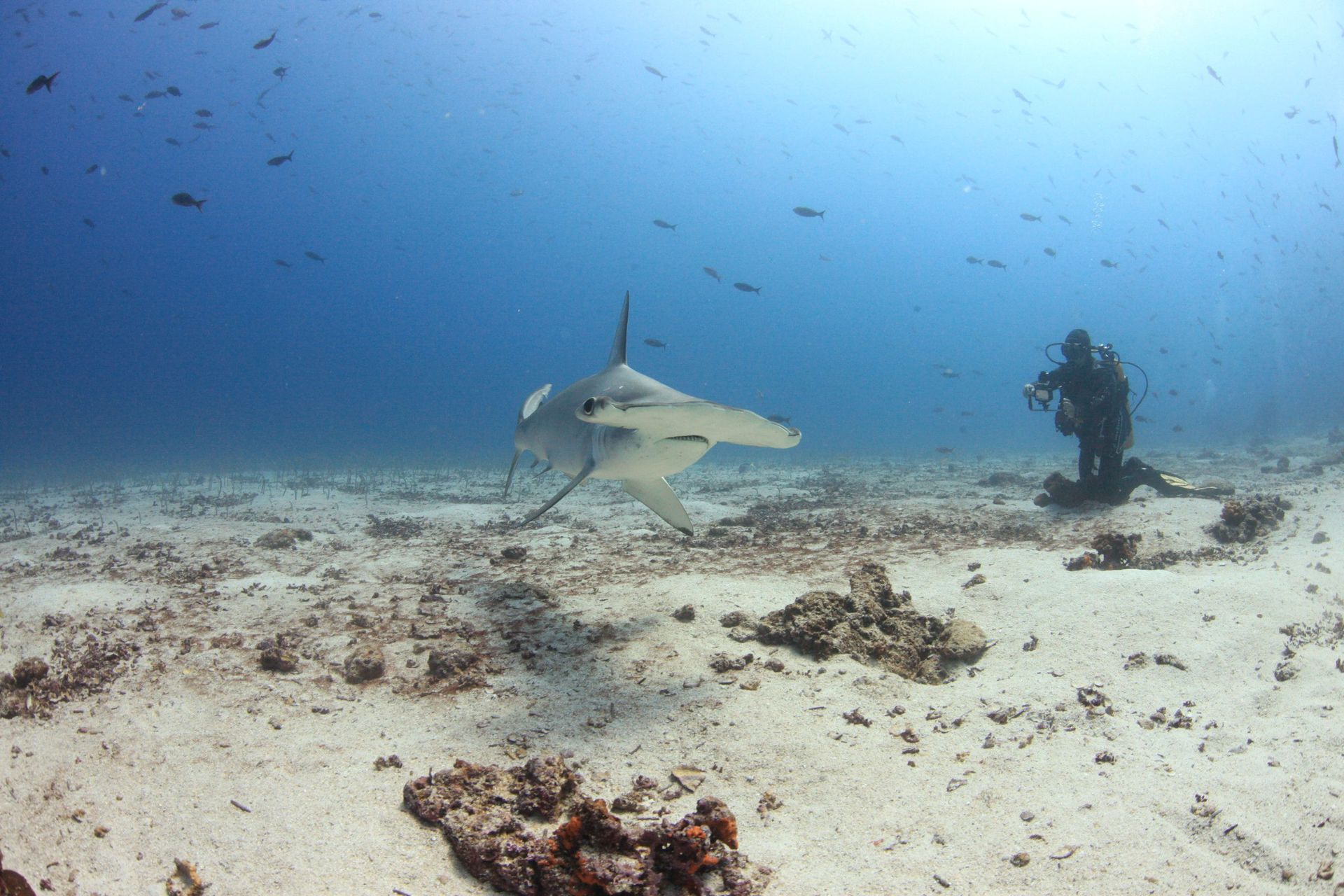
The great hammerhead shark — apex predator of tropical and subtropical coastal marine ecosystems, capable of reaching 6 meters in length — regulates the populations of mid-trophic predators (rays, large fish) in ways that prevent the competitive exclusion of smaller species and maintain the diversity of reef-associated fish communities. The loss of apex predators from marine ecosystems produces mesopredator release — the unchecked population growth of mid-level predators that then suppress the species below them in the food chain.
The specific documented consequence of hammerhead decline: cownose ray populations in the US Atlantic have increased dramatically following the decline of large coastal sharks, including hammerheads, and the increased ray populations have devastated scallop and shellfish populations through intensified bottom grazing. A 2007 study in Science documented the collapse of North Carolina bay scallop populations following the shark decline, estimating the economic impact at approximately $1 billion over 35 years.
The great hammerhead's global population has declined by more than 80% over three decades, driven primarily by bycatch in longline fisheries and targeted fishing for fins. As a slow-reproducing species — females reach sexual maturity at approximately 10 years and produce relatively small litters — population recovery from depletion is extremely slow even when fishing pressure is reduced.
Population estimate: unknown; trend is severely declining. Primary threats: bycatch, fin trade. IUCN status: Critically Endangered.
Arwin Waworuntu / Pexels
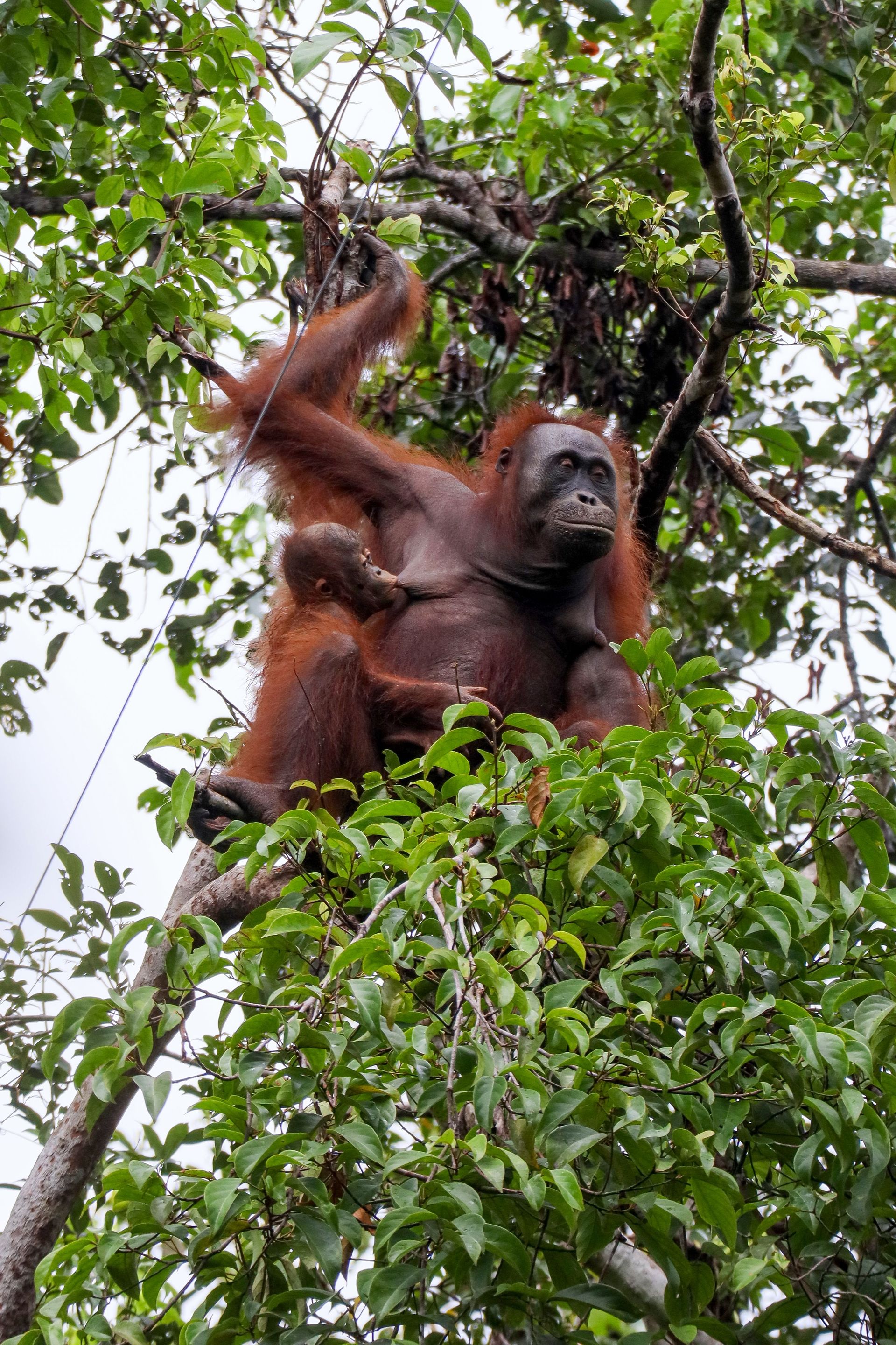
The Bornean orangutan — now Critically Endangered following population declines of more than 50% in the past 60 years — is the primary seed disperser for many of the largest-fruited trees of the Bornean rainforest, and the keystone disperser of dipterocarp trees whose seeds are too large for birds or smaller mammals to carry effectively.
Orangutans move through the forest over large home ranges, ingesting fruit and defecating seeds far from the parent tree — the distance from the parent tree is critical for seedling survival, because seedlings close to the parent compete with it for light and are subject to higher density of host-specific pathogens and seed predators. Orangutans regularly move seeds more than 1 kilometer from the parent tree, a dispersal distance that very few other forest animals achieve for large-seeded fruits.
The Bornean dipterocarp forest is the most species-rich timber forest in the world and the primary carbon store of Southeast Asian tropical forests. The regeneration of dipterocarp forests after logging depends on seed dispersal — specifically on the movement of large seeds away from the isolated parent trees that survive selective logging. Without orangutans to perform this dispersal, logged dipterocarp forests regenerate poorly, and the long-term carbon recovery of Southeast Asian forests after disturbance is impaired.
Population estimate: approximately 104,700 (2016). Primary threats: habitat destruction for palm oil and timber, hunting. IUCN status: Critically Endangered.
The American bison — once numbering approximately 30 to 60 million animals and reduced to fewer than 1,000 animals by 1889 before conservation efforts brought the population back to approximately 500,000 (mostly in managed herds) — is the ecosystem engineer of North American grasslands, whose grazing behavior and physical disturbance maintains the structure and diversity of the tallgrass and mixed-grass prairies that constitute one of the most endangered ecosystems in North America.
Bison grazing is ecologically distinct from cattle grazing in several important ways: bison move continuously through the landscape, preventing the overgrazing of any single area; their wallowing behavior (rolling in dust and mud) creates depressions that fill with water after rain, creating microhabitats for amphibians, invertebrates, and migratory birds; and their grazing selectivity promotes grass diversity by preferentially grazing dominant grass species and reducing their competitive advantage over less dominant species.
The wild bison population in North America is a fraction of what it was — approximately 20,000 to 30,000 animals in conservation herds and national park populations, compared to tens of millions historically. The grassland ecosystems that bison maintained are themselves now among the most threatened in North America: the tallgrass prairie has been reduced to less than 4% of its historical extent, with the rest converted to agriculture. The bison's functional restoration to these grasslands is one of the highest-leverage ecological restoration actions available in North America.
Population estimate: approximately 500,000 total; fewer than 30,000 in wild/conservation herds. Primary threats: historical commercial hunting; current threats include hybridization with cattle and restricted range. IUCN status: Near Threatened.
Mark Thomas / Pexels
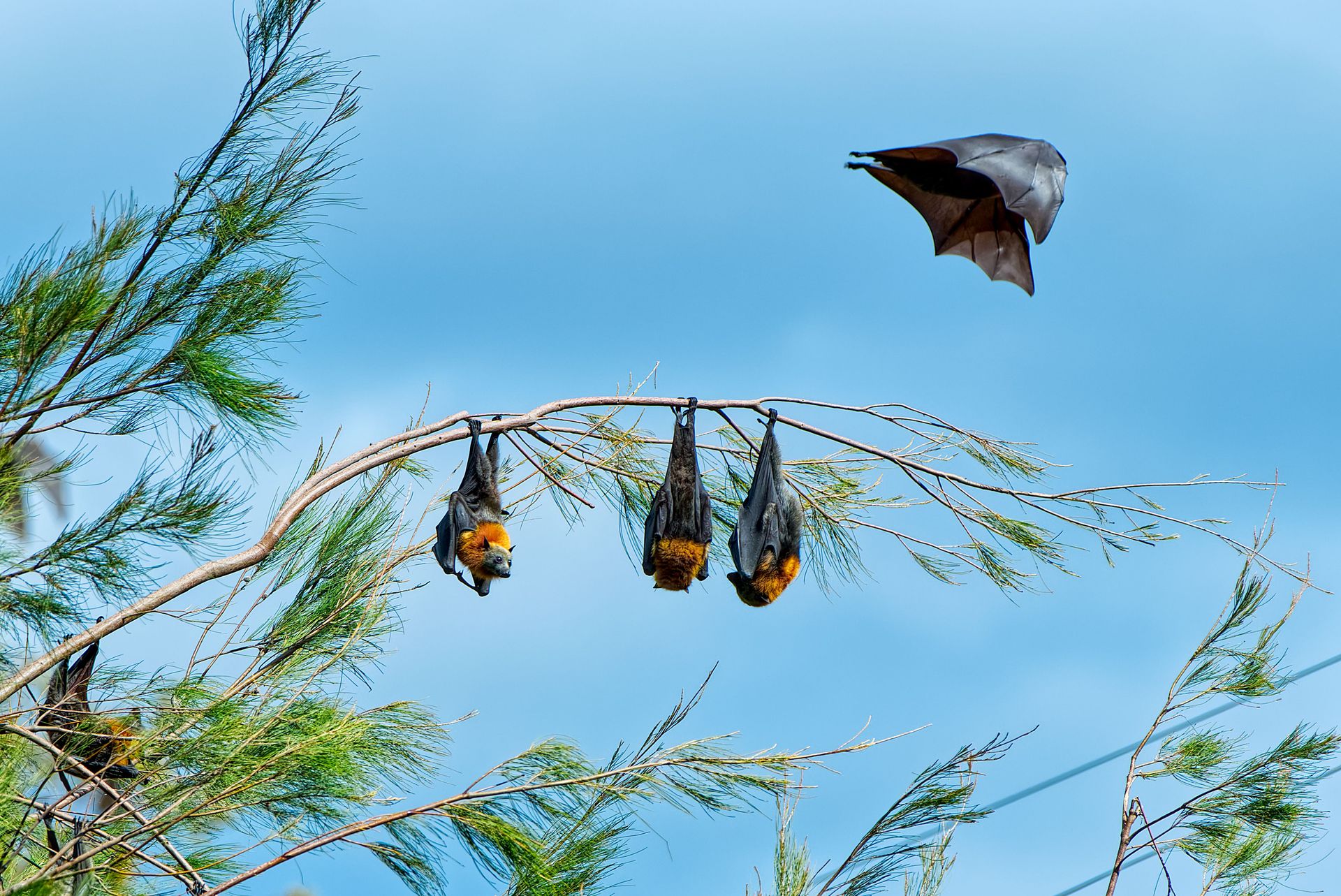
Flying foxes — the large fruit bats of the genus Pteropus, found across South and Southeast Asia, the Pacific islands, and Australia — are the primary pollinators and seed dispersers for a significant proportion of the tree species in the tropical and subtropical forests of their range, including several species with significant economic importance for local human communities.
A single flying fox can disperse seeds up to 40 kilometers from the parent tree in a single night — a dispersal distance that no other vertebrate in its range approaches — and can pollinate thousands of flowers per night through its large body size and tendency to move between trees in ways that transfer significant pollen loads. Several commercially important tree species, including durian (Southeast Asia's highest-value tropical fruit) and the trees that produce rainforest timber species, depend on flying foxes for pollination.
The conservation status of flying foxes varies dramatically by island: on the Pacific islands of Guam and several other Micronesian islands, hunting has reduced flying fox populations to near-zero or zero, and the plant communities of these islands are measurably different from those of nearby islands with intact flying fox populations — with reduced tree recruitment and altered forest composition tracking the loss of the dispersal function.
Population estimate: varies dramatically by species; several species have fewer than 10,000 individuals. Primary threats: hunting for bushmeat, roost destruction, cyclones in island populations. IUCN status: varies by species; several Critically Endangered.
Rino Adamo / Pexels
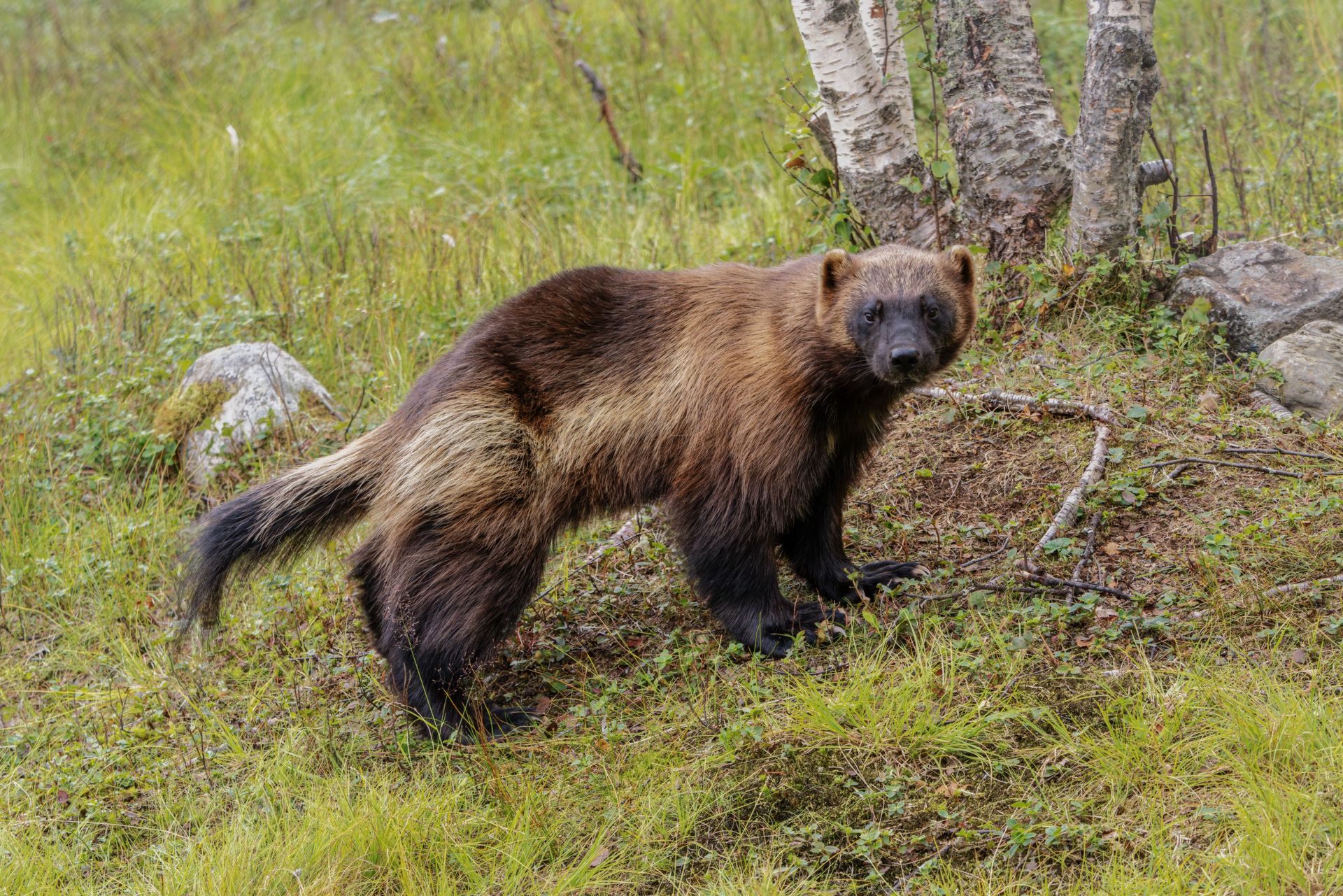
The wolverine — the largest terrestrial member of the weasel family, distributed across boreal and subarctic habitats of North America, Scandinavia, and Russia — is a wide-ranging scavenger and predator whose ecological function is the opening of large carcasses that other predators and scavengers cannot access, the distribution of carrion across large areas of winter snowpack, and the regulation of small and medium ungulate populations in landscapes where larger apex predators are absent.
The wolverine's physical strength relative to its body size — it can drag carcasses several times its own body weight through deep snow — allows it to access frozen carcasses in winter conditions that exclude most other scavengers. Its wide-ranging behavior (wolverines maintain home ranges of 500 to 2,000 square kilometers) means that carcass nutrients are distributed across large areas rather than concentrated at kill sites. This nutrient distribution fertilizes vegetation at scavenge and cache sites and maintains the landscape-scale nutrient cycling that winter snowpack ecosystems depend on.
The wolverine's deep dependence on persistent spring snowpack — it caches food under snow and requires snow-covered dens for natal kits — makes it one of the North American species most directly threatened by climate-driven snowpack reduction. The wolverine's range in the contiguous United States has contracted significantly, and remaining populations are fragmented by mountain ranges separated by low-elevation valleys with insufficient snow cover.
Population estimate (North America): approximately 300 in the contiguous US; larger but declining populations in Canada and Alaska. Primary threats: climate change, trapping, habitat fragmentation. IUCN status: Vulnerable.
Fuka jaz / Pexels
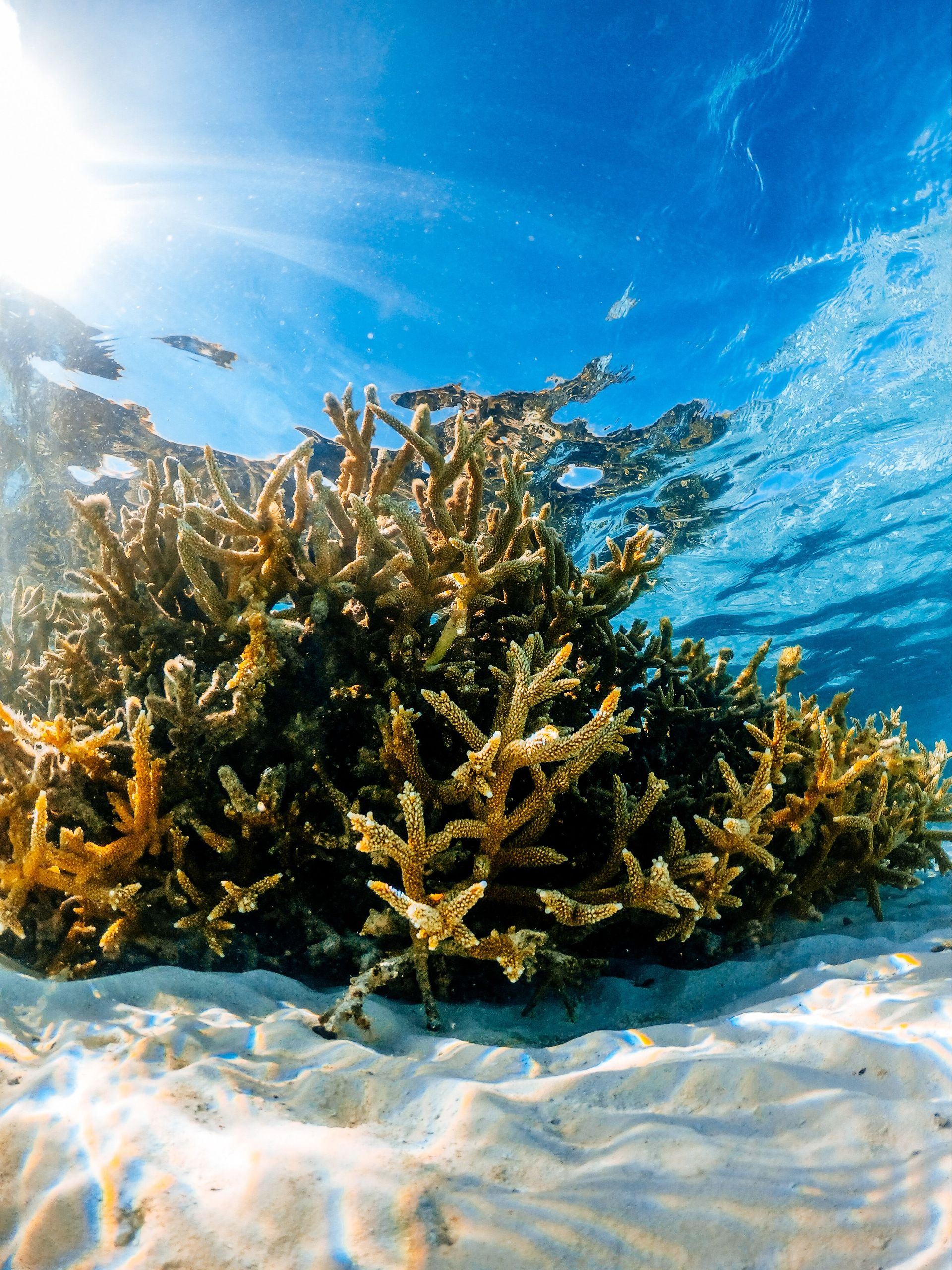
Staghorn coral — one of the primary reef-building coral species of the Caribbean, whose branching structure creates the three-dimensional habitat complexity that reef fish communities depend on — has declined by more than 98% across its Caribbean range since the 1980s, representing one of the most precipitous population collapses of any marine species in recorded history.
Coral reefs are habitat, not merely organisms: the physical structure of a staghorn coral colony creates the hiding places, spawning sites, and feeding territories that hundreds of fish species require for their life cycles. The loss of staghorn coral has not merely reduced the number of corals on Caribbean reefs; it has fundamentally changed the physical structure of those reefs, reducing their complexity from the branching three-dimensional architecture that staghorn creates to the flatter, simpler structure of the encrusting corals and algae that have replaced it.
The fishery consequence is direct and measurable: fish biodiversity and biomass on Caribbean reefs with intact staghorn populations are substantially higher than on reefs where staghorn has been replaced by simpler reef structure. The reef fisheries that feed Caribbean coastal communities depend on the habitat complexity that staghorn provides, and the decline of staghorn has contributed to Caribbean reef fishery collapses that have had significant food security consequences.
Population estimate: severely depleted across 97 to 98% of historical range. Primary threats: ocean warming and bleaching, disease (white band disease), ocean acidification. IUCN status: Critically Endangered.
Jolene Boshoff / Pexels
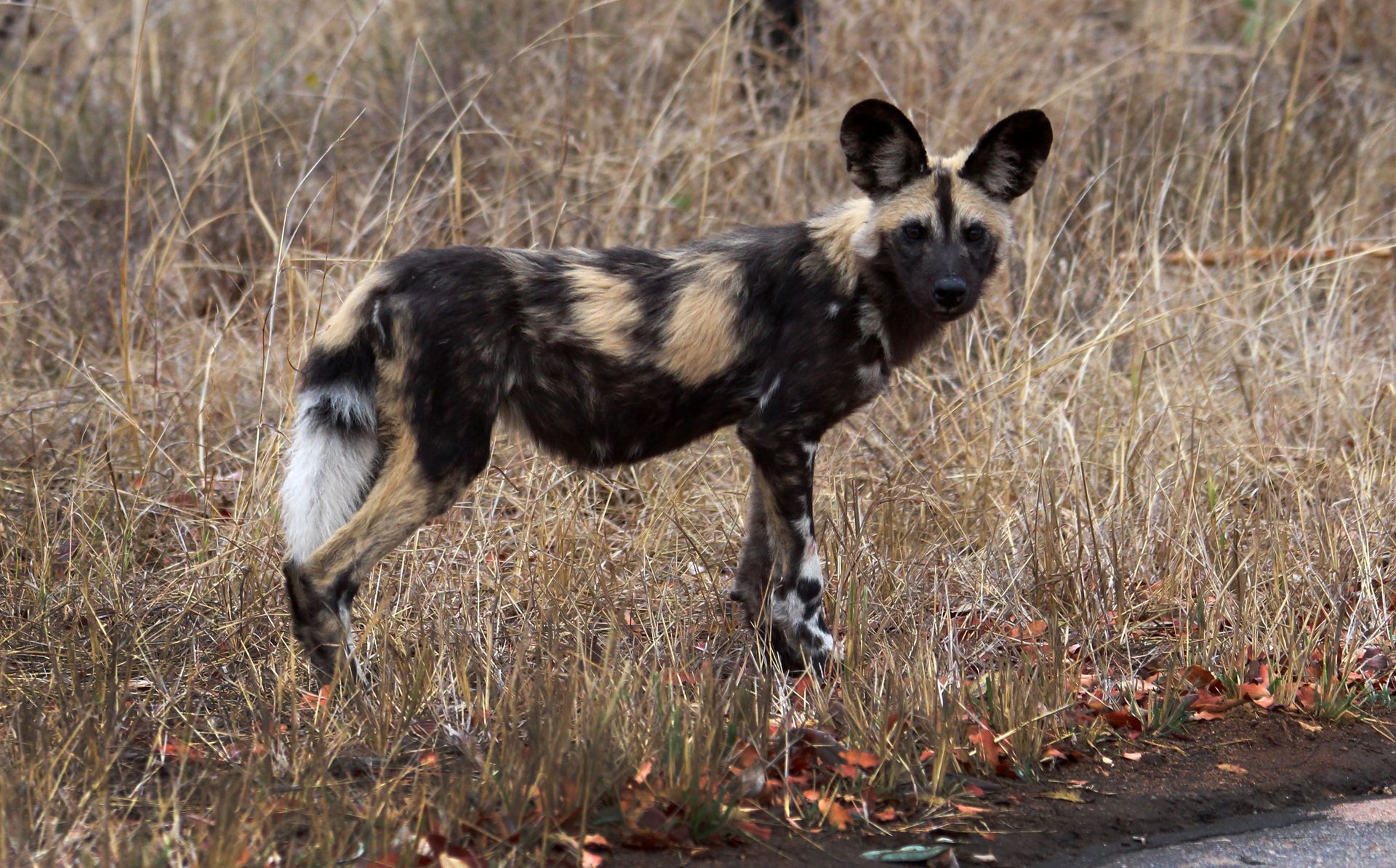
The African wild dog — the most efficient large predator in Africa by kill success rate (approximately 80%, compared to 25 to 30% for lions) — regulates the behavior and distribution of prey species across its range through a combination of direct predation and the fear effect: the behavioral modifications that prey species make in response to the presence of wild dog packs.
Wild dog packs hunt over very large areas — home ranges of 400 to 700 square kilometers — which distributes predation pressure more evenly across the landscape than the more territorial lions and leopards. This even distribution of predation pressure prevents the overgrazing of any single area by prey species and maintains the mosaic of vegetation structure that supports the full diversity of savanna species.
The fear effect of wild dog presence — the tendency of prey species to avoid areas of high wild dog activity, even when dogs are not actively hunting — is documented in research showing that prey species in areas with wild dogs show less sedentary grazing behavior and wider habitat use than prey species in areas without wild dog packs. This behavioral ecology effect, sometimes called the landscape of fear, maintains vegetation structure through prey behavior rather than through direct predation.
Population estimate: approximately 6,600. Primary threats: habitat loss, human-wildlife conflict, disease (canine distemper). IUCN status: Endangered.
Andrey Giljov / Wikimedia Commons (CC BY-SA 4.0)
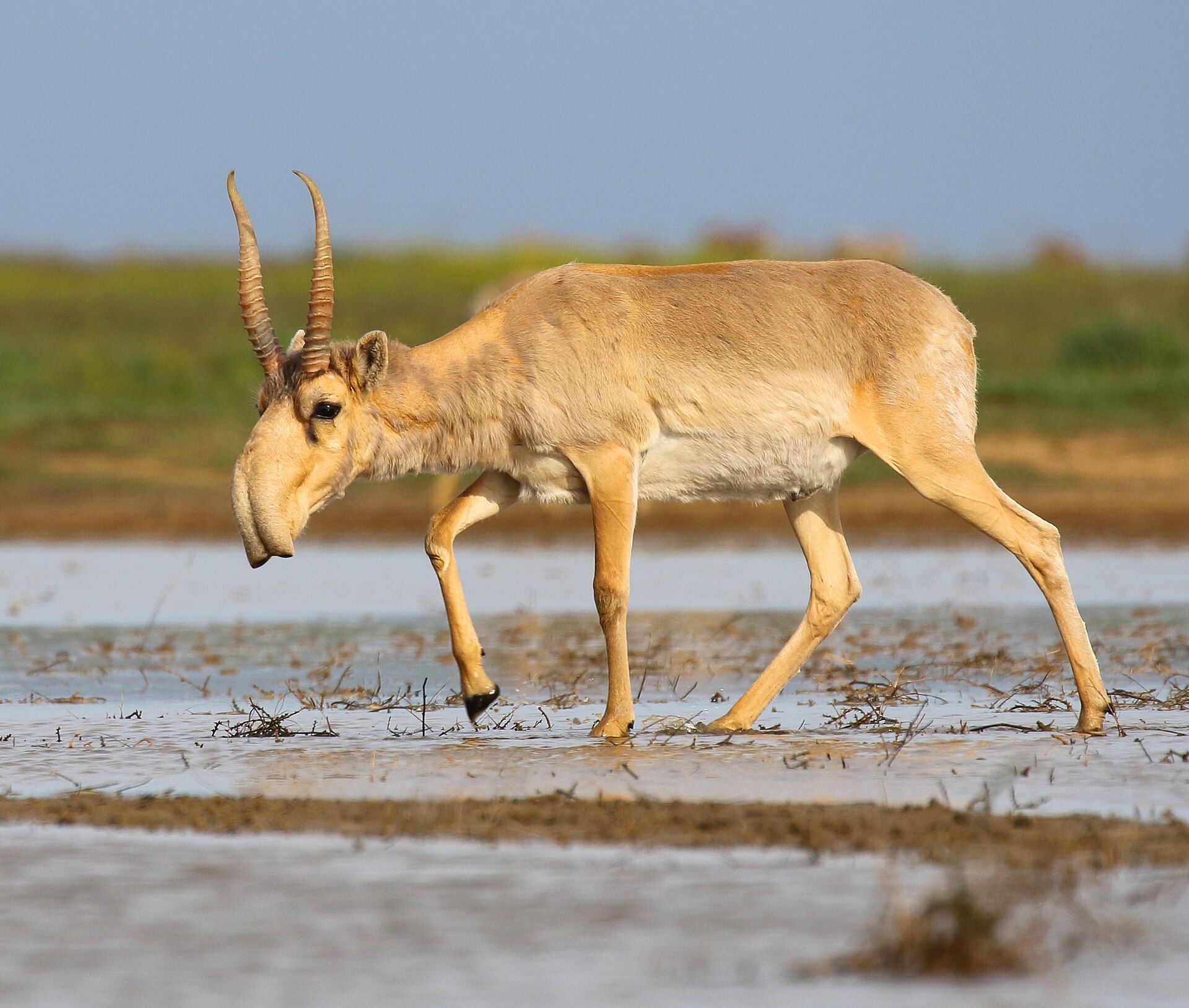
The saiga antelope — the peculiar, bulbous-nosed steppe ungulate of Central Asia, once numbering in the millions and reduced by poaching to fewer than 50,000 in the early 2000s before partial recovery — is the primary grazer of the Eurasian steppe ecosystem and the primary prey base for the large predators (wolves, snow leopards in montane areas) whose populations track saiga availability.
The saiga's specific ecological function is not merely grazing — it is the nutrient cycling that its large aggregations perform. Saiga historically moved in herds of tens of thousands, and their concentrated grazing of specific areas followed by movement produced a grazing cycle that maintained steppe grass diversity and prevented the dominance of unpalatable grasses that excludes other grazers. The nutrient deposition of large saiga aggregations at specific grazing sites was a concentrated fertilization event that supported the plant productivity of the steppe ecosystem.
The saiga population was decimated by mass die-off events caused by the bacterium Pasteurella multocida — which killed approximately 200,000 animals (60% of the global population) in 2015 in a single event triggered by unusually warm and humid weather conditions. Climate change is increasing the frequency of the weather conditions that trigger these events, making the saiga's recovery trajectory increasingly precarious independent of poaching pressure.
Population estimate: approximately 1.9 million following significant recovery (2022). Primary threats: poaching for horns, bacterial die-off events amplified by climate change. IUCN status: Near Threatened (recently improved from Critically Endangered following recovery).
Thomas Hawkins / Pexels
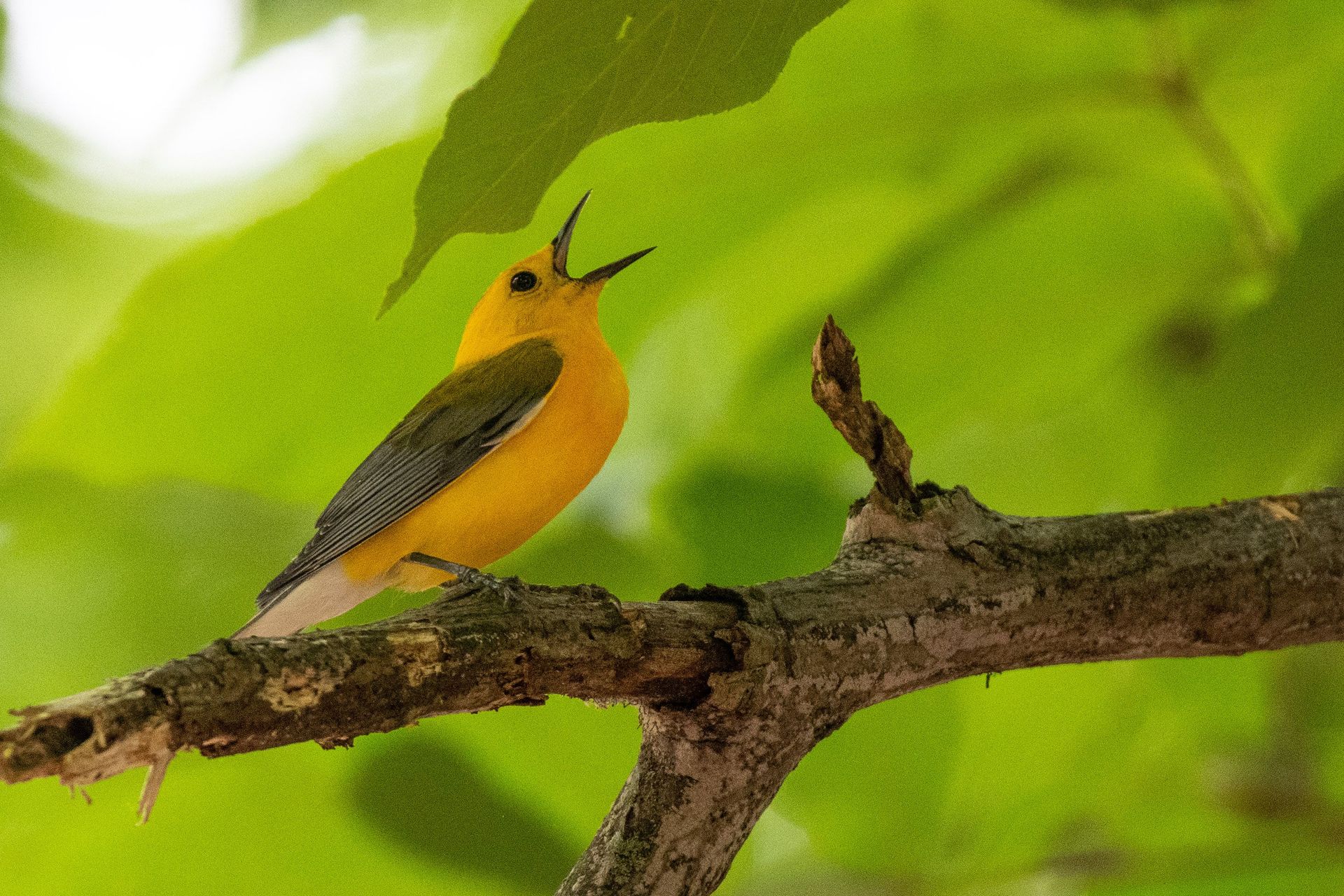
Migratory songbirds as a category have declined by approximately 3 billion individuals in North America since 1970 — a reduction of approximately 30% of the total bird population in 50 years, representing the loss of one of the primary insect control mechanisms in North American forests, grasslands, and agricultural landscapes.
The golden-cheeked warbler — Critically Endangered, breeding only in the juniper-oak woodlands of central Texas — is a representative species for the broader category. A single warbler consumes approximately 25,000 insects and caterpillars during the breeding season. At pre-decline population densities, migratory songbirds were the primary biological control on insect populations in North American forests, keeping defoliating caterpillar outbreaks below the threshold that causes significant tree mortality.
The decline of migratory songbirds has been followed by measurable increases in crop pest and forest pest insect populations in their breeding habitats. Research in Jamaica documented a 48% reduction in insect damage to coffee plants in areas with migratory warbler presence compared to areas where warblers had been experimentally excluded — a direct demonstration of the bird's economic value to coffee farmers through insect control services. The economic value of insect pest control provided by birds in agricultural systems globally has been estimated at $5 billion annually.
Population estimate (golden-cheeked warbler): approximately 600,000. Primary threats: habitat loss in both breeding (Texas) and wintering (Central America) range. IUCN status: Endangered.
Nikos Pentarakis / Pexels
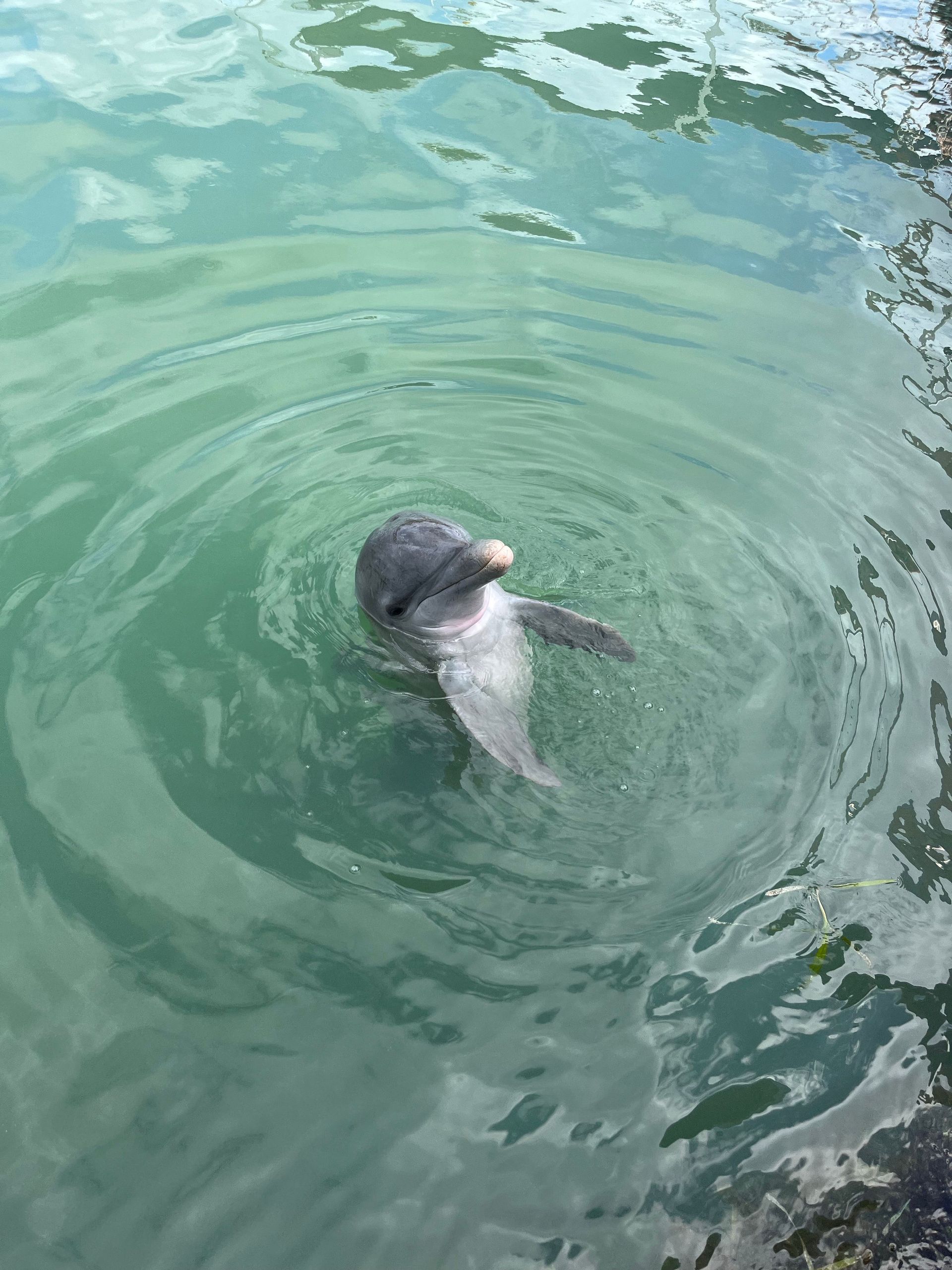
The South Asian river dolphin — divided into two subspecies (the Ganges river dolphin and the Indus river dolphin), now reduced to fewer than 4,000 individuals — is the apex predator of the Ganges and Indus river systems and the primary biological indicator of river ecosystem health in these systems, which drain the most densely populated river basins on Earth.
River dolphins are obligate freshwater predators that feed primarily on fish, and their presence in a river reach indicates water quality, fish abundance, and the absence of physical barriers sufficient to support a large, slow-reproducing predator. Their absence indicates one or more of: water quality degradation below the threshold their fish prey can tolerate, fish population collapse, or physical barriers that prevent movement. They function as a keystone indicator species — their population tracks the health of the entire river food web in a way that no other single indicator does as reliably.
The ecological consequence of their loss would be the removal of apex predation pressure on river fish communities, which would shift fish community composition toward smaller, faster-reproducing species at the expense of the larger fish that sustain the subsistence fisheries of riparian communities along the Ganges and Indus. The approximately 400 million people who live along these rivers and depend partially on river fisheries for protein would experience measurable fishery degradation following dolphin loss — a direct food security consequence of apex predator removal.
Population estimate: fewer than 4,000. Primary threats: bycatch, river degradation, dams, pollution. IUCN status: Endangered.
Richard Sniezko, US Forest Service / Wikimedia Commons
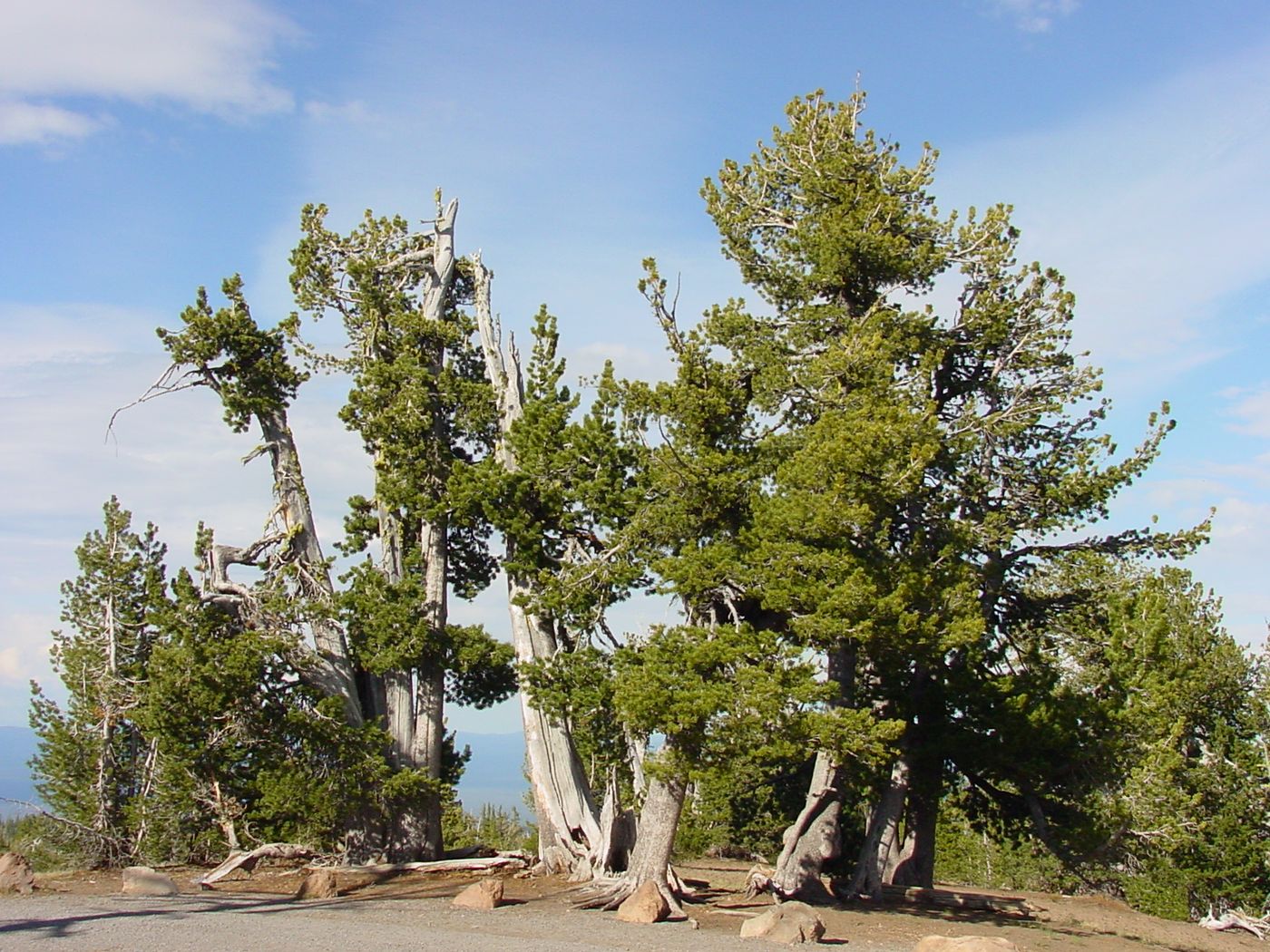
Whitebark pine — recently listed as Endangered on the IUCN Red List following declines driven by white pine blister rust (an introduced fungal pathogen), mountain pine beetle outbreaks amplified by climate-driven range expansion, and fire suppression that has altered the competitive dynamics of subalpine forests — is the keystone species of high-altitude Rocky Mountain and Pacific Crest ecosystems whose loss would cascade through the species that depend on its seeds, its shade, and its structural role at treeline.
The whitebark pine's specific ecological function is threefold. Its seeds — large, high-fat, energy-dense nuts — are the primary food source for Clark's nutcracker, a bird whose seed-caching behavior is both responsible for the majority of whitebark pine regeneration (nutcrackers bury seeds in soil and forget a significant proportion, which germinate) and dependent on the whitebark for the fat reserves required for winter survival and early spring breeding. Lose the whitebark and the Clark's nutcracker population collapses; lose the Clark's nutcracker and the whitebark's primary regeneration mechanism disappears — a mutualism that is required for both species' persistence.
The grizzly bear's reliance on whitebark pine seeds as a critical pre-hibernation food source in years when other food sources (cutthroat trout, army cutworm moths) are unavailable connects the tree's decline to bear-human conflict: when whitebark seed crops fail, grizzlies move to lower elevations where they encounter humans, livestock, and agricultural food sources, increasing the retaliatory killing that is a primary source of grizzly mortality.
Population estimate: dramatically declining across most of range; mature trees have declined by 60 to 90% in most areas. Primary threats: introduced blister rust, mountain pine beetle, climate change. IUCN status: Endangered.