
15 egg dishes every home cook should master
Mastering essential egg dishes gives home cooks control over foundational cooking techniques, heat management, and emulsion balance across global cuisines
Credit: Alena Evseenko / Pexels
Eggs serve as the fundamental testing ground for culinary technique, offering an unmatched tutorial in protein coagulation, fat emulsification, and temperature control. Few ingredients are as responsive to minute changes in heat, motion, and timing. Understanding how egg proteins behave under different conditions allows cooks to build skills that apply across every area of culinary practice. A cook who can reliably produce a smooth emulsion, control curd size, or set a delicate custard without splitting it has mastered core principles of physics and chemistry in the kitchen.
Beyond technical discipline, egg cookery provides an entry point into global culinary traditions. From the precision techniques of classic French kitchens to the steam-controlled custards of East Asia and the aromatic skillet dishes of the Middle East, eggs anchor dishes across cultures because of their utility, affordability, and adaptability. They act as binders, leaveners, thickeners, and standalone centerpieces. Mastering a structured repertoire of egg preparations ensures that a cook understands how to leverage fat, acid, moisture, and heat to achieve specific textures.
Building confidence with eggs requires moving beyond basic convenience cooking into intentional technique. Knowing precisely when to remove a pan from the stove to account for residual heat, or how gentle simmering preserves delicate white proteins while maintaining a fluid yolk, transforms simple ingredients into refined meals. This collection highlights 15 essential egg preparations that teach critical culinary mechanics, offering practical foundations that improve overall kitchen execution.
French rolled omelet
Credit: Canva Images
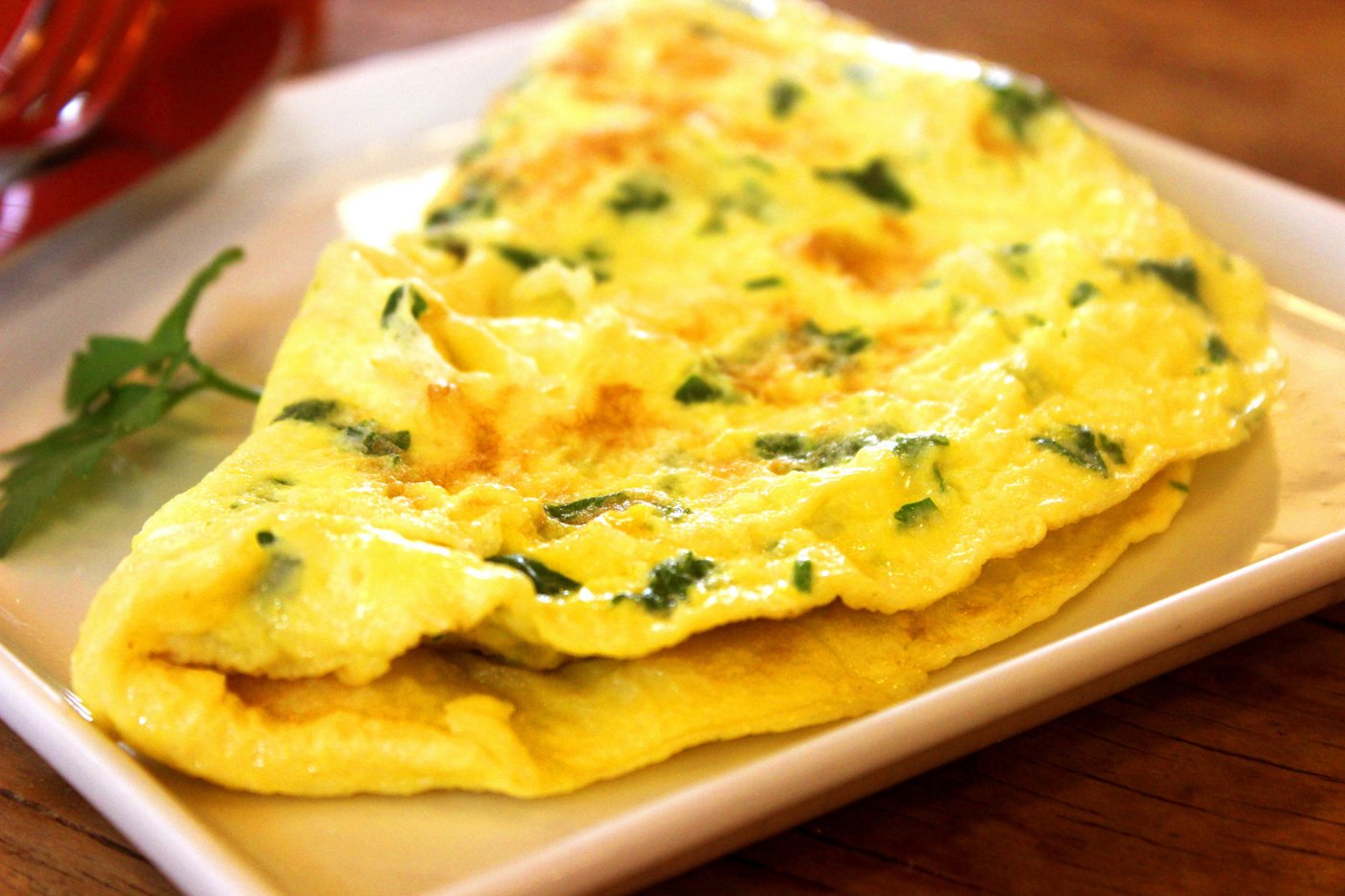
A French rolled omelet requires continuous motion over low heat to produce a smooth, pale yellow cylinder with a creamy, barely set interior and no exterior browning. Mastering this dish teaches precise heat control and pan management, as the egg curds must remain small and hydrated throughout cooking.
The technique relies on creating a uniform emulsion before the eggs ever touch hot butter. Whisking eggs thoroughly breaks down the chalazae and incorporates the whites completely into the yolks, preventing streaks. Clarified butter or whole butter melted over medium-low heat provides both a cooking medium and flavor. As the beaten eggs enter the pan, the cook must constantly agitate the mixture using a fork or spatula while shaking the pan in small circular motions. This action prevents large curds from forming and ensures heat distributes evenly throughout the fluid egg mass.
When the eggs reach a soft, custard-like consistency with very little liquid remaining on top, the pan is tilted to begin rolling the omelet onto itself. The heat from the rolled outer layer gently sets the center without overcooking the protein. A finished French omelet displays an unblemished, glossy exterior without any golden marks or tears, reflecting precise control over protein denaturation.
Practicing this dish improves a cook's ability to gauge pan temperature purely by visual cues and texture changes. The window of time between perfectly set eggs and overcooked, rubbery protein spans only a few seconds. Learning to remove the pan from the burner just before the final roll relies on carryover cooking to achieve the proper texture.
The French rolled omelet serves as a foundational benchmark in culinary training because it leaves no room for error. The absence of heavy fillings or browned crusts means the texture of the egg itself must carry the dish, making it an essential exercise in technical discipline.
Soft-boiled eggs
Credit: Krisztina Papp / Pexels
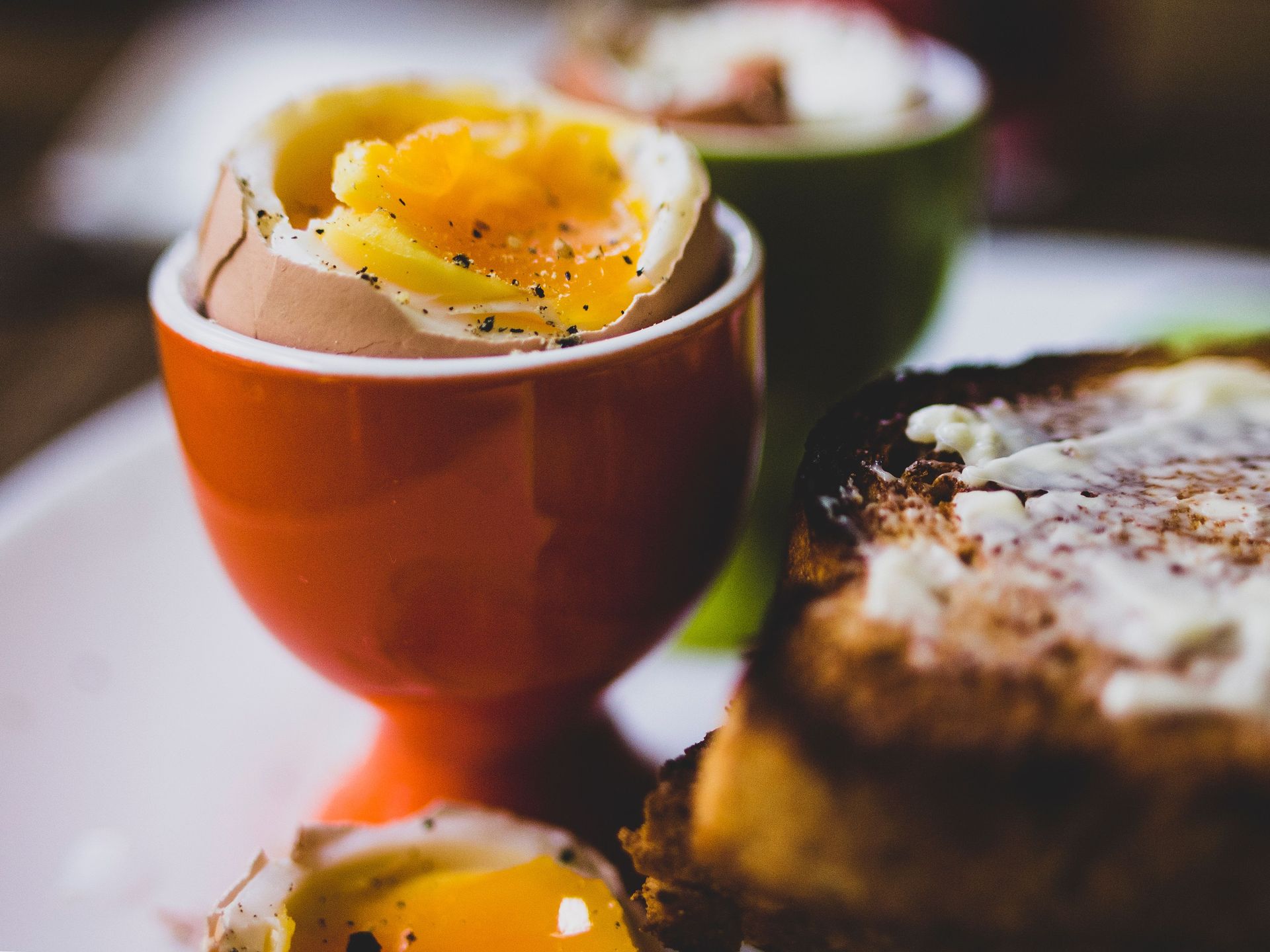
Soft-boiled eggs require precise timing in gently boiling water to set the egg whites fully while keeping the yolks warm, rich, and completely liquid. Mastering this preparation teaches accurate thermal transfer and the importance of thermal shock in temperature-sensitive cooking.
Achieving a consistent result begins with water temperature and start conditions. Dropping cold eggs directly into boiling water allows for exact time tracking, whereas starting eggs in cold water makes precise results difficult due to varying burner strengths and pot sizes. Boiling water rapidly sets the outer layer of albumen, which aids in shell removal later. A large egg cooked at a gentle boil typically reaches the ideal soft-boiled stage in six to seven minutes, depending on the desired viscosity of the yolk.
Immediately transferring the eggs into an ice water bath upon removal stops the internal cooking process instantly. This step prevents carryover heat from thickening the yolk into a gel and causes the egg structure to shrink slightly inside the shell, making peeling considerably cleaner and easier.
The science behind boiling eggs relies on the different coagulation temperatures of egg components. Albumen, or egg white, begins to set at 140 degrees Fahrenheit and firms completely around 180 degrees Fahrenheit, while egg yolk proteins coagulate between 145 degrees and 158 degrees Fahrenheit. Maintaining water at a steady simmer ensures the whites reach their setting point without pushing the inner yolk past its liquid threshold.
Understanding soft boiling provides a clear foundation for managing time and temperature in protein cookery. The technique translates directly to making ramen eggs, soft-boiled salad additions, and breakfast preparations where liquid yolk acts as a natural sauce.
Classic poached eggs
Credit: Nadin Sh / Pexels
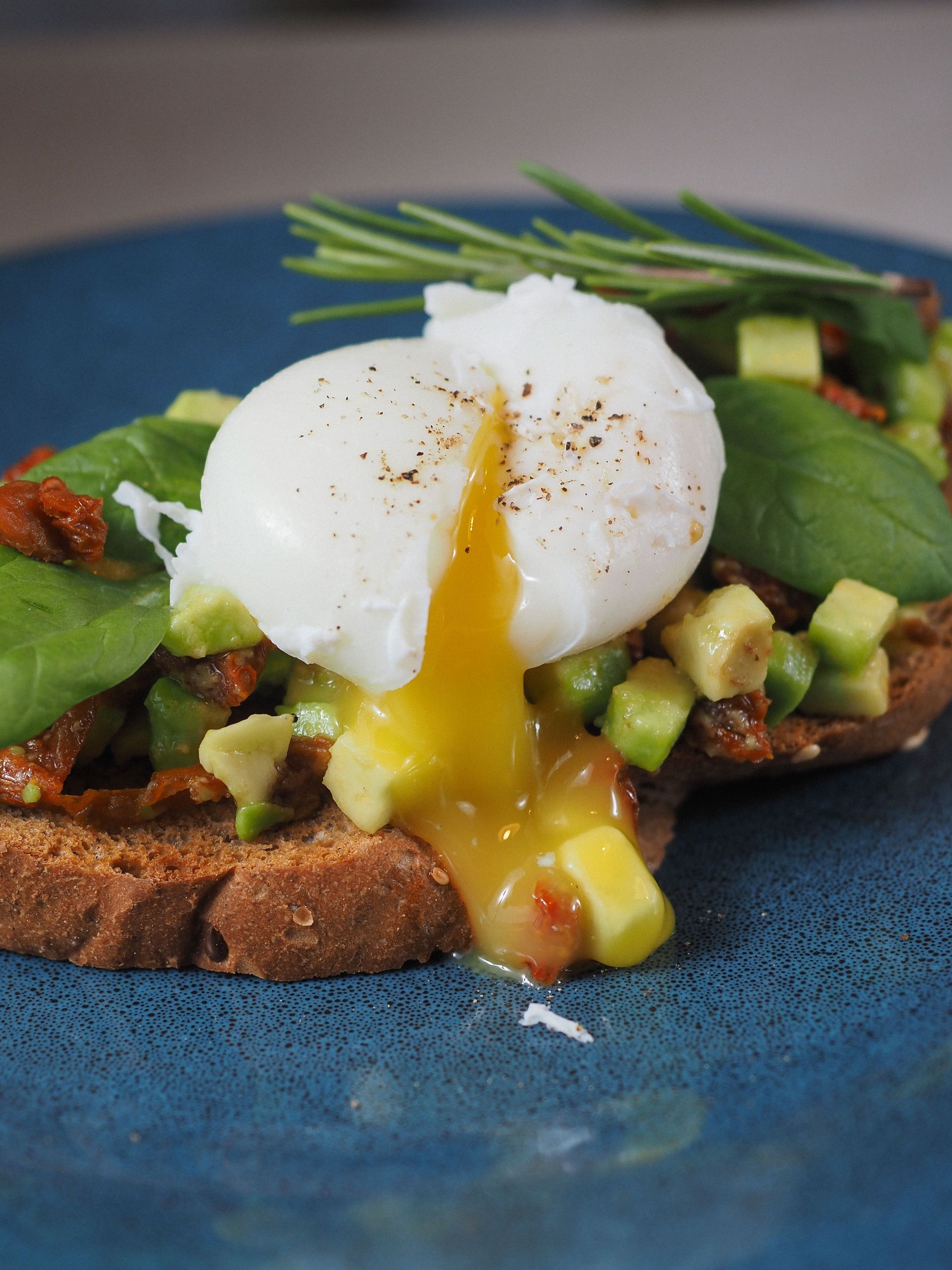
Poaching an egg involves gently cooking a cracked egg in barely simmering, acidified water until the white forms a cohesive envelope around a warm, fluid yolk. This technique teaches water bath temperature management and fluid dynamics in low-temperature liquid cooking.
The ideal water environment for poaching stays between 180 degrees and 190 degrees Fahrenheit, marked by small bubbles rising gently from the bottom of the pot without breaking the surface rapidly. Violent boiling tears delicate egg whites apart, spreading thin tendrils throughout the liquid. Adding a small amount of distilled white vinegar to the water lowers the pH level, which accelerates protein coagulation and helps the white set rapidly around the yolk before it can disperse.
Freshness plays a vital role in successful poaching. As eggs age, the thick albumen weakens and turns watery, causing the white to feather out in the water bath. Using extremely fresh eggs ensures a tight, thick white that naturally wraps around the yolk. Straining raw eggs through a fine-mesh sieve prior to cooking removes the loose, watery portion of the albumen, leaving only the firm white required for a neat round shape.
Creating a gentle vortex in the water before sliding the egg into the center uses centrifugal force to wrap the white tightly around itself. The egg cooks undisturbed for approximately three to four minutes until the white becomes opaque and firm to the touch while the yolk remains soft.
Removing the poached egg with a slotted spoon and blotting it gently on a paper towel prevents excess water from diluting the final dish. Mastering this skill gives cooks an essential building block for classic breakfast compositions, grain bowls, and warm salad dressings.
Soft scrambled eggs
Credit: Annushka Ahuja / Pexels
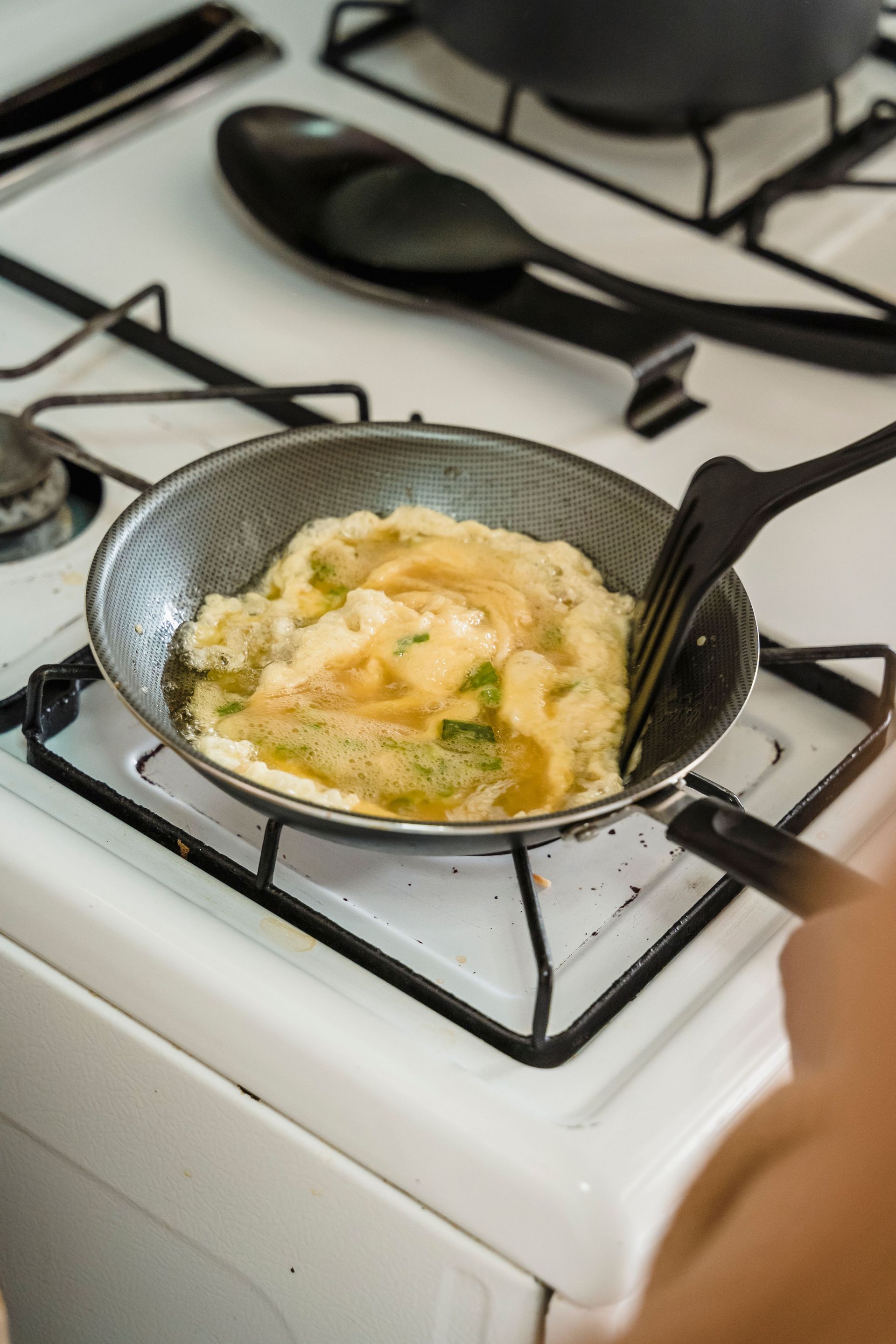
Soft scrambled eggs rely on low heat, constant agitation, and gentle handling to form delicate, custard-like curds that melt smoothly on the palate. Cooking eggs this way demonstrates how slow heat application preserves moisture within protein matrix structures.
The key to soft scrambling lies in breaking down the egg structure thoroughly before cooking and maintaining low heat throughout the process. Whisking eggs thoroughly incorporates air and blends the whites and yolks into a uniform mixture. Salt added to raw egg liquid acts as a protein stabilizer, helping retain moisture and producing a tender texture upon heating. Cooking the mixture in a heavy-bottomed pan over low heat slows down the rate of coagulation, giving the cook complete control over curd formation.
Using a heatproof rubber spatula, the cook continuously scrapes the bottom and sides of the pan as thin layers of egg begin to set. This constant sweeping motion produces small, soft curds uniform in texture. Introducing small cubes of cold butter late in the cooking process cools the pan slightly and adds fat, which interrupts protein bonding and yields a creamy finish.
Removing the pan from the heat source before the eggs look completely finished is essential. Residual heat in the pan continues to cook the eggs for a short period after removal, so stopping early prevents the curd structure from tightening and weeping liquid.
Soft scrambled eggs demonstrate how patience and heat control transform simple ingredients without needing heavy cream or complex equipment. Understanding this method provides home cooks with a direct lesson in monitoring textural shifts during slow-convection cooking.
Classic Eggs Benedict with Hollandaise
Credit: Alena Evseenko / Pexels
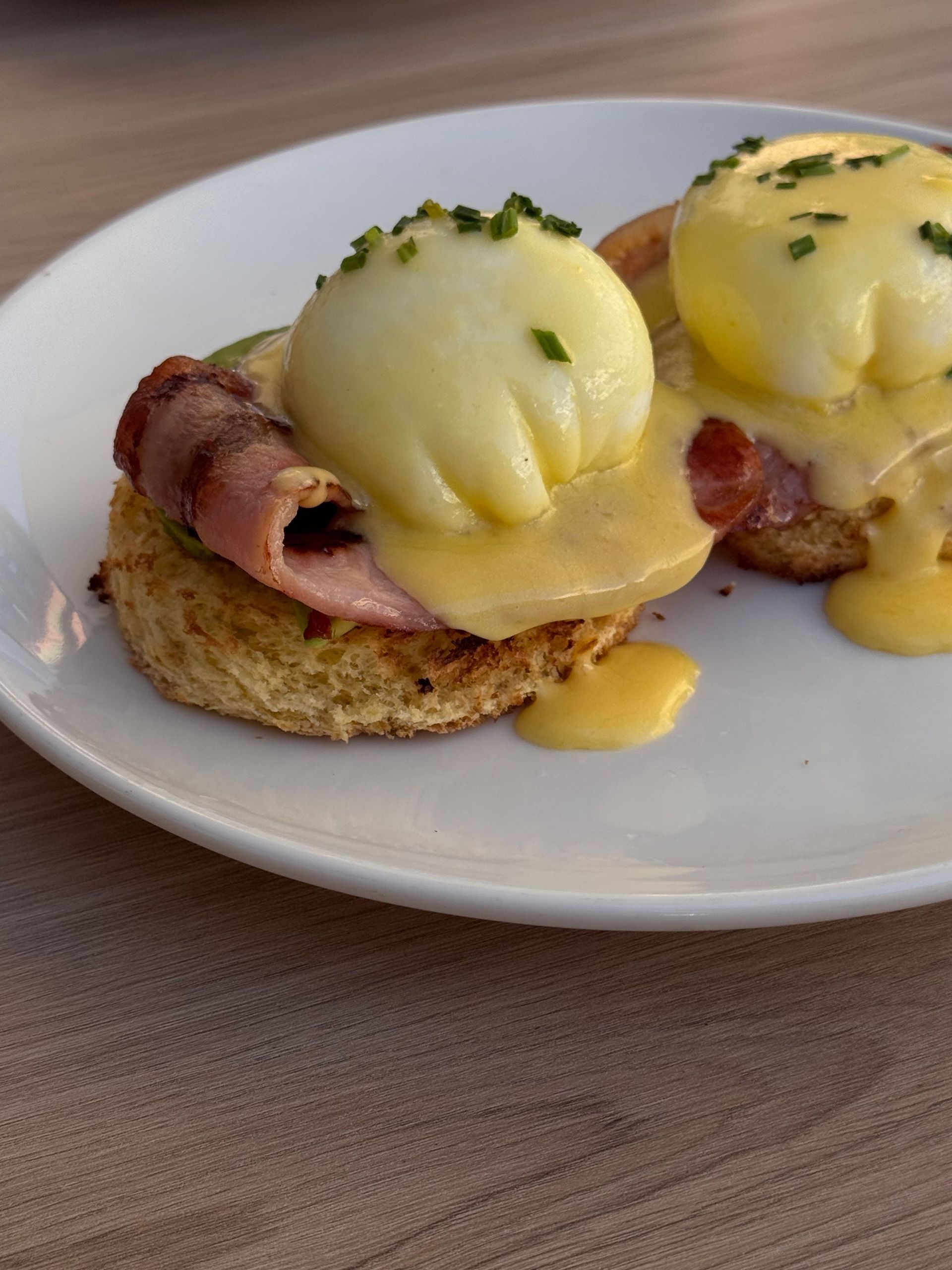
Eggs Benedict combines poached eggs, toasted English muffins, crisp Canadian bacon, and warm Hollandaise sauce into a classic breakfast dish centered on emulsion chemistry. Mastering this dish teaches cooks how to create and stabilize warm fat-in-water emulsions while coordinating multiple cooking components simultaneously.
The defining technical element of Eggs Benedict is Hollandaise sauce, one of the classic French mother sauces. Hollandaise is a warm emulsion created by suspending melted butter into a mixture of egg yolks and an acidic reduction, such as lemon juice or vinegar water. Egg yolks contain lecithin, a natural emulsifier that bridges the gap between water-based liquids and fats, allowing them to blend into a smooth, thickened sauce.
Creating Hollandaise requires carefully cooking egg yolks over a double boiler until they thicken into a pale ribbon stage without scrambling. Warm clarified or melted butter is then whisked into the yolk base in a slow, steady stream. If the butter is added too quickly or if the temperature rises too high, the emulsion breaks, causing the fat to separate from the liquid. Maintaining a warm, stable environment preserves the smooth structure of the sauce.
Assembling the complete dish requires timing the poaching of eggs alongside the heating of meat and bread so every element serves warm. The poached egg white provides structural contrast, while the warm yolk breaks into the rich Hollandaise, forming a complex sauce over the toasted base.
Understanding Hollandaise and component timing equips home cooks with essential sauce-making foundations. The underlying principles of temperature control and fat suspension apply directly to mayonnaise, béarnaise, and other emulsion-based sauces.
Shakshuka
Credit: Valeria Boltneva / Pexels
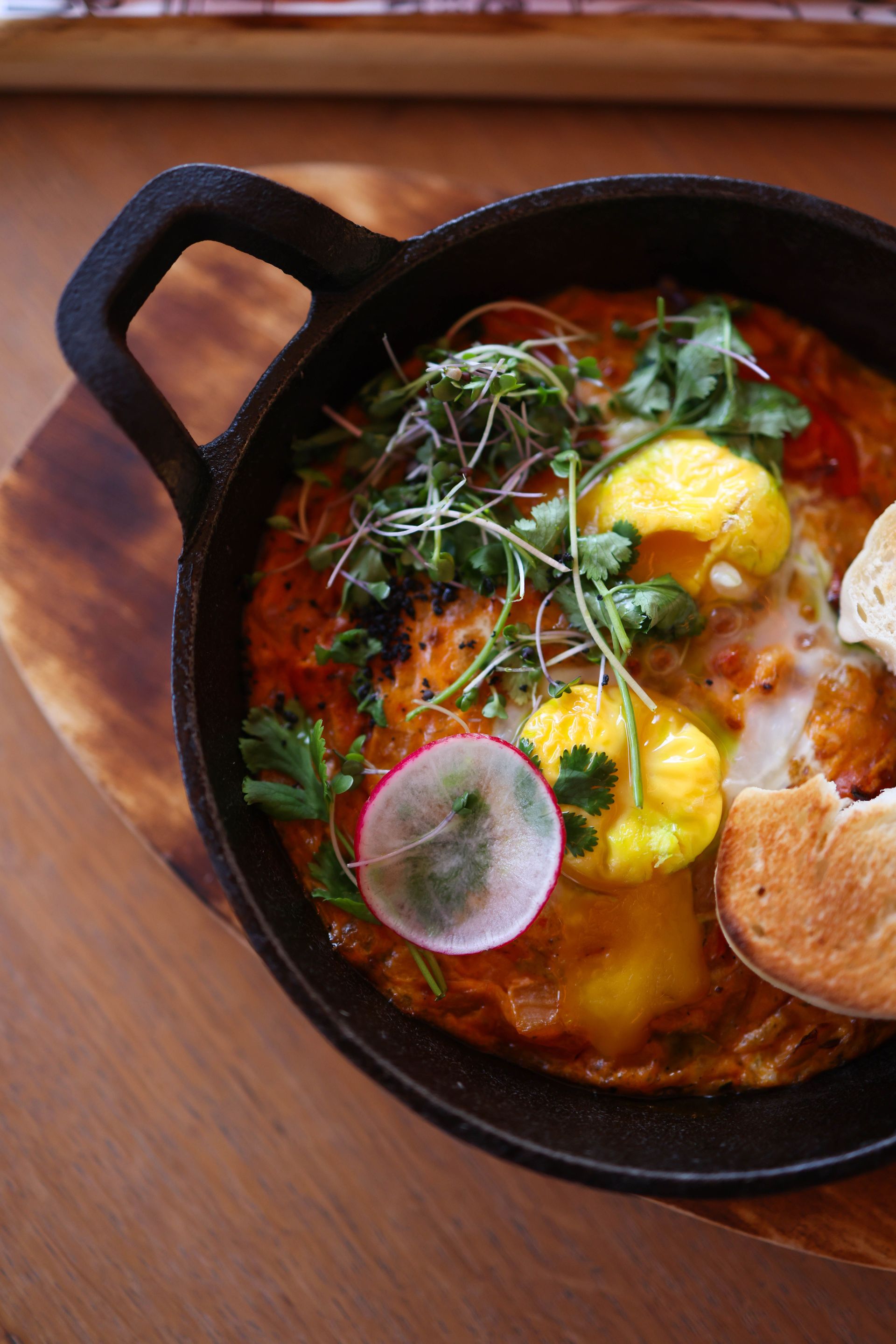
Shakshuka features eggs poached directly in a simmering, heavily spiced sauce of tomatoes, peppers, onions, and garlic until the whites set and the yolks remain soft. This dish teaches home cooks how to manage gentle poaching in thick, acidic liquids while building complex layer flavors in a single skillet.
The process begins by building a flavorful, aromatic base in a skillet, traditionally cast iron. Onions, bell peppers, and garlic are sautéed in olive oil until soft, followed by spices such as cumin, smoked paprika, and chili powder. Tomatoes are added and simmered until they break down into a thick, cohesive sauce. The acidity of the tomatoes balances the rich quality of the egg yolks, while the density of the sauce supports the eggs as they cook.
Small wells are created in the simmering sauce using the back of a spoon, and fresh eggs are cracked directly into these indentations. Covering the skillet with a lid traps steam, allowing heat to cook the tops of the egg whites evenly without needing to flip the eggs or submerge them completely in liquid.
Monitoring the stove heat ensures the sauce simmers gently without burning at the bottom of the pan while the eggs finish cooking. The eggs are removed from the heat when the whites turn fully opaque but the yolks retain a visible jiggle, indicating a fluid interior.
Shakshuka highlights how eggs absorb surrounding flavors during low-temperature braising and poaching methods. Mastering this dish provides cooks with a versatile template for skillet meals where eggs serve as the primary protein source cooked directly within a seasoned sauce base.
Spanish tortilla
Credit: MikeGz / Pexels
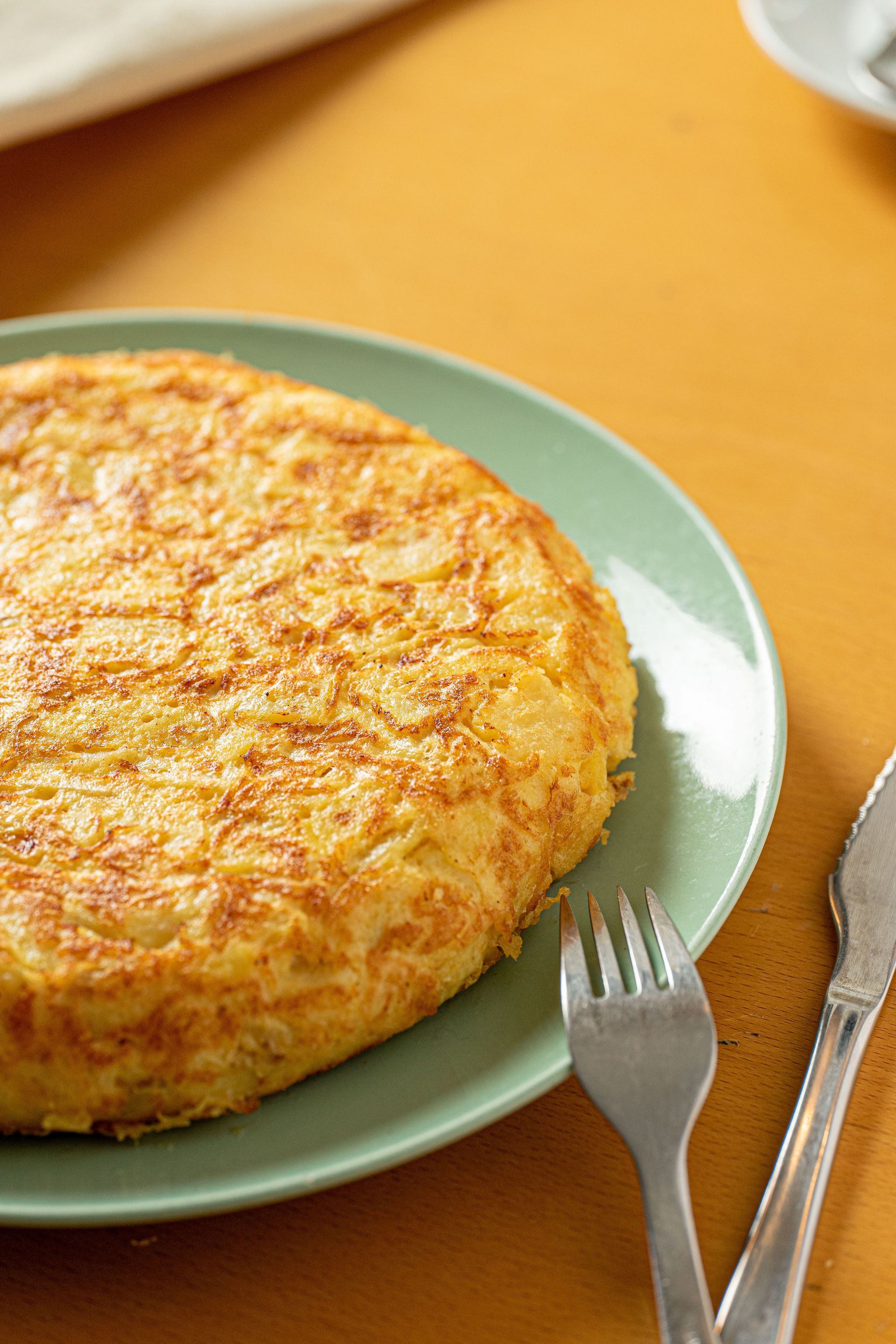
A Spanish tortilla, or tortilla de patatas, is a thick, dense omelet made from thin slices of potato, egg, and optional onion cooked slowly in olive oil. Making this dish teaches cooks how to manage slow oil poaching, handle heavy vegetable-to-egg ratios, and flip a thick, un-set dish cleanly.
The technique begins by gently frying thin potato slices and onions in a generous amount of olive oil over medium-low heat. The goal is to soften and poach the potatoes until tender without deep-frying or crisping them. Once cooked, the potatoes and onions are drained, reserving the cooking oil, and mixed into beaten eggs while still warm. Allowing the mixture to sit for several minutes lets the potatoes absorb the raw egg and release starches that bind the tortilla together.
The egg and potato mixture is poured into a hot, oiled skillet to form a flat disc. As the bottom and edges set over medium-low heat, the cook gently shapes the sides with a spatula to create smooth, rounded edges. The center remains partially liquid as the outer structure stabilizes.
Flipping the tortilla requires placing a flat plate upside down over the pan, swiftly inverted the skillet, and sliding the partially cooked tortilla back into the pan to finish cooking the reverse side. The final dish should be golden on the outside with a moist, soft, highly cohesive interior.
Mastering the Spanish tortilla improves pan-handling confidence and teaches how egg proteins act as a structural binder for dense vegetable fills. It serves as an essential example of how simple ingredients yield rich results through proper oil-poaching and pan control.
Classic quiche Lorraine
Credit: Taylor Walling / Unsplash
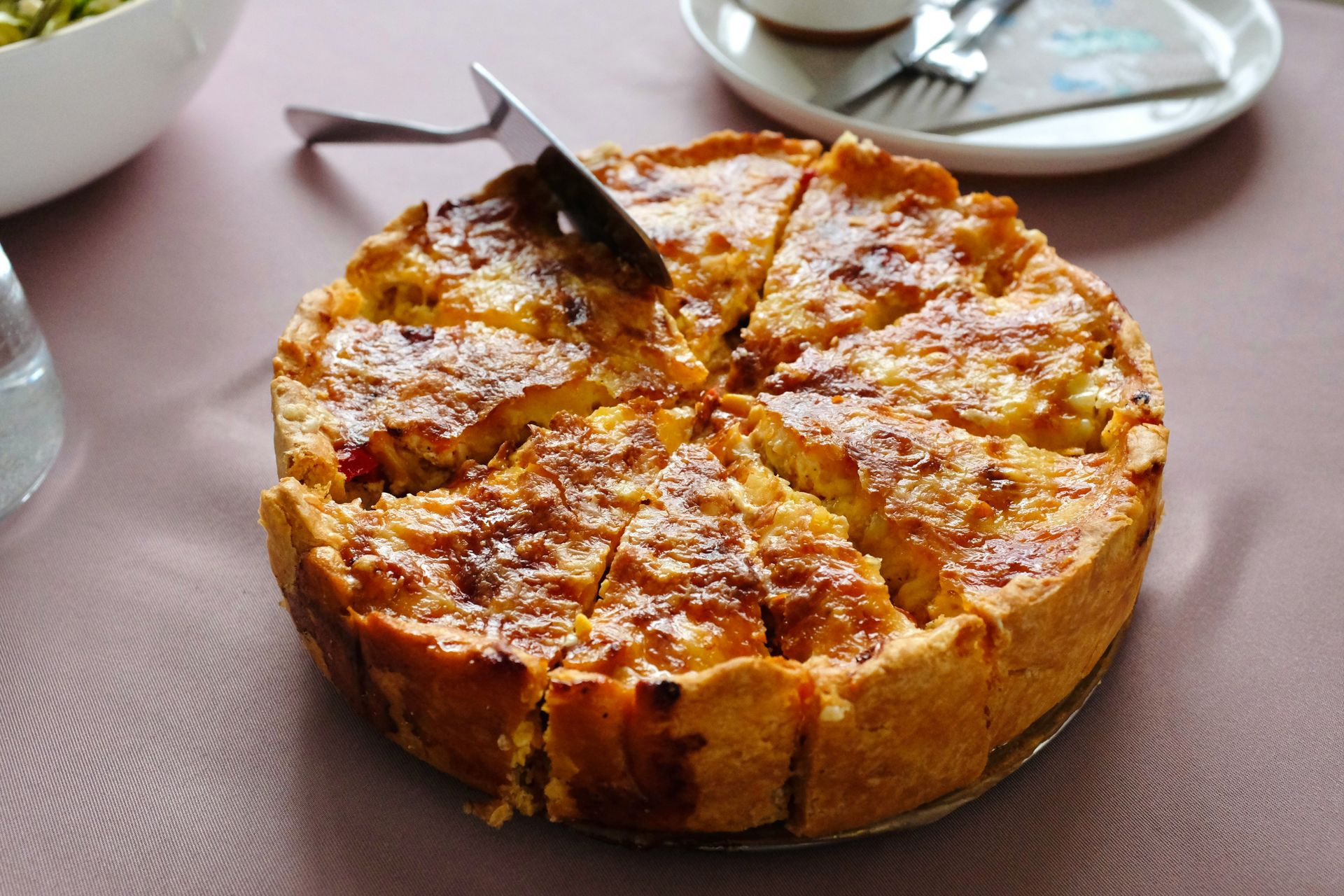
Quiche Lorraine is a savory French tart featuring a flaky pastry shell filled with a rich, set custard of eggs, heavy cream, crisp lardons, and Gruyère cheese. Preparing a quiche teaches home cooks how to balance fat-to-liquid ratios in baked custards and manage pastry crust blind-baking.
The foundation of a good quiche rests on a par-baked pie crust, which prevents the bottom from becoming soggy when filled with raw custard liquid. Blind baking involves lining the raw pastry with parchment paper and pie weights, baking it until set, and removing the weights to dry out the interior surface before adding liquid ingredients.
The heart of the quiche lies in its custard ratio, typically two large eggs per one cup of liquid, combining milk and heavy cream. This specific proportion ensures that as the egg proteins denature during baking, they form a delicate gel grid that sets the liquid without becoming rubbery or weeping water. Excess egg turns the filling firm and bouncy, while too little egg leaves the center liquid and loose.
Crisped pork bacon or lardons and grated cheese are spread evenly along the bottom of the baked crust before the seasoned egg and cream mixture is poured over top. Baking at a moderate temperature of 325 degrees to 350 degrees Fahrenheit prevents the outer edges of the custard from overcooking while the heat slowly penetrates to set the center.
A finished quiche displays a slight jiggle in the center when removed from the oven, settling into a smooth texture as it cools. Learning this technique gives cooks a reliable ratio for savory and sweet baked custards that hold structural integrity while maintaining a silky mouthfeel.
Egg soufflé
Credit: Caleb Oquendo / Pexels
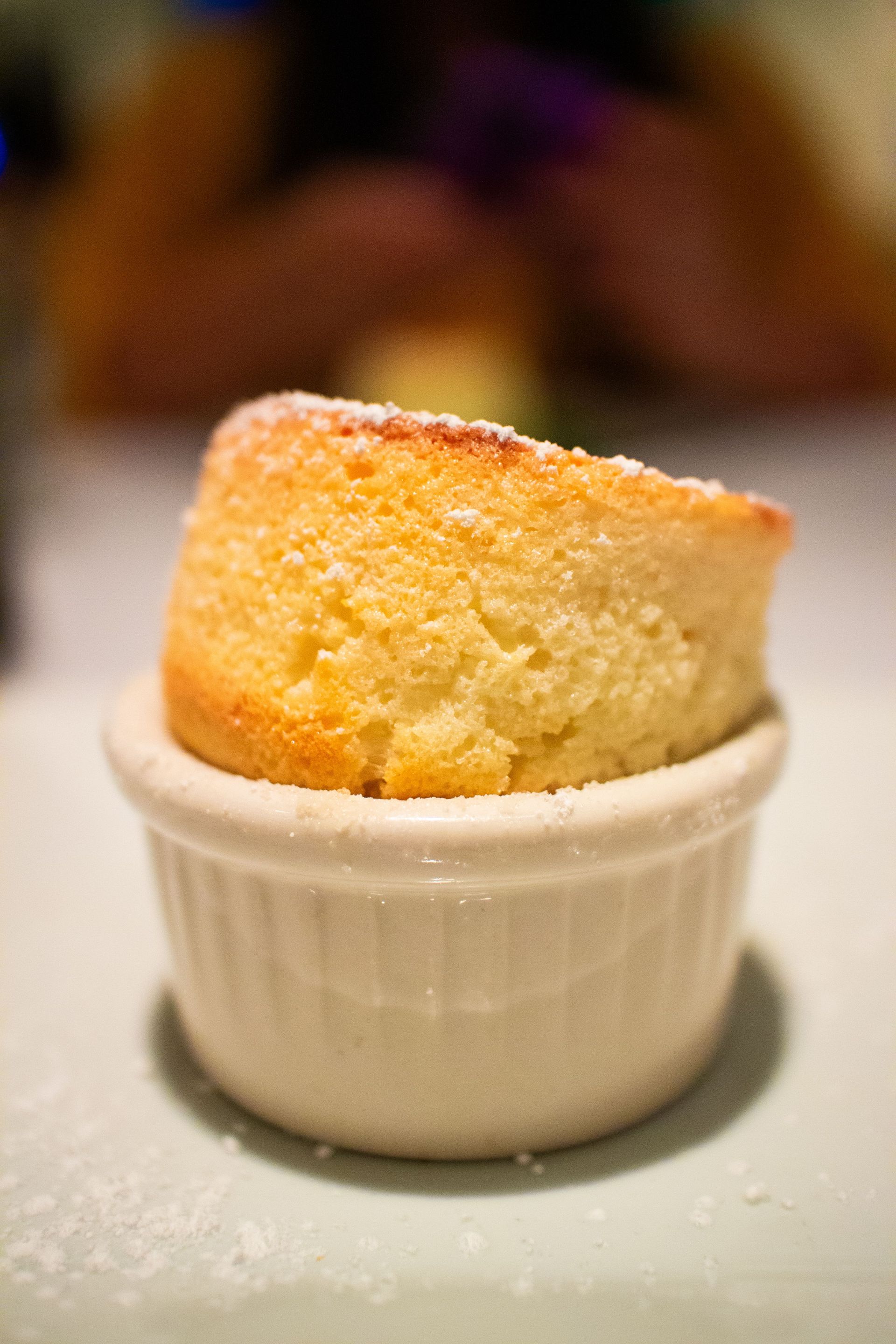
An egg soufflé relies on a base of thickened white sauce folded with stiffly beaten egg whites that expand when baked, creating a tall, airy structure. Mastering a soufflé teaches air integration, foam stabilization, and delicate oven management.
The process begins with a thick panade or béchamel sauce base enriched with egg yolks and seasoned with cheese, herbs, or savory purees. The yolks provide rich flavor and emulsion structure to the base while the whites are set aside to be whipped into an egg white foam.
Beating egg whites unfolds the globular proteins, allowing them to trap air bubbles while creating a network that holds water. Adding a pinch of acid, such as cream of tartar, stabilizes the protein network and prevents over-beating. The whites are whipped to firm peaks that hold their shape while remaining glossy and flexible, allowing them to expand when heat hits the trapped air inside the oven.
Gently folding the whipped whites into the yolk base in batches preserves the trapped air bubbles. The mixture is poured into ramekins coated with butter and breadcrumbs, which give the rising batter traction as it expands upward. Baking at a steady temperature without opening the oven door prevents cool air drafts from collapsing the delicate rising foam.
Inside the oven, heat expands the trapped air and converts moisture into steam while setting the egg proteins around the expanded bubble walls. Achieving a high rise with a moist, delicate interior demonstrates a complete understanding of egg protein aeration and thermal expansion.
Japanese tamagoyaki
Credit: Max Griss / Pexels
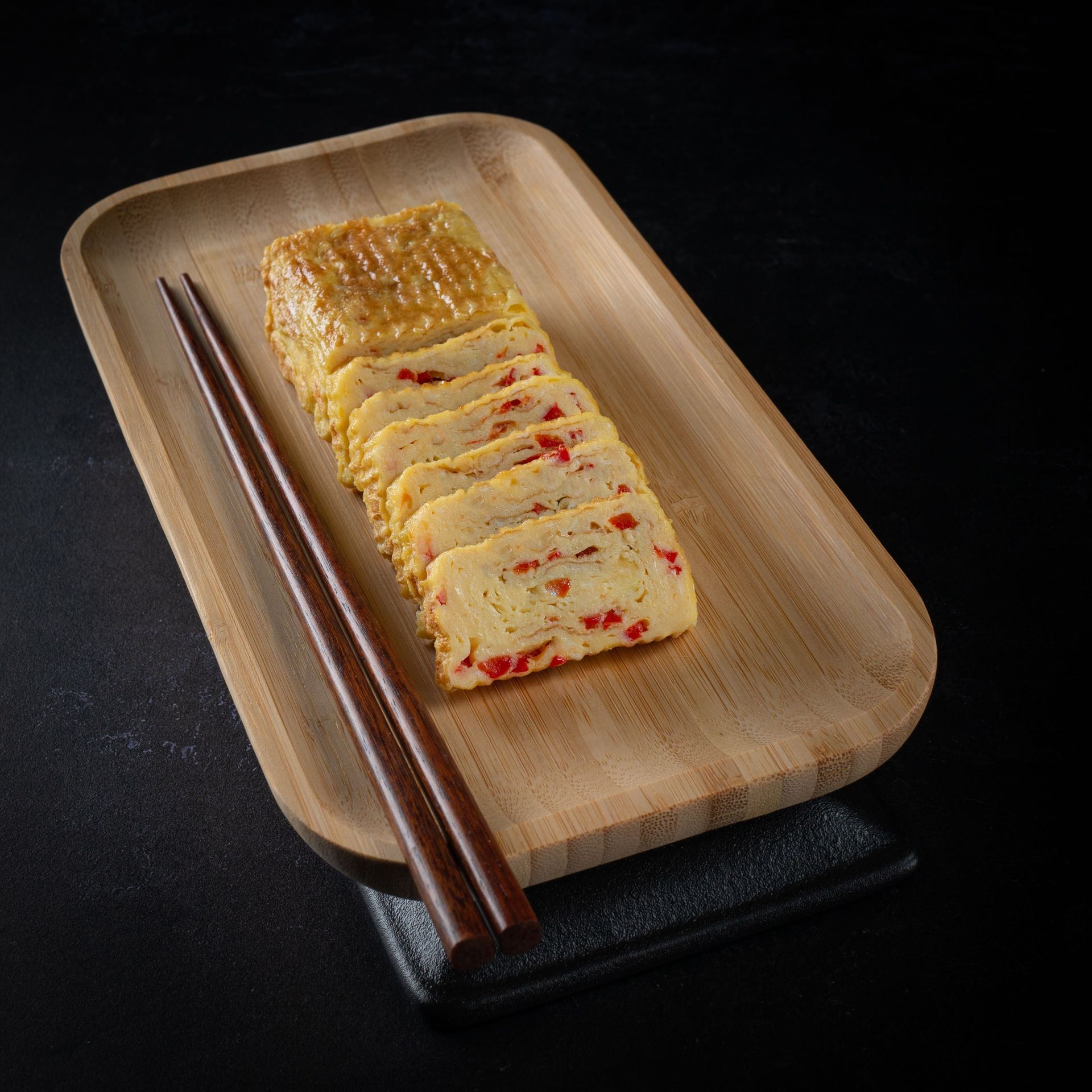
Tamagoyaki is a Japanese rolled omelet made by layering thin sheets of seasoned egg mixture in a rectangular pan and rolling them into a neat block. This dish teaches delicate heat control, liquid-to-egg ratios, and precise rolling mechanics using specialized cookware.
The egg base for tamagoyaki includes dashi stock, soy sauce, mirin, and sugar, which add rich umami and sweetness while introducing liquid into the egg matrix. This added liquid makes the cooked egg exceptionally soft and tender, but it also increases delicacy, making the sheets prone to tearing if cooked over improper heat levels.
Cooking requires a rectangular tamagoyaki pan, oiled lightly between every layer. A thin layer of egg mixture is poured into the hot pan and cooked quickly until partially set. Using chopsticks or a spatula, the thin sheet is rolled smoothly toward one end of the pan.
Fresh egg liquid is then poured into the exposed pan area, lifting the existing roll so the fresh liquid flows underneath, ensuring a seamless bond between layers. This process repeats multiple times, building up a uniform rectangular log made of tight, delicate layers.
Once complete, the hot rolled egg is often wrapped in a bamboo mat to set its rectangular shape before slicing into cross-sections. A successful tamagoyaki displays neat interior layers without gaps, burnt marks, or dry surfaces, standing as a clear exercise in layered cooking technique.
Cantonese steamed eggs
-500x500.jpg)
Credit: Tam3415 / Wikimedia Commons (CC BY 2.0)
Cantonese steamed eggs are a delicate, silky savory custard created by steaming a strained mixture of beaten eggs and seasoned water or broth. This preparation teaches gentle steam cooking, precise liquid ratios, and surface bubble management for a mirror-smooth finish.
The crucial element of Cantonese steamed eggs is the liquid-to-egg ratio, typically two parts liquid to one part egg by volume. Using warm water, chicken stock, or dashi loosens the egg proteins enough to prevent a firm curd from forming, yielding a texture comparable to soft tofu once steamed.
Whisking the eggs gently avoids creating excess air bubbles within the liquid matrix. The raw mixture is passed through a fine-mesh strainer into a shallow serving bowl to remove chalazae and foam, ensuring an unblemished interior texture. Any remaining surface bubbles are popped or scraped off with a spoon before cooking to keep the top surface entirely smooth.
The dish is placed over a gentle steam setup with the lid slightly ajar or covered with foil to prevent condensation drops from falling onto the custard surface. Steaming over low heat prevents the liquid from boiling, which would create pockets of steam inside the custard and ruin its uniform texture.
A properly executed Cantonese steamed egg displays a shiny, completely level surface that trembles gently when moved. Mastering this dish provides a deep understanding of low-impact moist heat cooking applied to delicate egg proteins.
Italian frittata
Credit: Steve House / Pexels
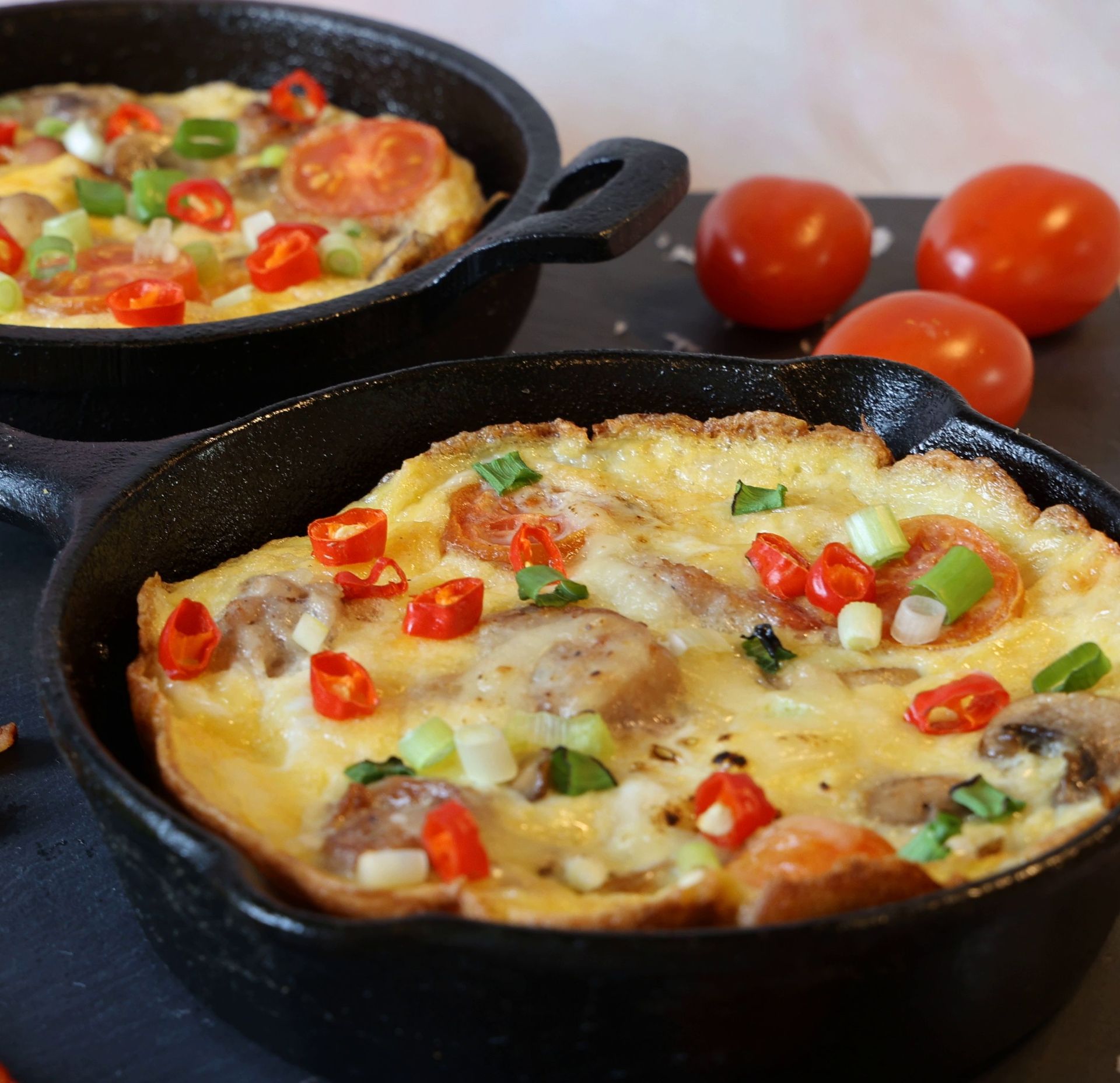
An Italian frittata is an open-faced egg dish cooked slowly on the stovetop and finished under a broiler, incorporating cooked meats, vegetables, and cheeses throughout its structure. Making a frittata teaches cooks how to blend pre-cooked mix-ins with eggs and transition cooking methods from stovetop to oven safely.
Unlike an omelet, which folds around fillings, a frittata integrates all ingredients directly into the egg mixture before cooking begins. Vegetables, meats, and herbs must be fully cooked and drained of excess water prior to joining the eggs, preventing surplus moisture from making the frittata watery or dense.
The seasoned egg mixture and fillings go into an oiled, oven-safe skillet over medium-low heat. As the bottom sets, the cook gently lifts the edges with a spatula, allowing uncooked liquid egg from the top to flow underneath. This step ensures even heat distribution through the base without burning the bottom crust.
When the frittata is mostly set with a slightly runny top, the skillet transitions under a preheated oven broiler. The top heat gently cooks the remaining surface eggs and melts or browns any cheese sprinkled over the top, producing a puffed, golden crust.
Servings are sliced into wedges and enjoyed warm or at room temperature. The frittata demonstrates effective heat transition strategies and offers a reliable framework for utilizing leftover ingredients bound together with eggs.
Turkish çılbır

Credit: Canva Images
Turkish çılbır features poached eggs served over a garlic-infused yogurt base and topped with a warm, spiced butter or olive oil infused with Aleppo pepper. This dish demonstrates how temperature, fat, and acidity balance soft egg yields.
The foundation of the dish is thick, full-fat yogurt brought to room temperature and whisked smooth with crushed garlic and salt. Cold yogurt directly from the refrigerator cools down warm poached eggs too quickly, so keeping the yogurt at room temperature creates a harmonious overall temperature profile.
Eggs are poached gently in simmering water until the whites firm up while keeping the yolks entirely liquid. The liquid yolk acts as a core structural element of the sauce, mixing into the garlicky yogurt base once cut open by the diner.
Simultaneously, butter or olive oil is gently melted in a saucepan with red pepper flakes or Aleppo pepper until the fat takes on a red hue and a nutty aroma. Care must be taken not to burn the spices or dark solids in the butter, keeping the infusing heat gentle and brief.
The warm poached eggs are layered over the garlic yogurt, and the hot spiced butter is drizzled over the top immediately before serving. Çılbır teaches home cooks how contrasting temperatures and rich fats combine with acid to elevate simple poached eggs into a complex dish.
Eggs en cocotte
Credit: Canva Images
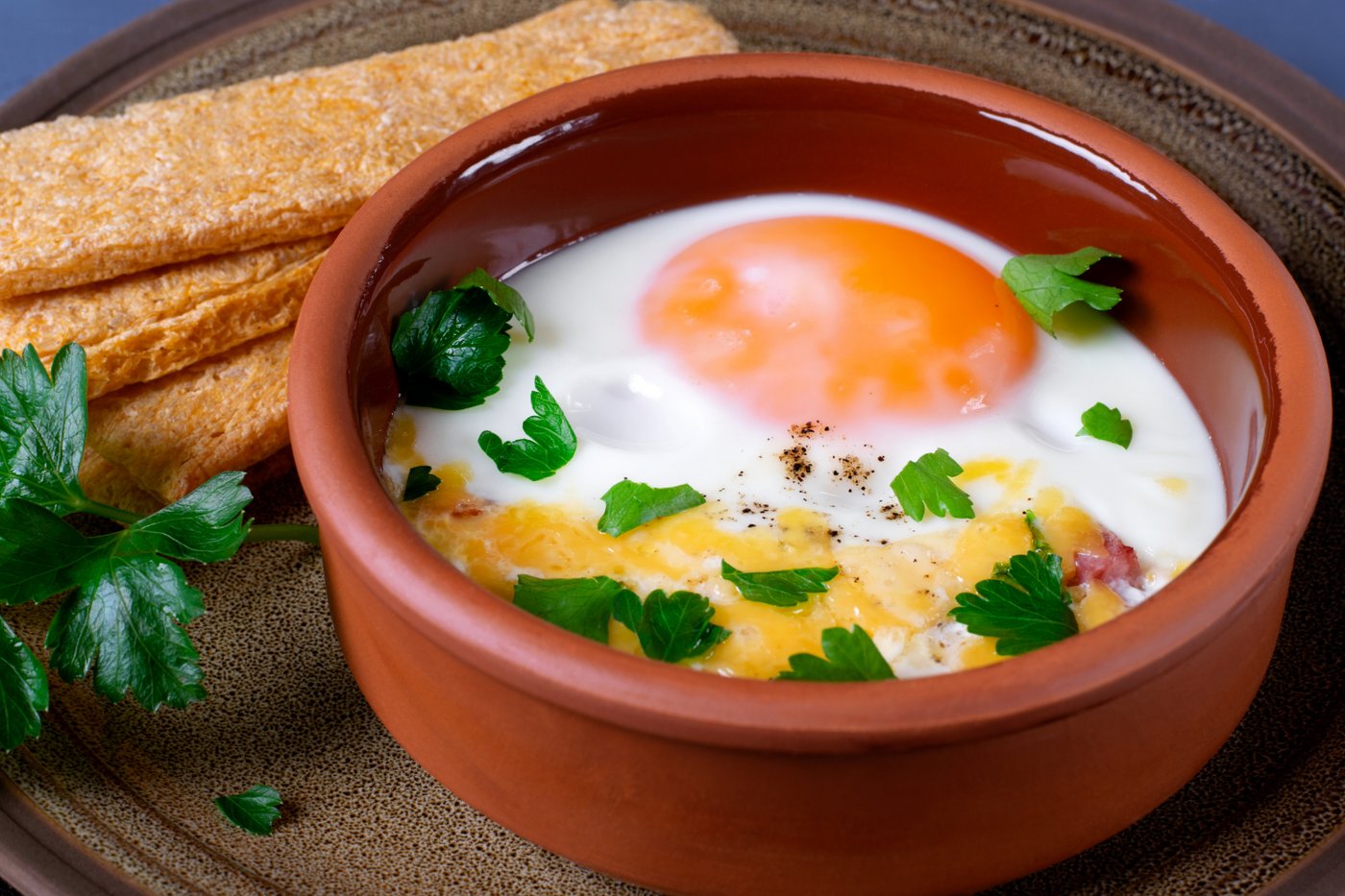
Eggs en cocotte, or baked eggs, are individual preparations where eggs cook inside buttered ramekins alongside cream, herbs, or savory toppings within a gentle water bath. This method highlights indirect baking, water bath thermal management, and portion control.
The process begins by coating the interior of small ramekins or ramekin dishes with butter and adding a base layer of heavy cream, sautéed mushrooms, spinach, or cheese. Raw eggs are carefully cracked into each dish on top of the base ingredients without breaking the yolk structure.
The ramekins are placed into a high-sided baking dish filled with hot water halfway up the sides of the ramekins, creating a bain-marie. The water bath cushions the delicate egg proteins from direct dry oven heat, keeping the baking temperature steady around 200 degrees Fahrenheit directly against the ramekin walls.
Baking occurs at a moderate oven temperature until the egg whites set firm and opaque while the center yolks remain loose and soft. The water bath prevents the outer edges from rubberizing before heat reaches the center of the dish.
Eggs en cocotte showcase how indirect steam-heat methods preserve moisture and structure in small-format protein preparations. The dish provides a dependable framework for individual baked egg dishes across breakfast and dinner menus alike.
Classic egg salad
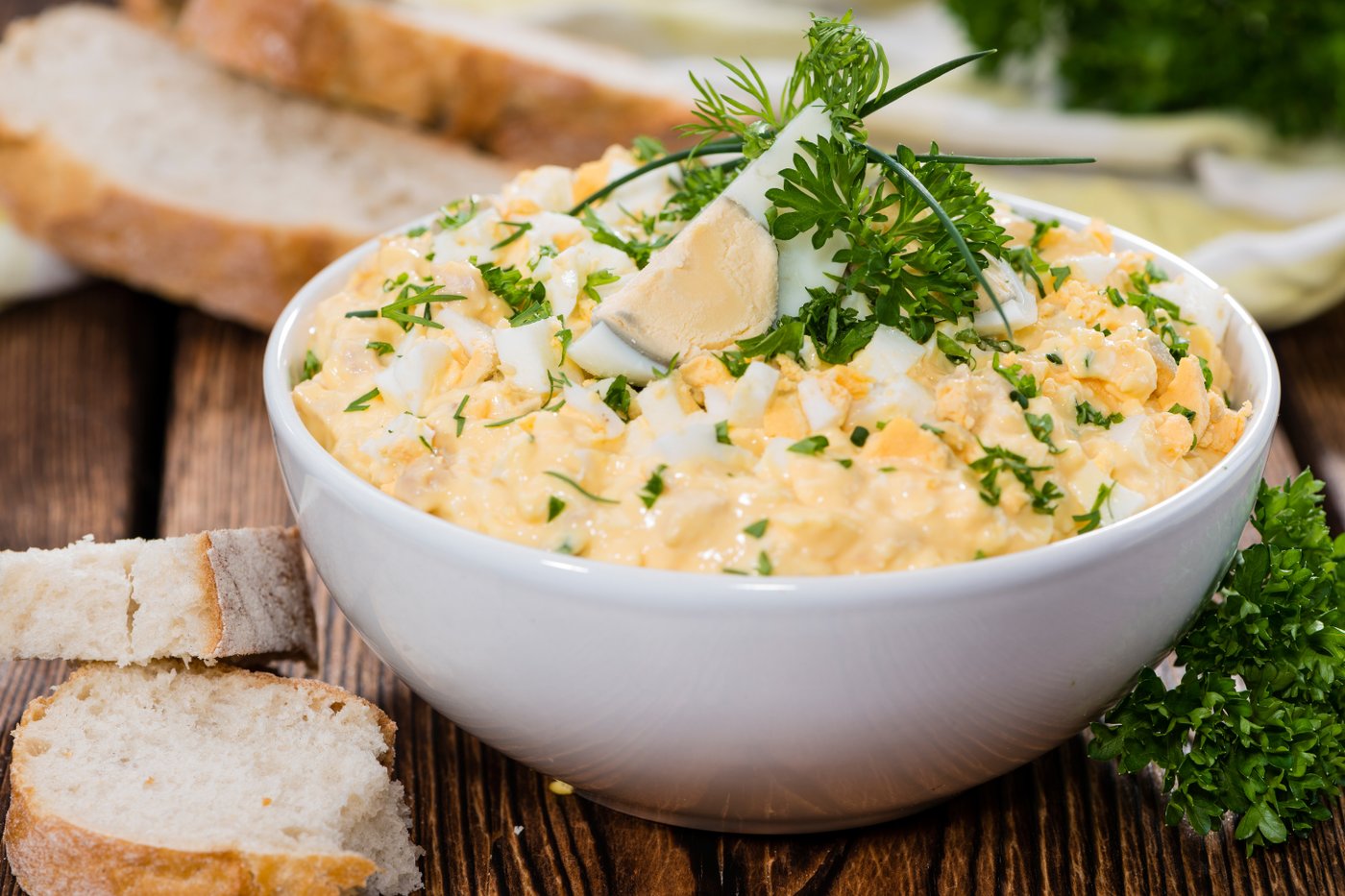
Credit: Canva Images
Classic egg salad combines chopped hard-boiled eggs with mayonnaise, mustard, celery, and herbs into a cohesive, creamy spread. Making a proper egg salad teaches proper hard-boiling technique, uniform knife skills, and mayonnaise-to-yolk balance.
The foundation requires hard-boiled eggs cooked until the whites are fully set and the yolks are firm but still moist, avoiding overcooked green rings around the yolk caused by sulfur reaction under high heat. Steeping eggs in hot water off the heat or boiling for precisely nine to ten minutes achieves a solid yolk without dryness.
Once cooked, cooled, and peeled, the eggs are diced into uniform pieces. Consistency in cut size ensures that every spoonful holds a balanced ratio of egg white, egg yolk, and dressing, providing a clean texture without large rubbery chunks.
The dressing uses mayonnaise, acidic elements like lemon juice or pickle juice, Dijon mustard, and finely diced celery or herbs for crunch and contrast. Because hard-boiled egg yolks naturally contain fat and act as thickeners, they blend into the mayonnaise dressing, creating a rich coat over the firm egg white pieces.
Balancing seasoning with salt, black pepper, and acid cuts through the richness of the yolk and dressing emulsion. Mastering egg salad teaches home cooks how cooked egg components interact with cold oil emulsions to create stable, textured cold dishes.