
These eight uncrowded beach towns in Europe pair clear water and walkable centers with a fraction of the August crowds found in better-known coastal names
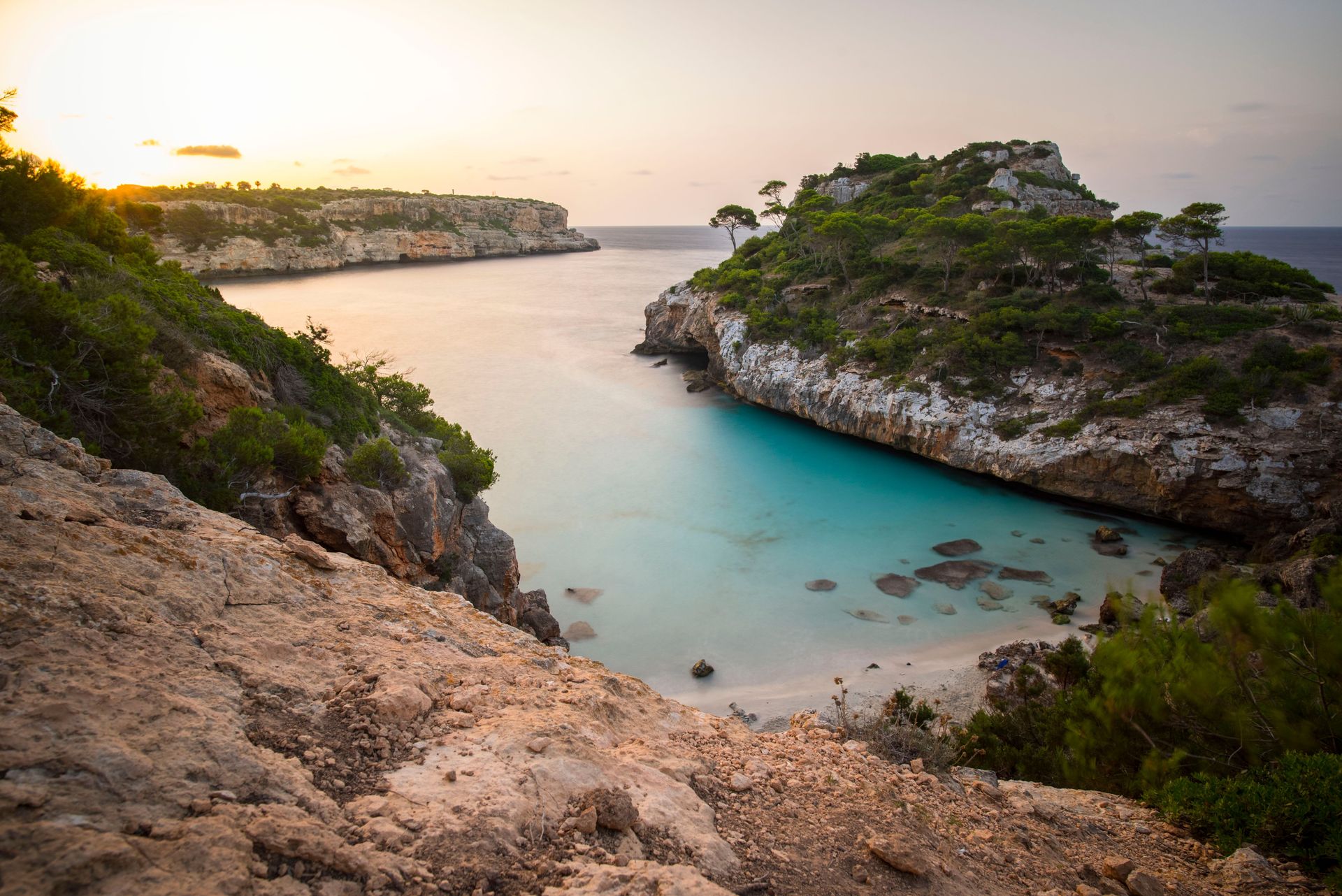
Credit: Alex Staudinger / Pexels
Every European coastline has a version of the same August problem. A handful of towns absorb most of the summer's visitors, while dozens of equally scenic places nearby stay manageable simply because they never made it onto the same shortlist. Santorini's caldera towns reach capacity by mid-morning, the Amalfi Coast's single coastal road turns into a slow-moving line of taxis and tour buses, and Croatia's most photographed islands sell out their hotel rooms months in advance. None of that reflects how much of the European coast actually looks in August. It reflects which small number of place names have entered the global travel conversation, and which haven't.
This list is built around eight uncrowded beach towns in Europe that offer the same core ingredients as their famous neighbors — clear water, walkable old centers, strong local seafood, a working relationship with the sea — without the volume of visitors that now defines the continent's best-known coastal names. Some of these towns are quiet because they are hard to reach, tucked behind a strait, a marine park boundary, or a ferry schedule that limits how many people can show up on a given day. Others have deliberately limited development, or simply sit one town over from a name that international travelers already recognize and default to instead.
None of these places are undiscovered in the literal sense. Locals know them, regional travelers know them, and in a few cases a design or fashion crowd has known them for years. What they share is a lower ceiling on how crowded they can get, whether that ceiling is set by limited transport capacity, protected coastline, distance from a major airport, or simple geography. For anyone planning an August trip to the European coast who wants swimmable water and a walkable center without the bottlenecks, these eight towns span seven countries and four separate coastlines, not one region repeated eight times.
Credit: Alan Aerts / Unsplash
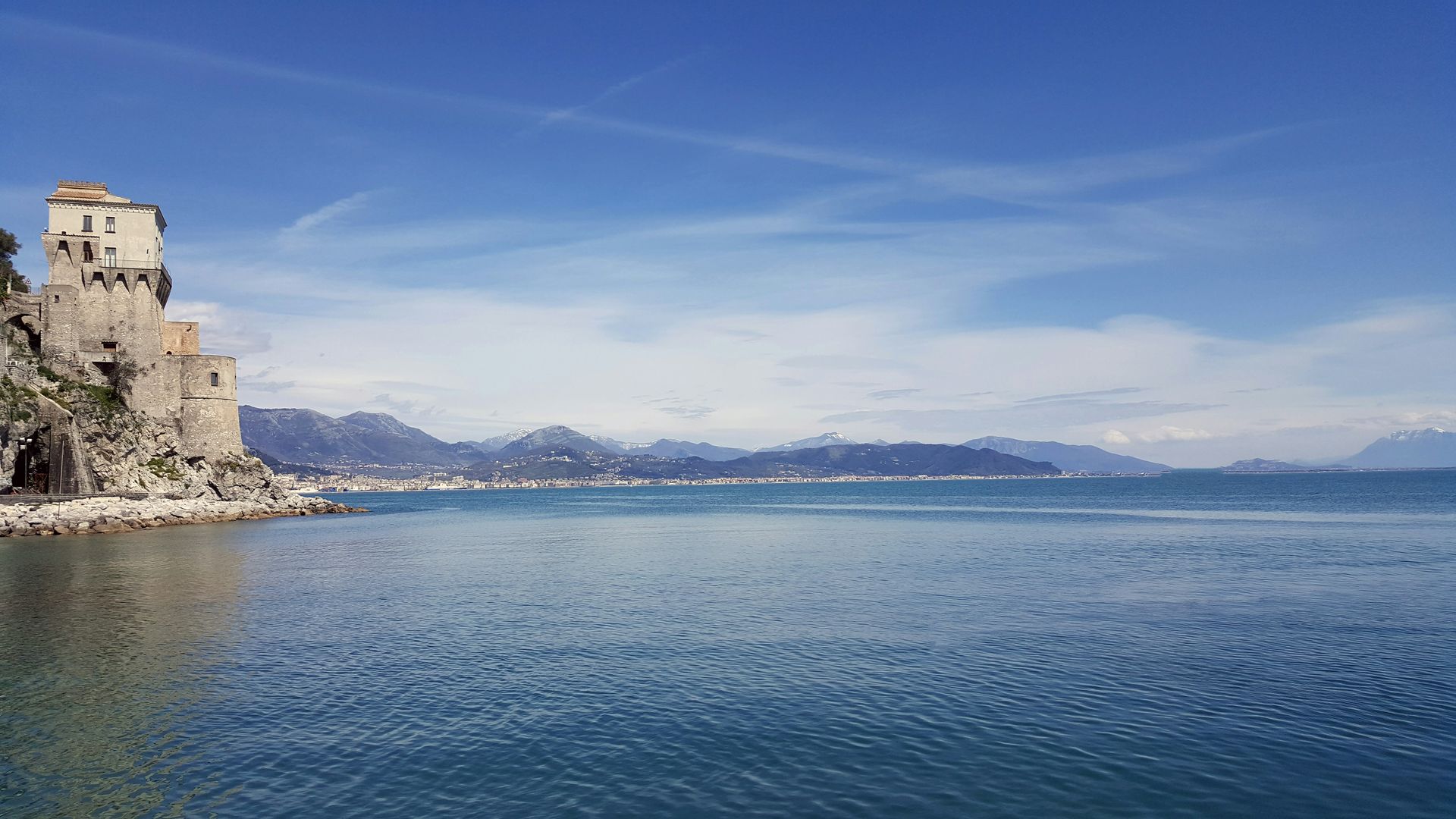
Cetara sits on the Amalfi Coast between Vietri sul Mare and Maiori, and it draws a fraction of the visitors that pack Positano and Amalfi a few miles down the same road. The town built its identity on fishing rather than resort tourism, and that history still shapes daily life on its small crescent of sand and pebble beach.
Cetara is best known for colatura di alici, an amber-colored anchovy sauce made using a centuries-old method with roots tracing back to ancient Roman garum. Local restaurants build entire menus around it, ladling it over pasta on Christmas Eve and using it as a seasoning year-round. The town's tuna and anchovy fishing fleet still operates out of the small harbor, and the boats are a normal part of the view rather than a photo prop.
Because Cetara has no dramatic cliffside hotels or famous piazza, it rarely appears on first-time Amalfi Coast itineraries, which keeps the beach and the handful of waterfront restaurants well within a manageable size even in August. The SITA bus that runs along the coastal road connects Cetara to Amalfi, Positano, and Salerno in both directions, so it works as a base for day trips without requiring a car on the coast's narrow, switchback road.
The beach itself is small, shaded in part by cliffs, and backed by a cluster of pastel buildings and a 16th-century watchtower built to warn of pirate raids. Swimming conditions are calm, since the cove is sheltered rather than exposed to open water. Visitors who want the Amalfi Coast's cliffs, color, and food culture without the crowd density of its most photographed towns get most of that experience here, plus easy access to the busier towns nearby whenever they do want to see them.
Cetara's tuna fishing tradition once relied on the mattanza, a historic net method used across the Mediterranean, though today most of the fleet's catch is anchovies destined for the colatura trade rather than tuna. Parking near the beach is limited, so many day visitors arrive by SITA bus or by boat tour from Salerno, which further caps how many people show up on a given August afternoon compared with coastal towns that are easier to reach by car.
Credit: Micko Damnjanovski / Pexels
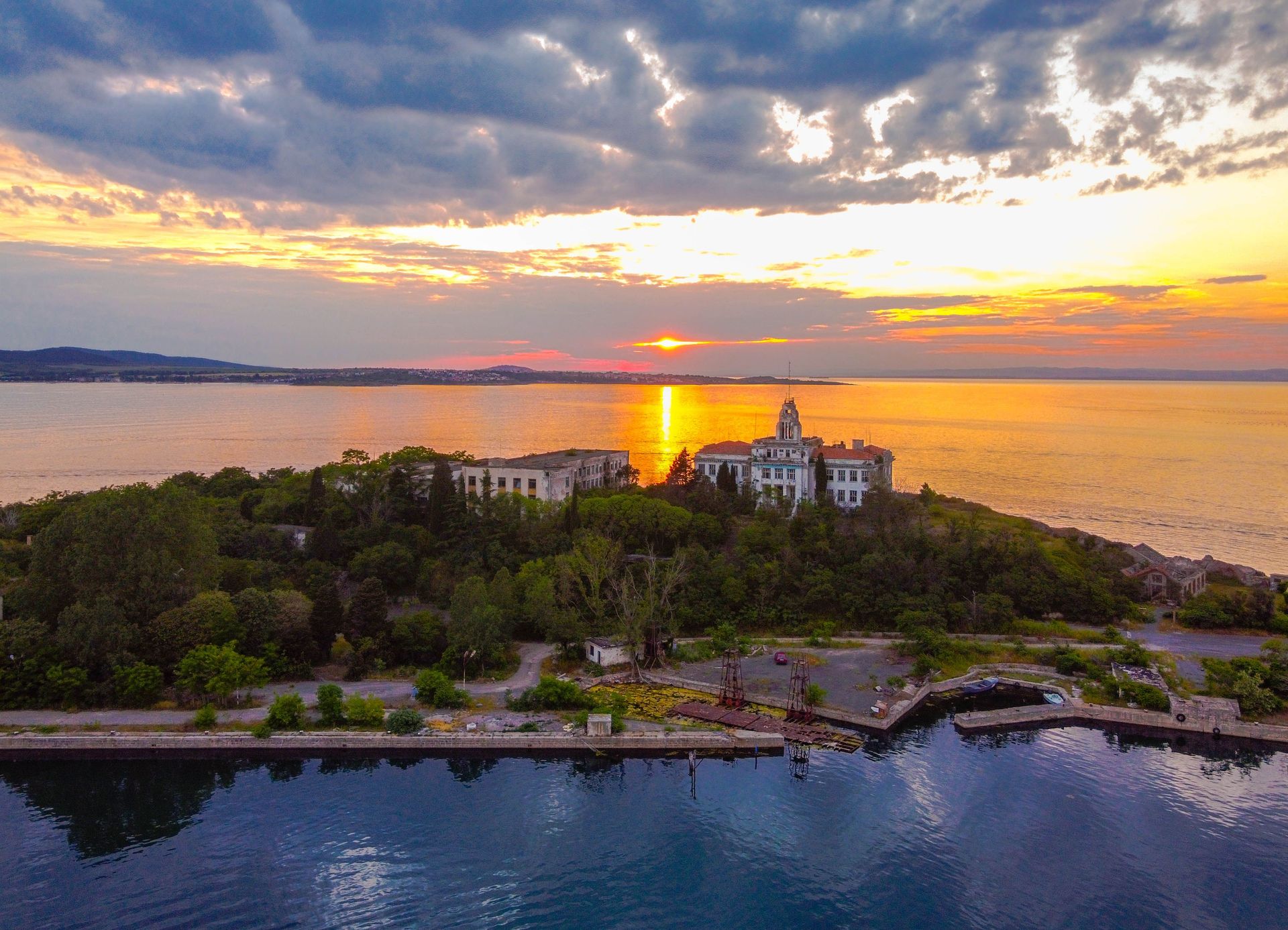
Sozopol is one of Bulgaria's oldest towns, founded as the ancient Greek colony of Apollonia around the seventh century B.C., and it remains one of the Black Sea coast's least crowded historic destinations relative to its size. The town sits south of Burgas, on a small peninsula that separates its old town from its newer beach district.
The old town is built almost entirely from wood, with narrow cobblestone streets, 19th-century Bulgarian Revival houses, and a working Orthodox church dating to the same period. Archaeological finds from the ancient settlement, including ceramics and coins tied to Apollonia's trade routes, are on display at the town's small archaeological museum. Because the peninsula is compact, the old town has never been able to absorb the scale of high-rise development seen elsewhere on the coast.
That contrast matters most against Sunny Beach, Bulgaria's largest and most developed Black Sea resort, which sits roughly 30 miles north and is built specifically for high-volume package tourism. Sozopol draws steady domestic and regional interest, particularly from Bulgarian, Romanian, and Russian-speaking travelers, but it has never marketed itself the same way, and its beaches — Harmanite and the smaller Kavatsite cove nearby — stay noticeably calmer through peak summer.
Sozopol's beaches are sandy rather than rocky, a rarity along stretches of the Bulgarian coast, and the water warms considerably by August, since the Black Sea has lower salinity and milder currents than the Mediterranean. The town also hosts the Apollonia Arts Festival each September, which draws a cultural crowd rather than a beach one, giving Sozopol two distinct identities depending on when a visitor arrives.
The town's harbor still supports small fishing boats alongside the pleasure craft that bring visitors over from Burgas, and seafood restaurants along the waterfront lean on mussels and small Black Sea fish rather than the Mediterranean staples found further south in Europe. Sozopol is reachable from Burgas Airport in under 40 minutes by car or bus, which makes it an easy day trip for travelers based in the larger resorts, without the town itself needing to build out equivalent hotel capacity of its own.
Credit: Alex Block / Unsplash
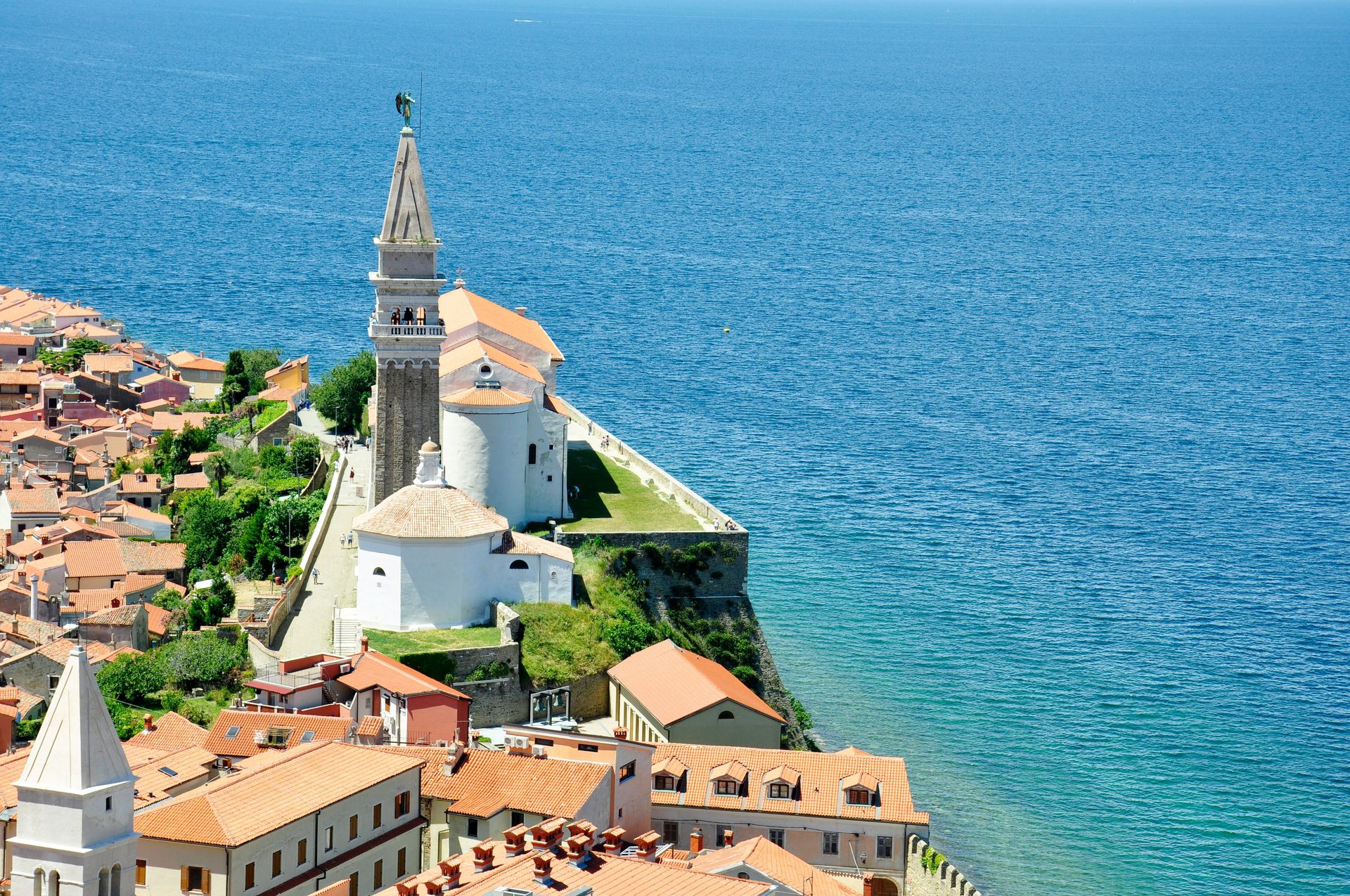
Piran occupies a narrow peninsula on Slovenia's short Adriatic coastline, which runs for less than 30 miles total, and that geographic limit is the main reason the town has never scaled into a mass tourism destination the way nearby Croatian Istria has. The entire town is walkable in under 20 minutes end to end.
Piran was built under Venetian rule, and its architecture still reflects that period directly, from the Venetian Gothic facades along the harbor to the central Tartinijev trg square, named for the town's most famous resident, violinist and composer Giuseppe Tartini. The Cathedral of St. George sits above the old town on a hill, and its bell tower offers a view across the Gulf of Trieste toward both Italy and Croatia on a clear day.
Piran does not have a sand beach in the traditional sense. Swimming happens off concrete platforms and rocky ledges built directly into the coastline, a common setup across the northern Adriatic, and the water is notably clear given the town's proximity to the protected Strunjan Nature Reserve just up the coast. That reserve limits development along one full stretch of coastline near Piran, which keeps overall visitor density lower than towns without a similar buffer.
The nearby resort town of Portorož, a few minutes away by local bus, absorbs more of the region's beach-club and hotel development, which means day-trippers headed for that stretch's sand and pools tend to bypass Piran's old town for actual beach time. That split works in Piran's favor: visitors get the historic center, the harbor restaurants serving fresh Adriatic seafood, and swimmable water, without competing for space with the resort crowd next door.
Piran also sits close enough to Trieste, Italy and to Croatia's Istrian coast that many visitors treat it as a half-day stop rather than a base, which keeps overnight stays lower than in towns positioned as primary destinations. The town's fish market and open-air produce stalls near the harbor still serve local households as much as tourists, a balance that has shifted further toward tourism in busier Adriatic towns just across the Croatian border.
Credit: Conrad van der Walt / Unsplash
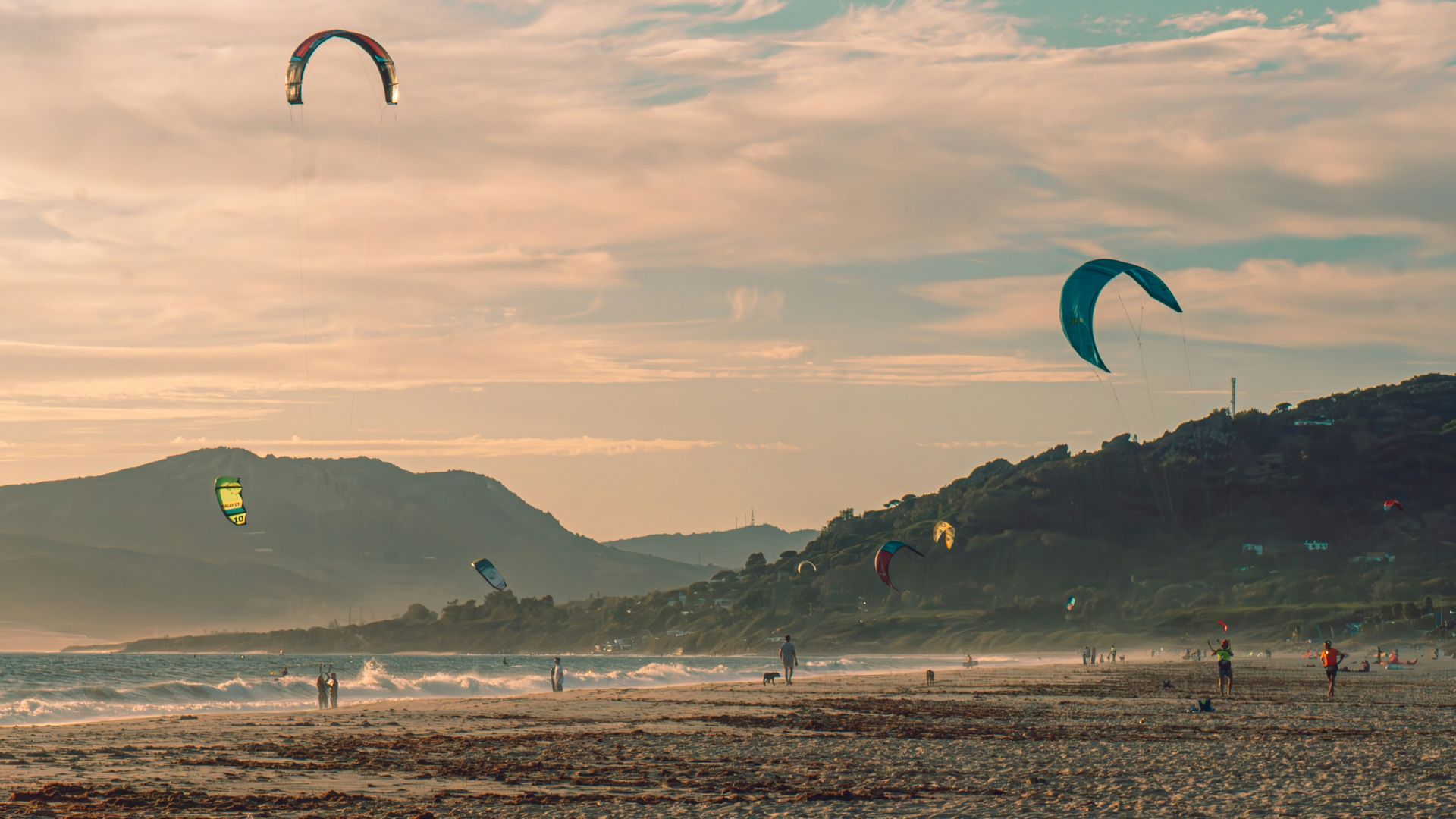
Tarifa sits at the southernmost point of mainland Europe, on Spain's Costa de la Luz in Cádiz province, and its Atlantic-facing beaches draw a wind and water sports crowd rather than the resort tourism that fills the Costa del Sol a short drive east. The Strait of Gibraltar runs directly offshore, with Morocco visible across the water on clear days.
The town's near-constant wind, driven by the pressure difference between the Atlantic and Mediterranean, made it one of Europe's leading windsurfing and kitesurfing destinations starting in the 1980s, and that identity still shapes who visits. Playa de los Lances, a long stretch of white sand just outside the old town walls, and Playa de Valdevaqueros, several miles up the coast, are both wide enough to absorb wind sports schools, sunbathers, and casual swimmers without feeling packed the way narrower Mediterranean coves do.
Tarifa's old town retains its Moorish-era walls and a compact grid of whitewashed streets, a legacy of nearly eight centuries of Islamic rule in the region before the Reconquista. The town is also one of the closest points in Europe to Africa, and ferries to Tangier, Morocco run from the port in under an hour, making Tarifa one of the few beach towns in Europe where a day trip to another continent is realistic.
Whale and dolphin watching operates out of Tarifa's harbor as well, since the Strait of Gibraltar is a migration corridor for several species, including orcas that pass through in late summer. Because the town's identity is built around wind, water sports, and the strait itself rather than package resort tourism, its beaches keep a different rhythm than the more crowded, sheltered coves further along Spain's Mediterranean coast.
Tarifa's wind is strong enough that it can discourage casual sunbathers on certain days, which is part of why the town has never developed the dense hotel strip found along Spain's Costa del Sol resorts a few hours east. The nearest major airport is in Gibraltar or Jerez, both roughly an hour away, and that added travel step keeps overall visitor volume lower than in beach towns with direct international flights nearby.
Credit: H Matias / Pexels
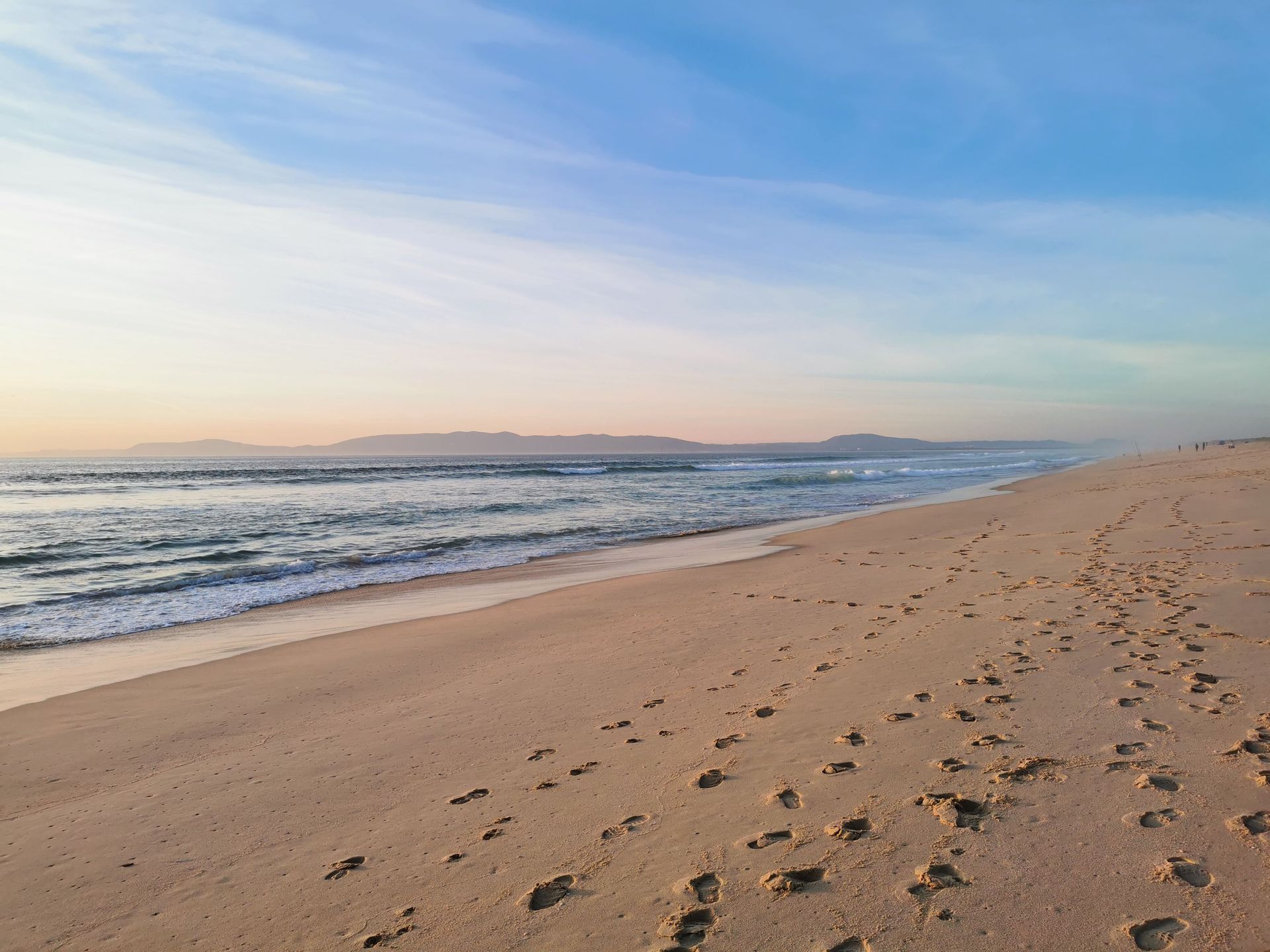
Comporta sits on Portugal's Alentejo coast, across the Sado estuary from Setúbal and less than 90 minutes from Lisbon by car, and strict local zoning rules have kept large-scale hotel development out of the area for decades. Low, thatched-roof buildings remain the dominant architectural style in the village center.
The surrounding landscape is defined by rice paddies, pine forest, and umbrella pines rather than the cliffs and coves found further south in the Algarve, Portugal's most visited beach region. Comporta's beaches, including Praia do Pego and Praia da Comporta itself, are wide Atlantic-facing stretches of sand backed by dunes, with cold water typical of Portugal's west coast rather than the warmer Mediterranean-style swimming found in the Algarve.
Comporta has drawn design, fashion, and film industry visitors for years, a reputation that dates back decades to when the Espírito Santo banking family controlled much of the land and limited its development. That history is part of why the area still looks closer to the 1970s than to a modern resort strip, even as its profile has risen internationally in recent years.
Because Comporta has no major airport of its own and relies on a roughly 90-minute drive from Lisbon, it functions more as a weekend or week-long retreat for people already in Portugal than as a standalone international destination, unlike the Algarve, which has direct flights from across Europe. That distinction keeps daily visitor volume lower, even during August, and it means restaurants, beach access, and parking rarely reach the saturation point common in more airport-adjacent beach regions.
The surrounding Sado Estuary Nature Reserve, established to protect one of Portugal's few resident bottlenose dolphin populations along with extensive salt pans and rice fields, limits how much of the coastline near Comporta can be built on at all. Local building codes still cap structures at low heights and require traditional materials in much of the village, which keeps the skyline close to what it looked like decades ago rather than shifting toward the high-rise hotels found in parts of the Algarve.
Credit: Etienne Dayer / Unsplash
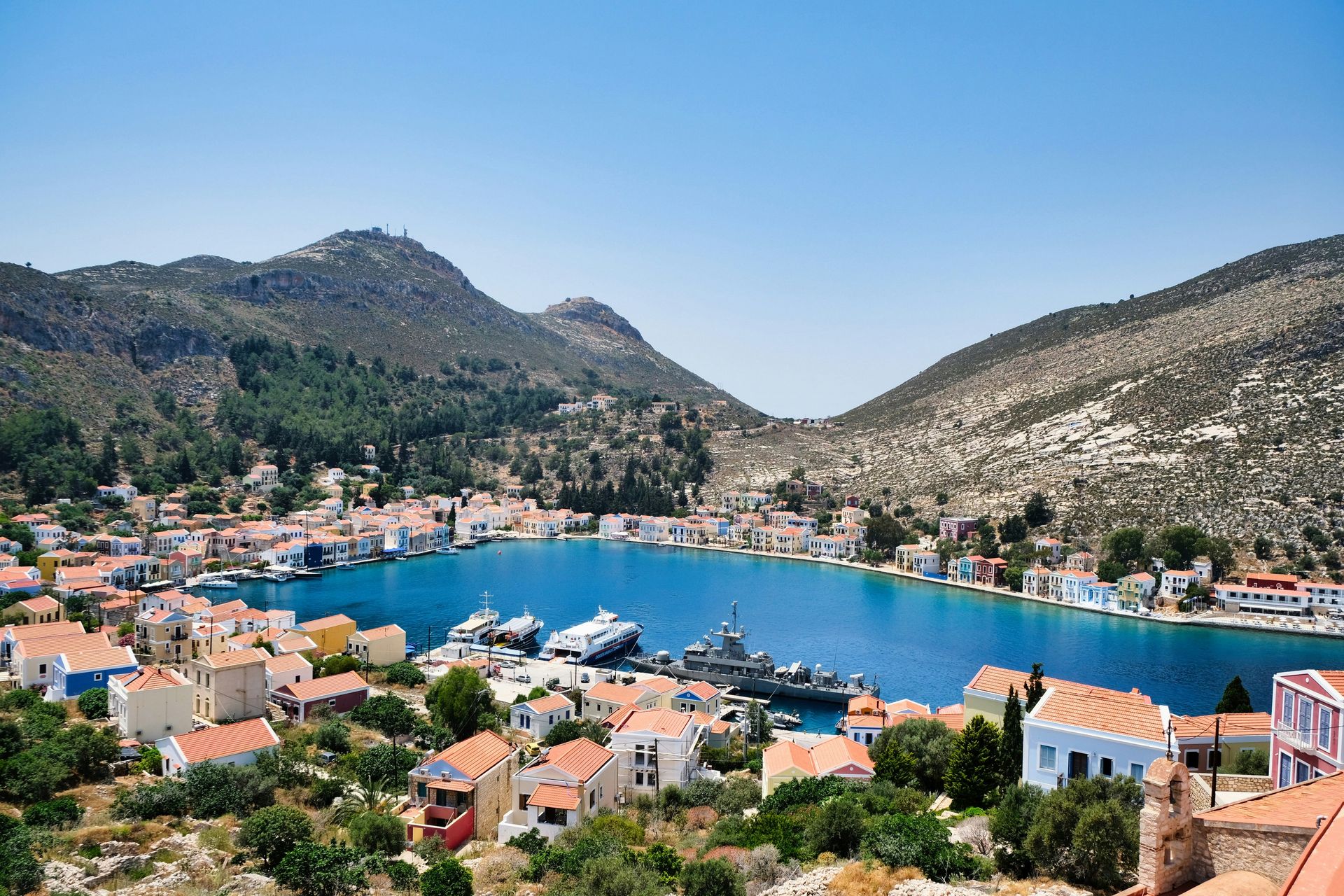
Kastellorizo is the easternmost inhabited Greek island, and it sits closer to the Turkish coastal town of Kaş, about two miles away, than to any other major Greek island, which limits how many visitors reach it in a given summer. Rhodes, the nearest larger Greek island, is still a multi-hour ferry ride away.
The island's population dropped sharply across the 20th century due to emigration, war, and a major fire in 1944, and it now numbers in the low hundreds year-round, rising modestly in summer. That small, fixed population caps the amount of accommodation and restaurant capacity on the island regardless of demand, which is the single biggest reason Kastellorizo has never scaled into a high-volume destination the way islands like Santorini or Mykonos have.
Kastellorizo's harbor is lined with restored neoclassical houses in faded pastel colors, rebuilt largely after the fire and subsequent decades of decline, and the island gained wider international attention after it served as the filming location for the 1991 Italian film "Mediterraneo," which won the Academy Award for best foreign language film. Swimming around Kastellorizo happens mostly off rocks and small coves rather than long sand beaches, and the nearby Blue Cave, accessible by small boat, is one of the island's main draws.
Access requires either a small domestic flight or a ferry connection through Rhodes, and schedules are limited compared to more developed islands, which keeps visitor numbers naturally capped rather than managed through any official tourism policy. For travelers willing to make that extra connection, Kastellorizo offers a Greek island experience with a fraction of the crowd density found on the country's most visited islands, even in peak season.
The island's location has also given it strategic weight beyond tourism, since it marks Greece's easternmost territorial point and sits at the center of periodic maritime boundary disputes between Greece and Turkey. Day-trip boats occasionally cross from Kaş on the Turkish side, adding a small number of visitors on top of those arriving from the Greek side, but the island's limited bed capacity still keeps overnight numbers modest compared with the Dodecanese islands built for larger-scale tourism.
Credit: Andrea Chiesa / Pexels
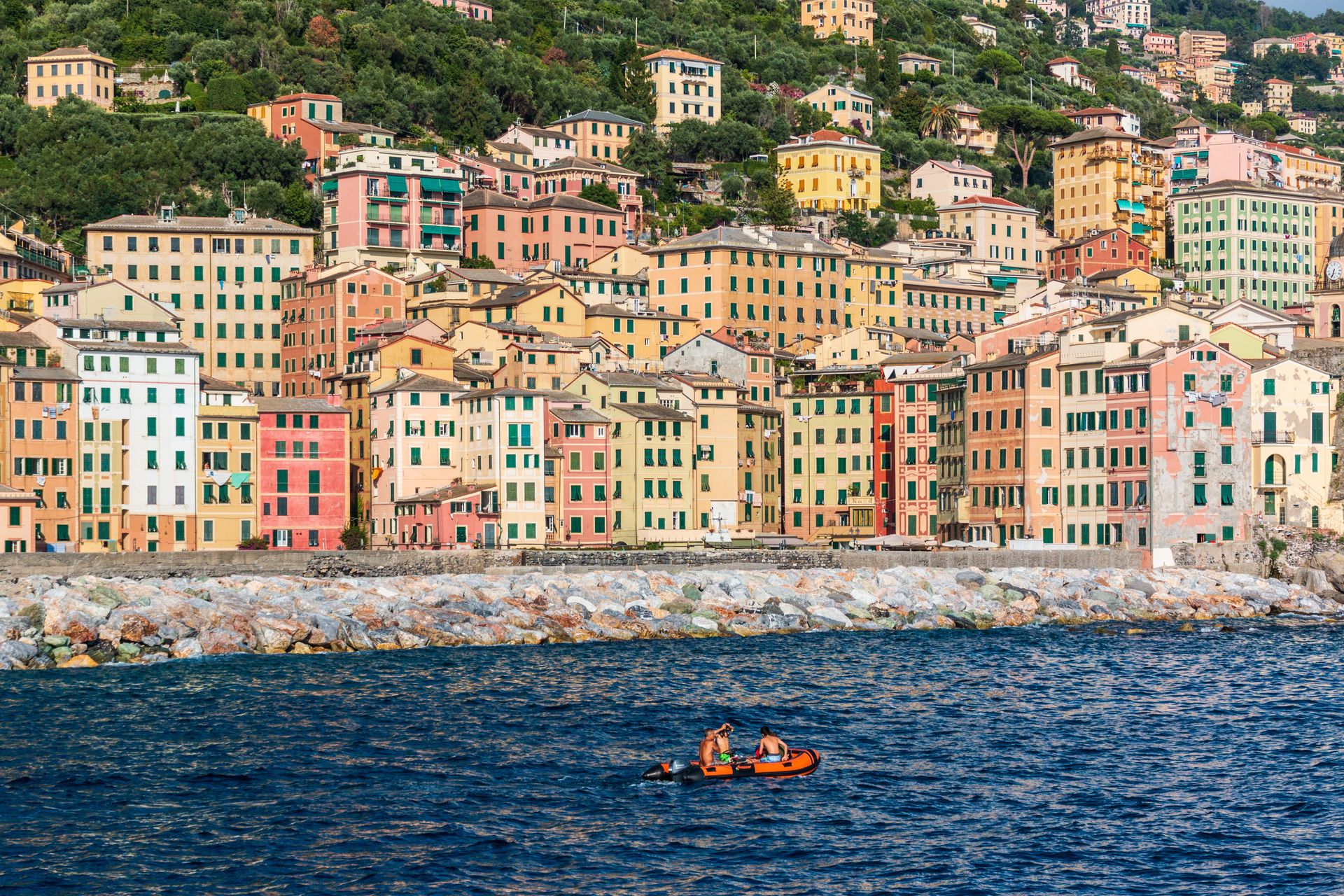
Camogli sits on Italy's Ligurian coast, a short train ride from Genoa and just a few miles from Portofino, and it draws far fewer visitors than its famous neighbor despite similar scenery and easy rail access. The town's name is believed to derive from "Casa delle mogli," or house of wives, a reference to the fishing families whose men were often away at sea for months at a time.
Camogli's harbor front is lined with tall, narrow buildings painted with trompe l'oeil details, a Genoese architectural tradition meant to simulate windows, balconies, and decorative stonework on otherwise flat facades. The town's main beach combines sand and pebbles directly below the old town, and swimming conditions are calm since the bay is naturally sheltered by the surrounding headlands.
Unlike Portofino, which built its reputation around exclusive shopping, yachts, and a small, tightly controlled harbor that limits crowd flow by design, Camogli remains a working fishing town, and its economy still depends in part on an active local fleet. The town holds an annual Sagra del Pesce, or fish festival, each May, frying sardines in a massive pan set up on the harbor front, a tradition that reflects the town's continued identity around fishing rather than luxury tourism.
Camogli also serves as a starting point for hikes into the Portofino Regional Natural Park, including the trail to the abbey of San Fruttuoso, a Benedictine complex accessible only by boat or on foot, which draws hikers and boat-day-trippers rather than the resort crowd that fills Portofino's harbor. That difference in visitor type, more than any difference in scenery, is what keeps Camogli's beach and old town noticeably less congested through August.
The town's train station connects directly to Genoa in under 30 minutes, and to the Cinque Terre villages further south, which makes Camogli a practical base for exploring the Ligurian coast without paying the higher accommodation prices found in Portofino itself or in the busiest Cinque Terre towns. Ferries also run from Camogli's harbor to Portofino and San Fruttuoso in summer, giving visitors a way to see both without needing to find parking in either.
Credit: Giannis Tsoumetis / Pexels
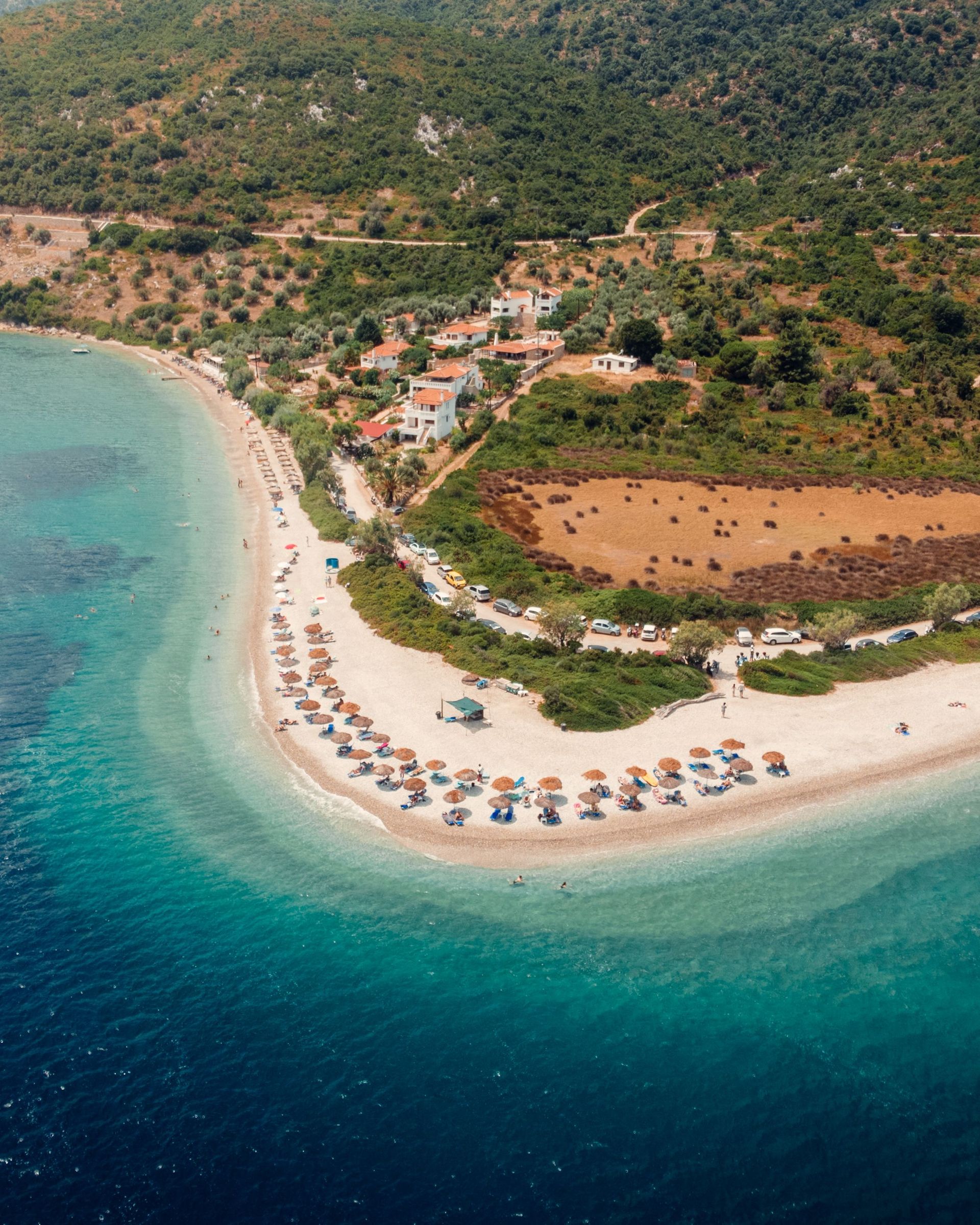
Alonissos is part of Greece's Sporades island group, and it draws a smaller, quieter crowd than its neighbors Skiathos and Skopelos, both of which have direct flights and more developed resort infrastructure. Alonissos has no airport, and reaching it requires a ferry connection, typically through Skiathos or Volos on the mainland.
The waters around Alonissos form the core of the National Marine Park of Alonissos and Northern Sporades, established in 1992 primarily to protect the critically endangered Mediterranean monk seal, one of the rarest marine mammals in the world. That protected status limits large-scale coastal development around much of the island and keeps boat traffic and construction lower than on comparable Greek islands without similar protections.
The island's main town sits on a hillside above the port of Patitiri, since the original hilltop settlement was largely destroyed by an earthquake in 1965 and much of the population relocated closer to the water. Beaches like Kokkinokastro, backed by pine forest and known for its red-tinted pebbles and clear water, and Chrysi Milia, a small sandy cove, remain far less developed than equivalent beaches on Skiathos.
Alonissos also functions as a base for boat trips into the marine park, including visits to smaller surrounding islets like Peristera and Kyra Panagia, which are otherwise uninhabited. Because the island's appeal is built around the marine park, hiking trails, and a slower pace rather than nightlife or resort amenities, it attracts a different type of August visitor than its neighbors, and that self-selection, combined with limited transport access, keeps its beaches meaningfully less crowded through peak season.
The island is also covered by an extensive network of old donkey paths, once the main routes between villages before roads were built, which are now maintained as hiking trails connecting the port to inland settlements and quieter beaches on the island's eastern side. Visitors arriving without a car can reach several of these beaches on foot, a layout that further spreads out whatever crowds do arrive rather than concentrating them at one or two easily reached spots.