These aren't cities you pass through — they're cities where the good stuff only appears once you've stopped rushing, found a neighborhood, and started coming back to the same café
MARCO BERTORELLO / Getty Images
There is a specific kind of travel disappointment that comes from moving too fast — the feeling, at the end of a two-week trip covering six cities, that you have seen a great deal and understood very little. You have photographs of the famous things. You have eaten in the recommended restaurants. You have stood in the squares that appear in every guidebook. And yet the city itself — the texture of daily life, the neighborhoods that locals actually use, the specific quality of light on a particular street at a particular time of day — has remained just out of reach, always receding as the next destination approached.
Slow travel is the antidote to that feeling, and Europe is exceptionally well-suited to it. The continent has a density of cities that are genuinely worth knowing — not just worth visiting — that is unmatched anywhere in the world. Cities with layered histories, distinct food cultures, walkable neighborhoods, and the kind of daily-life infrastructure — good markets, good cafés, good public transport, interesting bookshops — that makes staying somewhere for a week feel like inhabiting it rather than inspecting it.
The 25 cities on this list were chosen specifically for their slow-travel qualities. That means several things simultaneously. It means they have enough depth — enough neighborhoods, enough cultural texture, enough day-trip potential in the surrounding region — to sustain a week or more without exhausting themselves. It means they have a quality of daily life that rewards participation rather than observation: places where the best experiences are not in the famous museums but in the market on a Wednesday morning, the bar that everyone uses after work, the walk along the river that no guidebook has thought to recommend because it requires no explanation.
It also means, in several cases, that the cities are not the most obvious choices. Paris and Rome are not on this list — not because they do not reward slow travel, they do, but because they are so thoroughly documented that they need no additional advocacy. The cities here include some that are well-known and significantly underrated, some that are known primarily as day trips from more famous neighbors, and some that most travelers have never seriously considered. Several of them are among the most livable cities in Europe by the measures that matter to the people who actually live there, which is a reasonable proxy for what slow travel requires.
The slides are organized geographically, moving roughly from northwest to southeast across the continent. Each city is discussed in terms of what specifically rewards the slower pace — what you find in the second week that you miss in the first two days.
Arterra / Getty Images
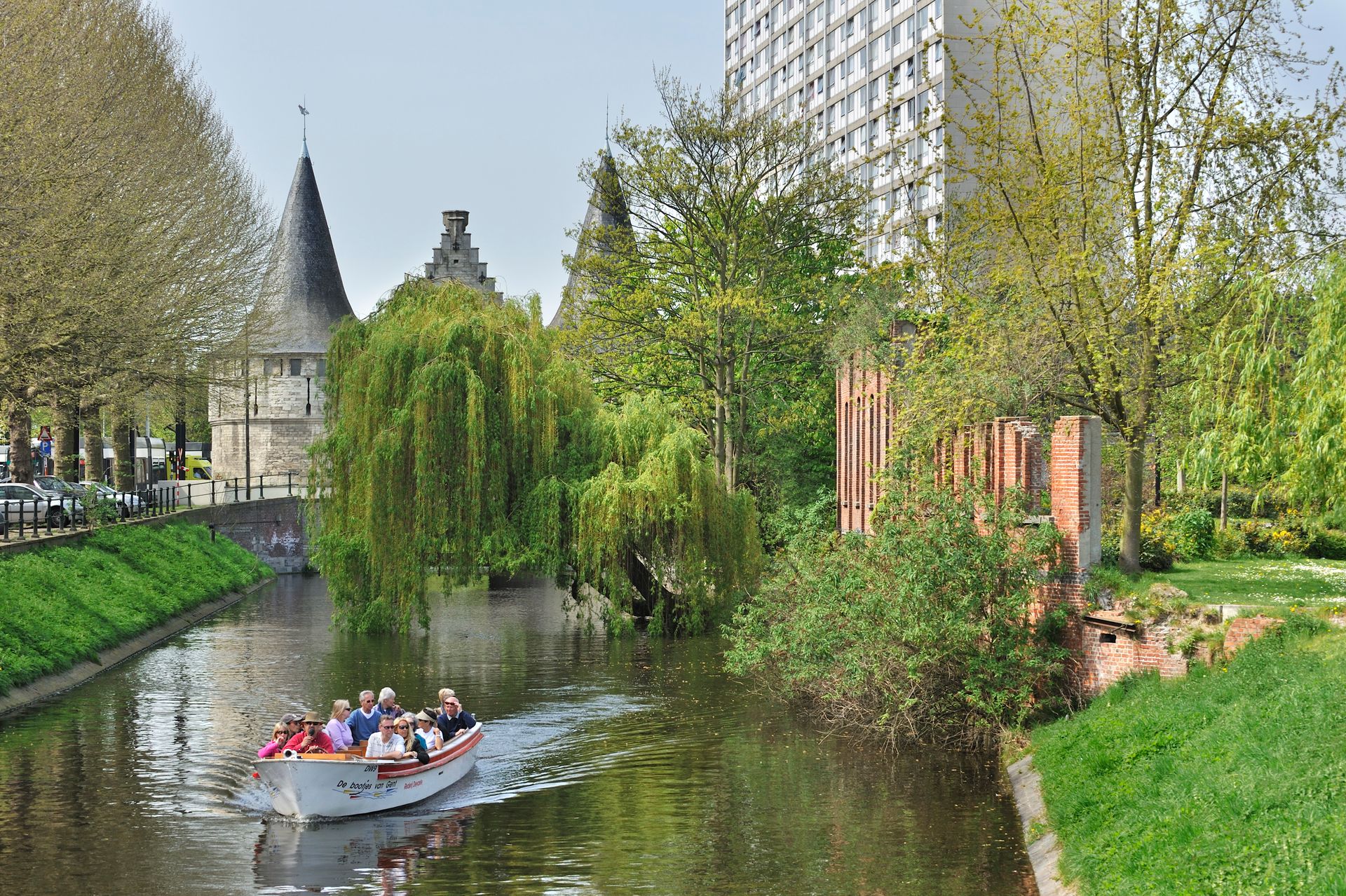
Ghent is the city that visitors to Brussels and Bruges most commonly overlook, and that oversight is entirely to those visitors' loss. It is a Flemish city of around 260,000 people with a medieval center that rivals Bruges in beauty and exceeds it considerably in life — Ghent is a university city, young and energetic in a way that Bruges, heavily touristed and somewhat preserved-in-amber, is not. The combination of extraordinary medieval architecture and a genuinely functioning contemporary city is rare in Europe, and Ghent manages it with an ease that suggests it has never had to try particularly hard.
The Graslei and Korenlei — two quays facing each other across the Leie river, lined with guild houses dating from the 12th to the 17th century — are the postcard image of Ghent and worth the visit for the architecture alone. But the city reveals itself in its neighborhoods rather than its landmarks. The Patershol district, a warren of narrow cobbled streets northwest of the old center, is where the best restaurants are — small, unhurried, cooking Flemish food with the seriousness that the Belgians bring to eating. The Vrijdagmarkt, the old market square, has a Friday market that has been running since the 14th century and remains a genuine food market rather than a tourist one.
The Stam city museum is one of the better city history museums in Europe — genuinely illuminating about how Ghent became what it is — and the Museum of Fine Arts holds an excellent Flemish masters collection without the crowds that make the Bruges museums difficult. SMAK, the city's contemporary art museum, has a collection that punches well above its weight for a city of this size.
Ghent is also the starting point for excellent cycling in the surrounding Flemish countryside, and the city's cycling infrastructure is among the best in Belgium. The slow-travel logic is straightforward: a week here, split between the old center and the neighborhoods, with a day ride into the polder landscape to the north, produces an understanding of Flemish culture and daily life that no two-day visit can approximate.
NurPhoto / Getty Images
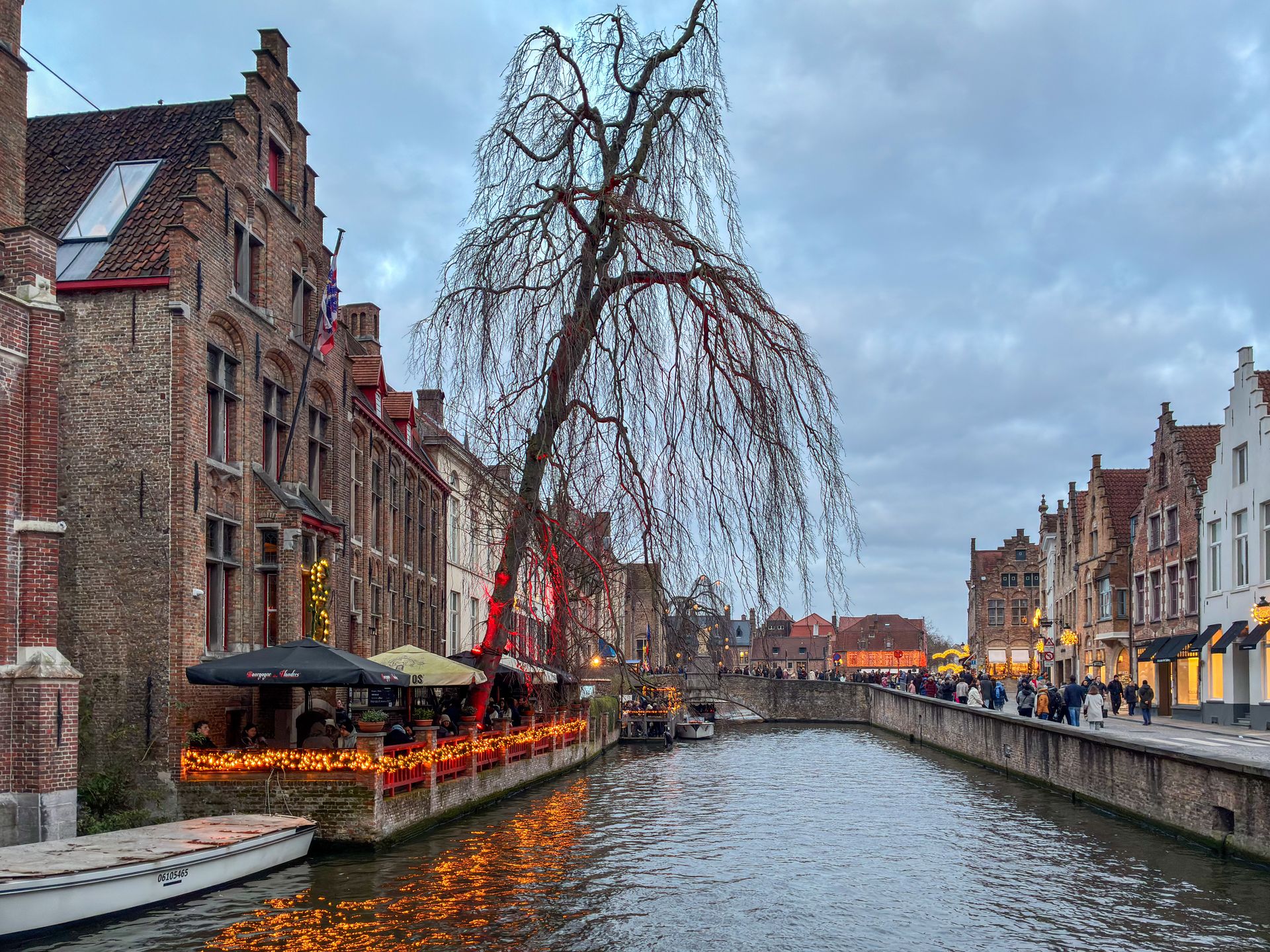
Bruges risks being dismissed as too touristed, too preserved, too much of a theme park of Flemish medievalism to qualify as a slow-travel destination. The dismissal is understandable and not entirely wrong — in July and August, the main canals are crowded and the restaurant-to-tourist ratio tips toward the latter. But Bruges in the off-season, or in the early mornings and evenings of any season, is a different city: quieter, more itself, and genuinely one of the most beautiful urban environments in Europe.
The city's medieval canal network is the obvious attraction, and it rewards repeated walking more than any single viewing. The light on the water changes throughout the day, and the same view from the same bridge looks entirely different at seven in the morning than at noon. The Beguinage — a 13th-century enclosed community for lay religious women, now occupied by Benedictine nuns — is one of the most tranquil spaces in any European city and virtually unknown to day-trippers who do not walk far enough from the main square.
The Groeninge Museum holds what is, by any measure, one of the finest collections of early Flemish painting in the world — Jan van Eyck, Hans Memling, Rogier van der Weyden — in a small enough space that a morning spent with it feels genuinely intimate rather than exhausting. The hospital museum of Sint-Janshospitaal contains Memling's hospital altarpieces in their original setting, which produces a quality of encounter with late medieval painting that no major museum can replicate.
The food and drink culture in Bruges is excellent and largely ignored by visitors who eat in the tourist restaurants on the main square. The Belgian beer culture here — the city has several excellent beer bars with hundreds of local options — rewards a slow evening's exploration, and the chocolate shops that line every street are, behind the tourist exterior, genuinely serious about their craft.
NurPhoto / Getty Images
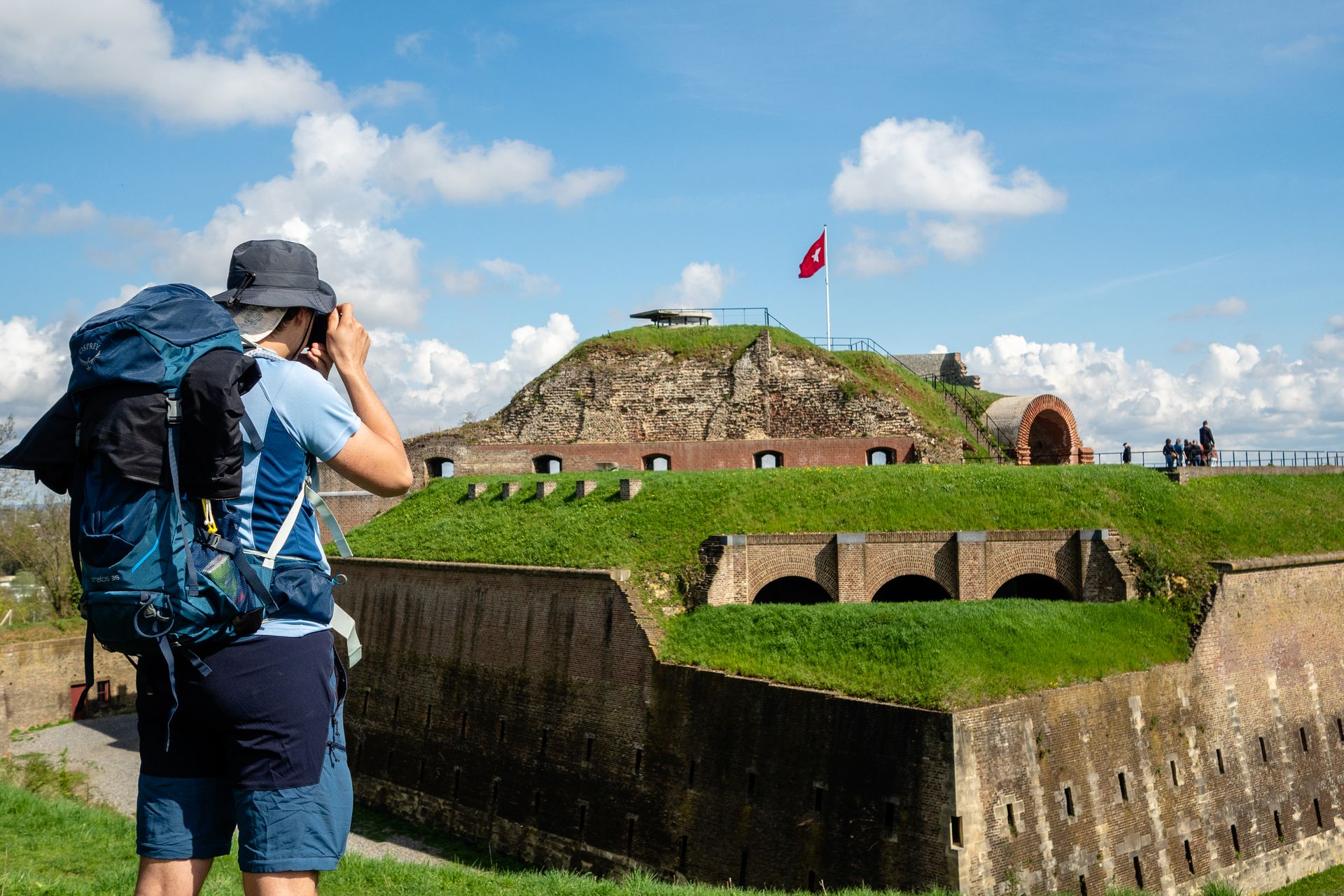
Maastricht is the most un-Dutch of the Dutch cities — a southern city that spent centuries as part of various non-Dutch political entities and absorbed French, Belgian, and Burgundian influences in the process, producing a food culture, an architecture, and a social disposition that feels more Burgundian than Calvinist. It is also the city where the European Union as a legal entity was born, the Maastricht Treaty having been signed here in 1992, which gives it a specific geopolitical significance that its modest size belies.
The old center — compact, walkable, built around the Vrijthof square and the Maas river — has a density of good restaurants per square meter that rivals cities many times its size. The local cuisine draws on French, Belgian, and Dutch traditions simultaneously, and the market on the Markt square on Wednesday and Friday mornings is a genuine food market with excellent regional produce. The Wyck neighborhood, east of the river, has a concentration of independent food shops, wine merchants, and delicatessens that makes it worth an afternoon's wandering.
The Bonnefanten Museum, housed in a Aldo Rossi-designed building on the river, holds an excellent collection of pre-1900 European art and contemporary work, and the Roman ruins beneath the city — Maastricht was the Roman settlement of Mosae Trajectum — are accessible through the Derlon Hotel's basement, one of the more unusual archaeological visits available in a European city.
The surrounding region rewards day trips. The South Limburg landscape — the only genuinely hilly part of the Netherlands, with vineyard-covered slopes and half-timbered villages — is accessible by bicycle from the city center. Valkenburg, a small town with a castle ruin and a network of limestone caves that host a Christmas market, is 20 minutes by train.
Alfredo Martinez / Getty Images
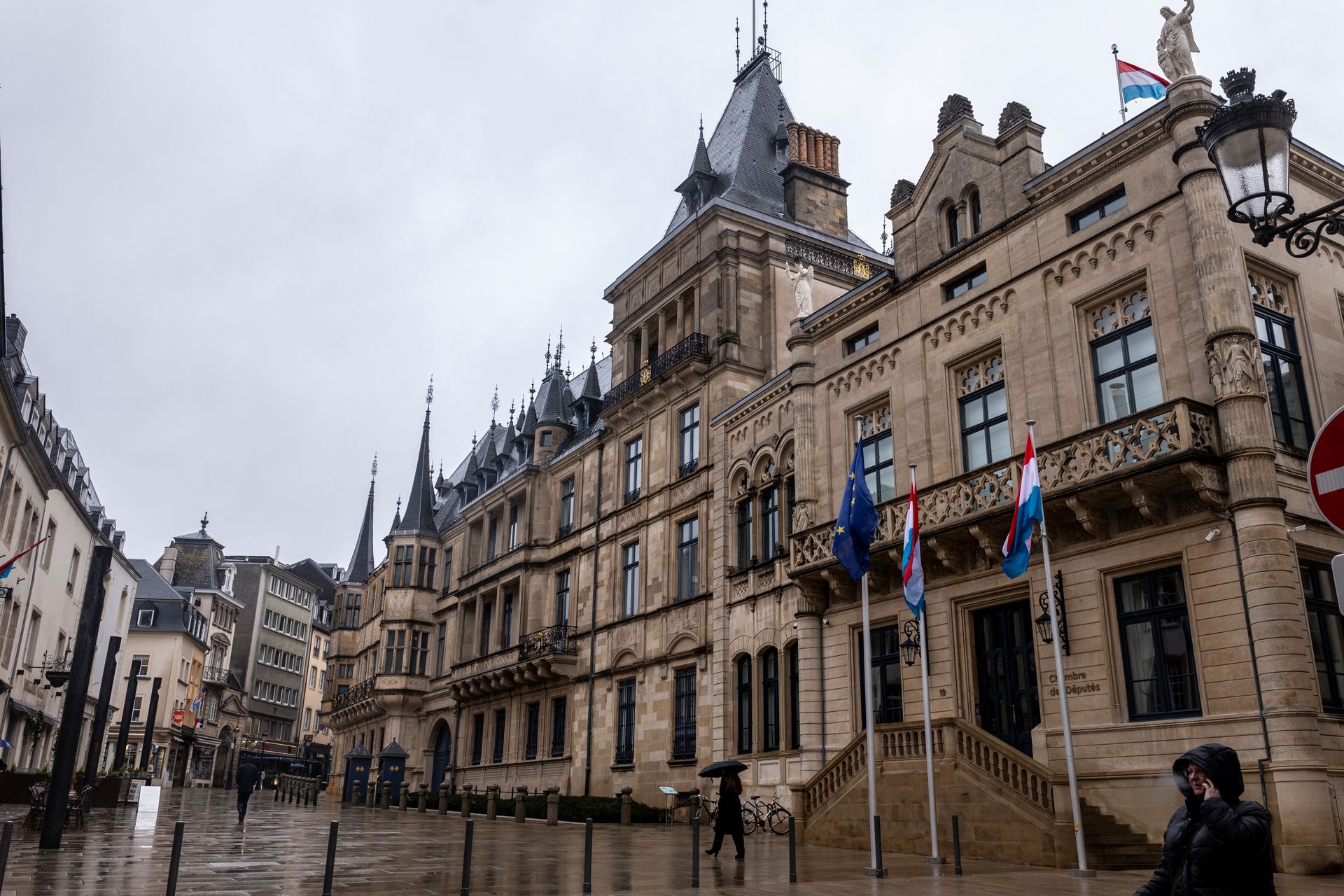
Luxembourg City is Europe's most underrated capital — a city of 130,000 people built dramatically across the Alzette and Pétrusse valleys, with a UNESCO World Heritage old town perched on sandstone cliffs above the rivers and a contemporary financial district that announces the city's current prosperity without overwhelming the medieval core. Most visitors arrive for a day on the way to somewhere else. A week reveals a city of genuine depth and considerable charm.
The Bock promontory — the rocky outcrop on which Count Sigefroi built the original fortress in 963 CE — is the historical foundation of the city and offers views across the valley to the Grund neighborhood below that are among the most dramatic in any European capital. The network of underground casemates carved into the sandstone cliffs — 23 kilometers of tunnels used variously as military fortifications, stables, and civilian bomb shelters — is accessible to visitors and gives a physical understanding of the city's strategic importance across centuries.
The Grund, down in the valley, is the neighborhood that most rewards slow walking: low, old houses along the river, several excellent restaurants, and a quality of quietness just minutes from the old town above that feels like a different city. The Clausen neighborhood, equally accessible by the elevator from the plateau, is where the city's nightlife concentrates.
The Mudam museum of contemporary art, housed in a building designed by I.M. Pei adjacent to the remains of a Roman fort, has a collection and a program that would distinguish it in any major European city. The National Museum of History and Art holds an excellent archaeological collection covering the territory from the Stone Age through the medieval period.
Luxembourg's position at the center of the Benelux region makes it an ideal slow-travel base: Trier in Germany is 50 minutes by train, the Moselle wine valley runs from the city's eastern border, and the Ardennes forest of northern Luxembourg offers some of the best hiking and cycling in the region.
ROMEO BOETZLE / Getty Images
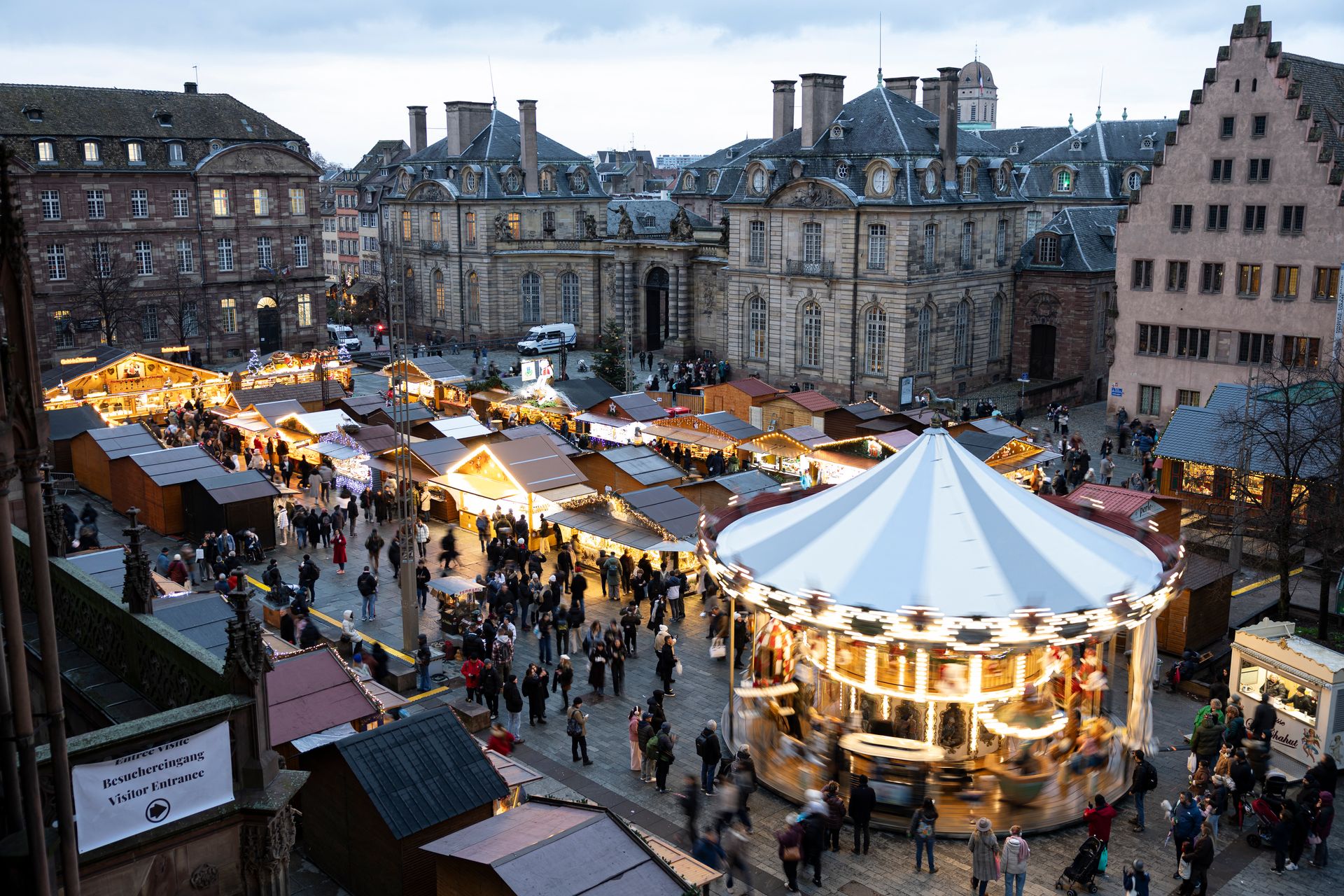
Strasbourg occupies one of the most historically loaded positions in Europe — a city that has been French, German, French, German, and French again within living memory, that hosts the European Parliament and the Council of Europe, and that has absorbed the architectural and culinary influences of both nations into something that is entirely neither. It is Alsatian, which is a category of its own, and the city's slow-travel reward is largely the pleasure of understanding what that means in practice.
The Grande Île — the island in the Ill river that forms the historic center — is a UNESCO World Heritage Site and contains one of the most intact medieval street networks in France. The Cathedral of Notre-Dame, begun in 1015 and completed over the following four centuries, dominates the center in a way that rewards repeated visits at different times of day — the west facade changes in the light in ways that medieval builders understood and engineered deliberately. The Petite France neighborhood, the former tanners' quarter with its half-timbered houses and canal locks, is the most photographed part of the city and yet still genuinely beautiful rather than merely picturesque.
The food culture reflects the German influence without being German: choucroute garnie, flammekueche (tarte flambée), baeckeoffe, and the excellent Alsatian wines — Riesling, Gewürztraminer, Pinot Gris — that accompany them. The winstub — a specifically Alsatian form of wine tavern, warm and unpretentious, serving regional food and local wines — is the correct slow-travel evening option, and there are several excellent ones in the old center.
The tram network is one of the best in France and connects the center to the European institutions quarter and to the German side of the Rhine at Kehl, making a day trip into the Black Forest straightforward. The Alsatian wine route, running south from Strasbourg through a series of medieval wine villages to Colmar and beyond, is one of the great slow-travel cycling routes in Europe.
JARRY/TRIPELON / Getty Images
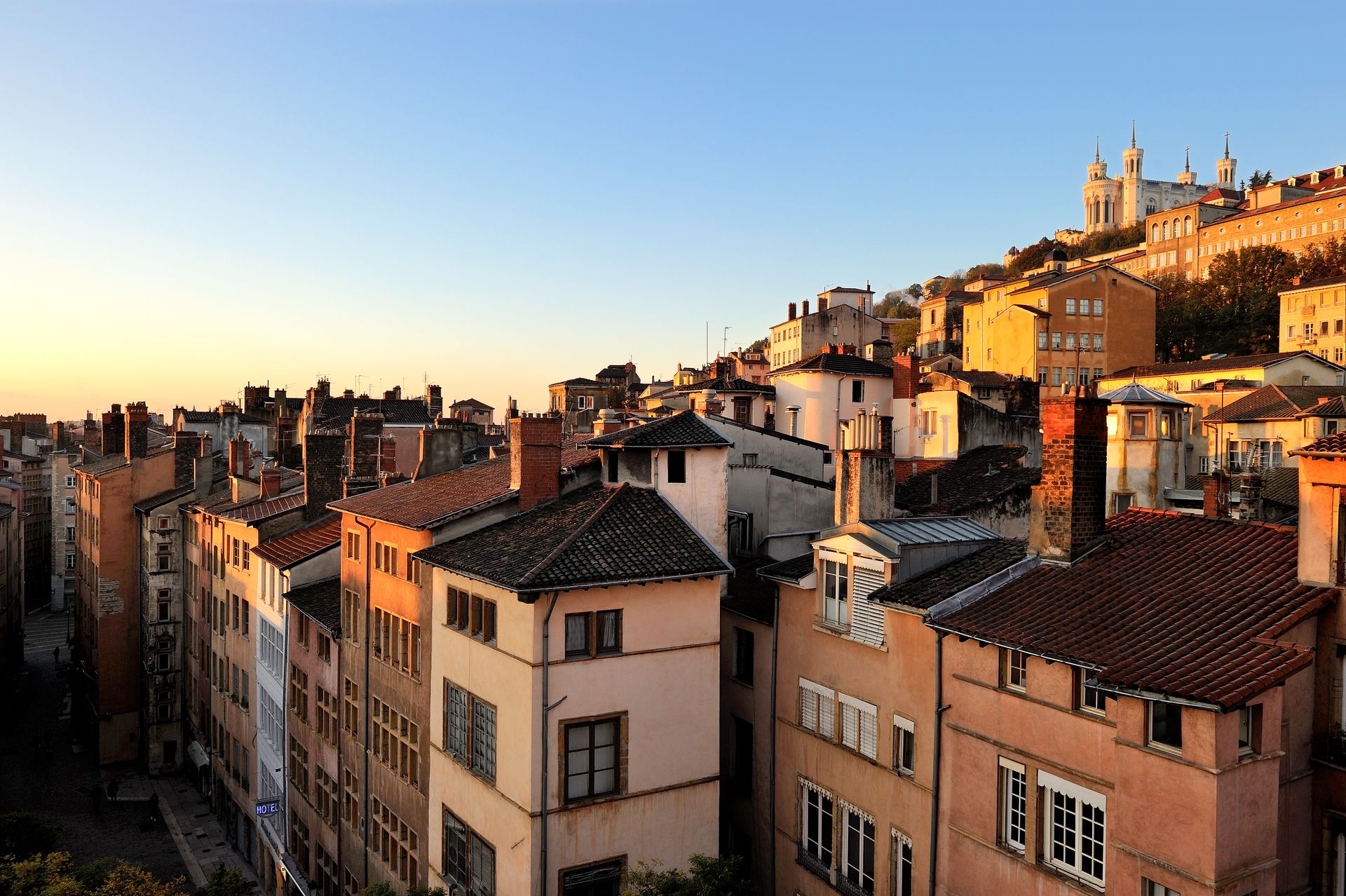
Lyon is, by any serious accounting, the food capital of France, which makes it the food capital of Europe, which makes it arguably the food capital of the world — a claim that Lyonnais make without embarrassment and that is difficult to dispute once you have spent a week eating there. The city's food culture is organized around the bouchon — a specifically Lyonnais institution, somewhere between a bistro and a tavern, serving offal-heavy traditional cooking in a way that is simultaneously convivial and deeply serious about the food.
The old city — Vieux-Lyon, a UNESCO World Heritage Site on the west bank of the Saône — is one of the largest Renaissance districts in Europe, a grid of traboules (covered passageways that run through buildings from street to courtyard to street, originally used by silk workers to transport fabric without weather damage) and pastel-colored facades that takes days to explore properly. The Croix-Rousse neighborhood, above the old city on the hill, is where the silk weavers — canuts — lived and worked, and it retains a specific character that distinguishes it from the bourgeois neighborhoods of the Presqu'île below.
The Musée des Confluences, at the point where the Rhône and Saône rivers meet, is one of the best natural history and anthropology museums in France, in a building of considerable architectural drama. The Institut Lumière, in the Monplaisir neighborhood, occupies the family home of Auguste and Louis Lumière, who invented cinema here in 1895, and houses an excellent museum of cinema history.
The slow-travel case for Lyon is straightforward: the food alone — properly explored across a week of bouchon dinners, market mornings at Les Halles de Lyon Paul Bocuse, and wine bar evenings — justifies the time. The city's position in the Rhône-Alpes region also makes it an ideal base for day trips to Beaujolais, Burgundy, and the French Alps.
David Silverman / Getty Images
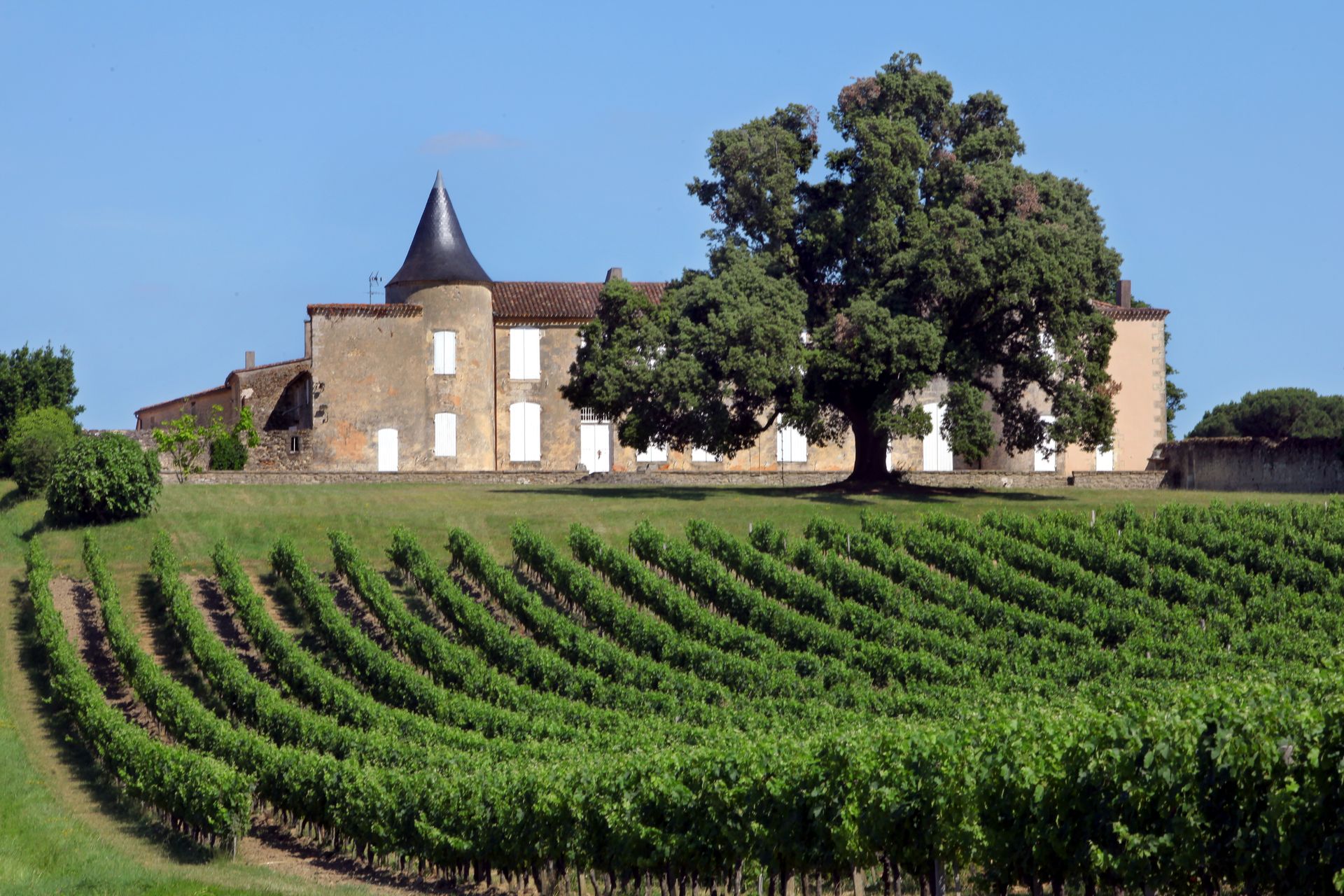
Bordeaux spent most of the 20th century as a wealthy but somewhat stiff and self-satisfied city, its identity organized entirely around wine and its urban environment suffering from the suburban sprawl and car-dominated planning that afflicted most French cities in the postwar decades. The transformation since 2000 — driven by a tram system, the rehabilitation of the waterfront, and a new generation of chefs and wine professionals — has been one of the more dramatic urban renewals in Europe, and the city that emerges is one of the most pleasurable in France to spend a week in.
The 18th-century city center — the UNESCO-listed port city of the Moon, named for the crescent shape of the Garonne waterfront — is architecturally one of the most coherent in France: a grid of limestone buildings in a consistent neoclassical style, punctuated by great squares and a waterfront promenade that is now genuinely used rather than merely admired. The Place de la Bourse, reflected in the thin sheet of water of the Miroir d'eau — the world's largest reflecting pool, alternately a mirror and a mist fountain — is one of the great urban spaces of Europe.
The wine culture is the obvious draw, but it rewards immersion more than inspection. The Cité du Vin museum, a Gehry-influenced building on the waterfront, provides an excellent overview of wine culture globally, and the wine school at the Cité runs tasting courses that give a structured entry point to the Bordeaux classification system. Day trips to the châteaux of the Médoc, Saint-Émilion, and Pomerol are logistically straightforward and reward the traveler who has done even a modest amount of preparatory reading.
The food scene has improved significantly in the past decade. The covered market of the Marché des Capucins, the food hall of the Halles de Bacalan, and a growing number of wine-bar-restaurants serving natural wines with serious food make Bordeaux increasingly worth visiting for reasons beyond the grand châteaux.
Education Images / Getty Images
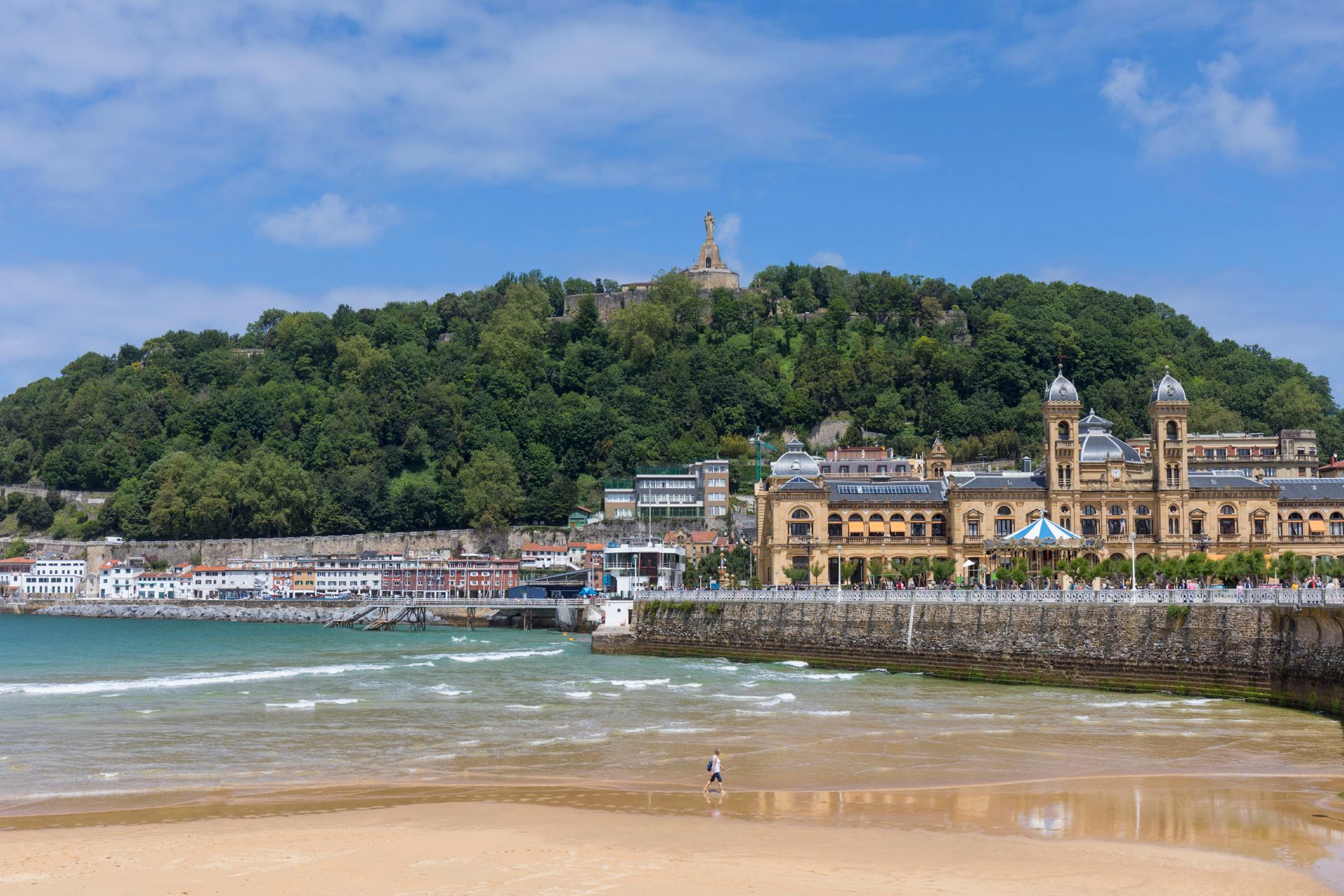
San Sebastián — Donostia in Basque — is the city where food culture has been taken furthest and made most central to daily life anywhere in Europe. The pintxos bars of the Parte Vieja, the old quarter, represent a specific culinary tradition — small preparations of extraordinary quality, eaten standing at a bar with a glass of txakoli, the local slightly sparkling white wine — that has no real equivalent elsewhere. The city has more Michelin stars per capita than anywhere else on Earth except Kyoto, and the contrast between the Michelin-starred temples and the pintxos bars in which ordinary Basque people eat extraordinary food every evening is one of the most revealing things about what a genuine food culture looks like.
The physical setting rewards slow travel in its own right. The city is built around La Concha bay — regularly cited as one of the most beautiful urban beaches in Europe — and the hills of Monte Urgull and Monte Igueldo frame the bay and offer views that change completely with the weather, which in the Basque Country means changing several times a day. The beach is genuinely used by the city's residents year-round, in a way that says something specific about Basque daily life and its relationship to the outdoors.
The Parte Vieja — the compact old quarter in the shadow of Monte Urgull — is where the pintxos culture concentrates, but the Gros neighborhood, east of the river Urumea, is where a younger generation of chefs and food producers has established itself, and its food scene is increasingly interesting. The Mercado de la Bretxa, rebuilt underground in a way that preserves the surface plaza, is the city's main food market and worth visiting on a Saturday morning to understand the quality of the local ingredient base.
Day trips from San Sebastián into the Basque interior — to Bilbao, to the txakoli wine country around Getaria, to the cider houses of Astigarraga — give a broader picture of Basque culture and gastronomy that the city alone cannot provide.
ANDER GILLENEA / Getty Images
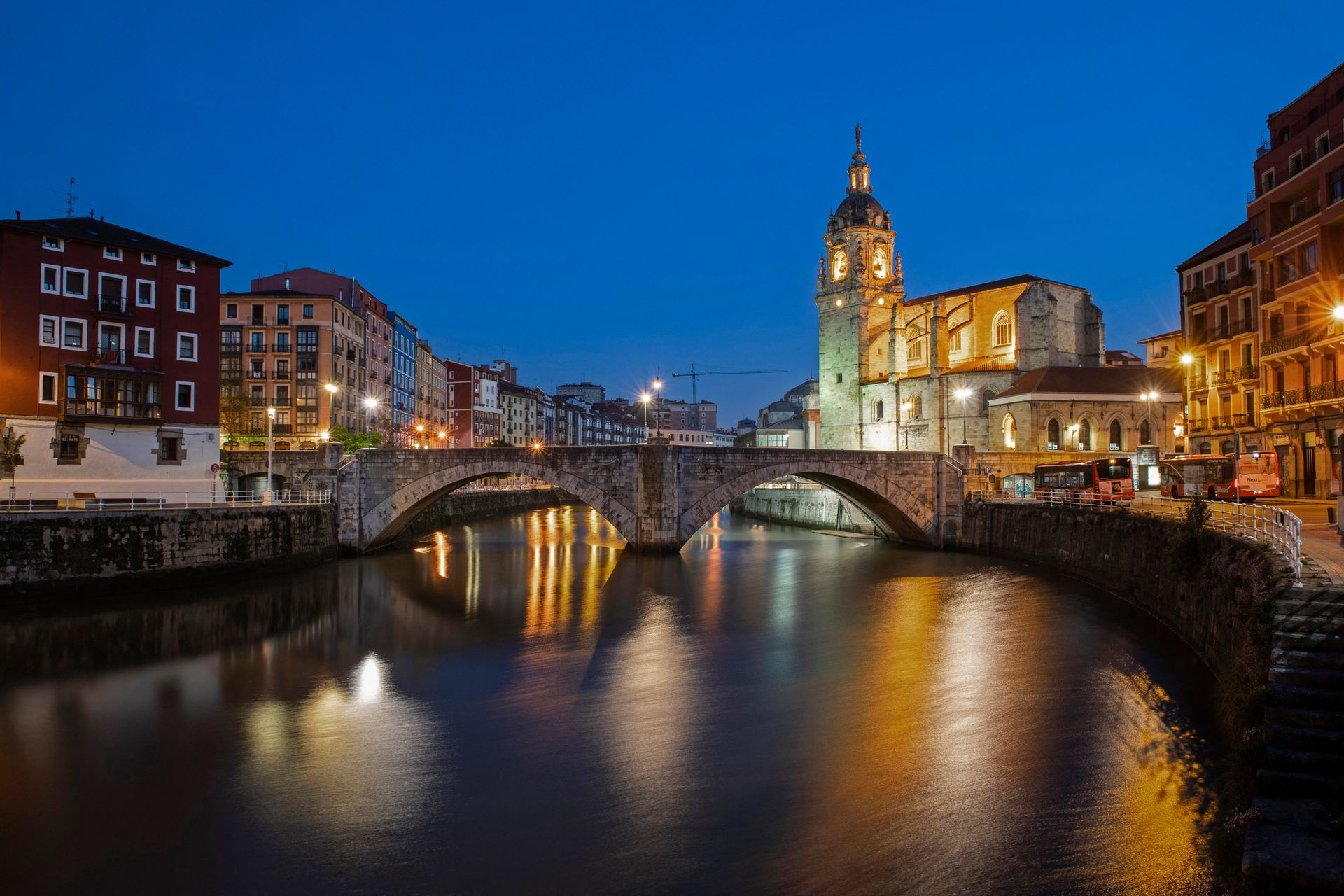
Bilbao's transformation from a post-industrial Basque port city into a cultural destination is the most studied case of urban regeneration through architecture in recent history, and the Guggenheim Museum Bilbao — Frank Gehry's titanium-clad building on the Nervión riverfront — is the most cited example of a single building catalyzing urban renewal. The transformation is real, and it extends far beyond the museum. A week in Bilbao reveals a city that has used its reinvention intelligently, retaining what was worth retaining while building what was needed.
The Casco Viejo — the old quarter on the east bank of the Nervión — predates the industrial city and retains the seven streets of the medieval settlement, now lined with pintxos bars, markets, and the covered market of the Mercado de la Ribera, the largest covered market in the Basque Country. The contrast between the Casco Viejo's intimate street scale and the post-industrial grandeur of the Abandoibarra waterfront, where the Guggenheim sits, is one of the city's most interesting qualities — it is not a city that erased its past to reinvent itself but one that added a new layer.
The Guggenheim collection and building program are excellent and reward more than the single visit that most itineraries allow. The permanent collection rotates, and the temporary exhibition program has been consistently strong since the opening in 1997. The building itself changes with every visit as the light conditions change — the titanium panels respond to morning light, afternoon sun, and overcast days in completely different ways.
The food culture is Basque — serious and ingredient-focused — with a particular strength in seafood that reflects the city's port history. The Mercado de la Ribera's fish section is among the best in Spain. The pintxos bars of the Casco Viejo are the correct evening activity, and the wine bars of the Ensanche neighborhood, the 19th-century expansion district, are where to spend the hours between dinner and midnight.
CESAR MANSO / Getty Images
Salamanca is the university city par excellence of Spain — the University of Salamanca, founded in 1218, is one of the oldest in the world and has shaped the character of the city so thoroughly that the student-to-resident ratio, the academic calendar, and the intellectual life of the place are still organized around it eight centuries later. The Plaza Mayor, completed in 1755 and widely considered the most beautiful baroque square in Spain, is not merely a tourist attraction but the actual social center of the city — where people meet, where the student population gathers in the evenings, where the daily life of Salamanca is conducted.
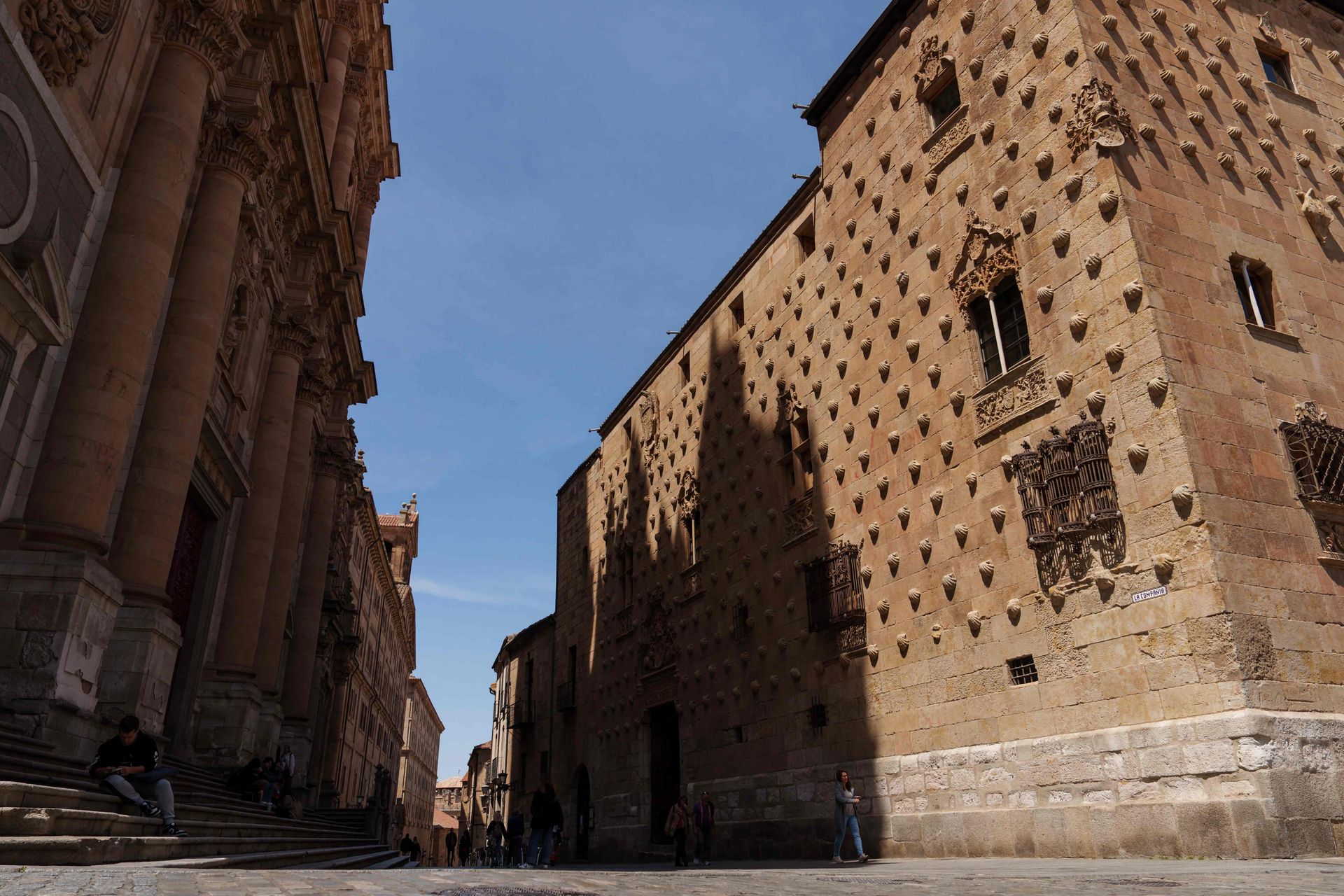
The architectural coherence of Salamanca's old center — almost entirely built in the warm golden Villamayor sandstone that gives the city its characteristic amber color, and glowing in the late afternoon light in a way that is one of the most beautiful things in Castile — rewards the slow walker. The Plateresque facade of the University of Salamanca, intricately carved with figures, symbols, and hidden references that students have been studying since the 16th century, includes a carved frog on a skull that students traditionally find for good luck before examinations — a hunt that takes some time and that connects visitors to an 800-year tradition of student life.
The Casa de las Conchas, the Convento de San Esteban, the Old and New Cathedrals — two cathedrals built side by side over several centuries, with the Romanesque old cathedral preserved inside the later Gothic and baroque extensions — give the city an architectural depth that a day trip cannot exhaust.
The tapas culture in Salamanca is excellent and unusually good value by Spanish standards. The area around the Calle Van Dyck, northwest of the old center, is where the best independent restaurants have established themselves. The city is also an excellent base for exploring the Castilian landscape: the medieval walled city of Ciudad Rodrigo, the Sierra de Francia mountains to the south, and the UNESCO-listed Arribes del Duero canyon landscape are all within an hour.
John Keeble / Getty Images
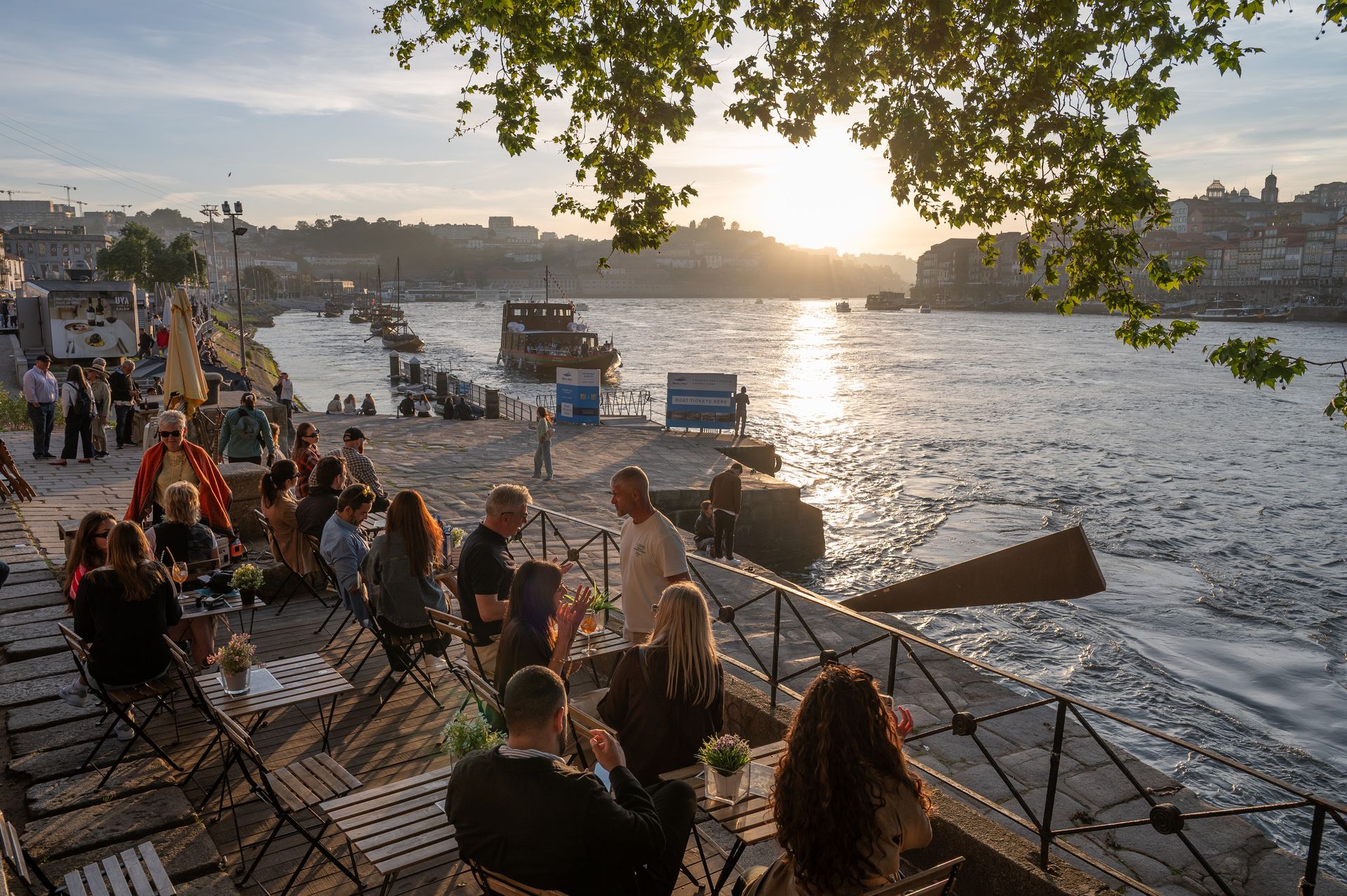
Porto is the city that most consistently surprises visitors who come expecting a smaller, quieter Lisbon and find instead something more original, more intense, and in certain ways more genuinely itself. The city's relationship with its own beauty — the azulejo tile facades, the Douro riverfront, the iron bridges designed by Eiffel's firm — is unsentimental in a way that distinguishes it from more self-consciously picturesque cities. Porto looks the way it does because that is how it was built, not because it has been preserved for viewing.
The old center — a UNESCO World Heritage Site — is built on steep hillsides above the Douro, and walking it properly requires accepting that most routes involve significant climbing. The reward is the views, the specific quality of the light on the tiled facades, and the discovery of neighborhoods that no map makes legible until you have walked them. The Miragaia and Fontainhas neighborhoods, east of the center along the river, are among the most architecturally rich and least visited parts of the city.
The wine culture is organized around Port wine — the fortified wine produced in the Douro Valley and aged in the lodges of Vila Nova de Gaia, directly across the Douro from the old city — but Porto's table wine scene has expanded significantly in the past decade. The city's natural wine bars, concentrated in the Cedofeita and Bonfim neighborhoods, are among the most interesting in Portugal.
The Livraria Lello — the neo-Gothic bookshop that is one of the most beautiful in the world and that was one of J.K. Rowling's inspirations for Hogwarts — now charges an entry fee that discourages casual visiting, but the fee is deductible from book purchases and the shop genuinely deserves the time. The Serralves Museum of Contemporary Art, in a house and garden by Álvaro Siza Vieira, is one of the best contemporary art institutions in Portugal.
The Douro Valley, accessible from Porto by train, is one of the most dramatic wine landscapes in Europe and rewards at least one full day.
Jumping Rocks / Getty Images
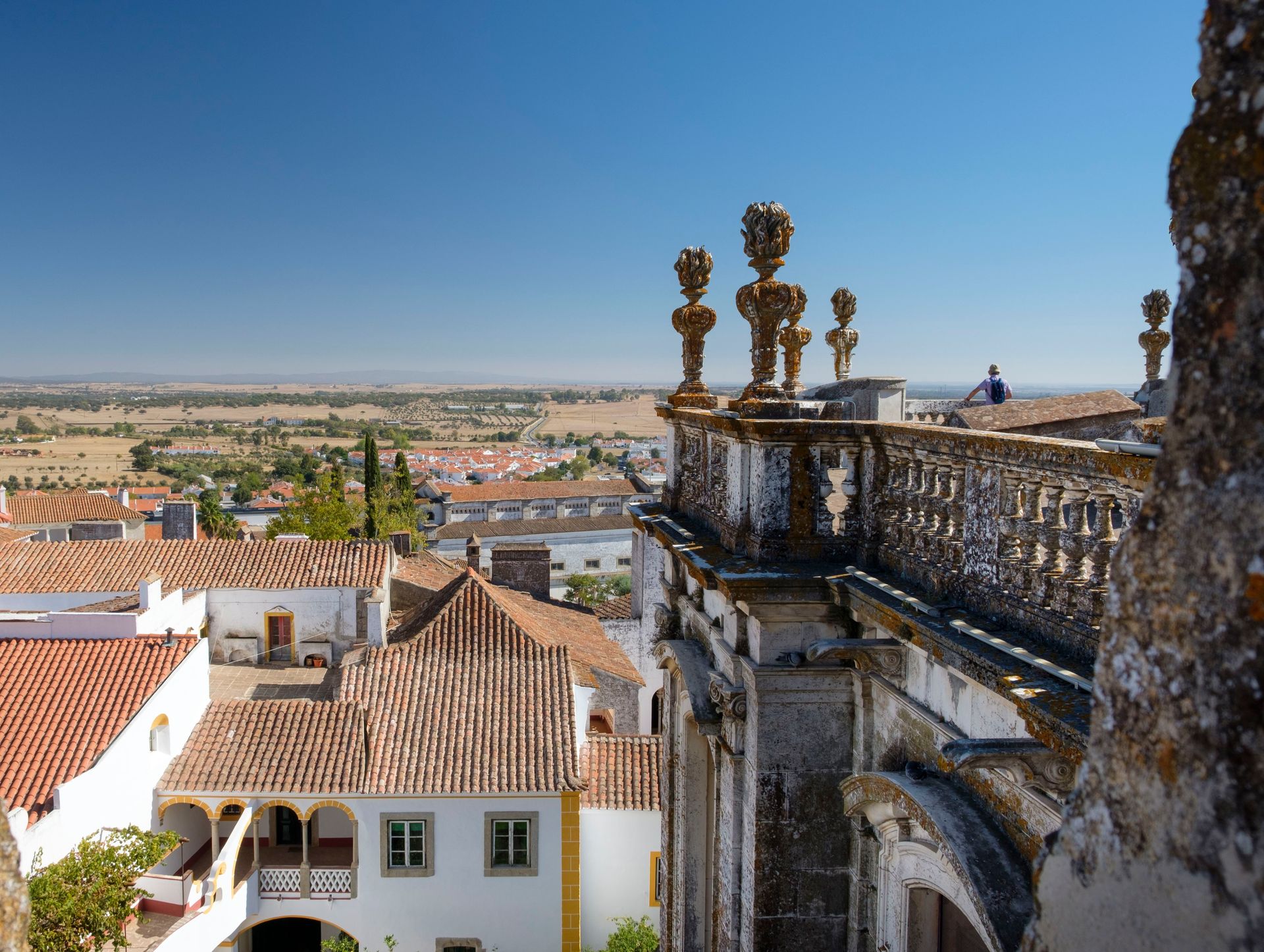
Évora is an Alentejo city of 55,000 people enclosed within 14th-century walls, with a remarkably intact historic center that contains a Roman temple, a medieval cathedral, a Renaissance university, a Manueline chapel, and the Capela dos Ossos — the Chapel of Bones, whose interior walls are lined with the bones and skulls of approximately 5,000 monks — all within comfortable walking distance of each other. It is also one of the quietest cities in this list, with a pace of daily life that the Alentejo heat enforces and that slow travelers will find deeply congenial.
The Roman Temple of Évora — 14 Corinthian columns dating from the first or second century CE, standing intact in the center of the old city with a view across the Alentejo plain — is one of the best-preserved Roman temples in the Iberian Peninsula, and its survival within a functioning modern city gives it a quality of encounter that museum-housed antiquities cannot replicate. The Cathedral of Évora, begun in 1186, has a cloister and a treasury of medieval religious art that are among the best in Portugal.
The Alentejo food culture — one of the richest and least internationally known regional cuisines in Europe — is the slow-travel reward that most visitors do not anticipate. Black pork from the region's Iberian pigs, fresh bread rubbed with lard and sprinkled with salt, migas (bread-based dishes of extraordinary variety), açorda (a bread and egg soup with coriander), and the full-bodied red wines of the Alentejo DOC make eating in Évora a specific pleasure. The market on Tuesday mornings is a genuine regional market, not a tourist one.
Day trips from Évora give access to the Alentejo cork forest landscape, the megalithic monuments of the Almendres cromlech — a stone circle predating Stonehenge — and the Alqueva reservoir, the largest artificial lake in Western Europe.
Stefano Guidi / Getty Images
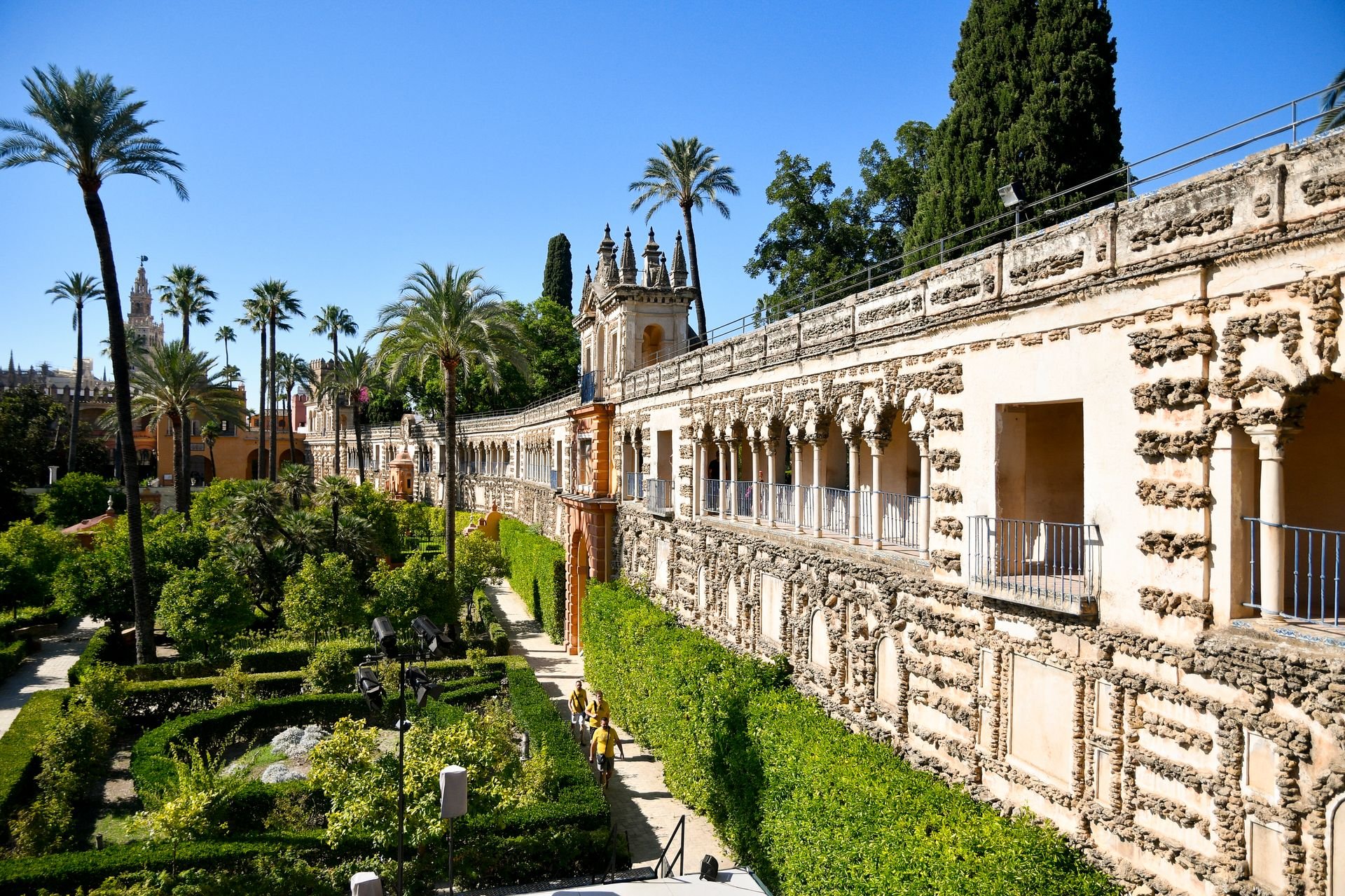
Seville is the city that most fully embodies the proposition that climate is a fundamental feature of urban culture rather than a backdrop to it. The Andalusian summer — brutal, dry, temperatures regularly exceeding 40°C in July and August — organizes daily life around its demands: the long midday pause, the late dinner, the evening paseo when the heat finally relents, the tapas culture that is as much about where you spend time as what you eat. Understanding Seville means understanding the heat, and the heat requires time.
The Alcázar — the royal palace and gardens that represent the most complete surviving example of Mudéjar architecture in Spain — is the city's most important monument and one of the great buildings in Europe. It rewards multiple visits: the palace apartments, the tiled courtyard, and the extensive gardens change throughout the day as the light moves, and the crowds that make a first visit hectic have thinned by late afternoon. The Cathedral, built on the site of a great mosque and containing the tomb of Christopher Columbus, has a scale that is difficult to register on a single visit — it is the third largest church in the world.
The tapas culture of Seville is the original from which all subsequent Spanish tapas cultures derive. The tradition of the free tapa — a small plate of food served with each drink, without charge, in the most traditional bars — is still alive in parts of the city, particularly in the working-class neighborhoods of Triana and the Alameda de Hércules. The Triana neighborhood, on the west bank of the Guadalquivir, is where the flamenco tradition is strongest and the ceramic workshops that have made Triana tiles famous for centuries are still operating.
The slow-travel reward in Seville is specifically the discovery of the residential neighborhoods — Santa Cruz, Macarena, Triana — and their daily life: the morning market shopping, the midday quiet, the transformation of the streets at seven in the evening when the city comes back to life.
DEA / M. BORCHI / Getty Images
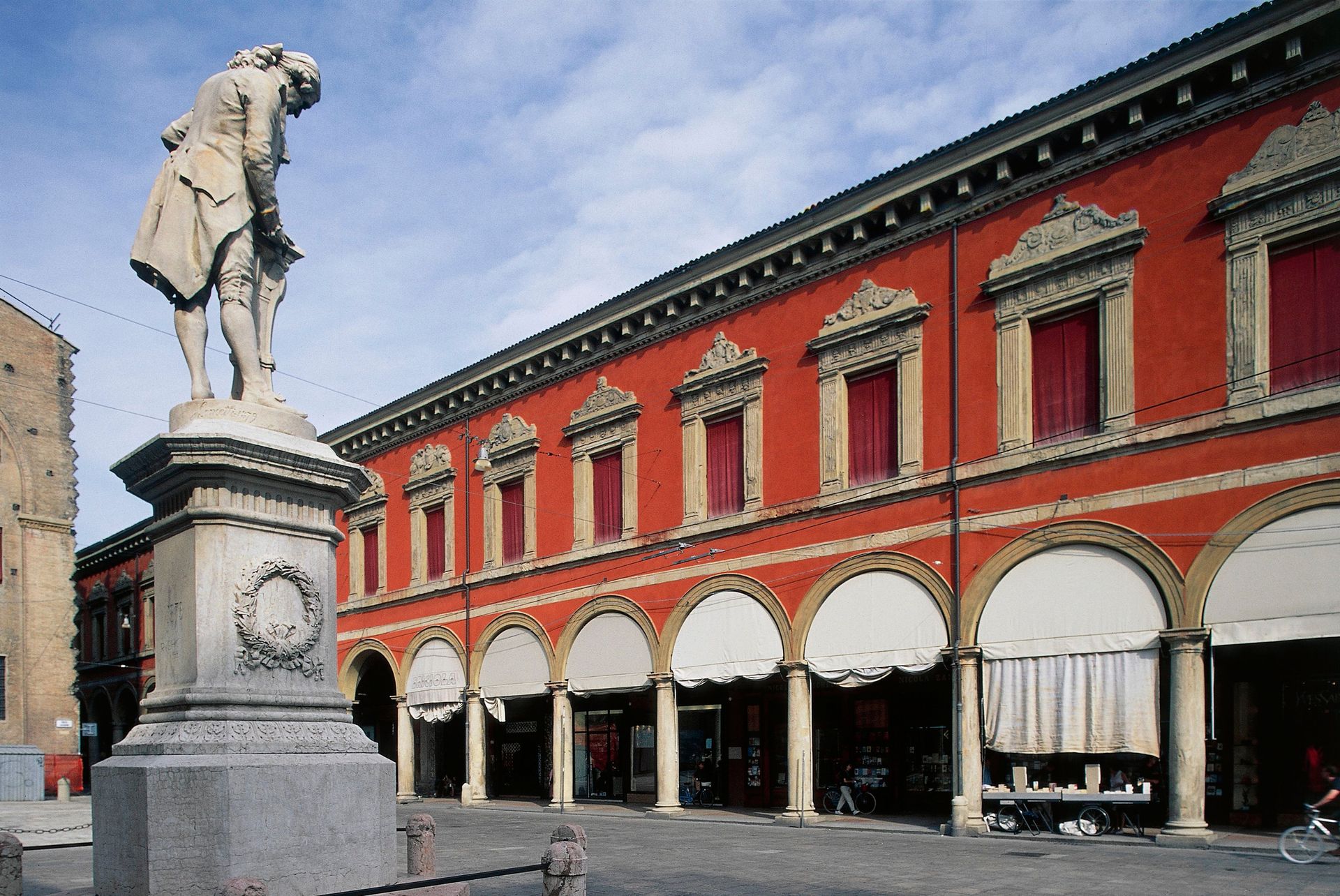
Bologna is the Italian city that Italians themselves most consistently cite as the one they would most like to live in, and the reasons they give — the food, the covered arcades, the university, the political culture, the daily quality of life — are the same reasons it rewards slow travel. It is known internationally as La Grassa — the fat one — for its food, and the reputation is fully earned: the Bolognese table is the most technically accomplished in a country where the competition is exceptional.
The 40 kilometers of portici — covered arcades — that line the streets of the old center are one of the most civilized pieces of urban infrastructure in Europe: they allow walking in any weather without shelter concerns, they create a rhythm of shade and enclosure that defines the experience of moving through the city, and they connect neighborhoods in a way that makes the old center a genuinely walkable whole rather than a series of separate attractions. The longest single portico, the Portico di San Luca, runs 3.8 kilometers from the city center to the hilltop sanctuary of the Madonna di San Luca and is the longest porticoed structure in the world.
The food markets — the Quadrilatero, a network of streets in the old center where food shops have operated since the medieval period — are among the best in Italy. The tortellini, the mortadella, the Parmigiano-Reggiano and prosciutto from the surrounding region, the fresh pasta from the sfogline who roll it in shop windows, the ragù bolognese that has nothing in common with what the world calls Bolognese sauce — all of it available within a few streets of the central Piazza Maggiore.
The university, the oldest in the Western world (founded 1088), keeps the city young and politically engaged. The aperitivo culture — spritz and cicchetti in the early evening — is practiced in earnest in the bars around the university quarter.
REDA / Getty Images
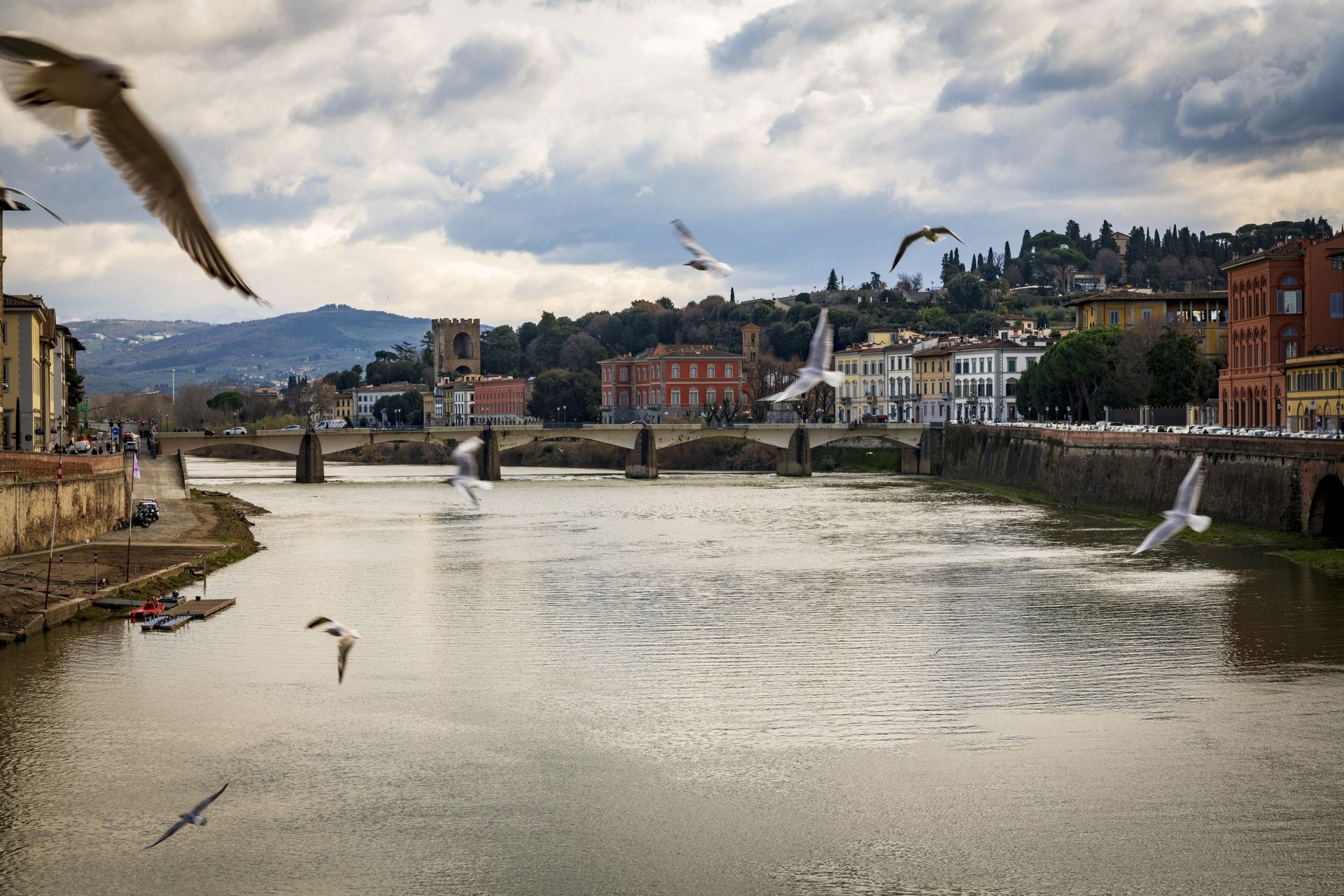
Florence requires a defense against the accusation of over-familiarity, and the defense is simple: the depth of the place is genuinely inexhaustible. The city has more significant works of art per square kilometer than anywhere else in the world, and that density produces a quality of encounter — turning a corner and finding a Donatello in a church that is otherwise unremarkable, or discovering that the frescoes in the refectory of a convent open by appointment are among the finest in the city — that rewards extended stay more than any other quality a travel destination can have.
The slow-travel case for Florence is not the Uffizi, though the Uffizi rewards multiple visits at less crowded times than the standard tourist block allows. It is the smaller museums and the neighborhood churches: the Museo dell'Opera del Duomo, which contains Michelangelo's Pietà Bandini and the original panels of Ghiberti's Baptistery doors in a space without crowds; the Cappella Brancacci in Santa Maria del Carmine, with Masaccio's frescoes that changed the course of Western painting; the Museo di San Marco, the former Dominican convent where Fra Angelico painted a fresco in each monk's cell; and the Bargello, the sculpture museum that contains the greatest collection of Renaissance sculpture outside the Vatican.
The neighborhoods on the south side of the Arno — the Oltrarno — are where the craft workshops, independent restaurants, and less visited churches concentrate. The Piazzale Michelangelo at dusk, with the city spread below and the Apennines behind, is one of the great urban views in Europe and costs nothing. The Mercato Centrale and the covered market of Sant'Ambrogio supply the domestic food culture that the tourist restaurants do not.
A week in Florence, organized around the smaller museums and the Oltrarno rather than the headline attractions, produces a completely different experience of the city than the standard two-day visit allows.
Rudy Carezzevoli / Getty Images
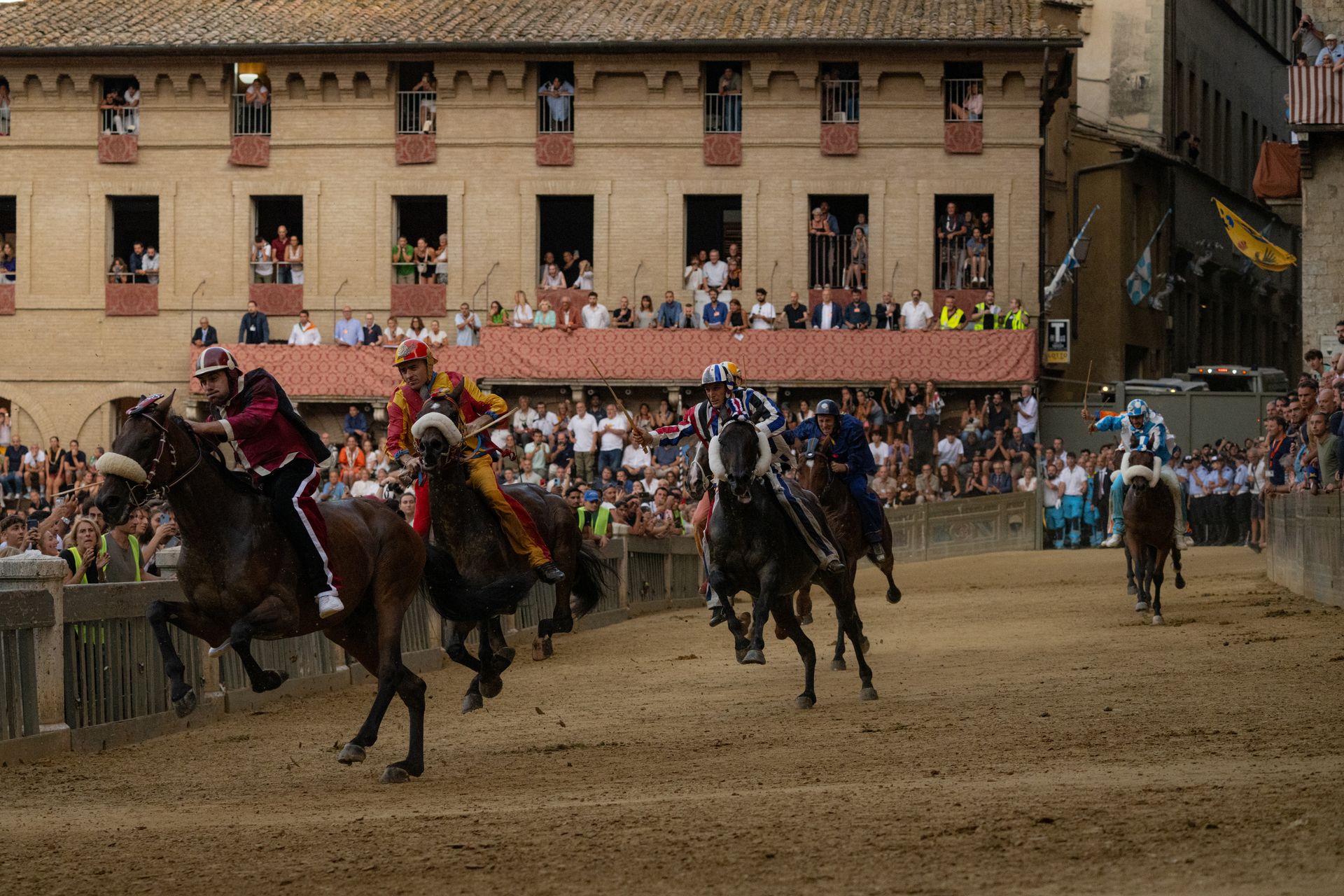
Siena is organized around the Piazza del Campo — the scallop-shaped main square, one of the great medieval urban spaces in Europe, tilted like a bowl toward the Palazzo Pubblico — in a way that makes it feel like the city exists to create and populate that square rather than the other way around. The Palio, the twice-yearly horse race run around the perimeter of the Campo on bare earth, in which the 17 contrade (medieval neighborhoods) compete with a ferocity that has not diminished in seven centuries, is the most visible expression of a civic identity that is among the strongest in Italy.
The cathedral — begun in the 12th century and expanded through the 14th, with a facade of colored marble inlays and a library, the Piccolomini, containing Pinturicchio's fresco cycle in colors so bright they look freshly painted — is one of the great Gothic churches in Europe. The Museo dell'Opera del Duomo, in the unfinished nave of a proposed cathedral expansion that would have made Siena's the largest Gothic church in the world, contains Duccio's Maestà altarpiece — the foundational work of the Sienese school of painting — in a setting that makes the encounter intimate.
The slow-travel quality of Siena is partly the city's scale — it is compact enough to walk thoroughly in two days, but the medieval neighborhoods of the contrade (each with its own museum, its own fountain, its own social identity) sustain weeks of exploration — and partly the food culture of the surrounding Val d'Orcia: the Pecorino di Pienza, the pici pasta, the Chianina beef, the Brunello and Vino Nobile wines that are among Italy's greatest.
Day trips from Siena into the Crete Senesi landscape — the rolling clay hills to the south, dotted with cypress-lined roads and stone farmhouses — or to the thermal baths of Bagno Vignoni and Saturnia are among the most rewarding slow-travel excursions in Italy.
LAURENT EMMANUEL / Getty Images
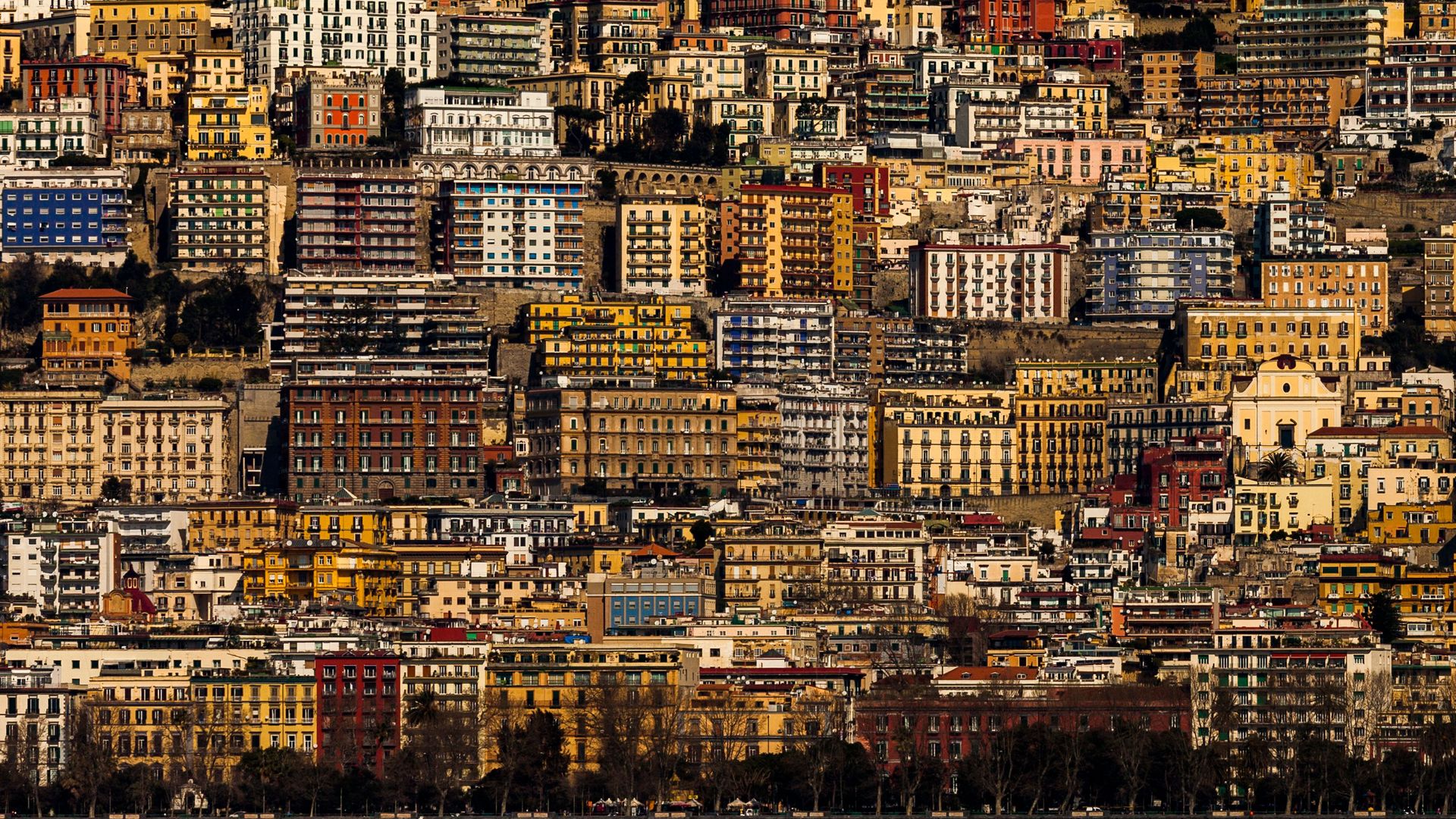
Naples is the most misunderstood major city in Italy — chaotic, noisy, and overwhelming in ways that send many visitors toward the exits within 48 hours, and yet one of the most deeply rewarding cities in Europe for those who stay. The chaos is real. The reward is also real, and the two are connected: Naples rewards immersion precisely because it demands it, and the city that emerges after a week is so far from the city that appeared on the first day that they barely feel like the same place.
The food case is the easiest to make: Neapolitan pizza is the original, and the pizzerie of Naples — L'Antica Pizzeria da Michele, Sorbillo, Starita, and a dozen others — produce a product that no imitation, however technically accomplished, quite replicates. The San Gregorio Armeno workshops, where the craftspeople who make the presepe (Nativity scene) figures have operated for centuries, are one of the most specific artisanal traditions in Italy. The fish markets of the Porta Nolana neighborhood, the coffee culture built around the bar stand-up espresso, the sfogliatelle and babà and pastiera of the pasticcerie — all of it requires time to understand and find.
The Museo Nazionale Archeologico di Napoli holds the greatest collection of Greco-Roman antiquities in the world — the material from Pompeii and Herculaneum, including the Secret Cabinet of erotic objects, and the Farnese collection of Greek and Roman sculpture. It is one of the most significant museums in Europe and receives a fraction of the visitors that comparable Roman collections attract.
The slow-travel anchor is the Quartieri Spagnoli neighborhood and the combination of the city center and the Chiaia district — a week that moves between them, with a day trip to Pompeii and a ferry to one of the islands, begins to get at what Naples actually is.
Frédéric Soltan / Getty Images
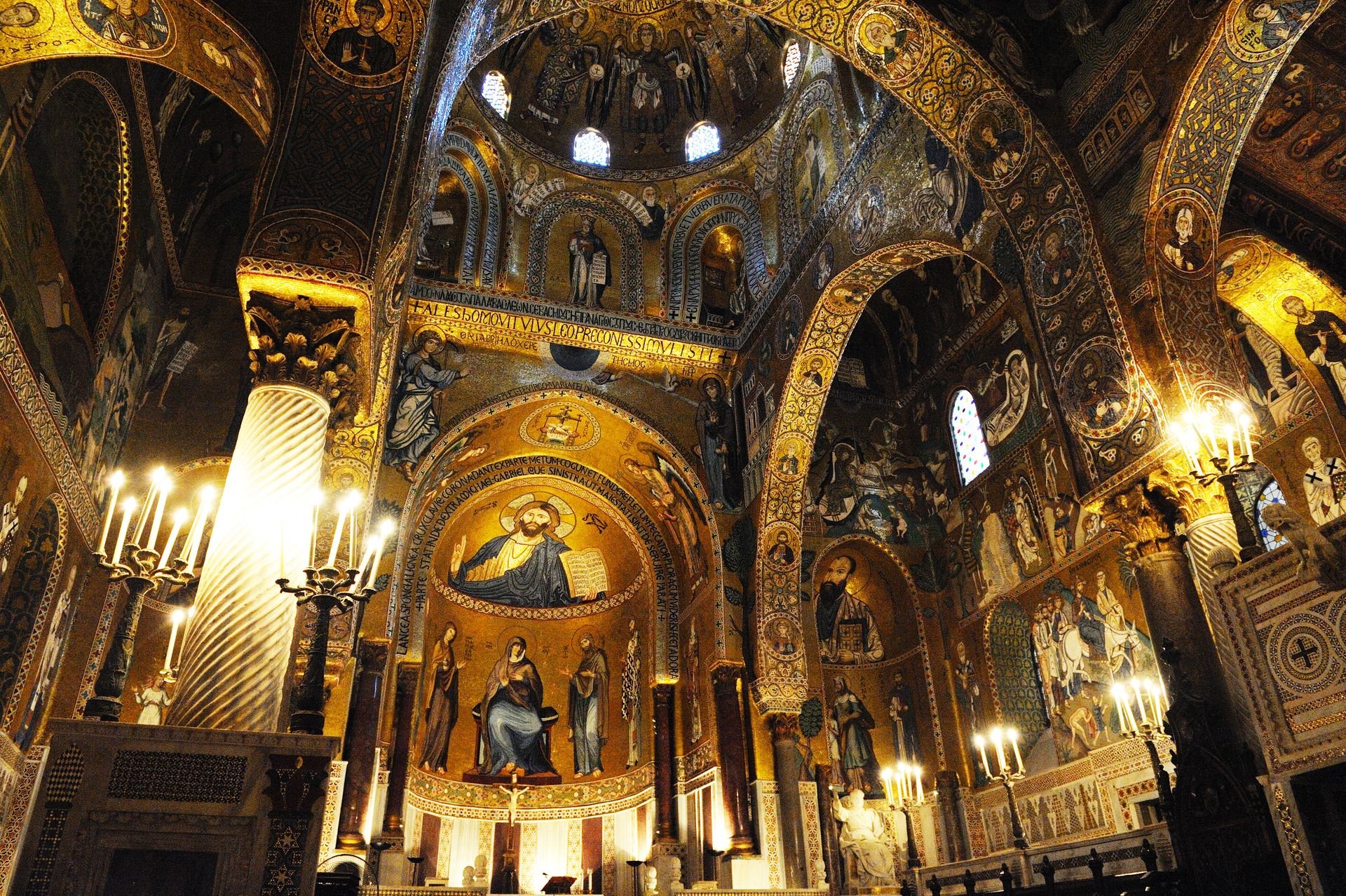
Palermo is a city of layers in the most literal architectural sense — a medieval Arab-Norman cathedral that incorporates Byzantine mosaics and a porphyry tomb of Holy Roman Emperor Frederick II, a 12th-century palace chapel with the most complete cycle of Norman mosaics in the world, a Baroque city built over an Arab grid, all of it overlaid with a contemporary Sicilian city of extraordinary food culture and considerable urban energy. The layers are not sequential. They coexist, in the same buildings and often in the same rooms.
The Cappella Palatina — the royal chapel of Roger II, completed in 1140 — is one of the most beautiful interiors in Europe, a space in which Arab stalactite ceiling decoration, Byzantine gold mosaic, and Norman architectural structure coexist in a synthesis that could only have been produced in 12th-century Sicily, when the Norman kingdom was the most cosmopolitan in the Mediterranean world. The Palazzo dei Normanni that contains it is still the seat of the Sicilian Regional Assembly, so the visitor encounters the 12th century through the administrative apparatus of the 21st — an entirely Palermitan situation.
The Ballarò and Vucciria markets — the street food markets of the Arab-Norman quarter — are among the most vivid markets in Italy. The arancine (rice balls), the stigghiola (grilled intestines), the pani ca meusa (spleen sandwiches), and the frittola (slow-cooked offal) of the Palermo street food tradition are specific to the city and reward the adventurous slow traveler who has time to find the right vendors.
The surrounding region gives access to the Valley of the Temples at Agrigento, the mosaics of the Villa Romana del Casale near Piazza Armerina, and the Baroque towns of the Val di Noto — all within a day's drive, all of them extraordinary.
SOPA Images / Getty Images
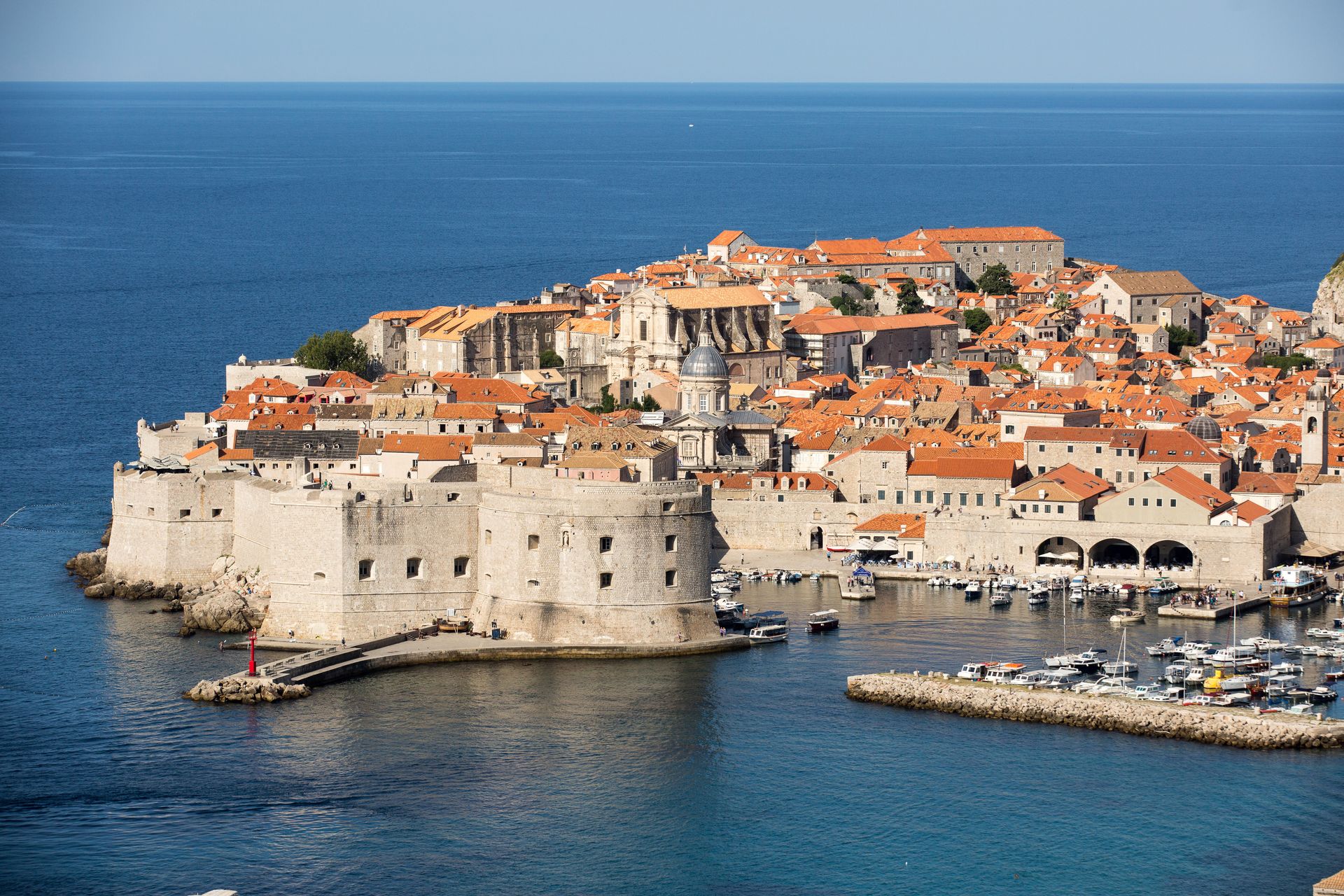
Dubrovnik's central challenge as a slow-travel destination is stated honestly: it is one of the most overtouristed cities in Europe, particularly in summer, and the 2 km stretch of city wall that encloses the old town can feel, at peak season, like a very beautiful outdoor shopping mall. The city is aware of this and has introduced visitor caps and a series of measures to manage the numbers. The slow-travel solution, as with Sintra, is not to avoid it but to engage with it differently — staying for a week rather than a day, being there at the hours that visitors are not, and using the city as a base for exploring a coastline that is among the most beautiful in the Mediterranean.
The city walls themselves, walked at dawn or in the early evening, remain one of the great urban experiences in Europe — the views across the rooftops to the Adriatic, the quality of the light on the limestone, the sense of being inside a medieval city that is also a living neighborhood, are not diminished by the knowledge that thousands of people walk the same circuit daily. The Rector's Palace, the Franciscan monastery with its pharmacy dating from 1317, and the Dominican monastery with its Titian altarpiece reward the visitor who arrives when the day-trip crowds have thinned.
The Elaphiti Islands — accessible by ferry from the old town harbor — offer a slower, quieter version of the Dalmatian coast experience. Lopud and Sipan in particular have the quality of being genuinely beautiful and genuinely inhabited rather than purely touristic. The Pelješac peninsula, accessible by bus, has some of the best red wine in Croatia — the Dingač and Postup designations of the Plavac Mali grape — and oyster farms in the Ston estuary that supply restaurants across the region.
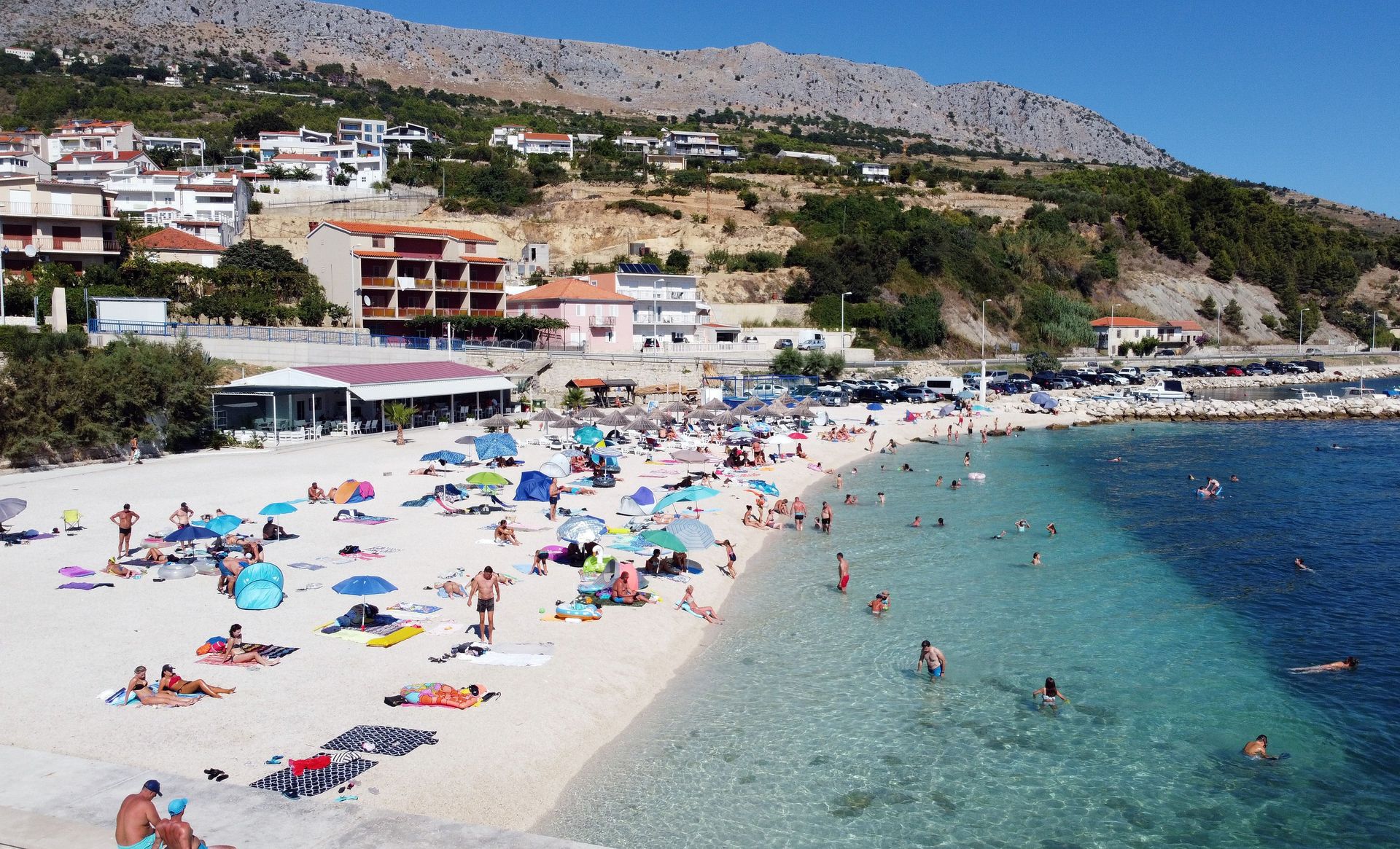
DAMIR SENCAR / Getty Images
Split is built inside and around the retirement palace of the Roman Emperor Diocletian, completed around 305 CE, in a way that makes the relationship between ancient infrastructure and contemporary daily life more direct than anywhere else in Europe. The palace walls enclose a neighborhood of apartments, restaurants, bars, and shops. Diocletian's mausoleum is now the cathedral. His temple of Jupiter is now a baptistery. People live in the spaces between the columns of the peristyle. The ancient structure is not a ruin that the city has grown up around — it is the fabric of the city, inhabited continuously for 1,700 years.
The Diocletian's Palace complex rewards days of exploration. The basement halls — which Diocletian used as service infrastructure and which supported the palace floor above — are accessible and relatively uncrowded, and they give a physical sense of the palace's scale that the inhabited upper levels, with their accumulated centuries of alteration, do not. The Golden Gate, the Silver Gate, the Iron Gate, and the Bronze Gate — the four entrances to the original palace — are all intact and still the primary entrances to the old city.
The Meštrović Gallery, in the former home and studio of the Croatian sculptor Ivan Meštrović on the western edge of the city, is one of the better single-artist museums in the former Yugoslavia and worth an afternoon. The Marjan hill park, immediately west of the old city, provides a lung and a viewpoint that gives the city's geography physical sense.
The Dalmatian coast north and south of Split — accessible by ferry and fast boat — is the slow-travel extension that makes a week in the city genuinely productive. Hvar, Vis, Brač, and Korčula are all within reach, and each has a distinct character that a single island-hopping day cannot capture.
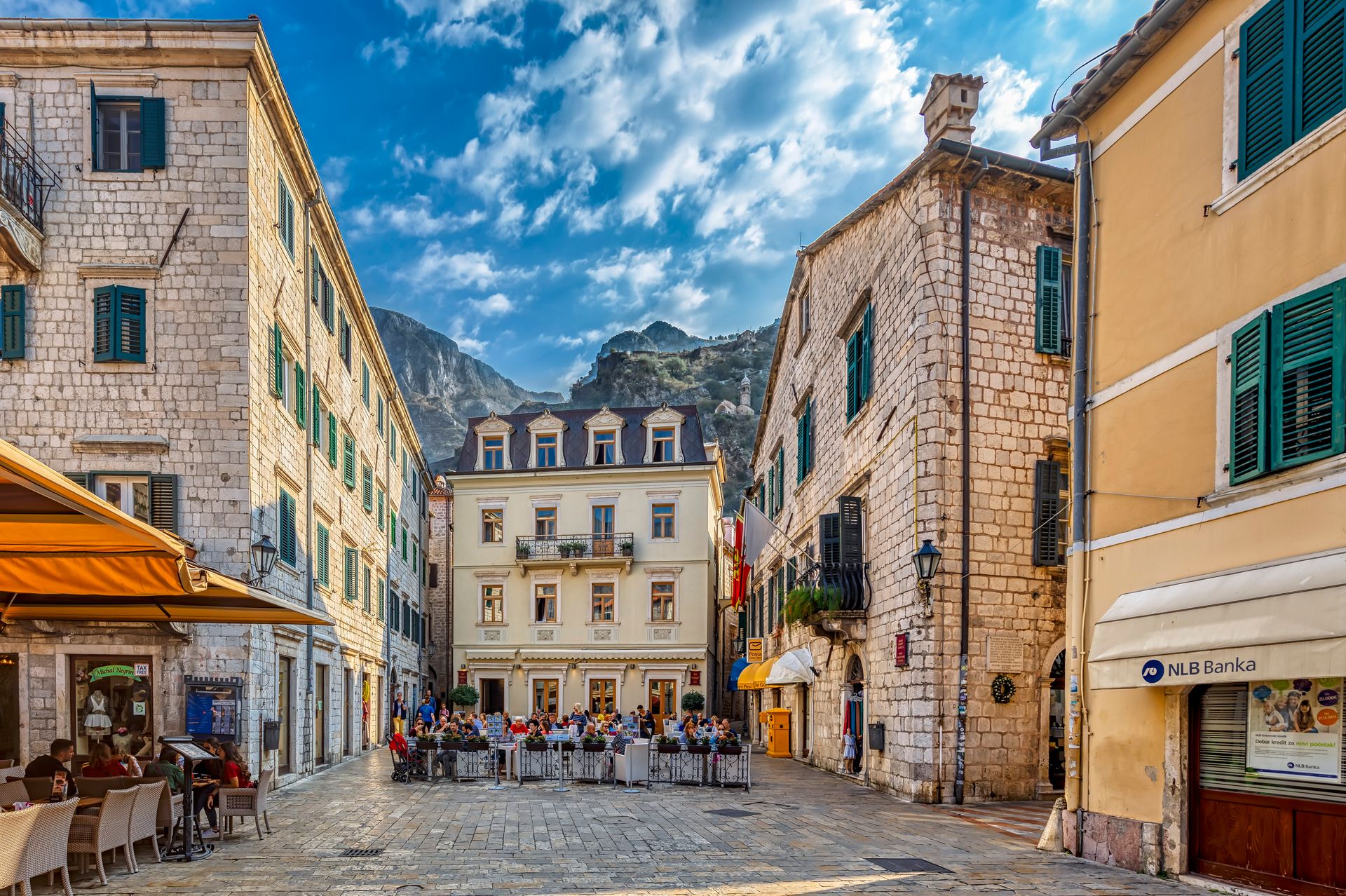
Laszlo Szirtesi / Getty Images
Kotor is the most perfectly preserved medieval city in the Adriatic — a walled settlement at the head of a fjord-like bay, the Bay of Kotor, that is technically the southernmost fjord in Europe, surrounded by steep limestone mountains that plunge directly into the water. The old city walls climb the mountain behind the town to a fortress at 260 meters, from which the view of the bay, the water, and the mountains is one of the great views in the Balkans.
The city within the walls is compact — 15 to 20 minutes to walk the main streets — but contains two Romanesque cathedrals, several Byzantine-influenced churches, a collection of palaces built by Venetian noble families during the city's centuries under Venetian rule, and a maze of narrow lanes that make orientation genuinely difficult in a way that rewards getting lost. The Cathedral of Saint Tryphon, begun in 1166 and rebuilt after an earthquake in 1667, has a treasury of medieval religious art that is disproportionately rich for a city of Kotor's size.
The slow-travel case for Kotor is the bay itself. The 28-kilometer bay, fringed with medieval towns, churches built on tiny islands, and villages accessible only by boat or steep mule track, is best explored by hiring a small boat for a day or taking the regular ferry that connects the bay's settlements. The town of Perast — a former Venetian naval base with a handful of baroque palaces and two island churches, one of which contains a remarkable collection of ex-votos — is 12 kilometers from Kotor and worth an afternoon.
The surrounding region extends the possibilities considerably: the Lovćen National Park above the bay, the medieval royal capital of Cetinje, and the coast south toward Albania are all within reach of a traveler based in Kotor for a week.
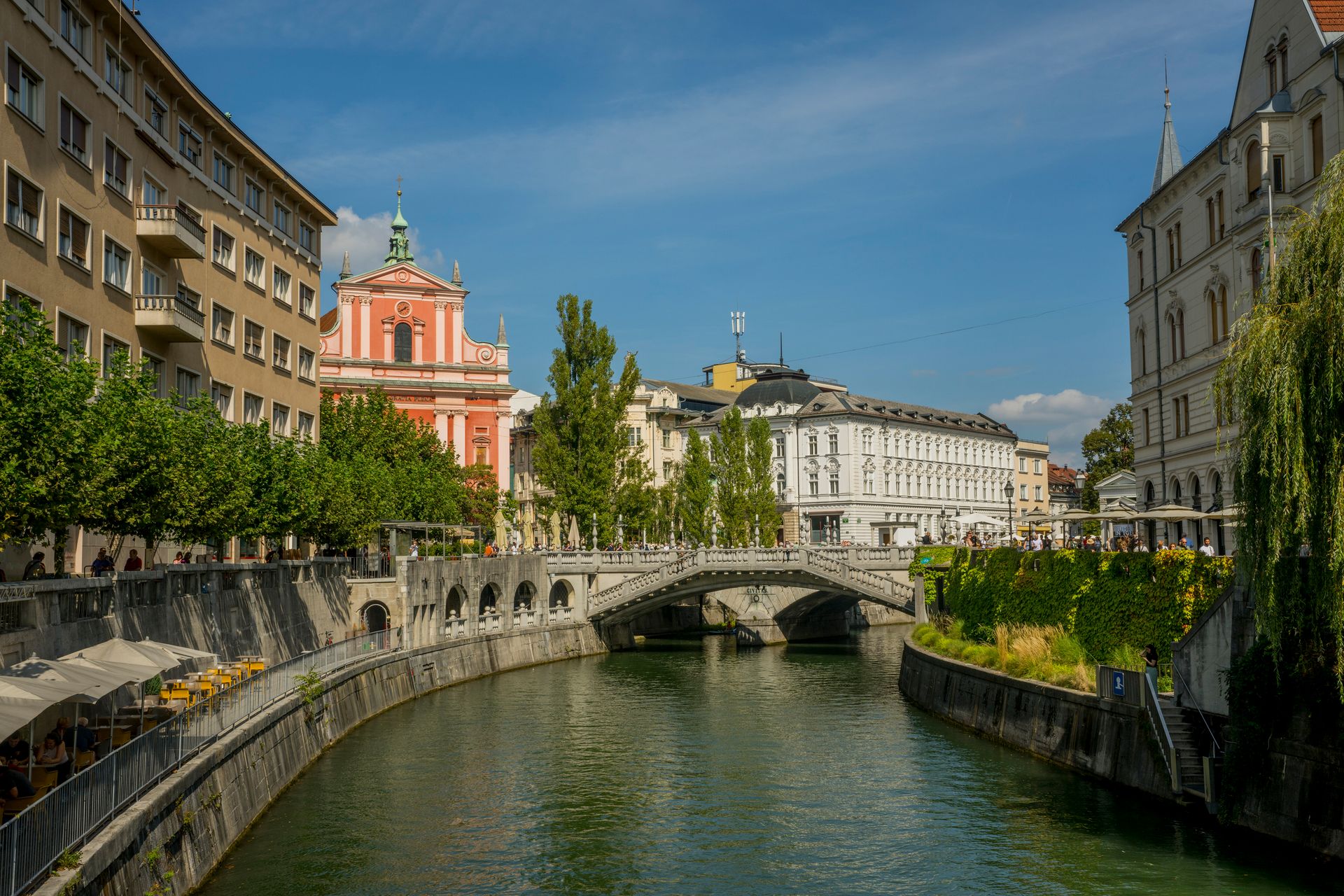
Wolfgang Kaehler / Getty Images
Ljubljana is the European capital that most consistently surprises visitors who expected very little and found a great deal. A city of 290,000 people, walkable in its entirety, with a compact old center straddling the Ljubljanica river, a castle on a hill above it, and a food and café culture that has developed rapidly in the past 15 years into something genuinely worth seeking out. It is not a city of major monuments — the castle is pleasant rather than exceptional, the museums are good rather than outstanding — but it is a city of exceptional daily life quality that rewards the kind of slow travel that prioritizes living over visiting.
The Plečnik architecture is the specific reward for the attentive slow traveler. Jože Plečnik, the Slovenian architect who worked primarily in Ljubljana from the 1920s to the 1950s, redesigned much of the city's public infrastructure — the river embankments, the covered market, the Triple Bridge, the National and University Library, the cemetery of Žale — in an idiosyncratic language that draws on classical references without being historicist, and on vernacular traditions without being regional. His work is distributed throughout the city in a way that rewards walking with awareness rather than visiting specific monuments.
The Pogačar market, adjacent to Plečnik's covered market on the riverbank, runs on Friday and Saturday and is one of the best food markets in the former Yugoslavia — local producers, excellent dairy and charcuterie from the Slovenian interior, seasonal vegetables, and good bread. The wine culture draws on Slovenia's excellent wine regions — the Vipava Valley, the Karst, and the Brda — that are little known internationally but produce wines of considerable quality.
Day trips from Ljubljana into the Julian Alps — Lake Bled, Lake Bohinj, the Soča Valley with its extraordinary turquoise river — give access to a landscape that is among the most beautiful in the Alps and significantly less crowded than the Swiss or Austrian alternatives.
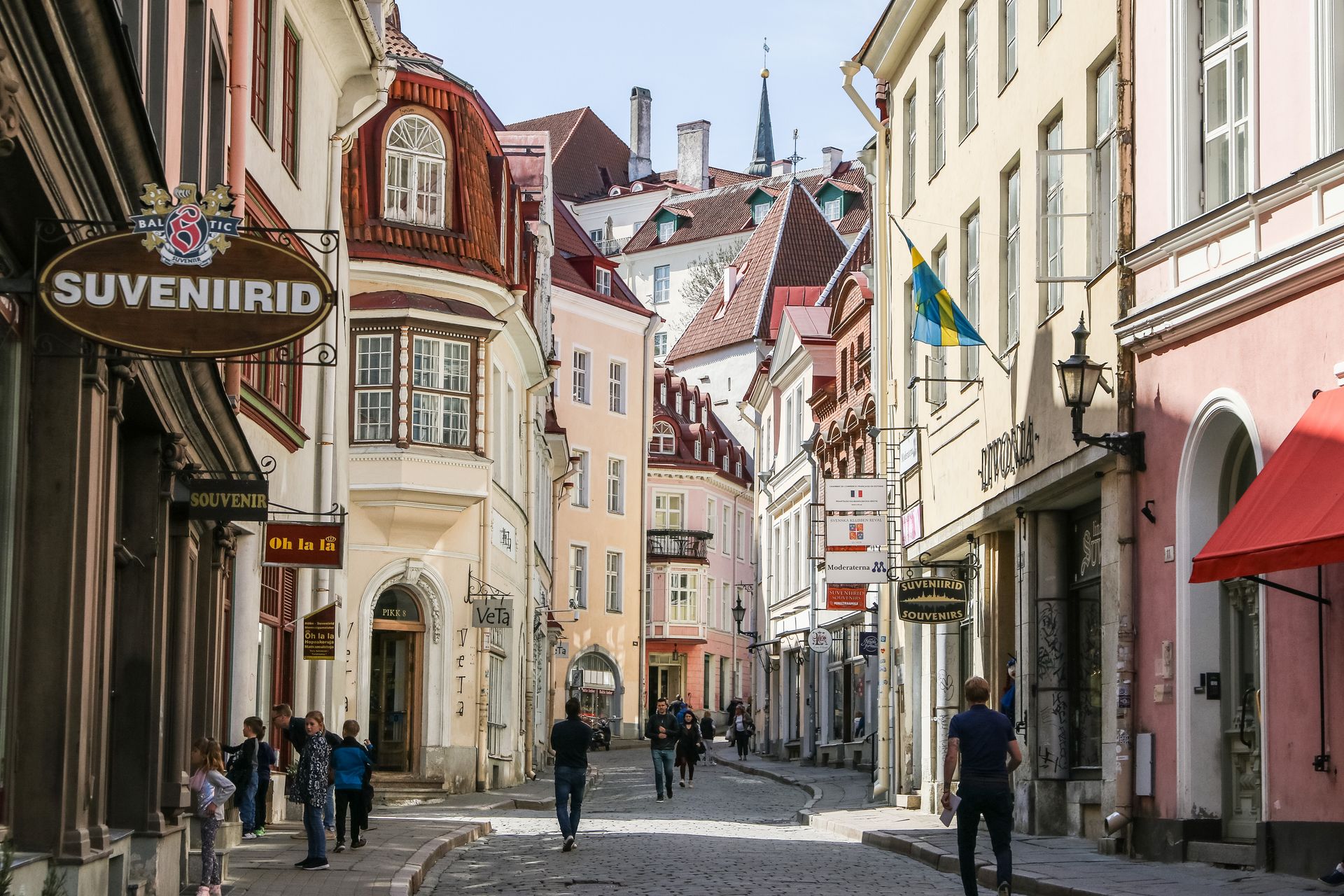
NurPhoto / Getty Images
Tallinn's old town is one of the best-preserved medieval city centers in Northern Europe — a UNESCO World Heritage Site with intact city walls, towers, and a Hanseatic merchant quarter that dates from the 13th century and has survived Soviet occupation, two world wars, and the subsequent property development pressures that have altered most comparable European centers. In summer it is heavily visited. In winter — particularly December, when the Christmas market transforms the Town Hall Square $SQ into one of the most beautiful in the Baltics — it is magical and only moderately crowded.
The slow-travel quality of Tallinn is divided between the old town and the newer city. The old town — upper town (Toompea, with the castle and the Cathedral of the Dome) and lower town (the Hanseatic merchant quarter with its guild halls and merchants' houses) — gives the standard medieval city experience in excellent condition. The Telliskivi creative quarter, a former Soviet industrial complex converted into cafés, studios, and independent shops in the post-Soviet period, and the Kalamaja neighborhood, a grid of 19th-century wooden houses that is the most livable and most genuinely local neighborhood in the city, give access to the contemporary city that the old town cannot provide.
The food culture has developed significantly in the past decade. The restaurant scene, particularly in the old town and Telliskivi, now ranges from traditional Estonian — black bread, smoked fish, game from the forests, foraged mushrooms and berries — to contemporary Nordic-influenced cooking of considerable quality. The Balti Jaam market, the city's main covered market, is one of the most atmospheric in the Baltic states.
Day trips from Tallinn to the manor houses of the Estonian countryside, the coastal villages of the Lahemaa National Park, and the islands of Hiiumaa and Saaremaa give access to an Estonian landscape and culture that the city alone cannot convey.
SOPA Images / Getty Images
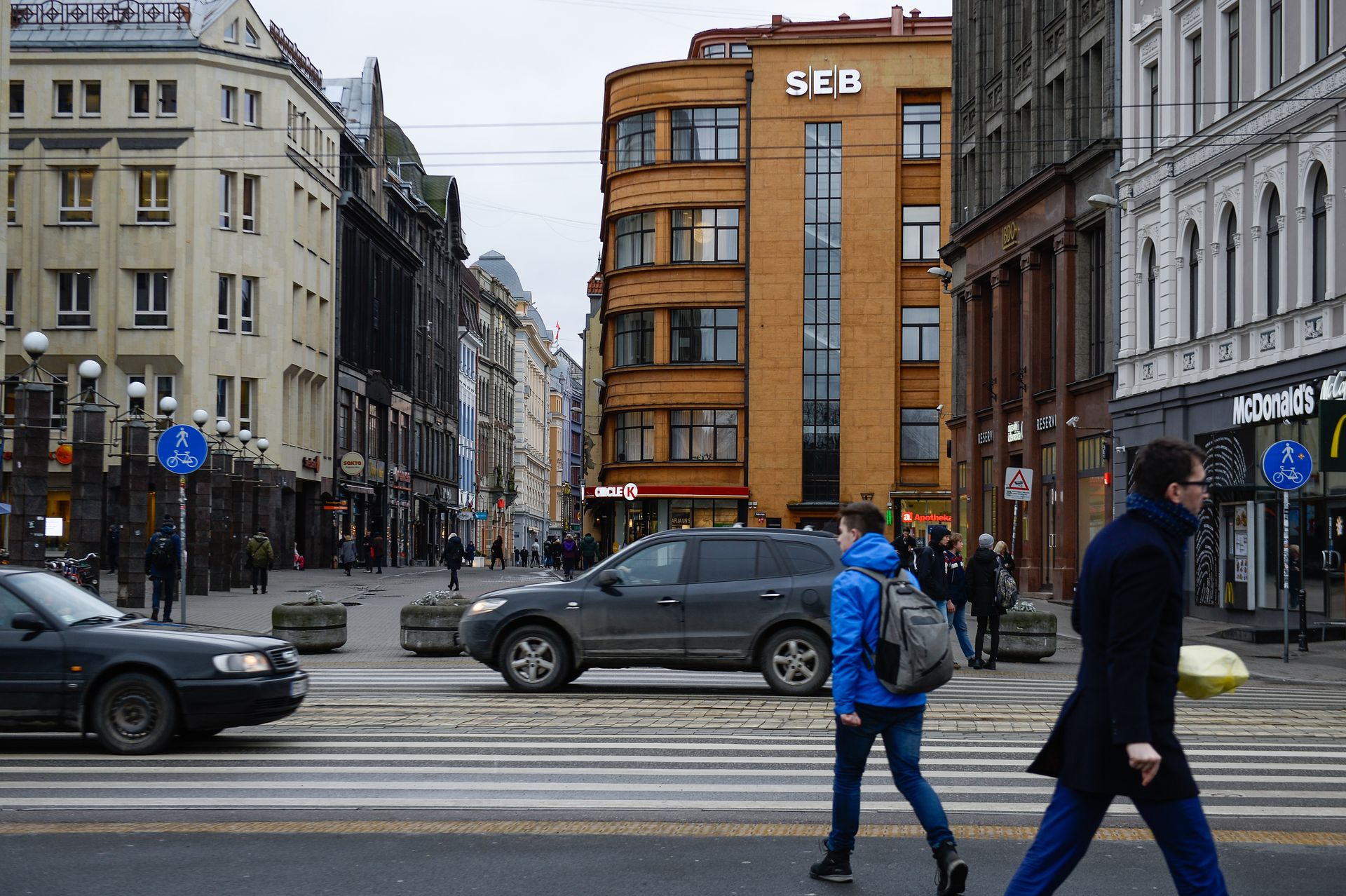
Riga is the largest of the Baltic capitals and the one with the most architecturally dramatic city center — a combination of a medieval old town, a 19th-century Art Nouveau district that contains the highest concentration of Art Nouveau architecture in the world, and a post-Soviet contemporary city that is still working out its relationship to both. The Art Nouveau district, concentrated on Alberta iela and Elizabetes iela north of the old town, is the specific slow-travel revelation: more than 800 buildings from the first decade of the 20th century, many of them in a state of only partial restoration that gives them a quality of authenticity — faded, imperfect, genuinely old — that over-restored heritage architecture never achieves.
The old town — a medieval Hanseatic center on the right bank of the Daugava — contains the expected Latvian landmarks: the Riga Cathedral (begun 1211), the Three Brothers medieval houses, the town hall square, the House of the Blackheads (a 14th-century merchants' hall destroyed in World War II and reconstructed in the 1990s). The Museum of the Occupation of Latvia, covering the Soviet and Nazi occupations of 1940-1991, is one of the most important historical museums in the Baltics — essential context for understanding Latvia's present.
The Central Market — housed in five former German Zeppelin hangars from World War I, repurposed as market pavilions in the 1930s — is one of the great European markets: an enormous, still-functioning market selling Latvian produce, fish from the Baltic, dairy from the Latvian interior, mushrooms and berries foraged from the surrounding forests. It is the correct slow-travel morning activity in Riga, and it is entirely real rather than theatrical.
The Jūrmala resort strip, 30 minutes by commuter train from the city center, gives access to the Baltic coast and the distinctive wooden villa culture of the 19th-century Latvian summer resort — a landscape of extraordinary quietness in the off-season.
DEA / W. BUSS / Getty Images
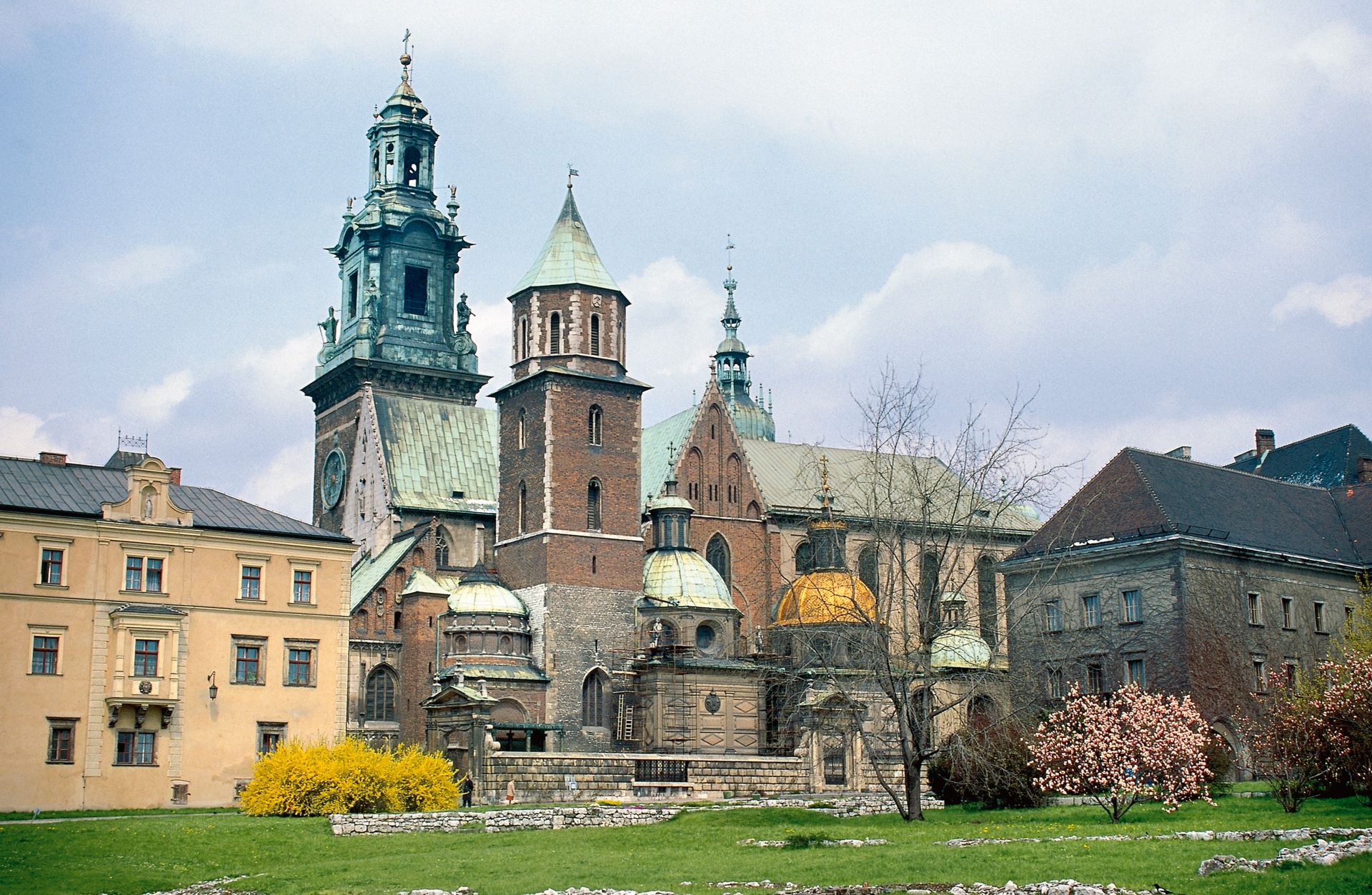
Krakow is the Polish city that most rewards slow travel, and it rewards it for reasons that are specific to the city's particular history: as Poland's royal capital until 1596, as the only major Polish city to survive World War II largely intact, and as the city closest to Auschwitz-Birkenau, the largest Nazi concentration and extermination camp, which 40 kilometers to the west draws visitors for whom Krakow is the practical base for the visit.
The Rynek Główny — the main market square — is the largest medieval market square in Europe and the center of a genuinely active civic life rather than a tourist zone alone. The Cloth Hall, which has housed trading since the 13th century, now sells amber and craft goods at its ground level and houses a branch of the National Museum above. The St. Mary's Basilica on the northeast corner of the square has an altarpiece by Veit Stoss — the greatest work of late Gothic sculpture in Central Europe, carved from lime wood in twelve years between 1477 and 1489 — that requires proximity and time to appreciate properly.
The Kazimierz district — the former Jewish quarter, now a mixed neighborhood of Jewish heritage sites, galleries, restaurants, and music venues — is where the slow-travel evenings happen. The synagogues and Jewish heritage sites document the most significant Jewish community in pre-war Poland, and the Schindler's Factory museum, documenting the German occupation of Krakow through the framework of the Schindler story, is one of the most carefully designed historical museums in Europe.
The Wawel hill — the royal castle and cathedral, the burial place of Polish kings and national heroes including Copernicus — is the historical and symbolic heart of the city, and the royal apartments of the castle contain one of the finest collections of 16th-century Flemish tapestries in the world, assembled by King Sigismund II Augustus.
