Factor in the even higher costs of electric cars and their optional extras, plus the omnipresent concerns of EV range and charging infrastructure—then look at how quickly EVs are improving with every facelift, with new models gaining extra range, performance, and charging speed over their predecessors—and soft residuals are bound to occur.
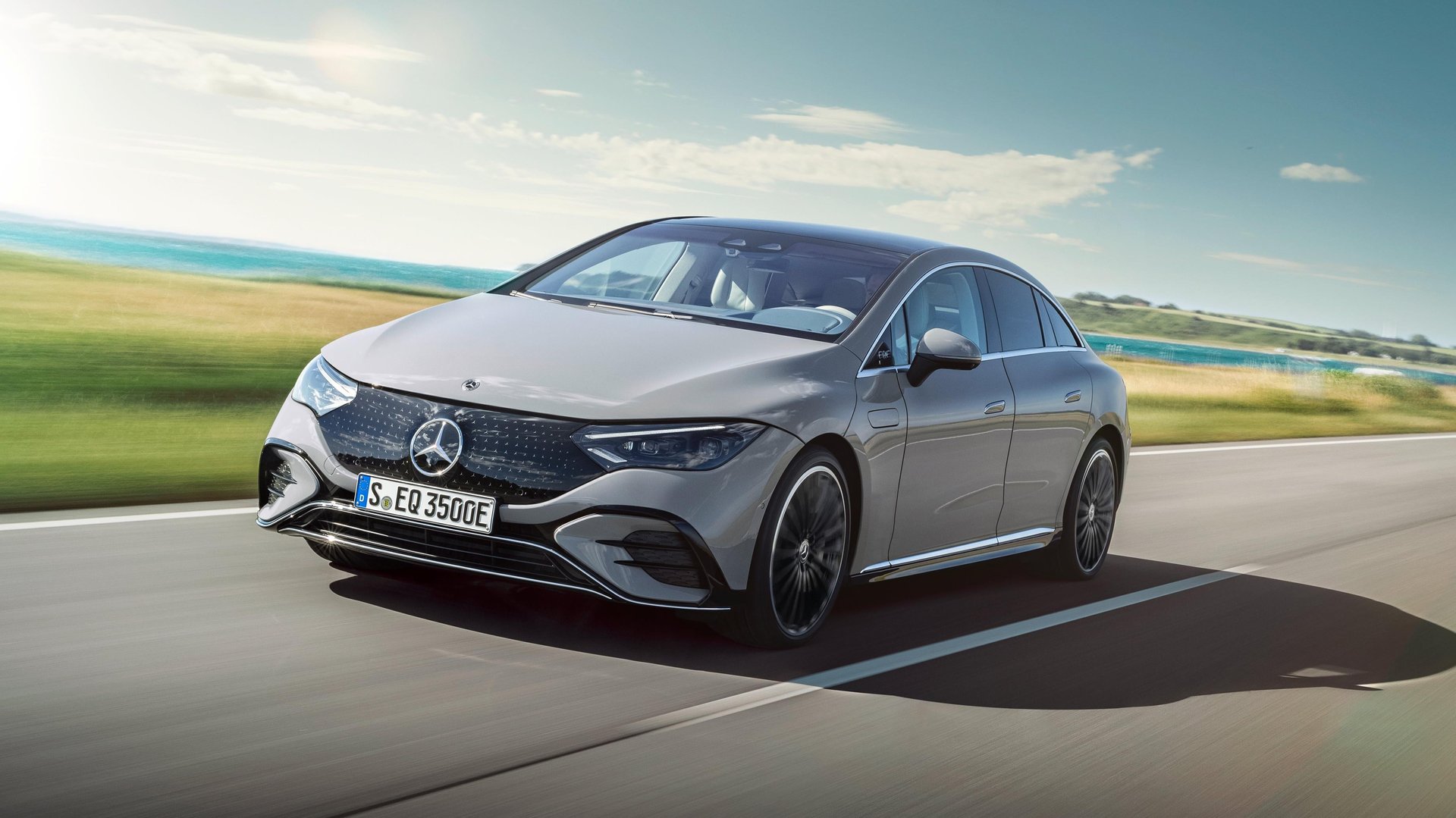
Consider too how many of the EVs grabbing depreciation headlines right now are examples of first-generation technology. The Porsche (POAHY) Taycan, Audi e-tron, and Mercedes EQ families are all first attempts by legacy manufacturers caught napping by Tesla (TSLA) and, more recently, by a slew of low-cost, state-backed upstarts from China. They are the original, non-3G iPhones of their day and are now already being replaced by facelifted versions that go much farther and charge more quickly.
The reasoning makes sense. EVs are becoming more advanced with each new model and, most importantly, getting more range. Also, new entry-level electric cars are steadily becoming cheaper over time. The cars currently on the road are going to depreciate based on the market, not the sky-high prices they were initially sold for.