
20 wartime inventions that quietly became part of everyday life
The technologies and products that were designed for the battlefield and ended up in every kitchen, pocket, and highway on Earth

RDNE Stock project / Pexels
The technologies that most thoroughly shape everyday life rarely arrive with explanations of where they came from. The internet is so embedded in daily life that it is difficult to remember it was designed as a military communications network intended to survive nuclear attack. GPS is so ubiquitous that the idea of navigating without it feels antiquated, and the fact that it was originally a US Navy navigation system for nuclear submarines strikes most people as surprising rather than obvious. Duct tape was developed for the US military to keep moisture out of ammunition cases. The microwave oven was a byproduct of radar research. Aviator sunglasses were designed for Army Air Corps pilots.
The pattern behind these cases is not simply that military research produces useful spillovers — though it does. It is the specific mechanism by which wartime conditions create the pressures that produce technological breakthroughs: the combination of extreme resource availability (military budgets during wartime are unconstrained by civilian commercial calculations), extreme performance requirements (failure means death rather than a bad quarterly result), and the specific engineering problems that combat presents — weight, durability, reliability under stress, the need to produce effects at a distance — that turn out to have civilian applications once the technology exists.
Canned food was invented to solve the specific military problem of feeding armies across long supply lines without access to refrigeration. The solution — hermetically sealed, heat-processed food that could survive months of storage — was then adapted by a civilian food industry that had exactly the same problem at smaller scale: getting food to consumers without refrigeration infrastructure. The military need created the technology; the civilian application was the recognition that the technology solved a problem the civilian world also had.
Each entry in this list covers the invention, its wartime origin, the specific military problem it was designed to solve, and how it transitioned to everyday civilian use. Several of these transitions were deliberate; several were accidental; several were delayed by decades between military development and civilian adoption. All of them produced technologies whose military origins are now so thoroughly invisible in their civilian applications that most people using them have no idea where they came from.
Internet (ARPANET)

SHVETS production / Pexels
The internet began as ARPANET — the Advanced Research Projects Agency Network, funded by the US Department of Defense beginning in 1966 and operational by 1969. The specific military problem it was designed to solve was the vulnerability of centralized communications infrastructure to nuclear attack: if communications depended on a single central switching system, that system was a primary nuclear target, and its destruction would sever all communications simultaneously. A distributed network, in which information could route around damage by finding alternative paths, would be resilient to partial destruction in a way that centralized systems were not.
The packet-switching technology that ARPANET pioneered — breaking data into packets that travel independently across the network and reassemble at the destination — was the specific technical innovation that made this resilience possible. Each packet could find its own route through the network, meaning that no single destroyed node would prevent communication between surviving nodes.
ARPANET was initially restricted to military and academic institutions. The gradual opening of the network to commercial use in the late 1980s, the development of the World Wide Web by Tim Berners-Lee in 1989 (at CERN, not a military institution), and the commercialization of internet access in the early 1990s produced the civilian internet from the military network. The distributed architecture that made ARPANET resilient to nuclear attack is the same architecture that makes the internet resilient to the commercial and technical failures that would otherwise bring it down.
GPS
112 Uttar Pradesh / Pexels
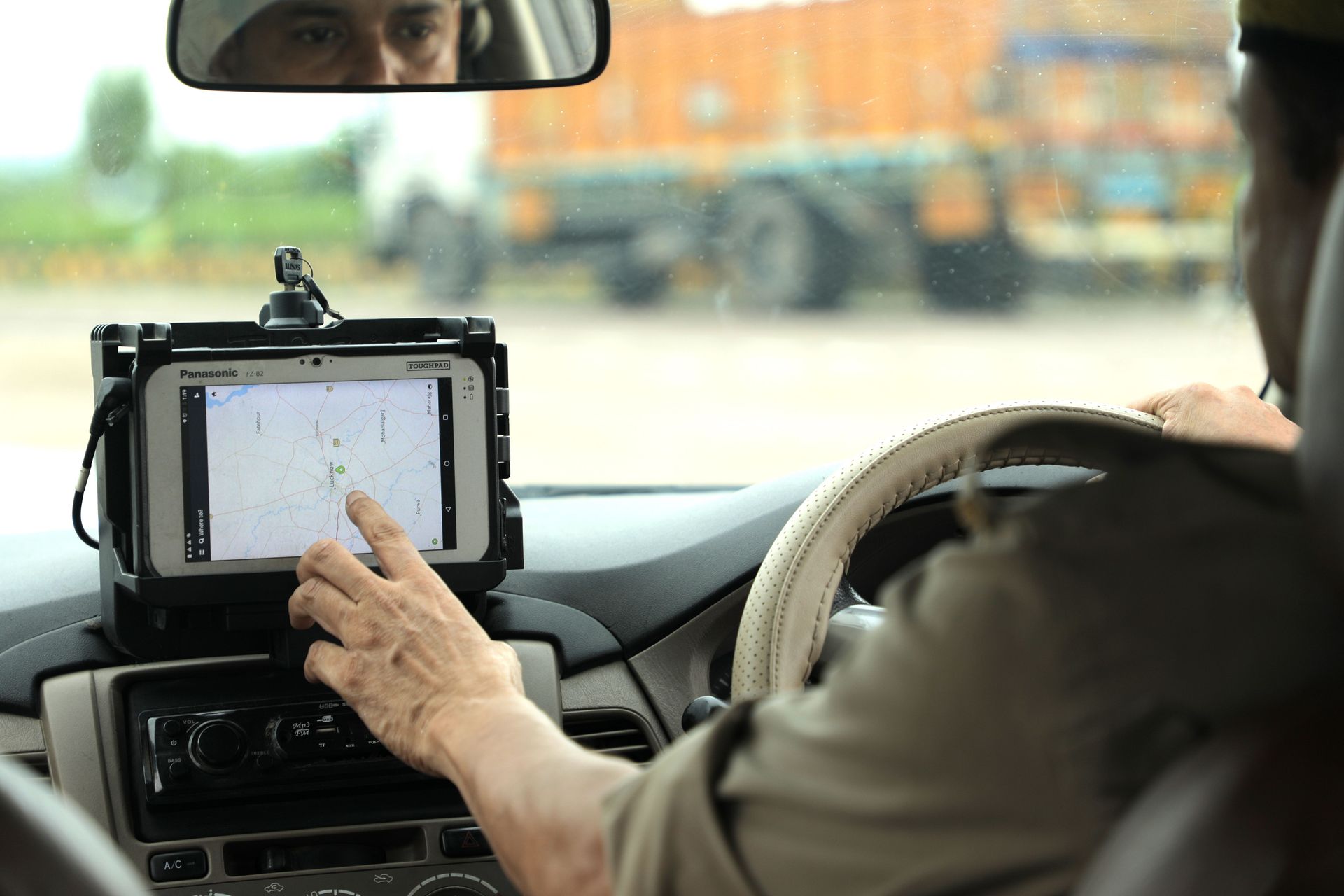
The Global Positioning System was developed by the US Department of Defense beginning in the 1970s, with initial operational capability in 1993. The original military application was nuclear submarine navigation: submarines operating under the polar ice cap needed a way to determine their precise location without surfacing, which would expose them to detection. The NAVSTAR GPS constellation of 24 satellites provided continuous, precise positioning anywhere on Earth without requiring the user to emit any signal.
Military use of GPS was the exclusive application until 1983, when Korean Air Flight 007 was shot down after straying into Soviet airspace, an error that a GPS receiver would have prevented. President Reagan subsequently announced that GPS would be made available for civilian aviation once the system was complete. The civilian signal was deliberately degraded (Selective Availability) until 2000, when President Clinton turned off the degradation, improving civilian GPS accuracy from approximately 100 meters to approximately 10 meters overnight.
The civilian applications that followed — car navigation systems, smartphone maps, precision agriculture, financial transaction timestamping, logistics tracking, and dozens of other applications — were not anticipated in the original military design. The US government maintains the GPS constellation at a cost of approximately $2 billion per year, providing the service free to civilian users globally.
Canned food

ha ha / Pexels
Canned food was invented in 1810 by Peter Durand, who patented the process in England in response to a challenge by Napoleon Bonaparte's government. Napoleon had offered a prize of 12,000 francs to anyone who could devise a way to preserve food for his armies, which were operating across vast distances from their supply bases and were suffering from the logistical constraint of food spoilage. Nicolas Appert had already developed the glass jar hermetic preservation technique and won the prize in 1809; Durand adapted the technique to tin canisters.
The military application drove the specific requirements: the container needed to be durable enough to survive field conditions (glass broke), light enough to be transported, and sealed well enough to prevent spoilage for months. The tin can met these requirements in a way that glass did not, and its military adoption drove the commercial production scale that made it economically viable for civilian use.
Canned food's civilian transition was significant enough that the tin can is now so fundamental to global food systems that its absence is essentially unimaginable. The estimated global production of tin cans exceeds 300 billion units annually. The can opener — originally not invented until 1858, nearly 50 years after the can, because early cans were opened with a hammer and chisel — is itself a product of the civilian transition: the military-grade cans of the Napoleonic era were thick enough that improvised opening was standard.
Duct tape

RDNE Stock project / Pexels
Duct tape was developed in 1943 by Johnson & Johnson $JNJ at the request of the US military, which needed a waterproof, strong tape to seal ammunition cases and keep moisture out of the munitions stored inside. The specific requirements — water resistance, strong adhesion to rough surfaces, ability to be torn by hand — were military specifications, and the original tape (called "duck tape" because of its water-shedding properties, similar to a duck's feathers) was developed to meet them. The tape was olive green to match military equipment.
The civilian transition occurred after World War II through two specific applications. In postwar housing construction, builders discovered that the tape was exceptionally useful for joining and sealing the new sheet metal ductwork of forced-air heating and cooling systems — giving the tape its current common name. Its flexibility and adhesion properties made it universally useful for improvised repair and fastening across every domestic application imaginable, and the product expanded from a military specification item to a universal hardware store staple.
Duct tape's cultural significance now extends beyond its utility: it is cited as a universal repair solution, has spawned competitions for duct tape art and construction, and appears in NASA emergency repair protocols on the International Space Station — a full circle from its military origins to a different high-stakes application context.
Superglue
Anna Tarazevich / Pexels
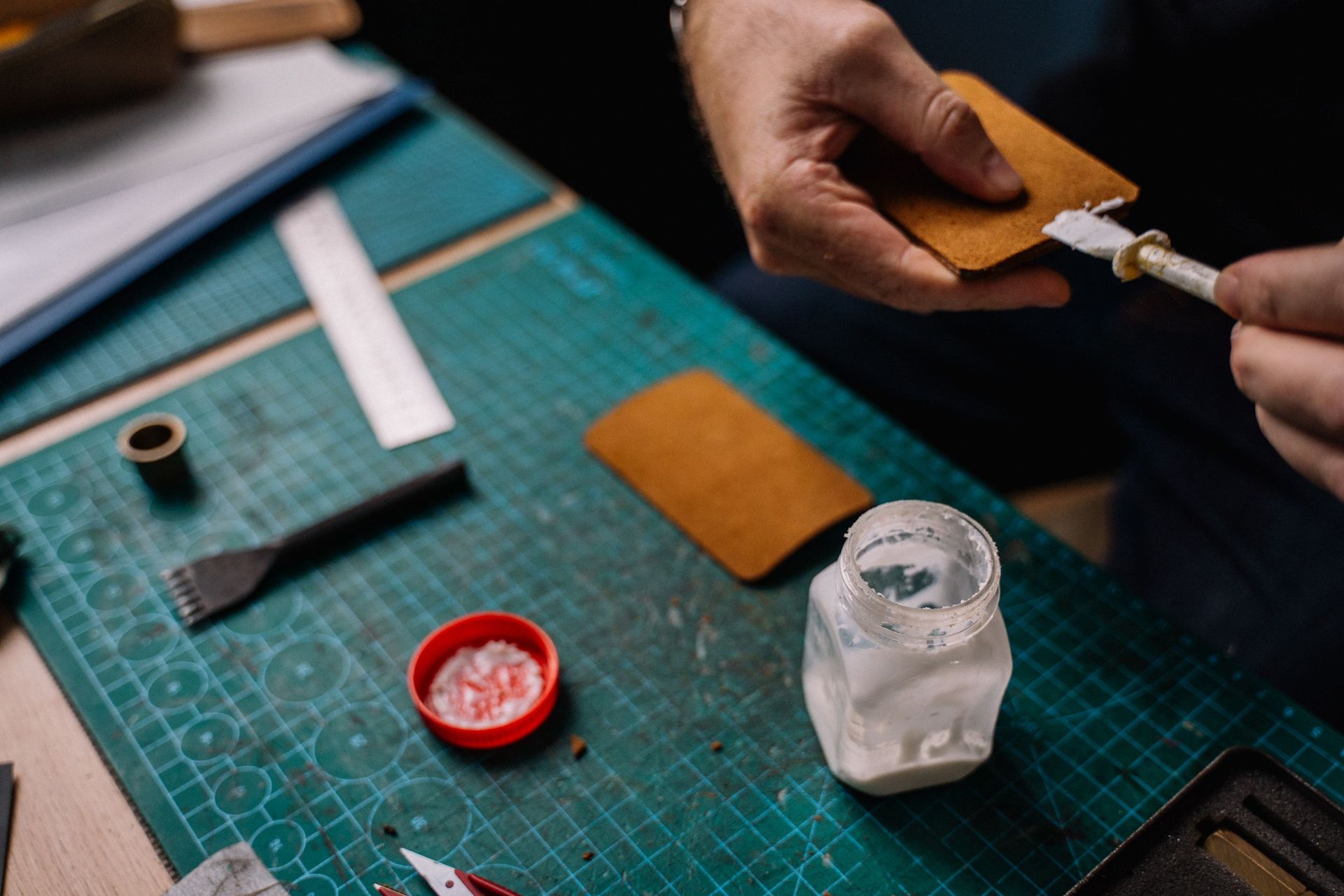
Superglue (cyanoacrylate adhesive) was discovered accidentally in 1942 by Dr. Harry Coover while working at Eastman Kodak on a project to develop clear plastic gun sights for World War II firearms. Coover was trying to produce an optically clear plastic for use in weapon sights and kept encountering a new compound that stuck to everything it touched, ruining the experiments. He set it aside as a useless contaminant.
In 1951, Coover and a colleague were working with cyanoacrylates again for a different project — this time developing heat-resistant coatings for jet canopies — and recognized the commercial potential of the adhesive. Eastman Kodak launched it commercially in 1958 as Eastman #910. The product reached consumer markets in the 1960s under the Super Glue brand name.
The adhesive's most direct wartime application came not from its original development but from a later discovery during the Vietnam War: military surgeons found that cyanoacrylate aerosol could be sprayed directly on wounds to close them and slow bleeding in field conditions where suturing was impractical. The medical application of cyanoacrylate wound closure is now commercially available as tissue adhesive (Dermabond) and is used routinely in emergency medicine for wound closure without sutures.
Microwave oven

Max Vakhtbovych / Pexels
The microwave oven was invented by Percy Spencer, an engineer at Raytheon $RTX Corporation, in 1945 — as a direct byproduct of radar research. Spencer was working with magnetrons (the vacuum tubes that generate the microwave radiation used in radar systems) and noticed that a chocolate bar in his pocket had melted while he was standing in front of an active magnetron. He confirmed the effect deliberately with popcorn, then with an egg (which exploded), and patented the cooking application.
Raytheon filed a patent in 1945 and produced the first commercial microwave oven — the Radarange — in 1947. The first commercial units were approximately 1.8 meters tall, weighed 340 kilograms, and cost approximately $5,000 (equivalent to approximately $65,000 in 2024 dollars), limiting them to commercial kitchens and submarines. The countertop consumer microwave oven reached the market in 1967 at a price point accessible to households.
The microwave oven's specific civilian value — rapid, energy-efficient reheating and cooking — was entirely unrelated to the military radar research that produced the underlying technology. The magnetron was developed to detect aircraft; the cooking effect was a side effect that turned out to have an enormous civilian market. The US microwave oven market now sells approximately 10 million units annually.
Radar
Magda Ehlers / Pexels
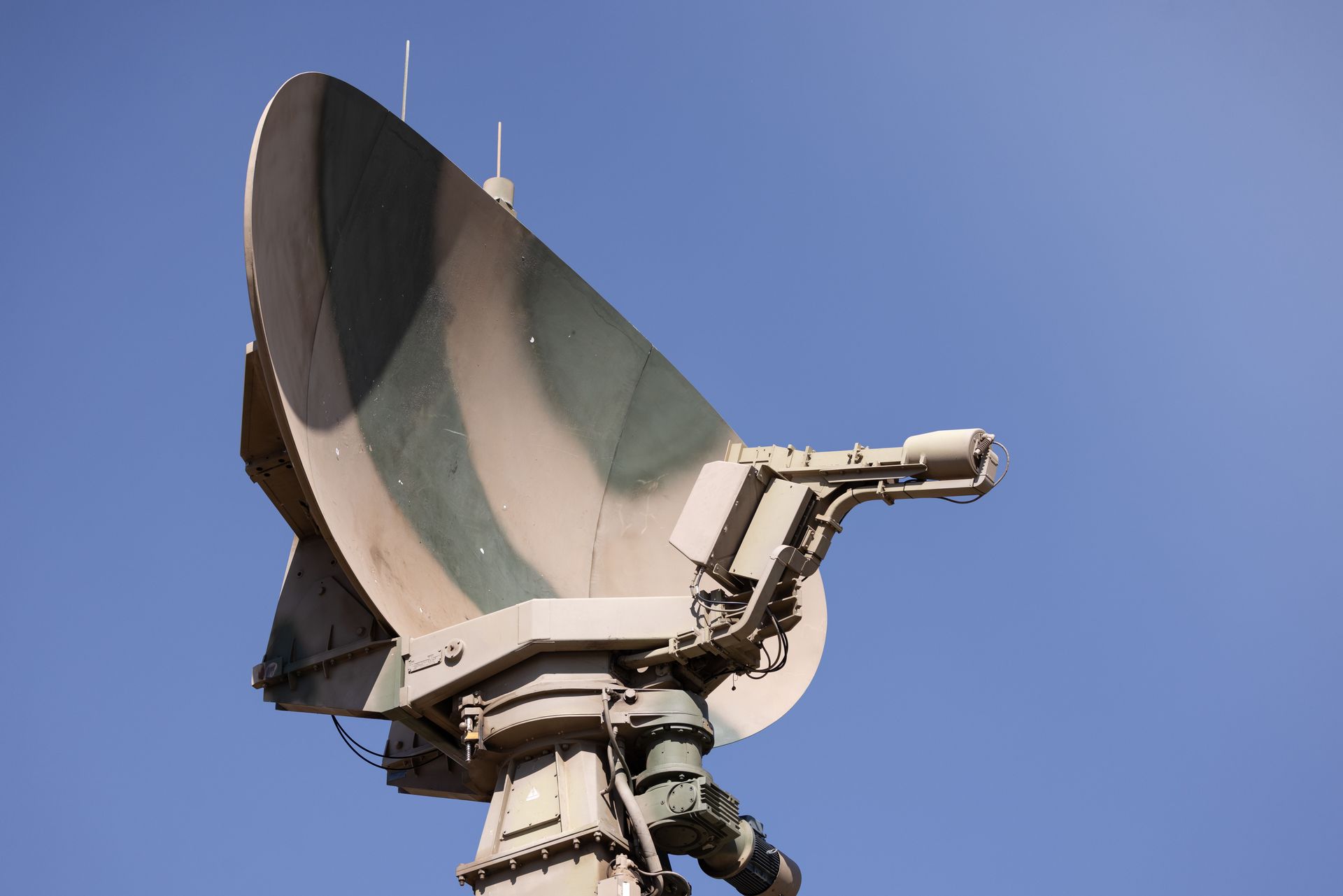
Radar (Radio Detection And Ranging) was developed simultaneously in multiple countries in the 1930s, driven by the military imperative to detect aircraft at distance. Britain's Chain Home radar network, operational by 1937, was the first large-scale military radar deployment and played a decisive role in the Battle of Britain in 1940 by providing advance warning of incoming German aircraft. Without radar, the RAF could not have concentrated its fighters effectively against a numerically superior enemy.
The civilian applications of radar that followed the war were numerous and transformative: air traffic control (which now manages approximately 45,000 flights daily in the US alone), weather forecasting (weather radar provides the precipitation maps that are the primary tool of short-term weather prediction), marine navigation, speed detection (police radar guns are a direct civilian adaptation of Doppler radar), and the geological survey applications that use ground-penetrating radar to map subsurface structures.
The microwave oven entry notes that radar research also produced the microwave oven as a byproduct — a secondary civilian application of radar technology that is arguably more universally used than the primary civilian radar applications. The radar research investment of World War II is one of the highest-return technology investments in history by the breadth of its civilian applications.
Aviator sunglasses

Patricia Bozan / Pexels
Aviator sunglasses — the teardrop-shaped, metal-framed sunglasses with large lenses that are among the most recognized eyewear designs in the world — were developed in 1936 by Bausch & Lomb for the US Army Air Corps in response to a specific military problem: fighter and bomber pilots at high altitude were experiencing eye damage and impaired vision from intense ultraviolet radiation that was not filtered by the small goggles and tinted glasses then available.
The specific design requirements — maximum eye coverage without obstructing peripheral vision, lightweight enough to wear for extended periods, sufficient tint to protect against altitude-amplified UV exposure — produced the large-lens teardrop design that maximized eye coverage within the constraints of a metal frame that didn't add excessive weight. The green-tinted lenses were developed to block both UV and infrared radiation while preserving color accuracy needed for instrument reading.
Aviator sunglasses were adopted as standard issue for US military pilots and transitioned to civilian use after World War II through the specific cultural pathway of returning veterans who had worn them during service and continued wearing them afterward. The design has remained commercially dominant for nearly 90 years without significant modification, a longevity that reflects the original military engineering's thoroughness in solving the problem it was designed to address.
Penicillin (mass production)

Pixabay / Pexels
Penicillin was discovered by Alexander Fleming in 1928 but remained a laboratory curiosity for more than a decade because no method existed for producing it in useful quantities. The specific catalyst for mass production was World War II: the Allied military medical establishment recognized that bacterial infection — not battlefield wounds themselves — was the primary cause of combat death in previous wars, and that a drug that could control bacterial infection would be transformatively valuable.
The US and UK governments funded a crash program to develop mass production methods for penicillin beginning in 1941. By D-Day in June 1944, Allied forces had sufficient penicillin supplies to treat all casualties, and the drug was credited with preventing the wound infections that had killed vast numbers of soldiers in previous wars. Penicillin production increased from a few million units in 1943 to 1.6 trillion units by the end of 1945.
The mass production infrastructure and pharmaceutical manufacturing processes developed for the wartime penicillin program became the foundation of the modern pharmaceutical industry. The specific fermentation technology, the purification processes, and the manufacturing scale developed for penicillin were applied to the production of subsequent antibiotics, vitamins, and other biological pharmaceuticals. The wartime investment in penicillin production created the industrial framework within which modern medicine operates.
Sanitary napkins (Kotex)

Pixabay / Pexels
Kotex sanitary napkins were developed from cellucotton — a highly absorbent material developed by Kimberly-Clark $KMB for use as surgical bandaging during World War I. The specific military application was wound dressing: cellucotton was approximately five times more absorbent than cotton, lighter, cheaper, and more easily sterilized. The US Army ordered vast quantities for use in military hospitals.
At the end of World War I, Kimberly-Clark had large stockpiles of cellucotton and excess production capacity. Military nurses during the war had discovered that cellucotton was effective as disposable sanitary protection — an application that had not occurred to the men who developed it. Kimberly-Clark recognized the commercial potential and launched Kotex in 1920, creating the modern disposable menstrual hygiene industry.
The transition from military medical supply to consumer product required a marketing innovation as significant as the product itself: the concept of a disposable personal hygiene product was unfamiliar to consumers accustomed to reusable cloth alternatives, and the taboo nature of the product category made advertising challenging. Kimberly-Clark's solution — discreet point-of-sale boxes that allowed women to purchase without direct interaction with a pharmacist — was a retail innovation that influenced consumer marketing broadly.
Synthetic rubber
Fran Taquionica / Pexels
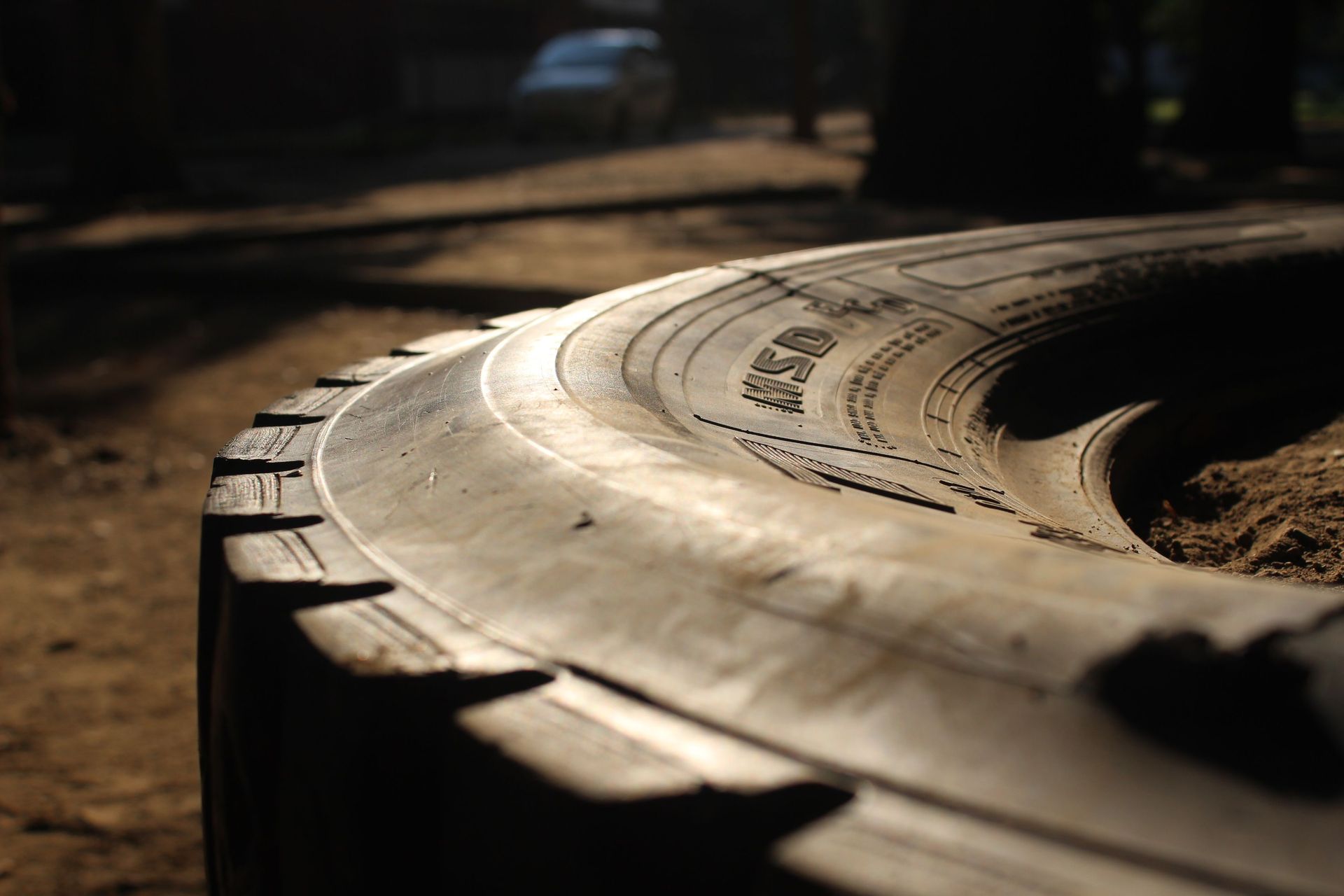
Synthetic rubber was developed in Germany in the 1930s and accelerated dramatically in the United States during World War II for a specific military reason: Japan's occupation of Southeast Asian rubber-producing territories (which provided approximately 90% of US natural rubber supplies) in 1941 created an acute supply crisis for a material that was essential for military vehicles, aircraft, and equipment. The US government launched a crash synthetic rubber program in 1942, coordinating research across major chemical companies.
By 1945, US synthetic rubber production had reached approximately 800,000 tonnes per year, replacing the natural rubber supply that had been cut off. The specific synthetic rubber types developed — styrene-butadiene rubber (SBR) and others — were in some ways superior to natural rubber for specific applications, leading to their continued dominance in those applications even after natural rubber supplies were restored.
Synthetic rubber is now used in automobile tires (the largest single rubber application), industrial seals and gaskets, footwear, medical gloves, and thousands of other applications. The global synthetic rubber market is approximately $20 billion annually. The specific chemistry developed to replace a wartime supply chain disruption has become the dominant material in its category.
Jerrycan

Markus Winkler / Pexels
The jerrycan — the characteristic pressed-steel fuel container with three handles and a flip-sealed spout — was designed by Germany in the mid-1930s as part of military preparation for the blitzkrieg campaigns that would depend on rapid motorized movement across large distances. The specific military problem was the logistical challenge of refueling rapidly moving armored columns that had outrun their supply lines: standard fuel containers of the era were unwieldy, prone to leaking, and difficult to handle under fire.
The jerrycan solved these problems through specific design innovations: three handles allowed two men to pass it easily or one man to carry two simultaneously; the flat sides allowed tight stacking for storage; the spring-loaded air-vent cap prevented the dangerous vacuum that built up in conventional containers; and the pressed-steel construction was more durable than standard fuel drums.
Allied forces captured German jerrycans during the North African campaign and were so impressed that they reverse-engineered and mass-produced their own versions. American units using captured jerrycans instead of their own inferior containers had a significant logistical advantage. After the war, the jerrycan became a global standard for fuel and liquid transport, and its basic design has remained unchanged for approximately 85 years because it solved the original problem so completely.
Walkie-talkie
Grégory Costa / Pexels
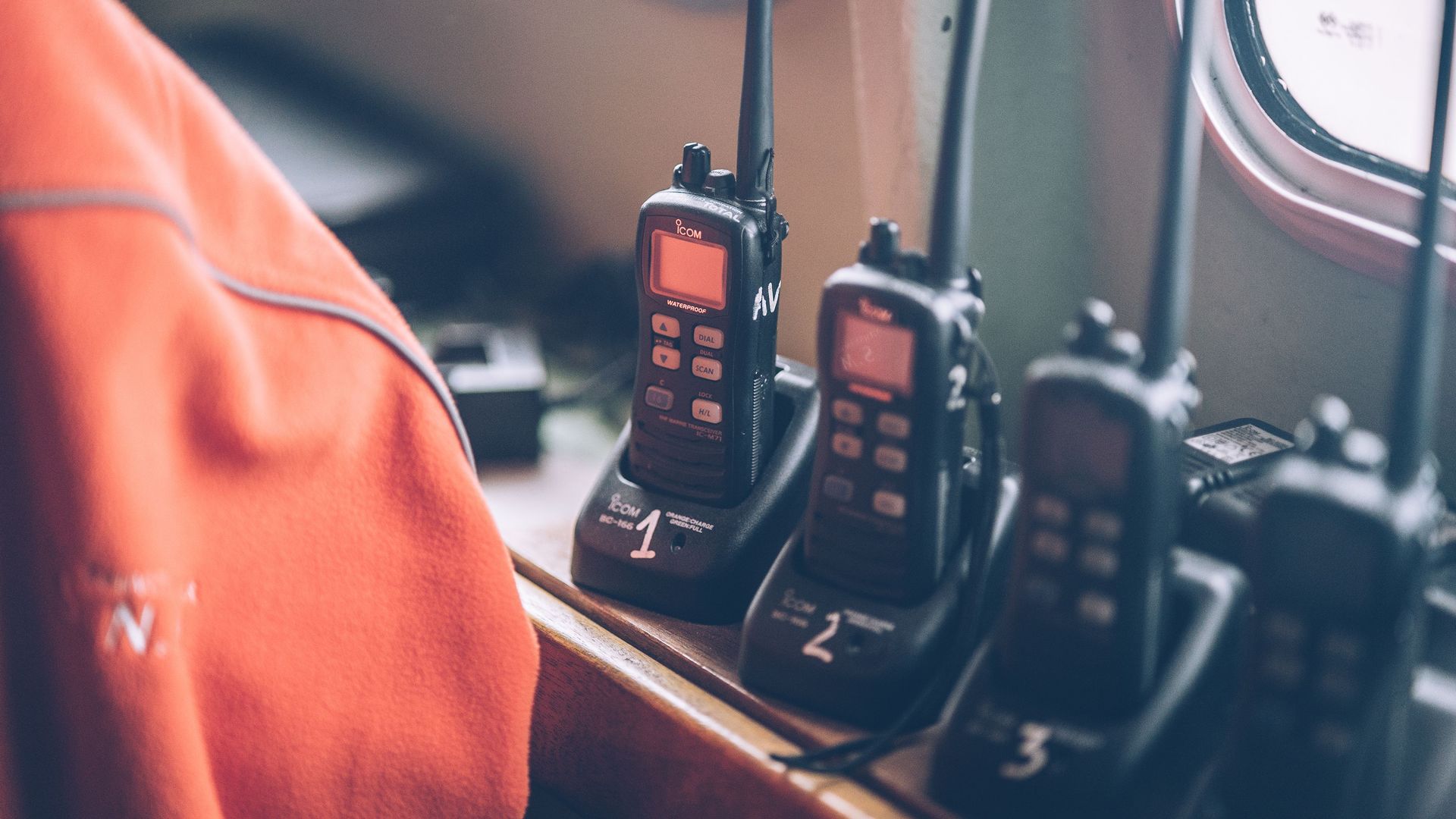
The portable two-way radio — commercially sold as the walkie-talkie — was developed for the US military during World War II, with the handheld AM SCR-536 (produced by Motorola) entering service in 1941 as a company-level infantry communication device. The specific military problem was the coordination of small infantry units that were dispersed across terrain where runners, field telephone wire, and larger radio sets were all impractical.
The civilian applications of portable two-way radio were immediate after the war: police and fire departments adopted the technology within years, recognizing that the same problem — coordinating dispersed individuals across terrain — applied directly to their operations. CB (Citizens Band) radio brought two-way radio to civilian consumer markets in the 1950s, and the walkie-talkie became a consumer toy and children's communication device in subsequent decades.
The smartphone is the direct technological descendant of the walkie-talkie: a portable, two-way communication device evolved through five decades of miniaturization, frequency allocation changes, and the addition of digital processing. The push-to-talk functionality of many messaging applications replicates the half-duplex radio communication of the original walkie-talkie in a contemporary form.
Ballpoint pen

Jess Bailey Designs / Pexels
The ballpoint pen was developed by Hungarian journalist Laszló Bíró, who filed a patent in 1938 and improved the design through 1940. The specific military application that drove its mass production was British Royal Air Force adoption: fountain pens leaked at high altitude due to pressure differentials, making them useless for aircrew, while the ballpoint pen's sealed ink delivery system functioned reliably at any altitude.
The British government licensed the Bíró design and produced large quantities for RAF use during World War II, and the US military similarly adopted the ballpoint pen through a separate licensing arrangement with Eversharp and Faber-Castell. The specific military need — a writing instrument that worked reliably in the conditions that aircrew faced — drove the mass production investment that brought per-unit costs down enough to make commercial civilian production viable.
The civilian transition occurred after the war when returning veterans, accustomed to ballpoint pens, created demand for the product in civilian markets. The Reynolds International Pen Company launched the first mass-market civilian ballpoint in the US in 1945, selling half a million pens in the first day at $12.50 each. By 1960, ballpoint pens had largely replaced fountain pens in everyday use globally.
Freeze-dried food

Кайрат Сатдиков / Pexels
Freeze-drying — the preservation process in which food is frozen and then placed in a vacuum that causes the ice to sublimate (convert directly from solid to gas) without passing through a liquid phase, removing approximately 98% of the water content while preserving nutritional value and structure — was developed for pharmaceutical preservation in the 1930s and scaled for food applications during World War II to provide lightweight, shelf-stable food for military rations.
The specific military advantage of freeze-dried food is the combination of light weight (water is the heaviest component of food) and long shelf life without refrigeration. A military unit operating in the field could carry significantly more calories per kilogram of pack weight with freeze-dried rations than with any other preservation method, and the food could be rehydrated with cold water if hot water was unavailable.
The civilian applications expanded rapidly after the war: freeze-dried coffee (Nescafé's instant coffee was developed in the 1930s but freeze-drying significantly improved the flavor preservation) became the standard for instant coffee globally; freeze-dried camping and backpacking food created an entire outdoor recreation supply category; and freeze-dried pharmaceuticals and vaccines became standard preservation methods for medical biologics that require stability without refrigeration.
Nylon

Maria Lucia Sampaio / Pexels
Nylon — the first fully synthetic textile fiber, developed by DuPont chemist Wallace Carothers and introduced commercially in 1938 — was immediately redirected to military use after the US entered World War II in 1941. The civilian application that had launched nylon — women's stockings, which sold 64 million pairs in the first year and were the primary commercial driver of nylon development — was suspended as nylon production was entirely allocated to military parachutes, parachute cords, flak jackets, tents, ropes, and tire cords.
The specific military qualities that made nylon essential — its high tensile strength-to-weight ratio, its resistance to mildew and rot (which destroyed natural fiber ropes and canvas in tropical environments), and its consistent production quality — were the same qualities that made it commercially valuable. The military's adoption of nylon for parachutes in particular drove the production scale and material consistency that made civilian nylon commercially viable at a price point that natural silk (the previous parachute material, imported from Japan and therefore unavailable after Pearl Harbor) could not approach.
When nylon stockings returned to civilian sale after the war, the demand was so overwhelming — women had been waiting four years — that "nylon riots" occurred at stores in multiple US cities. Nylon subsequently displaced natural fibers across dozens of textile and industrial applications: toothbrush bristles, fishing line, climbing rope, carpeting, and the vast majority of synthetic fabric in consumer clothing. The military parachute program scaled a laboratory curiosity into a global materials industry.
EpiPen (autoinjector mechanism)

Pavel Danilyuk / Pexels
The autoinjector mechanism used in the EpiPen — the spring-loaded device that allows a non-medical user to self-administer an intramuscular injection rapidly and without training — was developed in the 1970s by Sheldon Kaplan for the US military's ComboPen program, which required a way for soldiers to self-administer nerve agent antidotes (atropine and pralidoxime) in the field, immediately after chemical weapon exposure, without the assistance of a medic.
The specific military problem — a soldier who has been exposed to a nerve agent has seconds to minutes to administer the antidote, may be unable to call for help, and will have trembling hands and impaired coordination — required a device that could be operated with minimal fine motor control, could not be accidentally reversed, and delivered the medication reliably on the first attempt. Kaplan's spring-loaded autoinjector design solved all of these requirements.
Meridian Medical Technologies, which manufactured the military autoinjector, subsequently recognized that the same device could deliver epinephrine for civilian anaphylaxis treatment — a civilian medical emergency with exactly the same profile of requirements: rapid onset, impaired patient, no medical professional present. The EpiPen launched in 1980 and has since become the standard emergency treatment for anaphylaxis globally, saving an estimated tens of thousands of lives annually.
Sandbags (as flood control)
Helena Jankovičová Kováčová / Pexels
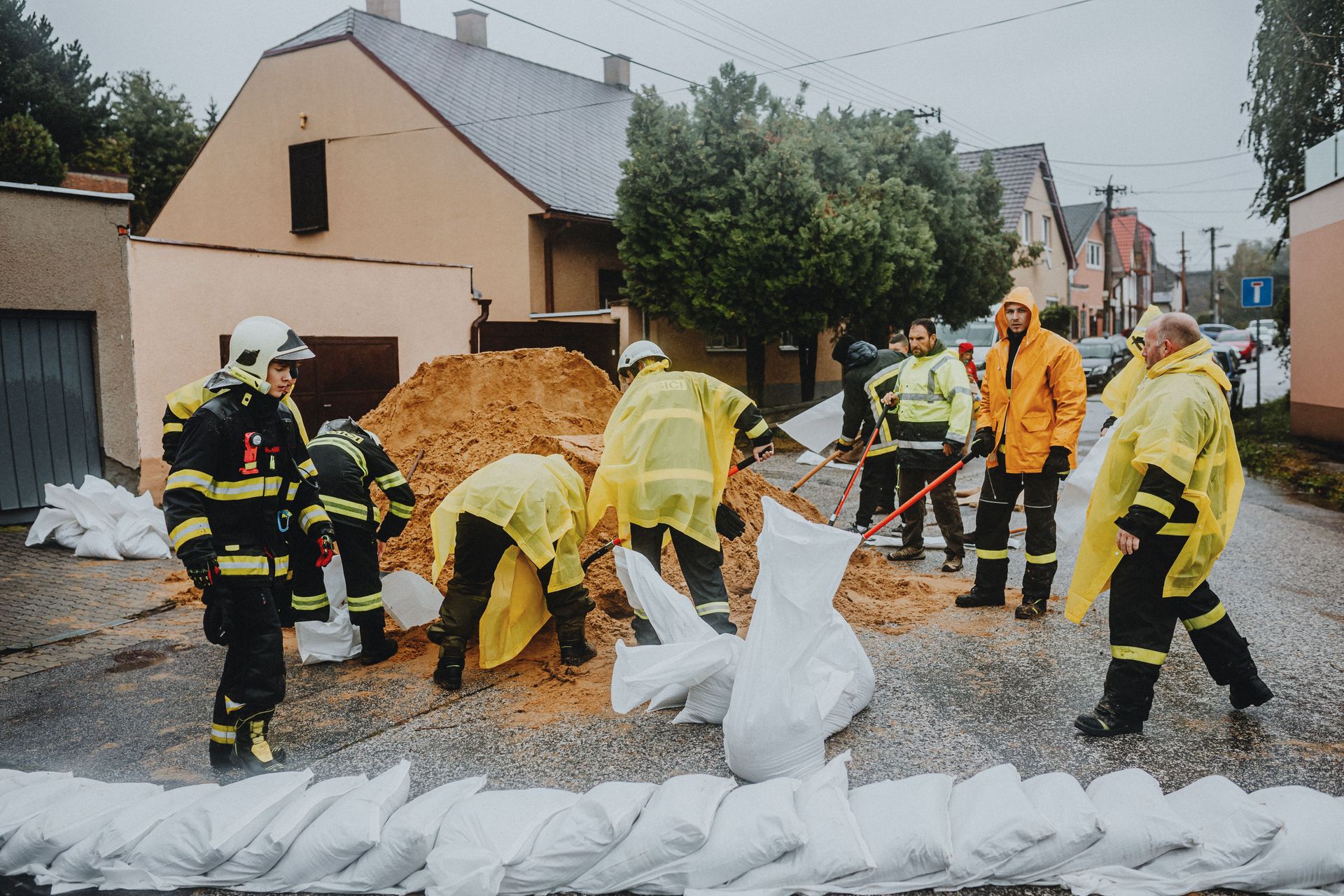
Sandbags were not invented for war — sacks filled with material for fortification and earthwork are ancient — but their specific large-scale civilian application as flood control infrastructure was directly shaped by World War I military engineering practices. The Western Front's trench warfare required the construction and constant maintenance of extensive sandbag fortifications, and the logistical and engineering knowledge of rapid sandbag construction under difficult conditions was transferred directly to civilian engineering after the war.
British and American civil engineering organizations adopted military sandbag construction techniques for flood control in the 1920s and 1930s, and the sandbag became the standard civilian emergency flood barrier. The specific knowledge transfer included not only the filling and stacking techniques but the supply chain organization required to deploy large numbers of sandbags rapidly — skills that had been refined under battlefield conditions.
Contemporary flood control has added engineered polymer bags, rapid-deployment barriers, and other technologies, but the sandbag remains the most versatile, most widely stockpiled, and most universally deployed emergency flood barrier globally. The specific wartime investment in sandbag logistics and construction technique is the direct ancestor of the emergency flood response protocols used by civil defense organizations worldwide.
Highway system (interstate highways)

John Hill / Pexels
The US Interstate Highway System was authorized by President Eisenhower in 1956 through the Federal Aid Highway Act, and Eisenhower's specific motivation — which he cited explicitly — was the military lesson he drew from two experiences: the difficulty of moving troops and equipment across the US by road during World War II military exercises, and his observation of the German Autobahn during the Allied occupation after the war.
The German Autobahn, a military-strategic infrastructure built partly for military vehicle movement and troop deployment, demonstrated to Eisenhower that a high-capacity, limited-access highway network could move military forces rapidly across a country. The US interstate design specifications — minimum lane widths, maximum grade percentages, minimum sight distances, interchange spacing requirements — were explicitly designed to accommodate military vehicle movement, and one in every five miles of interstate was required to be straight enough to serve as an emergency aircraft landing strip.
The civilian economic benefits of the interstate system — estimated by economists at approximately $6 of GDP for every $1 invested — were the byproduct of a military infrastructure decision. The transformation of American commercial and residential geography (suburban development, long-distance trucking, the decline of rail freight) are all downstream consequences of a highway system designed primarily for military strategic mobility.
Velcro

SHVETS production / Pexels
Velcro was invented by Swiss engineer George de Mestral in 1941 after a hunting trip during which he noticed that burdock burrs clung tenaciously to his clothes and his dog's fur. His examination of the burrs under a microscope revealed that the tiny hooks on the burr's surface caught on the loops of fabric fibers — a two-part attachment mechanism that he recognized as a potential fastener. He patented the idea in 1955 after developing a method to produce the hook-and-loop structure synthetically in nylon.
The initial civilian market for Velcro was modest — the product was considered novel but not clearly superior to buttons, zippers, or snaps in most applications. The US military and NASA adopted Velcro in the early 1960s for the specific reason that mechanical fasteners were impractical in pressurized spacesuit gloves and in the zero-gravity environment of spacecraft, where floating loose fasteners were a hazard. NASA's adoption of Velcro — to secure food pouches, equipment, and astronauts themselves to surfaces in the weightless environment — produced the high-visibility association with cutting-edge technology that drove civilian commercial adoption.
Military applications followed: Velcro was adopted for combat boots, tactical gear, and equipment attachment across multiple armed forces. The combination of military and space program use drove production scale that reduced costs and improved product quality, and the consumer market for Velcro exploded after its high-profile space program appearances. Velcro now has thousands of industrial and consumer applications that de Mestral could not have anticipated from his observation of a burdock burr.