
Kohlrabi, garlic scapes, fiddleheads, rainbow chard — the ingredients that look unfamiliar at the market and are simpler to cook than they seem
Didier Provost / Unsplash
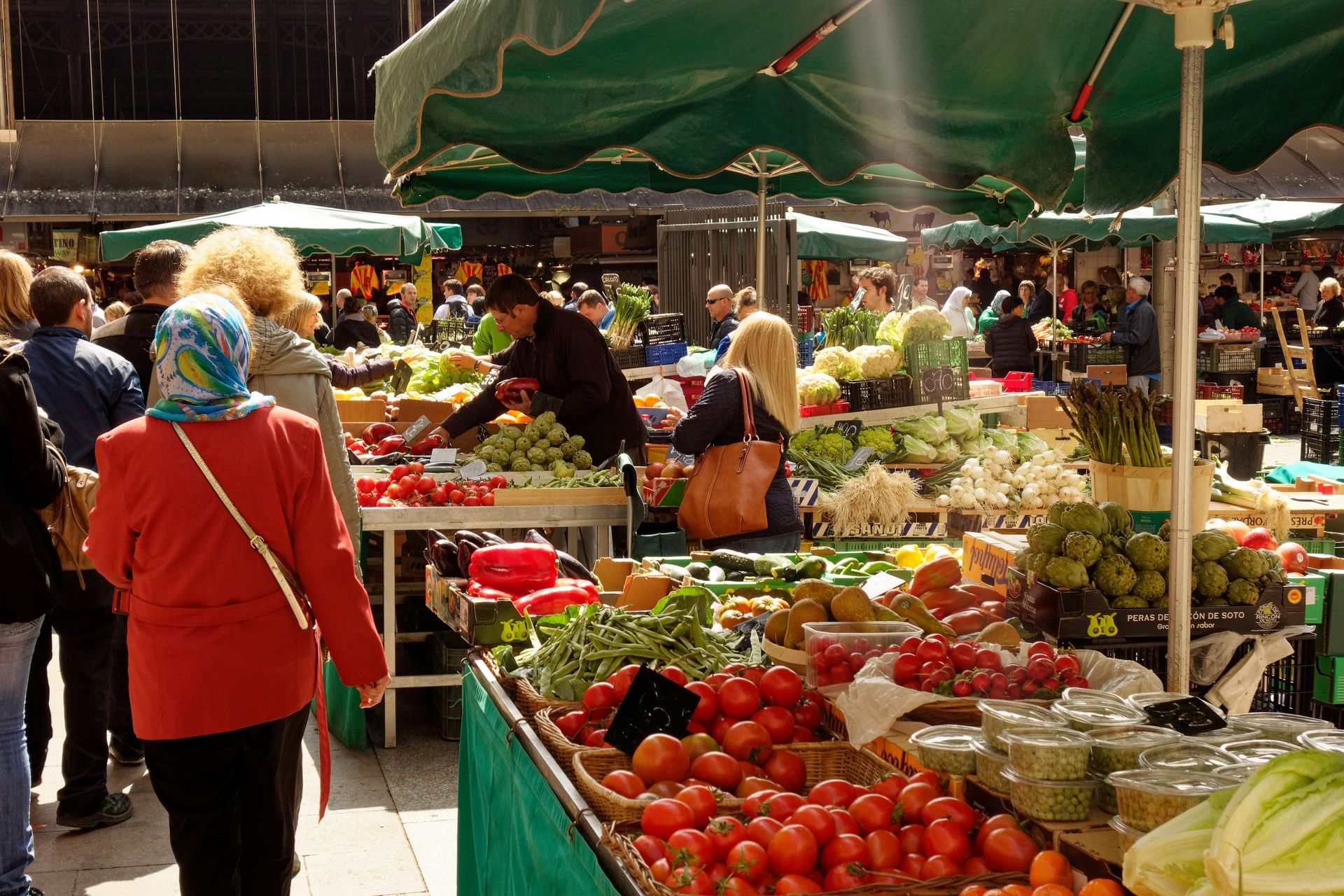
Farmers markets are full of ingredients that look more intimidating than they actually are to cook. A knobby purple-green kohlrabi, a coiled garlic scape, a bundle of unfamiliar greens — these are the items that get picked up, turned over, and set back down by shoppers who like the idea of trying something new but aren't confident enough in what to do with it once they get it home. The result is that some of the most interesting and often least expensive items at any given market stall go home with almost nobody.
The gap between how intimidating these ingredients look and how simple they actually are to prepare is usually large. Most of the vegetables in this list require nothing more than the same basic techniques already used for more familiar produce — roasting, sautéing, blanching — applied to something with an unfamiliar name and an unfamiliar shape. The specific skill that separates a confident farmers market shopper from a hesitant one is not advanced cooking technique; it is simply knowing what a handful of unfamiliar ingredients actually are and having one reliable way to prepare each of them.
Each entry in this list covers what the ingredient is, why it looks more complicated than it is, and a straightforward way to cook it that requires no special equipment or technique beyond what a typical home kitchen already has.
The Matter of Food / Unsplash
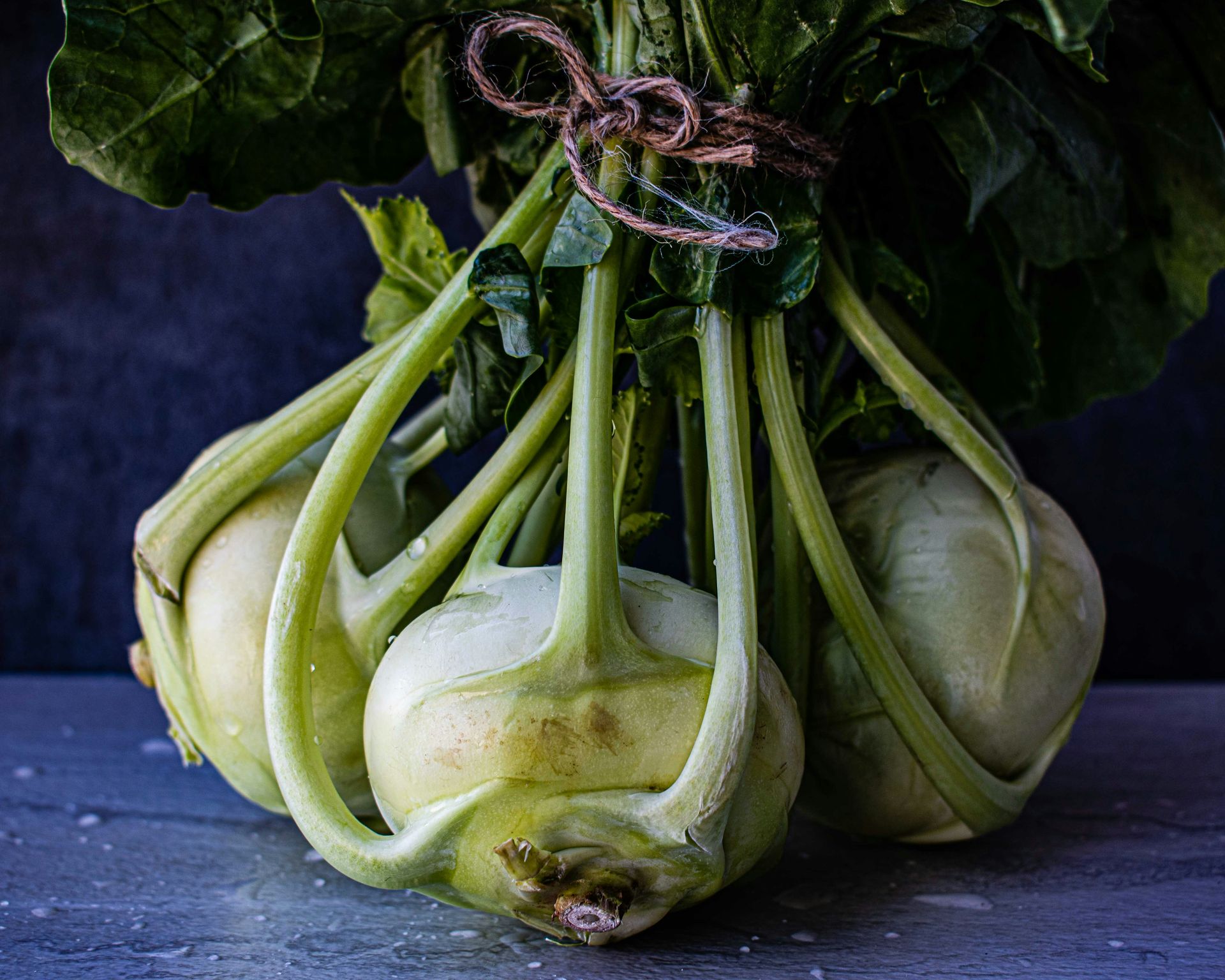
Kohlrabi is a member of the cabbage family that grows as a bulbous stem above the ground, with a mild flavor often described as a cross between broccoli stems and a mild turnip, and a shape and appearance (a pale green or purple bulb with leafy stalks emerging from it) that gives most first-time shoppers no immediate sense of how to approach it.
The intimidating part is entirely visual: once peeled (a vegetable peeler removes the tough outer layer easily, revealing a crisp white interior), kohlrabi behaves like a mild, slightly sweet vegetable that can be eaten raw or cooked. Raw, thinly sliced or julienned kohlrabi works well in a slaw with a light vinaigrette, providing a crunchy, mildly peppery contrast to more familiar cabbage or carrot. Cooked, it can be roasted in wedges tossed with olive oil and salt at 400°F for about 25 minutes, or added to a pot of soup where it holds its texture better than potato.
The leafy greens attached to the bulb are also edible and can be sautéed the same way as kale or collard greens, meaning that a single kohlrabi purchase provides two distinct components rather than one, with essentially no part of the vegetable going to waste.
David Trinks / Unsplash
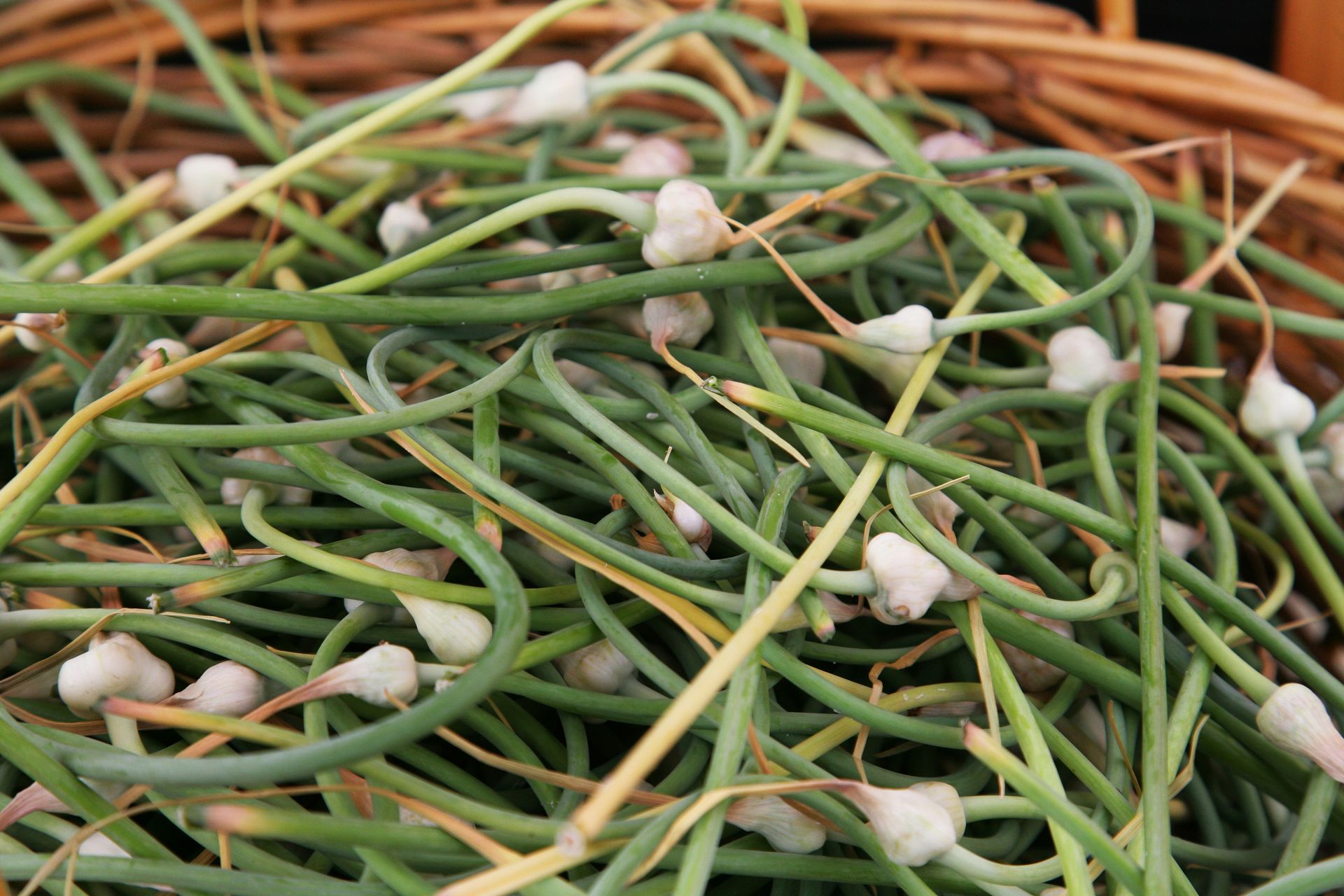
Garlic scapes are the curly, green flowering stalks that garlic plants produce before the bulb matures underground, harvested and removed by farmers specifically to redirect the plant's energy into bulb growth — meaning the scapes themselves are a byproduct of garlic cultivation, available only for a few weeks in early summer, and largely unfamiliar to shoppers who have never encountered garlic in any form other than the bulb.
The flavor is a milder, greener version of garlic — less pungent than a raw clove, with a fresh, slightly grassy quality that makes it more versatile than garlic itself in several applications. The simplest preparation is to chop scapes and sauté them in olive oil as a substitute for garlic and green onion combined, using them as the aromatic base for a stir-fry, a pasta dish, or a simple sautéed vegetable side.
Garlic scapes can also be blended into a pesto (substituting for the garlic clove typically used in a basil pesto, and in some versions replacing the basil as well) or grilled whole, brushed with oil, until slightly charred and tender — a preparation that requires no chopping at all and that showcases the scape's flavor most directly.
The Matter of Food / Unsplash
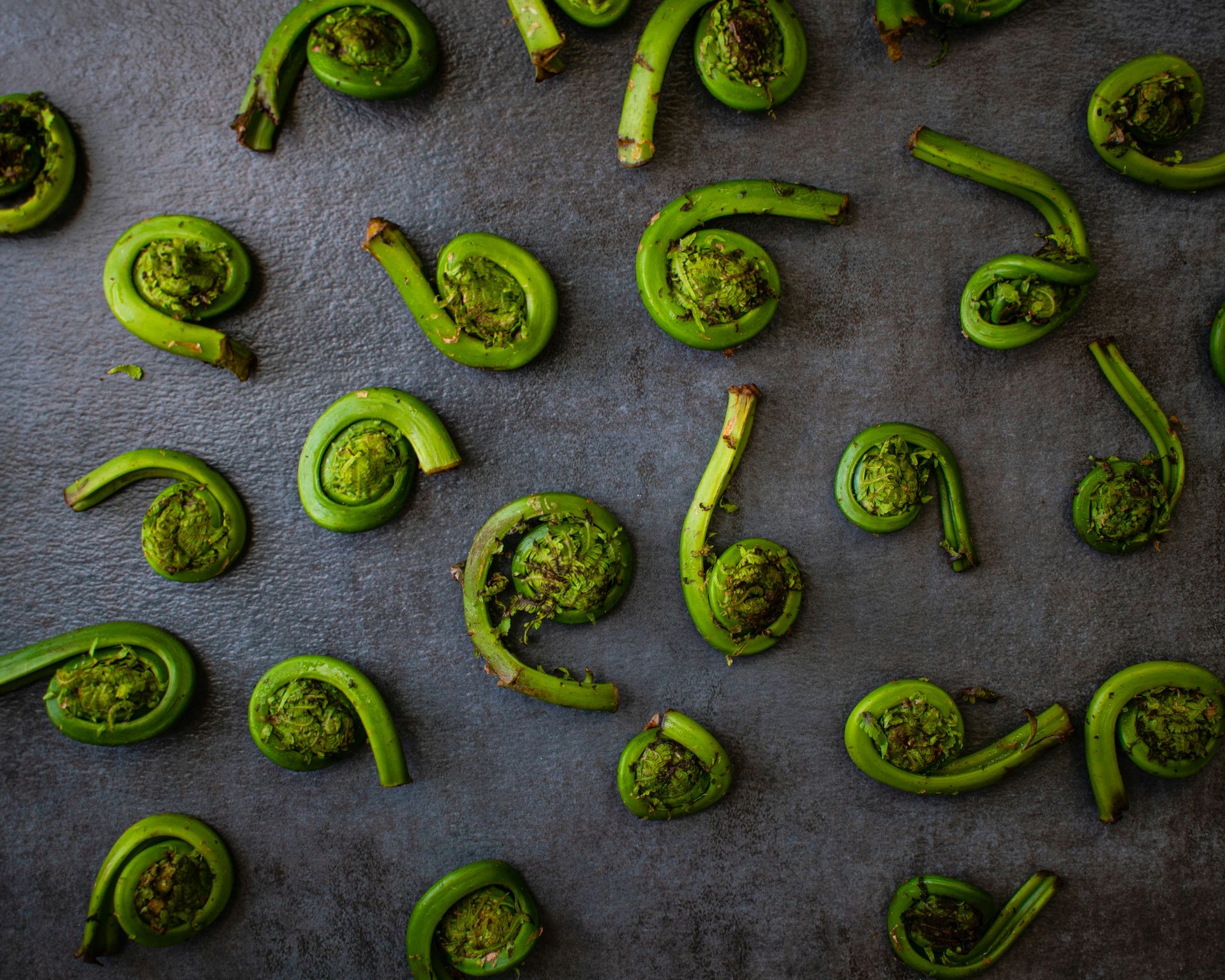
Fiddleheads are the tightly coiled, immature fronds of the ostrich fern, harvested for a brief window in early spring before they unfurl into full fern fronds, and their unusual coiled shape — resembling the scroll of a violin, which gives them their name — makes them one of the most visually unfamiliar vegetables most shoppers will encounter at a market.
Fiddleheads must be cooked thoroughly before eating (raw or undercooked fiddleheads have been associated with foodborne illness), which is the single most important piece of information for a first-time buyer: the correct preparation is to rinse them thoroughly to remove the papery brown husk that surrounds the coil, then boil or steam them for at least 10 to 15 minutes before any further cooking, discarding the cooking water.
Once properly boiled, fiddleheads can be sautéed briefly in butter with garlic and a squeeze of lemon — a preparation similar to how asparagus is often served, and one that suits the fiddlehead's slightly grassy, asparagus-adjacent flavor well. Their brief seasonal availability (typically only a few weeks in April or May depending on region) makes them a genuine seasonal treat rather than a pantry staple, which is part of why farmers markets remain one of the only reliable places to find them.
Chris F / Pexels
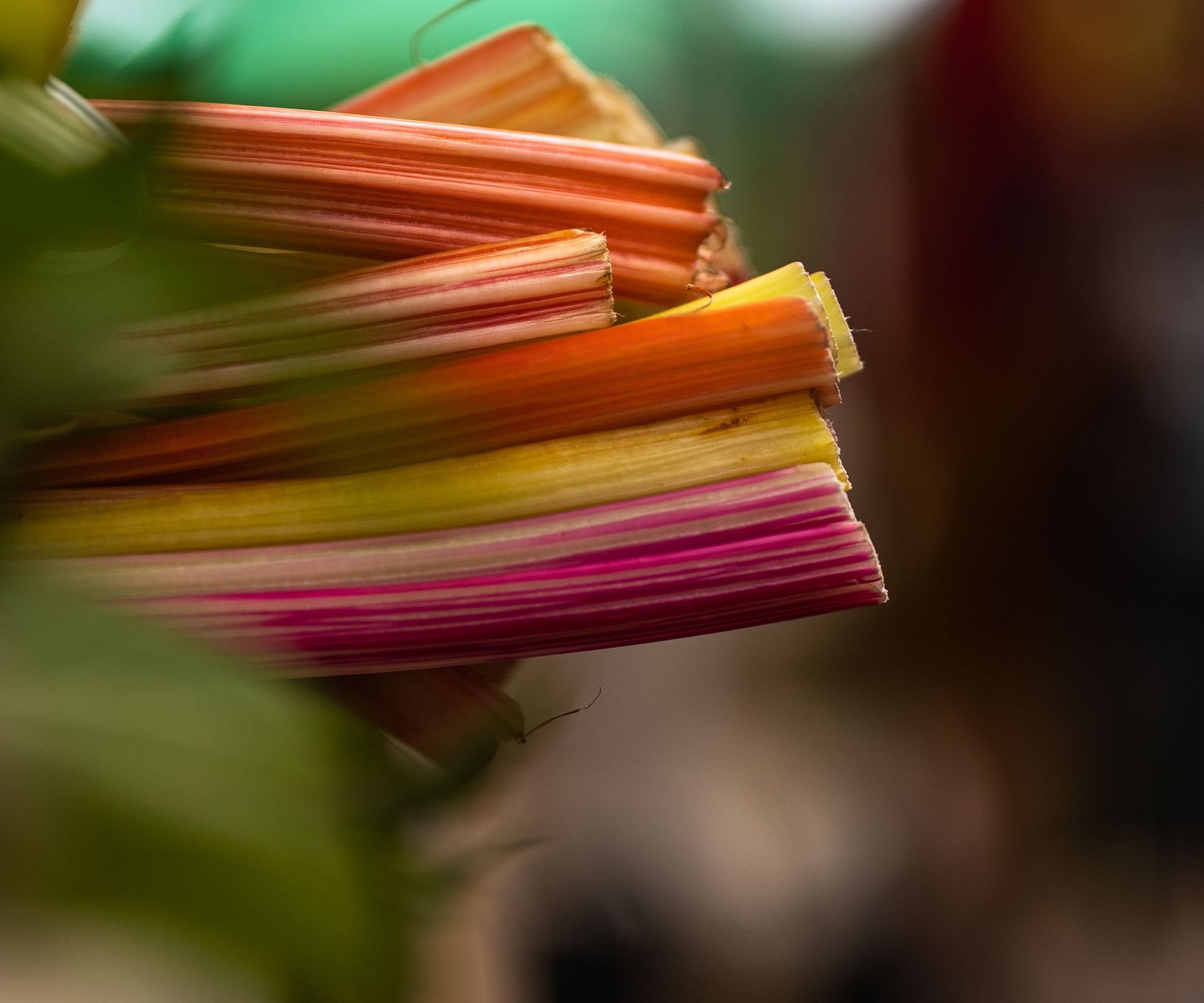
Rainbow chard is a variety of Swiss chard distinguished by its brightly colored stems — red, yellow, orange, and pink, depending on the specific plant — and while the leaves are similar to spinach or kale in cooking behavior, the colorful stems intimidate some shoppers who are unsure whether the stems are edible or how they should be prepared differently from the leaves.
The stems are entirely edible and should be cooked separately from the leaves because they take longer to soften: the standard approach is to chop the stems finely and sauté them in olive oil for several minutes before adding the roughly chopped leaves, which cook much faster and would become overcooked and mushy if added at the same time as the stems.
Chard's flavor is slightly more mineral and less bitter than kale, making it a good entry point for anyone building confidence with leafy greens generally, and it can be substituted directly in most recipes calling for spinach or kale, with the only adjustment being the separate, staggered cooking of stems and leaves described above.
Engin Akyurt / Pexels
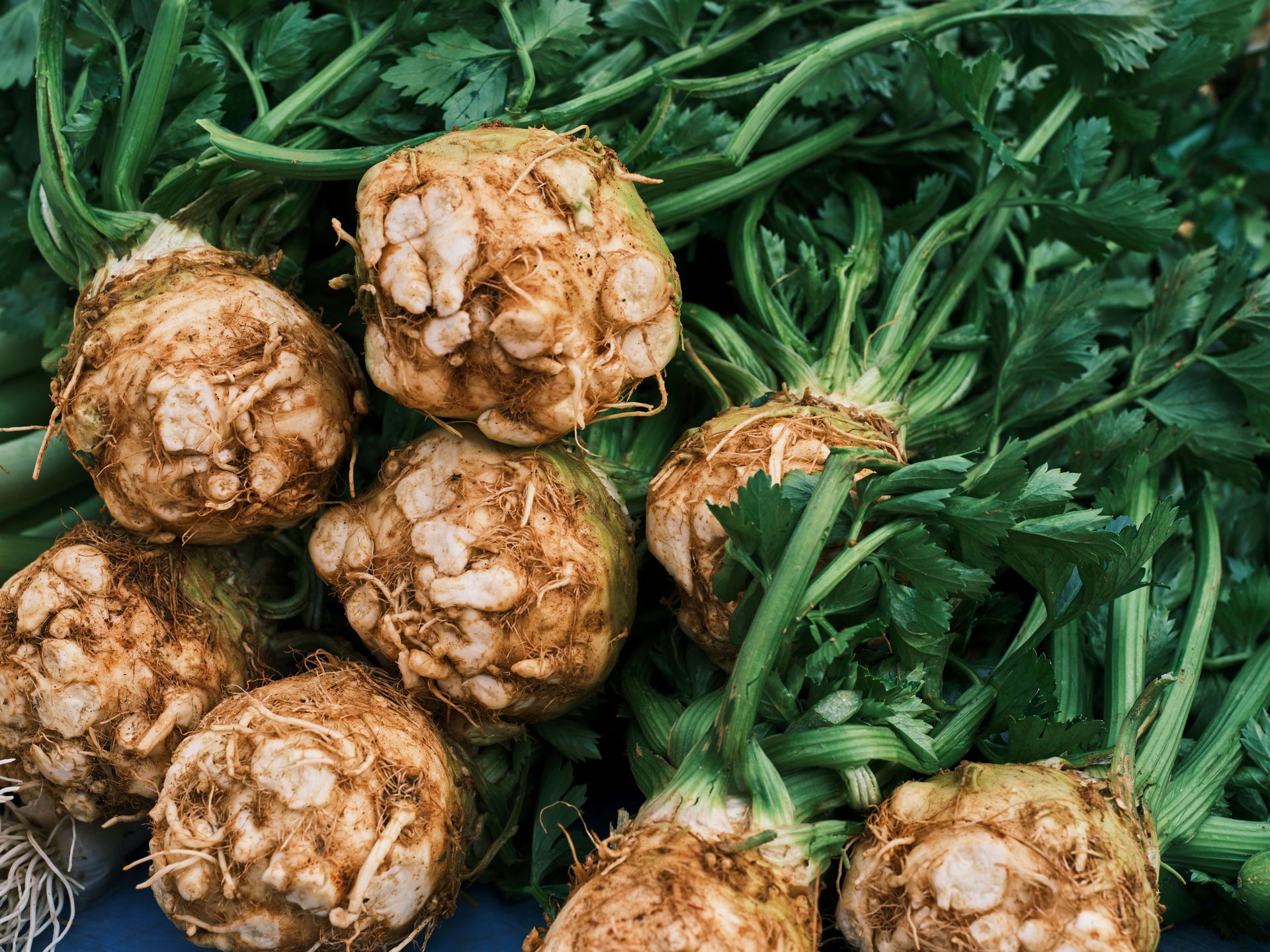
Celeriac, also called celery root, is a knobby, unattractive root vegetable — often described as looking like a vegetable that has been in a fight — that is related to celery but grown specifically for its root rather than its stalks, with a flavor that is more concentrated and slightly nuttier than celery itself.
The visual unattractiveness of celeriac is almost entirely responsible for its underuse: once the thick, rough outer skin is removed with a knife (a vegetable peeler often struggles with celeriac's irregular surface, making a sharp knife the better tool), the interior is a clean white flesh that can be treated much like a potato. Celeriac can be roasted in cubes, mashed (either on its own or mixed half-and-half with potato for a lighter, more flavorful mash), or shaved raw into a classic French remoulade with mustard and mayonnaise.
Celeriac also makes an excellent addition to soups and stocks, where its concentrated celery flavor adds depth without requiring separate celery stalks, and its relatively long storage life (it keeps considerably longer than most root vegetables when refrigerated) makes it a practical pantry staple once a cook becomes comfortable with it.
Engin Akyurt / Pexels
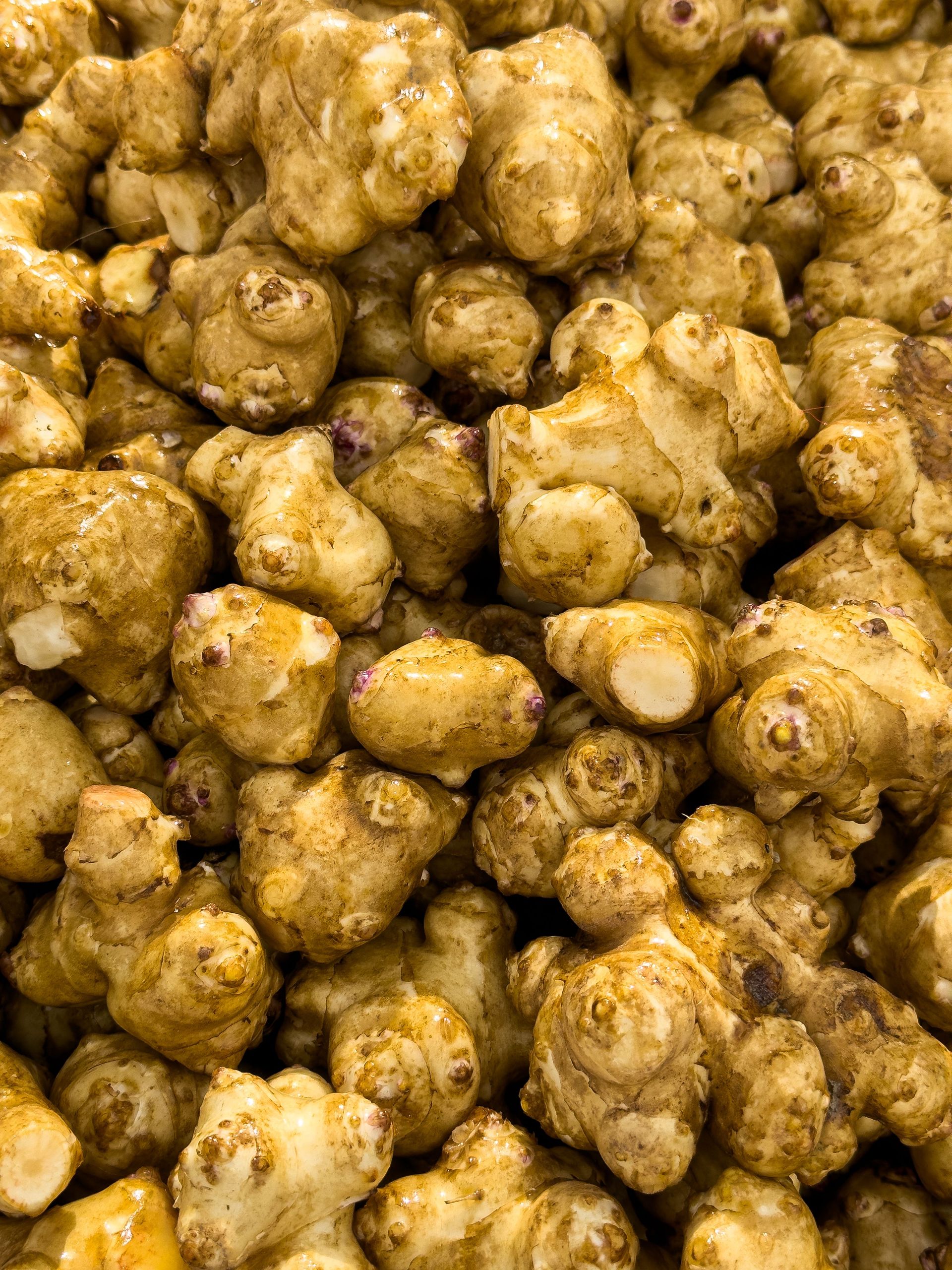
Sunchokes, also known as Jerusalem artichokes despite having no relation to either Jerusalem or true artichokes, are the knobby, ginger-like tubers of a sunflower species, with a mild, slightly sweet, nutty flavor and a crunchy raw texture that softens to a creamy consistency when cooked.
The name confusion is part of what makes sunchokes intimidating — shoppers unfamiliar with the vegetable often expect something artichoke-like in flavor or preparation and are unsure what to do when the reality doesn't match the name. In practice, sunchokes are simplest treated like a cross between a potato and a water chestnut: they can be roasted whole or halved with olive oil and salt (similar to roasting small potatoes), sliced thin and eaten raw in a salad for their crunch, or simmered into a soup, where their starch content creates a naturally creamy texture without requiring cream.
A specific note worth knowing before eating sunchokes for the first time: they contain inulin, a type of fiber that some people digest poorly in large quantities, producing gas — a well-documented enough effect that it is sometimes referred to informally as the vegetable's "fartichoke" reputation. Starting with a modest portion is a reasonable approach for a first-time try.
Elena Aellgie / Pexels
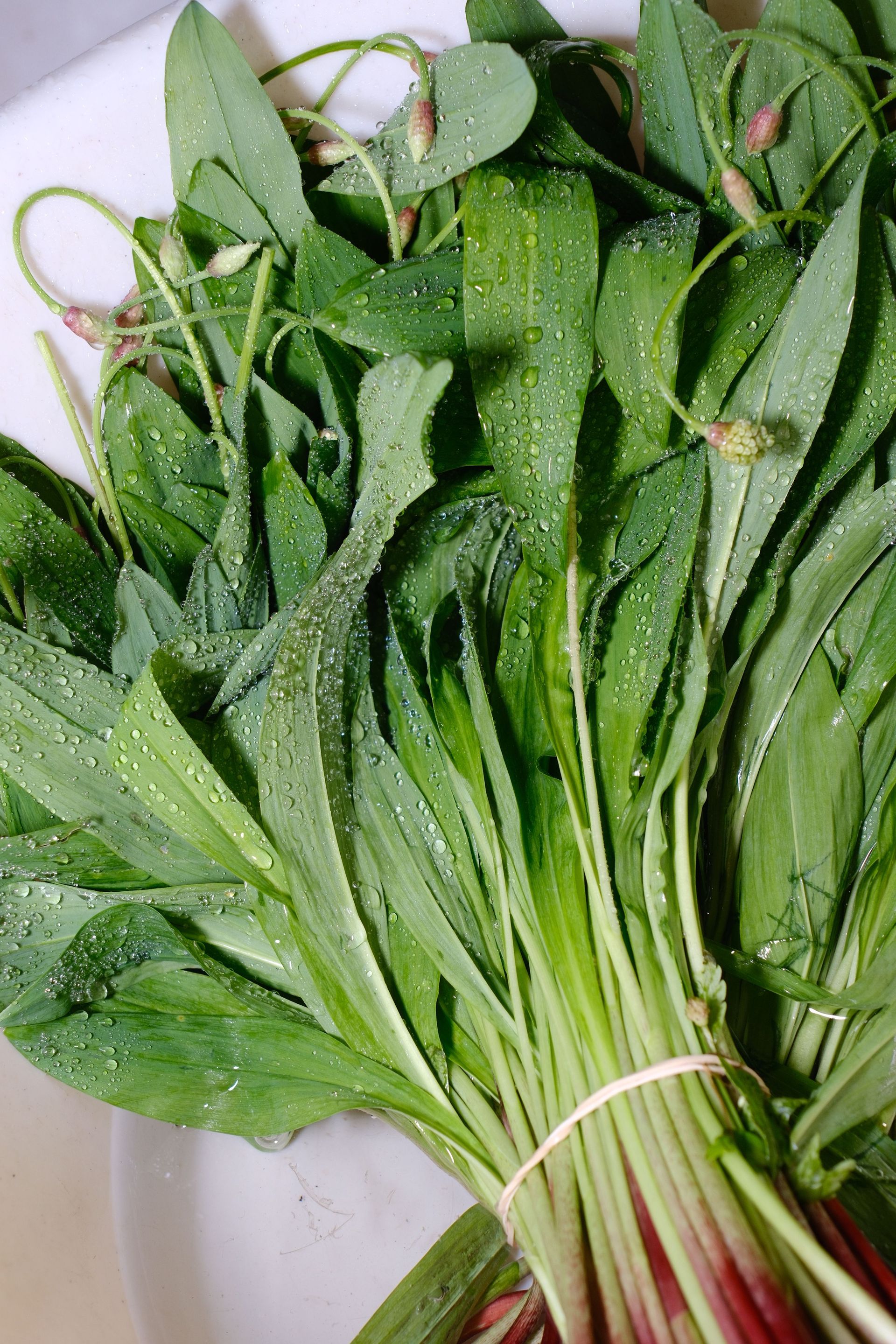
Ramps are a wild leek with a short, intense spring harvest season (typically only a few weeks, usually in April), foraged rather than farmed in most cases, and prized by chefs for a flavor that combines the pungency of garlic with the sweetness of onion in a way no cultivated allium quite replicates — a specific flavor profile that has made ramps something of a seasonal delicacy in restaurant kitchens, driving up both their farmers market price and their mystique.
Both the white bulb and the green leaves of a ramp are edible and can be used similarly to scallions, but the flavor is considerably more intense, meaning a smaller quantity than a comparable amount of scallion or garlic typically achieves the desired effect. Ramps are commonly sautéed briefly in butter as a simple side dish, chopped and folded into scrambled eggs or an omelet, or blended into a compound butter or pesto that preserves their intense seasonal flavor for use beyond the brief window they are actually available fresh.
Because of their limited foraged supply and short season, ramps are typically among the more expensive items at a farmers market relative to their size, and the specific etiquette worth knowing is that responsible foraging practices (which some but not all ramp harvesters follow) involve harvesting only the leaves or a portion of the bulb rather than uprooting the entire plant, since ramp populations regenerate slowly and have been overharvested in parts of their range.
Stephen Leonardi / Pexels
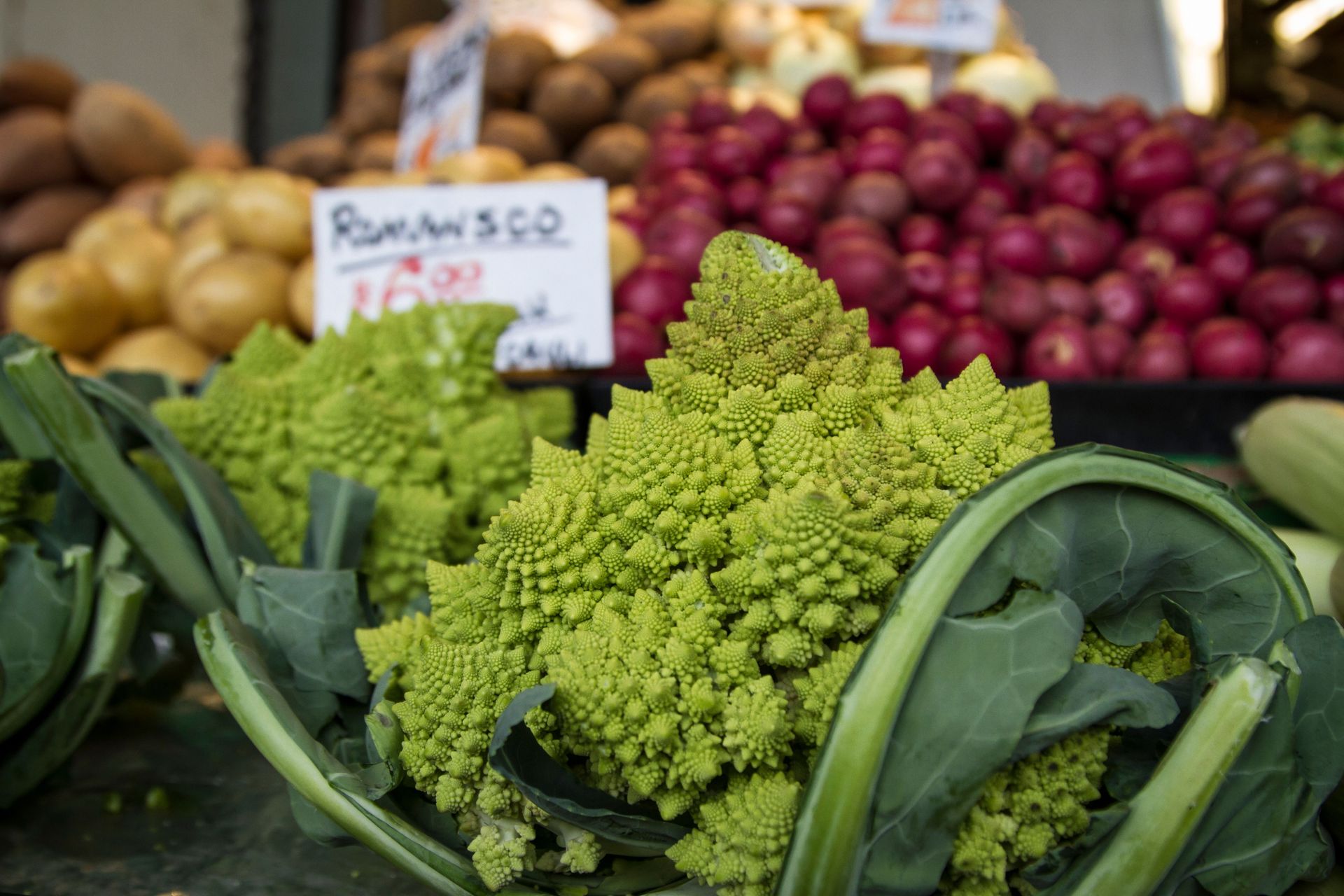
Romanesco is a striking, chartreuse-colored vegetable in the cabbage and cauliflower family, distinguished by its natural fractal pattern — spiraling, cone-shaped clusters that repeat the same shape at decreasing scale — an appearance so visually unusual that many first-time shoppers assume it must require special preparation, when in fact it can be treated almost identically to cauliflower or broccoli.
Romanesco has a flavor slightly milder and nuttier than cauliflower, and it can be roasted (cut into florets, tossed with olive oil, roasted at 425°F until browned at the edges, typically 20 to 25 minutes), steamed and finished with butter and lemon, or used raw in a vegetable platter, where its striking appearance makes it a natural visual centerpiece.
The specific care worth taking with romanesco, beyond standard cauliflower preparation, is not to overcook it: its texture is slightly more delicate than cauliflower's, and it can become mushy faster if roasted or steamed too long, making a slightly shorter cooking time than a comparable cauliflower recipe the safer default.
chuang Ding / Pexels
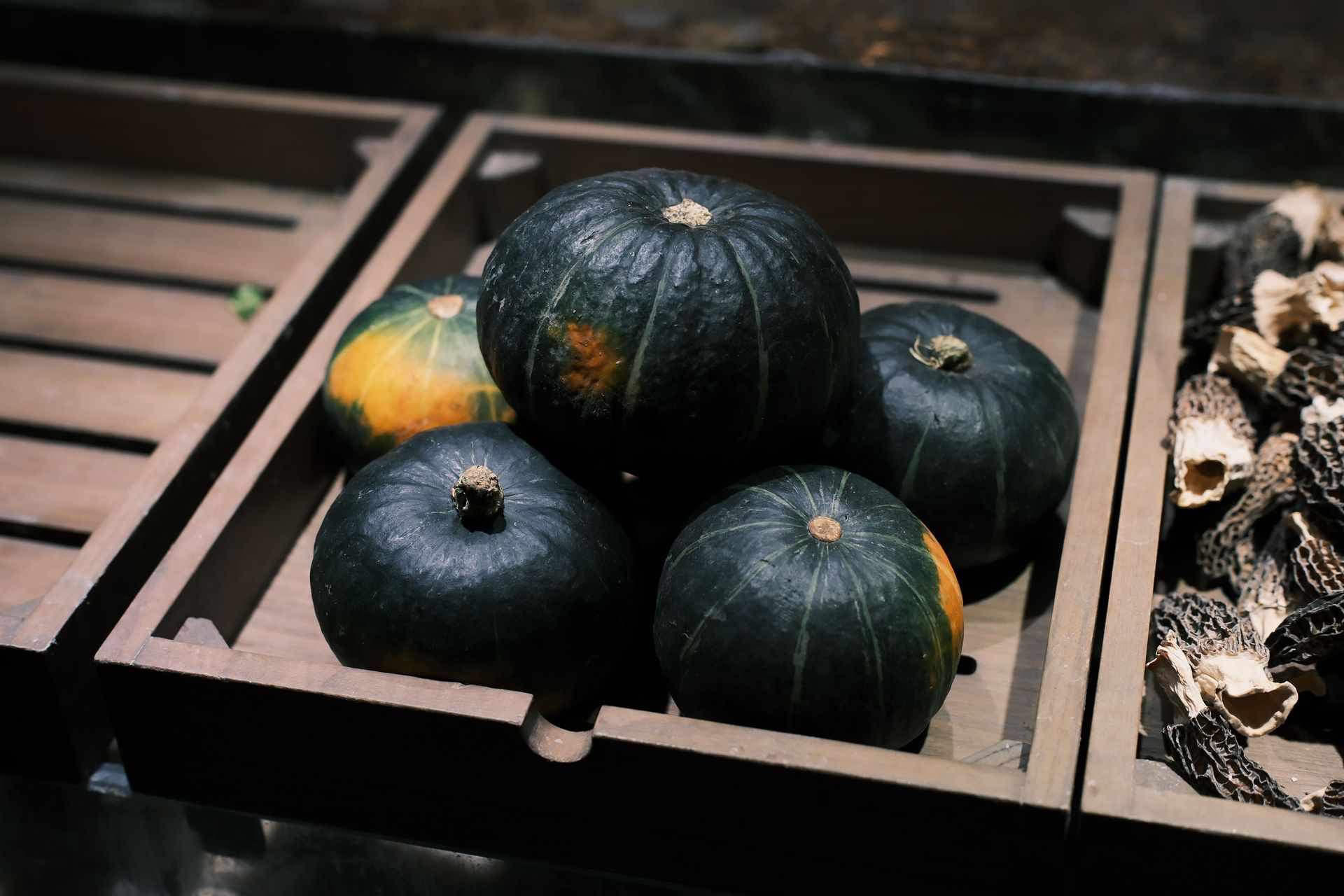
Kabocha squash, a Japanese variety of winter squash with a deep green, sometimes orange-streaked exterior and a dense, sweet, chestnut-like flesh, is often passed over by shoppers who are more familiar with butternut or acorn squash and unsure whether kabocha requires different handling — when in fact it can be substituted directly in most recipes calling for either.
Kabocha's skin, unlike butternut squash's, is edible once cooked, which eliminates the peeling step that makes butternut squash preparation tedious for many home cooks: kabocha can simply be cut into wedges (a sharp, sturdy knife is needed, since the skin is tough when raw) and roasted with the skin on, which softens completely during cooking and adds a slightly different texture that many cooks come to prefer once they've tried it.
The dense, naturally sweet flesh makes kabocha particularly well-suited to preparations that highlight sweetness with minimal added sugar: roasted wedges with a drizzle of maple syrup, a simple kabocha soup blended with a bit of coconut milk, or cubed and added to a curry, where its texture holds up well to longer simmering than more watery squash varieties.
Jeffry Surianto / Pexels
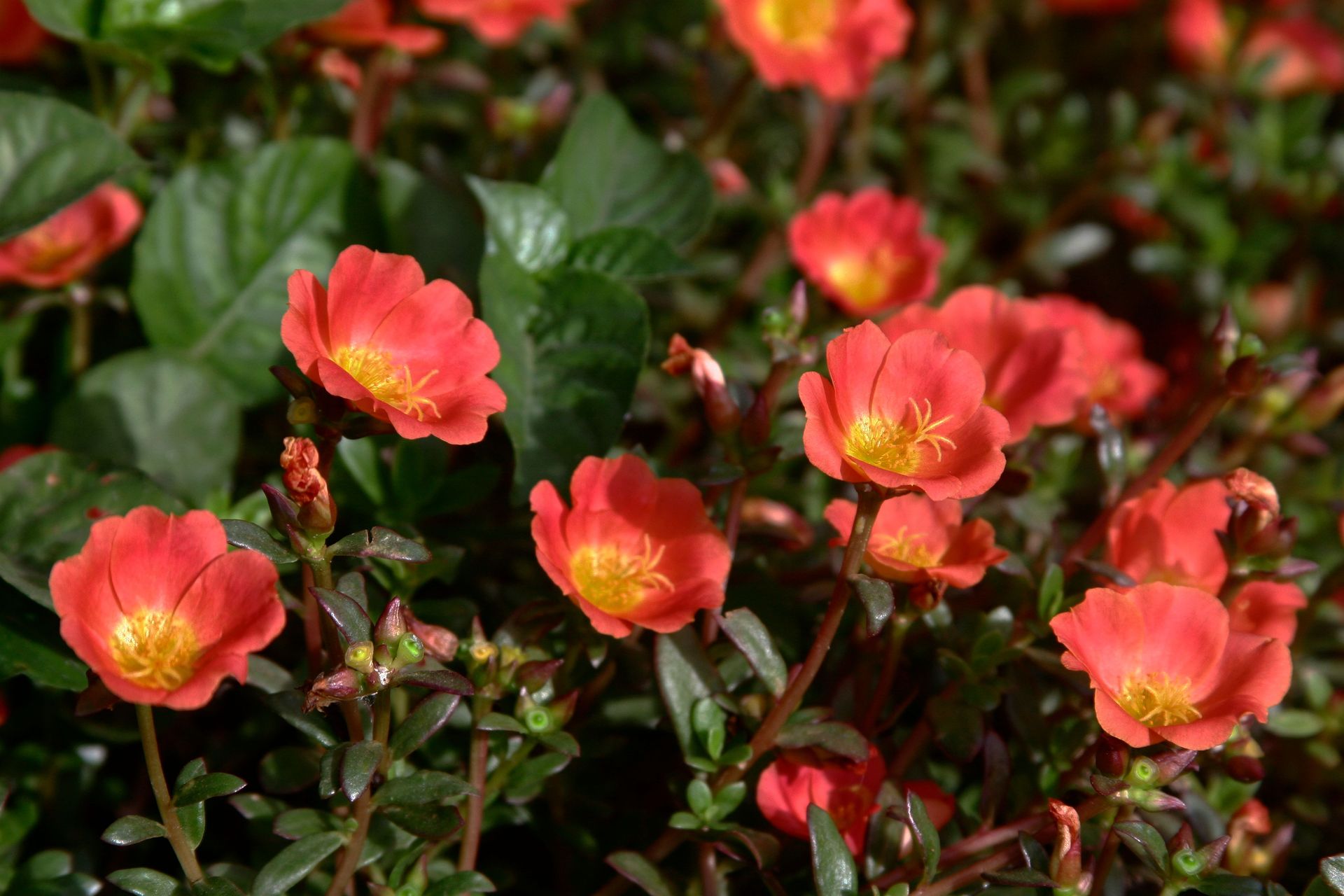
Purslane is a succulent, slightly tart green with small, fleshy leaves, often growing wild as what many gardeners consider a weed, which creates a specific perception problem: shoppers who recognize purslane from their own yards are sometimes reluctant to pay for something they associate with unwanted garden growth, despite cultivated purslane being a genuinely prized ingredient in Mediterranean and Middle Eastern cooking.
The flavor is mildly tart and slightly salty, with a texture that holds up well raw, making purslane most commonly used in salads, either on its own with a light vinaigrette or mixed with tomatoes and cucumber in preparations similar to a Greek salad, where its slight tartness and crunch add a dimension that standard lettuce does not provide.
Purslane is also notable nutritionally for containing higher levels of omega-3 fatty acids than most leafy greens, a distinction that has driven some of its recent resurgence in interest among health-focused cooks, and it can be lightly sautéed as well as eaten raw, though sautéing softens its distinctive crunch, meaning raw preparation is generally the better way to experience its specific texture.
Natalia S / Pexels
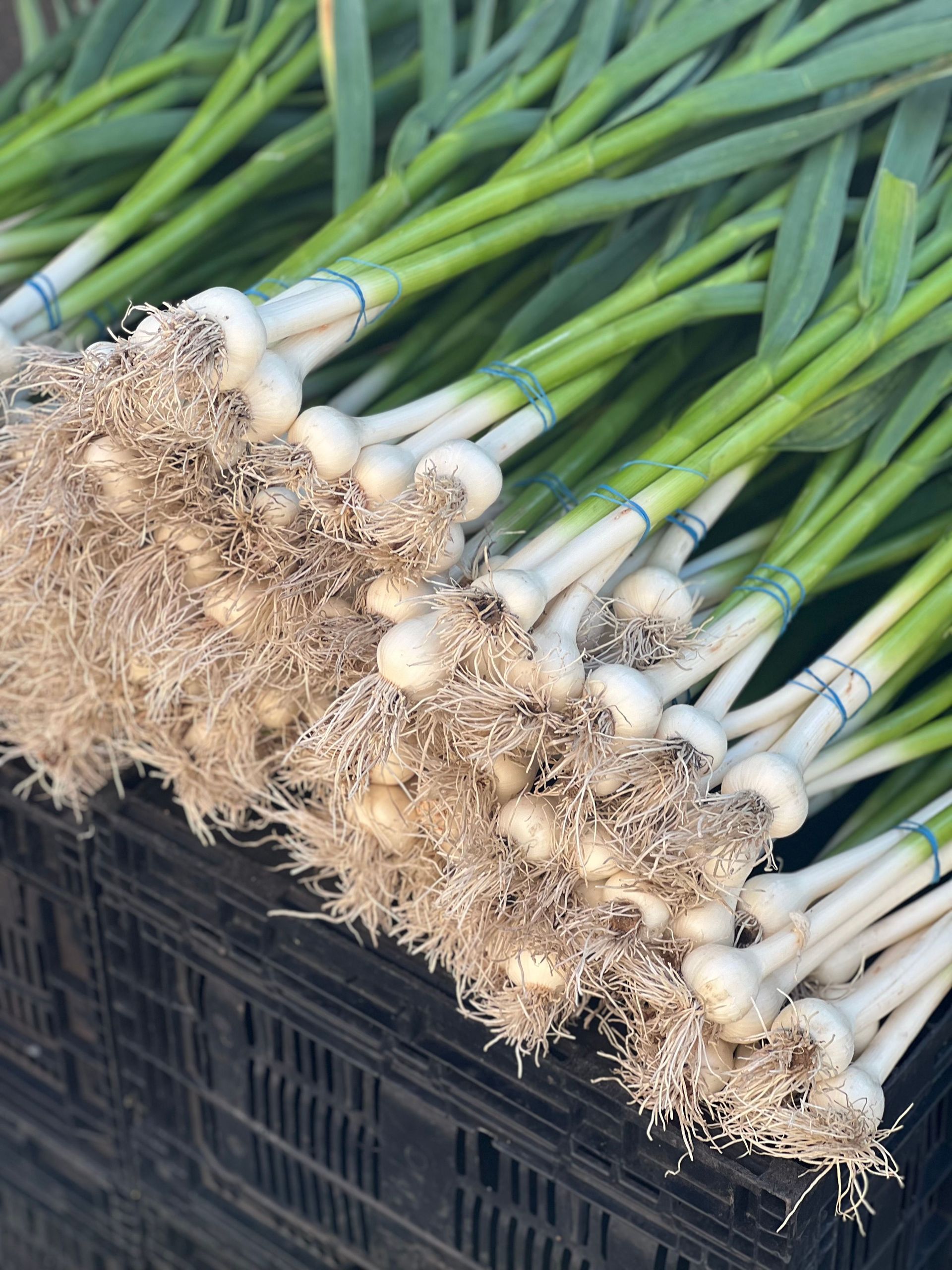
Green garlic is immature garlic harvested before the bulb has fully divided into individual cloves and developed its papery skin, appearing similar to a scallion or a young leek, with a flavor that is garlicky but considerably milder and fresher than mature garlic — a specific in-between stage in the garlic plant's growth cycle that many shoppers do not realize exists as a distinct, purchasable ingredient.
Because the entire stalk is tender at this stage, green garlic can be chopped and used, white part and green part alike, in nearly any application calling for garlic, with the practical difference being that a larger quantity is typically needed to achieve the same intensity as mature garlic, and it can be treated more like a vegetable in its own right — sautéed as a side dish, or roasted whole — rather than purely as a seasoning.
Green garlic's short season (typically appearing at markets in spring, before the fully mature bulbs of summer and fall) makes it, like ramps and fiddleheads, a specifically seasonal item that rewards shoppers who buy it when they see it rather than waiting, since the market window is considerably shorter than for mature garlic, which is available essentially year-round.
Livier Garcia / Pexels
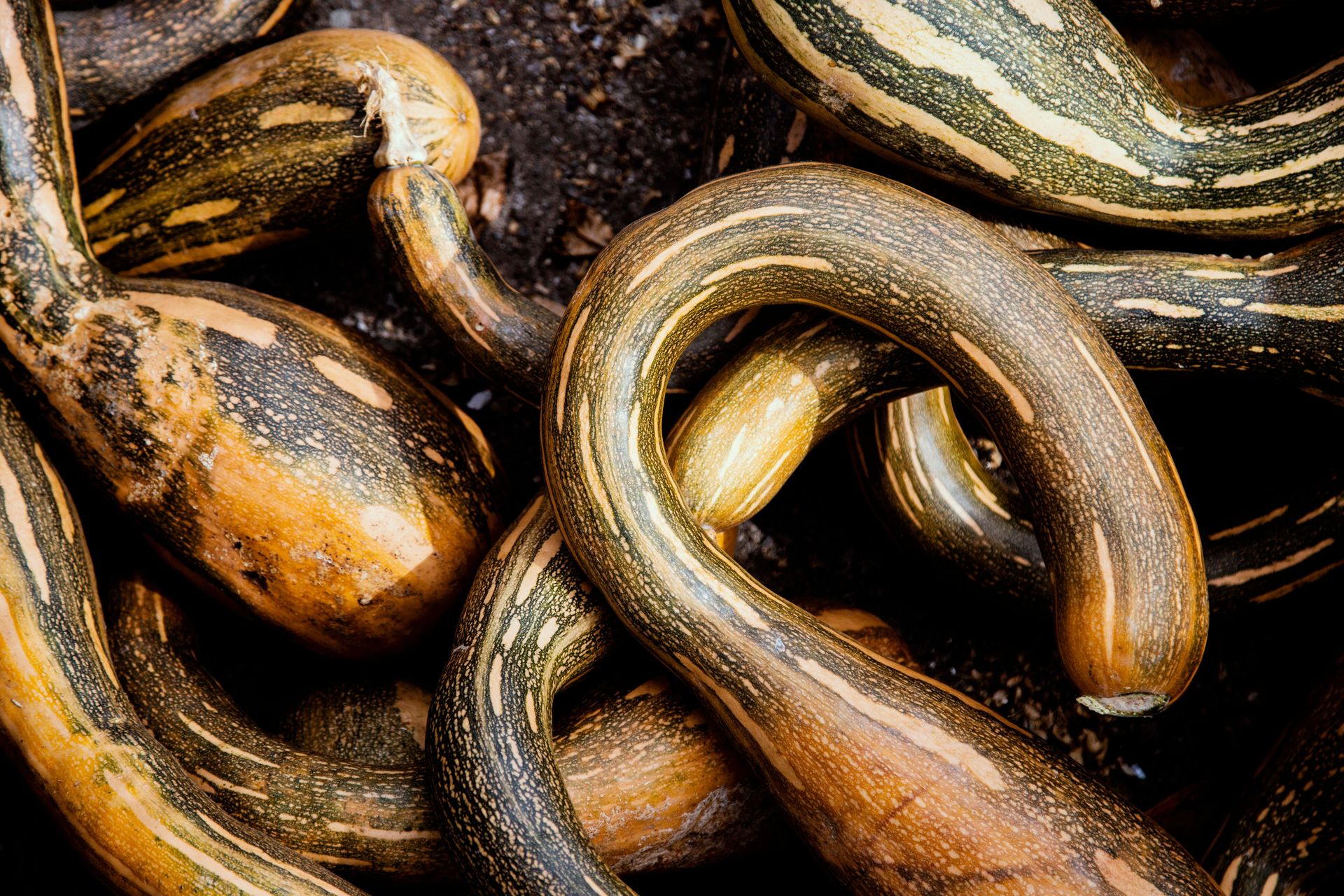
Tromboncino squash is an Italian heirloom summer squash notable for its long, curved, trombone-like shape, sometimes growing to two or three feet in length with a distinctive curl at one end, an appearance dramatic enough that it frequently draws attention at a market stall without shoppers understanding that it can be used almost identically to zucchini, its more familiar relative.
The flesh is denser and less watery than standard zucchini, with fewer seeds concentrated mostly in the bulbous end of the squash (the straight neck portion is nearly seedless), making tromboncino arguably easier to work with in some preparations than zucchini, since it produces less excess moisture when sautéed or grilled.
Tromboncino can be sliced into rounds or planks and grilled, sautéed with garlic and olive oil exactly as zucchini would be, or spiralized into a low-carb pasta substitute, and its firmer texture holds up notably well to grilling without becoming as mushy as zucchini sometimes does, making it a specific upgrade for cooks who have found zucchini's tendency toward wateriness a persistent minor frustration.