Demand for organic food is growing exponentially in North America—and Farmland LP's Craig Wichner is meeting it with an investment fund for farmers
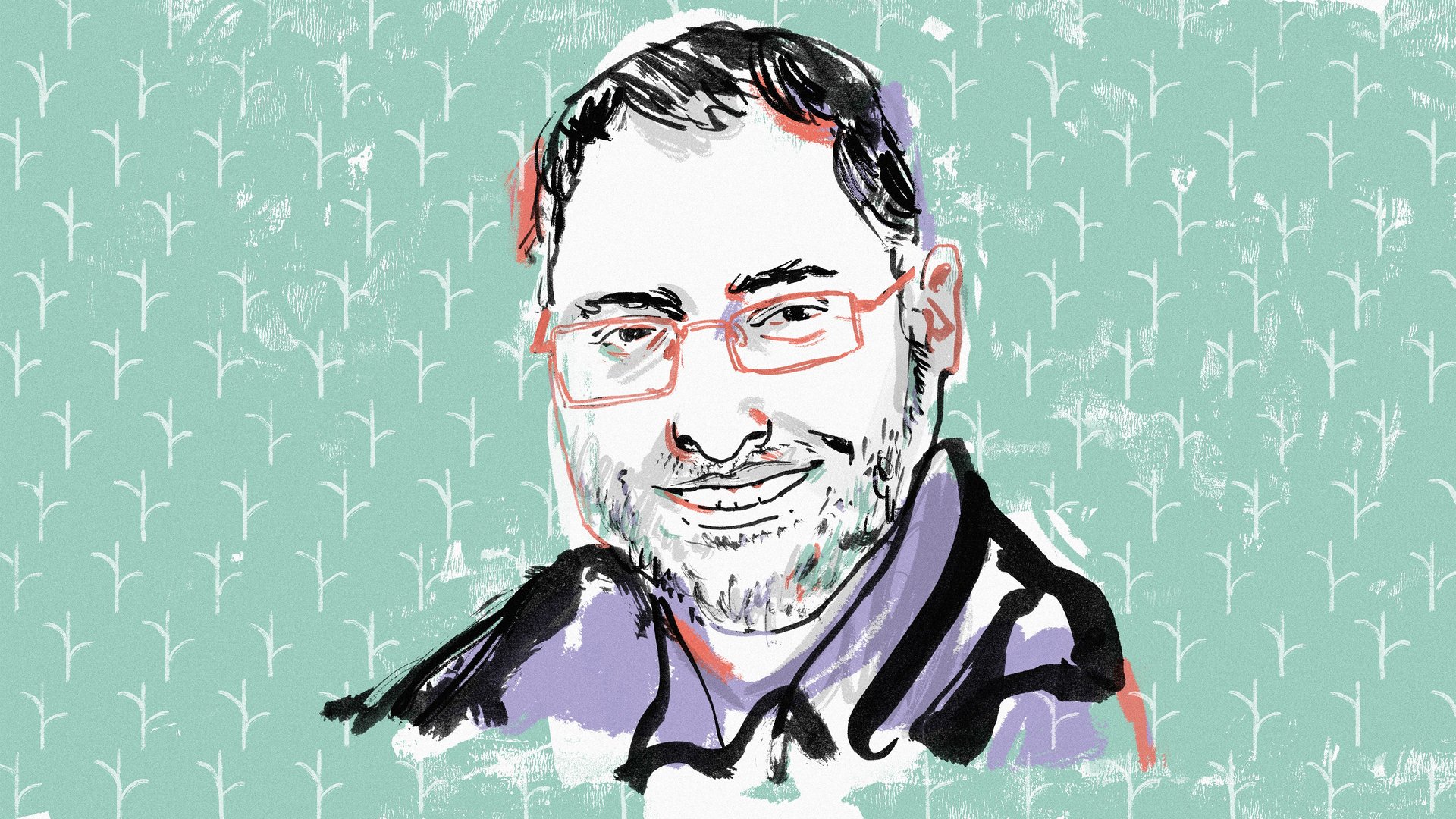
Organic farming is better for the land. Craig Wichner is proving that it is also better for investors.
Demand for organic food is growing exponentially in North America. But even when grocers offer US farmers bigger organic contracts, they can’t always say yes. To maintain soil health without pesticides, farmers typically rotate many crops among their fields. Rotating crops improves soil, but makes scaling difficult.
“To get another 200 acres of tomatoes, they need to buy another 1000 acres worth of farmland,” says Craig Wichner, founder of . In order to say yes to a bigger contract for one crop, organic farmers may have to find extra buyers for other crops as well. There are also barriers to going organic to begin with: Federal crop insurance incentivizes farmers to stick with one crop, and it takes three years to certify a field as USDA organic.
Join 500,000+ readers who start their day with Quartz.
By subscribing, you agree to our Terms of Service and Privacy Policy.
Wichner, whose family owned and managed multi-tenant apartment buildings, saw an analogue—and an opportunity—in commercial real estate. While companies like Chrysler once erected their own buildings, today commercial leasing helps businesses grow more flexibly. Wichner realized organic farmers could benefit from a similar business model.
Wichner grew up farming each summer, studied microbiology, and then made a small fortune in biotech. After the birth of his daughter, he began looking for investments that could help the next generation. Then the 2008 financial crash hit, and he narrowed his search: he didn’t want anything to do with debt. Farmland checked both boxes.
In 2009, he founded Farmland LP, a fund offering turnkey organic fields for farmers and an attractive ESG offering for investors. Farmland LP buys climate-resilient land, gets it certified organic, selects profitable crops that work well together for the soil, and picks up the tab on equipment. Then it rents fields to local farmers who want to increase production. The farmers swap fields each year; rather than juggling multiple crops at once, they can specialize.
“They’re driving down a dirt road. They go left one year, they’ll go right the next year,” says Wichner. “They don’t have to worry about crop rotations. They don’t have to worry about organic certification. They just have to worry about being the best tomato farmer.”
Today, Farmland LP manages 16,000 acres and $275 million in funding. This year, it announced an ambitious expansion: an additional $250 million fund. “We’ve proven the business case,” said Wichner. “We’ve proven that this works at scale.”
Rents (which reflect a percentage of farmers’ revenue) more than double after organic conversion, produce quality improves, and investors see good returns. The farmers, Wichner adds, are also sold. “They want longer leases and more land,” he says. He hopes their success will embolden more investors to meet that demand. For the sake of the climate and the resilience of our food system, Wichner is frank. “I want people to copy us,” he says.
This story is part of Quartz’s Innovators List 2023, a series that spotlights the people deploying bold technologies and reimagining the way we do business for good across the globe. Find the full list here.
