
Home prices are still climbing fast in a handful of college towns. Redfin data shows five university markets are far outpacing the nation
Zhen Yao / Unsplash
Buyers priced out of the country's biggest cities are increasingly looking toward smaller communities built around a university. They find something there that many hot metros can't match right now. Faculty, staff and graduate students always need a place to live, whether or not mortgage rates are climbing, and that steady population keeps sellers in college towns confident even when buyers in bigger cities are pulling back. For house hunters chasing value, that confidence is turning into a real opening.
Nationally, home prices climbed only about 2% year over year through May. That's the slowest annual gain in years, and elevated mortgage rates are keeping plenty of would-be buyers on the sidelines. Along some coasts, in the most sought-after college towns, that caution is turning into outright price declines, as sellers cut prices to hang onto buyers who can no longer stomach the payments. Inland, a different story is playing out. A cluster of smaller, more affordable university towns is posting double-digit annual price growth, several times the national pace, as buyers priced out of larger metros discover that a college town's steady job base and rental demand can make for a safer bet than a speculative boomtown.
Redfin examined housing data across more than 200 college towns nationwide, defined as places where at least 10% of the population is enrolled at a four-year university and located at least 30 miles from a big metro area, then narrowed the field to the 50 largest by student population with enough recorded home sales to analyze. Among those towns, a handful of inland markets stood out for climbing at a pace most of the country hasn't seen in years, even as some of the priciest college towns on the coasts saw values slide. The analysis covers the three months ending in May 2026. That window gives one of the clearest recent looks at where buyer demand is shifting away from the country's priciest metros.
Zoshua Colah / Unsplash
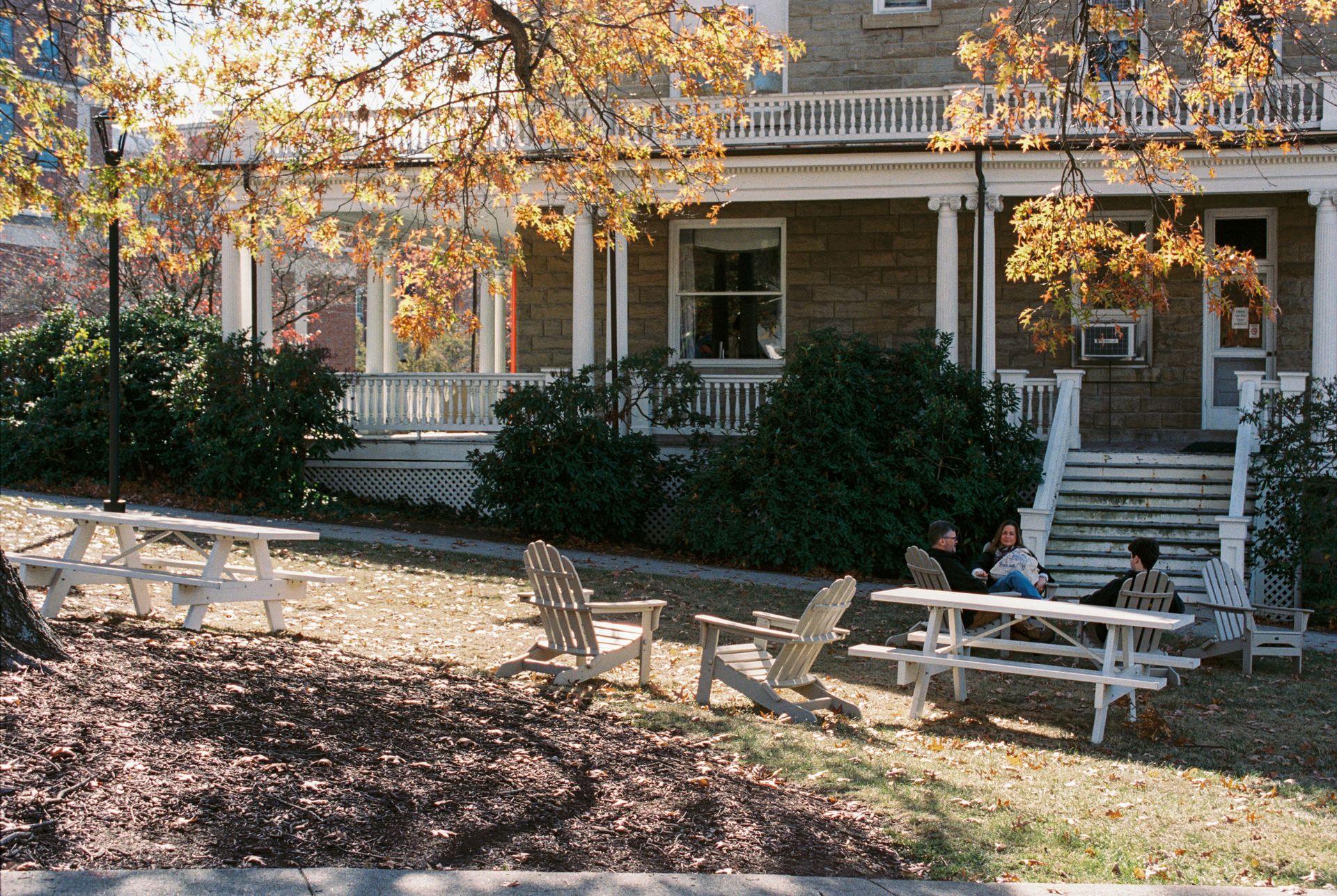
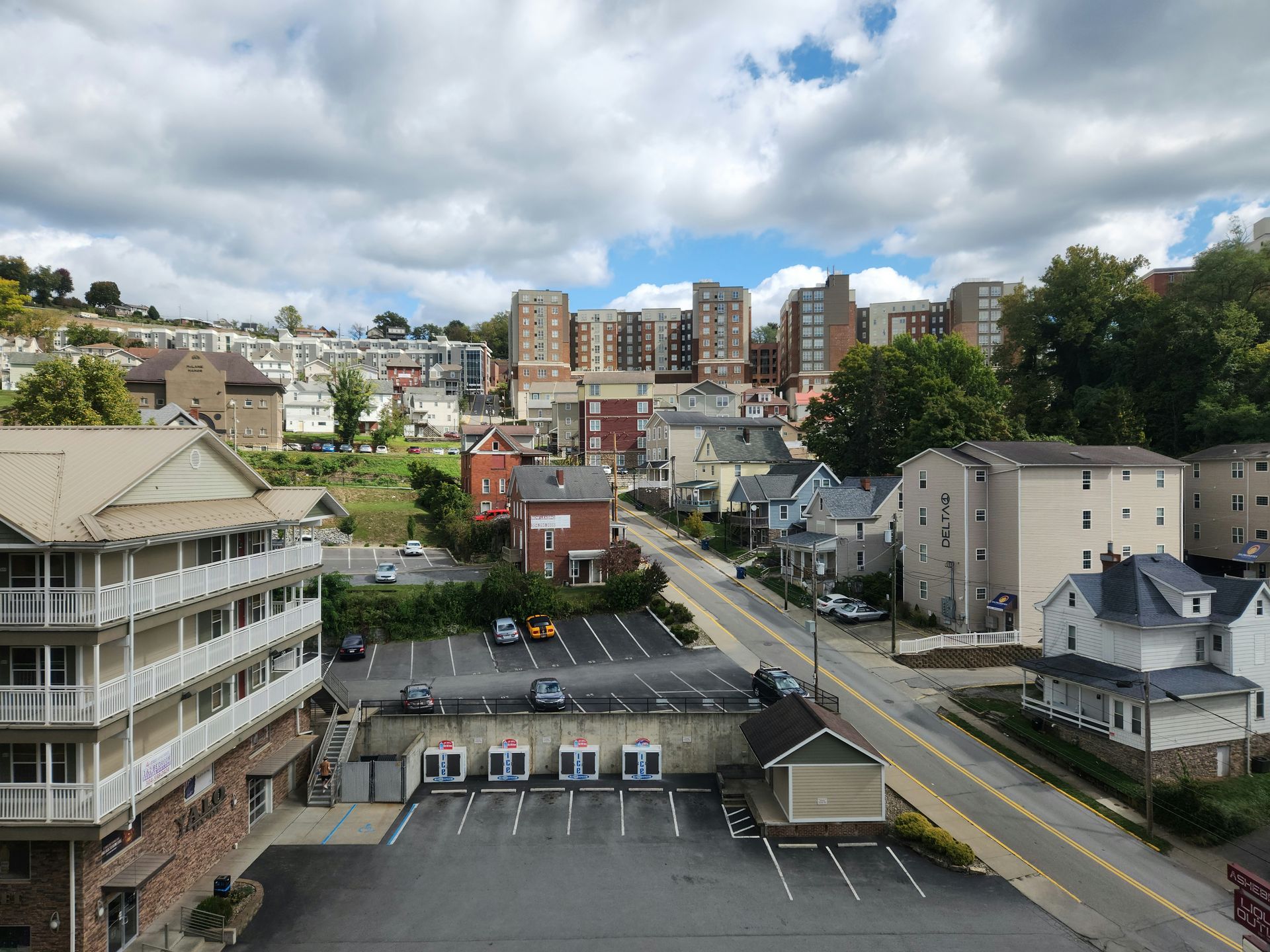
Morgantown, W.Va., posted the fastest home price growth of any college town in the country, with the median sale price climbing 12.9% year over year to $275,000. That's still far below the national median of $398,771, leaving buyers priced out of bigger cities plenty of room to get in before values climb further. West Virginia University enrolls roughly 22,400 students on its Morgantown campus, a sizable population relative to a city of about 30,000 residents. The university's presence helps keep the housing market stable even when national trends wobble.
Home sales dipped just 1.5% year over year, a dip small enough to look like normal seasonal variation rather than any real pullback from buyers. Inventory grew only 2.5%, and new listings rose just 2.1%, as sellers hold off on cashing out and buyers keep absorbing what little comes onto the market. A typical home in Morgantown takes 57 days to sell, slower than several of the other fastest-appreciating college towns Redfin tracked, a pace pointing to genuine scarcity behind the gains rather than a bidding war. Only 13.4% of homes sold above their asking price, a modest share showing buyers are still negotiating instead of competing head to head for every listing.
A state economic impact study found that West Virginia University's economic footprint reaches far beyond the classroom. The Morgantown campus alone generated $3 billion in statewide economic activity and supported nearly 27,000 jobs in the most recent fiscal year. That scale helps explain why the local housing market keeps finding buyers even as home sales cool elsewhere. Rising prices without runaway competition set Morgantown apart from pricier coastal college towns, where buyers are backing away and sellers are cutting prices to compensate. Buyers moving to Morgantown find something increasingly rare in 2026, prices still climbing without the bidding wars driving other markets nationwide.
Evan Strock / Unsplash
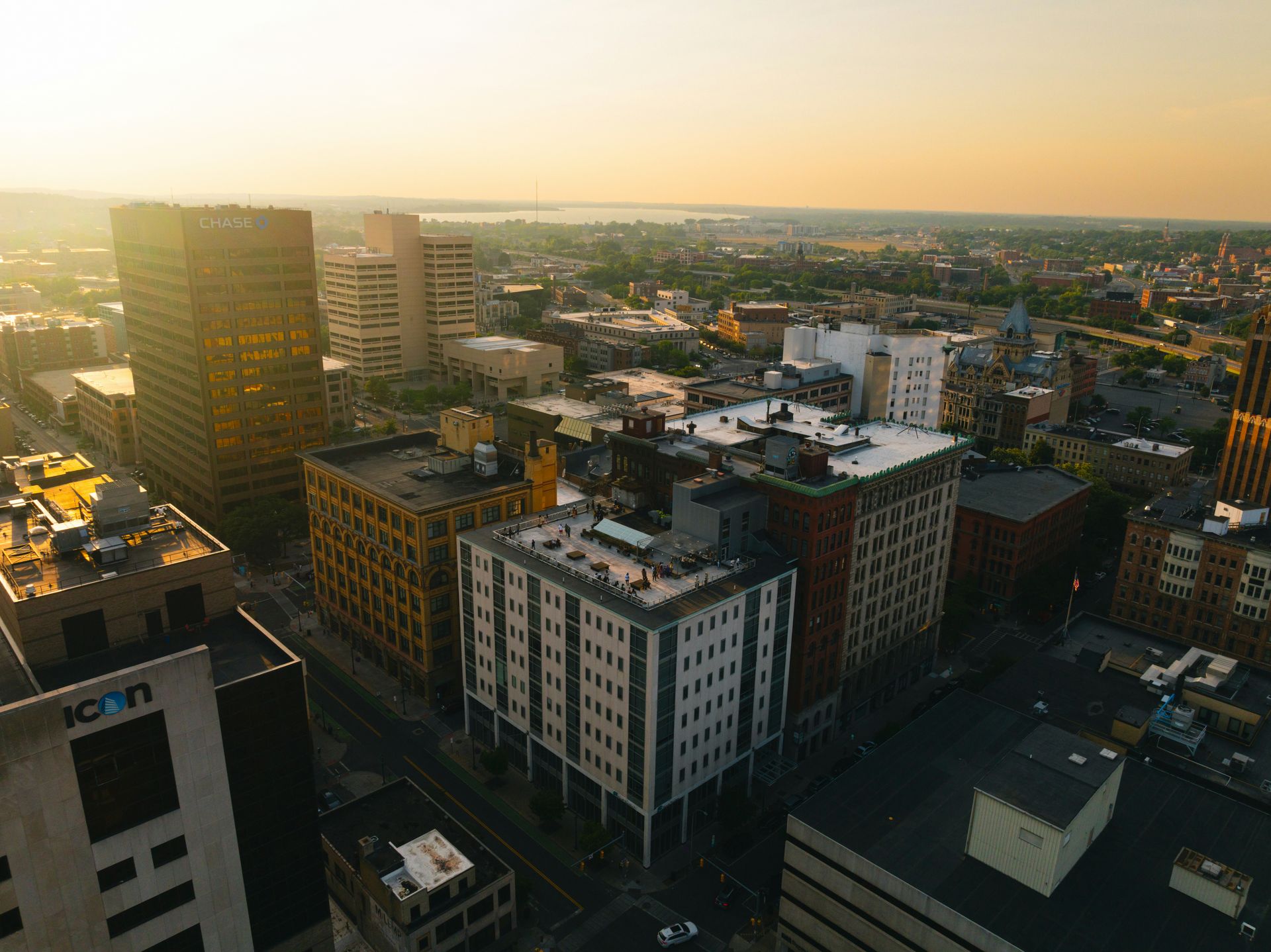
Syracuse, N.Y., ranks as the second-fastest-appreciating college town in the country, with the median sale price up 12.5% year over year. At just $180,000, it's also one of the least expensive college towns Redfin tracked. That combination of rising prices and rock-bottom entry costs drew buyers even as home sales fell 16.7% from a year earlier.
Fewer transactions haven't led to more available homes. Inventory actually dropped 17.6% year over year, making competition for what's left even fiercer. New listings rose just 6.5%, nowhere near enough to keep pace with how quickly buyers are snapping up what comes on the market. A typical home in Syracuse sells in just 32 days, and 55.3% of homes sold above their asking price, the third-highest share among every college town Redfin tracked. That kind of competition usually shows up in expensive coastal markets, not in a city where the typical home costs less than half the national median.
Syracuse University contributed $1.8 billion to the Central New York economy and supported more than 35,000 jobs across the region in the most recent fiscal year on record. That economic footprint keeps demand for local housing strong regardless of enrollment swings at the university itself. Syracuse's chancellor told faculty and staff in June that the university will miss its undergraduate enrollment target for fall, creating a rare budget deficit. Even so, the local housing market hasn't slowed down. Buyers here are focused less on the university's day-to-day headcount than on the broader economic base it has built up over decades. Home prices here also remain a fraction of what buyers would pay in a bigger city elsewhere in the Northeast. House hunters willing to consider a smaller upstate market find a rare mix in Syracuse in 2026, prices still climbing fast even as the entry point remains low.
-1920x1440.jpg)
Adam Jones / Wikimedia Commons (CC-BY-SA-2.0)
Tuscaloosa, Ala., is proving that fast price growth doesn't have to come from a shrinking supply of homes. The median sale price rose 10.6% year over year to $301,450, tying State College, Pa., for the third-fastest pace of appreciation among every college town Redfin tracked. Unlike most of the other fast-growing college towns, Tuscaloosa's growth is happening alongside a genuine expansion in supply. Inventory jumped 37.6% year over year, and new listings climbed 23.5%, both among the largest increases Redfin recorded for any college town.
Home sales rose 13.4% at the same time, meaning more sellers are listing and more buyers are closing, not just fewer transactions chasing a shrinking pool of homes. A typical home in Tuscaloosa sells in 34 days, and 13.6% of homes sold above their asking price. At $301,450, the town's median sale price still sits well below the $398,771 national median, giving buyers room to grow into the market even as competition builds. Those numbers suggest a market with real momentum rather than one running on scarcity alone.
The University of Alabama helps explain the momentum, having welcomed a record 42,360 students for the fall semester in its fourth straight year of enrollment growth. Its most recent economic impact study put the university's footprint on the Tuscaloosa metro economy at $2.354 billion, a record for the school. Statewide, the university's economic impact totals $3.4 billion annually and includes thousands of jobs beyond the classroom. That kind of consistent institutional growth gives builders and sellers confidence to add new homes to the market instead of just watching prices climb from the sidelines. Tuscaloosa's population has grown by more than 10% since 2020, reaching roughly 116,000 residents and outpacing most college towns of similar size. For buyers, the combination of rising prices, growing inventory and a stable university anchor makes Tuscaloosa a market worth watching well beyond football season.
Samuel Pagel / Unsplash
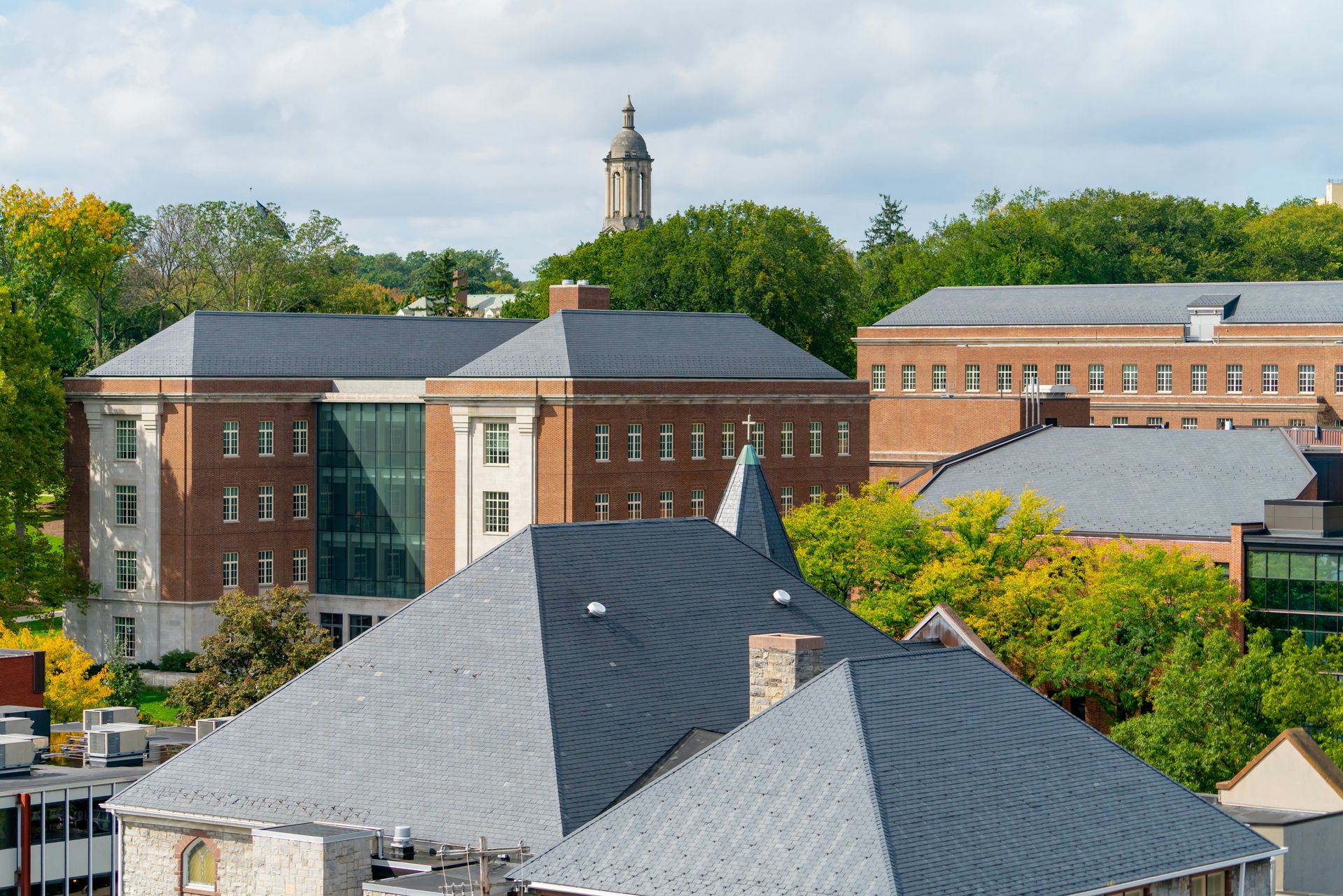
State College, Pa., sells homes faster than anywhere else in the country. The typical home there goes under contract in just five days, compared with 49 days nationally in May, a pace colliding with a market that's growing more expensive by the month. The median sale price climbed 10.6% year over year to $459,050, tying Tuscaloosa, Ala., for the third-fastest pace of appreciation among every college town Redfin tracked. State College is now the ninth-most expensive college town in the country. Only 54 homes changed hands during the three months Redfin analyzed, a small enough sample to make State College's numbers more volatile than bigger markets, though the underlying pressure looks real.
Home sales rose 20% year over year even as inventory fell 32.3%, one of the steepest supply drops among every college town Redfin tracked. New listings dropped 10.3% at the same time, with fewer sellers putting homes up just as more buyers compete for them. Nearly 44.4% of homes sold above their asking price, putting State College among the most competitive college towns Redfin measured.
Penn State University enrolled a record number of undergraduates at its University Park campus last fall, even as several of its smaller regional campuses continued to lose students. That single campus alone enrolls more than 42,000 undergraduates, more than State College's roughly 41,000 year-round residents. Penn State's full system, including its regional campuses, still enrolls more than 86,000 students, underscoring just how much of the region's economy and housing market runs on the academic calendar. Faculty, staff and a rotating cast of tens of thousands of students create serious housing demand every year. Landlords, second-home buyers and families of students all compete for the same limited inventory. With mortgage rates still elevated nationally, State College shows what happens when a major research university keeps growing while the surrounding housing supply doesn't keep pace.
-1920x1219.jpg)
Michael Hart / Unsplash
Logan, Utah, posted the fifth-fastest home price growth among college towns nationwide. The median sale price rose 9% year over year to $425,000, a smaller gain than Morgantown, Syracuse, Tuscaloosa and State College posted, but still more than four times the roughly 2% pace nationally. Home sales climbed 3.7% year over year, a modest but real increase at a time when many markets are seeing sales fall. Inventory grew 11.6%, and new listings rose 15.6%, meaning more homes are coming onto the market even as buyers keep closing at a faster pace than a year ago. A typical home in Logan takes 41 days to sell, and 27.7% of homes sold above their asking price. Both figures sit closer to the middle of the pack than the extremes Redfin recorded in some of the other fast-growing college towns.
Utah State University enrolled nearly 30,000 students system-wide this fall, with more than 20,000 of them on the Logan campus alone. That's an enormous share of the local population in a city of roughly 56,000 residents, tied directly to the university's academic calendar. The school's economic reach extends well past its own payroll. A 2023 analysis from the Kem C. Gardner Policy Institute found that Utah State supported more than 17,000 jobs statewide and contributed $2.2 billion in total economic output. That level of activity makes the university the largest employer in Cache County and the seventh-largest in the state.
That kind of steady institutional weight helps explain why Logan's housing market keeps adding both buyers and sellers instead of tightening into scarcity the way some smaller, less diversified college towns have. Cache Valley's setting, an hour north of Salt Lake City and close to four ski resorts, adds another draw for buyers who want mountain access without paying Utah's biggest-city prices. House hunters chasing steady, if less explosive, growth find a market in Logan that's expanding on every front, with sales up, listings up and more buyers willing to pay for a home.