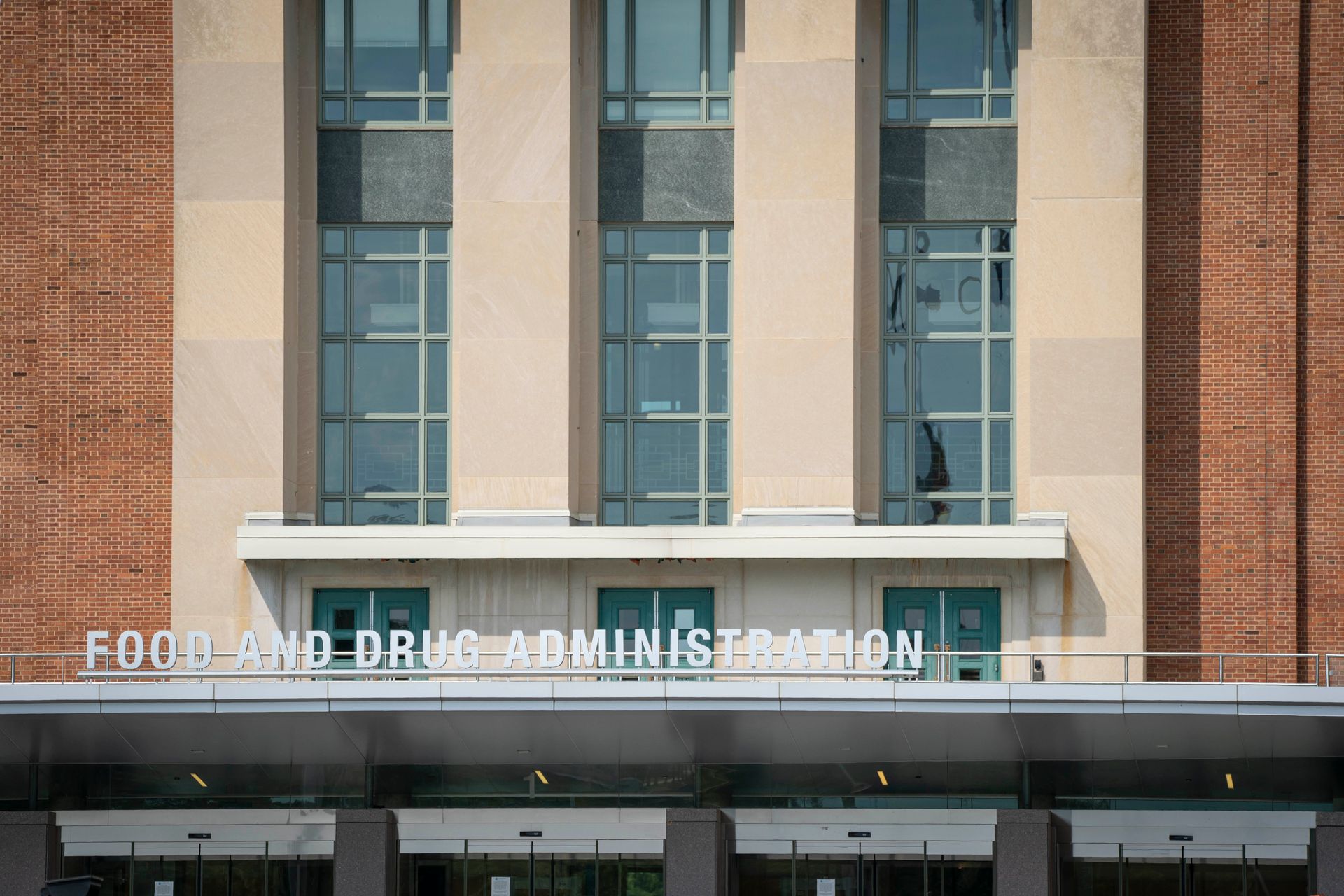
The FDA announced a series of measures Monday to accelerate drug development, including a pilot program designed to shorten the time it takes to move a drug from identification to first-in-human studies, as the agency works to reverse a trend of clinical trials moving to China.

Under the pilot program, which sits within a wider HHS effort called Operation TrialBlazer, qualified research institutions — including academic medical centers and contract research organizations — would be matched with drug sponsors to compress the timeline between drug identification and first-in-human testing, with a focus on smoothing Phase 1 IND submissions. The FDA is seeking public feedback before formally launching the program.
Overseas migration of early-stage trials is undermining both patient access and the country's standing as a hub of biomedical innovation, acting FDA Commissioner Kyle Diamantas said. China now conducts more clinical drug trials than the U.S., according to The Hill. The crossover came in 2021, when China's slice of global Phase 1 activity overtook the United States for the first time; three years later, China had claimed 39 percent of all clinical trials registered worldwide.
In a Fox News op-ed, Health Secretary Robert F. Kennedy Jr. wrote that the U.S. is "losing ground" to China in clinical research and described the new measures as a way to reverse that trend.
The agency separately revised its Chemistry, Manufacturing, and Controls guidance for early-stage trials, making explicit that submissions should reflect only what is scientifically necessary at that particular stage rather than anticipating later requirements. In the past, some companies submitted more data than was required, creating delays. The agency said the updated guidance could save companies six to 12 months of development time.
A new Phase 1 IND Navigator webpage centralizes scattered guidance documents and regulatory requirements, a resource the FDA said is especially useful for smaller firms without dedicated regulatory staff. Sponsors with questions about early-trial protocols or submission specifics will also have access to a new Phase 1 Contact Center staffed to respond in real time.
For late-stage development, the agency clarified that in some cases, one high-quality pivotal study with supporting evidence can meet approval requirements. This is different from the usual expectation of two separate pivotal trials.
The pilot program is part of a larger effort the FDA started earlier this year. In May 2026, the agency released draft guidance suggesting simpler safety assessments for some cancer drugs. In June 2026, it gave advice to cell and gene therapy developers on using earlier findings instead of repeating studies from scratch.
Although the broader effort is associated with former FDA Commissioner Marty Makary, who stepped down last month, agency officials told reporters Monday that work on the program began at the outset of the current administration, according to STAT News.
