
Vague utility language, suspiciously low deposits, "flexible" move-in dates — the listing details that signal hidden costs before you've even toured the unit
Ivan S / Pexels
The advertised rent on a listing is rarely the complete financial picture, and several of the details that most affect the actual cost of renting a specific unit are visible in the listing itself before a single tour has occurred, if a prospective renter knows what to look for. Some of these signals indicate outright fraud; most indicate something more mundane but still financially significant — mandatory fees not mentioned in the headline price, utility structures that shift cost onto the tenant in ways the advertised rent doesn't reflect, or specific language patterns that landlords and property managers use when a property has struggled to rent at its stated price for reasons the listing itself won't disclose.
None of these red flags means a listing should be automatically dismissed; several are common enough in a given rental market that avoiding every listing with any red flag would eliminate a large share of otherwise reasonable options. What they warrant is a specific question asked before applying or signing, since the answer to that question — not the presence of the red flag itself — is what actually determines whether the listing represents a fair deal or a hidden cost problem.
Each entry covers the specific red flag, why it appears in a listing, and the question that resolves whether it's a genuine problem or simply a detail worth confirming.
David Brown / Pexels
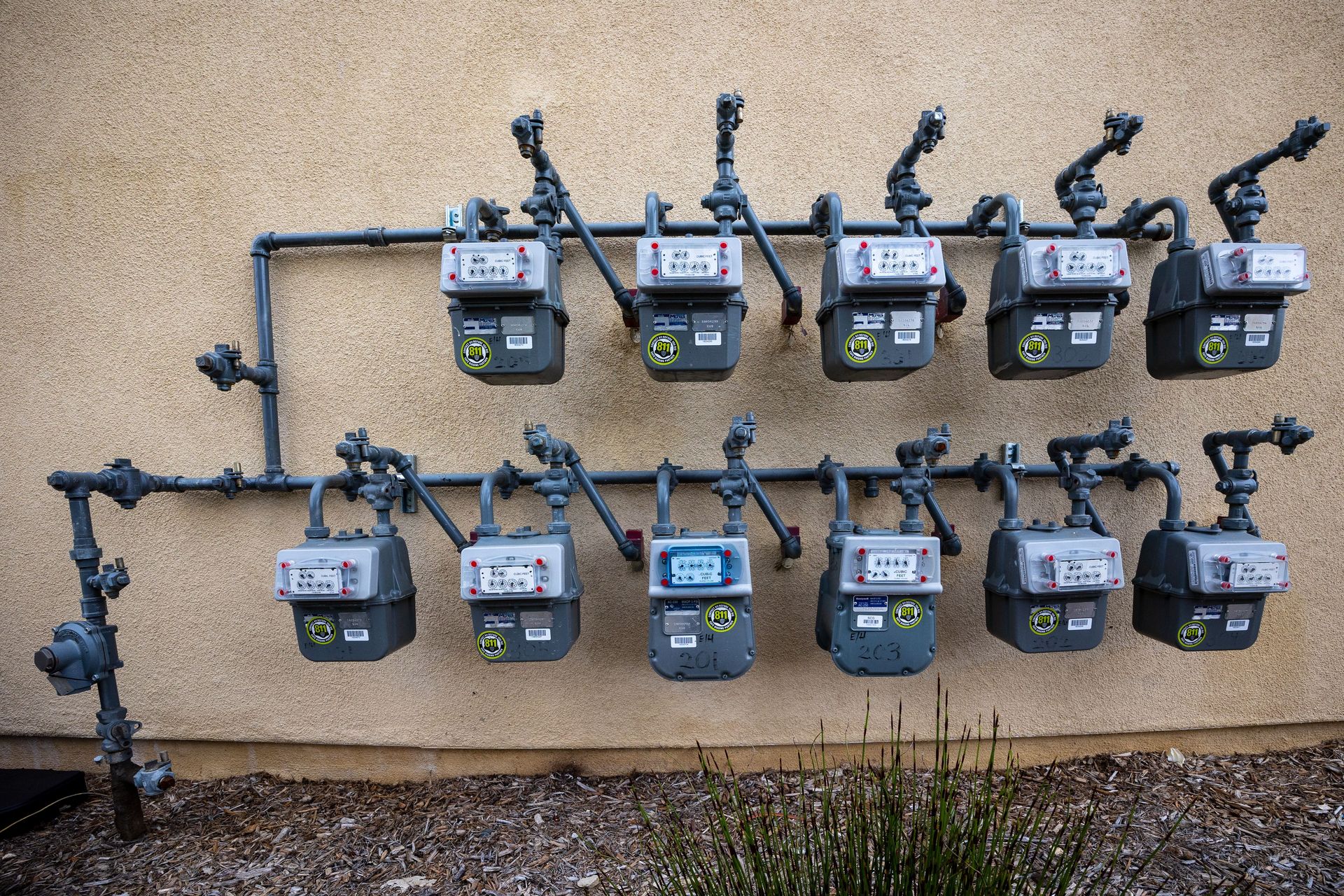
A listing that states utilities are not included in the advertised rent, without providing any estimate of what those utilities typically cost, leaves a significant and sometimes substantial gap in the actual monthly cost of the unit — a gap that varies enormously depending on the unit's age, insulation quality, heating and cooling system type, and the specific utility rates in the local market, none of which the prospective renter can estimate accurately without more information than the listing provides.
This omission is common enough that it doesn't automatically indicate bad faith on the landlord's part; many landlords genuinely do not track previous tenants' utility costs closely enough to provide a reliable estimate. But the gap it creates in a renter's budget calculation is real regardless of the landlord's intent, and units with older HVAC systems, poor insulation, or electric heat (typically more expensive than gas heat) can carry utility costs meaningfully higher than a prospective renter would assume without a specific estimate.
The resolving question is direct: asking the landlord or property manager for the average monthly utility cost from the previous tenant, or for the unit generally across a full year (accounting for both summer cooling and winter heating costs), provides a data point that either confirms the unit is reasonably efficient or reveals a cost gap worth factoring into the overall budget comparison against other listings.

cottonbro studio / Pexels
A security deposit substantially lower than the local market norm (which is commonly one month's rent, though this varies by state regulation) can indicate several different underlying situations, not all of which are red flags in the negative sense: it can reflect a landlord trying to make a listing appear more attractively affordable upfront while planning to be aggressive about deductions at move-out, or it can simply reflect a state-mandated deposit cap that happens to be lower than the renter's previous experience, or a genuinely accommodating landlord trying to reduce the upfront cost barrier for good applicants.
The specific concern with an unusually low deposit is less about the amount itself and more about what it might signal regarding the landlord's approach to deposit return: a landlord who set the deposit deliberately low specifically to make the listing seem more affordable, while planning to recoup that "shortfall" through aggressive or questionable deductions at move-out, has effectively shifted risk to the tenant that a standard deposit amount would have captured upfront and made transparent.
The resolving step is not to avoid low-deposit listings but to research the specific landlord or property management company's reputation (online reviews, local tenant advocacy resources, direct conversations with current or former tenants if accessible) regarding their deposit return practices specifically, since a pattern of disputed or withheld deposits from previous tenants is the actual signal worth acting on, not the deposit amount in isolation.

Jakub Zerdzicki / Pexels
A rental listed meaningfully below the going rate for comparable units in the same area and building type is one of the most classic indicators of either a rental scam (a fraudulent listing using a real property's photos and address without the actual owner's knowledge or authorization, priced low specifically to attract a high volume of interested applicants quickly) or a genuine but undisclosed property issue that the low price is compensating for.
The scam version of this red flag typically includes other specific indicators worth checking simultaneously: a "landlord" who is unavailable to show the unit in person and insists on remote-only communication, a request for deposit or first month's rent before any lease has been signed or the unit has been viewed in person, and listing photos that appear on multiple other listing sites under different addresses or contact information (reverse image searching listing photos is a specific, effective verification step).
The non-scam version — a real, legitimate unit priced below market for a real reason — typically has a discoverable explanation once specifically asked about: a noise issue from a nearby source, a planned renovation or construction project affecting the building, a landlord who has struggled to rent the unit for reasons related to condition rather than fraud, or simply a landlord who values a longer-term tenant over maximizing monthly rent and has priced accordingly, any of which can be reasonably direct questions to ask before assuming the worst.

cottonbro studio / Pexels
Application fees are a normal part of most rental processes, covering the cost of a credit and background check, but a specific red flag pattern involves properties or property management companies that require an application fee before providing basic information about the specific unit (exact unit number, specific move-in condition, or even confirmation the unit is still available) — a sequence that can indicate a company collecting fees from a volume of applicants for units that may already be rented or that may not match the advertised listing precisely.
This pattern is distinct from and generally more concerning than a standard application fee charged as part of a legitimate leasing process for a specific, confirmed-available unit, since the specific sequencing — fee required before basic unit confirmation — removes the applicant's ability to make an informed decision about whether the fee is even being paid for a real opportunity.
The resolving question is straightforward: confirming the specific unit's current availability and requesting to view it (in person or via a live video call, at minimum) before submitting any application fee, and treating any resistance to this basic sequencing (fee first, confirmation and viewing only after) as a legitimate reason to seek a different rental opportunity rather than proceeding on faith that the fee is being collected in good faith for a real, available unit.

olia danilevich / Pexels
A growing pattern in multi-unit rental properties, particularly larger apartment complexes managed by institutional landlords, involves mandatory monthly fees — commonly labeled as "amenity fees," "technology fees," or "package concierge fees" — that are required of every tenant regardless of whether they use the specific service being charged for, effectively functioning as a rent increase that is kept separate from the advertised base rent specifically to make the listed rent figure appear lower than the actual required monthly payment.
These fees have drawn increasing regulatory and legal scrutiny in several markets specifically because of this discrepancy between the advertised and actual cost, with some jurisdictions beginning to require these mandatory fees to be included in the advertised rent figure rather than disclosed separately, though the specific regulatory landscape varies considerably by state and city and should not be assumed to protect renters in every market.
The resolving step is to request the complete, itemized total of all mandatory monthly charges — not just the base rent — before comparing a listing against alternatives, since a property with a lower base rent but significant mandatory add-on fees may represent a higher total monthly cost than a property with a higher base rent and no mandatory fees, a comparison that the advertised rent figures alone do not make apparent.

Kaboom Pics / Pexels
A prospective renter asking about the typical rent increase at lease renewal — a reasonable question given that most tenants intend to stay beyond a single lease term — who receives a vague, evasive, or deflecting answer rather than a specific range or policy is receiving a meaningful signal, since landlords and property managers with a reasonable, predictable renewal increase policy typically have no reluctance to state it directly, while evasiveness on this specific question often indicates a policy of larger or less predictable increases that the landlord would prefer not to disclose upfront.
This matters financially in a way that the initial lease's advertised rent does not capture: a unit with an attractive first-year rent but a pattern of steep, unpredictable renewal increases can become considerably more expensive in year two than a comparable unit with a slightly higher initial rent but a more moderate and predictable renewal increase policy, making the renewal question at least as financially significant as the initial rent figure for any renter who does not intend to move again after a single year.
The resolving approach is to ask the specific question directly during the initial inquiry process — "what has the typical renewal increase been for tenants in this building over the past few years" — and to treat a specific, confident answer as a positive signal regardless of what the actual number is, while treating vagueness or deflection on this specific and reasonable question as the red flag itself, independent of whatever the eventual actual increase turns out to be.

Ketut Subiyanto / Pexels
A listing or leasing agent offering unusually flexible move-in timing combined with a notably light or rushed application and vetting process can indicate a property that has been vacant longer than the landlord would prefer and is prioritizing filling the unit quickly over the standard due diligence process, which is not necessarily a red flag for the renter's financial interest specifically but can indicate other issues (a property that has struggled to attract or retain tenants for reasons not disclosed in the listing) worth investigating before committing.
The specific pattern worth noting is the combination of both flexibility and reduced scrutiny simultaneously: reasonable flexibility on move-in date alone is common and not concerning, but flexibility paired with a landlord seemingly eager to skip or minimize the credit check, income verification, or reference check process that would normally accompany a rental application suggests urgency to fill the unit that may reflect something the listing itself is not disclosing.
The resolving step is the same due diligence regardless of how eager the landlord seems to move quickly: researching the specific property's rental history (how long similar units in the building have typically taken to rent, whether through online research or by asking directly), and treating the landlord's eagerness as a reason for the renter's own increased scrutiny rather than reduced scrutiny, since a genuinely good deal does not require the renter to skip standard verification steps to secure it.

MART PRODUCTION / Pexels
Listing photos that appear to have been taken years earlier than the listing's posting date (datable through visible design trends, technology, or simply photo quality inconsistent with recent smartphone camera capability) or that show a level of staging and styling considerably beyond what a typical unaltered rental unit displays can indicate a unit whose current actual condition differs meaningfully from what the photos represent, a gap that a renter typically only discovers at an in-person viewing, if one occurs before signing.
This is distinct from and less severe than the outright scam pattern described earlier (stolen photos from an unrelated property), but it represents a real financial concern in its own way: a unit whose actual current condition includes wear, damage, or maintenance issues not visible in outdated or heavily staged photos may require the renter to either accept a unit in worse condition than expected or negotiate for specific repairs or improvements before move-in, a negotiation that is considerably harder to conduct after signing a lease than before.
The resolving step is straightforward and should be treated as non-negotiable regardless of how compelling the online listing appears: an in-person viewing (or, at minimum, a live video walkthrough for renters relocating from a distance) before signing any lease or paying any deposit, specifically to confirm the unit's actual current condition matches what the listing photos represent, since photos alone — however professional or appealing — are not a substitute for confirming the actual condition of the specific unit being rented.

Pavel Danilyuk / Pexels
Verbal assurances made during the leasing process — a promise to repair a specific issue before move-in, an agreement to include a specific utility, a stated exception to a written lease policy — that the landlord or leasing agent is unwilling to add to the written lease or provide in a separate written communication (email, text) represent a specific and significant financial risk, since verbal agreements that contradict or supplement the written lease are generally difficult or impossible to enforce if a dispute arises later, regardless of how clearly and confidently they were stated during the leasing conversation.
This pattern is worth taking seriously specifically because the financial stakes of an unenforceable verbal promise can be substantial: a verbal agreement to repair a specific issue before move-in, if not honored and not documented, leaves the tenant with essentially no recourse beyond raising the issue after the fact, at which point the landlord's incentive to honor an undocumented verbal promise is considerably lower than it was during the leasing negotiation when securing the tenant's commitment was the priority.
The resolving practice is a simple discipline applied consistently: treating any verbal promise as provisional until confirmed in writing, and following up any verbal agreement with a written request for confirmation ("just to confirm what we discussed, you'll be repairing the bathroom fan before move-in — could you confirm this in writing or by email?") before signing the lease, with a landlord's reluctance or refusal to provide this confirmation functioning as clear evidence that the verbal promise should not be relied upon as part of the actual, enforceable agreement.