
The foods whose production is so specific, so labor-intensive, or so geographically constrained that the supply chain is the story
Irvin David / Pexels
A jar of saffron sitting on a supermarket shelf looks like very little: a few threads of dried red-orange filament in a small glass container. It costs $15 to $20 for a gram, which seems absurd until you understand that a gram of saffron requires approximately 150 to 170 Crocus sativus flowers to produce — each flower yielding exactly three stigmas, each stigma harvested by hand within a narrow window each autumn morning before the flower opens fully and the volatile compounds begin to degrade. In the La Mancha region of Spain, where much of the world's highest-quality saffron is grown, entire families wake before dawn to pick flowers by hand for a harvest window that lasts roughly two to three weeks. The labor is the price.
Most food supply chains are invisible precisely because they are unremarkable — the tomato was grown in a field, transported in a truck, sorted in a warehouse, distributed to a store. The supply chains in this list are different. They are remarkable because of a specific constraint that makes the production process extraordinary: the geographical requirement of a single valley or river system where no substitute will do, the biological fact of a plant that can only be pollinated by one species that does not live in the places where the plant is now grown, the chemical reality of a fermentation process that takes years and cannot be rushed without the product becoming something else entirely.
Understanding these supply chains changes how these foods taste — or at minimum, changes how they are considered. The truffle is not just an expensive ingredient that chefs use on expensive menus; it is a subterranean fungus that has resisted every attempt at cultivation, grows in a mutualistic relationship with oak and hazel roots that humans have not yet fully characterized, and is found by trained animals whose sense of smell is the most reliable instrument available for the purpose. The Champagne in a glass is the product of a geological accident — a chalk substrata in a specific valley in northeastern France — that no other region has been able to replicate despite centuries of attempting to grow the same grape varieties elsewhere.
Engin Akyurt / Pexels
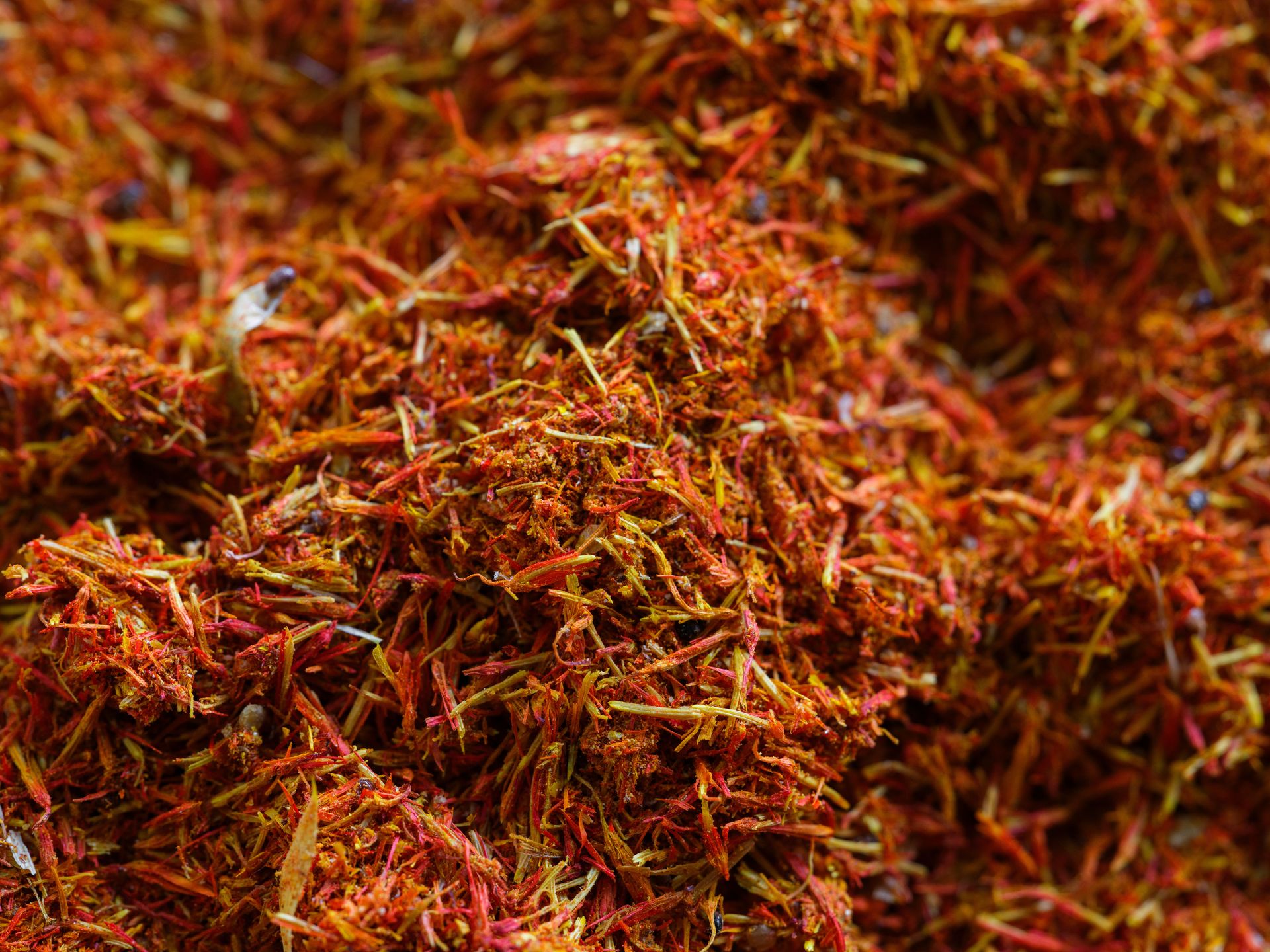
Saffron — the world's most expensive spice by weight, produced from the dried stigmas of Crocus sativus — costs between $1,000 and $10,000 per kilogram depending on grade and origin, a price that is entirely explained by the labor required to produce it. Each Crocus sativus flower contains exactly three stigmas; each flower must be harvested by hand at dawn, before the sun damages the volatile aromatic compounds; and the harvest window for each plant is approximately one week per year, with the flowers blooming and fading within days.
The world's primary saffron-producing regions — Iran (which produces approximately 90% of global supply), La Mancha in Spain, and the Kashmir valley in India — all share the same production reality: the harvest is done by hand, by many people, in a very short time. In Iran, the harvest period involves entire communities working from approximately 4am until midday for two to three weeks in autumn, with each picker harvesting perhaps 50 to 70 grams of dried saffron per day. The total global production of saffron is approximately 300 tonnes per year — vanishingly small for a globally traded commodity.
The Crocus sativus plant cannot set seed and reproduces only through the division of its corms (underground bulbs), which means that every saffron plant in the world is a genetic clone of a single ancestor. The plant has been cultivated for so long under such controlled conditions that it has lost the ability to reproduce sexually — it is entirely dependent on human cultivation. The supply chain, in this sense, does not just produce saffron; it is the only reason saffron continues to exist at all.
cottonbro studio / Pexels
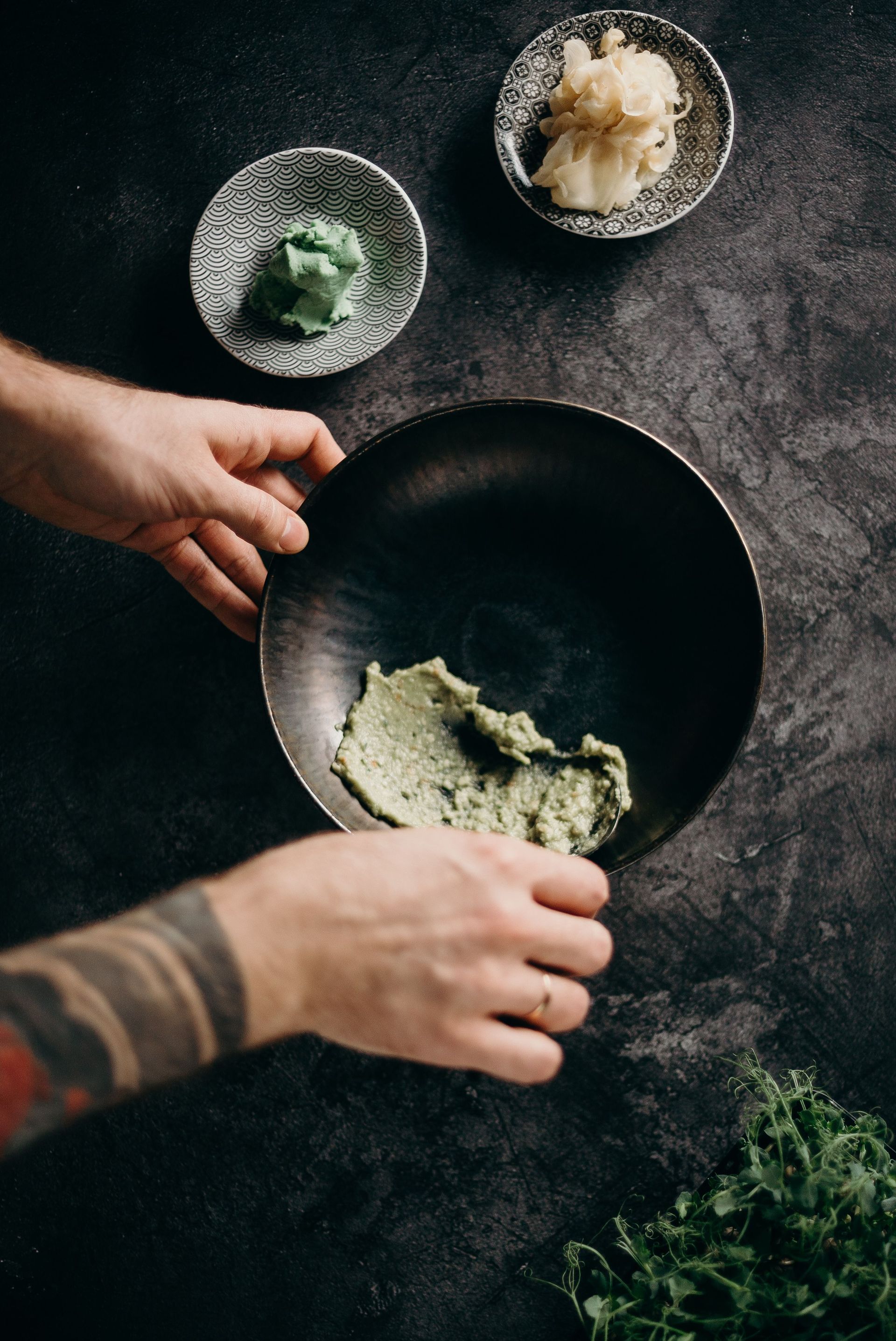
The pale green paste served in most sushi restaurants in the world is not wasabi. It is a mixture of horseradish, mustard, green food coloring, and occasionally a small amount of wasabi powder — a substitute that exists because real wasabi is extraordinarily difficult to grow and produces a flavor that is genuinely distinct from any of its substitutes.
Wasabia japonica grows naturally along cool, clear mountain streams in Japan, and its cultivation requirements are among the most demanding of any commercial food crop: it requires very specific water temperature (12 to 15°C), very specific water quality (pure, mineral-rich stream water with no contamination), partial shade, and several years of growth before harvest. The rhizome — the part of the plant that is grated to produce the paste — takes 18 months to three years to reach harvestable size. The plant is highly sensitive to stress; temperature fluctuations, excessive sunlight, or water quality changes can kill the crop.
The result of these requirements is that real wasabi is grown only in a small number of mountain stream valleys in Japan, on a few farms in Oregon and British Columbia that have replicated the conditions, and on a small number of farms in other temperate climates. The total global production is a fraction of what would be required to supply the sushi market, which is why the substitute exists and why a restaurant that serves real wasabi typically charges significantly more for it. The flavor difference — real wasabi's heat is more volatile, more aromatic, and dissipates more quickly than horseradish's — is immediately perceptible to anyone who has tasted both.
Qwirki & Co. / Pexels
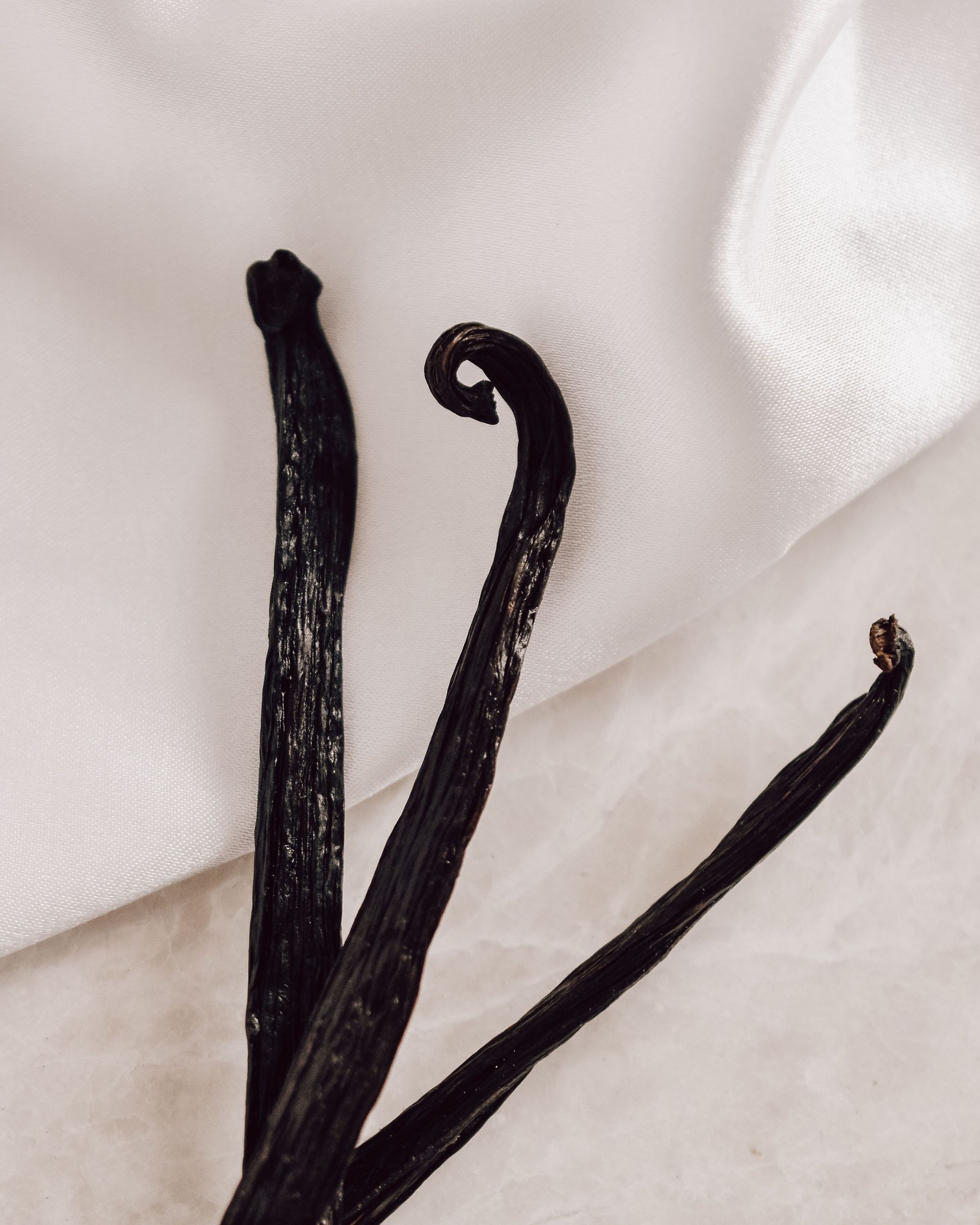
Vanilla — the world's second most expensive spice after saffron — has a supply chain built on a biological problem that has no good solution: the vanilla orchid (Vanilla planifolia), native to Mexico, is pollinated in its natural habitat by a specific species of bee (Melipona) and by hummingbirds that are native to Mexico and do not exist in the other tropical regions where vanilla is now grown. When vanilla cultivation expanded to Madagascar, Réunion, Indonesia, and other tropical regions in the 19th century, the pollinators did not come with it.
The solution, developed on the island of Réunion (then Bourbon) in 1841 by a 12-year-old enslaved boy named Edmond Albius, was hand pollination: using a small stick or bamboo sliver to transfer pollen from the anther to the stigma of each individual flower, a process that must be done within the few hours that each flower is open. Madagascar, which now produces approximately 80% of the world's vanilla, employs hundreds of thousands of farmers who hand-pollinate their vanilla plants flower by flower during the two-month flowering season.
After pollination and the nine-month growth of the vanilla bean, the curing process takes an additional three to six months: the harvested green beans are blanched, sweated, dried, and conditioned in a process that produces the characteristic black color and the vanillin aroma. The total time from planting to finished vanilla bean is three to five years. The price volatility of vanilla — which spiked from $20 to $600 per kilogram between 2015 and 2018, following a cyclone in Madagascar — reflects the fragility of a supply chain based on manual labor in a single country.

Julia Larson / Pexels
Champagne can only legally be called Champagne if it is produced in the Champagne appellation in northeastern France — a strictly defined region covering approximately 34,000 hectares of vineyards centered on Reims and Épernay. The name is protected by European law and by bilateral agreements with most major wine-importing countries; a sparkling wine made by the same method from the same grape varieties grown 50 kilometers outside the appellation boundary must be called something else.
The reason Champagne comes from Champagne — and the reason the same grapes grown elsewhere consistently produce a different result — is geological. The Champagne region sits on a deep bed of Cretaceous chalk that provides specific drainage, specific mineral content, and specific temperature modulation that the same grape varieties (Chardonnay, Pinot Noir, Pinot Meunier) planted in other soils do not replicate. The chalk's high pH, combined with the region's northern climate (at the edge of viable viticulture for these varieties), produces the high acidity in the base wine that the secondary fermentation in bottle — the méthode champenoise — requires to balance the added sweetness of the dosage.
The supply chain consequence is that Champagne is geologically constrained in a way that most luxury foods are not: no amount of money, technology, or agricultural skill can produce Champagne outside the Champagne appellation, because the soil and climate that make the grapes behave as they do in Champagne cannot be transplanted. The price is the product of a geological accident 65 million years in the making.
Andrea Piacquadio / Pexels
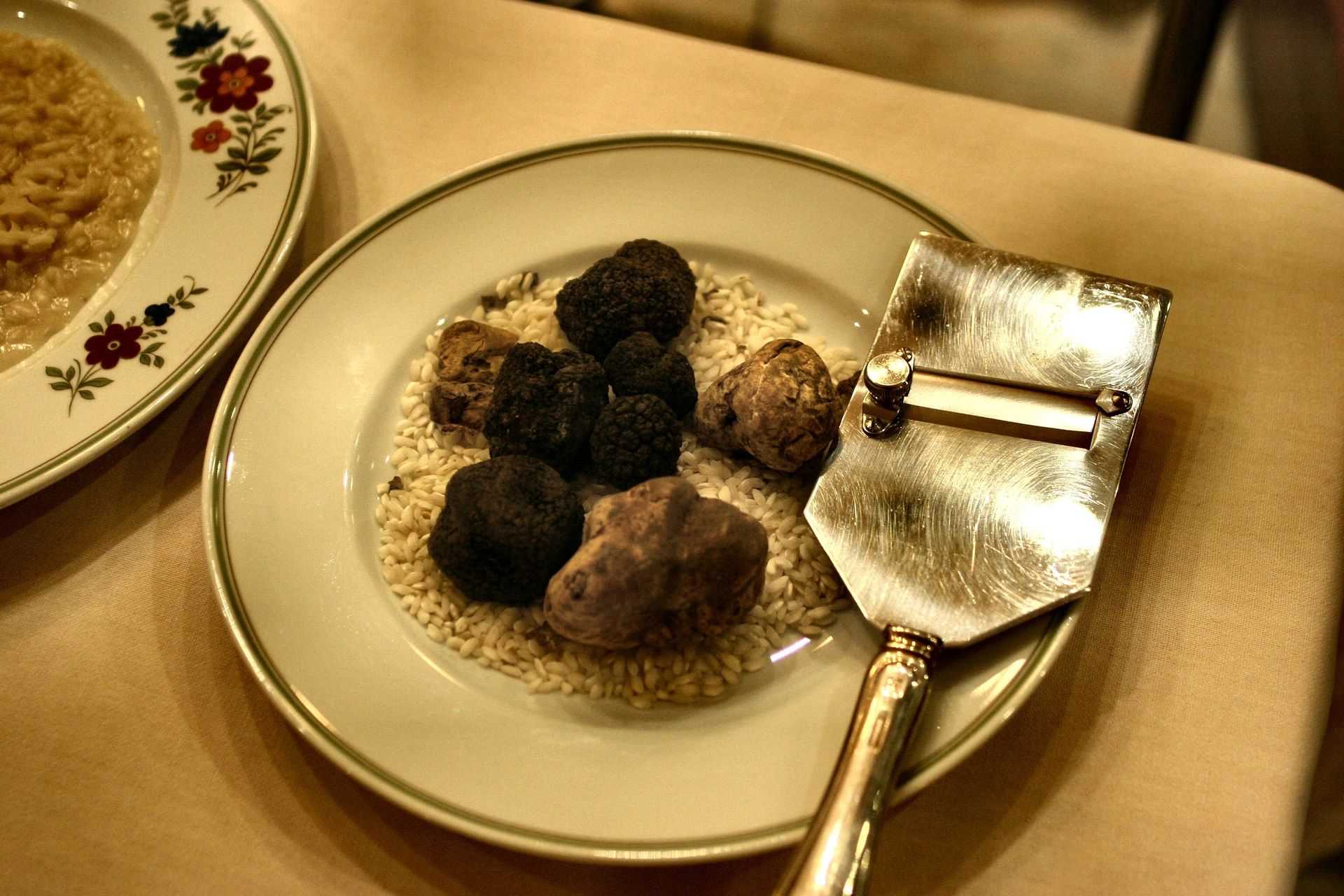
Truffles — the subterranean fruiting bodies of Tuber melanosporum (black Périgord truffle) and Tuber magnatum (white Alba truffle) — have resisted every serious attempt at controlled cultivation despite decades of research and significant commercial incentive, because they grow in a mutualistic symbiosis with tree roots (primarily oak, hazel, and beech) whose full biochemical character has not been replicated in controlled conditions.
Truffles are found by smell — by trained dogs (formerly pigs, but pigs eat the truffle if they find it) whose olfactory systems can detect the truffle's volatile compounds through several inches of soil. The truffle hunter, the dog, and the specific woodland territory constitute the primary production unit of the truffle supply chain, a system that is fundamentally unchanged from medieval truffle hunting except for the substitution of dogs for pigs. There is no industrial analog and no reliable shortcut.
Attempts to produce truffles commercially through inoculated tree seedlings — planting oak trees whose roots have been inoculated with Tuber melanosporum spores — have produced some results in controlled orchards in France, Australia, and New Zealand, but yields are unpredictable, quality is variable, and no orchard has matched the production rates of the best traditional truffle grounds in the Périgord region. White Alba truffles from Italy have proved entirely resistant to cultivation attempts; every white truffle consumed anywhere in the world was found by a dog in the Italian countryside.
Mikhail Nilov / Pexels
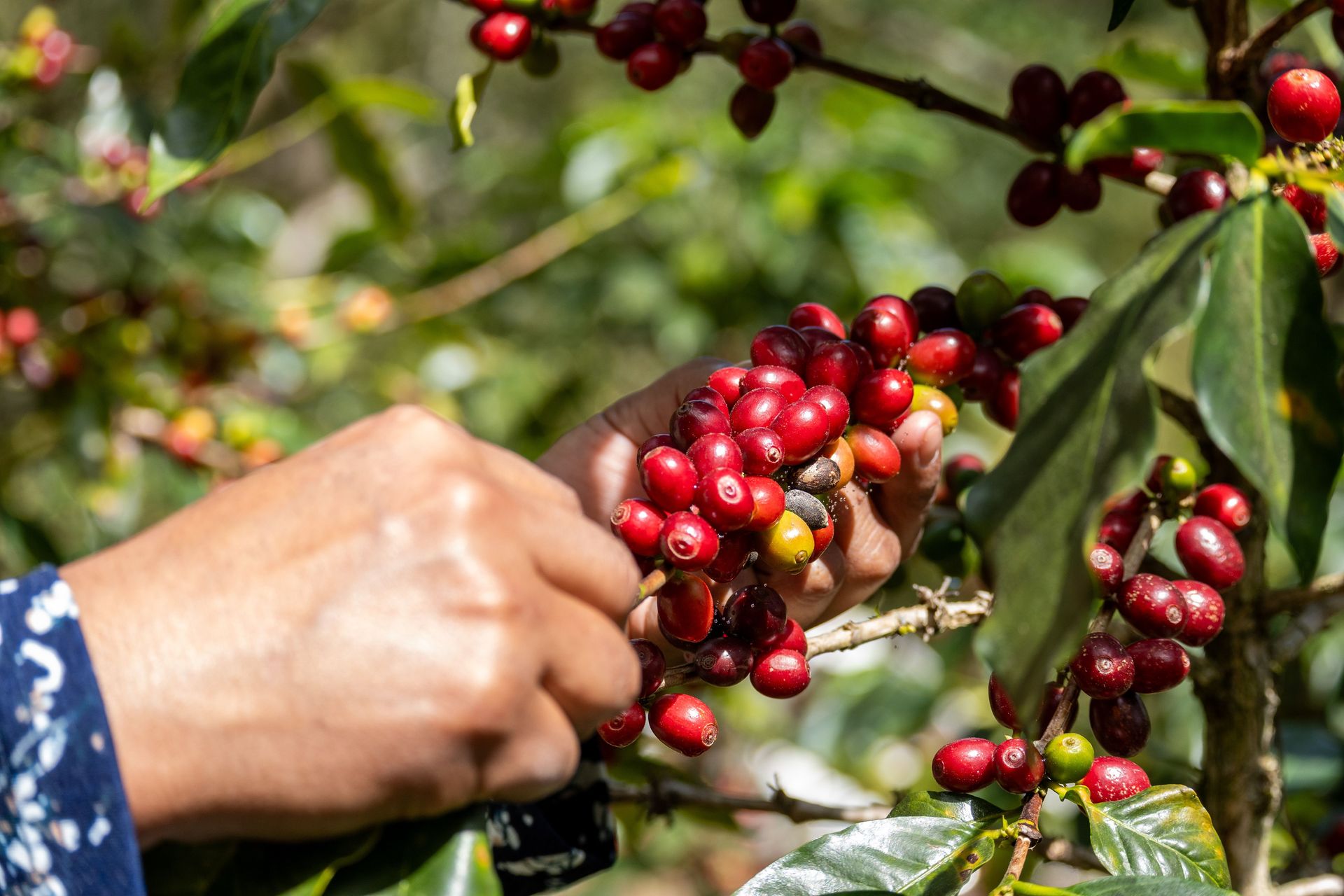
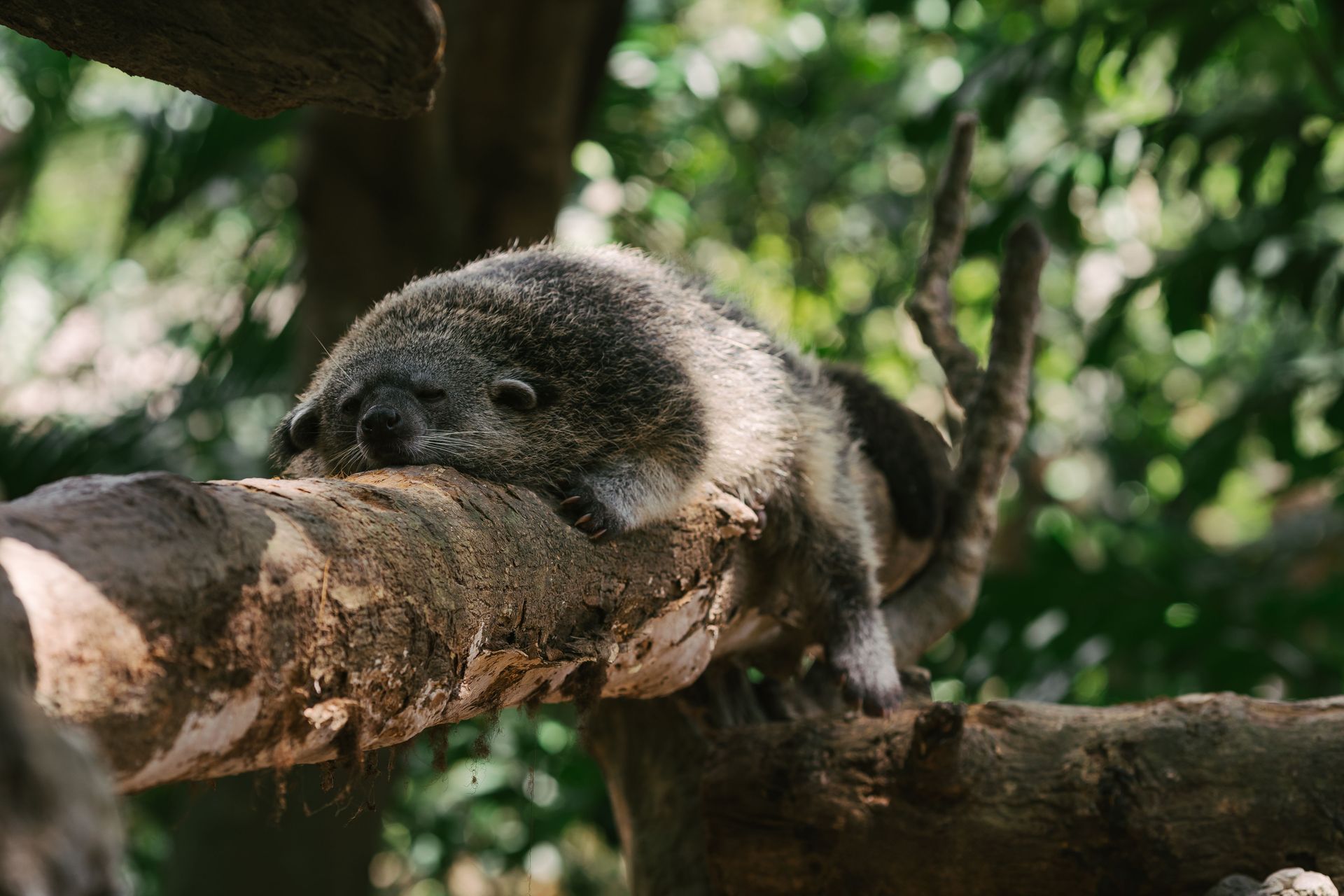
Kopi luwak — the Indonesian coffee produced from beans that have been eaten and passed through the digestive tract of the Asian palm civet (Paradoxurus hermaphroditus) — is the most notorious of the animal-processed foods and the one whose supply chain is most complicated by ethical concerns. The digestive process of the civet was claimed to improve the coffee's flavor by partially fermenting the beans and removing some of the proteins responsible for bitterness; independent taste tests have not consistently supported the claim that kopi luwak is better-tasting than high-quality conventionally processed coffee.
The original kopi luwak was genuinely a by-product of wild civets that ate coffee cherries in the forests of Sumatra and Sulawesi, with farmers collecting the passed beans from the forest floor. The supply chain for wild-sourced kopi luwak, though eccentric, was benign. The version now produced for the high-priced export market — which commands $100 to $700 per kilogram — typically involves civets kept in cages and force-fed coffee cherries, a practice that produces welfare problems and that undermines the authentic wild-sourced origin story on which the product's mystique depends.
The supply chain is worth knowing primarily because it illustrates how the mystique of an unusual production process can be extracted from its original context and industrialized in ways that negate the qualities that produced the mystique — a pattern that recurs across the luxury food market.
Anastasia Yudin / Pexels
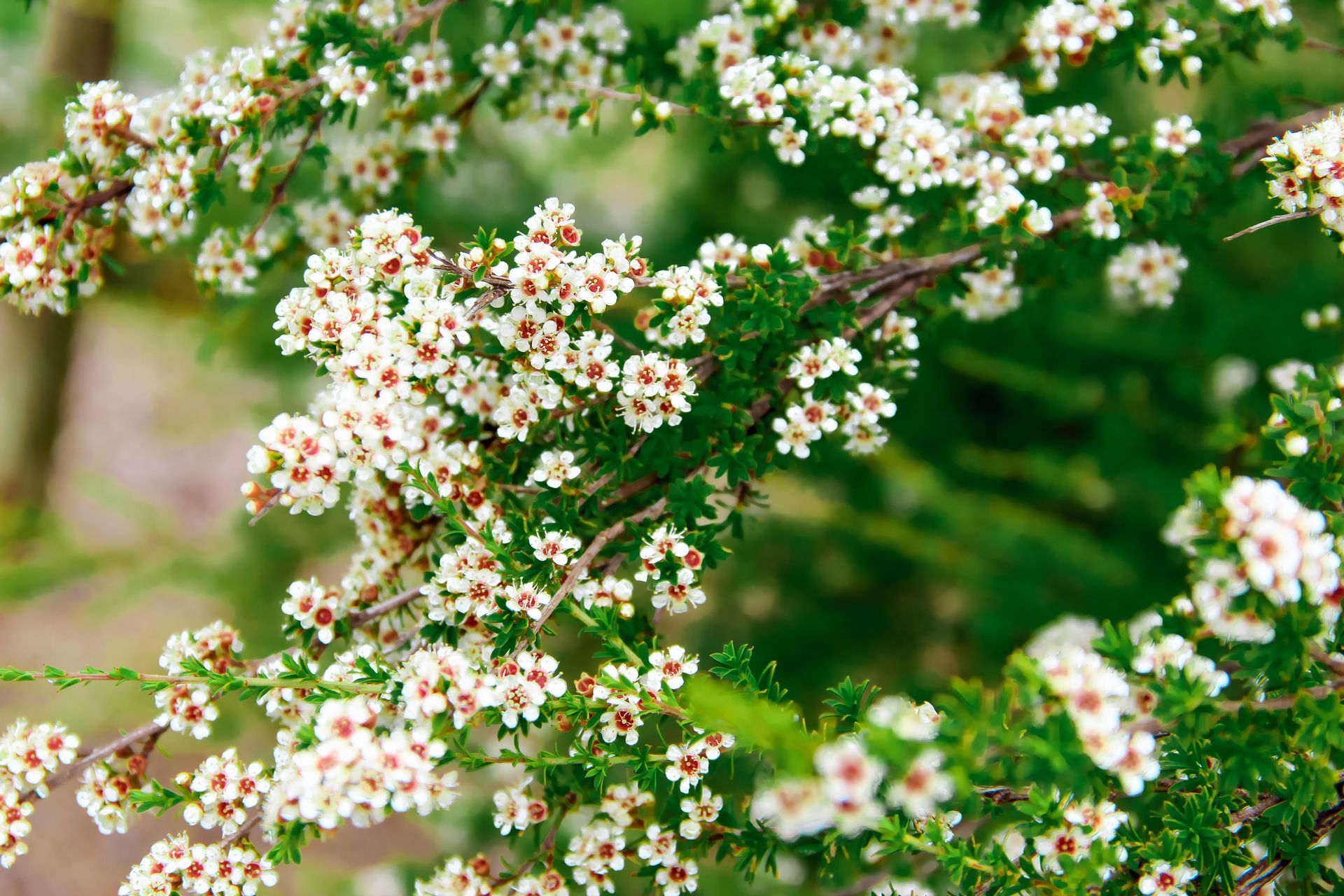
Manuka honey — produced in New Zealand and parts of southeastern Australia from the nectar of the mānuka tree (Leptospermum scoparium) — has a supply chain shaped by the specific chemistry of its antibacterial compound (methylglyoxal, or MGO) and by the short window during which the mānuka tree flowers: approximately two to six weeks per year, depending on location and weather. Beekeepers must position their hives near mānuka stands during this specific window, and the hives must then be moved to avoid contamination of the honey with nectar from other plants.
The authentication of genuine manuka honey is a supply chain problem in itself: the high premium commanded by certified manuka honey (genuine high-MGO manuka retails for $50 to $200 per jar) has produced widespread adulteration and mislabeling, with more "manuka honey" sold internationally than New Zealand's total mānuka honey production could possibly supply. The New Zealand government has developed a testing standard (the Unique Mānuka Factor, or UMF, rating) that uses chemical markers to authenticate genuine manuka honey, and independent testing laboratories verify honey against this standard before export certification.
_and_Reggio_Emilia_(left)-900x1048.jpg)
1hnmr / Wikimedia Commons (CC BY-SA 3.0)
Traditional balsamic vinegar from Modena (Aceto Balsamico Tradizionale di Modena) — the genuine article, sold in small 100ml bottles and bearing the DOP (Denominazione di Origine Protetta) seal — has a minimum aging requirement of 12 years and a "Extra Vecchio" category requiring 25 years of aging. The production process is unlike any other vinegar: cooked grape must (reduced to approximately one-third of its original volume) is placed in the largest barrel of a battery of barrels in progressively smaller sizes, made of different woods (oak, cherry, chestnut, mulberry, juniper), and moved progressively through the battery as it concentrates and develops over the years.
At 25 years, the original volume of cooked must has reduced by evaporation to a fraction of its starting volume, and the complex of organic acids, sugars, and flavor compounds produced by the progressive fermentation, aging, and evaporation in different woods has produced something that bears no relationship to the commercial "balsamic vinegar" sold for $5 in supermarkets — which is typically wine vinegar with added caramel coloring and thickeners.
The supply chain is inherited: a battery of barrels started by a family in 1970 will be producing Extra Vecchio vinegar in 1995 at the earliest, and the vinegar produced today is the product of decisions made 12 to 25 years ago. Traditional Modena balsamic is priced accordingly — $50 to $200 for 100ml — and the DOP certification is the supply chain's primary consumer-facing artifact.
Rachel Claire / Pexels
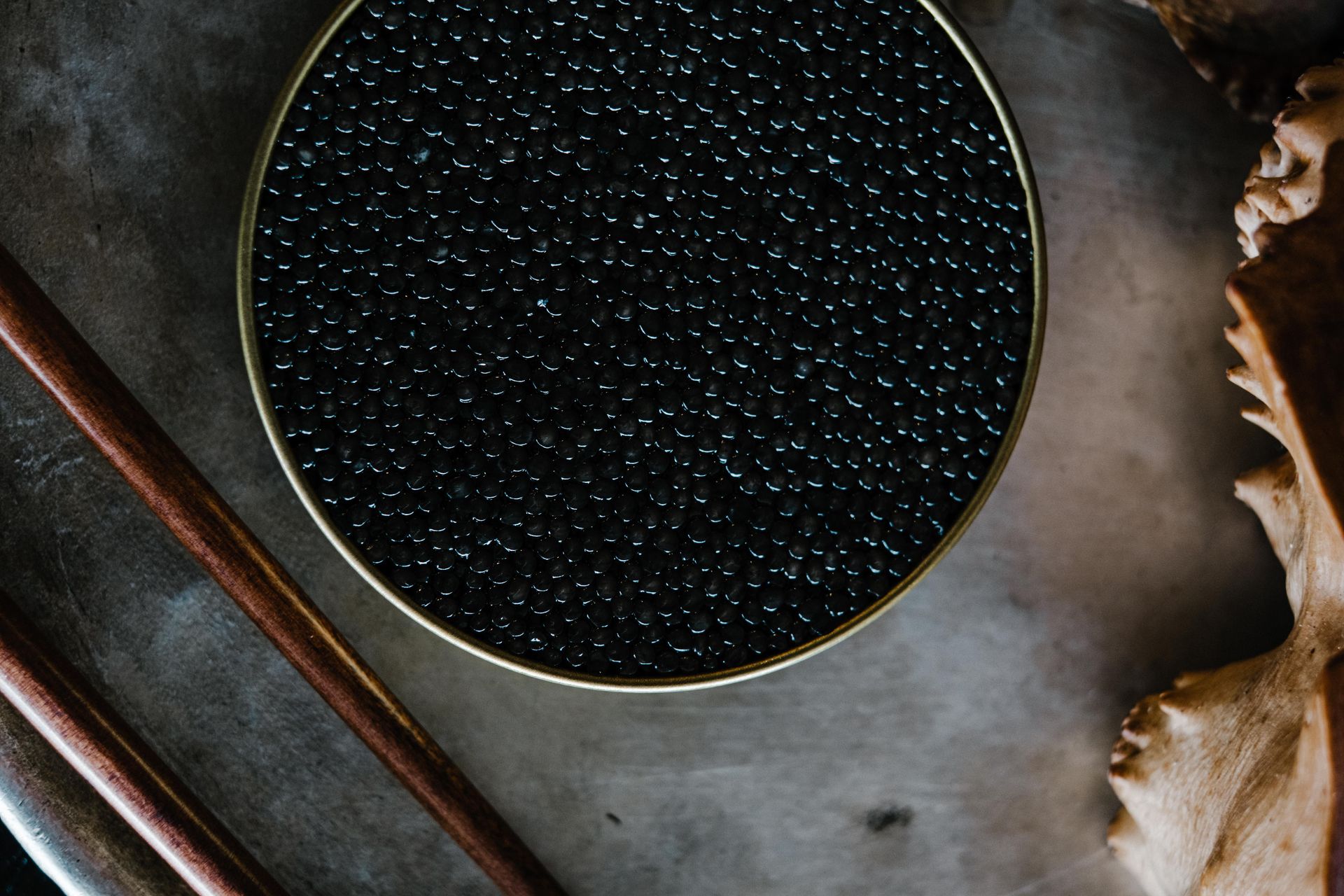
Beluga caviar — the roe of the beluga sturgeon (Huso huso), once the most prized of all caviar varieties and now one of the most restricted — has a supply chain that has been fundamentally transformed by the near-extinction of the wild beluga in the Caspian and Black Sea. Wild beluga caviar has been banned from import into the United States since 2005 under the Endangered Species Act; the beluga sturgeon requires 20 to 25 years to reach sexual maturity, and the combination of overfishing and habitat loss had reduced wild populations to a fraction of their historical levels by the early 21st century.
The supply chain now exists in two forms: wild-caught caviar from the Caspian Sea, which remains legal in some countries under quota systems but whose ecological sustainability is contested; and farmed caviar, produced from beluga and other sturgeon species raised in controlled aquaculture facilities. The world's largest beluga caviar farm, Sturgeon Aquafarms in Bascom, Florida, raises Huso huso sturgeon in recirculating water systems and harvests caviar from fish that have been raised for 8 to 10 years in captivity.
The farmed version has improved significantly in quality — blind tastings increasingly find the best farmed caviar comparable to wild — but the supply chain's story remains one of a luxury that was almost consumed to extinction and whose continued existence depends on aquaculture systems that are themselves expensive and technically demanding.
Anatolii Maks / Pexels
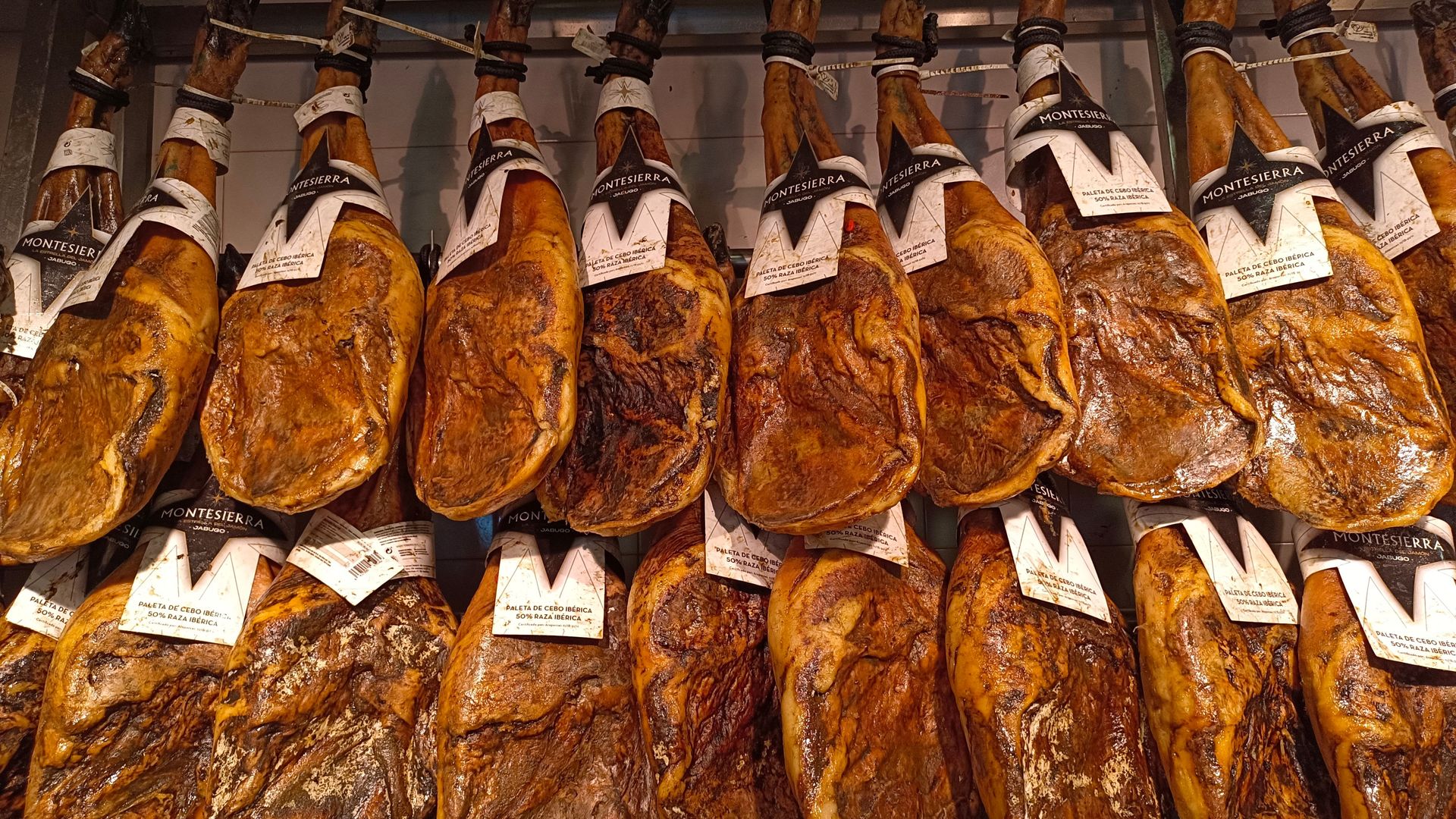
Jamón Ibérico de Bellota — the highest grade of Spanish cured ham, from free-range black Iberian pigs that feed exclusively on acorns (bellotas) during the final fattening phase — has a supply chain structured around the dehesa: the traditional oak woodland-pasture ecosystem of southwestern Spain and Portugal that produces the acorns and the specific terroir that gives the ham its character.
The pigs are released into the dehesa during the montanera — the acorn season from approximately October to February — where they roam freely, eating 6 to 10 kilograms of acorns per day and gaining approximately 1 kilogram of weight daily. The acorns' high oleic acid content produces the specific fat composition of Ibérico pork — a fat with a fatty acid profile closer to olive oil than to conventional pork fat — that allows the fat to remain stable during the long curing period.
After slaughter, the hams are cured for a minimum of 36 months and up to 60 months or more, losing approximately one-third of their weight through moisture loss during the curing. The result — the most expensive ham in the world, retailing for $100 to $200 per kilogram — is entirely the product of a specific breed, a specific ecosystem, a specific diet, and a specific curing process that cannot be separated from each other.
Change C.C / Pexels
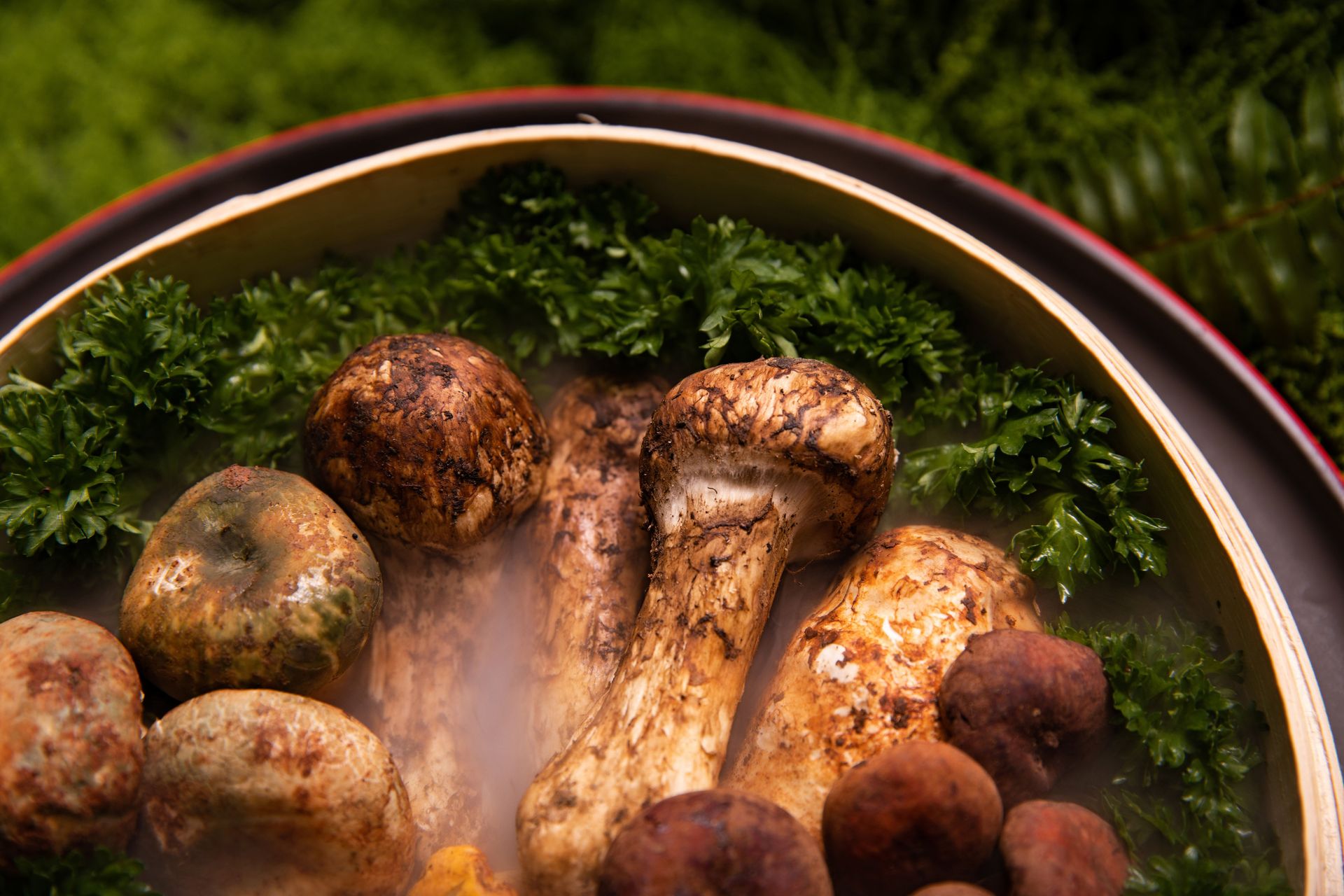
Matsutake mushrooms (Tricholoma matsutake) — the most prized mushroom in Japanese cuisine, with a pine-resin and spice aroma unlike any other fungus — grow in a symbiotic association with the roots of Japanese red pine trees (Pinus densiflora) and cannot be cultivated. They grow only in specific pine forests with specific soil conditions, and their supply has declined dramatically over the past 50 years as Japan's pine forests have been encroached on by other vegetation following the decline of the traditional woodland management (satoyama) that maintained the specific pine-dominated forest that matsutake requires.
Japan now imports approximately 95% of its matsutake from China, Korea, Canada, and the Pacific Northwest of the United States, where the mushroom grows in related pine species. The Japanese market pays premium prices for domestically grown matsutake — which has declined from a peak production of approximately 12,000 tonnes per year in the 1940s to less than 100 tonnes today — while imported matsutake, which sells for lower but still substantial prices, meets most of the actual demand.
The supply chain is controlled by specific forest territories: matsutake pickers know their sites and guard them, the relationship between picker and forest is longstanding, and the timing of the harvest — which must be done before the mushroom cap opens and the aroma degrades — requires constant monitoring of the forest floor from late September through November.
Anna Tarazevich / Pexels
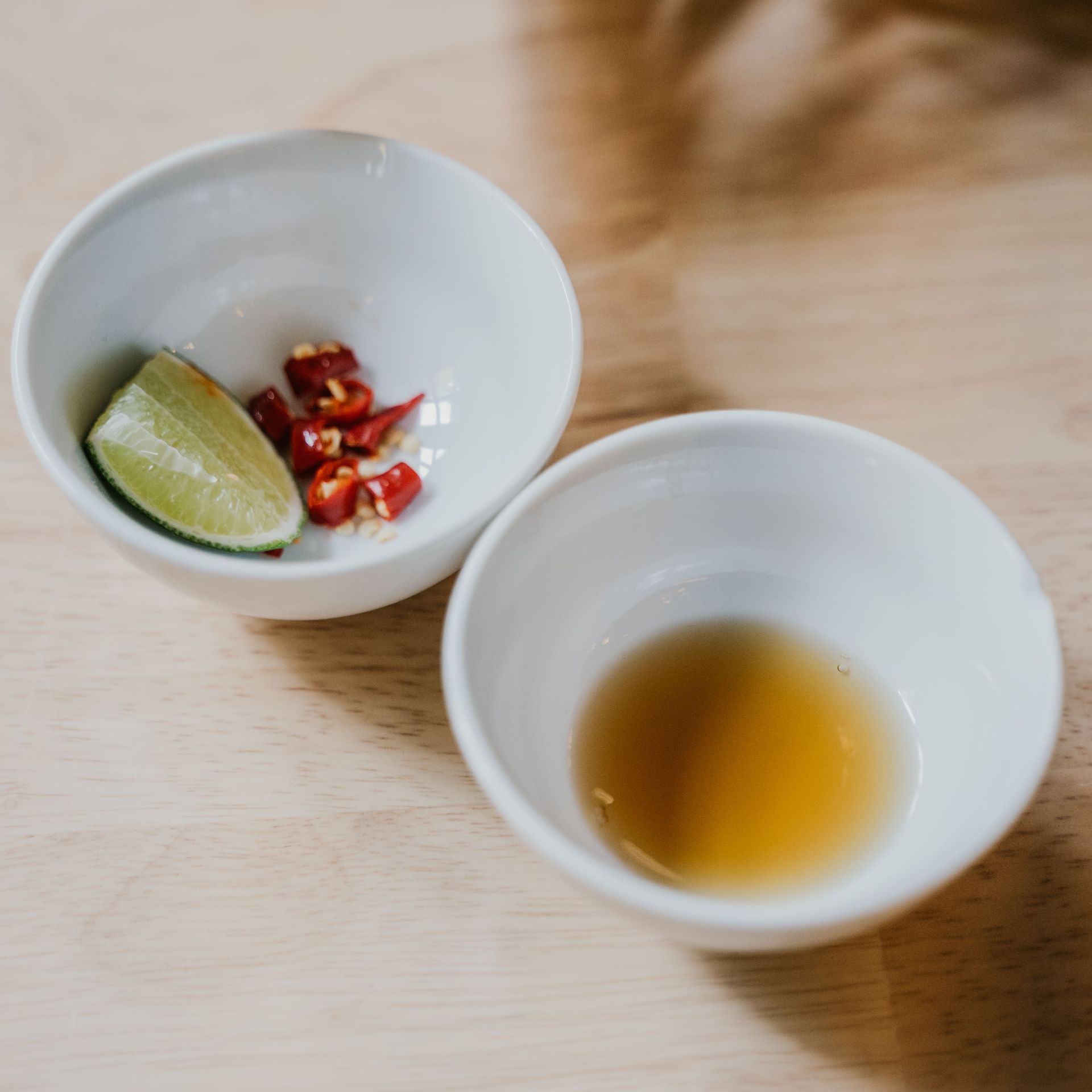
The traditional fermented fish pastes and sauces of Southeast Asia — Cambodian prahok, Thai pla ra, Lao padaek — have supply chains structured around the specific seasonal fish migrations that provide the raw material and the fermentation processes that transform them. Prahok, the Cambodian fermented fish paste that is the foundational condiment of Khmer cuisine, is made from small freshwater fish (primarily mudfish) caught during the annual flood and recession of the Tonle Sap lake — the largest freshwater lake in Southeast Asia, which swells to five times its dry season size during the monsoon.
The harvest window for prahok production is the recession of the flood, when fish concentrate in the shrinking lake and are caught in enormous quantities by traditional fishing communities. The fish are cleaned, salted, sun-dried, and fermented in clay pots for a minimum of one to two years — the fermentation producing the intensely savory, deeply pungent paste that forms the backbone of Khmer cooking in the way that salt forms the backbone of European cooking.
The supply chain's vulnerability: the Tonle Sap's fish population has declined significantly due to upstream dam construction on the Mekong River that has altered the flood pulse on which the lake's extraordinary productivity depends. The prahok supply chain is therefore not only a fascinating production story but an early indicator of how hydropower development in one country affects food systems in another.
-1920x1437.jpg)
Jacek Halicki / Wikimedia Commons (CC BY-SA 4.0)
Black garlic — the soft, sweet, molasses-flavored product of white garlic that has been held at approximately 60 to 90°C and 80 to 90% humidity for three to four weeks — was developed in Korea and has become a premium ingredient in high-end restaurants globally. Its production is industrially straightforward compared to most ingredients in this list: it requires only temperature-controlled humidity chambers and time. The supply chain is interesting not for its geographic constraint or its biological complexity but for what it reveals about how fermentation (technically, enzymatic browning via the Maillard reaction, not microbial fermentation) transforms a commodity ingredient into a premium one.
The transformation is complete: the sharp, sulfurous bite of raw garlic becomes sweet, mild, and umami-rich; the firm white cloves become soft, dark, and sticky; the characteristic garlic aroma becomes a complex caramel-and-balsamic note. The same agricultural product — white garlic, which is produced industrially in enormous quantities and is among the least expensive of all culinary ingredients — becomes a premium product worth fifteen to twenty times its raw material cost purely through a controlled transformation process.
Black garlic is produced in Korea, Spain, the United States, and increasingly everywhere that a temperature-controlled fermentation chamber exists. Its supply chain illustrates the specific economic power of a transformation process that requires minimal skill, minimal infrastructure, and only time.
Jin H / Pexels
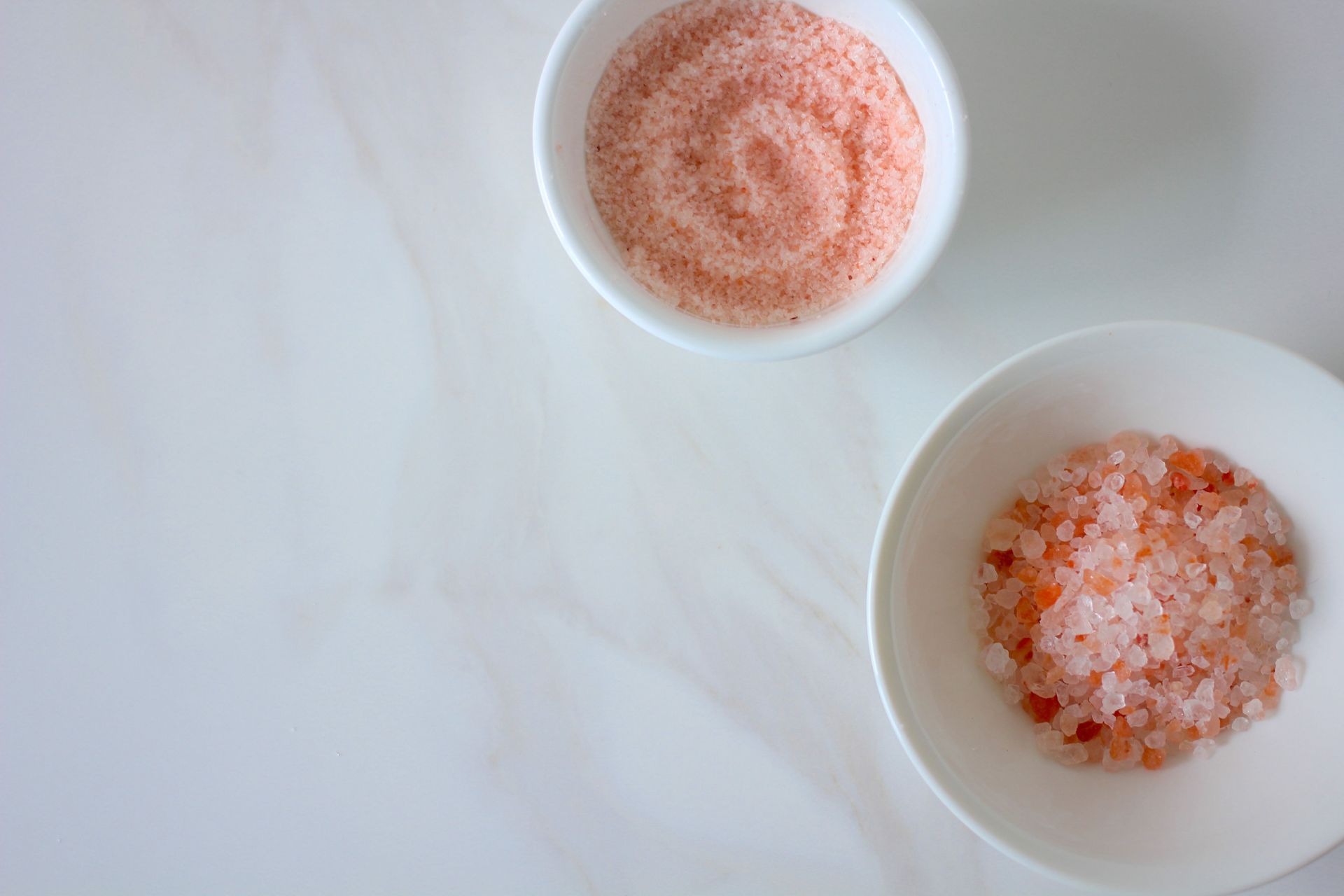
Pink Himalayan salt — the rose-colored rock salt extracted from the Khewra Salt Mine in Pakistan's Punjab province — has a supply chain whose marketing narrative (ancient ocean evaporated 250 million years ago, pristine and unpolluted) is substantially accurate and whose health claims (mineral-rich, superior to sea salt) are substantially not. The mine, which has been operating since the 14th century and is the world's second-largest salt mine, contains an estimated 600 million tonnes of salt — enough to supply the world for hundreds of years at current consumption rates.
The pink color comes from trace amounts of iron oxide (rust) in the salt, and the mineral content, while slightly higher than processed table salt, is present in quantities too small to have any meaningful nutritional effect. The premium price — pink Himalayan salt retails for approximately 20 to 100 times the price of regular table salt — is a marketing phenomenon rather than a production cost phenomenon: the mining and processing costs are not dramatically higher than for other salt, and the premium is extracted at the retail stage rather than reflecting actual supply chain costs.
The supply chain is worth knowing for this specific reason: it is an example of a commodity product with an interesting geographic origin story whose premium price is created almost entirely by marketing rather than by any actual scarcity or production complexity.
Werner100359 / Wikimedia Commons (CC BY-SA 4.0)
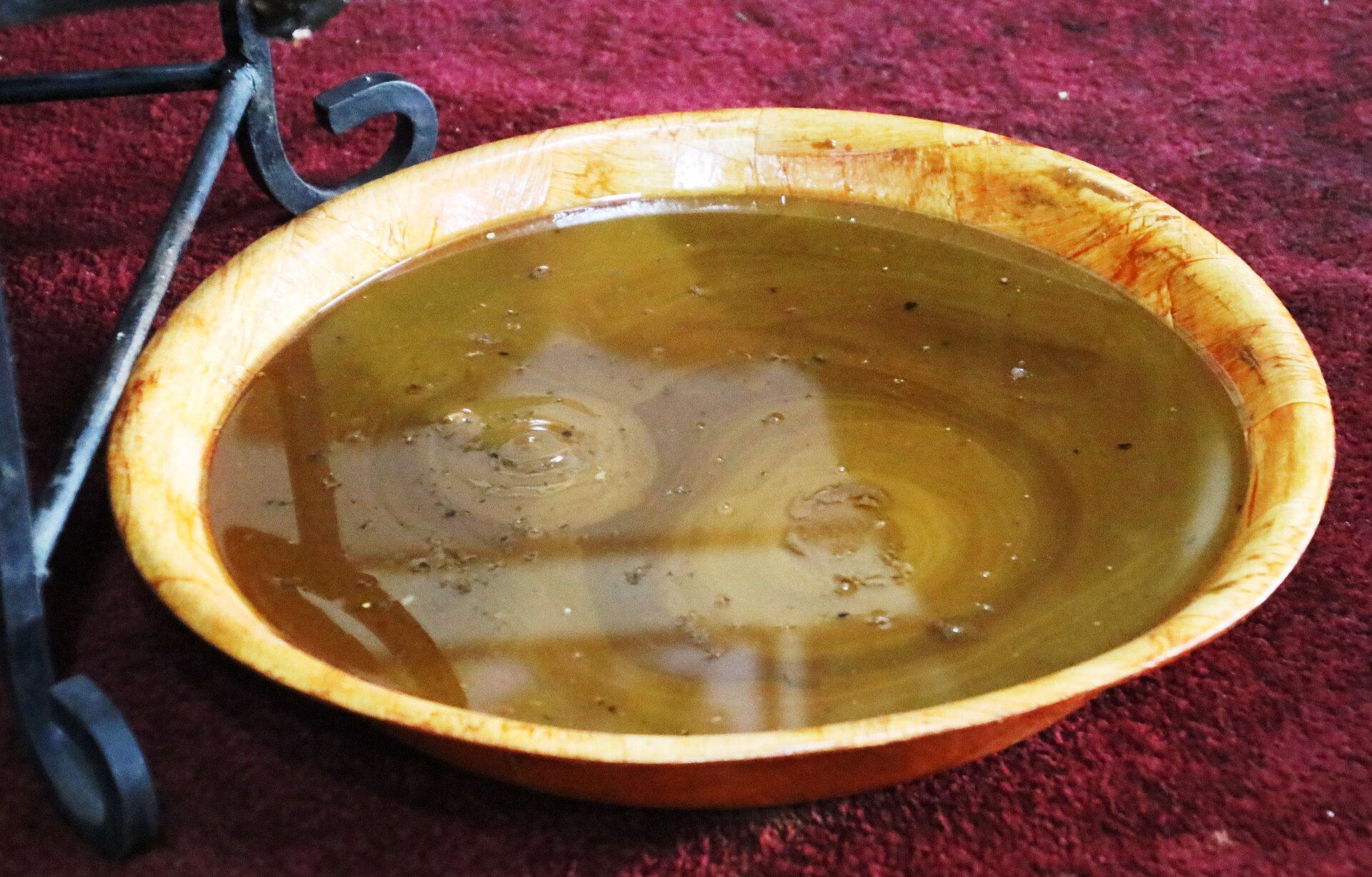
Argan oil — extracted from the kernels of the argan tree (Argania spinosa), which grows almost exclusively in a UNESCO-designated biosphere reserve in southwestern Morocco — has a traditional production method that involves a specific role for goats: the goats climb the argan trees to eat the fruit, passing the hard kernel through their digestive system intact, and the kernels are then collected from the goats' droppings and cracked to extract the nut inside.
The goat-assisted version is rarely used in commercial production now — the oil produced from animal-processed kernels is considered lower quality, and most commercial argan oil is produced by hand-cracking of argan fruits collected directly from the trees. But the goat story has become part of the product's marketing mythology, and photographs of goats perched in argan tree branches are a staple of Moroccan tourism imagery.
The commercial argan oil supply chain is dominated by women's cooperatives — a development model promoted by NGOs and the Moroccan government that channels the production of argan oil through women-owned cooperatives that pay better wages and return a higher share of the value to the producing communities than the traditional middlemen-dominated supply chain did. Argan oil is one of the more successful examples of a supply chain restructured to benefit producers rather than intermediaries.
Mecredis / Fred Benenson via Wikimedia Commons (CC BY-SA 3.0)
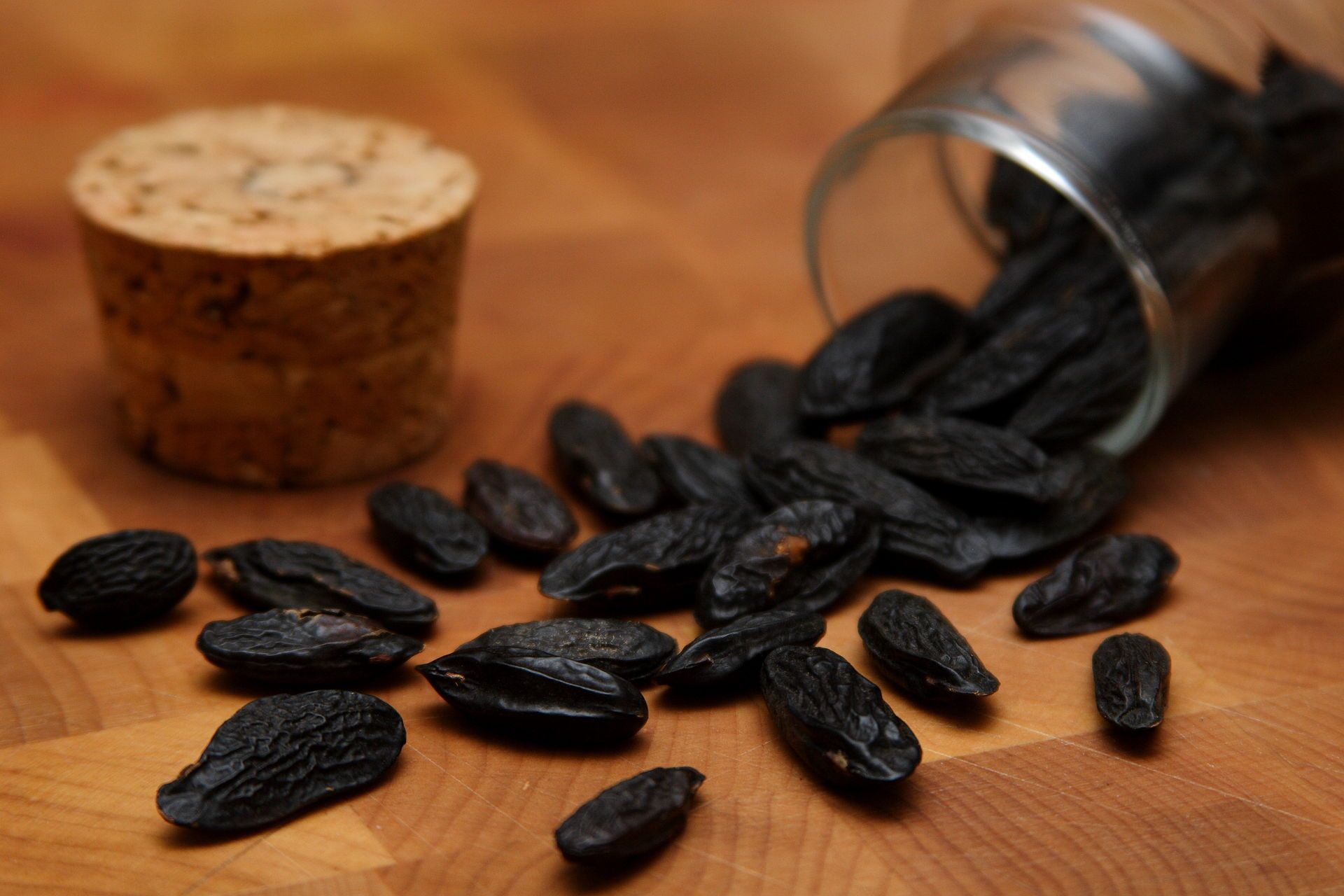
Tonka beans — the wrinkled, black, almond-shaped seeds of the Dipteryx odorata tree, native to South America and the Caribbean, with an aroma combining vanilla, almond, cherry, and cinnamon — have one of the most unusual legal supply chains in the food industry. The beans contain high concentrations of coumarin, a compound that is toxic in large quantities and that has been banned as a food additive in the United States since 1954, meaning that tonka beans cannot be legally used as a food ingredient in the US despite being widely used in European haute cuisine.
Top American chefs use tonka beans anyway — treating them as a professional secret, grating them like nutmeg over desserts, infusing them in cream — and the FDA has historically chosen not to prosecute their use in small culinary quantities, creating a legal ambiguity that has persisted for decades. The beans are technically illegal to import as food ingredients, legally sold as "craft" or "fragrance" items, and openly used in some of the country's most prestigious restaurant kitchens.
The supply chain runs from Venezuela, Brazil, and Trinidad through European spice importers (where the beans are legal) and into professional kitchens through informal networks — a black market that operates entirely in the open, in the kitchens of Michelin-starred restaurants, because the ingredient is simultaneously illegal, delicious, and essentially harmless in culinary quantities.
Olha Ruskykh / Pexels
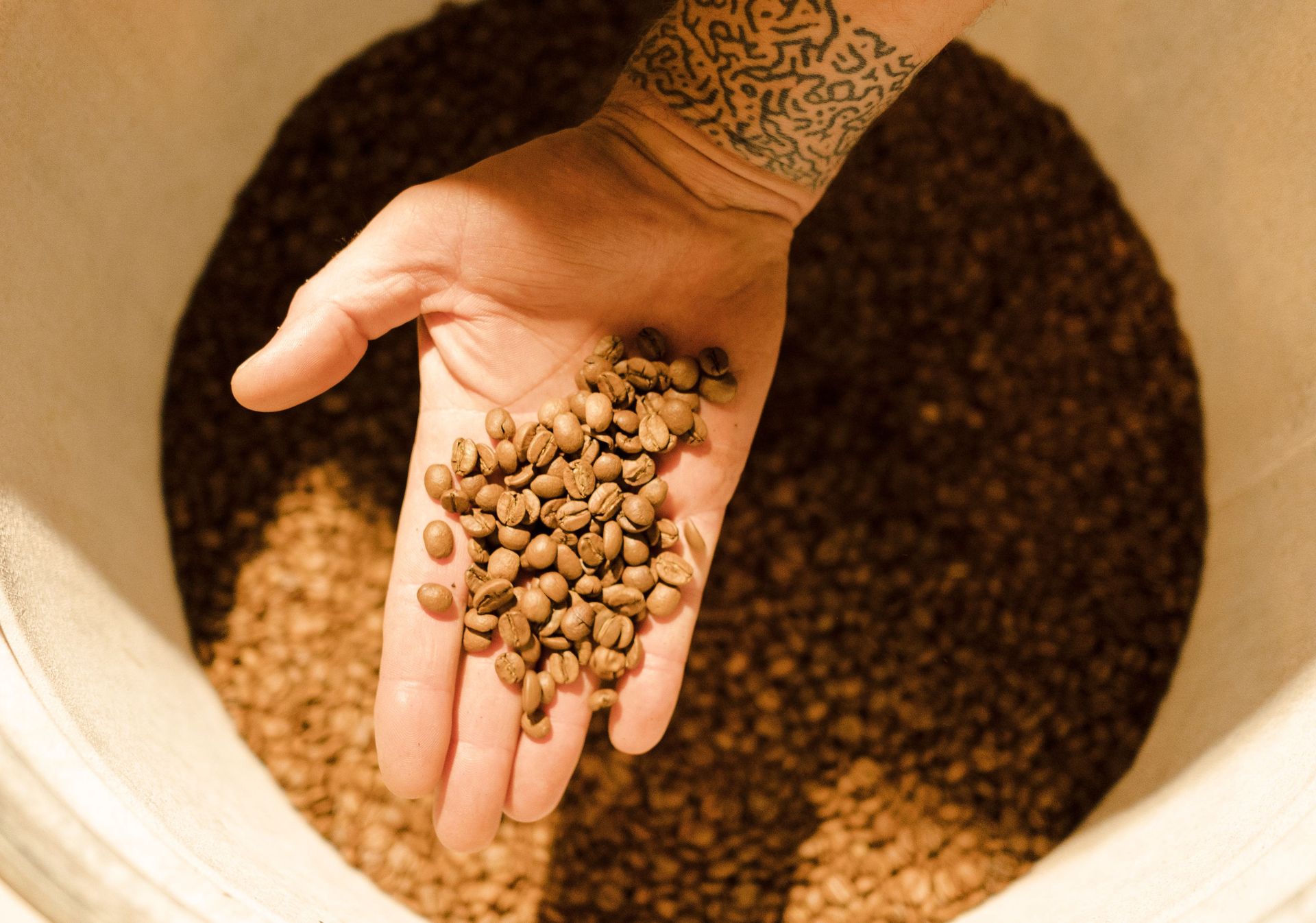
The specialty coffee supply chain — from a specific small farm on a specific Ethiopian hillside, through export, import, roasting, and retail — is the food supply chain that has been most thoroughly transformed by the "third wave" coffee movement into a traceable, producer-focused system that inverts the traditional commodity coffee relationship.
In the commodity coffee system, coffee from many farms in many countries is blended, graded, and traded as a fungible commodity on the New York or London futures exchanges at prices determined by global supply and demand rather than by the quality of any specific lot. The farmer receives the commodity price; the value is extracted further down the supply chain by exporters, importers, roasters, and retailers.
Specialty coffee's direct trade model — in which roasters establish direct relationships with specific farms, pay above-commodity prices for specific lots, and sell the coffee with full transparency about its origin — is an attempt to restructure the supply chain so that more value returns to the producer. The Ethiopian farmer who grows Yirgacheffe coffee that retails for $30 per 250g bag receives significantly more per kilogram under a direct trade arrangement than their counterpart selling to a commodity exporter — though the gap between retail price and farm gate price remains large by any measure.
Richard L / Pexels
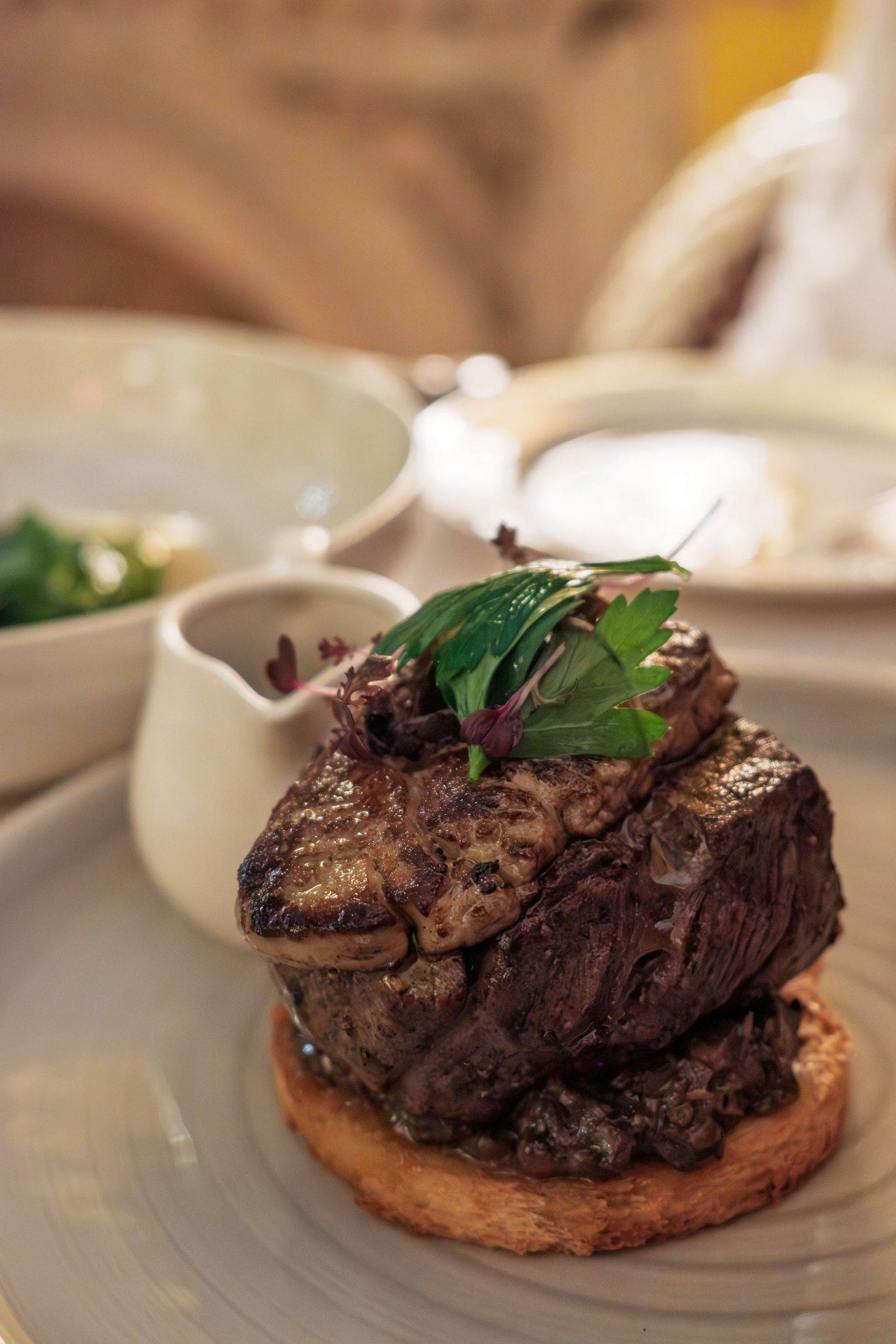
Foie gras — the fattened liver of a duck or goose, produced through gavage (force-feeding) — has the most legally and ethically contested supply chain of any mainstream luxury ingredient. It is illegal to produce in the UK, Germany, Italy (with some exceptions), and several US states, and its production is the subject of ongoing animal welfare litigation, ballot initiatives, and regulatory action in multiple jurisdictions.
The production method — inserting a tube into a duck or goose's esophagus and pumping in significantly more grain than the bird would eat voluntarily, two to three times daily for two to three weeks before slaughter — is defended by producers who argue that waterfowl have a natural capacity for esophageal distension and pre-migratory hyperphagia that makes the process less harmful than it appears to human observers. The animal welfare community disputes this characterization, and the scientific evidence is contested.
The supply chain is concentrated: France produces approximately 75% of the world's foie gras, with the southwest region (the Gers, Landes, and Périgord departments) accounting for most of French production. The industry employs approximately 30,000 people in France and is vigorously defended by regional politicians and cultural institutions as a heritage product. Its contestedness is inseparable from its supply chain.
Ivan S / Pexels
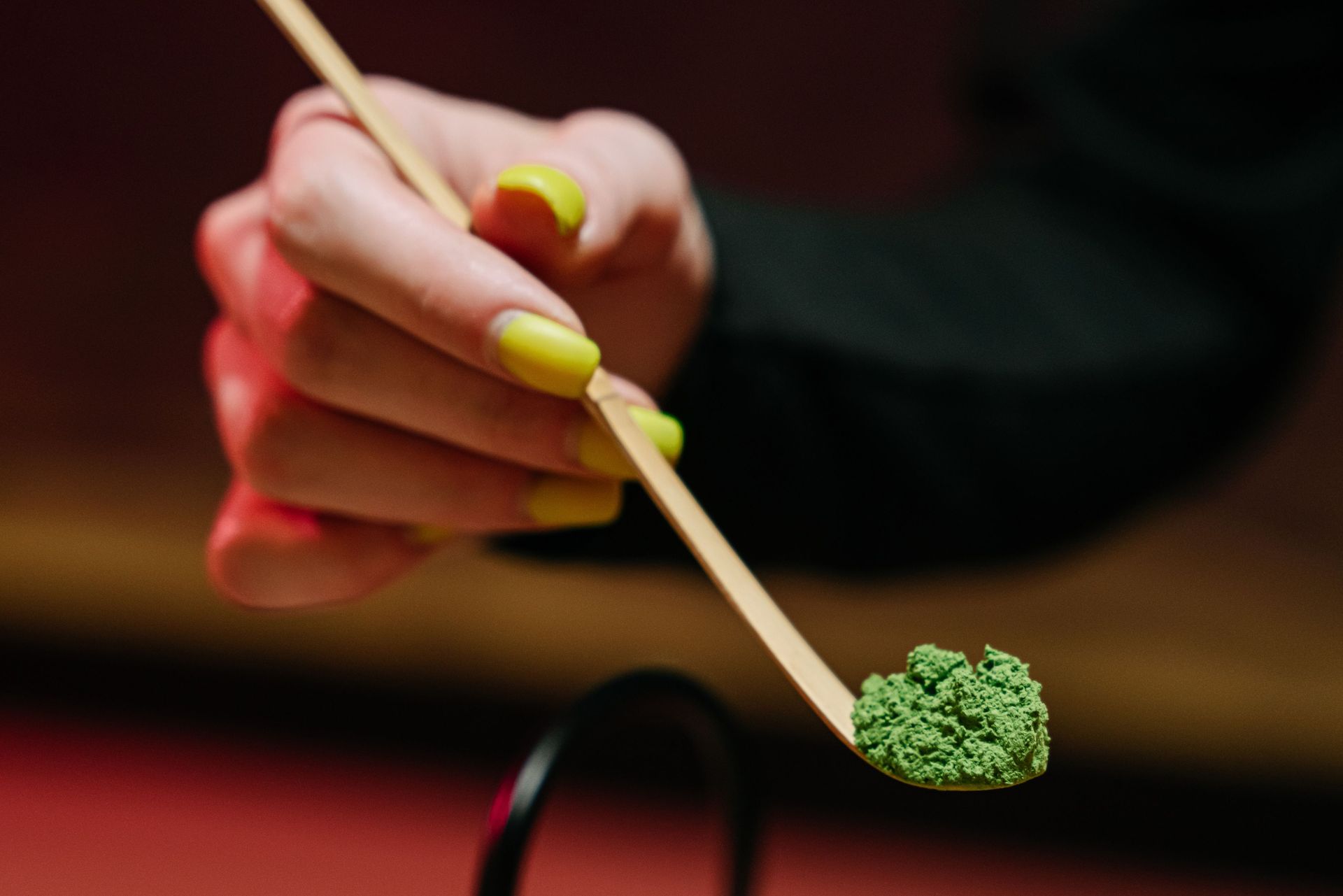
Matcha — the finely ground powder of specially grown green tea used in Japanese tea ceremony and increasingly in global food and beverage applications — has a supply chain structured around a specific agricultural technique: the tencha tea plants are shaded from sunlight for three to four weeks before harvest using straw or synthetic screens, reducing the chlorophyll-breaking process of photosynthesis and allowing the buildup of L-theanine (an amino acid responsible for the umami flavor and the specific calm-alertness effect of matcha) and chlorophyll (responsible for the bright green color).
After harvest, the leaves are steamed to halt oxidation, dried, and the veins and stems removed, leaving the pure leaf material called tencha. The tencha is then ground in stone mills — traditionally granite mills that rotate very slowly (approximately 30 to 40 rotations per minute) to avoid heating the powder and degrading its flavor compounds — at a rate of approximately 30 to 40 grams per hour per mill. Producing one kilogram of ceremonial-grade matcha powder requires approximately 25 to 30 hours of stone mill grinding.
Ceremonial-grade matcha from the best producers in Uji (near Kyoto) or Nishio (in Aichi Prefecture) sells for $30 to $100 per 30 grams — a price that reflects the shading labor, the careful harvest (the first harvest, or ichiban-cha, uses only the youngest leaves), the de-stemming, and the slow stone-milling that together constitute the supply chain.
Ahimsa - OM / Pexels
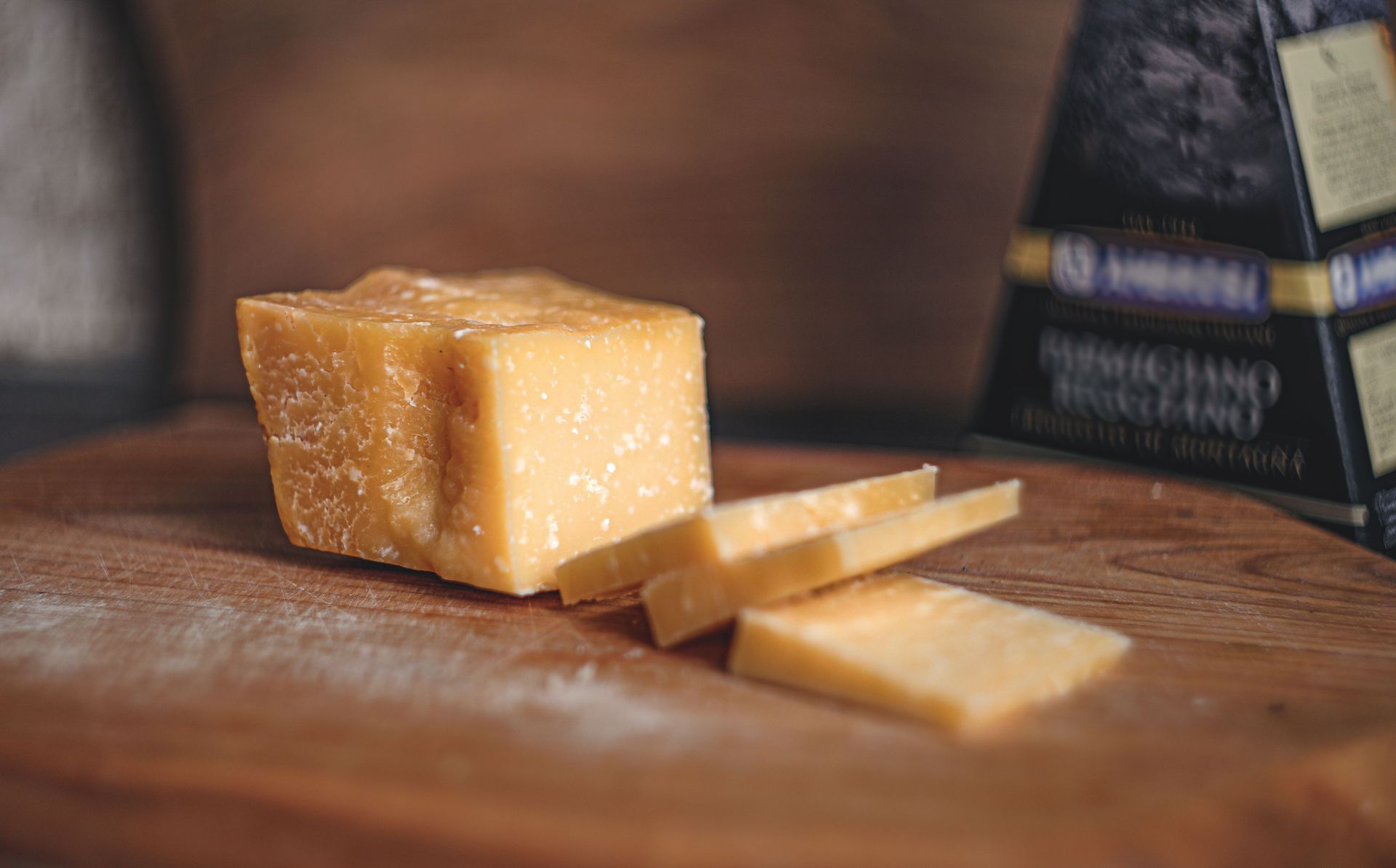
Parmigiano-Reggiano — the aged hard cheese produced exclusively in a strictly defined zone of Emilia-Romagna in northern Italy, bearing the DOP designation — has a supply chain structured around three geographical constraints that together make it impossible to produce genuinely anywhere else: the specific grass and hay that feeds the cows, the specific strains of naturally occurring bacteria in the whey, and the specific aging conditions of the cheese cellars.
The milk used must come from cows fed only on local grass and hay within the production zone (no silage is permitted — silage alters the bacterial populations in the milk in ways that affect the cheese's flavor development). The cheesemaking uses whey from the previous day's production as the starter culture, carrying the specific microbial community of that particular dairy forward into each new batch — a living biological chain that connects today's cheese to the same dairy's production decades earlier.
The aging is the final supply chain constraint: Parmigiano-Reggiano must age for a minimum of 12 months, with the "Vecchio" designation requiring 18 to 24 months and "Stravecchio" 24 to 36 months. At 36 months, a 40-kilogram wheel has lost approximately 30% of its weight through moisture evaporation, concentrating both the flavor compounds and the price. The Consorzio del Formaggio Parmigiano-Reggiano tests every wheel with a hammer — tapping the surface to listen for the sound quality that indicates proper aging — and stamps each wheel that passes, making the supply chain's quality control literally audible.