The Caesar salad wasn't invented in Rome. The croissant didn't originate in France. Chocolate was once a bitter drink reserved for warriors. These are the real stories.
Theo / Unsplash
Most foods carry an origin story — a place, a moment, a person, a accident that gave the dish its beginning. Many of those stories are wrong. Some have been deliberately manufactured to give a product national prestige or commercial heritage it does not possess. Some have been lost and replaced by plausible-sounding myths that have circulated long enough to acquire the confidence of fact. Some are technically accurate but stripped of the context that makes them meaningful — the Caesar salad was invented in Mexico, not Rome, and the specific circumstances of its invention involve a Prohibition-era restaurant, a shortage of ingredients, and a tableside performance that has little to do with the version most people eat today.
Food history is among the most contested and most revised of historical disciplines, because food is both deeply culturally significant and poorly documented in the historical record. The ingredients and techniques of elite cooking appear in recipe books and household accounts; the food of ordinary people, of enslaved people, of colonized peoples, of the poor — the food whose influence on global cuisine is often the largest — appears in the record only incidentally, when it attracts the attention of travelers, administrators, or merchants. The result is a history of food that is systematically skewed toward the wealthy, the literate, and the European, and that regularly requires correction as historians recover the evidence for what was actually eaten, by whom, and where.
This list covers 20 foods whose origin stories are either genuinely surprising, widely misunderstood, or more complicated than the standard account suggests. Each entry tries to establish what the historical record actually supports rather than what popular convention claims. Where the evidence is genuinely uncertain, that uncertainty is acknowledged. Several of the stories involve the systematic appropriation of non-European culinary traditions by European colonizers, the commercial manufacturing of origin myths, and the specific irony of foods that are identified with cultures they were not developed in, while the cultures that actually developed them received no credit.
Sylwester Ficek / Pexels
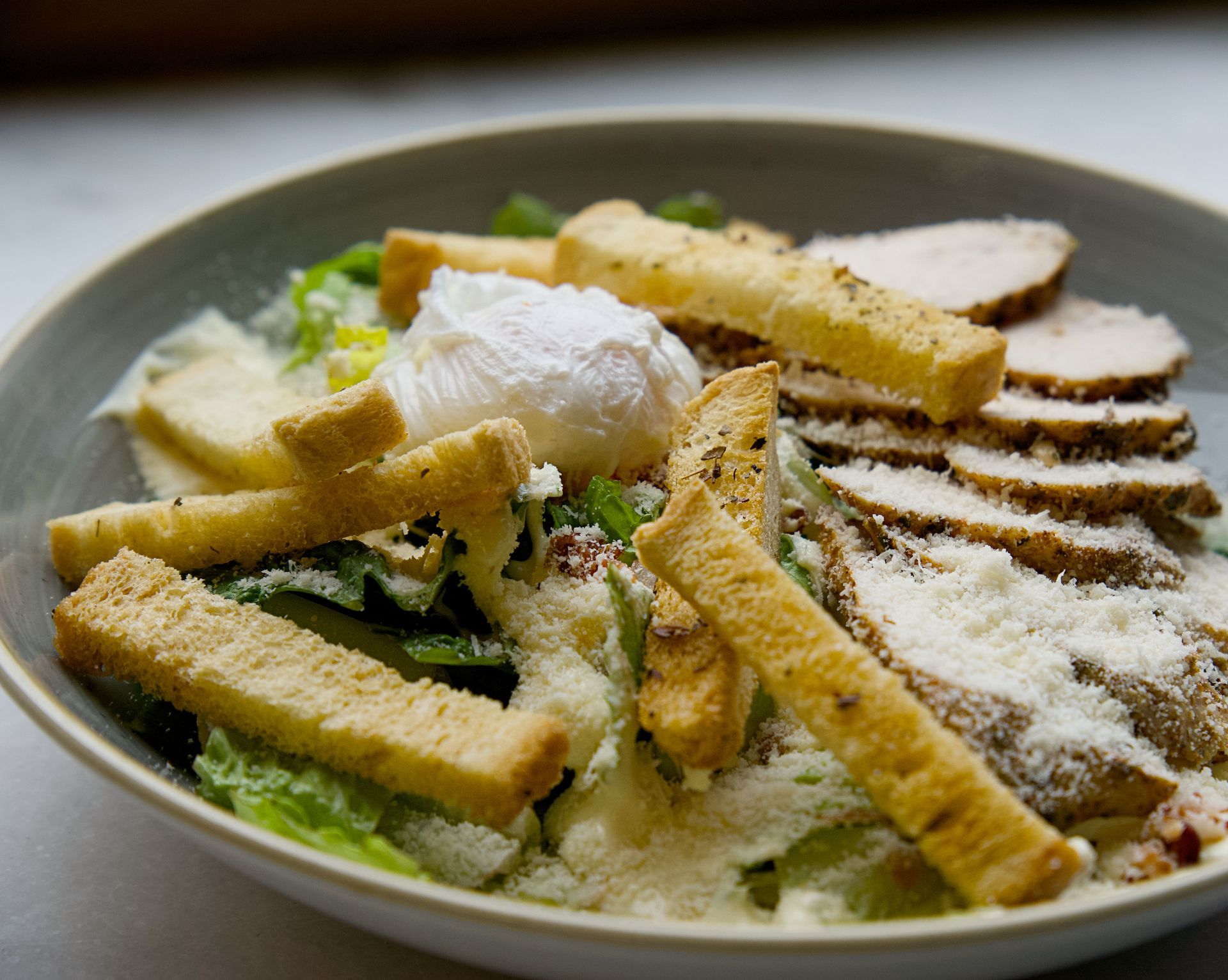
The Caesar salad has nothing to do with Julius Caesar, ancient Rome, or Italian cuisine. It was invented by Caesar Cardini, an Italian immigrant restaurateur, at his restaurant in Tijuana, Mexico, in 1924 — the specific circumstances being a Fourth of July weekend rush that depleted the kitchen's normal ingredients, forcing Cardini to improvise a salad from what remained: romaine lettuce, Worcestershire sauce, lemon juice, olive oil, egg, Parmesan, and croutons, assembled and dressed tableside.
Cardini was operating in Tijuana partly to avoid the complications of Prohibition-era California — his Tijuana restaurant could serve alcohol without the legal risk of his San Diego operation — and his restaurant was frequented by Hollywood celebrities who brought the salad back across the border. The dish spread through California's restaurant culture in the late 1920s and into the wider American food scene from there.
The tableside preparation was the theatrical centerpiece of the original experience: Cardini coddled the eggs in the Worcestershire-dressed bowl, added the remaining ingredients, and tossed the salad dramatically at the table. The anchovy, which appears in most contemporary Caesar dressings and is often assumed to be original, was a later addition — most food historians believe Cardini's original did not include anchovies, though Worcestershire sauce contains fermented anchovies as an ingredient.
Cardini's daughter Rosa later trademarked the Caesar dressing recipe and the story, and the original restaurant location is still marked in Tijuana. The name Caesar on a menu in most contexts triggers the Roman emperor association rather than the Mexican restaurateur, which is a small but specific example of how the cultural prestige of classical Europe obscures more recent and more prosaic origins.
Vie Studio / Pexels
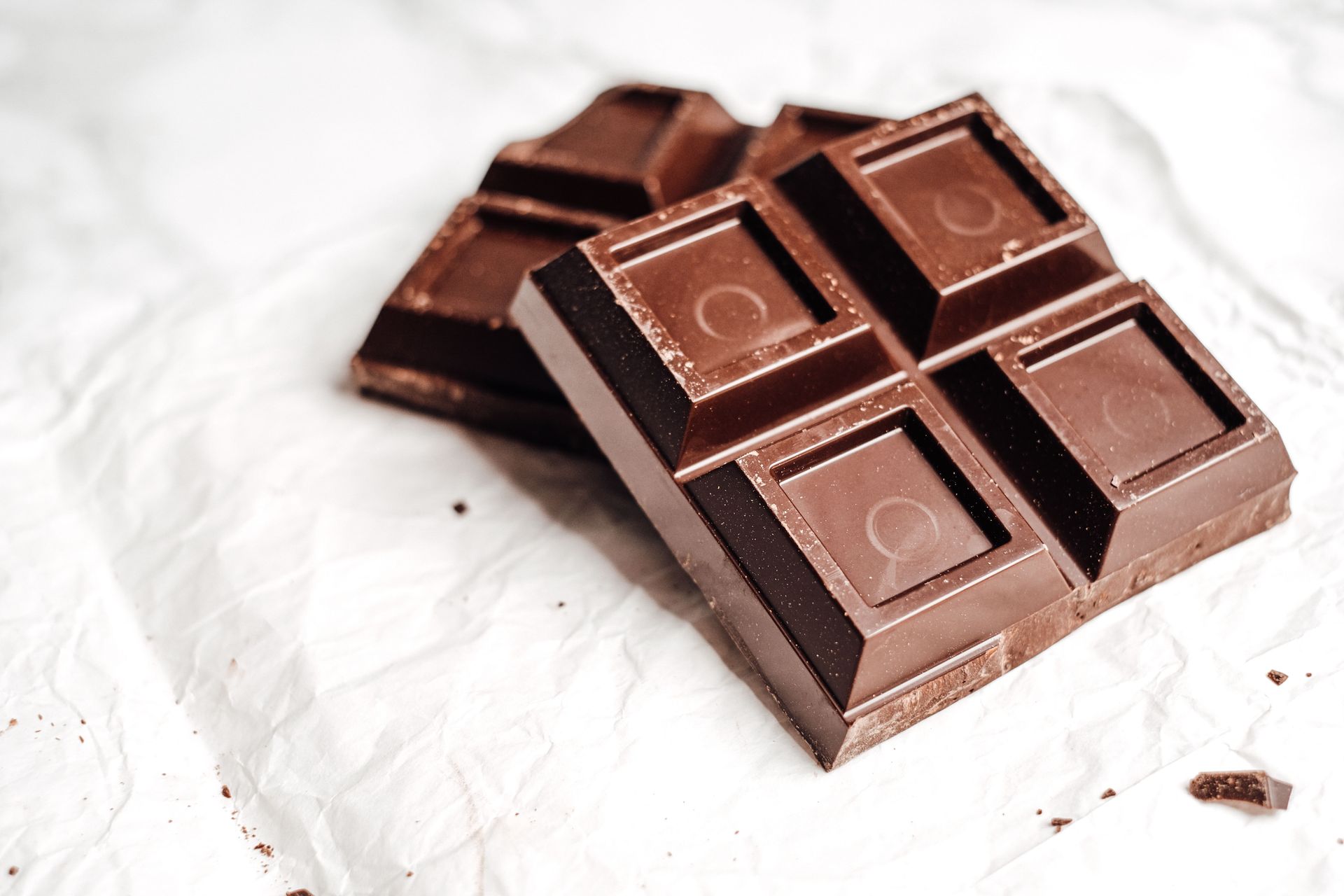
Chocolate as most people know it — the sweetened solid bar of tempered cocoa — is a 19th-century European invention that has almost no resemblance to the substance from which it was developed, and the gap between the original Mesoamerican product and its modern descendant is large enough to constitute a different food entirely. The cacao plant was cultivated and consumed in Mesoamerica for at least 3,500 years before Europeans encountered it, and in that original form it was a bitter, frothy beverage made from ground cacao beans mixed with water, chili, and various spices — nothing sweet, nothing solid, nothing remotely resembling a chocolate bar.
The Olmec, Maya, and Aztec civilizations consumed cacao as a luxury beverage associated with ritual, warfare, and elite status. The Aztec emperor Moctezuma reportedly consumed vast quantities of a cacao drink before meeting with Hernán Cortés in 1519, and the Spanish observed the beverage being served at court with the same reverence that wine occupied in European society. Cacao beans were used as currency — a turkey cost 100 cacao beans, a tomato cost one — and the beverage they produced was considered too valuable and too stimulating for ordinary people.
The Spanish brought cacao to Europe in the 16th century, where the addition of sugar and vanilla transformed the bitter drink into something palatably sweet. The solid chocolate bar did not appear until 1847, when Joseph Fry discovered that melted cacao butter could be recombined with ground cacao and sugar to produce a solid form, and milk chocolate was not developed until Henri Nestlé and Daniel Peter combined condensed milk with chocolate paste in 1875.
The history of chocolate is also the history of a centuries-long appropriation of Mesoamerican agricultural knowledge and culinary practice by European colonizers who transformed, commercialized, and profited from a product whose origin they rarely acknowledged.
卜 兰 / Pexels
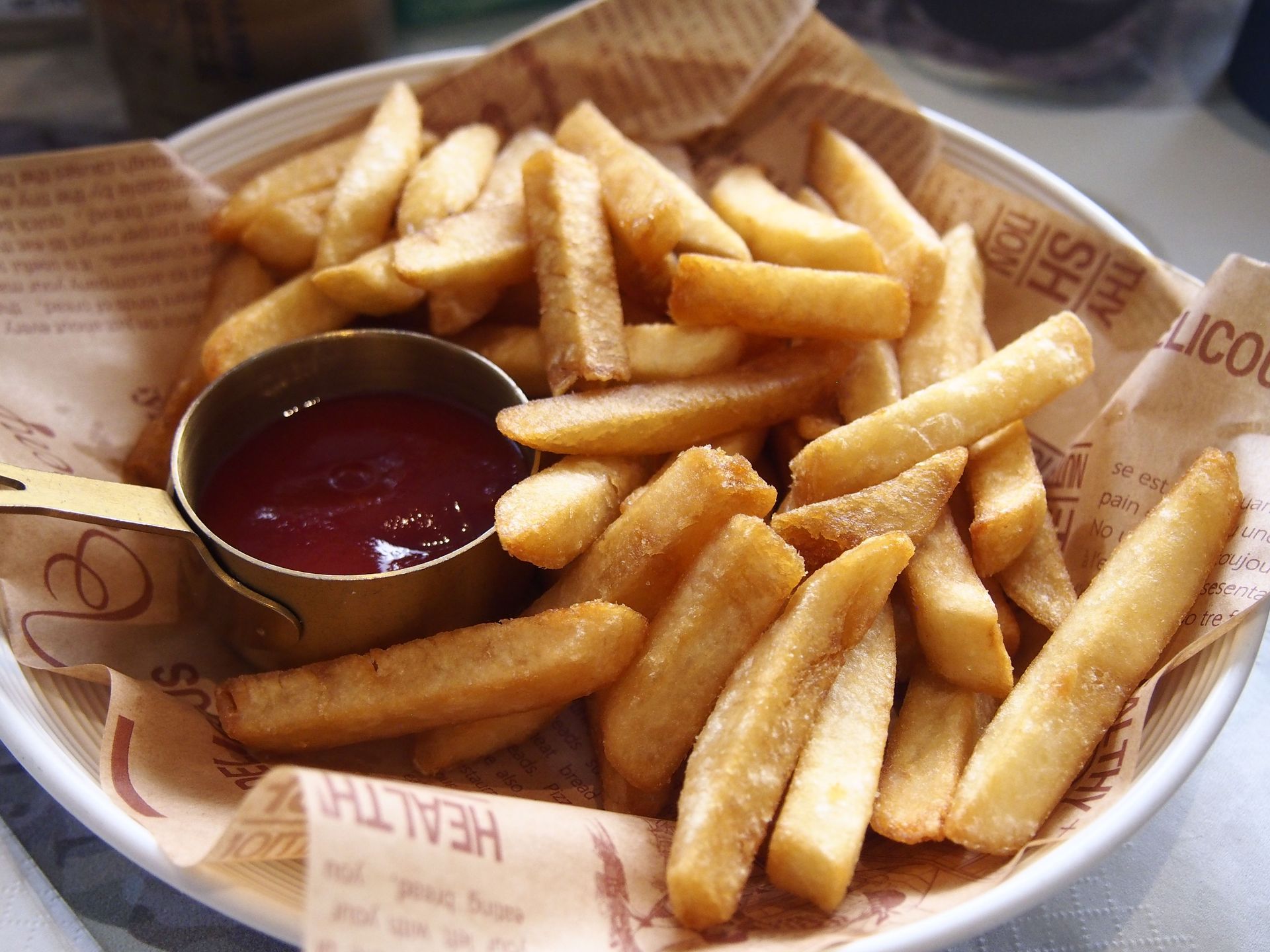
French fries are almost certainly not French. The most credible historical evidence places their origin in the Spanish Netherlands — the region that is now Belgium — where, according to a 1781 manuscript discovered by Belgian food historian Jo Gerard, the impoverished population of the Meuse valley had been slicing and frying potatoes since at least the late 17th century. The Belgian claim is taken seriously by most food historians and is supported by the linguistic evidence that "French fries" in Belgian French are called "frieten," a term predating the French association.
The competing American claim that French fries were introduced to the United States by Thomas Jefferson — who served "potatoes served in the French manner" at a White House dinner and may have encountered the dish in France — is plausible but does not establish France as the origin. The "French manner" of preparing potatoes in 18th-century France may have referred to Belgian preparation techniques already established in the region.
The more interesting culinary history is the potato itself: a staple of Andean civilizations in South America for at least 8,000 years, domesticated in the region of modern-day Peru and Bolivia, and transported to Europe by Spanish colonizers in the 16th century, where it was initially regarded with deep suspicion — associated with witchcraft, with famine, with the dietary habits of the colonized peoples from whom it had been taken. Its acceptance in European cuisine required nearly two centuries and the deliberate promotion campaigns of figures including Frederick the Great of Prussia and Antoine-Augustin Parmentier in France.
Jana Ohajdova / Pexels
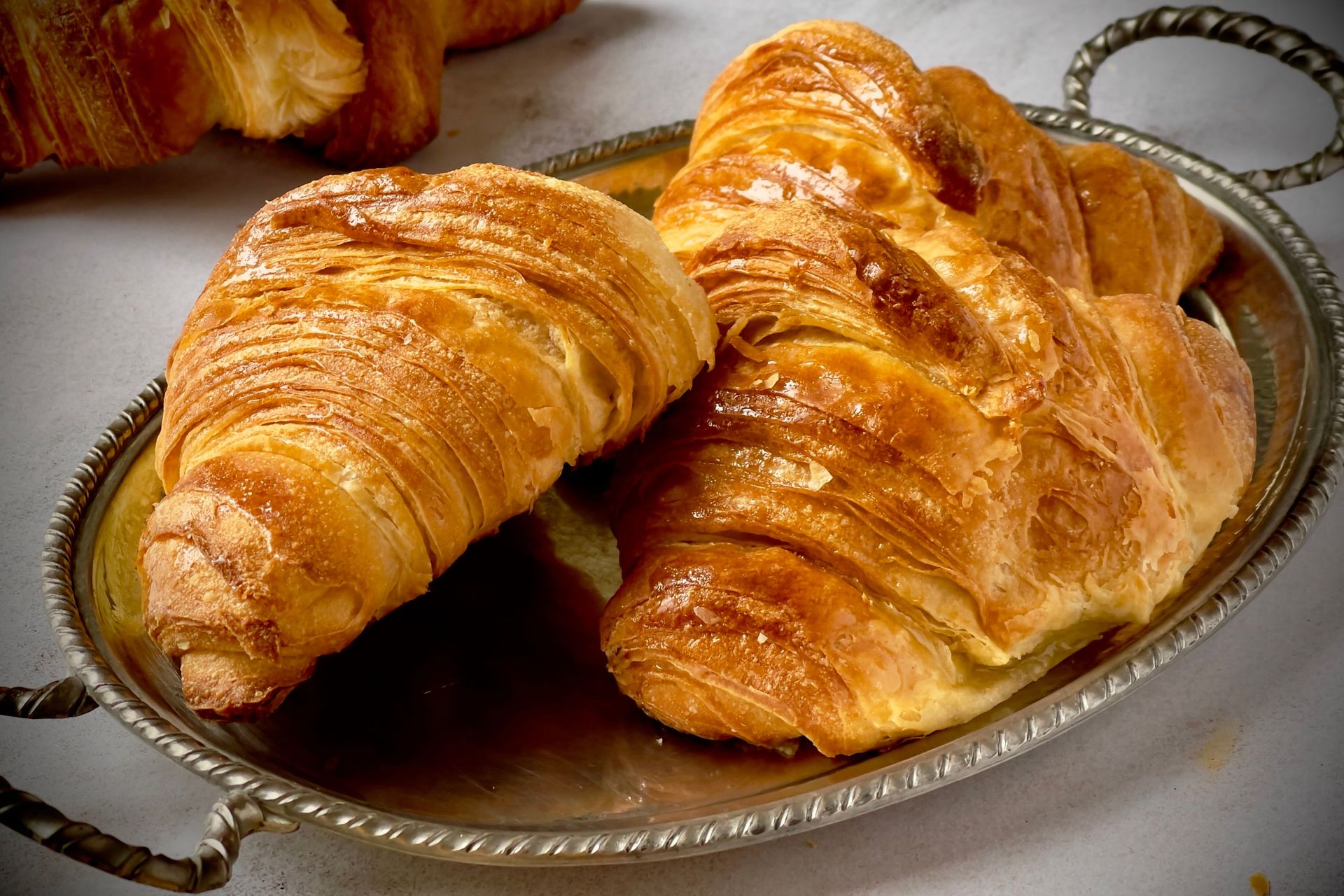
The croissant is French in its current form but not in its origins, and the question of where it actually came from has been the subject of legitimate historical debate that the standard French-ownership narrative effaces. The croissant's direct ancestor is the kipferl — a crescent-shaped Austrian pastry with a documented history in Vienna that significantly predates the croissant's appearance in Paris.
The standard origin story — that the croissant was created in Vienna in 1683 to celebrate the lifting of the Ottoman siege of the city, with the crescent shape representing the Ottoman crescent — is almost certainly a 19th-century myth. Historical evidence for the military-commemorative origin is thin and late, and the kipferl appears in Austrian records well before 1683 without the claimed military symbolism.
What the historical record does support is a Vienna-to-Paris transfer in the early 19th century. August Zang, an Austrian artillery officer turned entrepreneur, opened a Viennese bakery in Paris in 1838 or 1839 and began selling kifler and kipferl to Parisian customers. Parisian bakers subsequently adapted the shape using the laminated, butter-folded dough technique that produces the distinctive flaky texture of the modern croissant — a technique that is French in execution even if the underlying concept arrived from Vienna.
The croissant's association with France is genuine in the sense that the specific laminated-dough technique is a French development; it is misleading in the sense that neither the crescent shape nor the concept of an enriched crescent pastry was French in origin.
Mohamed Olwy / Pexels
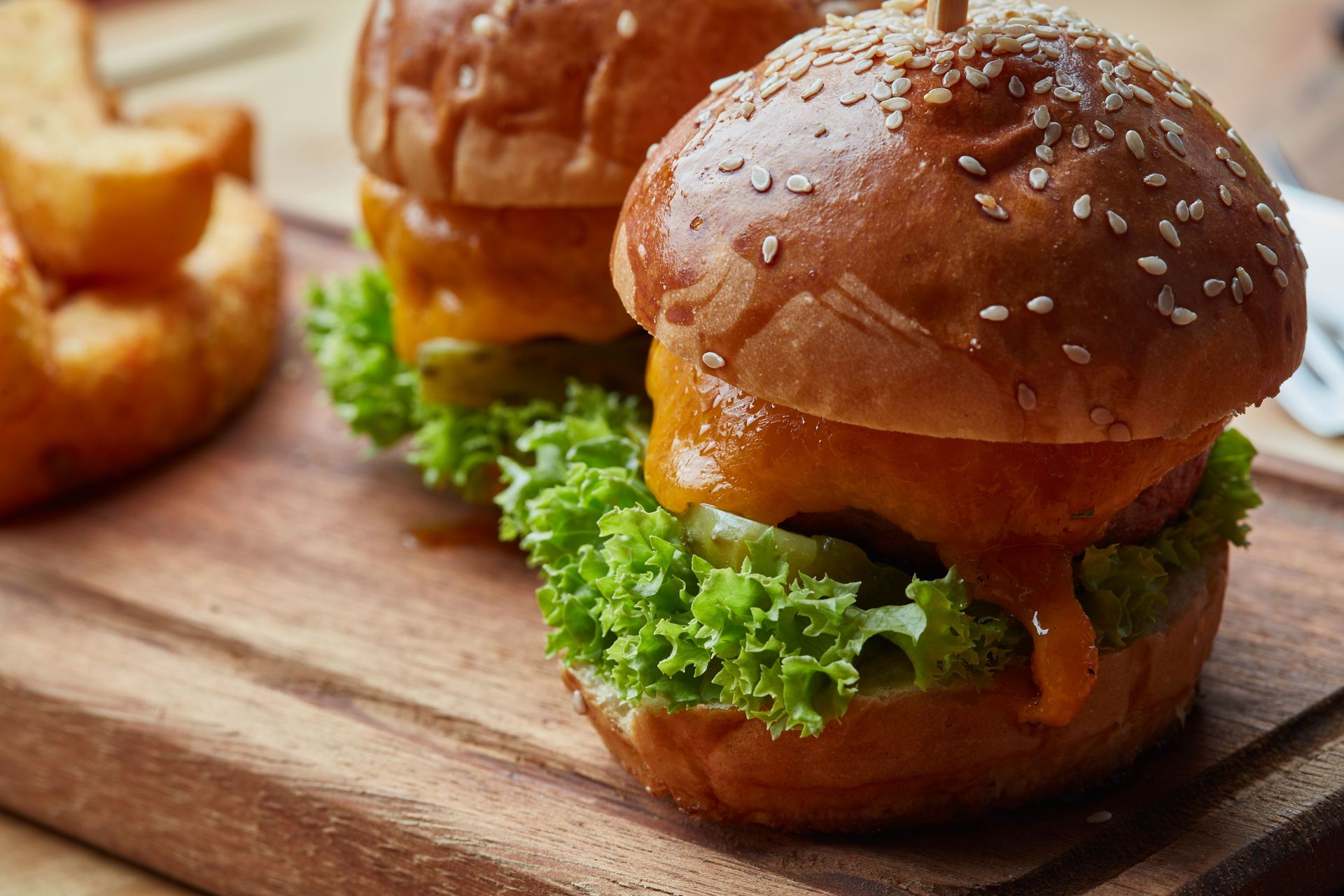
The hamburger's American origin — and specifically its association with Hamburg, Germany — is contested by multiple origin claims, none of which is definitively supported by the historical record. The "Hamburg steak" — minced beef formed into a patty and cooked — arrived in the United States from Germany via German immigrants in the 19th century and was served without a bun at restaurants and from street carts, particularly in port cities with large German immigrant populations including Hamburg itself.
The claim to have invented the hamburger sandwich — the minced beef patty served between two pieces of bread, which is the American culinary innovation rather than the German one — is contested by at least four separate families and events: Charlie Nagreen at the 1885 Outagamie County Fair in Wisconsin; the Menches brothers at an 1885 county fair in New York; the Fletcher Davis "Old Dave" of Athens, Texas, who may have been serving hamburgers in the 1880s and brought them to the 1904 St. Louis World's Fair; and the New Haven, Connecticut claim for Louis Lassen of Louis' Lunch, who served a ground beef sandwich from 1900.
The Hamburg-derived patty is genuinely German in origin, adapted from the Hamburg steak tradition that German immigrants brought to America. The bun — and specifically the innovation of serving the patty between bread — is American, and the most credible evidence places this innovation in the 1880s to 1890s in the American Midwest. The specific geographic and personal origin of the hamburger sandwich may be unresolvable given the fragmentary nature of the evidence.
Atlantic Ambience / Pexels
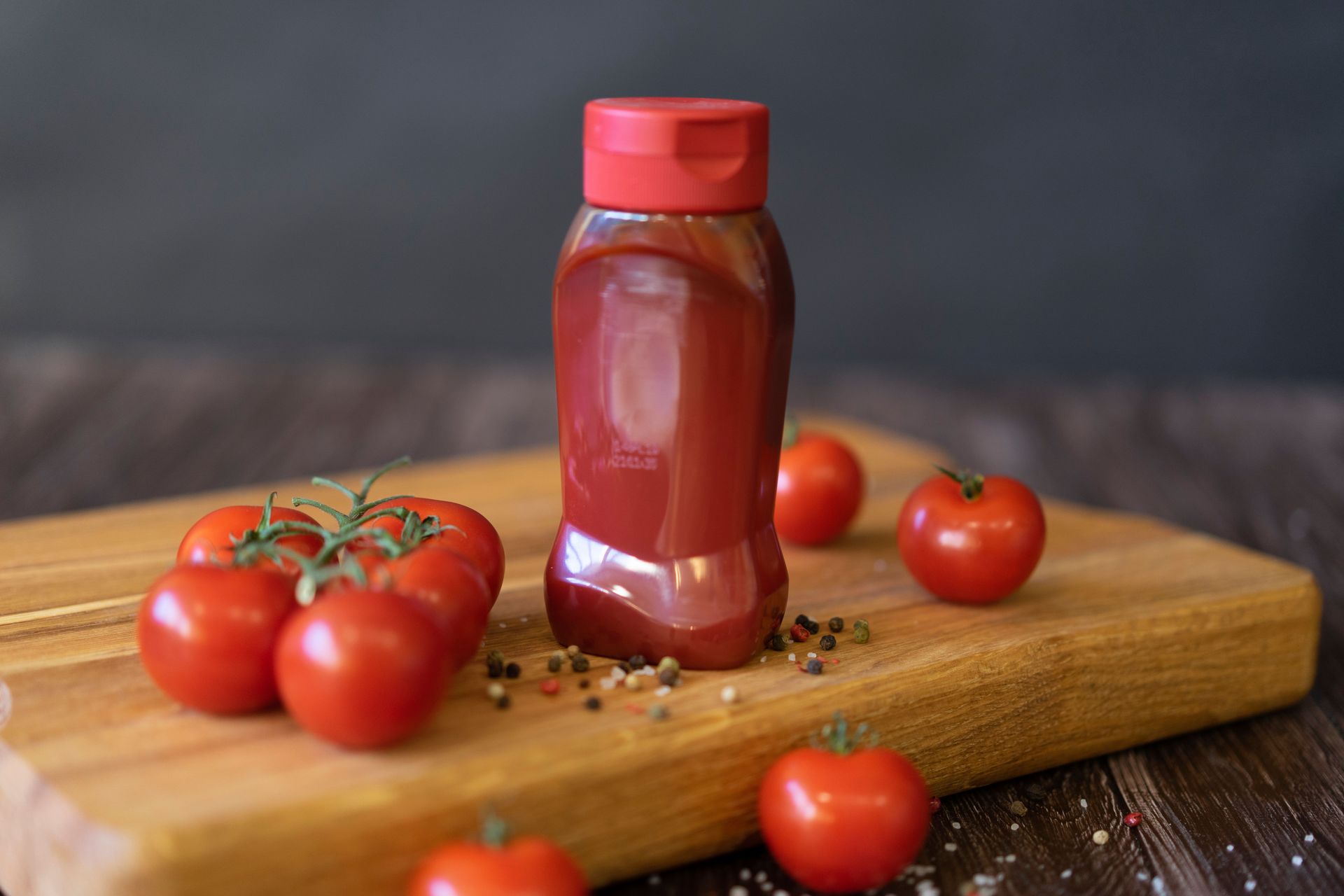
Tomato ketchup — the American condiment whose ubiquity on dining tables globally has made it seem as timeless and inevitable as the tomato itself — is approximately 150 years old in its current form, and its origin in tomato is a relatively late development of a condiment tradition that originally had nothing to do with tomatoes and whose 19th-century American history involves medicinal claims, patent medicine marketing, and a specific food safety controversy.
The word "ketchup" derives from the Hokkien Chinese "ke-tsiap" or the Malay "kicap," referring to a fermented fish sauce with a long history in Southeast Asian cooking. British sailors encountered the sauce in the 17th century and brought it back to England, where it became "catchup" or "ketchup" and was adapted to local ingredients — mushrooms, walnuts, oysters, and anchovies were all used as the base in 18th-century British ketchup recipes. Tomato ketchup appeared in American recipe books in the 1810s but remained one variant among many for most of the 19th century.
The transformation of tomato ketchup into the standardized, shelf-stable condiment associated with the Heinz brand began in 1876, when Henry J. Heinz introduced his version at a time when most commercial ketchup was produced under unsanitary conditions, with coal tar dyes to compensate for poor-quality tomatoes. Heinz's innovation — using ripe tomatoes, vinegar as a preservative to allow removal of the sodium benzoate preservative that was becoming controversial, and consistent industrial production standards — produced a genuinely superior product whose commercial success established tomato ketchup as the default version of the condiment.
Klaus Nielsen / Pexels
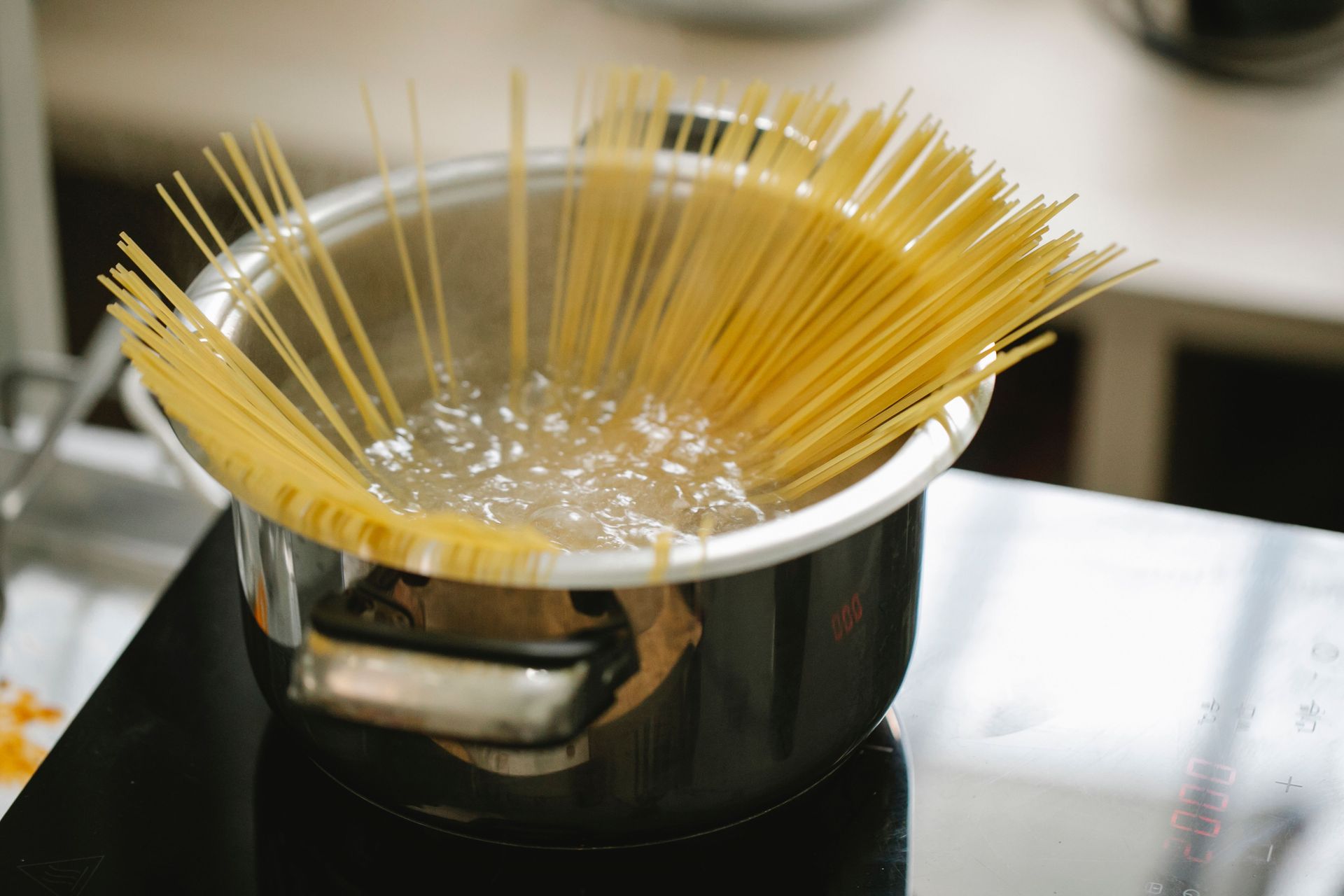
The claim that Marco Polo brought pasta to Italy from China upon his return from Asia in 1295 is one of the most durable food myths in popular culture and one of the most thoroughly debunked by food historians. Pasta in Italy predates Marco Polo's travels — there are references to pasta in Italian documents from the 13th century that predate his return, and the archaeological and textual evidence for pasta in medieval Italy does not require a Chinese origin.
Both Italy and China developed noodle traditions independently from the same fundamental insight — that a mixture of ground grain and water, formed into strands and dried, produces a storable, transportable, versatile food — and the convergence is an example of independent invention rather than cultural transfer. The earliest known noodle, found preserved in an archaeological site in Lajia, China, has been dated to approximately 4,000 years ago. Italian pasta has a separate and parallel history that developed without reference to the Chinese tradition.
The Marco Polo myth appears to have been invented in a 1929 article in the American trade magazine "Macaroni Journal," published by a pasta industry trade organization, and subsequently circulated until it acquired the status of received wisdom. The article described Polo's travels in terms that are not supported by his actual account and that food historians have consistently rejected since the myth was first challenged in academic literature in the 1920s.
The actual origin of dried pasta in Italy is more prosaic: it most likely developed in Sicily, under Arab influence during the period of Arab rule between the 9th and 11th centuries, with the Arabic term "itriyya" (a dried noodle) appearing in 12th-century Arab geographic descriptions of Sicily as an export product.
Daisy Anderson / Pexels
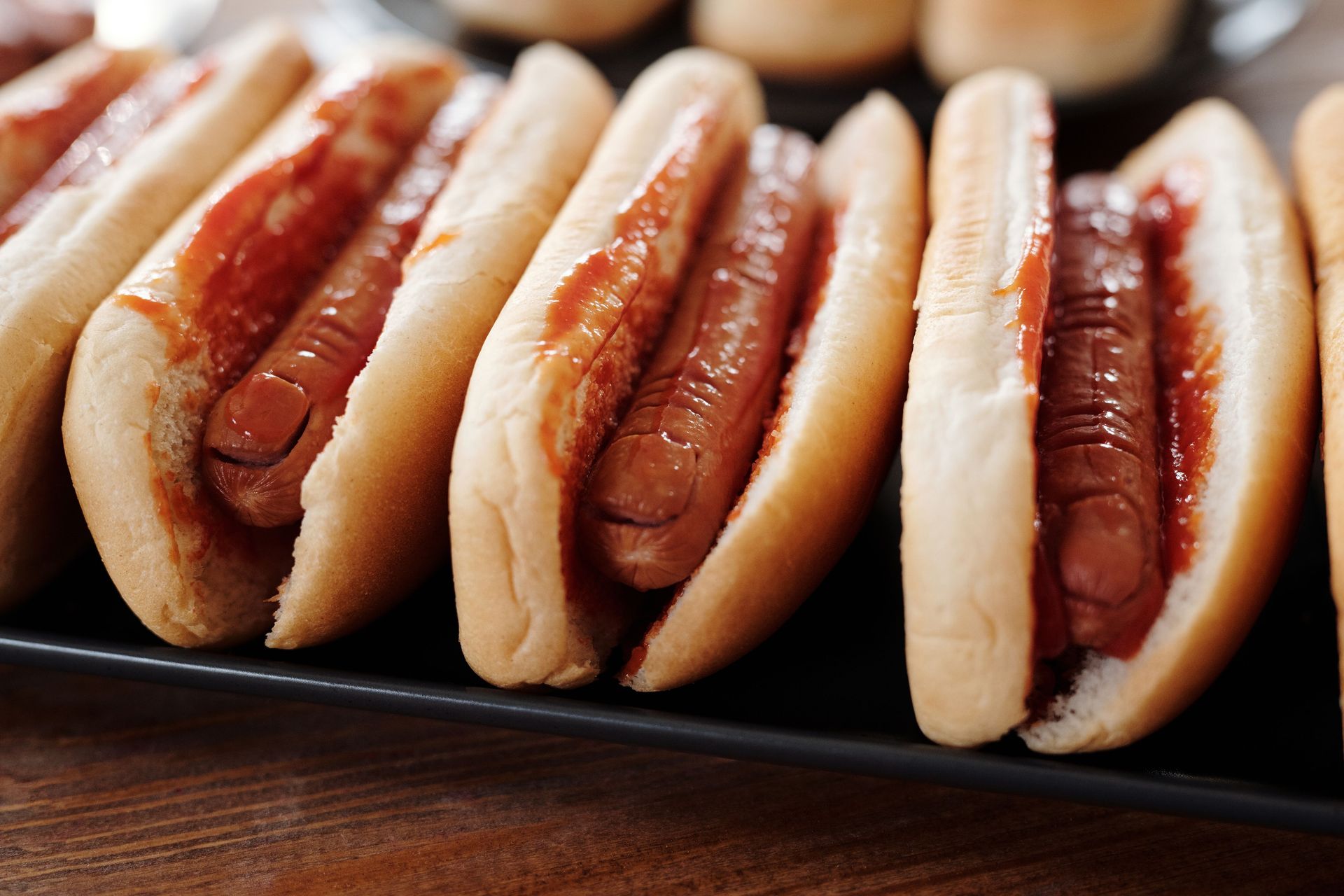
The hot dog — the sausage served in a split soft roll — has an origin story that is contested between Frankfurt, Germany (whose claim to the "Frankfurter" sausage is the basis for the claim that the hot dog originates there) and Vienna, Austria (whose claim to the "Wiener" — Vienna sausage — is the other half of the nomenclature debate). The sausage-in-a-roll combination is American, and the question of who invented the specific format has been contested since at least the 1904 St. Louis World's Fair, where the hot dog was popularized if not invented.
The attribution to Charles Feltman, a German immigrant who operated a pushcart on Coney Island in the 1870s and is credited with serving sausages in milk rolls to make them portable, is among the more credible origin claims for the format. Nathan Handwerker, who worked for Feltman and subsequently opened the competing Nathan's Famous stand in 1916, created the institution that made the Coney Island hot dog a cultural landmark.
The term "hot dog" itself, and its relationship to persistent and possibly apocryphal rumors about the actual contents of the sausage, appears in American journalistic usage from the 1890s. A 1892 reference in a New Jersey newspaper, a claimed 1895 reference by Yale humor magazine, and an 1902 reference in the New York Evening Journal by cartoonist T.A. Dorgan (who allegedly coined the term) are among the earliest documented uses, though the Dorgan attribution has been questioned by researchers who cannot locate the original cartoon.
Addilyn Ragsdill / Unsplash
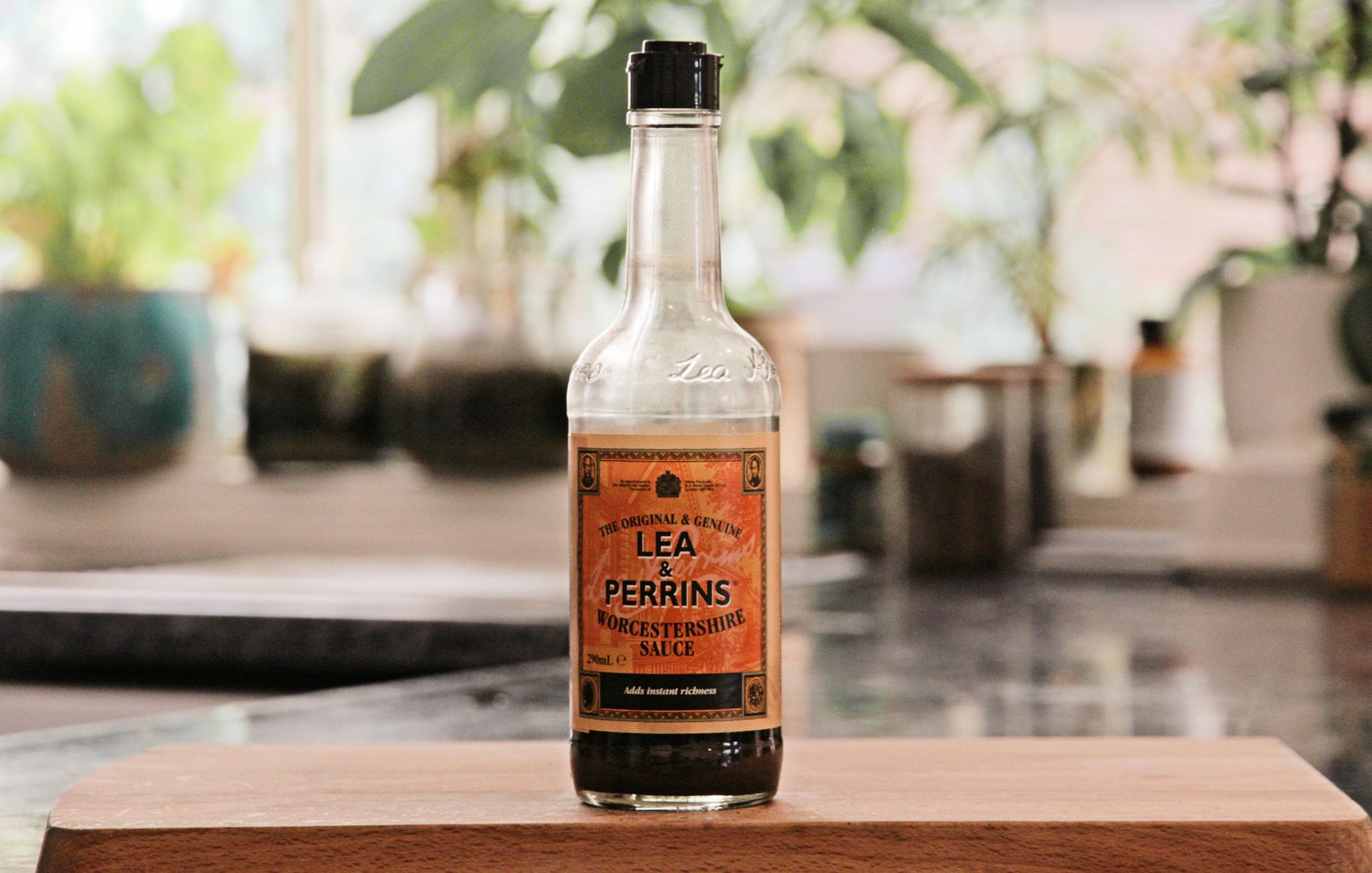
Worcestershire sauce — the pungent, fermented condiment bottled by Lea & Perrins in Worcester, England, since 1838 — has an origin story that its manufacturer has promoted and that historians have partially contested. The official account: former governor of Bengal Sir Marcus Sandys returned to England in 1835 with a recipe for a sauce he had encountered in India and commissioned local chemists John Wheeley Lea and William Henry Perrins to reproduce it. The initial batch was found too pungent to be palatable and was stored in the cellar, where it was rediscovered during a later inspection and found to have mellowed and improved through fermentation.
The specific Indian sauce that Sandys supposedly brought back has not been identified in the historical record, and some food historians question whether the Worcestershire sauce is genuinely an adaptation of an Indian condiment or a British invention whose Indian connection was a later commercial embellishment. What the sauce clearly is, in its ingredient list — tamarind, anchovies, malt vinegar, molasses, onions, garlic, various spices — is an assemblage of ingredients reflecting the global reach of British trade and colonialism rather than a recipe from any single culinary tradition.
The fermentation discovery element of the story — the accidental improvement through storage — is consistent with how fermented condiments typically develop and is one of the more plausible elements of the account. Worcestershire sauce's commercial success was rapid after its 1838 bottling, partly through the endorsement of journalists and eventually of cookbooks that spread the condiment from Victorian England to its current global ubiquity.
Jacob Evans / Pexels
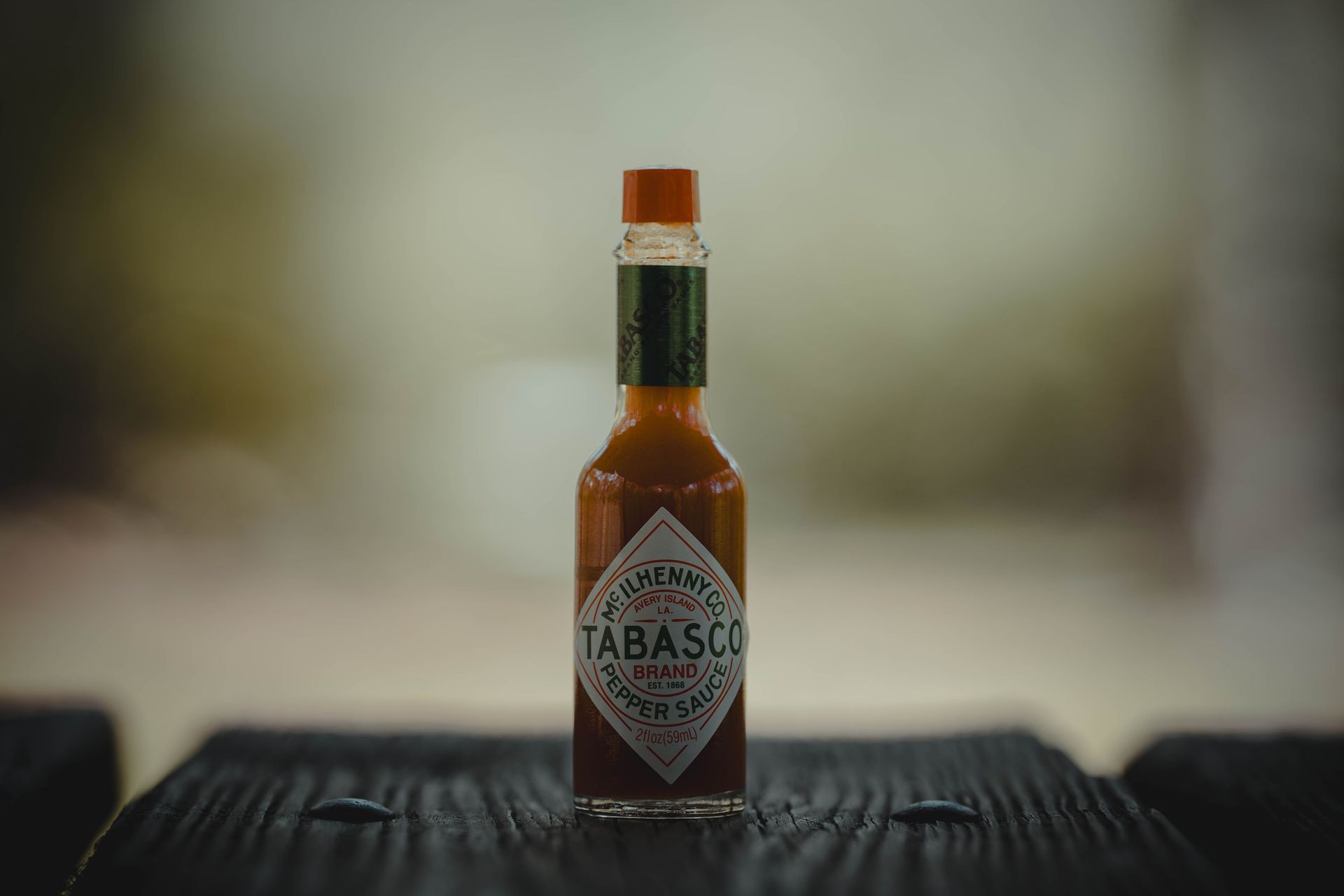
Tabasco sauce was created by Edmund McIlhenny on Avery Island, Louisiana, in the late 1860s — the exact year is contested between 1868 and 1869 — using tabasco peppers obtained from Mexico, a recipe involving mashed peppers, Avery Island salt, and vinegar, and a three-year aging process in wooden barrels. McIlhenny patented the sauce in 1870 and began commercial production in the same year, initially filling recycled cologne bottles with a small brush applicator. The company has been in continuous family ownership since, and the recipe and aging process remain substantially unchanged.
The tabasco pepper itself — Capsicum frutescens var. tabasco — takes its name from the Mexican state of Tabasco, and McIlhenny obtained seeds from Mexico after the Civil War, during which his plantation had been abandoned and most of his Louisiana pepper plants destroyed. The specific origins of McIlhenny's Mexican pepper seeds have been explored by food historians who note that similar pepper sauces existed in Louisiana before McIlhenny's commercial version, and that the innovation was primarily the bottling, standardization, and commercial distribution rather than the fundamental concept.
Avery Island itself is not technically an island but a salt dome rising from the Louisiana marshes, and the underground salt deposits that characterize it are part of the reason McIlhenny was able to use the island's salt — a premium ingredient in post-Civil War Louisiana — in his recipe. The island's geography and the company's long occupancy of it have made it one of the more unusual corporate headquarters in American food history.

Anh Nguyen / Pexels
The pretzel's origin is one of the most enthusiastically mythologized in food history, with a monastic origin story so convenient in its symbolism — the crossed arms of a praying monk rendered in dough — that most historians regard it with the same skepticism reserved for the kind of myth that explains why a thing looks the way it does. The story places the invention in an Italian or southern French monastery in the 7th century CE, with a monk creating the distinctive looped shape as a reward for children who memorized their prayers, the three holes representing the Trinity.
The documentary record does not support this specific account, but the association between pretzels and Christian observance is real and longstanding. Pretzels appear in illuminated manuscripts and ecclesiastical artwork from the 12th and 13th centuries, and their association with Lent — when the simple ingredients of flour, water, and salt satisfied fasting restrictions — made them a genuinely religious food in medieval European Christian communities. The specific monastic invention story is almost certainly a later elaboration of a genuine historical connection.
The hard, shelf-stable pretzel that most people outside Germany and Austria know — the American snack pretzel — is a distinct product from the soft, chewy pretzel of German and Austrian street food tradition, and the American version's dominance internationally has obscured the original's character. The Auntie Anne's or SuperPretzel versions of the soft pretzel available in American shopping malls are themselves adaptations of the German-American pretzel tradition brought to Pennsylvania by German immigrants in the 18th century, and the Pennsylvania Dutch region's claim to be the center of American pretzel production reflects this immigration history rather than any indigenous American development.
Alejandro Aznar / Pexels
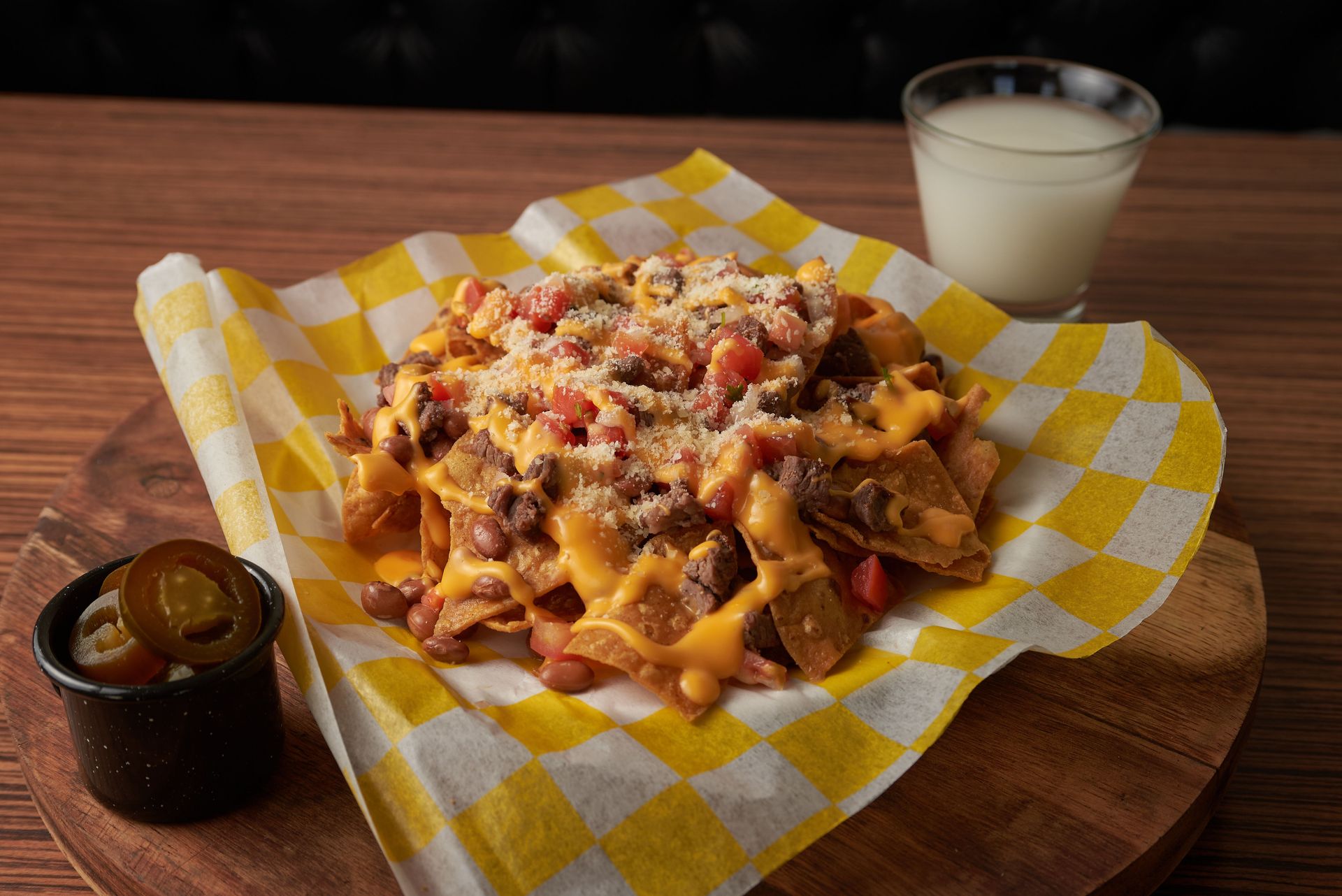
Nachos were invented on a specific date, by a specific person, in a specific place — a combination of historical precision that most foods do not have and that makes the nacho's origin story unusually verifiable. Ignacio "Nacho" Anaya, the maître d' at the Victory Club restaurant in Piedras Negras, Mexico, created the dish in 1943 when a group of women from the nearby Fort Duncan air base arrived after the kitchen had closed and Anaya improvised with what was available: tortilla chips, shredded cheddar cheese, and sliced pickled jalapeños, heated in the oven.
The women liked the dish and asked what it was called. Anaya named it after himself — "Nacho's especiales" — and the dish spread from Piedras Negras through Texas and eventually into the American mainstream over the following decades. Anaya continued to work in the Piedras Negras restaurant industry and was eventually honored by the city with a plaque and by the declaration of October 21 as "International Nacho Day."
The nachos that appear at sporting events and cinema concession stands — the industrial version with processed liquid cheese sauce rather than melted shredded cheese — are a later American adaptation that Anaya's original does not particularly resemble. The transition from Anaya's improvised appetizer to the stadium nacho is a specific example of a dish's journey from its origin to its cultural ubiquity, passing through adaptations that preserve the name and the concept (chips with cheese) while transforming the execution beyond recognition.
Rajesh TP / Pexels
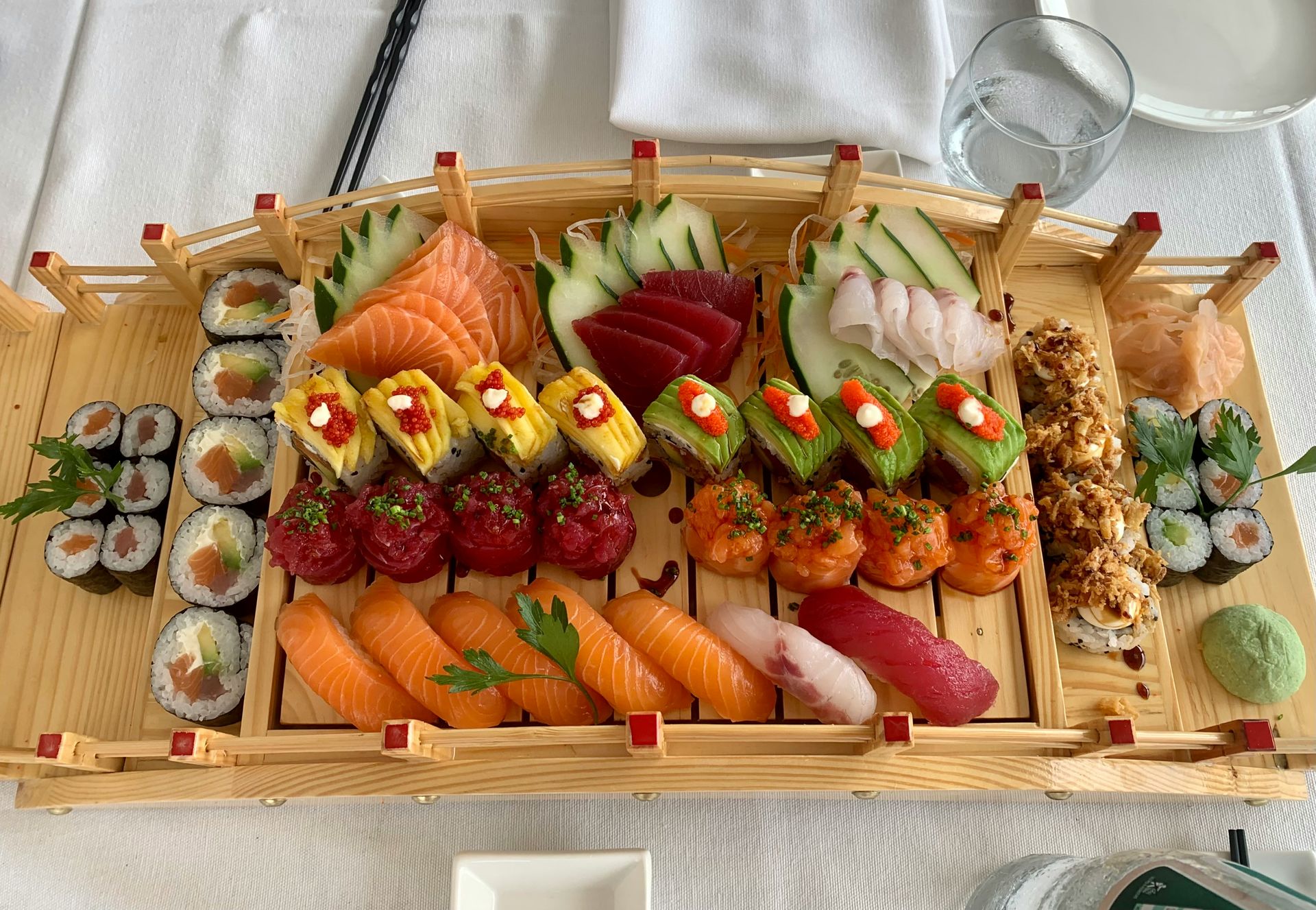
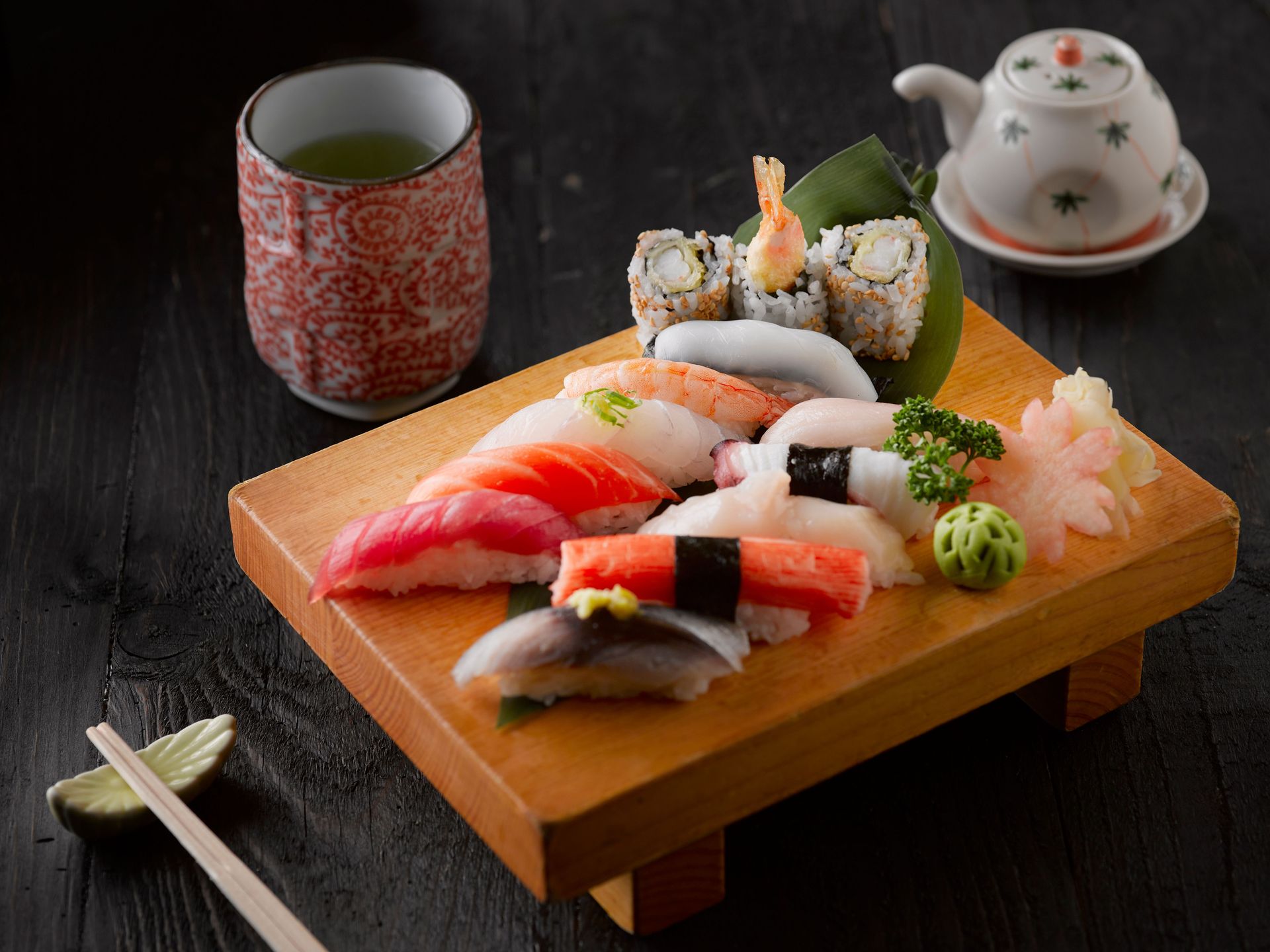
Sushi as most people know it — vinegared rice with raw fish — is a relatively recent development in a food tradition that originally had nothing to do with fresh raw fish and was in fact primarily a preservation technique. The original form of sushi, narezushi, involved packing fish in salted rice and allowing it to ferment for months or years — the rice was discarded, not eaten, and the fish was the entire point. The dish was a preservation method for fish in a culture without refrigeration, not a vehicle for demonstrating the freshness of raw seafood.
The transition from narezushi (fermented fish, rice discarded) to hayazushi (lightly fermented fish, rice eaten) to the contemporary Edomae-style sushi (fresh raw fish over vinegared rice, served immediately) occurred over approximately a thousand years of culinary development, with the contemporary form emerging in Edo (now Tokyo) in the early 19th century. The Edomae style was originally a street food — sold from carts along Tokyo's waterfront, made quickly and eaten standing — rather than the formal restaurant experience it has become in both Japan and internationally.
The California Roll — an adaptation made in Los Angeles in the 1970s that substituted avocado for tuna and placed the nori on the inside of the roll rather than the outside, to make it more accessible to American consumers who found seaweed exterior off-putting — is the specific innovation that introduced sushi to the American mainstream and subsequently influenced the worldwide spread of sushi restaurants. It is an American dish that enabled the global spread of a Japanese one.
Tamás Lichter / Pexels
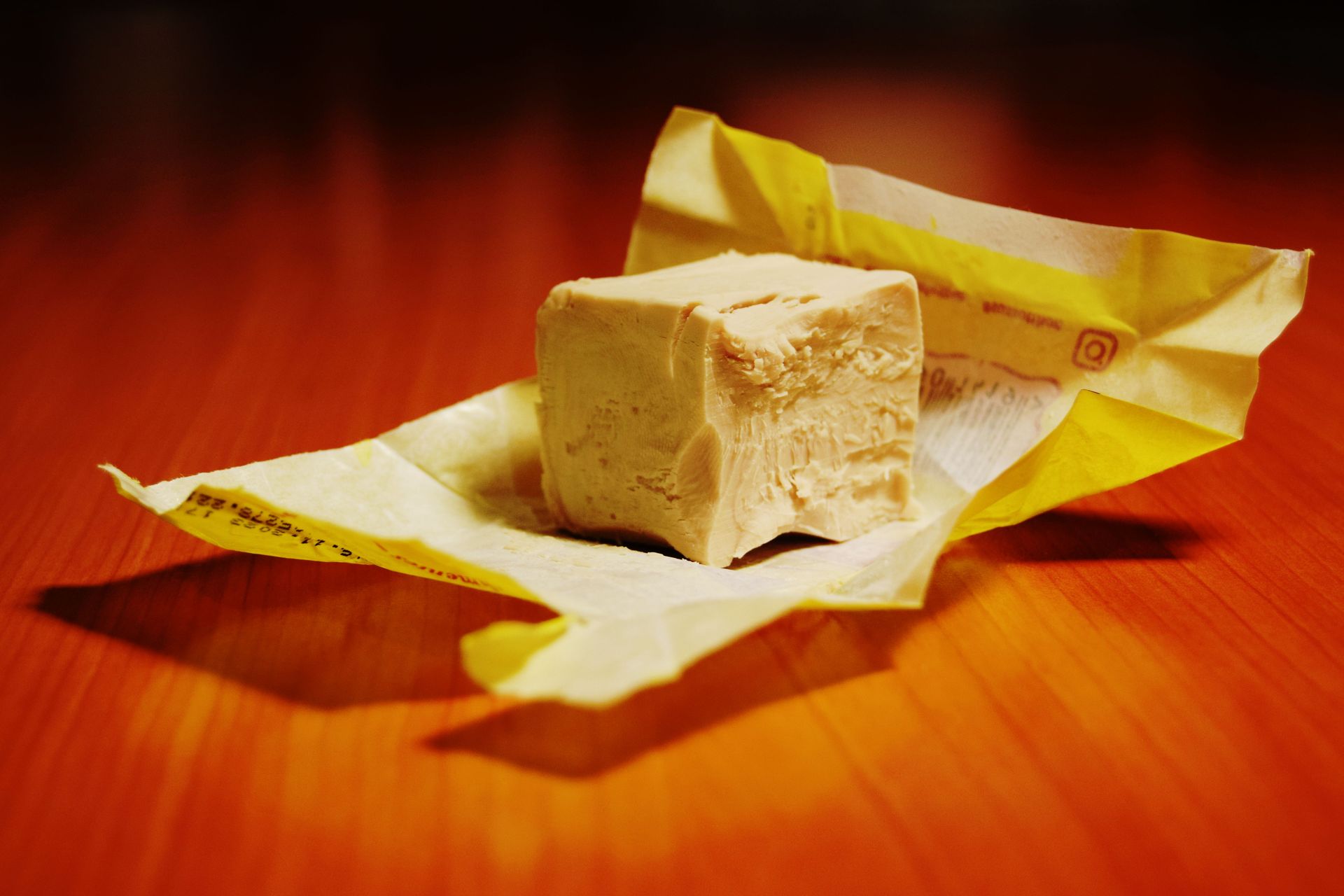
Margarine was invented not as a health food alternative to butter but as a cheap butter substitute specifically for the French military and working class, in response to a challenge issued by Napoleon III in 1869 for an inexpensive fat that could be used by the navy and the poor. French chemist Hippolyte Mège-Mouriès won the competition with a product made from beef tallow blended with skimmed milk, which he called "oleomargarine" — "oleo" for oil and "margarine" from the Greek word for pearl, reflecting the product's pearlescent appearance.
The beef tallow formulation was superseded in the 20th century by vegetable oil margarine, which used the hydrogenation process patented by Wilhelm Normann in 1902 to solidify liquid vegetable oils at room temperature. The hydrogenation process produces trans fats, which were initially considered a health advantage over saturated animal fats — they were sold throughout the mid-20th century as a healthier alternative to butter, a marketing claim that has since been definitively reversed by the evidence that trans fats are substantially more harmful to cardiovascular health than the saturated fats they replaced.
The margarine-versus-butter debate of the 20th century — in which margarine manufacturers successfully positioned their industrially produced vegetable fat as healthier than naturally occurring butter fat — is one of the more consequential dietary messaging campaigns in food history, and its reversal in the early 21st century is a specific case study in the difference between food industry marketing and nutritional science.
Snappr / Pexels
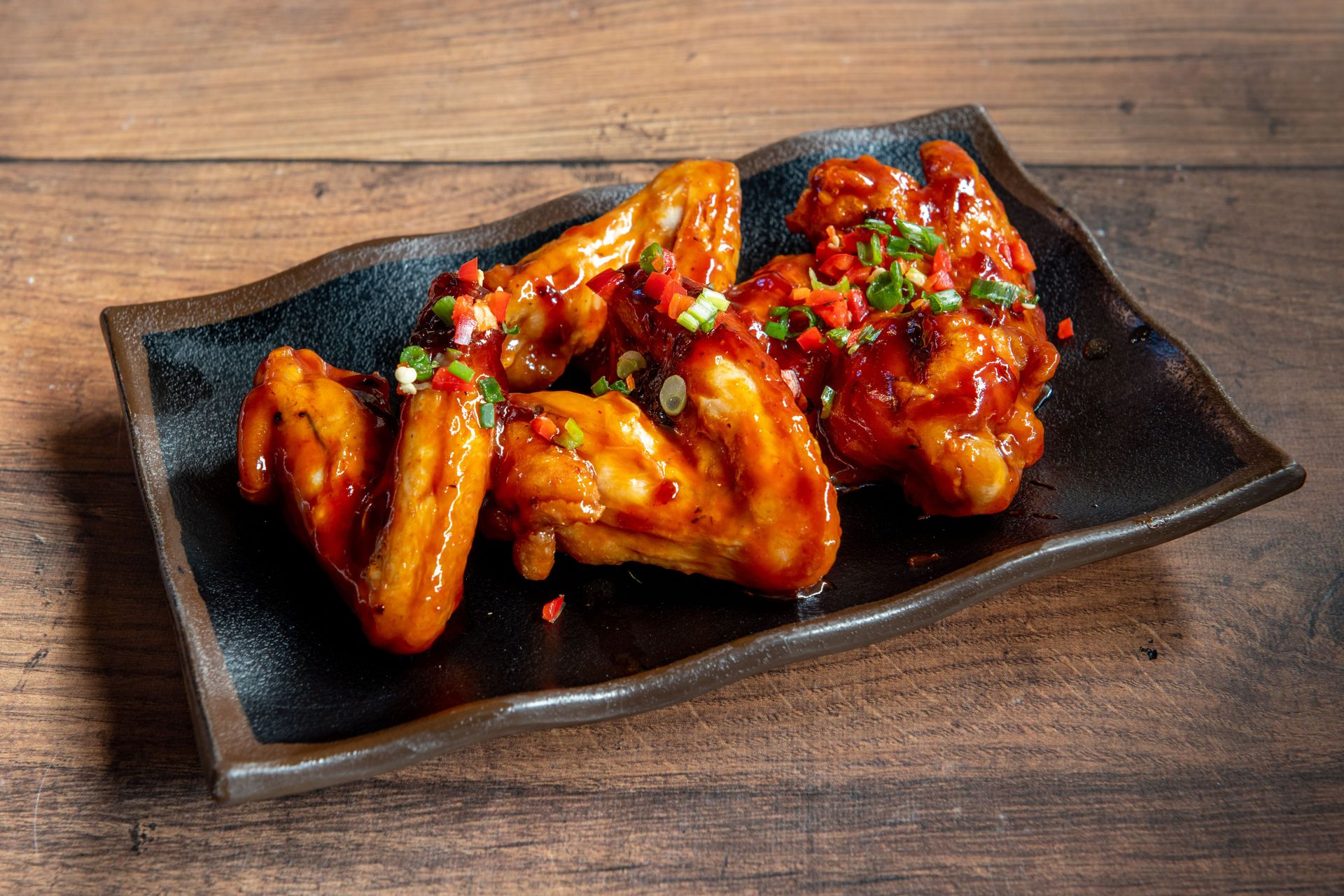
Buffalo wings — fried chicken wings coated in a spicy butter and hot sauce mixture — were invented at the Anchor Bar in Buffalo, New York, in 1964, and the specific circumstances of their invention are documented well enough to constitute one of the more reliable fast-food origin stories. Teressa Bellissimo, who ran the Anchor Bar with her husband Frank, deep-fried chicken wings — typically used for stock rather than served as food — and coated them in a mixture of butter and hot sauce when a shipment of chicken parts arrived incorrectly. Her son Dominic and his friends were the first to eat them.
The hot sauce used was Frank's RedHot, a Louisiana-style cayenne pepper sauce, mixed with butter in a ratio that Teressa determined by taste. The wing format — fried chicken wing sections, served with blue cheese dressing and celery sticks — became the standard configuration of a dish that had not existed before 1964, and the Anchor Bar's version remains unchanged from the original recipe.
The cultural trajectory from Anchor Bar to national phenomenon was driven primarily by sports bar culture: wings are portable, inexpensive, require no cutlery, and pair well with beer, making them the ideal snack for the growing sports bar market of the 1970s and 1980s. The Super Bowl is now the largest single consumption event for chicken wings in the United States, with an estimated 1.4 billion wings consumed on Super Bowl Sunday.
Sara Cervera / Unsplash
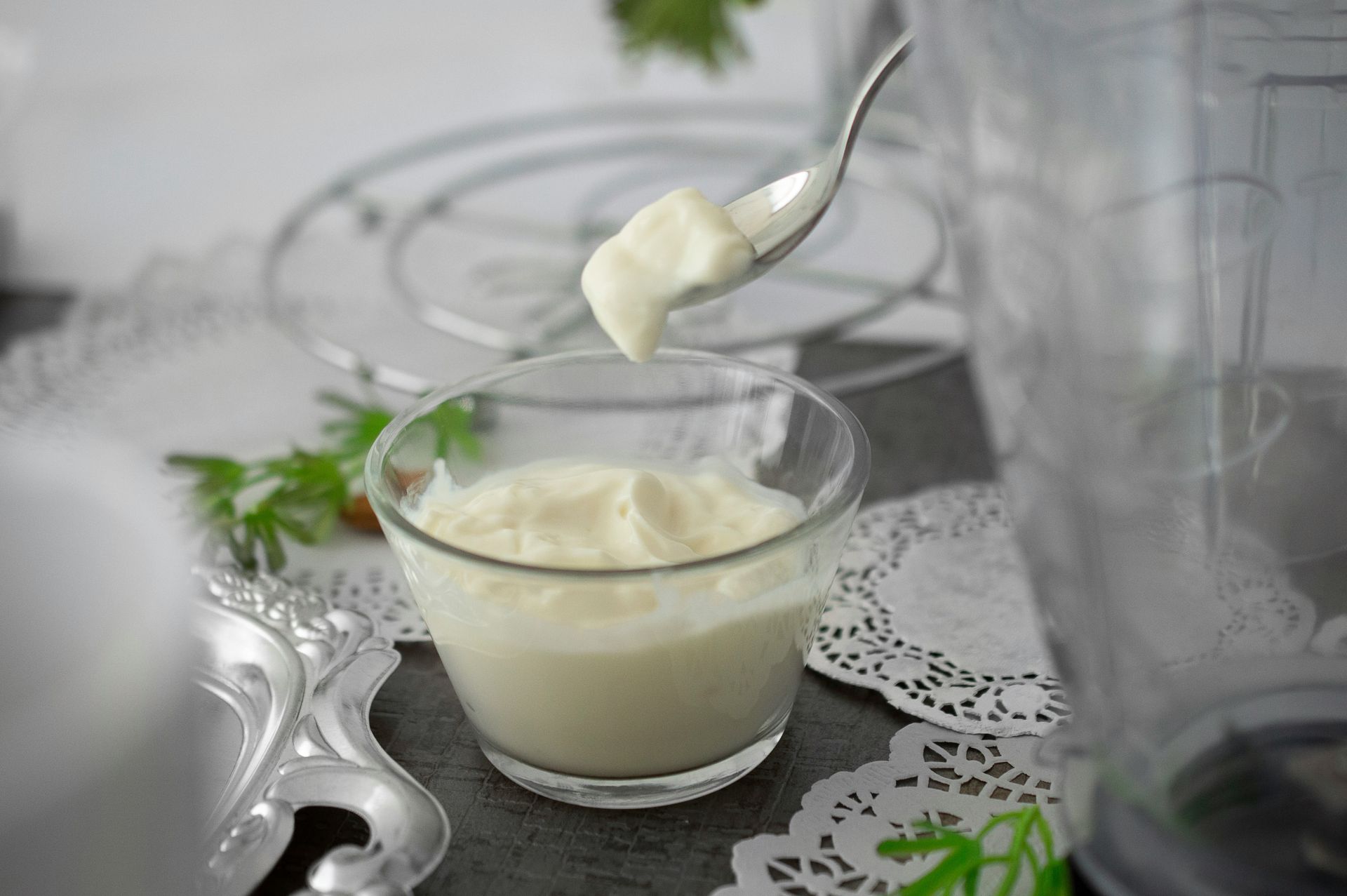
Mayonnaise's origin is contested between France and Spain, with the Spanish claim — that the sauce was created in the town of Mahón on the island of Menorca — having more historical support than the French claim, while the French association with the sauce is more deeply embedded in international culinary culture. The sauce appears in French culinary writing from the 18th century and in the Larousse Gastronomique as a French preparation; its claimed Menorcan origin connects it to the 1756 French siege of Mahón, during which the sauce supposedly first appeared.
The etymology supports the Spanish connection: "mayonnaise" most plausibly derives from "mahonnaise," indicating Mahón as its origin, though competing etymologies derive the name from "manier" (to handle) or from the Duc de Mayenne (an alternative origin story claiming it was created after the 1589 Battle of Arques). None of these etymological arguments is conclusive, and the historical record does not contain a single document clearly establishing where and when mayonnaise was first made.
What is not disputed is that the sauce — an emulsion of egg yolk and oil, stabilized by the lecithin in the egg — is fundamentally a technique rather than a recipe, and similar emulsified sauces appear in various Mediterranean culinary traditions under different names. The Spanish aioli (garlic-oil emulsion), the Provençal aïoli, and the Catalan alioli all use similar techniques to produce related results, suggesting that the specific origin of mayonnaise may be less important than the broader Mediterranean tradition of oil-emulsion sauces from which it emerged.
Amirali Mirhashemian / Unsplash
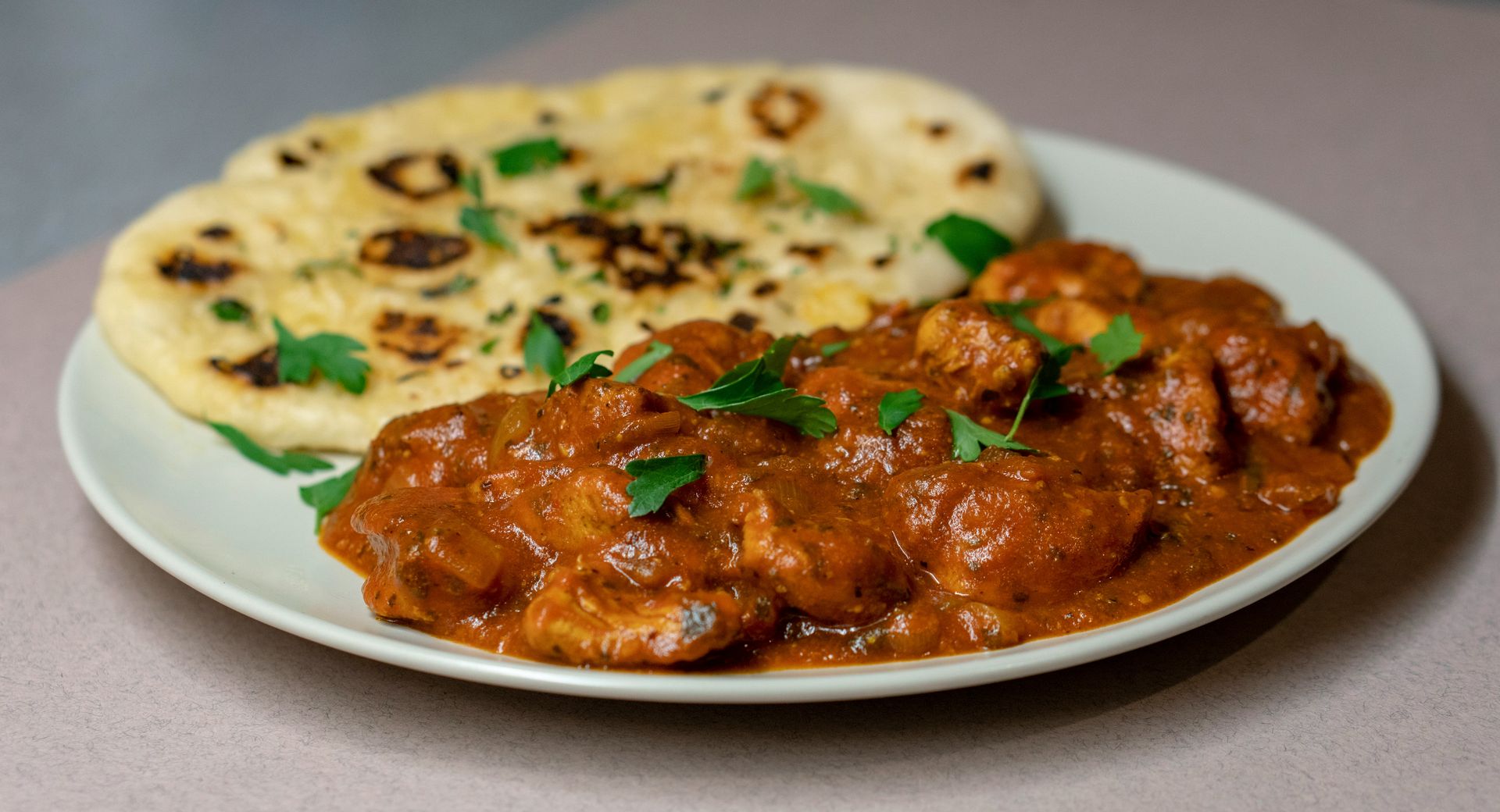
Chicken tikka masala — the tomato-cream curry that became the most popular dish in British Indian restaurants in the late 20th century and was described by Foreign Secretary Robin Cook in 2001 as Britain's "true national dish" — has an origin that is disputed between Glasgow, Birmingham, and India, with no single account being definitively supported by the historical record.
The Glasgow claim, most prominently associated with the late Ali Ahmed Aslam of the Shish Mahal restaurant, holds that the dish was invented in Glasgow in the 1970s when a customer complained that his chicken tikka was too dry and Aslam improvised a sauce from tomato soup and spices. The story is plausible as a description of how dish-specific adaptation in restaurant contexts works, but it requires the assumption that the basic concept of tikka masala did not exist before this specific incident.
Chicken tikka — marinated, tandoor-cooked pieces of chicken — is genuinely Indian, from the Punjab region. The masala sauce — a spiced tomato-cream sauce — has antecedents in Mughal and Punjabi cooking traditions that predate the Glasgow claim. Whether the specific combination constitutes an Indian or a British invention depends on how "invention" is defined in the context of a culinary tradition that has always involved continuous adaptation.
The dish's popularity in Britain reflects the broader history of South Asian immigration to the United Kingdom, the development of the curry house as a distinct British institution, and the specific adaptation of South Asian cooking to British palate preferences that produced a range of dishes — balti, chicken korma, chicken tikka masala — that exist in forms specific to the British context.
Shameel Mukkath / Pexels
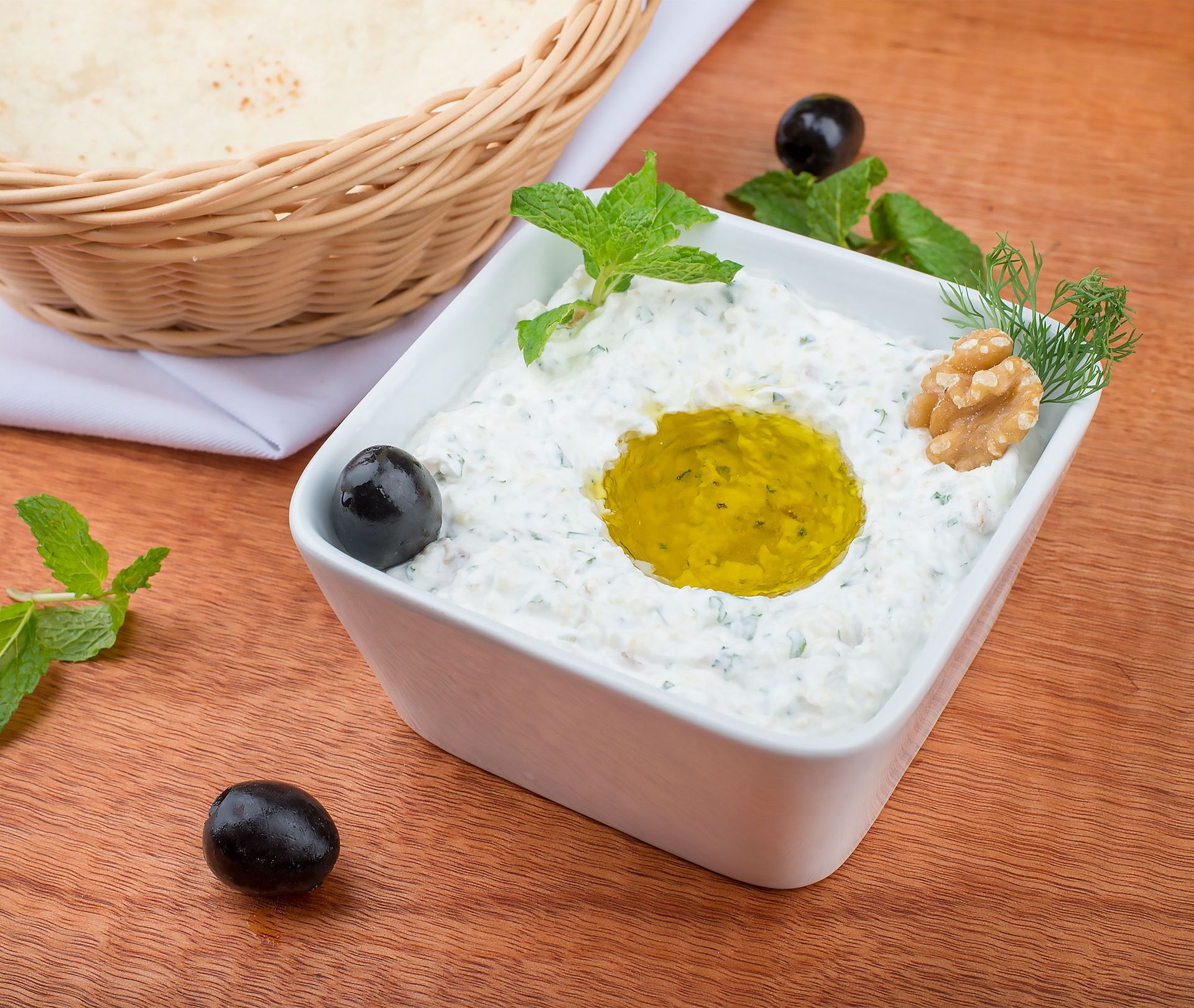
Tzatziki — the Greek yogurt, cucumber, garlic, and herb sauce — is one of the more broadly distributed preparations in the Mediterranean and Middle East, with near-identical versions appearing in Turkish cuisine as cacık, in Bulgarian cuisine as tarator, in Iranian cuisine as mast-o-khiar, and under various other names across a region that stretches from Greece to India. The claim to Greek origin reflected in the dish's most widely known name reflects the international prominence of Greek cuisine rather than the historical priority of any particular national tradition.
The shared origin of these near-identical preparations is the yogurt itself — a fermented dairy product that originated in Central Asia, spread westward with nomadic peoples and with the expansion of the Ottoman Empire, and became a staple of the cuisines of the entire region from the Balkans to the Indian subcontinent. The combination of yogurt with cucumber, garlic, and herbs is a natural development from this shared yogurt culture rather than the invention of any single culinary tradition.
The specific Greek association with tzatziki in international cuisine is largely a product of the global spread of Greek restaurants from the mid-20th century onward — the same process that made Greek salad, souvlaki, and baklava recognizable internationally as Greek foods, even though baklava has equally strong claims as Ottoman, Turkish, and various other regional cuisines. The history of tzatziki is more accurately a history of a preparation that belongs to a broad culinary region rather than to any single national tradition.
Tochukwu Ekeh / Pexels
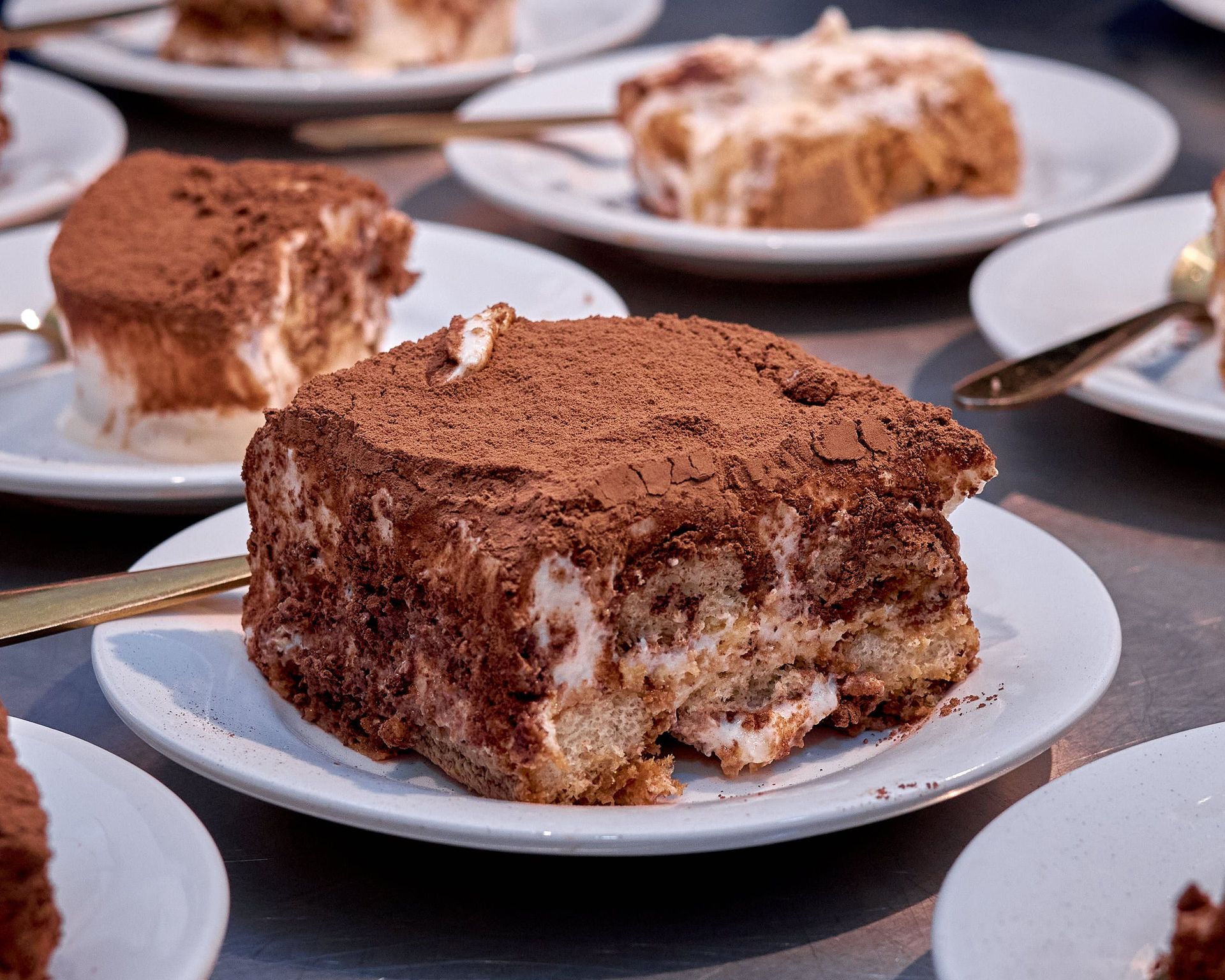
Tiramisu — the coffee-soaked ladyfinger and mascarpone dessert — is one of the more recent additions to the canon of classic Italian desserts, and its origin is specifically documented and specifically contested. The dish appears in Italian cuisine only from the early 1970s, making it younger than most of the "classic Italian" preparations it is grouped with. Two primary claims exist: the Treviso claim, associated with the Le Beccherie restaurant and the pastry chef Roberto Linguanotto; and the Friuli claim, associated with the restaurateur Mario Cosolo of the Albergo Roma in Tolmezzo.
The Le Beccherie claim is the more frequently cited and appears to be supported by earlier documentation. The restaurant's owners, the Campeol family, have long maintained that the dessert was developed by Linguanotto in the early 1970s from ingredients that happened to be on hand — mascarpone, eggs, sugar, espresso, ladyfingers, cocoa. The name — tiramisu means "pick me up" or "lift me up" in Italian, referring to the energizing combination of coffee and sugar — is consistent with a specific invention rather than a gradual development from an earlier preparation.
The Friuli competing claim, promoted vigorously by the Friuli-Venezia Giulia regional government, asserts that the dish originated in the brothels of Treviso and Friuli during the post-World War II period, where the energizing properties of coffee and the restorative qualities of mascarpone were supposed to be particularly appreciated. Most food historians find the specific brothel-origin detail a colorful addition rather than a documented historical fact.
Miguel Á. Padriñán / Pexels
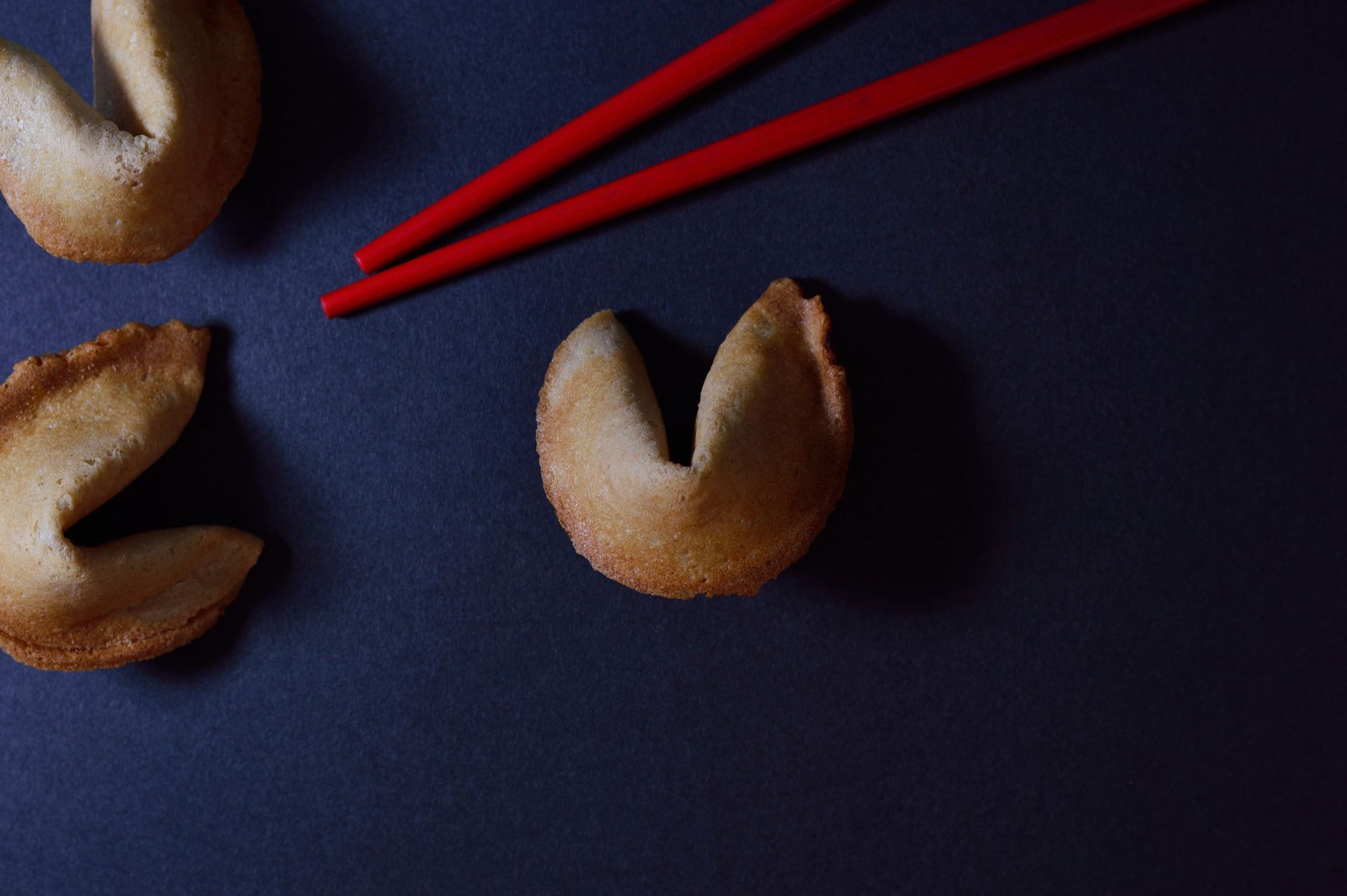
Fortune cookies — the crisp folded wafers containing a slip of paper with a printed message — are served at the end of meals in Chinese-American restaurants across the United States and are widely understood by American diners as a Chinese tradition. They are not Chinese. They were invented in California, most likely in San Francisco or Los Angeles, in the early 20th century, and they are virtually unknown in China as a food item or a cultural practice.
The specific origin is contested between two credible claims. Makoto Hagiwara, a Japanese landscape designer who created and maintained the Japanese Tea Garden in San Francisco's Golden Gate Park, is credited with distributing fortune cookies — adapted from a Japanese cracker tradition — at the tea garden from approximately 1907. David Jung, a Chinese immigrant who founded the Hong Kong Noodle Company in Los Angeles, claims to have invented the cookie in 1918 as a food for the poor.
The Japanese connection is supported by the cookie's resemblance to a Japanese cracker, tsujiura senbei, which contains fortune slips and is sold at Shinto shrines — a connection that was reinforced by a 1983 mock trial in San Francisco's Court of Historical Review that ruled in favor of the Japanese-American origin. The broader association with Chinese restaurants in America reflects the specific demographics of the restaurant industry in the early 20th century, where Japanese bakers who supplied the cookies were displaced during World War II internment and Chinese-American bakers filled the supply gap, subsequently becoming so associated with the product that the Japanese origin was forgotten.
The cookies are now so thoroughly embedded in the cultural iconography of Chinese-American dining that their introduction to China itself — via a San Francisco restaurant in 1992 — was greeted as a novelty of American culture rather than as a returning tradition.
