
A look at the chemistry behind why tomatoes, corn, coffee, and vanilla can taste like entirely different ingredients once they leave the field or hit a factory line
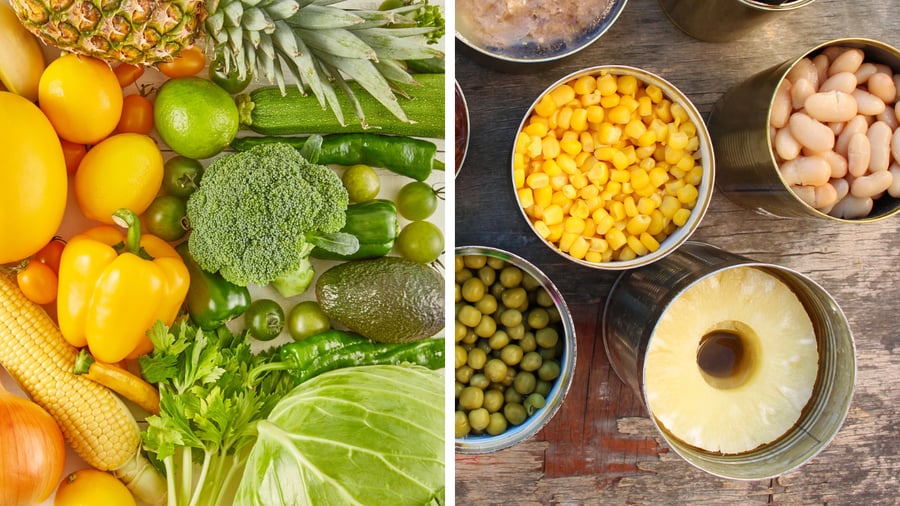
Credit: Canva Images
Flavor is chemistry on a deadline. The moment a vegetable is picked or a fruit is pulled from the branch, its cells keep working — converting sugars, breaking down aromatic compounds, and reacting to temperature, light, and oxygen. Processing intervenes in that timeline, sometimes to preserve, sometimes to stabilize, and often to trade one set of qualities for another. The result is that a single ingredient can occupy two completely different sensory categories depending on how it reaches your plate.
Some of these gaps are dramatic. Fresh basil and dried basil share a name and little else. Real vanilla and its factory-made stand-in are built from different numbers of molecules — hundreds versus one. In other cases the difference is quieter but still decisive: the sweetness that drains out of corn within hours of harvest, or the aroma that leaks out of coffee days after roasting.
Understanding these shifts is practical. It explains why the tomato from a summer garden bears no resemblance to the pale one from a winter supermarket. It clarifies why canned pineapple is sweet but inert, and why instant mashed potatoes have a texture and taste all their own. It also reveals what processing is actually for. Canning, freezing, drying, and concentrating exist to solve real problems — spoilage, distance, seasonality, cost — and each solution reshapes flavor as a side effect.
None of this makes processed versions inferior by default. Canned tuna and fresh tuna serve different purposes. Ground ginger and fresh ginger belong in different dishes. The point is that they are not substitutes so much as relatives, and treating them as interchangeable is where cooking often goes wrong.
What follows is a look at 15 foods where the fresh and processed forms diverge sharply, and the specific reasons — enzymatic, thermal, chemical — behind each split. Each entry stands on its own. Read them in order or skip to the one that has puzzled you, whether that is why frozen peas can outperform fresh ones or why orange juice from a carton tastes engineered.
Credit: The Design Lady / Pexels
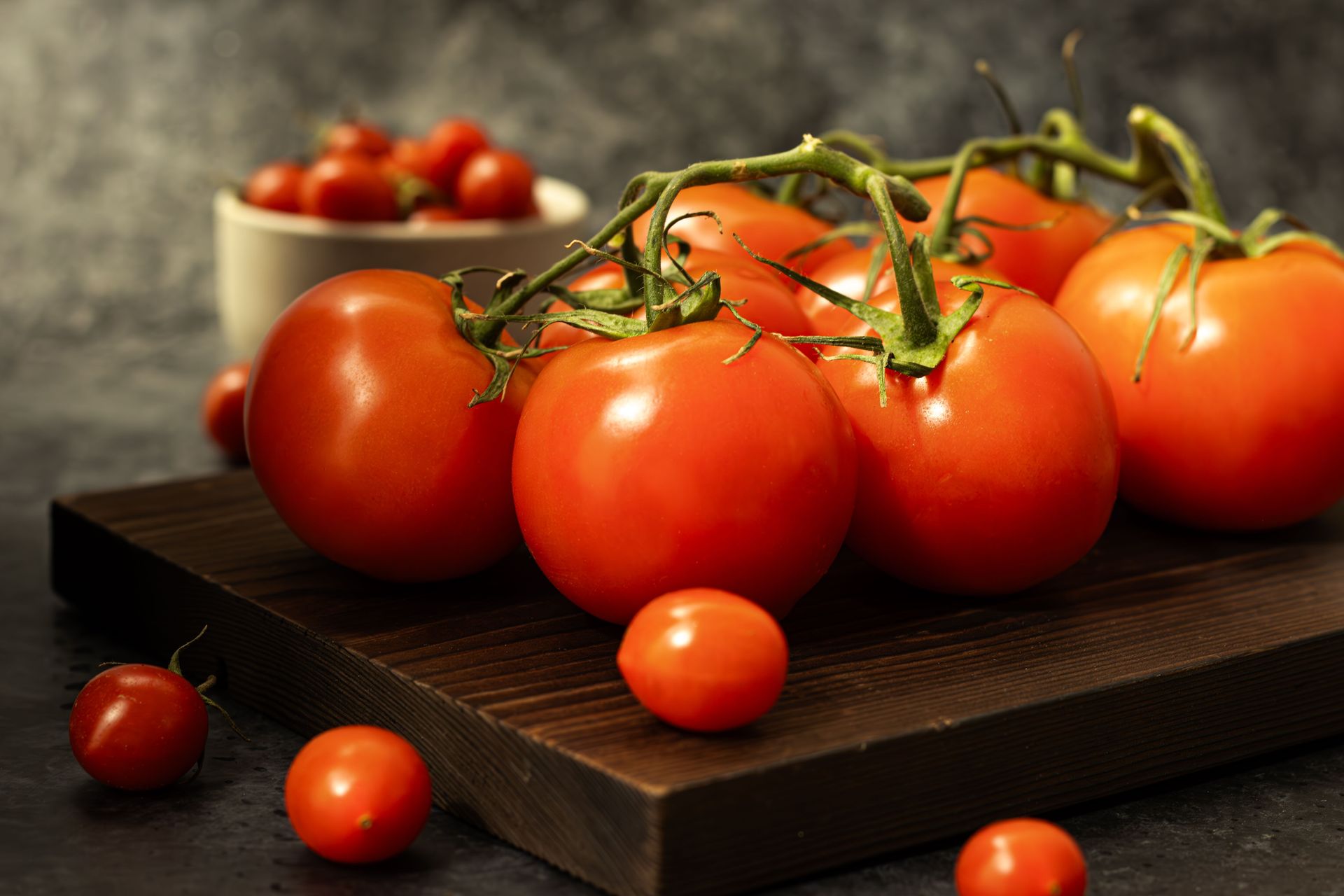
The tomato is the clearest illustration of how storage temperature can erase flavor. A ripe tomato produces a large set of volatile compounds — the airborne molecules responsible for its aroma and much of what the brain reads as taste. These volatiles are fragile, and cold is their enemy.
When tomatoes are refrigerated below roughly 55 degrees Fahrenheit, the genes and enzymes that generate these aroma compounds slow down and, in some cases, do not fully recover even after the fruit is brought back to room temperature. The tomato still looks red. It still has acidity and some sugar. But the layer of scent that makes it taste like a tomato is diminished.
Commercial tomatoes face a second problem before they even reach cold storage. Many are harvested green, then exposed to ethylene gas to trigger the color change associated with ripening. This turns the fruit red without allowing it to develop the sugars and volatiles it would have gained by ripening on the vine. The color is real. The flavor development that normally accompanies it is not complete.
Fresh, vine-ripened tomatoes kept at room temperature retain far more of their aromatic profile. This is why a tomato from a summer garden or a farmers market tastes markedly different from a supermarket tomato bred for shelf life and shipping durability rather than taste.
Processing tomatoes further changes the equation, though in a different direction. Cooking tomatoes into sauce, paste, or canned form destroys most of the fresh volatiles but concentrates sugars and generates new savory compounds through heat. This is why a good canned tomato often makes better sauce than a mediocre fresh one. The fresh version wins raw and loses cooked. The two forms are not competing for the same job. Understanding that distinction is the difference between a flat salad and a flat pot of sauce.
Credit: Atlantic Ambience / Pexels
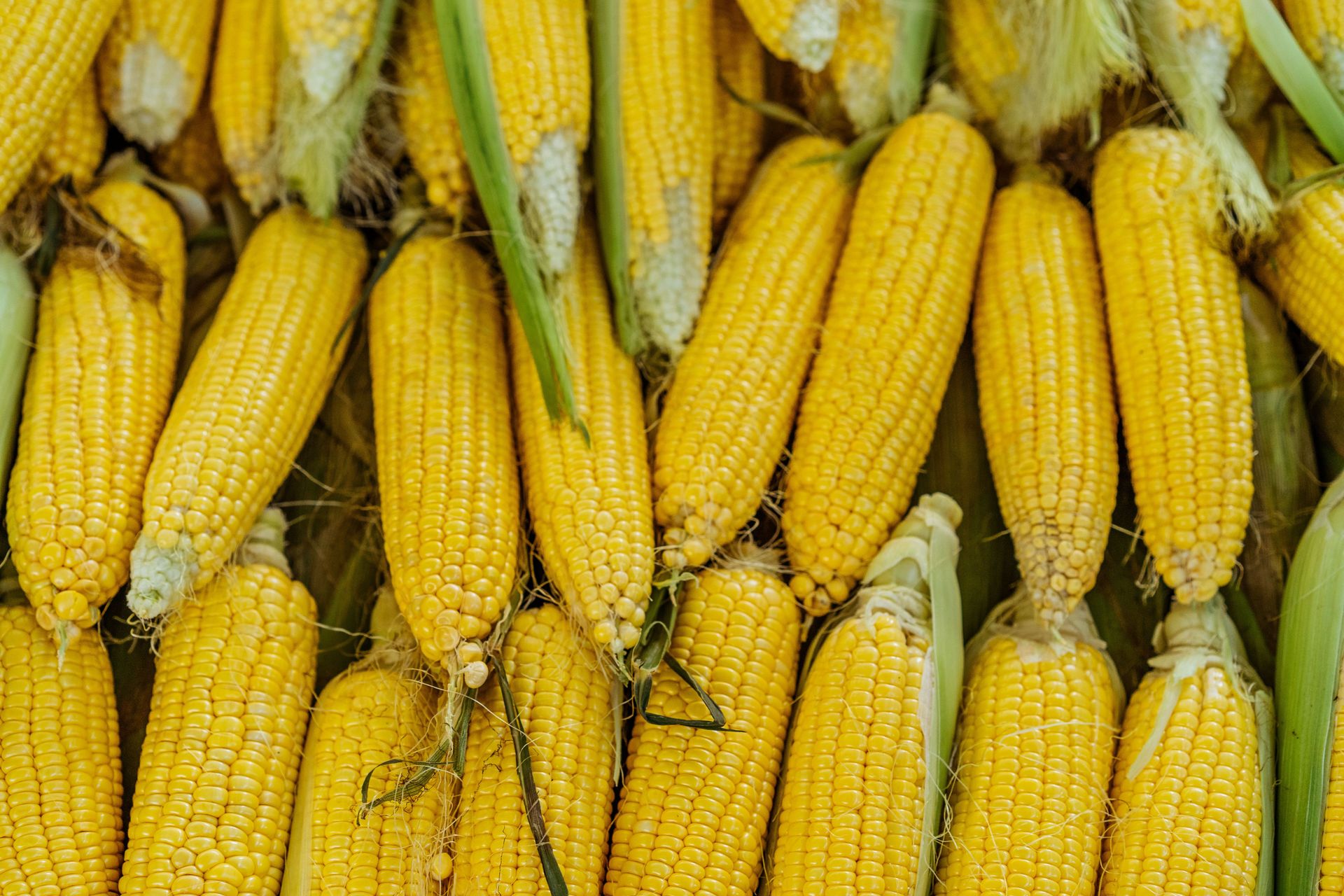
Corn is a race against its own biology. From the moment an ear is picked, the sugars inside the kernels begin converting to starch, driven by enzymes that keep working after harvest. This is why the old advice to have the pot of water already boiling before you pick the corn contains real chemistry, not just folklore.
In older corn varieties, this conversion was fast enough that sweetness could drop noticeably within a day. The kernels turn starchier, chewier, and blander. Refrigeration slows the enzymatic activity but does not stop it, which is why even carefully stored fresh corn loses its edge over time.
Plant breeders addressed this by developing supersweet varieties carrying genes that slow the sugar-to-starch conversion and raise the initial sugar content. These types hold their sweetness far longer, which is part of why supermarket corn is more reliably sweet today than it once was. The trade-off is often a difference in the classic corn flavor and a more purely sugary profile.
Processed corn diverges sharply from both. Canned corn is cooked during the canning process, which halts enzyme activity permanently and locks the kernels into a soft, uniform texture. The cooking, the canning liquid, and the added salt or sugar create a flavor and mouthfeel distinct from anything fresh. The bright, milky snap of a raw kernel is gone.
Frozen corn occupies a middle ground. Because it is typically blanched and frozen soon after harvest, it can capture more of the original sweetness than fresh corn that has spent days in transit. The freezing halts the sugar conversion at an earlier point.
The result is that fresh, frozen, and canned corn are effectively three separate ingredients. Each has a texture and sweetness profile set at a different moment in the kernel's chemical timeline.
Credit: Engin Akyurt / Pexels
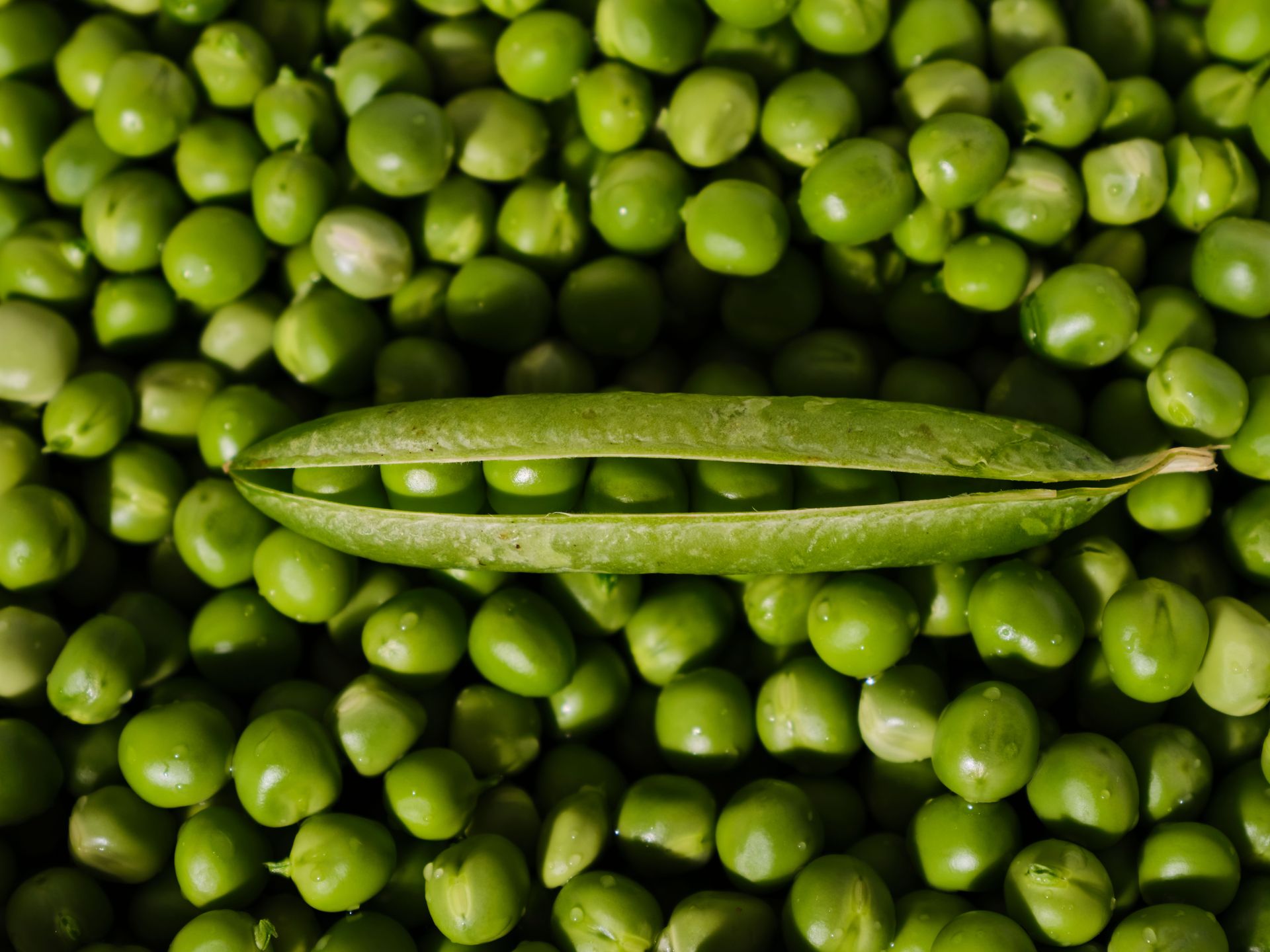
Peas behave much like corn, and for the same reason. Once picked, the sugars in a fresh pea begin converting to starch through ongoing enzyme activity. The window in which a pea is at its sweet, tender peak is short — often measured in hours rather than days.
This creates a situation where frozen peas can genuinely taste better than fresh ones bought at a store. Peas destined for freezing are usually processed within hours of harvest. They are blanched to deactivate the enzymes responsible for the sugar-to-starch conversion, then frozen quickly. This locks in the sweetness at close to its peak.
Fresh peas sold loose or in the pod, by contrast, may have spent a day or more in transit and on shelves. During that time, the sugars degrade and the starch content rises. The peas grow mealier and less sweet. A shopper buying fresh peas out of season is often getting a product past its flavor prime, while the frozen bag preserves a better version of the same vegetable.
Blanching is central to this. When peas are heated briefly before freezing, the enzymes that would otherwise continue converting sugars are denatured. Without blanching, frozen peas would continue to deteriorate slowly even in the freezer, developing off flavors and a starchy texture over months.
Canned peas represent yet another version. The high-heat canning process fully cooks the peas, producing the soft, uniform texture and muted color familiar from the can. The bright green of a fresh or frozen pea gives way to a duller olive shade, and the flavor becomes milder and more savory than sweet.
For peas, then, the freshest option is not always the best-tasting one. The chemistry favors whichever form was stabilized closest to the moment of harvest, and that is frequently the frozen bag.
Credit: Jelena Juhnevica / Pexels
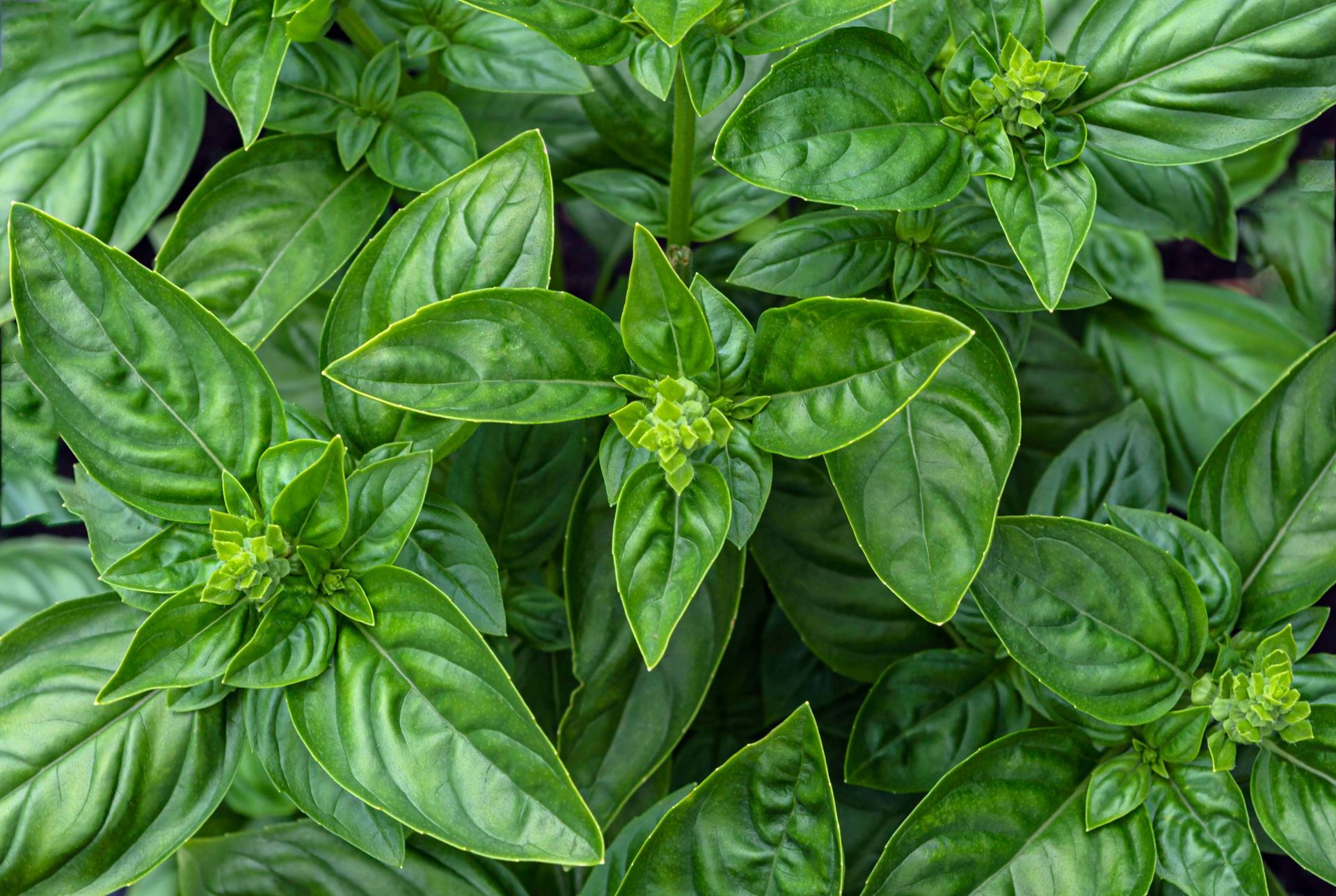
Fresh and dried basil are so different that treating them as the same herb produces disappointing results. The gap comes down to volatile aromatic compounds — the fragile molecules that give fresh basil its distinctive sweet, peppery, slightly anise-like scent.
Fresh basil is rich in compounds including linalool, eugenol, and methyl chavicol, among others. These are highly volatile, meaning they evaporate readily. That volatility is exactly what makes fresh basil so aromatic when you tear a leaf. It is also what makes the herb so vulnerable to processing.
Drying basil drives off a large portion of these volatile compounds. Heat and air exposure over the drying period cause the most delicate aromatics to dissipate, while the compounds that remain shift the balance of the flavor. The result is that dried basil tastes muted, slightly hay-like, and lacks the fresh herb's brightness. It is not simply a weaker version of fresh basil — it is a different flavor profile altogether.
This is why fresh basil is essential in dishes where it appears raw or is added at the end, such as pesto, caprese salad, or a garnish over pasta. The heat and drying that dried basil has already undergone cannot be reversed, and no amount of dried basil recreates that fresh top note.
Fresh basil is also sensitive to cold. Unlike most herbs, it suffers chilling injury in the refrigerator, where the leaves blacken and wilt. It keeps better at room temperature with its stems in water, more like a cut flower than a vegetable.
Cooking fresh basil changes it too. Prolonged heat drives off the same volatiles that drying removes, which is why basil added early to a long-simmered sauce loses much of its character. The herb rewards being added late. Its defining qualities live in exactly the compounds that processing and heat are most efficient at destroying.
Credit: Olha Ruskykh / Pexels
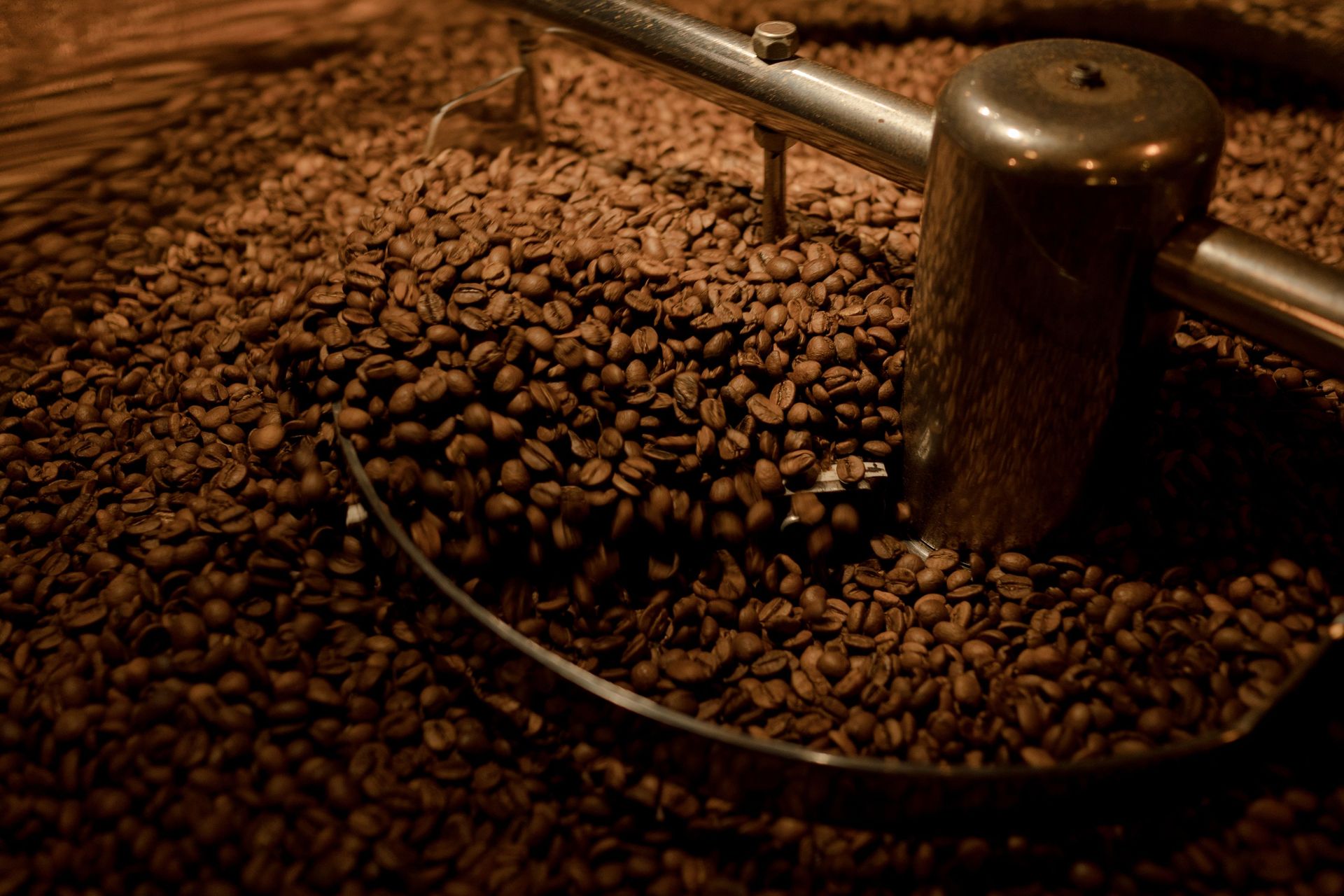
Roasted coffee begins losing quality almost immediately, and the difference between fresh and stale coffee is a matter of chemistry rather than marketing. Roasting creates hundreds of aromatic compounds and traps carbon dioxide inside the beans. Both are central to the flavor of a good cup, and both begin to escape as soon as roasting ends.
Freshly roasted beans slowly release carbon dioxide in a process called degassing. This is why fresh coffee blooms — bubbles up — when hot water first hits it. As the beans age, they lose this CO2 along with the volatile aromatic compounds that carry much of the coffee's scent and flavor. Oxygen exposure accelerates the decline, oxidizing the oils and dulling the taste. Ground coffee stales far faster than whole beans because grinding exposes vastly more surface area to air.
Instant coffee is a different product entirely. It is brewed coffee that has had its water removed, usually through spray-drying or freeze-drying. The dehydration process, and the extraction that precedes it, strips away many of the delicate aromatic compounds that define fresh-brewed coffee. What remains is a stable, shelf-friendly powder that dissolves instantly but carries a flatter, more one-dimensional flavor.
The gap is most obvious in aroma. Much of what people experience as coffee flavor is actually smell, and instant coffee's manufacturing sacrifices a great deal of that aromatic complexity for convenience and shelf life. Some premium freeze-dried products recover more of it than older spray-dried versions, but the fundamental limitation remains.
This explains the emphasis serious coffee drinkers place on roast dates and whole beans ground just before brewing. The goal is to catch the coffee at the point where its aromatic compounds and CO2 are still largely intact. Freshly ground, freshly roasted coffee and a spoonful of instant are related only in origin. In the cup, they are separate experiences.

Credit: Qwirki & Co. / Pexels
Real vanilla and artificial vanilla flavoring are separated by a simple numerical fact: one is built from hundreds of compounds, the other from essentially one. This is the core reason they taste so different, and why the gap is most noticeable in delicate applications.
Natural vanilla comes from the cured seed pods of orchids in the Vanilla genus. The curing process — which involves blanching, sweating, drying, and conditioning the pods over weeks or months — develops a complex mixture of aromatic compounds. Vanillin is the dominant one and the most recognizable, but it is accompanied by hundreds of other molecules that add depth, warmth, and subtle floral and woody notes.
Artificial vanilla flavoring is typically pure vanillin, synthesized from sources such as guaiacol or lignin, a byproduct of wood pulp. It delivers the single most prominent note of vanilla convincingly, which is why it works well in strongly flavored baked goods where subtlety would be lost anyway. In a chocolate chip cookie baked at high heat, the difference between real and artificial vanilla is hard to detect.
The gap widens in applications where vanilla is the star and heat is minimal. In custards, ice creams, and lightly flavored creams, the complexity of natural vanilla comes through, and the flatness of pure vanillin becomes apparent. The synthetic version tastes correct but narrow — the melody without the harmony.
Vanilla extract sits between these poles depending on its source. Genuine vanilla extract is made by steeping cured pods in alcohol, capturing the full range of compounds. Imitation vanilla extract relies on synthetic vanillin.
Price reflects this divide. Natural vanilla is among the most labor-intensive spices in the world, requiring hand pollination of the orchid flowers and lengthy curing. That cost is the reason synthetic vanillin exists at all, and the reason the two versions remain firmly separate ingredients rather than interchangeable ones.
Credit: Engin Akyurt / Pexels
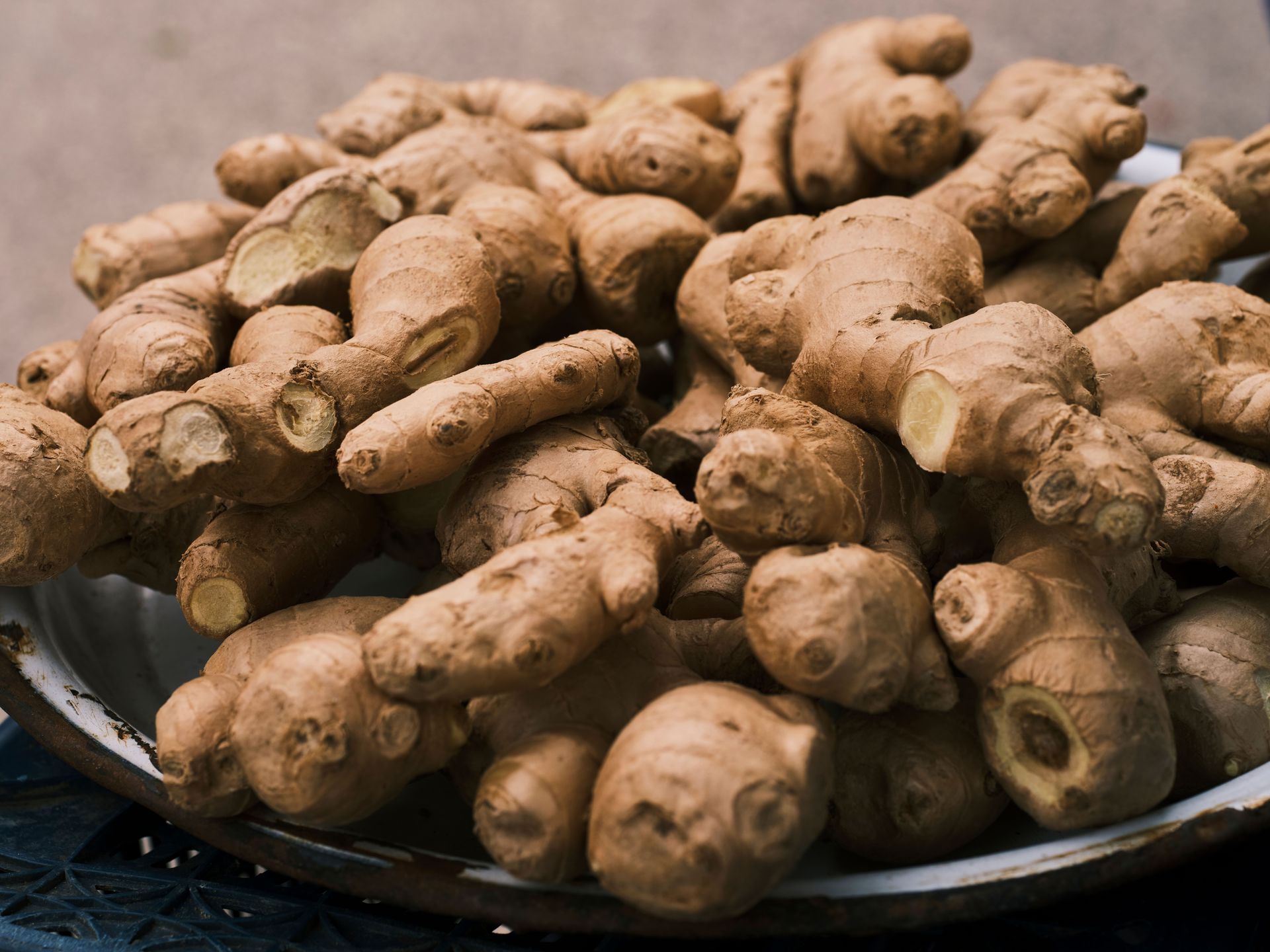
Fresh and dried ginger are not the same spice with different moisture levels — they carry different dominant flavor compounds, produced by actual chemical transformation. This is why recipes rarely treat them as direct swaps.
The primary pungent compound in fresh ginger is gingerol. It delivers the sharp, hot, slightly lemony bite of a raw slice. Gingerol is chemically unstable under heat and dehydration, and this instability is what drives the flavor shift when ginger is processed.
When ginger is dried, gingerol undergoes a dehydration reaction that converts much of it into shogaol. Shogaol is significantly more pungent than gingerol — often described as spicier and less fresh. This is why dried, ground ginger can taste hotter and more concentrated in a different way than fresh, with the bright, juicy quality of the fresh root replaced by a deeper, warmer heat.
Cooking fresh ginger triggers a separate transformation. Heat converts some gingerol into zingerone, a compound that is less pungent and carries a sweeter, milder aroma. This is why ginger that has been simmered or baked into a dish tastes gentler and rounder than raw ginger, even though it started identical.
These three compounds — gingerol, shogaol, and zingerone — explain why fresh ginger, dried ground ginger, and cooked ginger each occupy a distinct flavor space. Fresh ginger suits raw preparations, dressings, and quick stir-fries where its sharpness shines. Dried ginger fits baked goods and spice blends, where its concentrated warmth integrates well. Cooked ginger contributes a mellow background note.
The practical consequence is that substituting one form for another changes a dish's character, not just its intensity. Ground ginger in a stir-fry will not recreate the fresh root's bite, and grated fresh ginger in gingerbread will not deliver the same warm depth as the dried spice. The chemistry has moved on.
Credit: Mark Stebnicki / Pexels
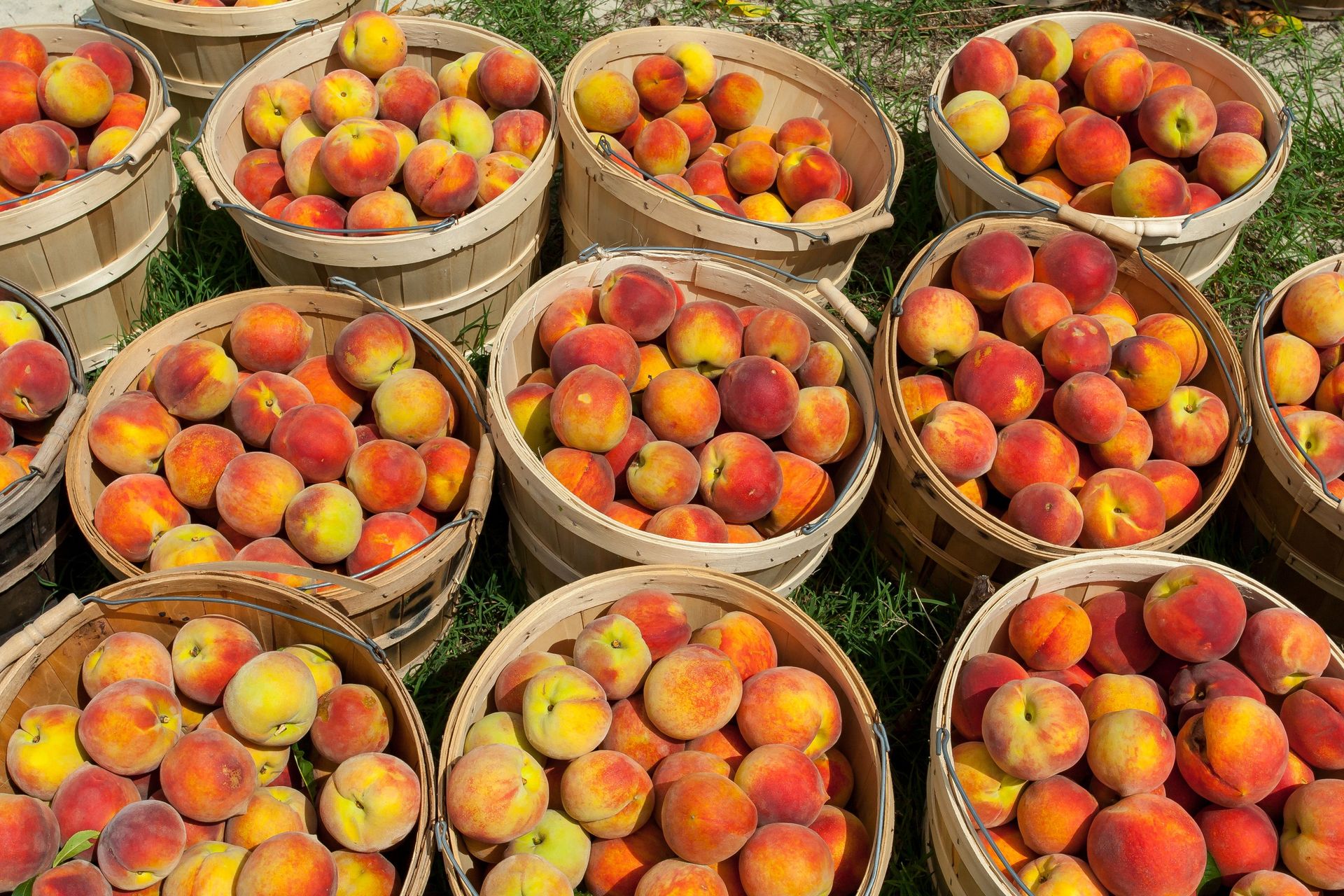
A peach that turns mealy and flavorless is the victim of a specific storage problem, and understanding it explains the wide quality gap between a great fresh peach and a disappointing one. The culprit is chilling injury, a condition triggered by refrigeration at the wrong stage.
Peaches are climacteric fruit, meaning they continue to ripen after being picked. When a peach is harvested underripe and then stored cold — as most commercially shipped peaches are — it can develop chilling injury. The symptoms are a dry, cottony, or mealy texture and a loss of the juicy sweetness and aroma that define a good peach. The fruit may still soften and look ripe, but the eating experience collapses.
This happens because cold storage disrupts the normal ripening process at the cellular level, interfering with the enzymes and structures that would otherwise produce juice and aroma compounds. The damage is often not visible from the outside, which is why a peach that looks perfect at the store can be a letdown at home.
A tree-ripened peach that has not been subjected to prolonged refrigeration tells a completely different story. It develops its full sugar content and its characteristic floral, honeyed aroma, and its flesh stays juicy. This is why peaches bought at a local farm stand in season so often outperform shipped supermarket fruit.
Processing peaches sidesteps the chilling problem but introduces its own transformation. Canned peaches are cooked and packed in syrup or juice, which softens the texture uniformly and adds sweetness from the packing liquid. The fresh aroma largely disappears, replaced by a cooked, candied flavor that is pleasant but distinct.
Frozen and dried peaches shift the profile again — freezing preserves more of the original taste but changes the texture on thawing, while drying concentrates the sugars into something chewy and intense. Each form draws the peach further from its fragile fresh ideal.
Credit: Breakingpic / Pexels
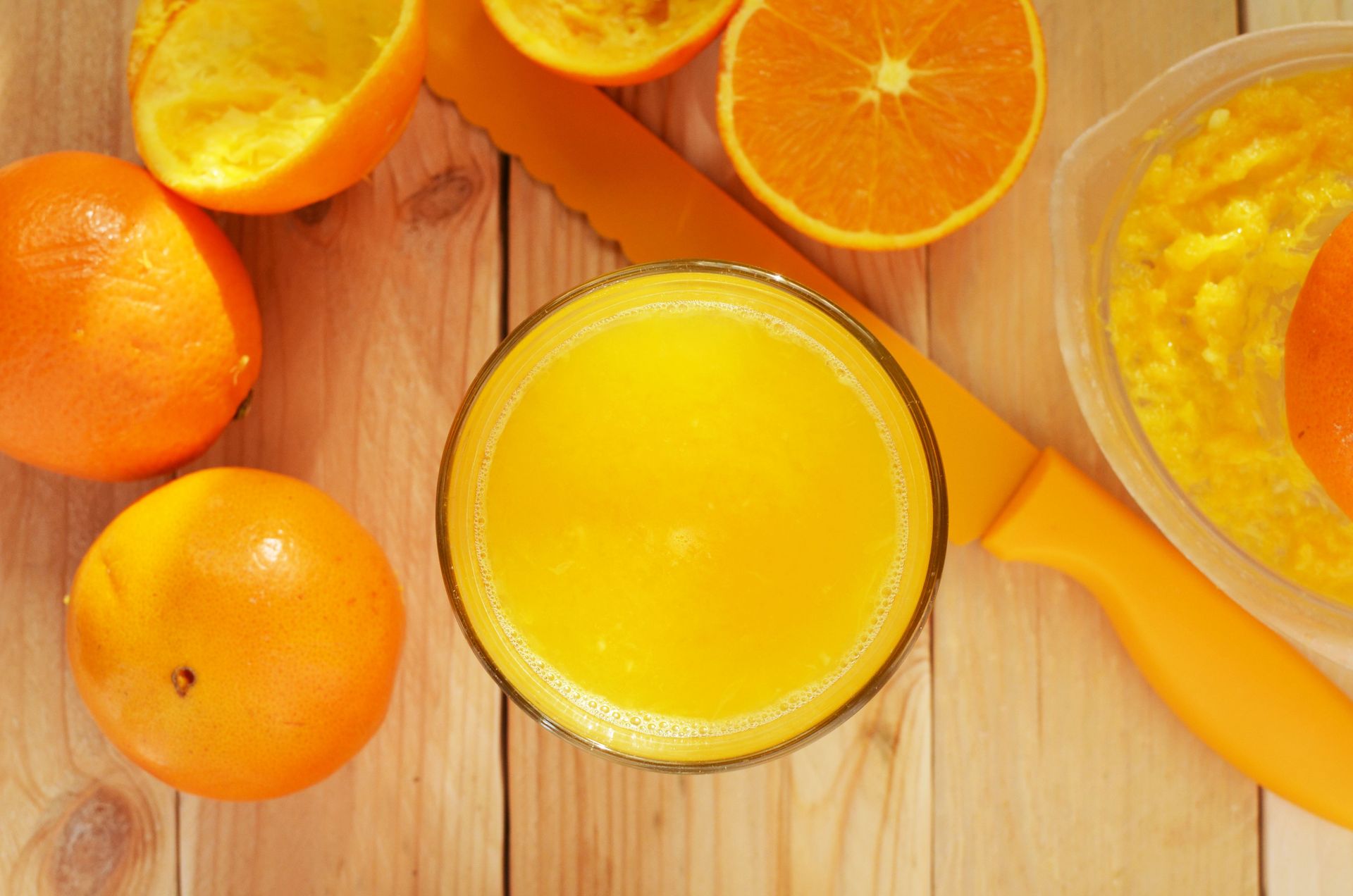
The orange juice in most cartons is a more engineered product than its packaging suggests, and it tastes noticeably different from juice squeezed at home. The reason lies in how commercial juice is stored and reconstituted for flavor.
Freshly squeezed orange juice is a mix of sugars, acids, and volatile aroma compounds that together create its bright, complex taste. Those volatiles are unstable and short-lived, which is a problem for a product that needs to be stored and shipped over months.
Commercial not-from-concentrate juice is typically pasteurized and then stored in large tanks, sometimes for extended periods. To extend storage life, oxygen is removed from the juice in a process called deaeration. This removes much of the delicate flavor along with the oxygen. To restore taste before packaging, producers add back flavor components, often supplied by fragrance and flavor companies as so-called flavor packs. These are derived from oranges but are formulated and standardized, which is part of why major brands taste so consistent year-round.
Juice from concentrate goes through an even more aggressive process. The water is evaporated out to reduce volume and weight for shipping and storage, then added back later. Evaporation drives off aromatic compounds, and reconstitution rarely fully recovers the original character. The result is a juice that is sweeter and flatter than fresh.
Freshly squeezed juice, by contrast, retains its full complement of volatile compounds because it has not been deaerated, concentrated, or stored. This is why it tastes brighter, more variable, and more acidic than the carton version, and why it must be consumed quickly before those same volatiles degrade.
None of this makes carton juice defective. It is a triumph of consistency and shelf stability. But the smooth, uniform flavor of packaged orange juice and the sharp, fleeting taste of fresh-squeezed are separate products with a common fruit.
Credit: IARA MELO / Pexels
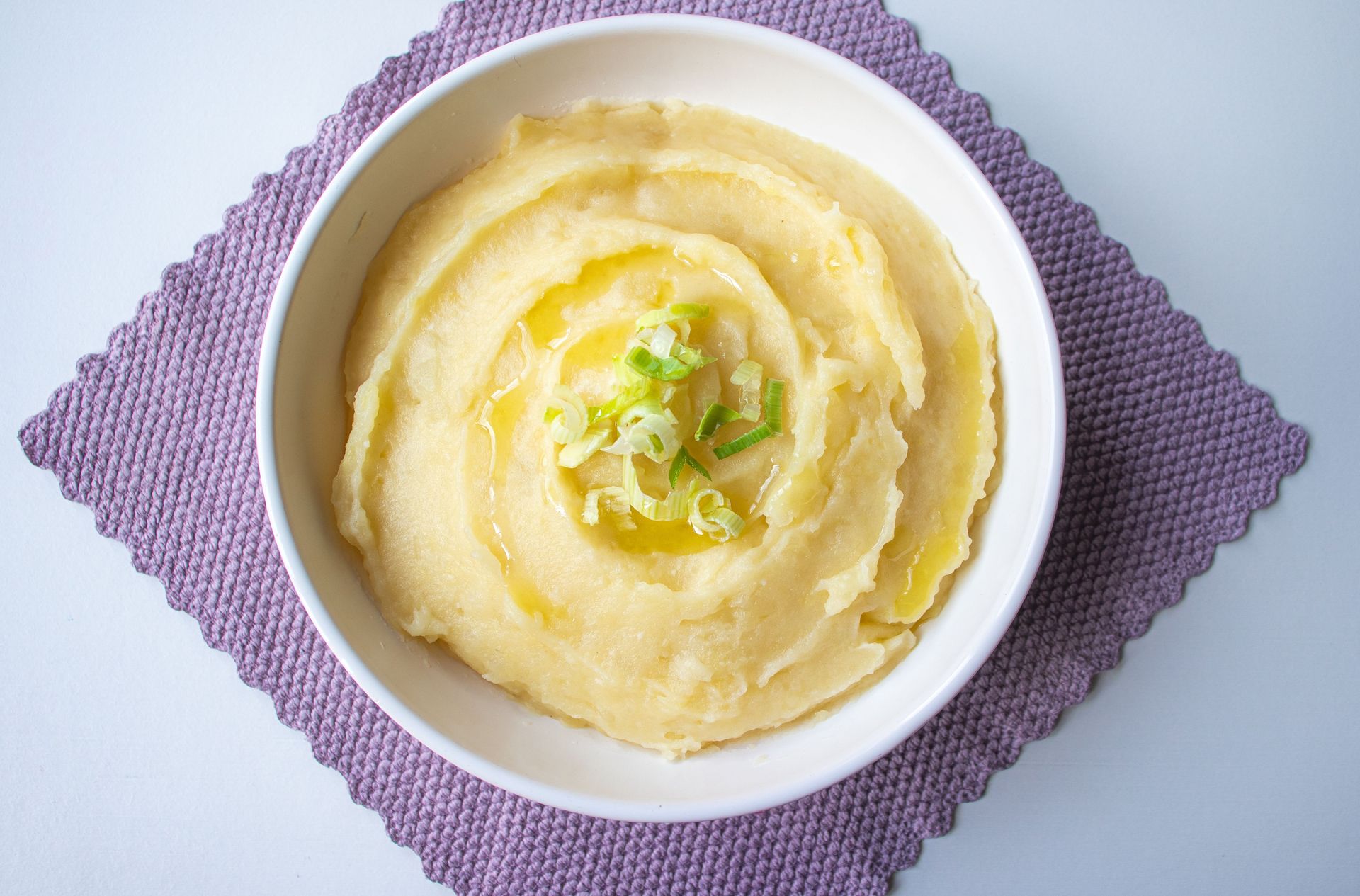
Instant mashed potatoes and freshly mashed potatoes share a raw material and almost nothing else in texture or flavor. The gap is a product of dehydration and the way it treats potato starch.
A fresh potato is mostly water and starch encased in cell walls. When you cook and mash a fresh potato, the goal is to keep those starch-filled cells largely intact and gently coated, which produces a fluffy, tender texture. Overworking releases too much starch and turns the mash gluey, which is a familiar failure of overmixing.
Instant mashed potatoes are made by cooking, mashing, and then drying real potatoes into flakes or granules. The dehydration process ruptures cells and alters the starch structure, and stabilizers and other additives are often included to keep the product shelf-stable and to control texture on rehydration. When you add hot liquid, the flakes rehydrate into a mash quickly and reliably.
The result is a product with a distinct, uniform texture that is smoother and often slightly gummier or more processed-tasting than fresh mash. The flavor is milder and flatter, because the drying process and storage strip away some of the fresh potato taste, and because much of the richness in homemade mash comes from the butter and milk added during preparation rather than from the potato alone.
Fresh mashed potatoes carry the earthy, mineral flavor of the specific potato variety used. A starchy russet produces a fluffy mash, while a waxy potato yields a denser, creamier one. This varietal character is largely lost in the instant version, which blends and standardizes the raw potatoes into a single neutral base.
Instant potatoes exist for speed and shelf life, and they deliver both. But the trade is real: the varietal flavor, the control over texture, and the fresh potato taste are exchanged for convenience.
Credit: Ioan Bilac / Pexels
Fresh tuna and canned tuna are so different that many people who dislike one enjoy the other. The divide comes from what canning does to fish protein and flavor through sustained high heat.
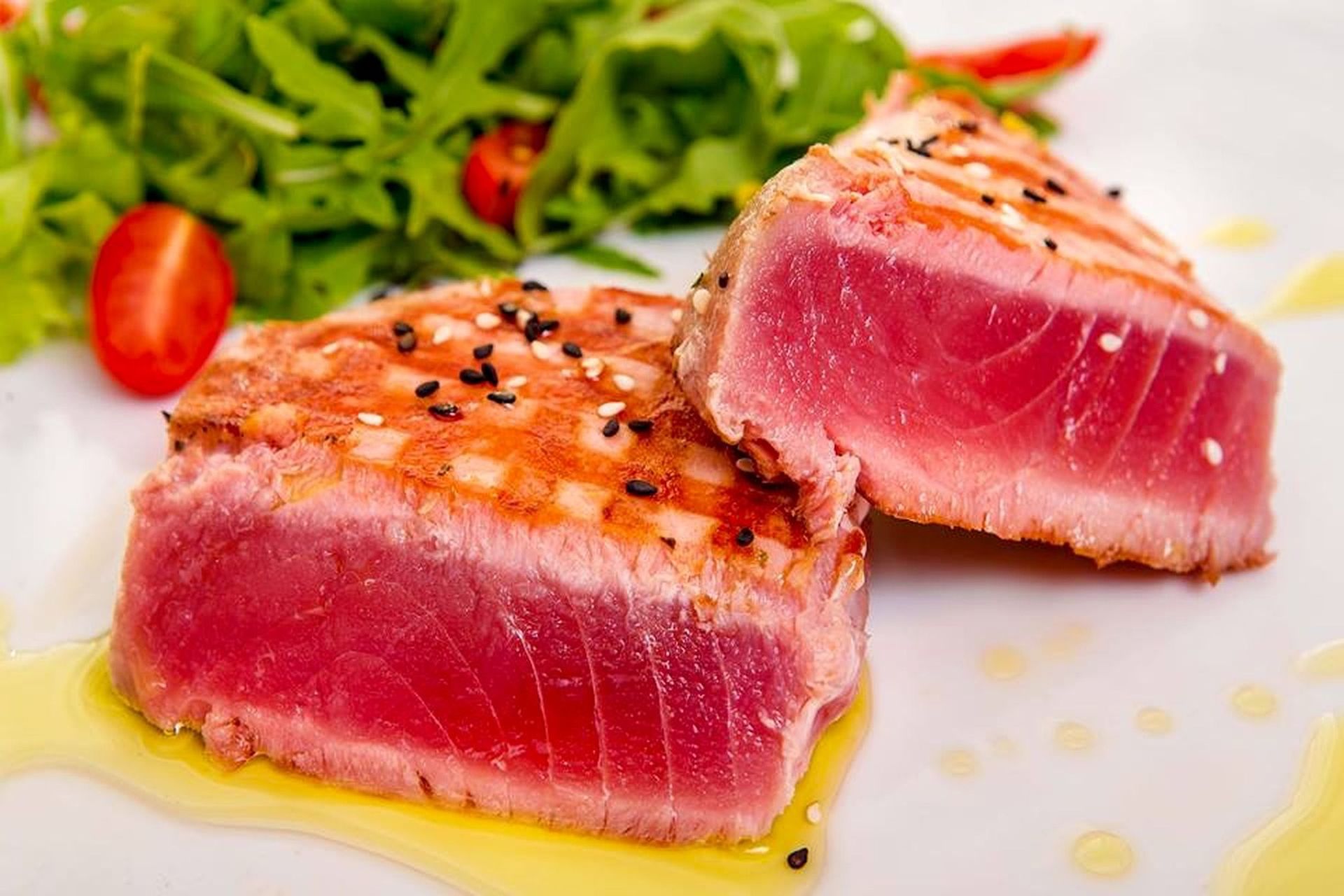
Fresh tuna, especially the grades used for sushi and searing, is prized for a firm yet tender texture and a clean, mild, almost meaty flavor. Eaten raw or lightly cooked, it has a delicate quality closer to red meat than to what most people picture as fish. High-quality fresh tuna carries very little of the strong fishy taste associated with the canned product.
Canning transforms it completely. The fish is cooked at high temperatures inside the sealed can, a process that fully denatures the proteins and drives significant chemical change. This cooking produces the firm, flaky, dry texture of canned tuna and develops the stronger, more pronounced fish flavor. Compounds that were subtle or absent in the fresh fish become prominent after the intense heat treatment.
The packing medium adds another layer. Tuna canned in oil takes on a richer mouthfeel and holds flavor differently than tuna canned in water, which tastes leaner and more directly of the fish itself. Salt is typically added, further separating the canned product from the fresh.
The species often differs too. Premium fresh tuna frequently comes from bluefin or yellowfin, while canned tuna commonly uses skipjack or albacore, each with its own baseline flavor and fat content. Albacore, sold as white tuna, is milder and firmer than the darker, stronger skipjack.
The practical result is two ingredients suited to different dishes. Fresh tuna belongs seared, grilled, or raw, where its delicate texture is the point. Canned tuna belongs in sandwiches, salads, and casseroles, where its firm flake and concentrated flavor hold up against other ingredients. Swapping one for the other rarely works.
Credit: SHVETS production / Pexels
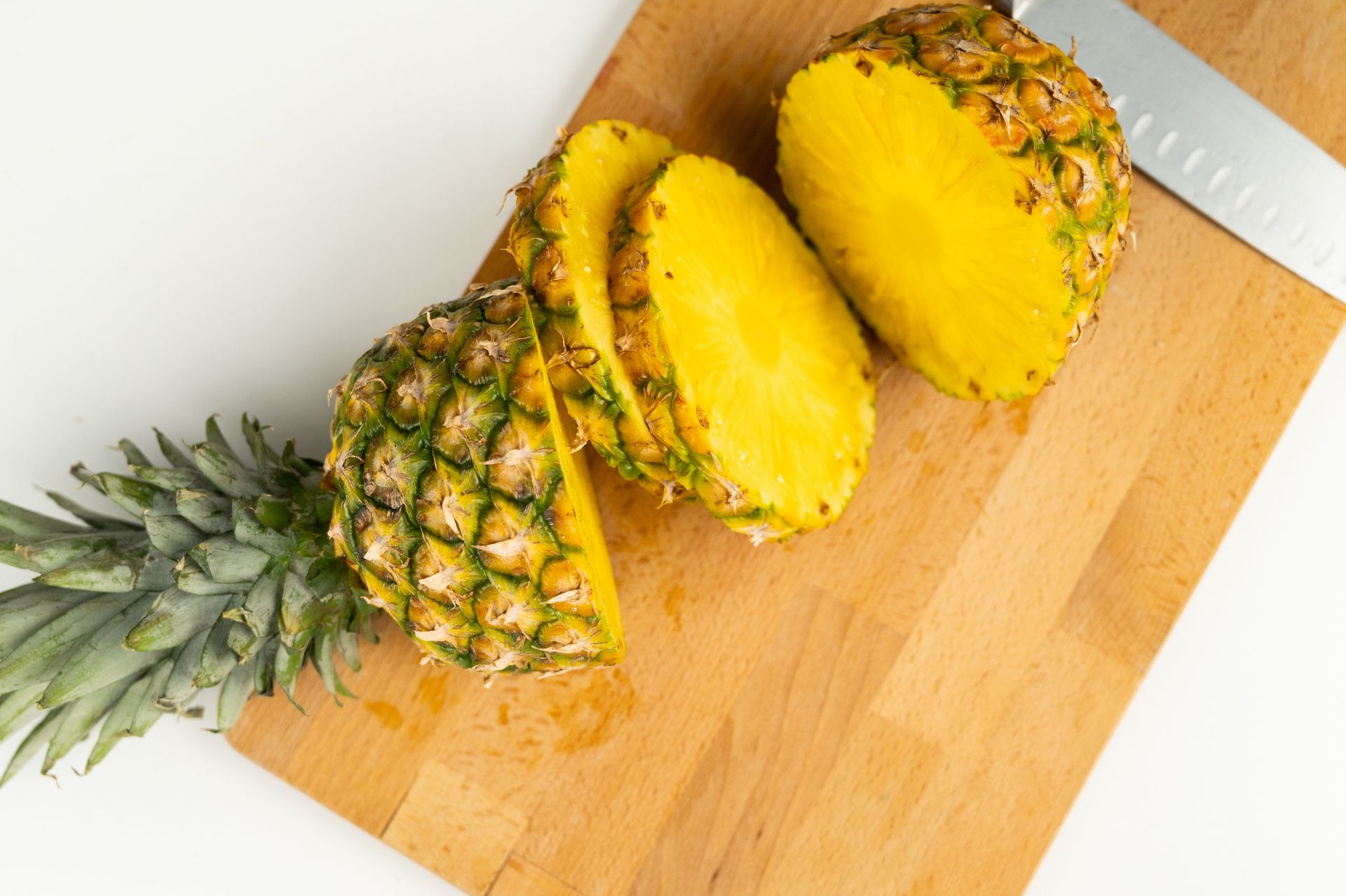
Fresh and canned pineapple differ in more than texture, and one specific difference has a practical consequence in the kitchen: fresh pineapple contains an active enzyme that canned pineapple does not.
Fresh pineapple is rich in bromelain, an enzyme that breaks down proteins. This is why fresh pineapple can be used to tenderize meat, and why eating a lot of it can leave a slight tingling or rawness on the tongue — the enzyme is acting on the proteins in your mouth. Bromelain also prevents gelatin from setting, which is the reason recipes warn against adding fresh pineapple to gelatin desserts.
Canning changes this entirely. The heat of the canning process denatures and deactivates bromelain, which is why canned pineapple works perfectly well in gelatin desserts where fresh pineapple would fail. The same heat that solves the enzyme problem also cooks the fruit, softening its texture and muting the sharp, bright acidity of the fresh version.
The flavor shifts along with the texture. Fresh pineapple has a balance of intense sweetness and mouth-puckering acidity, along with a floral, almost sharp aroma. Canned pineapple, packed in juice or syrup, tastes sweeter and rounder, with the acidity dialed down and the aroma flattened by cooking and storage. The packing liquid contributes additional sweetness.
Texture is the other clear divide. A fresh pineapple has fibrous, juicy flesh with real bite and structure. Canned rings and chunks are soft and uniform, having lost their firmness to heat and time in liquid.
Each form suits different uses. Fresh pineapple shines eaten raw, grilled, or in salsas where its acidity and enzyme activity are assets. Canned pineapple works in baking, gelatin desserts, and cooked dishes where consistent sweetness and a soft texture are wanted, and where the absence of active bromelain is a feature rather than a loss.
Credit: Vinícius Caricatte / Pexels
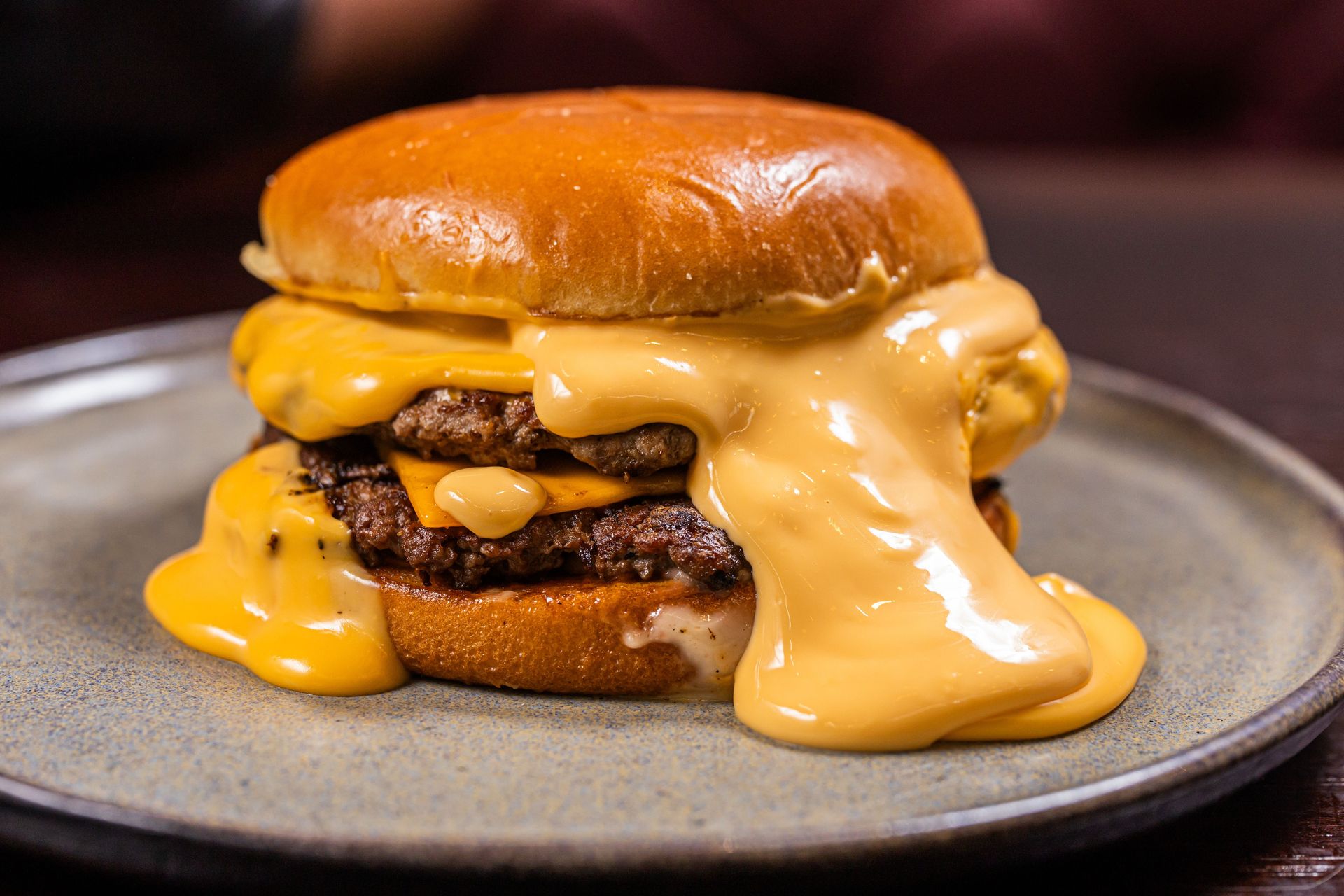
Processed cheese and natural cheese share ingredients but part ways in how they behave, and the difference comes from a specific category of additive: emulsifying salts. These are what give processed cheese its defining smooth, uniform melt.
Natural cheese is made by coagulating milk, separating the curds, and aging them. Its flavor develops over time as bacteria and enzymes work on the proteins and fats, producing the sharpness, complexity, and character that distinguish an aged cheddar from a young one. Natural cheese also melts unevenly — the fat can separate and the proteins can turn stringy or oily when heated, which is a familiar sight on a pizza or in a grilled sandwich.
Processed cheese is made by taking natural cheese, then blending, heating, and combining it with emulsifying salts such as sodium citrate or sodium phosphate. These salts reorganize the proteins so that fat and water stay bound together. The result is a cheese product that melts into a completely smooth, glossy sauce without breaking or separating. This is why processed cheese slices melt so evenly over a burger and why processed cheese is the base of many smooth cheese sauces.
The trade-off is flavor and texture. Processed cheese has a milder, more uniform taste than the aged natural cheese it may contain, because the blending and standardization even out the complexity. The texture is softer and more consistent, lacking the crumble, bite, or crystalline crunch found in aged natural varieties.
Shelf stability is another distinction. Processed cheese resists the drying, molding, and separation that affect natural cheese, giving it a longer and more forgiving life.
The two are built for different goals. Natural cheese offers depth, variety, and character best appreciated on its own or where its flavor leads. Processed cheese offers reliable melting and consistency, engineered for function. The smoothness that makes one excel is precisely what the other sacrifices for taste.
Credit: Atlantic Ambience / Pexels
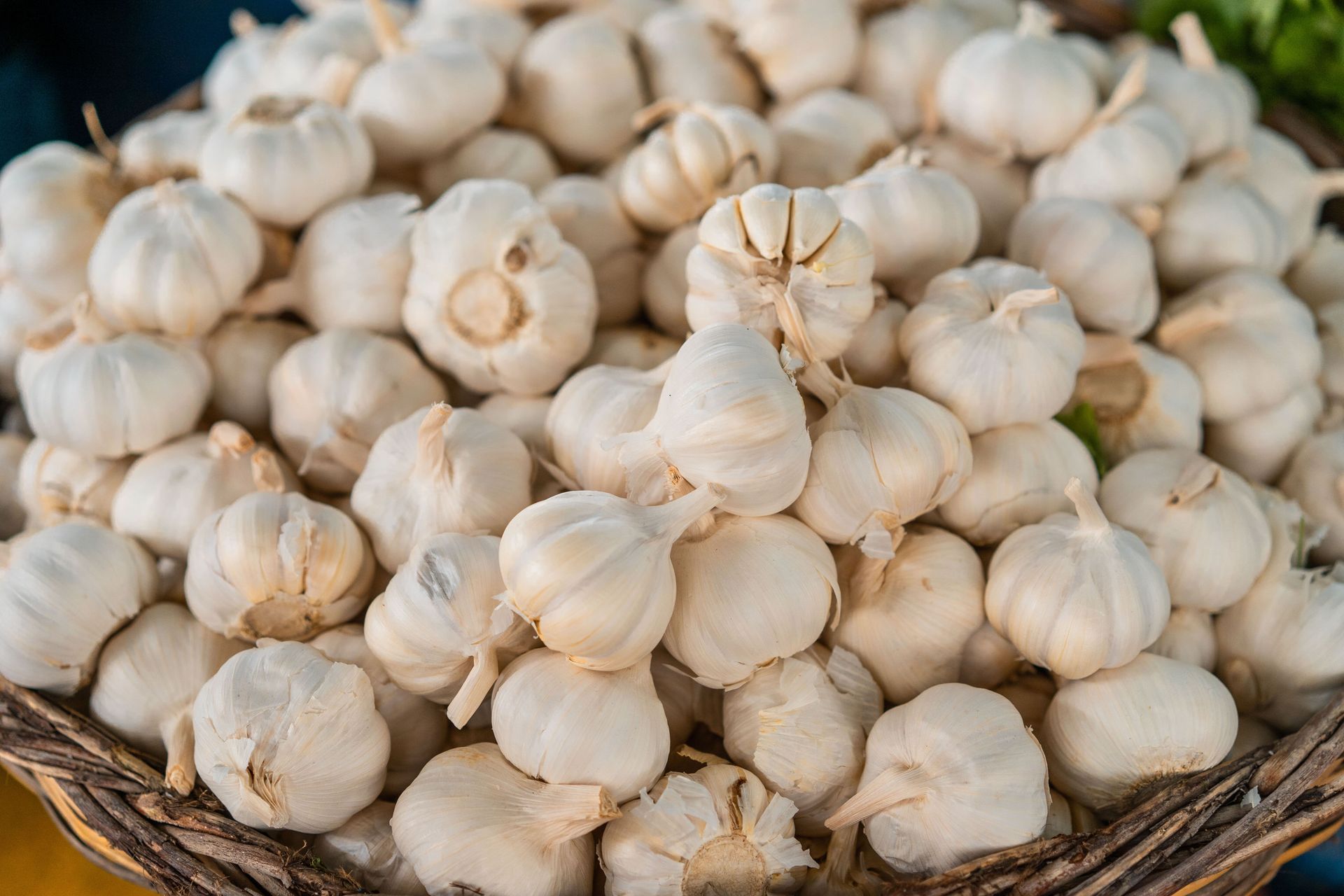
Raw, cooked, and powdered garlic taste like three related but distinct ingredients, and the reason is a chemical reaction that only happens under specific conditions. That reaction is the source of garlic's characteristic pungency.
A whole, intact garlic clove is nearly odorless. The sharp smell and hot bite appear only when the clove is cut, crushed, or chewed. Damaging the cells brings together a compound called alliin and an enzyme called alliinase, which react to form allicin. Allicin is responsible for the pungent, spicy punch of raw garlic. The more finely garlic is crushed, the more allicin forms, which is why minced or pressed garlic tastes far stronger than a whole roasted clove.
Cooking transforms this quickly. Allicin is unstable and breaks down with heat, converting into a range of other sulfur compounds that are milder, sweeter, and more savory. This is why roasted garlic turns soft, mellow, and almost sweet, with none of the harsh bite of raw garlic. The longer and gentler the cooking, the sweeter and rounder the result.
Timing matters because of this chemistry. Garlic added raw at the end of a dish delivers sharp pungency, while garlic cooked slowly from the start delivers deep, mellow sweetness. Burning garlic produces bitter compounds, which is why it turns acrid so fast in a hot pan.
Garlic powder is a separate case. It is made from dehydrated garlic, and the drying process, along with the way it is used, gives it a different profile — more uniform, slightly cooked-tasting, and lacking the fresh allicin bite that forms when raw garlic is crushed. It rehydrates and disperses evenly, which suits spice blends and rubs, but it does not replicate the sharpness of fresh minced garlic or the sweetness of roasted cloves.
Each form has its place, but none substitutes cleanly for another.
Credit: Ngo Tien Quyen / Pexels
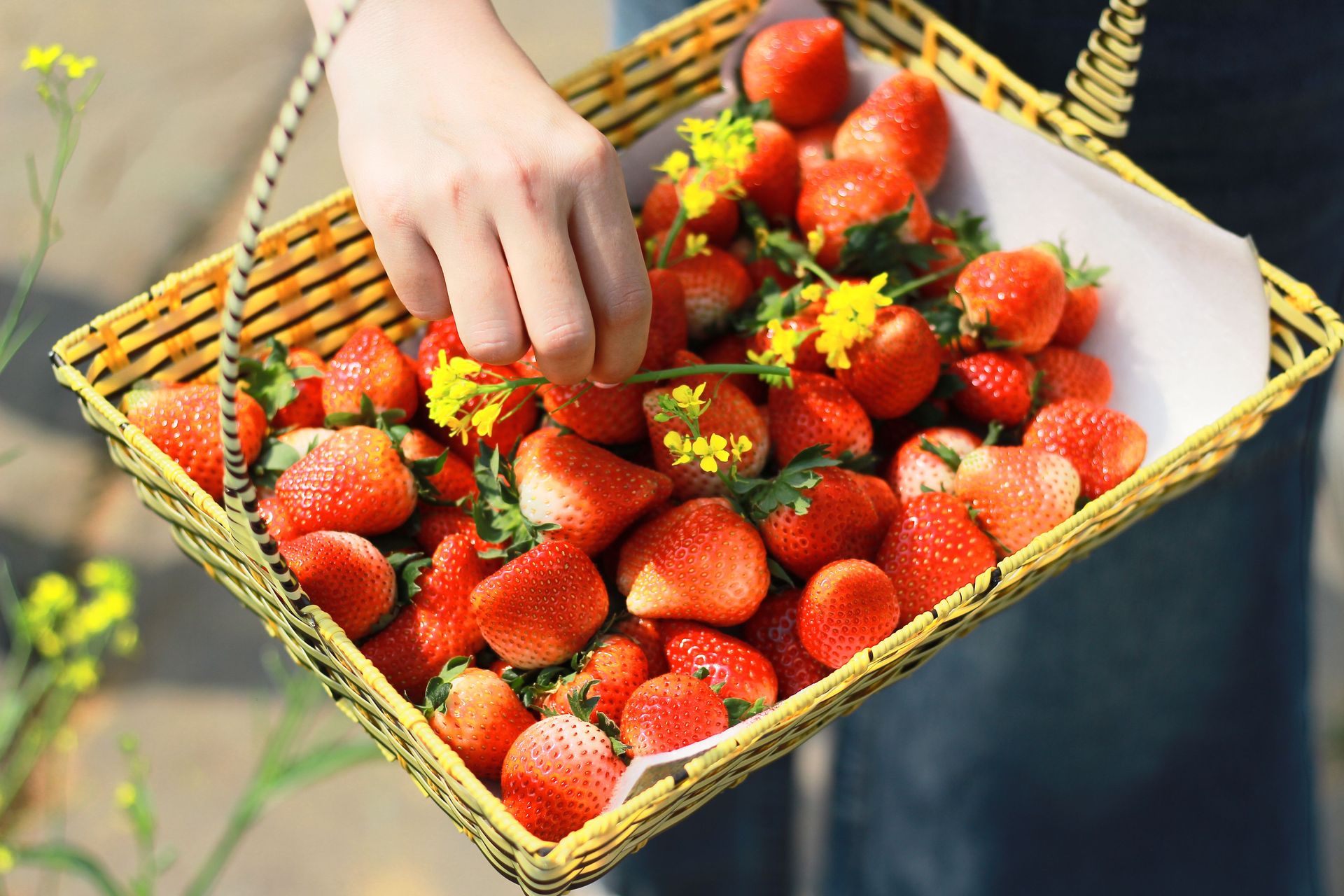
Fresh strawberries lose their most appealing qualities faster than almost any processing can preserve them, which is why jam, frozen, and freeze-dried strawberries each taste so unlike the ripe fruit. The fragile element is the strawberry's aroma, built from a large set of volatile compounds.
A ripe strawberry produces dozens of volatile molecules, many of them esters, that together create its distinctive sweet, floral, slightly candy-like scent. These compounds are delicate and short-lived. They begin fading soon after picking, which is why a strawberry eaten straight from the plant tastes more intense than one bought days later, even when both look identical.
This fragility shapes every processed form. Cooking strawberries into jam drives off many of the fresh volatiles and replaces them with cooked, jammy notes produced by heat and the caramelization of sugars. Jam is sweet and rich, but it tastes of cooked strawberry rather than fresh — a different, deeper flavor. The high sugar content and cooking also change the texture entirely, from crisp and juicy to soft and spreadable.
Freezing preserves more of the original flavor because it involves no cooking, but it destroys the texture. Ice crystals rupture the cell walls, so thawed strawberries turn mushy and release their juice. This makes frozen strawberries excellent for smoothies and cooking but poor for eating whole.
Freeze-dried strawberries take yet another path. The freeze-drying process removes water while retaining much of the flavor and the shape, producing a crisp, intensely flavored, shelf-stable fruit. Concentrating the sugars and flavors this way makes freeze-dried strawberries taste sweet and vivid, but the crunchy texture is nothing like the fresh berry.
The ripe fresh strawberry, with its full aroma and juicy bite, exists in a narrow window. Every method of preserving it captures some qualities and sacrifices others, which is why no processed strawberry ever quite tastes like the one picked at peak ripeness.