Foods toxic to dogs range from chocolate and grapes to less obvious items like hops and rhubarb leaves, and every dog owner should know the difference
Credit: Canva Images
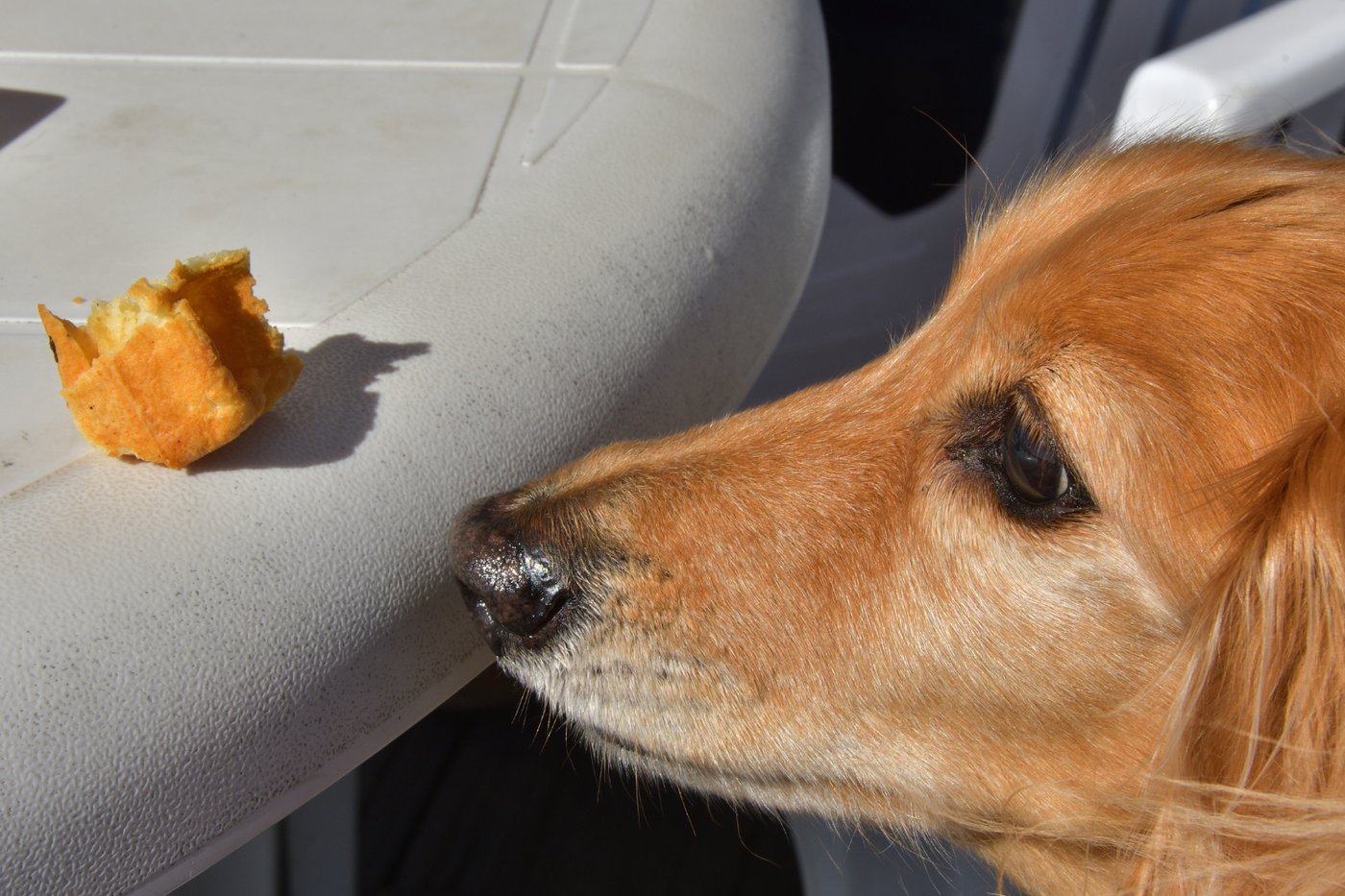
Foods toxic to dogs cause more preventable emergency vet visits than almost any other household hazard, and the danger rarely comes from where owners expect it. Chocolate and grapes get most of the attention, and for good reason, but a long list of everyday items carry real risk: a jar of nutmeg in the spice rack, a home brewing kit full of hops, a bundle of rhubarb pulled from the garden, a slice of raw bread dough left to rise on the counter. Dogs process many common compounds differently than humans do, and a food that causes nothing worse than an upset stomach in a person can trigger kidney failure, liver damage, or a dangerous drop in body temperature in a dog.
Part of the problem is dosage and biology. A dog's body weight is often a fraction of a human's, so the same amount of a toxin has a far larger effect. Some of these substances, like the tartaric acid in grapes or the persin in avocado, do not affect every dog identically, and there is no reliably "safe" amount that veterinarians can point to. Other risks are mechanical rather than chemical: fruit pits, cooked bones, and corncobs cause blockages and injuries that have nothing to do with poisoning but land dogs in surgery all the same.
This list covers 25 specific foods and plants that pose a genuine risk to dogs, organized so each entry stands on its own. Some are well known, like chocolate, onions, and xylitol. Others are far less familiar, including hops, rhubarb leaves, and raw yeast dough, and they catch even careful owners off guard because they do not look like "dog food hazards" in the way a chocolate bar does. Knowing which ingredient causes which reaction, and how quickly symptoms appear, makes it easier to act fast if a dog gets into something it should not have.

Credit: Vie Studio / Pexels
Chocolate contains theobromine, a stimulant compound that dogs metabolize far more slowly than humans do, which allows it to build up to toxic levels in their system. The darker and more concentrated the chocolate, the more theobromine it contains per ounce, which means baking chocolate and dark chocolate pose a much greater risk than milk chocolate, and white chocolate carries only a trace amount by comparison.
Once ingested, theobromine overstimulates the heart and central nervous system. Early signs include vomiting, diarrhea, restlessness, and excessive thirst, typically appearing within a few hours. As the amount ingested increases relative to the dog's body weight, symptoms can progress to an elevated heart rate, muscle tremors, and seizures. In severe cases, theobromine toxicity can cause fatal cardiac arrhythmias.
The size of the dog matters as much as the amount of chocolate. A few squares of dark chocolate that would barely register with a large breed can be a serious dose for a ten-pound terrier. Baked goods that combine chocolate with other toxic ingredients on this list, such as macadamia nuts or raisins, compound the danger rather than simply adding to it, since each ingredient stresses a different organ system at the same time.
Cocoa powder and cocoa mulch, sometimes used in gardens for its pleasant smell, contain concentrated theobromine as well and pose a similar risk if a dog digs through a flower bed. Instant hot cocoa mixes and baking chips left within reach on a counter are common sources of accidental exposure, since bags and boxes are easy for a determined dog to tear open.
If a dog eats any amount of chocolate, the safest course is to contact a veterinarian or a pet poison hotline rather than wait for symptoms to appear, since the compound continues to act on the body for hours after ingestion and early treatment improves the outcome substantially.
Credit: Canva Images
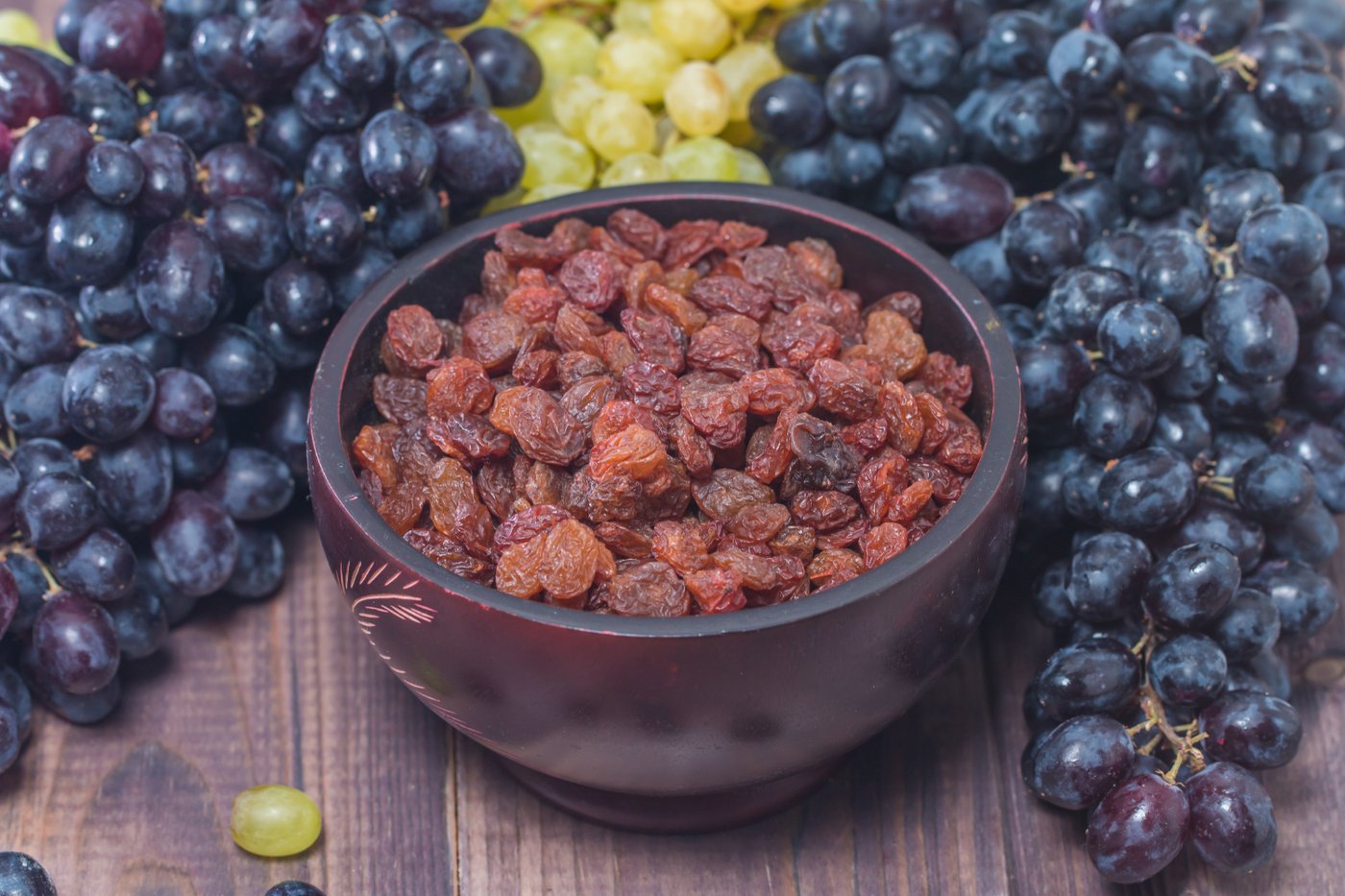
Grapes and raisins can cause sudden and severe kidney failure in dogs, and unlike many other toxic foods, there is no dose that veterinary toxicologists consider reliably safe. A dog that has eaten a handful of grapes without incident in the past can still experience acute kidney injury the next time, which is why veterinarians recommend avoiding grapes and raisins entirely rather than treating small amounts as low risk.
The exact toxic compound was uncertain for years, but recent veterinary research points to tartaric acid, a substance also found in cream of tartar and, in smaller amounts, in tamarinds, as the likely culprit. This helps explain why cream of tartar and tamarind products carry a similar warning even though they look nothing like a bunch of grapes.
Symptoms often take between 24 and 72 hours to appear, which makes grape and raisin ingestion especially dangerous, since owners may not connect a dog's declining appetite or lethargy days later back to a snack eaten earlier in the week. Early signs include vomiting, diarrhea, and lethargy, followed by decreased urination as the kidneys begin to fail, along with abdominal pain and a loss of appetite.
Raisins are more concentrated than fresh grapes by weight, since dehydration removes water but not the toxic compound, so a small box of raisins can represent a larger effective dose than an equivalent weight of fresh grapes. This also applies to foods that contain raisins baked in, such as oatmeal cookies, granola bars, and some trail mixes, all of which should be kept well out of reach.
Because there is no antidote once kidney damage has begun, veterinarians typically induce vomiting and provide supportive fluid therapy as quickly as possible after exposure. Any known or suspected ingestion of grapes or raisins warrants an immediate call to a veterinarian, even if the dog appears completely normal at first.
Credit: Christina & Peter / Pexels
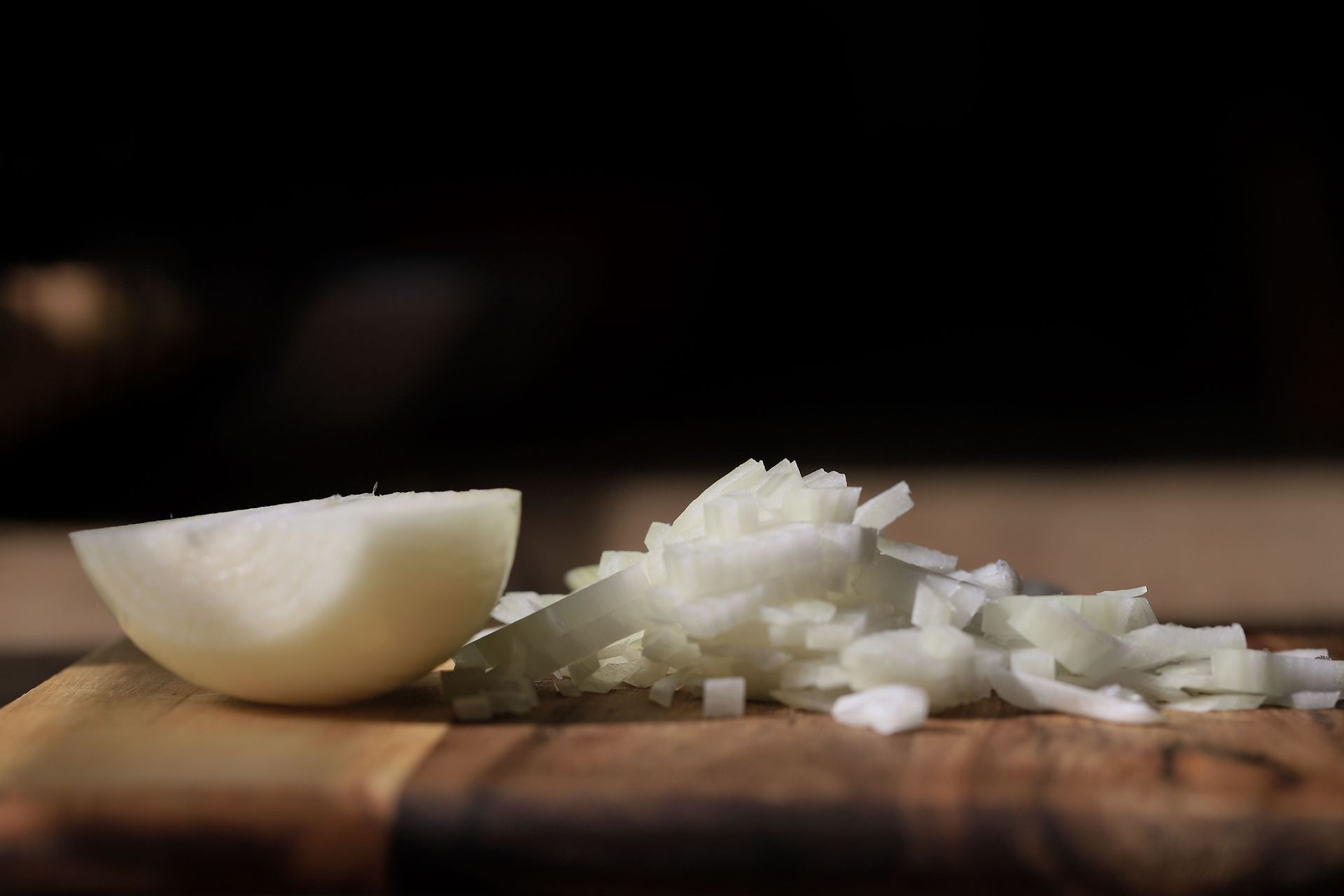
Onions, in any form, damage a dog's red blood cells and can lead to a type of anemia called hemolytic anemia. This applies to raw onion, cooked onion, powdered onion, dehydrated onion flakes, and onion-flavored broths and seasonings, since the responsible compounds, thiosulfates, remain active regardless of how the onion has been prepared.
Thiosulfates cause oxidative damage to red blood cells, making them more fragile and prone to rupture. As more cells break down, the dog's body struggles to carry enough oxygen, producing symptoms that include pale or yellowish gums, lethargy, rapid breathing, and dark or reddish urine caused by hemoglobin passing into the bloodstream. Because the damage accumulates gradually, symptoms can take several days to become obvious, which often delays owners in connecting the illness to something eaten earlier.
Onion powder is a particularly easy source of accidental exposure, since it appears in many prepared and packaged foods that owners might not think to check, including some baby foods, canned soups, and seasoned meats. A dog that steals a serving of onion soup or a well-seasoned rotisserie chicken can ingest a meaningful dose without anyone realizing an onion was involved at all.
Certain dog breeds, including Akitas and Shiba Inus, appear to be more sensitive to onion toxicity due to differences in their red blood cell structure, though any dog can be affected given a large enough dose relative to its size. Cats are generally considered even more sensitive than dogs to the same compounds.
There is no home remedy for onion toxicity once red blood cell damage has started, so treatment depends on how quickly a veterinarian can assess the dog's blood count and, in severe cases, provide a blood transfusion. Any known ingestion of a significant amount of onion, in any form, should prompt a call to a veterinarian rather than a wait-and-see approach.
Credit: Akbar Nemati / Pexels
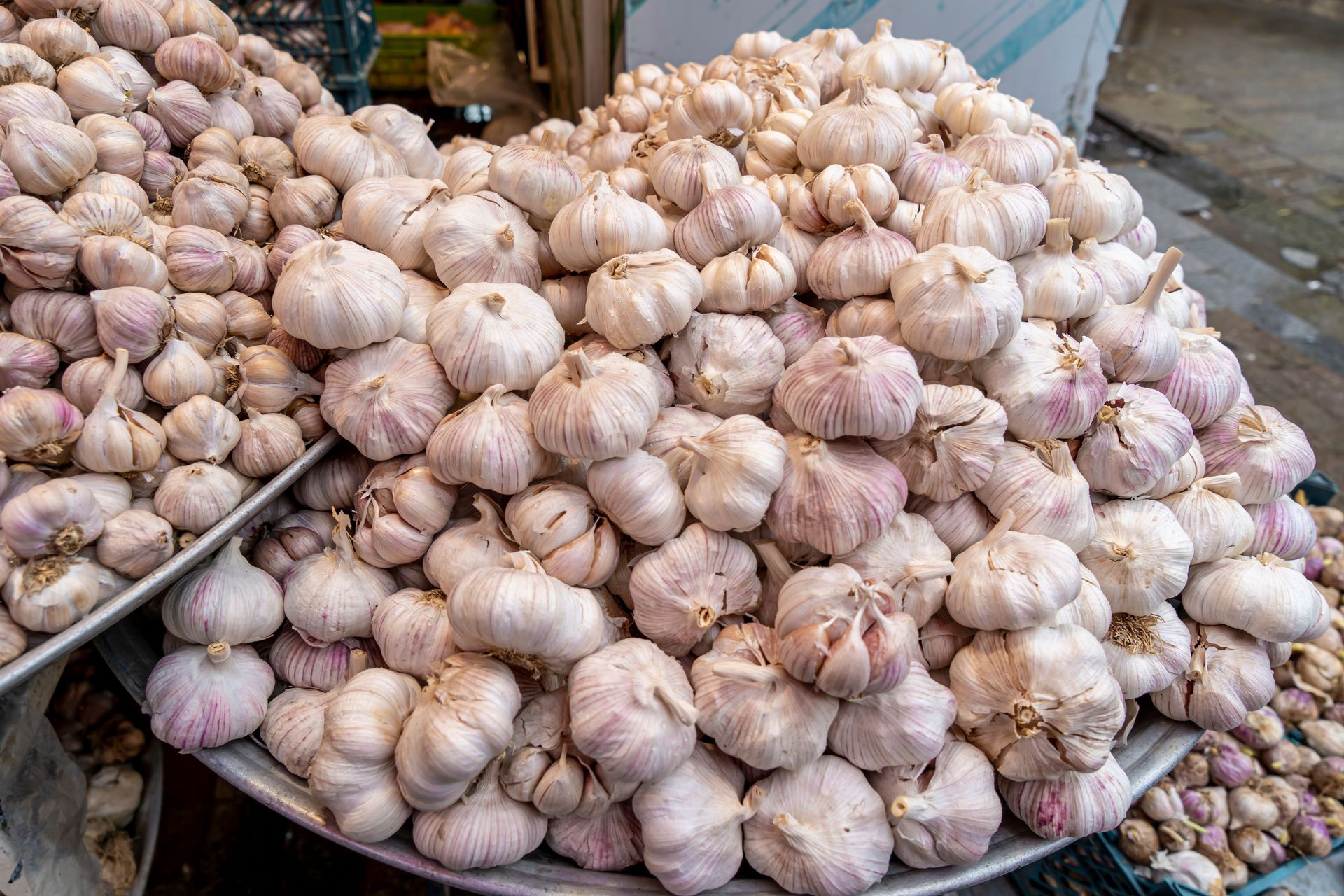
Garlic belongs to the same allium family as onions, and veterinary toxicologists generally consider it more concentrated in the harmful organosulfur compounds than onion is, gram for gram, which means a smaller amount of garlic can cause the same red blood cell damage described above. This makes garlic bread, garlic powder seasoning blends, and garlic-heavy sauces worth watching closely, even though a clove of garlic looks far less alarming to most owners than a whole onion does.
The mechanism of harm mirrors onion toxicity: the compounds in garlic trigger oxidative stress on red blood cells, making them prone to rupture and leading to hemolytic anemia. Symptoms, including pale gums, weakness, elevated heart rate, and dark urine, typically develop over a period of days rather than hours, which can make garlic exposure easy to miss until a dog is already showing signs of illness.
Garlic supplements marketed for pets as a natural flea deterrent have circulated for years despite the same underlying risk, and veterinary organizations generally advise against feeding garlic to dogs in any form or dose specifically for this reason. The idea that a small, "medicinal" amount is safe is not supported by veterinary toxicology, since the toxic compounds accumulate with repeated exposure over time.
Garlic salt and garlic powder are especially easy to underestimate because they look like a pantry spice rather than a fresh vegetable, and they show up in marinades, dips, and seasoned rotisserie meats that dogs frequently manage to steal off counters and tables. A small taste from a shared plate of pasta or a seasoned steak can add up over repeated incidents even if no single episode seems severe.
If a dog eats a meaningful amount of garlic, in any prepared form, a veterinarian should be consulted, and the amount and timing of ingestion should be reported as precisely as possible, since blood tests days later are the main way toxicity is confirmed.
Credit: Canva Images
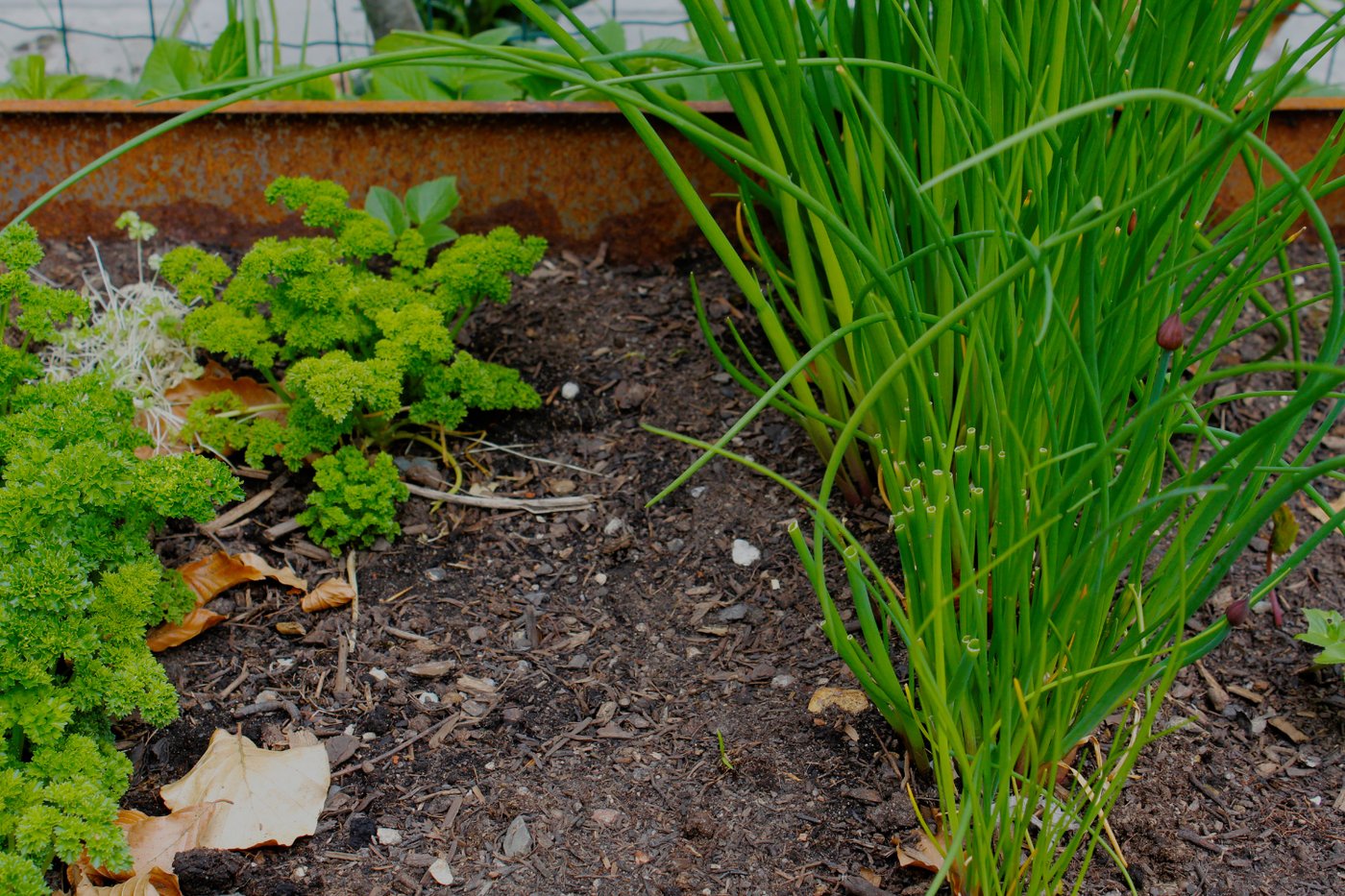
Chives are a member of the same allium family as onions and garlic, and they carry the same organosulfur compounds responsible for red blood cell damage in dogs, despite looking like a harmless garnish rather than a core ingredient. This is exactly why chives catch owners off guard: a sprinkle on top of a baked potato or a garnish on a bowl of soup seems trivial, but the plant chemistry is the same as a full onion.
Ingesting chives can lead to the same oxidative damage to red blood cells described for onions and garlic, producing symptoms such as lethargy, pale gums, an elevated heart rate, and vomiting. Because chives are usually eaten in smaller quantities than a whole onion, mild exposure from a single garnish is less likely to cause serious illness than swallowing a chopped onion, but repeated small exposures, or a dog getting into a fresh chive plant in a garden or window box, can still add up to a meaningful dose.
Chives are commonly grown as a home herb, often on a kitchen windowsill or in an outdoor garden bed, which puts them within easy reach of a curious dog in a way that a grocery store onion typically is not. Unlike a sealed bag of onions in a pantry, a chive plant offers repeated access over days or weeks if a dog develops a habit of nibbling on it.
Dried chives used as a seasoning carry the same risk as the fresh herb, and because they are often mixed into sour cream dips, dressings, and baked potato toppings, a dog that steals a loaded baked potato is getting more than butter and cheese.
If a dog consumes a significant amount of fresh or dried chives, contacting a veterinarian is the appropriate response, particularly if the dog has also eaten other allium family foods around the same time, since the effects on red blood cells are cumulative across different sources.
Credit: www.kaboompics.com / Pexels
Xylitol is a sugar substitute that triggers a rapid and dangerous release of insulin in dogs, causing blood sugar to crash within 30 to 60 minutes of ingestion. Unlike in humans, where xylitol has little effect on insulin levels, a dog's pancreas appears to mistake xylitol for glucose, releasing a surge of insulin that then has no real sugar to process, leading to sudden hypoglycemia.
Early symptoms include vomiting, weakness, loss of coordination, and in some cases collapse or seizures caused by the crash in blood sugar. In larger doses, xylitol can also cause acute liver failure, which may develop over the following one to three days even after a dog appears to recover from the initial hypoglycemic episode. This delayed liver damage is part of what makes xylitol so dangerous: an owner may believe the danger has passed once early symptoms resolve.
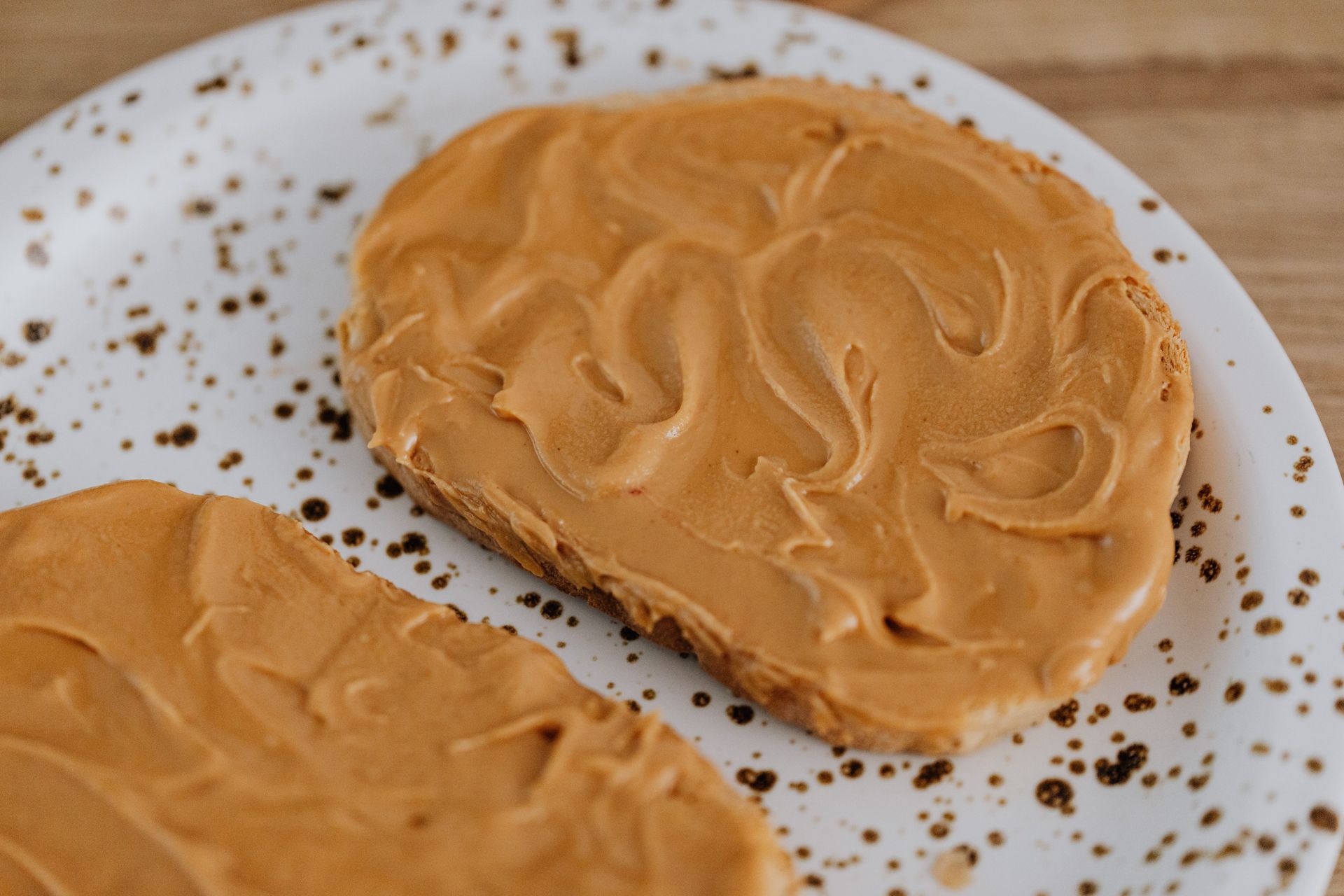
Xylitol is most commonly associated with sugar-free chewing gum and mints, but it also appears in some brands of peanut butter, a food many owners specifically use to hide pills or stuff into puzzle toys, which makes accidental exposure more likely rather than less. It is also found in some sugar-free baked goods, certain toothpastes, and a growing number of low-sugar snack foods and protein bars marketed to health-conscious households.
Because xylitol is used in such small quantities per serving in most products, a determined dog that gets into an entire package, such as a tube of gum or a jar of peanut butter, can ingest a dangerous dose relatively easily. Checking the ingredient label on peanut butter before offering it to a dog, and looking for xylitol, birch sugar, or wood sugar on packaging, is a simple way to avoid this risk.
Any suspected xylitol ingestion is considered a veterinary emergency, since the speed of the blood sugar crash means treatment is most effective when started immediately rather than after symptoms have already appeared.

Credit: Carina Profunser / Pexels
Alcohol affects a dog's body much the same way it affects a human's, but a dog's small body size means even a modest amount can cause serious harm. Ethanol depresses the central nervous system, and in dogs this can progress quickly from mild disorientation to vomiting, a dangerously low body temperature, slowed breathing, and in severe cases seizures or coma.
Beer, wine, and spirits are the most obvious sources, but alcohol exposure is not limited to drinks left unattended at a party. Unbaked yeast dough left to rise on a counter continues fermenting inside a dog's warm stomach, producing ethanol as a byproduct, which means a dog that eats raw dough can become intoxicated even without touching a drop of liquor. Rum-soaked desserts, mouthwash, and some liquid medications formulated with alcohol as a solvent are less obvious sources that owners sometimes overlook.
Because dogs lack the enzymes to process alcohol as efficiently as adult humans do, symptoms can appear after a smaller relative dose and can worsen faster. A dog that has gotten into alcohol may seem briefly playful or uncoordinated before quickly becoming lethargic, which can be mistaken for tiredness rather than intoxication until more serious symptoms, such as vomiting or difficulty standing, appear.
Puppies and small-breed dogs are especially vulnerable given their lower body weight relative to the amount consumed, and even licking up spilled beer or wine from a floor or table can be enough to cause symptoms in a small dog.
If a dog has consumed alcohol in any form, keeping it warm, monitoring its breathing, and contacting a veterinarian promptly are the appropriate steps, since supportive care to manage body temperature and breathing is usually the main treatment while the alcohol clears the dog's system.
Cocktails and mixed desserts made with liqueurs, such as rum cake or bourbon-soaked fruit, are easy to underestimate since the alcohol is often diluted with sugar and other flavors that mask its presence. A dog that finishes off a plate of leftover dessert at a party may end up with a meaningful dose of alcohol without anyone at the gathering realizing what happened.
Credit: Tony Wu / Pexels
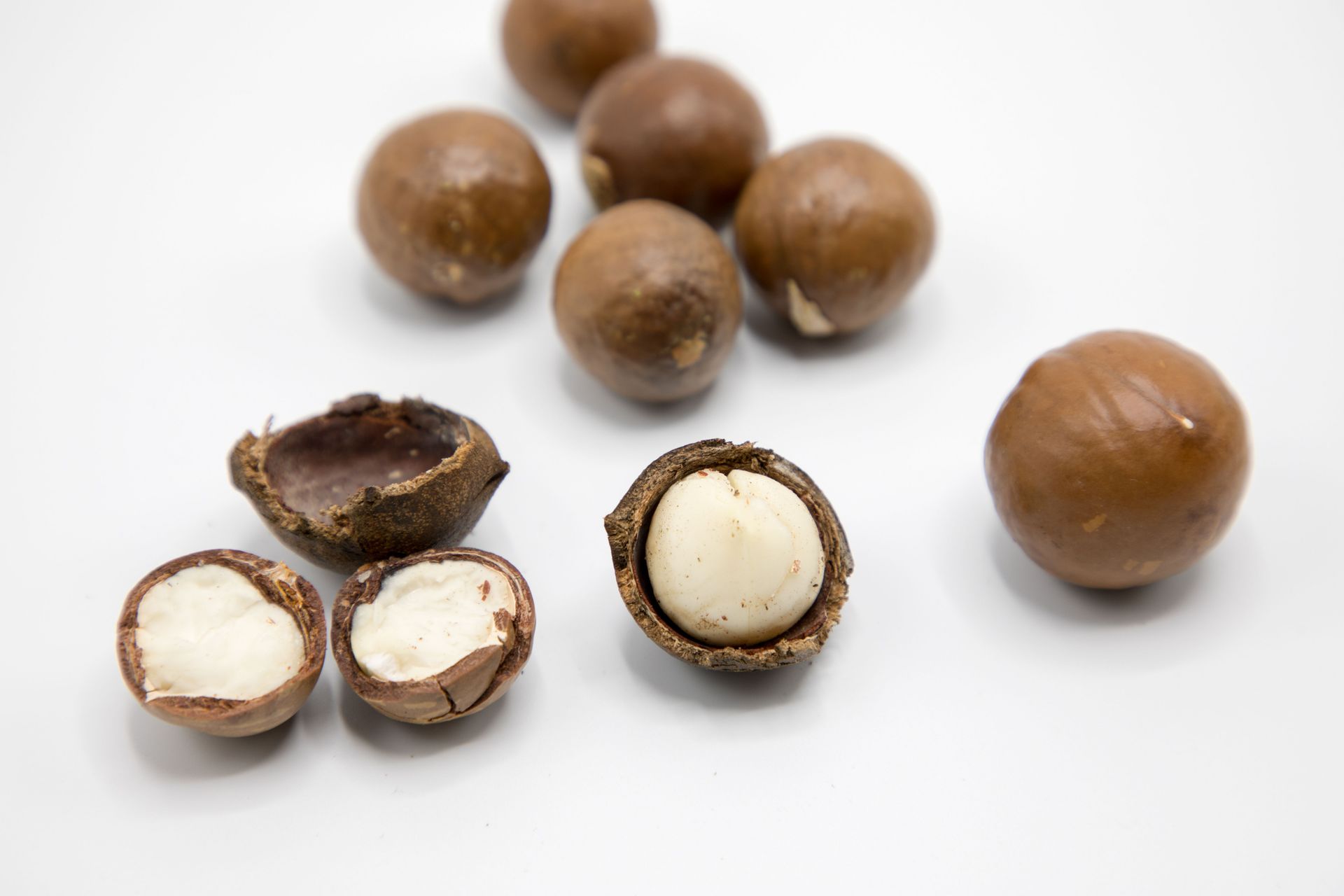
Macadamia nuts cause a distinctive set of symptoms in dogs, including weakness in the hind legs, tremors, vomiting, and a mild fever, usually appearing within twelve hours of ingestion. The exact toxic compound in macadamia nuts has not been fully identified, which sets this food apart from many others on this list where the mechanism is well understood.
Despite the alarming symptoms, macadamia nut toxicity on its own is rarely fatal, and most dogs recover within 24 to 48 hours with supportive veterinary care. That said, the temporary paralysis-like weakness in the back legs can be frightening to witness, and a dog may appear unable to stand or walk normally during the worst of the reaction, which understandably sends many owners straight to an emergency vet.
The bigger danger often comes from what macadamia nuts are packaged with rather than the nuts themselves. Macadamia nut cookies frequently contain chocolate as well, and the combination stacks two separate toxic mechanisms, chocolate's effect on the heart and nervous system alongside macadamia's effect on muscle function, making mixed baked goods considerably riskier than plain nuts.
Macadamia nuts are less commonly kept in households than something like chocolate or onions, which is part of why this risk catches fewer owners by surprise until they specifically bake with them or receive them as a gift during the holidays. Trail mixes and nut medleys sold in bulk bins sometimes include macadamias alongside safer nuts, making it hard to know exactly what a dog has eaten if it gets into a mixed bag.
If a dog eats macadamia nuts, contacting a veterinarian and monitoring closely for the onset of weakness or tremors over the following twelve hours is the recommended approach, even though the prognosis with treatment is generally good.
Because the symptoms can look similar to other forms of toxicity or even an injury, telling a veterinarian specifically that macadamia nuts were involved, and roughly how many, helps narrow down the likely cause faster than describing symptoms alone.
Credit: RDNE Stock project / Pexels
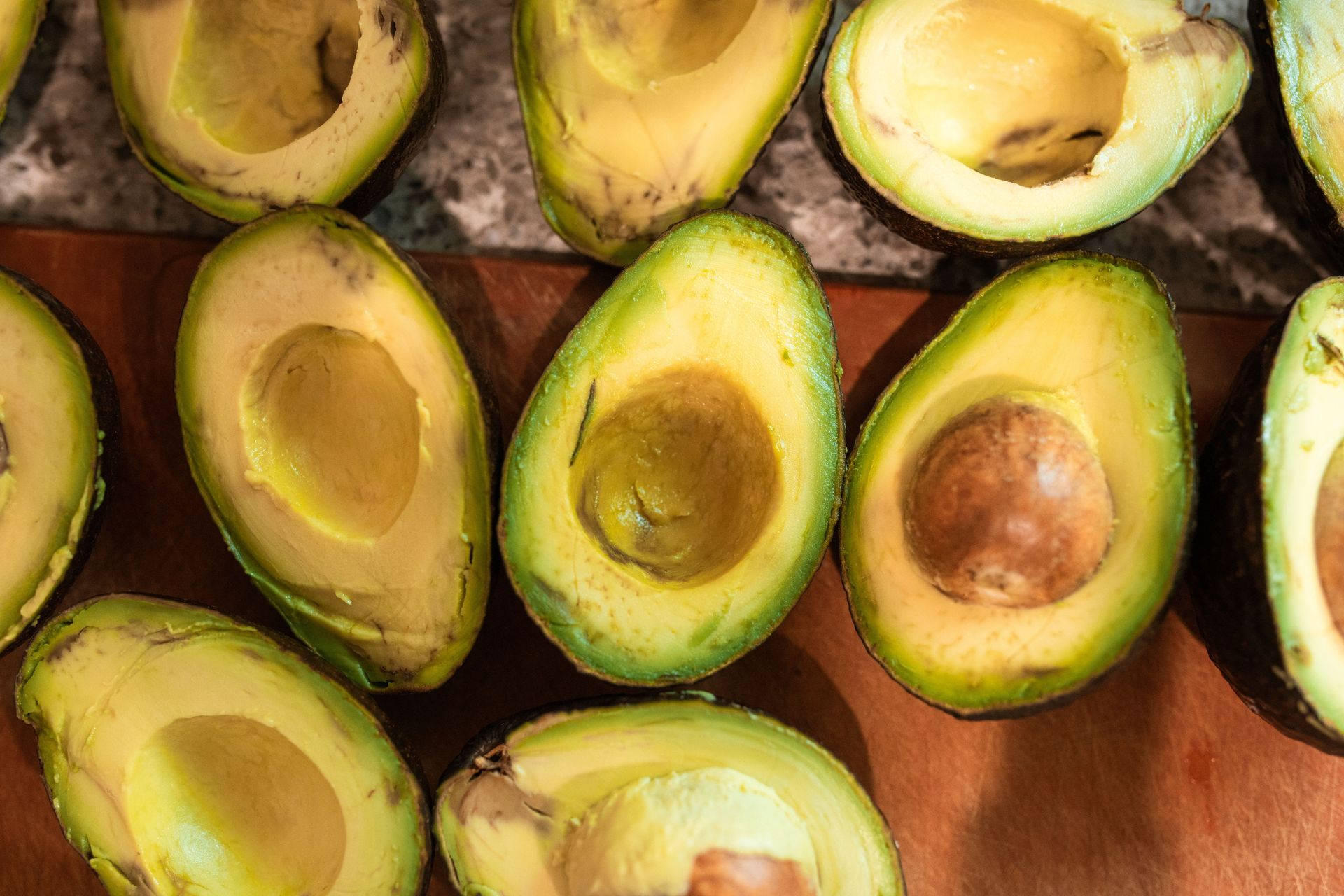
Avocado contains a compound called persin, which is more concentrated in the leaves, skin, and pit of the plant than in the flesh most people eat. Dogs are less sensitive to persin than birds and some livestock species, but a large ingestion, or repeated small exposures, can still cause vomiting and diarrhea.
The greater everyday risk with avocado is often not the persin itself but the pit. Avocado pits are large, hard, and roughly round, making them a genuine choking hazard as well as a common cause of intestinal obstruction if swallowed whole, a problem that frequently requires surgery to resolve. A dog rummaging through kitchen trash for a discarded avocado skin and pit is at more immediate risk from the pit than from the fruit's chemistry.
Avocado flesh is also very high in fat compared with a dog's typical diet, and a large amount can contribute to pancreatitis, an inflammation of the pancreas that causes vomiting, abdominal pain, and lethargy. This risk exists independently of persin toxicity and applies even to the ripe, edible portion of the fruit that many owners assume is harmless in any quantity.
Guacamole poses a layered risk beyond the avocado itself, since it commonly contains onion, garlic, and a heavy dose of salt, all of which appear elsewhere on this list. A dog that steals a bowl of guacamole at a gathering is getting several separate hazards in a single serving rather than just one.
Small amounts of plain avocado flesh, without the skin or pit, are generally tolerated by most dogs, but veterinarians typically recommend avoiding avocado altogether given the combined risks from persin, fat content, and the pit, rather than trying to calculate a safe portion.
Avocado trees grown in home yards, common across warmer parts of the U.S., present an ongoing source of exposure through fallen fruit, and dogs with regular access to a yard containing one may encounter whole avocados, pits included, throughout the growing season rather than in a single isolated incident.

Credit: Becca Mitchell / Pexels
Caffeine is a stimulant compound closely related to the theobromine found in chocolate, and it affects dogs through a similar mechanism, overstimulating the heart and central nervous system. Sources go well beyond coffee and include tea, energy drinks, soda, coffee grounds used in gardening, and certain over-the-counter medications for headaches and alertness.
Dogs are considerably more sensitive to caffeine than humans on a per-pound basis, and symptoms can appear within an hour of ingestion, including restlessness, an elevated heart rate, panting, and muscle tremors. In more severe cases, caffeine toxicity can progress to an irregular heartbeat, high body temperature, and seizures, particularly in smaller dogs that ingest a proportionally larger dose.
Used coffee grounds tossed onto a garden or compost pile are an easy source of accidental exposure, since dogs often dig through compost and mulch out of curiosity, and the grounds retain a meaningful amount of caffeine even after brewing. Energy drinks and pre-workout supplements, which contain far more concentrated caffeine than a standard cup of coffee, pose a particularly high risk if a dog gets into a spilled can or an open bottle.
Diet pills and some pain relievers formulated for humans contain caffeine as an active ingredient specifically to counteract drowsiness, and these are more dangerous than food sources because the caffeine is delivered in a concentrated, fast-absorbing form. A dropped pill from a purse or nightstand can represent a much higher dose than a splash of spilled coffee.
If a dog ingests a significant amount of caffeine from any source, a veterinarian should be contacted immediately, since the cardiac effects can escalate quickly and early treatment, including inducing vomiting when appropriate, improves the outcome considerably.
Because caffeine and theobromine act on the body in much the same way, a dog exposed to both at once, such as a chocolate-covered coffee bean, faces a combined dose that is more dangerous than either substance alone, even in a small serving that might look harmless.
Credit: Marcelo Verfe / Pexels
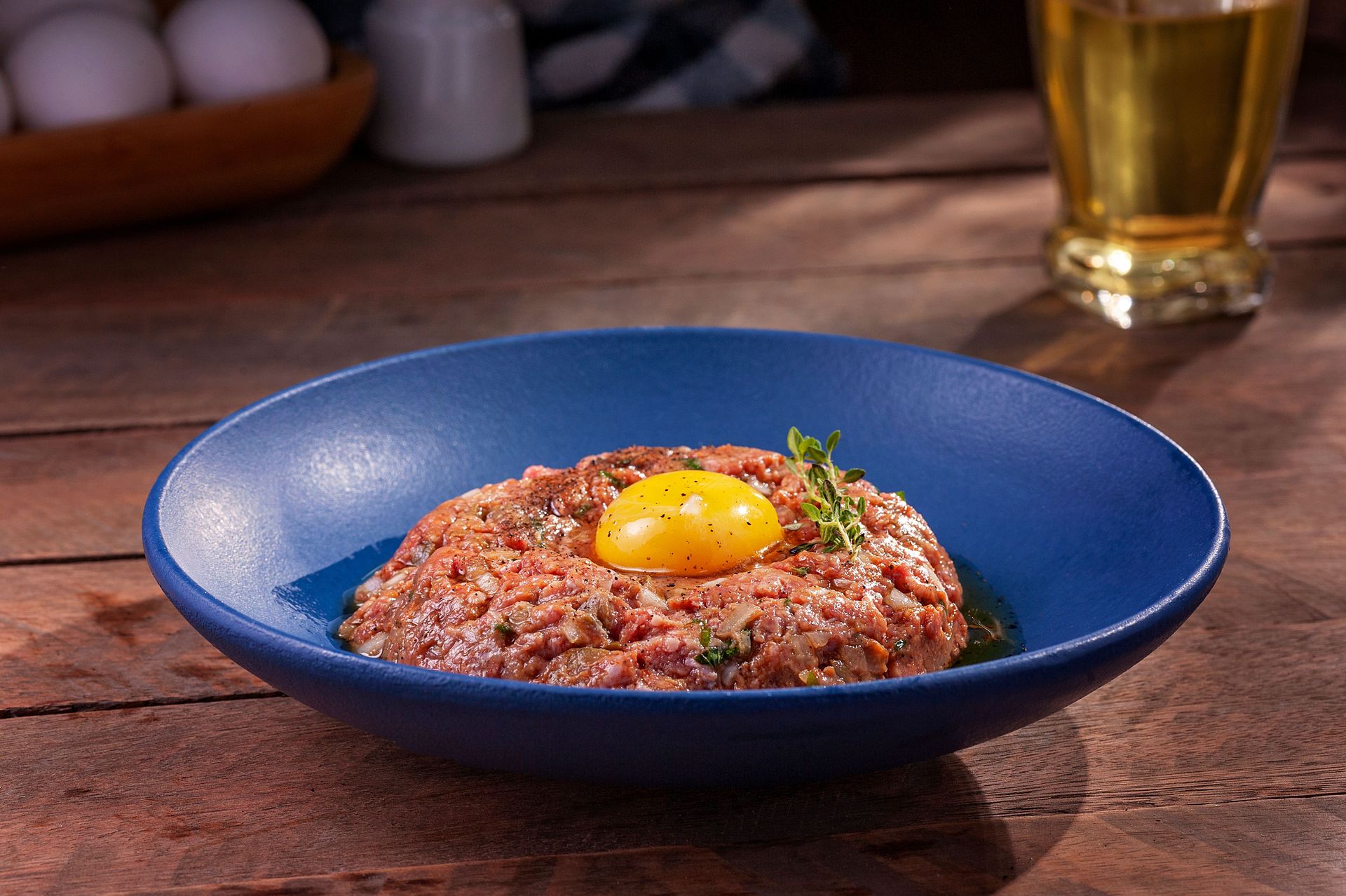
Raw or undercooked eggs and meat carry a risk of salmonella and E. coli contamination, both of which can cause vomiting, diarrhea, and fever in dogs, just as they can in people. While some dogs tolerate occasional exposure without obvious illness, the bacteria can still be shed in their stool and pose a risk to other pets and to people in the household who handle the dog's waste or its bowl.
Raw egg whites specifically contain a protein called avidin, which binds to biotin, a B vitamin needed for healthy skin and coat, and interferes with the body's ability to absorb it. An occasional raw egg is unlikely to cause a noticeable deficiency, but a diet that regularly includes raw egg whites over an extended period can contribute to biotin deficiency, showing up as skin and coat problems over time.
Raw meat diets have become more popular with some dog owners in recent years, often marketed around the idea of feeding a more natural or ancestral diet. Whatever the merits of that broader debate, the bacterial contamination risk from improperly handled raw meat is a separate and well-documented concern that applies regardless of the diet philosophy behind it.
Cooking eggs and meat thoroughly eliminates most of the bacterial risk and also neutralizes the avidin in egg whites, since heat denatures the protein. Dogs with compromised immune systems, very young puppies, and senior dogs are generally considered more vulnerable to foodborne illness from raw animal products than healthy adult dogs.
Proper food handling, including refrigeration, clean food bowls, and avoiding cross-contamination with a household's own raw meat prep, reduces the risk for both the dog and the people who live with it, even for owners who choose to include some raw ingredients in their dog's diet.
Owners considering a raw food diet for a dog are generally advised to talk with a veterinarian first, since balancing nutrition safely alongside the bacterial risk takes more planning than simply substituting raw cuts for a bag of kibble.
Credit: Canva Images
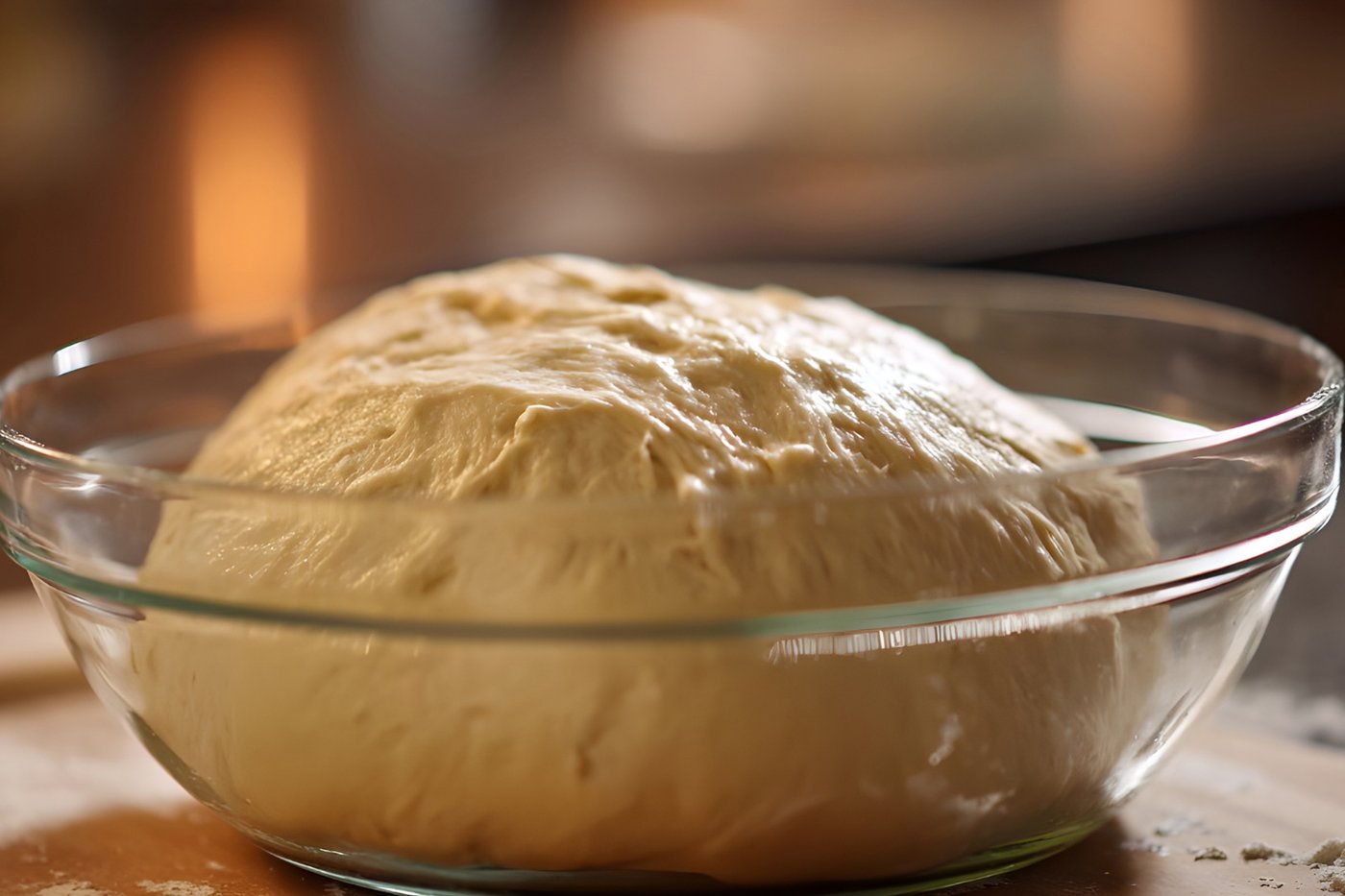
Raw yeast dough poses two separate dangers once swallowed: it continues to expand in the warm, moist environment of a dog's stomach, and the yeast ferments the dough's sugars into alcohol as it rises. The physical expansion can cause severe bloating and, in serious cases, contributes to gastric dilatation-volvulus, a life-threatening condition in which the stomach twists on itself and requires emergency surgery.
At the same time, the fermentation process releases ethanol directly into the dog's bloodstream as it is absorbed through the stomach lining, producing symptoms of alcohol intoxication described earlier in this list, including disoriented movement, vomiting, and a dangerously low body temperature. A dog can experience both the mechanical bloating problem and the alcohol toxicity problem from a single incident of eating raw dough left to rise on a counter.
This risk is easy to underestimate because bread dough looks harmless compared with something like chocolate or onions, and it is often left uncovered on a kitchen counter for the hour or two it takes to rise, well within reach of a countertop-surfing dog. Pizza dough, dinner rolls, and homemade bread are the most common sources, particularly around holidays when more baking happens in a typical household.
Once dough has been baked, this risk disappears, since baking kills the yeast and stops fermentation, and the finished bread no longer expands inside the stomach. The danger is specific to the raw, unbaked state, which is why keeping rising dough covered and out of reach matters more than avoiding bread as a finished product.
If a dog eats raw dough, a veterinarian should be contacted immediately rather than waiting to see if symptoms develop, since both the bloating risk and the alcohol absorption can progress quickly and become difficult to manage once they are underway.
Larger dogs with deep chests are already considered more prone to gastric dilatation-volvulus for anatomical reasons, and eating raw dough adds a preventable trigger on top of that existing risk, making it worth being especially careful with these breeds around rising bread.
Credit: Canva Images
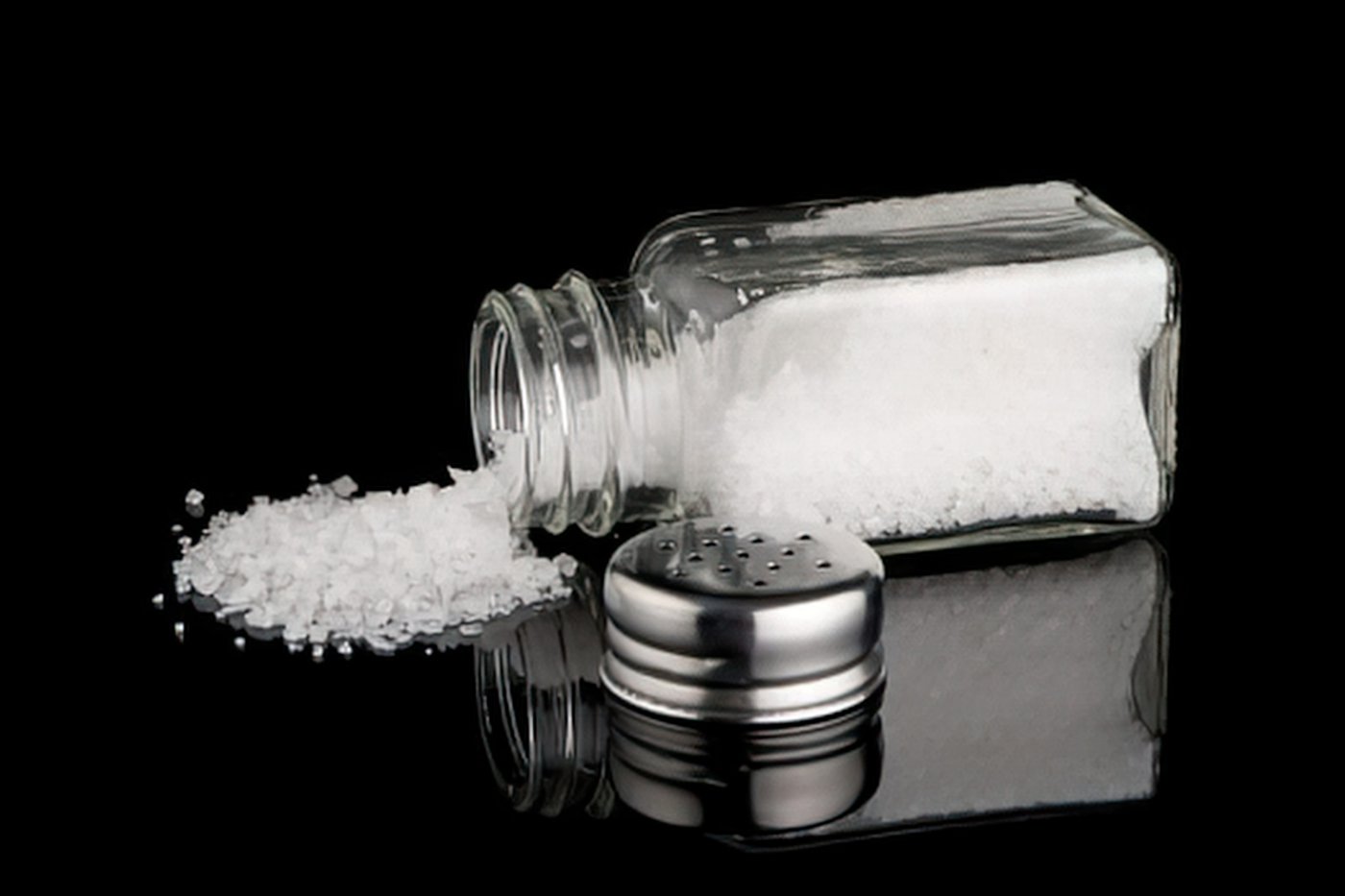
Excess salt can cause sodium ion poisoning in dogs, a condition marked by excessive thirst, frequent urination, vomiting, tremors, and in severe cases, seizures. This typically requires a fairly large amount of salt relative to the dog's size, but that threshold is easier to reach than owners might assume, particularly with salty snack foods and table scraps.
Common sources include potato chips, pretzels, salted popcorn, cured meats such as bacon and deli ham, and table scraps from heavily seasoned meals. A dog that gets into an entire bag of chips or a container of leftover holiday ham is at meaningfully higher risk than one that steals a single unsalted bite of plain chicken.
Homemade play dough, made with a high proportion of table salt, is a less obvious but well-documented source of sodium poisoning in dogs and cats, since a curious pet may chew on or swallow a piece left within reach after a child's craft project. Rock salt and ice-melting products used on sidewalks in winter present a similar risk if a dog licks its paws after walking through a treated area.
Severe cases of salt toxicity can lead to swelling in the brain, a condition that becomes more dangerous if fluids are reintroduced too quickly during treatment, which is part of why sodium poisoning specifically requires veterinary management rather than simply offering a dog water at home.
Dogs with underlying heart or kidney conditions are more vulnerable to the effects of excess sodium even at lower doses than a healthy dog might tolerate, making it worth being especially cautious with salty table scraps for older dogs or those with known medical conditions.
Access to seawater on a beach trip presents a similar risk to homemade play dough, since ocean water contains far more sodium than a dog's body can safely process, and a dog that drinks repeatedly while playing in the surf can end up with symptoms resembling any other case of salt poisoning.
Credit: Canva Images
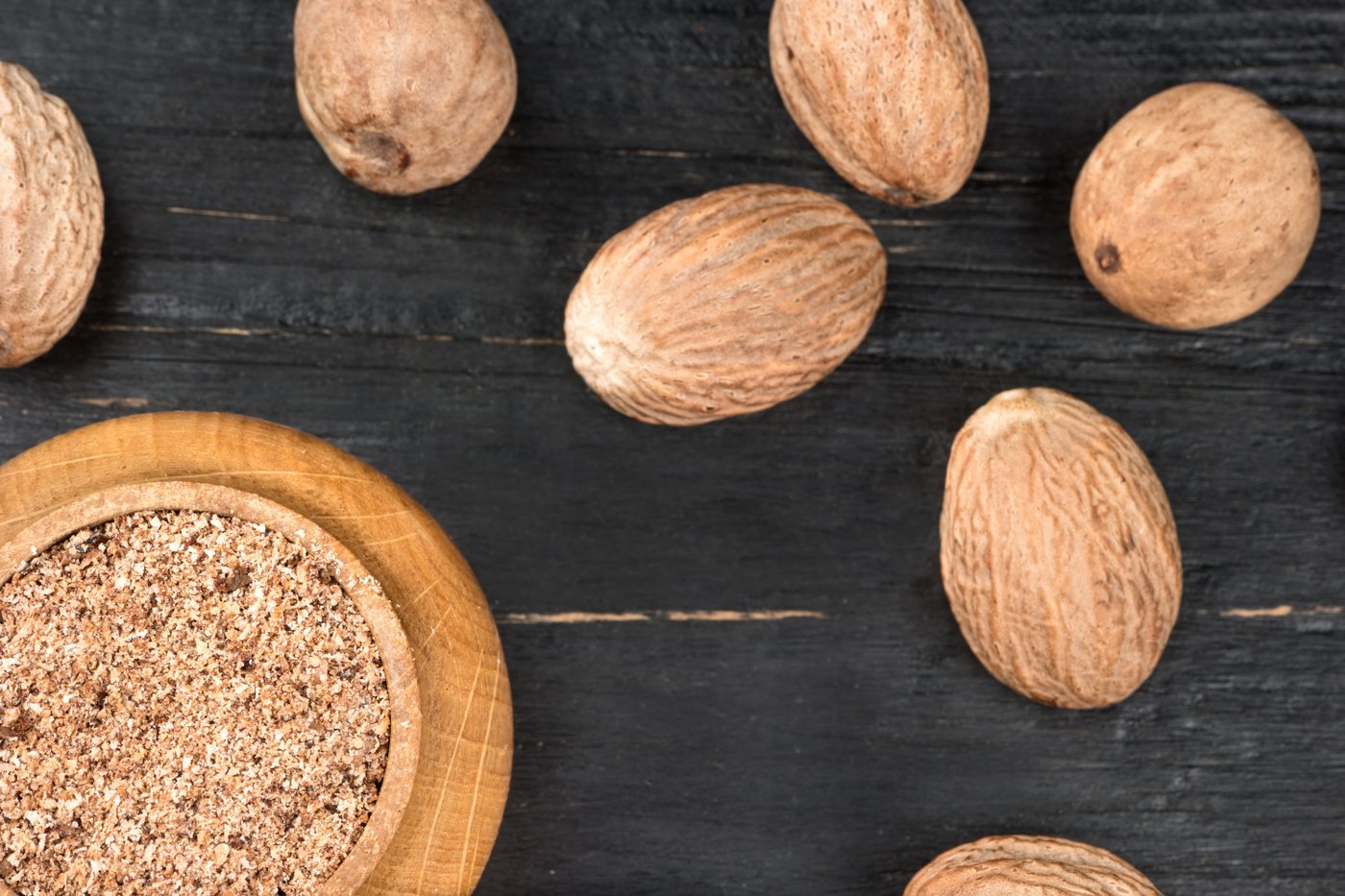
Nutmeg contains a compound called myristicin, which in large enough amounts can cause hallucinations, disorientation, elevated blood pressure, a rapid heart rate, and in rare severe cases, seizures in dogs. The amount used in a typical baked good, such as a slice of pumpkin pie or a batch of spiced cookies, is usually too small to cause serious harm, which is part of why nutmeg rarely appears on shorter lists of toxic foods.
The greater risk comes from a dog getting into the spice itself rather than a finished dish, such as knocking over and licking up a spilled container of ground nutmeg, or chewing through a whole nutmeg seed kept in a spice rack for grinding. A concentrated dose in this form carries far more myristicin than the same dog would encounter from stealing a slice of pie off the counter.
Symptoms from nutmeg toxicity can take several hours to appear and, in more severe cases, may persist for a day or two, since myristicin is processed relatively slowly by the body. Dogs showing signs of disorientation or agitation after getting into a spice cabinet warrant a call to a veterinarian even if the amount eaten seems small, since the delayed onset can make it hard to judge severity from early symptoms alone.
Nutmeg's relative obscurity as a dog hazard comes down to how it is stored and used: it sits in a spice rack rather than a fruit bowl or candy dish, and most exposure involves incidental baking rather than a dog deliberately seeking it out, which makes serious poisoning less common than with foods like chocolate or grapes.
Keeping whole nutmeg seeds and ground nutmeg containers in a cabinet a dog cannot access, rather than an open spice rack at counter height, removes most of the realistic risk from this ingredient.
Credit: FOTEROS / Pexels
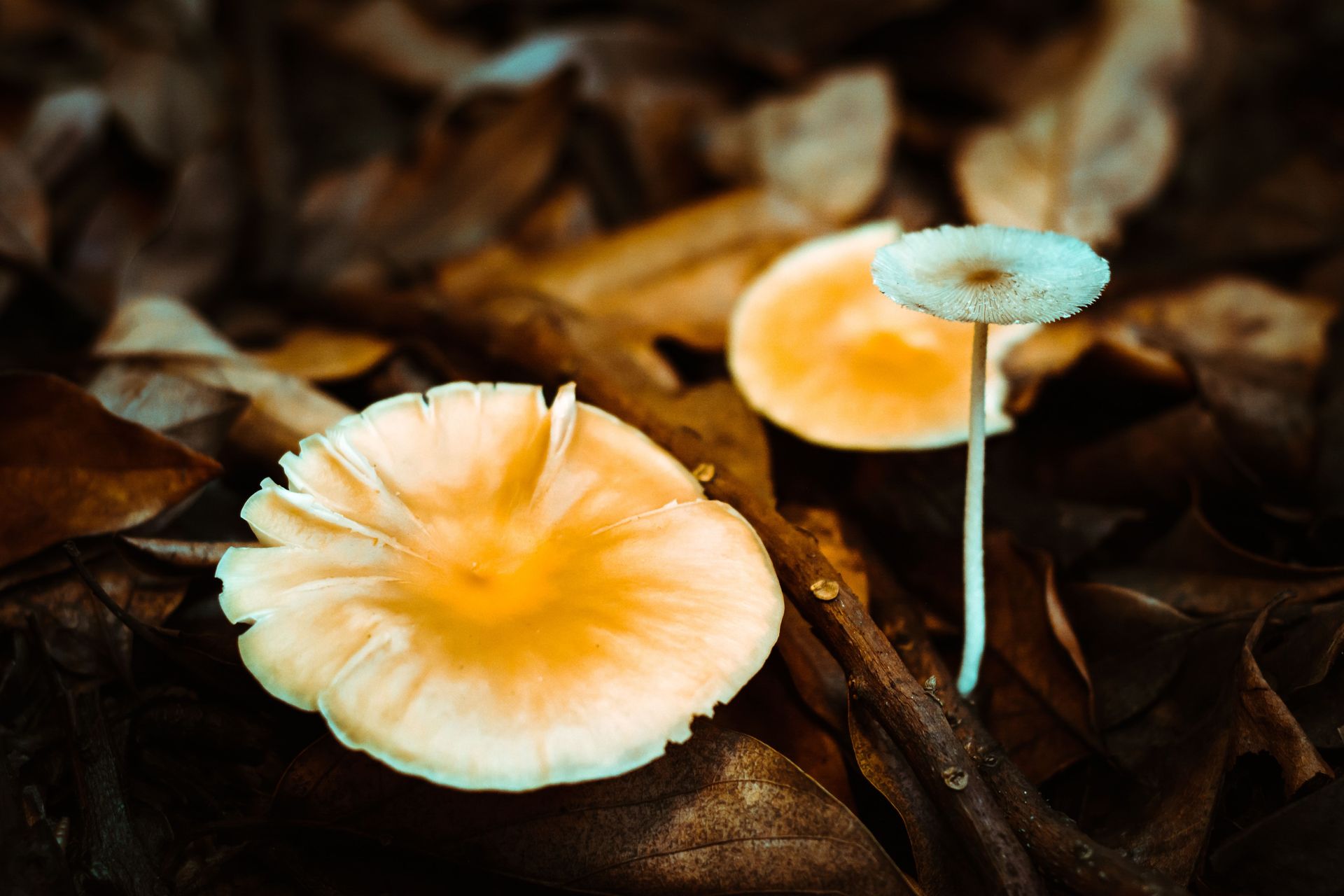
Wild mushrooms picked up during a walk or growing unnoticed in a yard pose a far greater risk to dogs than the mushrooms sold in a grocery store, since a small number of wild species are highly toxic and difficult to distinguish from harmless ones without expert knowledge. Amanita phalloides, commonly known as the death cap, is among the most dangerous and can cause fatal liver failure in a dog that eats even a small piece.
Store-bought mushrooms, including common varieties like white button, cremini, and portobello, are generally considered safe for dogs in small amounts and do not carry the same risk as wild species. This distinction matters because a blanket rule of "no mushrooms ever" is less useful than understanding that the danger is specific to unidentified mushrooms found outdoors.
Symptoms of mushroom poisoning vary considerably depending on the species involved, ranging from vomiting and diarrhea within a few hours to a period of apparent improvement followed by sudden liver or kidney failure days later, which is one of the more dangerous patterns since owners may believe the danger has passed. Because identifying mushroom species accurately is difficult even for trained experts, veterinarians generally treat any wild mushroom ingestion as a potential emergency rather than waiting to see which symptoms, if any, develop.
Yards with damp, shaded areas, mulch beds, and recently rained-on lawns are common places for wild mushrooms to sprout, sometimes overnight, which means a yard that was mushroom-free one day can present a new hazard the next after a change in weather. Regularly checking a yard after rain, particularly in warm months, and removing any unfamiliar mushrooms before letting a dog outside reduces this risk considerably.
If a dog is seen eating a wild mushroom, or shows any signs of illness after time spent in an area where mushrooms are present, bringing a sample of the mushroom, if safely available, to the veterinarian can help with identifying the species and choosing the right treatment.
Credit: Canva Images
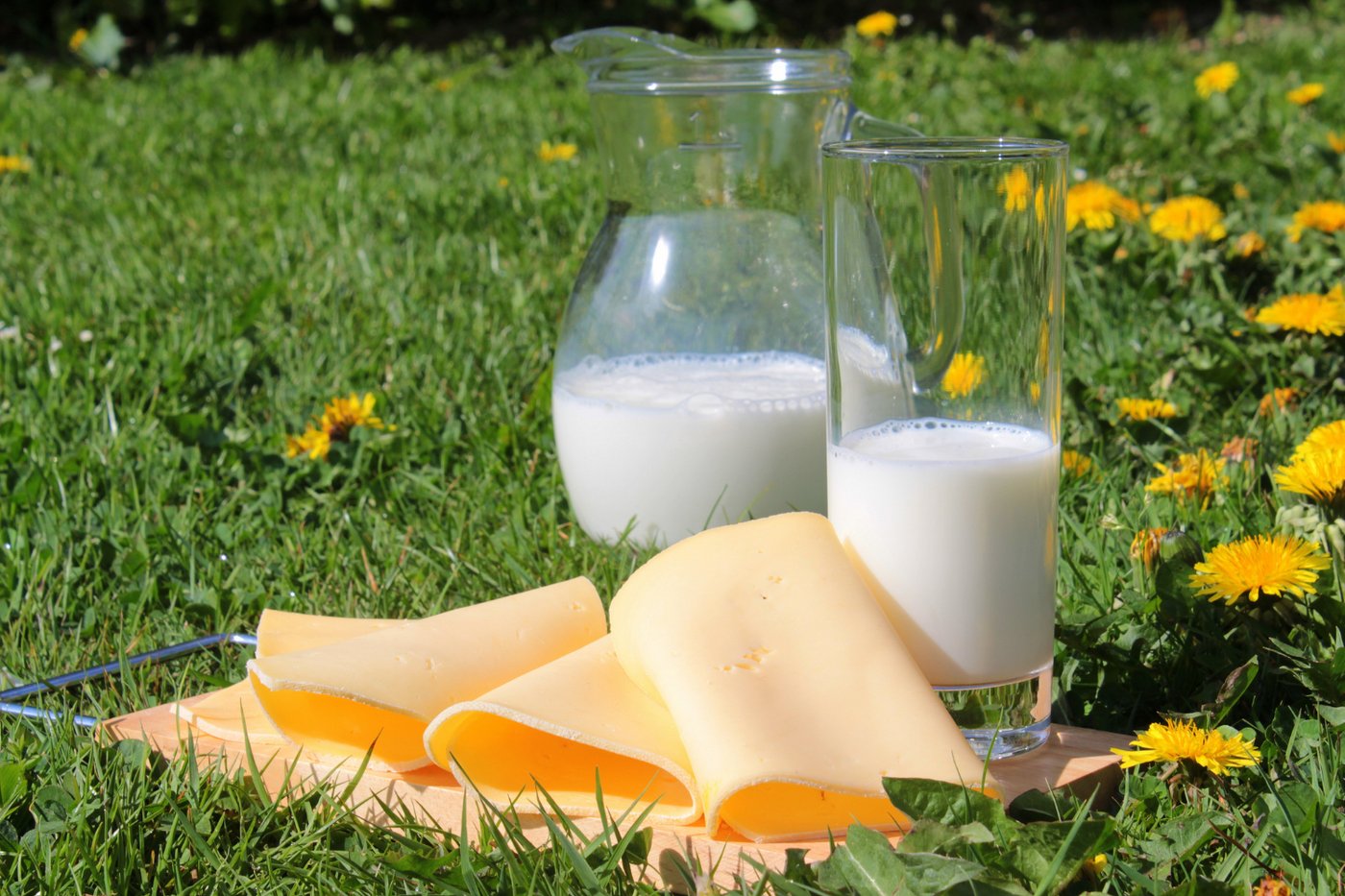
Milk and dairy products commonly cause digestive upset in dogs because most adult dogs lose much of their ability to produce lactase, the enzyme needed to break down lactose, once they are weaned as puppies. Without enough lactase, lactose passes through the digestive system largely undigested, drawing water into the intestines and often producing diarrhea, gas, and abdominal discomfort.
This form of intolerance is generally uncomfortable rather than dangerous, and most dogs recover on their own within a day once the dairy has worked its way through their system. That said, dogs vary considerably in how sensitive they are, and some show noticeable symptoms after a small taste of ice cream or a splash of milk in a bowl, while others tolerate modest amounts of cheese or yogurt without any obvious reaction.
Fermented dairy products like plain yogurt and hard cheeses tend to contain less lactose than fresh milk, since the fermentation and aging processes break some of it down, which is part of why these products are sometimes better tolerated by dogs than a glass of milk would be. This does not make them risk-free for dogs with more significant sensitivities, and portion size still matters.
Ice cream carries an additional consideration beyond lactose, since many flavors include ingredients separately dangerous to dogs, including chocolate, and some low-sugar or reduced-fat varieties are sweetened with xylitol. A dog that reacts badly to a bowl of ice cream may be responding to one of these other ingredients rather than the dairy itself.
For dogs with a known dairy sensitivity, avoiding milk, ice cream, and soft cheeses is the simplest approach, while a small amount of plain yogurt or a hard cheese used occasionally as a training treat is generally tolerated by most healthy adult dogs without significant issue.
Puppies still nursing digest lactose without difficulty, since their bodies are still producing lactase to process their mother's milk, which is part of why the intolerance associated with dairy develops gradually after weaning rather than being present from birth.
Credit: Veran Stanojevic / Pexels
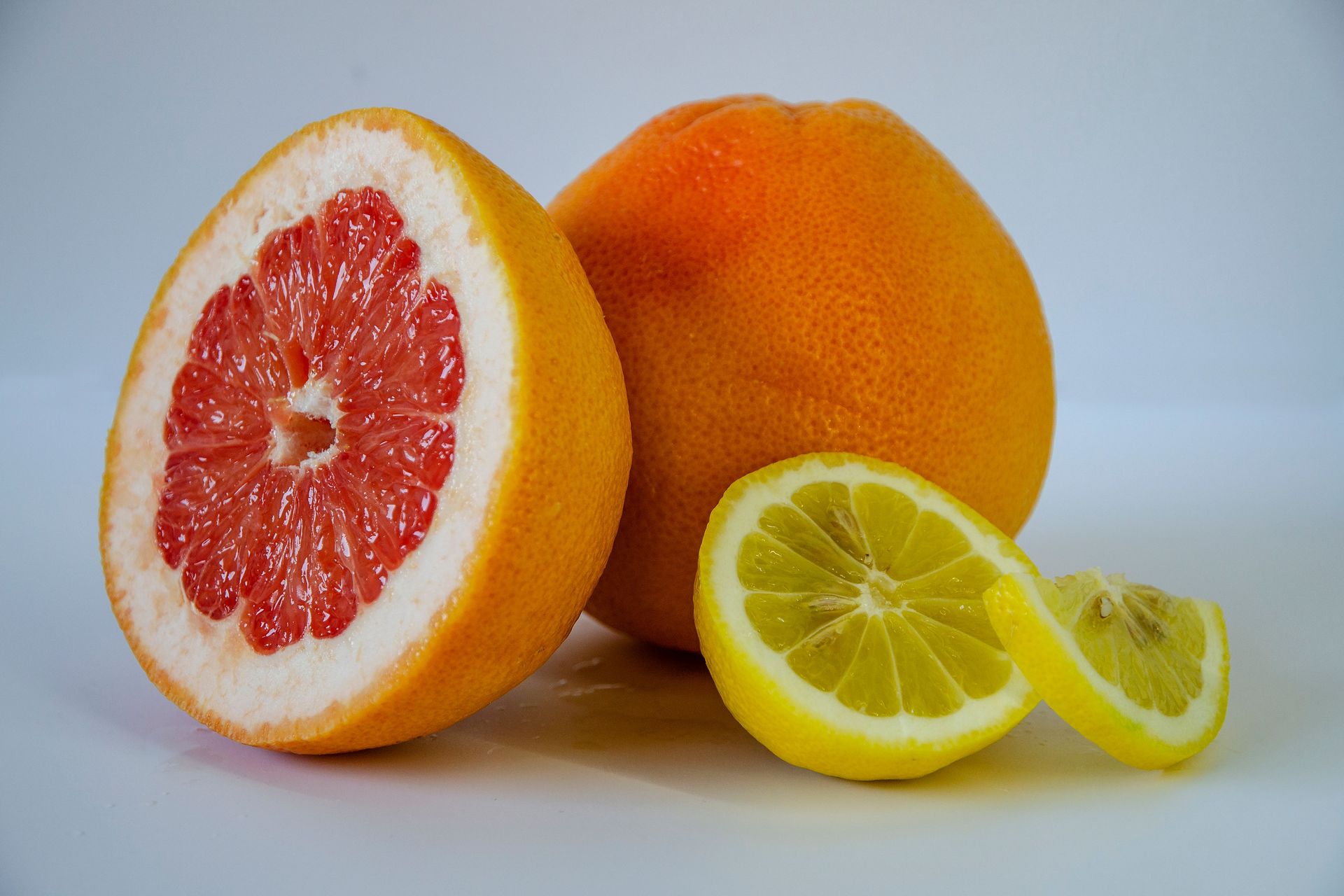
Citrus fruit, including lemons, limes, and grapefruit, can cause gastrointestinal upset in dogs when eaten in any meaningful quantity, largely due to the citric acid and aromatic oils concentrated in the peel, pith, and seeds rather than the fruit's flesh alone. A dog that steals a wedge of orange or a small piece of peeled grapefruit flesh is unlikely to suffer serious harm, but the peel and seeds present a higher risk.
The essential oils found in citrus peels, known as psoralens, can cause skin irritation and increased sensitivity to sunlight if they come into contact with a dog's skin, and can also contribute to vomiting and diarrhea if ingested in quantity. Citrus seeds, while not highly toxic individually, add a mechanical choking and obstruction risk on top of any chemical irritation, particularly in smaller dogs.
Grapefruit carries an additional concern beyond the general citrus risks: it can interfere with how certain medications are metabolized in the liver, a well-documented interaction in human medicine that also applies to dogs taking prescription drugs. Dogs on regular medication should generally avoid grapefruit specifically, even in small amounts, unless a veterinarian has confirmed it is safe given the dog's particular prescriptions.
Citrus-scented cleaning products and essential oils marketed for aromatherapy contain a far more concentrated dose of the same aromatic compounds found in citrus peels, and ingestion of these concentrated products poses a considerably higher risk than a dog eating actual fruit, which is worth keeping in mind separately from food safety.
A few segments of peeled, seedless orange offered occasionally are generally considered a low-risk treat for most healthy dogs, while lemons, limes, and grapefruit are best avoided altogether given their more concentrated acid content and, in grapefruit's case, its potential medication interactions.
Dogs that dig through kitchen trash sometimes encounter whole discarded citrus peels rather than fresh fruit, and the concentrated oils in a dried or trash-softened peel can be more irritating to the mouth and stomach than a piece of peel taken straight from a fresh piece of fruit.
Credit: Ruby Sengar / Pexels
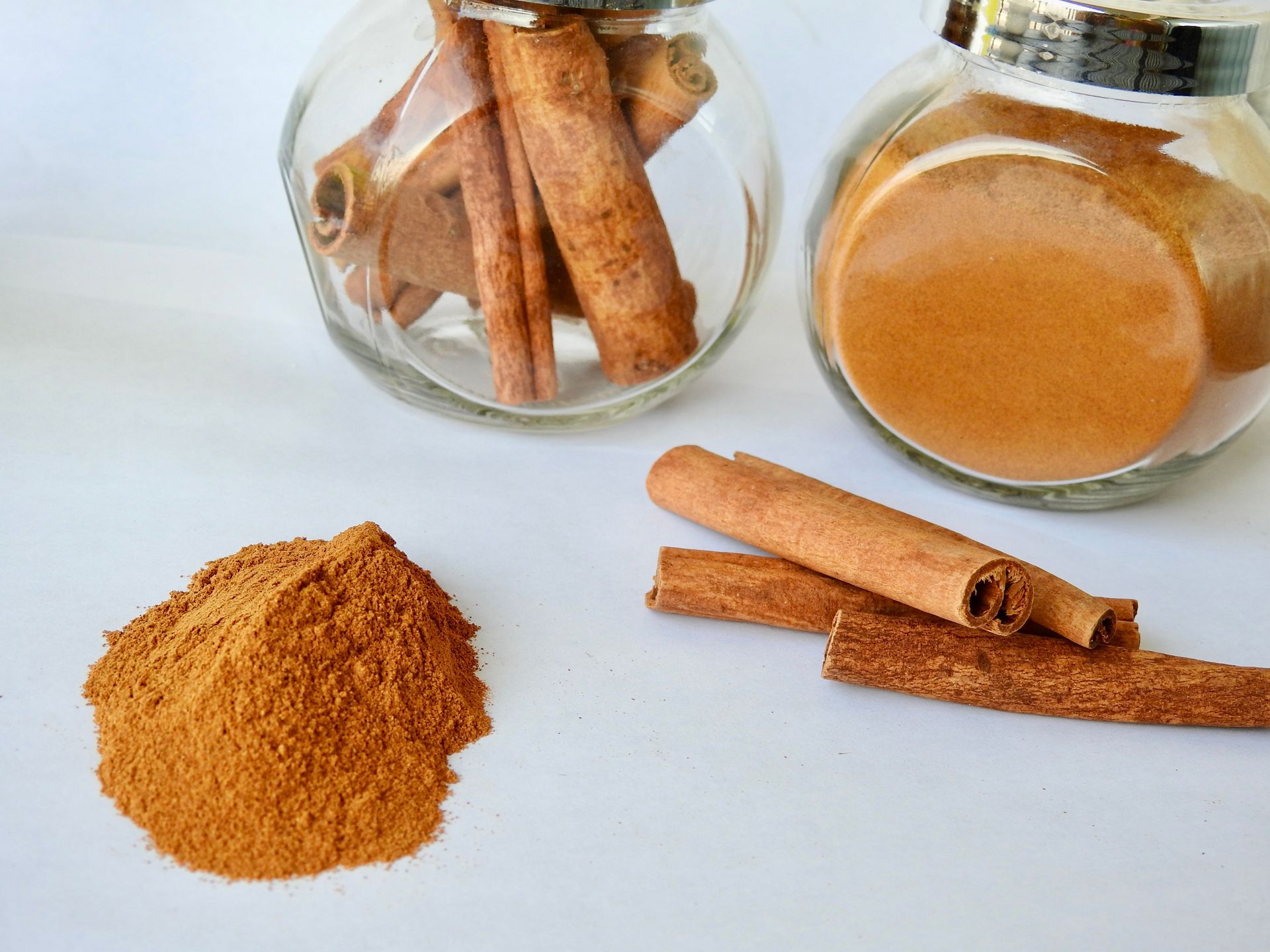
Cinnamon in the small amounts typically used in baking and cooking is generally considered low risk for dogs, but concentrated or powdered cinnamon eaten in quantity can irritate the mouth, throat, and airway, and in larger amounts has been associated with low blood sugar and, in extreme cases, liver problems. The risk scales heavily with concentration and amount rather than applying evenly to any food that happens to contain the spice.
A far more common problem than cinnamon toxicity itself is inhalation of the dry powder, sometimes seen in a viral trend known as the cinnamon challenge among people, which does not translate well to dogs. If a dog noses into a spilled container of ground cinnamon, inhaling the fine powder can cause coughing, difficulty breathing, and irritation of the nasal passages and lungs, separate from any effect of actually swallowing it.
Cinnamon rolls, spiced cookies, and baked goods that combine cinnamon with sugar and sometimes raisins or chocolate present a layered risk, where the cinnamon itself is the least concerning ingredient compared with the other additions on this list. A dog that steals a cinnamon-raisin bagel is facing more risk from the raisins than from the spice in its name.
Cinnamon essential oil, sometimes used in home diffusers or homemade cleaning products, is far more concentrated than the ground spice and can cause more significant irritation to skin, mouth, and airway if a dog comes into direct contact with it, which is a separate concern from culinary cinnamon in food.
For most dogs, an occasional bite of a cinnamon-spiced treat made for humans is unlikely to cause serious harm, though it offers no nutritional benefit and is best treated as an occasional indulgence rather than a regular addition to a dog's diet.
Cinnamon sticks used as a garnish in hot drinks or holiday decorations are less concentrated than powdered cinnamon and pose mainly a chewing or splintering hazard rather than a chemical one, though they are still worth keeping away from a dog that likes to chew on unfamiliar objects.
Credit: Canva Images
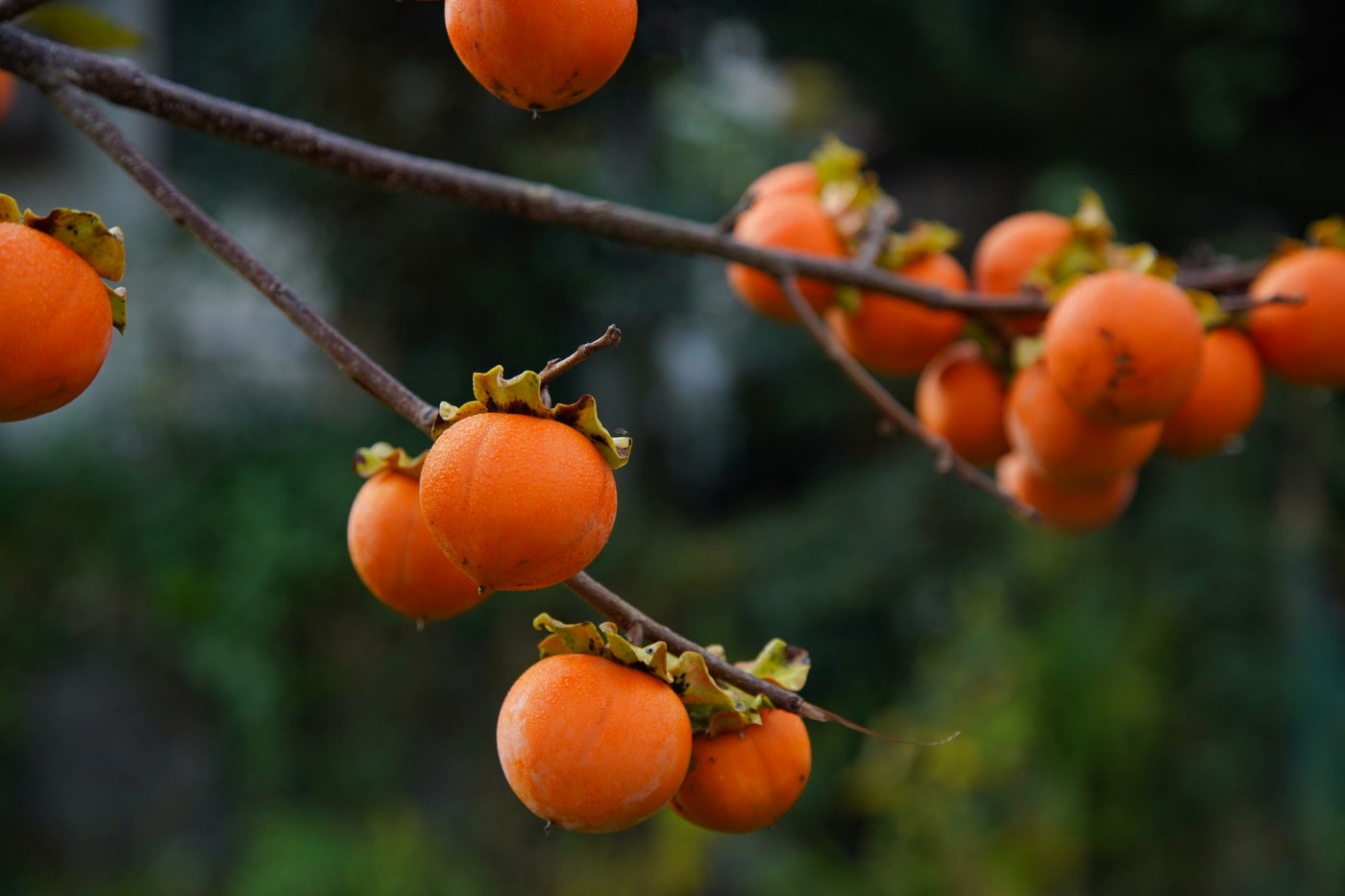
Persimmons themselves are not considered highly toxic to dogs, but the seeds inside the fruit pose a real risk of intestinal obstruction if swallowed, since they are small, hard, and can lodge in the intestines rather than passing through normally. This makes persimmons a food where the fruit's flesh is a lesser concern than the parts most people would not think to remove before offering a dog a taste.
An intestinal obstruction from persimmon seeds can cause vomiting, loss of appetite, abdominal pain, and lethargy, and depending on where the blockage occurs, it may require surgical removal if the seeds do not pass on their own. Smaller dogs and those with narrower intestinal tracts are generally at higher risk of a complete blockage from a relatively small seed than larger breeds might be.
Persimmon trees are fairly common in home gardens and yards in parts of the U.S., particularly in warmer climates, which means dogs may encounter fallen fruit outdoors rather than only inside the house. A dog with regular access to a yard containing a persimmon tree has repeated opportunities for exposure across an entire growing season rather than a single incident.
The ripe flesh of a persimmon, with seeds removed, is generally considered a reasonably low-risk occasional treat for dogs in small amounts, similar to other soft fruits, though it offers no particular nutritional advantage that would make it worth actively seeking out.
Owners with persimmon trees on their property are better served by regularly clearing fallen fruit from areas where a dog has unsupervised access than by trying to fully prevent a dog from ever encountering the tree, since fruit drop can happen quickly during peak season.
Unripe persimmons are also considerably more astringent than ripe fruit, which tends to discourage most dogs from eating a large quantity on their own, though a determined dog with a sweet tooth may still eat enough to warrant a call to the veterinarian if the seeds are swallowed.
Credit: Matvei / Pexels
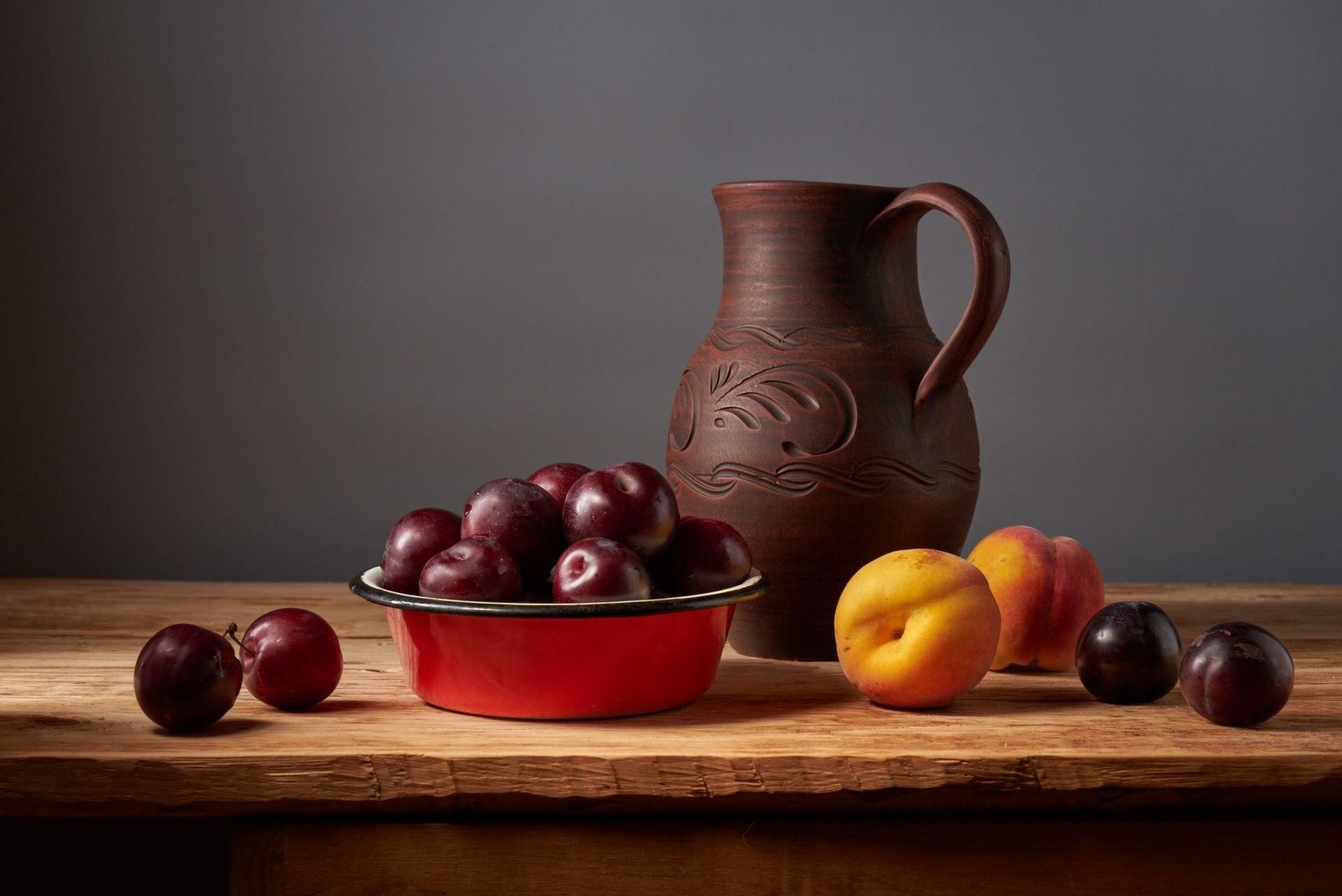
Cherry, peach, and plum pits contain a compound called amygdalin, which releases cyanide when it is broken down during digestion, making the pits themselves considerably more dangerous than the fruit's flesh. A dog that eats the flesh of a ripe cherry or peach without swallowing the pit is at far lower risk than one that swallows the pit whole or chews through several of them.
Cyanide interferes with the body's ability to use oxygen at a cellular level, and in a large enough dose, it can cause difficulty breathing, dilated pupils, bright red gums, and in severe cases, seizures or collapse. Reaching a toxic dose typically requires a dog to consume and break down a meaningful number of crushed or chewed pits rather than swallowing one intact pit, since an intact pit is less likely to release its cyanogenic compounds during digestion.
Separate from the cyanide risk, pits from any of these fruits are large enough to cause a mechanical intestinal obstruction or a choking hazard on their own, regardless of whether cyanide poisoning ever becomes a factor. This mechanical risk applies even to a single swallowed pit and is often the more immediate concern in a typical accidental ingestion.
The leaves, stems, and bark of cherry, peach, and plum trees also contain cyanogenic compounds, which matters for dogs with unsupervised access to a yard containing these trees, particularly after storms or pruning leave broken branches and wilted leaves on the ground, since wilting appears to increase the release of these compounds in some stone fruit species.
Removing pits before offering any of these fruits to a dog, and keeping dogs from foraging under fruit trees where fallen fruit and pits accumulate, addresses both the mechanical obstruction risk and the far less common but more serious cyanide exposure risk.
Apple $AAPL and apricot seeds contain related cyanogenic compounds as well, in smaller amounts than a typical stone fruit pit, which is why apple slices offered as treats should have the core and seeds removed even though the flesh itself is considered safe.
Credit: Engin Akyurt / Pexels
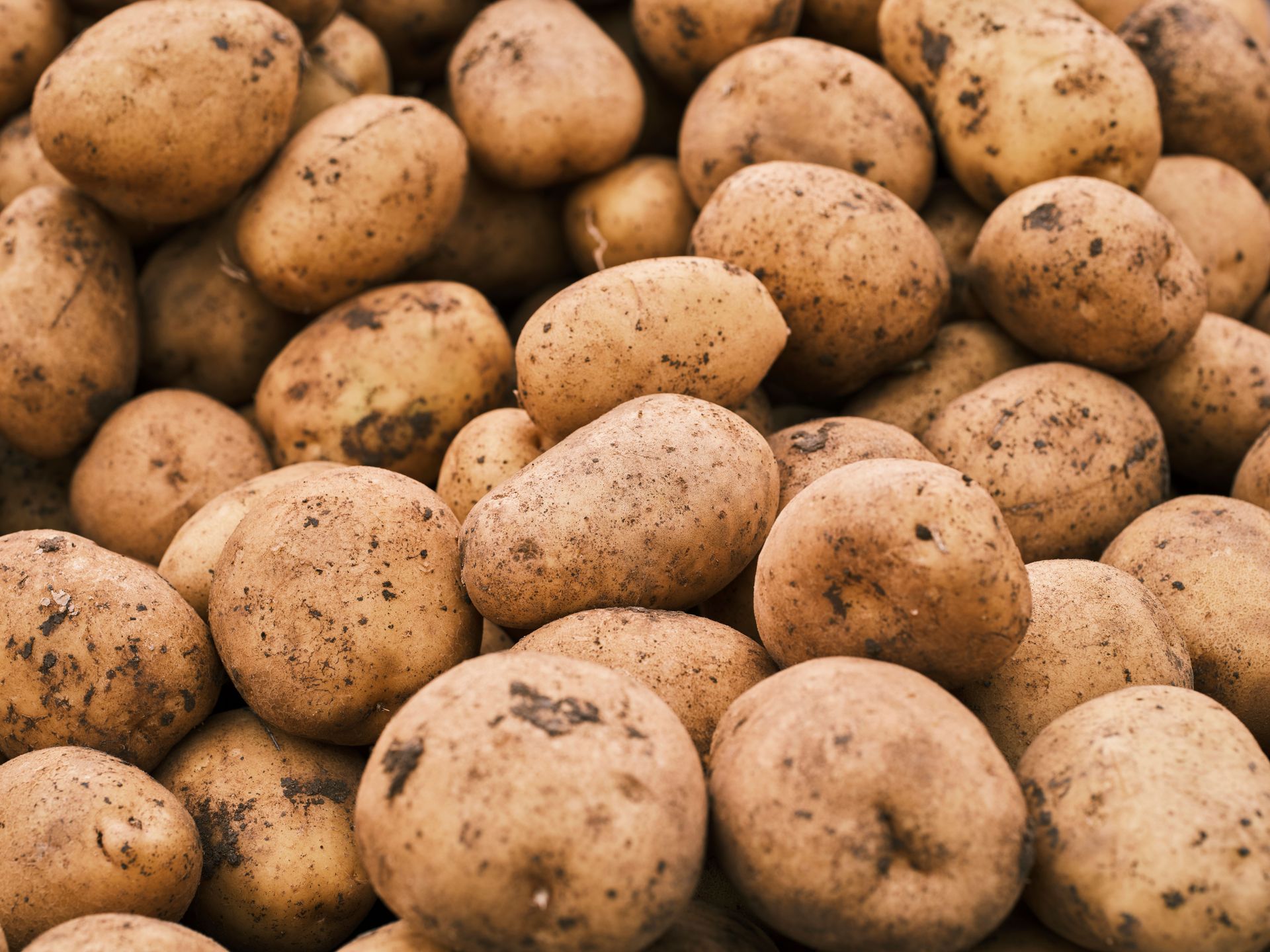
Raw potatoes and green-tinged potato skins contain solanine, a naturally occurring toxin from the nightshade family that becomes more concentrated as a potato is exposed to light, sprouts, or begins to turn green. Cooking reduces solanine levels somewhat but does not eliminate the risk entirely, particularly if the potato was already significantly green or sprouted before it was cooked.
Solanine poisoning in dogs can cause gastrointestinal upset, including vomiting and diarrhea, along with lethargy and, in more significant doses, confusion or weakness. Reaching a genuinely dangerous dose typically requires eating a fairly large quantity of raw or green potato relative to the dog's size, which means the more common scenario is mild GI upset rather than severe poisoning.
Potato sprouts, the small green shoots that emerge from a potato left too long in storage, contain a higher concentration of solanine than the potato flesh itself, and should be removed and discarded rather than fed to a dog along with the rest of the potato. A fully green potato is best discarded entirely rather than trimmed and served.
Fully cooked, peeled potatoes without any green coloring are generally considered a safe, plain carbohydrate for dogs in moderate amounts, which is why potato appears as an ingredient in many commercial dog foods without contradiction to the warning about raw or green potatoes specifically. The distinction is about preparation and appearance, not about potatoes as a category.
Storing potatoes away from light, checking for green coloring before cooking, and keeping raw potatoes out of a dog's reach in the kitchen addresses most of the realistic risk from this common pantry staple.
Home vegetable gardens that include potato plants present a similar risk to the tubers themselves, since the leaves and stems of the potato plant also contain solanine, and a dog digging around the base of a growing plant can come into contact with green, developing tubers still in the ground well before harvest.
Credit: Magda Ehlers / Pexels
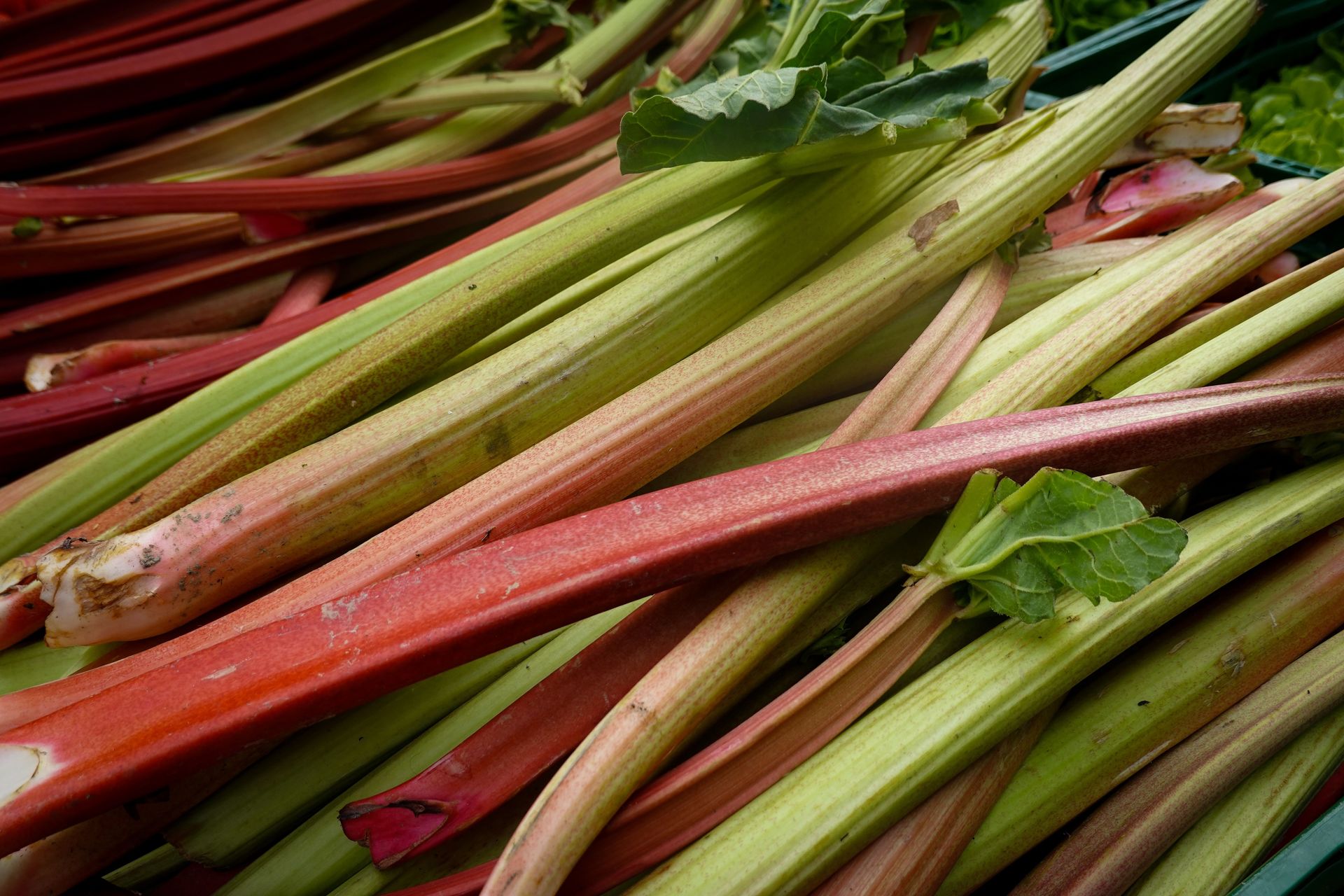
Rhubarb leaves contain a high concentration of oxalic acid, a compound that binds with calcium in the body and can lead to kidney damage, tremors, and drooling if a dog eats a significant amount. This risk is specific to the leaves rather than the stalks, which is an important distinction since rhubarb stalks are the part typically used in cooking and baking.
Oxalic acid interferes with calcium metabolism throughout the body, and in severe cases can cause a dangerous drop in blood calcium levels, leading to muscle tremors, weakness, and abnormal heart rhythms. Kidney damage from oxalate crystals forming in the kidneys is a longer-term concern with more significant or repeated exposure rather than something that necessarily appears immediately.
Rhubarb is a common home garden plant, particularly in cooler climates across the northern U.S., and its large, striking leaves are often left in place after the stalks are harvested for pies and jams, which means a dog with yard access may encounter discarded leaves at the base of the plant well after the edible stalks have already been picked. Home gardeners composting rhubarb leaves should be aware that a compost pile within a dog's reach carries the same risk as the fresh plant.
Rhubarb stalks themselves are generally considered a much lower risk than the leaves, since oxalic acid is far less concentrated in the stalk, though a large quantity of raw rhubarb stalk could still cause some digestive upset independent of the more serious leaf-specific risk.
Keeping rhubarb leaves out of compost piles a dog can access, and disposing of them in a sealed bin instead, removes most of the practical risk this garden plant presents to a dog that spends time outdoors.
Other high-oxalate plants sometimes grown alongside rhubarb in home gardens, including certain ornamental varieties of spinach and beet greens, carry a milder version of the same concern, though none reach the concentration found in rhubarb leaves specifically.
Credit: Canva Images
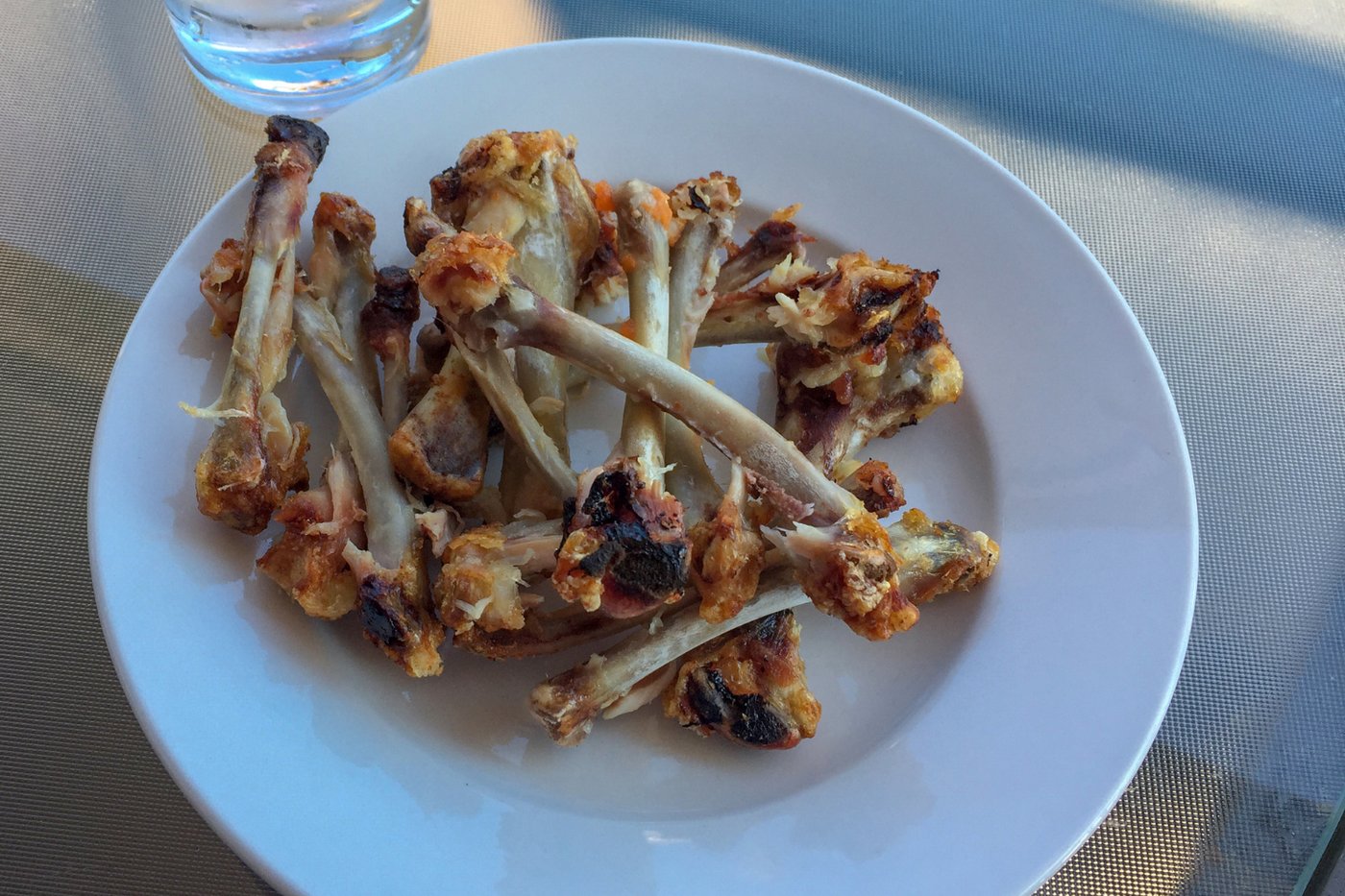
Cooked bones splinter far more easily than raw bones, since cooking dries them out and makes them brittle, which creates sharp fragments that can injure a dog's mouth, throat, or intestines, or become lodged and cause a blockage requiring surgery. This is why veterinarians generally advise against giving dogs cooked bones from chicken, turkey, pork, or beef, even though raw bones carry their own separate set of risks around bacteria and dental fractures.
Fatty meat trimmings, skin, and drippings, common leftovers from holiday meals and backyard cookouts, can trigger pancreatitis in dogs, an inflammation of the pancreas that causes vomiting, abdominal pain, and lethargy, sometimes severe enough to require hospitalization. This risk rises noticeably around holidays, when richer foods and larger meals are more common and dogs are more likely to be given table scraps by well-meaning guests.
A dog does not need to swallow an entire bone to be at risk, since even a small splintered fragment caught in the throat or working its way through the intestines can cause serious injury. Turkey and chicken bones from a holiday meal are a particularly common source of emergency vet visits during the days following Thanksgiving and other large family gatherings.
Some dogs tolerate fatty scraps without any obvious reaction, while others develop pancreatitis after a single rich meal, and there is no reliable way to predict in advance which dogs are more vulnerable, which is why veterinarians generally recommend avoiding rich trimmings and skin as a precaution rather than judging risk by a dog's past tolerance.
Offering a dog a properly sized dog-specific chew treat, rather than table bones or fatty trimmings, and asking guests not to feed a dog directly from their plates during large gatherings, addresses most of the risk associated with holiday meals specifically.
Trash cans left accessible after a large meal are a common source of exposure, since a dog motivated by the smell of a discarded carcass or fatty scraps will often work to get into a bin that seemed secure under normal circumstances, making a lidded or latched container worth the extra effort during busy holidays.
Credit: Wyxina Tresse / Pexels
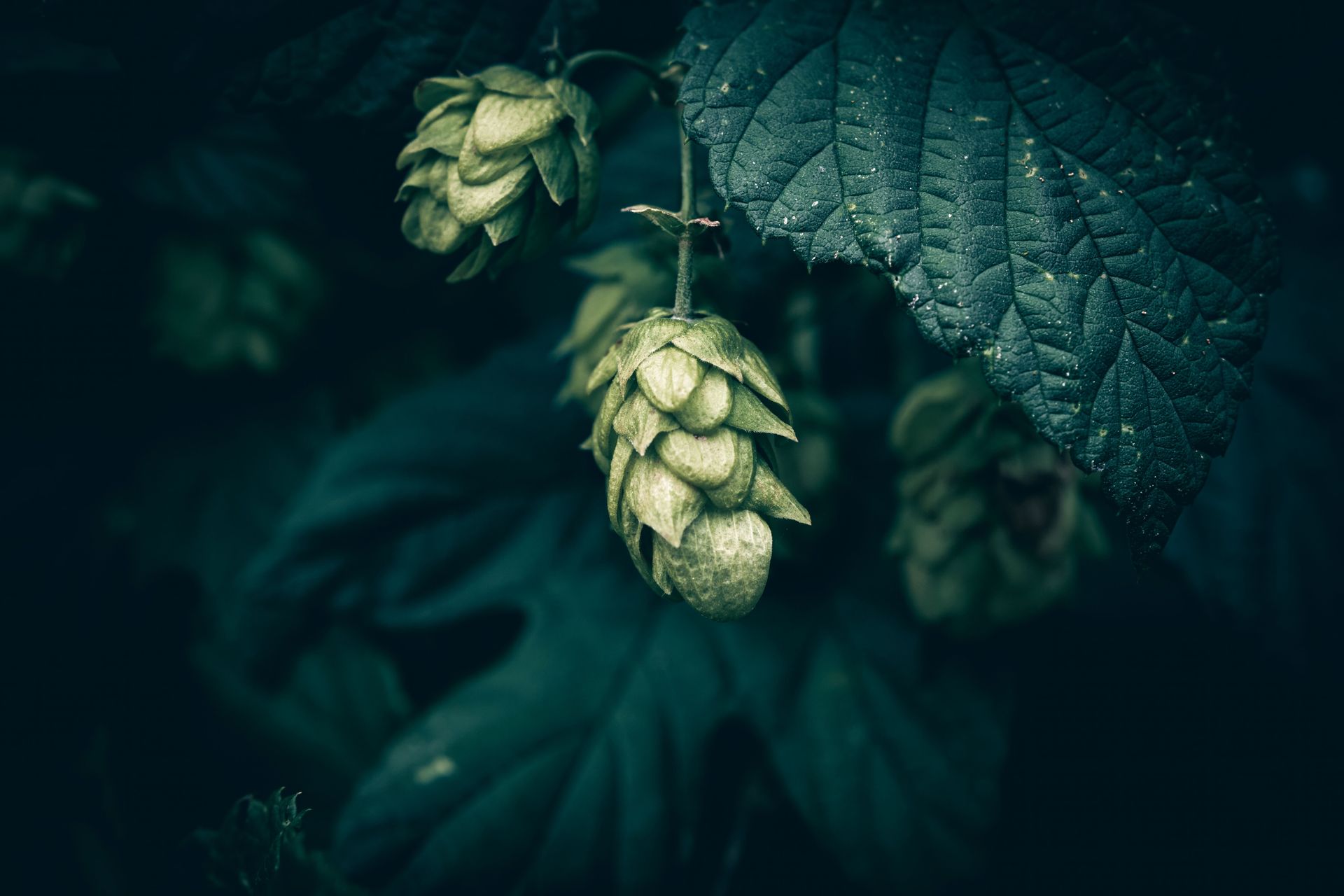
Hops, the flower used to bitter and flavor beer during home brewing, can cause a dangerous and rapid rise in body temperature in dogs known as malignant hyperthermia, along with panting, an elevated heart rate, restlessness, and in severe cases, seizures that can prove fatal within a matter of hours. This reaction can occur with both fresh and spent hops, meaning the used hops discarded after a home brewing session still carry meaningful risk.
The exact mechanism behind hops toxicity in dogs is not fully understood, which sets it apart from many other entries on this list where the toxic compound and its effect on the body are well documented. What is well established, through repeated veterinary case reports, is how quickly and severely dogs can react, with body temperature sometimes climbing to a dangerous level within a few hours of exposure.
Hops is one of the less familiar entries on any list of foods toxic to dogs specifically because home brewing is a hobby rather than a common kitchen activity, and hops themselves are not something most households keep on hand the way they would chocolate or onions. This unfamiliarity is exactly why hops poisoning catches home brewers off guard, since a hobby that has nothing to do with cooking for a dog can still introduce a serious hazard into the house.
Compost from a home brewing setup, including spent grain and hop residue discarded after brewing, should be treated with the same caution as fresh hops, since dogs are frequently drawn to compost piles by scent, and the toxic compounds remain active in the used material.
Any dog showing rapid panting, restlessness, or a noticeably hot body after potential exposure to hops should be brought to a veterinarian immediately, since malignant hyperthermia from hops can progress from mild symptoms to a life-threatening emergency in a short window of time.
Credit: Qing Luo / Pexels
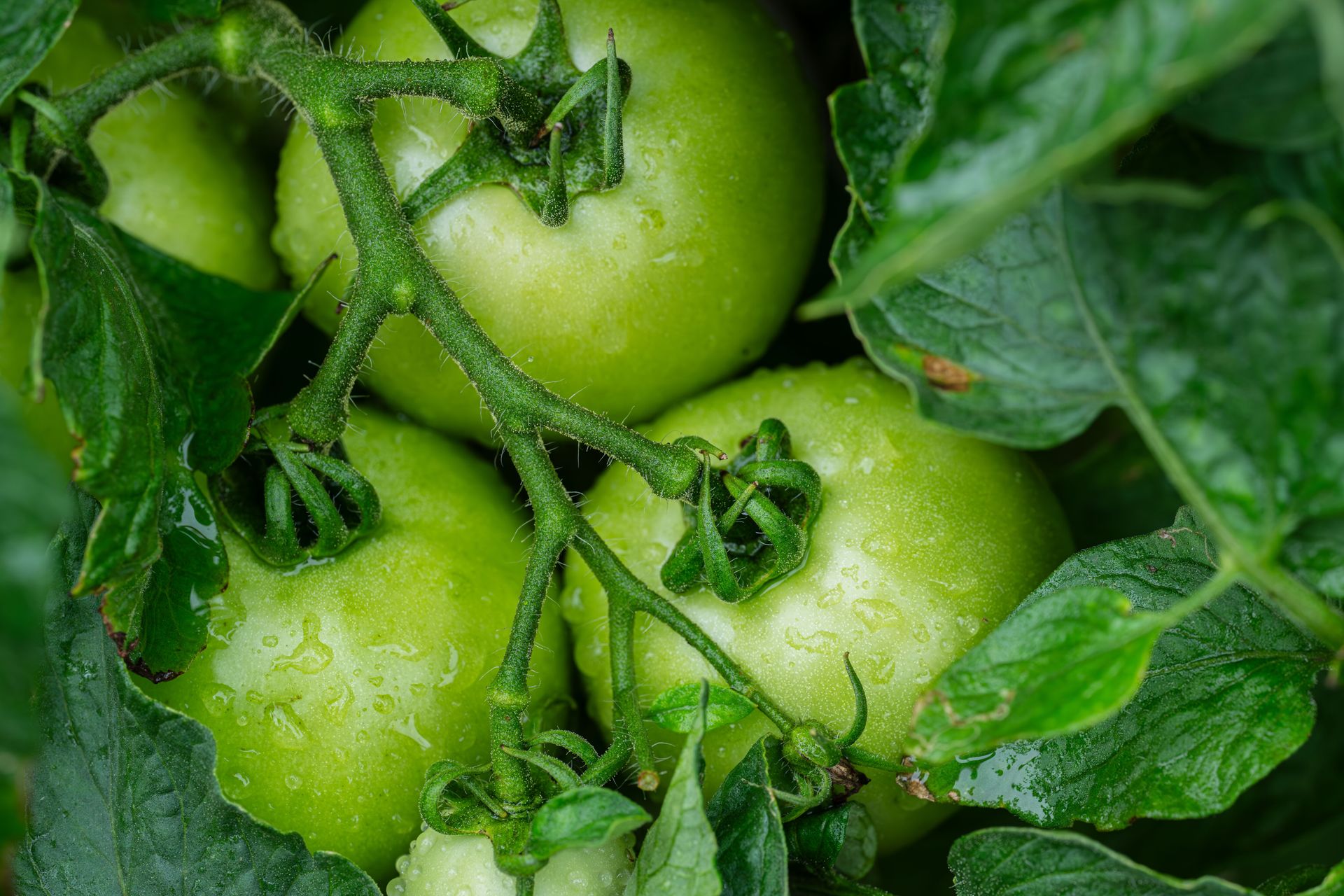
Unripe green tomatoes, along with the leaves and stems of the tomato plant, contain solanine, the same nightshade toxin found in raw and green potatoes, while fully ripened red tomato flesh contains only a small fraction of that amount and is generally considered a low-risk occasional treat for dogs. This distinction between the ripe fruit and the rest of the plant is the key detail most owners miss.
A dog that eats a ripe tomato from a salad or a slice off a sandwich is unlikely to experience any meaningful toxicity, since solanine concentration drops sharply as the fruit ripens from green to red. The greater risk comes from a dog with access to a home vegetable garden, where green, unripe tomatoes still on the vine, along with the plant's leaves and stems, are far more concentrated sources of the toxin.
Symptoms of solanine toxicity from tomato plants mirror those from green potatoes, including gastrointestinal upset, lethargy, and, in significant doses, weakness or confusion, though reaching a genuinely dangerous level typically requires a dog to eat a substantial amount of plant material rather than a single stolen tomato.
Home vegetable gardens are common enough across the U.S. that this risk applies to a meaningful number of households, particularly during late summer, when tomato plants are heavy with fruit at various stages of ripeness and a dog with unsupervised yard access has ample opportunity to sample the plant directly.
Fencing off a vegetable garden, or supervising a dog's time in a yard that includes tomato plants, addresses most of the practical risk, while ripe, off-the-vine tomato flesh served in moderation remains a reasonable treat for most healthy dogs.
Cherry tomato plants, popular in smaller home gardens and raised beds, produce a larger number of individual unripe fruits at any given time than standard varieties, which can mean more opportunities for a dog to sample green fruit directly off a low-hanging vine before it has fully ripened.
