Ashton Bingham / Unsplash
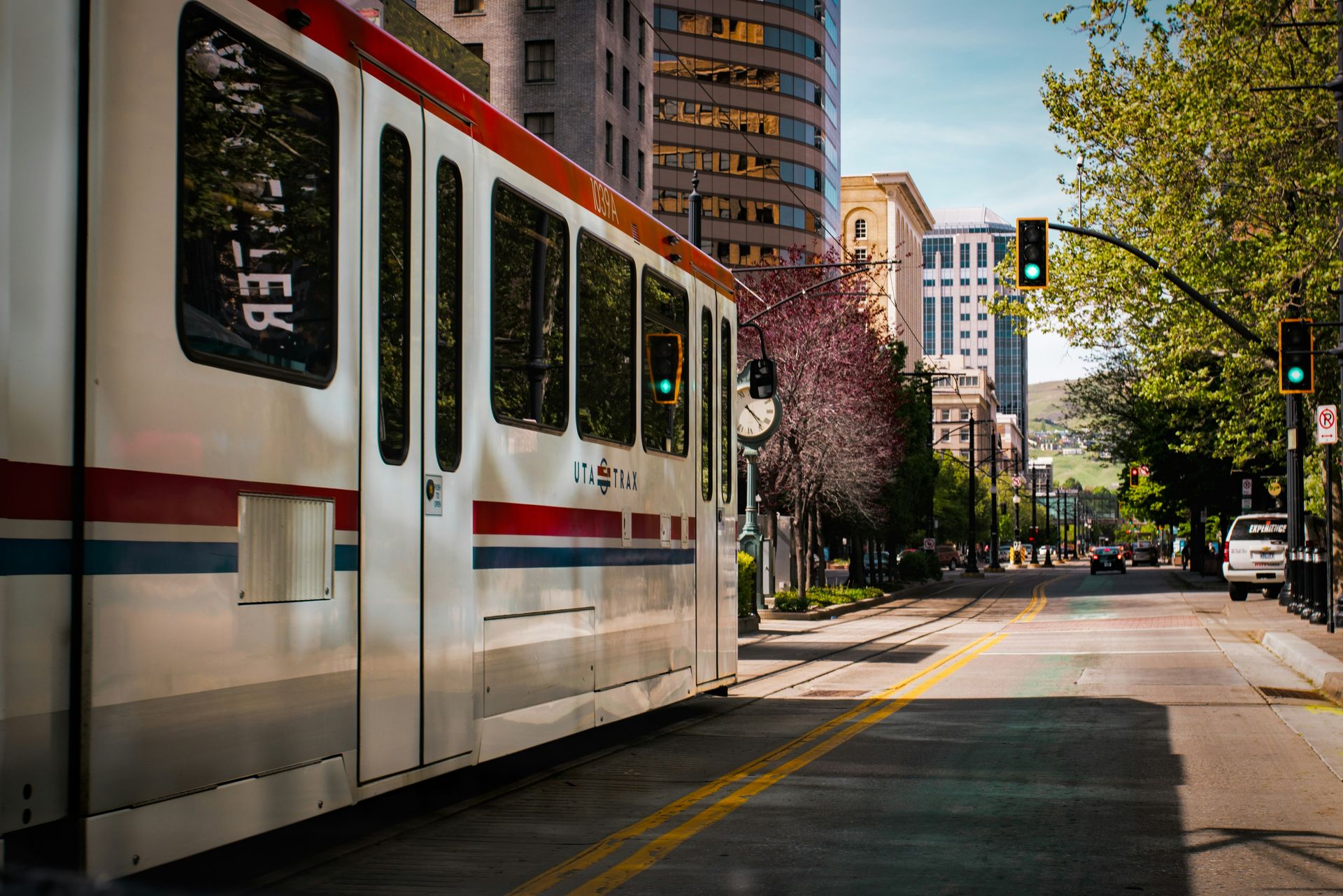
Cities are rethinking how people get around, and it's about time. More people, worse air, and better technology have all pushed things the same way — fewer cars, transit that actually works. The cities leading this aren't just adding more buses. They're looking at the full picture, bringing trains, bikes, and walkable streets together into something people actually want to use.
The difference between a good transit city and a great one isn't always obvious on paper. What it really comes down to is whether the network is good enough that people stop thinking about driving. Frequent service, affordable fares, and routes that connect to each other without making you walk half a mile between stops — get those things right and car ownership starts to feel unnecessary.
Here are five cities that have figured most of it out, heading into 2025.
1 / 5
Shengpengpeng Cai / Unsplash
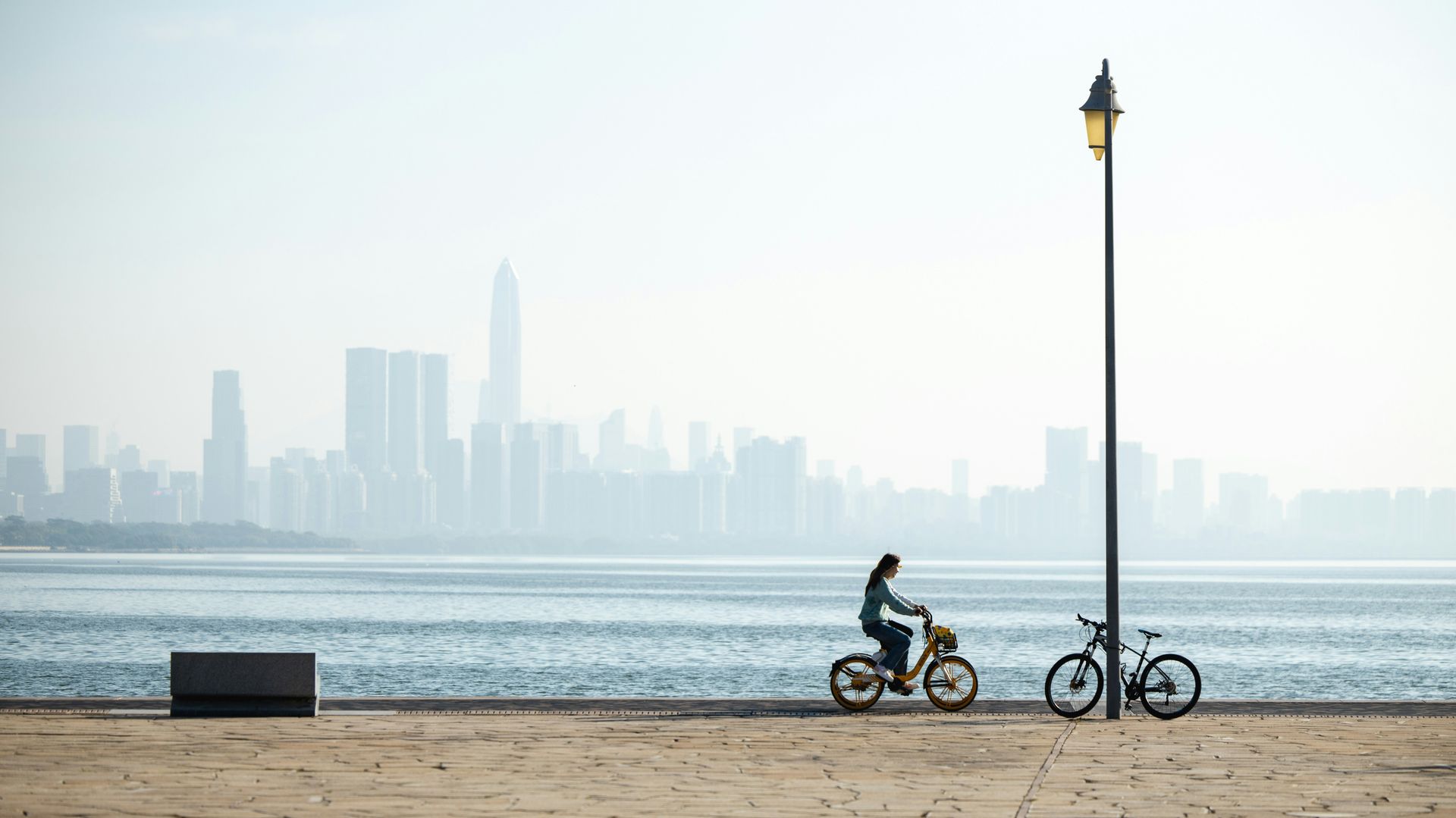
Chengdu is attempting something that's genuinely hard to picture. This massive Chinese city is reportedly building the longest greenway on the planet — over 20,000 kilometers of cycling and walking paths cut through neighborhoods, office districts, and industrial areas alike. Nobody's pitching this as a nice place to jog on Sundays. The whole idea is to make car-free travel a real, everyday option for an enormous number of people. It's an enormous undertaking, and by most accounts, it's already starting to shift how the city functions.
2 / 5
Wanghao Sang / Unsplash
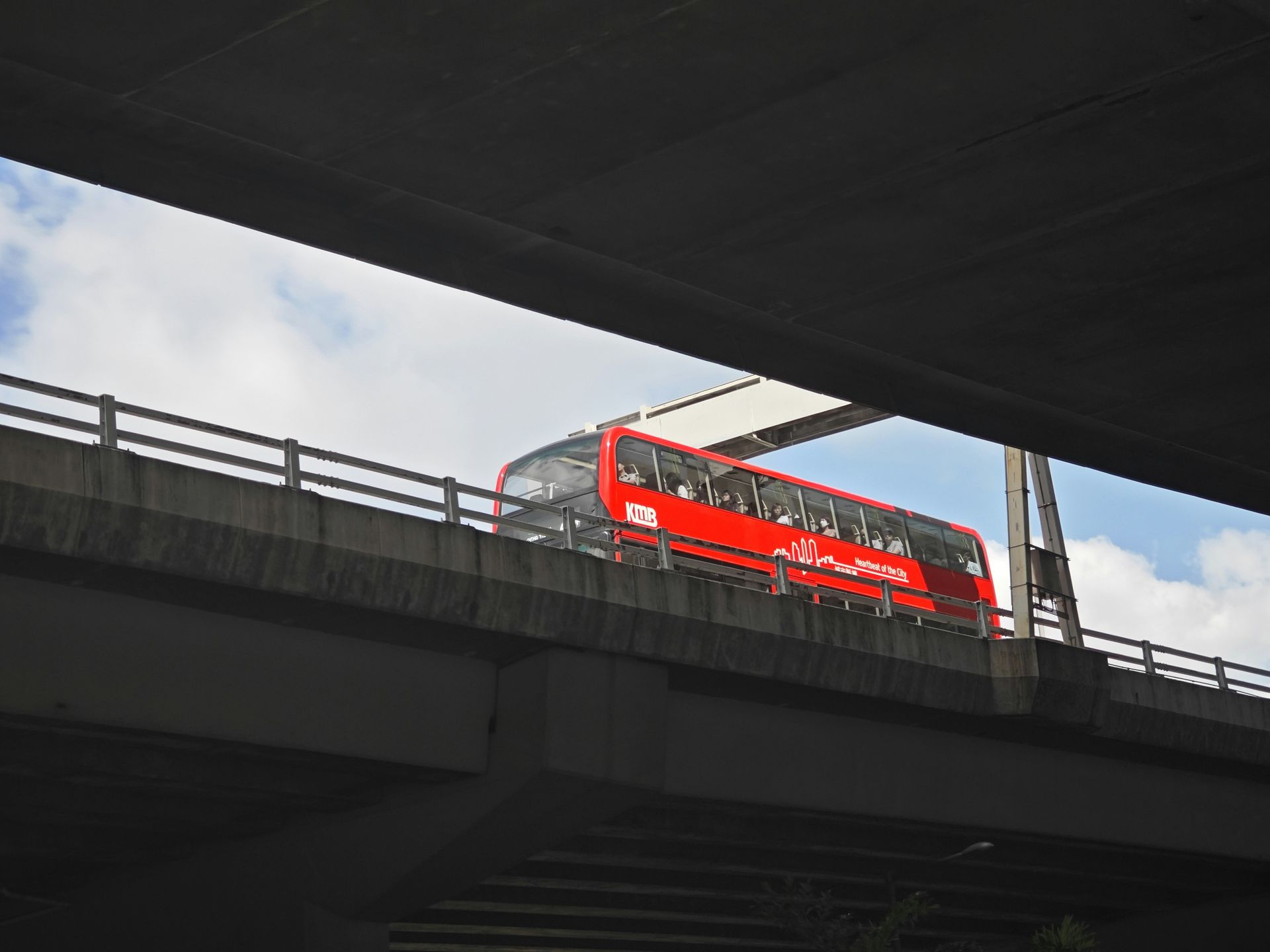
Hong Kong has had one of the world's best transit systems for decades, and it still does. Trains run constantly, the fares won't break you, and the network covers enough of the city that most people genuinely don't need a car. What's newer is the push toward electric vehicles for the trips that transit doesn't cover. Put those two things together and you get a city that's quietly moving toward cleaner, easier urban movement — not as a future goal, but as something already happening.
3 / 5
Juup Schram / Unsplash
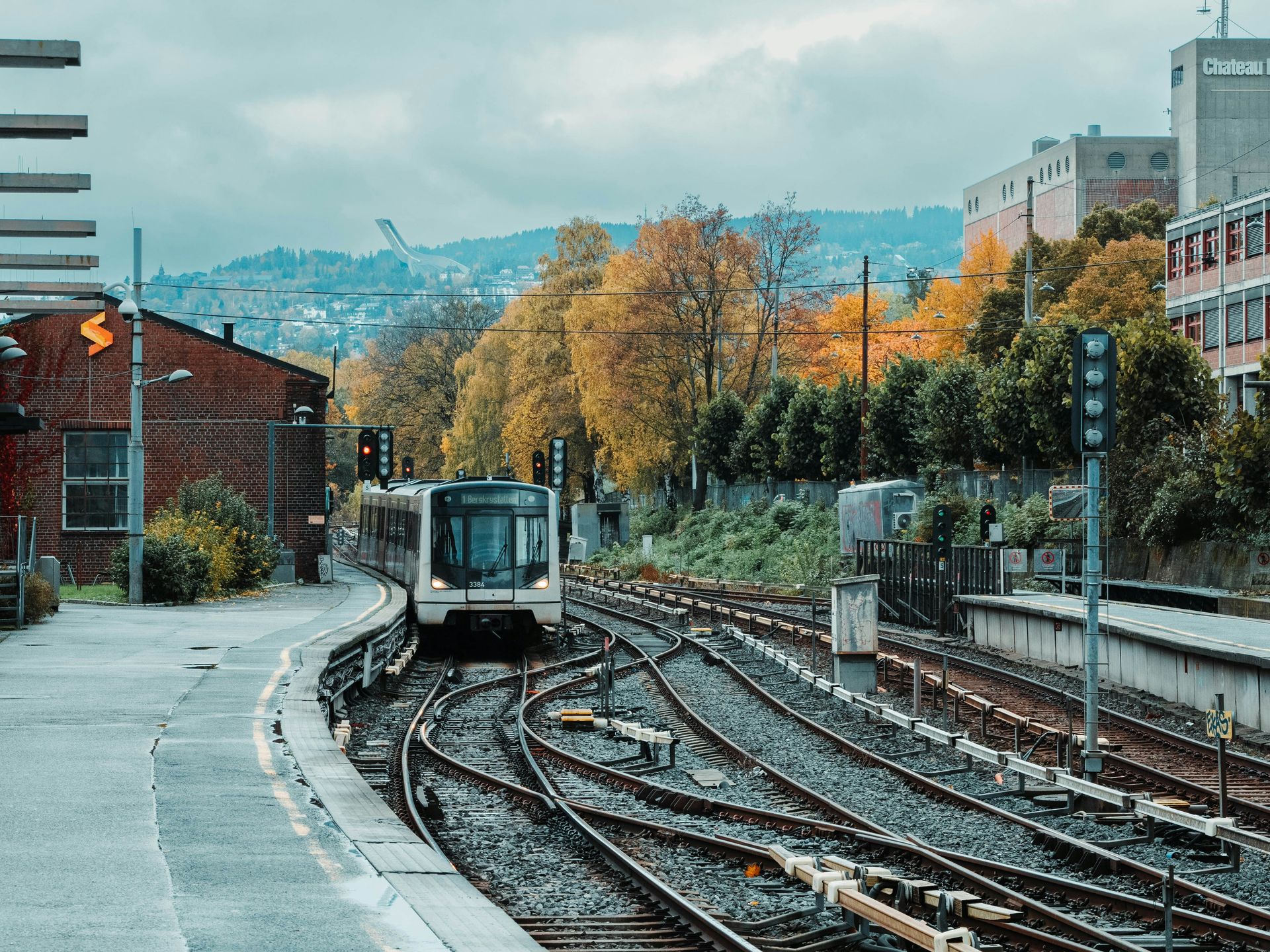
Oslo has been taking cars out of its city center for years, and the results speak for themselves. More green space, better cycling infrastructure, and a transit system designed to connect with walking and biking rather than compete with it. There's a small detail that says a lot about how seriously Oslo takes this: you can take your bike on a bus or tram. That might sound minor, but it means a mixed commute — ride part of the way, take transit the rest — is actually practical. For many people in central Oslo, the car is already an afterthought.
4 / 5
Aiham Abuwasel / Unsplash
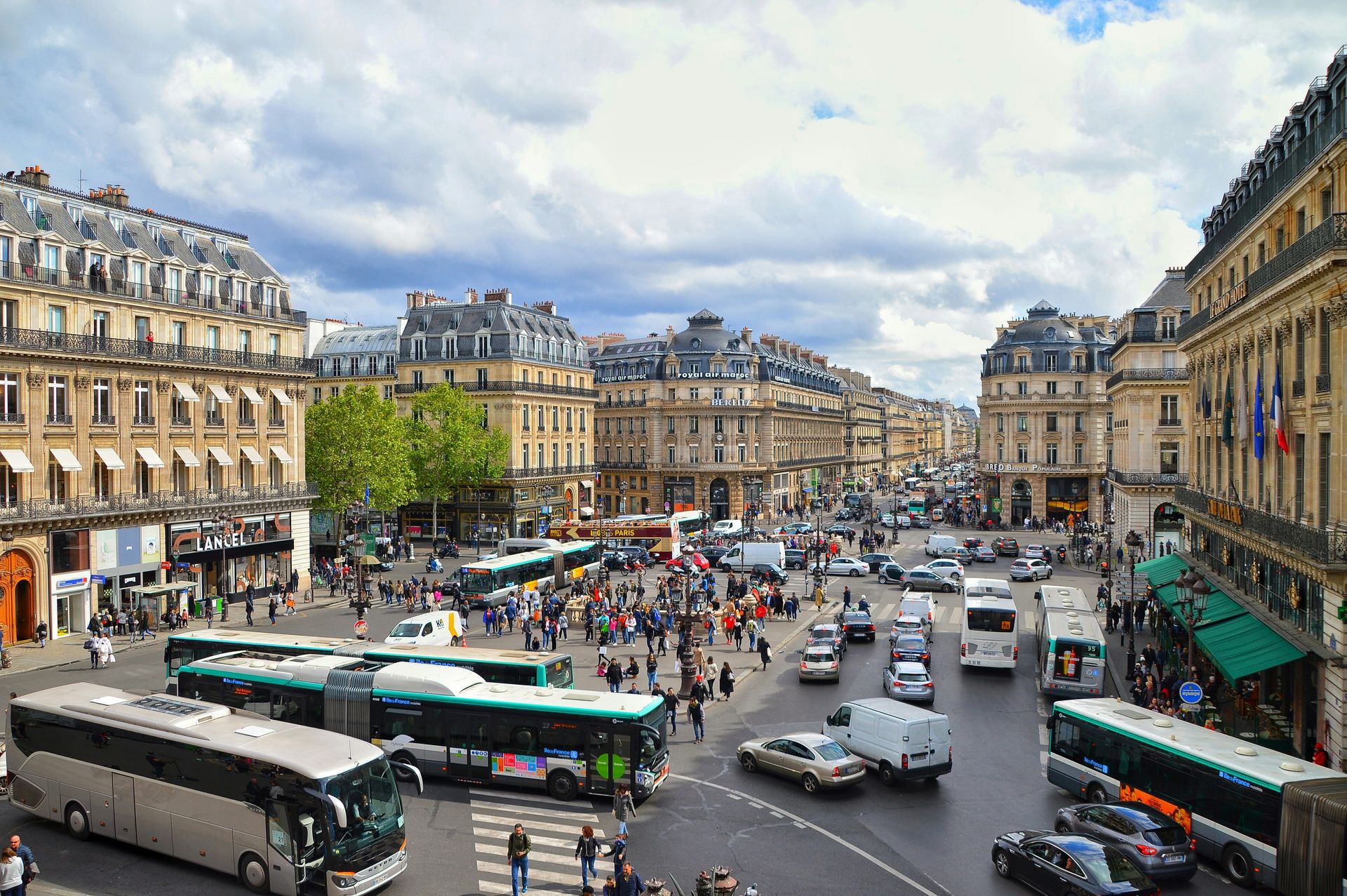
Paris has been moving people efficiently for a long time, and the metro and bus network is still the backbone of it. But what makes Paris stand out now is everything layered on top — rental bikes, scooters, e-scooters, all filling in the last-mile gaps that transit alone can't cover. It's affordable enough that most people don't think twice about using it, and comprehensive enough that most trips across the city don't require a car. It varies by neighborhood, sure, but the option is there for almost everyone.
5 / 5
Avan Saleh / Unsplash
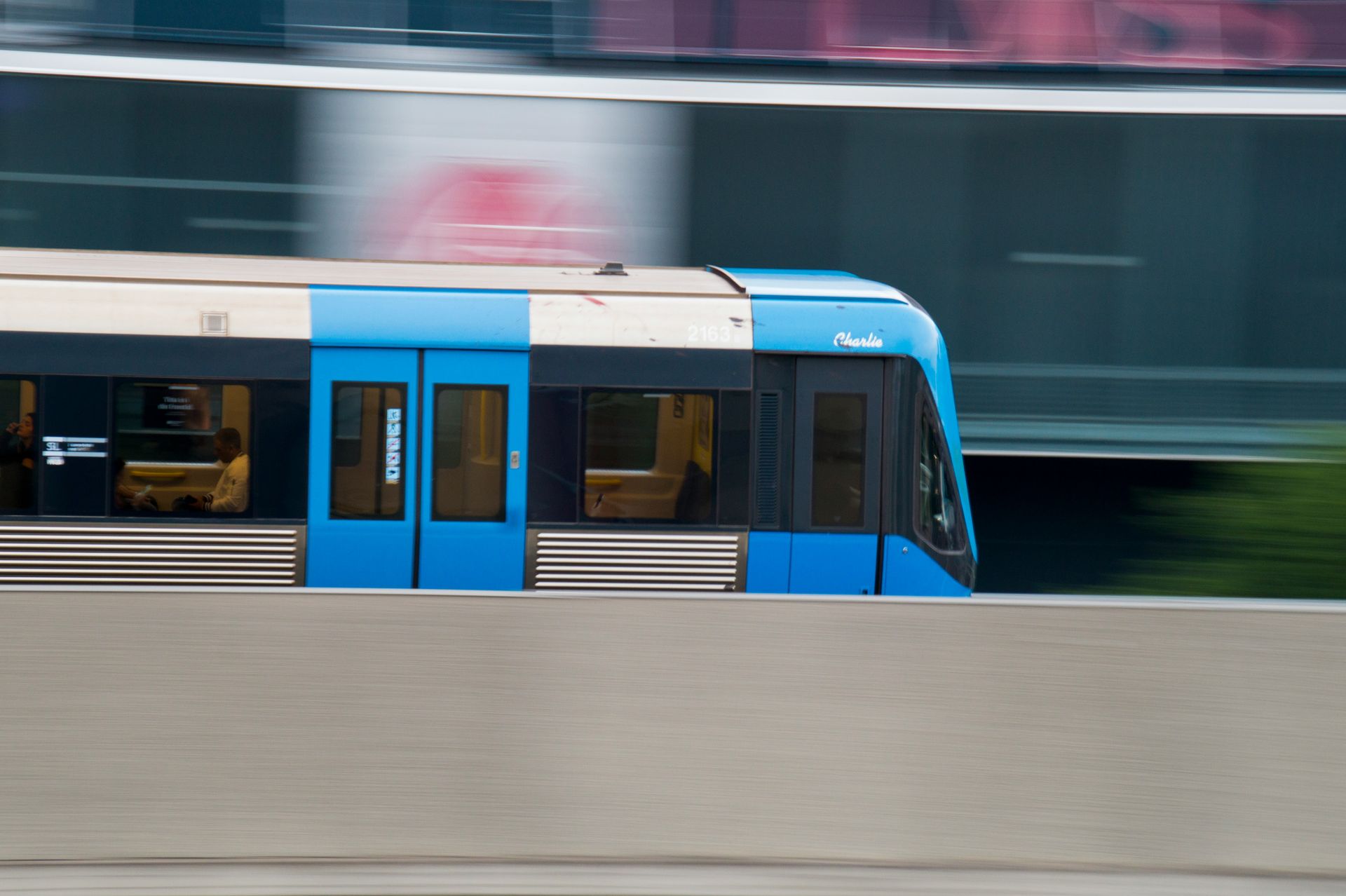
Stockholm is taking a longer-term approach than most cities. For years, it has been quietly working toward carbon-neutral mobility, not just by improving transit, but by connecting it with electric vehicles and clean energy in one clear plan. You won't see all the results right away, but the thinking behind it is solid and the direction is clear. Stockholm isn't just trying to move people more efficiently. It's trying to change what a city focused on movement can look like.
