Karthikeyan Perumal / Pexels
The global economy has a visibility problem. Its products are everywhere — the phone in your pocket, the coffee in your cup, the car in your driveway — but the systems that produced them are largely invisible. The supply chains, the financial flows, the commodity markets, the shipping routes, the currency relationships, and the regulatory frameworks that connect a copper mine in Chile to a semiconductor fab in Taiwan to a consumer electronics factory in Vietnam to a retail store in Ohio are so complex, so distributed, and so thoroughly normalized that they register as background rather than as the extraordinary human achievement of coordination they represent.
The visibility problem has consequences. When the systems work — when the container ship arrives on schedule, when the harvest is good, when the financial markets are stable — the interconnection is invisible. When the systems fail — when a single container ship blocks the Suez Canal for six days and causes an estimated $9 billion per day in trade disruption, when a drought in one country causes food price inflation on another continent, when a single semiconductor factory fire disrupts global automobile production for months — the interconnection becomes briefly, dramatically visible before receding again into the background of assumed normality.
This list covers 20 specific connections in the global economy that most people are unaware of until they break: the supply chains whose fragility becomes visible only in crisis, the financial linkages that transmit shocks across borders in milliseconds, the commodity relationships that tie the prosperity of distant countries together, and the infrastructure dependencies whose single points of failure affect the entire system. Understanding them does not require economics expertise. It requires only the specific attention to the hidden architecture of the ordinary world that makes the global economy legible.
Each entry covers the specific connection, the mechanism by which it operates, and a concrete example of what happens when the connection is disrupted. The goal is not alarm but the specific literacy that makes it possible to read news about global economic events with understanding rather than bafflement.
1 / 20
Muffin Creatives / Pexels
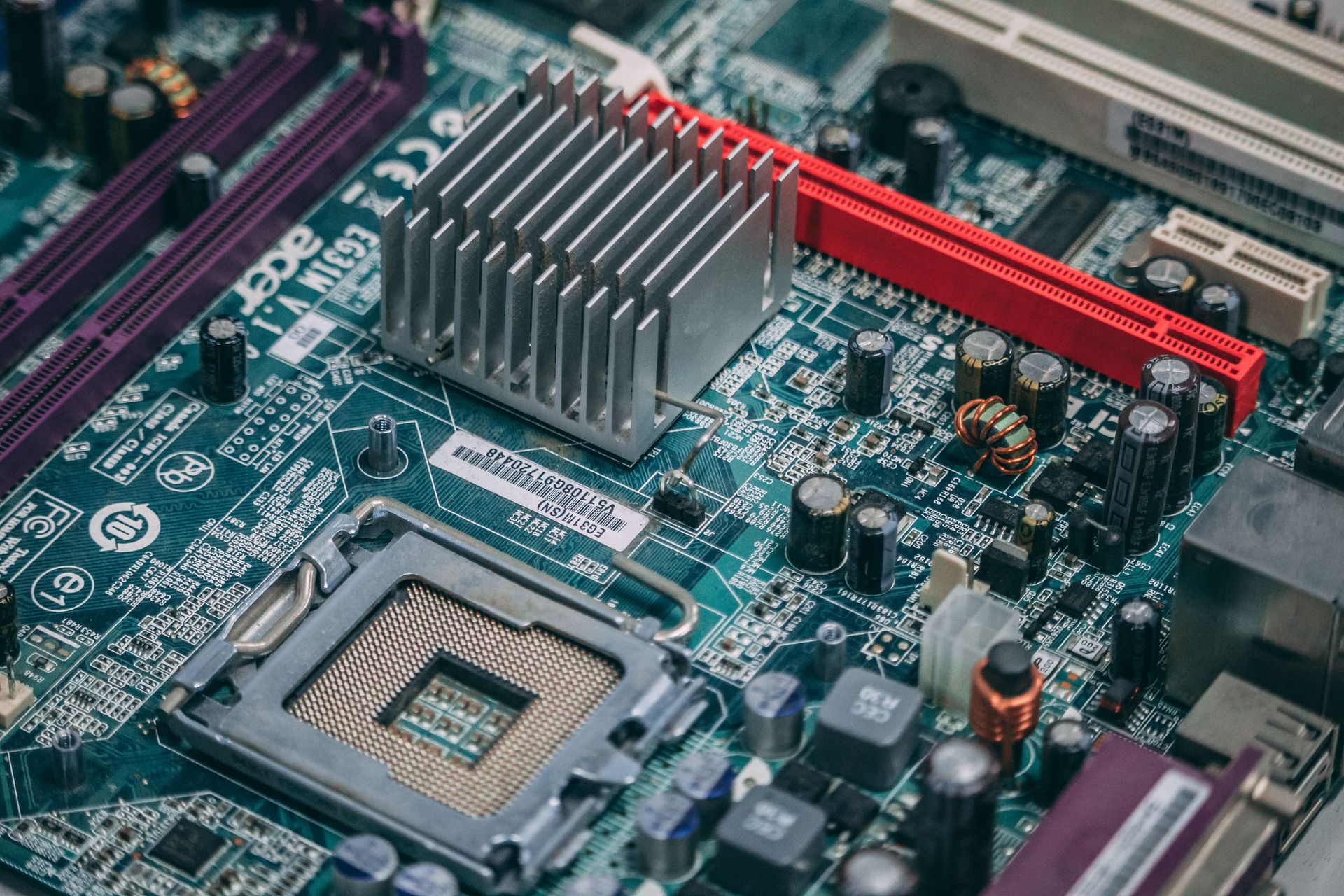
The global semiconductor industry is more geographically concentrated than almost any other critical industry in the world economy. Taiwan Semiconductor Manufacturing Company (TSMC $TSM) — a single company based in Hsinchu, Taiwan — manufactures approximately 90% of the world's most advanced semiconductors (chips at 7 nanometers and below). The advanced logic chips in every high-end smartphone, every personal computer, every AI accelerator, every modern automobile, and most military electronics are manufactured in a small number of fabrication facilities on an island whose geopolitical status is actively contested.
The concentration is the result of 40 years of deliberate industrial policy, engineering investment, and the specific economics of semiconductor manufacturing — the capital cost of a leading-edge fabrication facility (fab) now exceeds $20 billion, and the manufacturing expertise required to operate it at yield has been accumulated by TSMC over decades and cannot be quickly replicated elsewhere.
The economic consequence of this concentration became visible during the 2020–2021 global chip shortage, when pandemic-driven disruptions to demand forecasting, combined with a surge in consumer electronics demand during lockdowns, produced a semiconductor shortage that shut down automobile production lines at Ford $F, General Motors $GM, and Volkswagen — industries entirely unrelated to consumer electronics — because modern vehicles contain hundreds of chips for everything from engine management to seatbelt tensioners.
A hypothetical military conflict over Taiwan would, according to most economic analyses, produce a global semiconductor shortage of unprecedented severity, with cascading effects across every industry that depends on electronics manufacturing — which is now effectively every industry.
2 / 20
Pratikxox / Pexels
SWIFT — the Society for Worldwide Interbank Financial Telecommunication, headquartered in Brussels — is the messaging system that allows banks to communicate securely with each other to execute international financial transactions. It is used by over 11,000 financial institutions in more than 200 countries and territories, and it processes approximately 45 million messages per day representing trillions of dollars in transactions.
SWIFT is not itself a payment system — it does not hold funds or execute transactions — but it is the communication infrastructure that makes international transactions possible. A bank that is disconnected from SWIFT cannot receive or send international wire transfers, cannot participate in international trade finance, and is effectively cut off from the global financial system.
The use of SWIFT access as a geopolitical tool became dramatically visible when the United States and its allies disconnected seven Russian banks from SWIFT in response to the invasion of Ukraine in February 2022 — a financial sanction described at the time as the "financial nuclear option." The disconnection prevented the affected Russian banks from participating in international financial transactions, significantly complicating Russia's ability to receive payment for its exports and to pay for its imports.
The event revealed both the extraordinary power of financial infrastructure as a geopolitical tool and the limits of that tool: Russia had partially prepared for SWIFT disconnection by developing alternative domestic systems and deepening financial relationships with China, which has its own SWIFT alternative (CIPS). The long-term consequence of SWIFT weaponization may be accelerated development of SWIFT alternatives that reduce Western financial infrastructure leverage.
3 / 20
Wolfgang Weiser / Pexels
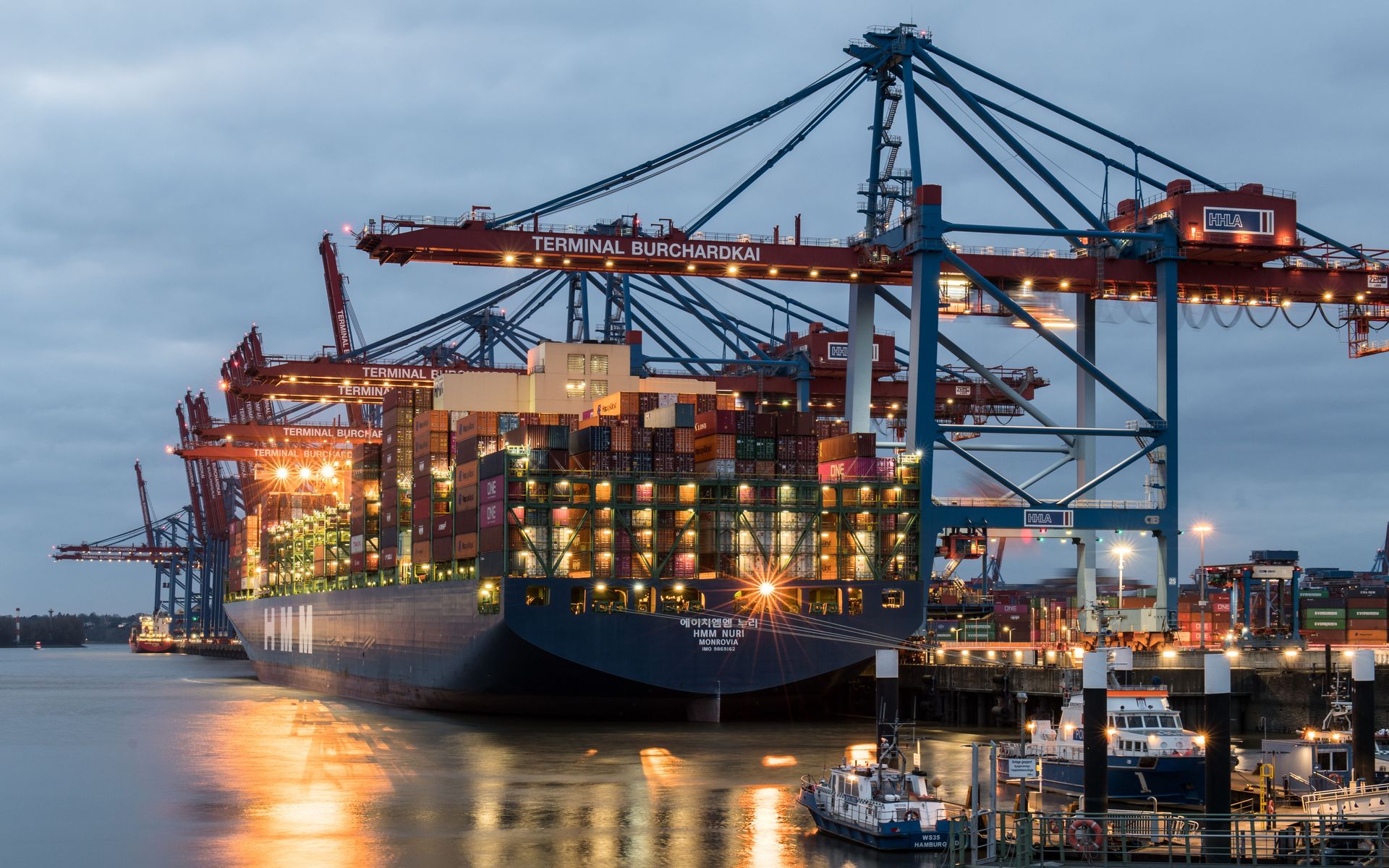
The global shipping industry — which carries approximately 80% of world trade by volume — is dominated by a small number of shipping alliances whose vessel-sharing arrangements mean that a disruption to any one major carrier affects a large fraction of global shipping capacity simultaneously.
Three alliances — the 2M Alliance (Maersk and MSC), the Ocean Alliance (CMA CGM, COSCO, Evergreen, and OOCL), and THE Alliance (Hapag-Lloyd, ONE, and Yang Ming) — control approximately 85% of global container shipping capacity. The concentration allows the alliances to optimize vessel deployment and reduce costs, but it also means that a single carrier's operational problem propagates across the alliance's shared services.
The specific vulnerability became visible in January 2024 when Houthi attacks on shipping in the Red Sea forced most major container lines to reroute vessels around the Cape of Good Hope rather than through the Suez Canal, adding approximately two weeks and $1 million in additional fuel cost to each Asia-Europe voyage. The rerouting removed approximately 20% of effective global container capacity (because each vessel was at sea for an additional two weeks per voyage), driving spot freight rates from approximately $1,500 per forty-foot container to over $5,000 per container within months.
4 / 20

Michael Burrows / Pexels
Brazil produces approximately 40% of the world's coffee and is the single largest exporter of arabica coffee — the variety used in most specialty coffee and in many commercial blends. The weather in the coffee-growing regions of Minas Gerais and São Paulo therefore directly determines the price that coffee consumers in Japan, Germany, Italy, the United States, and everywhere else pay for their morning coffee, through the mechanism of the commodity futures markets.
The relationship is direct and rapid: a frost warning in Minas Gerais triggers buying in arabica coffee futures on the ICE (Intercontinental Exchange) in New York within hours, as traders price in the reduced expected supply. The price increase transmits through roasters (who lock in prices through forward contracts but must eventually reprice their products) to retailers (who pass costs to consumers) to coffee shop operators (who typically raise prices with a lag of six to twelve months).
The 2021 Brazilian frost — the worst in decades, combined with drought earlier in the year — reduced the Brazilian coffee harvest by approximately 20 to 30% and drove arabica coffee futures to their highest level since 2011. The price of a bag of coffee at grocery stores and the price of a coffee shop latte in cities around the world rose demonstrably and persistently in 2022 and 2023 — a direct consequence of weather in a specific region of Brazil.
5 / 20
Engin Akyurt / Pexels
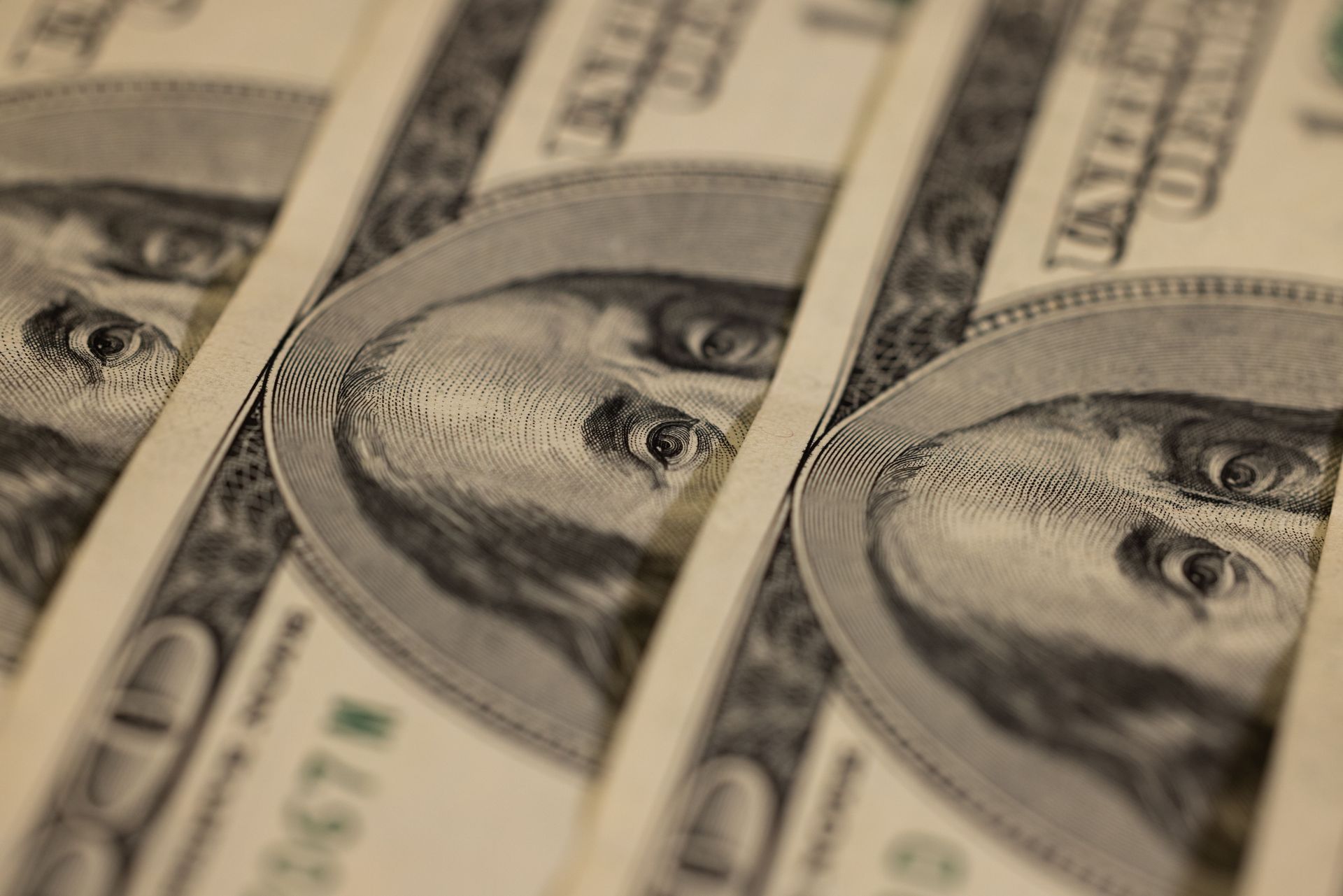
The US dollar's status as the world's dominant reserve currency — held by central banks globally as their primary foreign exchange reserve and used to denominate approximately 88% of international foreign exchange transactions and approximately 60% of global central bank reserves — creates a specific and pervasive global connection that affects every country's monetary policy, every international commodity transaction, and every cross-border financial flow.
The dollar's dominance means that when the US Federal Reserve raises or lowers interest rates, the effect propagates immediately through the global financial system in ways that affect borrowers and investors in countries with no direct relationship to US monetary policy. Higher US interest rates attract capital to dollar-denominated assets, causing currencies of emerging market economies to depreciate against the dollar — which increases the cost of dollar-denominated debt (most internationally borrowed debt is denominated in dollars) and increases the cost of dollar-denominated commodity imports (most commodity trade, including oil, is priced in dollars).
The 2022 Federal Reserve interest rate increases — the most rapid in 40 years, undertaken to address US inflation — produced a global dollar appreciation of approximately 15% that caused serious financial stress in Sri Lanka (which defaulted on its dollar-denominated debt), Pakistan (which required an IMF bailout), and multiple other emerging market economies, while the primary intention was to reduce inflation in the United States.
6 / 20
Tom Fisk / Pexels
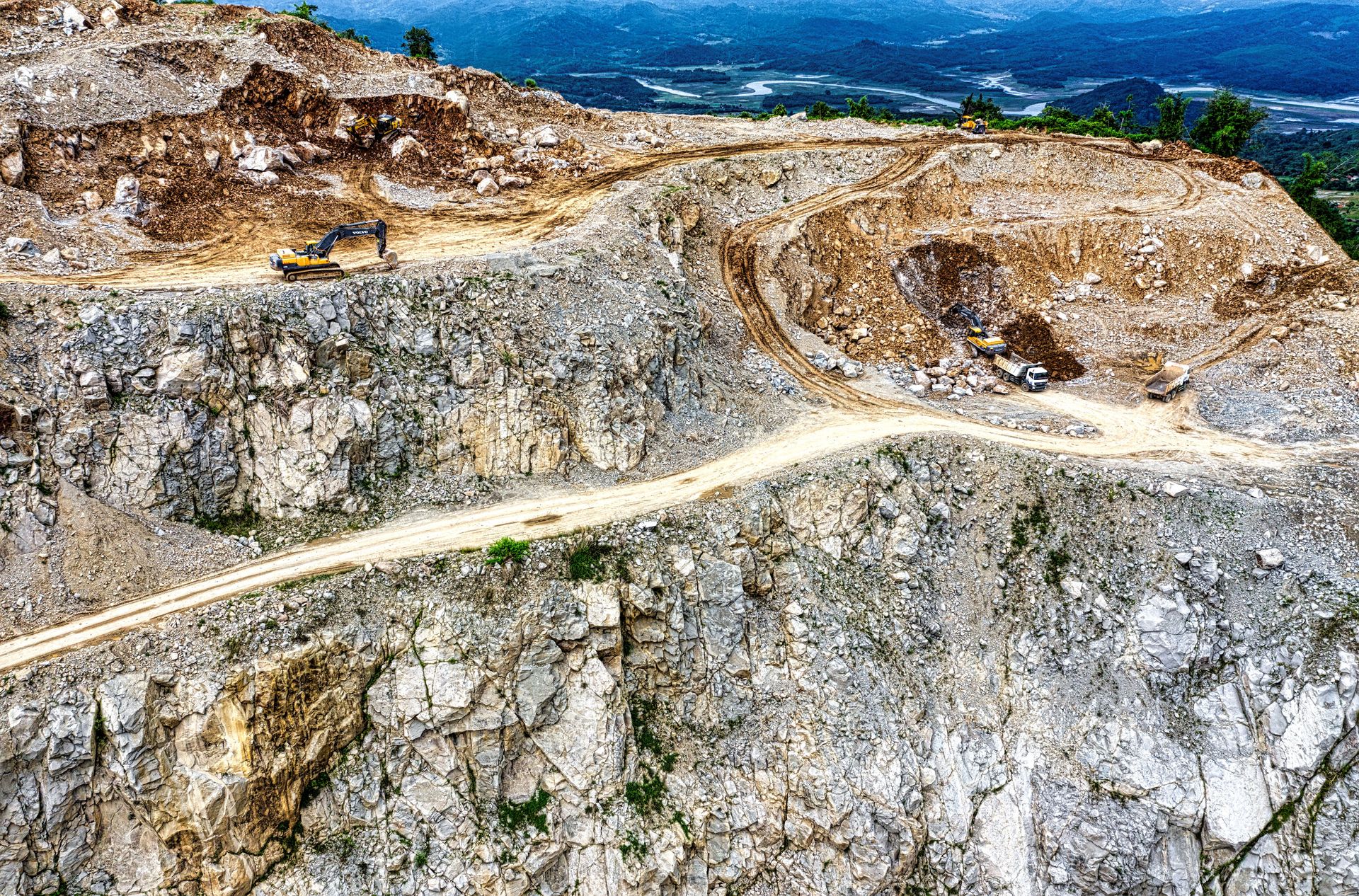
Rare earth elements — a group of 17 metallic elements including neodymium, dysprosium, terbium, and cobalt — are essential components of the permanent magnets used in electric vehicle motors, wind turbines, and consumer electronics, and their supply chains are concentrated in ways that create significant geopolitical and economic vulnerability.
China produces approximately 60% of the world's rare earth mining output and processes approximately 85 to 90% of the world's rare earth elements — meaning that even rare earths mined in other countries are typically sent to China for processing into the refined materials used in manufacturing. The concentration reflects decades of Chinese industrial policy, including the willingness to process rare earths at environmental costs that regulatory frameworks in other countries would not permit.
The geopolitical leverage created by rare earth concentration has been demonstrated several times: China restricted rare earth exports to Japan in 2010 following a diplomatic dispute over a fishing boat incident in disputed waters, producing a sharp price spike that temporarily disrupted Japanese electronics manufacturing. The ongoing concern among Western governments about rare earth supply chain security — expressed through substantial investments in rare earth mining and processing capacity in Australia, the United States, and Canada — reflects a specific recognition that the clean energy transition requires materials whose supply China currently controls.
7 / 20
Emma Cate / Pexels
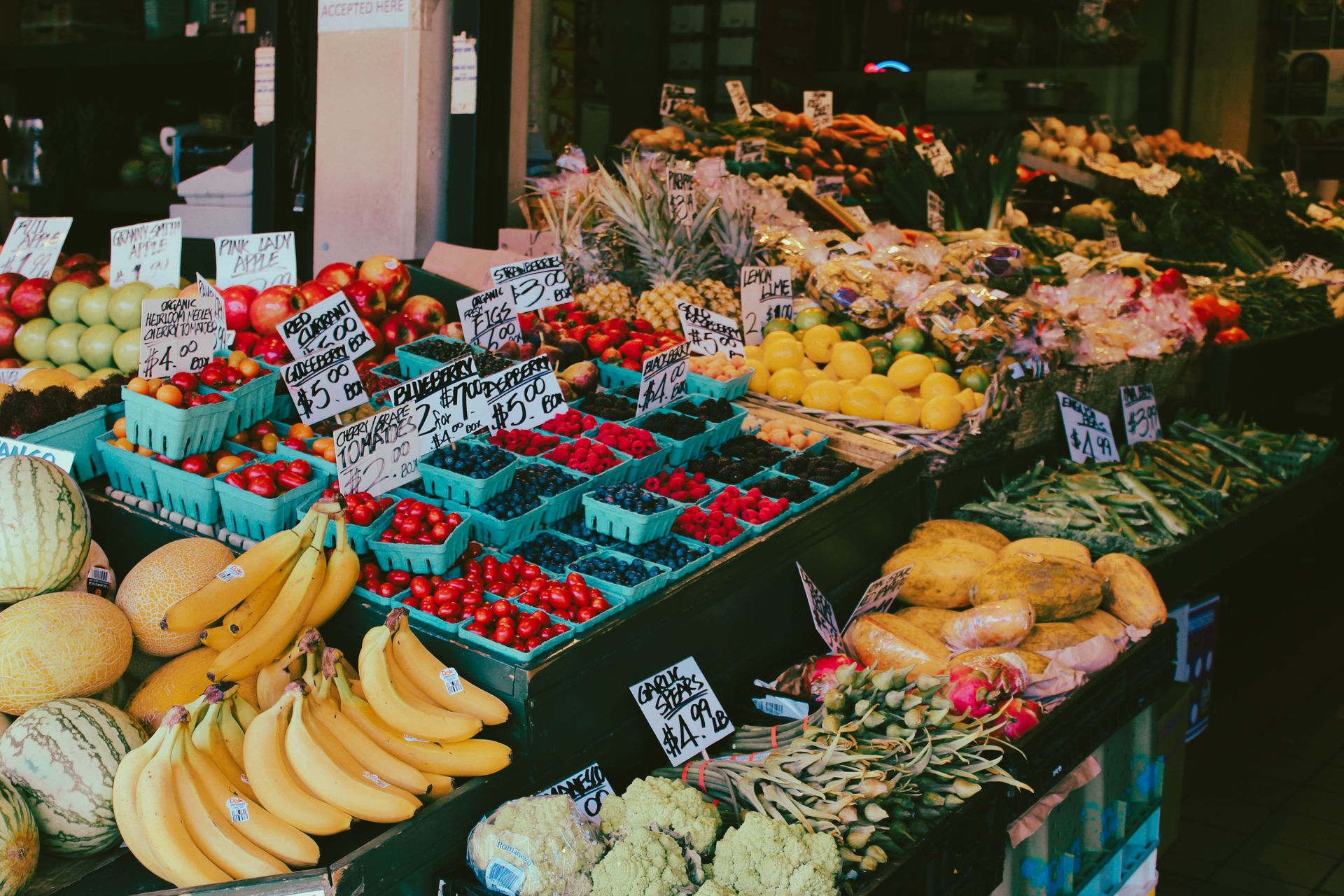
Food prices in international commodity markets — the prices of wheat, rice, maize, soybeans, and palm oil traded on commodity exchanges in Chicago, Kuala Lumpur, and elsewhere — transmit directly to consumer food prices in countries that are net food importers, sometimes within weeks of a commodity price shock. For countries where food constitutes a high proportion of household income — as it does in much of sub-Saharan Africa, South Asia, and the Middle East — international commodity price movements can rapidly translate into food insecurity and social instability.
The 2010–2011 global food price spike — driven by drought in Russia and Ukraine that reduced wheat supply, combined with flood damage to Australian wheat crops and US maize harvest disappointments — contributed to the food-price-driven social unrest that preceded the Arab Spring uprisings across North Africa and the Middle East. The specific connection between commodity markets in Chicago and political events in Cairo and Tunis was not coincidental — Egypt was the world's largest wheat importer and heavily dependent on Black Sea wheat exports.
The 2022 Ukrainian invasion produced an even more dramatic food price shock: Ukraine and Russia together account for approximately 25 to 30% of global wheat exports and 60 to 75% of global sunflower oil exports. The disruption of Ukrainian and Russian agricultural exports in 2022 drove global wheat prices to their highest level since 2008, triggering food import crises in Lebanon, Egypt, Somalia, Yemen, and Bangladesh simultaneously.
8 / 20

Looking For Feferences / Pexels
Lithium — the lightest metal element and the key component of lithium-ion batteries used in electric vehicles, consumer electronics, and grid energy storage — has a supply chain whose geography creates specific geopolitical and economic vulnerabilities that are becoming more consequential as electrification accelerates.
Approximately 55% of the world's lithium is found in the "Lithium Triangle" — the salt flats of Chile, Argentina, and Bolivia, particularly the Atacama Desert. Australia is the world's largest lithium producer by mining volume. The refining of lithium into battery-grade lithium hydroxide and lithium carbonate is dominated by China, which processes approximately 60% of global lithium supply regardless of where it is mined.
The concentration of lithium refining capacity in China has produced a dynamic analogous to the rare earth situation: the clean energy transition requires lithium at scale, but the processing capacity required to convert mined lithium to battery-grade material is geographically concentrated in a single country. The price volatility of lithium has been extraordinary — lithium carbonate prices rose approximately 900% between 2021 and 2022, then fell approximately 80% in 2023, reflecting the sensitivity of battery supply chains to demand forecasting errors and investment cycles.
9 / 20
Alesia Kozik / Pexels
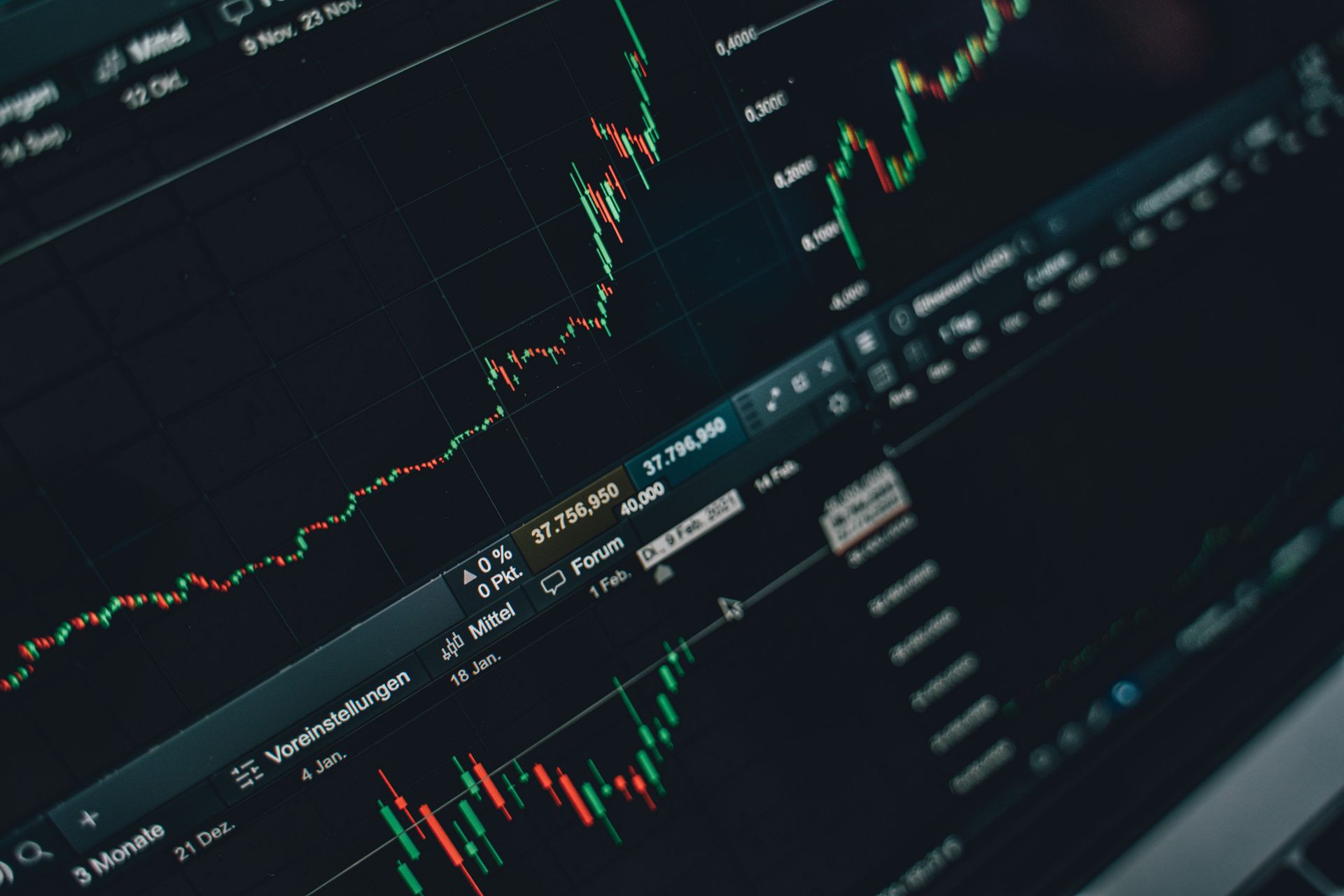
Financial markets in different countries move together more than they did a generation ago, reflecting the globalization of investor portfolios, the cross-listing of major companies on multiple exchanges, and the algorithmic trading systems that execute arbitrage across markets in milliseconds. A significant market event in one major financial center now propagates to others within hours or minutes rather than days.
The correlation of global equity markets has increased substantially since the 1990s, when international portfolio investment was less accessible and less common. The specific mechanism of transmission is both direct (investors selling international holdings to raise cash when domestic markets fall, and vice versa) and indirect (changes in risk appetite affecting all markets simultaneously through the same investors' positioning).
The 2008 global financial crisis is the most dramatic modern example: a crisis originating in US subprime mortgage markets transmitted to European banks (which had purchased US mortgage-backed securities), to emerging market economies (through reduced trade finance and capital flow reversal), and to global commodity markets (through reduced demand) within months — a speed of international financial contagion that previous crises had not demonstrated at this scale.
The daily experience of market correlation is more mundane: an unexpected US inflation print, a Federal Reserve policy statement, or a significant earnings miss from a major technology company moves equity markets in London, Frankfurt, Tokyo, and Hong Kong within the same trading session.
10 / 20

Pavel Danilyuk / Pexels
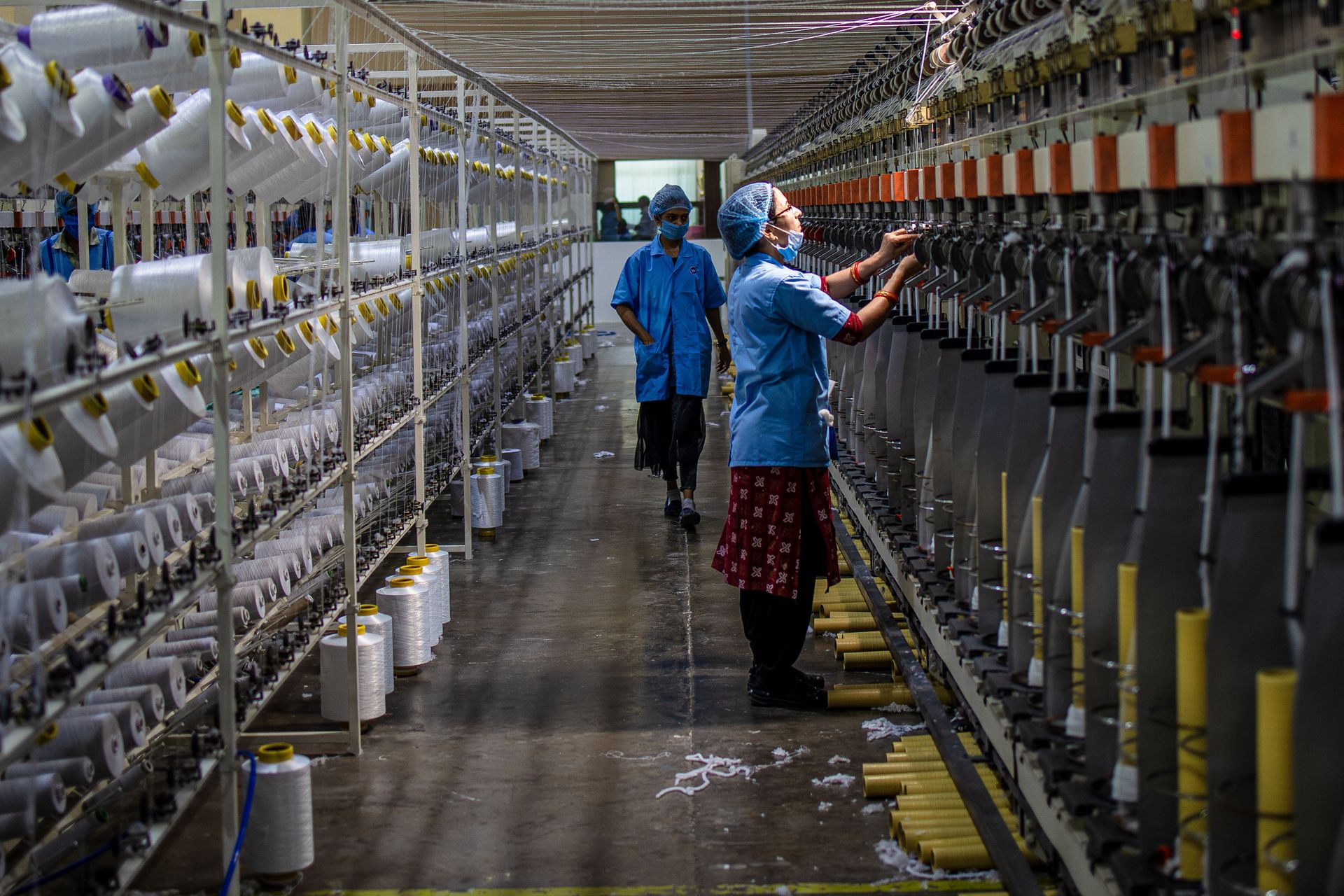
The global manufacturing supply chain — the allocation of different production stages to the countries with comparative advantages in performing them — is so distributed that a finished product assembled in one country may contain components from dozens of others, each contributing the specific production stage for which its cost structure, skills base, or regulatory environment is most advantageous.
The iPhone is the most frequently cited example: designed in California, with processors manufactured in Taiwan, memory chips from South Korea and Japan, display panels from South Korea and Japan, rare earth magnets from China, cobalt from the Democratic Republic of Congo, assembled in China by Foxconn. No single country has a comparative advantage in every stage of production, and the global division of labor allows the product to be assembled at lower cost and higher quality than any single-country supply chain could achieve.
The vulnerability of this distributed supply chain model was revealed during the COVID-19 pandemic: factory closures and logistical disruptions at any single node propagated through the entire chain in ways that were difficult to predict and slow to resolve. The "just-in-time" inventory model — in which companies minimized inventory costs by ordering components only as needed — amplified the disruption by leaving no buffer against supply shocks.
The political response — "reshoring," "friend-shoring," and supply chain diversification initiatives in the United States, European Union, and other major economies — reflects a belated recognition of the vulnerability that the efficiency of global supply chain concentration created.
11 / 20

Mikhail Nilov / Pexels
The global reinsurance industry — the market in which insurance companies themselves buy insurance against catastrophic losses — is dominated by a small number of firms whose interconnections mean that a major catastrophic event anywhere in the world affects the insurance costs of businesses and individuals everywhere.
Approximately four companies — Munich Re, Swiss Re, Hannover Re, and Berkshire Hathaway $BRK.B Re — account for approximately 45% of global reinsurance capacity. When a catastrophic event — a major hurricane, a pandemic, a large earthquake — produces claims that exceed the primary insurers' capacity, the loss transmits to reinsurers, who spread it across the global reinsurance market. The loss then affects the cost of reinsurance globally, which transmits to primary insurance premiums in markets entirely unrelated to the original event.
The 2011 Tōhoku earthquake and tsunami in Japan and the subsequent Fukushima nuclear disaster produced insured losses of approximately $35 to 40 billion, a significant fraction of which was borne by global reinsurers. The event drove reinsurance premium increases in Japan, the United States, and Europe — markets geographically remote from the original disaster — because the catastrophe reduced the global pool of reinsurance capacity available for other risks.
12 / 20

Dibakar Roy / Pexels
Agricultural subsidies in wealthy countries — the approximately $700 billion per year that OECD countries spend to support their domestic agricultural sectors — distort global agricultural commodity markets in ways that directly affect the economic viability of farming in developing countries whose farmers must compete with artificially price-reduced imports.
The specific mechanism: when a wealthy country subsidizes domestic grain, cotton, or sugar production, the subsidized product enters international markets at prices below its production cost. Farmers in developing countries whose production costs are genuinely lower than in wealthy countries cannot compete with prices below actual production cost, and the market share and income they might otherwise capture is displaced by the subsidized exports.
The US cotton subsidy dispute — in which Brazil brought a successful WTO case against US cotton subsidies in 2004, arguing that they suppressed global cotton prices and harmed Brazilian and West African cotton farmers — illustrates both the mechanism and the limits of international trade law: Brazil won the WTO case but the US subsidies continued, with the US eventually paying Brazil compensation rather than reforming the subsidy program.
The WTO's Doha Development Round — launched in 2001 with the specific goal of reducing agricultural trade distortions — has never been completed, largely because wealthy countries have been unwilling to commit to the subsidy reductions that would allow agricultural market liberalization.
13 / 20
Ahsen /Pexels
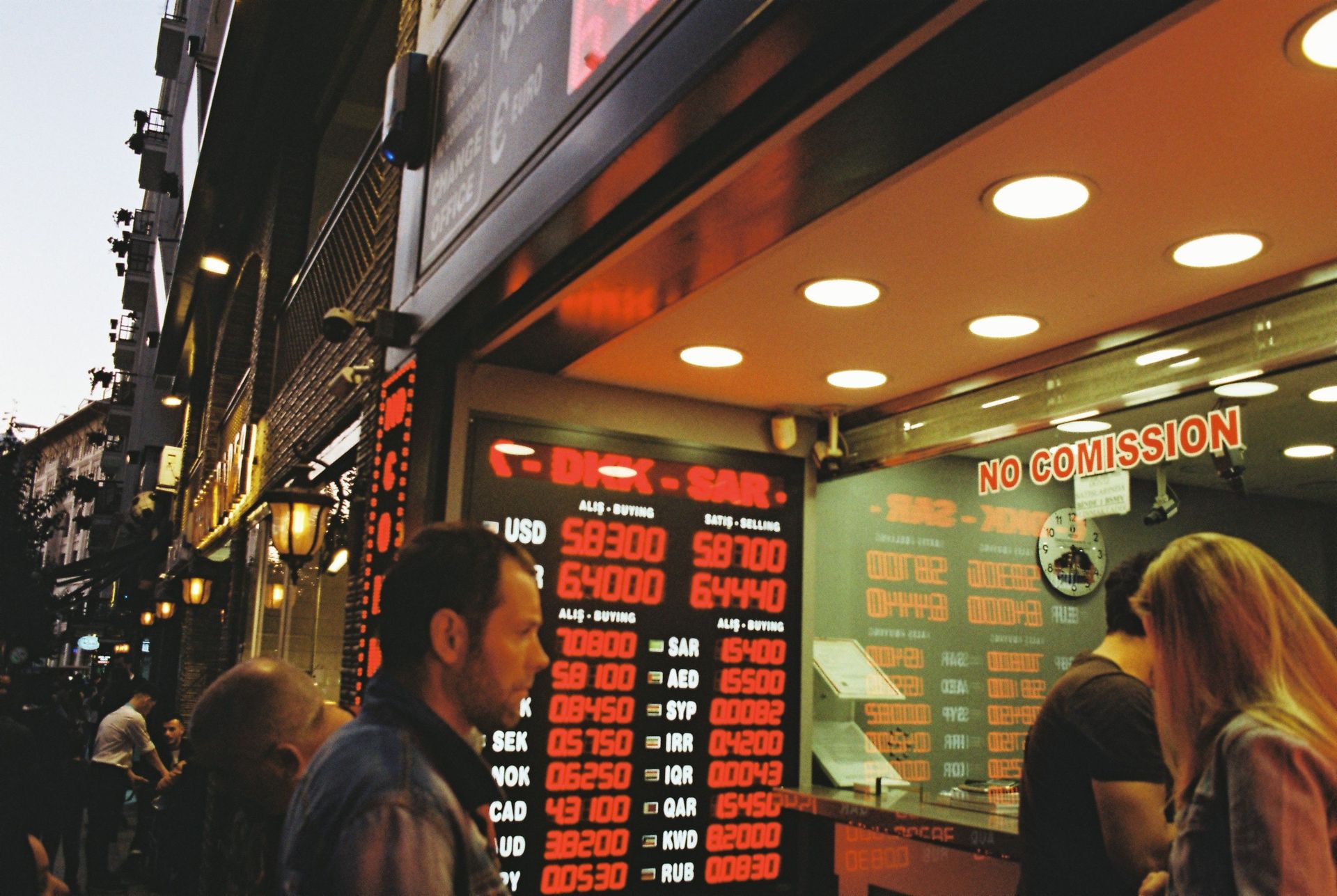
Many smaller economies maintain fixed or semi-fixed exchange rate pegs to the US dollar — a monetary policy choice that provides exchange rate stability and import price predictability but removes the exchange rate as an adjustment mechanism for external shocks and creates specific vulnerabilities when the peg becomes unsustainable.
The Hong Kong dollar peg to the US dollar (maintained since 1983 at 7.8 HKD per USD) is the most stable and most tested example. The peg requires the Hong Kong Monetary Authority to maintain sufficient dollar reserves to defend the exchange rate and to mirror US interest rate policy — when the US Federal Reserve raises rates, Hong Kong must also raise rates, regardless of local economic conditions. This dependency means that Hong Kong's monetary policy is effectively set by the Federal Reserve for an economy whose business cycle may not align with the United States.
The danger of unsustainable pegs was demonstrated most dramatically by the 1997 Asian financial crisis: Thailand, South Korea, and Indonesia had maintained de facto dollar pegs that became unsustainable when the dollar appreciated and capital flows reversed. The collapse of these pegs — currency depreciations of 30 to 80% — transmitted through the region and globally, demonstrating how exchange rate arrangements in relatively small economies can produce global financial contagion.
14 / 20
Klaus / Pexels
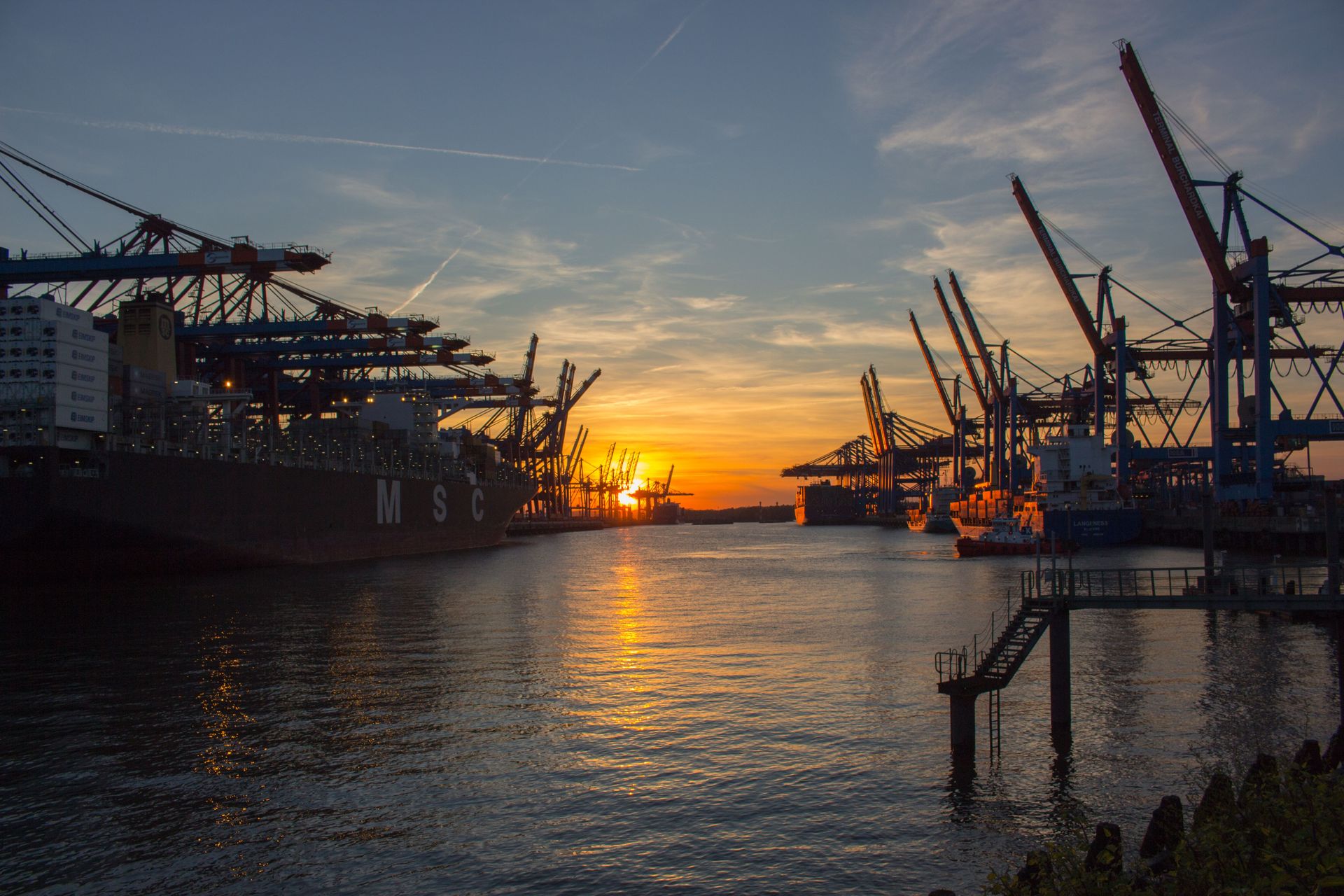
The global shipping network — which carries over 80% of world trade by volume — depends on a small number of maritime chokepoints through which an extraordinary concentration of global trade passes. The Strait of Hormuz, the Strait of Malacca, the Suez Canal, the Panama Canal, and the Bab el-Mandeb Strait together handle the majority of globally traded oil, consumer goods, and commodities, and each represents a potential single point of failure for significant proportions of global trade.
The Strait of Hormuz, between Iran and Oman, handles approximately 20% of globally traded petroleum and petroleum products — approximately 21 million barrels per day. Any significant disruption to Hormuz passage would affect oil prices globally within days. The Strait of Malacca, between Malaysia and Indonesia, handles approximately 25% of global trade by value, including the majority of energy imports to Japan, South Korea, and China. A Malacca closure would require rerouting through the Lombok Strait, adding approximately three to four days to voyages and increasing fuel costs significantly.
The March 2021 Suez Canal blockage by the container ship Ever Given — which ran aground and blocked the canal for six days — illustrated the consequences of chokepoint disruption at a smaller scale: the blockage held up an estimated $9 billion in daily trade, produced shortages of specific goods in European markets, and contributed to the broader supply chain disruption of 2021.
15 / 20

Georgie Devlin / Pexels
The global internet — the network that underpins the digital economy, enables cross-border communication, and hosts the cloud computing infrastructure that most businesses now depend on — relies on physical infrastructure whose concentration creates specific vulnerabilities that are often invisible until they fail.
Approximately 95% of international internet traffic travels through submarine cables — fiber optic cables laid on the ocean floor connecting continents. There are approximately 550 active submarine cable systems, but the traffic is concentrated on a small number of major routes. The cables connecting the United States to Europe, the United States to Asia, and the cables serving specific regions (the cables serving sub-Saharan Africa and parts of the Middle East are particularly concentrated) represent single points of failure for regional internet connectivity.
The 2022 Tonga volcanic eruption severed the single submarine cable connecting Tonga to the rest of the world's internet, leaving the island nation with no internet connectivity for approximately five weeks. More economically consequential are the periodic cable faults affecting the cables serving sub-Saharan Africa or the Middle East, which disrupt cloud services, banking systems, and communications for entire regions.
The cloud computing layer adds a different concentration risk: three companies — Amazon $AMZN Web Services, Microsoft $MSFT Azure, and Google $GOOGL Cloud — control approximately 65% of global cloud computing infrastructure. An outage at any of these providers, as occurred with AWS in December 2021 (affecting services including Amazon, Netflix $NFLX, Disney $DIS+, Coinbase, and dozens of others simultaneously), demonstrates the extent to which the global digital economy runs on shared infrastructure.
16 / 20
Omkar Pendsay / Pexels
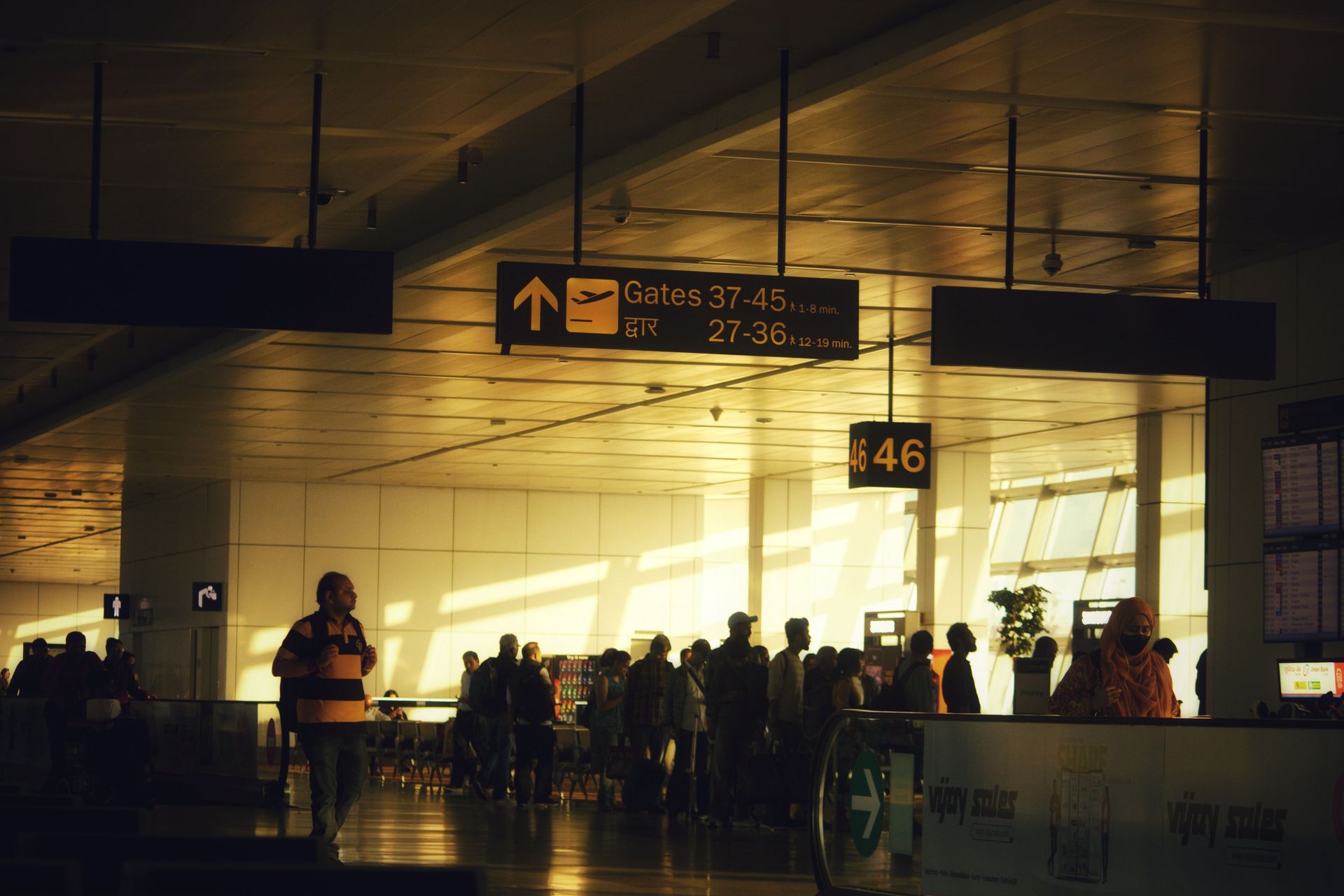
The global economy's knowledge-intensive sectors — technology, finance, medicine, research — are sustained by a flow of highly skilled workers across borders whose concentration in a small number of cities creates specific economic dependencies and vulnerabilities.
Approximately 45% of Fortune 500 companies were founded by immigrants or their children. Silicon Valley's technology sector has long been disproportionately dependent on immigrant engineers and entrepreneurs: H-1B visa holders from India and China have been estimated to account for approximately 20 to 25% of the workforce at major technology companies, and a significant proportion of technology startup founders in the United States are immigrants.
The specific economic vulnerability this creates was demonstrated during the COVID-19 pandemic, when immigration restrictions and visa processing delays reduced the flow of skilled workers to the United States, contributing to talent shortages in technology and healthcare that have taken years to resolve. The Immigration Act cap on employment-based green cards — which does not allow any single country to receive more than 7% of employment-based visas per year — has produced a backlog of approximately 800,000 high-skilled workers from India alone waiting for permanent residency, some of whom have begun returning to India or moving to countries with clearer paths to permanent status.
17 / 20

George Desipris / Pexels
Climate change is introducing a new category of interconnection into the global economy: the sensitivity of supply chains to climate events whose frequency and severity are increasing, creating new forms of systemic risk that are not yet fully priced into global markets or reflected in corporate risk management frameworks.
The specific climate risks to global supply chains are varied and geographically distributed. Flooding in Thailand in 2011 — which inundated the country's major industrial districts — caused a global shortage of computer hard drives that persisted for over a year, because Thailand produces approximately 45% of global hard drive supply and the flooded facilities took months to restore. Drought in Taiwan — whose semiconductor fabrication facilities require millions of gallons of ultra-pure water per day — is a specific climate risk to global chip supply that has prompted TSMC $TSM to build water recycling facilities and the Taiwanese government to restrict agricultural water use to protect industrial supply.
The crop-specific climate vulnerabilities are increasingly well-mapped: arabica coffee requires specific temperature and rainfall conditions found only in a narrow altitude band near the equator, and climate projections suggest that suitable growing area for arabica coffee could decline by 50% by 2050 under high emissions scenarios. Chocolate, wine, and tea face analogous climate-driven supply constraints. The price signals from these constraints will eventually transmit to consumers globally, but the investment required to adapt supply chains is occurring slowly relative to the pace of the underlying climate change.
18 / 20
EqualStock IN / Pexels
The ability of multinational corporations to shift taxable profits between jurisdictions — through transfer pricing (setting the prices at which different subsidiaries of the same company buy from and sell to each other), holding company structures, and intellectual property licensing arrangements — creates a specific international economic connection that transfers tax revenues from the countries where economic activity occurs to low-tax jurisdictions where nominal headquarters are located.
The specific mechanism: a multinational technology company may develop its products and earn its revenue in the United States, Germany, and the United Kingdom, but hold its intellectual property in Ireland, the Netherlands, or Luxembourg, where it licenses the IP back to the operating subsidiaries at prices that shift most of the profit to the low-tax jurisdiction. The operating subsidiaries pay tax on small margins; the IP holding company pays tax on the large margin but at a very low rate.
Apple $AAPL's Irish holding structure — which became the subject of a European Commission state aid investigation that ultimately required Apple to repay approximately €13 billion in back taxes to Ireland — was among the most scrutinized examples of profit-shifting. The OECD's Base Erosion and Profit Shifting (BEPS) project, and the associated global minimum corporate tax rate of 15% agreed to by approximately 140 countries in 2021, represents the international community's attempt to close the profit-shifting mechanisms that have cost countries an estimated $100 to $600 billion in annual tax revenue.
19 / 20
Jeffry Surianto / Pexels
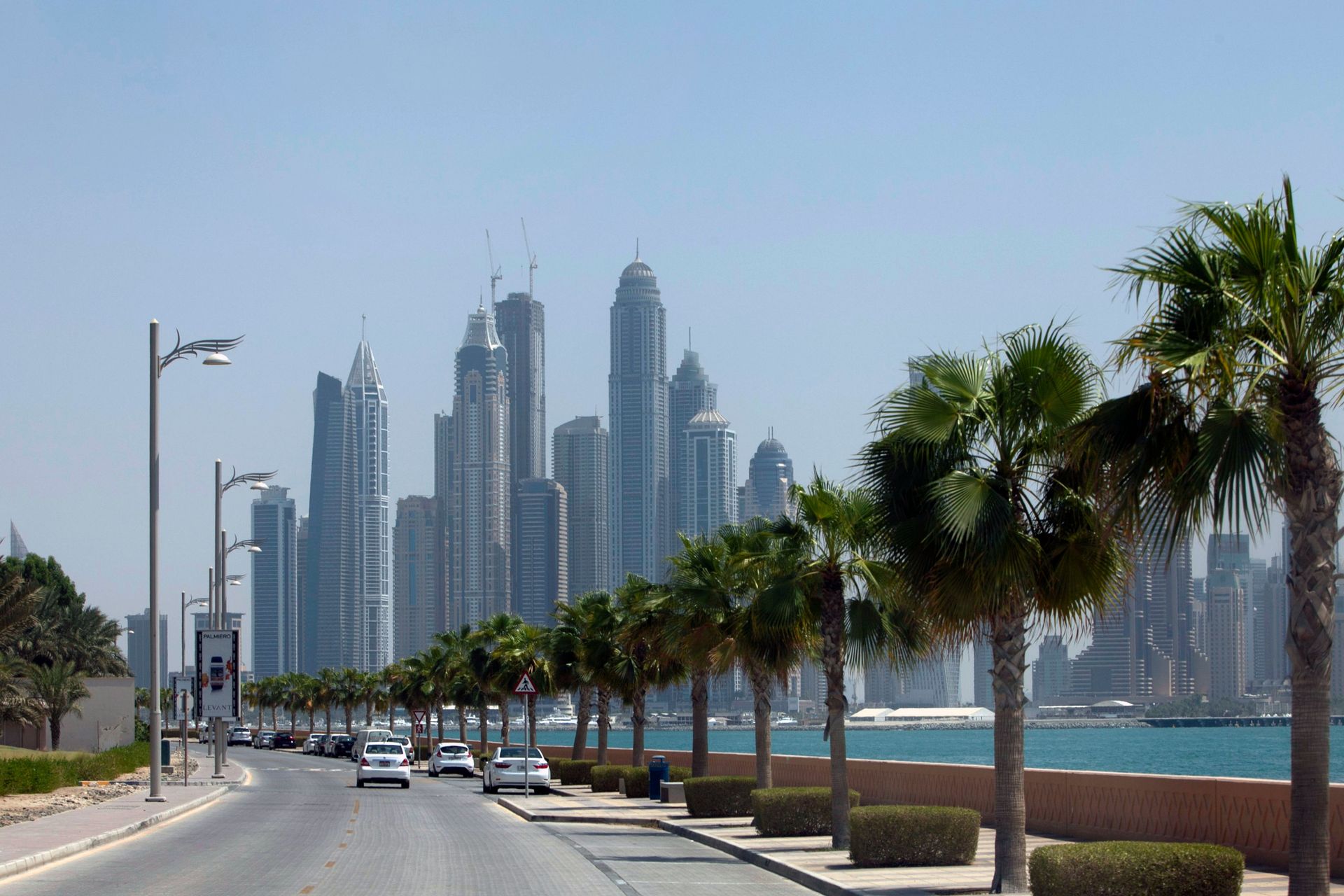
Foreign direct investment — the investment by a company in productive assets in a foreign country — creates specific bilateral economic connections that transmit economic and political shocks between investor and host countries in ways that are not visible in standard economic statistics.
The stock of FDI globally exceeds $40 trillion, representing the accumulated investment of multinational companies in facilities, equipment, and businesses across borders. This stock creates bilateral economic dependencies: when a major investor country experiences an economic or political shock, its companies may repatriate capital or reduce new investment in host countries, transmitting the shock to the host country's employment, production, and growth.
The specific vulnerability of FDI-dependent economies was demonstrated by the COVID-19 pandemic: global FDI flows fell approximately 35% in 2020, with particularly severe declines in investment to developing countries that had attracted FDI through low labor costs and proximity to global supply chains. Countries including Vietnam, Bangladesh, and Cambodia — which had grown rapidly through export-oriented manufacturing investment — experienced significant disruptions to investment and production.
The political dimension of FDI creates additional vulnerabilities: the expropriation or forced renegotiation of investment terms by host country governments (as occurred with foreign energy investments in Venezuela, Bolivia, and Russia at various points in the 2000s and 2010s) creates losses for investor countries and reduces the credibility of host countries' investment environments in ways that affect subsequent investment from all sources.
20 / 20

Jakub Zerdzicki / Pexels
Sovereign wealth funds — state-owned investment funds that deploy a country's surplus revenues (typically from oil exports or trade surpluses) into global financial assets — collectively manage approximately $10 trillion in assets and are major shareholders in publicly traded companies, real estate, and infrastructure across the world. Their investment decisions transmit the economic fortunes of surplus countries into asset markets and economic activity in the countries where they invest.
Norway's Government Pension Fund Global — the world's largest sovereign wealth fund at approximately $1.7 trillion — owns on average approximately 1.5% of every listed company in the world, making the Norwegian government a significant shareholder in Apple $AAPL, Microsoft $MSFT, Amazon $AMZN, and thousands of other companies. The fund's investment policy decisions — its exclusion of certain companies on ethical grounds, its voting behavior on corporate governance resolutions — affect corporate behavior globally in ways that reflect Norwegian political values rather than the preferences of the countries where the companies operate.
The Gulf Cooperation Council sovereign wealth funds — Abu Dhabi Investment Authority, Kuwait Investment Authority, Qatar Investment Authority, and Saudi Arabia's Public Investment Fund — collectively manage approximately $3 to 4 trillion and have invested heavily in European and American real estate, financial institutions, sports teams, and technology companies. The 2008 financial crisis was partly stabilized by GCC sovereign wealth fund investments in Citigroup $C, Merrill Lynch, and other distressed financial institutions, demonstrating how the recycling of oil revenues through sovereign wealth funds creates specific dependencies between oil-exporting and financial-center countries.
