
The shutdown isn't affecting every federal agency the same. See which ones are staying open and which are temporarily shuttering
Gary Kemp Photography / Getty Images
The federal government shutdown went into effect at 12:01 a.m. on Wednesday after Congress and President Donald Trump couldn’t agree on a funding deal.
How long the 2025 shutdown will last remains unclear. To end it, Republicans and Democrats must reach a deal before Trump can sign off on it. In the meantime, a slew of government services and federal workers will be affected.
We’ve broken down what will be closed until it’s over, what will keep operating, and what remains to be seen.

SAUL LOEB / Getty Images
The million-plus people currently serving in the military are working without pay until the government reopens. If the federal government doesn’t reach a deal before the middle of October, service members will miss a paycheck.
But not all branches will be affected the same way. The Department of Homeland Security said most of its employees will work through the shutdown. ICE enforcement is expected to continue at mostly the same pace. That said, the Cybersecurity and Infrastructure Security Agency, known as CISA, will furlough about two-thirds of its staff.
The Department and Veterans Affairs will still be able to send out checks, and its health centers will operate uninterrupted. Still, VA regional offices will shutter as will career counseling and transitional services.
Kevin Dietsch / Staff / Getty Images
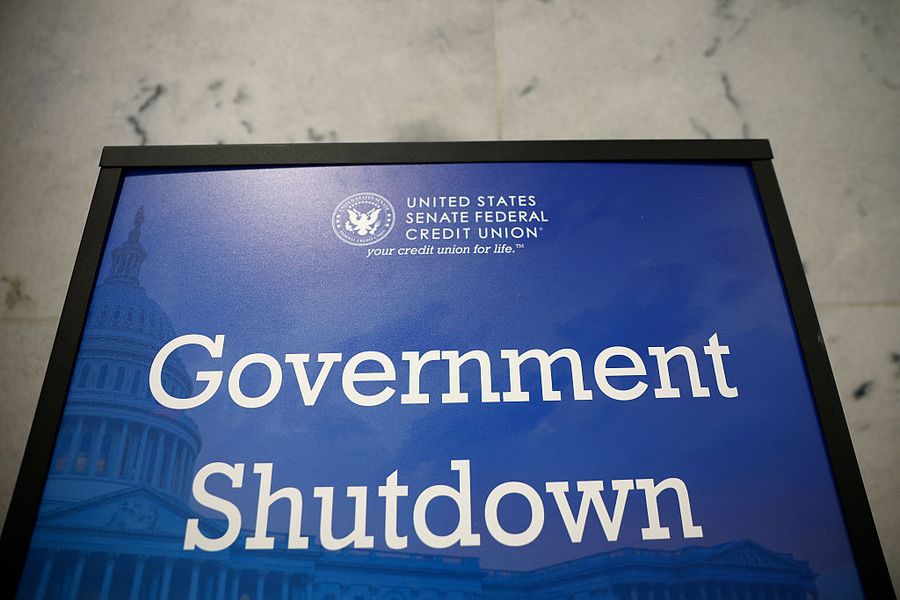
The Department of Education will furlough most of its federal workforce. That includes about 1,500 departmental employees and another 650 people in the Office of Federal Student Aid.
But that doesn’t mean student loan collection will stop. Borrowers will still need to make their payments. Federal loans for student aid will also continue to go out.
In past shutdowns, federal workers who’ve been furloughed have been brought back on, but reports suggest that Trump’s administration is keen to permanently fire workers furloughed during the shutdown, especially at the Department of Education, which the president has vowed to abolish. The Office for Civil Rights will effectively close during the shutdown, the DOE indicated on September 28, halting "investigations of civil rights complaints."
Blake Callahan / Getty Images
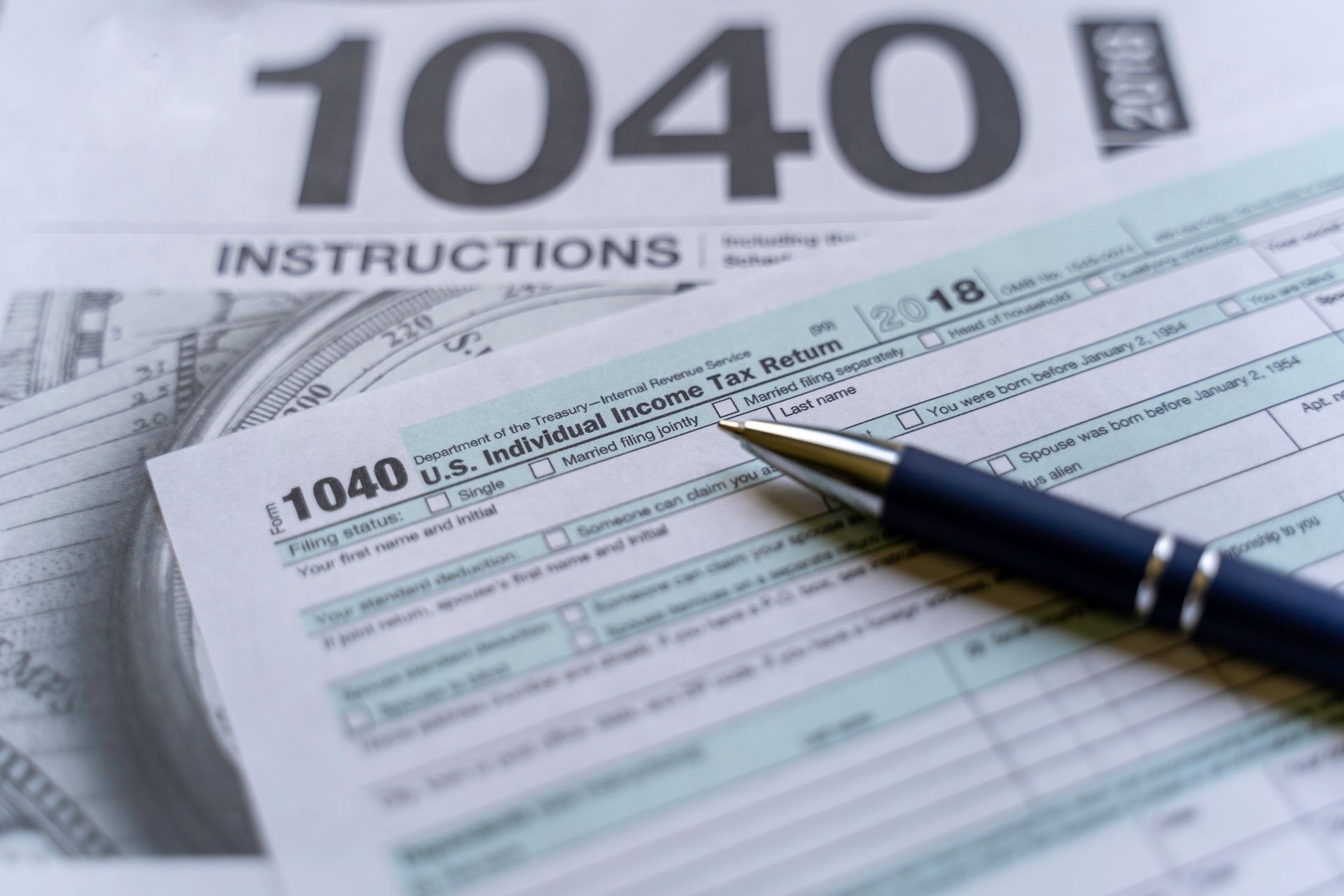
IRS employees will keep working — for now. The agency said it can stay alive by using funds it received in the Inflation Reduction Act for five days. It hasn’t said what it will do if the shutdown continues beyond that, however, some IRS operations have paused during past shutdowns.
Meanwhile, U.S. Customs and Border Protection (CBP) will continue to collect tariffs on imported products. That’s because DHS, under which CBP is housed, said in its latest contingency plans that it had designated its security and revenue collections as essential to federal operations
Gary Kemp Photography / Getty Images
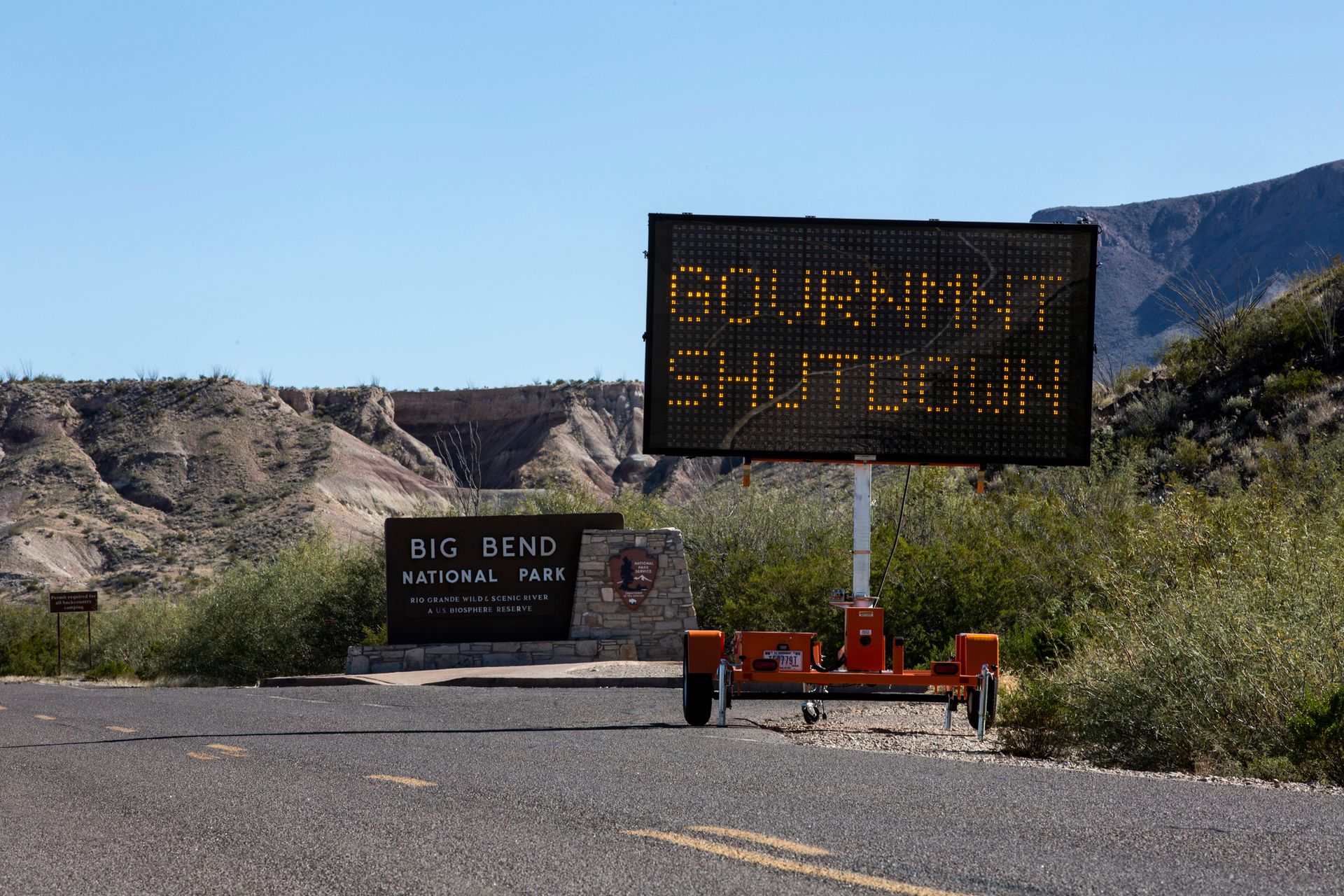
National parks have closed during past shutdowns, but most will remain open for now. That said, the National Park Service, housed under the Interior Department, is furloughing about two-thirds of its staff, which means visitors probably won’t see federal park employees maintaining the parks during the shutdown. NPS is warning that it can only offer basic visitor services at some parks, and no visitor services at others. Easily accessible hiking trails will be fine, but sites that require staffers to enter, like the Washington Monument, will be closed.
In Washington D.C., most of the museums run by the federal government will remain open for the time being, thanks to private donations and contingency plans they have in place. This includes the Smithsonian, the National Zoo, and the National Gallery of Art. However, they likely won't be able to hold on for an extended period of time if the shutdown doesn't end soon. The Arlington Cemetery will also remain open, but the Library of Congress and the U.S. Botanic Garden will close.
Neal McNeil / Getty Images
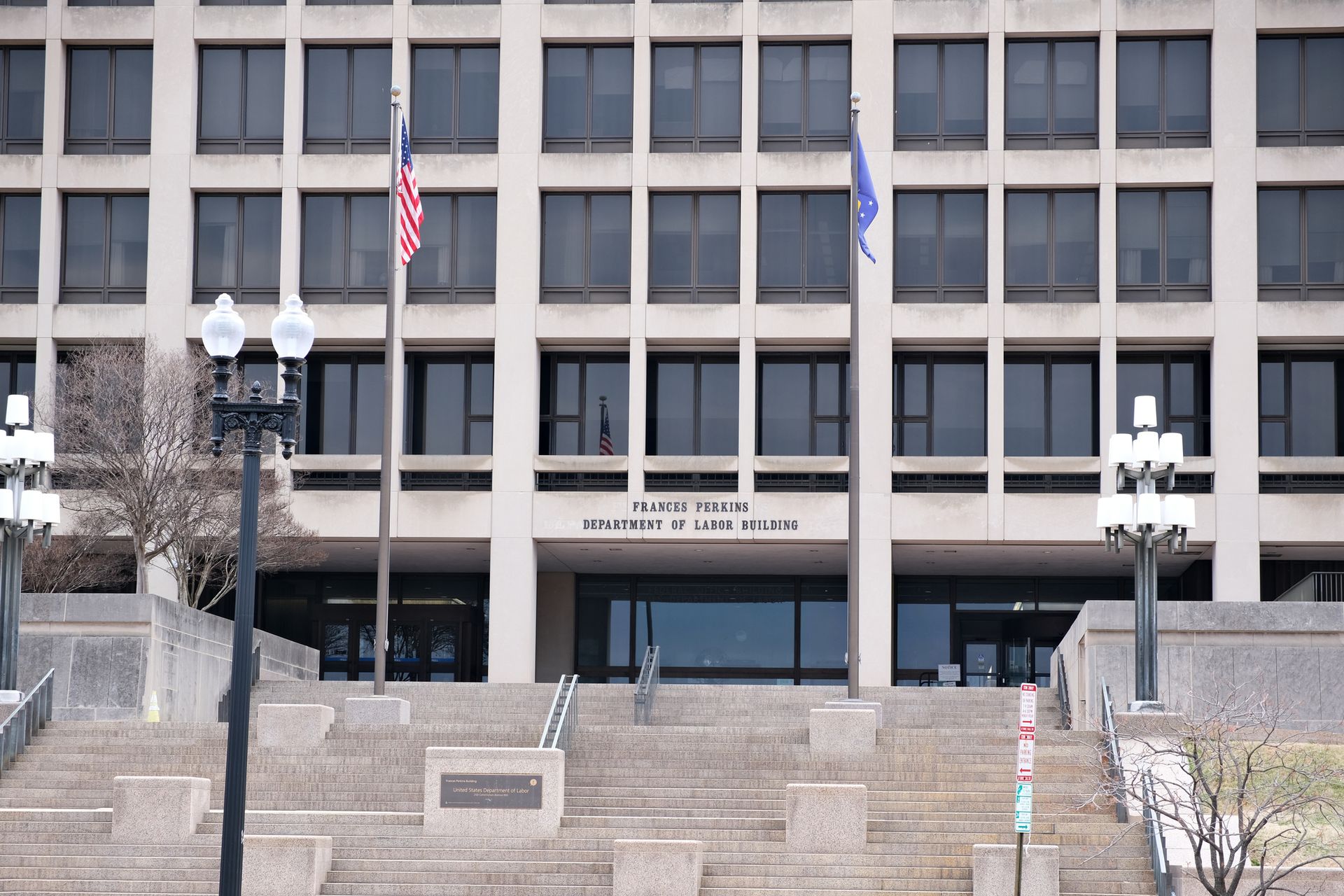
Americans will have to live, for now, without several key monthly U.S. economic reports, including the Labor Department's closely watched jobs report.
The report, formally known as the Employment Situation Summary, compiled by the Bureau of Labor Statistics, was scheduled to roll out on Friday, as it does on the first Friday of every month. Now that won’t be the case, since the Labor and Commerce Departments said that agency economic data would halt immediately after a government shutdown.
Historically, the Federal Reserve, U.S. businesses, and many households nationwide rely on the monthly employment report as a gauge of the country’s labor market picture. With no agreement on a government spending pact, the jobs report is sidelined indefinitely.
Brian O’Connell contributed to this article.
Bloomberg / Getty Images
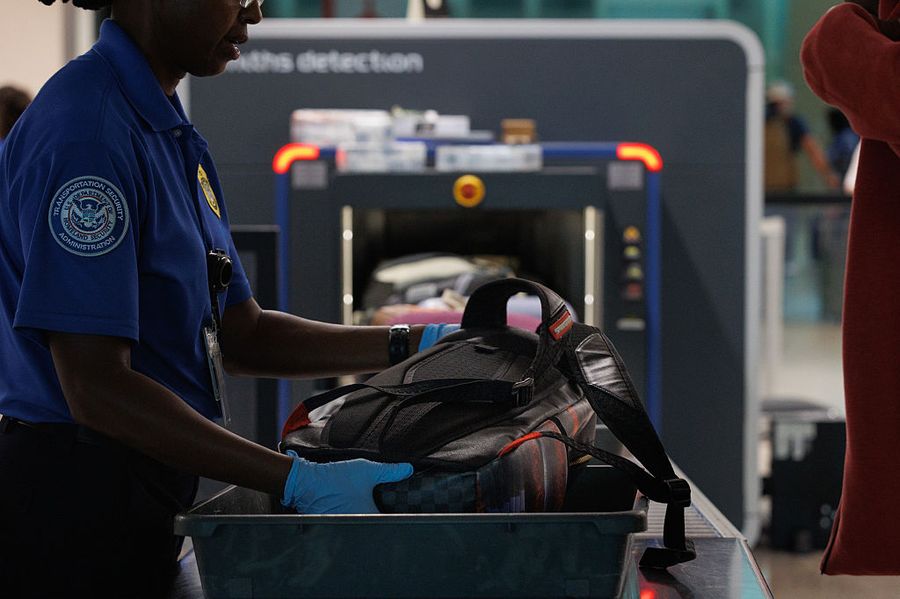
If you plan to travel during the shutdown, have no fear. There will still be lengthy TSA screening lines, and air traffic controllers to monitor your flight. Both groups are deemed essential workers and will continue operating.
Still, the Federal Aviation Administration (FAA) will be furloughing about one-quarter of its workers whose jobs are deemed nonessential.
MediaNews Group/Reading Eagle via Getty Images / Contributor/ Getty Images
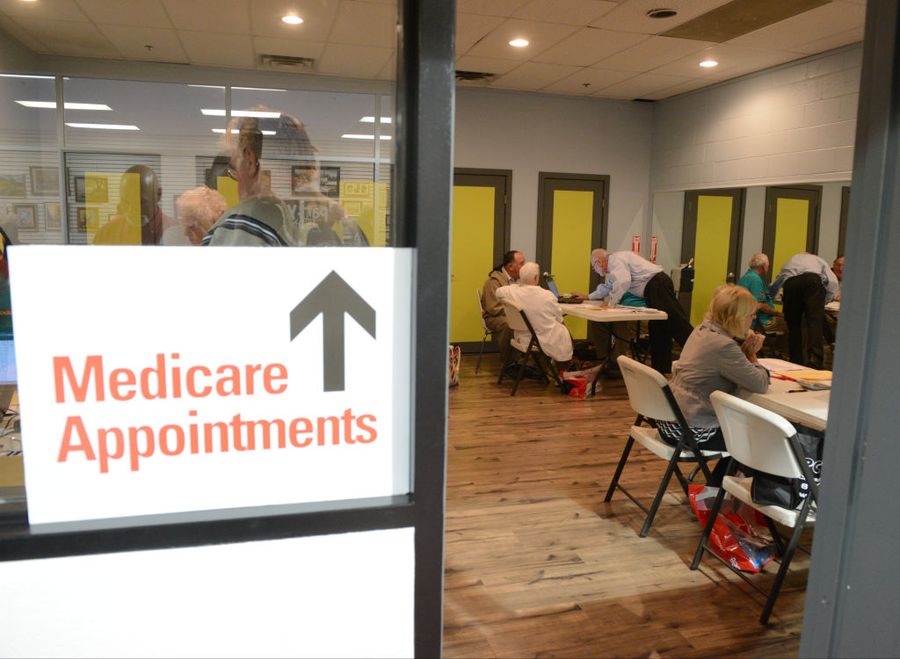
Federal workers who keep Medicaid and Medicare running will keep working, although the Department of Health and Human Services will be furloughing about 40% of its staff. The National Institutes of Health (NIH) will be furloughing three-quarters of its staff, and the Centers for Disease Control and Prevention (CDC) will be furloughing more than 60% of its workers.