
From ancient tragedies in Epidaurus's 2,400-year-old theater to barefoot fire-walking over coals in a northern Greek village each May
Drinu Cutajar / Pexels
Greece holds a genuinely remarkable calendar of festivals, ranging from ancient theatrical traditions performed in ruins thousands of years old to modern celebrations of food, music and national pride. Each region of the country brings its own distinct customs, shaped by centuries of history, religious tradition and, in some cases, genuine local pride in a specific regional product or historical event that still resonates today.
Timing a trip around one of these celebrations rewards travelers with a considerably deeper understanding of Greek culture than a purely sightseeing-focused visit could offer alone. Whether the appeal involves ancient drama beneath a starlit sky, barefoot fire-walking, or a carnival rivaling anything found in Europe, these six festivals genuinely justify building an entire itinerary around them.
The six festivals below appear in Lonely Planet, covering the best Greek festivals worth traveling for. They range from ancient theatrical performances staged in ruins built more than two millennia ago to a modern rock festival drawing international acts, giving travelers considerable range across Greece’s layered cultural calendar. Several of these celebrations also connect directly to specific, well-documented historical moments, giving visitors genuine insight into how the past continues shaping Greek identity in the present day. Timing and location vary considerably between these six events, so travelers should confirm exact dates well before booking, since ceremonies tied to the religious calendar or agricultural harvest can shift somewhat from year to year depending on the specific circumstances involved. Ochi Day and Anastenaria each fall on a fixed calendar date, while the others move somewhat depending on the season, the harvest, or the Orthodox liturgical calendar governing Lent, so travelers should always carefully verify current-year specifics directly with local organizers well before actually finalizing any travel plans built around these particular celebrations.
Credit: Athens Epidaurus Festival
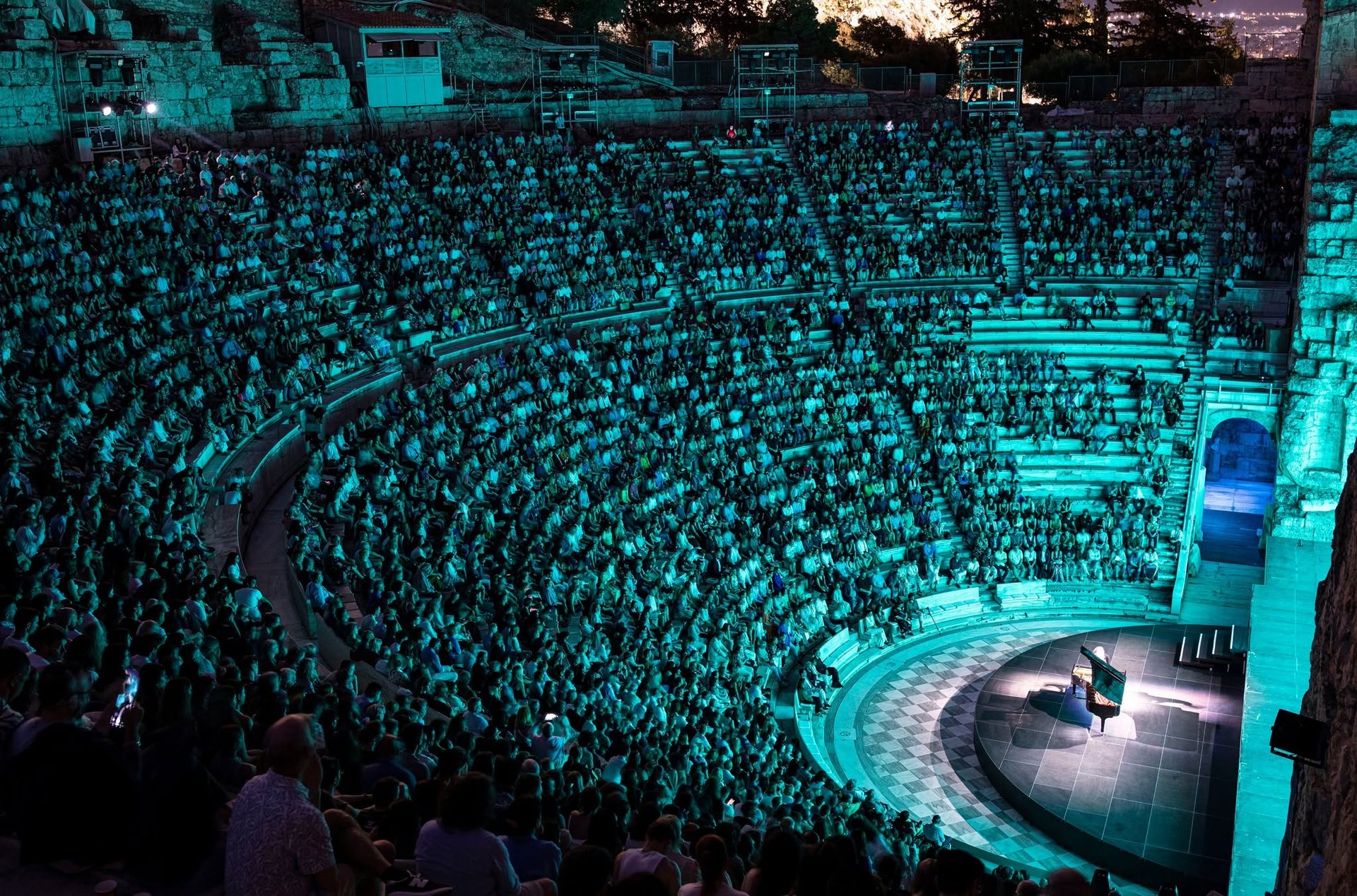
Running from June through August, the Athens Epidaurus Festival ranks among Greece’s most significant cultural events, staging ancient Greek tragedy and comedy alongside contemporary theater, dance and music across two genuinely spectacular venues. Performances at the Odeon of Herodes Atticus, a Roman-era theater built into the southern slope of the Acropolis, let audiences watch classical drama unfold with the illuminated Parthenon looming directly overhead.
The festival’s namesake venue, the ancient theater of Epidaurus in the Peloponnese, ranks among the best-preserved theaters from antiquity anywhere in the world, and its considerable fourth-century-BC construction still delivers acoustics so precise that a whisper from center stage carries clearly to the very top row. Watching a Greek tragedy performed in this exact setting, largely unchanged since it was built, gives audiences a genuinely rare connection to the origins of Western theater itself.
Tickets for the most popular productions sell out considerably faster than casual visitors might expect, since both Greek and international audiences travel to attend performances at Epidaurus each summer. This particular demand reflects the venue’s genuine reputation as one of the most significant surviving spaces in the history of theatrical performance.
Travelers $TRV hoping to combine the festival with broader sightseeing should note that the ancient site of Epidaurus itself, beyond simply the theater, holds considerable additional ruins connected to a historic healing sanctuary once dedicated to the god Asclepius. The festival has run continuously since 1955, making it one of the longest-running cultural events found anywhere in Europe, and its considerable history reflects a genuine postwar effort to revive ancient Greek performance traditions for modern audiences. The Odeon of Herodes Atticus itself dates to 161 AD, and Roman architect Herodes Atticus commissioned the structure as a memorial to his wife, giving the venue considerable personal history layered beneath its more famous role hosting modern performances. Travelers should bring a cushion for the ancient stone seating, since neither Epidaurus nor the Odeon of Herodes Atticus offers padded seating despite performances often running several hours.
Credit: Aegina Fistiki Fest
Held each September on the island of Aegina, just an hour by ferry from Athens’s port of Piraeus, the Fistiki Fest celebrates the island’s considerable reputation for producing some of the finest pistachios found anywhere in Greece. Local growers set up stalls throughout the harbor town to sell fresh nuts, pistachio-based sweets and traditional preparations that showcase the crop in genuinely creative ways.
Aegina’s volcanic soil and considerable Mediterranean climate give the island’s pistachios a distinctive flavor that local producers have cultivated for generations, and the crop remains genuinely central to the island’s broader agricultural economy even today. Cooking demonstrations throughout the festival teach visitors how to incorporate pistachios into both savory and sweet dishes, giving travelers genuine hands-on insight beyond simply sampling the finished products.
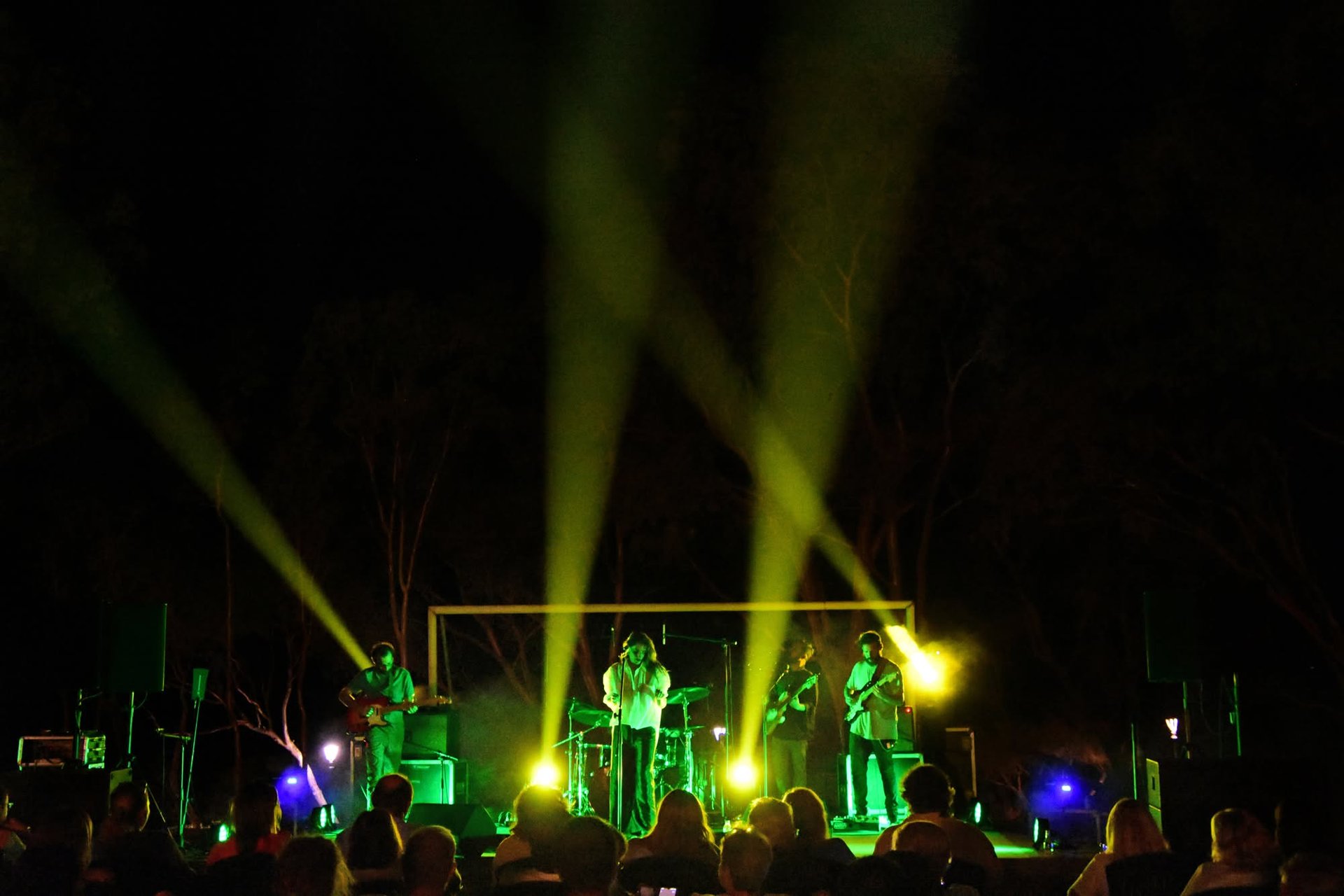
Beyond the food itself, the festival includes live music, dancing, and considerable community celebration throughout the harbor area, giving Fistiki Fest a genuinely festive atmosphere well beyond simply an agricultural showcase. This particular pairing of culinary pride and lively celebration gives the event real appeal for travelers hoping to experience a smaller, more community-focused Greek festival away from Athens’s busier attractions.
Travelers $TRV should plan the ferry crossing around festival dates, since Aegina draws considerably heavier weekend crowds during the celebration compared with a typical visit to the island. Aegina’s pistachio cultivation dates back to the nineteenth century, when the crop was reportedly introduced to the island because the volcanic terrain suited the trees particularly well compared with much of the surrounding Greek mainland. Aegina also holds genuine historical significance beyond agriculture, since the island briefly served as the first capital of modern independent Greece during the early 1820s, giving the destination considerable weight beyond simply its festival and produce. Travelers should also budget time to explore the island’s considerable archaeological sites, including the Temple of Aphaia, giving a Fistiki Fest visit genuine historical depth beyond simply the festival itself. Ferry schedules to Aegina run considerably more frequently during peak tourist season, giving travelers genuine flexibility around exact arrival and departure times.
Credit: Rockwave Festival
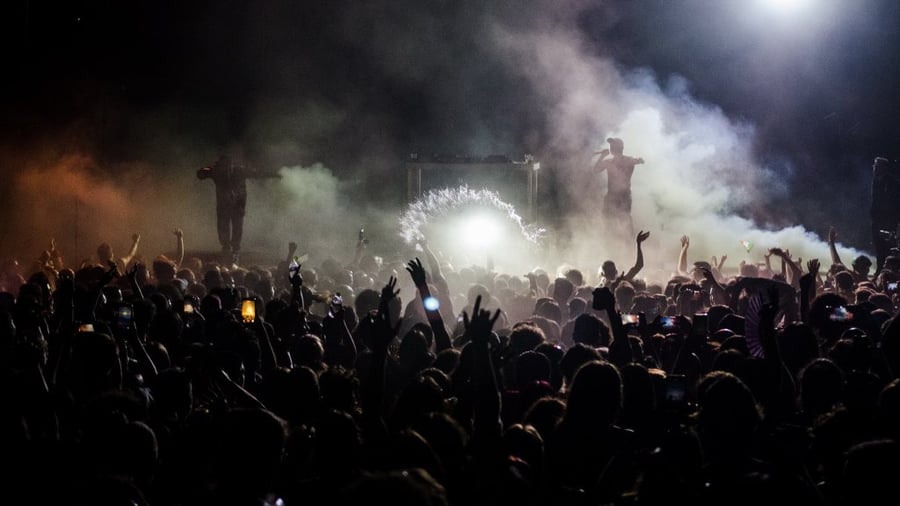
Running since 1996, Rockwave Festival ranks as Greece’s biggest rock and metal event, drawing major international acts to Terravibe Park near Malakasa, roughly 40 kilometers north of Athens. The festival typically takes place across several days each summer, giving fans a genuine opportunity to see multiple headlining acts within a single multi-day pass.
Rockwave’s considerable lineup history includes some of the biggest names in rock and metal music, and the festival’s longevity has made it a genuine fixture on the broader European festival circuit, drawing fans from well beyond Greece’s own borders for the event. This international draw gives Rockwave real significance within the country’s broader music festival calendar, comparable to major festivals found throughout Western Europe.
The festival grounds hold considerable camping facilities for attendees hoping to stay on-site throughout the multi-day event, giving fans genuine flexibility beyond simply commuting from Athens each day. This camping option reflects Rockwave’s broader ambition to deliver a genuinely immersive festival experience rather than simply a single-day concert.
Travelers $TRV should book accommodations or camping well in advance during the festival’s peak years, since major headlining acts can draw considerably larger crowds than in quieter festival editions. The festival originally launched at a different venue before eventually settling at Terravibe Park, and this considerable relocation reflected the event’s growing scale as attendance climbed throughout the following decades. Terravibe Park sits close enough to Athens for many attendees to visit as a day trip. However, the site’s considerable distance from the city center still makes reliable transportation planning genuinely important for festivalgoers without a car. Travelers should confirm current shuttle bus schedules from central Athens, since these services fill up quickly and offer a considerably more reliable option than arranging independent transport to the festival grounds. Sunscreen and adequate hydration matter throughout the daytime hours, since Terravibe Park offers relatively little natural shade across its open festival grounds during the hottest stretch of the Greek summer.
Tigroinikos / Wikimedia Commons (CC BY 2.5)
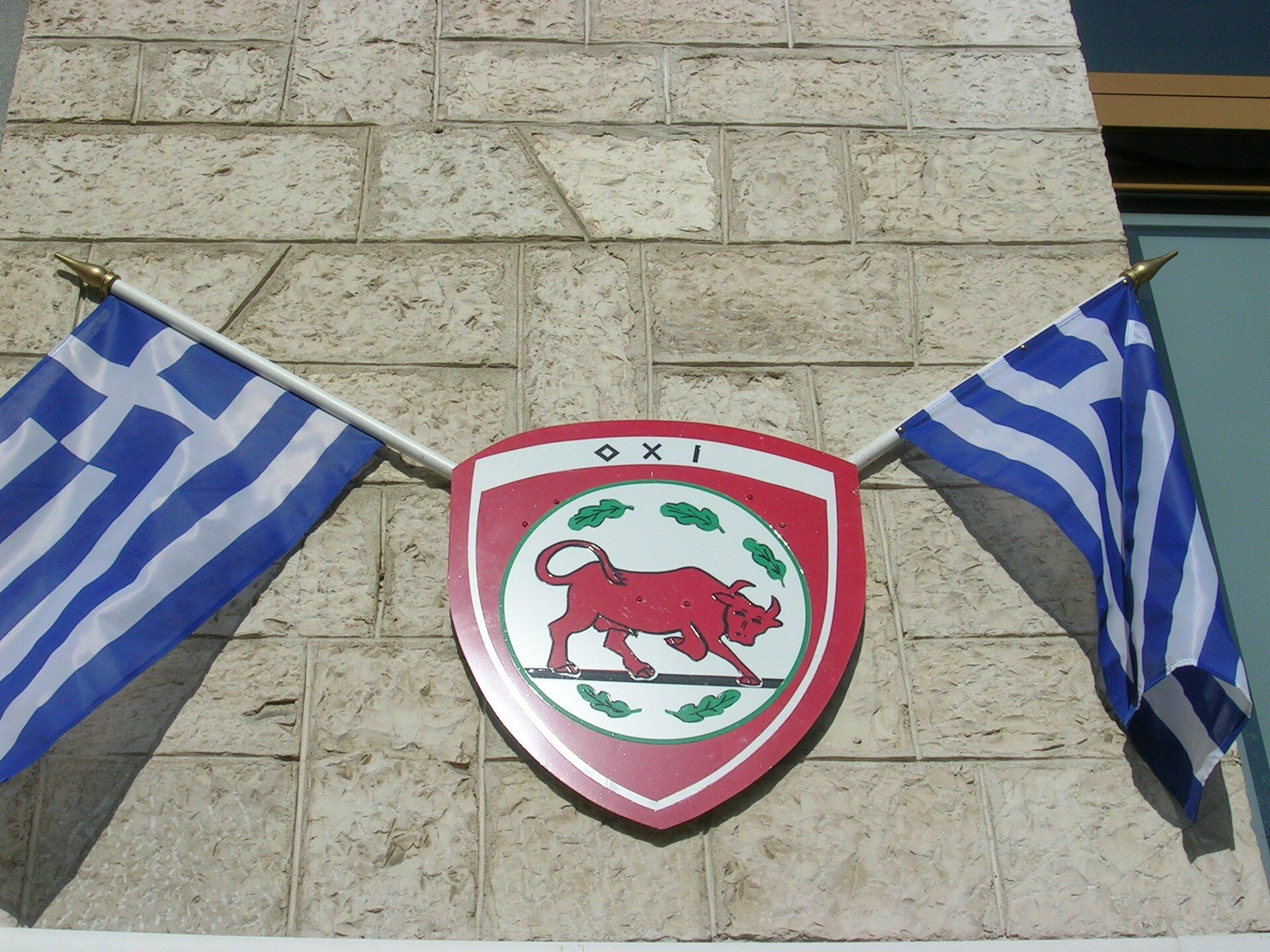
Celebrated every October 28, Ochi Day commemorates Greek Prime Minister Ioannis Metaxas’s famous 1940 rejection of an Italian ultimatum demanding free passage through Greek territory. This refusal pulled Greece directly into World War II against the Axis powers. The word “ochi,” meaning “no” in Greek, gives the holiday its name, and the day remains a genuine source of national pride commemorating the country’s early wartime resistance.
Military parades take place throughout Greece on Ochi Day, with the celebrations in Thessaloniki ranking among the largest and most elaborate found anywhere in the country. Schoolchildren throughout Greece also participate in their own smaller parades, and flags fly from balconies and public buildings nationwide, giving the holiday genuine visibility even in smaller towns and villages far from the largest official ceremonies.
This particular pairing of military commemoration and genuine grassroots participation from schoolchildren gives Ochi Day considerable emotional resonance beyond simply a formal government holiday. The day’s connection to a specific, well-documented historical moment gives travelers genuine insight into how modern Greek identity remains shaped by the country’s World War II experience.
Travelers $TRV visiting Thessaloniki around October 28 should expect considerable road closures throughout the city center, since the main parade route typically closes major thoroughfares for several hours during the ceremony itself. Metaxas’s rejection came in response to an Italian demand to occupy strategic Greek positions, and his refusal led to an immediate Italian invasion from Albania, launching what became known as the Greco-Italian War. Greece’s early military successes against the Italian invasion, pushing Axis forces back into Albanian territory within weeks, gave the country genuine pride during a difficult wartime period, even though a subsequent German invasion eventually overwhelmed Greek defenses months later. Travelers should expect many shops and businesses to close for the holiday, since Ochi Day functions as a full public holiday throughout Greece rather than simply a ceremonial occasion. Restaurants in major tourist areas typically stay open despite the broader holiday closures, giving visiting travelers genuine dining options even on a day when most other businesses close.
Credit: Travel Greece
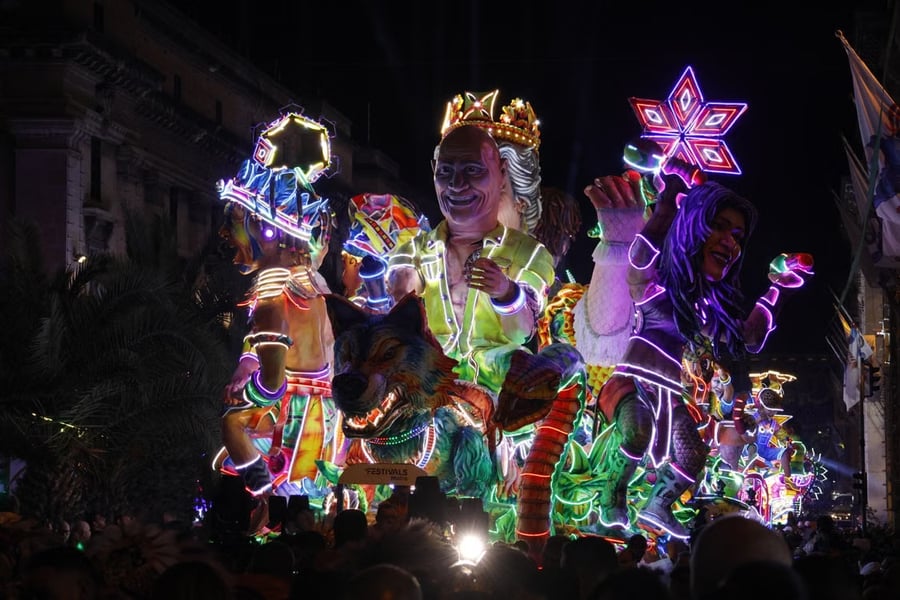
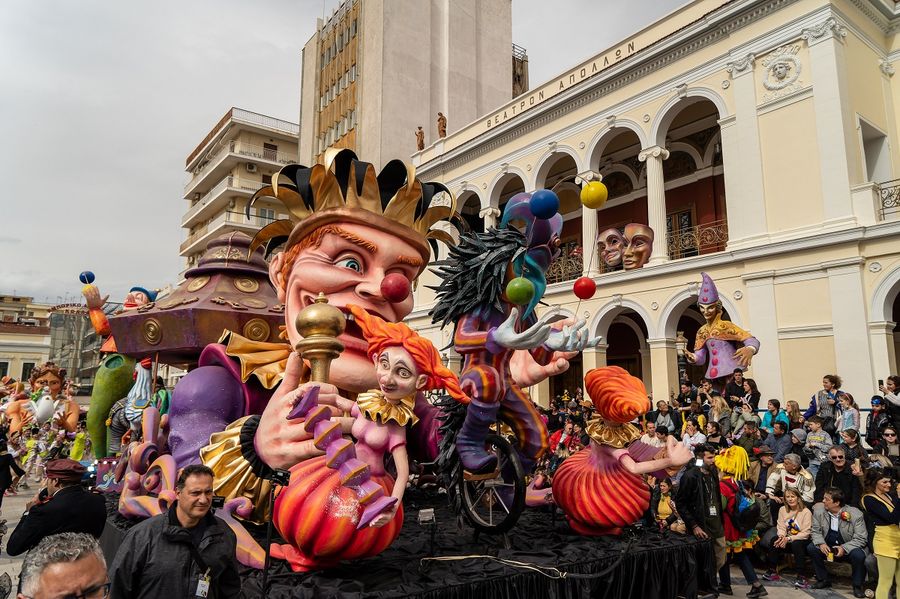
Held in the Peloponnesian port city of Patras during the weeks leading up to Orthodox Lent, Patras Carnival ranks as the largest carnival celebration found anywhere in Greece, drawing considerable comparisons to Mardi Gras celebrations found elsewhere around the world. The modern organized carnival traces back to the 1960s, though earlier carnival traditions in the city stretch back considerably further into the nineteenth century.
Elaborate costume parades wind through the city’s streets, featuring satirical floats that often poke fun at current political figures and events throughout Greece, giving the carnival a genuinely sharp comedic edge beyond simply colorful spectacle. The festivities build toward a considerable climax on the final weekend, when a giant effigy representing the Carnival King gets ceremonially burned along the city’s waterfront, symbolically marking the end of the celebration before the solemnity of Lent begins.
Costume balls held throughout the weeks leading up to the main parade give locals and visitors a genuine opportunity to participate directly in the celebration instead of simply observing from the sidelines. This particular blend of public parade and considerable private celebration gives Patras Carnival genuine depth beyond simply its famous closing weekend festivities.
Travelers $TRV hoping to attend the main parade should book accommodations in Patras considerably far in advance, since the city’s hotel capacity fills quickly during the carnival’s peak final weekend. Patras itself holds genuine historical significance as one of Greece’s oldest port cities, and the carnival’s considerable scale today reflects the city’s long-standing cosmopolitan character shaped by centuries of Mediterranean trade and cultural exchange. Children’s carnival events run alongside the adult celebrations throughout the weeks leading up to the main parade, giving families genuine ways to participate in the tradition regardless of age or comfort with the carnival’s more adult-oriented satirical content. Travelers should book accommodations well in advance for the final weekend, since hotel rooms throughout Patras sell out well ahead of the climactic parade and effigy burning.
Apokalipto / Wikimedia Commons (CC BY-SA 4.0)
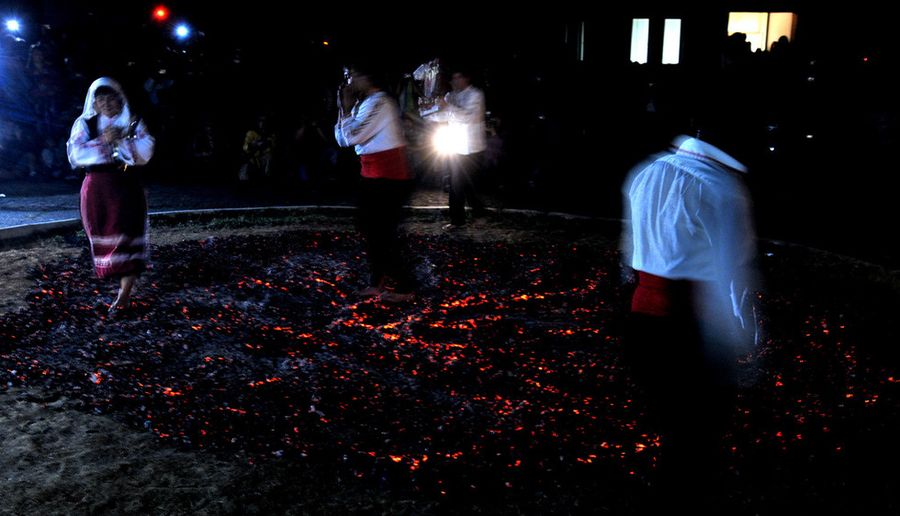
Practiced each May 21 in the villages of Langadas and Agia Eleni in northern Greece, Anastenaria involves devotees walking barefoot across burning coals in honor of Saints Constantine and Helen, a tradition genuinely unlike anything else found within mainstream Greek Orthodox religious practice. The ritual traces back to refugees from Kosti, a village in Eastern Thrace, who brought the tradition with them following considerable population displacement during the early twentieth century.
Practitioners, known as Anastenarides, reportedly enter a trance-like state before walking across the coals, and many participants and observers describe the atmosphere as genuinely transcendent, blending elements of folk religion with the more formal structure of Orthodox Christian veneration. This particular fusion gives Anastenaria a genuinely distinct character compared with more conventional religious festivals found elsewhere throughout Greece.
The ritual follows days of preparatory ceremonies, including music played on traditional instruments believed to help induce the trance state participants enter before the actual fire-walking begins. This considerable ceremonial buildup gives visitors genuine context for understanding the ritual’s spiritual significance well beyond simply the dramatic fire-walking moment itself.
Travelers $TRV hoping to witness Anastenaria should approach the ceremony with genuine respect and sensitivity, since this remains a living religious practice for the communities involved instead of simply a tourist spectacle staged for outside visitors. The specific population displacement that brought the tradition to Greece occurred following the 1922 population exchange between Greece and Turkey, when considerable numbers of ethnic Greeks left Eastern Thrace and Asia Minor for the Greek mainland. Anthropologists and religious scholars have studied the ritual for decades, because the practice offers a genuinely rare living example of pre-Christian folk tradition surviving alongside, and partially merging with, formal Orthodox Christian religious practice. Travelers should arrive early to secure a good vantage point, since the ritual draws considerable crowds of both curious visitors and devout participants from throughout the wider region. Photography policies vary depending on the specific village hosting the ritual that year, so travelers should ask local organizers directly before assuming photography is genuinely welcome.