Biological age — how your cells, organs, and systems are actually aging — is significantly shaped by behavior. These are the habits with the most evidence behind them

cottonbro studio / Pexels
Aging is not a single process. It is the aggregate of dozens of biological processes — cellular senescence, telomere shortening, DNA damage accumulation, mitochondrial dysfunction, chronic inflammation, epigenetic drift — that proceed at different rates in different people depending on genetics, environment, and behavior. Chronological age, the number of years since birth, is fixed and universal. Biological age — the actual functional state of the body's cells, tissues, and systems — is variable, and the gap between a person's chronological and biological age can be a decade or more in either direction.
The measurement of biological age has advanced significantly in the past decade. Epigenetic clocks — mathematical models that predict biological age from patterns of DNA methylation across the genome — can now estimate biological age with reasonable accuracy from a blood sample, and the studies that have used these tools to examine the relationship between lifestyle factors and biological age have produced findings that are both sobering and, importantly, actionable: biological aging is accelerated by specific, identifiable behaviors, and reducing or eliminating those behaviors measurably slows the rate of biological aging.
This list covers 20 of the behaviors with the most consistent evidence for accelerating biological aging, drawn from research using epigenetic clocks, telomere length measurements, biomarker panels, and clinical outcome data. Each entry covers the specific habit, the mechanism by which it accelerates aging, the strength of the evidence, and the rough magnitude of the effect where it has been quantified.
Several important caveats apply. The mechanisms of biological aging are complex and interconnected — most habits on this list affect multiple aging pathways simultaneously, and the effects are not simply additive. Individual variation is substantial — the same habit may have different effects in different people depending on their genetic background, overall health status, and the combination of other behaviors they engage in. And the research on biological aging, while rapidly advancing, contains findings that are preliminary or contested. Where this is the case, it is noted.
The goal is accurate information about real biological processes, not the anxious hyperbole that much aging content produces. The habits here are worth attending to not because each one is catastrophic in isolation but because their cumulative effect — across years of consistent practice — is measurable and significant.

Vitaly Gariev / Pexels
Insufficient sleep — consistently sleeping less than seven hours per night — is one of the most well-documented accelerants of biological aging, operating through multiple pathways simultaneously: telomere shortening, impaired DNA repair, elevated inflammatory markers, reduced growth hormone secretion, and the impaired clearance of cellular waste products through the glymphatic system that occurs specifically during sleep.
A 2019 study in Aging Cell found that short sleep duration was significantly associated with accelerated epigenetic aging — meaning that people who consistently slept fewer hours had epigenetic profiles resembling those of people chronologically older than themselves. The magnitude of the association was substantial: each hour of sleep deficit per night was associated with approximately 1.5 to 2 years of accelerated biological aging on epigenetic clock measures.
The growth hormone connection is particularly significant for aging: approximately 75% of daily growth hormone secretion occurs during slow-wave sleep. Growth hormone supports cellular repair, muscle maintenance, and metabolic regulation — all processes that become more important to maintain as chronological age increases. Chronic sleep deprivation that reduces slow-wave sleep (which includes sleeping fewer than seven hours and sleeping with significant fragmentation) substantially reduces the body's growth hormone-mediated repair capacity over time.
The mechanism of telomere shortening from sleep deprivation involves the elevation of inflammatory markers (particularly IL-6 and TNF-α) during insufficient sleep, which activate oxidative stress pathways that damage telomeric DNA at a higher rate than normal. Multiple large epidemiological studies have found that short sleepers have measurably shorter telomeres than adequate sleepers of the same chronological age.

Yan Krukau / Pexels
Sustained psychological stress — not the acute stress of a difficult situation that resolves, but the chronic, ongoing stress of a situation that does not — is one of the most powerful known accelerants of biological aging, operating primarily through the HPA axis (the hypothalamic-pituitary-adrenal axis that regulates cortisol secretion) and through the telomere-shortening effects of elevated oxidative stress and inflammation.
Elissa Epel's pioneering research at the University of California, San Francisco — published in the Proceedings of the National Academy of Sciences in 2004 — was the first study to directly link psychological stress to accelerated telomere shortening. Epel and her colleagues, including Nobel laureate Elizabeth Blackburn, compared telomere length in mothers of chronically ill children (a high-stress situation) with those of mothers of healthy children, and found that the high-stress group had telomeres equivalent to those of women approximately 10 years older. The most stressed women in the sample showed telomere shortening equivalent to approximately 9 to 17 additional years of biological aging.
Subsequent research has confirmed and expanded these findings: PTSD, caregiver stress, work-related burnout, and chronic loneliness are all associated with accelerated epigenetic aging and shorter telomeres. The mechanism involves both the direct effects of cortisol on cellular aging (cortisol inhibits telomerase, the enzyme that maintains telomere length) and the indirect effects through the inflammatory cytokines that chronic stress elevates.

Pavel Danilyuk / Pexels
Ultra-processed foods — industrially manufactured products containing ingredients not typically found in home cooking, including emulsifiers, preservatives, artificial flavors, colorings, and modified food starches, alongside high amounts of added sugar, salt, and refined carbohydrates — are associated with accelerated biological aging through multiple mechanisms including telomere shortening, elevated inflammation, gut microbiome disruption, and the metabolic consequences of high glycemic load.
A 2020 study published in the American Journal of Clinical Nutrition found that higher ultra-processed food consumption was significantly associated with shorter telomere length in a sample of 645 adults, with each daily serving of ultra-processed food associated with a 1.3% shorter telomere length after adjustment for other variables. The association was independent of total caloric intake and overall diet quality, suggesting that the ultra-processing itself — rather than simply the macronutrient composition — contributes to the aging effect.
The mechanisms of ultra-processed food's aging effect include advanced glycation end products (AGEs) — compounds formed during high-temperature industrial processing that accumulate in tissues and crosslink collagen and elastin, contributing to skin aging, arterial stiffening, and reduced tissue flexibility. The gut microbiome disruption from ultra-processed food consumption (through emulsifiers that disrupt the mucus layer of the gut, and through the absence of dietary fiber that beneficial bacteria require) produces chronic low-grade inflammation that is a primary driver of biological aging across multiple systems.

Vitaly Gariev / Pexels
Prolonged sitting — sedentary time accumulated throughout the day, independent of exercise — is associated with accelerated biological aging through mechanisms including telomere shortening, elevated inflammatory markers, and metabolic dysfunction, even in people who otherwise meet physical activity recommendations. A 2017 study in the American Journal of Epidemiology found that sedentary women who sat for more than 10 hours per day had telomeres equivalent to those of women approximately 8 years older than sedentary women who sat less.
The specific aging mechanism of sedentary behavior distinct from the aging mechanism of insufficient exercise involves the reduction of lipoprotein lipase activity — the enzyme responsible for clearing triglycerides from the bloodstream — that occurs in muscle during inactivity. Extended inactivity produces a sustained metabolic state in which triglycerides accumulate in the blood, insulin sensitivity declines, and low-grade inflammatory pathways are activated — a cluster of metabolic effects that individually and collectively accelerate biological aging.
The research that most clearly establishes sedentary behavior as an independent aging risk factor (rather than simply a proxy for low physical activity) shows that people who meet exercise guidelines but sit for extended periods have biological age markers intermediate between those of highly active people and those of truly sedentary people — suggesting that breaking up sitting has a benefit beyond the exercise itself.

Ankit Rainloure / Pexels
Cigarette smoking is one of the most potent known accelerants of biological aging, and among the habits on this list the one with the most extensive and most consistent body of evidence. A comprehensive 2023 study using the epigenetic DunedinPACE clock — which measures the rate of biological aging rather than a single-point biological age — found that smokers aged biologically at a rate approximately 14% faster than non-smokers, equivalent to approximately 1.4 years of additional biological aging for every 10 chronological years.
The mechanisms are multiple and each operates through a different aging pathway: oxidative stress from cigarette smoke directly damages telomeric DNA; the chronic inflammation produced by smoking elevates IL-6, CRP, and other inflammatory markers associated with multiple aging processes; the epigenetic changes produced by smoking (measurable methylation changes at hundreds of genomic sites) affect the expression of hundreds of genes involved in cellular aging and cancer suppression; and the cardiovascular effects of smoking accelerate arterial stiffening and cardiovascular aging independently of the systemic effects.
Smoking cessation partially reverses several of these effects: telomerase activity increases within months of quitting, inflammatory markers decline within weeks, and the epigenetic aging rate slows after cessation. The epigenetic changes from smoking, however, take years to fully normalize, and some changes associated with heavy lifetime smoking may be partially permanent — a finding that emphasizes the value of never starting.

cottonbro studio / Pexels
Alcohol consumption at levels above moderate (more than one drink per day for women, more than two for men, by conventional definitions) is associated with accelerated biological aging through epigenetic, inflammatory, and oxidative stress mechanisms. A 2022 study published in Nature Aging examined data from approximately 245,000 individuals and found that higher alcohol consumption was associated with accelerated epigenetic aging on multiple clock measures, with the association beginning at relatively modest consumption levels and increasing with quantity consumed.
The specific mechanism of alcohol's aging effect involves acetaldehyde — the primary metabolic product of alcohol metabolism — which is directly genotoxic, damaging DNA and crosslinking proteins in a way that contributes to both cancer risk and accelerated tissue aging. Alcohol also depletes folate (a B vitamin essential for DNA repair), reduces NAD+ levels (a coenzyme central to cellular energy metabolism and DNA repair), and produces chronic elevation of inflammatory cytokines at higher consumption levels.
The liver, whose cellular aging is most directly affected by heavy alcohol consumption, shows among the most dramatic epigenetic aging acceleration of any organ in heavy drinkers — multiple studies have found that heavy drinker livers have epigenetic ages significantly older than those of age-matched non-drinkers, consistent with the higher rate of hepatocellular aging and malignancy in this population.

Vicky T M / Pexels
Ultraviolet radiation — from both sunlight and tanning beds — is the primary external driver of skin aging (photoaging) and a significant contributor to systemic biological aging through its effects on DNA damage, oxidative stress, and immune function. Photoaging accounts for approximately 80 to 90% of the visible skin aging that most people attribute to chronological aging — the wrinkles, spots, loss of elasticity, and textural changes that appear with age are largely the cumulative result of UV exposure rather than age per se.
The UV aging mechanism involves direct DNA damage (UV-B produces thymine dimers in DNA that are a major source of mutation), the activation of matrix metalloproteinases (enzymes that degrade collagen and elastin in the dermis), and the production of reactive oxygen species that damage cellular components broadly. A single significant sunburn produces measurable DNA damage that accelerates the accumulation of p53 mutations — the specific genetic changes that lead to skin cancer — and contributes to the cumulative genomic instability associated with aging.
The consistent use of SPF 30 or higher broad-spectrum sunscreen — not only on obvious sun-exposure occasions but as a daily habit on any exposed skin — is one of the most evidence-supported interventions for reducing photoaging, with a 2013 randomized controlled trial in the Annals of Internal Medicine finding measurably less skin aging progression in daily sunscreen users over four years compared to discretionary users.

Andrea Piacquadio / Pexels
Periodontal disease — chronic bacterial infection and inflammation of the tissues supporting the teeth — is independently associated with accelerated systemic biological aging through the same inflammatory mechanisms that connect other inflammatory conditions to aging, with the additional specific mechanism of bacterial translocation into the systemic circulation during chewing and dental procedures.
A 2024 study using epigenetic aging clocks found that individuals with periodontal disease had significantly accelerated epigenetic biological age compared to those with healthy gums, after adjustment for other health behaviors. The magnitude of the effect was comparable to that of smoking and obesity in the same analysis — a finding that establishes periodontal disease as a significant systemic aging risk factor rather than merely a local oral health issue.
The systemic aging mechanism of periodontal disease operates through the same pathway as other sources of chronic inflammation: the bacterial products (particularly lipopolysaccharide from gram-negative bacteria) and the inflammatory cytokines produced in the infected periodontal tissue enter the systemic circulation and elevate whole-body inflammatory markers, accelerating aging processes across multiple organ systems. The specific bacteria associated with severe periodontal disease — including Porphyromonas gingivalis — have also been found in the brains of Alzheimer's patients, providing a potential mechanistic link between gum disease and neurological aging.

Funmiphotography A / Pexels
A diet characterized by high glycemic load — large quantities of rapidly absorbed carbohydrates including refined grains, sugary beverages, and ultra-processed foods — accelerates biological aging through the mechanisms of chronic hyperglycemia, advanced glycation end product (AGE) formation, and the insulin resistance that high glycemic diets promote over time.
The glycation of proteins — the non-enzymatic reaction between glucose and protein amino groups that produces AGEs — is a direct aging mechanism: AGEs crosslink collagen and elastin (reducing tissue flexibility and producing the structural changes associated with aged skin, arteries, and connective tissue), activate inflammatory receptors (RAGE — receptor for AGE — triggers NF-κB activation and inflammatory cytokine production), and accumulate irreversibly in long-lived proteins throughout the body.
Epidemiological data consistently finds that populations with lower average glycemic load diets show slower rates of biological aging on multiple measures — lower AGE accumulation, longer telomere length, better-preserved organ function — than populations with higher glycemic load diets, independent of total caloric intake. The Mediterranean dietary pattern, with its emphasis on low-glycemic-load vegetables, legumes, and whole grains, is associated with reduced biological aging across multiple epigenetic and clinical measures in part through its lower glycemic contribution.

Polina Tankilevitch / Pexels
Chronic mild dehydration — a persistent state of inadequate fluid intake sufficient to maintain optimal physiological function — is increasingly recognized as a contributor to accelerated biological aging through mechanisms including impaired cellular waste clearance, elevated serum sodium, and reduced efficiency of multiple organ systems that require adequate hydration for optimal function.
A 2023 study in eBioMedicine by Natalia Dmitrieva and colleagues at the National Institutes of Health found that adults with higher serum sodium levels (a marker of chronic relative dehydration) had significantly higher biological age on multiple aging biomarkers, higher rates of chronic disease, and higher mortality risk than those with optimal hydration. The magnitude of the association was substantial: each 1 mmol/L increase in serum sodium above the optimal range was associated with a 15% higher risk of biological aging.
The mechanism involves the relationship between cellular hydration and cellular senescence — cells in a chronically dehydrated state show accelerated activation of cellular stress pathways and reduced efficiency of autophagy (the cellular waste clearance process that removes damaged proteins and organelles). The kidneys' concentration of urine under chronic dehydration also requires sustained activation of aldosterone and ADH (anti-diuretic hormone) signaling pathways whose chronic activation is associated with cardiovascular and renal aging.

Towfiqu Barbhuiya / Pexels
Chronic low-grade inflammation — regardless of its source — is the common final pathway through which many of the habits on this list accelerate biological aging. The research on inflammaging (the age-related increase in chronic inflammatory markers, and the role of chronic inflammation in driving the aging process) has established inflammation as a primary mechanism of biological aging rather than merely a consequence of it.
The specific inflammatory markers most consistently associated with accelerated biological aging are IL-6 (interleukin-6), TNF-α (tumor necrosis factor-alpha), and CRP (C-reactive protein). Elevated levels of these markers at any age are associated with accelerated epigenetic aging, shorter telomeres, worse functional outcomes, and higher all-cause mortality — independently of the specific conditions that produce the elevated inflammation.
The practical implication is that any chronic source of inflammation — whether from diet, sleep deprivation, chronic infection, environmental exposure, or psychological stress — contributes to biological aging through the same inflammatory pathway, and that reducing the total inflammatory burden through multiple simultaneous interventions produces compounding rather than simply additive benefit. A person who improves their diet, sleep, and stress simultaneously reduces their inflammatory burden across multiple sources, producing a combined effect on biological aging larger than any single intervention alone.

cottonbro studio / Pexels
Sleep quality — the architecture of sleep, the proportion of slow-wave and REM sleep, the continuity of sleep without fragmentation — affects biological aging independently of sleep quantity. A person who spends eight hours in bed but sleeps lightly and with frequent waking is not experiencing the same biological benefits as a person who sleeps eight consolidated hours with normal sleep architecture.
Sleep fragmentation — the interruption of sleep by brief arousals that do not produce full waking but prevent the sustained slow-wave sleep that deep restoration requires — is associated with elevated inflammatory markers, reduced growth hormone secretion, impaired glymphatic waste clearance, and accelerated epigenetic aging. Sleep apnea, the most common cause of sleep fragmentation, is specifically associated with accelerated cardiovascular aging through its combination of intermittent hypoxia, sleep fragmentation, and sympathetic nervous system activation during apnea events.
The specific aging consequences of poor sleep quality that are distinct from those of sleep quantity: the glymphatic system's waste clearance function operates primarily during slow-wave sleep and is specifically impaired by sleep fragmentation; the growth hormone surge that occurs during the first slow-wave sleep cycle is reduced or absent when slow-wave sleep is fragmented; and the emotional memory processing that occurs during REM sleep (which reduces the emotional charge of negative experiences) is disrupted when REM sleep is curtailed or fragmented.

Anete Lusina / Pexels
The progressive loss of muscle mass with age — sarcopenia — is both a consequence and a cause of accelerated biological aging: muscle is the body's largest metabolic organ, and its loss reduces the metabolic capacity that maintains insulin sensitivity, glucose regulation, and the hormonal environment that supports cellular repair. Adults who do not engage in regular resistance training lose approximately 3 to 8% of muscle mass per decade after age 30, with the rate accelerating after 60.
The aging acceleration mechanism of muscle loss operates through multiple pathways: reduced insulin sensitivity (muscle is the primary site of insulin-mediated glucose uptake, and its loss reduces this capacity); reduced IGF-1 production (muscle produces IGF-1 locally in response to mechanical loading, and IGF-1 supports cellular repair and maintenance throughout the body); and the loss of the anti-inflammatory myokines (proteins secreted by contracting muscle, including IL-6 in its anti-inflammatory mode and irisin) that regular muscle activity provides.
Resistance training at any age partially reverses age-related muscle loss and its biological aging consequences. A 2017 study found that master athletes who had engaged in lifelong regular resistance training had skeletal muscle epigenetic profiles significantly younger than age-matched sedentary individuals, and closer to those of much younger people. The biological aging benefit of resistance training is one of the most consistent findings in exercise gerontology.

Towfiqu Barbhuiya / Pexels
Excess visceral fat — the metabolically active fat stored around the abdominal organs, as distinct from subcutaneous fat stored under the skin — is one of the most potent drivers of accelerated biological aging among modifiable risk factors, operating through its secretion of pro-inflammatory adipokines (particularly leptin, TNF-α, and IL-6), its contribution to insulin resistance, and the specific epigenetic aging acceleration that has been documented in multiple studies.
A 2021 analysis of epigenetic aging in the UK Biobank cohort found that higher visceral fat area was significantly associated with accelerated biological aging on multiple epigenetic clocks, with each standard deviation increase in visceral fat area associated with approximately 0.5 to 1.5 years of accelerated biological age depending on the clock used. The association with visceral fat was stronger than the association with BMI or total body fat, consistent with the understanding that visceral fat is specifically metabolically active in ways that subcutaneous fat is not.
The visceral fat aging mechanism operates through the continuous secretion of inflammatory cytokines by visceral adipose tissue, the hepatic lipid accumulation that visceral fat promotes (contributing to non-alcoholic fatty liver disease and its systemic consequences), and the insulin resistance that the portal delivery of visceral fat's lipolytic products to the liver produces.

cottonbro studio / Pexels
The habitual use of bright screens — phones, tablets, computers, televisions — in the hour or two before bed has been documented to delay sleep onset, reduce slow-wave sleep proportion, and impair melatonin secretion through the suppression of melatonin by short-wavelength (blue) light emitted by screen devices. The resulting sleep disruption, accumulated over years of habitual late-night screen use, produces the same biological aging consequences as other forms of chronic sleep disruption described in this list.
The specific circadian disruption mechanism is the suppression of melatonin secretion by light exposure in the hours before natural sleep onset. Melatonin suppression delays the onset of the biological night — the circadian phase in which multiple cellular repair processes are upregulated — producing a functional shortening of the biological night even when total sleep time is adequate. The cellular repair processes that are specifically dependent on the circadian timing of melatonin include DNA repair (several DNA repair enzymes show circadian rhythms in activity), immune surveillance, and antioxidant defense.
A 2022 study in PNAS found that exposure to even one night of sleeping with a dim light source (comparable to a television left on at low brightness) produced measurable increases in insulin resistance and heart rate the following day, consistent with the disruption of the circadian repair processes that darkness supports.

cottonbro studio / Pexels
Eating at irregular times — consuming meals at different hours each day, eating late at night relative to the body's circadian clock, and frequent skipping of meals followed by large compensatory meals — disrupts the circadian regulation of metabolic processes in ways that are associated with accelerated metabolic aging, independent of total caloric intake.
The circadian clock governs the timing of digestive enzyme secretion, insulin sensitivity (which is highest in the morning and lowest in the evening, independent of food intake), metabolic rate, and the clearance of metabolic waste. Eating out of sync with these circadian rhythms — particularly eating large meals late at night, when insulin sensitivity is lowest and the metabolic capacity for glucose disposal is reduced — produces a sustained metabolic burden that accelerates the metabolic aging associated with insulin resistance and elevated post-meal glucose.
Time-restricted eating — confining food intake to a window of 8 to 12 hours during the active phase of the day — has been shown in multiple studies to improve insulin sensitivity, reduce inflammatory markers, and improve multiple biological aging markers even without caloric restriction, supporting the interpretation that circadian alignment of eating, rather than simply the amount eaten, is an important determinant of metabolic aging rate.

cottonbro studio / Pexels
The failure to engage with preventive health care — regular screenings, dental care, blood pressure and metabolic monitoring, cancer screening — is not itself a biological aging mechanism but is a behavior that allows the accumulation of treatable conditions that, left untreated, accelerate biological aging through the mechanisms of chronic disease.
Untreated hypertension accelerates vascular aging at a rate that several years of treatment can partially reverse. Untreated diabetes accelerates aging across multiple organ systems at a rate that glucose control substantially reduces. Untreated periodontal disease, described above, produces systemic inflammatory aging that regular dental care prevents. The regular monitoring that preventive care provides also creates the opportunity to detect and address sub-clinical conditions — early metabolic syndrome, borderline hypertension, early-stage cancers — before they progress to the degree that their aging consequences become irreversible.
The specific preventive care behaviors with the most evidence for biological aging impact are blood pressure monitoring and treatment (hypertension is one of the strongest known accelerants of vascular aging), blood glucose monitoring (with early intervention for pre-diabetic states), lipid management, and dental care (for the periodontal-systemic aging connection described above).
Sandeep Kumar Sharma / Pexels
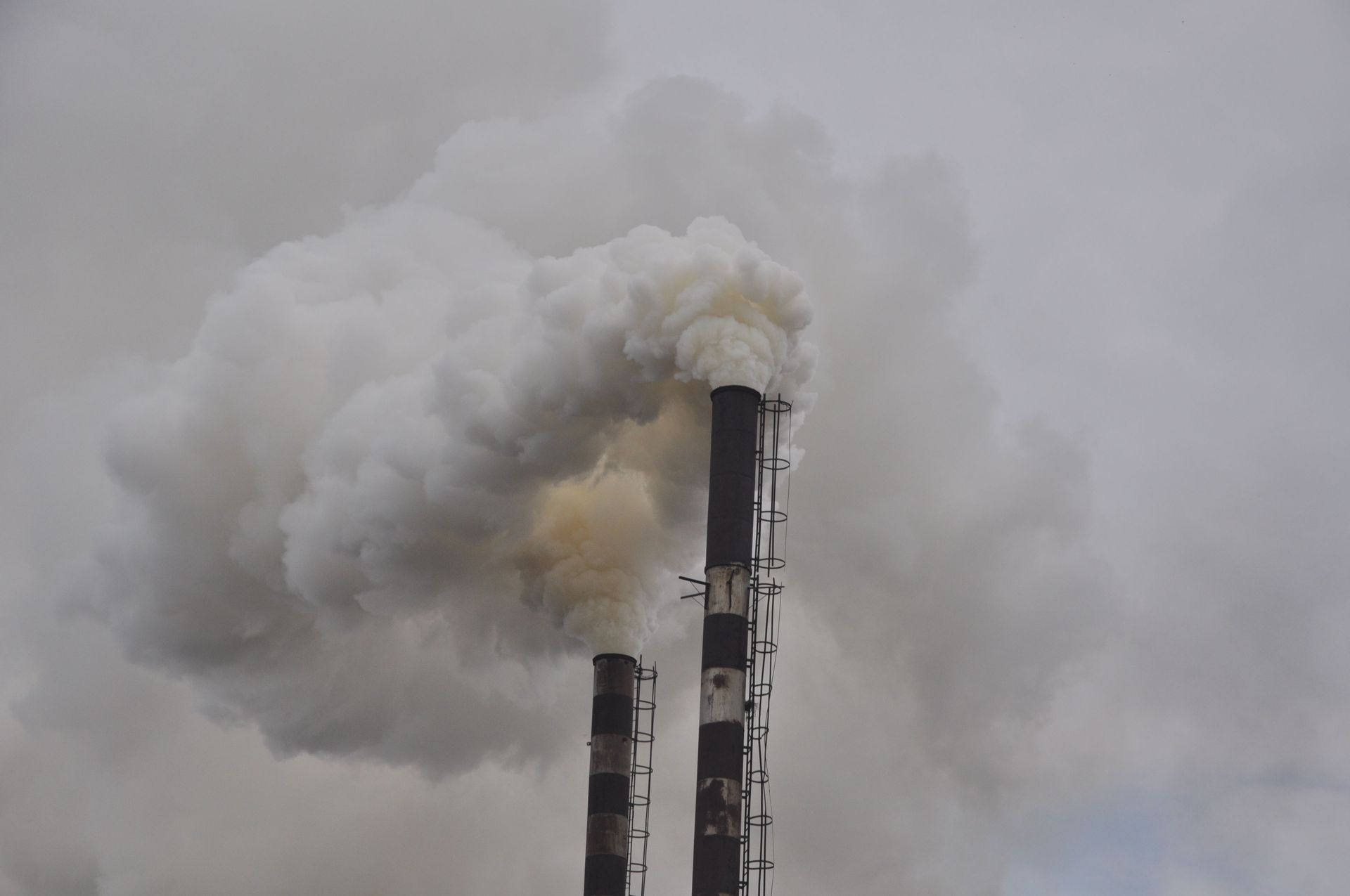
Chronic exposure to air pollution — particularly fine particulate matter (PM2.5) from vehicle exhaust, industrial emissions, and wildfire smoke — is associated with accelerated biological aging through oxidative stress, systemic inflammation, and direct epigenetic effects of particulate matter on airway and cardiovascular tissue.
A 2019 study published in Environmental Health Perspectives found that higher long-term exposure to ambient PM2.5 was significantly associated with accelerated epigenetic aging, with each 10 μg/m³ increase in PM2.5 associated with approximately 1 to 2 years of accelerated biological age. The association was independent of smoking and other health behaviors, indicating that air pollution's aging effect is not simply mediated through shared risk factors.
The mechanism involves the inhalation of particulate matter that deposits in lung tissue and partially translocates into the systemic circulation, producing oxidative stress and inflammatory responses in lung, cardiovascular, and brain tissue. The epigenetic changes produced by chronic PM2.5 exposure affect multiple pathways relevant to aging including DNA repair, inflammation regulation, and telomere maintenance.
Practical mitigation for people in high-pollution environments includes indoor air filtration (HEPA filters have documented PM2.5 reduction efficacy), avoiding outdoor exercise during high-pollution periods, and monitoring of indoor air quality, particularly in homes near major roads or in areas prone to wildfire smoke events.

Atlantic Ambience / Pexels
The biological aging consequences of loneliness and social isolation — described in detail in the earlier entry — compound disproportionately when combined with other aging-accelerating habits rather than adding linearly to their effects. A person who is lonely and sleep-deprived, or lonely and sedentary, or lonely and chronically stressed, experiences biological aging that is faster than the sum of each factor individually because the social threat response that loneliness activates directly worsens sleep quality, increases the HPA axis response to other stressors, reduces exercise motivation, and promotes the dietary patterns associated with emotional eating.
The compounding nature of aging risk factors is one of the most important and least appreciated aspects of biological aging research. The Framingham Heart Study and similar longitudinal cohort studies consistently find that combinations of unfavorable lifestyle factors produce disproportionate — not merely additive — risk, because the pathways through which different habits accelerate aging are interconnected and mutually reinforcing. Cortisol from chronic stress elevates blood glucose; elevated blood glucose promotes visceral fat; visceral fat increases inflammation; inflammation impairs sleep; impaired sleep elevates cortisol. The cycle can be entered at any point, and breaking it at any point produces benefits across the entire cycle.

Social isolation and loneliness
Beyzaa Yurtkuran / Pexels
Social isolation and loneliness are associated with accelerated biological aging through multiple pathways — the same mechanisms that connect chronic stress to aging, since loneliness activates a persistent social threat response with similar physiological consequences to other forms of chronic stress. A 2015 meta-analysis found that social isolation was associated with a 29% higher mortality risk independent of other health behaviors, and subsequent epigenetic studies have confirmed that loneliness is associated with measurably accelerated biological aging on clock measures.
The specific mechanism involves the perception of social threat — the feeling of being alone or disconnected — activating the sympathetic nervous system and HPA axis in a sustained way that elevates cortisol, increases inflammatory cytokine production, and impairs immune function. John Cacioppo's research at the University of Chicago identified a specific pattern of altered gene expression in lonely individuals — with upregulation of pro-inflammatory genes and downregulation of antiviral genes — that represents a shift in immune function toward inflammation and away from antiviral defense, a specific profile associated with accelerated aging and increased vulnerability to inflammatory disease.
The magnitude of the biological aging effect from chronic loneliness is comparable to that of smoking in some analyses — a comparison that captures how significant the social dimension of biological aging is and how underemphasized it is relative to the more conventionally recognized physical risk factors.