
10 things that happen to your dog's health when you skip grooming
Matting, skin infections, ear problems, overheating — the specific health consequences that build up when regular grooming is neglected
Hayffield L / Unsplash
Grooming is easy to think of as a cosmetic matter — the difference between a dog that looks tidy and one that looks a little unkempt. This framing significantly understates what regular grooming actually does. A dog's coat, skin, ears, nails, and teeth are functional systems that require maintenance to work correctly, and the consequences of neglecting that maintenance are not primarily aesthetic. They are dermatological, orthopedic, thermoregulatory, and in some cases directly painful.
The specific mechanism connecting grooming to health is straightforward once it is named: a dog's coat is a living system that sheds, regrows, and requires the removal of dead hair and debris to function as intended — providing insulation, protecting the skin, and allowing air circulation to the skin surface. When that removal does not happen, the coat's function breaks down in specific, documented ways: mats form and pull on the skin, moisture becomes trapped against the skin surface, parasites and debris accumulate undetected, and the dog's ability to regulate its body temperature is compromised. None of this is really about appearance.
The frequency and type of grooming that different dogs require varies enormously by breed and coat type, and this list is not breed-specific — it covers the general health consequences that develop across coat types when grooming is skipped for extended periods, with the understanding that the specific grooming schedule appropriate for a Poodle differs from that appropriate for a Labrador. What is consistent across breeds is that neglect produces medical rather than merely cosmetic consequences, and that several of these consequences are painful for the dog well before they become visually obvious to the owner.
Each entry covers a specific health consequence, the mechanism through which grooming neglect produces it, and what the correction typically requires once the problem has developed.
Matting that pulls on the skin
Buddy AN / Unsplash
Mats — the tangled, compacted clumps of hair that form when loose undercoat is not brushed out and becomes twisted together with the outer coat — are not merely an appearance issue. As mats form and tighten, they pull on the skin beneath them with continuous mechanical tension, similar to a tight, permanently attached hair elastic. This tension restricts blood flow to the skin, causes pain that many dogs tolerate silently, and can produce raw, ulcerated skin beneath severe mats that is discovered only when the mat is removed.
Severe matting, left unaddressed for extended periods, can progress to a condition sometimes called "matted skin syndrome," in which the skin beneath the mat becomes so compromised that it requires veterinary treatment rather than simple grooming. In extreme neglect cases, mats have been documented to trap moisture against the skin so completely that maggots develop in the resulting wound — an outcome that sounds extreme but is documented in veterinary and animal welfare literature as a consequence of prolonged, severe grooming neglect.
Regular brushing — frequency depends on coat type, but ranges from daily for long-haired and double-coated breeds to weekly for short-haired breeds — prevents mat formation before it reaches the point of skin damage. Once mats have formed and tightened, removal often requires shaving rather than brushing, because attempting to brush out a tight mat causes more pain and skin damage than removing the hair entirely.
Skin infections from trapped moisture and debris
Ottr Dan / Unsplash
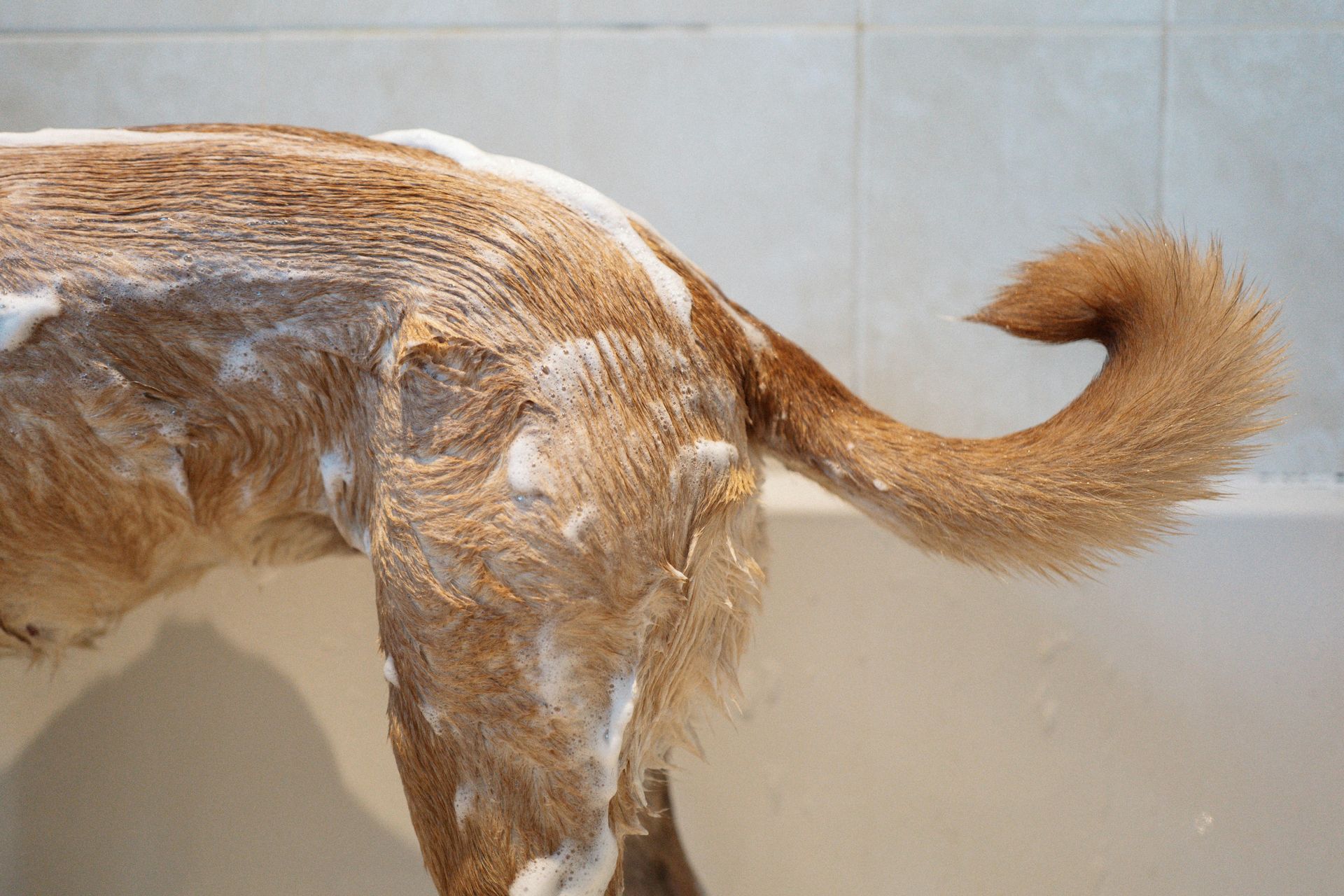
A dog's coat, properly maintained, allows air circulation to the skin and permits moisture from swimming, rain, or bathing to evaporate normally. A neglected coat — particularly a matted or heavily undercoated one — traps moisture against the skin, creating the warm, damp, low-oxygen environment in which bacterial and fungal infections thrive. The condition is clinically recognized as pyoderma (bacterial skin infection) when bacterial, and as a range of dermatophyte infections when fungal.
The specific mechanism is straightforward: skin that stays damp for extended periods develops maceration (softening and breakdown of the skin's protective outer layer), and macerated skin is significantly more vulnerable to bacterial invasion than intact skin. Breeds with skin folds (Bulldogs, Shar-Peis, Pugs) are particularly susceptible because the folds themselves trap moisture even with reasonable overall coat maintenance, requiring specific attention to fold cleaning that general brushing does not address.
The symptoms owners are most likely to notice are a specific unpleasant odor (distinct from normal "dog smell"), redness or discoloration of the skin, hair loss in patches, and visible discomfort when the affected area is touched. Regular grooming that includes drying the coat thoroughly after bathing or swimming, combined with routine skin inspection during brushing, catches these infections early, when they are treatable with topical medication rather than the systemic antibiotics that advanced infections require.
Ear infections from trapped hair and wax buildup
Mitchell Orr / Unsplash
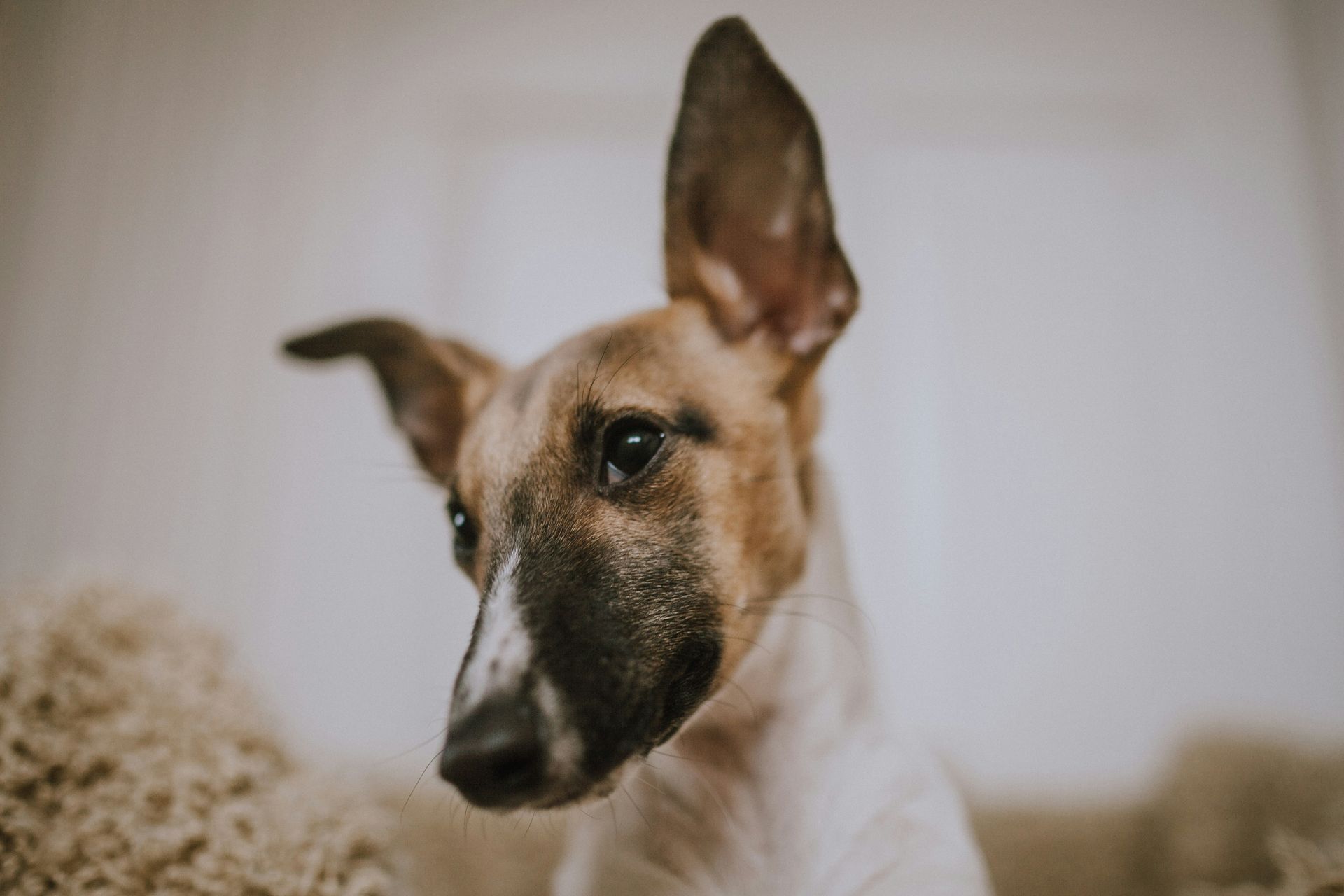
Dogs with hair growing inside the ear canal (Poodles, Schnauzers, and several other breeds) or with heavy, low-hanging ears (Cocker Spaniels, Basset Hounds) are specifically prone to ear infections when grooming neglect allows hair to accumulate inside the canal or prevents adequate air circulation to the ear. The hair traps wax, debris, and moisture in the canal, creating the same warm, damp, low-oxygen environment that promotes bacterial and yeast infections in skin, applied to the specific anatomy of the ear canal.
Otitis externa — inflammation and infection of the external ear canal — is among the most common reasons dogs are presented to veterinarians, and breeds prone to ear hair growth or pendulous ear conformation are overrepresented in these cases specifically because of the moisture and debris retention that their ear structure produces when not regularly maintained. Left untreated, ear infections can progress to affect the middle ear, produce chronic pain, and in severe or recurrent cases contribute to permanent changes in the ear canal structure that make future infections more likely.
The specific grooming intervention — plucking the hair from inside the ear canal in breeds prone to its growth, and regular cleaning of the external ear and canal opening — is a routine part of professional grooming for affected breeds and is often skipped by owners who groom their dogs at home without specific training in ear maintenance. Regular ear checks during grooming catch the early signs of infection (odor, redness, head shaking, scratching at the ears) before the infection becomes established and painful.
Nail overgrowth affecting posture and joints
Mirko Fabian / Unsplash
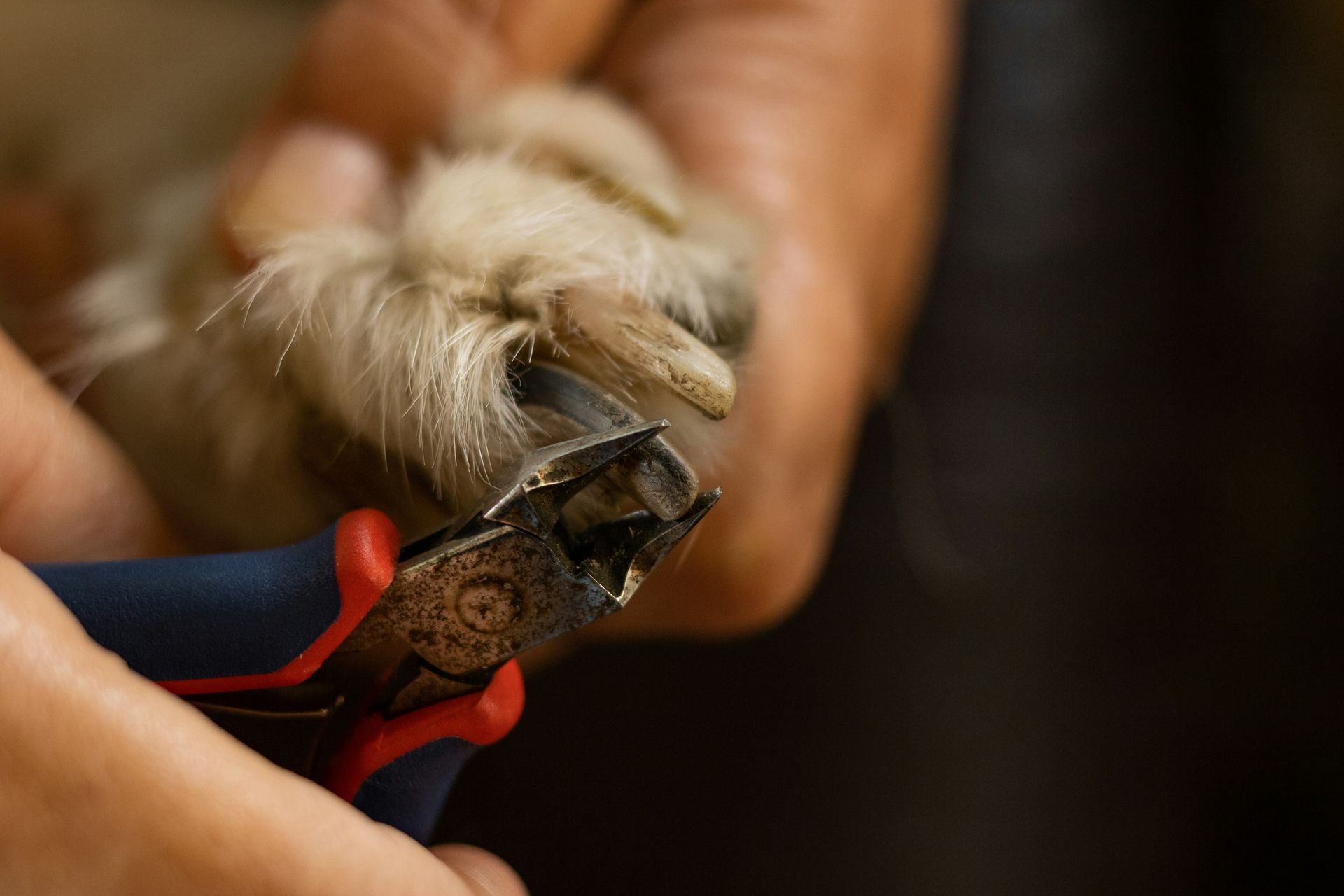
Nails that are not regularly trimmed grow long enough to change the angle at which the dog's foot contacts the ground, forcing the toe to bear weight at an abnormal angle and altering the dog's natural gait. Over time, this altered weight distribution affects the alignment of the leg joints above the foot, and veterinary orthopedic specialists have documented that chronically overgrown nails contribute to gait abnormalities and joint stress that can accelerate the development of arthritis in the toes, wrists, and beyond.
In severe cases of prolonged neglect, nails can grow into a curl that eventually grows into the pad of the foot, causing a puncture wound that is painful, prone to infection, and that most owners do not discover until the dog is showing clear signs of lameness. Dewclaws — the nail on the inside of the leg that does not contact the ground and therefore does not wear down naturally through walking — are the most common site of this specific injury because they are the nail most consistently forgotten in home nail care.
The correct nail trimming frequency is typically every three to four weeks for most dogs, though dogs that walk frequently on hard, abrasive surfaces (pavement, concrete) may need less frequent trimming because natural wear supplements or replaces trimming. The audible signal that nails have grown too long — a clicking sound on hard flooring — is a reliable and easily monitored indicator that most owners can use without professional assessment.
Anal gland impaction
Bruce Warrington / Unsplash
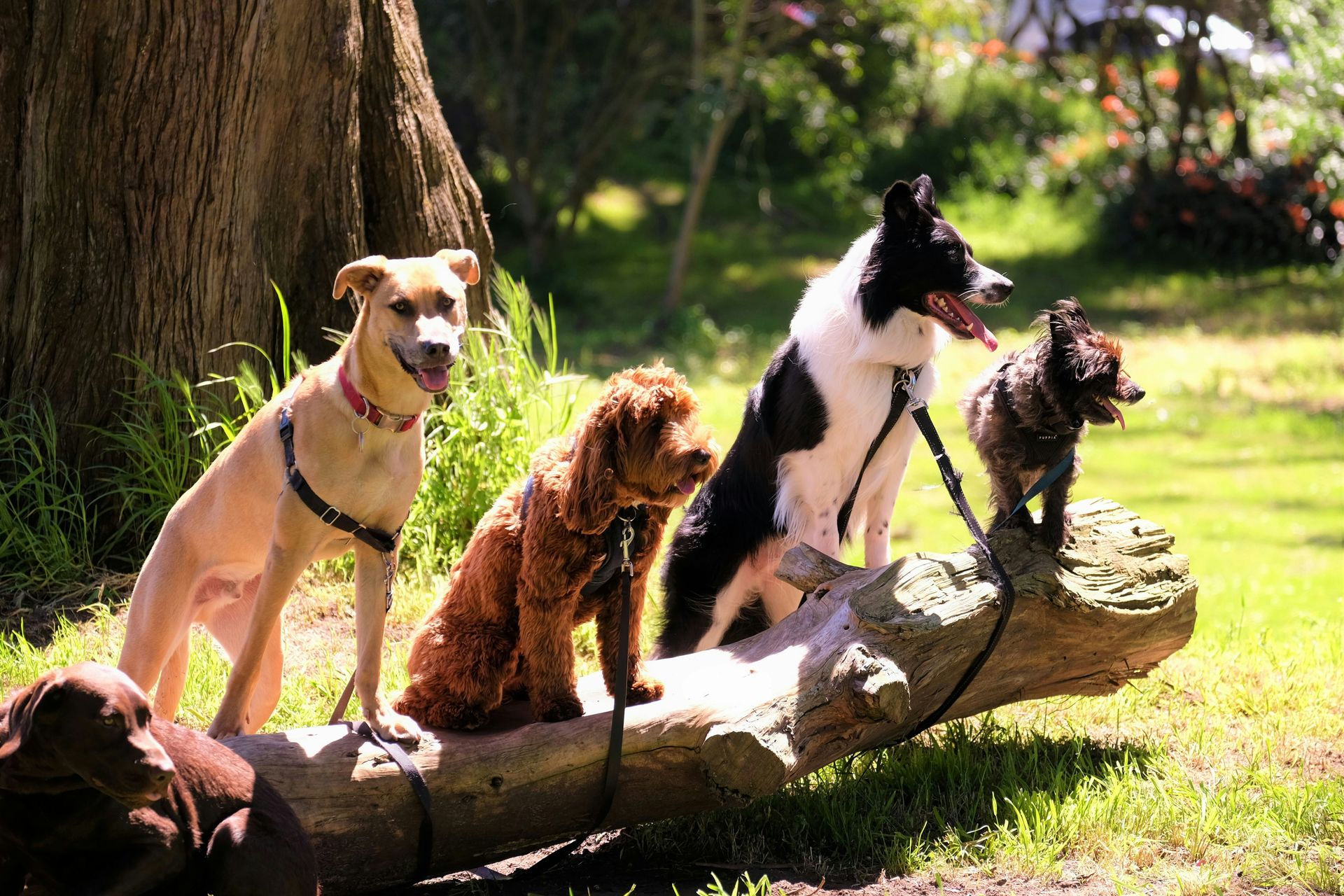
Anal glands — small scent glands located on either side of the anus that most dogs express naturally during defecation — can become impacted when the glands do not empty completely, a problem that is more common in dogs whose coat around the anal area is not kept trimmed and clean, allowing debris to accumulate and interfere with the glands' normal function. Impacted anal glands are uncomfortable, can become infected, and in severe cases can form abscesses that require surgical drainage.
The specific behavioral sign of anal gland discomfort — the dog dragging its rear end along the ground ("scooting") — is often misattributed by owners to worms or generic itchiness rather than correctly identified as an anal gland problem. Persistent scooting, excessive licking of the anal area, or a strong fishy odor are the signs that typically prompt owners to seek veterinary attention, at which point the impaction may have already progressed toward infection.
Regular grooming that includes trimming the hair around the anal area (particularly relevant for long-haired breeds) and routine anal gland checking, either by a groomer or a veterinarian, prevents the debris accumulation that contributes to impaction. Some dogs require manual anal gland expression as a routine part of grooming; others empty the glands naturally throughout their lives and never require intervention — the difference is individual and is typically identified through the routine checking that regular grooming appointments provide.
Overheating from an unmanaged double coat
Elisa Barrantes / Unsplash
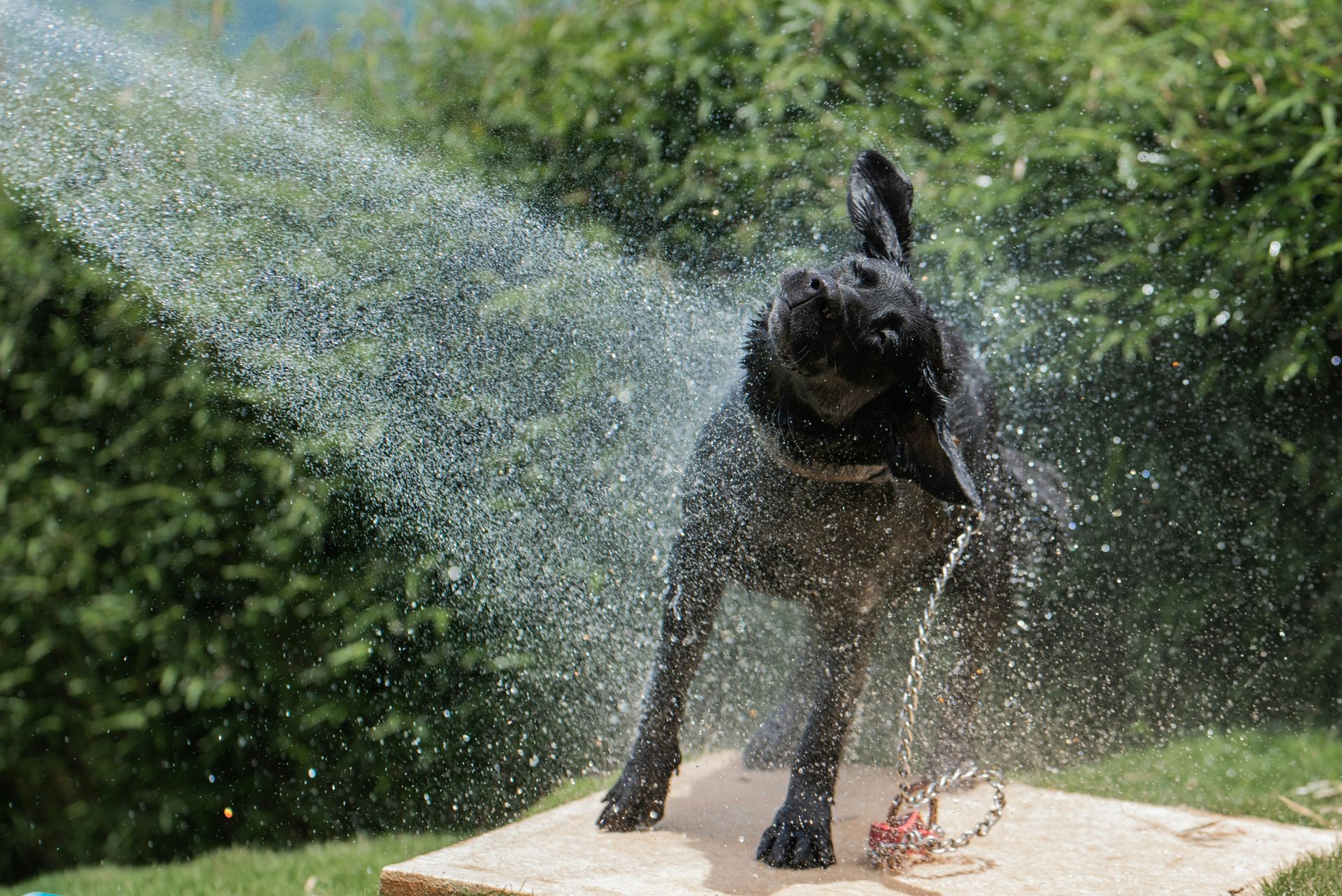
Double-coated breeds (Huskies, Golden Retrievers, German Shepherds, and many others) have a soft, insulating undercoat beneath a coarser outer guard coat, and the undercoat sheds seasonally in a process that requires regular brushing to remove effectively. When the shed undercoat is not brushed out, it accumulates within the outer coat, creating a dense, matted layer that traps heat against the skin and significantly impairs the dog's ability to cool itself through the normal mechanisms of coat function.
The common misconception that shaving a double-coated dog helps it stay cool in summer is generally incorrect and worth noting as the inverse error: the double coat, properly maintained through brushing rather than shaving, provides insulation against heat as well as cold, and shaving it can increase the risk of sunburn and heat-related skin damage while not necessarily improving heat tolerance. The correct intervention for a double coat that is not managing heat well is not removal of the coat but removal of the trapped, dead undercoat through thorough brushing — a process called deshedding.
An unmanaged, undercoat-clogged double coat in a hot climate or during hot weather is a specific and documented contributor to heat stress and, in severe cases, heat stroke — a life-threatening condition. Dogs showing excessive panting, lethargy, or reluctance to move in warm weather, combined with a visibly dense or matted coat, warrant both immediate cooling measures and a grooming intervention to restore the coat's normal insulating and cooling function.
Undetected skin masses and lumps
FLOUFFY / Unsplash
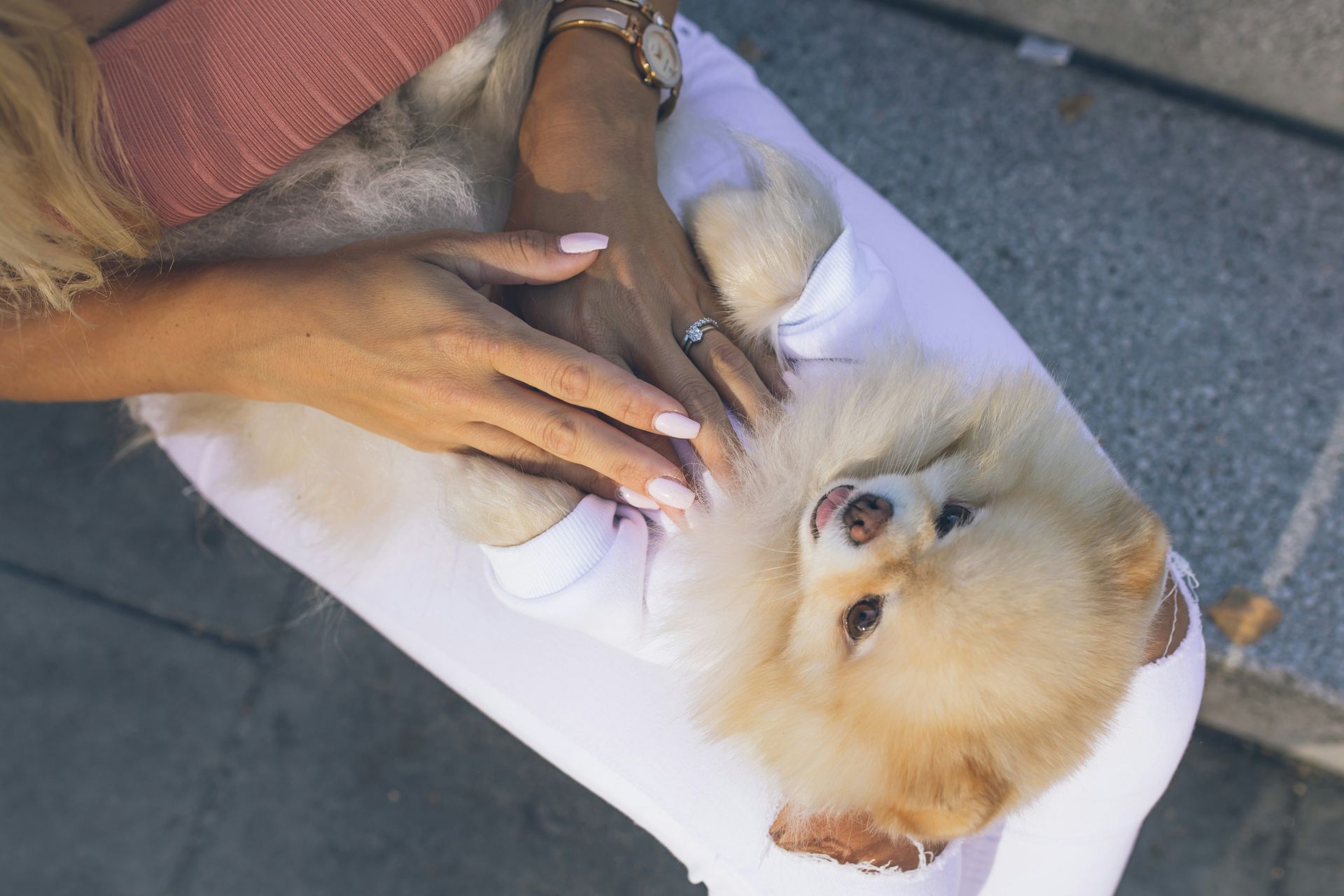
Regular grooming — the physical process of brushing, combing, and handling a dog's entire body on a routine basis — is one of the most reliable methods for early detection of skin masses, lumps, and lesions, many of which are palpable before they are visually obvious, particularly in dogs with dense or long coats where a mass can be present for a significant period before it produces visible coat changes.
Dogs that are groomed infrequently or superficially are correspondingly less likely to have skin abnormalities detected early, because the owner's hands are not making the routine, comprehensive contact with the dog's skin that grooming provides. This matters specifically because many skin masses — while the majority are benign (lipomas, sebaceous cysts, skin tags) — require veterinary evaluation to distinguish from the minority that are malignant, and earlier detection consistently produces better outcomes for the masses that do require treatment.
The practical grooming habit that supports this detection function is not a specific technique but a consistent routine: running hands over the dog's entire body, including areas the dog may resist (paws, tail, ears, the underside), during every grooming session, whether performed by the owner or a professional groomer, creates the repeated full-body contact that makes new masses noticeable relatively soon after they appear rather than after they have grown for months undetected.
Dental disease from neglected mouth care
James Lacy / Unsplash
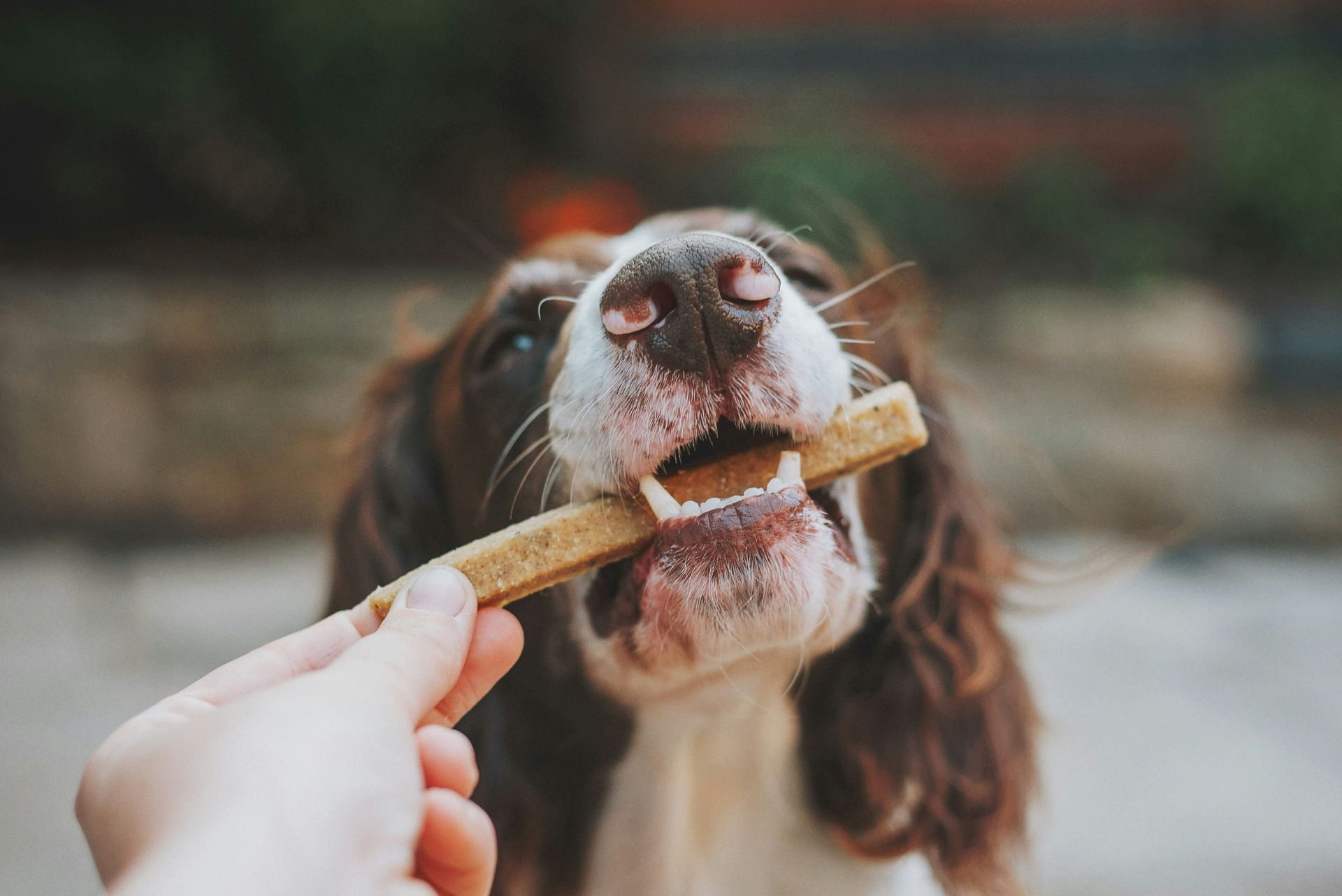
Grooming, in its comprehensive sense, includes dental care — brushing teeth, checking gums, and monitoring for the plaque and tartar accumulation that leads to periodontal disease — and this component is the one most consistently skipped by owners who otherwise maintain regular coat and nail care. Periodontal disease affects an estimated 80% of dogs by age three according to veterinary dental surveys, and it is not a cosmetic issue: advanced periodontal disease produces chronic pain, tooth loss, and has been associated with systemic health effects including increased risk to kidney, liver, and cardiac function from the chronic bacterial exposure that inflamed gum tissue provides a pathway for.
The specific mechanism: plaque that is not removed through brushing mineralizes into tartar within days, and tartar accumulation at the gumline produces the inflammation (gingivitis) that, if allowed to progress, undermines the periodontal ligament and bone supporting the teeth, eventually causing tooth mobility and loss. The disease process is largely preventable through regular brushing (ideally daily, though several times weekly provides meaningful benefit) and is largely irreversible once significant bone loss has occurred.
The behavioral signs of dental disease — bad breath, reluctance to chew hard food or toys, pawing at the mouth, visible tartar (a brownish-yellow deposit at the gumline) — are frequently normalized by owners as simply part of having a dog rather than recognized as symptoms of a treatable and largely preventable disease process. Professional dental cleanings under anesthesia, combined with home brushing, are the standard of care that most dogs with established periodontal disease require to halt its progression.
Reduced mobility from pad and paw neglect
MARK HESSLING / Unsplash
The pads of a dog's paws require attention that is easy to overlook: the hair that grows between the pads (particularly in breeds with hairy feet) can mat and trap debris, ice, and moisture; the pads themselves can develop cracks, calluses, or embedded foreign material (splinters, thorns, small stones) that go unnoticed without routine inspection; and overgrown fur around the paw can reduce traction on smooth flooring, contributing to slips and falls, particularly in older dogs or those with existing joint conditions.
Winter presents a specific seasonal risk: hair between the pads that is not trimmed accumulates ice balls in snowy conditions, which are uncomfortable, can be sharp-edged, and force the dog to walk abnormally to avoid the discomfort — a gait change that, sustained over a winter season, can contribute to the same joint stress described in the nail overgrowth entry. Salt and de-icing chemicals used on winter walkways also become trapped in unmanaged paw hair, producing chemical irritation to the pad skin that regular paw checking and cleaning would catch early.
The routine paw inspection that grooming provides — checking between the pads, trimming excess hair, and examining the pad surface for cracks or foreign material — is a simple habit that prevents a disproportionate amount of mobility-affecting discomfort relative to the time it requires. Dogs that suddenly limp or favor a paw are frequently found, on inspection, to have a foreign object embedded in the pad or hair that has matted around something sharp — a finding that routine grooming would likely have caught before it caused pain.
Chronic itching and secondary skin damage from parasites
Erwin Bosman / Unsplash
Fleas, ticks, and mites are significantly more likely to go undetected in a coat that is not regularly brushed and inspected, and the consequences of undetected parasitic infestation extend well beyond the parasites themselves: the intense itching that flea infestations produce leads to self-trauma (scratching and biting at the skin severely enough to cause open wounds), and some dogs develop flea allergy dermatitis, a hypersensitivity reaction to flea saliva that produces symptoms disproportionate to the actual flea burden and that can persist even after the fleas themselves have been eliminated.
Regular grooming — specifically the close, hands-on brushing that parts the coat down to the skin — is one of the most effective methods for early parasite detection, catching an infestation at a small number of parasites rather than after it has become established enough to be visually obvious without close inspection. Ticks in particular are more easily found during thorough grooming than through casual observation, and early tick removal reduces the window during which tick-borne pathogens (Lyme disease, ehrlichiosis, anaplasmosis, among others) can be transmitted, since most tick-borne pathogen transmission requires a minimum attachment period of many hours.
The secondary skin damage from unaddressed parasitic infestation — the hot spots, the hair loss, the skin thickening from chronic inflammation (lichenification) — often requires more extensive veterinary treatment than the parasites themselves would have, had they been caught early through routine grooming. The grooming habit functions here primarily as a surveillance mechanism: it does not prevent parasites from being present in the environment, but it dramatically shortens the time between infestation and detection, which is the variable that determines how much secondary damage occurs.